In our current era, where the political landscape often feels like a particularly unsubtle satire, the most potent allegories are those that embrace the absurdity head-on. After joining us with his enigmatic puzzle film Wimmelbook a few years ago, writer/director Ali Gill returns to Directors Notes with short film, Party Animal, which does precisely this – weaving a tale that feels less like a distant fable and more like a documentary from a neighbouring, slightly more unhinged dimension. Loosely inspired by the myth of King Midas and the barber sworn to secrecy about his master’s animal ears, Gill executes a masterful inversion. What if the barber’s desperate warnings weren’t met with punishment, but with something far more corrosive to truth: apathetic disbelief? Gill’s film is less concerned with the spectacle of a politician literally transforming into a donkey than with the societal mechanics that allow such a grotesquery to be normalised. The central, terrifyingly relevant observation is that the real horror isn’t the secret itself, but the collective refusal to acknowledge it. The film taps directly into the contemporary zeitgeist, where a suffocating, homogeneous discourse smooths over blatant contradictions and moral transgressions. Party Animal is a chillingly astute critique of our age of information overload and empathy deficit, and as the film continues its festival run with upcoming screenings at the London Film Festival in its Are You Kidding? shorts programme, we speak to Gill about inverting ancient myths for modern political satire, the uncanny inspiration behind the film’s zombified political language, and how a deadpan performance and a voyeuristic camera frame Nabhaan Rizwan’s solitary barber’s descent into madness.
When first watching Party Animal I immediately thought of the Greek myth of King Midas.
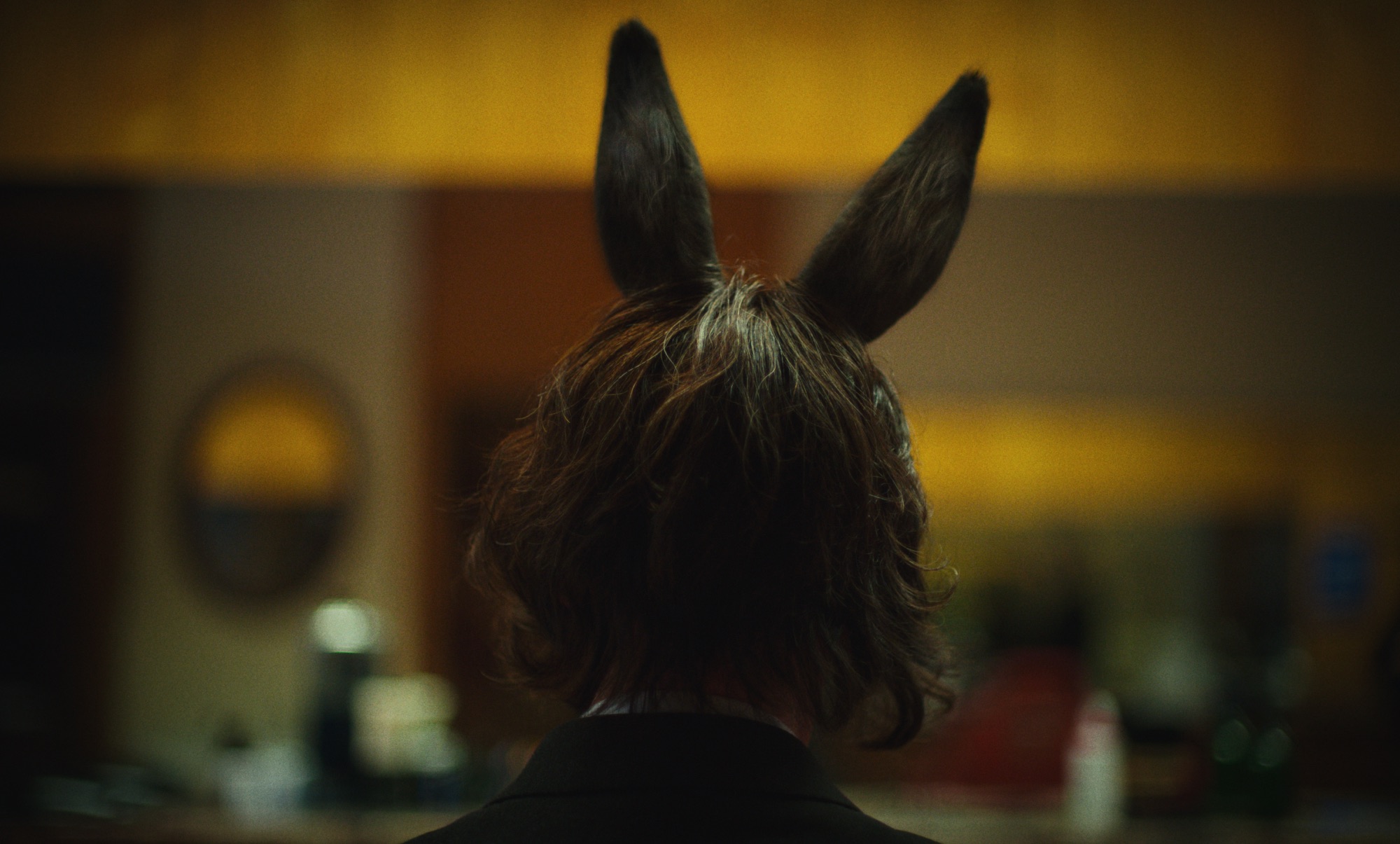
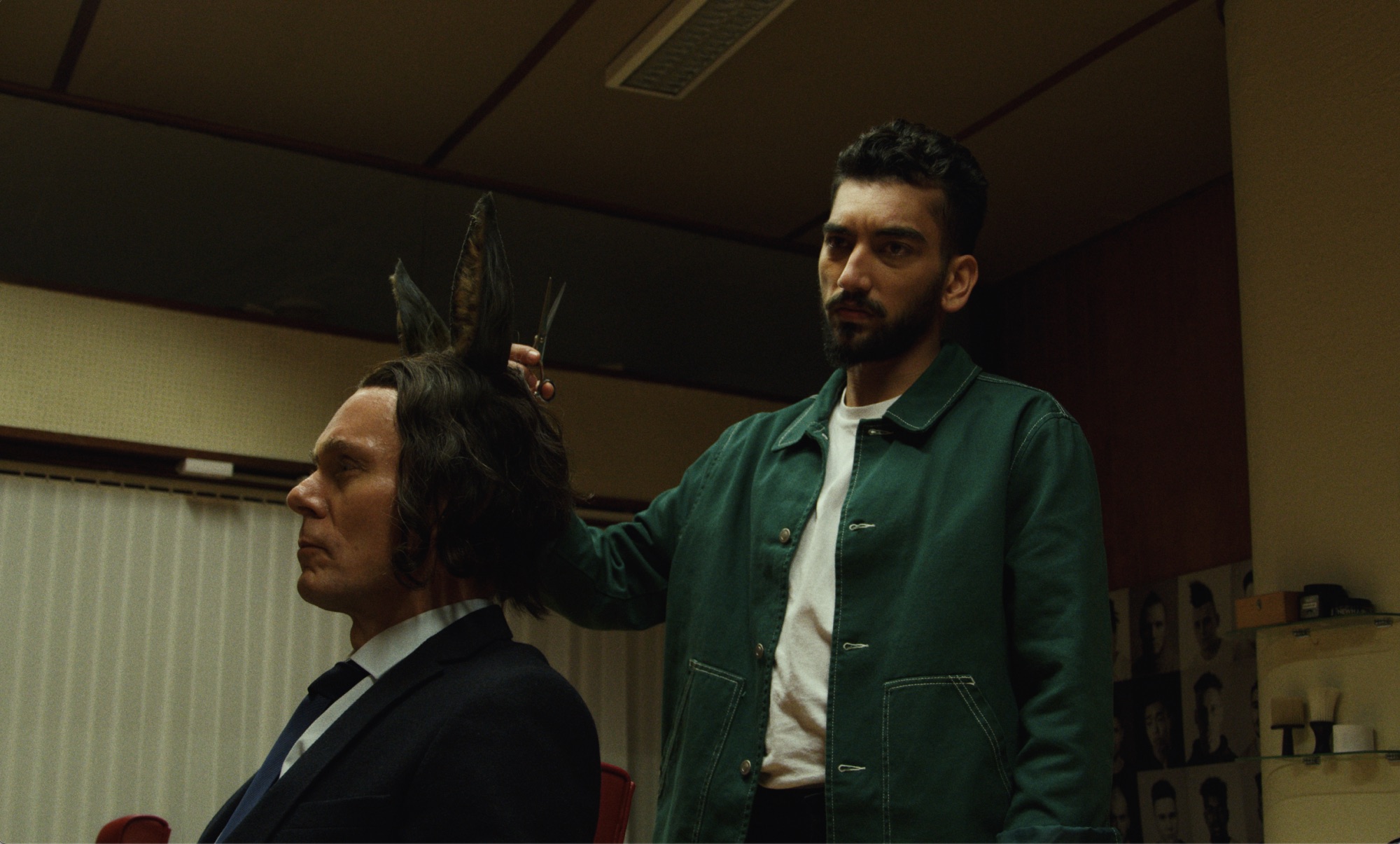
The skeleton of the story was loosely inspired by Mythology: across Greek, English, and Irish folklore, there exist numerous fables of barbers being entrusted to cut the hair of Kings and Rulers who secretly harbour animal ears. Most of these stories reflect on the burden of secrecy, with the character of the barber often sworn to silence. But I thought inverting the myth could lead to more powerful and comedic conundrum: what if a character—faced with the knowledge that a beloved Politician was transforming into a donkey—immediately attempted to tell the world, yet was met with disbelief, disregard, or indifference?
This initial premise is relevantly connected to a subject I’d been wanting to write about, which was the behaviour of single-issue fanatics. Individuals who’ve allowed a destructive obsession to occupy their entire identity: be it a conspiracy theory, discrimination towards a specific group, or a tribal attachment to a political leader. At the heart of this self-sabotaging behaviour seems to lie a sense of moral absolutism and a dogged aversion to change or compromise. Perhaps antithetically, I felt that society (and in particular fiction) often promotes the notion of devout allegiance to one’s cause: there’s nobility in standing up and fighting for what you believe in. With Party Animal we wanted to consider the—perhaps unfashionable—opposing case: is it ever better to conform and be wrong, than to exist as a pariah but be correct?
What was the process of fleshing out this high-concept premise into a full narrative which confirms the terrifying direction of politics and the apathy of our world?
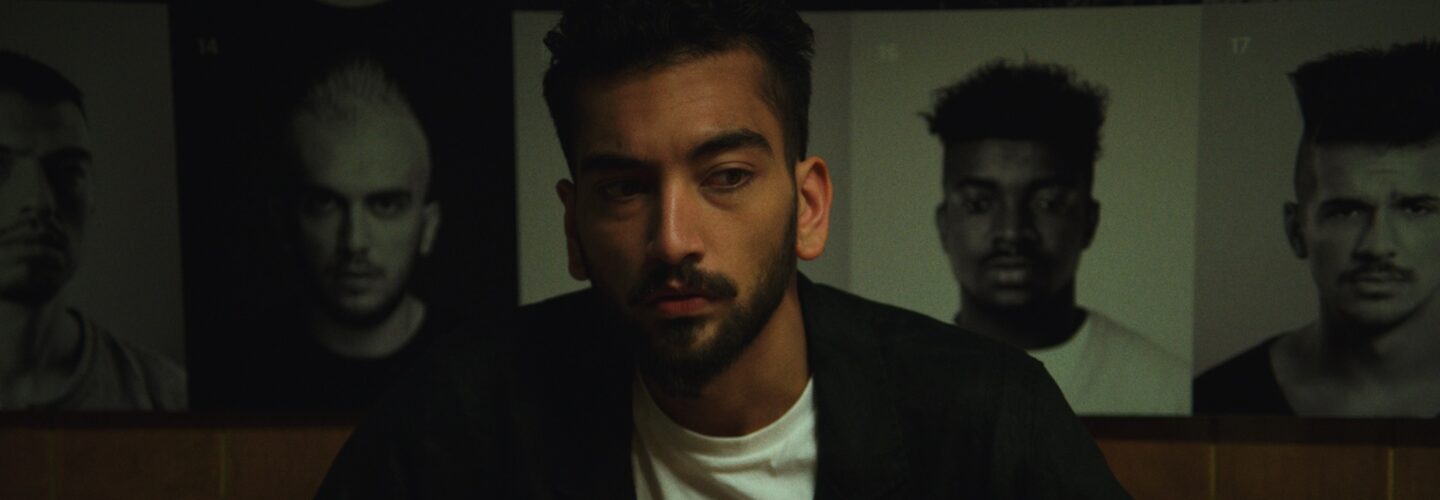
The central conundrum of the film is one of those concepts that begins to write itself. However, I began to feel confident about the script once I’d worked out the character of Dustin and had the idea for the “one of the most promising and talented rising stars in politics” mantra. When writing Dustin, I had in mind Kevin Eldon’s performances in Jam, some of the male characters in Limmy’s short fiction, and a couple of friends of mine. Dustin is a character who is simultaneously volatile and outspoken—screaming to the world about Reuben’s transformation—yet in the presence of Reuben and the Aide, he quietly succumbs and continues to cut Reuben’s fur. It seems almost paradoxical, but I felt that was pretty truthful to a lot of human behaviour.
Dustin is a character who is simultaneously volatile and outspoken.
The “one of the most…” mantra was inspired by the pattern of Conservative politicians who’d begun to refer to each other as talented—at that point a bizarre and uncanny choice of words that then disseminated through commentators, and subsequently the public, like a hyper-infectious zombie virus, until it became normalised and accepted into political discourse. In the film the mantra becomes a warped, nightmarish take on how language (as well as information and our opinions) spreads through culture and social groups.
The tone balances comedy and unease. How did you direct Nabhaan Rizwan to play the truth of his outrageous situation with a deadpan seriousness?
Nabhaan and I had two really productive conversations before shooting, both about the character of Dustin and the general story and world of Party Animal. We spoke about the two versions of Dustin: how he behaved differently when in the presence of Reuben and the Aide, which made complete sense to Nabhaan.
Most Popular
On set, we’d occasionally speak about trying a different version of Dustin, but beyond that, it was all Nabhaan—he took complete responsibility for the character. He’s an incredibly present and reactive performer, which really breathed a sense of realism into the scenes (despite their often absurd nature). He’s got such a sharp sense of humour—it’s amazing how much comedy he can invoke by just a look, or the rhythm of a pause in dialogue. We owe him big time for taking a leap on our film – I learned a lot from him.
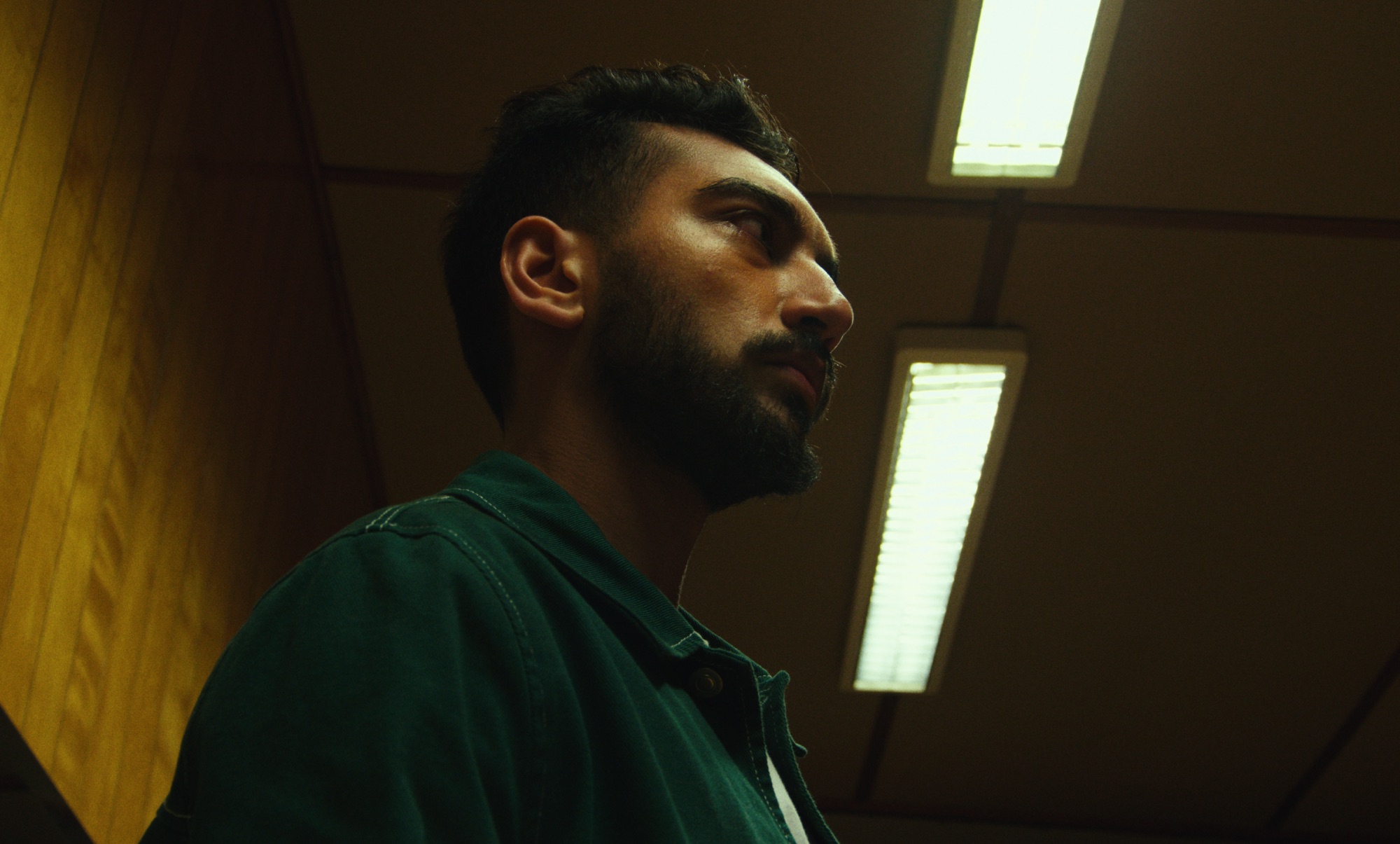
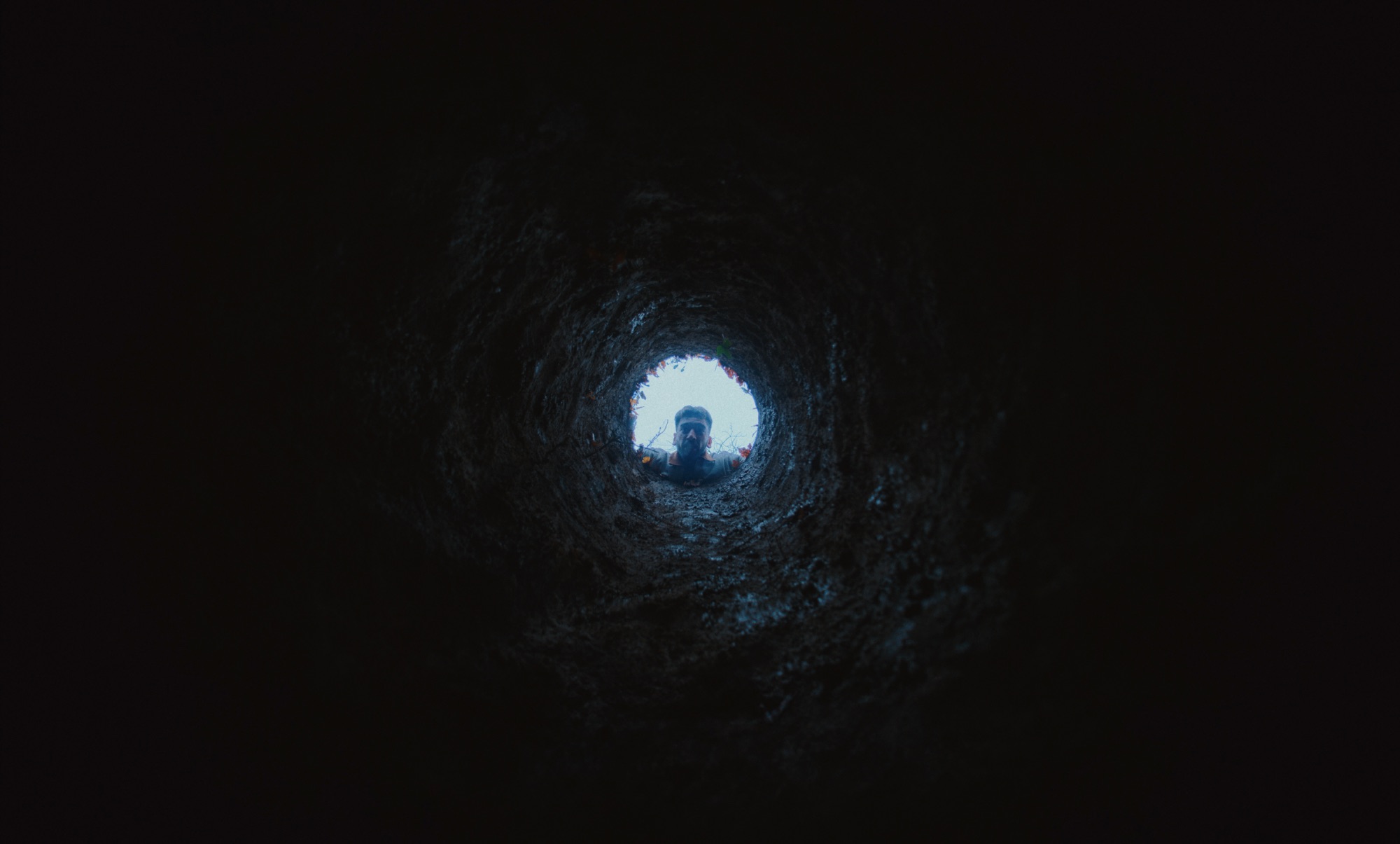
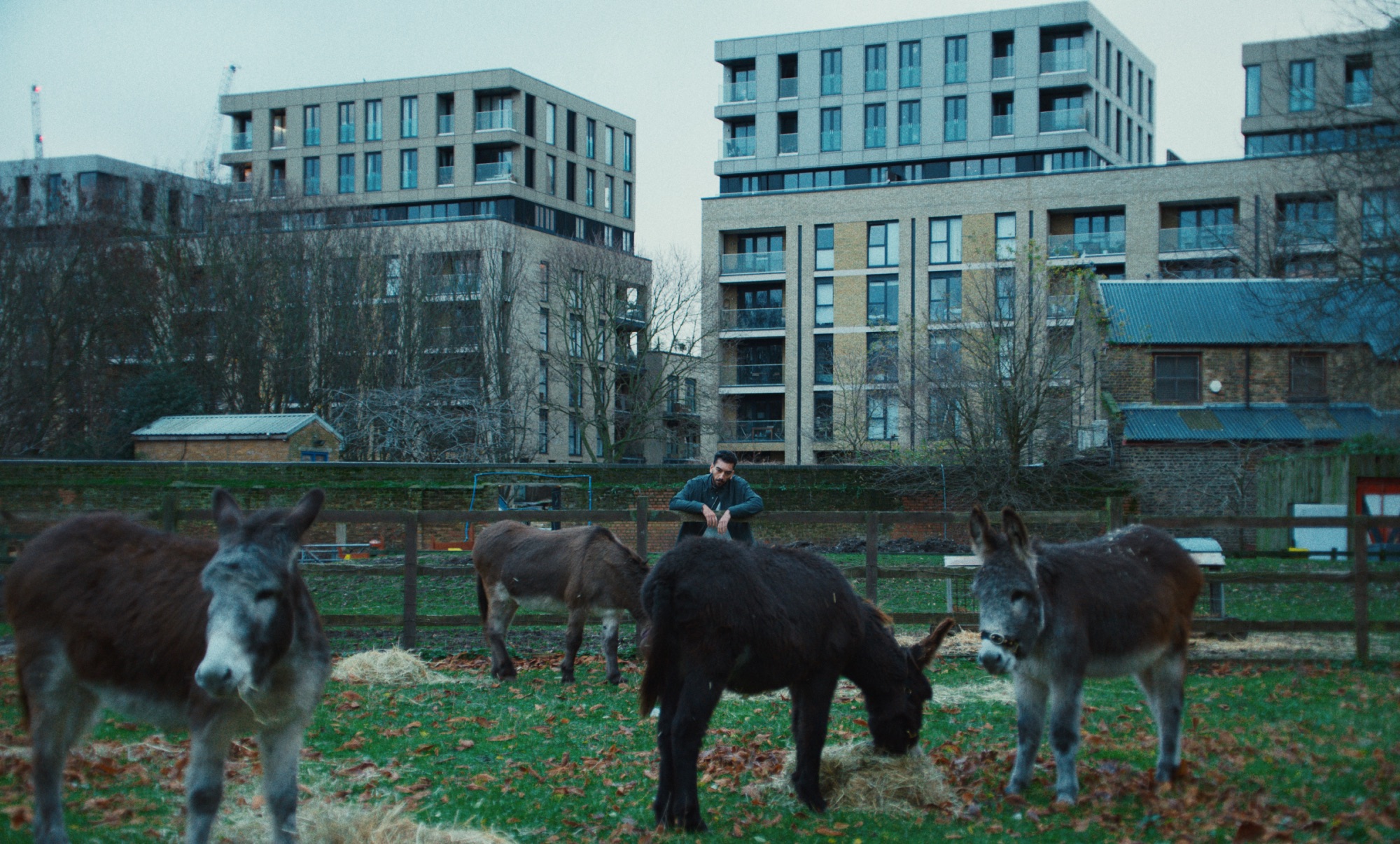
How did you use the film’s visual language to contrast Dustin’s solitary crusade with the homogeneous world he’s fighting against?
We shot Party Animal on a Sony Venice 1, using an Angénieux zoom and a set of vintage Canon K35s and Canon FDs. We shot in full-frame 6K, in order to get the most character from the glass, as well as allowing for a shallower depth of field—helping us to really isolate the characters from the background, when desired.
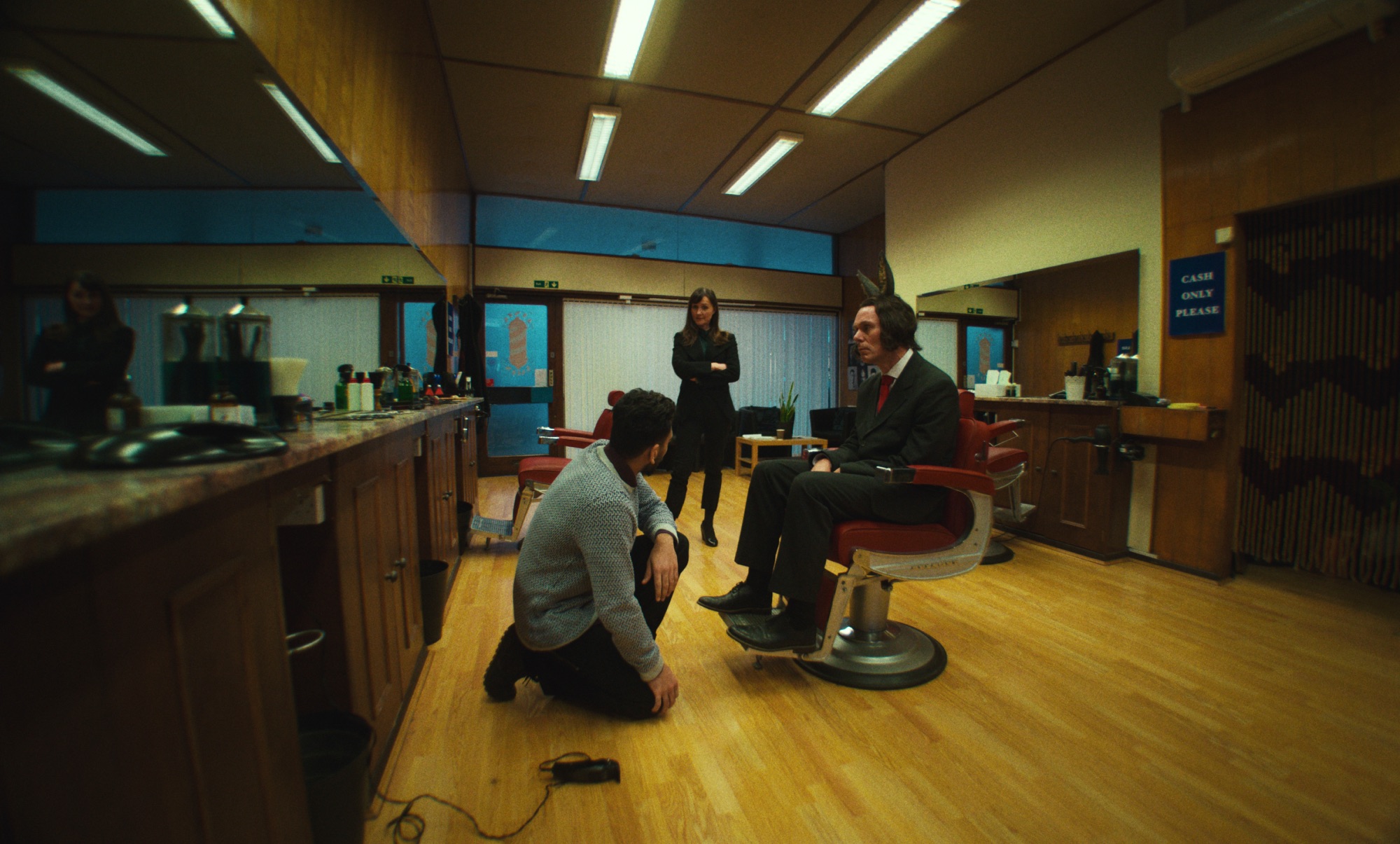
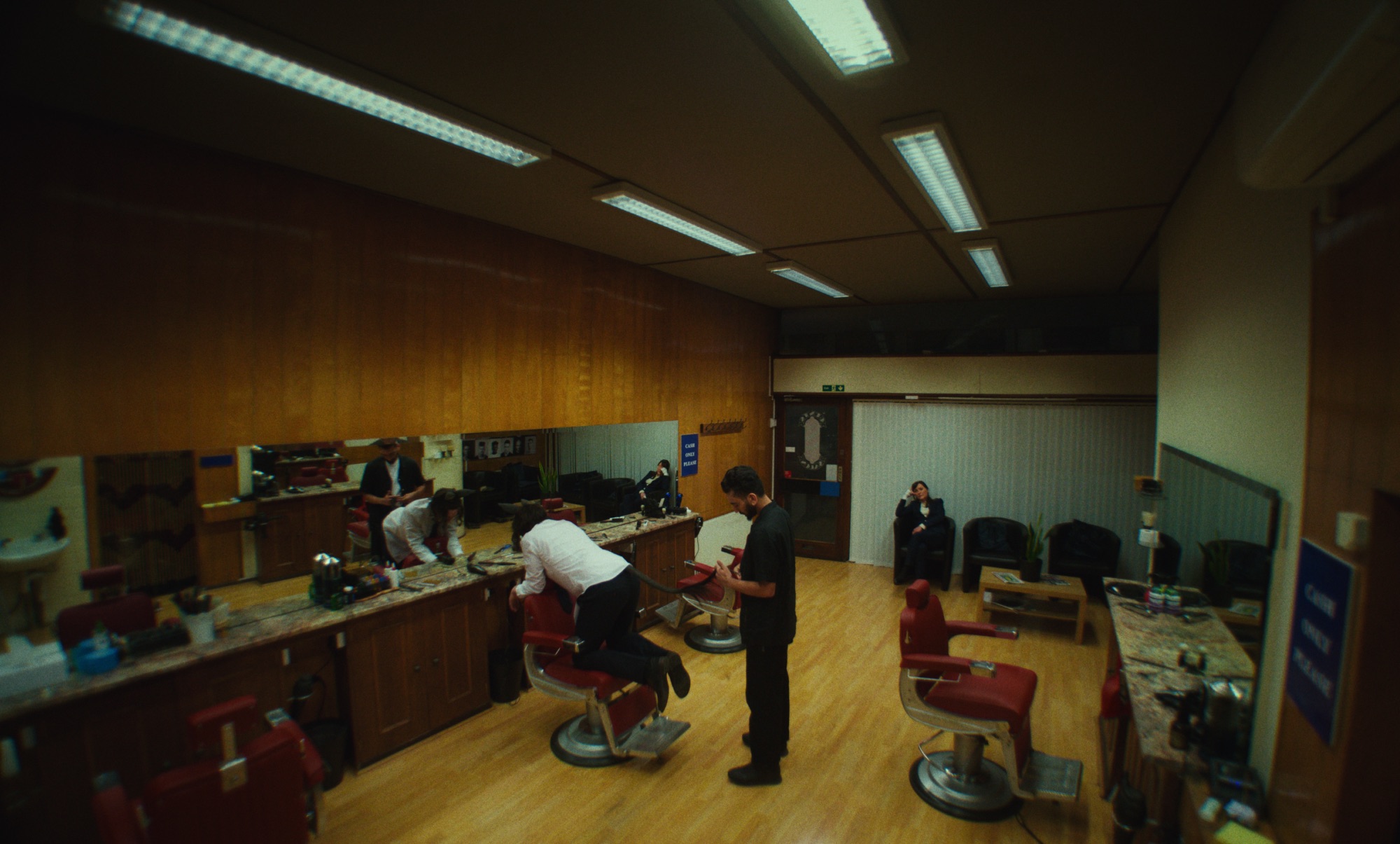
This relationship to Dustin was echoed in Linda Wu’s cinematography, whose voyeuristic slow-zooms and fisheye-wides equally created the sensation of a character on public trial. A visual idea that we played with was this sense of our characters being observed. On numerous set-ups, we used a wide-angle 10mm FD that allowed us to create these extremely skewed shots – almost feeling as if we’re examining our characters inside a fishbowl, or a snow-globe. We complemented the wide-angle shots with these slow, prolonged zooms – shot from afar with an Angénieux 24-290 lens. The 12 x range was perfect for creating these lingering, creeping shots.
A visual idea that we played with was this sense of our characters being observed.
How did you communicate your specific and detailed visual language to your crew on set?
We created a pretty extensive and considered look-book, which was a really useful document both for communicating with HODs in pre-production, but also for attracting cast and crew to the project. Then crucially, Linda and I had lots of in-person discussions prior to the shoot, where we shared references and ideas, creating a shared vision of how we wanted the film to look.
My background is in the world of commercials and music videos where generally, storyboards are leaned on heavily. I love the process of boarding, and think it’s a really great means of thinking ahead for how to cover a scene in an interesting and economical way. However, while shooting Party Animal, I learned the hard but valuable lesson of not becoming too precious with your boards. It’s a great preparatory process, and there’s a time and a place to follow them closely, but halfway through the shoot I became a lot more relaxed about allowing the action and performance to dictate where the camera should sit.
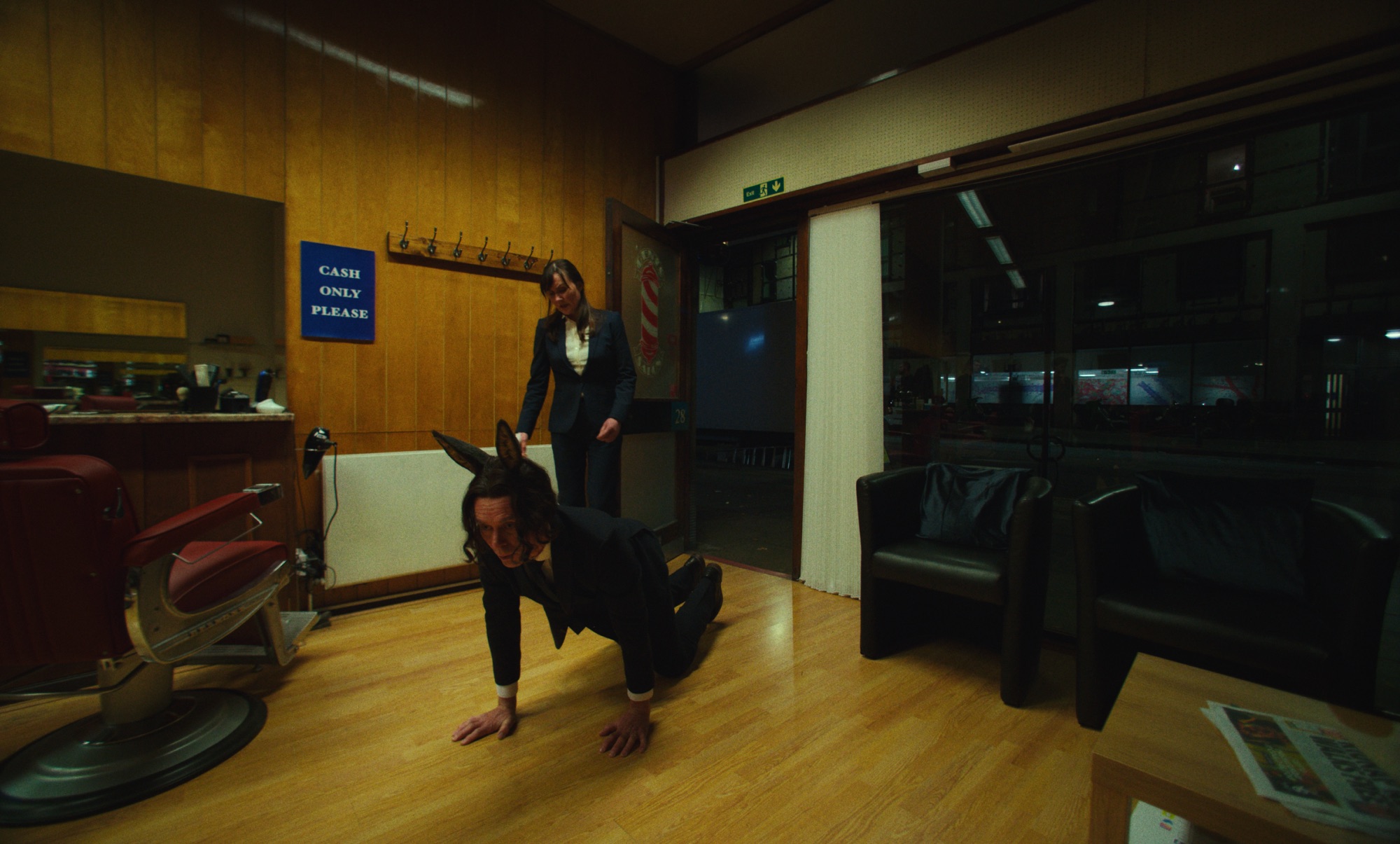
This particular score from Louis Borlase and Arthur Leadbetter of Squid [who we’re big fans of here at DN] seems so integral, mocking Dustin.
The idea that the score doesn’t sympathise with Dustin was more of a general approach to the music’s perspective. I always felt that the character of the Aide isn’t quite ‘from our world—she’s from a more disturbing, non-human plane—and that’s exactly where I wanted the music to feel like it was coming from. It’s beyond a cliché to say the score is a character but I do feel we achieved something that feels close to that. To me, the score feels like it’s emerging from this alive being, this perverted beast, gleefully humming to itself whilst we’re watching Dustin squirm. That’s a retrospective description, of course. When you’re in the middle of it so much of the process is just going off instinct—what feels right for the mood and energy of the scene.
Both Louis and Arthur knocked it out of the park. Tonally, the brief was for something playful, yet uncanny and otherworldly, whilst never veering into the territory of horror: unbelievably narrow goalposts (!) Nonetheless, they wrote so many amazing pieces of music and created countless strange sounds and textures until we got it just right. They’re both phenomenally gifted.
We wanted to move through the story as quickly as possible, whilst still trying to accommodate the awkward silent stares, and slow paranoid zooms.
The edit had to carefully manage the tone. How did you structure the pacing to make his descent feel gradual rather than sudden?
There’s, of course, an element of shaping Nabhaan’s performance in the edit to help Dustin’s descent feel linear and gradual: prioritising quieter, stiller takes in the first few scenes. But structurally, I’d like to think a lot of the pacing was there in the script. A big part of the edit was just trying to trim as much fat off the film as possible. We wanted to move through the story as quickly as possible, whilst still trying to accommodate the awkward silent stares, and slow paranoid zooms—a balance I think we achieved successfully.
Did you then have specific principles to guide the colour grade to again support the emotional journey?
Max Ferguson-Hook graded the film—he’s an incredibly talented colourist who I love working with. We wanted the film’s look to feel fairly natural, with something ever so slightly uncanny to it. For the barbershop scenes, we pushed the film into a slightly richer, deeper territory. Then, for the digging sequence, we created a more enchanted, twilight look, helping to invoke a subtly supernatural feeling to the forest.
Given Party Animal’s unique tone and high-concept premise, how did you approach its festival run? What do you believe made the film stand out to programmers, and what has the audience reaction been like in a live setting?
There are so many great festivals out there, so you have to be really selective. There were a couple of festivals that specifically champion genre films that we decided to target, but generally we just chose to submit to festivals we respected, and where shorts we love have previously been screened. It’s hard to know what has drawn certain programmers to the film so far. But I would imagine Nabhaan’s performance and the tight, straight-to-the-point pacing help it to stand out. The film got lots of laughs at both SXSW London screenings, which was great to experience and something we of course hope continues at future festivals. It’s playing at Fantastic Fest in Austin later this month – I’m really intrigued to know how the film plays with a US audience.
What is next for you?
I’ve got a few ideas for my next short, but for now I’m really trying to pour my energy into writing long-form film and TV scripts.