
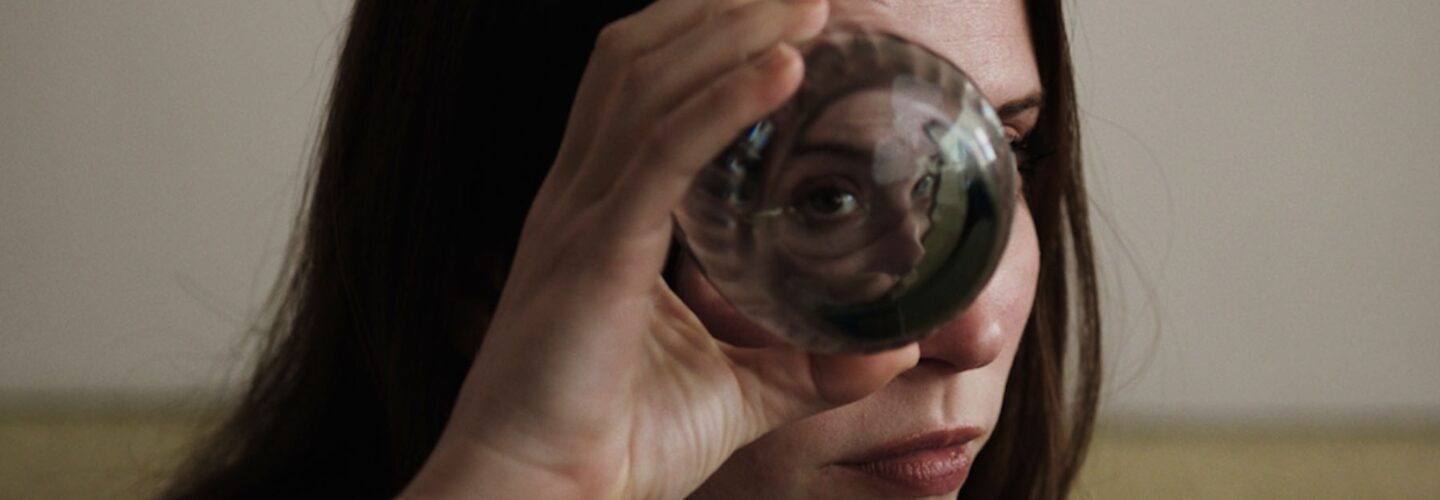

Gus Reed’s Losing Season is a disquieting exploration of stagnation that transforms the domestic space into a stage for psychological unrest. A potent blend of intimate drama and atmospheric horror, the film germinated from a period of profound personal transition. Reed has moulded this experience into a story that feels both unsettling and universally recognisable. Within a single location, we witness a delicate dance between his two protagonists—one a still point of discontent, the other an unnerving, predatory force. Their shifting power dynamic is physically mapped through precise blocking, while Reed skillfully blurs the line between reality and imagination. By stripping away explanatory dialogue, he fortifies the film’s haunting subtext, affirming a powerful commitment to emotional truth over easy answers. Losing Season is a testament to independent vision; a quiet storm of a film that locates profound horror not in monsters, but in the terrifying and liberating act of walking away. Ahead of the short’s premiere on DN today, Reed joined us to discuss choreographing contrasting performances, the delicate craft of building unease, and how simple, focused sound design techniques can create a powerful, immersive psychological experience.
A feeling of stagnation and discontent echoes through Losing Season.
The idea of this film gradually evolved out of the headspace I was in during a very bad year after the end of a four-year relationship. I wanted to make something that spoke to that dull ache of feeling stuck; maybe realizing you’ve overstayed a period of your own life, stayed in a relationship with someone who no longer really cherishes you, or stayed living in a city or working a job just because you’re afraid of change, or what the other side might look like. So that is the ugly vortex over which this seemingly very simple interaction is hovering. Obviously, there’s a negative connotation to feeling like you’re losing something, or have lost, or are a loser. But there’s another dimension to periods of great loss and transition that can be scary and exciting and beautiful. I wanted to make something that was really balancing on that knife edge between the scary and the beautiful parts of feeling like a loser.
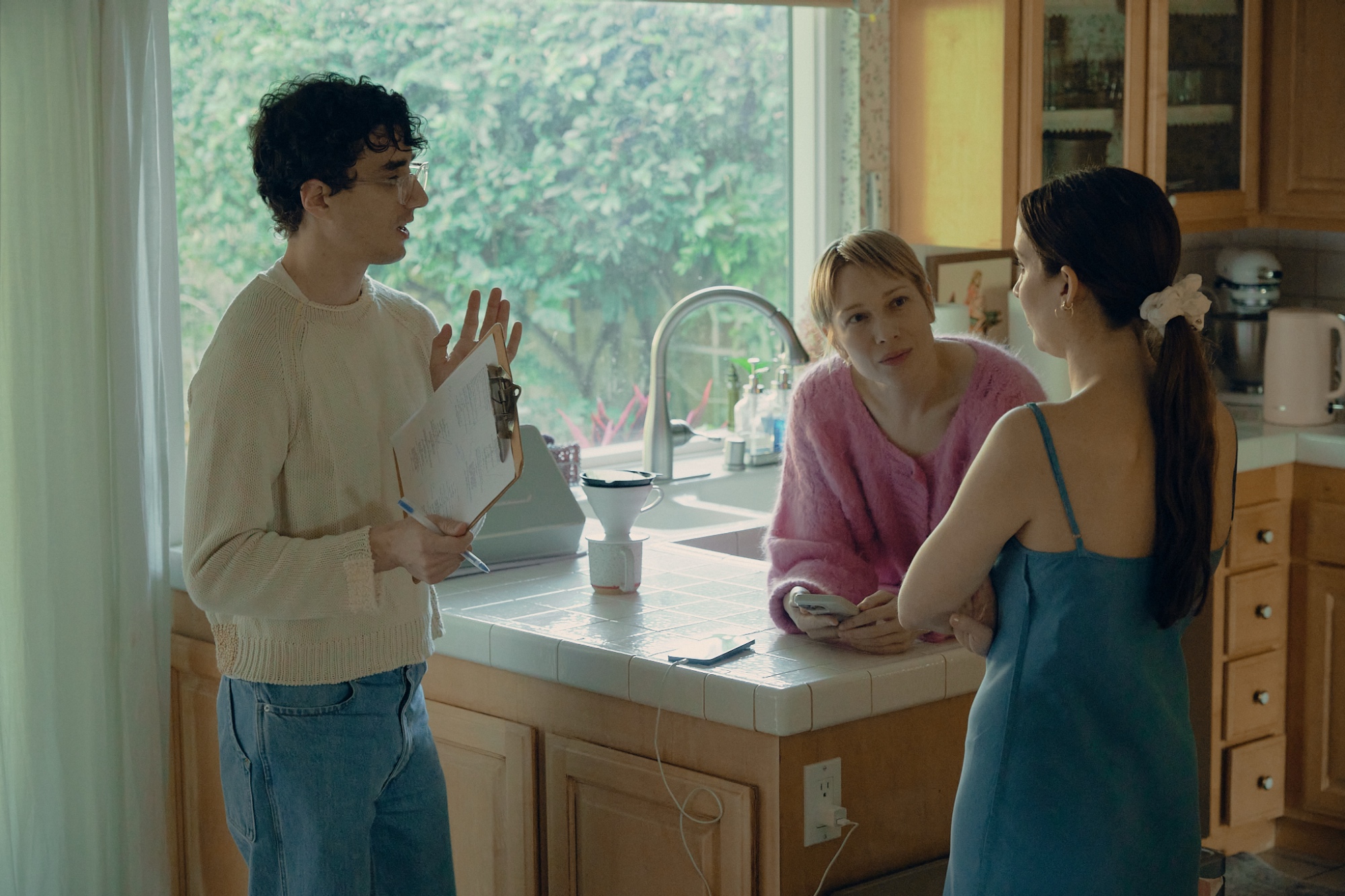
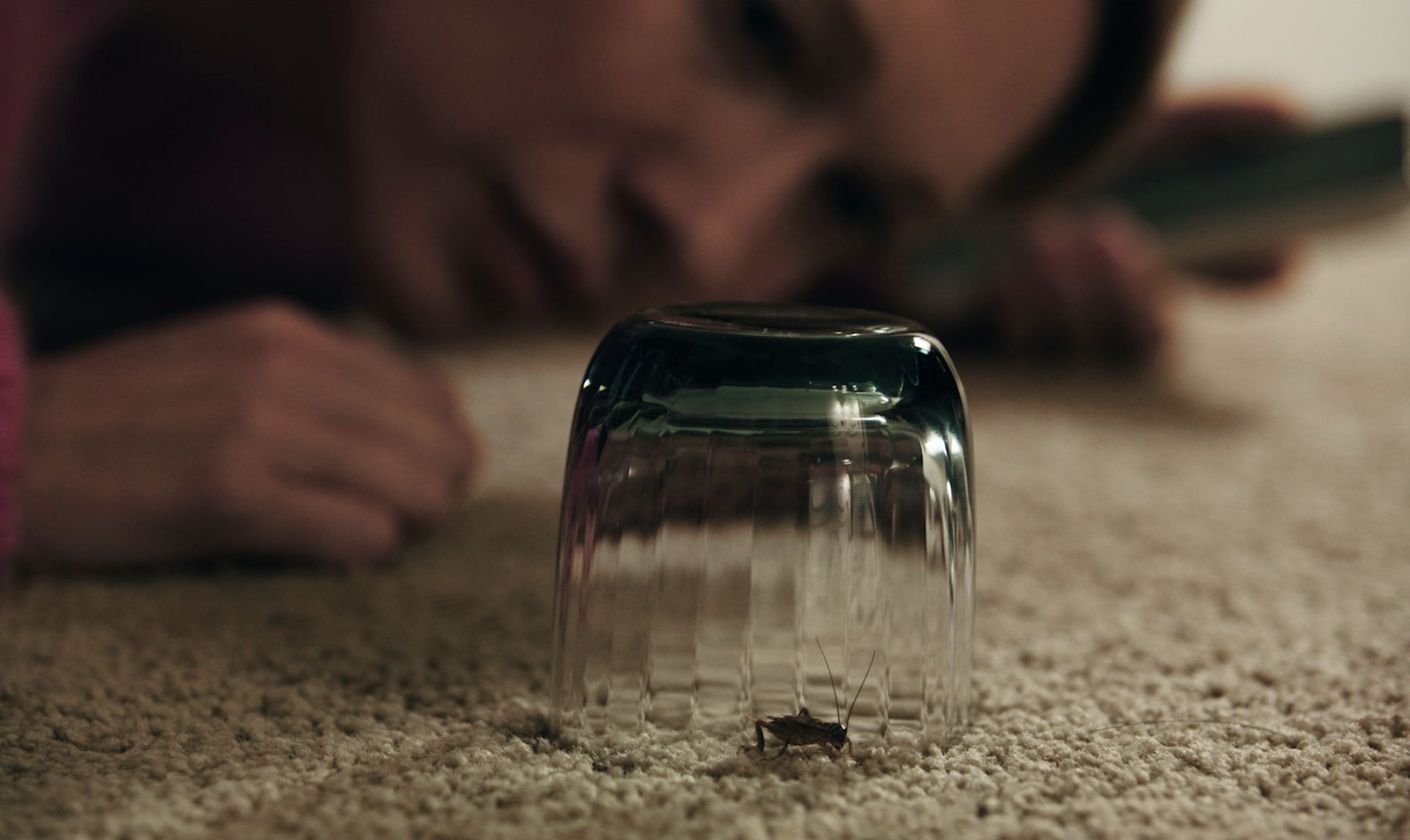
The cricket thing also just quite literally happened to me, not with an ex but with a roommate at the time. I woke up one morning and found a cricket under a water glass in the hallway, and exchanged basically those exact texts with my roommate, who had left it there. In that context it was less sinister than it is in the film, but it still really baffled me that someone would leave that for someone else to deal with, or just be absent-minded enough not to consider that if they didn’t follow through with it, it would then be left for the person they lived with to face and just take up time and mental space in their day. Not to mention the cruelty towards the actual cricket itself to just leave it trapped indefinitely. It’s such a small and innocuous thing but it just threw me through a loop for hours, maybe even days, I just couldn’t really fathom the mind that would do that. So I put it in the film. It seemed like the perfect little thing to needle at someone. I’m sorry to that roommate and I’m not trying to put her on blast, she’s a good person, it was just too weird an incident not to use.

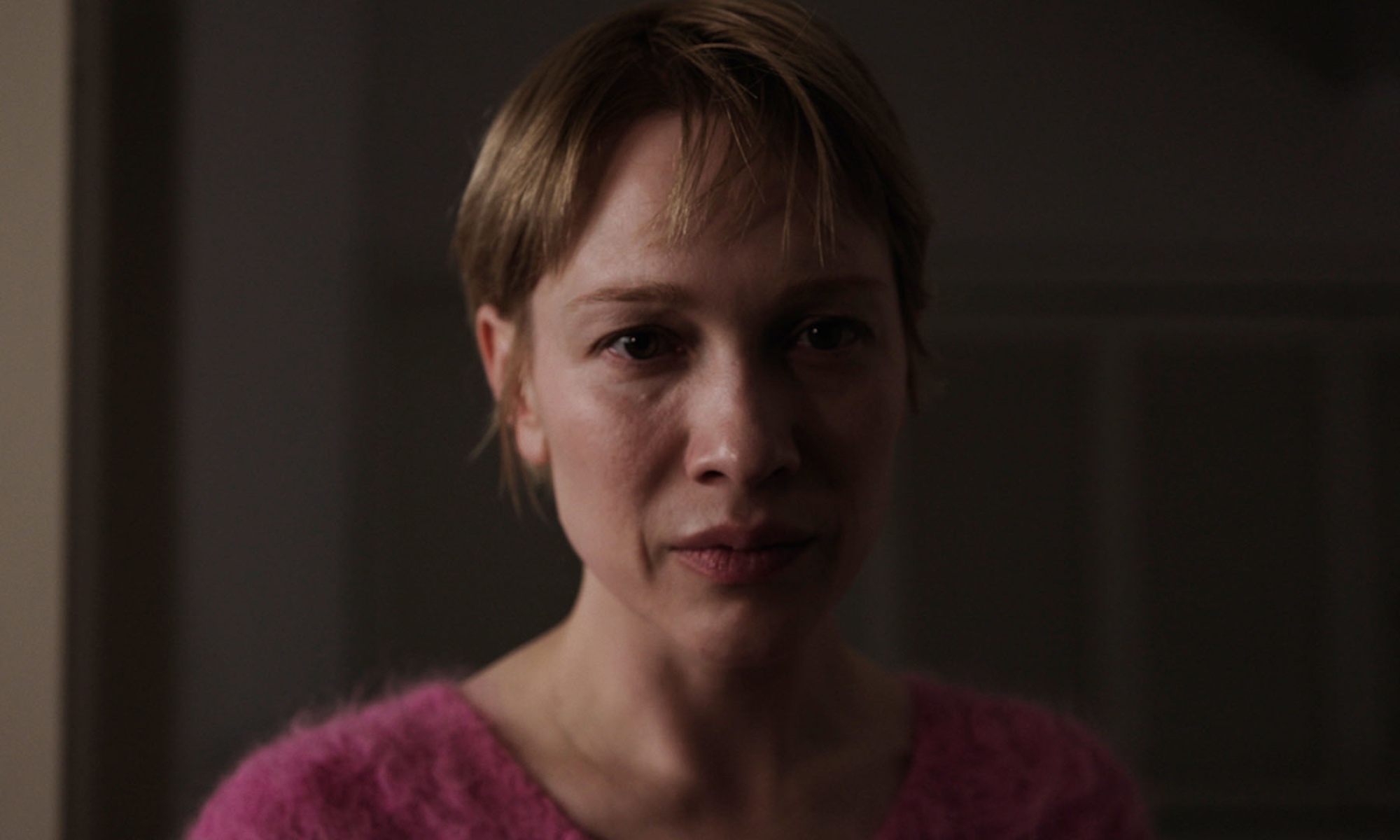
How did you approach directing actors Rhian Rees and Alisha Erozer to create the distinct, contrasting energies of the settled-but-unhappy protagonist and the disconcerting, almost ethereal visitor?
The project really came out of my desire to make something for the two of them. I knew them both for a long time as friends and had worked with them both separately on other film projects, but they had never acted together and I was really just trying to put them in the same room. When I brought the script to them, they very graciously allowed me to color it with some anxieties more personal to them, particularly the anxieties around having children and how those can add so much more pressure to relationships in a rocky or uncertain place. We don’t get to see what the other side looks like in this little short but it’s about a character waking up to her situation and admitting to herself that she’s not happy and she’s not living the life she wants to live.
I wanted her to also feel human and casual and natural for as long as possible, because that character could easily become a sort of over-the-top, dreamy cliché.
It was an enormous privilege to work with both Rhian and Alisha on this, and I do think my approach with them was quite different. Rhian is a really natural and understated, and fearless actor, and even though she has more of an emotional arc in the film and is our emotional anchor, she really could just drop into the part without a lot of commentary or help from me, especially since this was our fourth time working together.
Alisha had a very different job to do because Stella’s behavior and motivations are much more opaque, and sometimes I really just needed her to show me different possibilities until we found the choice that felt intuitively right. We had to do more to modulate her performance from moment to moment to not give too much away too soon, but also not have her shift come as a total surprise. As strange as her behavior gets as the film goes on, I wanted her to also feel human and casual and natural for as long as possible, because that character could easily become a sort of over-the-top, dreamy cliché, and I think it’s ultimately more unsettling if she really seems like someone you would like to get to know and wouldn’t mind inviting into your home for a chat and a cup of coffee. So Alisha helped me keep the character human and bright and natural, but find moments where things could feel subtly off.
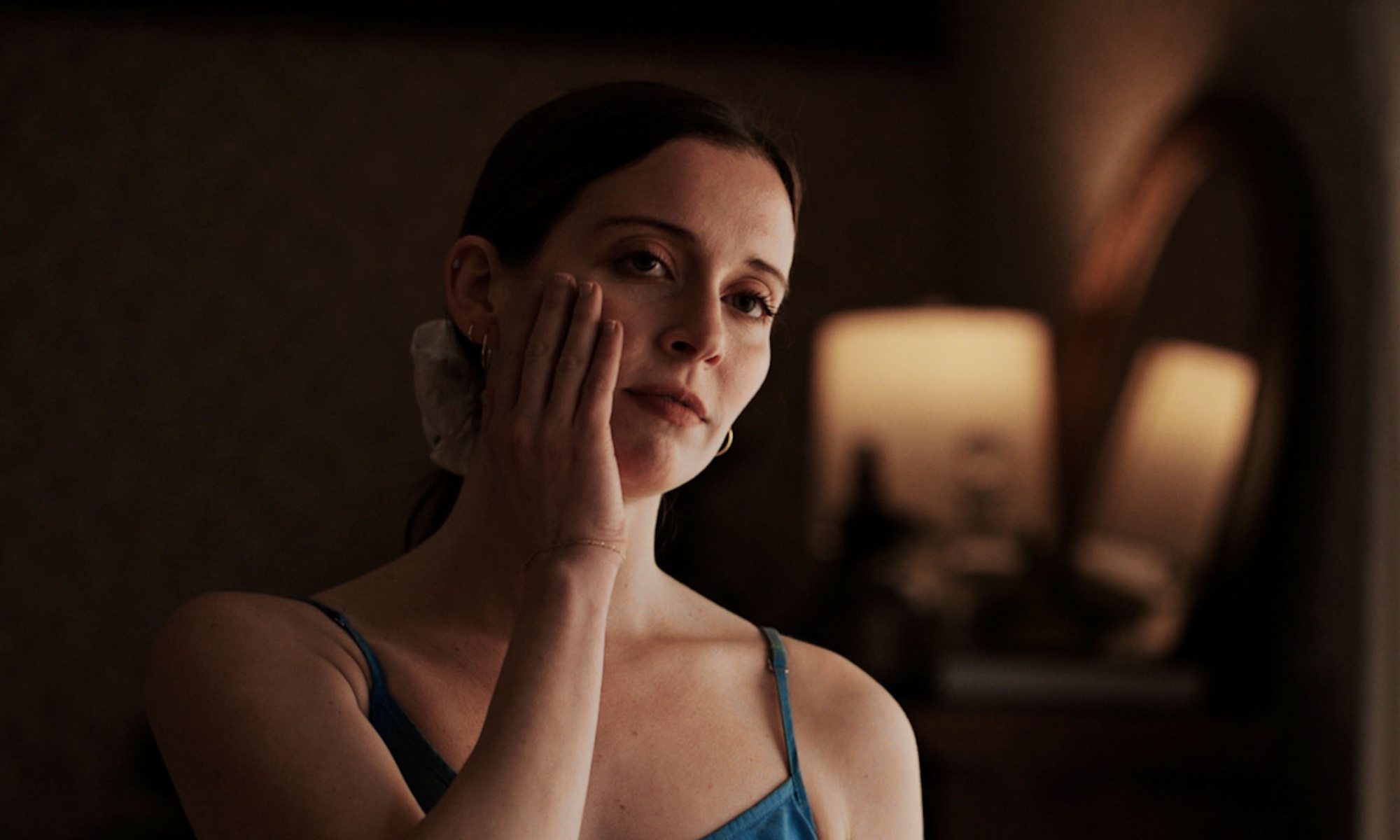
That first slap is where the tone really switches. I almost felt things going cold. How did you plan to really dial up the unease?
The slap was a really key moment and I have a lot of love and gratitude for Alisha being down to do that over and over again. I’m really happy to hear you describe it as going cold. There are little gestures in the first scene towards Stella being maybe a little too at home here or not respecting normal boundaries, like taking her shoes off and asking questions that are disarmingly blunt, but for a while she’s quite warm and bright and charming, and I think it makes sense that Gwen, who is in this sort of lonely, numb, stuck headspace, actually lets herself open up a little to this stranger who seems genuinely compassionate and curious about her life.
It had to feel like there was some kind of rapport between the two of them before Stella’s questions start veering into darker territory, otherwise Gwen wouldn’t allow things to go on for as long as they do. The slap isn’t the first shift but I think it’s the one from which they can’t go back to normal. Stella can sense that Gwen is about to kick her out and she has to show her cards a little and do something drastic to recapture her attention and curiosity on new terms.
Most Popular
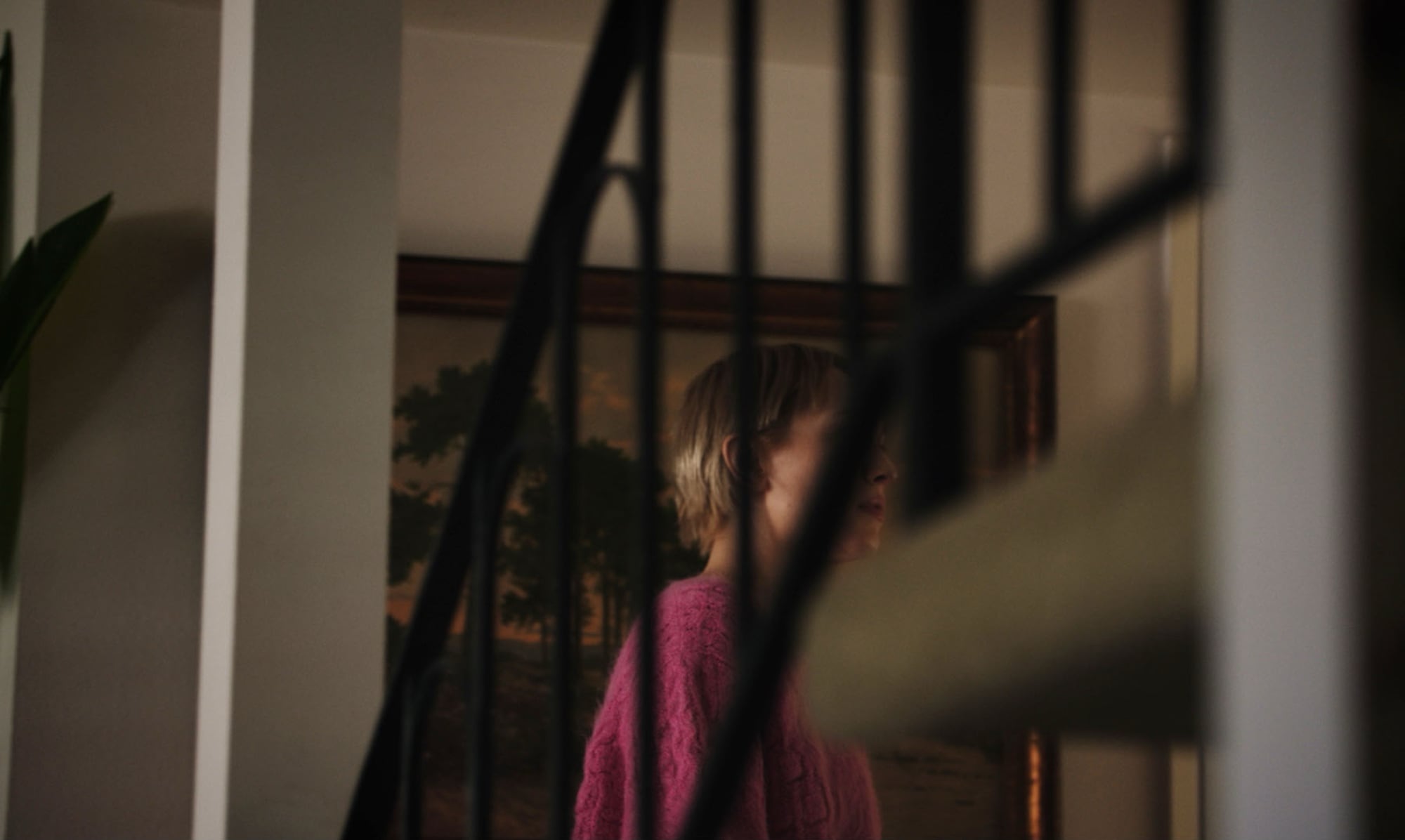
Can you walk us through how you used blocking in that single location—particularly around that very unique staircase—to chart the shifting power dynamic?
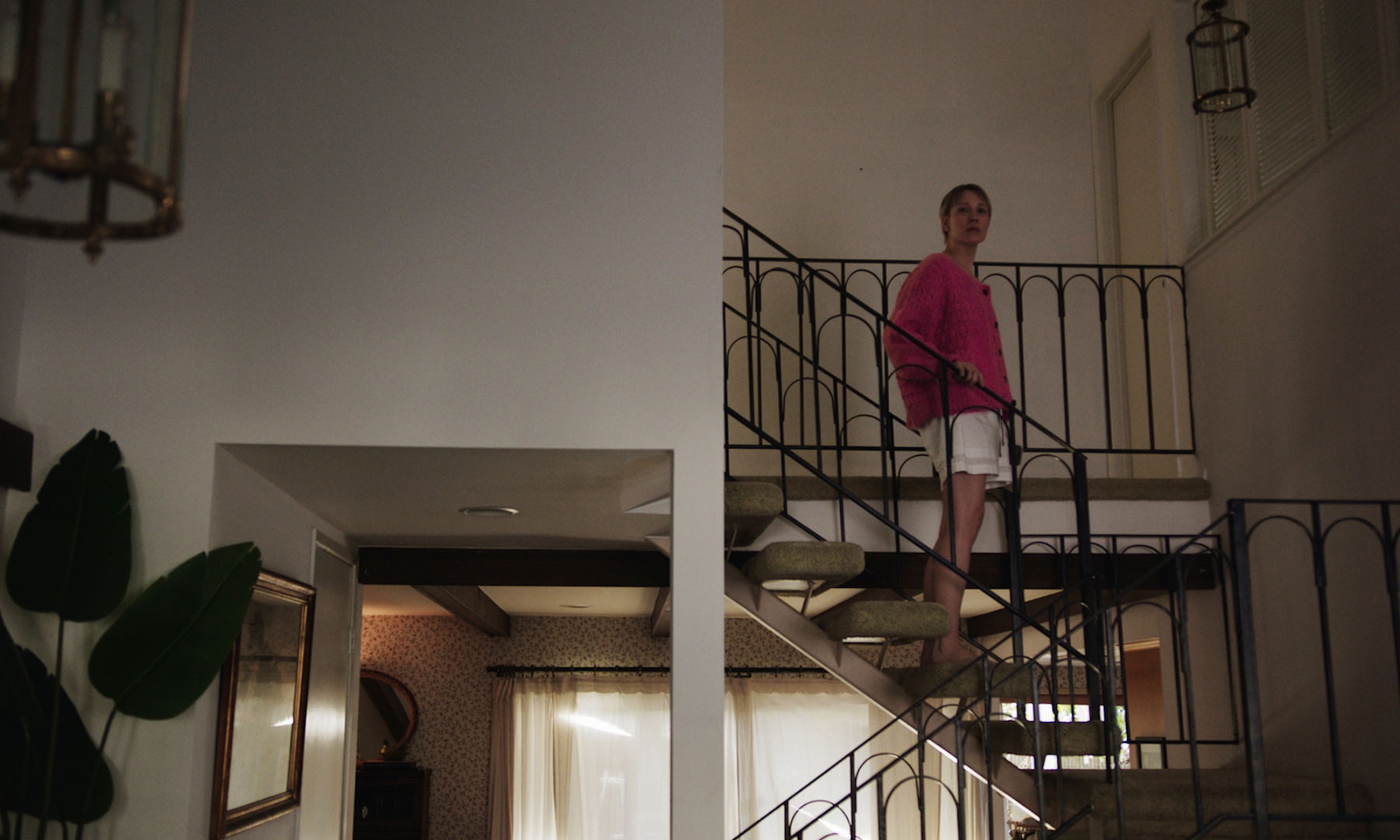
We had a really wonderful location to work with, the house where our cinematographer Evan Weidenkeller and his partner Alyssa Miller live. Since it wasn’t a rented location that I could only see for a few hours before we shot, which is so typical, we really had the time and space to block things out around the natural flow of the house and how someone would move through it who is apparently revisiting it as their childhood home. Evan and I spent a lot of time walking through and thinking about blocking and shots in the weeks before the shoot, and then Rhian and Alisha tried out the blocking we had in mind and changed certain things to make it feel more spontaneous.
They were also always aware of the invisible thread and sort of magnetic charge that keeps pulling them together.
Stella is really driving things. There is that wonderful staircase that comes down into the middle of the otherwise open ground floor and as soon as I saw it I knew I wanted Stella to disappear behind it at some point but keep talking as this disembodied voice, and for Gwen to have to circle the stairs to rediscover her in the kitchen. I talked to Alisha a little about feeling like she’s some kind of leopard or lioness, just very confidently sort of stalking around and making the space hers. She’s the one who moves and Gwen is this still point around which she’s revolving. The space allowed for a really wonderful push and pull between them, and I think as sensitive and physical performers, they were also always aware of the invisible thread and sort of magnetic charge that keeps pulling them together.
Knowing you needed that total black upstairs, walk us through the execution of everything?
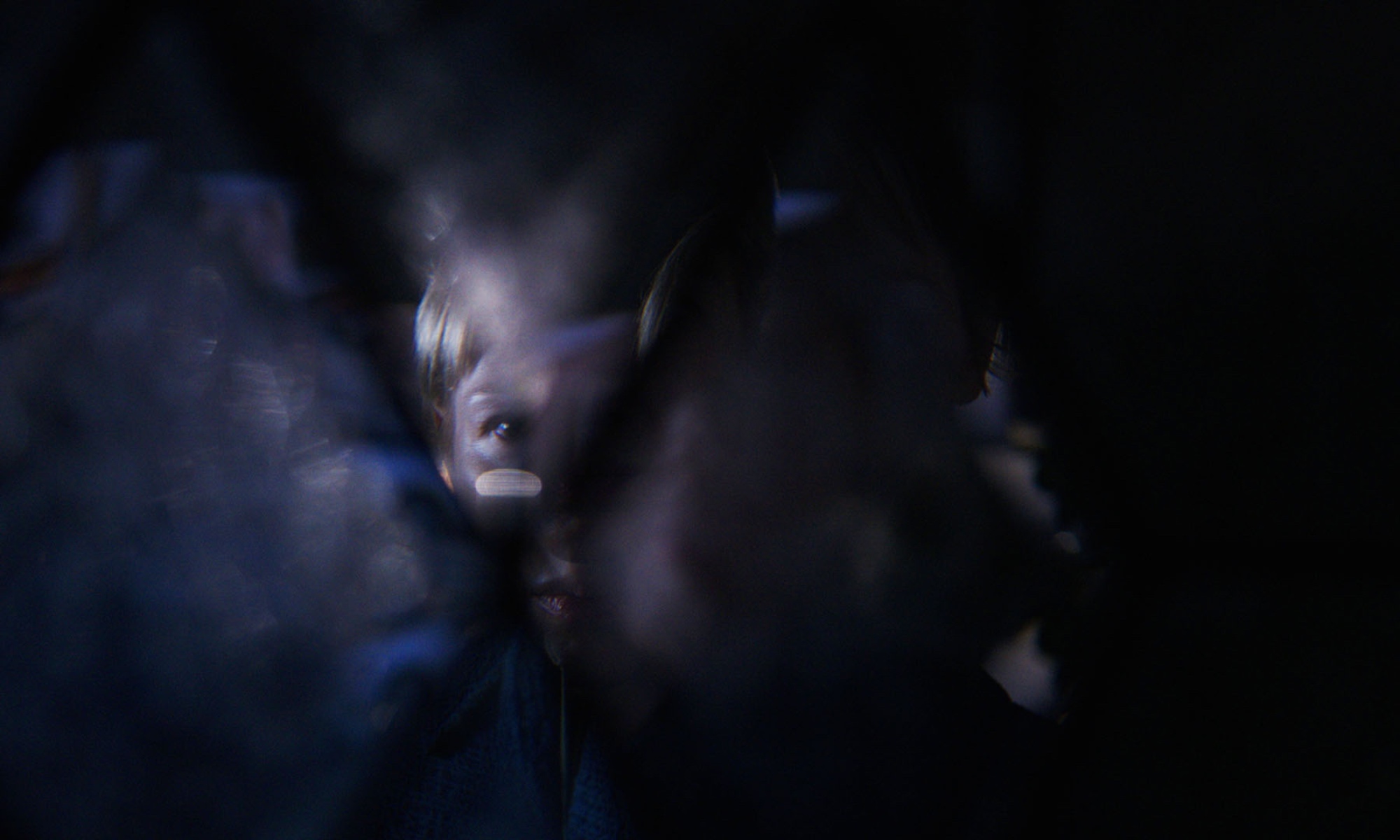
That lighting effect for whatever reason was so life-or-death crucial to me and was written into the script from day one. I wanted it to feel like clouds passing over the sun, just natural and normal enough to believe it could be happening totally by chance, but it also gives an almost supernatural, cosmic power to Alisha’s character in that moment and helps put Rhian’s character into a trance.
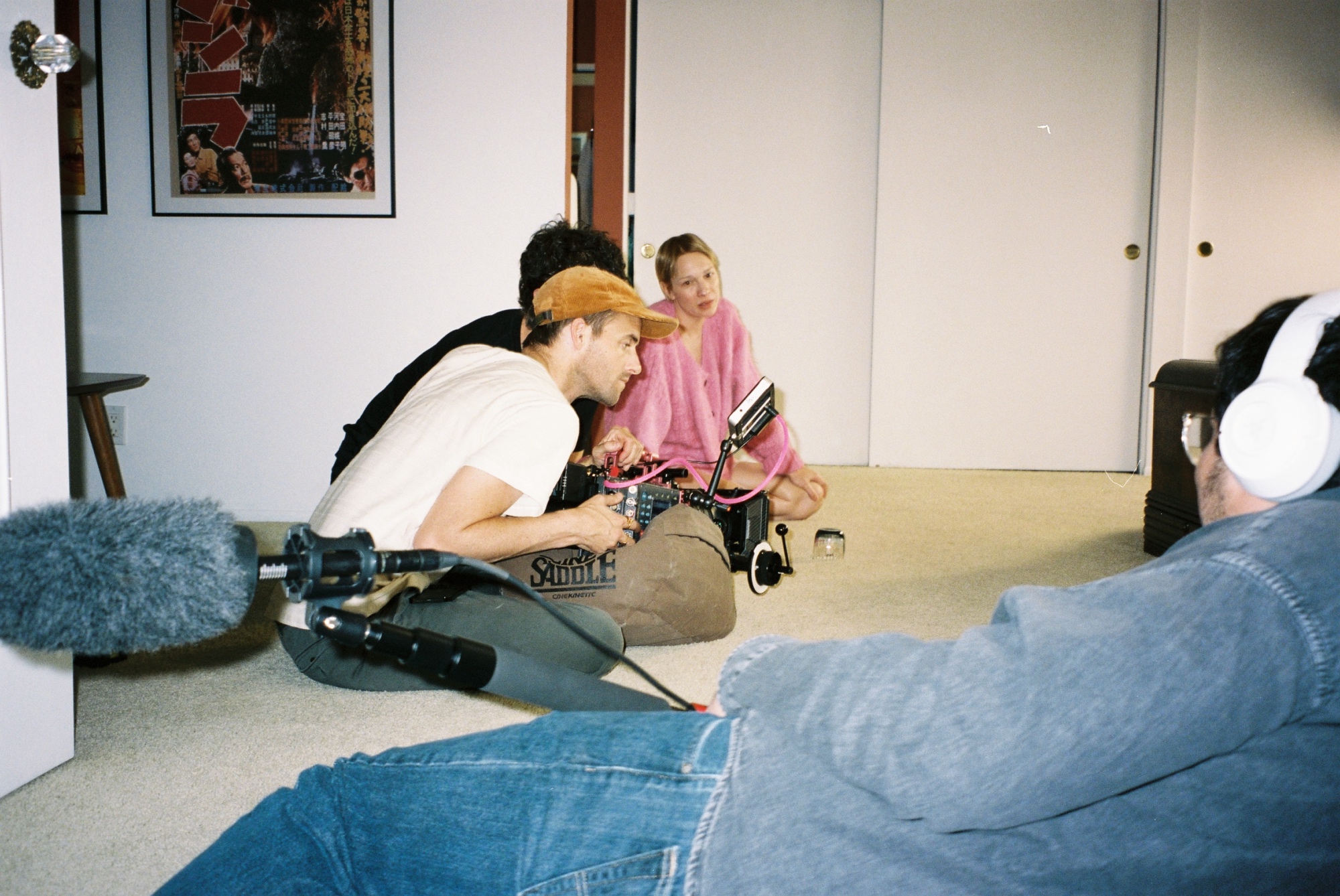
Since it’s happening in the course of a shot-reverse-shot sequence, it had to be relatively consistent across different shots so we worked out specific lines to cue us to lift and lower the blanket from the windows. The sequence is basically that the sun goes behind a cloud (i.e. one of us slowly stands up stretching the blanket as far as our arms can stretch it over to the window) right after a certain line from Alisha, the room brightens again slowly as soon as it gets fully dark, and then dims again right on Alisha’s final line to bring us into the transition to the next scene.
For the shots facing Rhian, I think I was the one holding the blanket because Evan had to be at the camera, really watching the focus as Rhian moved a little, and for the shots on Alisha, Evan worked the blanket and I stood at the camera watching to see if we were getting it. We were also losing the natural daylight in the room as we shot because it had to be very late afternoon for the sun to be streaking into the room like that, so it really gets shockingly, weirdly dark given that it felt like early morning just a few minutes ago and the film is taking place in what feels like real time up to that point. But that’s the magic!

Because it’s so quiet, every little sound sticks out and needles you a little: Alisha’s feet scraping out of her shoes, the slap, the vibrations of the incoming texts, anything intruding on that dead silence feels a little violent.
Losing Season is a very quiet film with no score. What were your guiding principles for building the soundscape?
Very, very quiet is definitely my default mode. I love a good score, mostly in other people’s movies, but for this short, I felt like any music would really run the risk of overdetermining the audience’s response to what’s happening, especially in the early interactions where it’s very intentionally not clear yet if what’s happening is ominous. As soon as some strings come in and underline that dread, it’s a little boring, and probably harder to laugh also. (Of course, there are many directors and composers doing interesting, multivalent things with music in a not corny way, I’m being general here).
So the overall quietness of the house is really the strongest tool we were using to put the audience inside of Gwen’s nervous headspace. Because it’s so quiet, every little sound sticks out and needles you a little: Alisha’s feet scraping out of her shoes, the slap, the vibrations of the incoming texts, anything intruding on that dead silence feels a little violent. The climactic scene upstairs is the only one with anything that could be described as score, but even that I really wanted to gradually emerge from the wind and ambient mechanical hum already present. Our sound supervisor Abe Betancourt and his team at Smart Post Sound very patiently went many rounds back and forth with me to achieve that build from naturalistic sound to dreamy ambient score. As Gwen is falling into this kind of trance, the sounds already present start to bleed together and accumulate and warp into a drone.
You went into the edit yourself.
I love working with actual editors when I can, but in this case, I just had zero dollars to give someone and since it was such an intensely personal and idiosyncratic vision, it was also easier to edit it myself. For such a short film, it had a very long post process and I think it evolved a lot and became even sparer and more concise as I showed it to more friends and got great advice about cutting dialogue and getting it to the leanest possible form while still allowing air and silences and space for mystery. It’s definitely a bit of an experiment and I know this kind of open-ended film is really not for everyone, but I hope that even if people come away with it not knowing who this visitor really was, the emotional core of it and the change that’s occurred in Rhan’s character as a result of this weird encounter is clear.
What was the hardest line of dialogue or explanatory beat to cut from that edit, and how did its removal ultimately strengthen the film’s mystery and emotional impact?
Gwen originally said one more thing in the climactic scene before she says “I think I stayed too long,” I’m now embarrassed that I wrote it, then asked a good actor to say it but it was a much more flowery sentence that spoke more directly to theme and in the course of editing and showing cuts to people it just became so clear that it was my voice just trying to tell you a little more of what the movie is about and the moment was so much more hypnotic and tense with a long silence before Alisha’s beautiful delivery of that final line. And, not for nothing, I think it’s just as or even more clear what the film is about as a result, because the way that it makes you feel as you are watching it and what it’s about are really inseparable.
There were also a few more mundane chit-chatty lines from Stella throughout but my friend Annie, who watched a late cut, had the really insightful advice to cut as many of them as I could because part of Stella’s unnerving power is that she doesn’t feel obligated to smooth over every moment of silence. She’s direct and assured and to the point.
While the narrative mystery remains, you state the emotional change in the protagonist should be clear. Without spelling it out, is there a core feeling or realisation you hope the audience is left with as the film cuts to black?
I’m struggling to put it into words without totally spelling it out, but I guess what I most hope is when Rhian is going through the door—even if it is happening jarringly fast and the viewer is still trying to logically piece together what just happened—there’s still a gut emotional response happening beyond confusion, whether that’s relief or regret.
It’s better to make something personal and authentic and strange even if it comes out a little rough around the edges or messy or is going to leave some people cold.
I hope they are reminded of some similarly difficult transitional time in their own life. I think we have all walked or will at some point in our lives walk out of a door with all our stuff in a garbage bag. I spent a lot of time really worrying about the open-endedness but when it premiered at Final Frame in June 2025, I got one of the loveliest notes of encouragement I’ve ever received from one of the judges, Jamie Flanagan, who said, “Trust your instincts. Trust subtlety. Trust subtext. David Lynch liked to say, you have to go deep if you want to catch the big fish. You’re already in those waters.” I was at a really low place, not even with this film but just personally and mentally in general, and to hear that after the first public screening meant a lot, and then later to get to show it at one of my favorite festivals, Beyond Fest in LA, was also a great honor.
What has making Losing Season taught you about your voice as a filmmaker? Are you drawn to continuing in this vein of intimate, atmospheric character studies, or does this film free you to explore something different next?
Making this short with a very small group of people, completely on our own terms and with absolutely no one waiting for it or asking for it, was very liberating. It was a reminder of a lesson that I think I had already learned but you can never really learn too much, which is that it’s better to make something personal and authentic and strange even if it comes out a little rough around the edges or messy or is going to leave some people cold than to try to make something with a nice little bow around it because you think it’s what people will want to see or it’s going to get you into the festival you want to get into or going to be some kind of career stepping stone.
The next thing I’m making right now definitely exists in the same kind of spiritual, atmospheric vein, but I’m trying something very new for me, which is telling a story that is inherently a lot more talk-y and dialogue driven because it’s about characters telling stories to each other. It’s also going to be a little more definitively back in the horror space. But I’m sure that between all the talking there will still be many long, long silences.