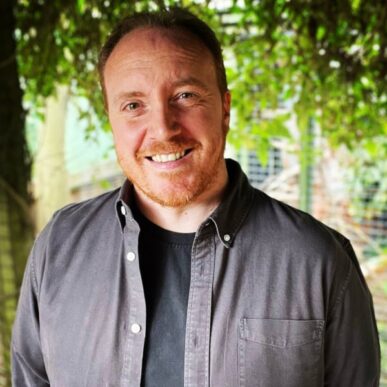
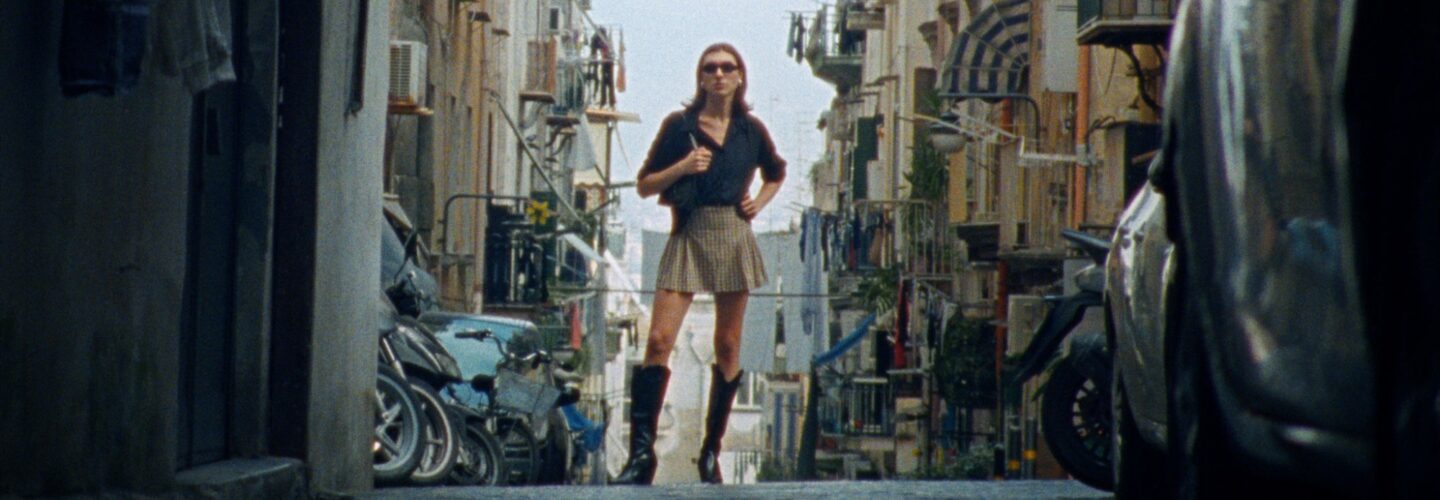
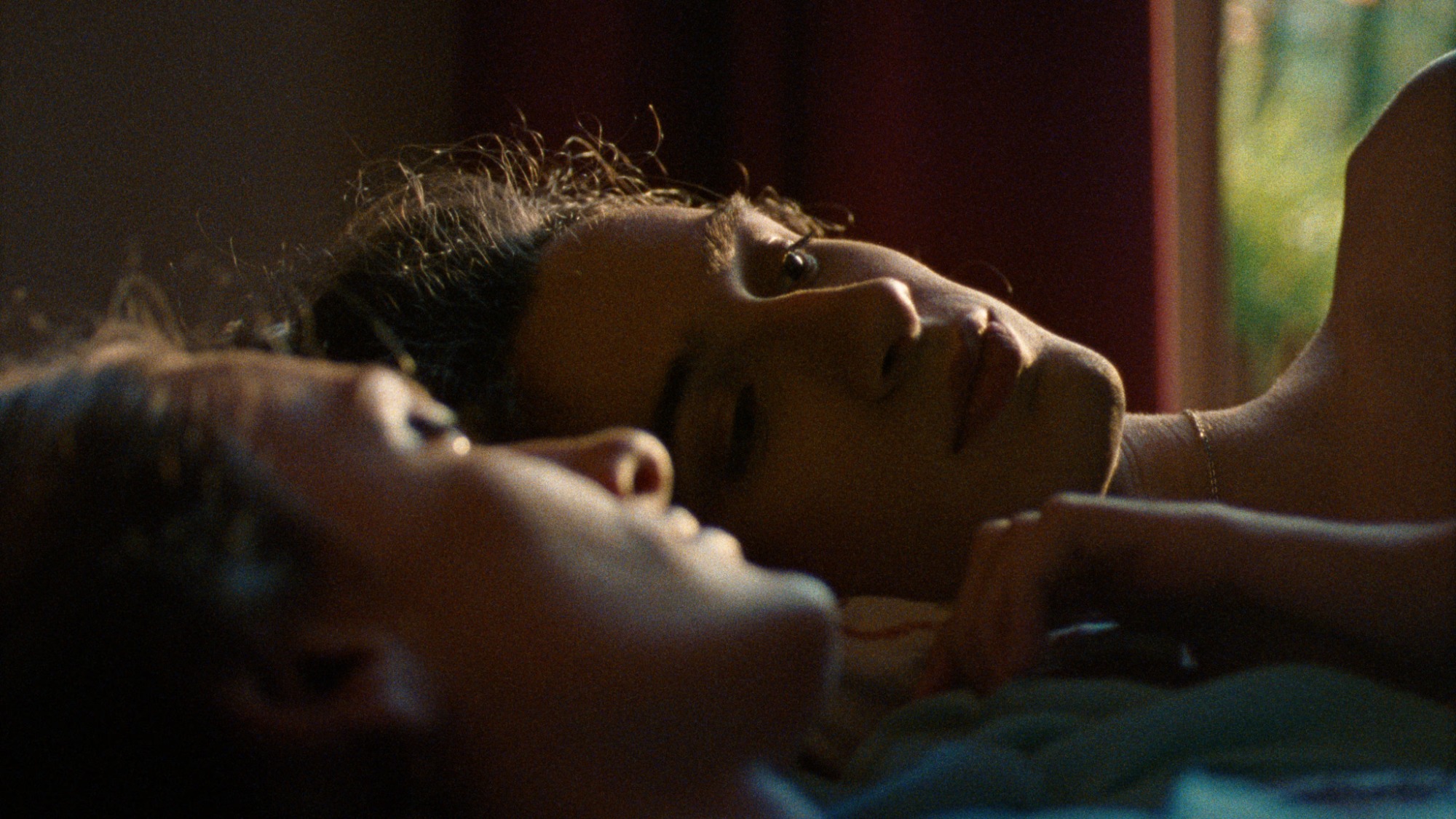
Historically, religion has not been the most inclusive of socio-cultural systems, especially when it comes to the rights and inclusion of the LGBTQIA+ community. Then again, religion is nothing if not full of contradictions. In his self-described “poetic documentary”, Figlie di Partenope, Lorenz Klapfer explores the legend of one such 13th-century contradiction: how divine intervention saved two men from certain death as punishment for being in love, and how this perceived miracle led Neapolitan society of the time to revere trans people thereafter as ‘Femminielli’. The short offers a stunning and compelling vision of how that legend evolved — and, in some ways, devolved — over time, while also providing a window into the experiences of Naples’ trans community today. Klapfer tells Directors Notes how discovering the original contradiction embodied by the Femminielli sparked his imagination to tell this story, how pivotal extensive scouting and pre-production were to the project, the hurdles of shooting in such a historic city, and how finding his own Femminielli helped shape the film.
Figlie di Partenope is a stunning film exploring ancient traditions and modern realities in Italy. What was the inspiration for the film and how did you first discover the Femminielli?
In recent years, the political climate in Italy has shifted increasingly to the right. Under Giorgia Meloni’s government, questions of migration, identity, and minority rights have become more polarized and conflict-laden, in a political context that continues today. This was the point from which my film began: the desire to make visible that, within Italian culture itself, there has long existed a figure such as the Femminielli. For centuries, they have been part of Neapolitan life and tradition, embodying a form of gender fluidity that feels both historically rooted and strikingly present. The initial concept grew out of this contradiction — between a society moving toward exclusion, and a culture that has always carried more complexity within it than current political narratives suggest.
I found this idea incredibly powerful: that a community which is often pushed to the margins could, at the same time, be seen as a source of blessing, luck, and protection.
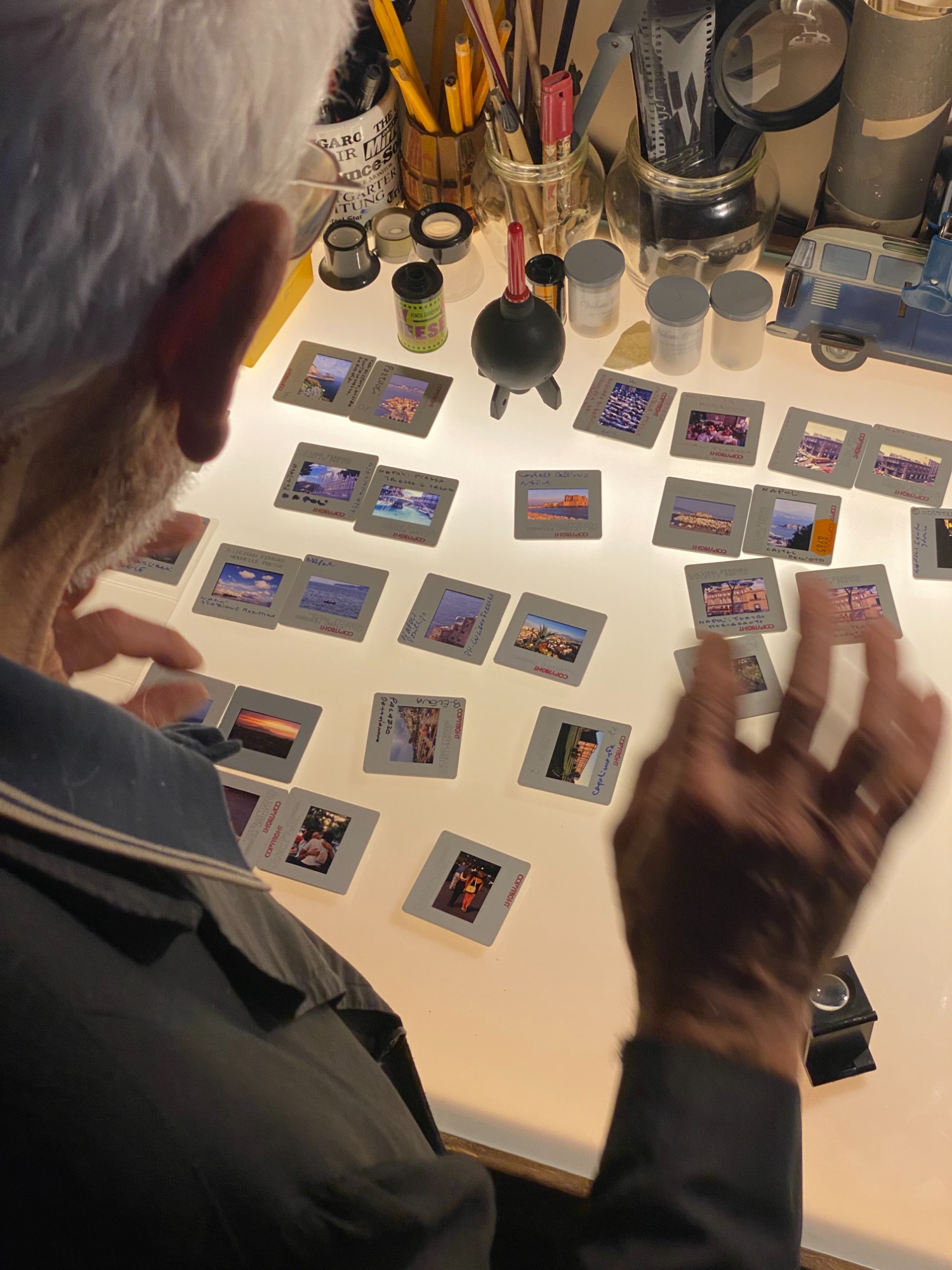
I first discovered the Femminielli through a photo book by Luciano Ferrara, a very well known Italian photographer who also took one of the most iconic images of Maradona. Ferrara followed contemporary Femminielli over several decades and documented their lives, as well as how their role and visibility changed over time. I was fascinated by these analogue black-and-white photographs. They had something very raw and intimate about them. That fascination led me to research the history of the Femminielli, where the tradition began, and how it developed. Through that research, I discovered this almost unbelievable legend: in Naples, Femminielli were seen as sacred figures. When they walk through the neighbourhood, people greet them warmly and are happy to see them, because they are believed to bring good luck.
For example, there is a tradition that if you have a child, you bring the child to a Femminiello. If they hold the child in their arms, the child is believed to be blessed with fertility. I found this idea incredibly powerful: that a community which is often pushed to the margins could, at the same time, be seen as a source of blessing, luck, and protection. That contradiction stayed with me, and it became the reason I wanted to make a film about the Femminielli.
How did you go about discovering your own Femminielli and collaborating with them for the film?
Realising the project during pre-production was not easy at first. It proved very difficult to reach people in Naples by phone or email, and there was understandable skepticism in the beginning. I therefore realised quite quickly that I needed to travel there in person. Together with my DOP, Jona Salcher, I planned a research and location-scouting trip and we went to Naples one month before the shoot. Once we were there and met members of the trans community directly, things developed much faster. Through these first encounters, we quickly gained access to further contacts, and the openness and helpfulness of the people in Naples eventually led us to the Femminielli community. Thanks to today’s connectivity, I found some of them on Instagram and simply sent them a message, hoping they would reply. Somehow, they did.
Most Popular
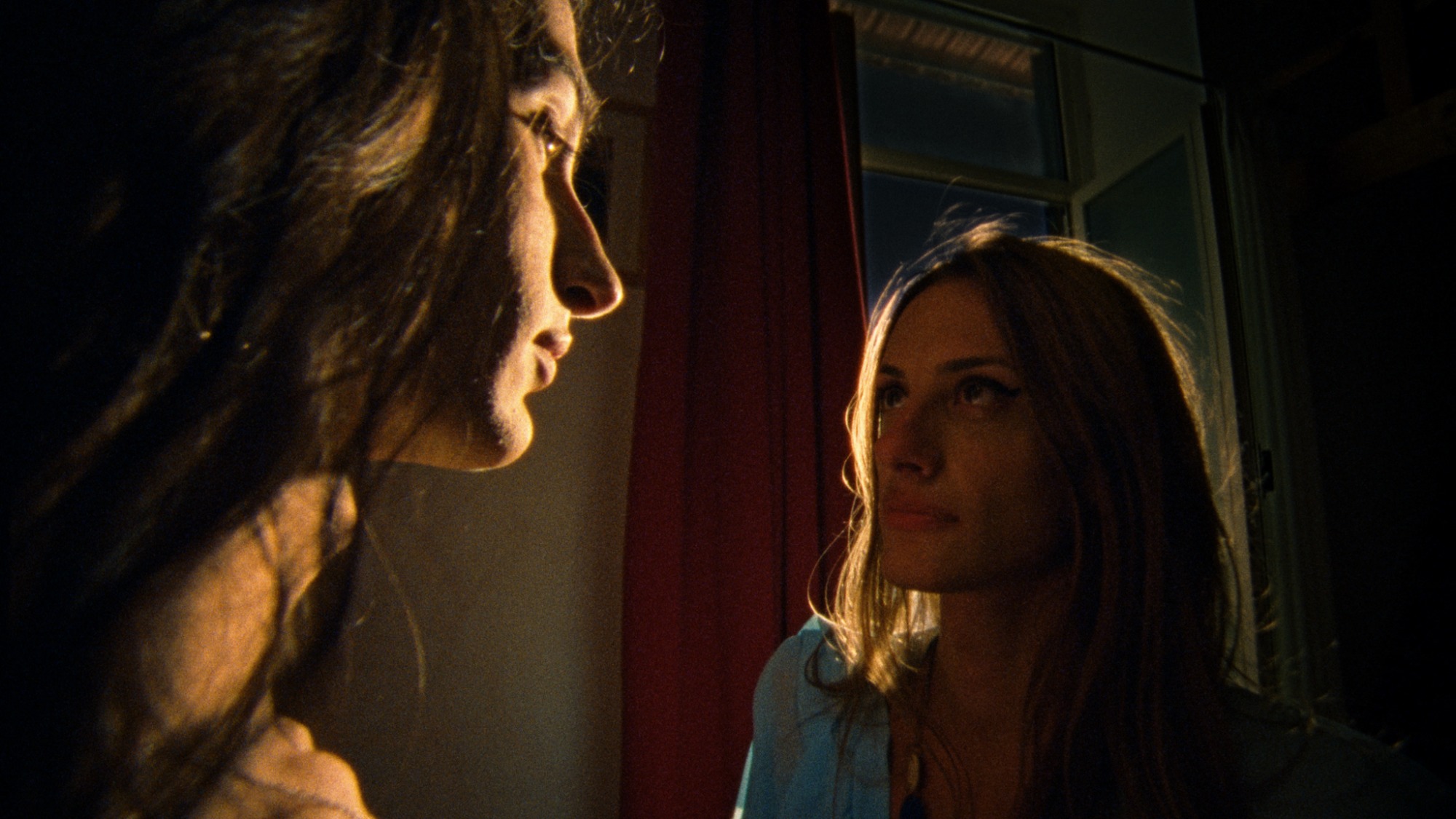
After interviewing them, it became clear to me that I did not want to make a conventional documentary. Instead, I wanted to tell the legend and evolution of the Femminielli in a poetic and slowly unfolding way, connecting past and present. This decision shaped the narrative form of the film and led me to structure it in chapters in order to give the story a clearer progression. At the same time, the research made clear that the meaning of the term ‘Femminielli’ has changed over time. Historically, it referred to a very specific cultural figure in Neapolitan society, while today the reality of trans identities has evolved significantly. Because of this, it was not easy to find people who still embodied or identified with this older cultural tradition. In the end, however, we found three very strong women who were willing to become the protagonists of the film. I am still very grateful for their trust and openness. Without them, this film would not have been possible.
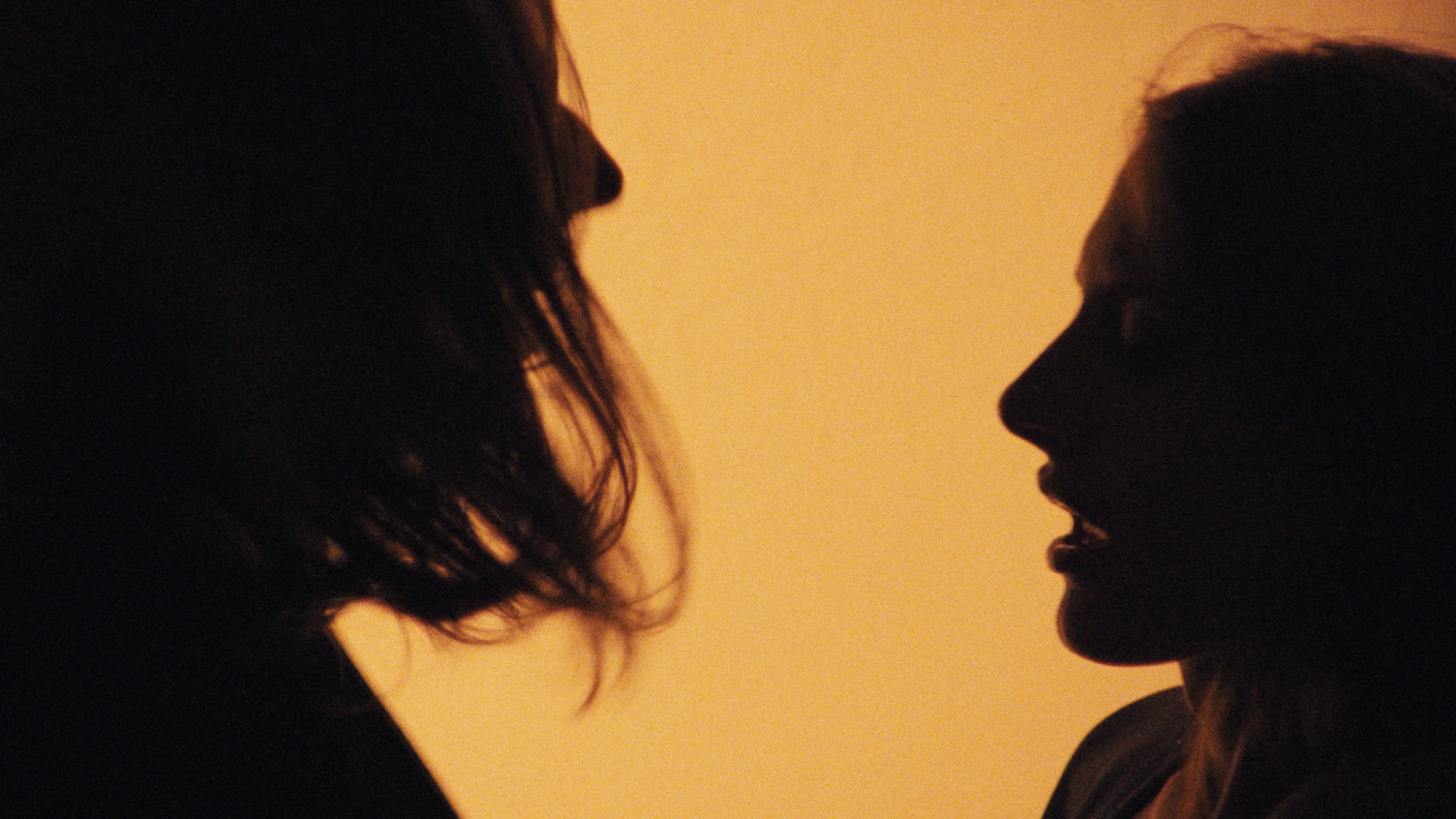


You have described the film as a “poetic documentary”. What is it about this style of filmmaking that attracts you and what made it a perfect fit for this story in particular?
At first, I wanted to make a more classical documentary about the history of the Femminielli. But during the research, and especially when I was in Naples with my DOP, Jona Salcher, it became clear that the film needed a more poetic approach. The story of the Femminielli reaches far back into history, and I wanted to show where it began and how it evolved over time. To do that, I felt I needed to work with fictional elements and re-enactments. A purely observational documentary would not have allowed me to fully explore the mythical and historical layers of the story.
After interviewing them, it became clear to me that I did not want to make a conventional documentary.
The film is set entirely in Naples, but you’re a filmmaker based in Germany. How important was it for you to be in the city to prepare for this film?
I am based between Germany and my hometown, Brixen, in the northern part of Italy. At first, we tried to organise as much as possible remotely, but we quickly realised that people in Naples were a little suspicious when we just called or wrote an email. They all told us the same thing: “Let’s meet and discuss it over an espresso.” So Jona and I went to Naples very early in the research process. Being in the city changed everything. Many of the locations in the film were places we found simply by walking through Naples and discovering the city. The scouting process was also essential for finding the visual world of the film. Many of the locations were discovered during this first week in Naples, often in a very spontaneous way. This openness and directness shaped much of the pre-production process and helped us build the film out of real encounters and places. For example, the location for the sex worker scene was a place we passed after lunch. We went in, spoke to the owner, and asked if we could shoot a scene there. It was incredible how helpful people in Naples were. There is a real respect for art in the city.
The production itself was also demanding, especially because shooting in the historic centre of Naples is logistically complex. Many streets are extremely narrow, access by car is limited, and navigating the city with equipment required constant attention. Nevertheless, the experience on the ground was marked above all by the generosity of the people we met.
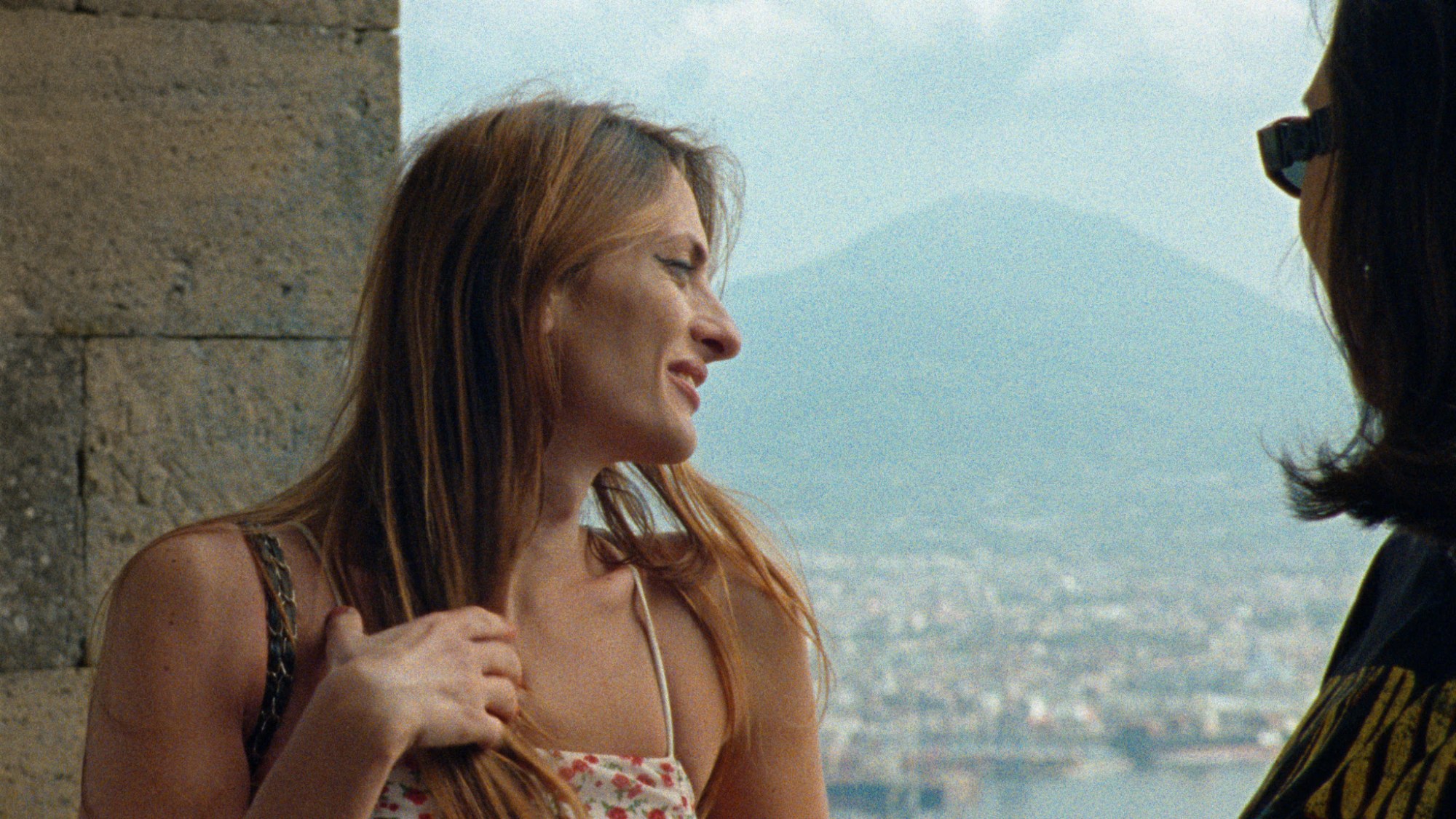
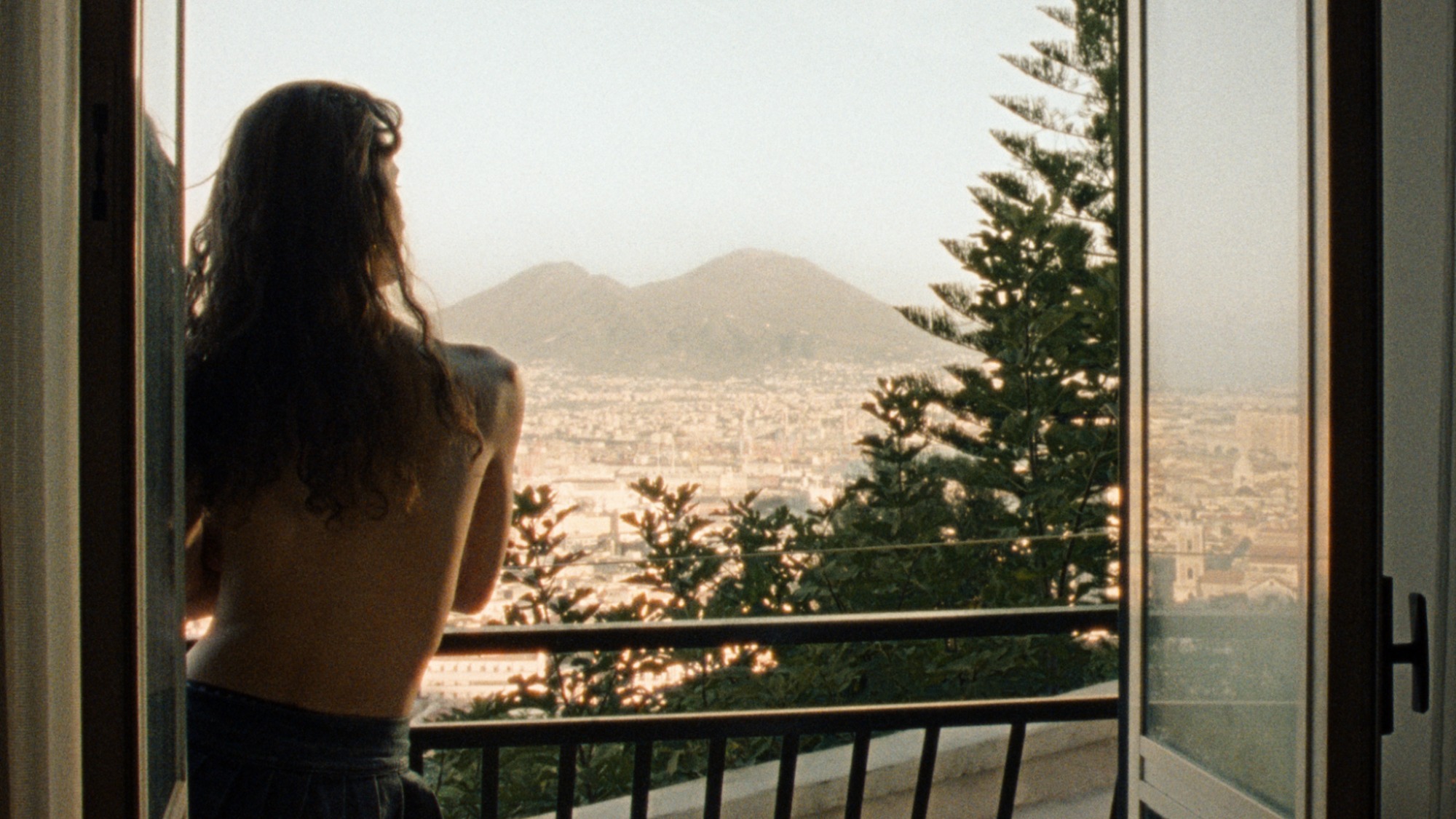
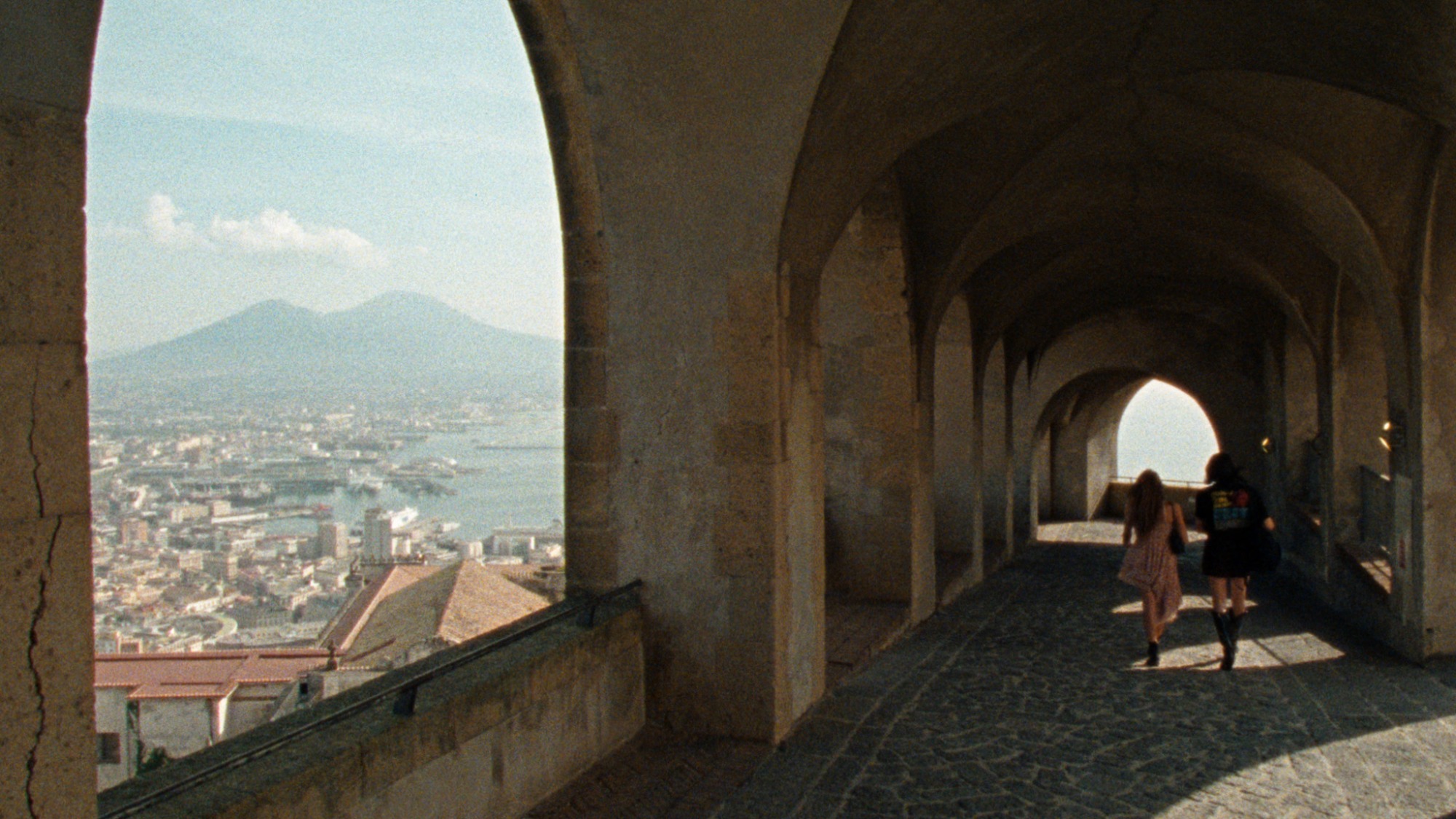
What was it like shooting on film and how did you collaborate with Jona to visually capture this story and make the most of such stunning locations?
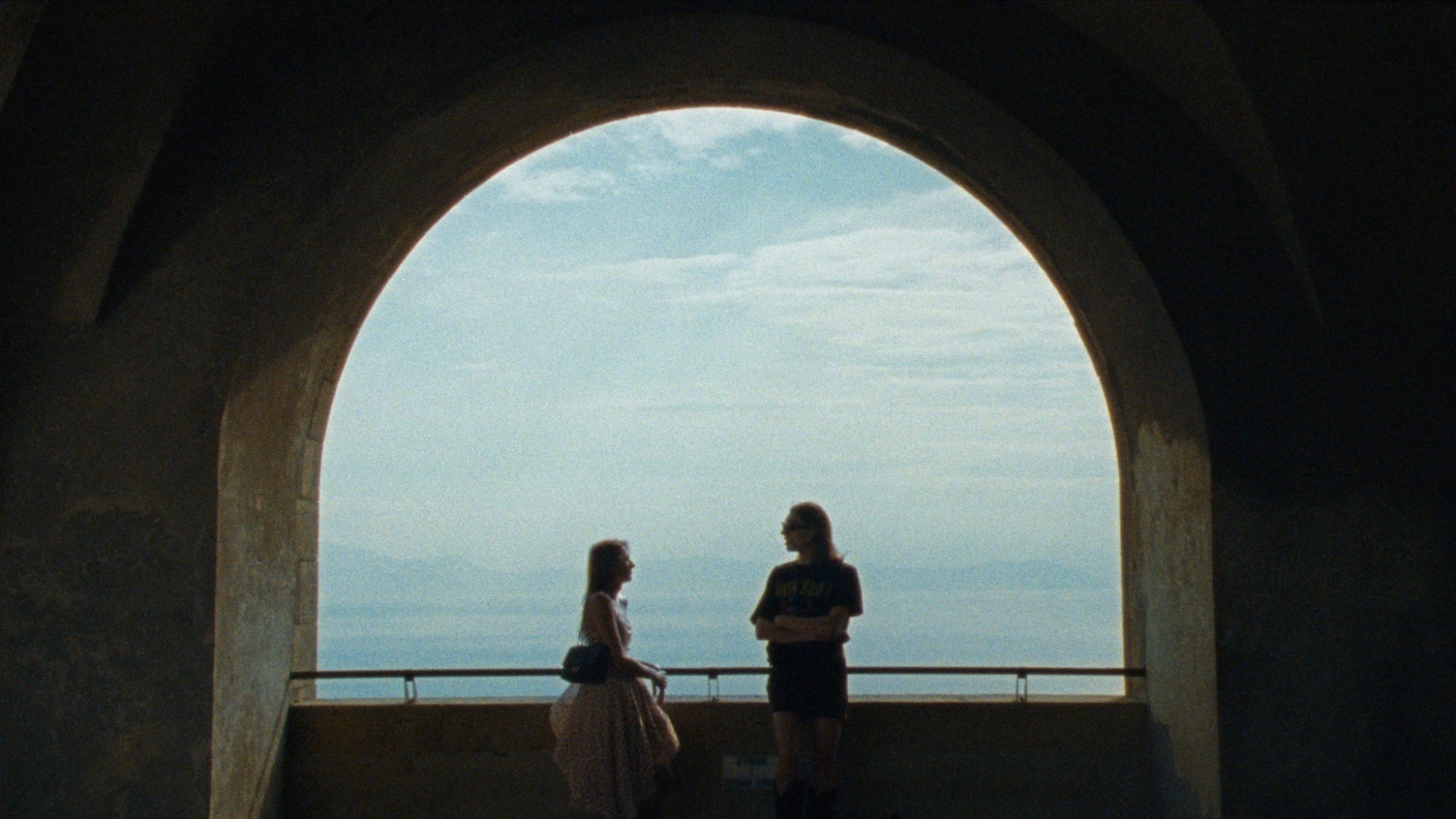
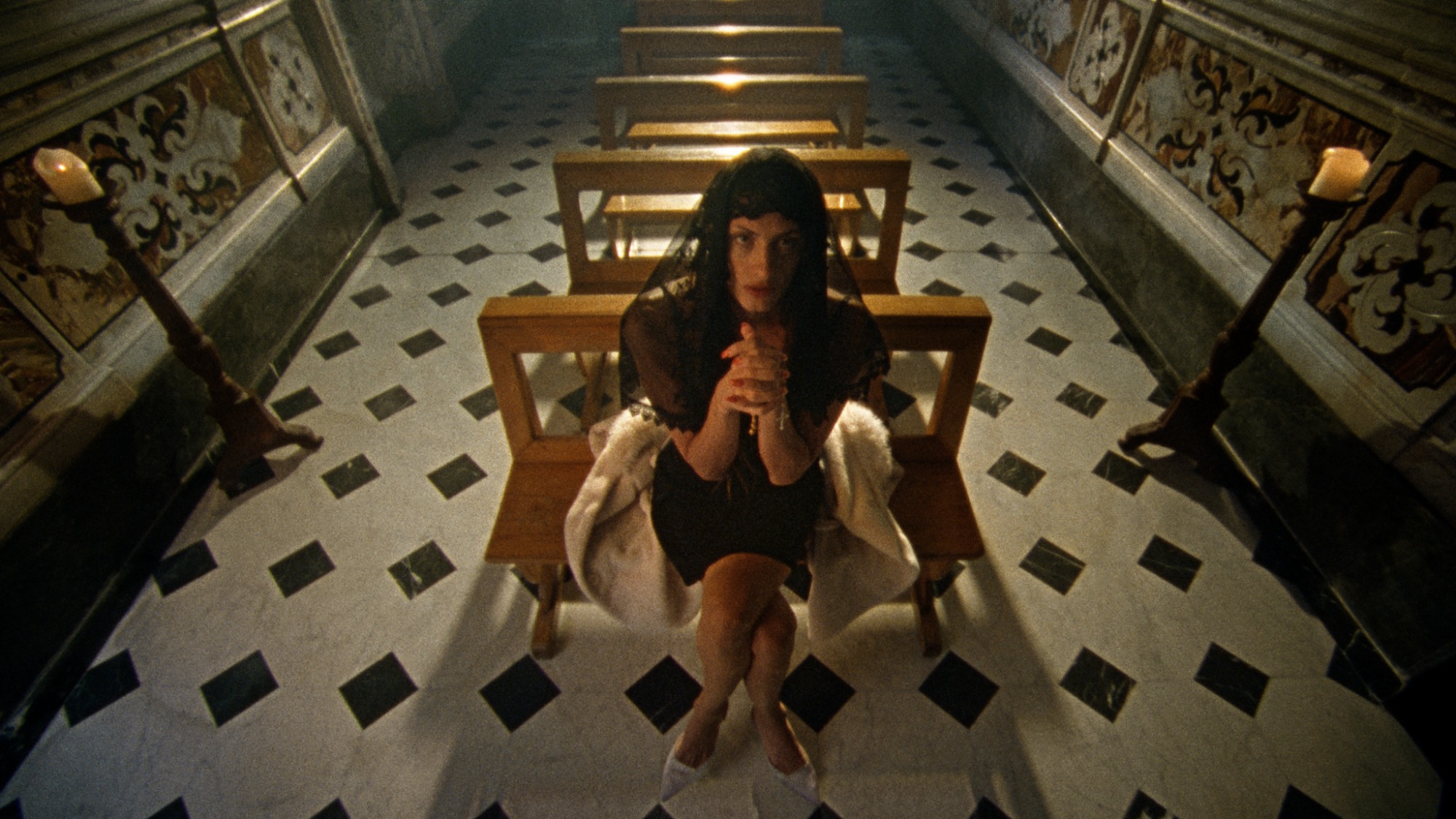
The film was shot mainly on 16mm Kodak 250D and 500T film in order to achieve a unique analogue look that enhances the sense of a character with a long and layered history. We worked with an analogue Arriflex 416 camera and used Arri Ultra Primes. This combination allowed us to create a visual language with texture, depth, and a timeless atmosphere that strengthened the emotional resonance of the film.
It was my second project shot on film, and I have to admit that I had doubts at the beginning. I love the analogue look. I love the grain, the colours, and the rich contrast. But in this case, I was not completely sure at first because we had a tight budget, most of our cast were non-professionals, and we were working with a very small crew. Usually, those are not ideal conditions for shooting on film. Despite all that, I felt it was the right decision for the style of the film. Analogue film immediately takes you back in time. It gives the images a certain weight and texture that felt essential for this story.
Jona Salcher, the DOP, also insisted on shooting on film and assured me that we could handle it. In the end, he was right. With a lot of stress, a very focused crew, and an amazing first AC, we somehow managed to do it over five days. Looking back, I am very happy with the decision. But during the shoot, it was definitely stressful. Film rolls are limited, so you always have to think carefully about what you want to shoot and how many takes you can afford.
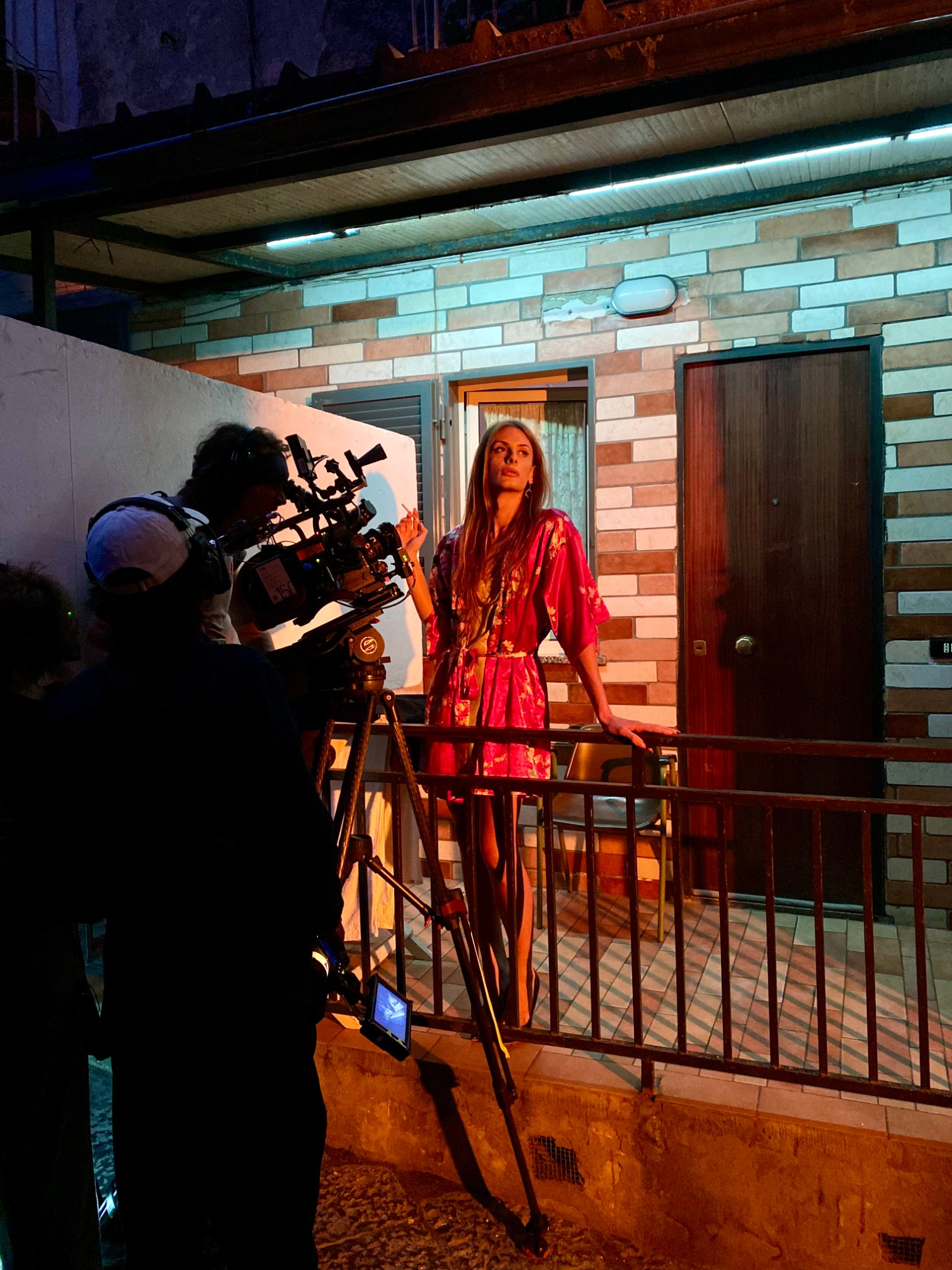
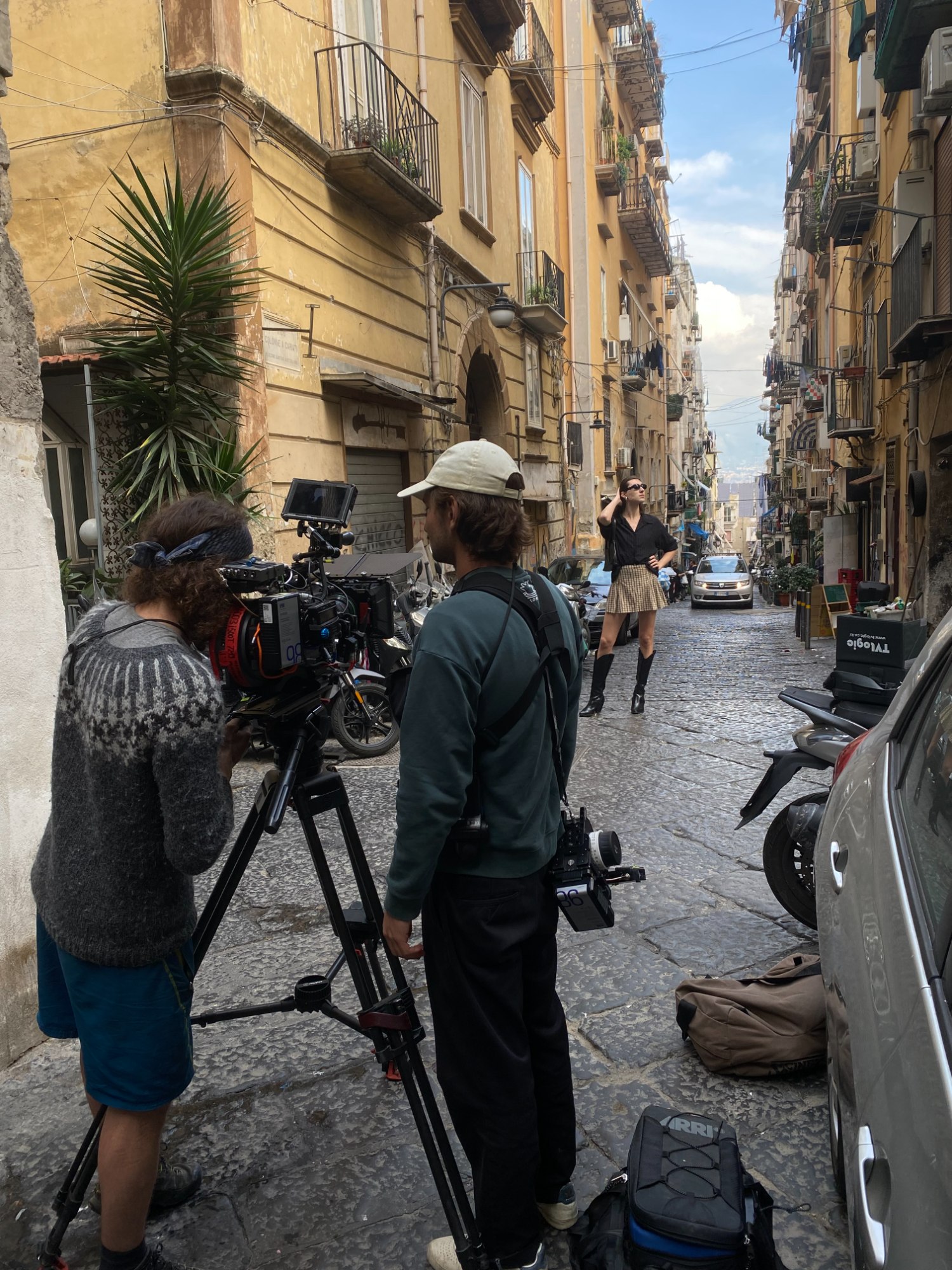
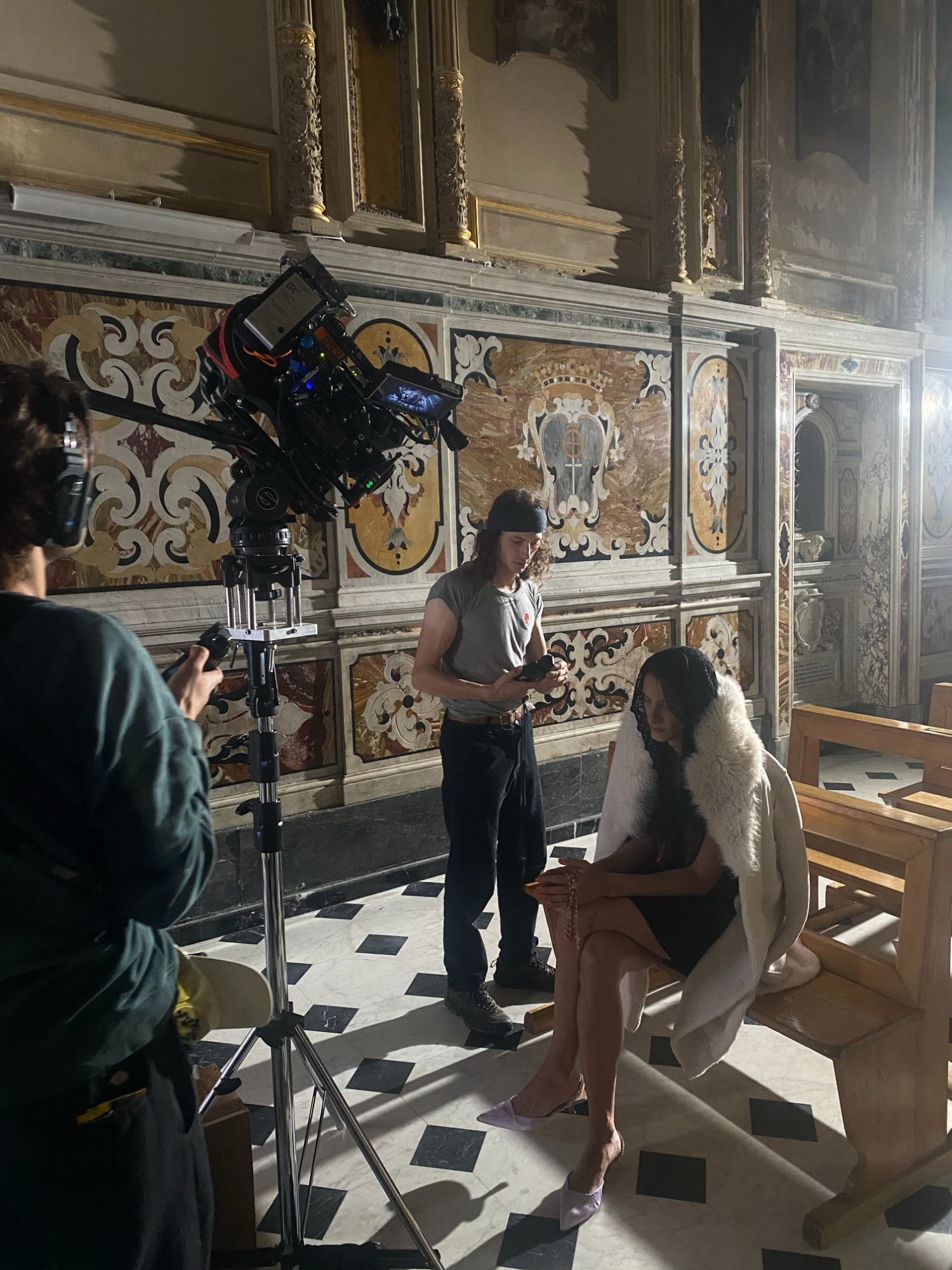

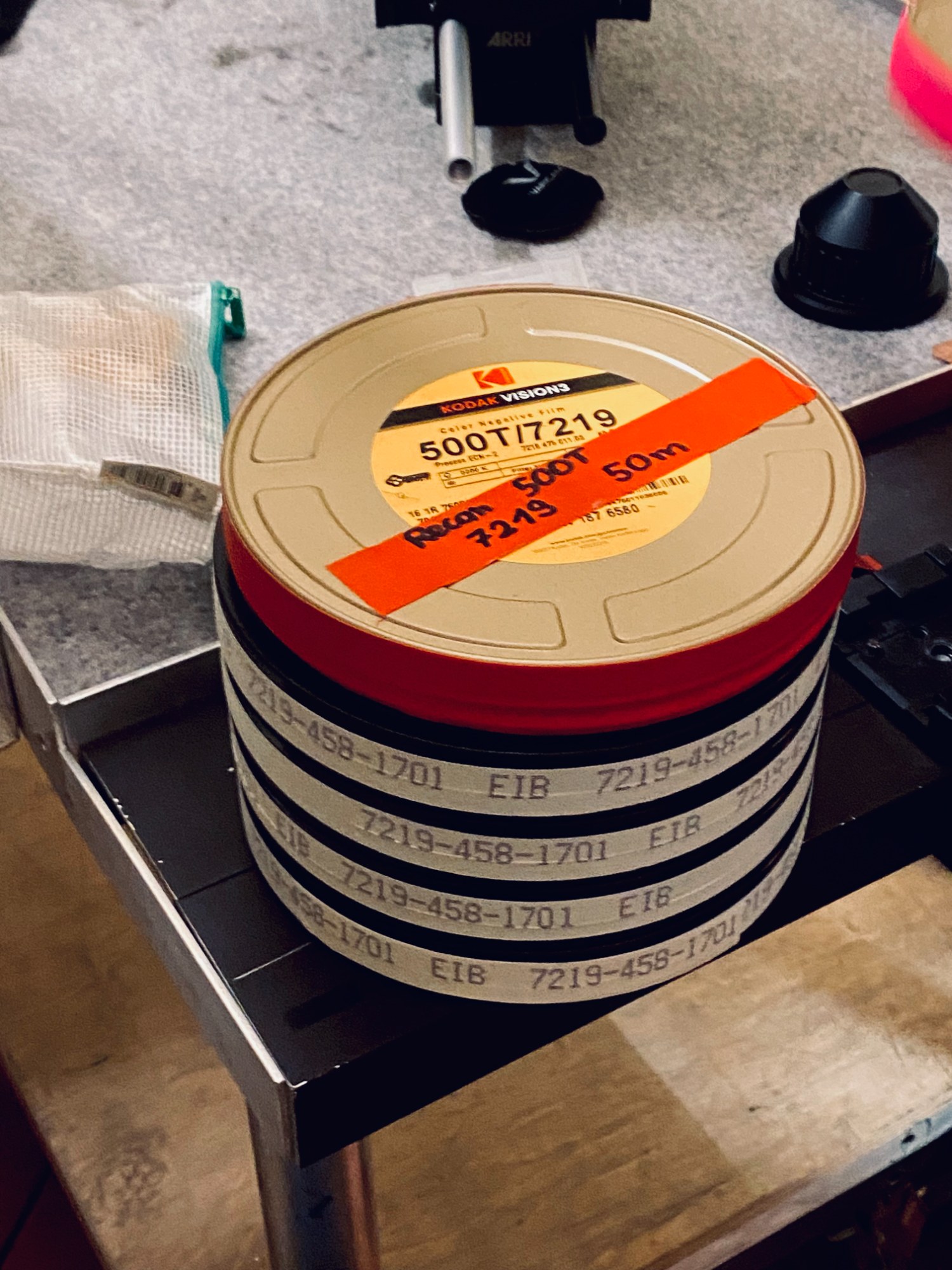
Analogue film immediately takes you back in time. It gives the images a certain weight and texture that felt essential for this story.
Once post-production began, how did you work to both capture the original concept and find the film in the material you captured and developed?
In post-production, the process took on another dimension because the film was shot entirely on analogue material, which first had to be developed before we could begin editing. Once we reviewed the footage, it was clear that we had created very strong and beautiful images. David Herbst was the best editor I could have wished for. He immediately understood the story and went very deeply into the material. We spoke a lot about the film and about my script, but I also told him to create his own version first. I already had a very clear vision of the film, so I wanted to see what he would discover in the material without being too restricted by my original idea. That was a very good decision. He found new connections between scenes and created a rhythm that gave the film a much stronger dynamic. The final film became very close to what I had imagined, but it also gained something unexpected through his perspective.
The final visual finish was done by colourist Franziska Heinemann, with whom I had already collaborated before. Within a few months, we were able to complete the main post-production process.
There is a haunting and hypnotic score and sound design throughout the film. How did you go about creating this and striking the right tone for the story?
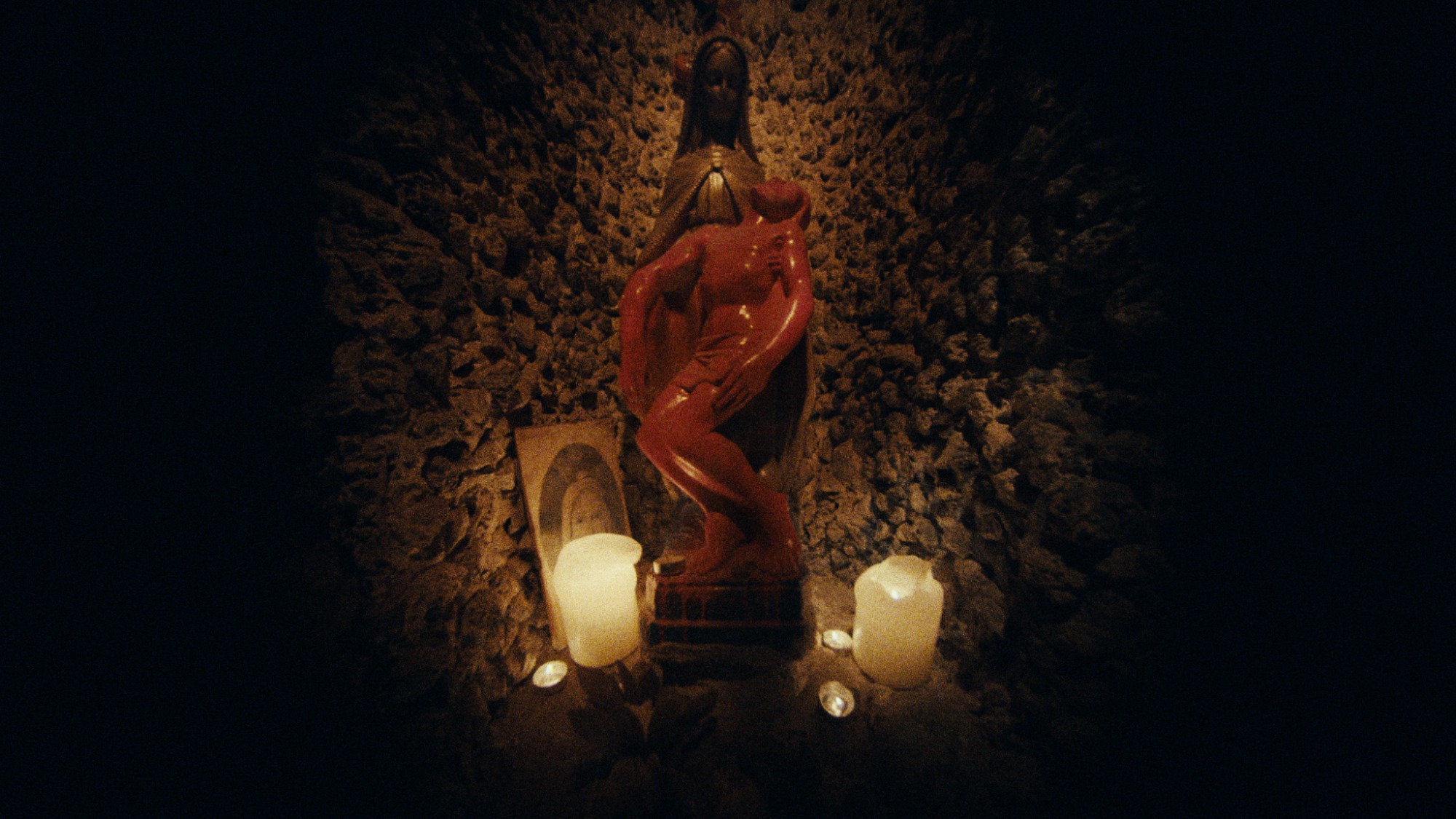
During the editing process, we already used some temporary music from sound libraries to explore the mood of the film. Because the story is connected to an ancient Christian legend, I wanted to work with elements of church music, but in a slightly abstract way. The idea was to give the audience the feeling of being inside a sacred space, while also creating the sense that something is not quite as it seems. That mirrored the story of the film very well. For the present-day and future sections, we needed something more contemporary, something that could reflect the vibrant energy of the modern Femminielli. Joaquin Freccia, a great Italian composer, then created the score based on these references and moods.
I was struck by the final line, “There you would just be a gay man. Here, you are Femminiello”. There is a pride and empowerment within this Naples community, despite the societal exclusion they may often face. What was the reaction of your cast to the final film, and how have audiences responded to it so far?
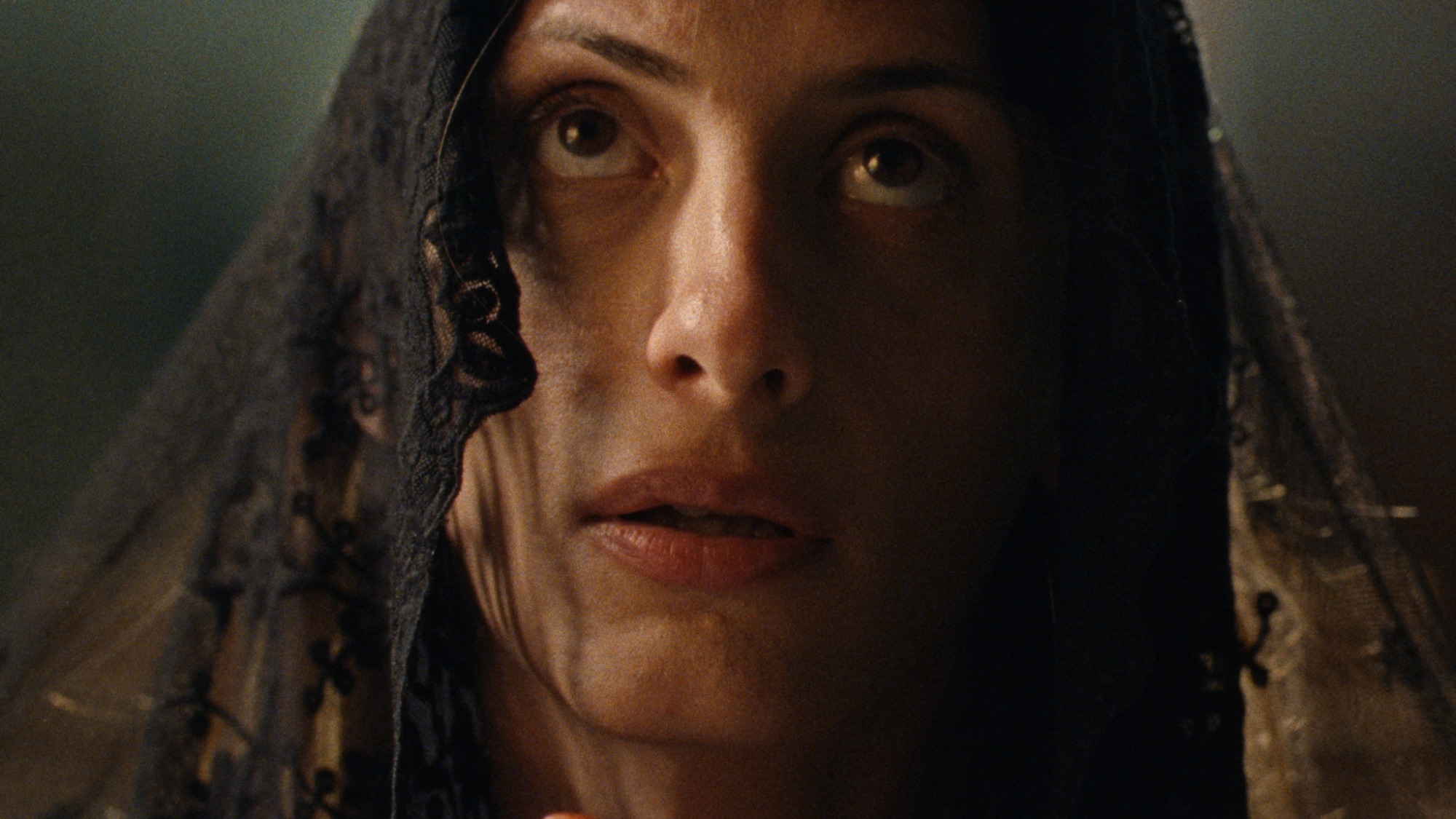
I cannot say too much yet about the wider audience reaction, because I kept the film quite secret for a long time and am only now beginning to share it with a larger audience. But that final sentence really captures the whole film for me. Unfortunately, in Italy, and especially within more traditional Christian contexts, acceptance of transgender people is still not something you can take for granted. Naples seems to be an exception in a very specific and beautiful way. There, transgender people within the Femminielli tradition are not only tolerated; in some ways, they are seen as almost sacred. For me, that is a powerful example of what inclusion can look like when it is rooted in culture, history, and community.
What’s a short film by another filmmaker you’d recommend to the Directors Notes community and why?
I would like to recommend the short film Yuragim by Varia Garib and Kirill Komar, a good friend of mine. The film premiered at the Berlinale this year and has already had great international success. It tells, in a very poetic way, the story of Saida, a German teacher from Uzbekistan who is trying to find her place within a questionable system. It is a strong story, combined with exceptional cinematography. Absolutely worth watching.
And finally, now that Figlie di Partenope is out in the world, what’s next for you?
Alongside several commercial film projects, I am currently in the funding phase for my third short film. It is a fictional drama set on the border between Italy and Germany. The story follows a divorced police officer who hardly sees his children anymore and a migrant who is desperately trying to reach his daughter in Germany. Their encounter forces the police officer to choose between the law and his own sense of humanity, pushing him to the limits of his conscience. If the funding comes through, I am planning to shoot the film in September. I really can’t wait to work on my next fictional project, it is one of the things I love most about my job.