
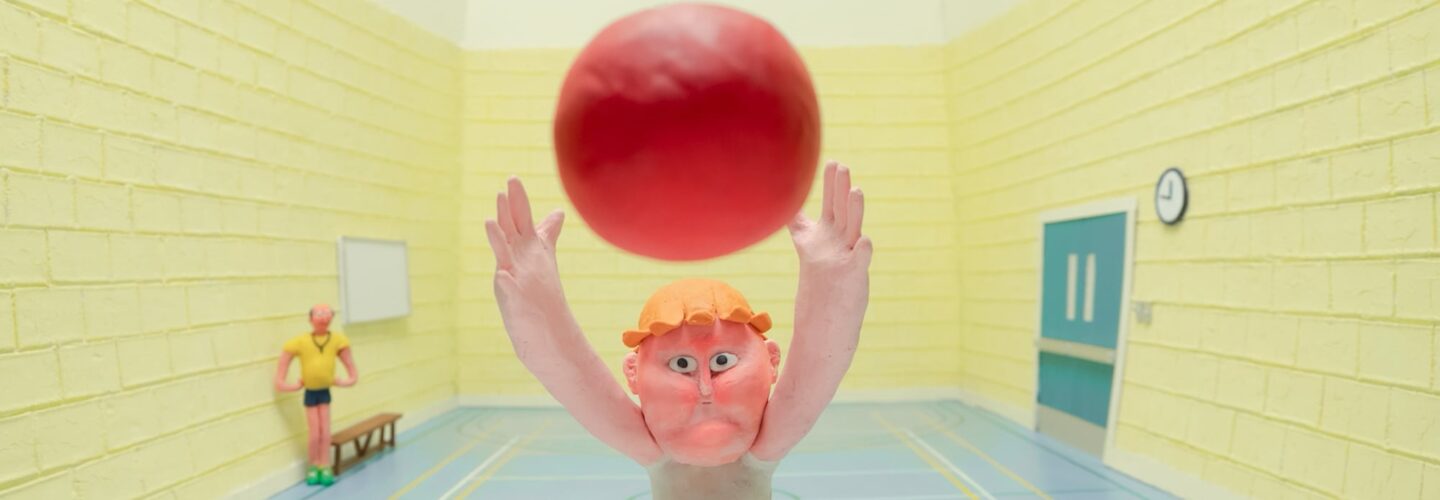
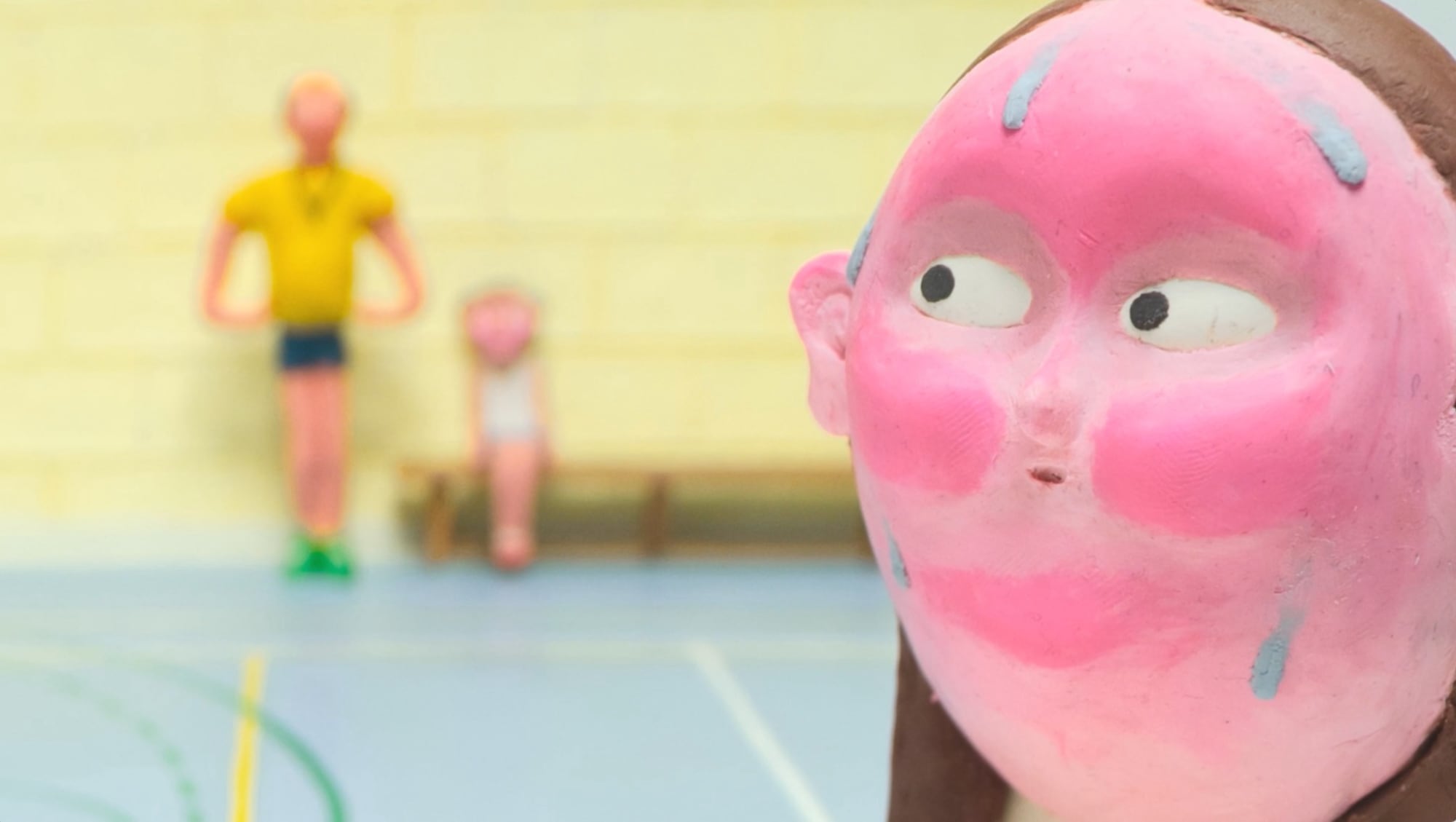
Sometimes you don’t need to see a complete film to know you’re witnessing something special. Case in point: Laurence Thérien’s Ball Face. I first encountered the film as a trailer during the 2025 Royal College of Art graduate show and immediately had a feeling it was going to be exceptional. Fast forward ten months and that instinct has been more than vindicated, with the film taking home the Cristal for a Graduation Film at the 2026 Annecy International Animation Film Festival.
A claymation tale of a young girl doing everything she can to survive a brutal ball game, Ball Face is instantly funny, technically inventive, and strangely relatable. Thérien takes a medium with more than a century of history and pushes it in a direction that feels fresh and entirely her own. The result is not only a striking and hugely entertaining short, but the arrival of an exciting new voice in animation. With that in mind, we invited Thérien to DN to discuss her time at the Royal College of Art, the endless creative possibilities of working with clay, and her upcoming collaboration with the National Film Board of Canada.
You made Ball Face while studying animation at the Royal College of Art in London. How did you end up there? What was your journey into animation, and what drew you to the RCA in particular?
A blend of different circumstances. It’s gonna sound cliché, but I’ve always been fascinated by the art scene in London. I kept thinking there had to be something there that fuels creativity. As a kid, and as a huge music fan, I had this quiet obsession that grew bigger with animation and music videos. I used to rent Yellow Submarine (the film) every couple of weeks and watch it over and over again. But I think the turning point for me was discovering Ready, Able by Grizzly Bear, which introduced me to the work of Allison Schulnik.
I studied graphic design in Montreal at l’École de design de l’UQAM, where I found a lot of joy in experimenting with moving image and convincing my teachers to let me make projects that were really more about sculpture, animation, and performance than design. Toward the end of my undergrad, my teacher, Patrick Doyon, showed us Wednesday with Goddard by Nicolas Ménard, an alumnus of both the École de design de l’UQAM and the Royal College of Art. That really spoke to me, and you could say the rest is history haha :’-) I was hesitating between CalArts and the RCA, but London definitely influenced my decision. I wanted the time and space to see what I could do as a filmmaker, and the RCA’s author-driven, experimental approach felt like a great place for that. I’m so grateful to be part of this community now. And London really is inspiring in all its greyness. The grass is literally greener there.
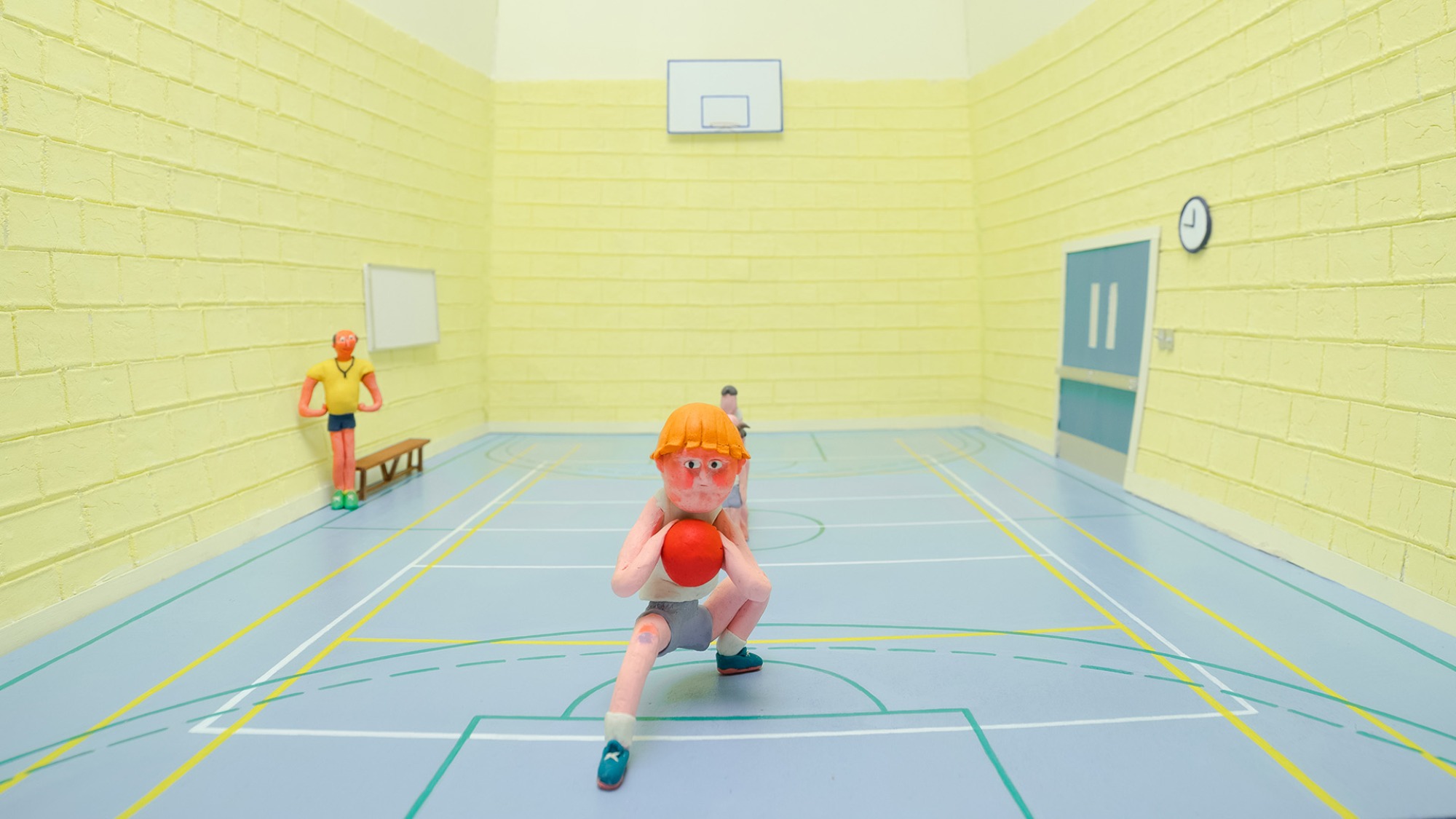
On the surface, Ball Face is the story of a young girl repeatedly getting hit in the face with a ball during gym class. However, you’ve described it as both a “psychological odyssey” and the story of discovering an “unconventional tactic that leads to victory”. With that in mind, what were you hoping to explore or communicate through the film?
The main idea I was trying to communicate is how resilience can lead to an identity crisis, how constantly reshaping yourself to survive can slowly make you lose sight of who you are. The film uses a simple metaphor of repeatedly getting hit by something you can’t seem to catch to explore the fragility of an identity built through adaptation, more specifically masking, which is a survival mechanism.
I was interested in the clash between the discomfort hidden beneath something that seems ordinary and the exaggerated pain and sacrifice underneath. Ball Face presents life as an absurd ball game with unclear rules, where there’s a gap between one’s experience of struggling to keep up and the expectation to succeed despite distress. In that context, taking hits and being resilient become the qualities that are rewarded.
It’s an absurd, humorous short that tries to reflect a part of human development.
The “unconventional tactic” is really about the adapt-or-die mindset. Constantly overcompensating for what you feel you lack can eventually make you lose yourself. Wanting to belong and wanting to do well are universal experiences, and I wanted to hide something personal beneath that familiar setting. It comes from my experience growing up as a neurodivergent child, learning environments can sometimes feel strangely violent, overwhelming, and deeply dividing. I’m really drawn to psychological odysseys as a genre, and even though Ball Face is only four and a half minutes long, it still follows a similar structure: a fatalistic journey of a child whose identity is constantly shaped by their surroundings. It’s an absurd, humorous short that tries to reflect a part of human development and psychology.
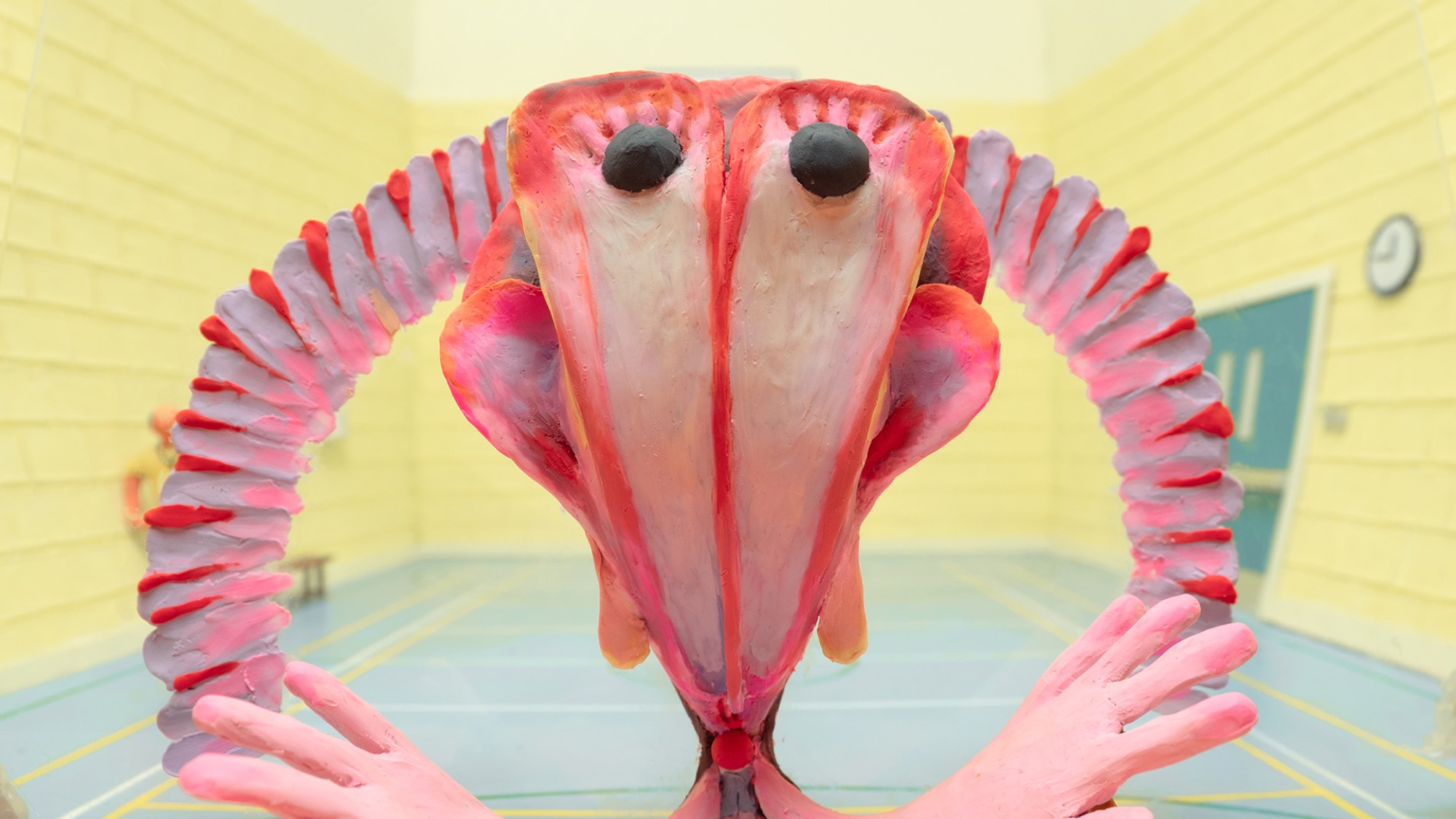
Where did the inspiration for the story come from? It wasn’t a real-life experience, was it?
No, I actually never got hit in the face with a ball and I hope it stays that way. I tend to stay away from ball games, haha. The film is a blend of different anecdotes and emotions rather than one real-life event. Life throws curveballs, and we all have moments when we get unexpectedly hit by something (metaphorically or not). Since the film is anchored in a childhood experience of overcompensating, the story came more from my subconscious than from a specific memory.
I ended up watching a lot of slow-motion videos of people getting smashed in the face with balls.
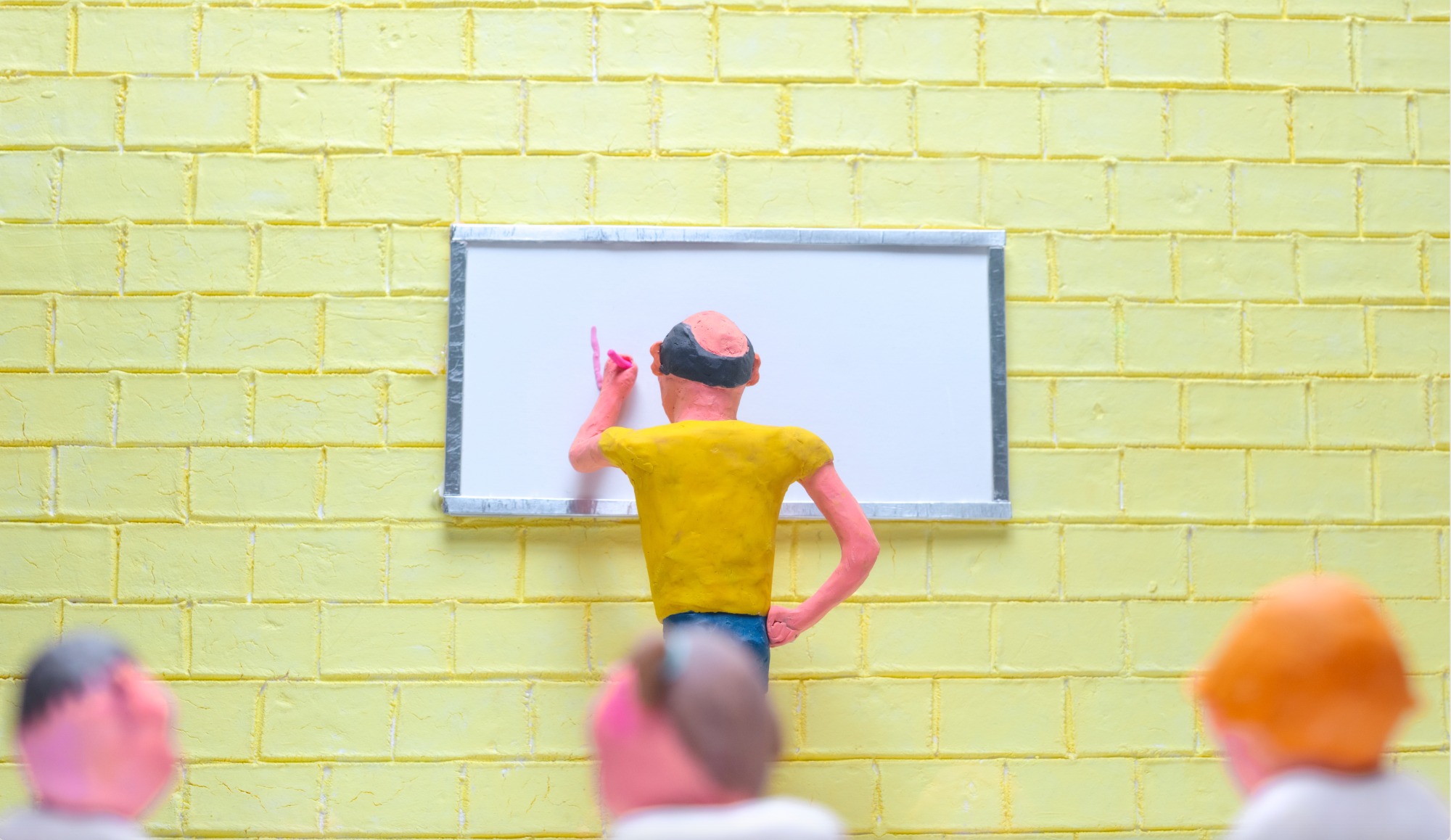
At first, it was actually a completely different story. But in every storyboard I was making, there was always someone getting unexpectedly and dramatically hit in the face by a ball and it was my favorite part. It kept coming back. So I decided to dig into what that image could mean and go all in with it instead of keeping it as a final twist. I was really fascinated by the idea of decorticating a single moment to show how the exact same situation can be experienced so differently. I ended up watching a lot of slow-motion videos of people getting smashed in the face with balls, haha. It’s so fascinating to see the impact, how the body deforms and reforms in contrast with how incredibly fast getting hit actually happens. The most ‘real life inspired’ part of Ball Face would be the gym teacher who is actually inspired by one of my gym teachers I had in middle school, with a blend of other figures in my life.
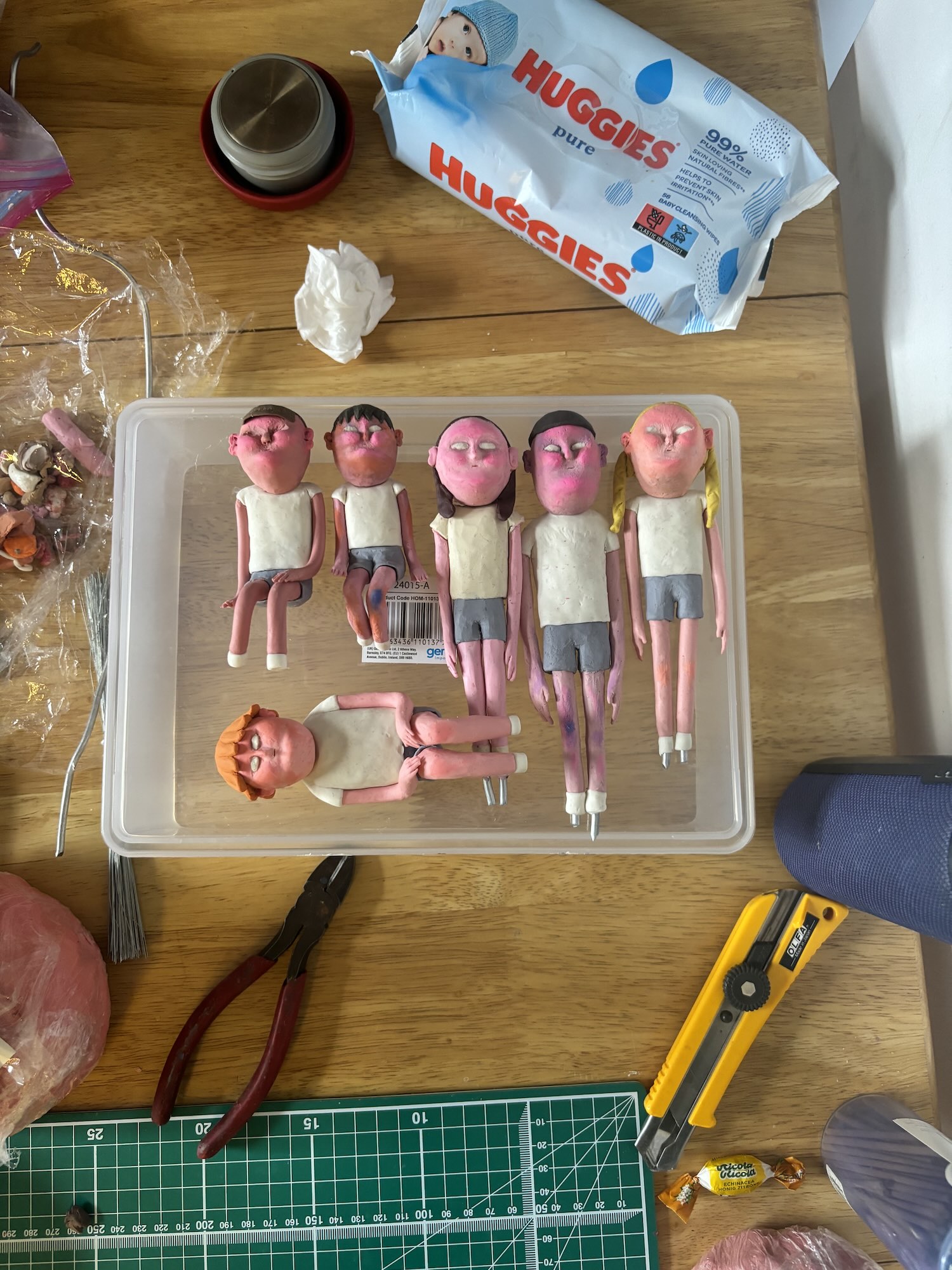
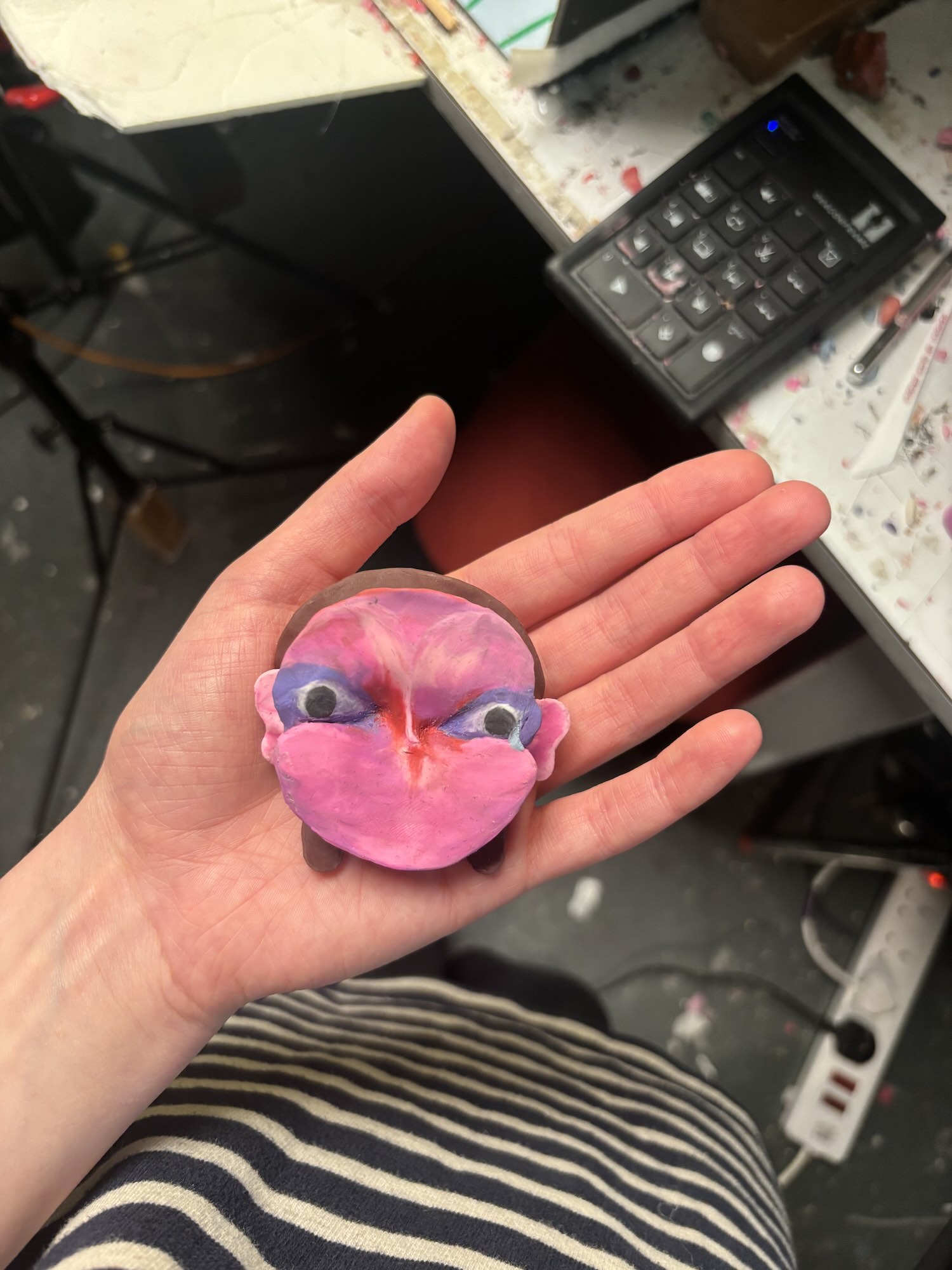
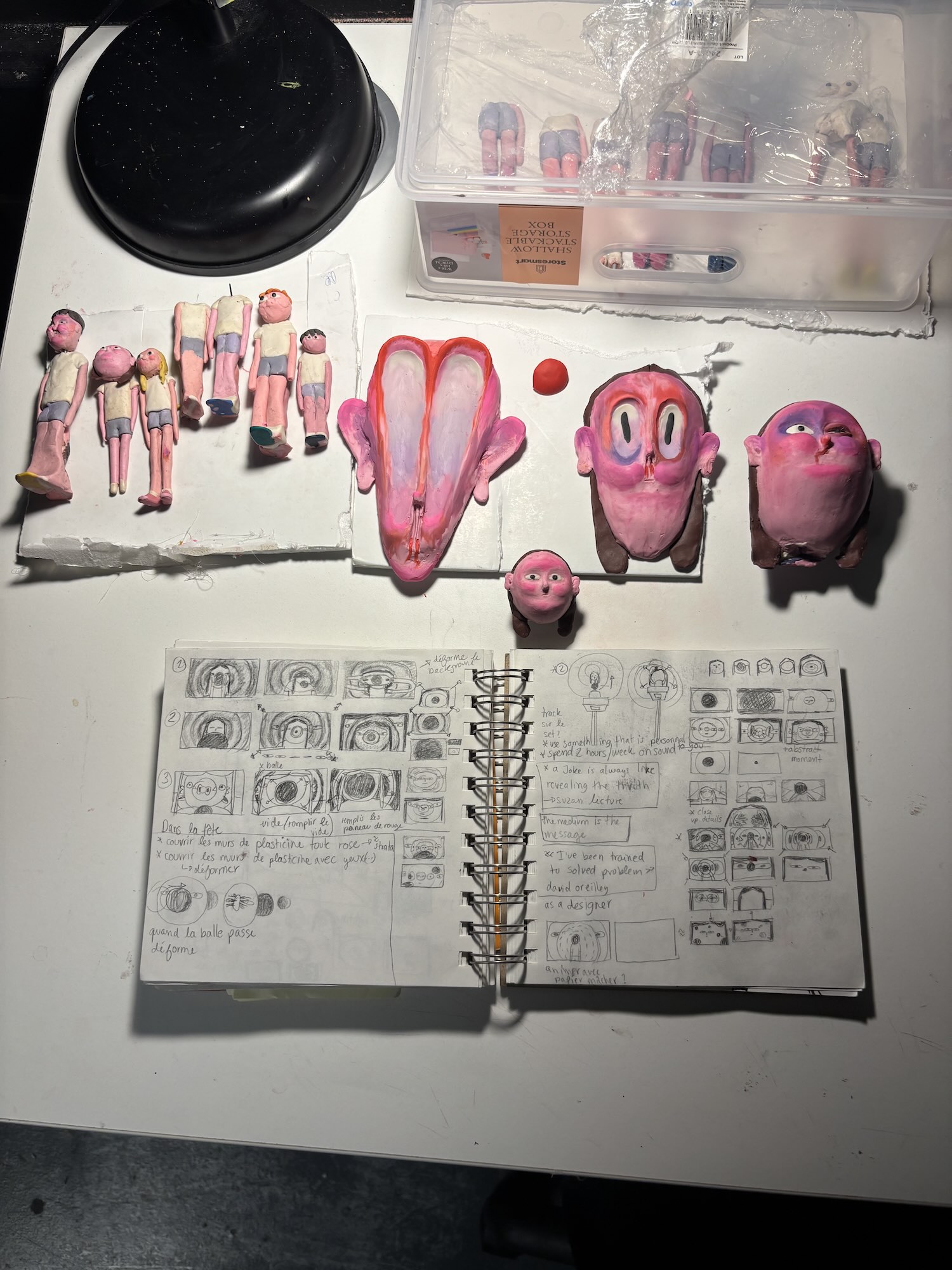
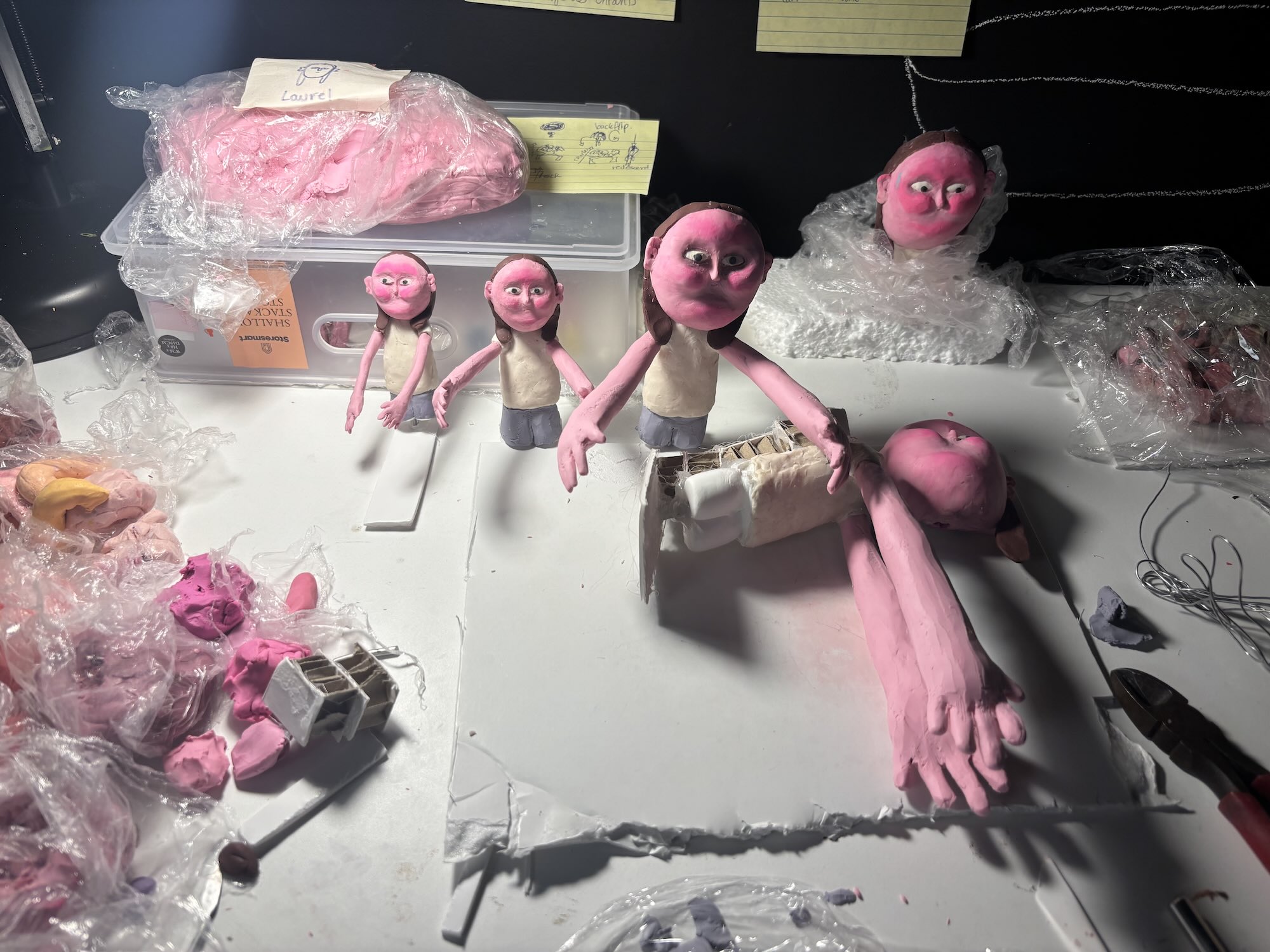
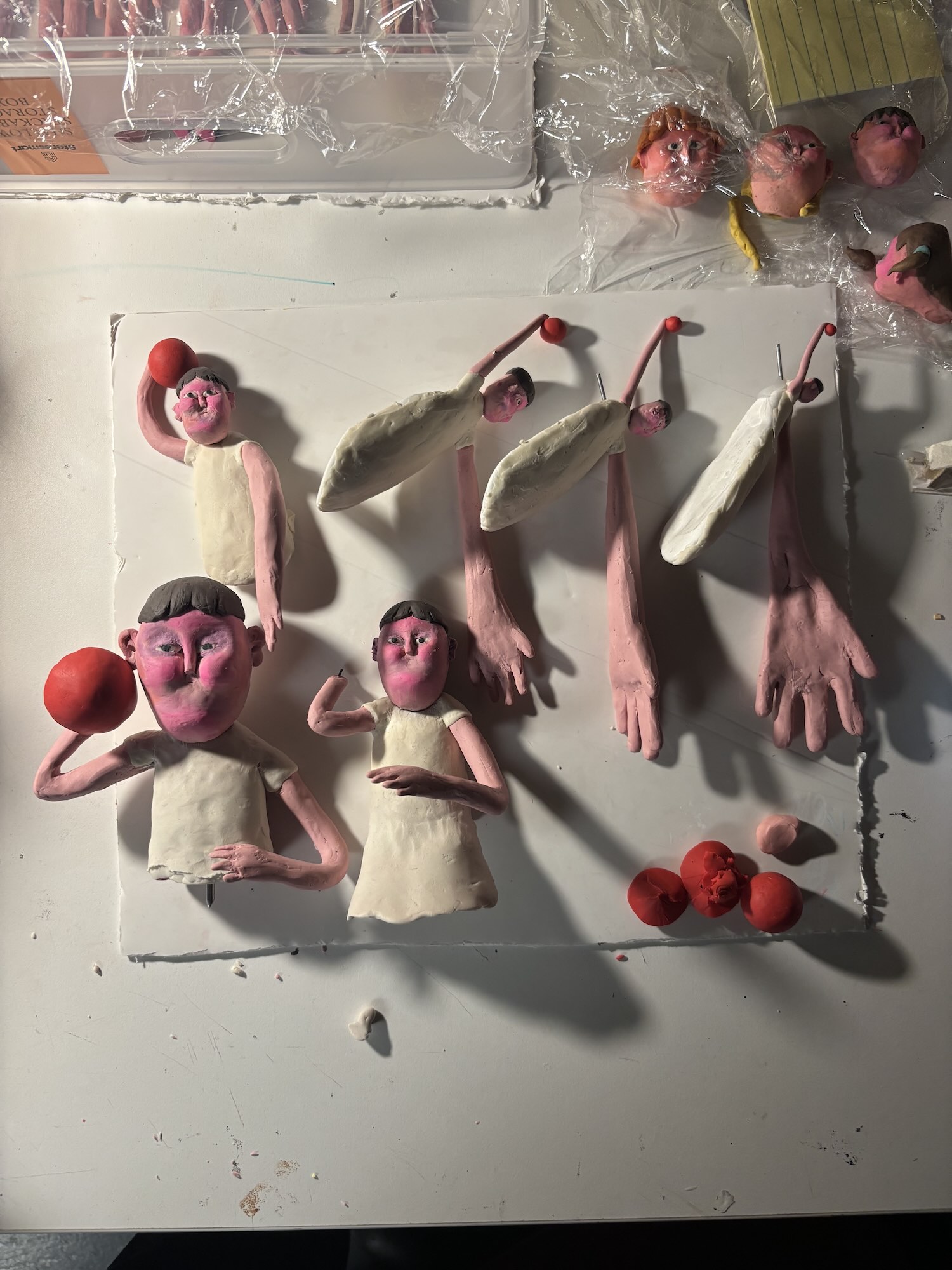
Looking at your previous work, claymation seems to be a technique you return to frequently. Was Ball Face always conceived as a claymation project, or was there something about this particular story that made this approach feel like the right fit?
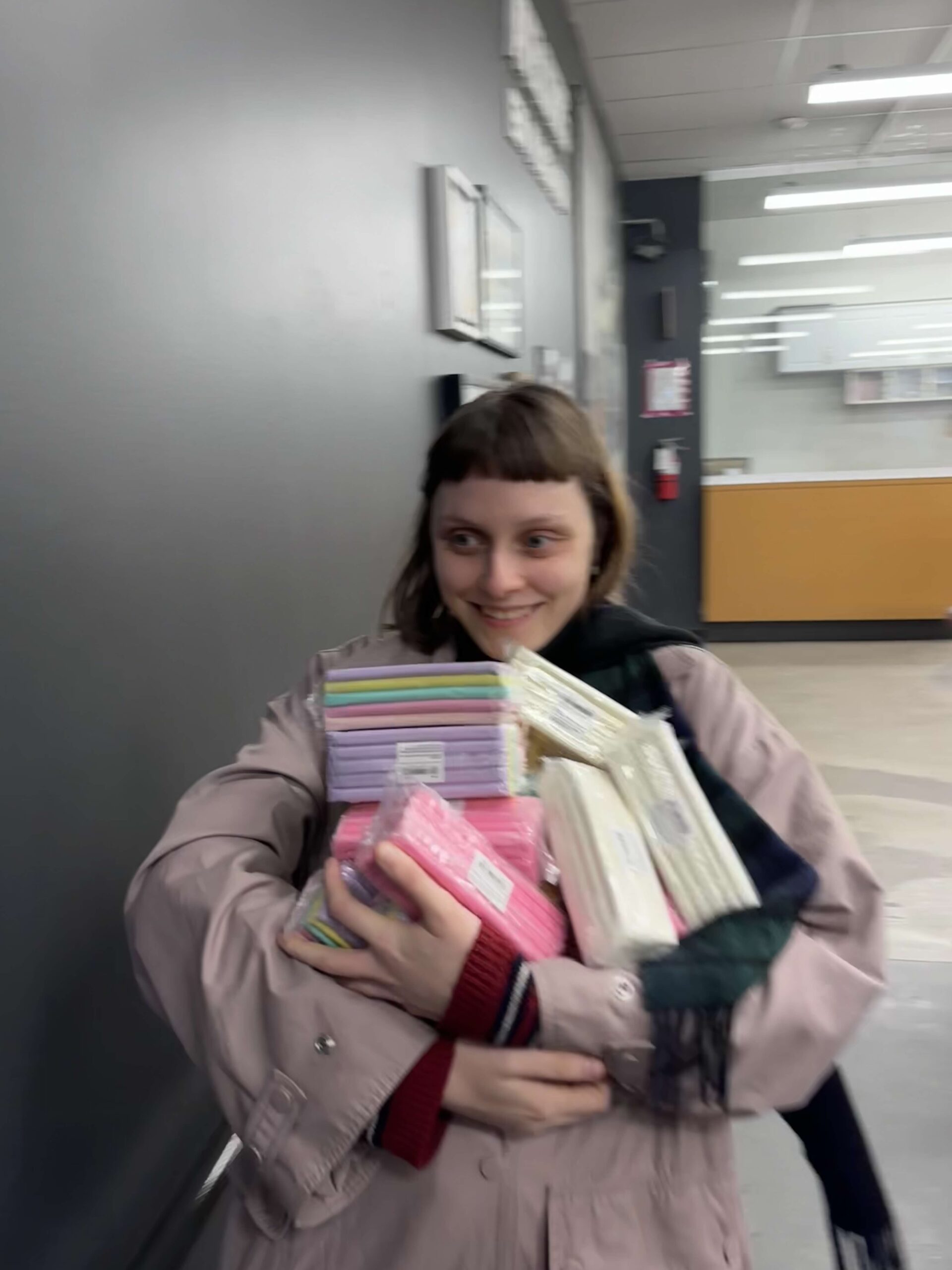
Yes, Ball Face was always going to be a claymation project. With the limited time I had at the RCA, I had to capitalize on the medium I know best while pushing it as far as I could. I remember someone once telling me, “You can’t be Miss Plasticine all your life.” Well… I think if you keep getting inspired by a medium, you should stick with it until you’re ready to move on, so you really get to master and explore it. I keep coming back to clay because I’m constantly inspired by its possibilities. I love how accessible it is, it makes the whole process much more spontaneous. I’m always looking for ways to make clay feel conceptual, and with Ball Face, the medium really was the message.
Most Popular
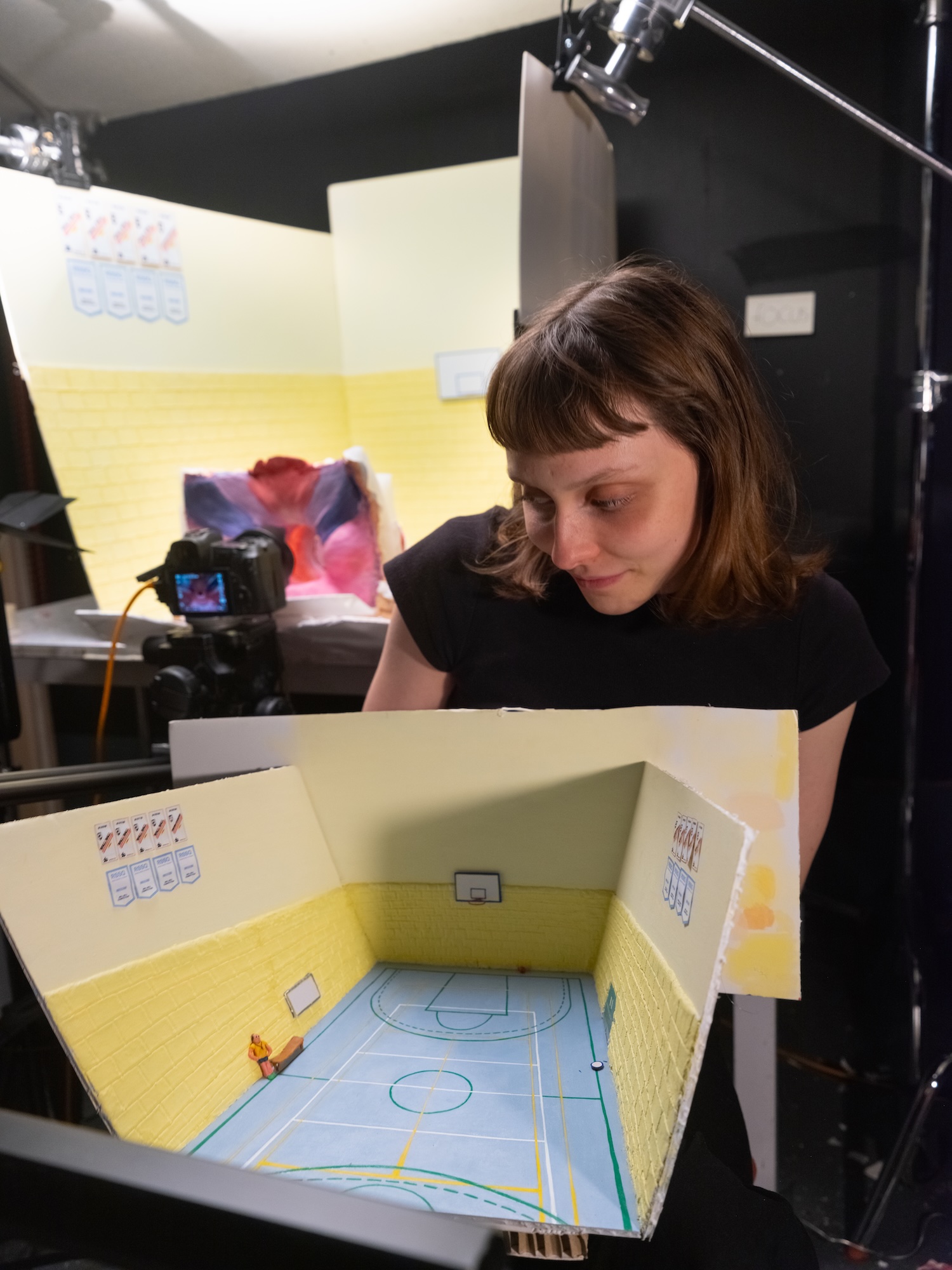
The malleability of clay reflects the fragility and constant reshaping that come with being a child in a harsh world. It gave me the freedom to literally sculpt the character’s identity as the story unfolded. I had to shoot the film chronologically in order to morph the face gradually. Using a blend of character replacement and clay morphing really made sense for this film. Clay also taps into a childhood nostalgia that I love pairing with a story that’s more raw and violent.
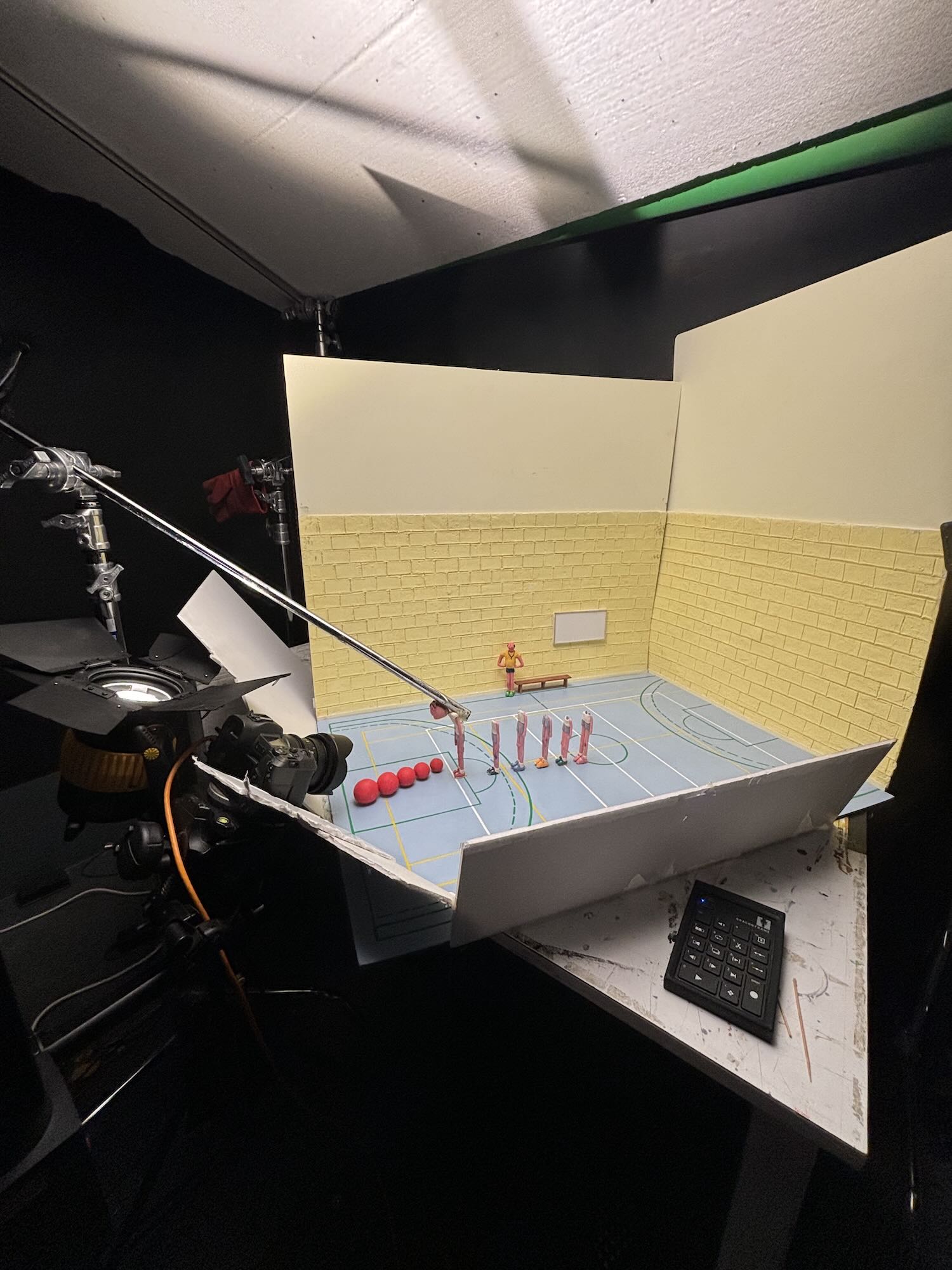
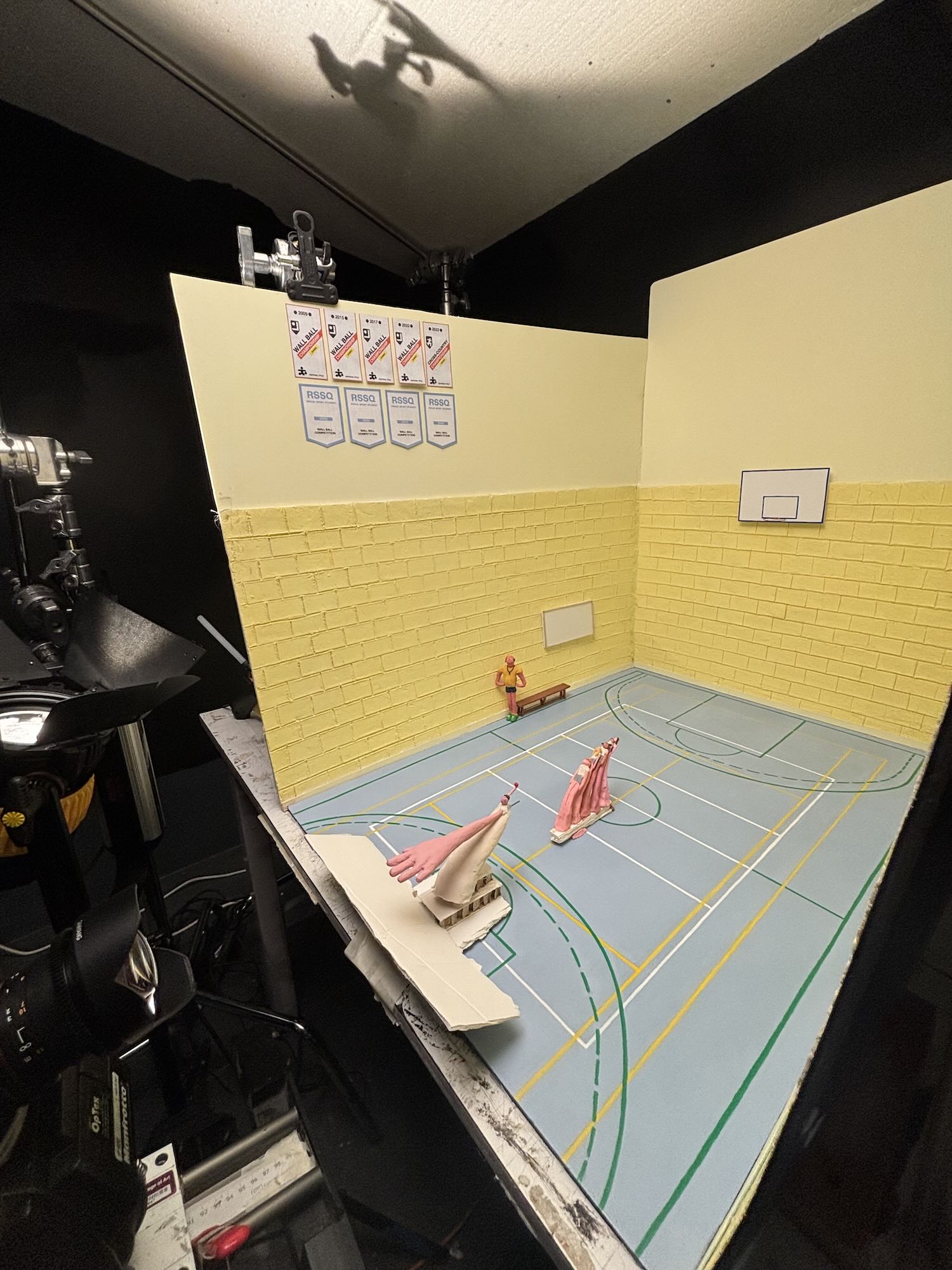
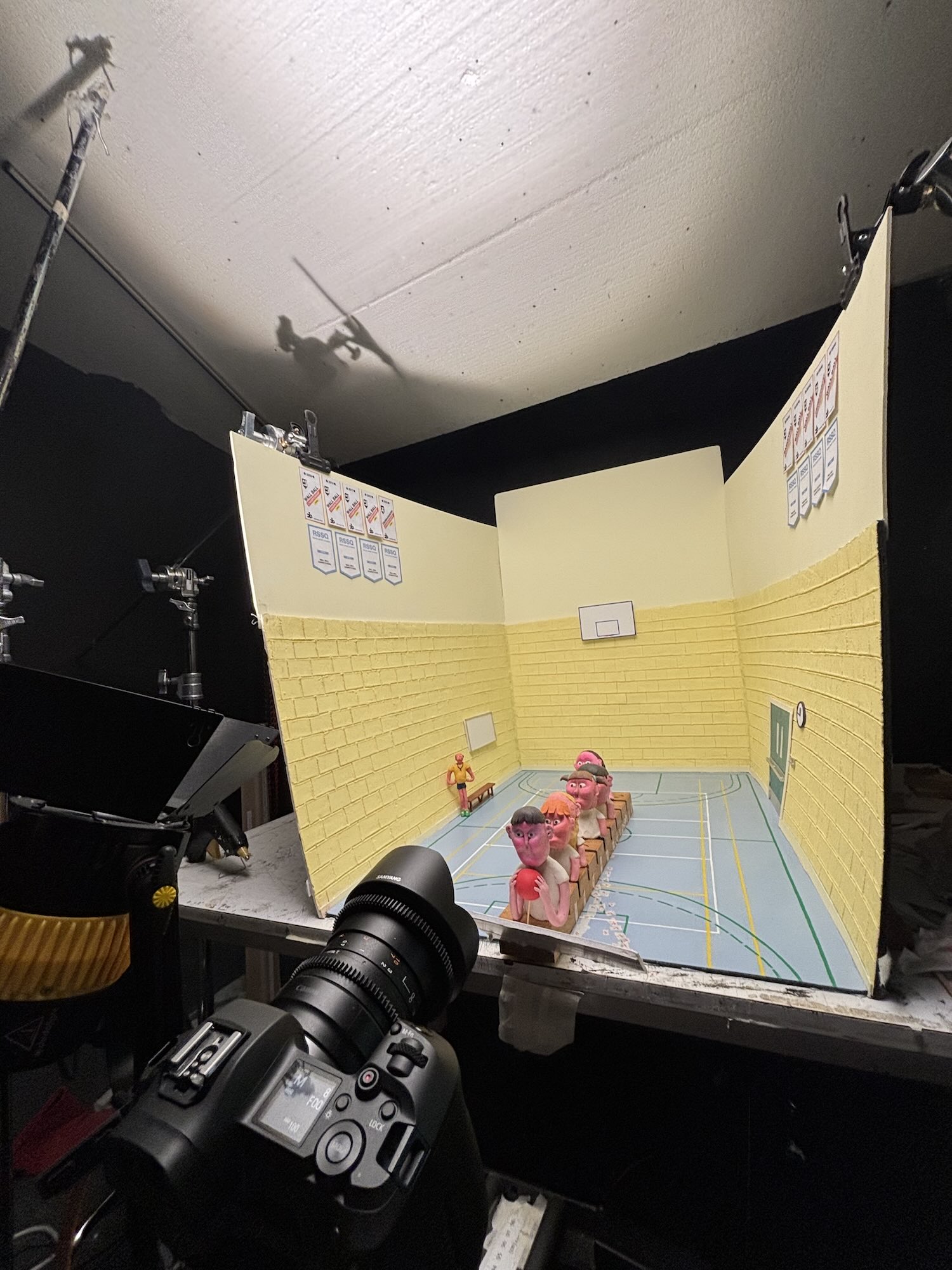
What is it about claymation that continues to appeal to you as a filmmaker? Are there qualities within the technique that you feel can’t be achieved in other forms of animation?
Once I realized I could stick clay to the wall, it was game over. Haha! I think clay is one of the most liberating mediums because it lets you defy gravity without any technical gadgets. It has this beautiful balance between spontaneity and control. It’s incredibly accessible and affordable, but at the same time it comes with a lot of constraints, which I actually love. Those limitations force you to invent solutions, and that’s where a lot of the magic happens.
That’s where animation becomes magical: when it shows a reality that couldn’t really exist in any other medium.
I also love that its shape is constantly shifting. Somehow, the way clay behaves just matches the way I see the world. I’ve always been fascinated by old practical special effects, before the age of CGI, and I like using clay almost as a practical effect within animation itself. To me, that’s where animation becomes magical: when it shows a reality that couldn’t really exist in any other medium. Even when I’m not making a clay project, I still come back to it just to sculpt ideas instead of sketching. It helps me think and visualize in a much more intuitive way.
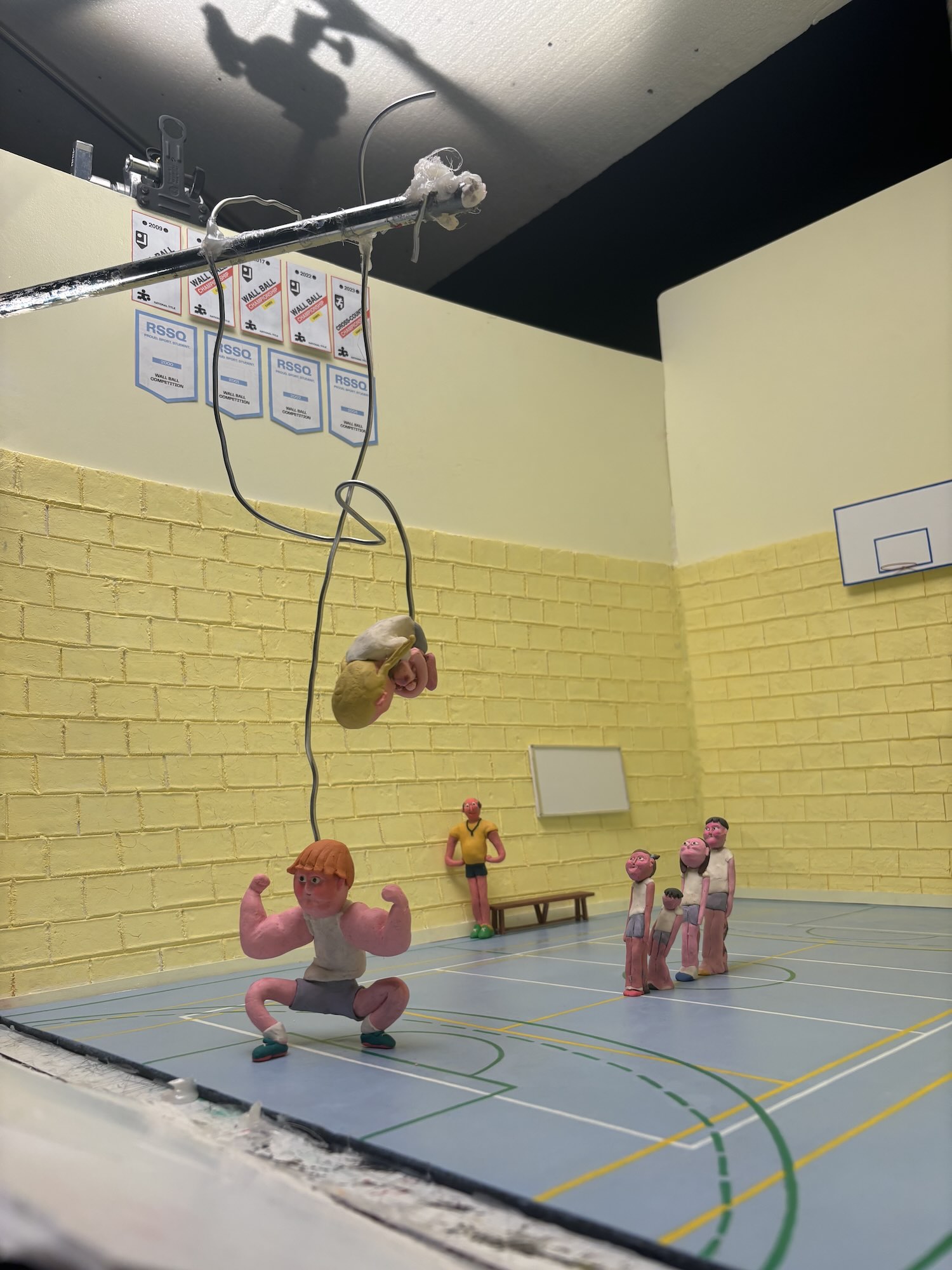
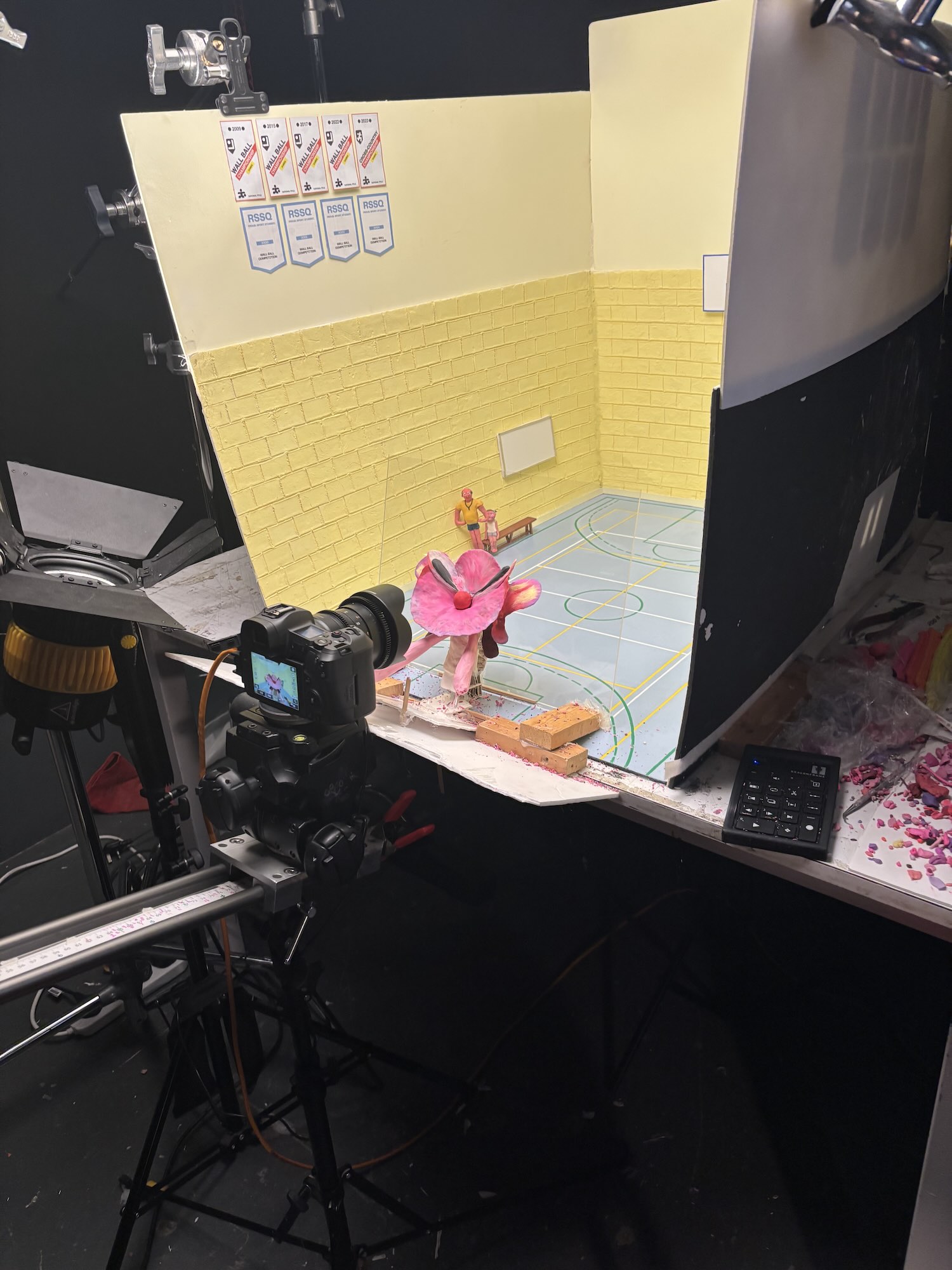
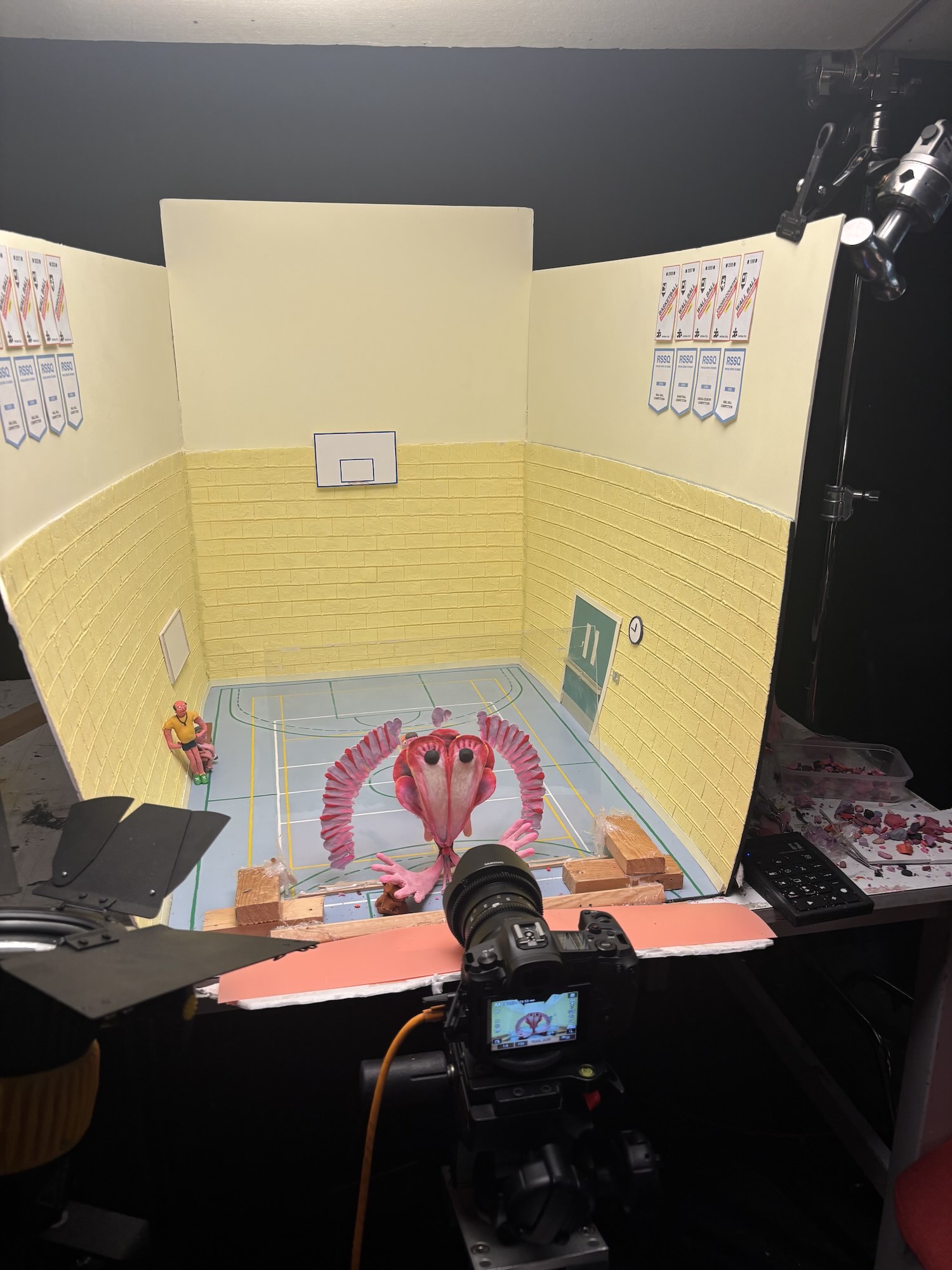
I first encountered Ball Face through a trailer during the RCA graduate film showcase, so I’m assuming the project took a little longer to complete than originally planned. What were the biggest challenges you faced during production, and looking back, is there anything you would approach differently now?
I think I underestimated the availability of the studio, which had strict closing hours. I also didn’t calculate the other projects and collaborations we had to do in the school outside of the animation curriculum. These were refreshing and inspiring, but took a good chunk of time from the production process. It was challenging to accept it at first, but looking back I think that also saved me from overworking and forced me to have a similar work-life balance.
The creation and production of Ball Face took 6 months 14 hours a day, 6 days a week. Like my tutor Carla MacKinnon would say, making a film isn’t a sprint but more like a marathon. You could have all the passion in the world and it wouldn’t be enough to make you work 24 hours a day, 7 days a week for 6 months straight. I had to take some days off at some point in the production process. That led me to having a little bit more than half done at the RCA showcase.
I had to remove some unnecessary scenes from the film, which was hard but necessary. As my first film, the learning curve was really big in terms of post-production. I learned a lot about compositing and color grading. I think what was really the most challenging was the editing of the film afterwards. It was hard to be critical and remove scenes from the film when you’ve spent 6 months sculpting every single second of it. Looking back, I would give myself a break between production and post-production to have a clearer point of view. But overall I’m really happy about how things went 🙂
If you could recommend one short film by another filmmaker to our audience, what would it be and why?
My holy grail in terms of animated shorts is Eager by Allison Schulnik. It’s the short I go back to whenever I feel lost. She basically represents the essence of what animation means to me. I cry every single time I watch Eager, not because it’s sad, but because it taps into something no words could describe. It does to you what I think animation does best: communicating emotions with subtleties through sound, materiality, and movement. It also reflects how claymation can be a liberating form of art beyond narrative storytelling. The relationship between the music and the visuals in this short should be studied as one of the best audiovisual collaborations of all time. Huge respect for Allison Schulnik 🙂 Allison, if you’re reading this, could we get a coffee or something? Haha.
What comes next for you? Are there any new projects in development that you can tell us about, and where can audiences go to keep up with your work?
There are a few exciting new things on the way. I’m working full-time on developing a new film with the National Film Board of Canada. Which originally was the idea I was planning to do at RCA. Fun fact, the last sentence that Mister Eric (the gym teacher) says at the end of Ball Face, introduces my next film! I felt like this next idea was bigger than what I could make alone and so with the support of the NFB, the result is definitely gonna be enhanced to its true vision, due to the amazing support and dream team there.
I might have some clay in it, but differently than I used it before! Right now, I’m still exploring different techniques. That’s all I can say, I think. I’m learning how to work on a project at a healthy pace and that is really refreshing 🙂 I’m also working part-time on the development of a longer form Idea. If you want to know what’s coming up you can follow me on Instagram where I post BTS and WIP: @loupie__