
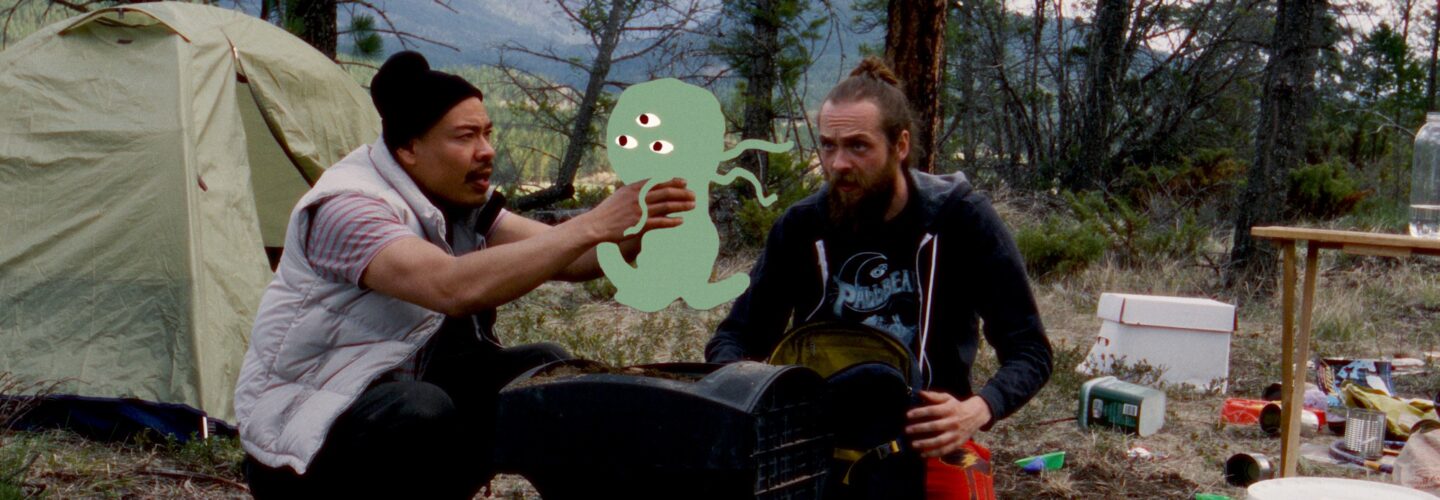
Somewhere on a planet drowning in garbage, two feral men forage through the ruins, and what they find changes everything. Cameron Macgowan’s Seed is an enchanting cinematic oddity: a dialogue-free, live-action sci-fi fable shot in the wilds of Alberta’s Kananaskis Country, into which a hand-animated plant creature—Biolantis, named in loving homage to Godzilla’s botanical adversary—is painstakingly rotoscoped, frame by frame, over the stuffed octopus that stood in for him on set. The result plays like a dystopian nature documentary beamed from another world, its locked-off frames, VHS flicker and warped analogue textures channelling the retro NFB documentaries Macgowan grew up absorbing through coax cable static, while its wordless physical performances reach further back still, to Chaplin and the silent era. It shouldn’t cohere, but it absolutely does. Conceived while Macgowan and his spouse were expecting their first child—the director anxiously ruminating on the state of the planet the next generation stands to inherit—Seed wears its environmentalism lightly within swathes of comedy while smuggling a story of exploitation inside a joyful, deadline-free shoot among friends. As Seed makes its online premiere on DN, we speak to Macgowan about blueprinting gags instead of scripting scenes, the years-long animation of a creature voiced by a child, and dressing pristine wilderness in meticulously scavenged trash.
I love the return to short form after a feature. What does making something this way—with your mates, for the joy of it, rather than a hired crew on a clock—actually give the work that a conventional production can’t?
Many of my fondest memories in life have come from making movies with friends. When I was in high school, my parents co-signed a line of credit for me to purchase a MiniDV camcorder that my skateboarder friends and I would use to record our antics and make some feeble attempts at creating comedy skits (original/stolen) to amuse ourselves. In my final year of high school, our teacher allowed me to create The Bonnie Situation from Pulp Fiction for my final project, and I recruited these same skateboarding friends to make this project with me. We even solicited the help of my grandmother to cook up some scrambled eggs and help us decorate the backseat of her car in those eggs and some ketchup to recreate the infamous Marvin scene.
The way I like to look at it is: making films can be extremely stressful, and the finished product is sometimes not received as well as you had hoped, so one of my main goals as a director is to ensure that my cast and crew have a pleasant experience and feel seen creatively so that even if our film doesn’t achieve great success, we can still fondly look back on the adventure that we had shared together while making art. With my first feature film Red Letter Day, while I love the film and loved making the film, the budget constraints and deadlines provided me with my fair share of ulcers, and my soul needed me to create a project following that experience that was less commercial and only had the goal of freely expressing myself creatively while adhering to no strict deadlines. Seed was created as a little treat for myself and the friends I’ve made in this business, as a way for us to let loose and return to the early days of creating art just because you felt something deeply inside that you wanted to physically manifest.
Seed is an alternative short in the best sense. Before any of it reached the screen, how fully did these two men and their mission exist on the page? And when it came to finding the two performers who could carry a near-wordless film, were they already collaborators of yours?
Seed never had what I would call a script and was mostly written as a blueprint of the gags and emotional beats that I wanted to hit. I have worked with both Roger LeBlanc and Mike Tan on previous films and trusted their creative instincts. During our initial meetings, I gifted each of the gentlemen a copy of Charlie Chaplin’s The Gold Rush and had them watch the legendary Canadian short film Norman McLaren’s Neighbours. Roger and Mike are both theatrically trained, so I trusted their experience to help them express themselves without using words, and this is my fourth silent film, so I’ve become very comfortable directing wordless performances.
We were always searching for happy accidents and were able to capture some unexpected moments by being open to collaborating with nature.
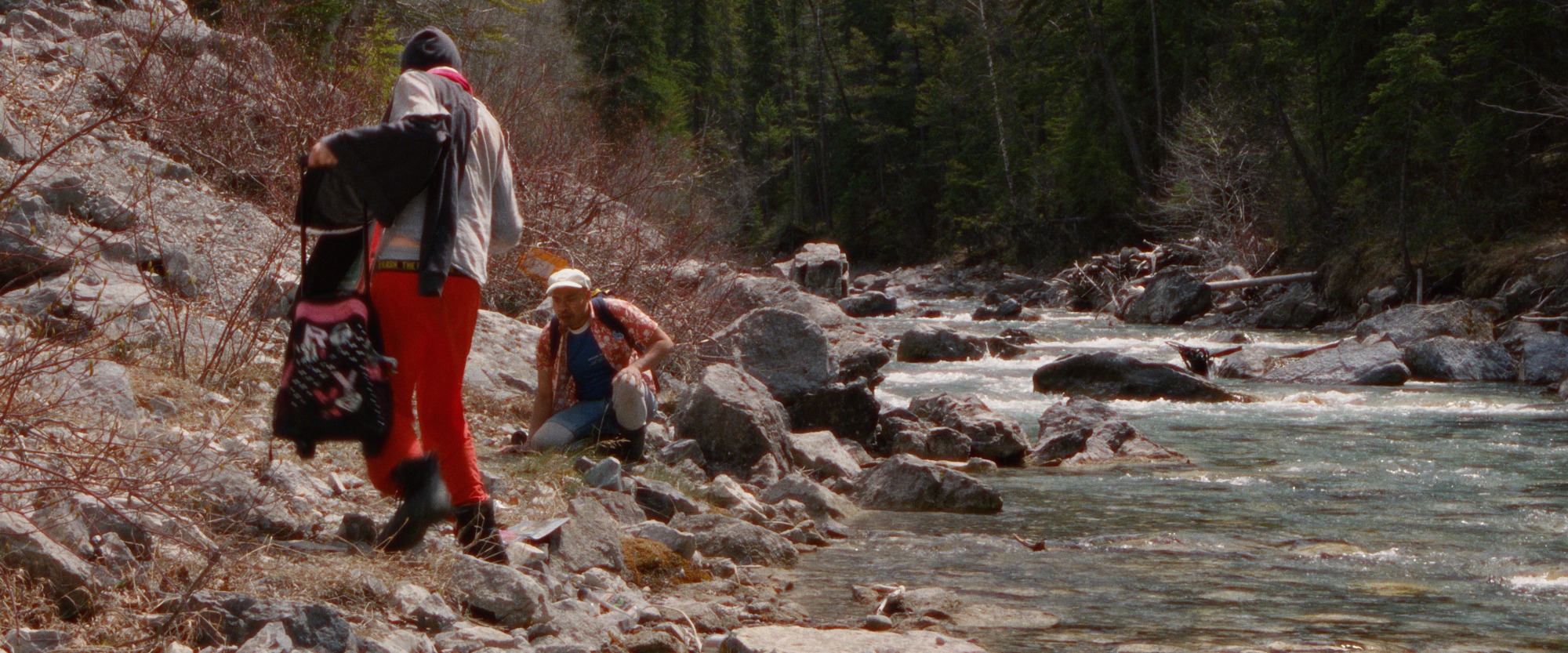
Once we were in the mountains, together with the performers, we would playfully block the scene out until we all felt we had some magic worth capturing. During production, we were always searching for happy accidents and were able to capture some unexpected moments by being open to collaborating with nature — for example, the men chasing after the chicken was captured quickly as a wild chicken was crossing our path.
Most Popular
There’s a real paradox in the film’s world: you’re shooting in genuinely beautiful Kananaskis wilderness, but selling a planet buried in trash that nature is quietly reclaiming. How did you calibrate that? How much of the garbage was brought in and dressed, and how did you find the right level of grossness without losing the beauty underneath it?
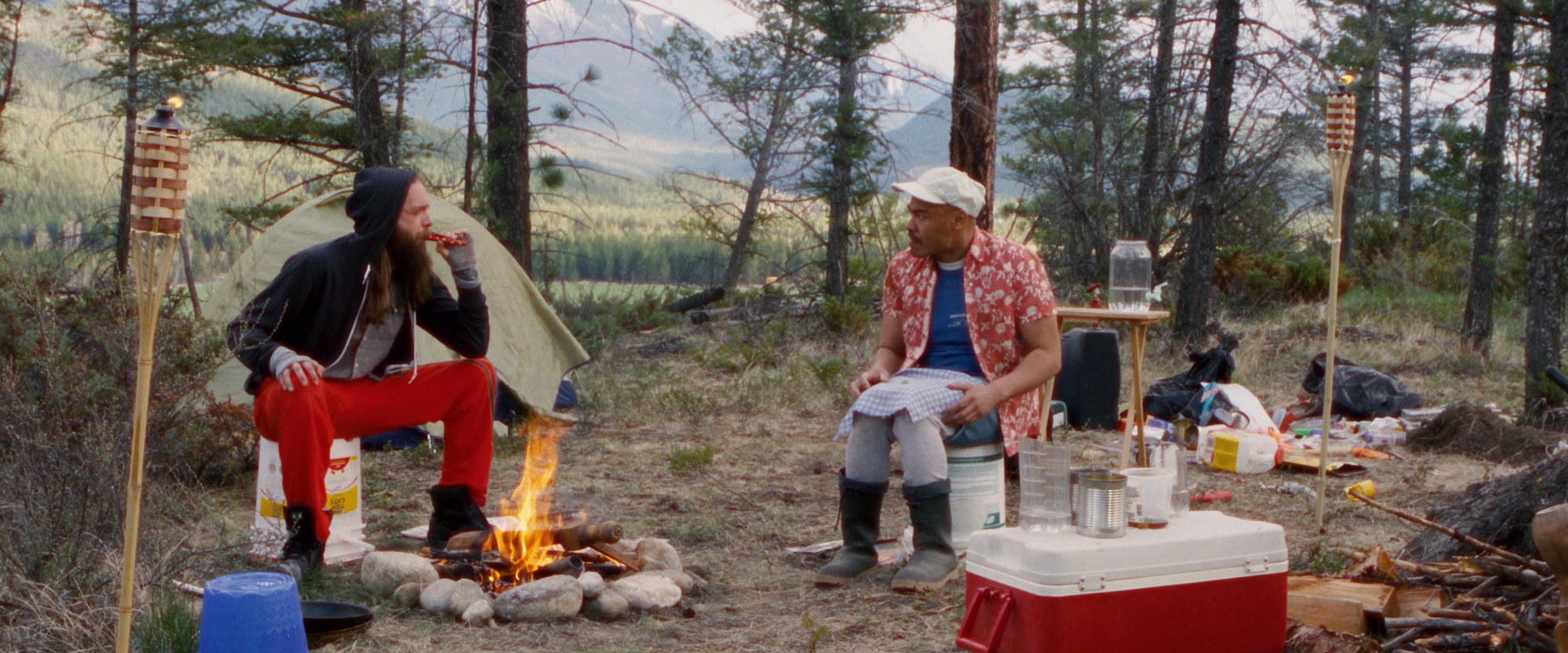
As we intentionally had a very small film for Seed, I bestowed upon myself the role of Art Director (as well as many other credits that I didn’t list myself for). I spent months gathering enough trash to make the main encampment location, which we created from scratch, and methodically cleaned up every single piece of trash that we brought with us, and even found time to pick up trash that we were not responsible for.
I recall a day when my closest collaborator (and essentially brother) cinematographer/editor Rhett Miller and I were collecting insert shots and found a beautiful area in the mountains that was already covered in trash, and, after getting the shot, got into a bit of trouble while cleaning up the trash that we did not create, as we were unknowingly on a private golf course without permission. The golf course staff member went as far as to tell us to stop cleaning up their trash while kicking us off the premises. Now that CRT televisions are so difficult to find, I feel a little bad that we destroyed one for this film, but what can I say, art requires sacrifice.
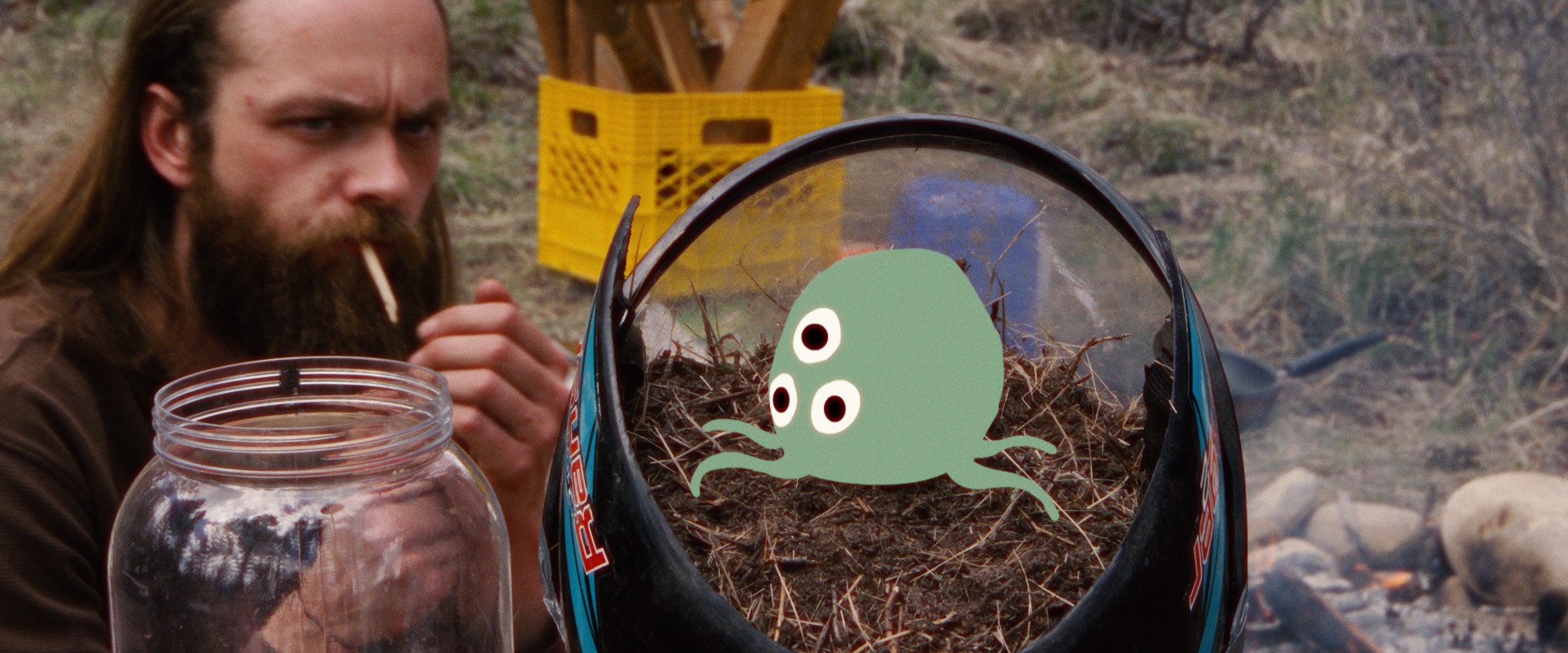
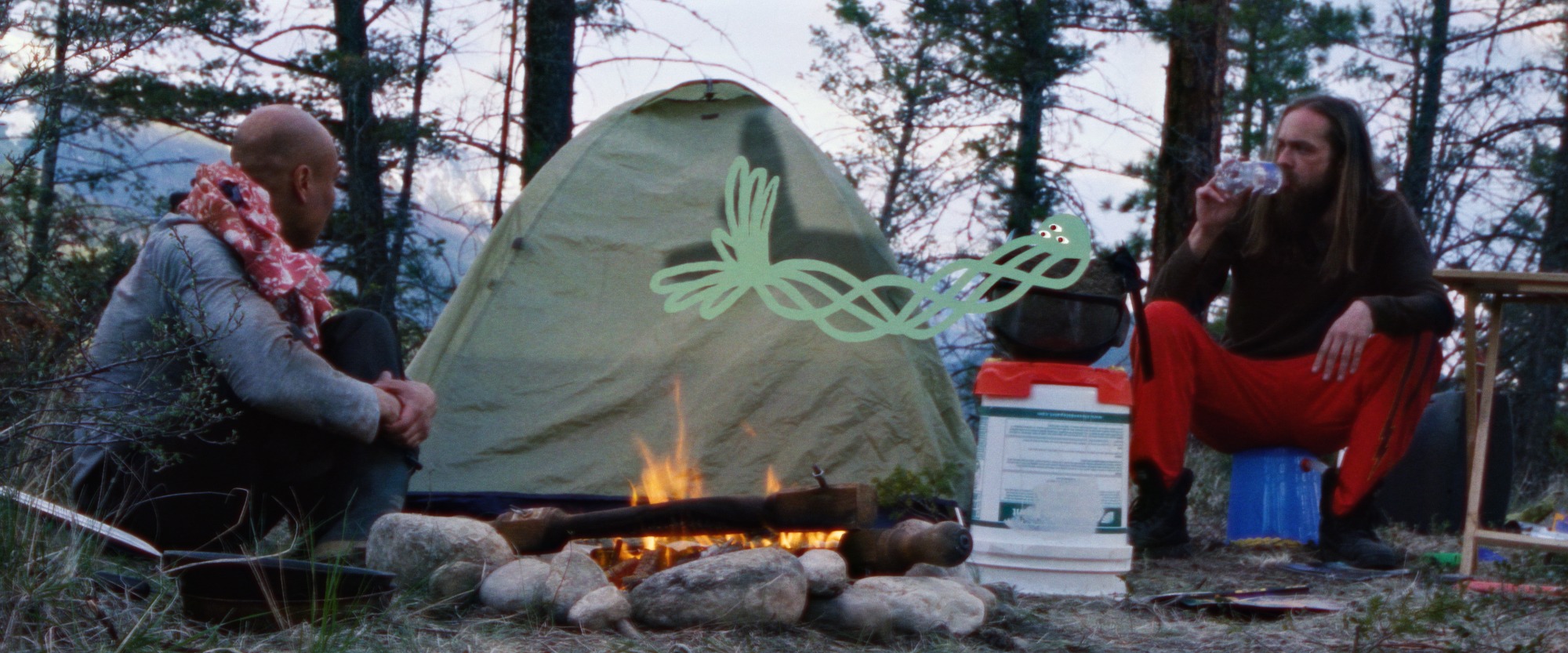
Tell me about Biolantis. You named the creature for Biollante, one of your favourite Godzilla foes. What did you want to carry over from that plant-kaiju lineage? How did you land on the balance of plant, human and monster in the look, and how did you build that voice and the noises, which I loved?
As Seed is ultimately a film about plant life/nature reclaiming the planet, I felt that our creature needed to be a plant. When I think of creature designs that I adore, my mind often goes back to Biollante from the Godzilla universe as well as the gnarly Vegetable Gremlin from Gremlins 2, but to sell the emotional beats to work, I needed a cuter creature along the lines of E.T. or Gizmo. With this goal in mind, I knew my close friend and acclaimed illustrator Jarett Lee Sitter would be the perfect person for designing the creatures, as his illustrated work often strikes the perfect balance between cute without being overly twee. After a couple of meals together, Jarett and I were on the exact same page, and his concept designs became one of the main driving forces in helping us secure funding for this project. When it came time to hire an animator, I first offered the role to Jarett, and it led to an extremely creatively fulfilling collaboration.
The sound design for Seed was created by one of my longest collaborators, Kyle Thomas, who not only is a very recognized producer/director in his own right but is also a very talented musician and sound designer. As Seed was a family affair, we had Kyle’s son Jude create the sounds of the Biolantis, and the young lad nailed it on the second take. The sounds of the Biolantis are the emotional core of the film, and I wish I could say the process of gathering those sounds was more challenging, but Kyle’s son knocked it out of the park, making our job that much easier.
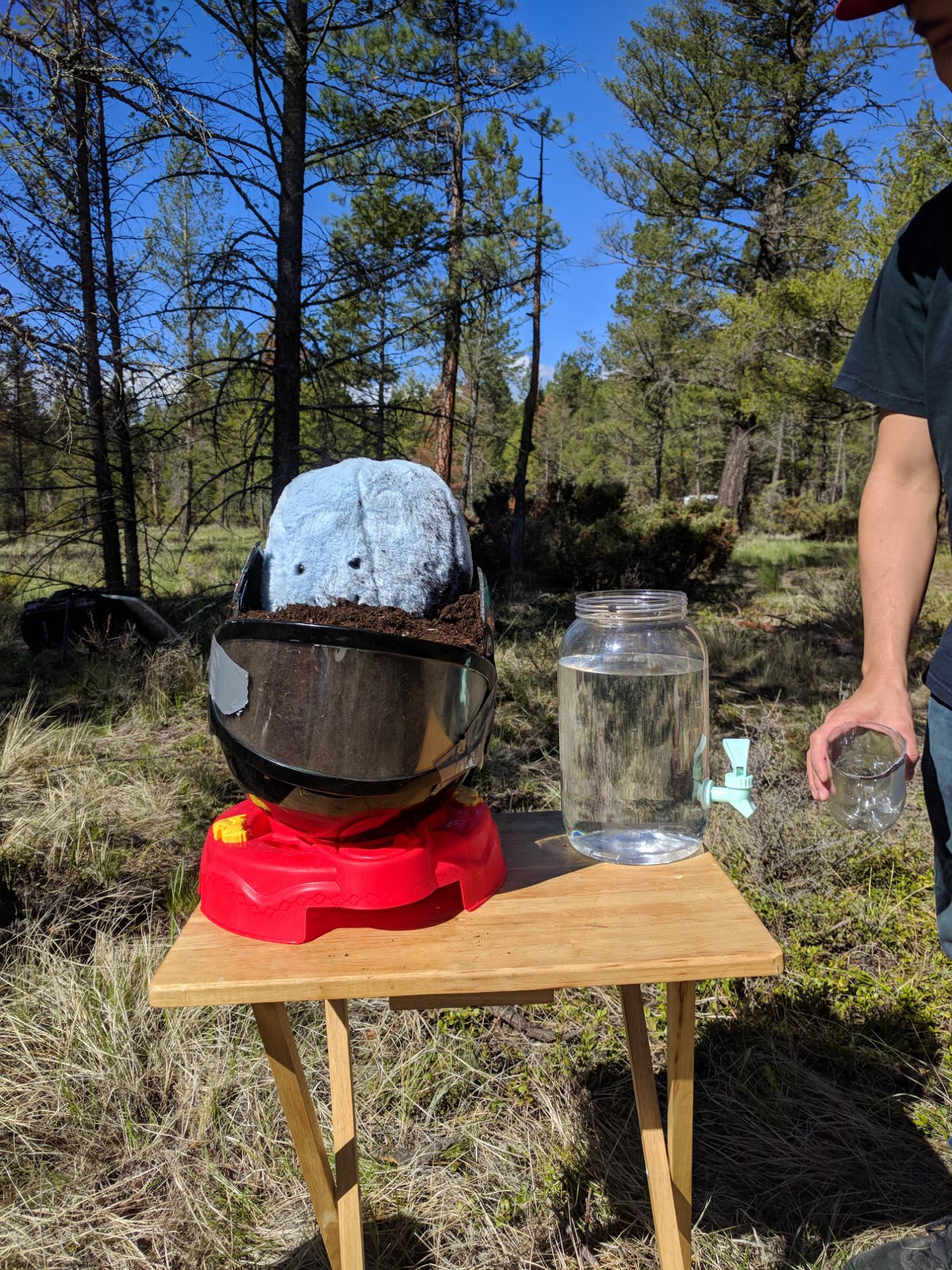
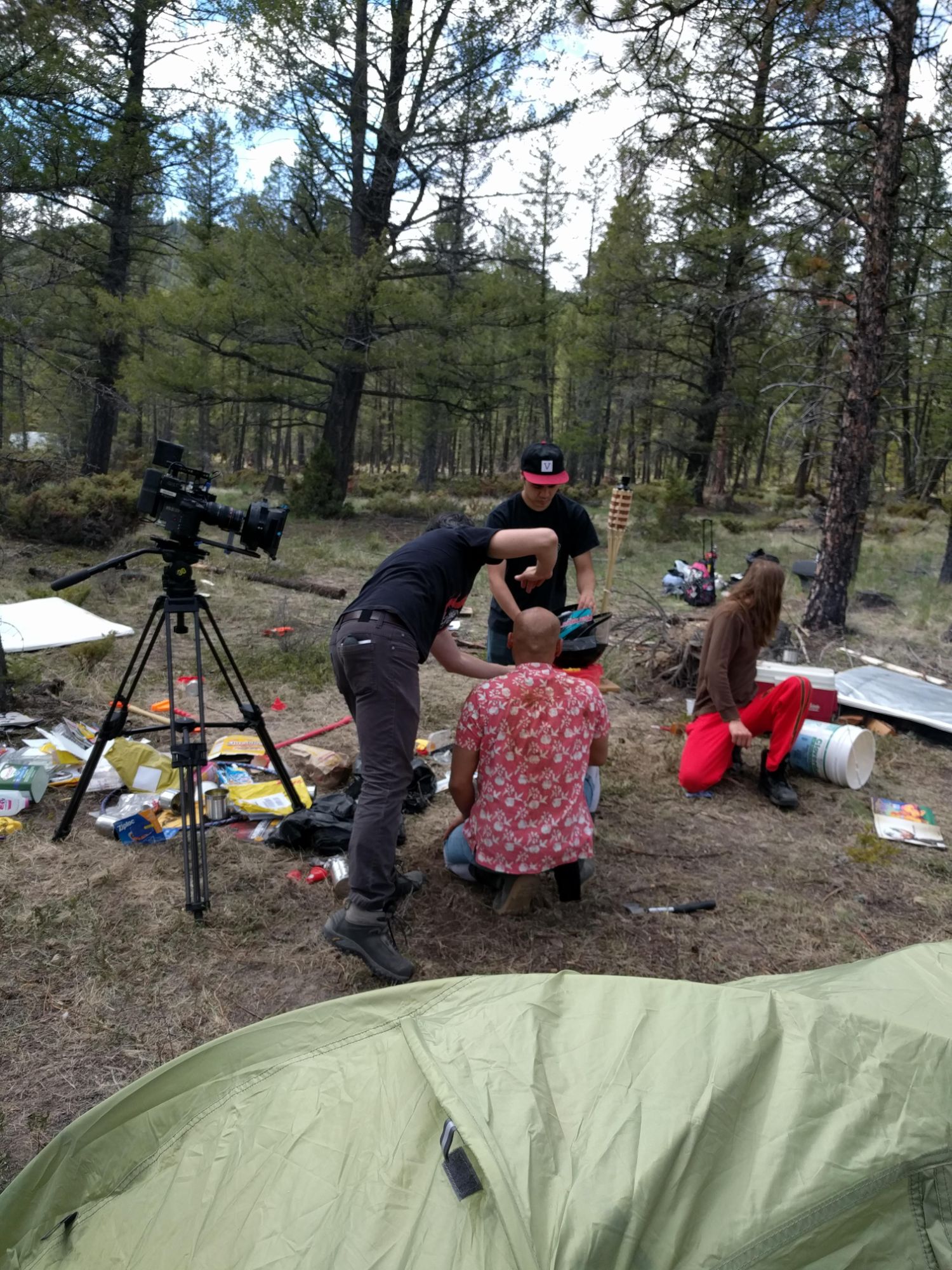
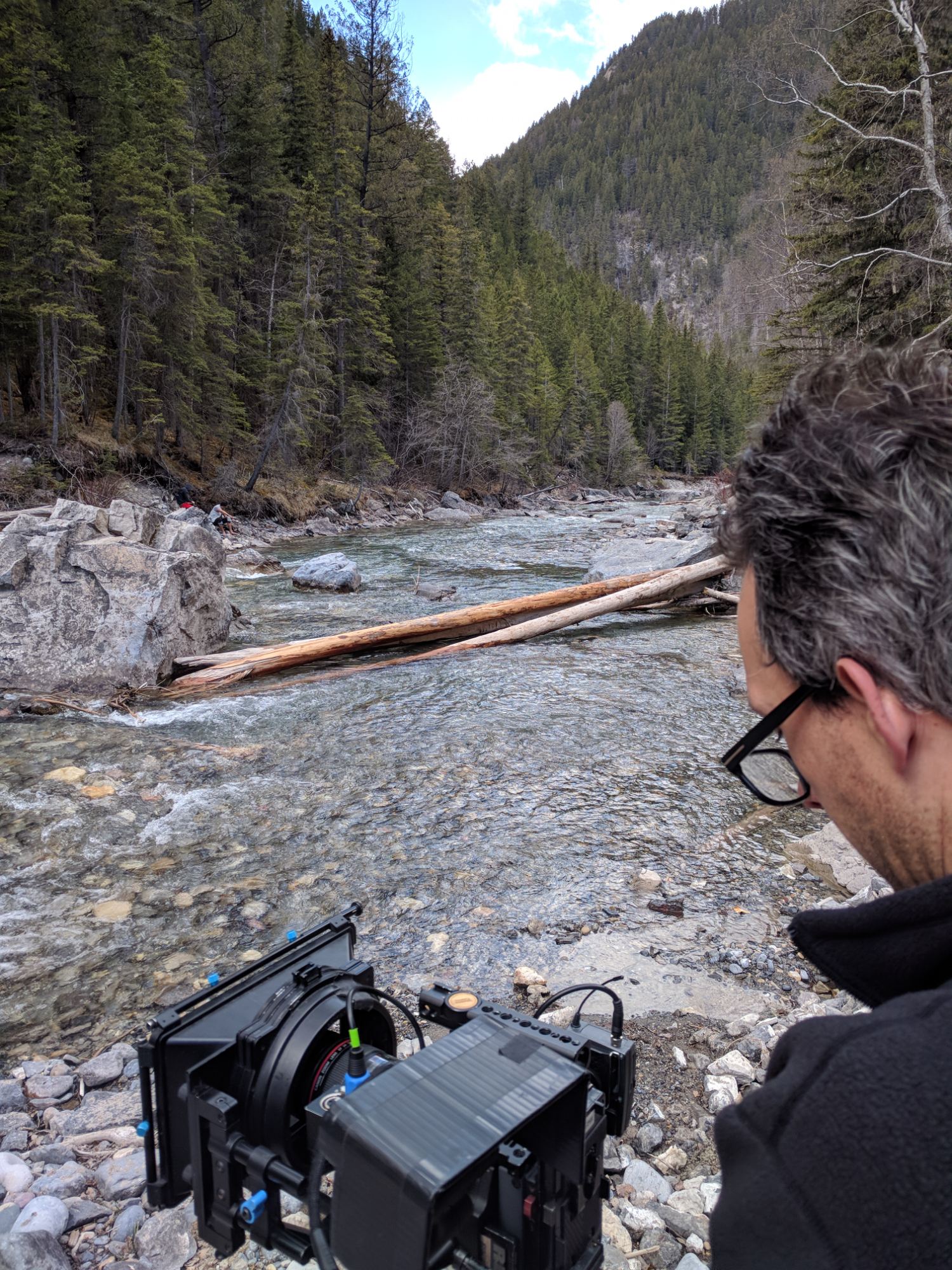
We soon discovered that Jarett would need to painstakingly create the animation frame by frame.
Animated entirely in post, with a stuffed octopus standing in on set, walk me through the integration pipeline. How did you get from that octopus reference to a finished animated character living inside live-action forest plates?
We had three stuffed octopuses that we used on set as stand-ins for the animated creature, each one a different size to represent the three phases of the Biolantis growth cycle (essentially child, teen, adult). Our animator, Jarett then rotoscoped the animated creature over the existing stuffed animal.
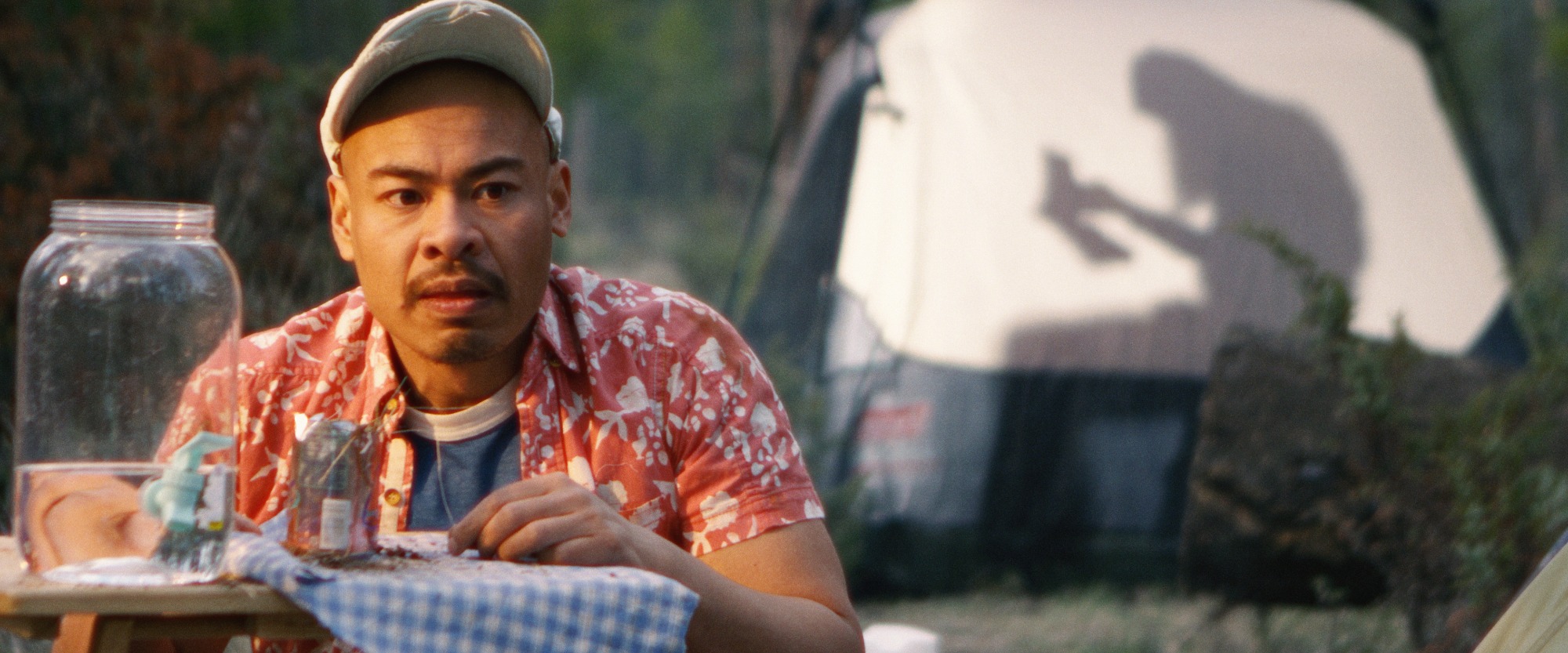
In pre-production, this seemed like a simple enough idea, but we soon discovered that Jarett would need to painstakingly create the animation frame by frame. The scenes that were the most labour-intensive during the animation phase were the moment when the Biolantis is panicking on the ground before being placed in his new TV home, and the shadow play on the side of the tent, where the shadow play had to be entirely animated in a way where the audience would believe that these were actual shadows cast from the fire, so as not to take them out of the film.
What does animating over years rather than weeks do to the work itself, to its consistency, and to your own relationship with the film as a director who, by design, couldn’t control the pace?
Filmmaking is a game of Hurry Up and Wait, meaning that you’re either frantically trying to create or you’re waiting for another cast/crew member to finish creating. The years-long editing process was just the classic waiting period, but extended from minutes to years. The more films I make, the more I learn to trust my collaborators and to encourage them to bring as much of themselves to the project as they want to, so while I was curious about what the animated creature would look like, I knew that Jarett would create something cool. Whenever he had a new scene completed, he would send me a clip to sign off on, and each clip kept getting better and better as he progressively got more skilled at using the animation software. Whenever Jarett would send a new animated clip, it gave me the thrill/excitement that I can best compare to receiving an unexpected present.
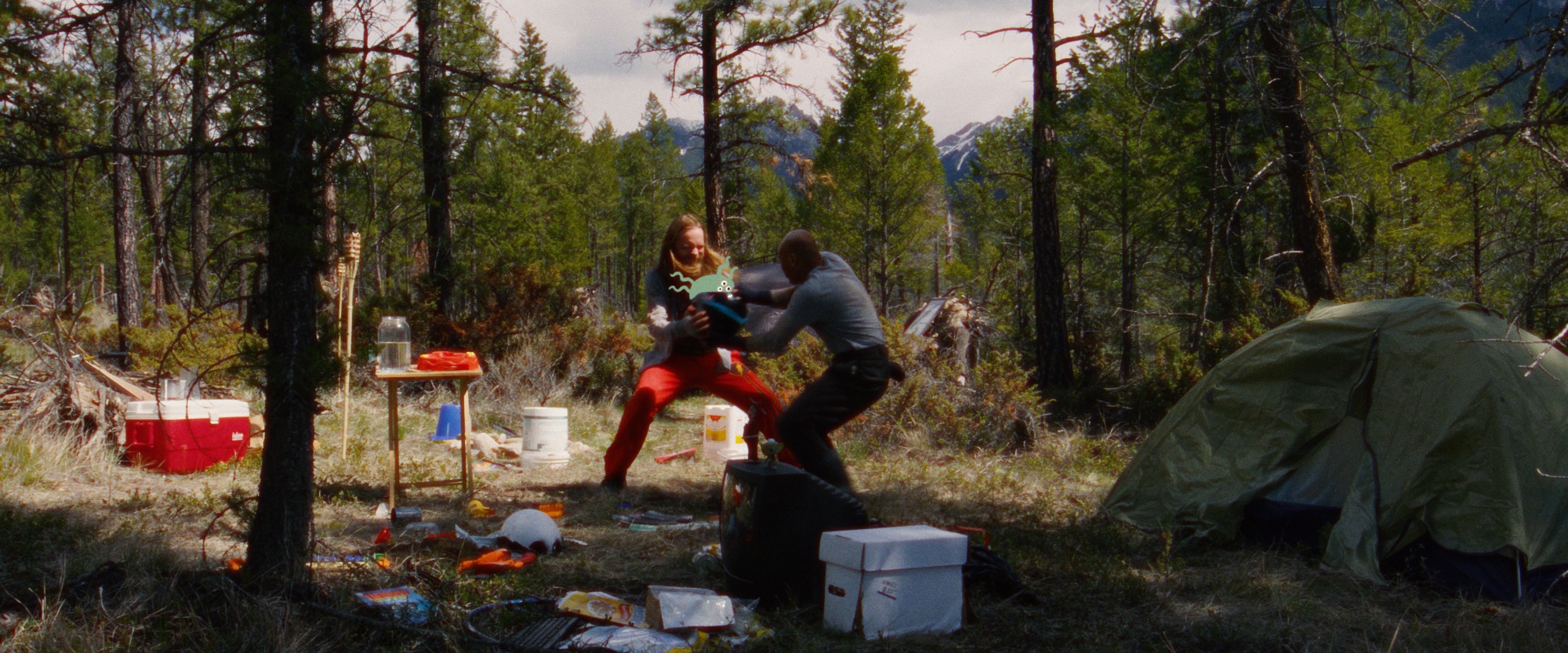
There’s a flicker in the image as the men reach the new, fresh land—and a broader retro texture running through the whole film. What were you after there?
While conceiving Seed, I decided early on that I wanted the film to feel like a nature documentary from another planet, and to accomplish this feeling, I insisted that all of our camera shots be locked off and to rarely use close-ups. To help enhance the feeling of watching an otherworldly nature documentary, I provided our sound designer with examples of excellent stock library from retro NFB documentaries to use as inspiration. I also worked with our colourist Morgan Ermter, to add video effects to give the film the texture of the way I experienced these types of films, which was often on VHS or coax cable transmission. The video flickers and warping were all placed specifically in spots where I felt they would add more texture and emotion to the film.
I decided early on that I wanted the film to feel like a nature documentary from another planet, and to accomplish this feeling, I insisted that all of our camera shots be locked off and to rarely use close-ups.
The ambiguity I kept turning over: are these two saviours or captors? Did you build that question in deliberately, or did it surface on its own?
In the film, our two lead characters start as captors who have found an easy source of food in the Biolantis, but realize during the story that this humanoid creature has feelings and an inner life of his own, so they flip to saviours and almost parental figures of the little creature. I wanted to use the plant as a symbol of mankind trying to control and exploit nature for their own wants/needs, but ultimately nature will always win out, and we need to unite and work in conjunction with nature if we want to survive.
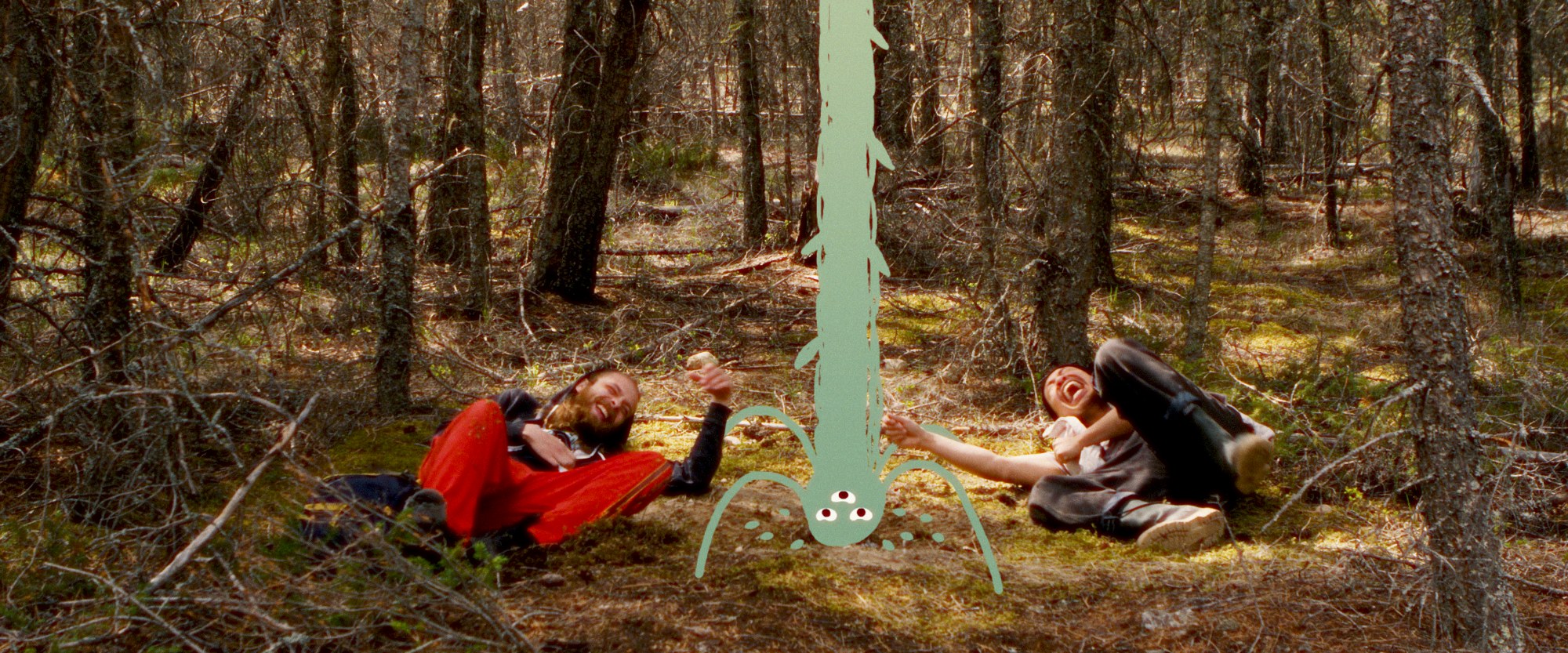
Having now made something this loose, slow and collective, has it changed what you want to make next, and how you want to make it?
The process of making and releasing Seed has absolutely changed the types of movies that I want to make. Prior to making Seed, my work would focus more on a specific genre and play with the expectations the audience might have within that specific genre, but post-Seed, the training wheels are off, and I just want to make work that is as pure to the vision I have in my subconscious without worrying about what viewers will expect from the genre or story I present.
A filmmaker friend of mine called Seed “unhinged in the best way possible”, and I can’t think of a better compliment. It is now my goal to create films that are unexpected, humanist and, yes, unhinged, and I owe this all to the weird little film that is Seed.
And the one we ask everyone: is there a short film you love that you’d point our readers towards?
Mickey’s Garden by Wilfred Jackson is my favourite short film of all time. The textures, energy and pure imagination on screen during the surreal antics of watching Mickey deal with his mutating garden while high on pesticides have stayed with me for pretty much my entire life. Sometimes when I close my eyes, I instantly envision the many blinking eyes on the warped potato in Mickey’s Garden before the classic moment when hundreds of bugs instantly devour the potato, leaving only the blinking eyes on the ground. I am by no means a Disney Adult but the animation techniques and creativity of their work from the 1930s are monumental.