
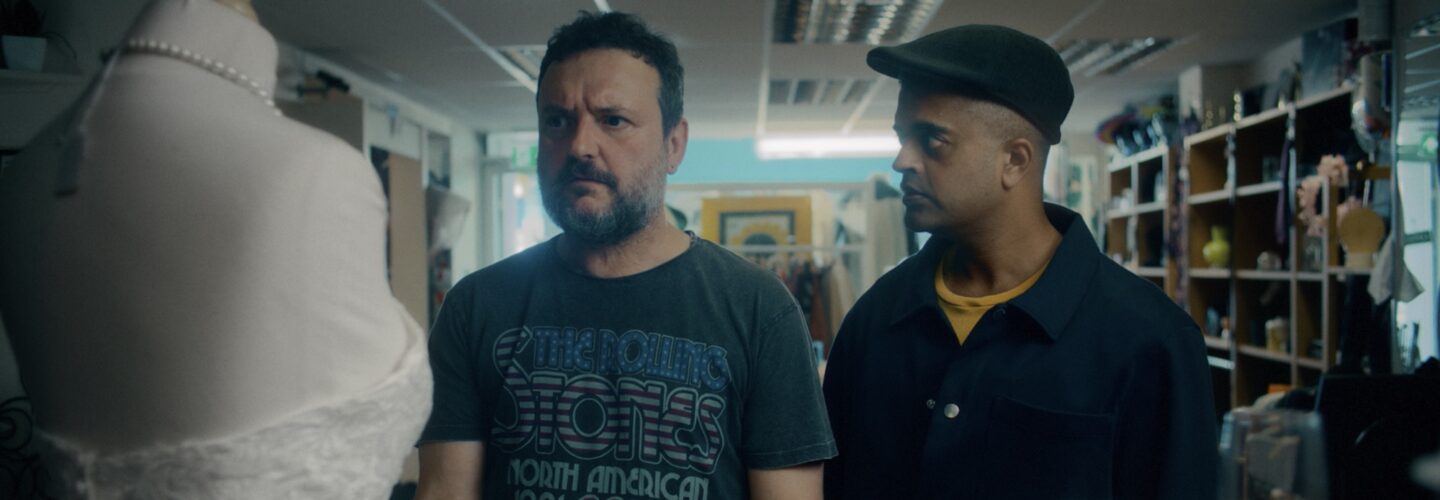
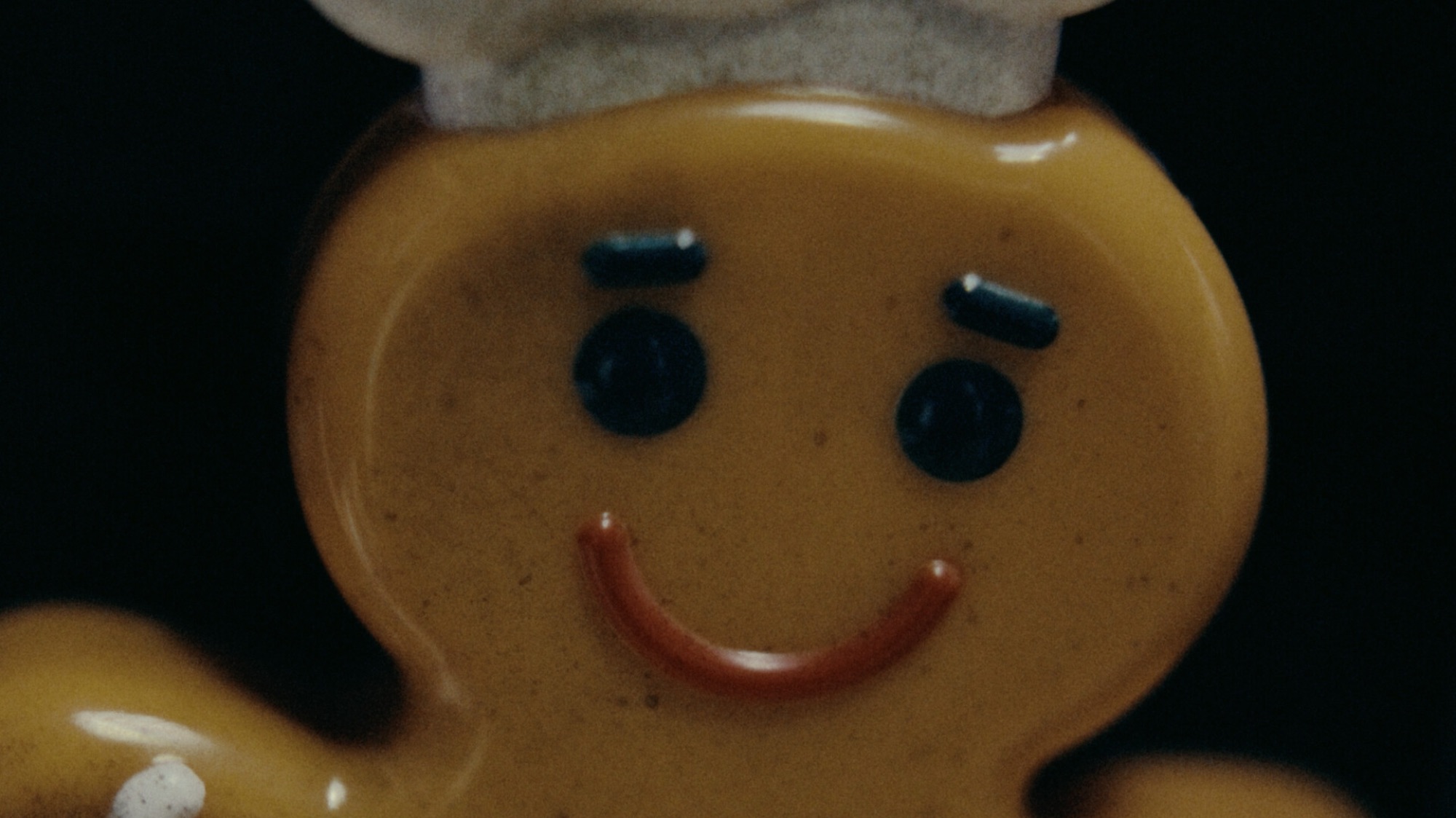
Ah, the British charity shop—a magical land of mismatched mugs, questionable knitwear, and that one wedding dress that’s seen more drama than a Love Island reunion. In Easy Sell, directors Ken Abalos and Ash Meshkati take this humble high street setting and turn it into a masterclass in cringe-comedy, where every awkward pause, side-eye, and inexplicable knick-knack builds toward a gloriously unhinged climax. No spoilers, but trust us—you won’t see it coming. The film thrives on the gap between the shop’s dreary reality and the sheer absurdity of its central deal—a negotiation so bizarre it makes Brexit look straightforward. With their ad-world precision, Abalos and Meshkati weaponise every frame, stuffing the screen with clutter and the most unsettling tension. Still on its journey of charming festival audiences, we sat down with the duo to chat about why their script stood out, how they strong-armed their advertising pals into helping, and why they now know too many East London charity shops.
I want to know all about your meet cute.
We’ve been friends for a while, as we both work in advertising, but this script was the first time we’ve written together. This script came about because of the Shark Award Short Film Scriptwriting Competition 2025. The brief was a wedding dress in a charity shop. What’s the story? How did it get there? Now, we knew a lot of people would go dramatic and sentimental with the dress, so we decided to go the other way. Lean in towards comedy. We submitted four scripts, and we think three were in the top 10 shortlist. And then Easy Sell won it and we got a £1K cash prize. We both looked at each other and said, “Shall we just make it?” That’s one thing that we had in common: not only did we like writing comedy and subverting expectations, but we’re also proactive rather than reactive.
What do you think made Easy Sell the strongest contender?
We really enjoyed writing all of our stories, but what we think made Easy Sell an easy sell was that the story took the comedy approach. We kept the story in one location with two people, which helped keep the script tight, making sure every line pushed the story forward. It seems to have worked and now we’re here.
How did you land on the specific, awkward and uncomfortable comedic tone?
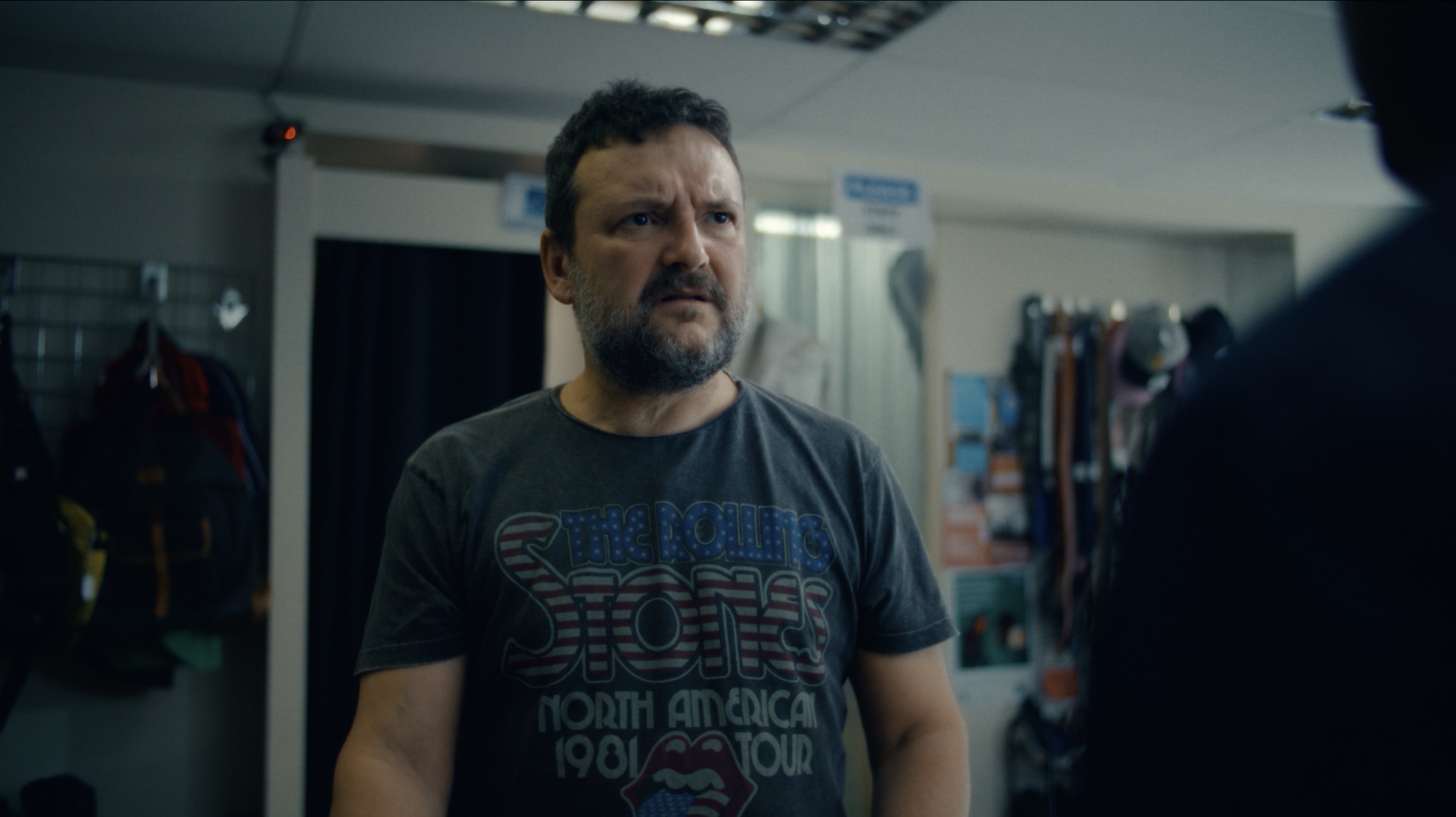
We both love watching obscure dark comedies, especially shows like The League Of Gentleman, Spaced and more recently Inside No. 9. The tone of these shows were burnt into Ash’s writing on a course he took last year, where he wrote a pilot about a walking tour guide in his hometown Chelmsford, quoted by Charles Dickens as “the dullest and most stupid spot on the face of the earth.” The pilot that followed was full of weird characters and strange narratives that took place in a location where that shouldn’t occur. That juxtaposition influenced our story by taking the pedestrian nature of a British charity shop and filling it with strange characters and a bonkers story.
Most Popular
The strange characters you chose couldn’t be more perfect for this two-hander.
One great thing about us being in advertising is that we know a lot of great producers and production companies. So, we shopped the script around and, fortunately for us, Katie Millington and Amanda Davies at The Story Dept. wanted to get involved. They then got other people involved, and before we knew it, we were surrounded by lots of nice and talented people who knew how to get shit done.
We let moments breathe and wanted our actors to deliver their lines in a way that felt more natural than it ever would on a set for an advert.
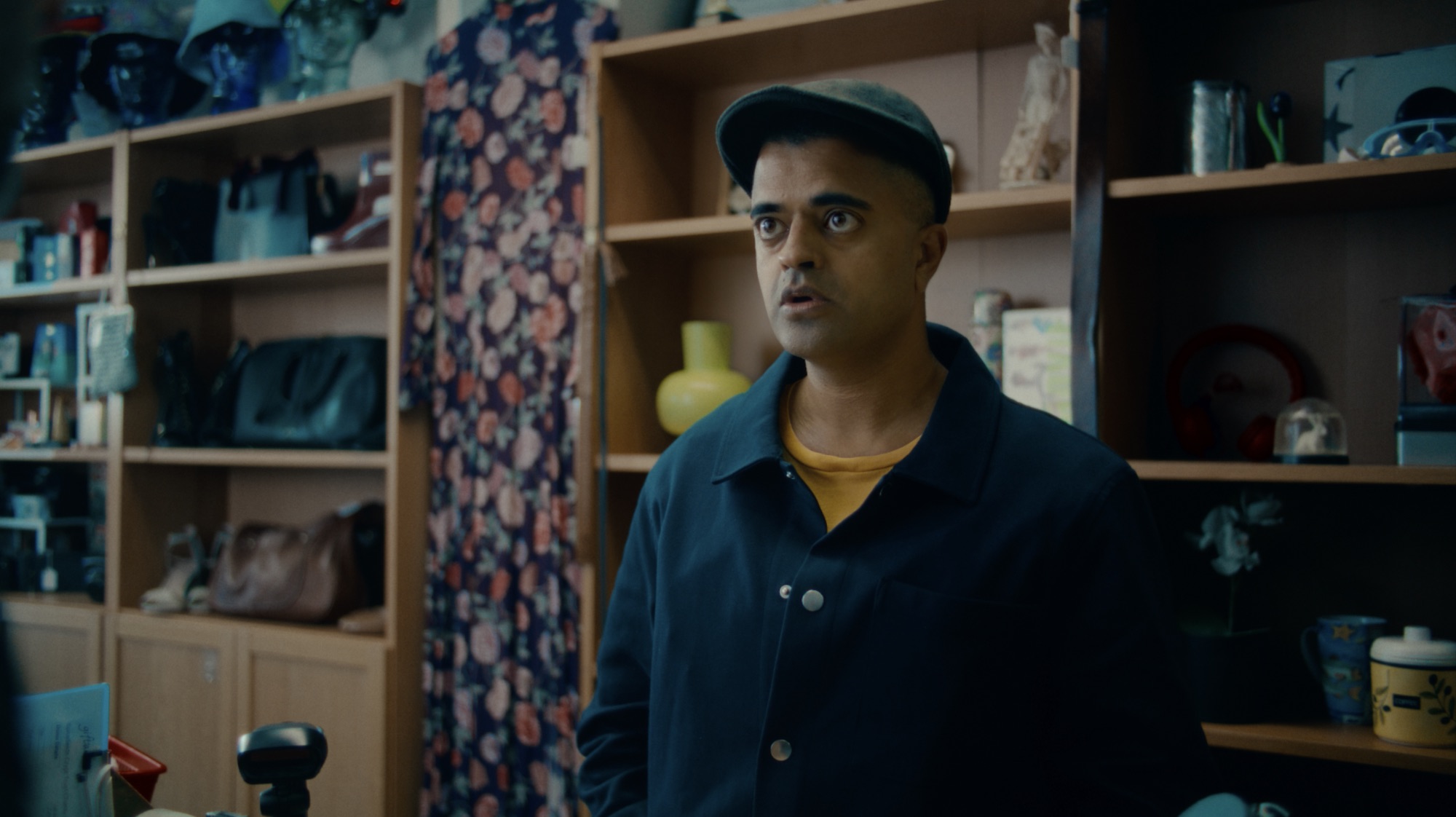
For talent, we slid into their DMs. We got talking to Divian Ladwa and sent him a few scripts. He said “I do” and we asked him if he knew anyone who would be able to pull off the other lead. He suggested Paul Casar, and we couldn’t say no to a mini Detectorists reunion.
Alongside having great access to talent, how did your backgrounds in advertising influence your approach to storytelling?
It’s funny because advertising is telling a short story crammed in 30 seconds and we did the opposite for this short. We let moments breathe and wanted our actors to deliver their lines in a way that felt more natural than it ever would on a set for an advert. What it comes down to is that you get very used to creating mini-stories in advertising, but sometimes the characters and the story aren’t as fully fleshed as you would like, so making a short without those restrictions was a dream for us.
As a lifelong supporter of charity shops, I know they come in all shapes and sizes. Was it a challenge to find just the right one?
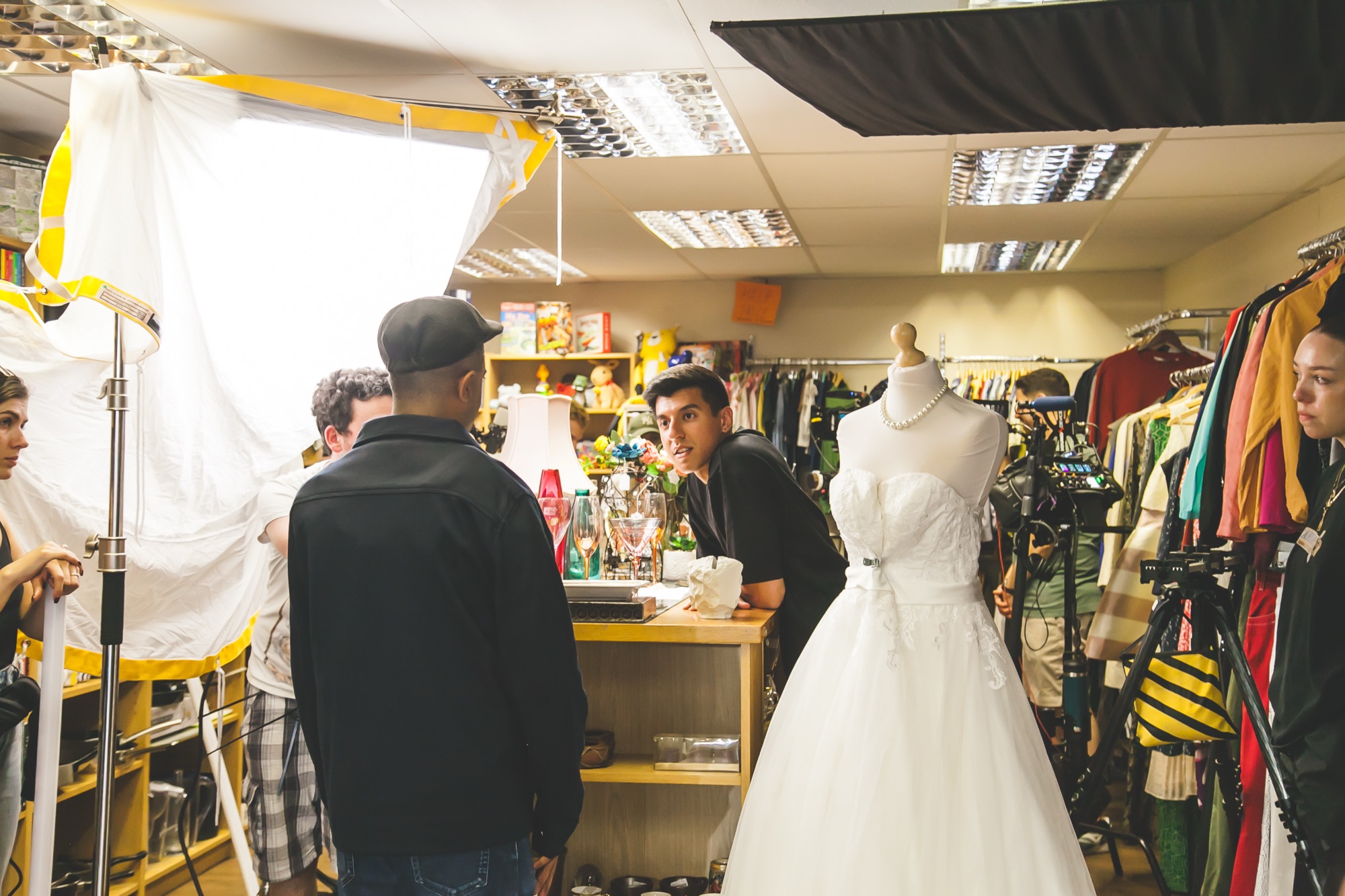
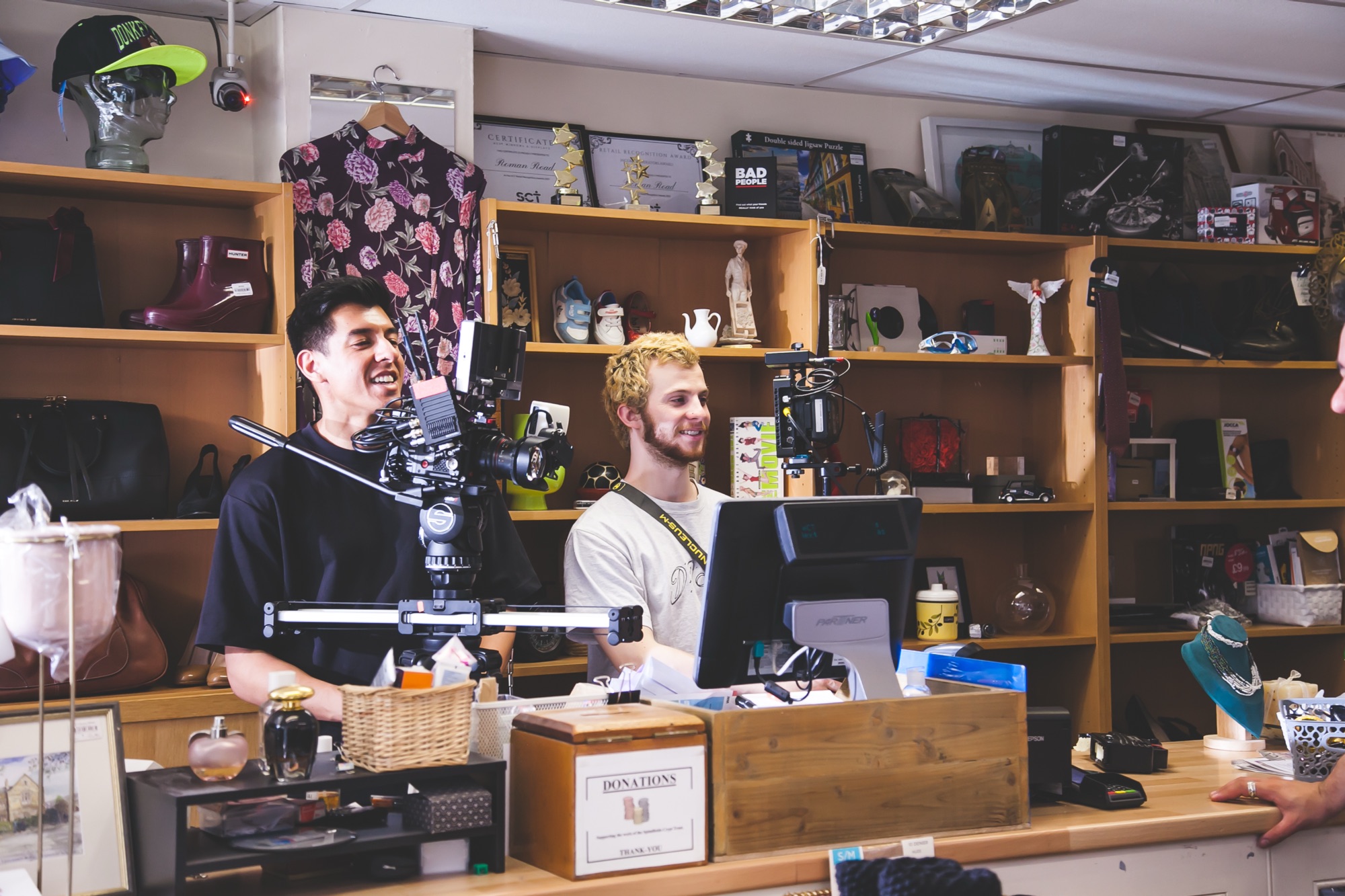
Yes, definitely. At first, we tried to find a charity shop that matched the blocking and framing we had planned for the script and storyboard. We must’ve visited most of the charity shops in East London before finally discovering the perfect one with a huge space to shoot, which was great. Then they told us how much it could cost to hire that location, which wasn’t so great. But then, we stumbled across a really nice alternative. We had to make some minor adjustments to the scripts to fit the new location, but in the end, it turned out to be the right choice for us. They had some bizarre real in-store items that made it to the short film too.
We’re new to filmmaking, and we feel like it’s good to acknowledge your limitations
I really felt the dark, musty corners of the charity shop.
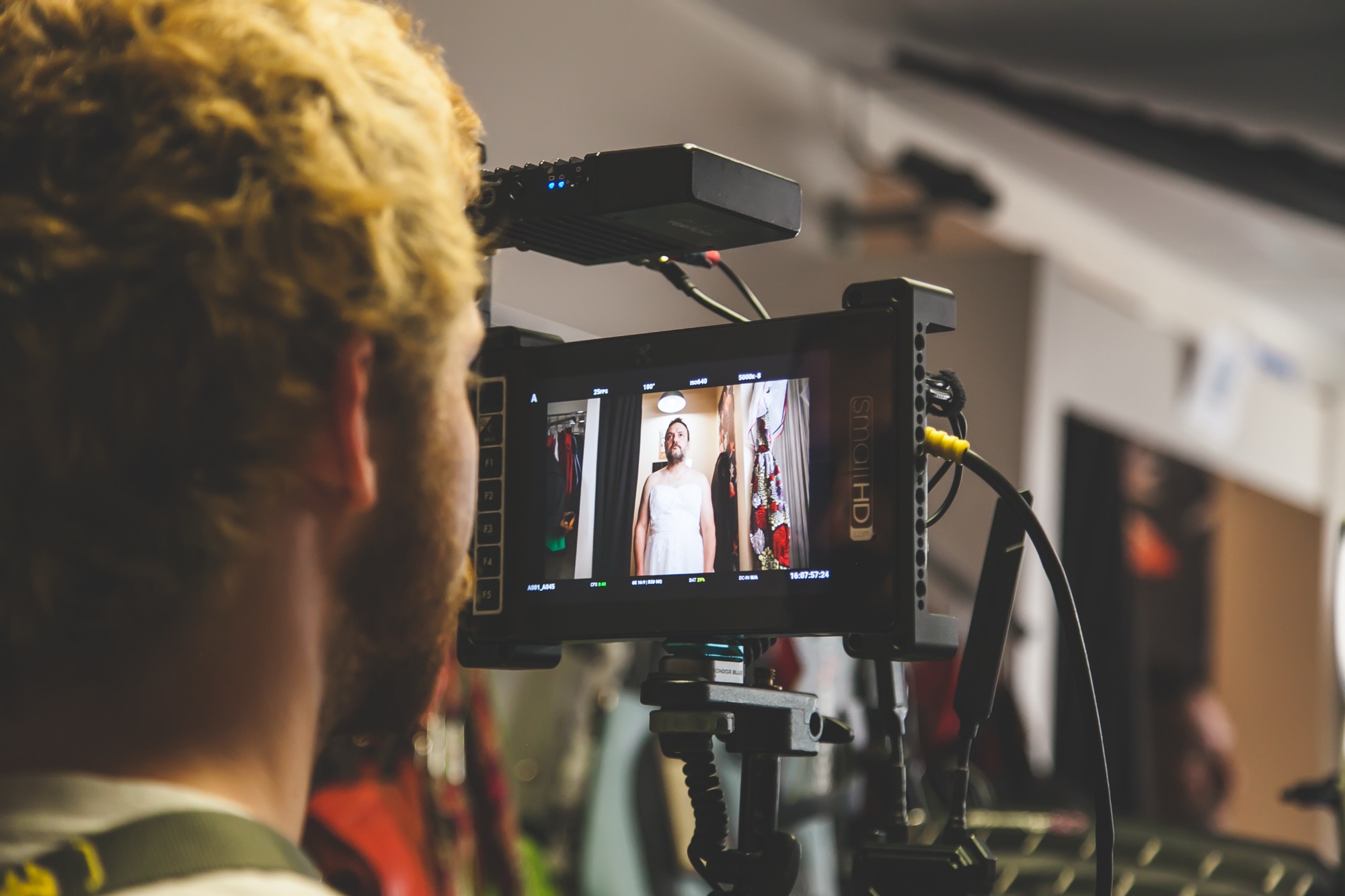
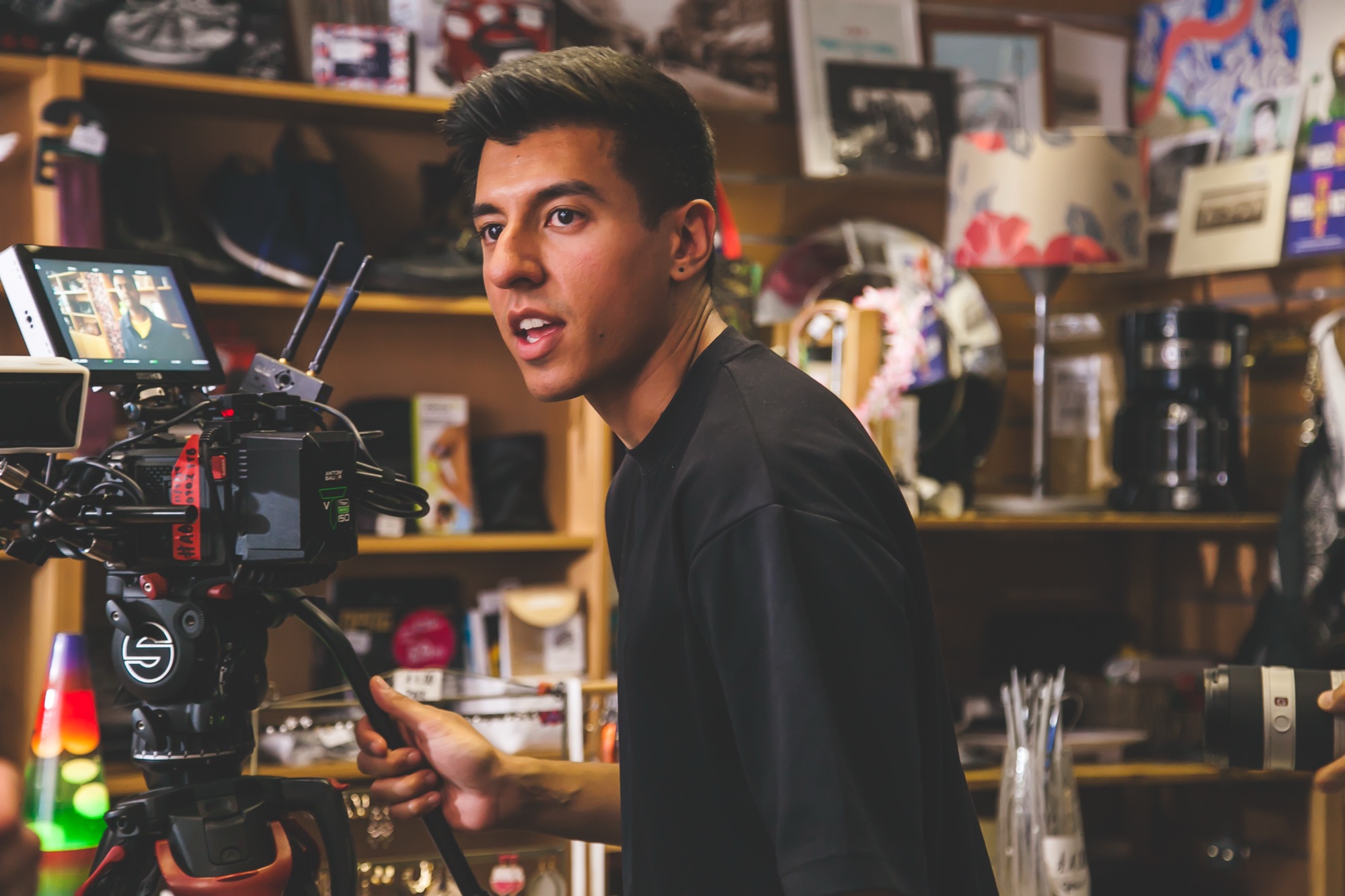
We had already collaborated with our brilliant DOP, Harvir Gill, on a previous BIFA/BAFTA qualifying short film, Wish You Were Here, and we all just got along very well. From the beginning, we worked closely with Harvir, involving him in the script, storyboarding, and finalising the shots on location. We discussed what we wanted, and he talked about what was possible, what was impossible, and how to make the impossible more possible. We’re new to filmmaking, and we feel like it’s good to acknowledge your limitations, so we honestly leant a lot on his expertise, which really helped the film deliver what we wanted. We used Red Komodo X and Leica R Summicron lenses because that’s what was available to us. We’re all about using the tools at your disposal, especially with our low budget, and creating the best you can with it.
Easy Sell moved from shoot to festival selection in just over two months—how did you maintain that commendable momentum?
It’s all about surrounding yourself with people who get shit done. Our amazing producers, Amanda Davies and Katie Millington, assembled a crew of people who were passionate about the project and it really shows in the end result. Having a deadline helps too. We knew we wanted to hit the late deadline of a huge film festival so it was all hands on deck. That week before the deadline was the busiest days of our lives, but we actually enjoyed the rush of it. Shout out to Marshall Street Editors, King Henry Studios, ETC, Heavy Duty and No.8. We couldn’t have made it without you.
Tell us all about what you are both working on next.
Ash has some TV show pilot scripts in the pipeline and Ken has some early thoughts on a feature film and has recently got longlisted for the Slick Films Fund. Together, we’re working on a new short film. Tightening up the script and finalising our pitch deck for Top Shagger, a coming-of-age dramedy, to send to film funds so watch this space and wish us luck.