
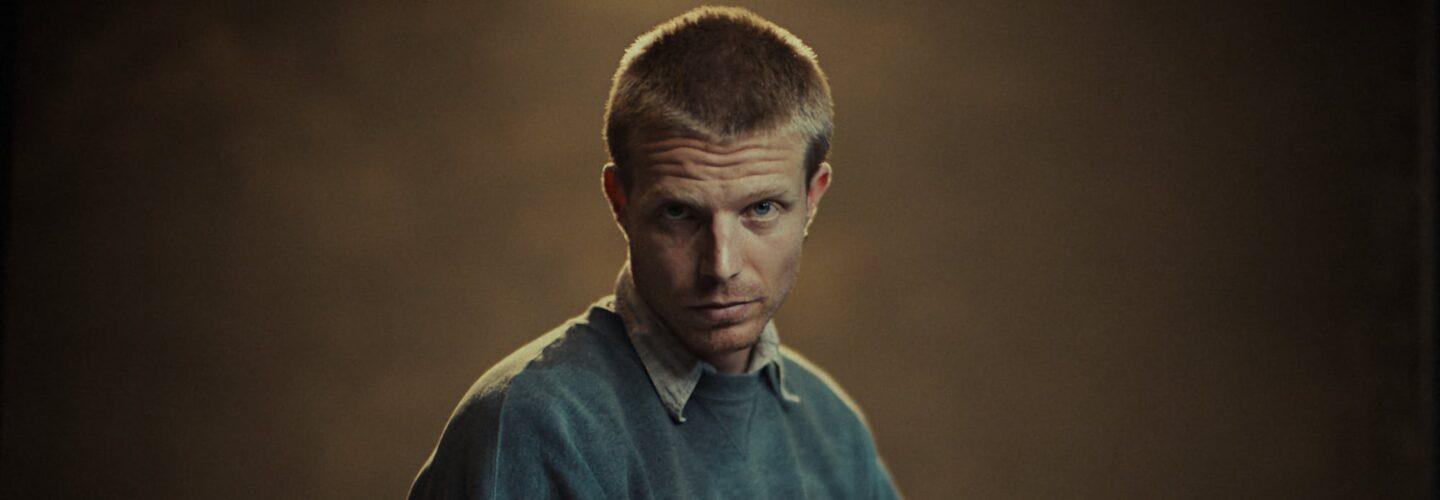
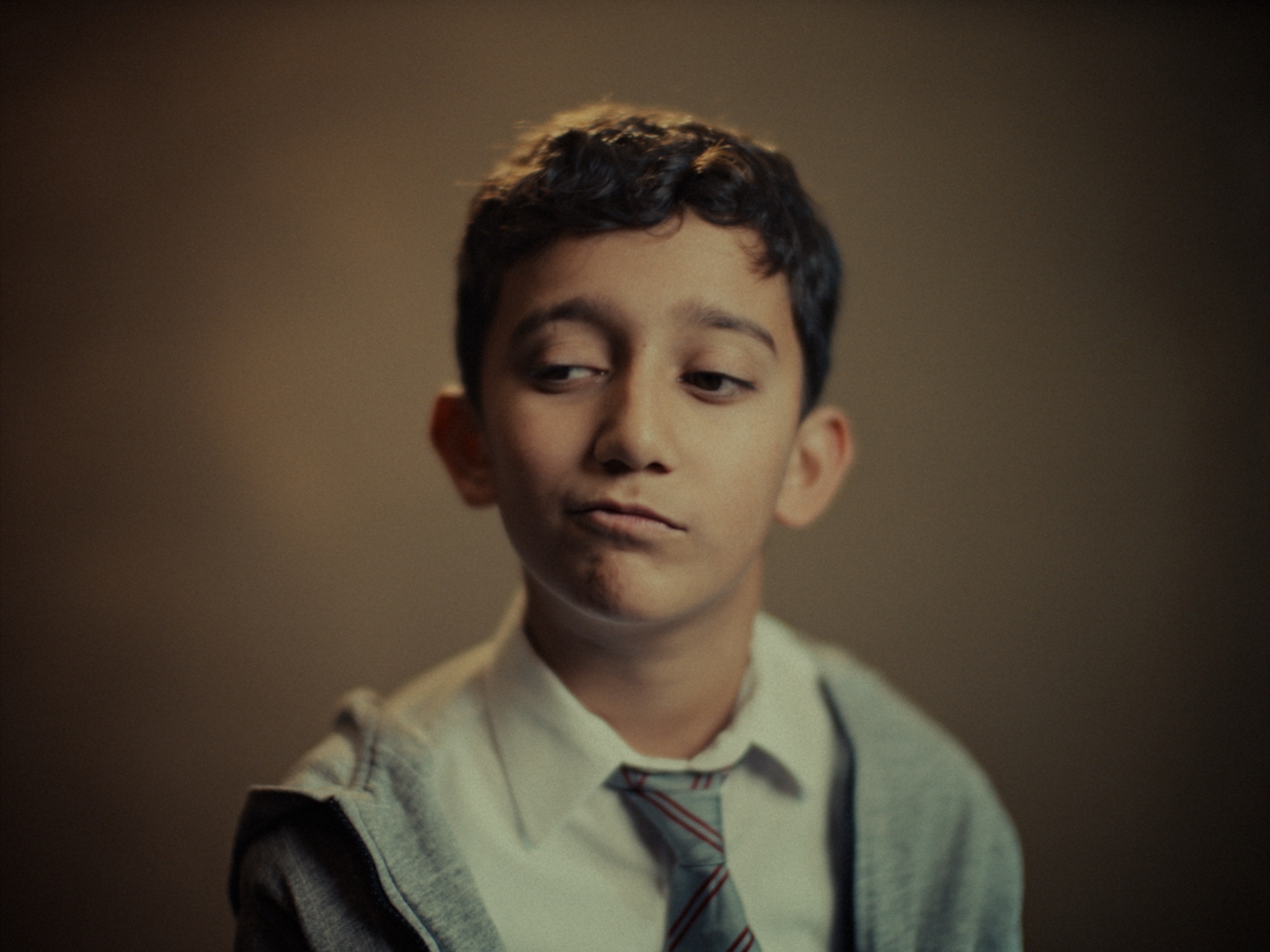
A delightful convergence of Directors Notes alumni sees director Saul Abraham, whose 2021 short Enjoy offered a raw examination of male mental health across generations, unite with artist Truman, last featured on DN with Converse Blues, for an emotive portrait-styled music video for track Tell Him, featuring Isabel. I’m sure almost everyone has a recollection of the nervous fidgeting, the forced smile and stiff unnatural posture concealing whatever chaos exists just beyond the frame of school photographs. In this unconventional music video, Abraham harnesses this collective memory and transforms it into something unexpectedly profound. Children lip-sync Truman’s poignant lyrics about love, loss, and emotional vulnerability—words too heavy for their nascent years yet somehow perfectly suited to faces still learning how to mask what they feel. The restraint here is remarkable. Where another director might fragment the narrative or accelerate the pace, Abraham allows each portrait to breathe, trusting that the dissonance between innocent faces and adult sentiment will do the heavy lifting. It’s a gamble that pays off magnificently, and David Foulkes’ cinematography lends a timeless quality without tipping into pastiche, while the careful attention to each child’s individuality—the wonky tie, the stained jumper, the nervous glance to an off-camera parent—grounds the heightened aesthetic in something achingly real. In the following interview, Abraham discusses the delicate process of directing children through emotionally weighted material, reveals how the video’s deeply personal finale featuring Truman alongside his grandmother Patricia came to be, and reflects on why slowing down proved essential to honouring the song’s quiet power.
The idea of children lip-syncing adult lyrics on school picture day is such a specific, loaded image. Can you walk me through how that concept crystallised?
I’d been a fan of Truman’s (Charley Palmer Rothwell) work as an actor for a while; his performances always left an impression on me. Then I came across his music and was struck by the storytelling, the characters, the worlds he was building and the performances he was bringing to his videos. It felt so personal, honest, dangerous, but also other-worldly, cinematic, playful, moving and haunting all at the same time.
For me, music videos are best when they have a synergy with the music that goes beyond just an interesting or clever visual.
As a song, I felt Tell Him was restrained, powerful and arresting so I wanted to create a central image that honoured that—allowing us a new entry point into Truman’s words rather than ever detracting or diluting. The image of children saying these adult lyrics on school picture day felt visually striking but also nostalgic, it opened up interesting questions and feelings that developed further as the casting process and production got underway. I also liked the idea of capturing the little unsaid moments and nuances between people during the awkwardness of getting your picture taken. With each portrait telling a story in itself, some sweet, heartwarming and playful but others offbeat, strange and haunting—all of which I felt sat nicely in the wider world of Truman.
How did the song’s restraint and power inform your decision to create a single central image rather than a more fragmented visual narrative?
I wanted to create a central image that honoured the song, allowing us a new entry point into Truman’s words rather than ever detracting or diluting. For me, music videos are best when they have a synergy with the music that goes beyond just an interesting or clever visual. When it feels like a video could only be made for that piece of music, we experience the song in a new way and they become synonymous with each other.
Keri Rothwell Douglas also produced Truman’s previous video Converse Blues, which we also featured here on DN. How did that existing relationship and production infrastructure shape what was possible on Tell Him?
Keri and Charley have worked on a few Truman projects together now and they understand and trust each other implicitly—it was a privilege to be welcomed into that. You always want to create an environment where the artist can do their best work and feel the video truly represents them. Having a producer who understands the artist creatively as well as personally was invaluable to that process and also helped break down some of that early formality, allowing us to get to openly creating together quicker.
Keri is a superstar producer as well. She worked magic on very limited resources and was the crew’s lighthouse in the storm. Making low-budget passion projects is rewarding but challenging at times. You need a team around you that helps you foster an environment for everyone to come in and do their best and have fun—Keri is the master at that.
Most Popular
Talk me through the practical process of directing the lip-sync on set with children.
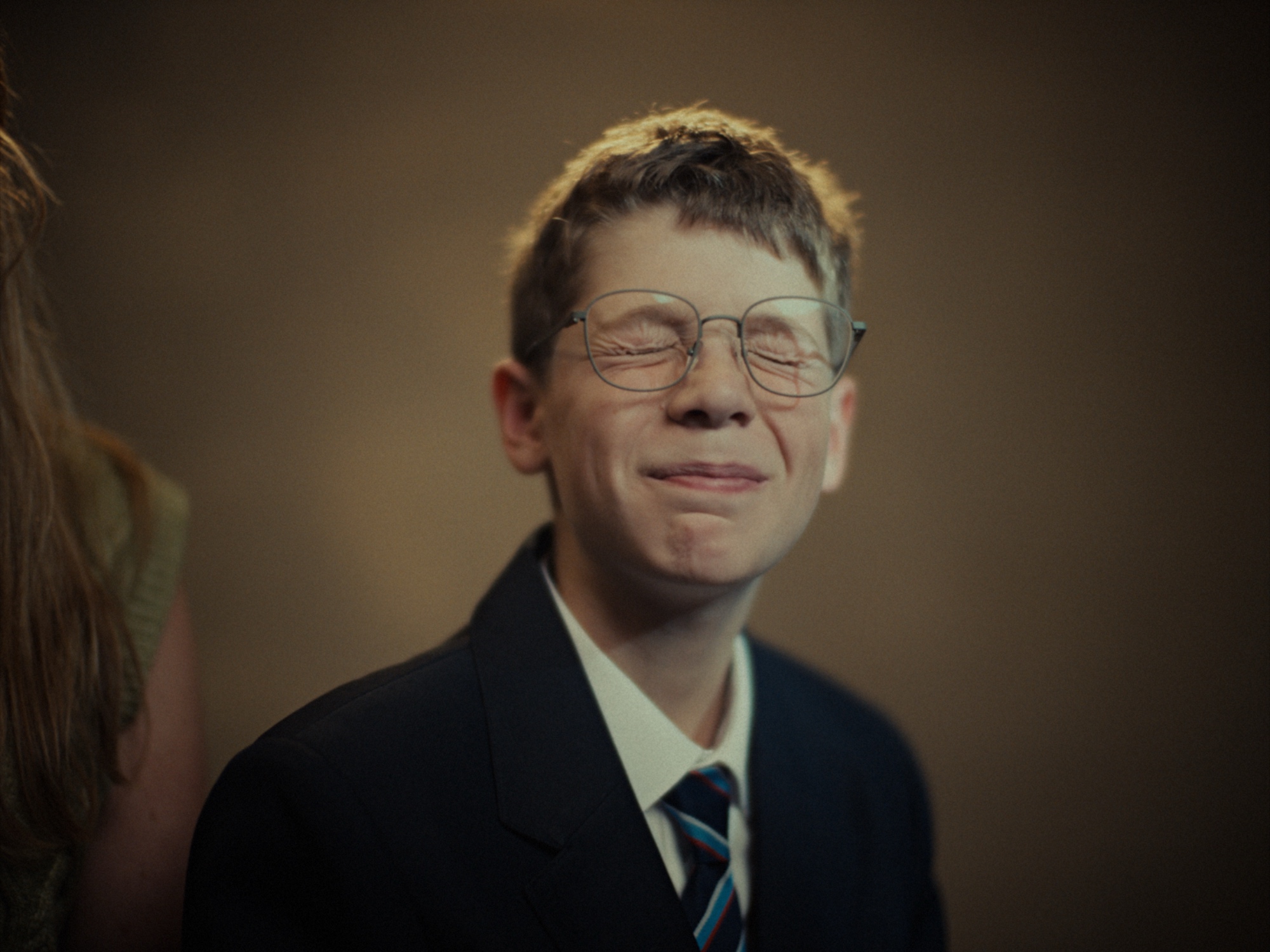
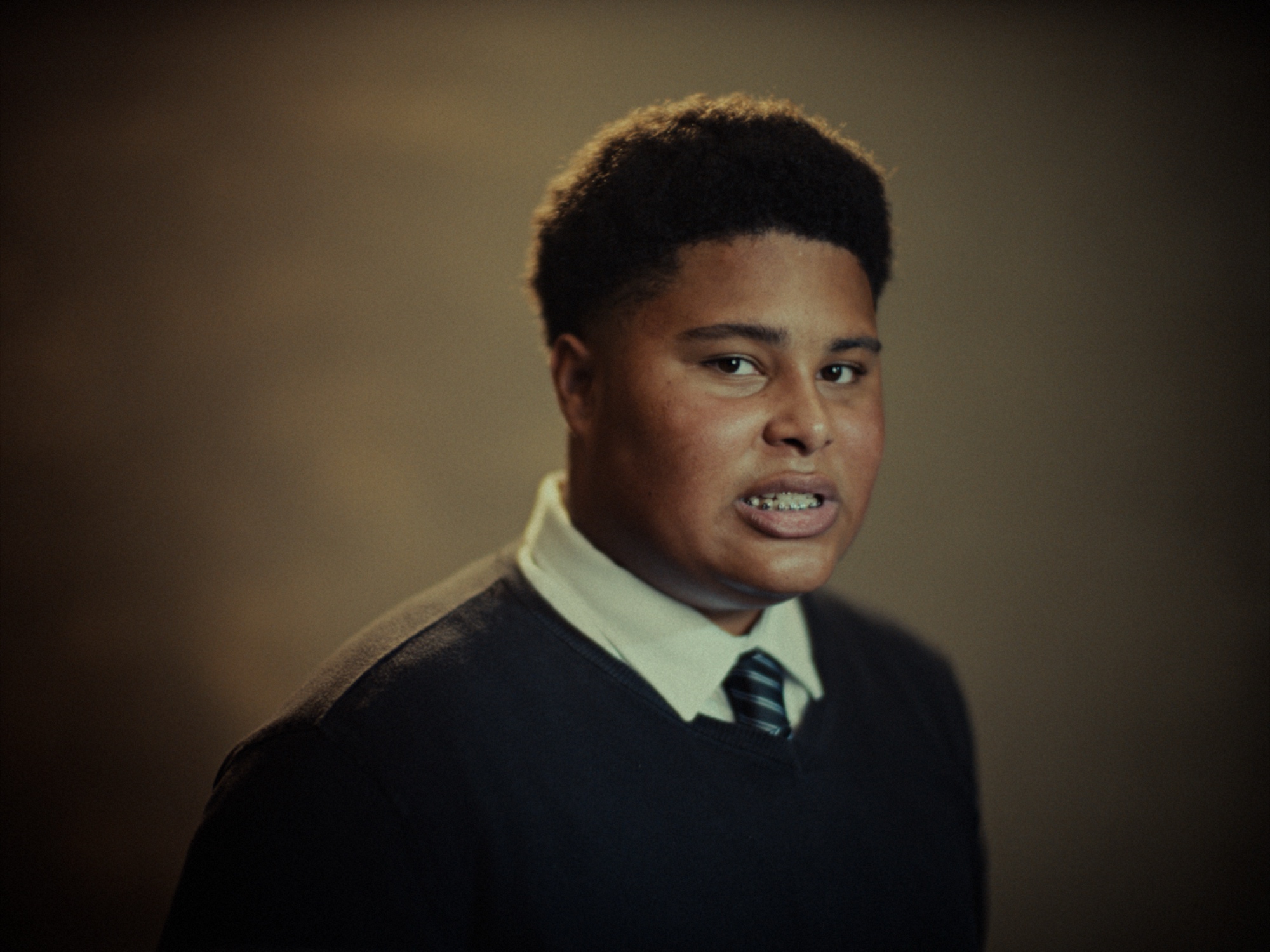
That process started in the audition process with our brilliant casting director Heather Basten whose work was incredible in finding a variety of talented young actors from different backgrounds and different parts of the UK. This was important as we never wanted the video to feel like it represented one type of child or family. Nailing the lyrics was key, but we also didn’t want the delivery to feel too performative, confident and rehearsed so there was a balance to be struck. We liked the rawness and nerves of some of the kids—the nervous glances, the twitches—it made it feel more alive, interesting and relatable.
Telling anyone, let alone someone new to the process, to stare down the lens and ‘perform’ is very intimidating.
Then it was just about building a relationship with all the young actors and their families before the shoot so they felt comfortable with me and what they needed to do. I made a karaoke-style video of the lyrics for an autocue—secretly because I wanted them to actually learn their lines! But on the day, this gave the less experienced actors something to concentrate on. Telling anyone, let alone someone new to the process, to stare down the lens and ‘perform’ is very intimidating so reading the words gave them a focus.
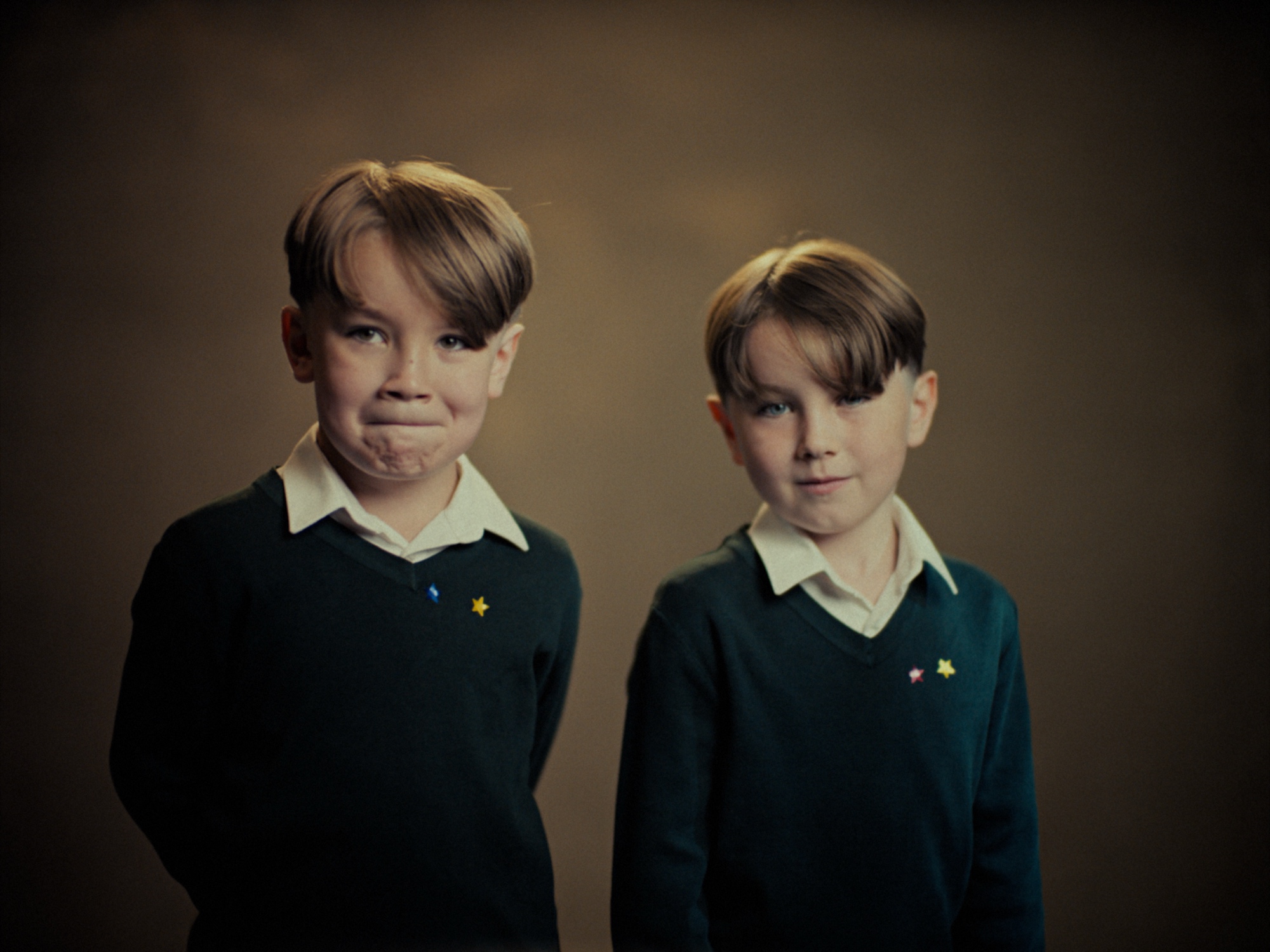
There is a fabulous, timeless quality to those photographs, but it doesn’t feel gimmicky.
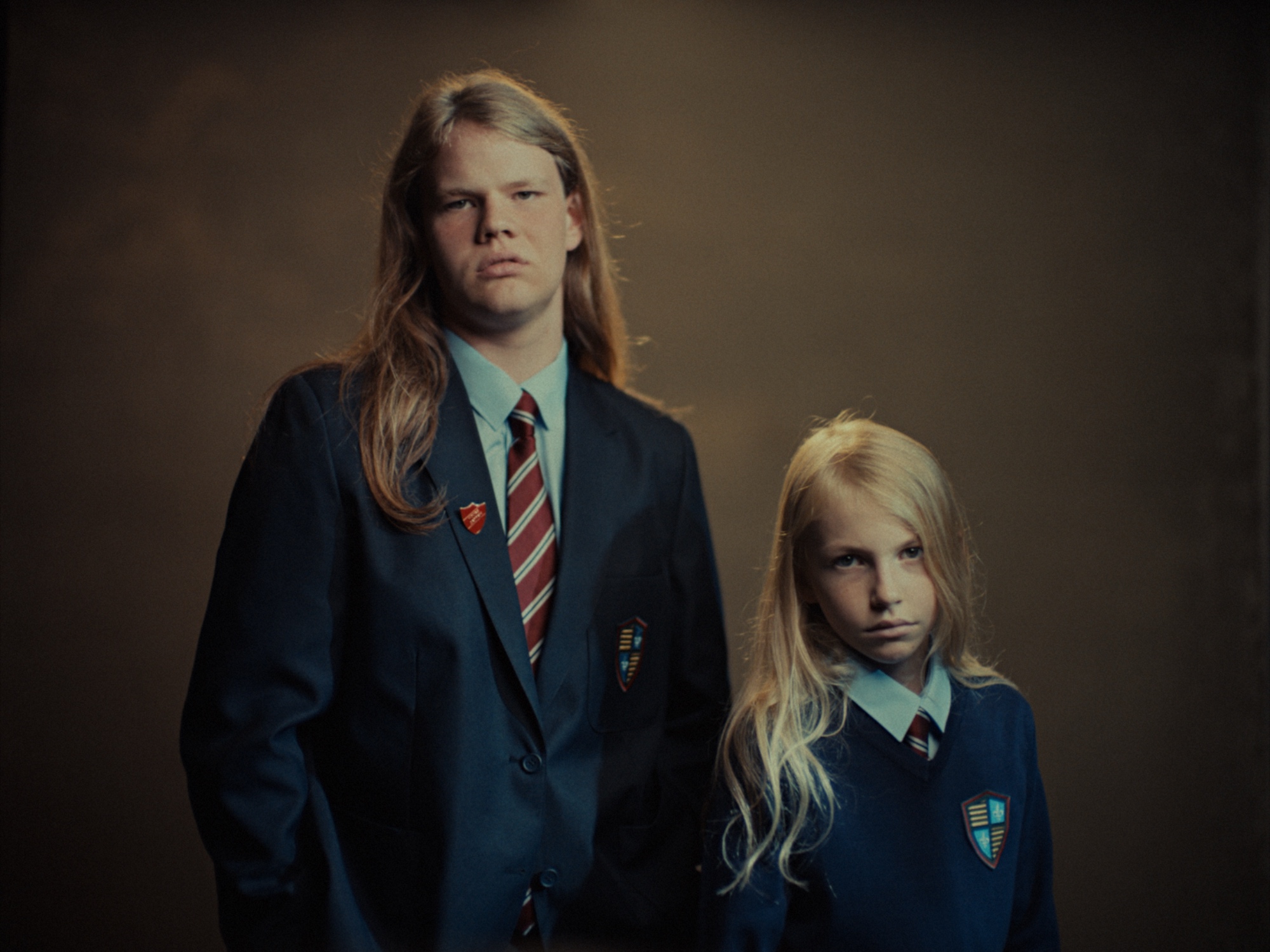
Cinematographer David Foulkes and I discussed leaning into the nostalgia of school photographs and looked at a lot of midcentury portraits, the look and compositions in them. We felt that if the kids were clearly in the present day, it gave us license to push the look without it ever feeling retro, which we wanted to avoid. David is a brilliant photographer as well, and I love where he and Harrison Newman (gaffer) and Richard Fearon (colourist) landed on this; the images have a timeless quality, each visually arresting and telling their own unique story.
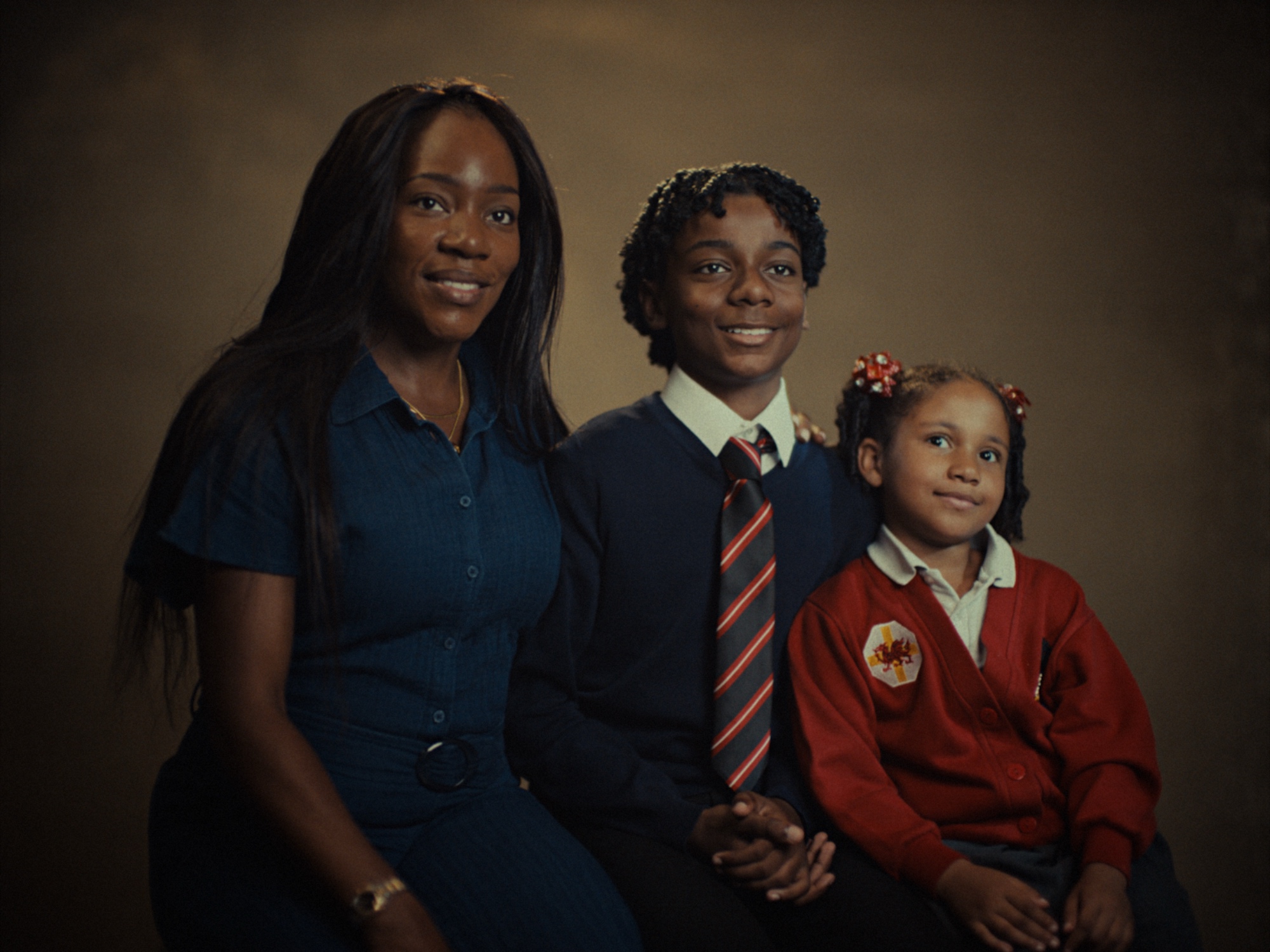
Contributing further to that storytelling, our costume designer, Katie McGoldrick, brilliantly played with the individual character and energies of each child in their clothing. We discussed how kids have their unique way of wearing their uniform—how they wear their tie, who would have a custard stain on their jumper, a monitor badge or a sticker showing off their good work—all this added to the real, relatable feeling which I felt juxtaposed nicely with the more staged, composed cinematography.

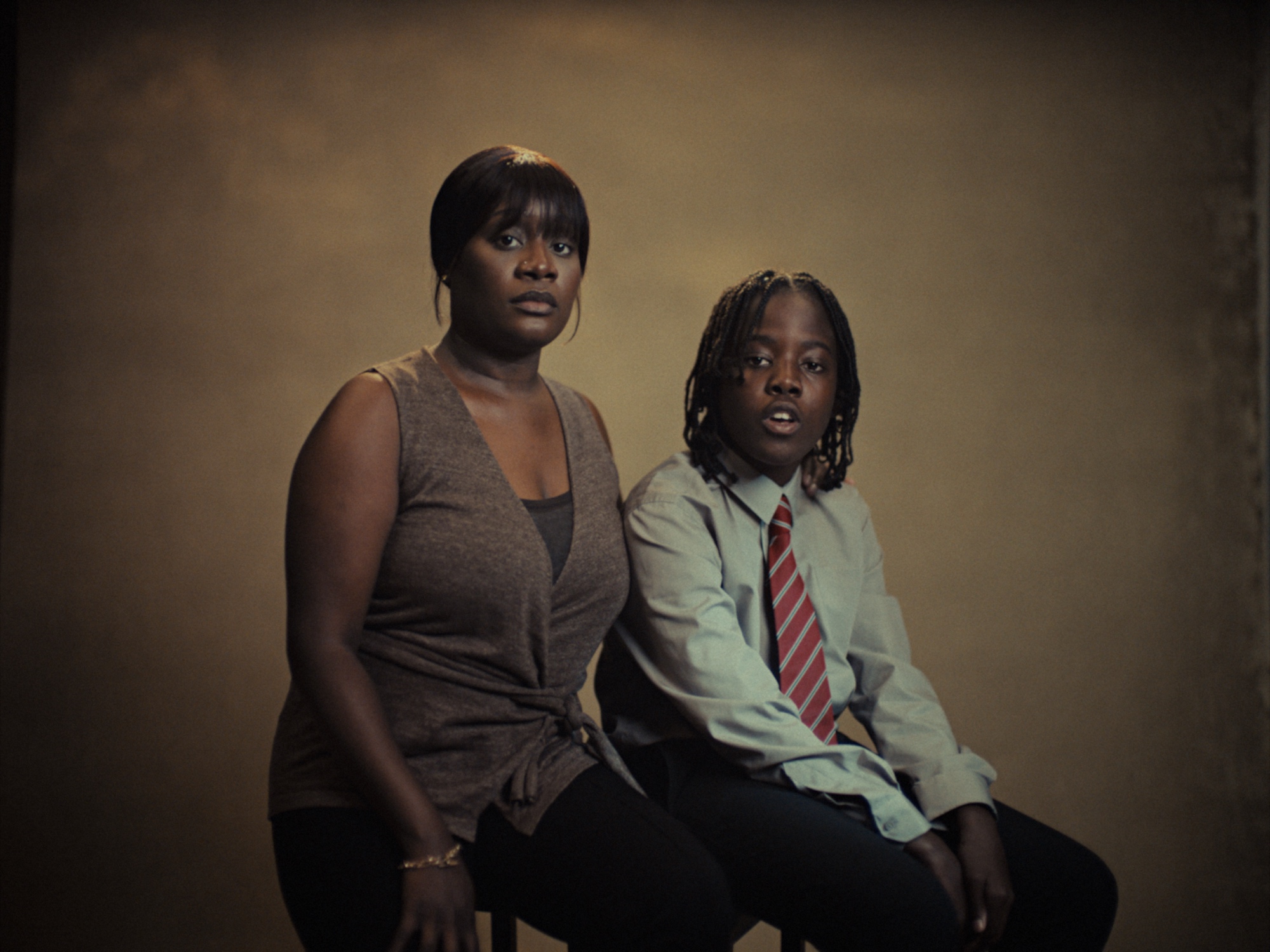
What camera and lens package did you and David Foulkes choose, and given the portrait-based concept, what drove that decision?
We shot on an Alexa Mini LF, mainly using David’s own Leica Noctilux, but we also had Focus Canning’s Astro Berlin Pan-Tachar primes, which we loved playing with. It always came back to those early mid-century portraits we were looking at as references and the unique ways of leaning into that to create a restrained yet uncanny and heightened image.
Their individualities also fed into the ways we positioned them, if they were alone or with a relative, sitting or standing, side by side or arm around each other. As always, it all came down to storytelling and character.
You’ve got a brilliant, wide-ranging array of faces and looks, all of which are perfectly lit and framed. Were there specific adjustments you made between subjects to account for things such as skin tone?
It was very important to find actors from different backgrounds across the UK, as we never wanted it to feel like the video told a story about one type of child or family. Whilst we set an overall look for the video, we discussed with David needing to capture the beauty and intricacy of each subject’s personality and what would create the most striking, arresting and at times unexpected image in terms of story and how that would differ between each shot.
As you said, different skin tones required changes in light for David and Harrison to consider so everyone was lit beautifully and accurately, but beyond that, their individualities also fed into the ways we positioned them, if they were alone or with a relative, sitting or standing, side by side or arm around each other. As always, it all came down to storytelling and character.
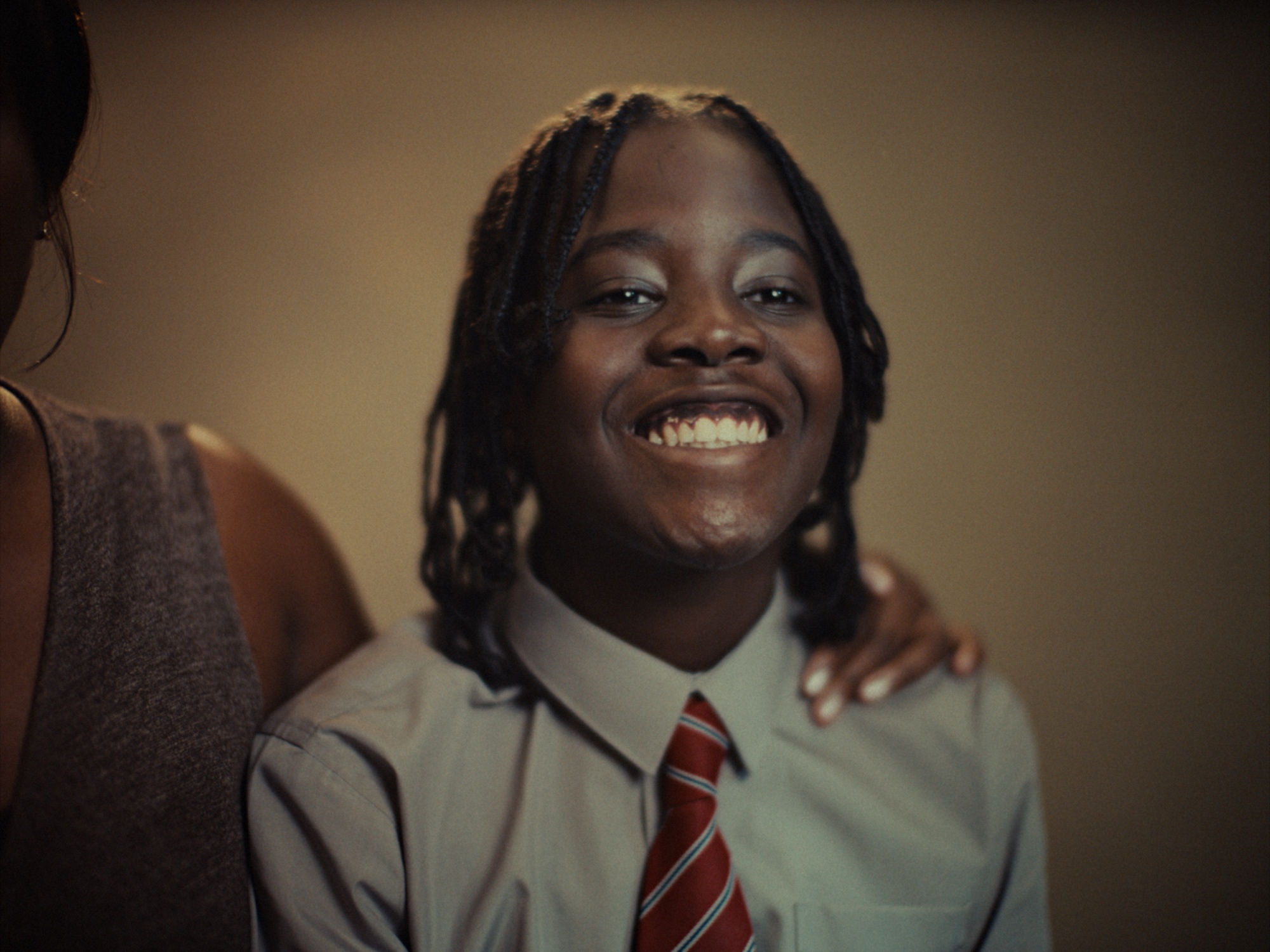
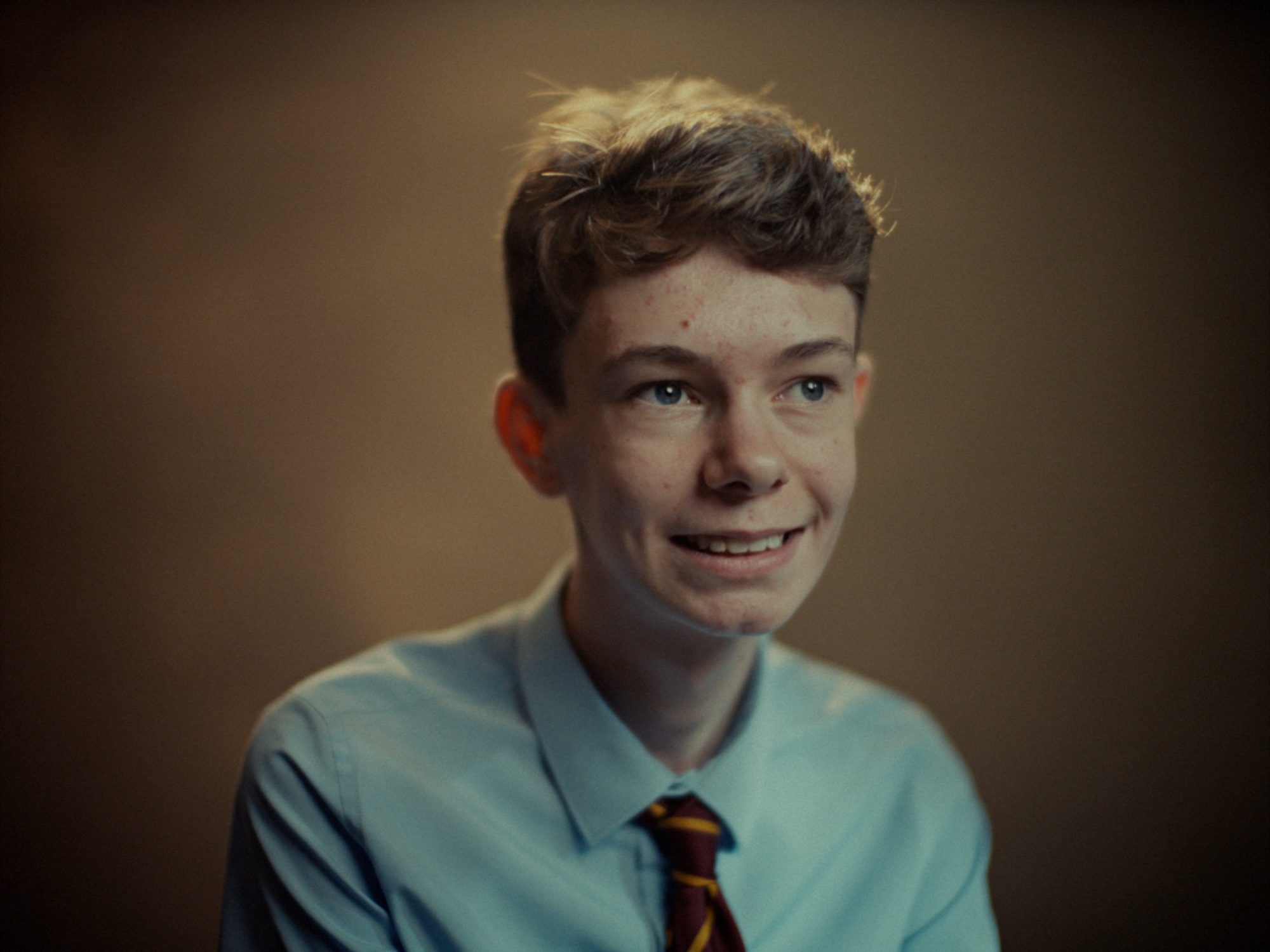
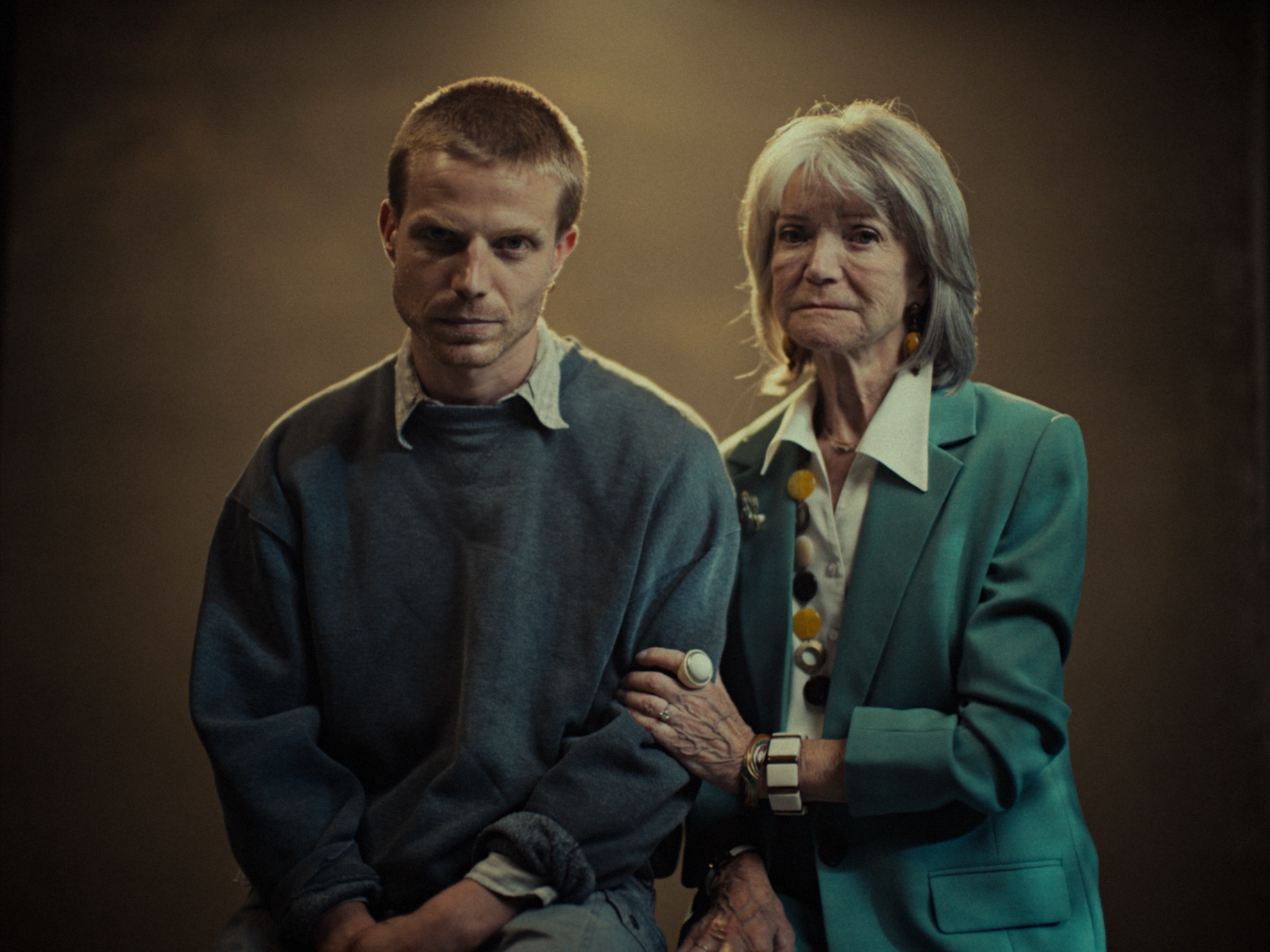
The video ends with an emotive portrait of Truman himself.
Whilst getting to know each other in pre-production, Charley spoke about how important his Nan Patricia was to him. I had the idea of him delivering his verse sitting next to her, but to be honest, I was initially a bit nervous to ask, as I knew that would be taking a step closer to Charley rather than Truman and wasn’t sure how much he’d want to do that.
When I finally did, Charley loved the idea and so did Patricia—I can’t imagine the video without the two of them together now. I also love the idea that what they experienced together on that shoot and the film that came out of it is personal to them, only they know, but they generously allowed us in for a brief moment to feel the most important thing, and that is the love they have for each other. I found it all very moving.
I understand the resistance to matching the accelerated pace of a traditional music video in the edit. What was your internal logic for how long each portrait should breathe?
The edit became about avoiding the classic music video urge to make things quicker and choppier. I really wanted each portrait time to capture the little unsaid moments between people and to give us space to pick up on these nuances and create stories for ourselves around each image. As mentioned before, Truman’s lyrics are so powerful and specific, I wanted to make sure the video honoured them, so slowing the pace down helped us do that. Still waters run deep and all that.
Whilst Charley (Truman) and I were showing it to people during the edit process, a few asked if we used AI. We found that quite funny and interesting (also worrying and frustrating!), that we are living in a time where you create something that comes from such an honest place, brilliant actors and crew bring the vision to life, and you then have to justify that it’s real. The idea that you have to answer questions on AI because the kids’ performances were ‘too good to be real’ is a fascinating place to be as filmmakers.
Anyway, Charley and artwork designer Ross Aitken had a lot of fun playing with these ideas in the artwork that was released around the video, so it came back around and, in a way, inspired human creativity in the end
We are living in a time where you create something that comes from such an honest place, brilliant actors and crew bring the vision to life, and you then have to justify that it’s real.
Do you have a favourite short film?
Tough question. I don’t think I have just one but I’ve found myself returning to Eer by Kristoffer Borgli a lot recently (not sure what that says about my current mental state) so let’s go with that today!
In your 2021 short Enjoy you explore male mental health and the difficulty of expressing emotional struggle across generations. Tell Him occupies similar territory. Do you see a through-line in your work around masculinity and emotional articulation?
To be honest, I haven’t thought about the link between them, maybe I should?! There’s a lot of irony in that in itself isn’t there… I think later down the line I’ll look at stuff I’ve done and see a through line or be able to match it to things that were happening in my life, but in the moment it’s just instinctive, I just get pulled to things that I feel very connected to, I feel I can contribute to and have a need to get out of myself.
What are you working on next?
In terms of what’s next, I’m currently working on my first feature with the same team I made Enjoy with. I can’t say too much at the moment, but we’re all really excited.