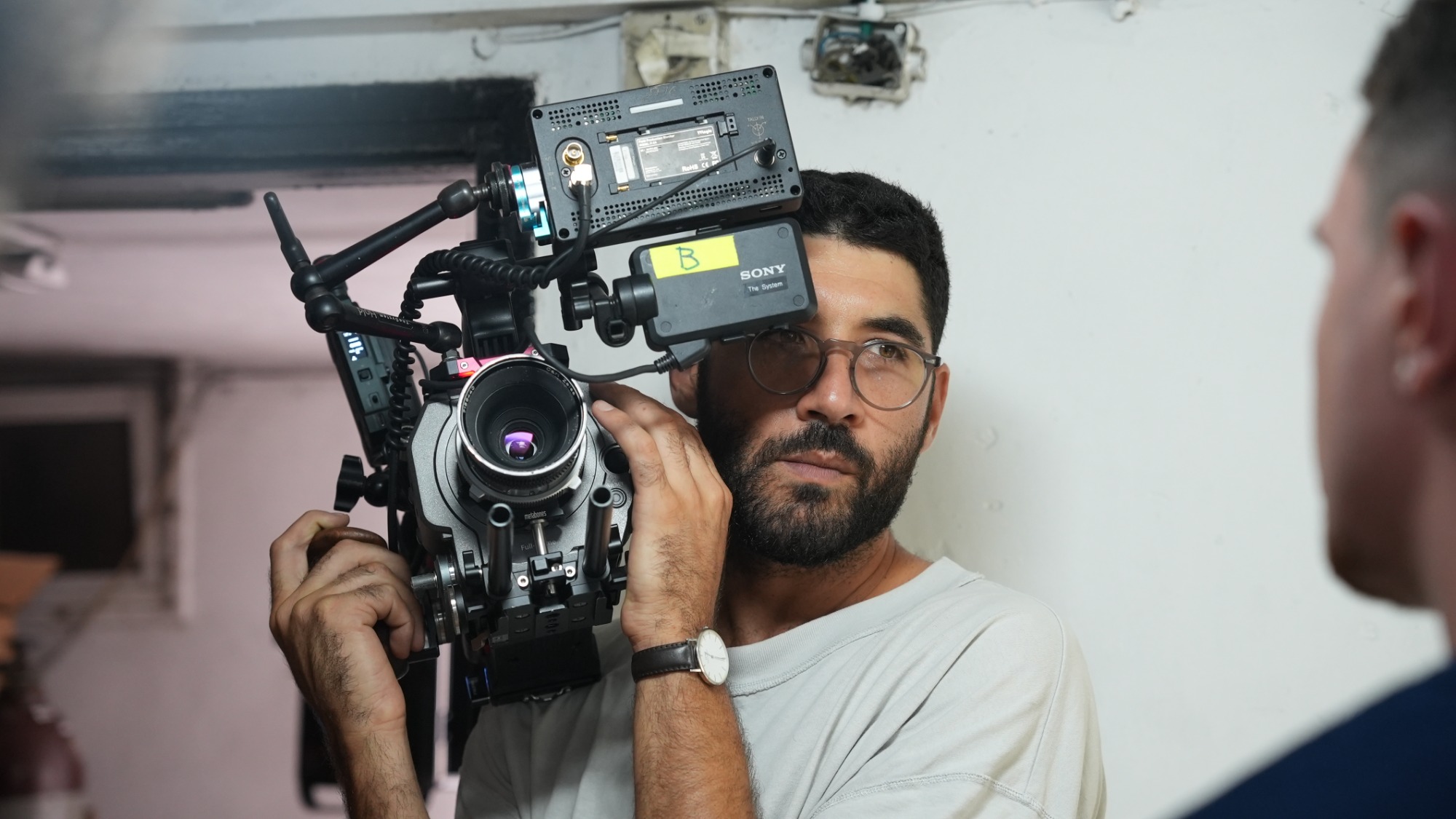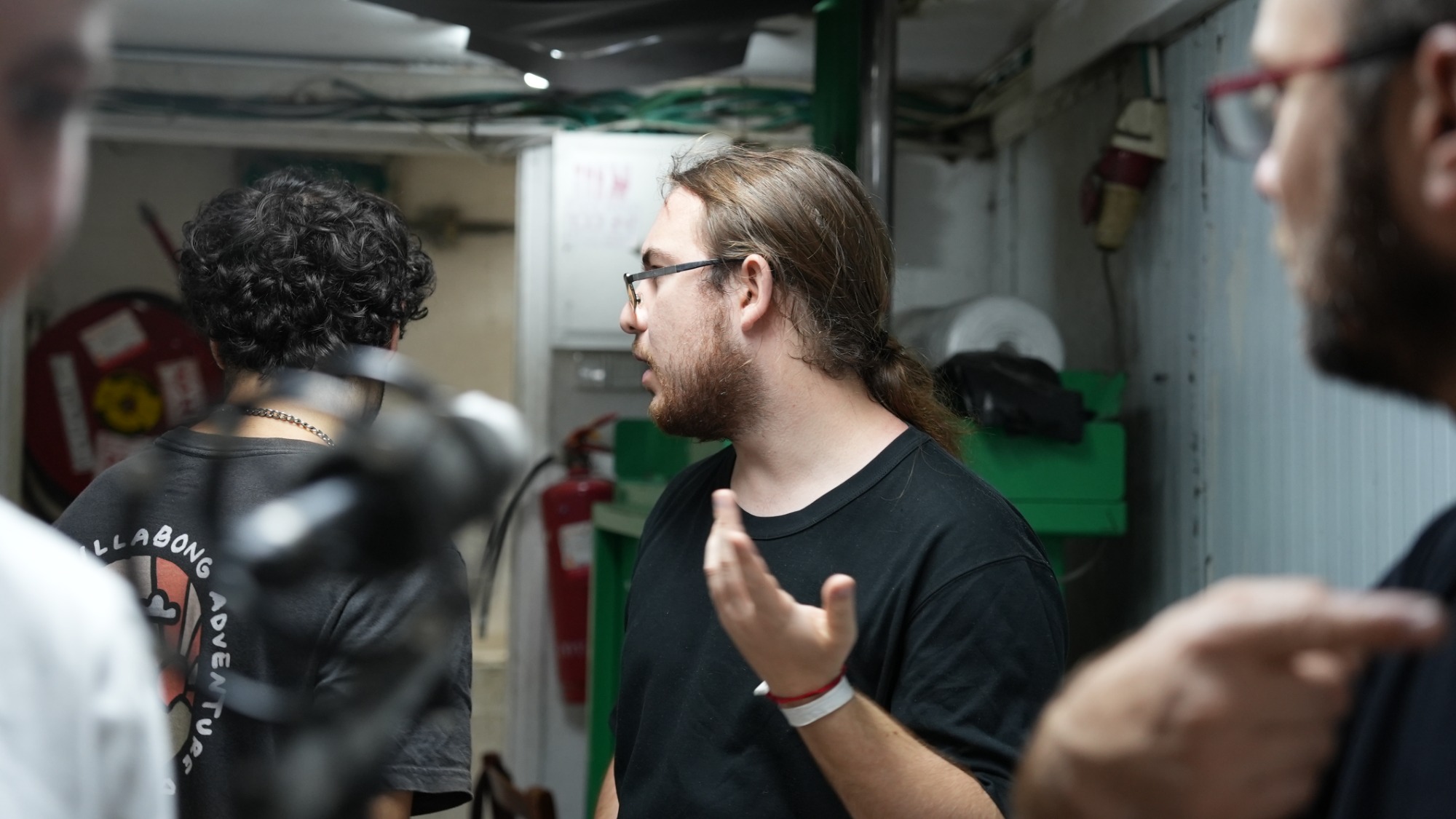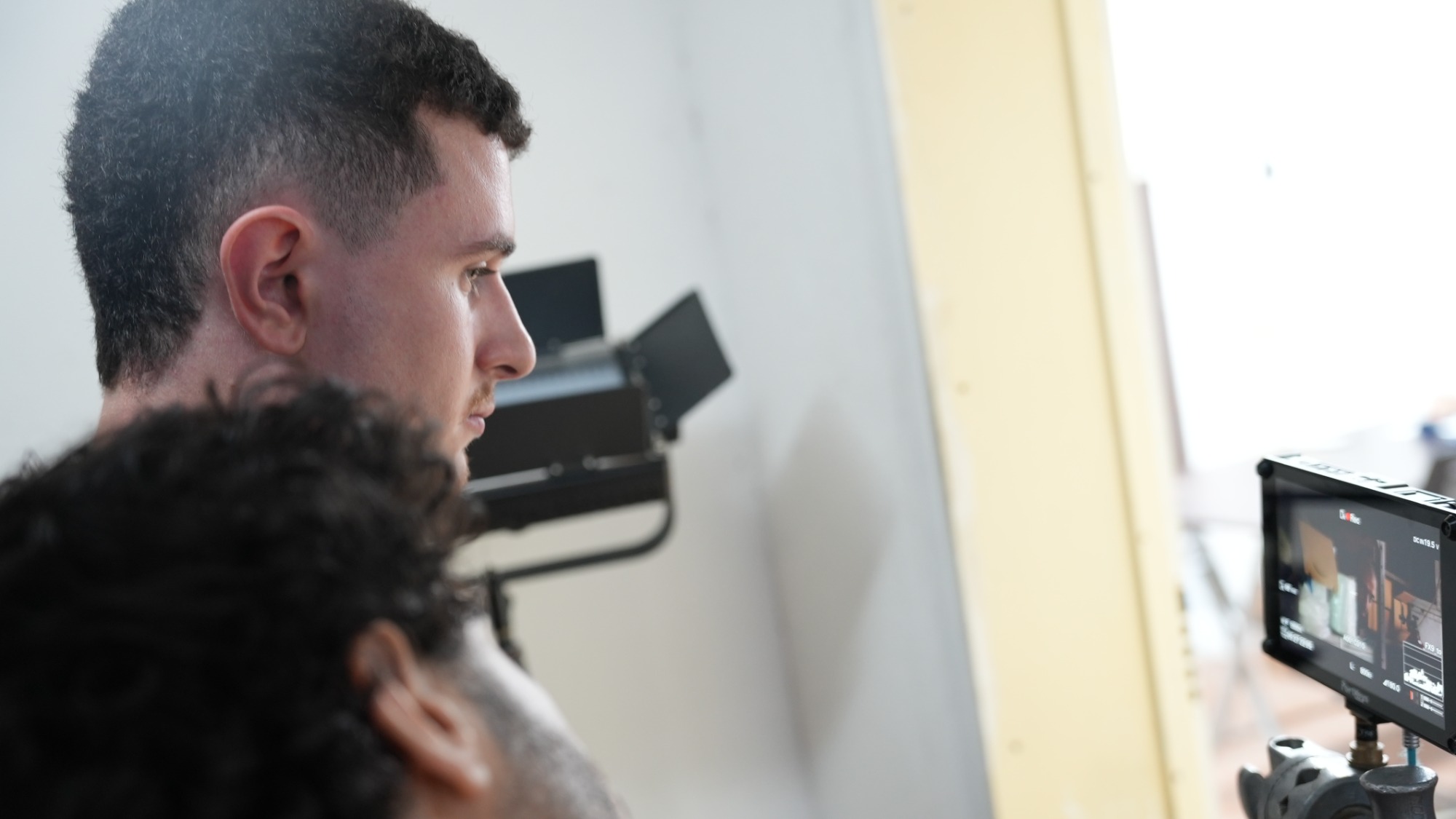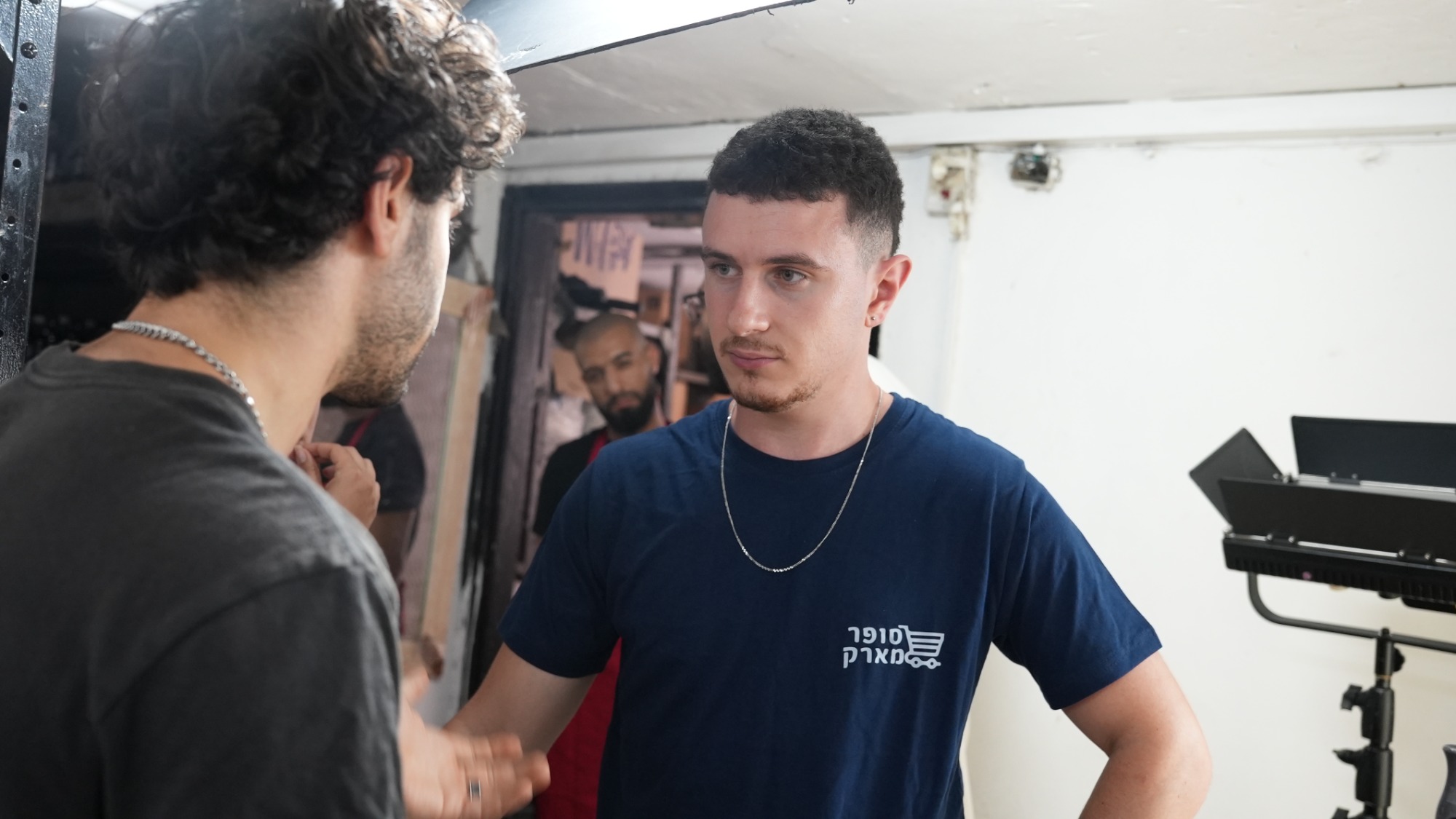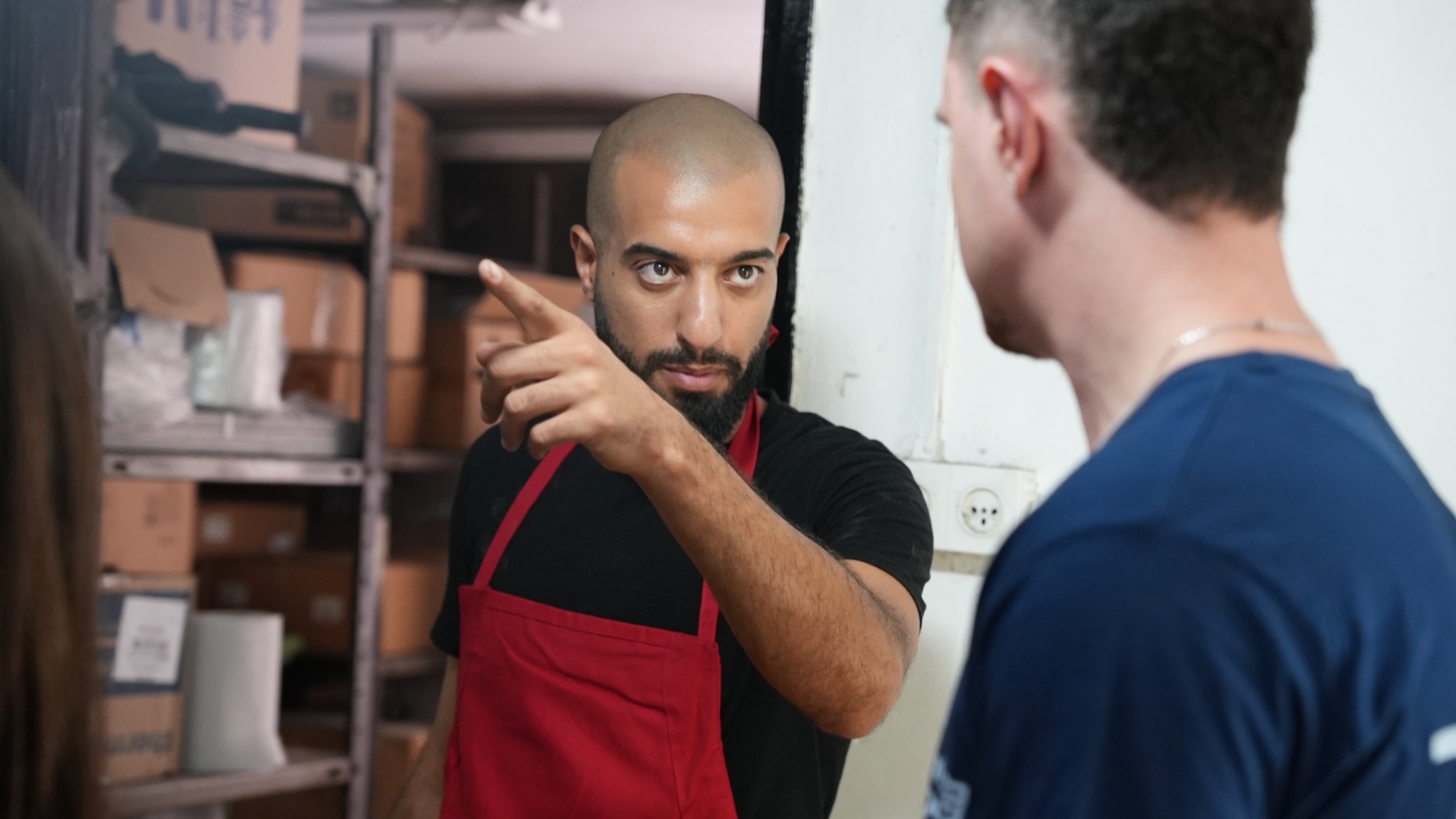

There is something undeniably commendable about the situation Meyer Levinson-Blount finds himself in. A student at Tel Aviv University’s Steve Tisch School of Film and Television, he is currently navigating an Oscar nomination for Best Live Action Short—having already been recognised by the Academy when he won the Silver Medal at the 52nd Student Academy Awards last year—while simultaneously contending with the additional pressures of having made a film which generates strong political reactions and questions. Butcher’s Stain is a film that people want to argue about before they’ve even watched it, and the challenge of steering those conversations back toward craft, intention, and the fundamental human story at its centre is one Levinson-Blount has had to learn quickly. The film itself began where so much great filmmaking does, in the specific and the observed. A stint working at a Tel Aviv supermarket in the months following the October 7 attacks gave Levinson-Blount a narrative concept that was urgent, close, and morally complex. A Palestinian butcher, Samir, falsely accused of tearing down hostage posters in the staff break room, fighting to keep the minimum wage job his family depends on. What could have buckled under the weight of its context instead holds its shape through the discipline of its filmmaking—a suffocating grammar of tight frames, glances, and near-total point-of-view, across a borrowed supermarket and six hours of shooting time. As the awards rapidly approach and we continue our Oscar nominee interview series, DN speaks to Levinson-Blount about the visual language of suspicion, the argument for including Samir’s family in the story, and what it means to be a student filmmaker for whom the stakes of every creative choice extend well beyond the edit suite.
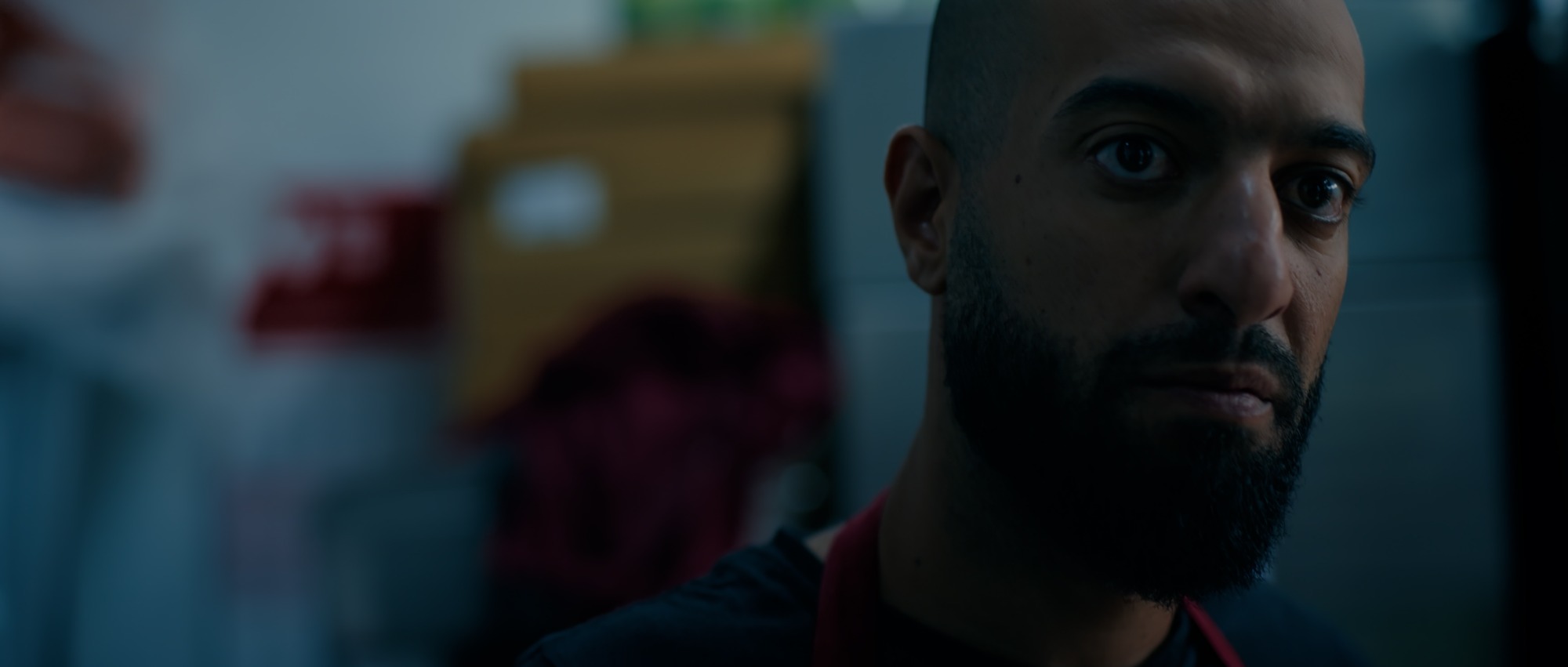
For the whole entire film, there’s only one moment where it’s his POV.

Most Popular