There comes a time in every relationship when the way each person deals with an event or external circumstance tests their unity, patience, and priorities. Less common, however, is a relationship being tested when one of those people brings home an otherworldly creature that commands far more attention than the other would like. Marking his third appearance on Directors Notes, Nathan Mark Ginter’s self-described “anti-rom-com,” Steak Dinner, explores that scenario with aplomb in a Kodak-backed short film centred on an entirely practical beastie that unwittingly finds itself caught in the middle of a couple who both do and do not have its best interests at heart. Ginter talks to Directors Notes about the inspiration behind a story that would go on to be championed by Sean Baker, the process of creating the entirely practical ‘Henrietta’ at the heart of the film, the challenges of accommodating such a practical element during production, working with his lead actors alongside their puppet co-star, and sharing the film with audiences at the Santa Barbara International Film Festival premiere and prestigious genre festivals such as Fantasia and Sitges.
You have described Steak Dinner as an “anti-rom-com-creature-feature” made as part of the Anora X Kodak Short Film Contest, looking for 8-minute love stories. What was the inspiration for this concept and how quickly did you go from selection to completion?
I was originally working on another pitch for the contest that took a different approach to the ‘love story’ prompt, but it wasn’t fully clicking, and so right before the deadline, I decided to start from scratch and try to construct a simple date-night gone wrong narrative, while pursuing what felt compelling and honest to me. Pretty immediately, the central concept for Steak Dinner emerged, and I didn’t second-guess it.
The deck was selected by Sean Baker, and through the Anora X Kodak contest, the short was shot on 16mm with NEON and Kodak’s support. From blank page to finished film, Steak Dinner was completed in six weeks with all in-camera practical effects.
The tone of the film seems to be set upon sight of the creature and the fact that neither human character questions its existence, just its place in their home/relationship. How did you go about casting these two roles and how quickly did they find working with an otherworldly co-star?
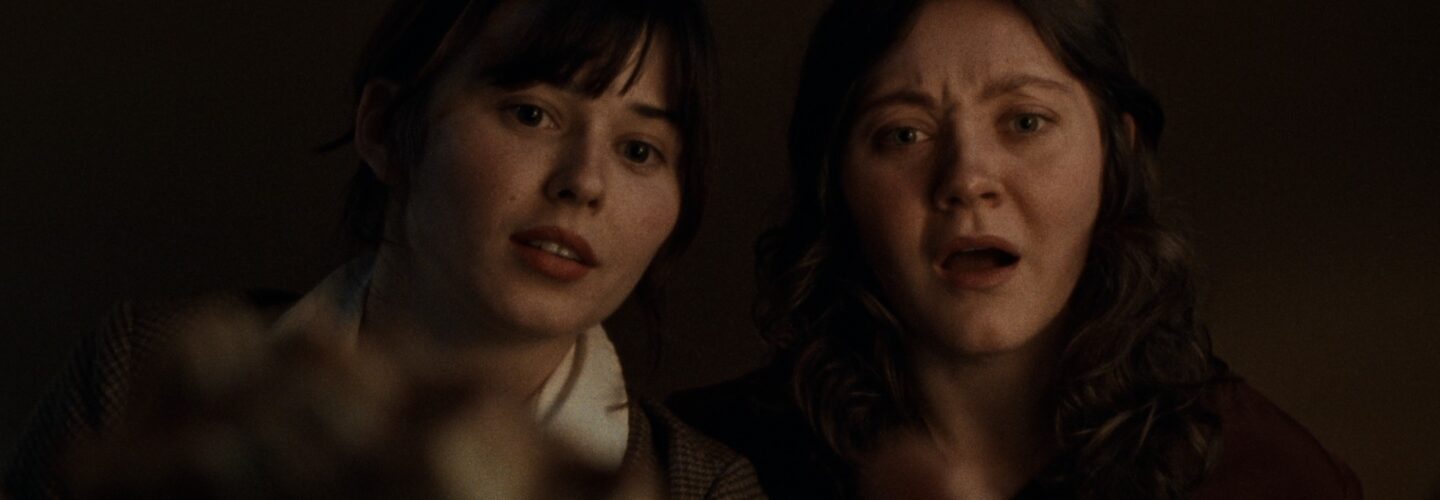
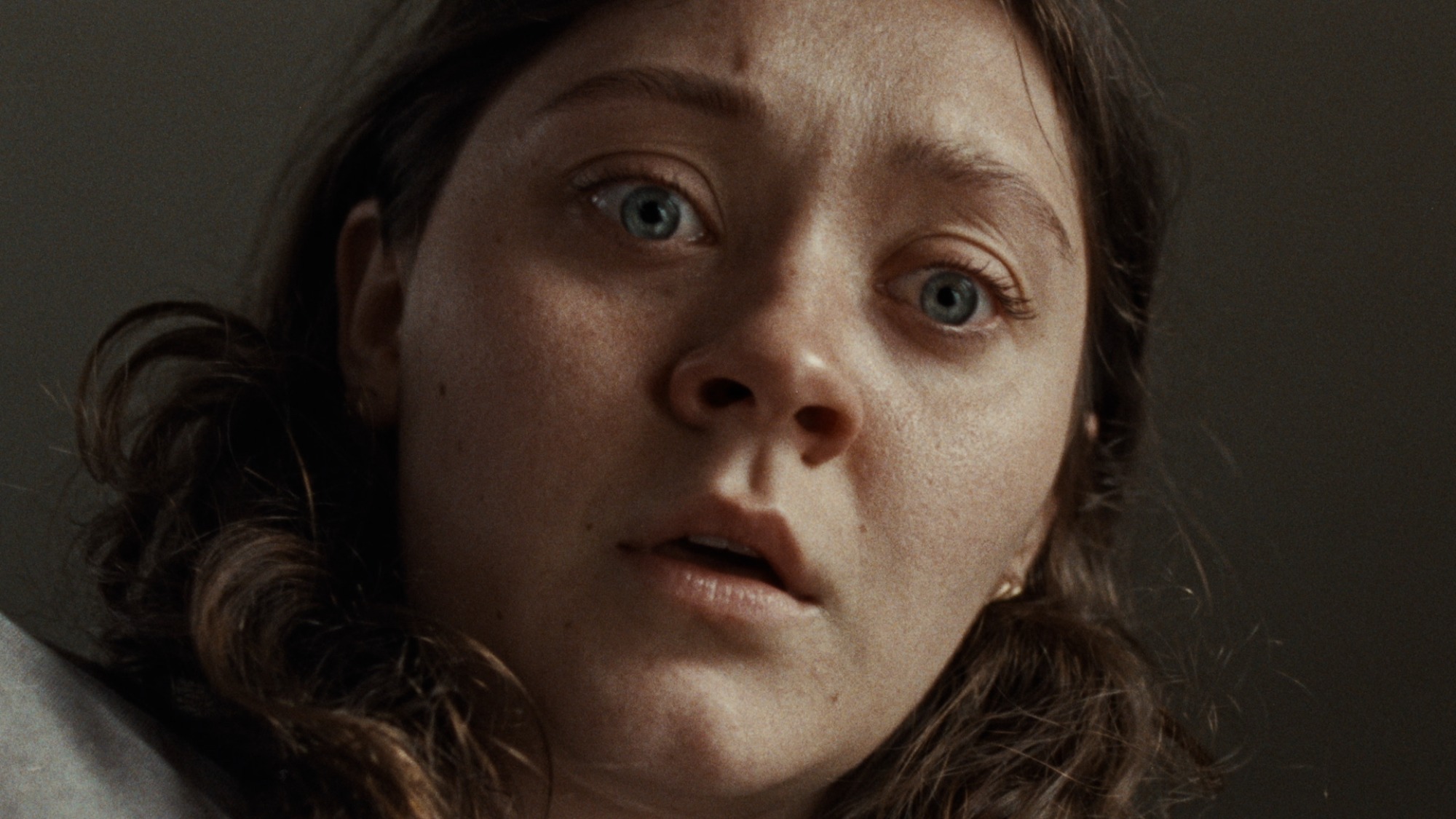
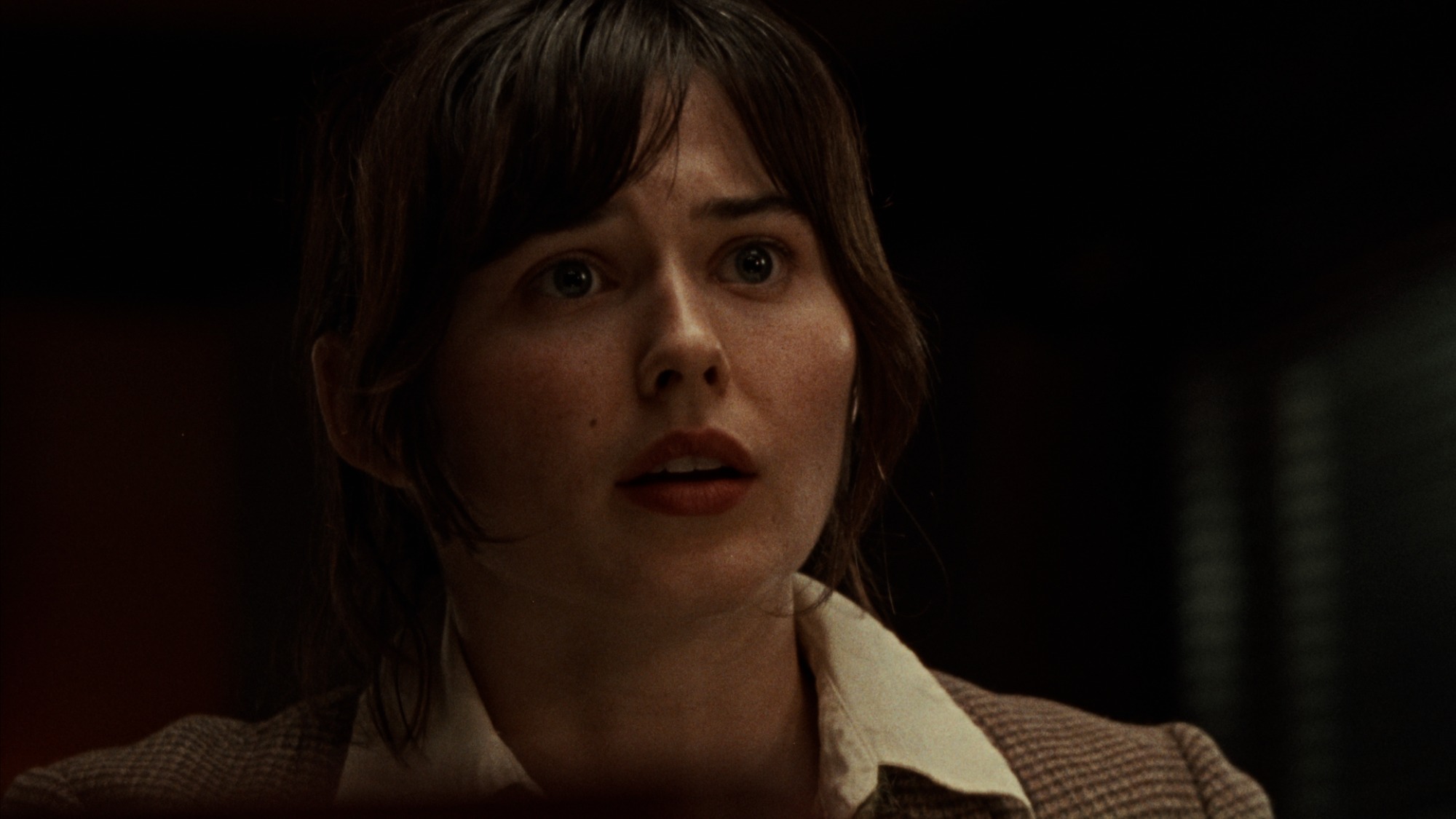
We had to cast our couple on short notice, and so I was incredibly lucky to be connected to our leads, Lucy Idella and Ruby Cruz, through Chelsea Eisen, one of the film’s producers and AD. Ruby and Lucy are spectacular, and the inherent comfort and chemistry that came from them being long-time friends and roommates was a perfect fit for the film. They both had an intrinsic warmth that I felt was important for grounding the intentions of their characters, who are not always making the most thoughtful decisions, and whose relationship we have to care about, despite never seeing it in a healthy place. They immediately got the tonal balance of the script and were so generous in their commitment to the project, it was a blast working with them.
In terms of the creature, one of the joys of using practical effects is that it allowed everyone on set to tangibly engage with Henrietta and be unified in the world of the movie, which was made easy by our all-in-camera effects, created by Nicholas Winstead.
The creature, Henrietta, is a fantastic, tangible presence in the film. What made you choose a mollusk to be the creature?
Mollusks are already so fascinating and surreal to begin with that it felt like a compelling place to start, and it certainly didn’t hurt that their biology served the plot and themes of the film well.
In terms of the creature, one of the joys of using practical effects is that it allowed everyone on set to tangibly engage with Henrietta and be unified in the world of the movie.
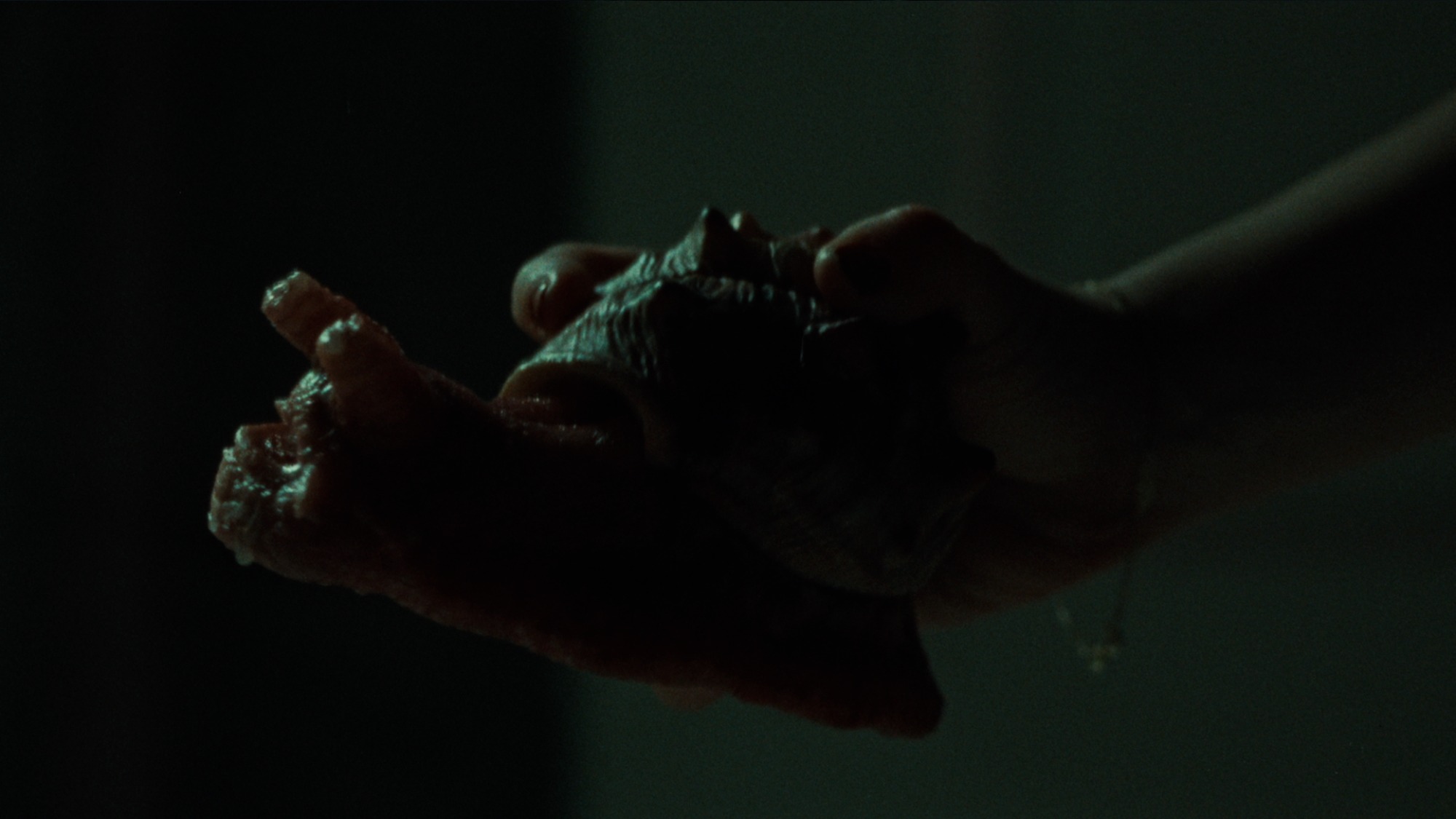
Henrietta is a practical joy to behold. What was the design and build process for her, and how challenging was that considering the time-constraints of the competition?
When I found out I was selected to make the short, the first person I called was Nicholas. I knew Henrietta had to be simultaneously endearing and off-putting in order to support the tension of the film. I had some real-life mollusk references for the creature that I brought to Nicholas, along with a sense of what we needed Henrietta to do physically and emotionally throughout, and he worked his magic to bring Henrietta to life. Henrietta is a fully cable-driven puppet with a silicone skin and urethane shell, designed, sculpted, and puppeted by Nicholas. The cable mechanics allowed for separate movement of the creature’s body, eyes, and mouth, while an internal bladder could be pumped to create the pulsating heart beneath the shell. Nicholas also created a slightly smaller, more durable version of the mollusk with fewer components for the simpler bathroom shots.
Most Popular
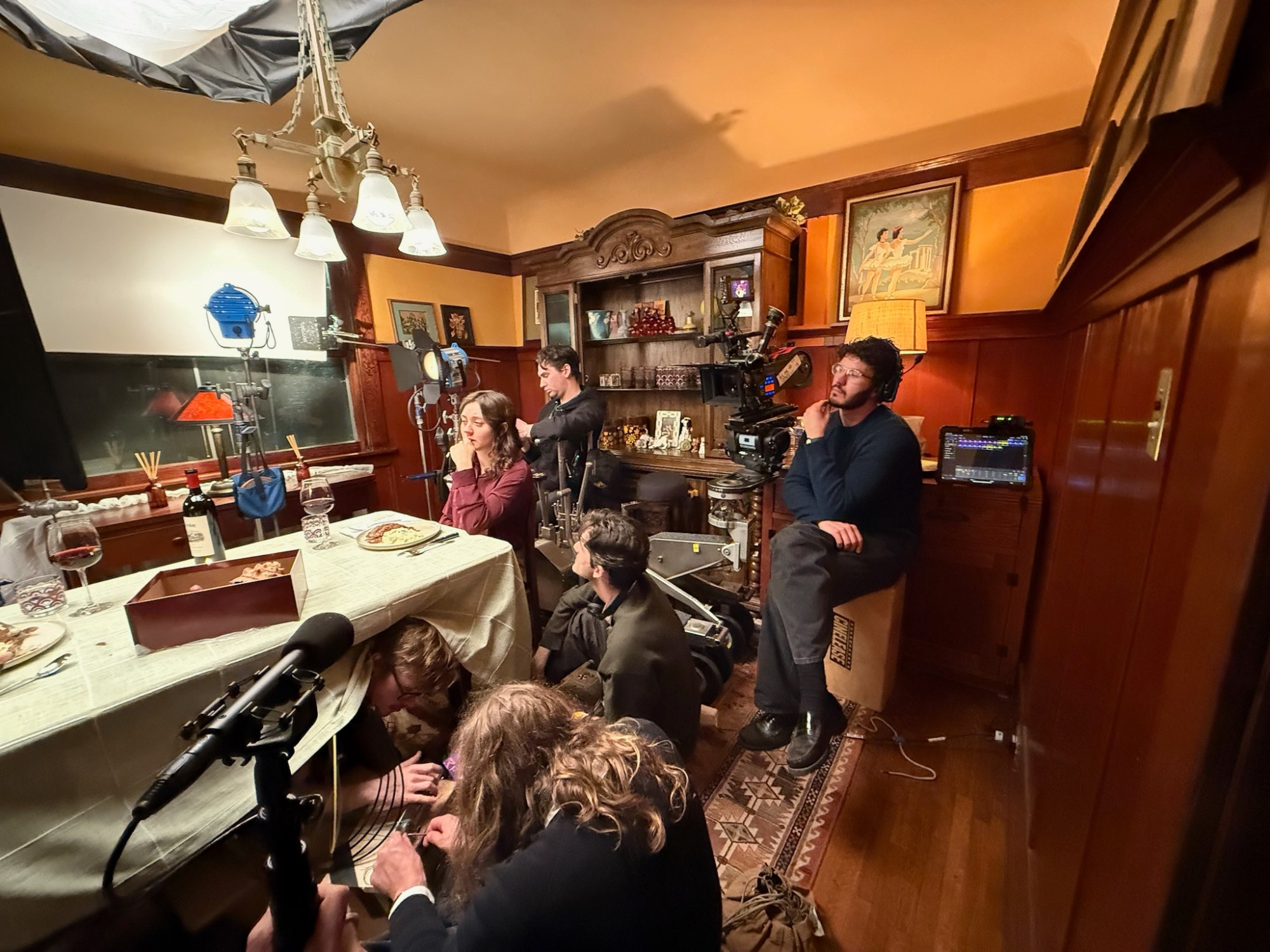
The body was molded by Robert Skene, and the skin and shell were painted by Lisette Santana and Jennifer Corona. Production designer Finley Harlocker and prop master Nick Cohen helped modify the shoebox, tables, and kitchen sink to allow for puppeteering. For the more movement-intensive shots, Nick Cohen or another crew member would step in with Nicholas to control one element of the puppet, and they would often have to squeeze into tight corners in order to make it work or avoid being seen in frame. It was a lot to juggle, and it’s always a battle against the clock when you’re looking to be ambitious with your resources, but the team were all such pros that we ultimately had very little compromise from what was in the script.
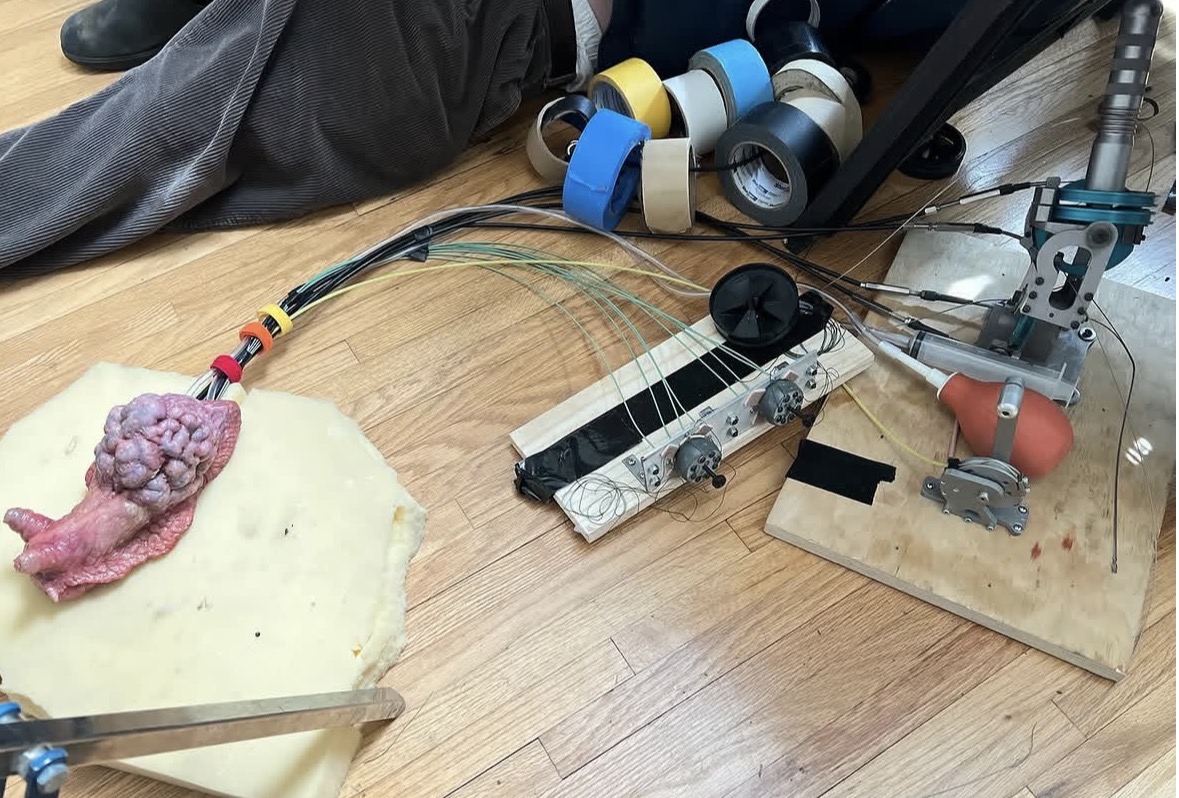
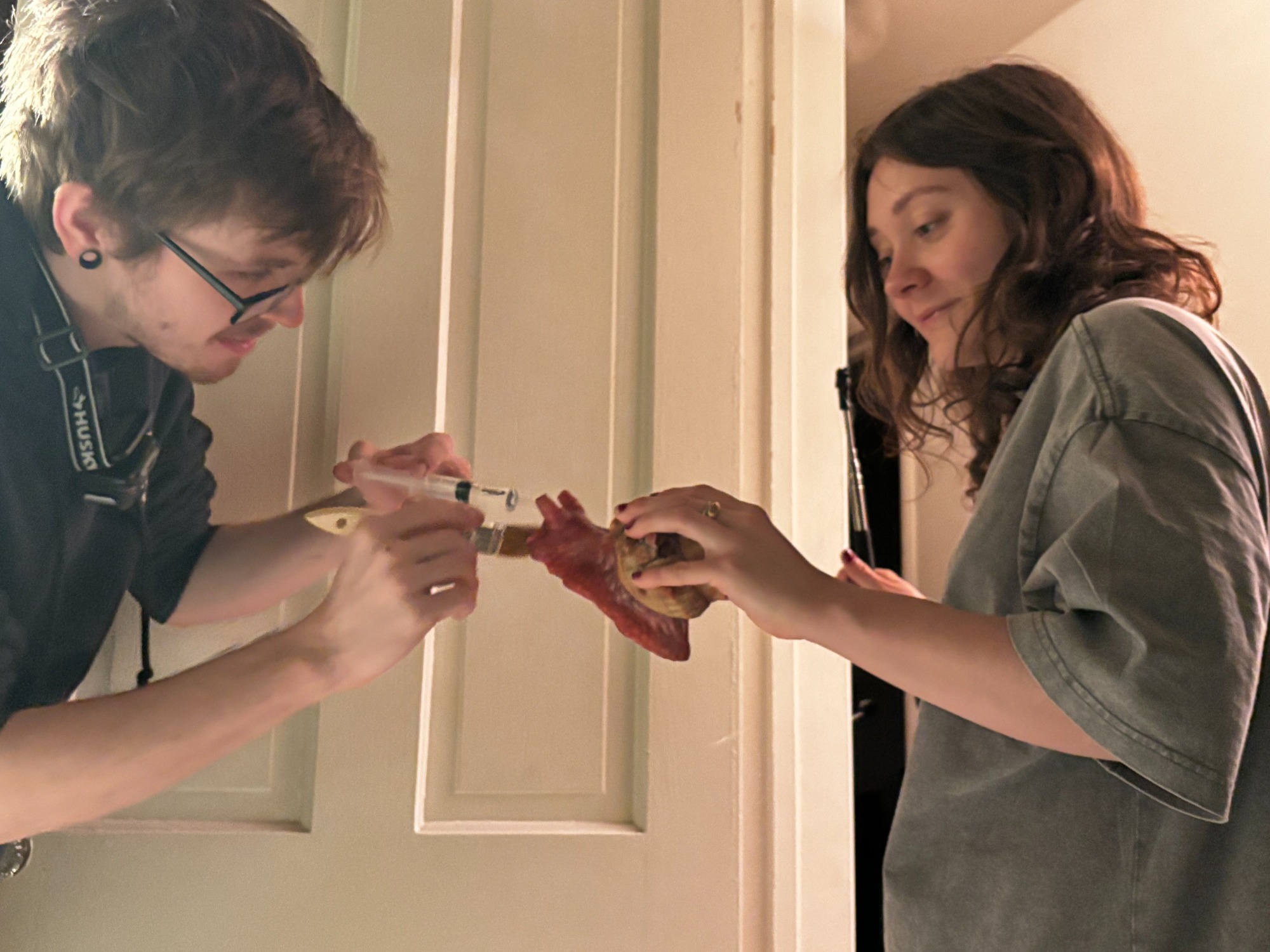
Henrietta is a fully cable-driven puppet with a silicone skin and urethane shell, designed, sculpted, and puppeted by Nicholas.
Being shot on film, Steak Dinner has a wonderful retro feel to it, complemented by cinematography reminiscent of films from the 70s and 80s. Were there any visual references used to achieve this shooting style or was everything planned solely with your DOP?
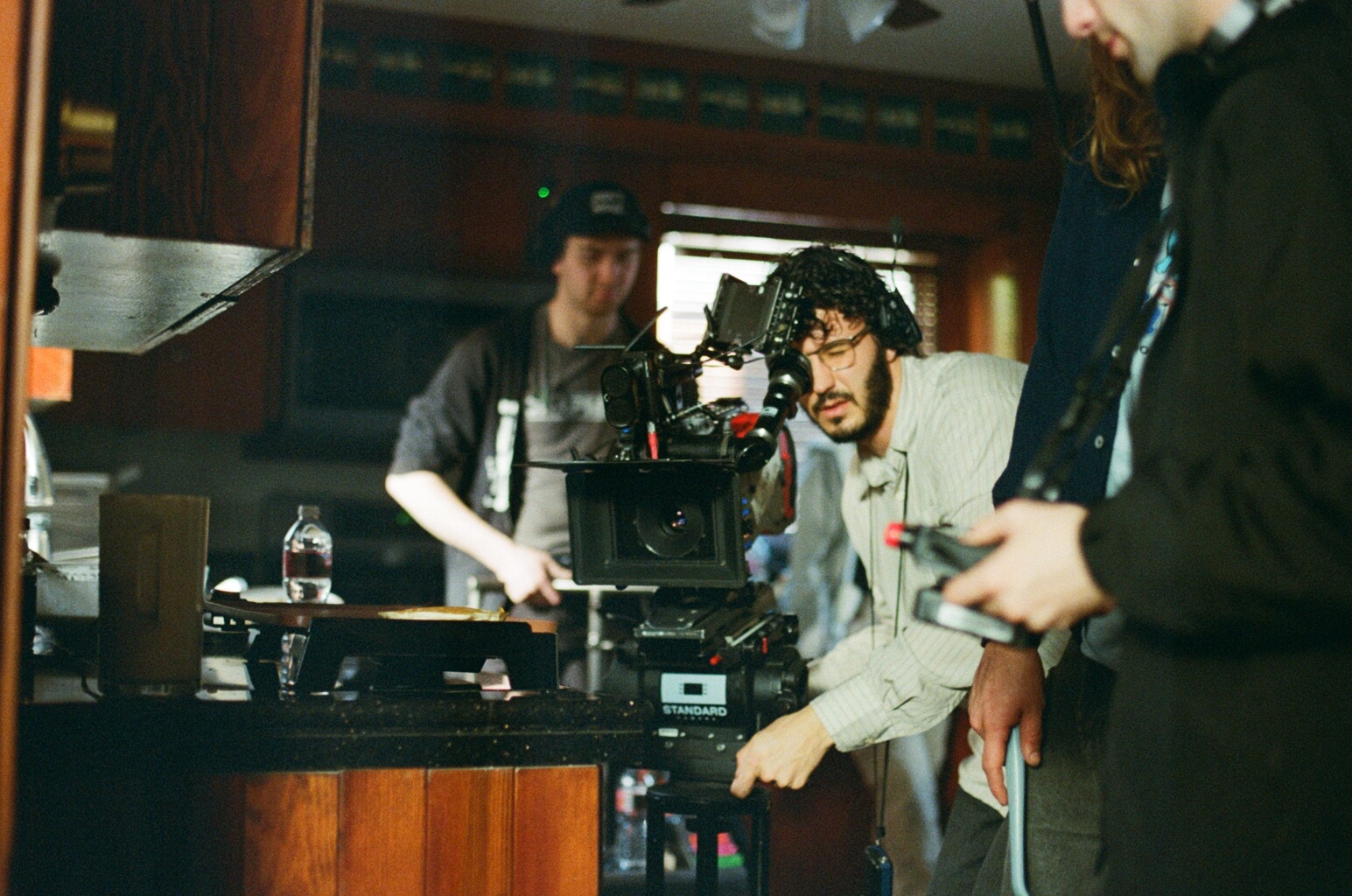
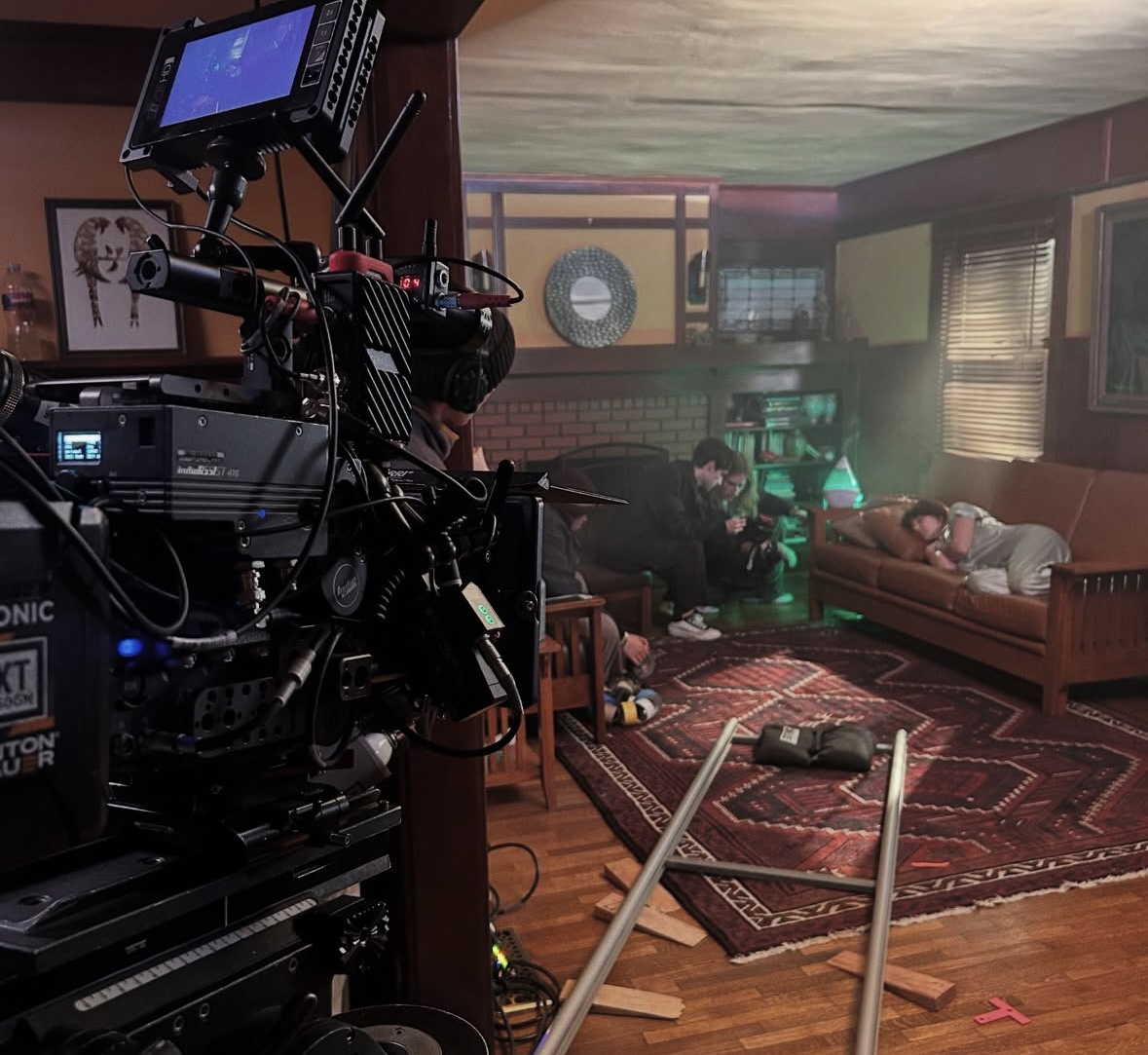
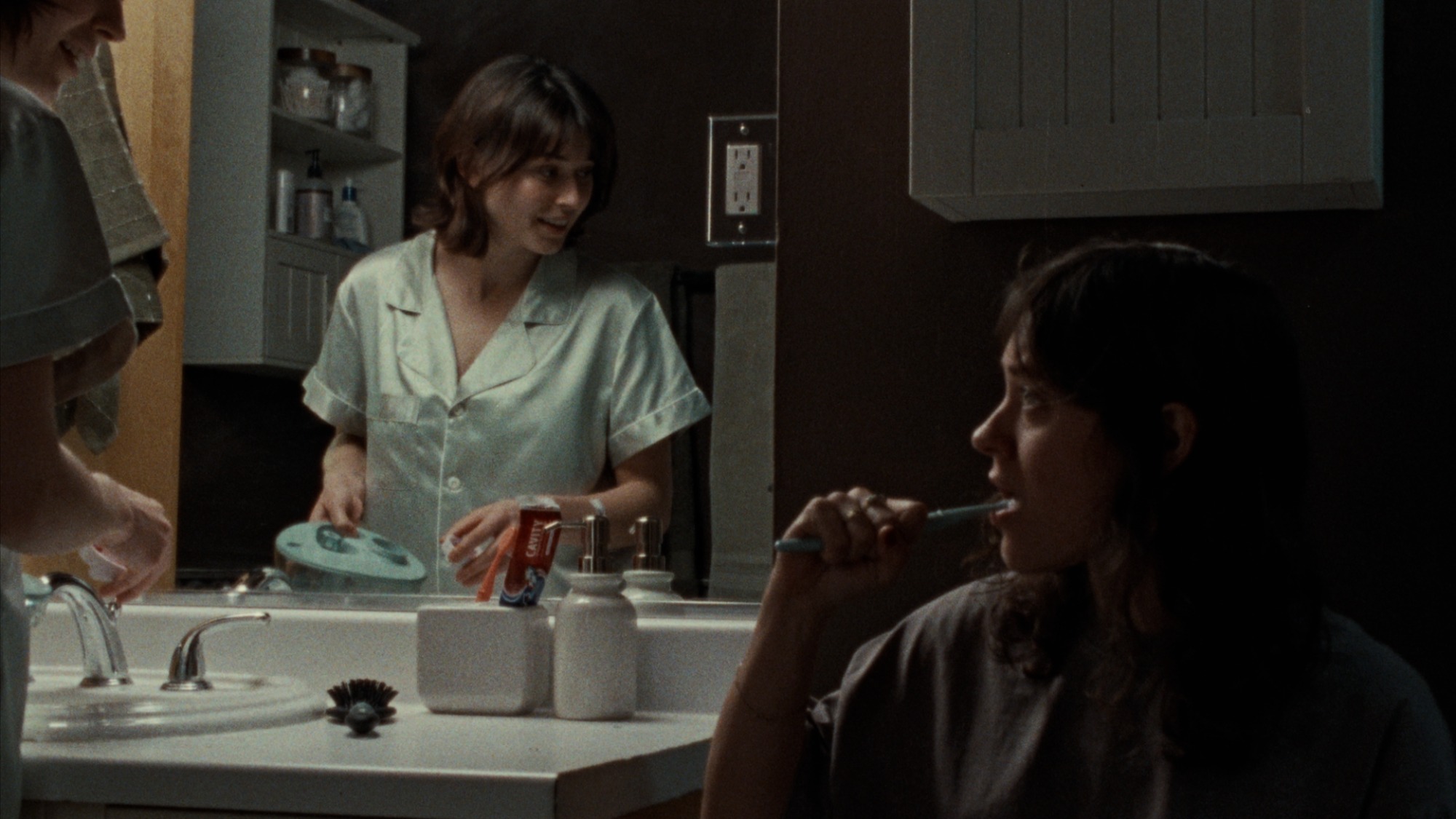
I’ve had the joy of working with Shane Bagwell, the film’s cinematographer, for seven shorts now, so we had a real familiarity and trust going into Steak Dinner. We usually don’t rely much on references, as I think we have a pretty solid sense of each other’s sensibilities and can pursue what organically emerges from the script’s dramatic needs and the production’s practical needs. We did an initial test shoot in the space a few days before production to really home in on how much to lean into the grain and chart out our palette progression over the course of the film. We wanted Steak Dinner to begin in a cosy, romantic space, and transform into something pulpier and more evocative of 70s horror films as the characters spiral, hinting at the film’s creature-feature underbelly while keeping it grounded in reality.
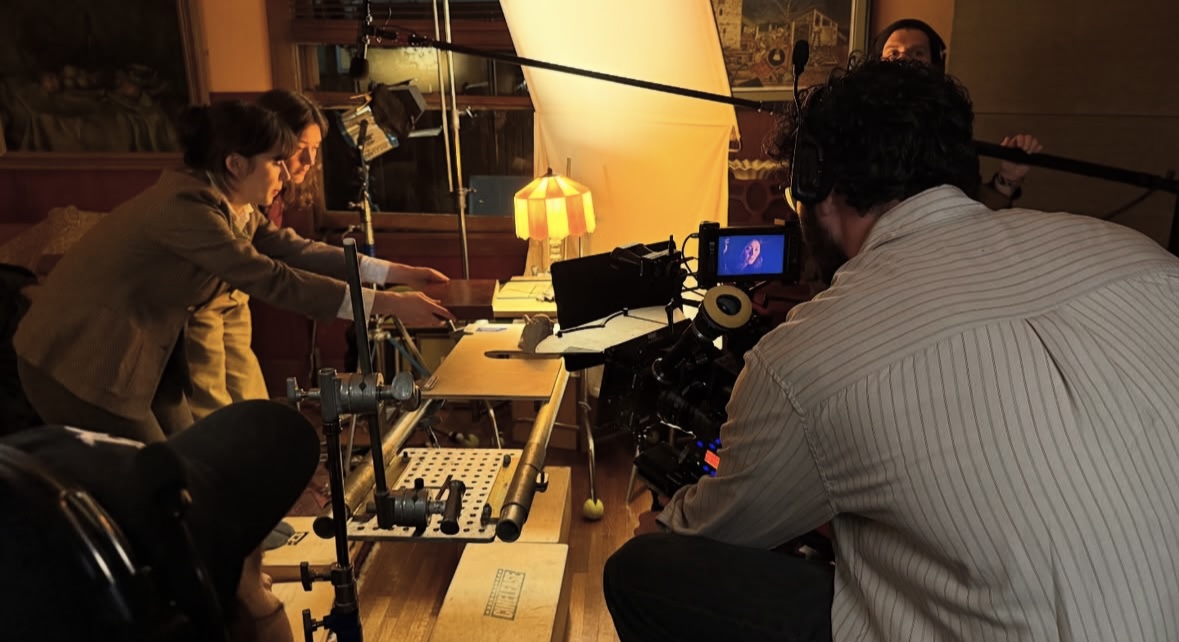
The colour palette of the film, through production and costume design, is bolstered by the house location in which the story is set. How did you come by this location and what work had to be done to make sure it fit the aesthetic of the story?
One of our producers’ parents generously let us shoot the entrance, dining room, and kitchen scenes in their gorgeous home, which was an ideal base to build on top of with its wooden walls and green tiles. The bathroom and bedroom scenes were shot in our cinematographer’s house right before he moved out, which gave us a lot of flexibility to clear out the space and paint the walls to suit our needs.
Beyond traditional set dressing, one of the more interesting demands on our production design team, as I mentioned, was finding fast and elegant ways to allow for the creature puppetry we needed.
While we made sure everything had a cohesive look on set, we also honed the palette with our colourist, Brian Charles, who did a spectacular job working with us to refine everything in the brief post-production time. The costumes ended up being a wild hodgepodge of all of our closets, which was fun to assemble with Lucy and Ruby and help inform their characters.
Beyond traditional set dressing, one of the more interesting demands on our production design team, as I mentioned, was finding fast and elegant ways to allow for the creature puppetry we needed. That involved cutting holes in the tables we see Henrietta on, as well as making a matching disconnected kitchen sink for the film’s climax. They also handled the film’s on-screen food, including the spectacularly dry steaks and gloopy pancakes!
The soundscape in the film is pitch-perfect, with the whimpering sounds of Henrietta, strings plucking as tensions rise, and the excruciating kitchen-sink massacre at the end. What work was done on set and in post-production to really make this sing?
I storyboard pretty extensively, and on my last few shorts, I’ve edited those boards into a rough animatic with initial sound design in prep. Going into production, I created Henrietta’s vocalizations by filling rubber chickens with water to produce her comically agonized groans, which helped inform her performance while shooting. In pre-production, I also received music and stems from the film’s composer, Vincent DiFrancesco, which was really wonderful because it allowed me to play the score on set. It also let me edit to the music rather than introducing the score at the end of the process.
After locking picture, sound designer Bobb Barito (who directed the incredible short film Light My Fire, also featured on Director Notes) came on to add to, clean up, and elevate that initial soundscape.
I created Henrietta’s vocalizations by filling rubber chickens with water to produce her comically agonized groans.
Shooting on film naturally leads to a very different editing process than when shooting on digital. Did this impact your options in post-production or were you still able to find some unplanned magic?
Steak Dinner was my first time shooting a full narrative movie on 16mm, and oddly, it didn’t have a massive impact on my process. I tend to shoot for the edit, which is particularly helpful when needing to be conscious of how much film we’re using, and as a result, I often end up with a final cut quite similar to my animatic. I find that planning allows me to focus resources on what will be on screen in the final film, while also creating guardrails and a clear intention to explore within. I also luckily had a production team that was very familiar with the film process, which made my transition quite smooth.
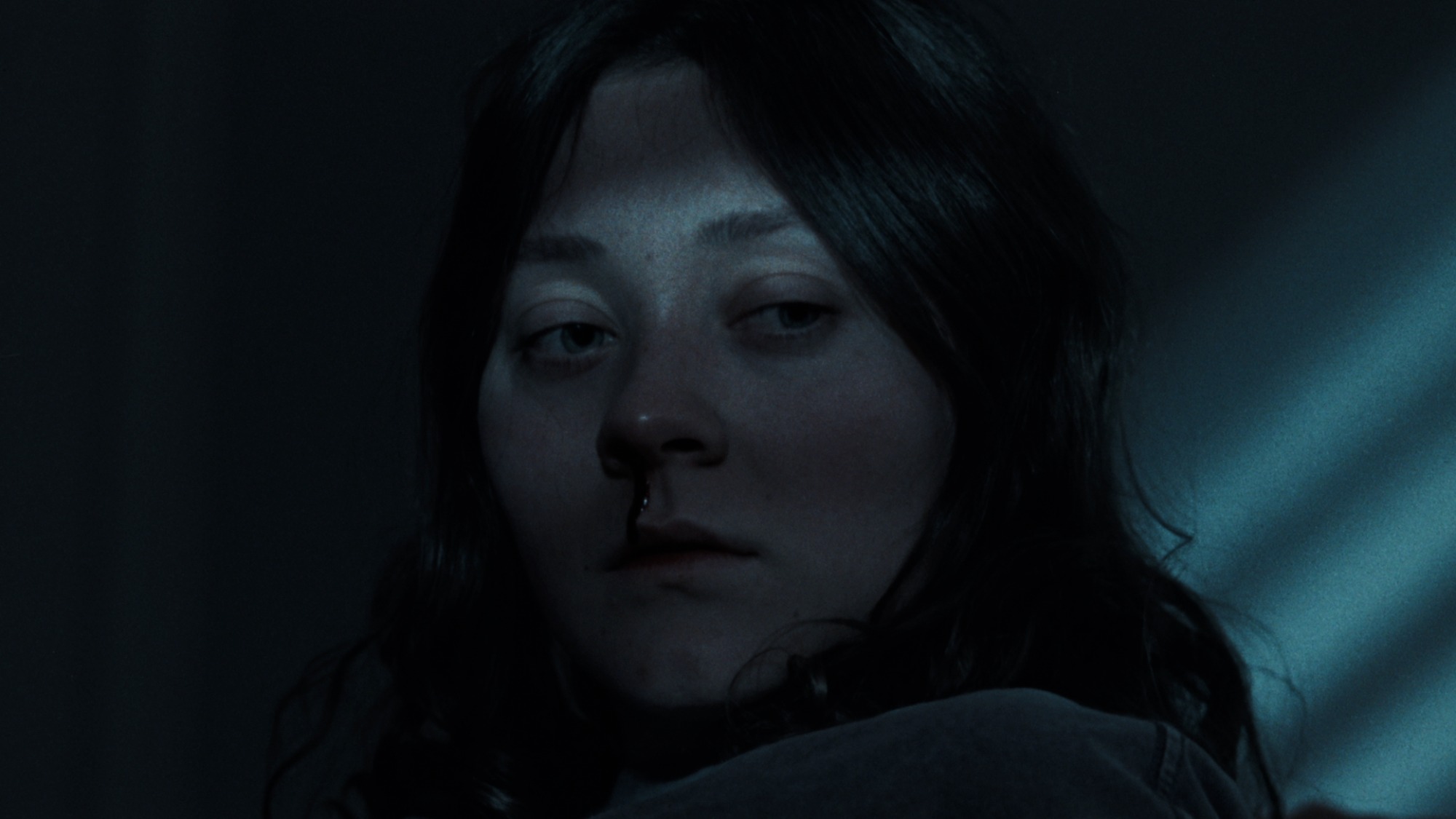
The film enjoyed festival screenings at Santa Barbara International Film Festival, Fantasia, Fantastic Fest, and Sitges. What was your experience sharing it with audiences?
It’s been a blast sharing Steak Dinner with audiences, and I’m incredibly grateful to all of the programmers and festivals who have supported the film. All of my shorts are genre-bending tonal-mashes, and so it’s always fascinating to see how differently various audiences respond to a film, and the impact that a setting or block can have on that reaction. I really love a film that can shift with each viewing and allow an audience to bring themselves to it, so it’s been wonderful to feel that with Steak Dinner.
What short film would you recommend to the Directors Notes community and why?
Two fantastic shorts made by friends that are coming online soon are Jesse Padveen’s The Sphinx and Emma Weinswig’s Ben’s Sister, and two all-time favorite short filmmakers are Don Hertzfeldt and Stephen Irwin, for their delightfully unhinged absurdity and discomfort.
With Steak Dinner now available for all to enjoy, what’s next for you?
I have another short film, Overgrown, that will be out soon, and I’m currently working on my first feature.