
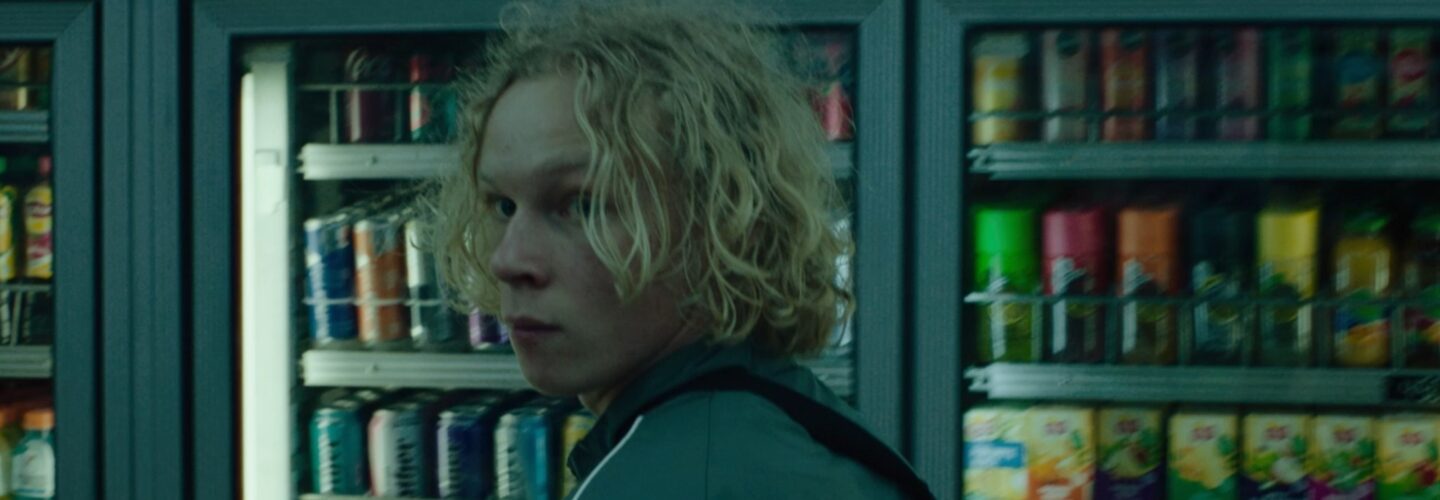
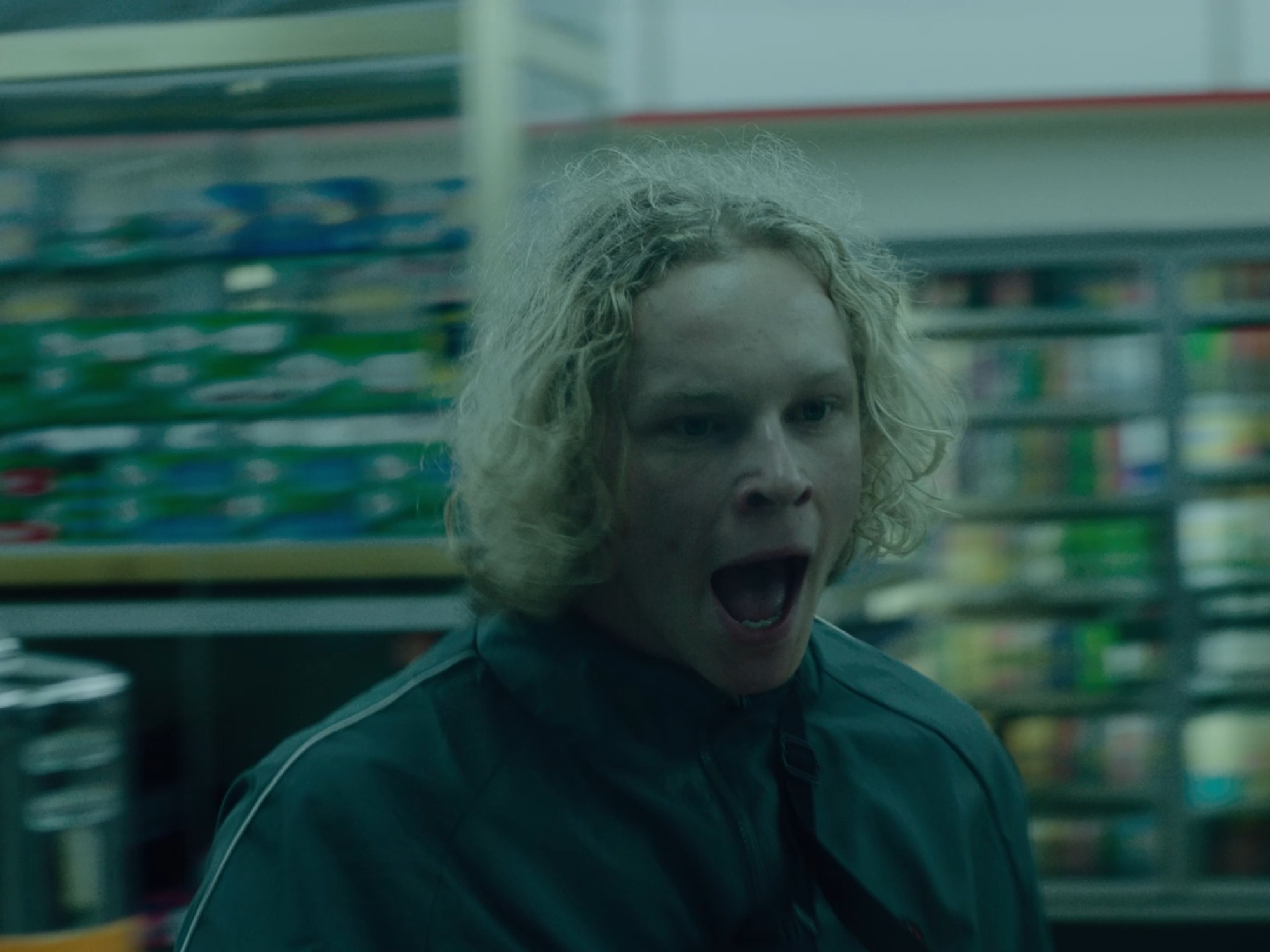
Growing up in the 1980s in a particularly rough part of the UK, where even something as simple as a boy having long hair could invite ridicule, it often felt like a suffocating time to explore identity and individuality. While society has undoubtedly moved forward in many ways since then – and I’m now a father to two young boys – new challenges have emerged in the form of hyper-masculinity, online influences and persistent gender stereotypes. It feels like an important moment to be having conversations around these issues, particularly with younger generations, which is why I’m grateful that films like Jasper Caverly’s Pleasure exist.
Although Pleasure isn’t necessarily a film I’d be rushing to show my own children just yet (we might have a fairly liberal attitude towards the C-word in the UK, but they’re probably still a little young to be throwing it around), it is exactly the kind of work that reminds me of the conversations I want to have with them as they grow older. On the surface, Caverly’s short is a confrontational story about two young graffiti artists getting into trouble during a sweaty summer night. However, much like the young men at its centre, beneath its rough exterior lies a complex and deeply tender core. It was this contrast that made me eager to explore the film further, as Caverly joined us on Directors Notes to discuss the lack of authentic queer representation in cinema, the importance of working with a script editor with cultural proximity and why a director is ultimately only as strong as the actors bringing their vision to life.
Hey Jasper, welcome to Directors Notes. We’re excited to talk about your short film, Pleasure, today, but before we do, you’re a new name to us here at DN. To help our readers get to know you a little better, could you tell us what motivates you to make films and how you’d describe your approach to filmmaking?
My work is indebted to social realism and observational documentary as I’m drawn to complex ideas expressed simply. I feel strongly that cinema has the capacity to build empathy and encourage solidarity and, not to sound too much like a Bolshevik, there’s an enormous amount of global division on the basis of fear, greed and individualism, which might be less severe with more collective experiences. All of the films I’ve made are about misunderstood, ostracised or seemingly unorthodox people trying to make sense of an apparently orthodox world. In my experience, people are fundamentally not too dissimilar from one another and cinema is a very emotional medium to express that sentiment.
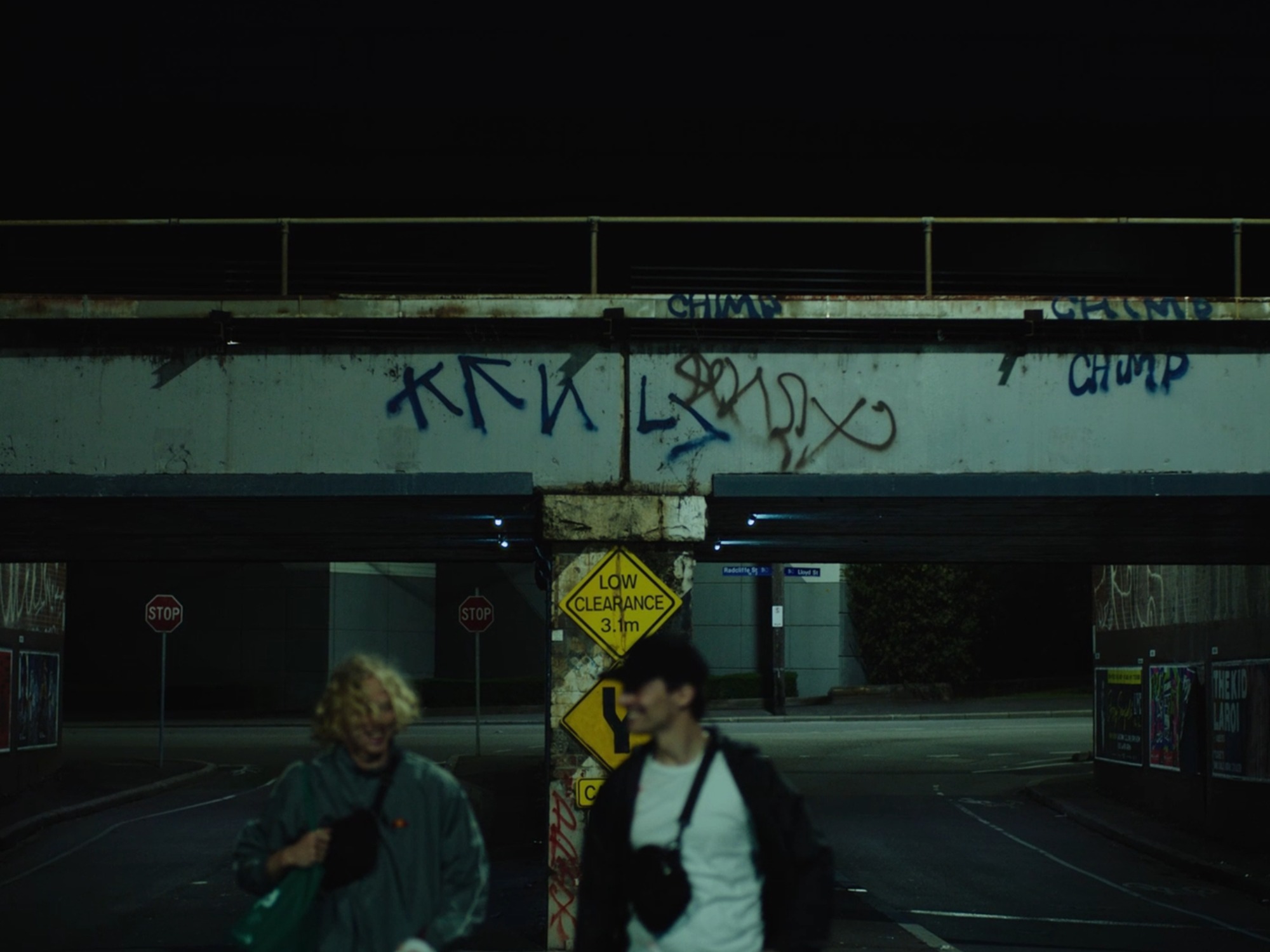
As a father of two boys, I found the way Pleasure explores ideas of masculinity particularly resonant – it feels like we need stories like this more than ever. How did you arrive at this particular narrative, and what do you hope audiences take away from watching the film?
Pleasure doesn’t really exist without Sarah Hegge-Taylor, who (like me) is a director who occasionally roleplays as a producer. I told her I was interested in bringing together eshays – an Australian youth culture tied closely with graffiti – and queerness in the style of the Dardenne’s, which was something we both hadn’t seen before. She understands the minutiae of cinema in a way that is quite frankly terrifying.
The ambition was to challenge our own embedded, preconceived ideas of what modern masculinity and queerness looks like.
There is an incongruity and a messiness in my own relationship with queerness and masculinity as this monolithic categorisation. I never felt I could identify with a lot of the characters I’d seen in films who were frequently made to be either flawless victims, outrageous performers or misunderstood geniuses – all the homophobic stereotypes I was introduced to on screen rather than in my lived experience. And contemporary queer characterization isn’t much better. The tepid hands of writers penning angelic and passive supporting roles to quell DEI scrutiny is equally if not exceedingly insincere and offensive.
With a film like Pleasure, the ambition was to challenge our own embedded, preconceived ideas of what modern masculinity and queerness looks like. If I can help shorten the distance between a viewer’s prejudice of the unknown and their understanding of the supposed ‘other’, then the work has fulfilled both its artistic and social function to support a future driven by compassion rather than division.
Most Popular
I’m particularly interested in the dialogue. Although I’m not Australian, and there are obvious cultural differences between where the film is set and where I’m from, so much of the back-and-forth felt instantly recognisable. It struck me as something that transcends nationality and speaks to the way young men interact with one another. How did you work to make the dialogue feel so authentic while remaining universally relatable?
The jargon of the film is reflective of an ‘eshay’ subculture – itself derived from Pig Latin – which is very uniquely Australian in its linguistic playfulness, although it is also cooperative with the secret language of young men shared across the globe. Shorthand, undercutting and provocation as a form of affection is central to this formula that unlocks the at times toxic and at other moments intimate exchanges between unruly and emotionally immature men. I’m just as guilty of partaking in this behaviour as much as the film seeks to critique it. It’s an imperfect disposition to have about an imperfect world.
I always, always work with a script editor who has cultural proximity – that’s the key.
While I am drawing heavily from people I know and have known in my life for the subcultural specificity of the dialogue, I do strive for authenticity through collaboration during the scriptwriting stage and often share early drafts with people who are not in film to get a sense of whether I’m on the right track. You have to be ready to get it wrong and be open to feedback to get it right, and even then, there will always be a Letterboxd review about class extraction to contest with. Such is life. And I always, always work with a script editor who has cultural proximity – that’s the key.
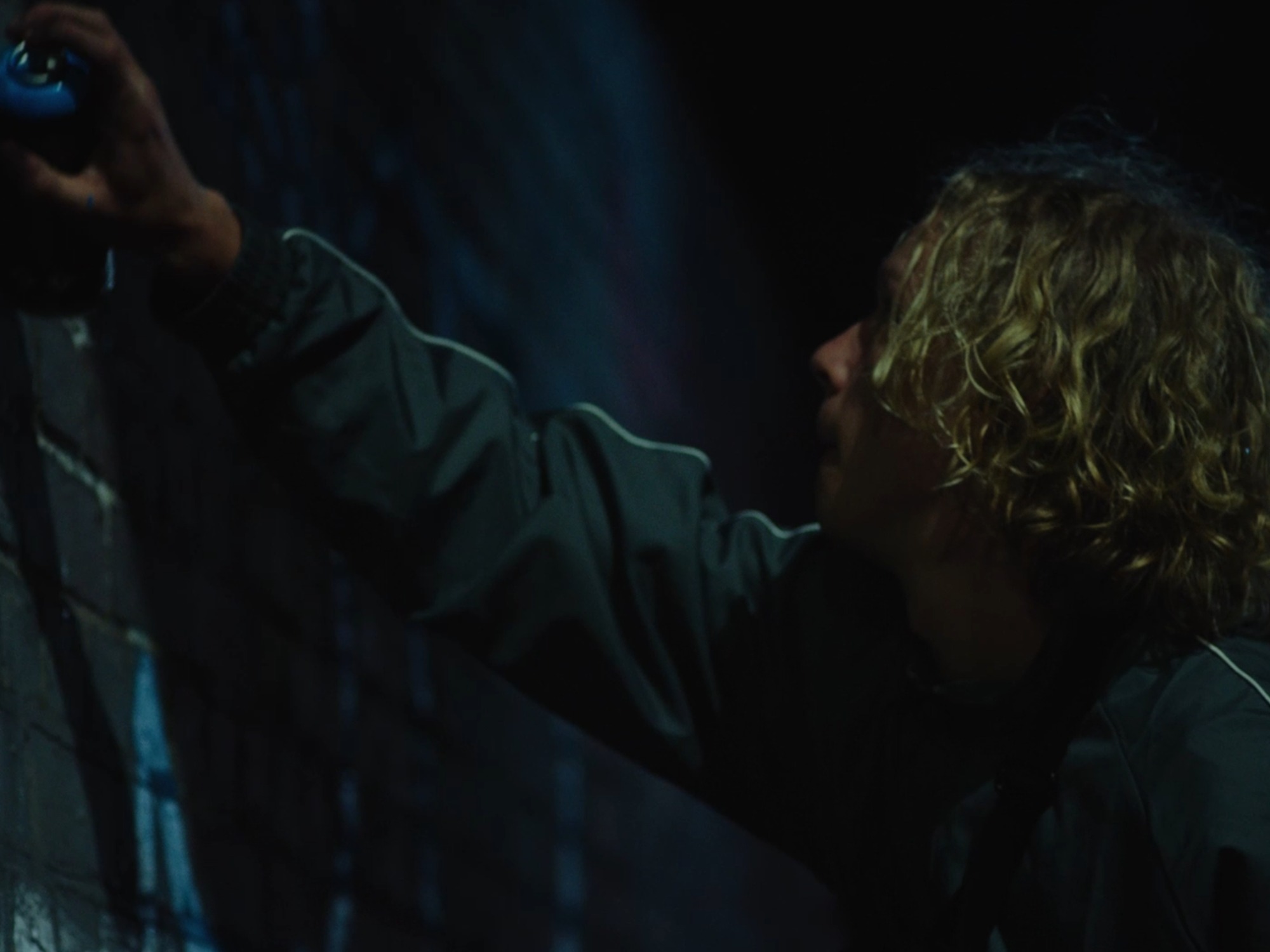
Although Pleasure can be confrontational and abrasive at times, its emotional impact comes from a surprising moment of intimacy. Why was it important for you to lean into that juxtaposition?
Contradiction is a very human quality and as frustrating as the misalignment between our wants, needs and reactions may be, it makes for compelling drama. Beyond its aesthetic value and capacity for entertainment, I’m really not sure what the value of art would be if humankind lived together uniformly.
All things seemingly simple on the surface of the edit are typically rich in complexity below the skin.
Finding these moments of humanity really shines through in the edit, which is jagged and omits detail to favour rhythm. This is all thanks to the deft touch of editor Cindy Clarkson, who saw where a single moment in a performance was able to demonstrate an opposing thought in the subtext, which creates an emotional juxtaposition and complicates where the audience should place their empathy. Cindy brings this level of lateral thinking to a project and she instilled in me an ideology that all things seemingly simple on the surface of the edit are typically rich in complexity below the skin.
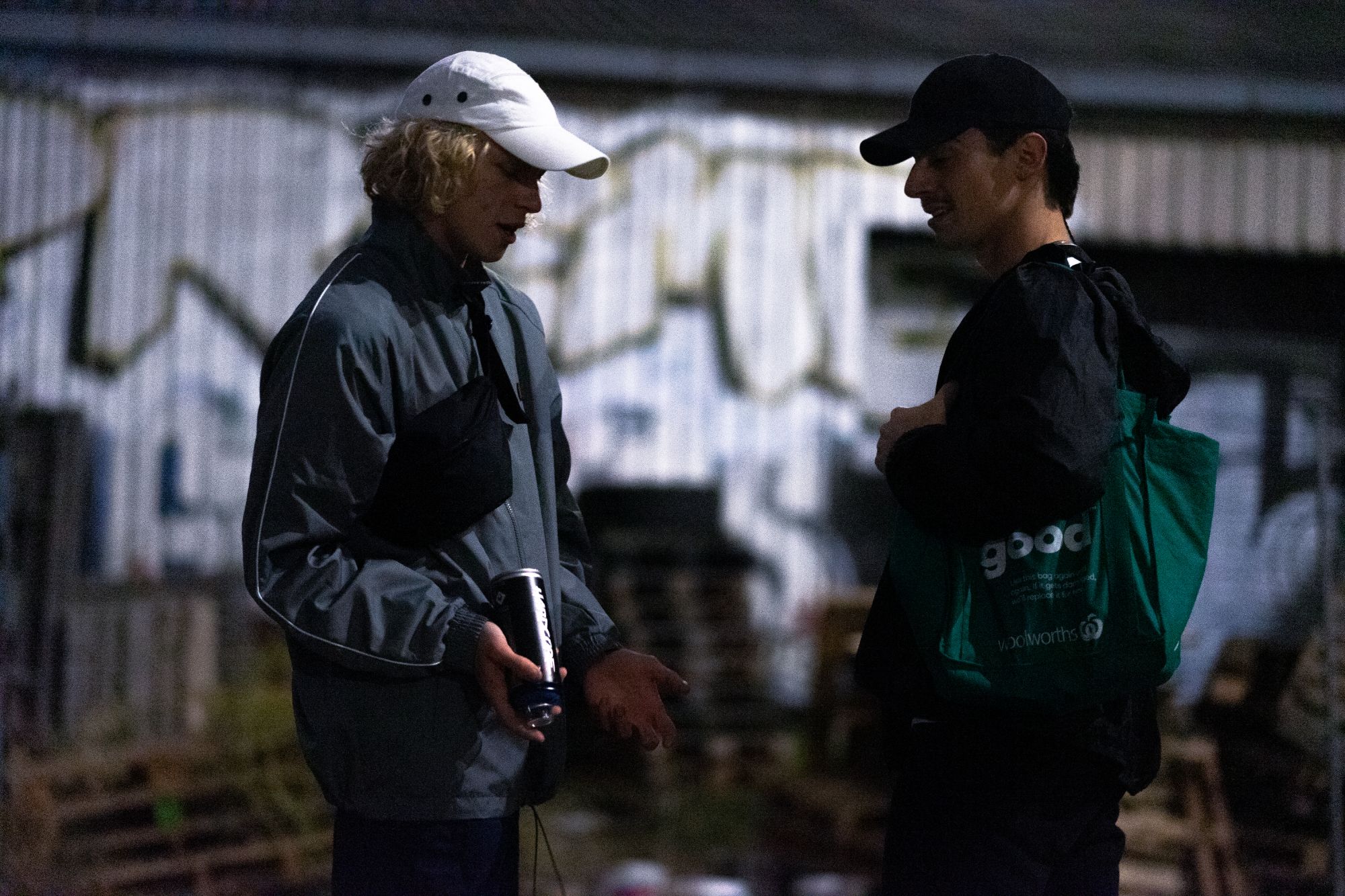
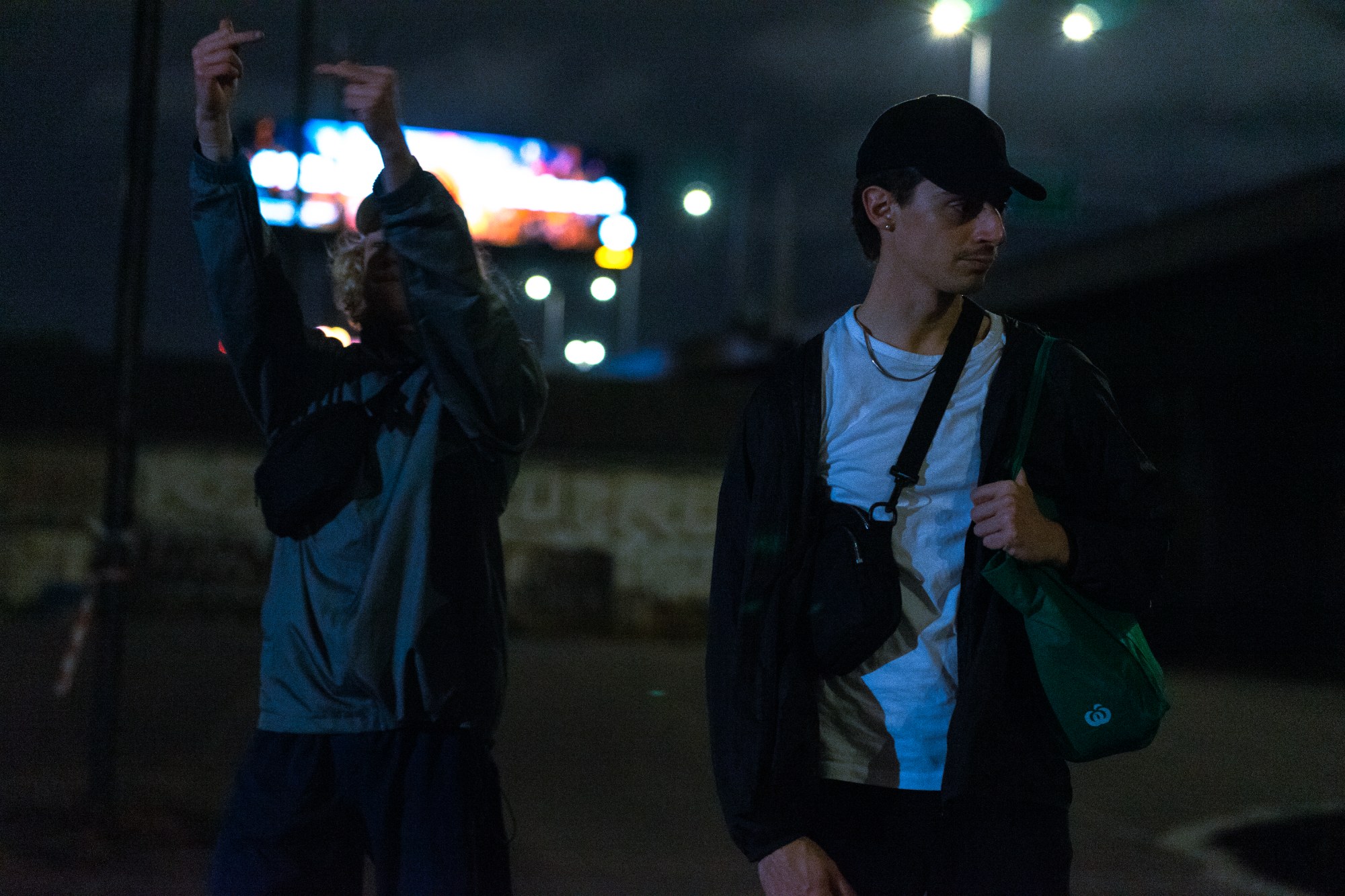
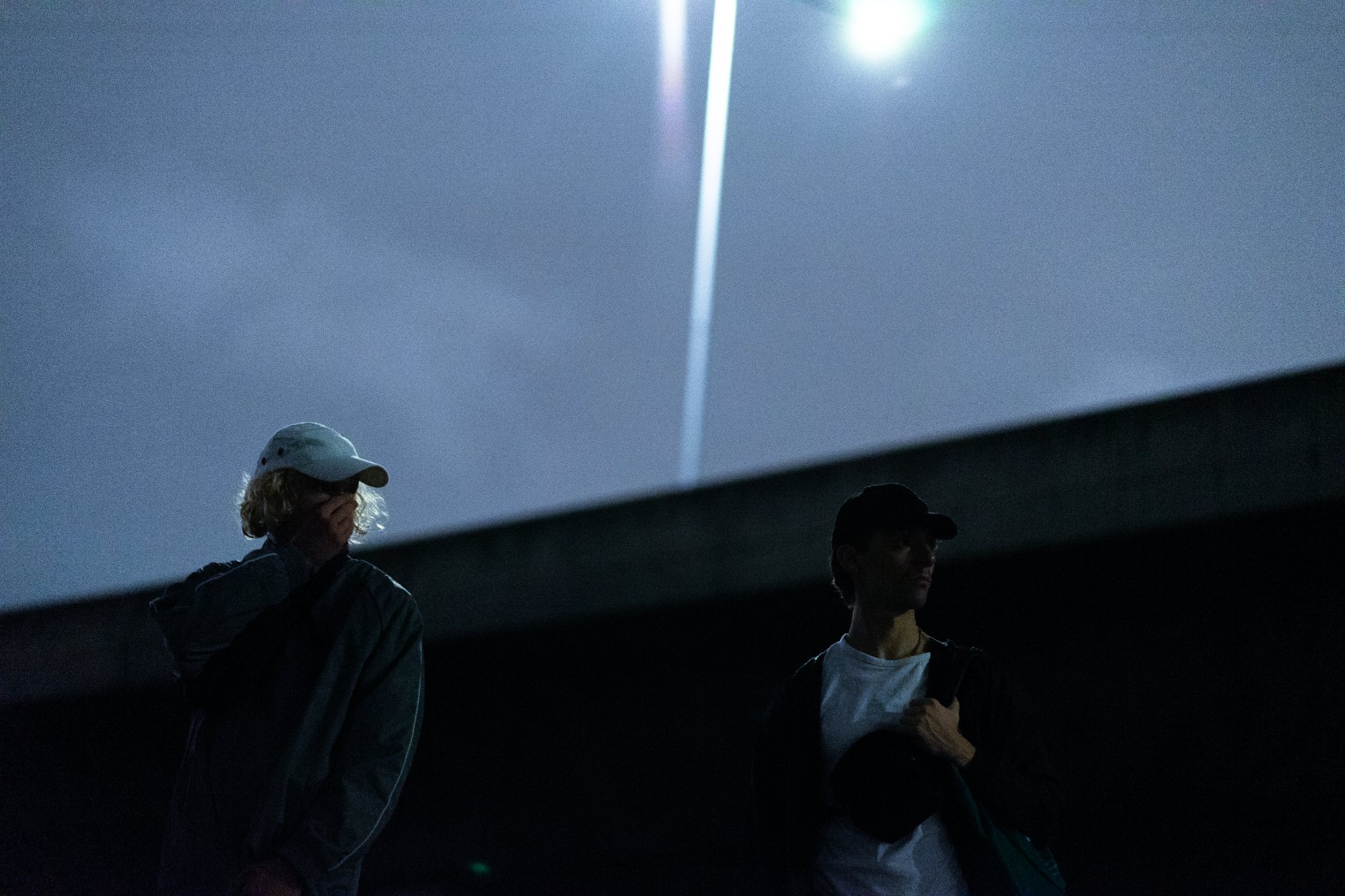
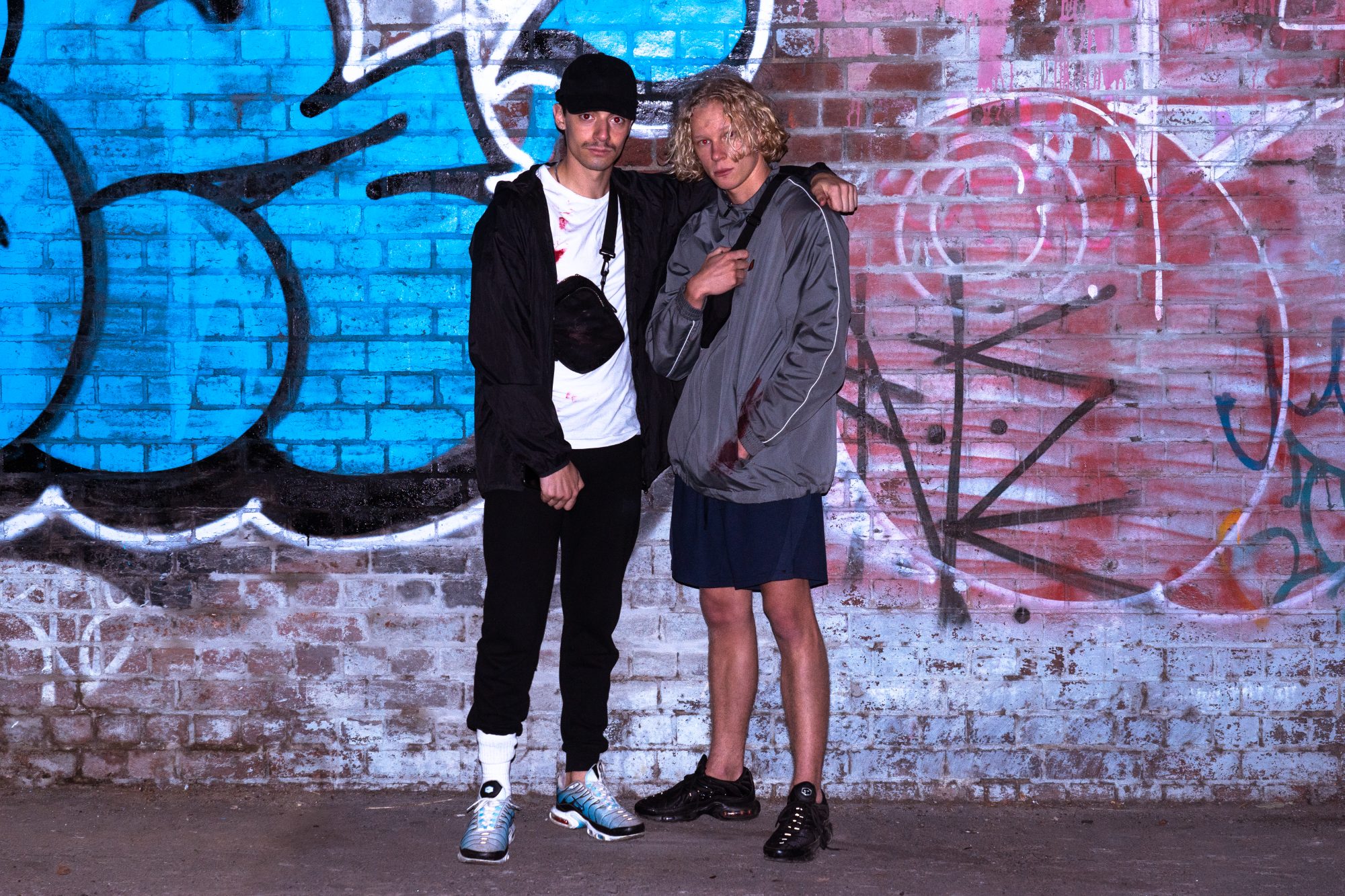
The success of the film rests heavily on Stacy Clausen and Liam Mollica – their individual performances are excellent, but it’s their chemistry together that really makes the relationship believable. How did you work with the pair to develop that connection and ensure their performances aligned with your vision for the film?
A director is only as good as their actors and casting director Ava Grimshaw-Hall has a really strong eye for finding talented people. Originally we’d discussed street casting and received a few self-tapes from keen candidates who weren’t the right fit. We even progressed conversations with a relatively well-known actor who seemed disinterested. It’s important to work with people who want to be there.
People who have wholly committed theirselves to no-budget projects will always go to battle with you, and those are the type of people you want to surround yourself with.
Stacy was right for the role from the first minute I met him. We could talk openly and share stories, he knew how to read a script and asked thoughtful questions. He brought parts of himself and also parts of others in a way that felt non-extractive, respectful and driven by an unstoppable self-belief. I liked that he was captain of his football team and that he painted his nails sometimes. During pre-production, Stacy was finishing his final high school exams and then went on a two week holiday, which nearly shut the film down entirely at one point due to conflicting availabilities. My thinking was: if he can’t go and be a teenager in his own life, how could he be a teenager on screen? As long as he did his homework.
Liam Mollica is very charming and we hit it off immediately with a shared affinity for independent filmmaking as a feature film (Sunflower, dir. Gabriel Carrubba) he’d starred in was enjoying success on the festival circuit. I find that people who have wholly committed theirselves to no-budget projects will always go to battle with you, and those are the type of people you want to surround yourself with. In this respect, my closeness with Liam meant he became a reliable and trusted confidant – which felt especially important as his character is deeply unlikeable and completely dissimilar to his nature.
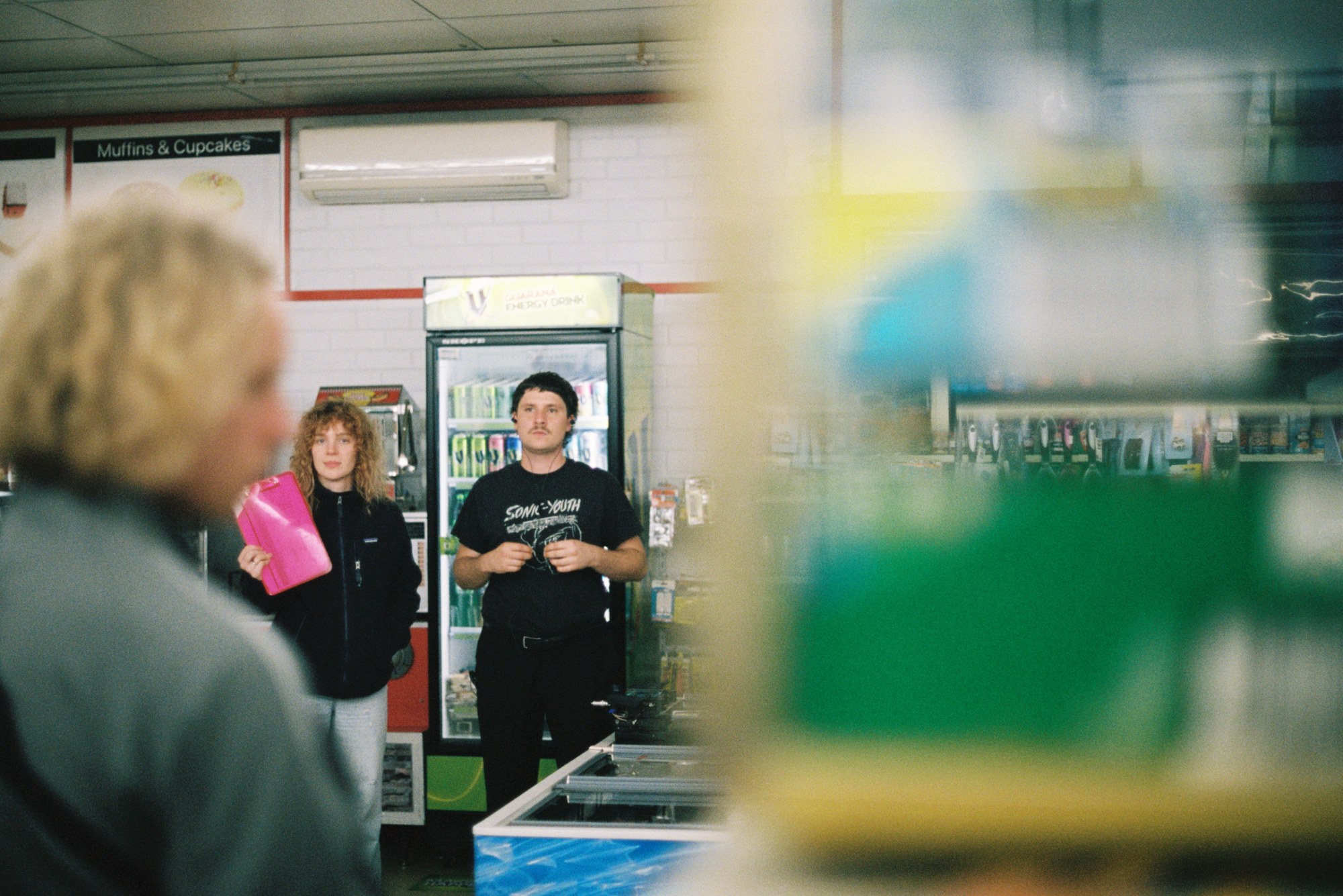
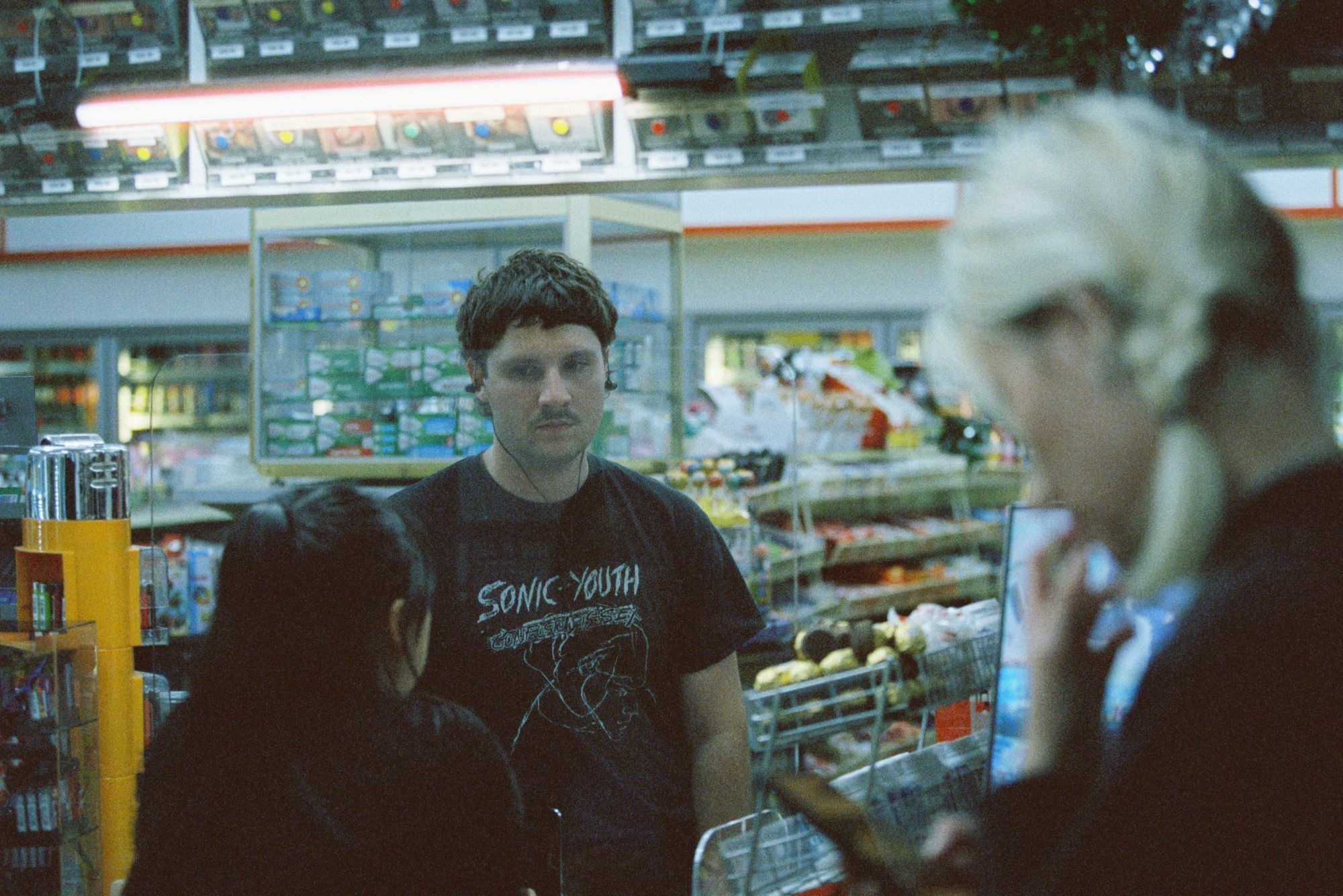
Ava and I put the boys together in the room and at least one of them didn’t realise it was a chemistry test. It probably worked in all of our favour because while there was a contrast between the two visually, they shared an organic, casual camaraderie, which is an ideal foundation to begin with. We didn’t perform the script during rehearsals, that time was used for character discovery and connection.
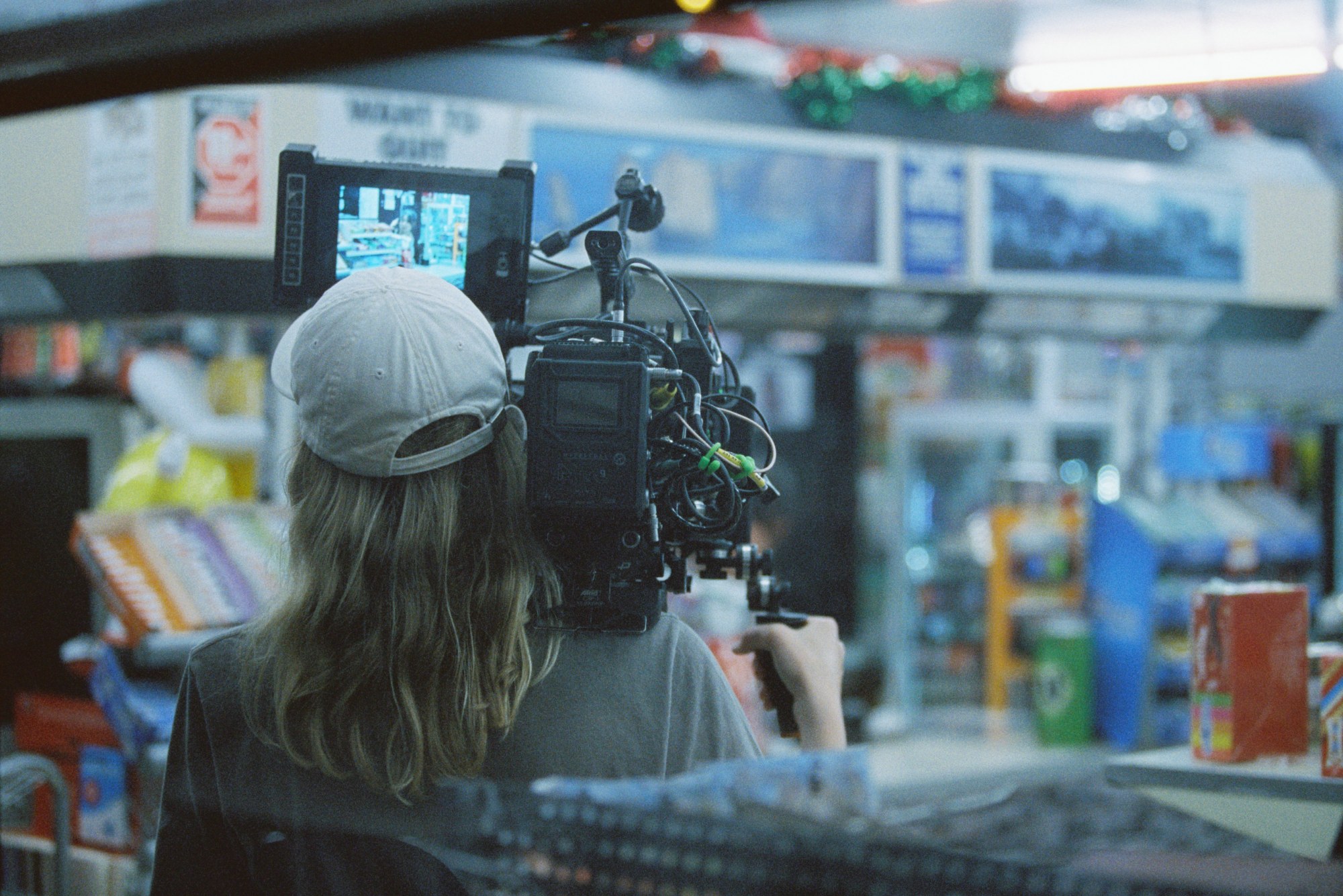
The cinematography also does some important work in translating that banter, camaraderie and intimacy to the screen. How did you work with cinematographer Nyssa Mitchell to develop the visual language of Pleasure?
Nyssa is a divinely talented storyteller with a camera and is always finding things I rarely imagine on the page. As we’d worked together before, we actually took the opportunity to reflect on what had and hadn’t worked in Hedgehog (2022) and how we would improve upon that process. Because of this, when we individually wrote shotlists and came together to compare them – they were almost identical.
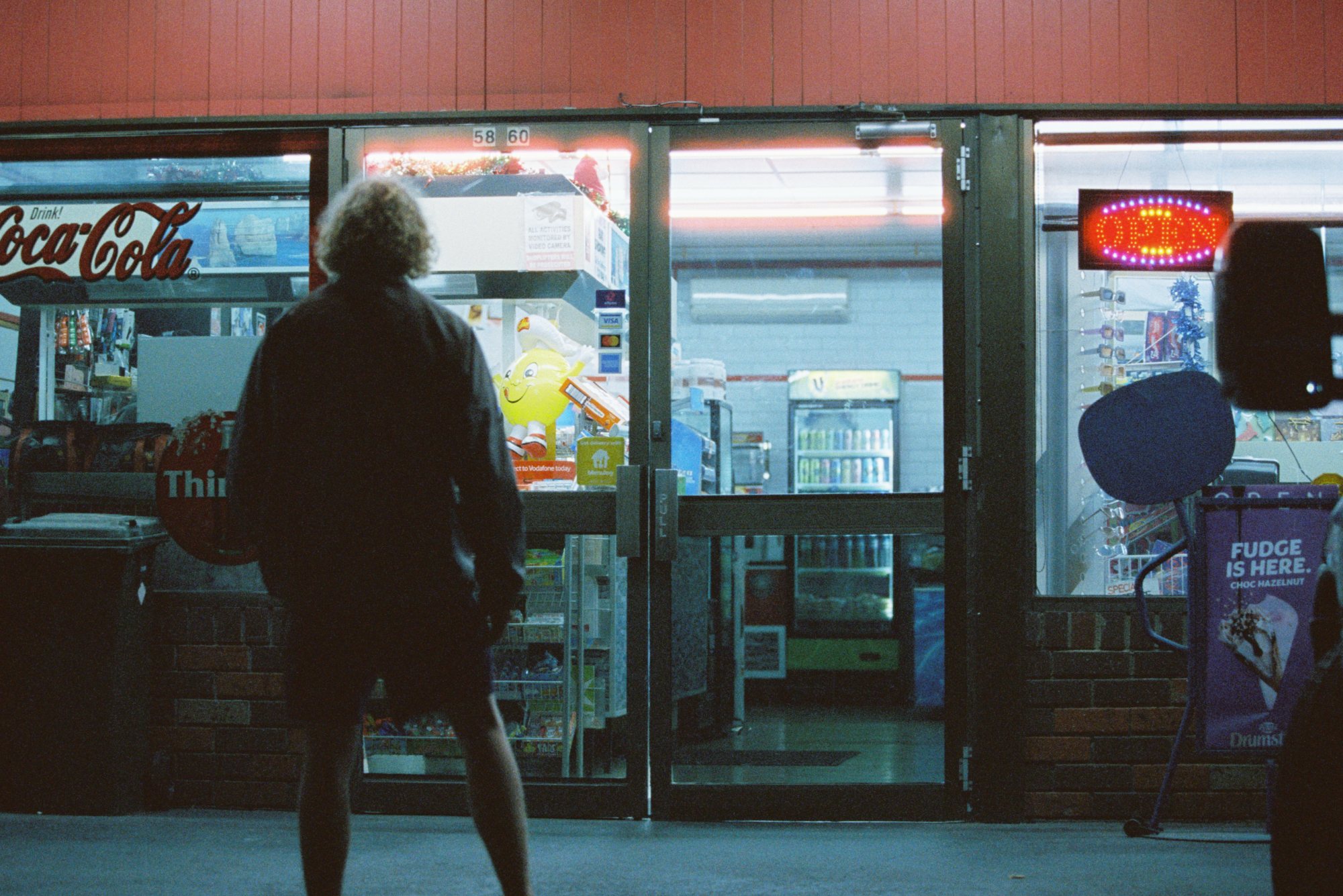
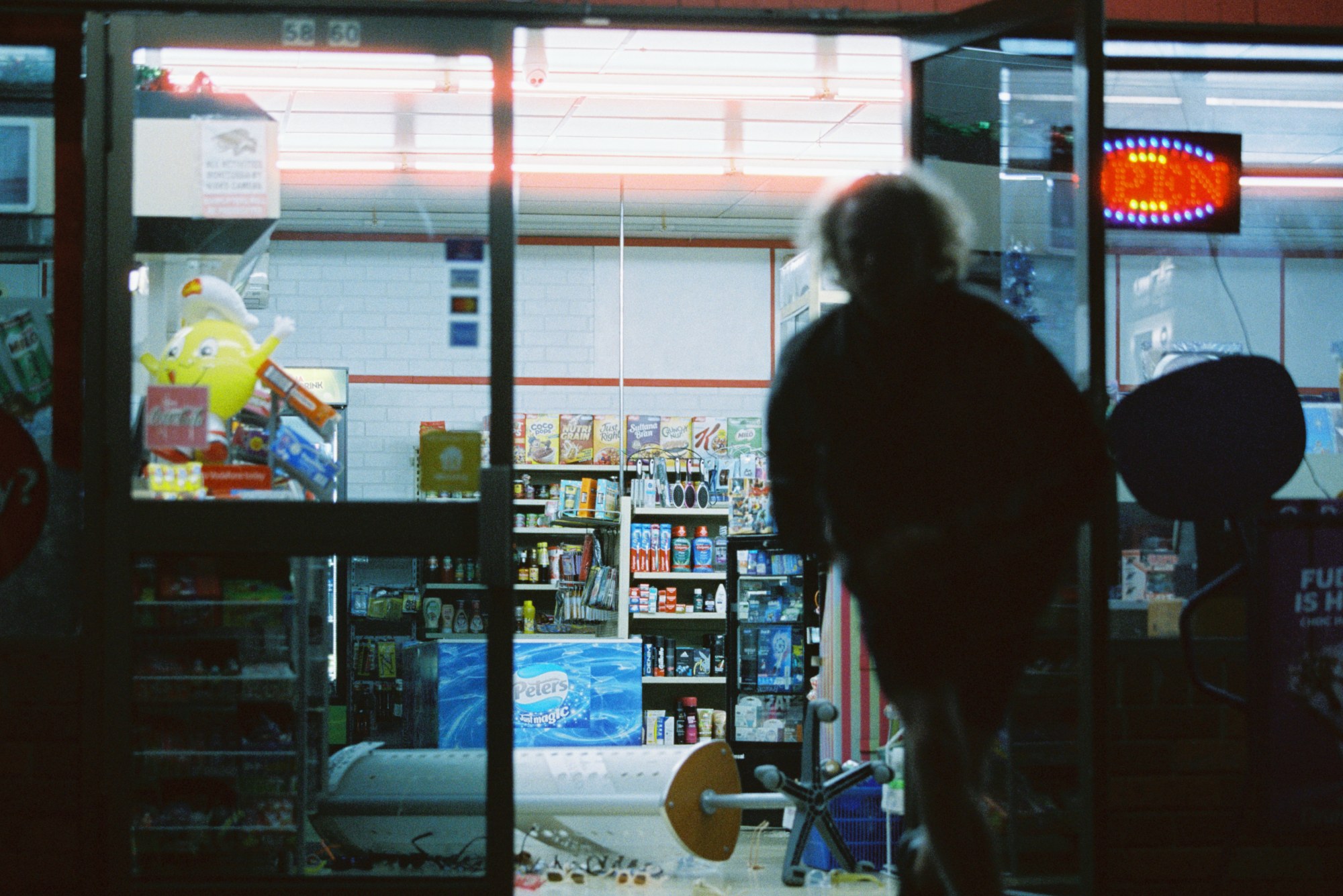
The fundamentals of the visual language we agreed on were that the whole film needed to be handheld and character-focused, should be restrained to a single lens (in this case a 50mm) and the shotlist needed to be simple and fluid. Often a scene with two or three shots would turn into one, with much excitement and delirium setting in as ideas arrived with us late into those summer nights. You can’t prepare for inspiration but having talented collaborators really helps to capture it in the moment.
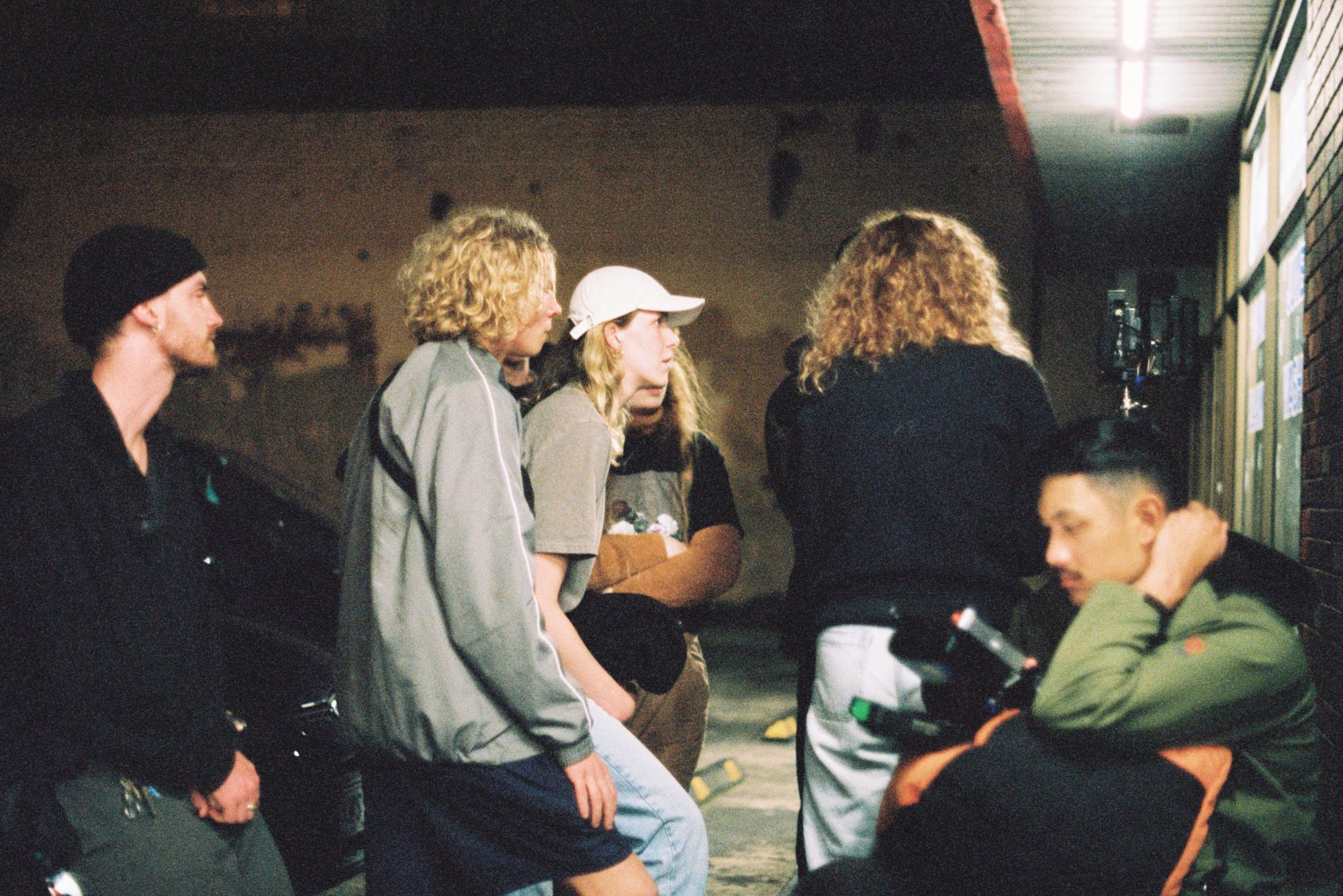
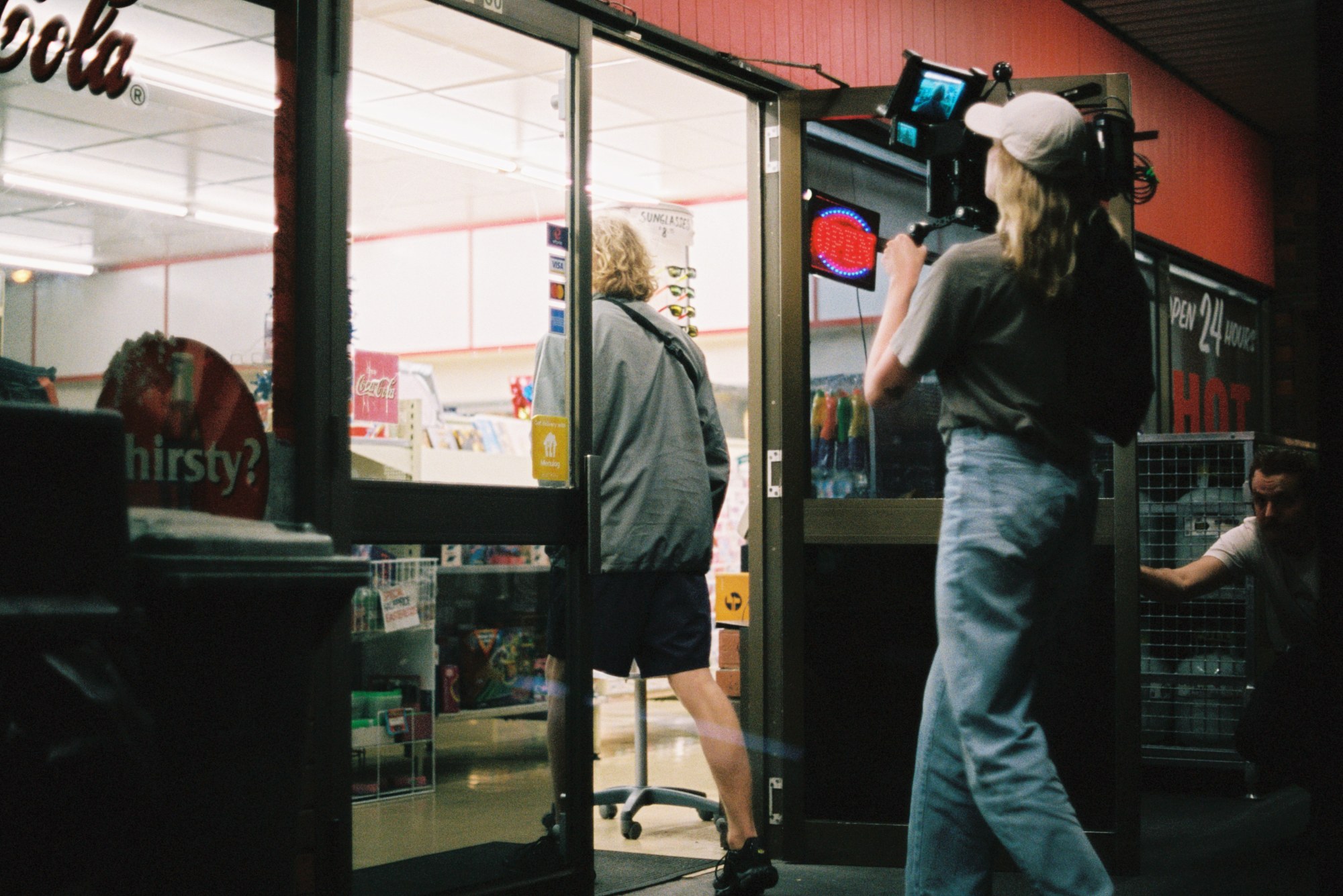
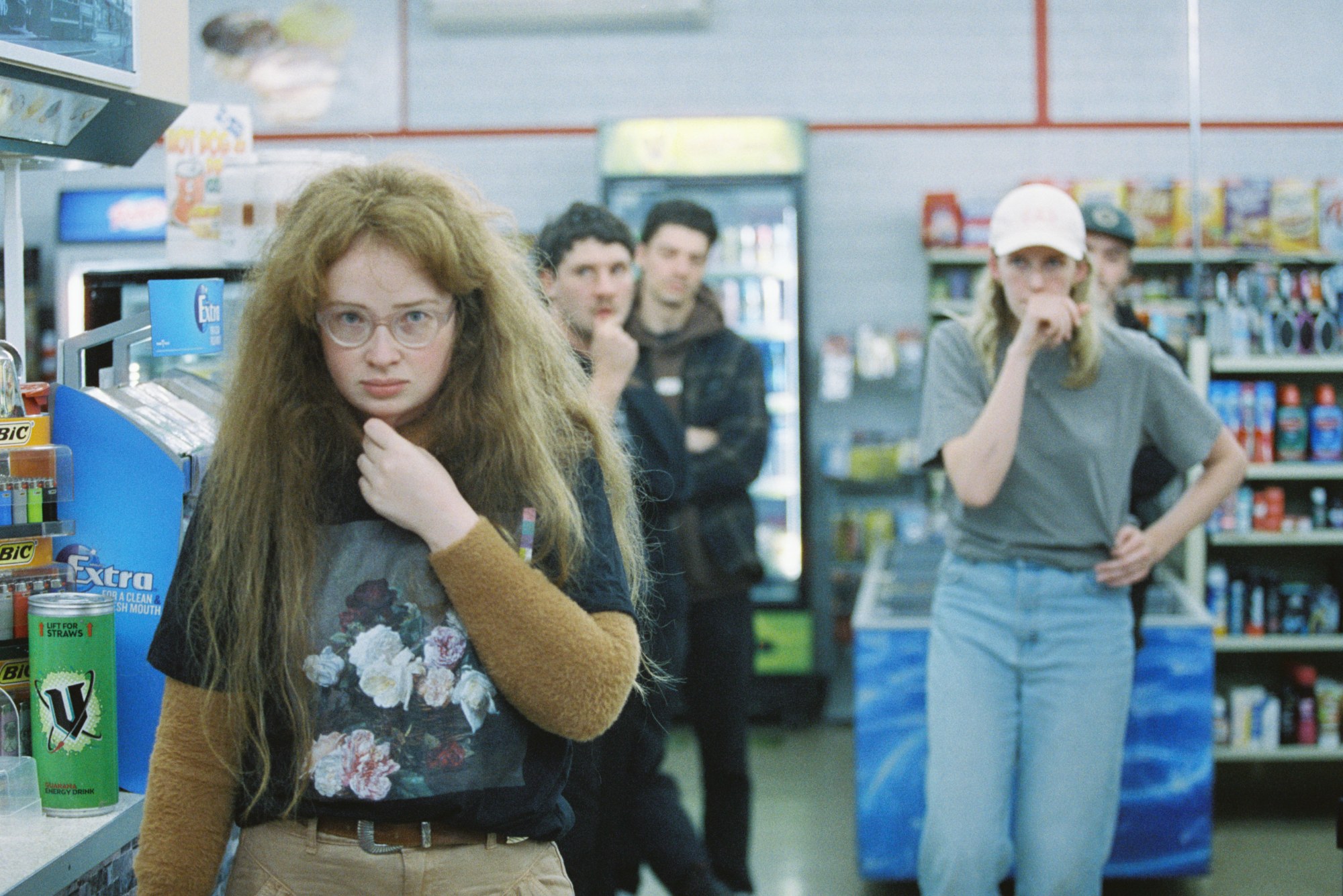
One aspect that really stood out to me was your restrained use of music. For much of the film, you’re relying almost entirely on the performances and natural sound. What was the thinking behind that decision?
I have a somewhat tenuous set of rules within which a film I direct needs to function, mostly fixated on the perspective of the audience. I want the spectator to feel wholly subjective as they encounter the film, as if the camera is their eye. Within this framework, non-diegetic sound (including score) is an omnipresent device that shatters this illusion that a film’s sound and images are separate from the experience of the viewer. I want immersion without the coercion of poetics: a direct cinema.
I want the viewer to ride in the front seat.
My instinct tells me that audiences who are privileged of anything but an embodied experience while watching a film are granted moral superiority over the text, its characters and beats. I’m not interested in transportation as much as I want the viewer to ride in the front seat, to struggle with separation between theirselves and the scenario – embarrassment, euphoria and all the mess that comes with it.
Final question about the film – the title, Pleasure, is wonderfully provocative because it suggests something entirely different from what many viewers might expect before they press play. At what point did that become the title and how did you land on it?
The title is one of the many happy accidents we made along the way. These are often the moments I reflect on with the most joy and now I actively seek these out by rejecting execution in favour of exploration: much to the dismay of my collaborators and my own mental health in post-production.
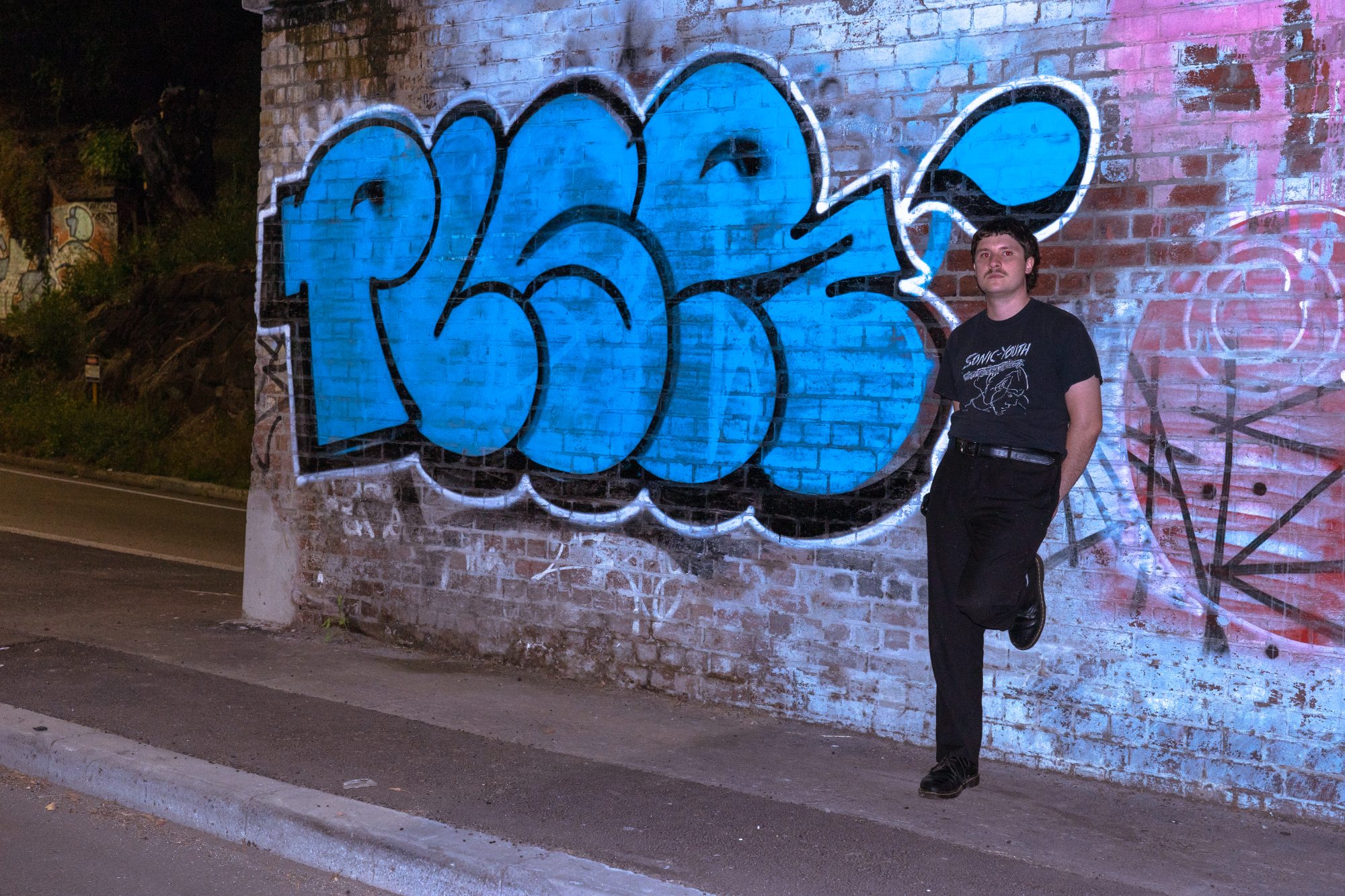
I’d played around with Thommy’s graffiti tag being TRRR (terror) and even FGGT, which felt a little too forward. I eventually landed on PLSR, which I’d fully intended to actually mean “pulsar” – a fragile, dying star that burns intensely – and this idea still underpinned a lot of the characterisation. An early script reader misread PLSR as “pleasure” and to be honest, the dramatic irony was impossible to resist. A great title will assign the audience with expectation and sometimes it’s the author’s job to create misdirection as much as deliver on an assumption. In this case I think the title satisfies both.
We really appreciate you taking the time to speak with us today, Jasper. To wrap things up, are there any new projects you’re particularly excited about? And where can our audience go to follow your work?
In January 2026, I participated in a directing workshop led by a hero filmmaker of mine, Werner Herzog, and run by the incredible team at Exctática Cine in São Miguel, Açores (Portugal). During the workshop filmmakers write, direct and deliver short films over the course of 11 days without prior ideation. During the workshop I co-authored a film with Tania Romero titled: Sereia. It’s my first foray outside of social realism and documentary filmmaking but still (mostly) indebted to a philosophy of direct cinema. It’s looking for a world premiere on the festival circuit in late 2026 or early 2027.
In the meantime, Andrew Goode and I co-directed an observational documentary (produced by Sophie Booth of Pork Store Productions) illuminating the often mischaracterized, diehard fans of a struggling Australia Football League club, screening at the 74th edition of the Melbourne International Film Festival. It’s called North Melbourne Cheer Squad, a homage to the late Frederick Wiseman (vale).
Finally, while we love Pleasure, we’d also love to hear about the films that inspire you. What’s one short film by another filmmaker that you’d recommend to our audience, and what makes it so special?
If artists need to return to the well for inspiration, I need to rewatch Wasp every 12 months to remind myself why I’m interested in filmmaking in the first place. Andrea Arnold is such a fierce and fearless filmmaker and a person who I admire deeply. When I grow up, I think I want to be her.
If you’re reading Andrea, I’ll settle for a cuppa.