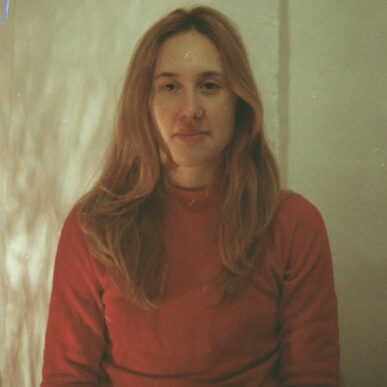
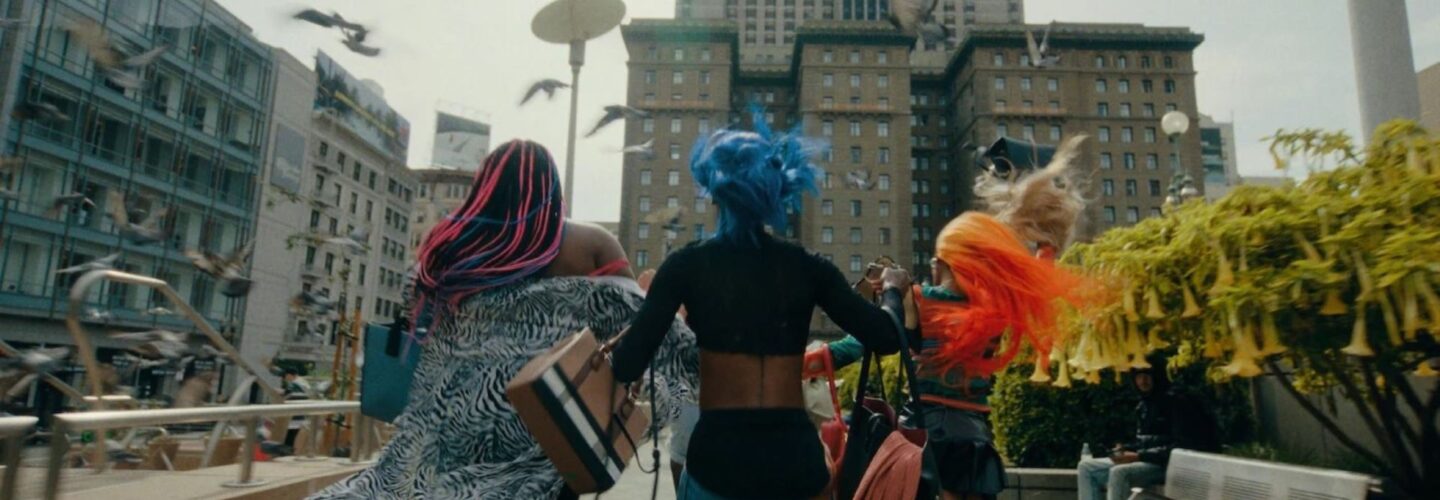
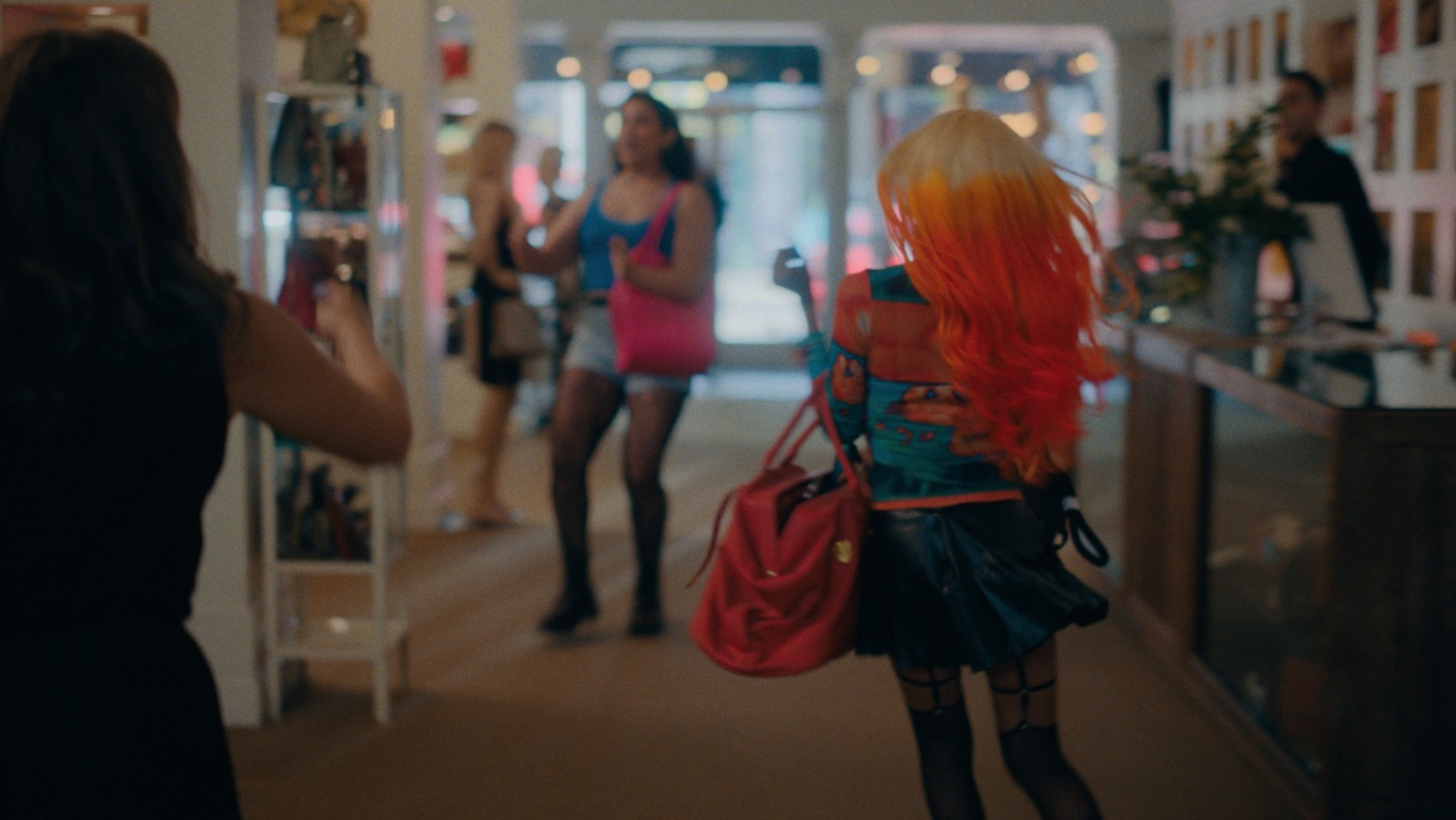
Inspired by the real-life Rainbow Girls—the name the media gave a loosely connected group of young women who staged a string of brazen thefts across San Francisco’s Union Square in the early 2010s—Nana Duffuor’s Rainbow Girls transforms a charged moment in Bay Area history into a vibrant heist story about sisterhood, identity, and belonging. Taking that as her catalyst and drawing on the traditions of the heist genre, Duffuor crafts a fictional narrative centred on three young Black trans women whose friendship and resilience play out against a backdrop of gentrification, displacement, and inequality. Rooted in her own experience living in the Bay Area during a period of rapid transformation, Duffuor explores the tensions between wealth, belonging, and the changing relationship communities have with the places they call home. Rainbow Girls already turned our heads when it landed among DN’s picks for our Best of Fest coverage of BFI Flare 2026. Now Duffuor joins us to discuss reimagining a half-remembered media legend as fiction, casting three Black trans women as her leads and building the fierce sisterhood at the film’s heart, and pulling off a window-smashing heist on the very first day of a student-budget shoot.
With such rich inspiration, how much did you want to ground the story in facts versus treating them as a catalyst for your own creative vision?
I wanted the real-life events to serve as the jumping-off point for a wholly imagined story. The name Rainbow Girls was coined by the media around 2013, and the truth is, there’s very little known about those who participated in the many thefts that took place across Union Square spanning several years. I’m careful to make the distinction that this is a story ‘inspired by true events’ rather than ‘based on a true story,’ as the characters and plot of my film are entirely fictional.
That said, when I learned of the real-life Rainbow Girls, I was immediately inspired by these groups of young women brazenly taking items associated with the type of wealth, privilege, and prestige that they are so often denied. That, plus the backdrop of the hypergentrification and displacement in the Bay Area, felt like an inevitable kind of underdog heist story that served as the catalyst for the film.
Audiences needed to see these women in their full humanity, understanding their motivations by stepping into the intimate spaces of their world.
At the core of the film is a powerful sense of sisterhood among this crew of young Black trans women pulling off these retail heists. How did you approach mixing these different cinematic temperatures, finding the right balance between their intimate and nuanced, identity-driven narratives and the humour and adrenaline of a heist movie?
Before writing, I knew I wanted the film to touch on the very real issues of displacement and fighting for survival in the place you call home. At the same time, I wanted audiences to be entertained and have fun while watching this film. I love telling stories that use levity as a way of getting to the heart of something substantive.
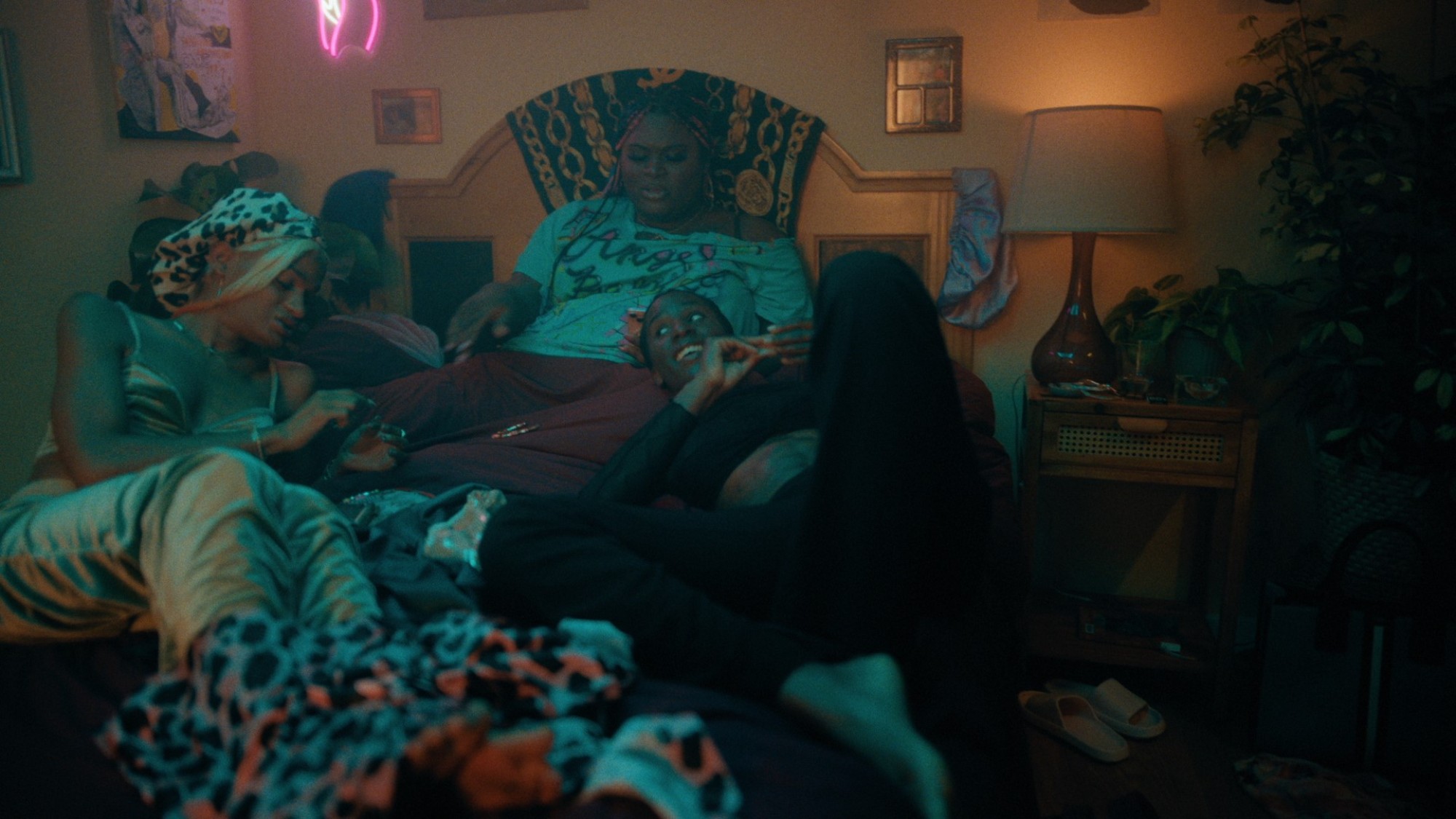
I took a lot of inspiration from the 1996 feature film, Set It Off, which is actually much more heart-wrenching. But a large part of what makes that film so spectacular is the bond we witness between its lead characters. As viewers, we are wholly invested in that friendship, and we are rooting for them the entire way. This was what I wanted for Tati, Angel, and Gemini—which meant that, similar to Set It Off, audiences needed to see these women in their full humanity, understanding their motivations by stepping into the intimate spaces of their world before going on the wild ride of the heist.
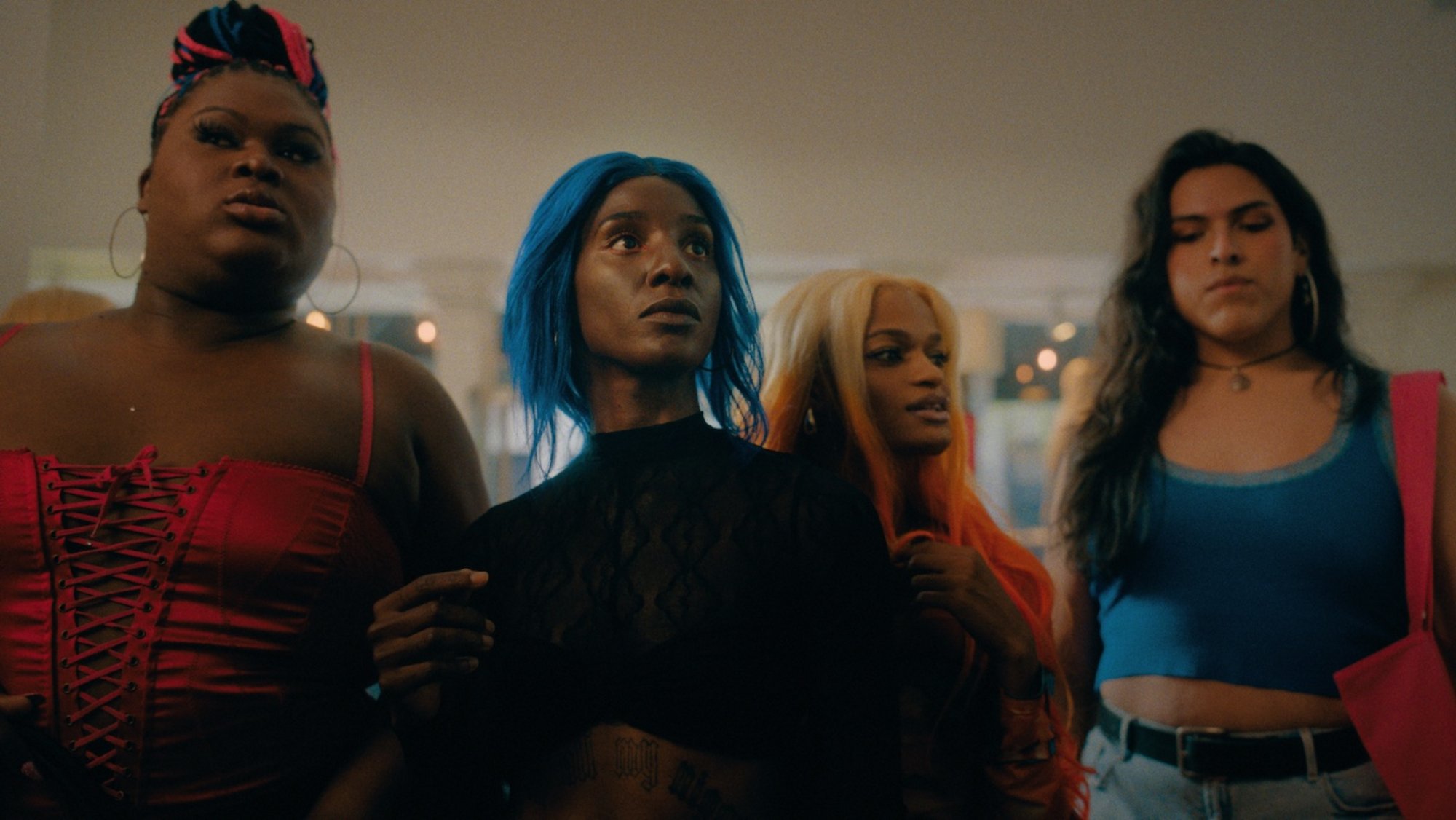
How did you approach building the three leads on the page, their individual energies, and the way they balance one another?
Tati, Angel, and Gemini are meant to fit together like pieces of a puzzle, balancing each other out. As the lead, I knew I wanted Tati to be a character unaware of her own power and agency, and for Gemini and Angel to be much more emboldened and unafraid to take up space in the world. I had a strong sense of Tati and Angel and their shared history from the beginning, but Gemini was the last character to come to fruition for me. I took inspiration from a friend of mine, someone who is incredibly endearing, has absolutely no filter, and who I see as fearless. In many ways, Tati and Gemini have opposite polarities, with Angel being the bridge between them.
Once we cast, the actors contributed significantly to bringing their dynamics to life. We sat together in rehearsal and revised the script to make the characters’ behaviour and dialogue feel as truthful and lived-in as we could.
Most Popular
You’ve mentioned experiencing some struggles to find Black trans women for the lead roles through initial casting calls, with Tati proving to be a major challenge. How did you envision the energy for that specific role, and what made Jai Stephenson the right fit for the character?
Jai had written, directed, and acted in a short called All My Niggas Surround Me and I’m Surrounded by All My Niggas, which had won the Jury Prize at Comfrey Film Festival in Durham, NC. My collaborator, Sowj Kudva, was wowed by their short and shared it with me. I was equally impressed, and I saw a quality in Jai’s performance that captured the kind of earnest yet rebellious quality needed for Tati. I immediately asked Jai if they’d audition for the role. When we did a chemistry test with Jai, Sis, and Céline as the leads, it was clear we’d found our Rainbow Girls.

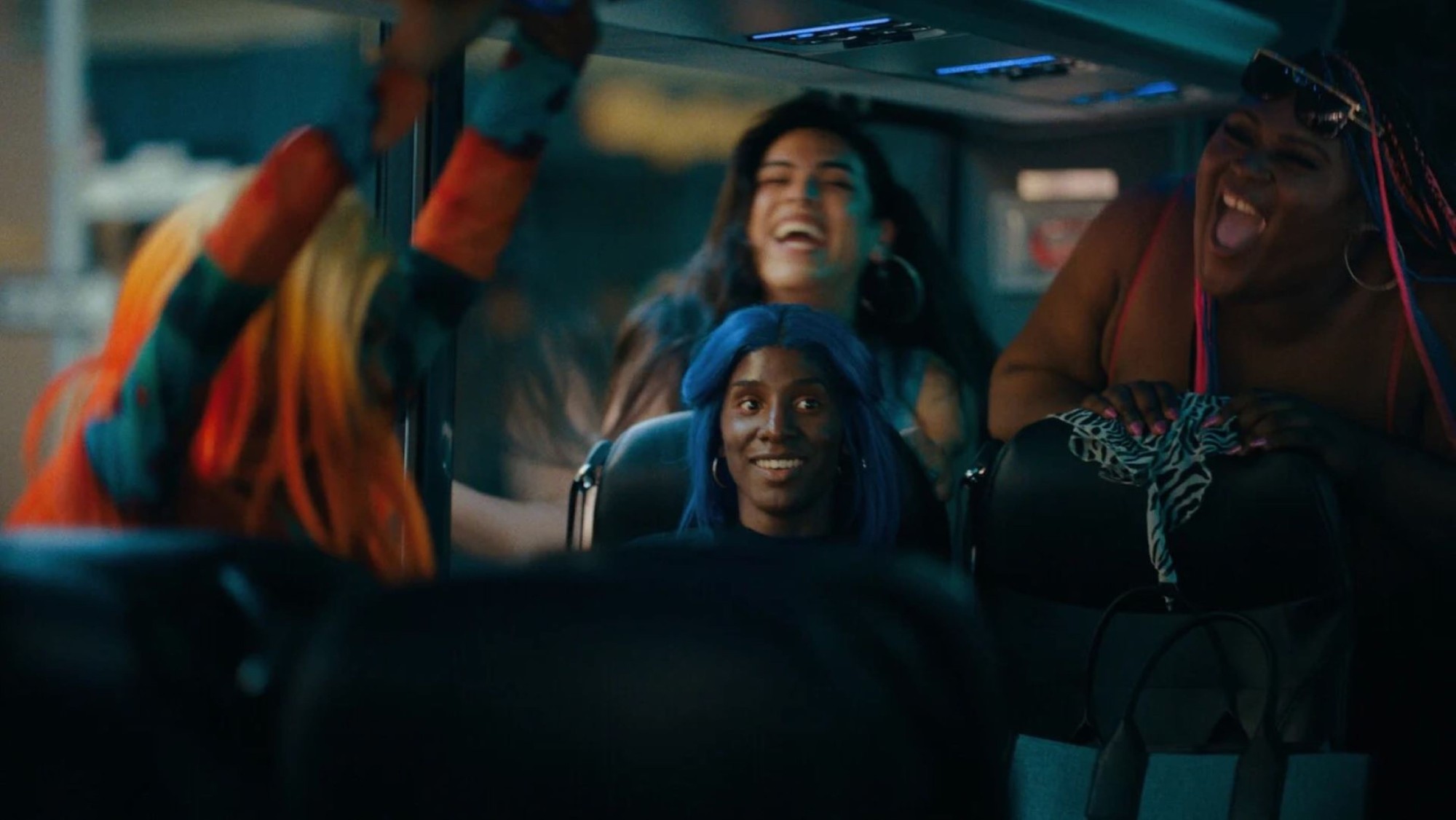
The heist scene was shot on your very first day of production, navigating a tight budget and an untested stunt for this challenging sequence. How did you approach the shoot to translate your vision onto the screen under those constraints?
I initially wrote the scene as a kind of brawl between the Rainbow Girls and the security guard. Nava Mau read an early draft and was like, “What if they break the store window?” I loved the idea, but I was also like, “Girl. This is a student film. What do we look like?”
Nevertheless, I brought the idea to our production designer, Olivia Kanz, and our cinematographer, Evan Weidenkeller, to see if it was something we could pull off. They figured out how to do it using C-stands to prop up a smaller pane of glass, which we filmed from a side angle to give the appearance of the door breaking. We could only afford two panes of glass, so we just had to go for it on the day. It was the first shot up, and we were all holding our breath on set once cameras started rolling. I felt everyone on set breathe a collective sigh of relief when the stunt went exactly as we’d hoped. I wouldn’t advise anyone to put their most challenging scenes up front, but sometimes that’s the way the cookie crumbles.
We discussed how we could use the score and sound design to build moments of internality.
The music and sound design bring a distinct sense of drama and energy to Rainbow Girls, peaking during the heist. Can you guide us through the overall process of finalising the sound mix with Saman Khoujinian and Sowj Kudva, and how you tailored it for that specific sequence?
We finalized this sound mix in a recording studio in Durham, North Carolina (where Sowj and Saman are based). It was my first time in a sound studio, and we just had fun experimenting and trying things. Once we knew we’d use the track Fashion Killa for the heist scene, Sowj cut the scene to the music. We discussed how we could use the score and sound design to build moments of internality while Tati is searching for shoes for her mom by increasing the sound of her fumbling through the shoes and adding an effect that washes out the background noise.
Saman brilliantly took inspiration from that same Fashion Killa track to compose the score once the heist starts going awry, building suspense as Tati contemplates their escape, coalescing towards Tati throwing the mannequin arm through the window. The scene feels much different without that score and sound design.
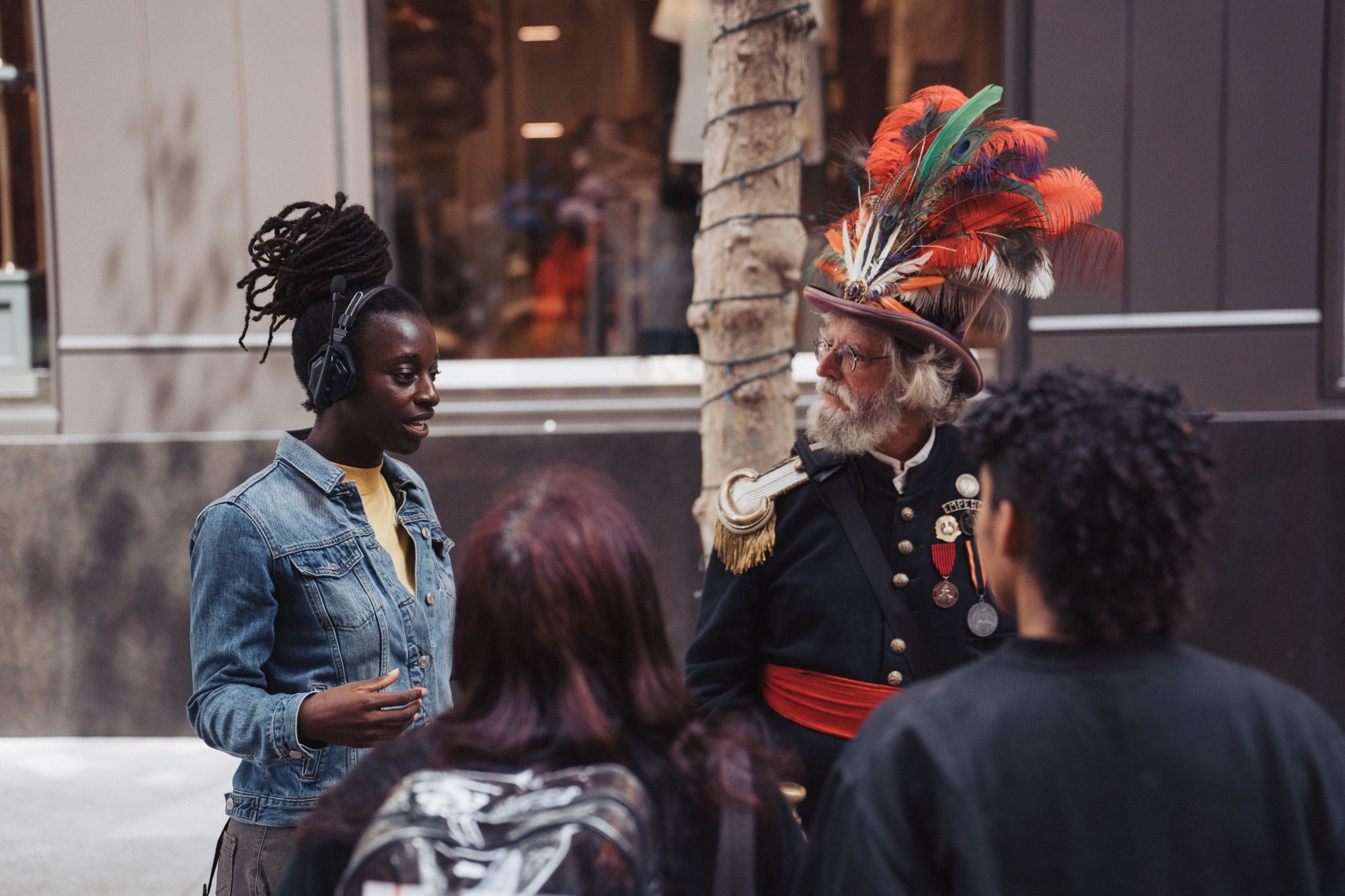
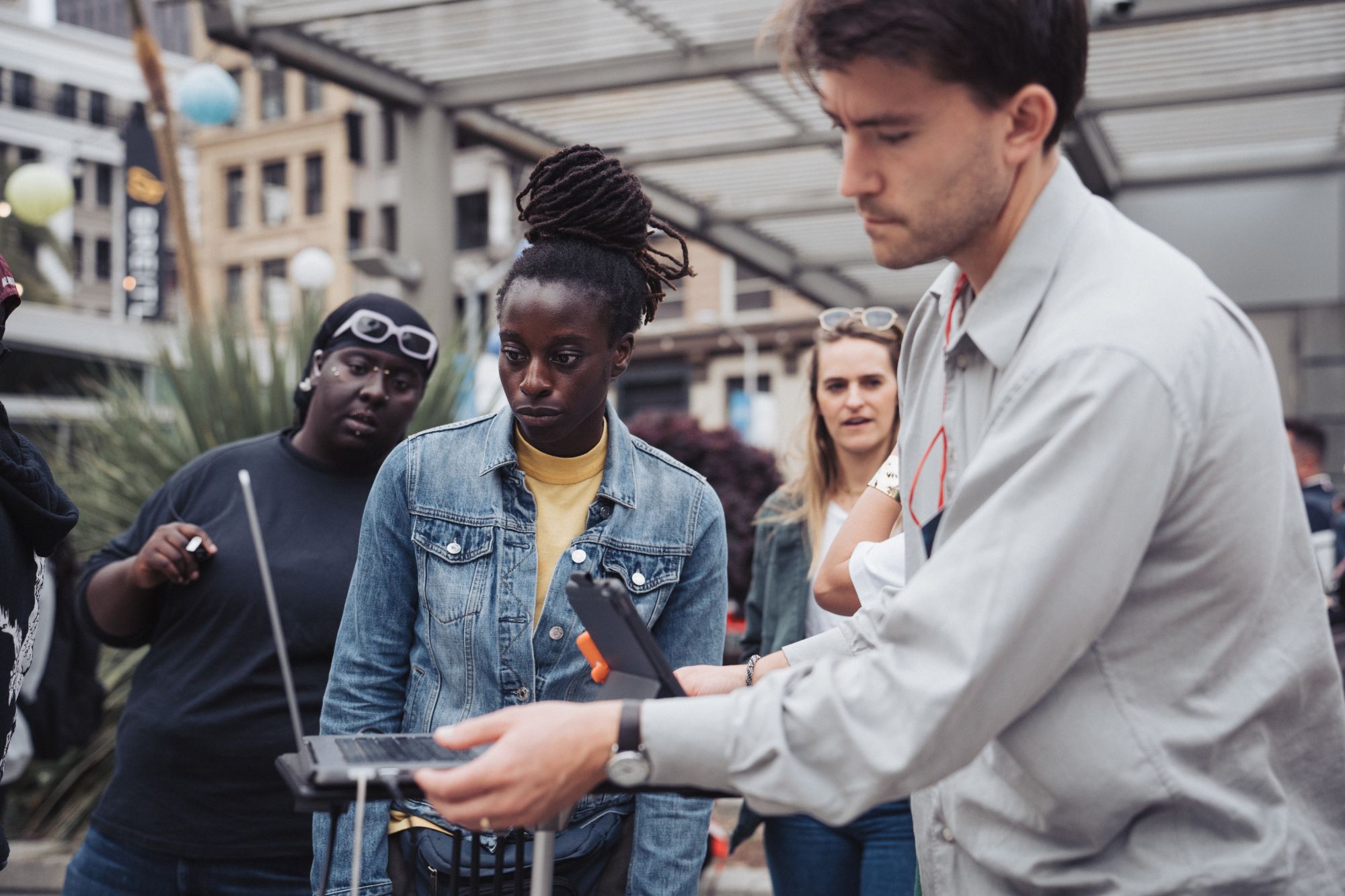
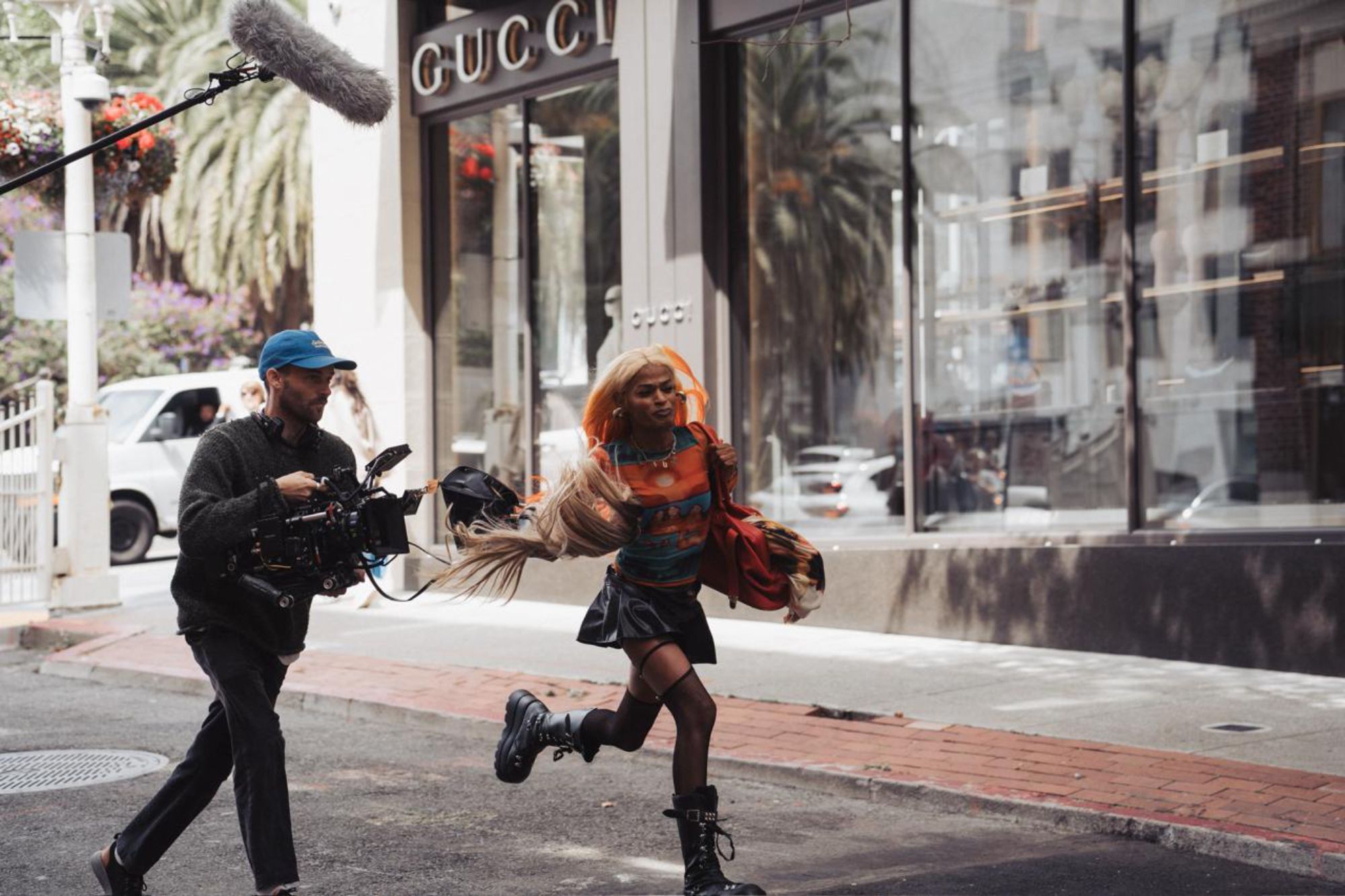
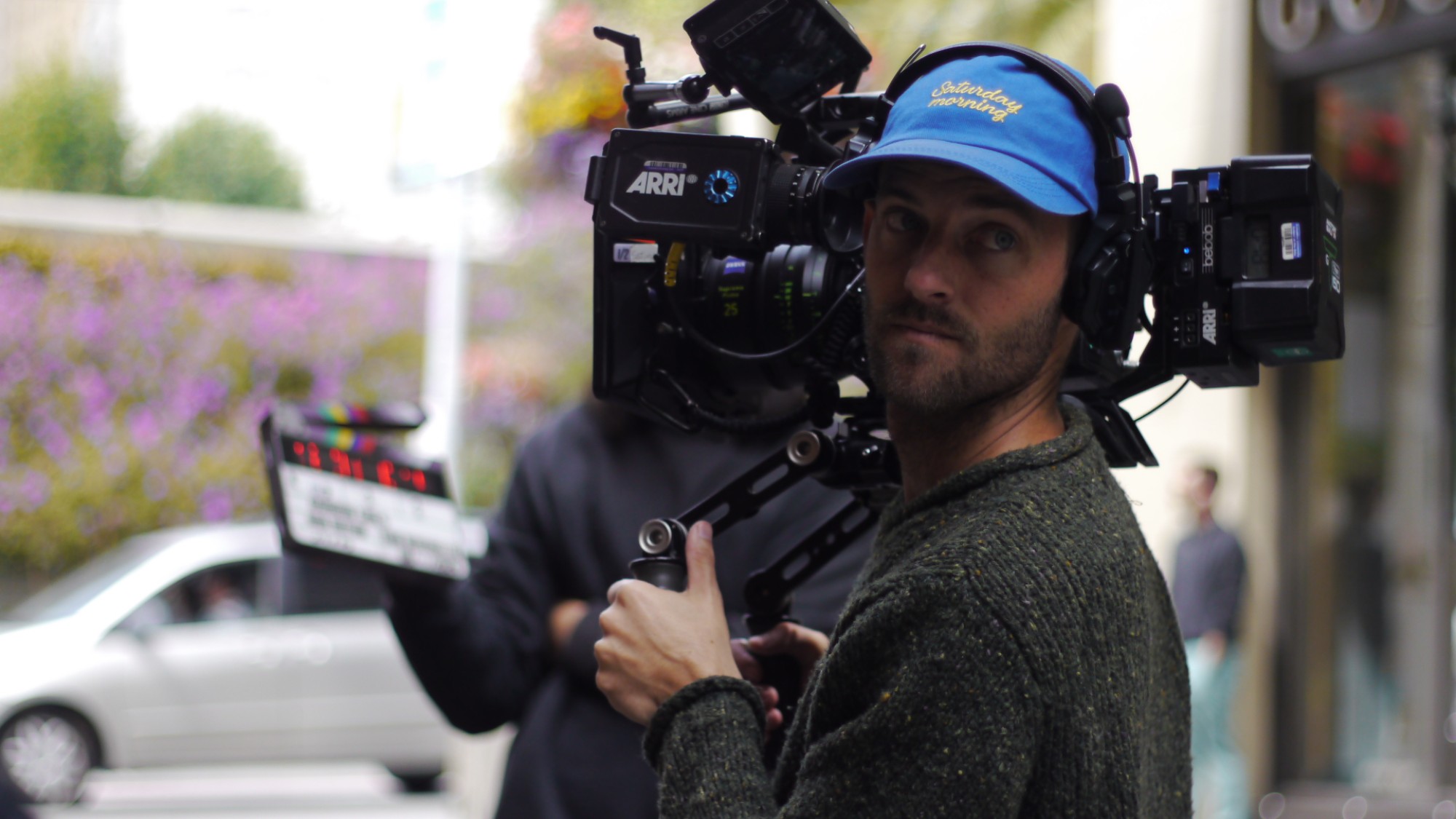
Since you filmed in the Bay Area, how did you approach the location scouting process, both in terms of shops and streets, and what did it take in terms of set design to adapt the consignment store you found into the perfect backdrop for the heist scene?
My producer, Raman Nimmala, and I were both still in film school in New York while preparing to film Rainbow Girls in the Bay Area. We relied heavily on our co-producers, Nurie Mohamed and Jackson Gravagno, who are both filmmakers based in the Bay, as the boots on the ground. Given our tight budget, we tried to use as many practical locations as possible, while filming exteriors in public spaces across San Francisco’s Union Square, the Tenderloin, and West Oakland. This allowed us to save on cost while focusing on more intensive set design locations like the interior of the apartment where Angel and Gemini live.
We put together a list of potential retailers that could serve as the boutique where Tati works, and the backdrop for the heist scene. Finding Labels consignment store in Walnut Creek was like an answered prayer. First, the space already had an amazing layout for filming. Second, because it was a luxury consignment store, it already included the type of merchandise we needed as props. We held a blocking rehearsal the night before filming while the art department reorganized the space and brought in additional props to get everything production-ready. The store’s owner, Lynn Nice, was incredibly generous to our production, and her son ended up being a beloved PA on the shoot!
You are now officially developing Rainbow Girls into a feature film. Where are you currently at in that development process and what else is next for you?
I’m working with a trusted team of collaborators—folks I’ve collaborated with on Rainbow Girls and other past shorts—towards filming the feature in the Bay Area. Given the overwhelmingly positive response to the short, we know there is an audience that wants to see more, and we feel very passionate about delivering on the promise of the short. Right now we’re in the script development process and are looking to attach a producer. I’ve been fortunate to receive early support from SFFilm’s Rainin Screenwriting Grant to focus on feature screenplay development. The short was very much designed to leave audiences wanting more of the story and its characters. Now, I’m enjoying getting to expand on the lives of the Rainbow Girls, what happens after that first heist, and the dynamics between Tati and her mother.
There’s really no set path to how to build a career as a filmmaker, and as someone new to this industry, I’m learning as I go. Right now, my main focus is writing and developing the feature, and building a team that can bring this project to fruition. I also want to continue developing other stories, including a period piece that takes place in my family’s home of Ghana. It’s a coming-of-age story about a boy in Ghana in love with American soul music, inspired by the soul music concert that brought artists like Wilson Pickett, Carlos Santana, and Tina Turner to Ghana in 1971. All that to say, more stories to come!
Is there a short film that has stayed with you over time that you would recommend to the DN community?
Truthfully, I didn’t really watch short films until attending film school. Shorts represent such a unique and exciting format for filmmaking. Lonely Blue Night by Johnson Cheng was one of the first short films I was introduced to while at Columbia, and it was like a masterclass in what a short film can accomplish. It’s rich with family dynamics, interiority, and has a sense of humor and emotional weight that feels culturally specific. It’s clear the director trusts the intelligence and curiosity of the audience. I felt inspired about the possibilities of a short after watching that film.