As children, many of us harboured the fear that the objects in our homes were actually alive and that during the night they would suddenly wake up and attack us, fulfilling our worst nightmares. I personally would point the finger at the popular series of children’s horror books Goosebumps, which certainly didn’t help us feel any better when our parents sent us to bed and turned off the light. Well, Lola-Rose Maxwell’s debut short Attack of the Coat reminds us of those irrational feelings of terror, and does so while fully embracing the comic absurdity of battling possessed clothing. In this instance, a voyeuristic garment with designs on its wearer. Why, out of all objects, a coat? Perhaps there is also a literary reference here to Gogol’s masterpiece, The Overcoat, though this telling is a good deal less solemn but just as haunting.
In fact, Attack of the Coat is a perfect example of how to balance two genres that naturally seem antithetical, holding its comedy and its horror in genuine tension, never letting either undercut the other. The result is a short with a thoroughly malevolent sense of humour, anchored around a fabulous performance from comedian Amy Gledhill. As Attack of the Coat premieres on DN today, we speak to Maxwell about developing an entire physical language for the antagonistic coat with puppeteer Phil Yarrow, how much she enjoyed the control which directing afforded her, and rewriting the lore of her curse when the rules of consecrated ground refused to bend.
The whole film began with a very simple but incredibly relatable experience: seeing a coat in the dark and mistaking it for a person. How did that particular image shape the actual coat in the film?
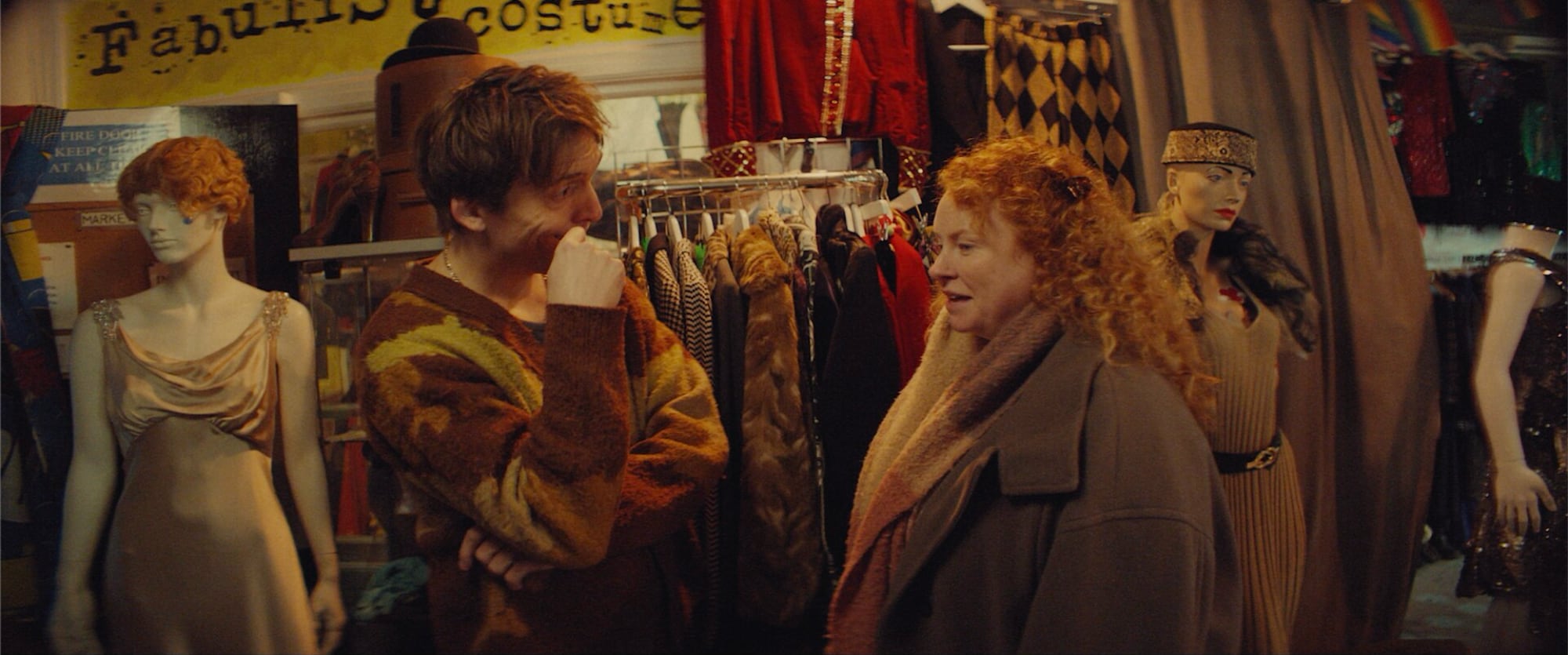
It definitely informed the character of The Coat/Montgommery Schnatchell as voyeuristic and insidious. Catching an inanimate object just as it seems to have stopped moving is ominous AF. It’s like the feeling of being watched. And in the film, before ‘we’ see The Coat, ‘the coat’ sees Amy. It’s watching her in the vintage shop and calls to her. So the whole character really grew from there.
You originally wrote the lead role for yourself, before being encouraged to direct the film. Did Attack of the Coat make you realise you could — and perhaps should — direct your own material? And having initially planned to play Alice yourself, what did Amy Gledhill bring to the role that made you realise she was the right person to take it on?
Definitely. It was a very ambitious directorial debut but I knew I could do it. I didn’t know how much I’d enjoy it though, and making all those decisions and having control was surprisingly fun. Casting Amy was one of the best decisions I made, not only is she a very talented actor and a hilarious comedian but she’s very generous on set. I mean, she crouched in a sunken grave in the middle of January and never complained once! After I cast her she also told me she used to ballroom dance professionally, so I added that ‘dance into the graveyard’ scene. She gave the character and the film so much, I don’t think anyone could have done a better job, even me.
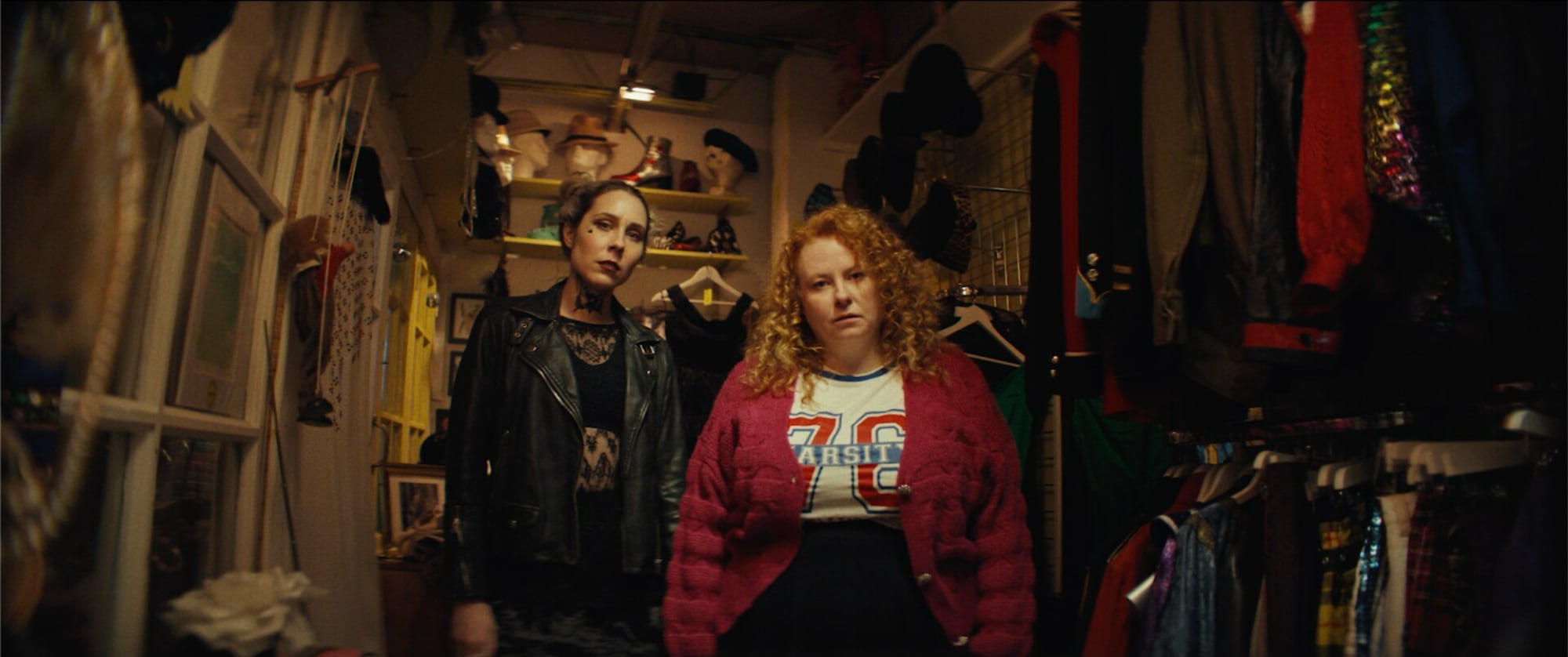
Casting Amy was one of the best decisions I made, not only is she a very talented actor and a hilarious comedian but she’s very generous on set. I mean, she crouched in a sunken grave in the middle of January and never complained once!
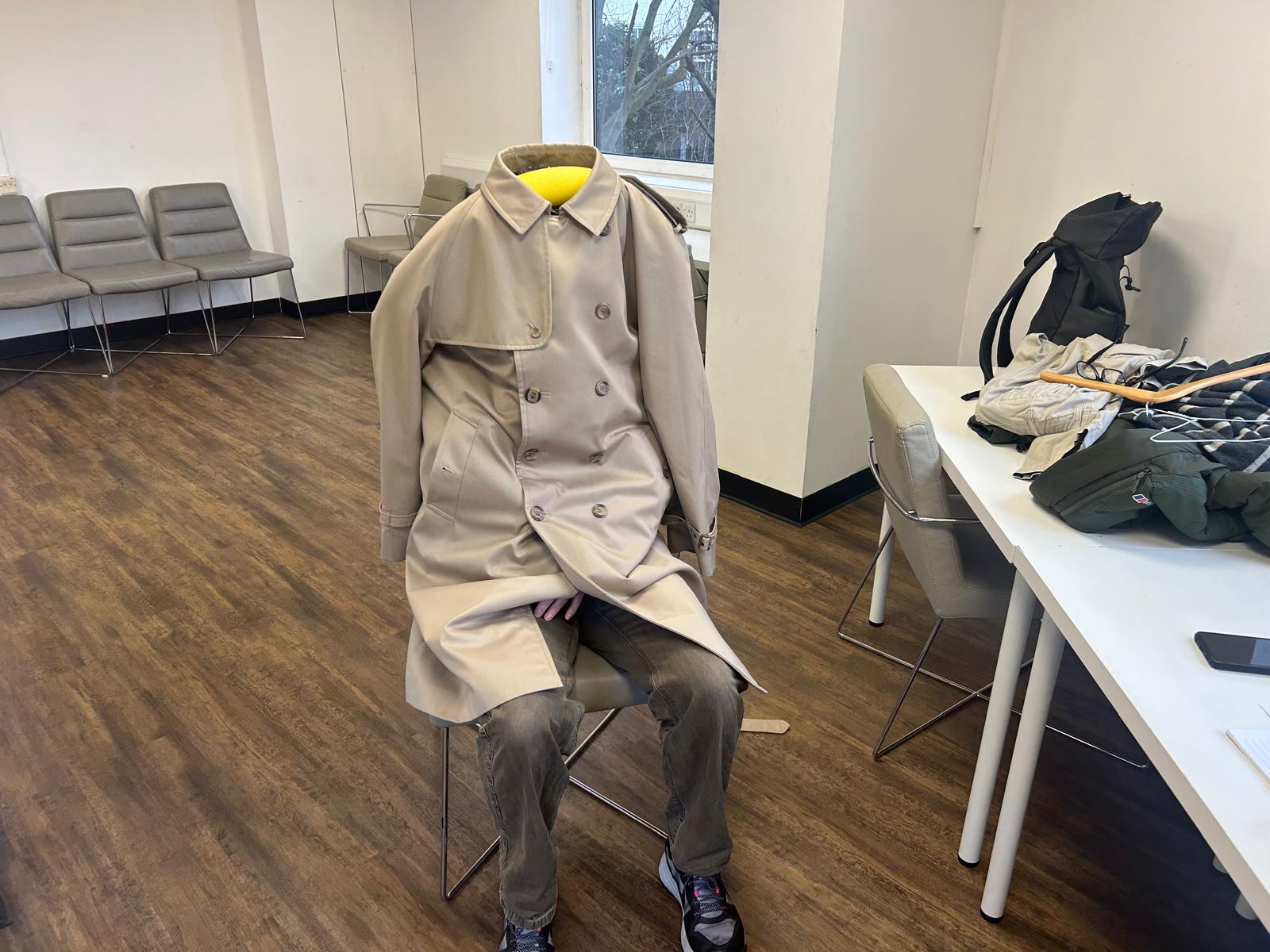
The coat is obviously one of the biggest creative challenges in the film. You worked with puppeteer Phil Yarrow to develop a whole language for how it moved. How did you decide what the coat should physically be capable of?
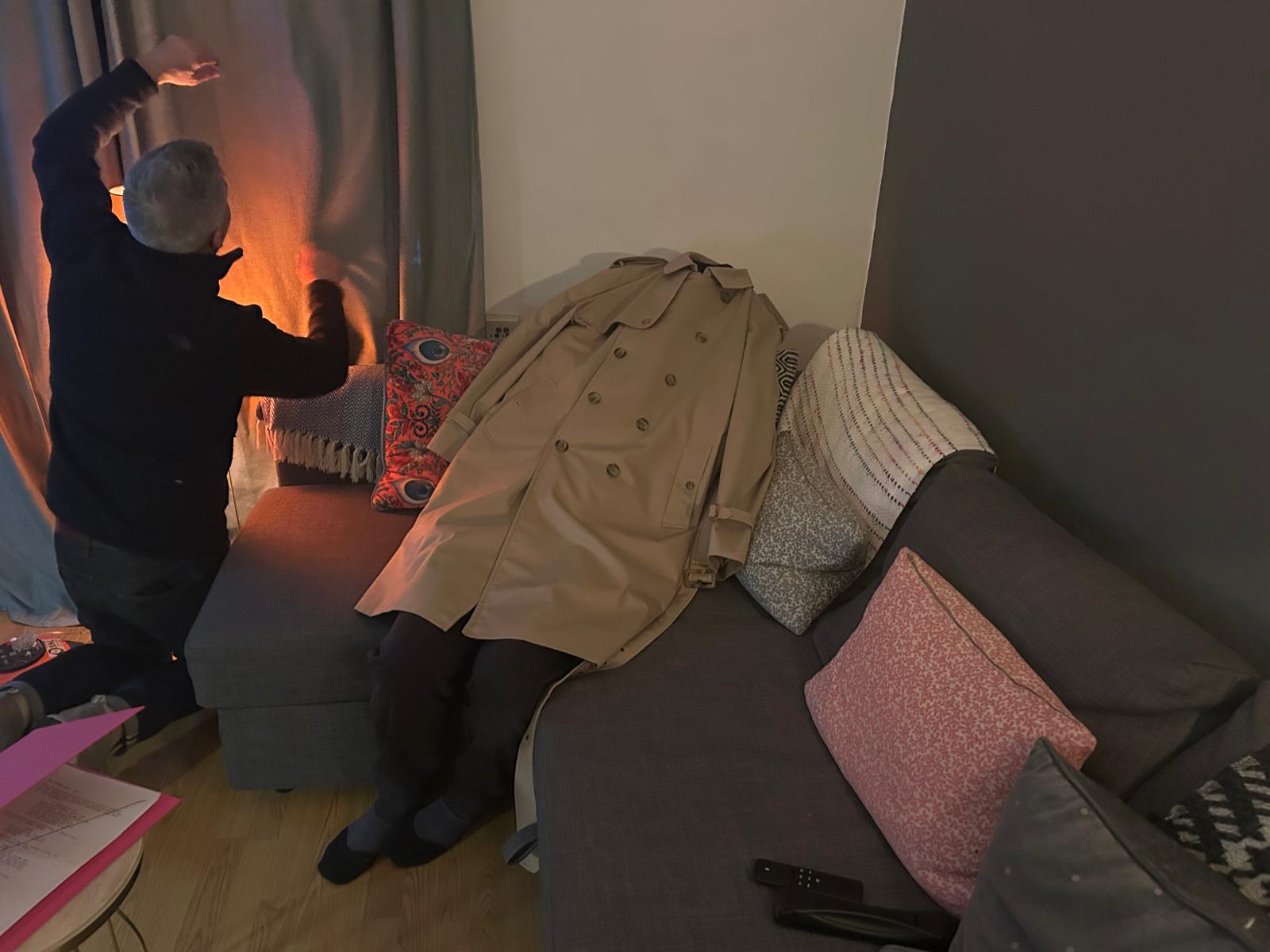
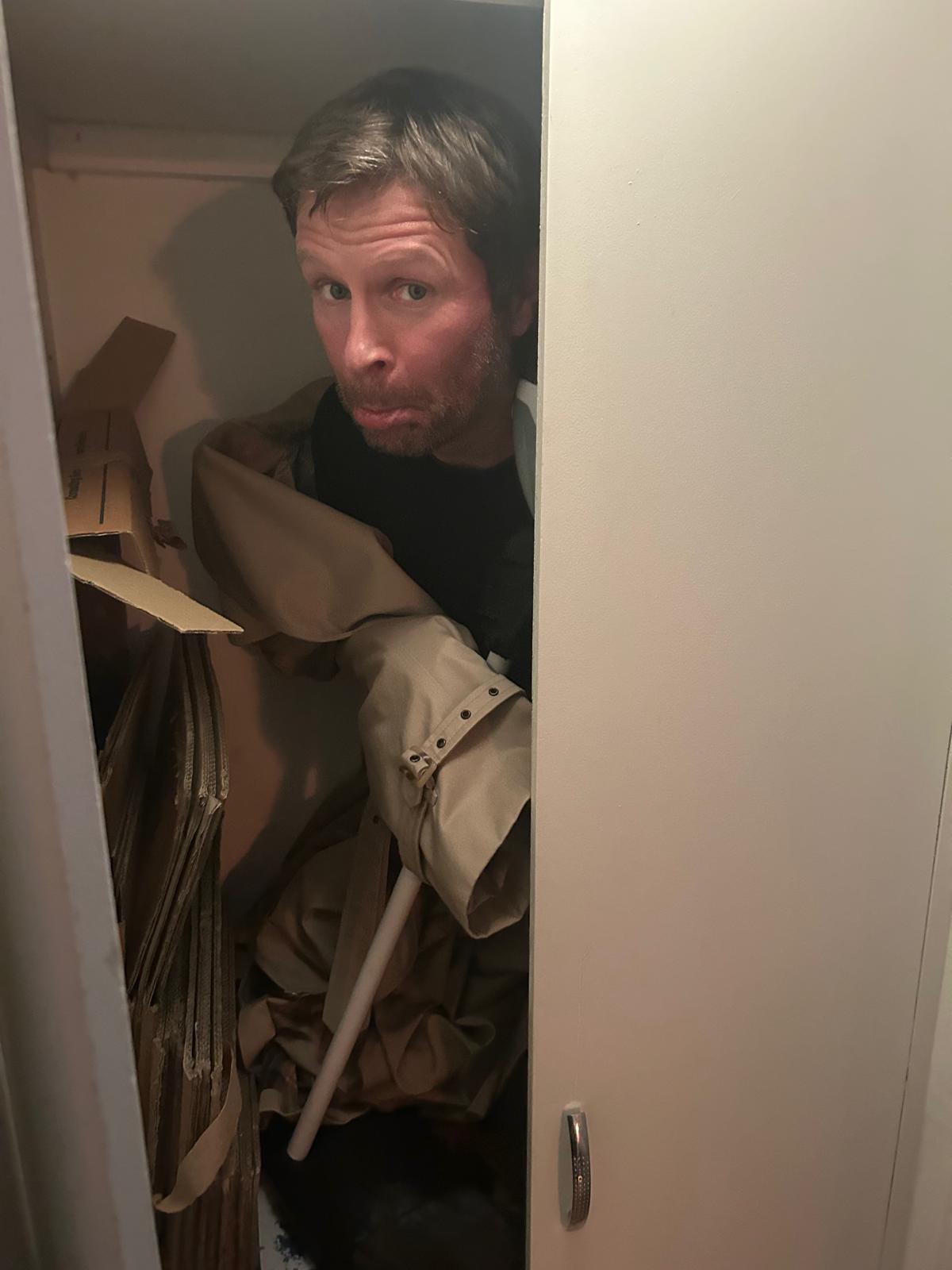
Yes, Phil was incredibly helpful, as I had no idea about puppets really. Weirdly, I’ve actually always had a phobia of Kermit the Frog. But I did have a vision of how the coat should move and he knew the right questions to ask to make that a reality. We decided it should be that Montgommery Schnatchell is ‘wearing’ the coat rather than making the coat move. I was quite inspired by The Invisible Man 2020 which I loved.
I wanted a theme that we could then distort as the coat gained more power over Alice.
Music seems to have been another key part of defining the identity of the coat. Did you want the score to guide the audience’s emotional response, or were you more interested in creating something stranger and more distinctive that could give the coat a sense of its own mythology?
I love what John Carpenter does with music, so heavily influenced by him, I wanted a theme that we could then distort as the coat gained more power over Alice. I also knew I wanted to use piano rag music as the base, as that’s Montgommery’s era. After that Bear Bites Horse did an amazing job of bringing those ideas together, once the music was on, it was like a completely different film.
Most Popular
Let’s talk about my favourite moment in the film: the outstanding grave scene. You found out that you weren’t actually allowed to dig on consecrated ground. How did you navigate the practical limitations of graveyard rules?
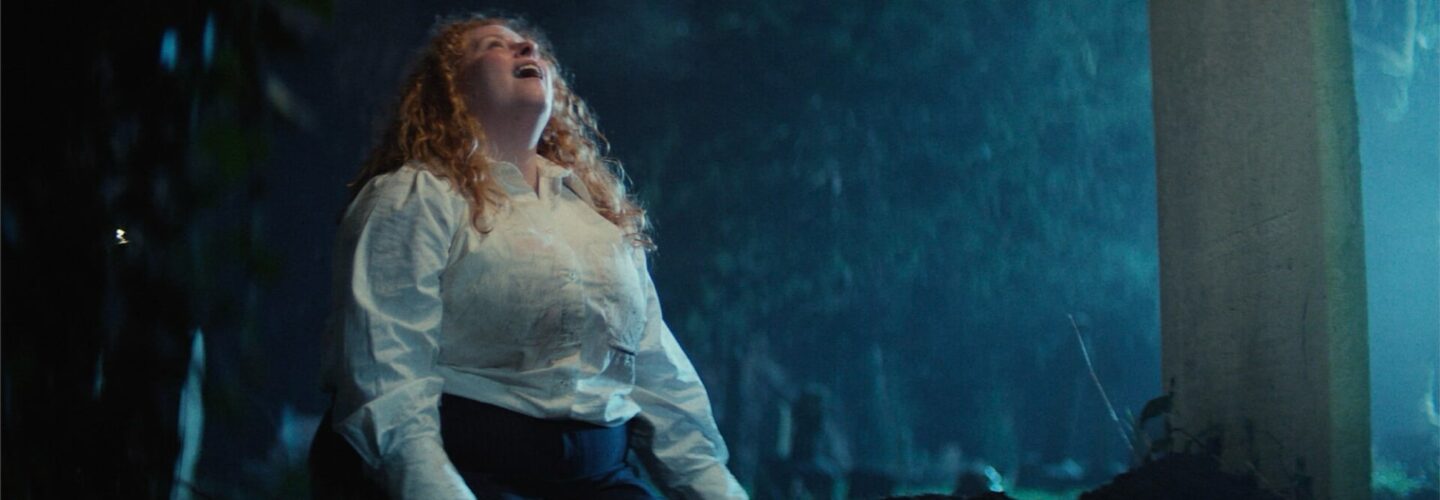
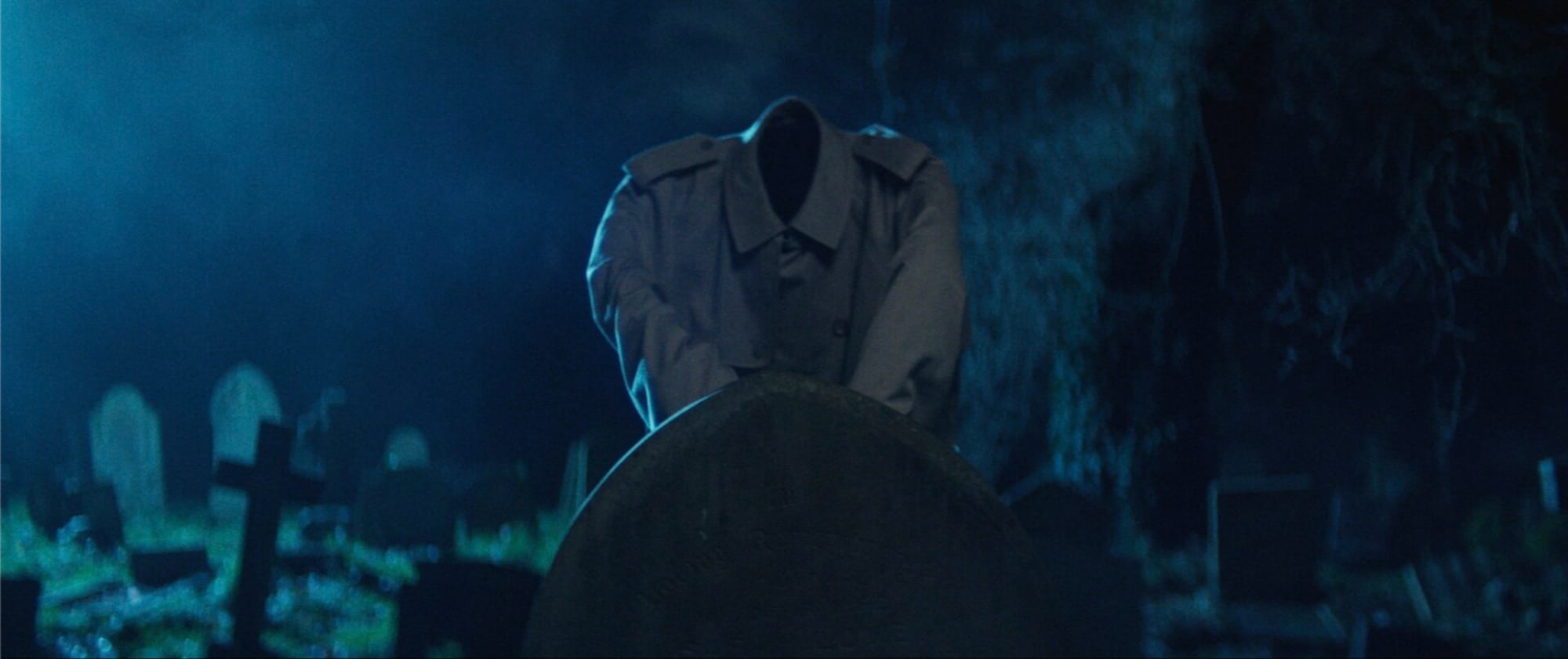
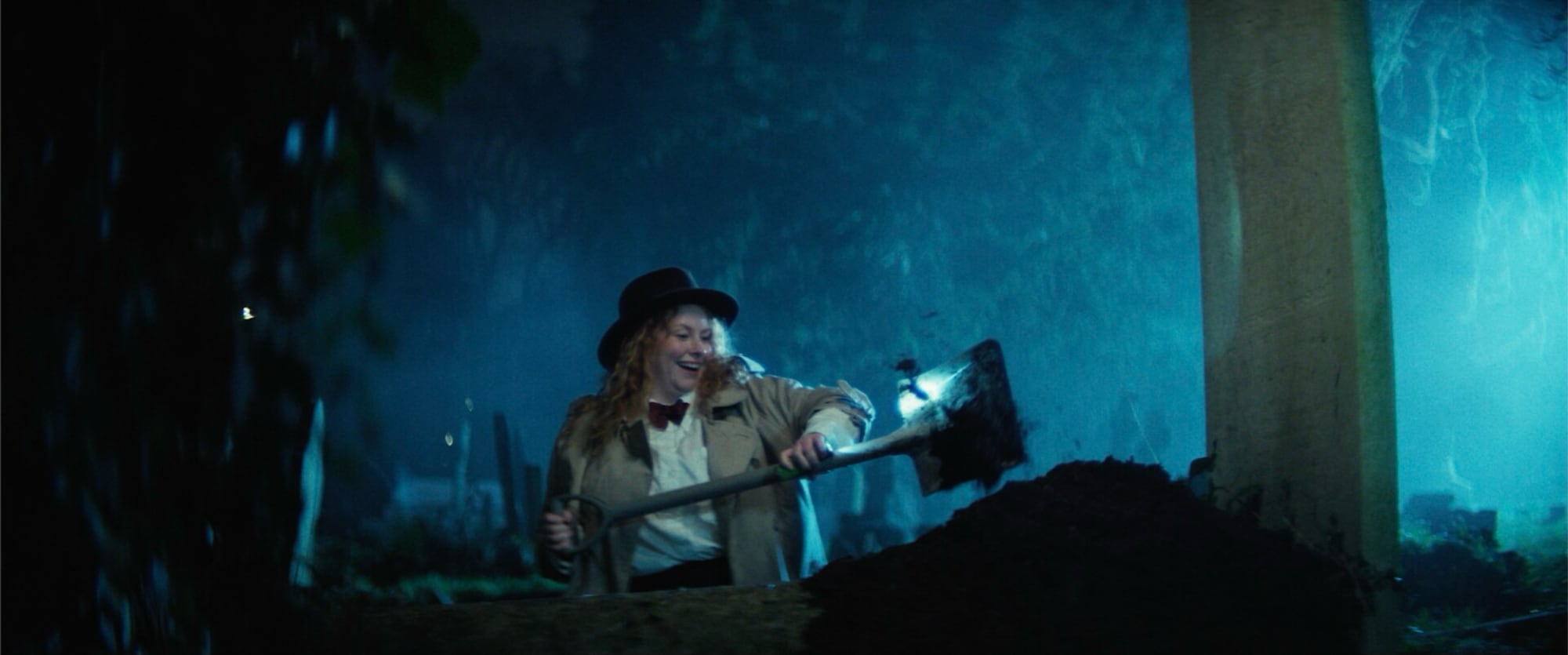
Let me start by saying that graveyards are my favourite places in the world. I know how emo that sounds but it’s true. I would go and learn my lines for school plays in West Norwood Cemetery when I was like 13 years old. I walk in a graveyard about three times a week, I would live in one if I could. However, filming in graveyards comes with a lot of limitations! I originally wrote that the coat would be burned and that would break the possession but that was literally impossible. So I changed the lore of the curse and burying it seemed the next best thing. My location manager Jacob Dowdle was amazing and luckily found sunken graves we could cheat to look as though Alice had dug. I have to say, when the haze drifted through the graveyard as we were about to shoot, that felt very cool.
You’ve talked about having to “kill your darlings” and cut a whole scene despite loving Tracy Rakira’s performance. Were there moments where editor Zach Pridding suggested a cut or a different structure that completely changed how you understood a scene?
Tracy was so great. She has such a strong look and amazing presence on screen, but on watching back, I just knew we had to get through the story quicker. Being an actor myself I felt incredibly guilty but Tracy was very gracious. It’s sort of a rite of passage in a way. It happened to me in a film by Daniel Kaluuya – that one hurt! Zach was instrumental across the whole thing, adding so much pace but he was particularly helpful in the graveyard scene where Alice is remembering all the men who’ve called her spineless, weak, etc. He landed that flashback slow-mo joke from ‘Dr Mac’ in a way I never would have thought of.
Filming in graveyards comes with a lot of limitations!
Could we discuss the hilarious TV scenes, which add a lot to the comedic side of the film? How did they end up in the film? What sparked the idea?
This idea of having TV scenes within the story, like a lot of this film, was inspired by The Mask. Jim Carrey’s character sees a professor on TV talking about his new book The Masks We Wear or something. It just always struck me as hilarious that that happened to be on TV (especially as practically the next scene he’s talking to the author in his office). I also watch a lot of daytime TV, that’s how I turn my brain off. I love it and some distorted version of it seems to seep into anything I write. I also think there’s a Late Night with the Devil influence in there too. But it’s really down to the comic genius of Jonathan Broke, who I’ve been friends with for years from the London improv comedy scene.
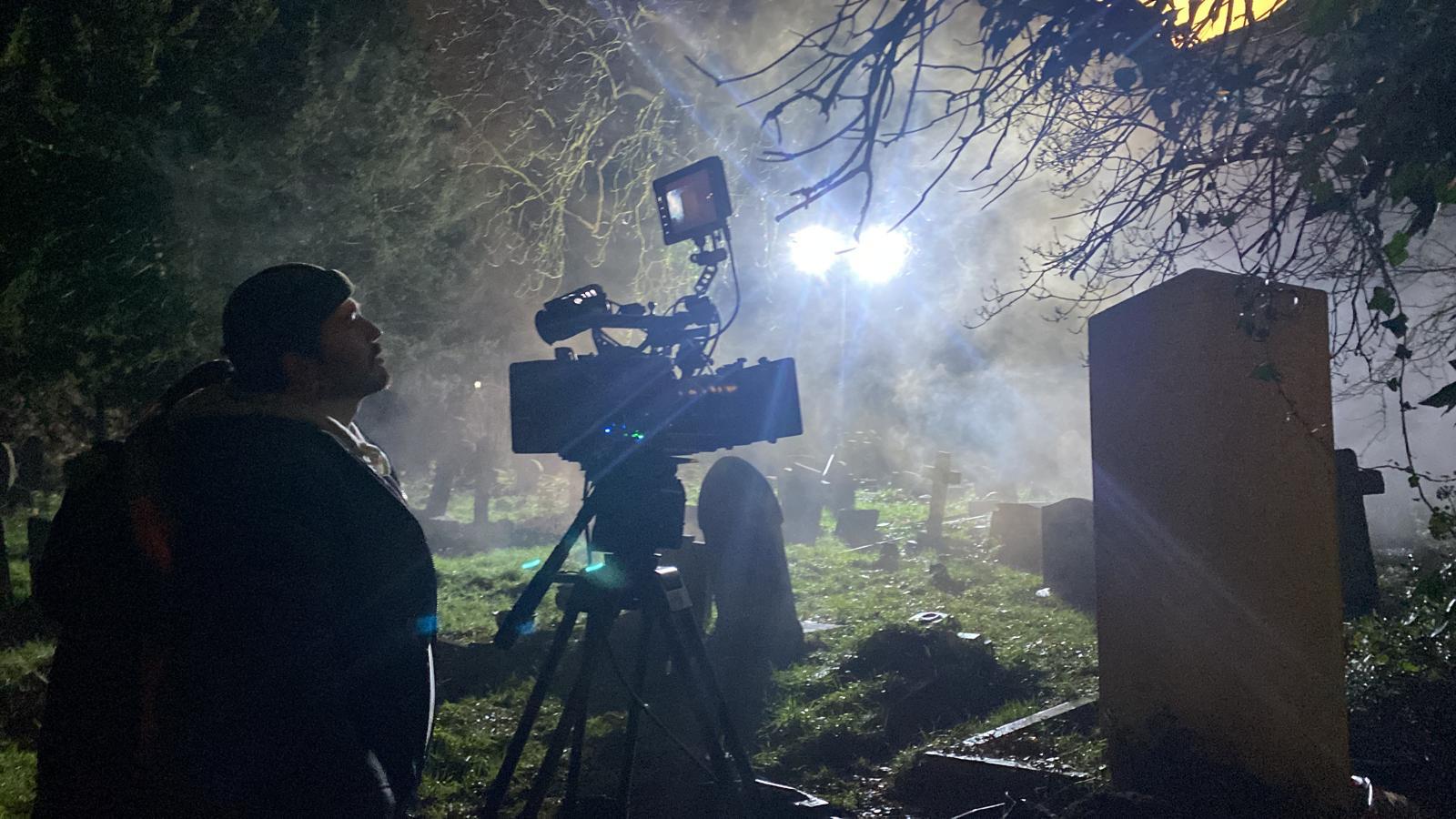
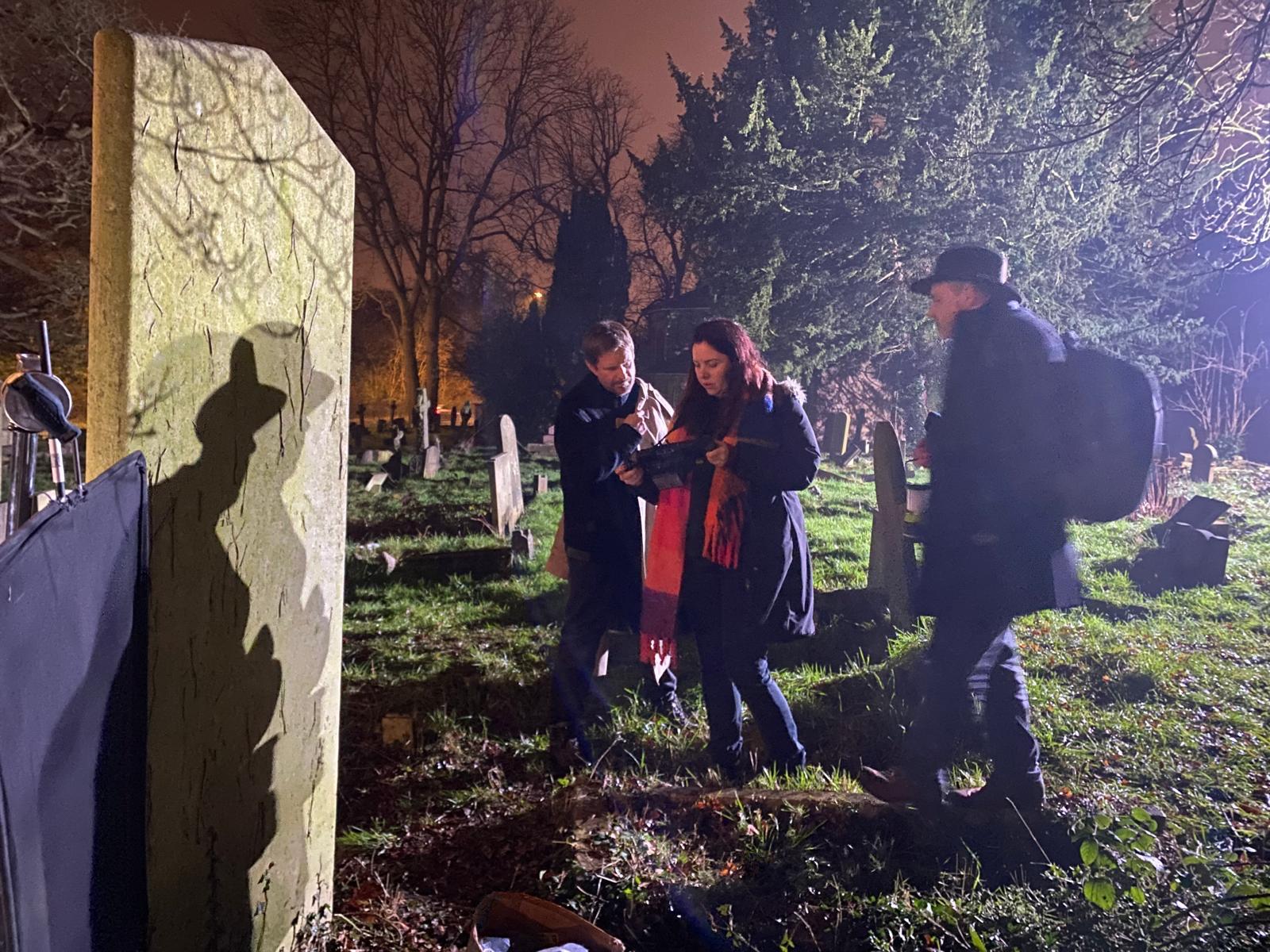
You were making your directing debut, without having gone to film school, working with Morgan Sinclair as your DoP. How technical were you in your approach to the camera? Did you arrive on set with very specific ideas about shots, lenses and movement, or did you rely on Morgan to help translate the look you had imagined?
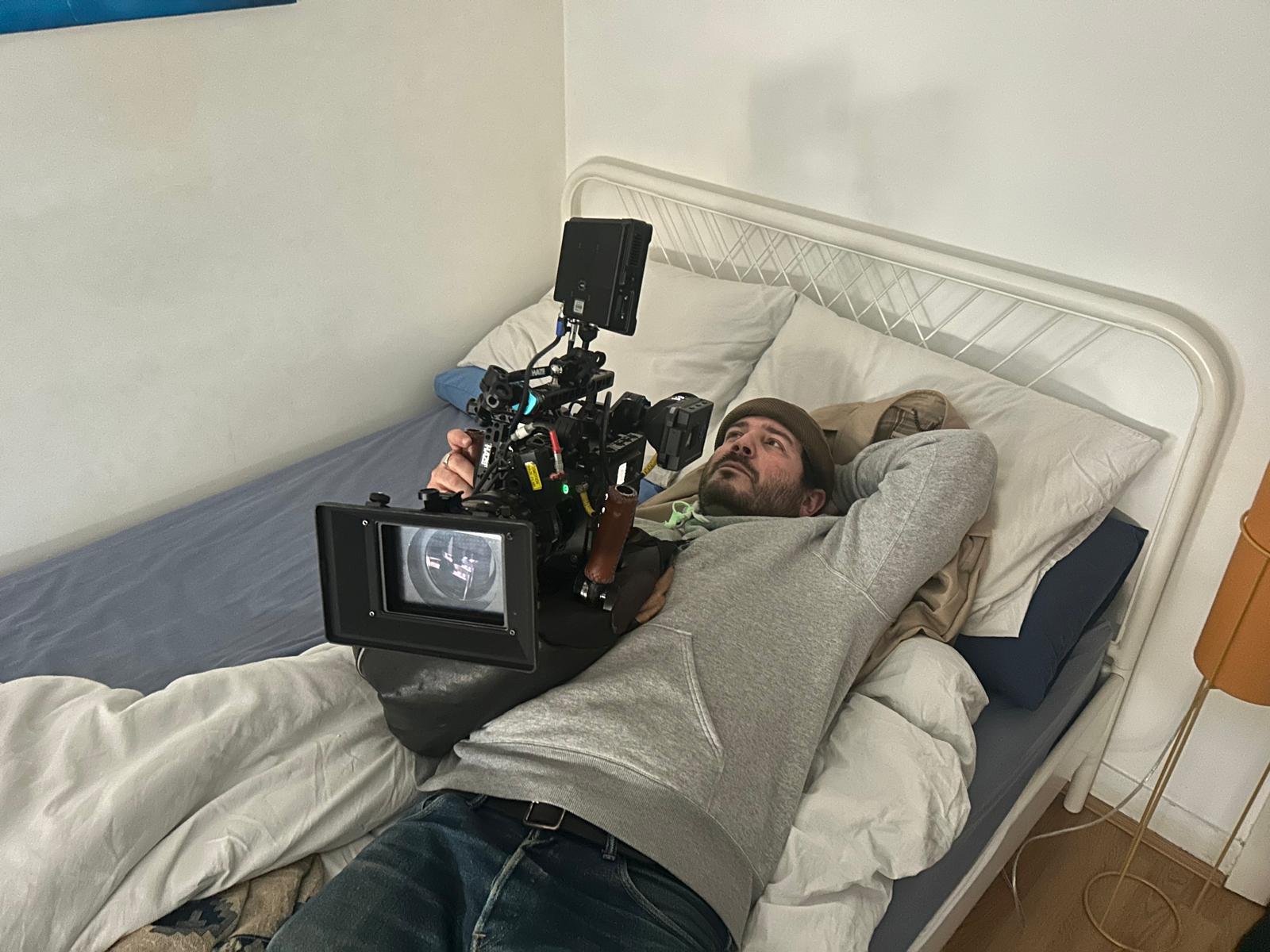
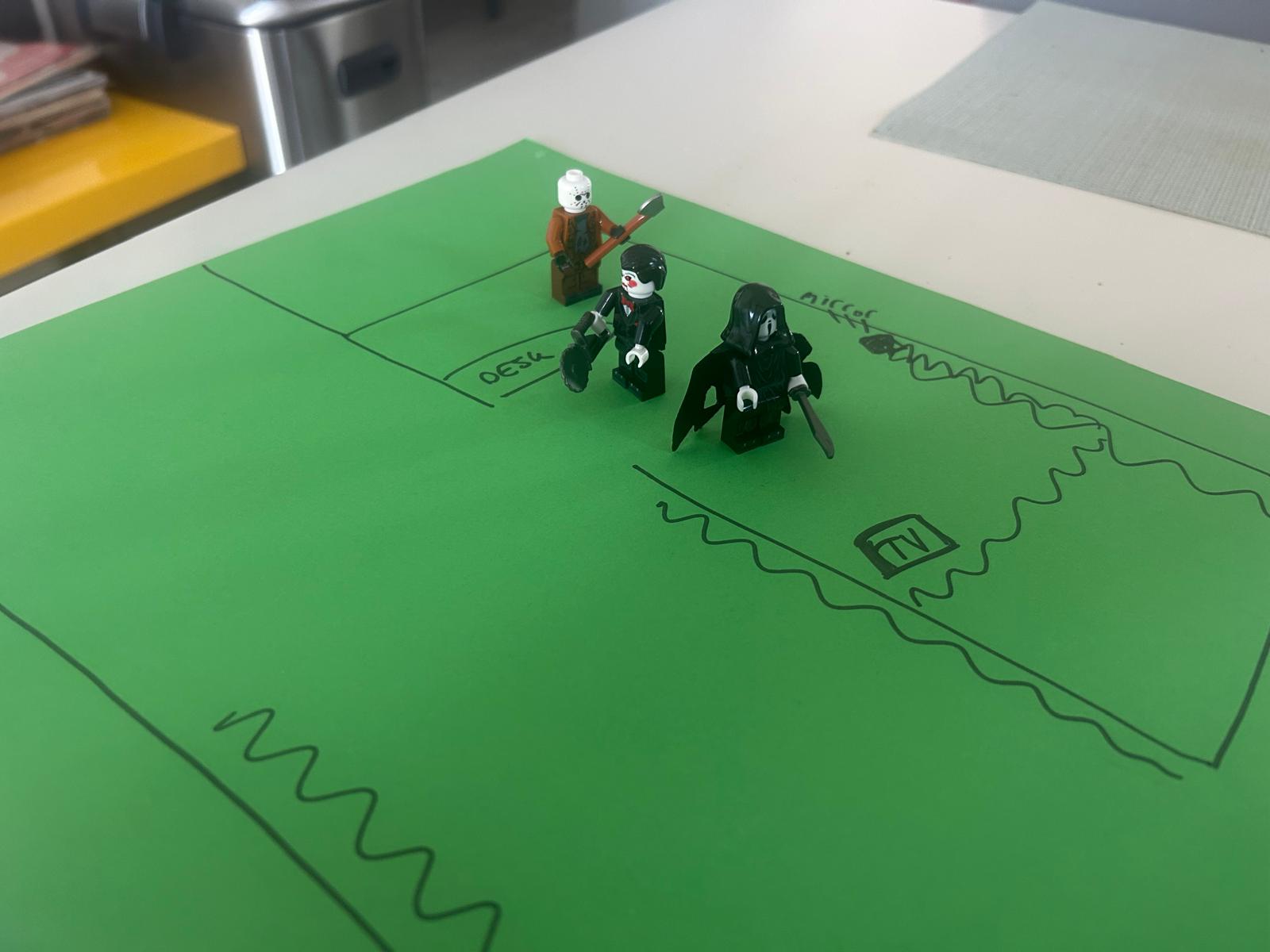
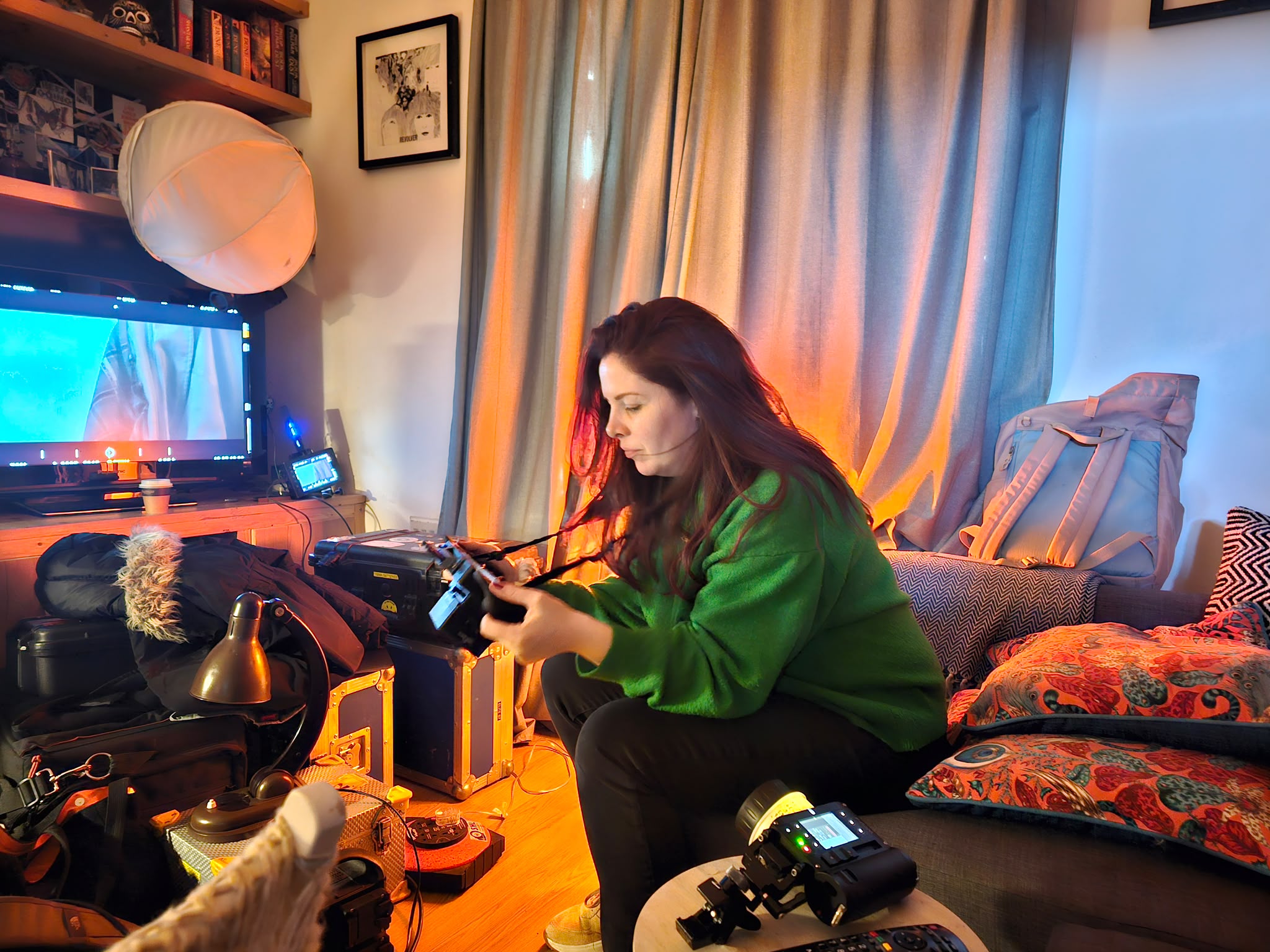
I very much relied on Morgan, who was exceptional and I continue to work with now and hopefully forever. I have zero technical expertise but I did have very specific ideas and I’m very good at explaining exactly what I want. I gave Morgan a bunch of comps, I storyboarded and blocked the scenes using a floor plan and some horror Lego (…don’t ask), but mainly I let him do what he wanted. He brought a very talented crew and made everything work, despite some tricky limitations. What’s great about Morgan is, not only is he very kind and easy to discuss things with, but he also gets comedy.
What’s on your desk at the moment that we can look forward to watching in the future?
Well, I just made a proof of concept for a series with Hat Trick about two exorcists in couples therapy, which we’ll be developing more and whoring about town. And I’d love to make my horror feature Salt Pig, about a cannibal chef with daddy issues… if anyone’s interested?