There’s an old saying that goes something along the lines of, “If it walks like a duck, swims like a duck, and quacks like a duck, then it’s probably a duck.” Émile Lavoie combines that notion with a splash of grisly violence and dark humour in his horror comedy Mean Ends (Mourir en silence). It takes every expectation you have of a horror film and turns it against you with devilish delight – and even has something to say about the heartache that comes when your craft isn’t working out the way you’d hoped. Joining us for the Mean Ends online premiere, Lavoie talks to Directors Notes about the filmmaking misfortune that led to this brilliant short, collaborating with his other half, both on and off screen, the hole the lead actor dug for himself during filming, making Québec look like a sinister backwater town straight out of a Hollywood horror film, and the real-life characters they encountered during location scouting who could have stepped straight off the screen.
Mean Ends is as smart and atmospheric as it is entertaining and beautifully captured. How did this story come about?
Much like the story of the film itself, the journey of Mean Ends begins with a failure. In November 2021, I head to Beauce, a rural region of Quebec, with my film crew to shoot my first independent, self-financed short film, set entirely in a ploughed field alongside a railroad track. The first day of shooting goes off without any major hiccups. That evening, we go to bed feeling satisfied and excited about what lies ahead. However, overnight, an unprecedented and completely unexpected snowstorm hits the region, burying the field under a foot of snow. It’s a disaster. There’s no way our shots will ever match. I’m forced to cancel the shoot and return to Montreal, with my dreams and tens of thousands of dollars down the drain.
The only remnant of this abandoned project is a fake decapitated corpse that my partner and co-writer Camille Mongeau and I are forced to live with. An entire year goes by in the company of this corpse. Whenever we want to watch a movie, we move it onto the bed. When it’s time to go to sleep, we put it back on the couch. Not only does this body take up most of the space in our tiny Montreal apartment, but more importantly, it serves as a constant reminder of my failure, literally lying dead on my couch, just like my directing career.
Then, one day, I hear the mailman climbing the stairs of my building. My eyes drift toward the corpse, still lying on my couch, right next to the front window. I wonder: “What would happen if he happened to glance inside my apartment?” An idea begins to take shape, and I mention it to Camille. It’s May 2022. Just a few weeks later, she comes back to me with a story: Éric, a horror filmmaker (like me), a somewhat pathetic, washed-up loser (like me), whose dreams have all but collapsed (like mine), decides to bury every last remnant of his failed career, including a decapitated corpse. There’s just one problem: his neighbour, a young woman to whom he’s always been something of a surrogate father, has gone missing. The rest is history.
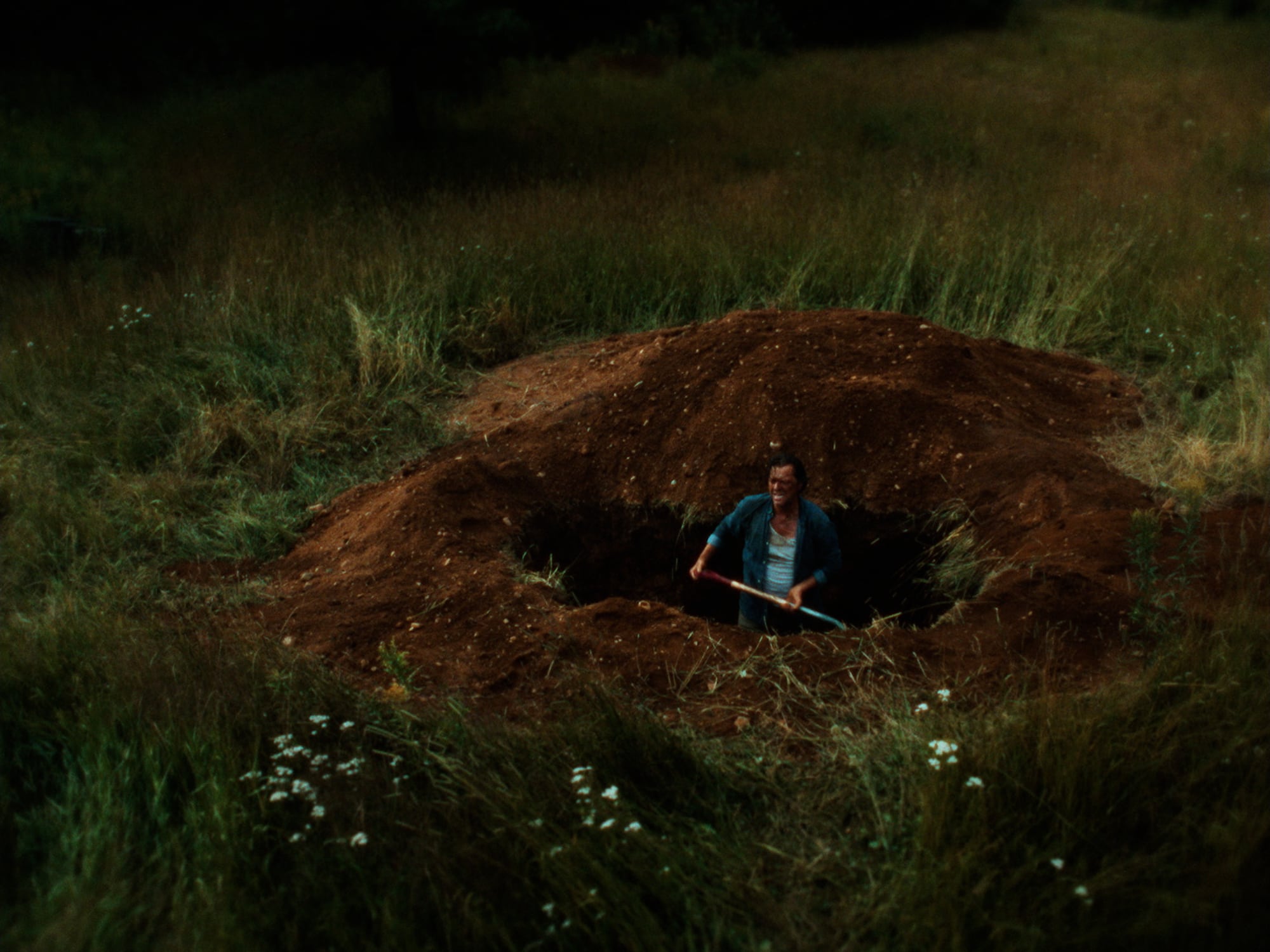
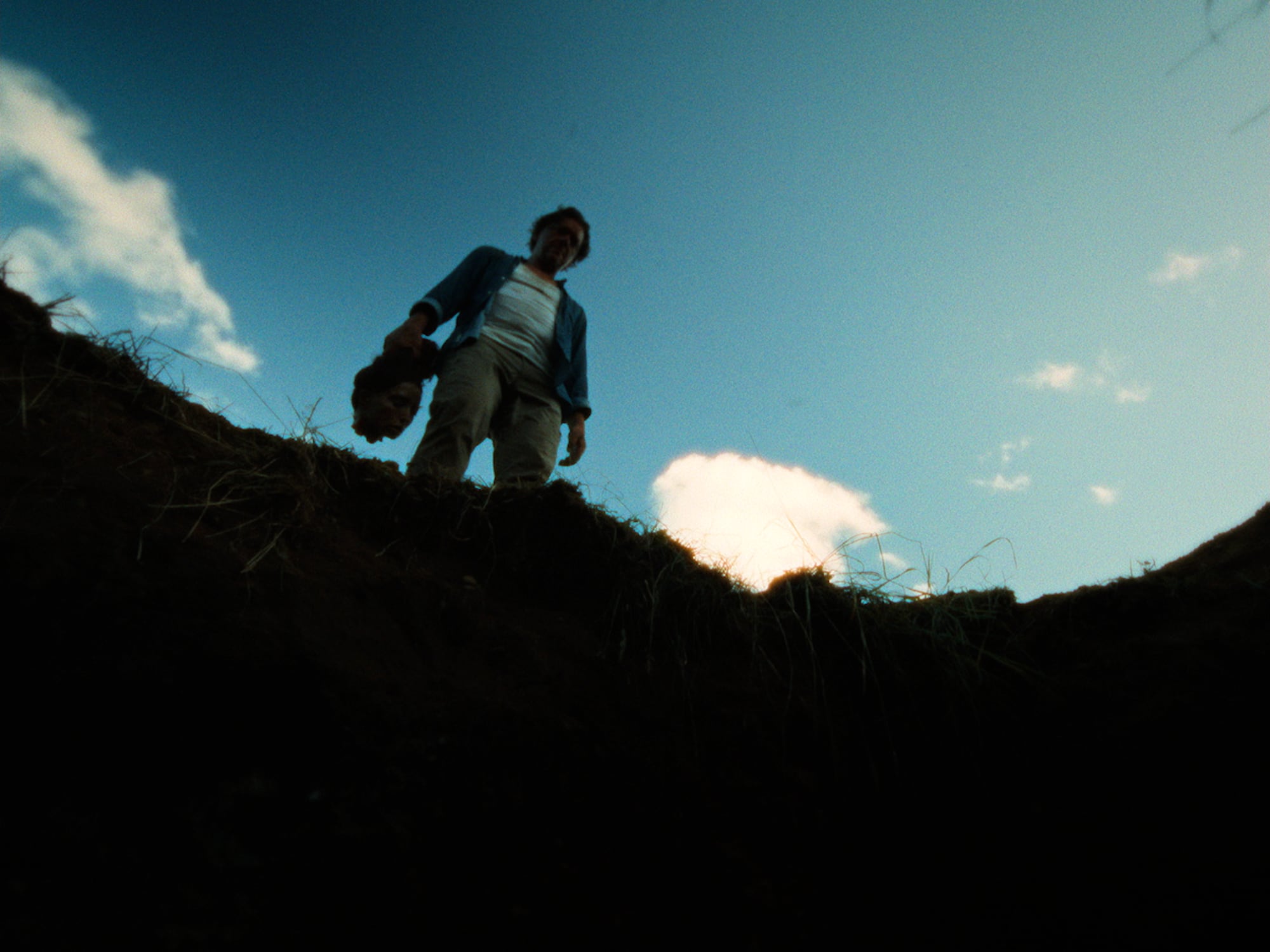
The opening scene sees Eric standing in a grave dug for a headless corpse, so this question has two parts – how did you dig that hole and how did you make that corpse?
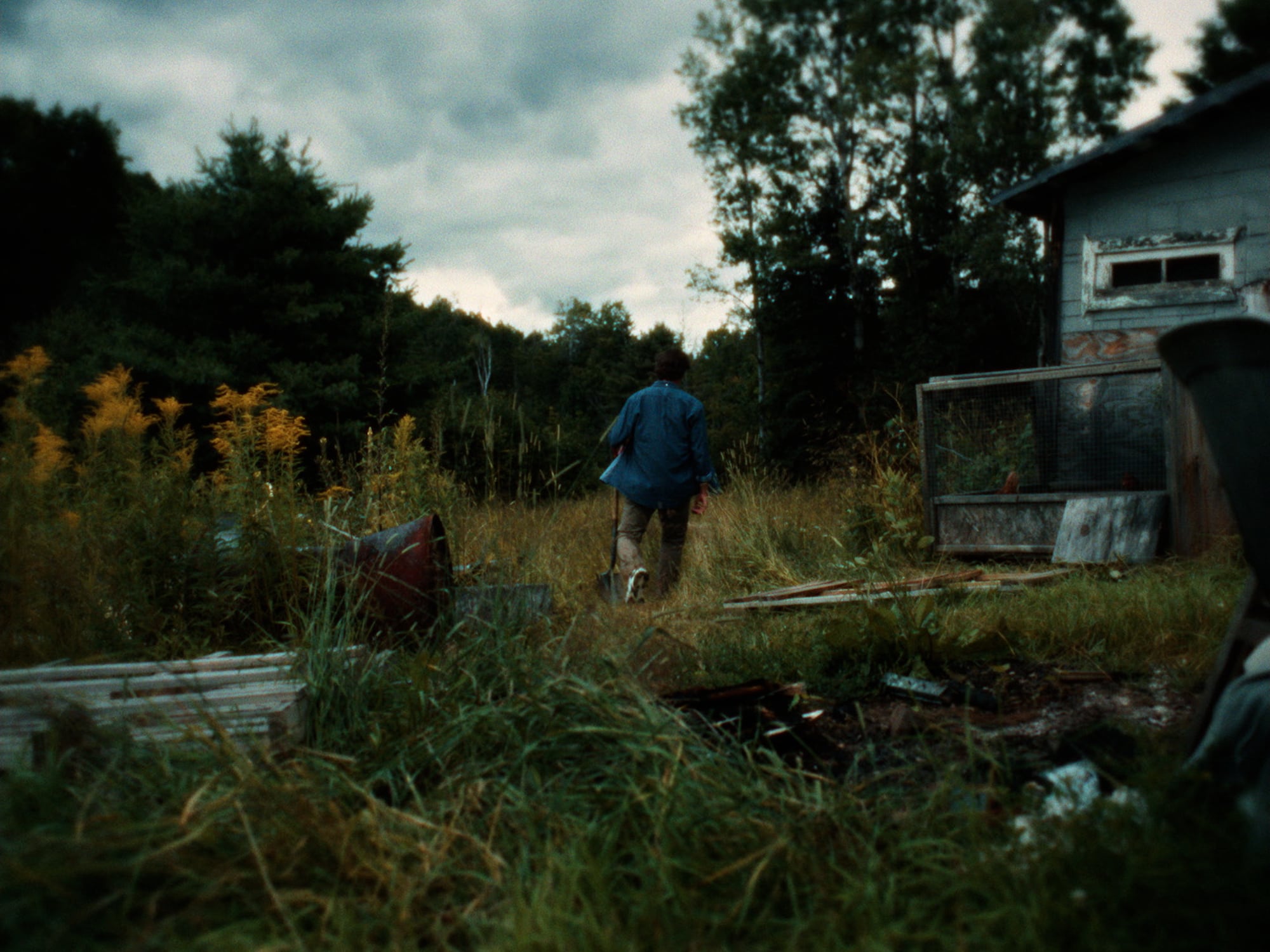
As for the massive hole in the ground, the hardest part, which we had actually underestimated quite a bit, was finding a property owner with a suitably run-down house who would agree to let us completely tear up a good portion of their yard. Luckily, we stumbled upon the owner of this sad-looking little house, with an RV parked right in the middle of the property, who couldn’t have cared less what we did to his landscaping. Strangely enough, though, he told us that a new tenant was moving in the day after our shoot. I can only imagine the shock when they arrived!
As for the actual digging, Hugo Giroux, our lead actor, going full method acting, asked if he could dig the hole himself to really get into Éric’s headspace. After three or four shovelfuls of dirt, he admitted that maybe he’d been a little too ambitious, so we ended up renting a small excavator from a place right across the street to get the job done. Once the hole was dug, we had to go back in and rough up the edges, since the excavator had left these very straight, obvious marks in the dirt. Quite the undertaking!
After three or four shovelfuls of dirt, he admitted that maybe he’d been a little too ambitious, so we ended up renting a small excavator from a place right across the street to get the job done.
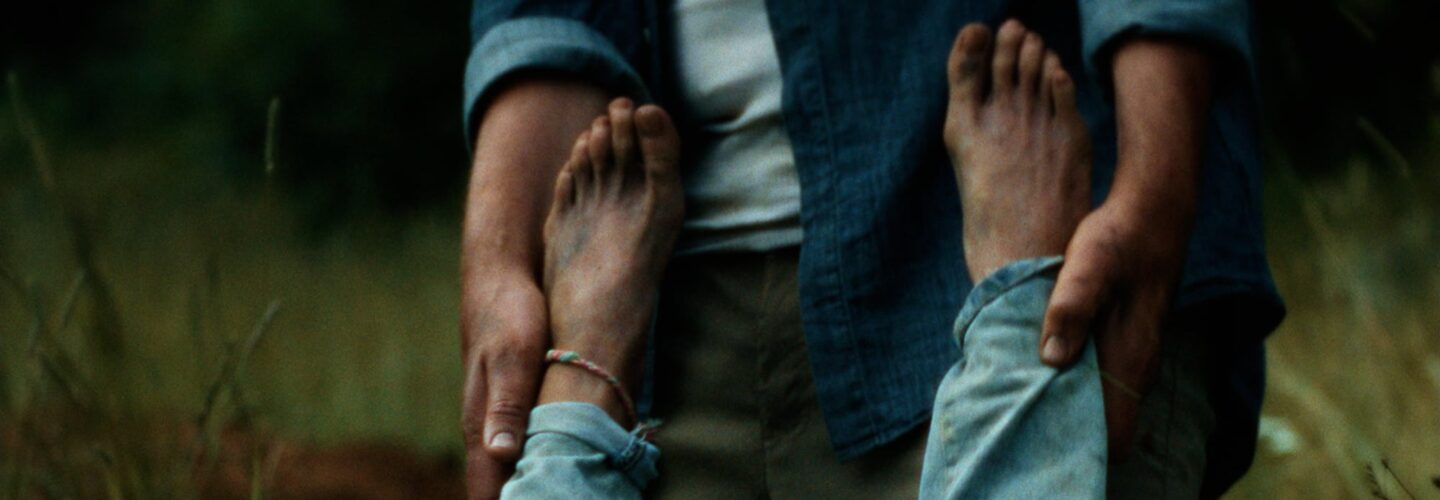
For the body, we worked with our longtime collaborator, Rémy Couture, who has been taking care of my bloody prosthetics for nearly ten years now! We made a full-body cast of our actress Léa Girard-Nadeau (the actress from Living Grounds), including her head. If you’ve seen MaXXXine, you’ll have a pretty good idea of how the process works! Things got a little scary, though, when a slight miscalculation in the proportions of the materials caused the latex to harden much faster than expected and stick to Léa’s skin, making it almost impossible to remove. So, Léa ended up trapped inside a mold of her own body for several hours!
Another fun anecdote: just a few days before the casting session, Léa told us she had just found out she was pregnant! Of course, we made absolutely sure that none of the materials we were using posed any risk to her pregnancy.
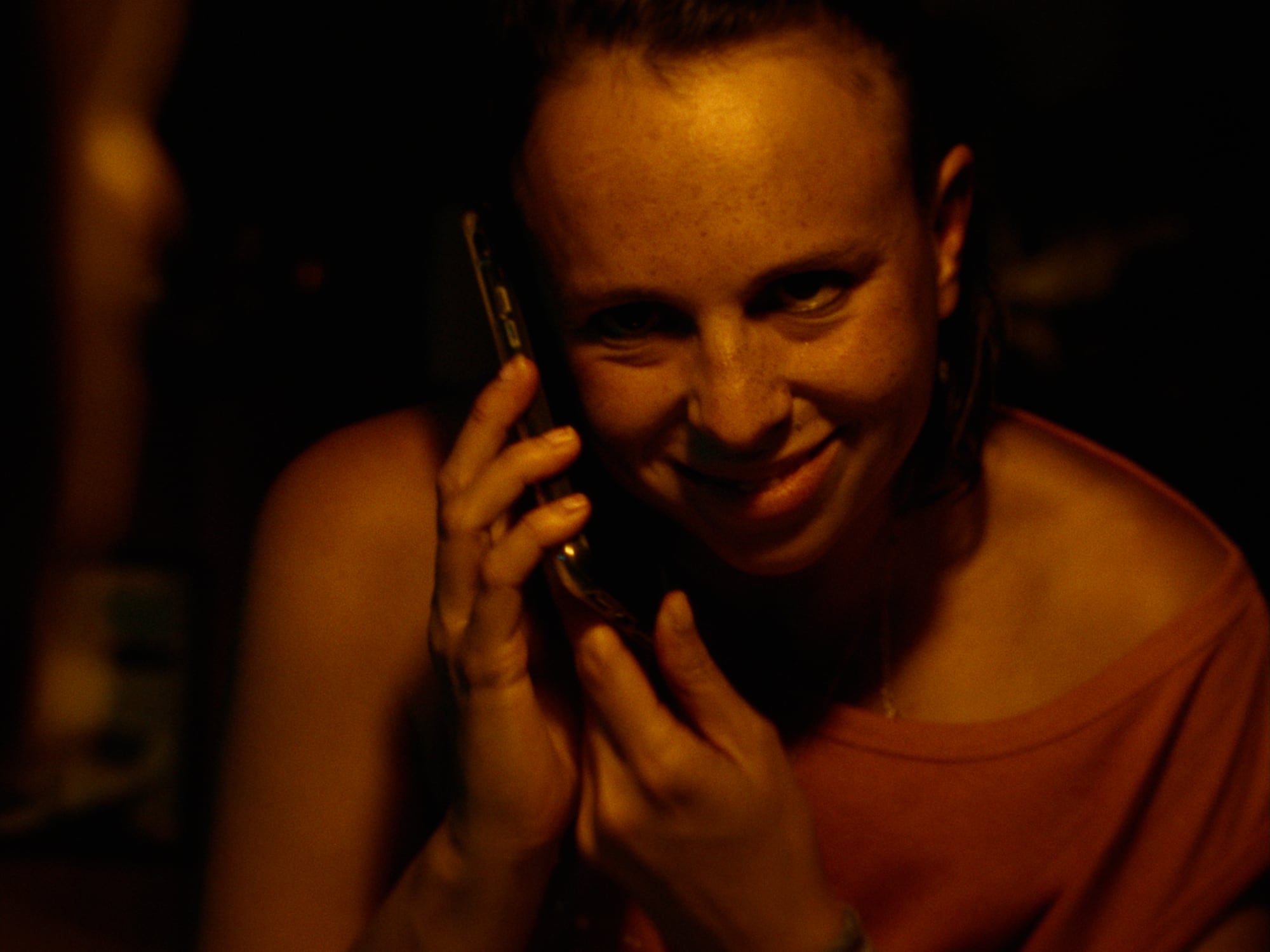
I asked Camille to push her portrayal of Marika a little further, to make the character slightly more exaggerated.
You wrote and produced the film with your partner, Camile Mongeau, who also stars. What is the collaboration like between you both pre-production and then on the shoot when the relationship becomes director to actor?
Our working relationship is pretty much like any romantic relationship: there are highs and, occasionally, there are lows! Luckily, whenever one of us is dealing with disappointment or stress, the other is usually able to step in, take over, and keep the ship on course. On a typical project, Camille will write the first draft of the screenplay, laying all the groundwork, establishing the tone of the story and its characters, finding their voices, and making sure the whole thing makes sense. I’ll usually come in for a second pass, adding certain ideas for staging and visual storytelling directly into the script, and sometimes finding more unusual ways to approach specific scenes or plot developments.
During pre-production, Camille handles locations, actors and their agents, and the overall logistics of the shoot (production coordination, craft services, accommodations, etc.), before handing things over to the production manager. I generally take care of the crew and equipment, along with the usual directing responsibilities: shot lists, rehearsals, and creative discussions with the production designer, costume designer, and cinematographer.
Most Popular
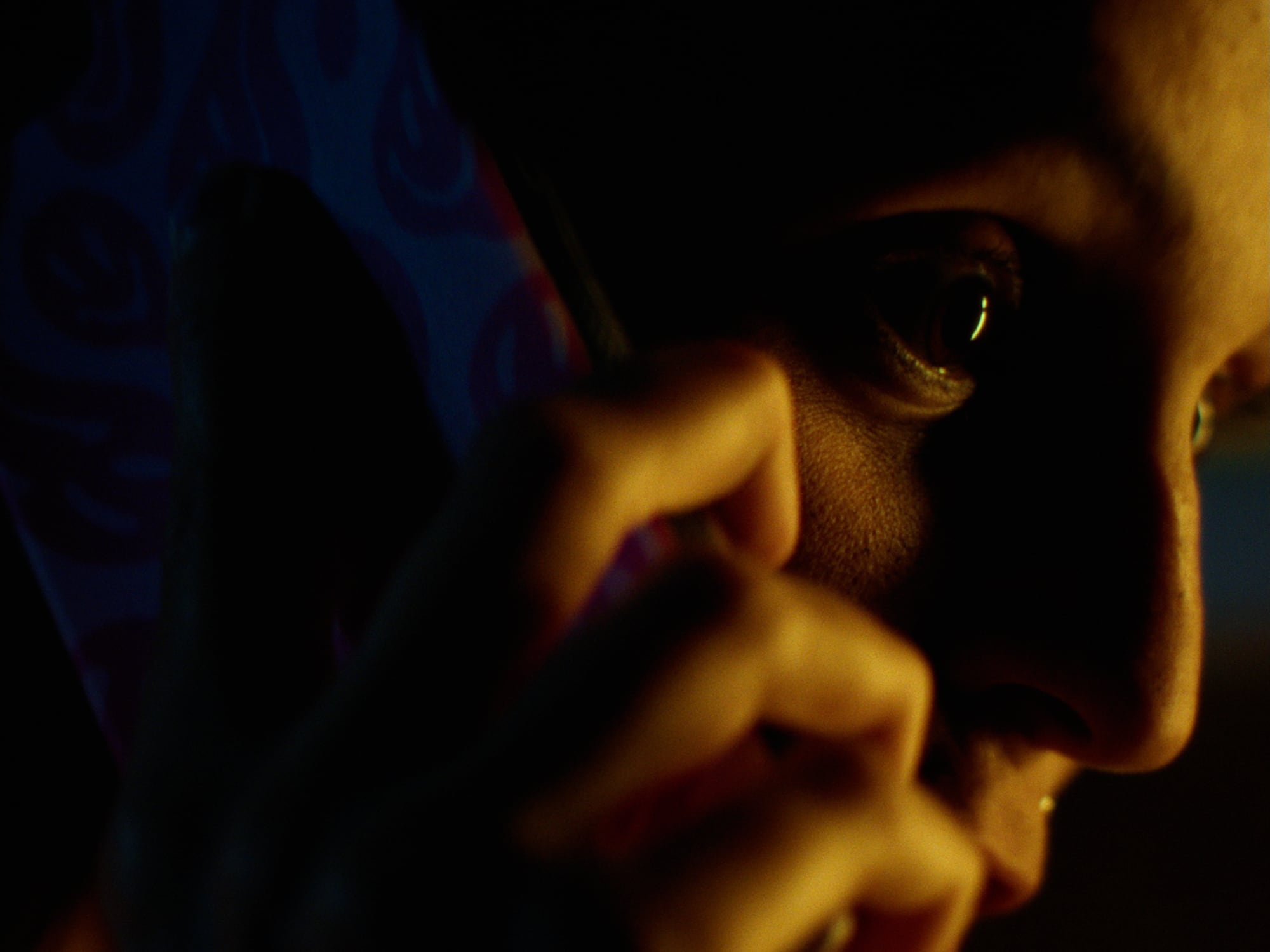
On set, even when she’s acting, Camille has a very hard time keeping herself from getting involved in the minute-by-minute details of the production, which, ultimately, is a very good thing! As for our director-actor relationship, I think we have an enormous amount of trust in each other. For example, on Mean Ends, I asked Camille to push her portrayal of Marika a little further, to make the character slightly more exaggerated. It wasn’t necessarily something she was used to doing, since most of her previous work had been in more restrained, naturalistic dramatic features. She was skeptical at first, but ultimately decided to trust me!
Likewise, once we get to post-production, I’ll usually work on the first cut with our editor, but Camille gets the final say, especially when it comes to the actors’ performances and the emotional impact of a scene. She has an incredible sensitivity and instinct for those things. I’m also a colorist by trade, so I’m usually the one handling the color grading on our projects. But once again, Camille is the final stamp of approval when it comes to the overall look and feel of our films. Because, as any good colorist knows, it’s very easy to get a little carried away!
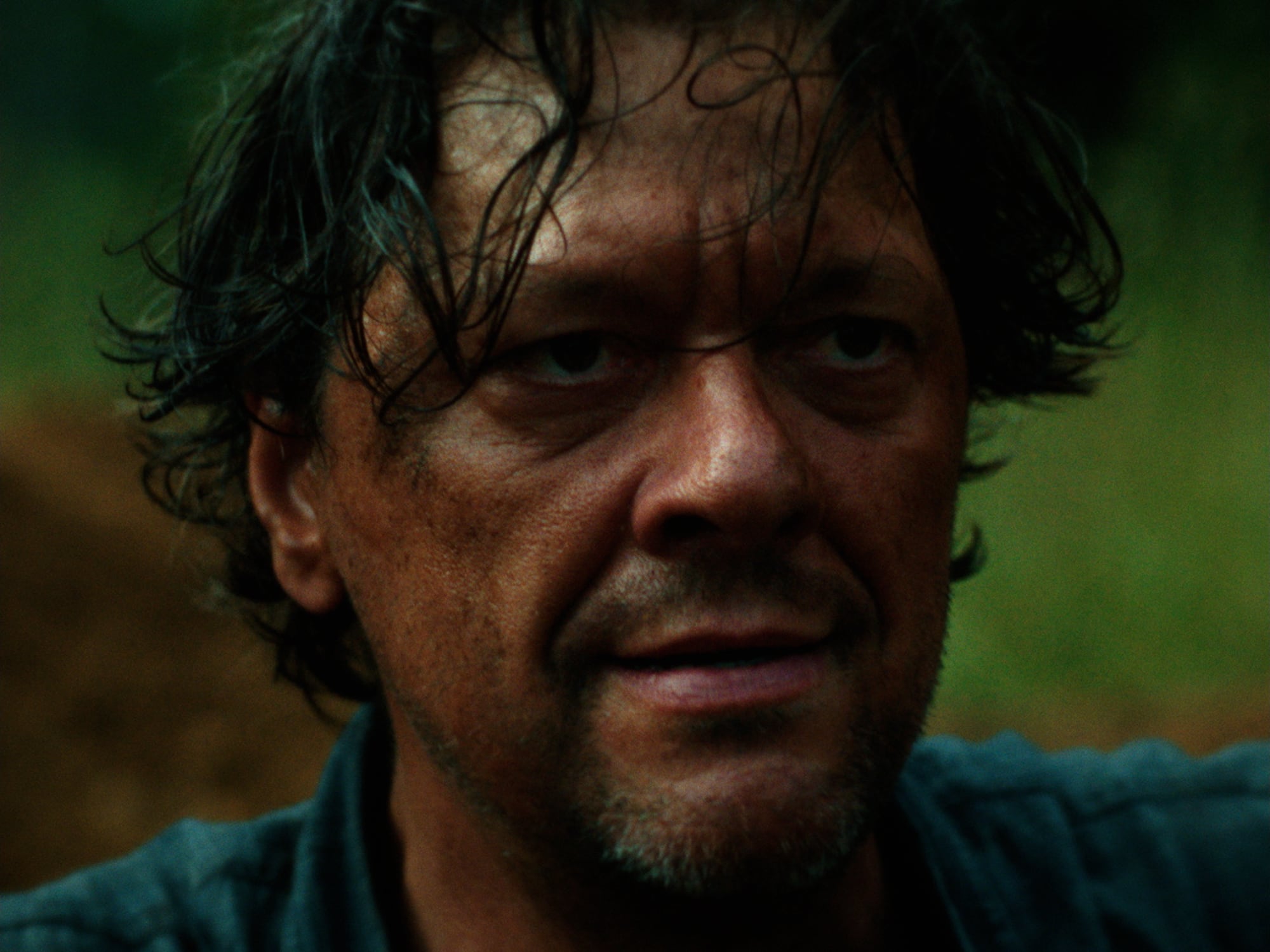
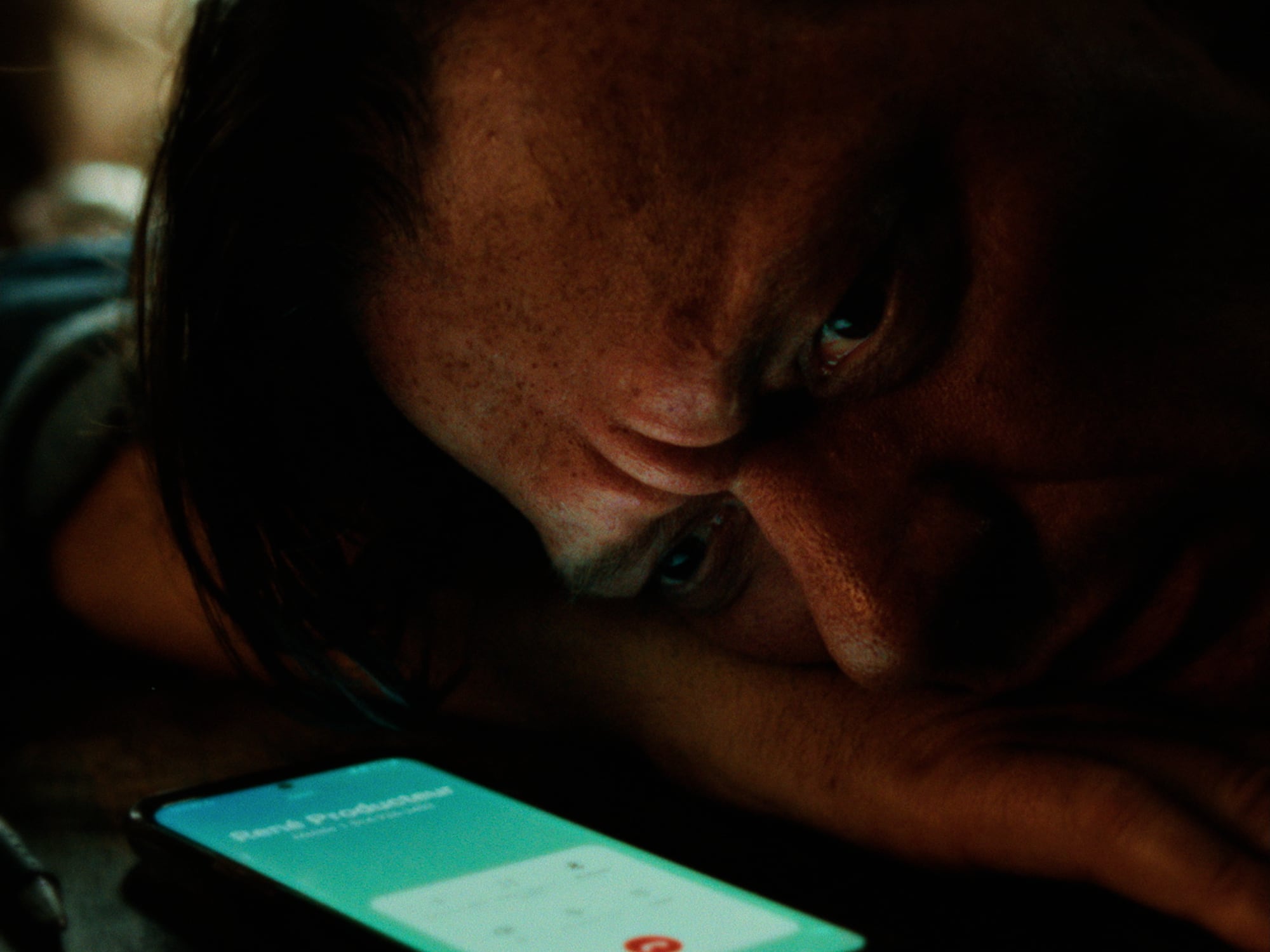
Hugo Giroux is pitch-perfect as the suspicious friend of the family. How did you go about casting and collaborating with him?
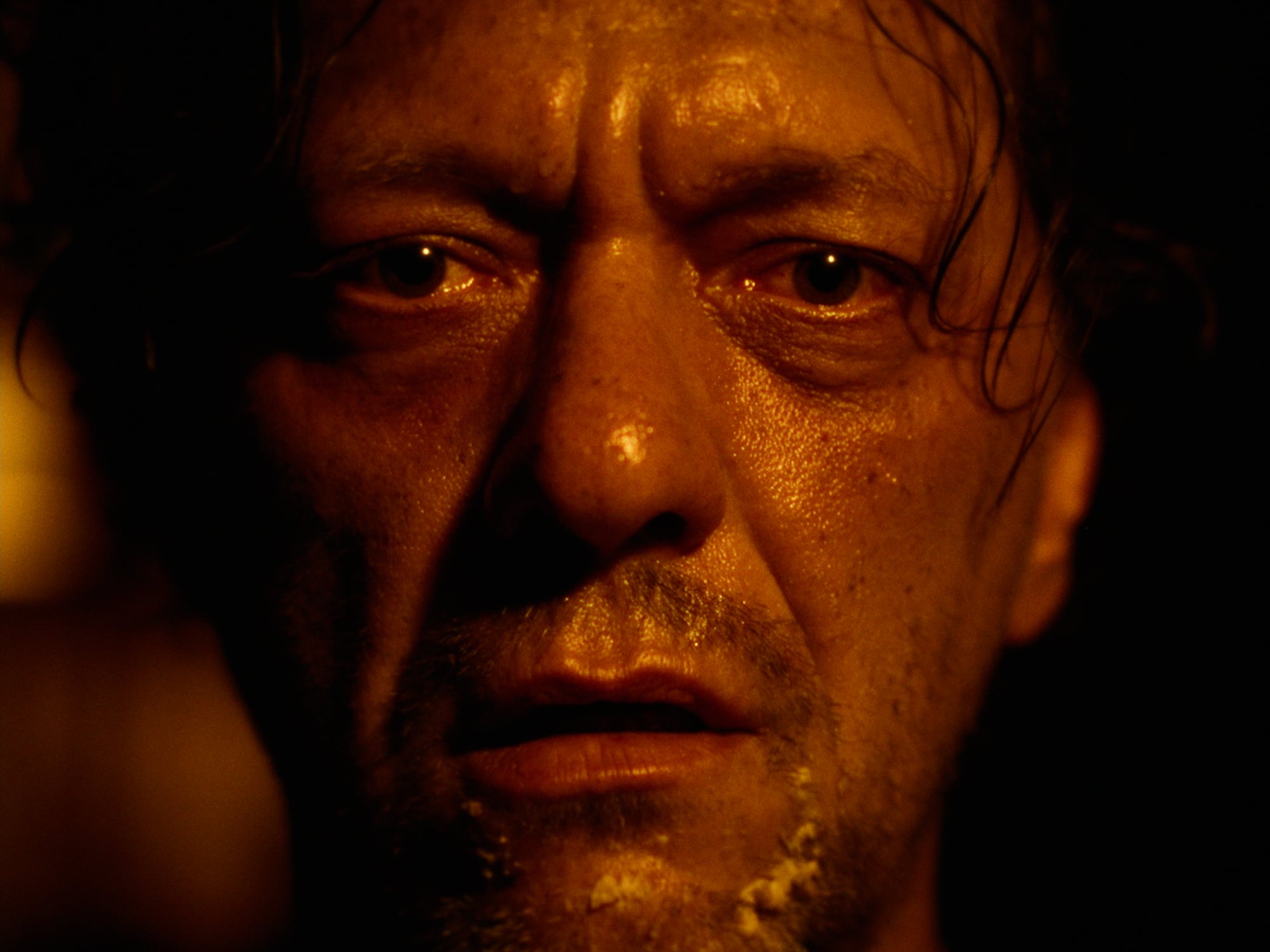
Camille’s sister is a talent agent, and one of the actors she represents is Hugo Giroux! So we had been following his work for quite some time and had been wanting to collaborate with him. We actually wrote the role specifically for him, which really helped us find the right voice for his character, especially when it came to the dialogue. I think Hugo was really happy about it, because he’s often cast as the villain. But this time around, even though Éric might initially come across as a big, intimidating bad guy, he gradually reveals himself to be a much more sensitive and tormented character as the story unfolds. This gave Hugo the opportunity to explore a different emotional range and bring a lot more depth and nuance to his portrayal of Éric.
The locations are straight out of a horror film and really add to the belief that what we see playing out is real. Where did you shoot the film and how did you find those locations?
Finding locations is often the worst part of pre-production for us. Our budgets are usually pretty tight, our ambitions are ridiculously high, and we’re very aware of just how much of a film’s credibility comes from the environments in which it’s shot. So, location scouting often becomes the biggest challenge of our entire pre-production process. We basically need to find locations that are almost perfect as is, at least structurally, because we rarely have the budget to build sets. We can dress them up, but that’s about it.
On top of that, the spaces need to be relatively large to allow us to execute our shots as intended. In Hollywood, when they build a rundown house, they’ll often double or even triple the size of each room to accommodate the camera and crew. But in real life, a rundown house is usually just a tiny, cramped little place. Ahah! To find unusual, relatively untouched locations that haven’t already appeared in a dozen other productions, we usually browse real estate listings. The problem is, when a house is literally a ‘teardown’, real estate agents don’t exactly advertise that as a selling point. Over time, though, we’ve discovered a pretty reliable trick: when a listing doesn’t include any pictures of the interior, that’s usually a very good sign.
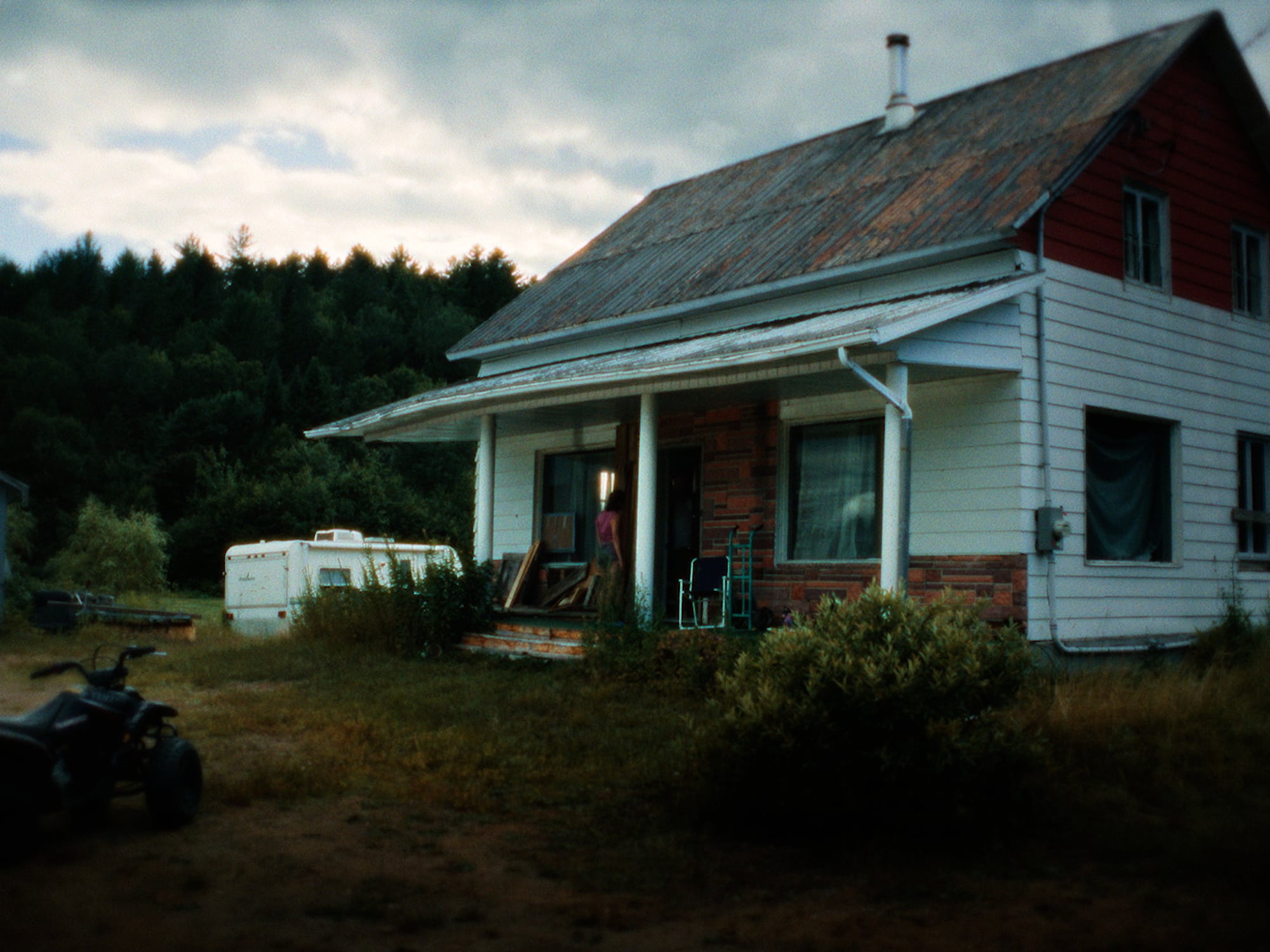
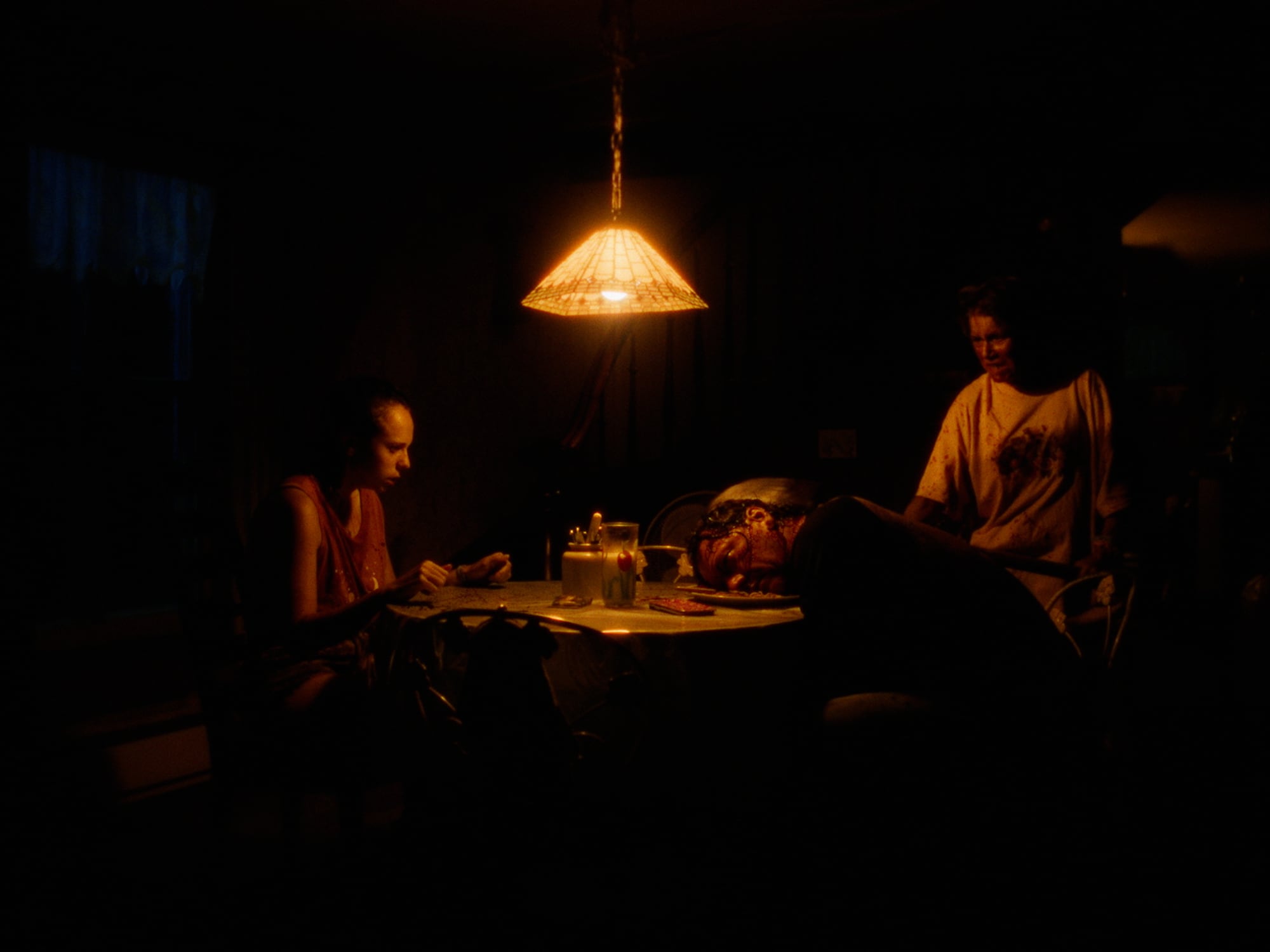
We also do most of our own location scouting, and let me tell you, more than once, we’ve literally found ourselves inside a horror movie, meeting some truly bizarre characters straight out of The Texas Chain Saw Massacre. I remember this one elderly woman, a hoarder who was almost completely deaf, sitting in the dark eating a rotisserie chicken, illuminated only by the flickering light of her old CRT television. It was like walking straight into a movie scene. For Mean Ends, we wanted to create this sort of ‘Québec redneck’ atmosphere, as if the film were taking place somewhere deep in the Louisiana bayou or rural Texas, except transplanted to Québec. Something sweaty, humid, grimy, and slightly rotten. Which isn’t particularly realistic, considering Québec isn’t exactly known for its hot weather, but I think we managed to sell the illusion!
For Éric’s house, we shot in the Rawdon area, roughly half an hour northeast of Montréal. For Marika and her mother’s house, we went to Saint-André-d’Argenteuil, about half an hour west of Montréal. And yes, despite appearing to be right next to each other in the film, the two locations are actually an hour and a half apart!
We wanted to create this sort of ‘Québec redneck’ atmosphere, as if the film were taking place somewhere deep in the Louisiana bayou or rural Texas, except transplanted to Québec.
What did you shoot and then later edit Mean Ends on, and was there a particular reason for your choice of gear?
We shot on an Arri Alexa Mini because we were shooting in pretty cramped spaces so we needed as much space as possible/distance from the subjects without using ultra-wide lenses. We also liked the great natural grain, even at higher ISO in low light, of the Arri sensor. We used Cooke S4 lenses because of their relative small size, and because they could open at T2 throughout the whole set/range of optics. They also have a nice cinematographic bokeh.
We edited in Premiere Pro. There’s not really a reason other than that’s the software our editor was using!
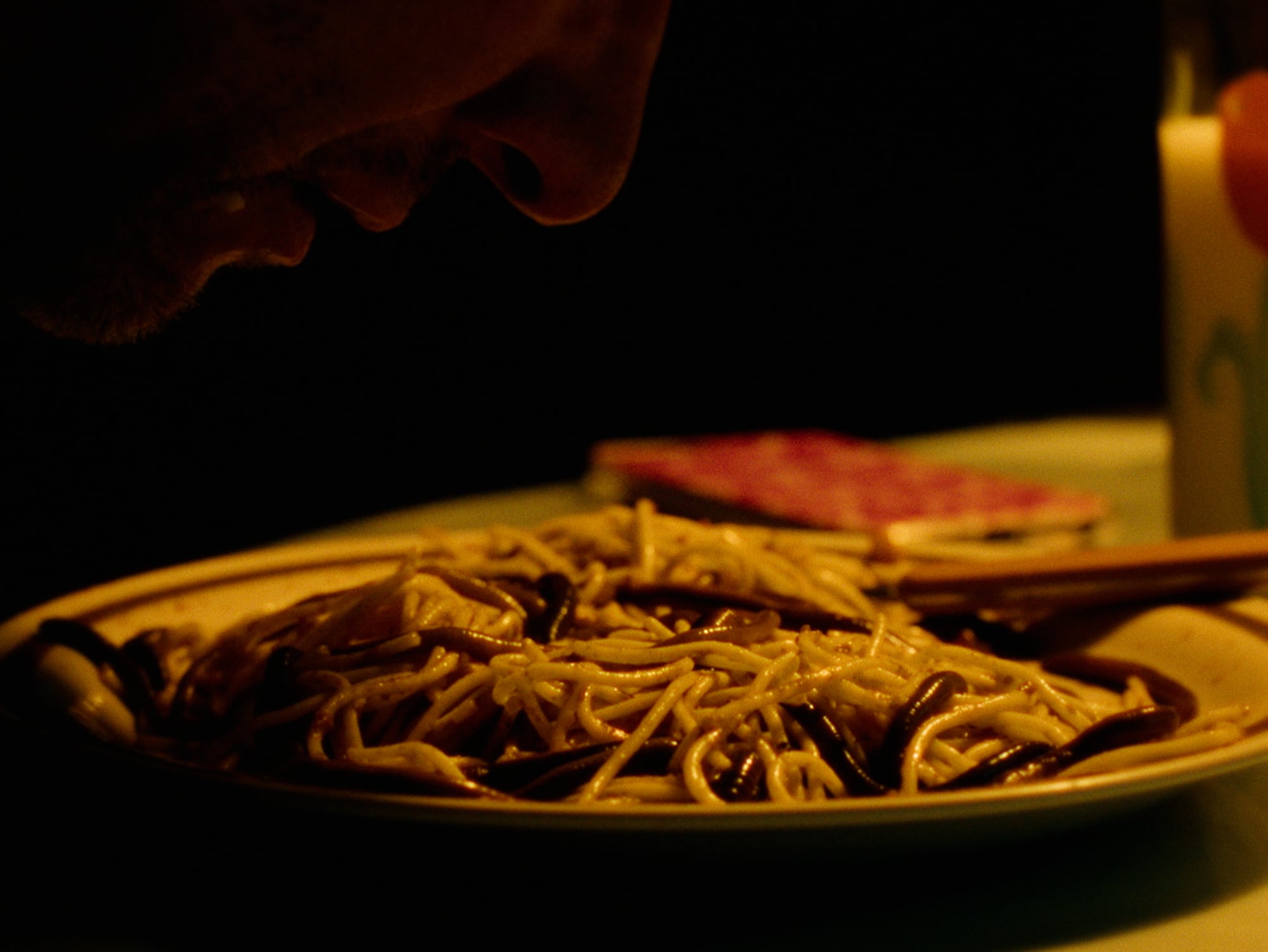
The production design also adds a lot of authenticity for a horror film, including some great effects with the worms in the dinner and the bubbling drink. What was the process to achieve the look of the homes and the dinner table effects?
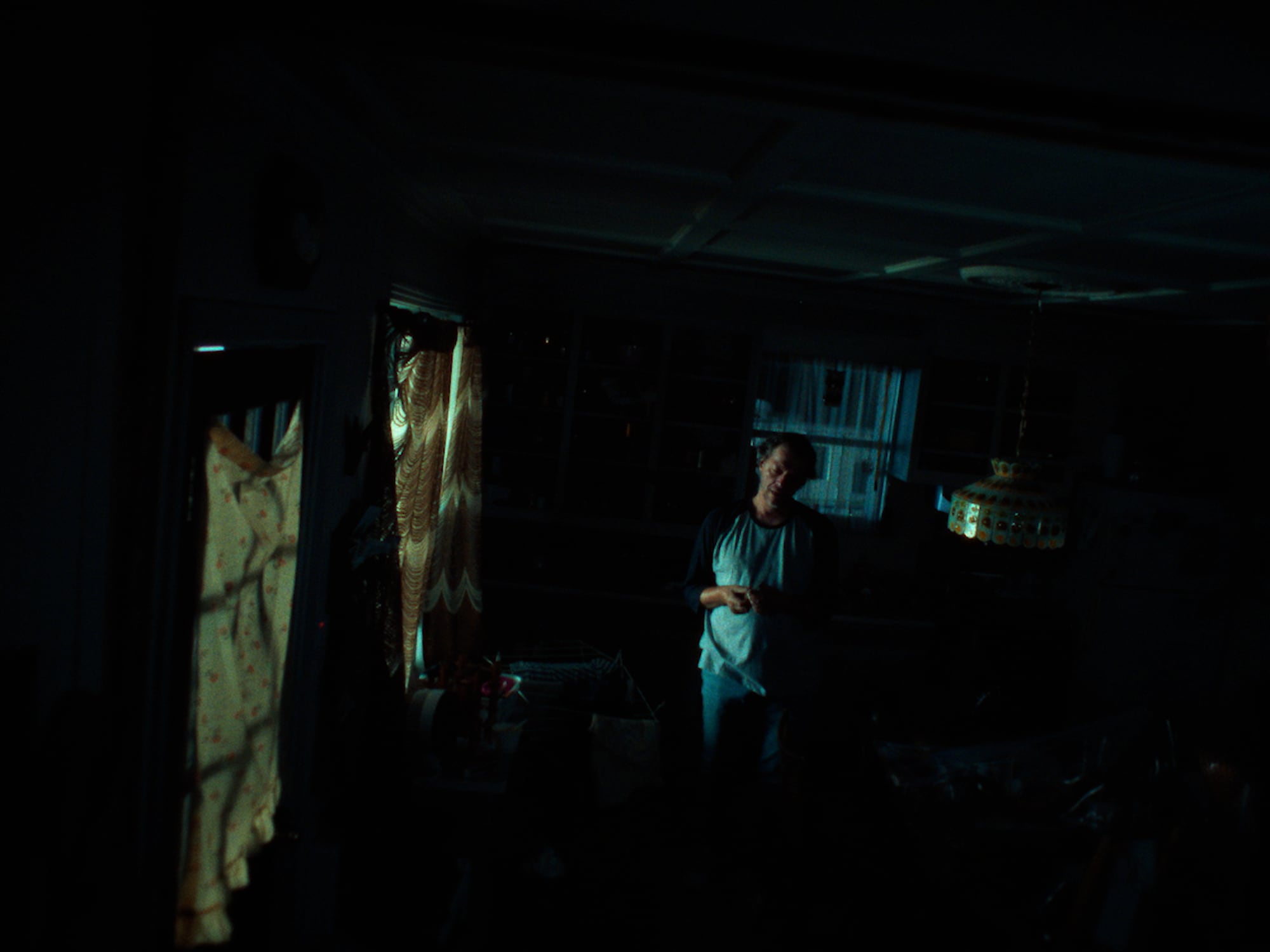
Mathilde Donnard and Philippe Gauvin are extraordinary production designers: dedicated, resourceful, and incredibly quick to understand exactly the kind of film we’re trying to make. We’ve worked with them on every single one of our projects ever since! One slightly heartbreaking thing is that we barely get to see Éric’s house in the finished film. We wanted to preserve a certain mystery around his character and keep up his facade, but in reality, Mathilde and Phil had completely redecorated the entire house, and it looked absolutely incredible. Sorry, guys!
As for Marika’s house, they covered the walls in wallpaper and replaced most of the furniture, using a combination of items already on location and pieces from prop rental houses. The earthworms, meanwhile, came from a little fishing shack nearby.
For the special effects, we worked with the Blood Brothers, a Québec-based practical effects company. The trick behind the glass filling up with blood was actually pretty simple: we drilled a hole in the back of the glass and connected it to a pressurized tube that allowed us to pump fake blood directly into it! As for the fake shovel, that was Rémy Couture’s work. I won’t lie, it was incredibly floppy, almost like a giant buckwheat pancake, so we ended up having to rebuild it in post!
With regard to the soundtrack, you had one song in mind to use but had to pivot to your composer. Can you tell us about that and your creative choices for the score?
Théo Porcet, our composer, is what you might call a Swiss Army knife: he does absolutely everything. Multi-instrumentalist, experimental musician, DJ, electronic music producer, frontman of a punk band, and sound designer. The guy is unstoppable. He’s also a huge horror movie fan, so he had all the right references to build the soundtrack for Mean Ends. Since he was also handling the sound design, he was able to compose the music in a way that seamlessly blended with the sonic environments he was creating.
It’s actually Theo who saw Beau is Afraid first and told us that our main theme was in that movie. When we had to rethink the film’s main theme because the original piece also appeared in Beau Is Afraid, Théo immediately got to work. And I’d be lying if I told you that the piece you hear in the finished film isn’t the very first version he sent us. Flawless victory.
I guess I feel a little bad for her every time, knowing how disturbing the whole experience might be for some viewers.
The film had its world premiere at Fantasia International Film Festival, where it won Best Director and Audience Choice awards. What has the festival run been like for you and what has been your experience sharing the film with audiences?
The festival run for Mean Ends has been incredible! The film screened at around thirty festivals, including the very exciting Palm Springs ShortFest, which we were lucky enough to attend, and won about ten awards along the way! We noticed that the film was particularly popular in the United States, even getting selected for more general-interest festivals, which still surprises me considering how gory the film actually is!
That being said, I have to say that horror fans are simply the best moviegoing crowd ever. Their reactions are so lively, genuine, and enthusiastic. There’s always such a great atmosphere during screenings, followed by tons of conversations afterward. It’s a wonderful, tight-knit community of passionate film lovers who really support one another.
I have to admit, whenever I’m attending a screening, I always find myself eagerly waiting for the film’s final twist, when the audience realizes that Sophie isn’t actually dead. I guess I feel a little bad for her every time, knowing how disturbing the whole experience might be for some viewers. And I’m also always looking forward to the moment people realize that Éric isn’t actually such a bad guy after all!
What’s next for you?
We’re currently in the middle of the festival run for our second short film, Living Grounds (the one we actually started shooting before Mean Ends, ahah!). The film won Best Short Film at Fantasia this year and was also selected for the Tampere Film Festival, the Busan International Short Film Festival, and the Vancouver International Film Festival, among others! We’re really proud of it!
We’re also wrapping up post-production on an anthology project called Six Tiny Broken Hearts, which consists of six short stories about broken hearts that, well, generally don’t end particularly well! The project will be released as a feature film starting in 2027, so keep an eye out! We’ve also secured funding for two more short films, Denise and All Cats Have Nine Lives, which we’ll be shooting in 2027. And finally, we’ve received development funding to write our first traditional feature film, Peachskin, a horror comedy/body horror film produced by 12PM and Maria Gracia Turgeon (Fauve, Brotherhood, Who Do I Belong To). Looks like we’ve got a pretty busy year ahead of us!
And finally, what short film by another filmmaker would you recommend to the Directors Notes community and why?
I just watched Skinny Boots (Skinny Bottines) by Romain F. Dubois, and I genuinely think it’s one of the best short films to come out of Québec (and anywhere in the world, really) that I’ve ever had the pleasure of seeing. The film won the Sony Discovery Award for Best Short Film at Cannes’ Critics’ Week, and it’s absolutely well deserved. It’s an incredibly dynamic film, simple in its story yet wonderfully complex in the way it tells it. It captures Montréal’s grey, slushy winter in a way that feels completely magical and exhilarating. It’s as if the Safdie brothers had directed Home Alone 2. An absolute must-watch.