
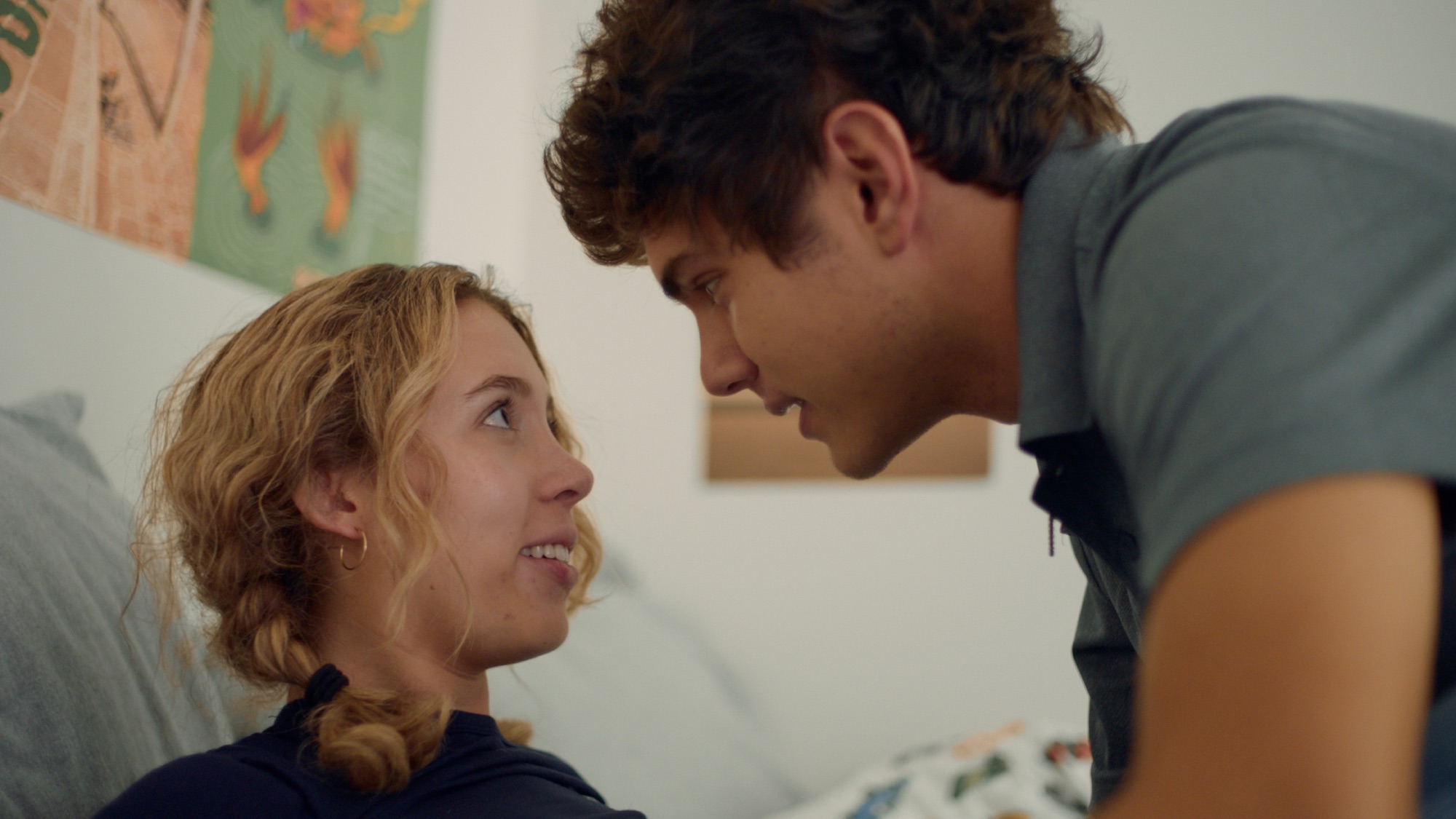
I think we’ve all experienced some sort of trauma, judgement or name-calling that lingers on the back end of your early sexual encounters – whether that be from family members, friends, or foes – and sometimes it can be hard to escape the negativity of others’ opinions. LA-based writer/director Callie Carpinteri brings these feelings, insecurities and anxieties to bear in her latest short Dirty Towel, a fresh addition to her portfolio of films that aim to tell complex, female driven stories which empower women both in front of and behind the camera while inspiring conversations. Kicking off with a stark maternal warning about purity which clearly reflects a long brooded on pain between the lines of its puritanical edict, a teenage girl’s first exploration of sex is inevitably coloured by feelings of shame and guilt which exist on a generational and societal continuum that far predates her personal succumbing to the ‘evils of fornication’. Dirty Towel is a film that takes experiences and expectations of women from all over the world – with Callie, her co-writer and lead actor Emma Parks, and the entire female led crew acting as the catalysts – transforming them into a nuanced, contemporary tale that tackles recurring, out-dated stereotypes and pearl-clutching morals with a well-thought out blend of family relationships, comedic timing and self-empowerment. Callie joins DN to unpick Dirty Towel, where we discuss the true inspiration behind the titular metaphor, her brilliantly executed soundtrack, and the ensemble of emotions she brings to life in this thoughtful exploration of shame, expectations and self-worth.
Can you share the influences that went into creating this film? In what ways did you adapt stories – such as the ‘Dirty Towel’ metaphor – into a relatable situation for the screen? How is it different to your other projects that deal with similar themes?
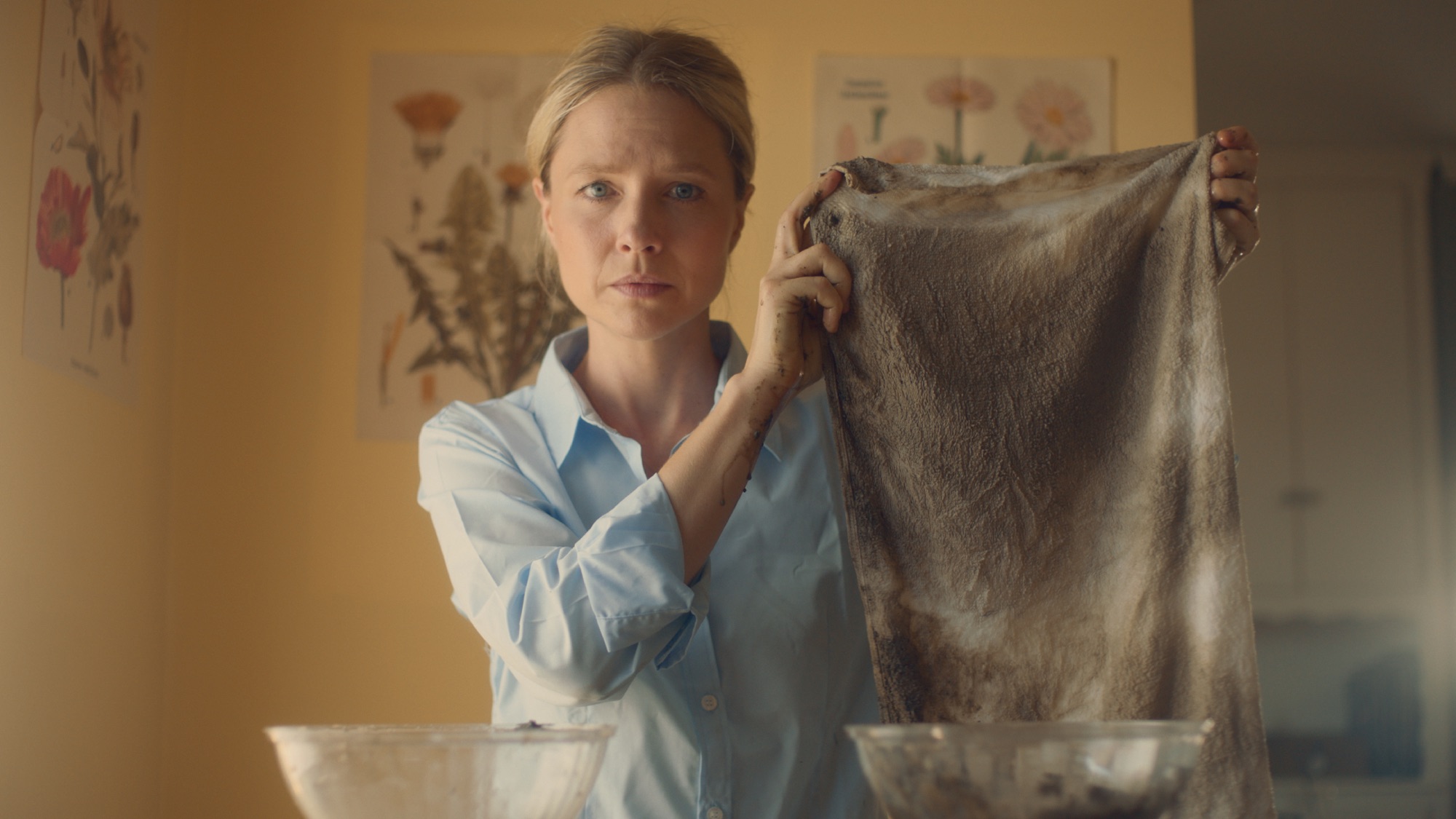
After graduating college and moving from Florida to Los Angeles, I really wanted to make a film to help me find my voice. While I’ve always been drawn to telling very character-driven stories that empower people and spark conversation, I wanted to explore a topic that felt both deeply personal and widely relevant. Dirty Towel was born out of a conversation between my cousin (and eventual co-writer), Emma Parks, and I about the shame people often feel around sex. We started opening up about our own experiences and the shame that we had felt but never talked about before. As we began talking to more and more women in our lives, we quickly realised we weren’t alone. Unfortunately, whether from religion, society, or personal relationships, so many people have experienced this shame in one way or another. We decided to make Dirty Towel to help change this narrative. During one of our early brainstorming sessions, Emma shared a story about a friend whose mom used a white towel with dirty handprints to symbolise the ‘damage’ a girl carries after having sex. While we didn’t hear that exact speech we were told, our own iterations and the image of the dirty towel stuck with us, ultimately becoming the inspiration for the film’s metaphor.
Unfortunately, whether from religion, society, or personal relationships, so many people have experienced this shame in one way or another.
When developing Charlie’s story, we pulled directly from our own experiences to make it feel as authentic, relatable, and grounded as possible. This process forced me to be vulnerable in a way I hadn’t ever done before. The spiral Charlie goes through, the weight of the guilt and shame she carries, are all very real feelings and experiences I’ve lived through. It was very tough at times, but cathartic to make this film and in fact, it actually led to some tough, but healing conversations with my own mom. Though I had made a few other shorts before, some of which explored similar themes of identity and self-worth, Dirty Towel was by far the most challenging and meaningful. Sharing something that’s so personal and vulnerable to the world is scary, but if it helps even one person feel less alone, then it was absolutely worth it.
What choices did you make to ensure a healthy dichotomy between drama and comedy, and in what ways did you adjust to relieve or add tension throughout the film?
We always knew we wanted the tone to live in that space between drama and comedy so the decisions on how to strike that balance began in the writing process. We let Charlie’s emotional journey guide the tone of each scene, allowing humour or tension to flow naturally depending on where she was internally. During production, we made sure to capture a range of performances, especially for key moments that could swing either way. But honestly, it wasn’t until post-production that things really clicked.
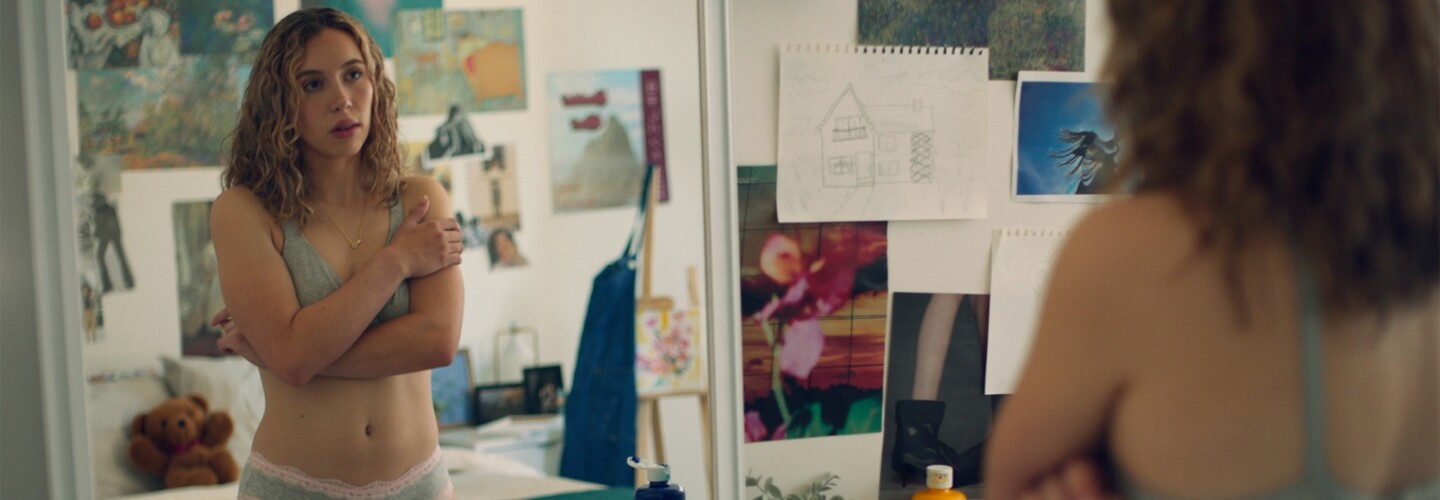
My editor, Jesi Rojas, and I spent a long time shaping the rhythm of the film, adjusting each moment as needed to best serve the story. A great example is the mirror scene after Charlie’s shower. In the script, it is written to start with a hint of humor as Charlie shifts into different poses in front of the mirror, trying to feel confident with herself before the weight of her discomfort sinks in. However, in Jesi’s first edit, the scene was cut almost identical to how you see it in the film. It moved me instantly. We tried a version adding in some humor, but ultimately found that staying in that vulnerable, intimate discomfort was far more powerful for Charlie’s arc. We found ourselves doing that in a few other scenes too, adjusting timing, frame length, and performances until we found the right balance.
Most Popular
So what’s the story behind the choice of soundtrack? The drums and flute motif is a brilliant addition.
Thank you! I love this question because it gives me a chance to talk about our wonderful composer, Rosalind Wong. I’m not a musically inclined person so when Ros came on board with such amazing insight and ideas, it was a huge gift. From our first conversations about the score, she was very drawn to using flutes and drums, especially for the scenes where Charlie’s anxiety is most heightened. Since sex is often treated as a primal, natural act, we loved the idea of those moments sounding almost primal but turning it on its head, emphasising the pressure and shame Charlie feels around something that ‘should’ be natural.
Ros also had the brilliant idea to score Charlie’s sexual experience with a soft, sweet flute before reintroducing the flute later in a much more anxious, tense way. The contrast really mirrors the way Charlie’s feelings about her sexual experience shift and become distorted as the shame starts to overwhelm her. She also used guitar as a motif for Elizabeth, Charlie’s mom, which added a grounded, emotional texture to her character, especially during the flashback scene. Ros was so intentional with every instrument and choice, and I truly believe the score elevated the film in ways I didn’t even realise were possible.
Since sex is often treated as a primal, natural act, we loved the idea of those moments sounding almost primal but turning it on its head.
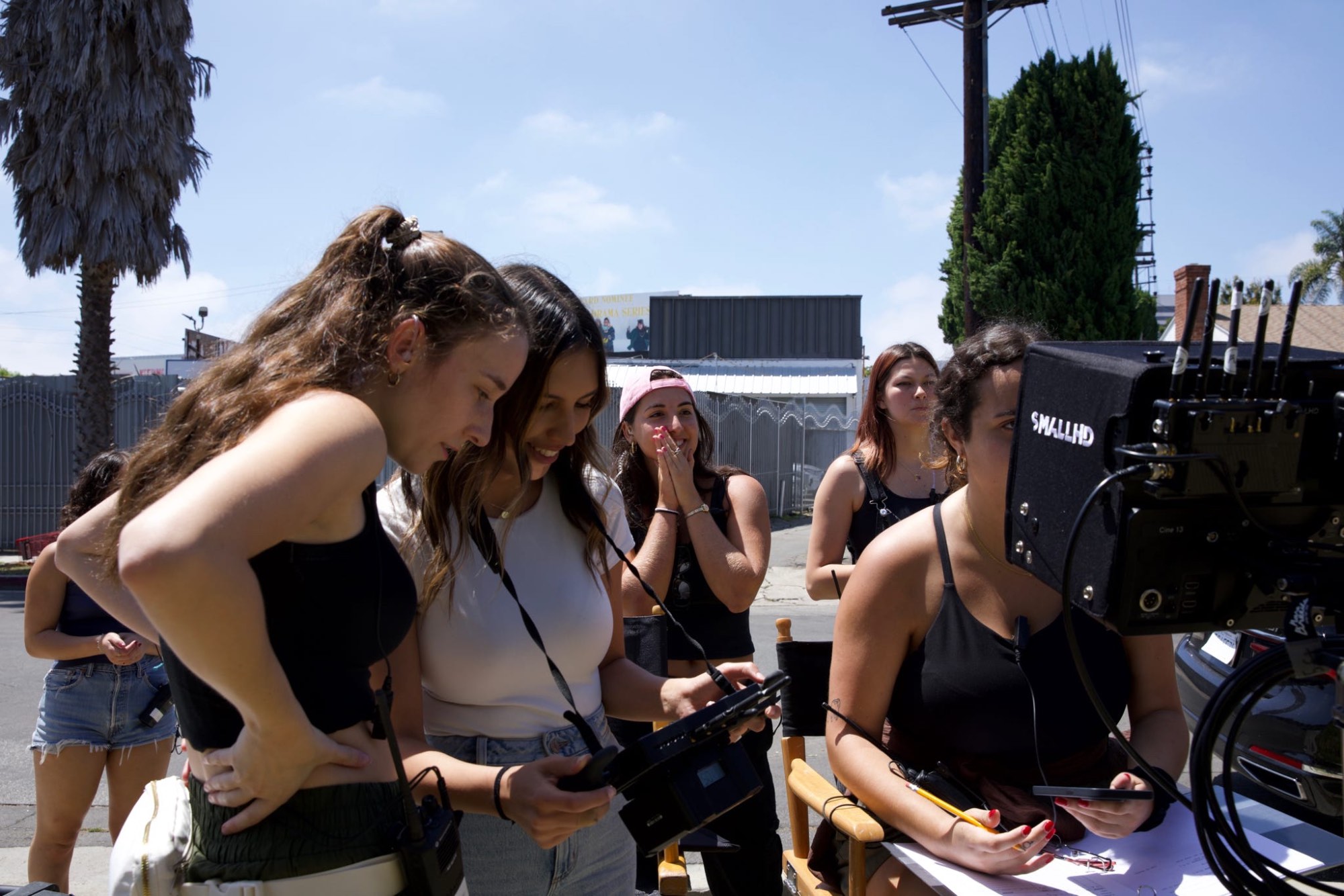
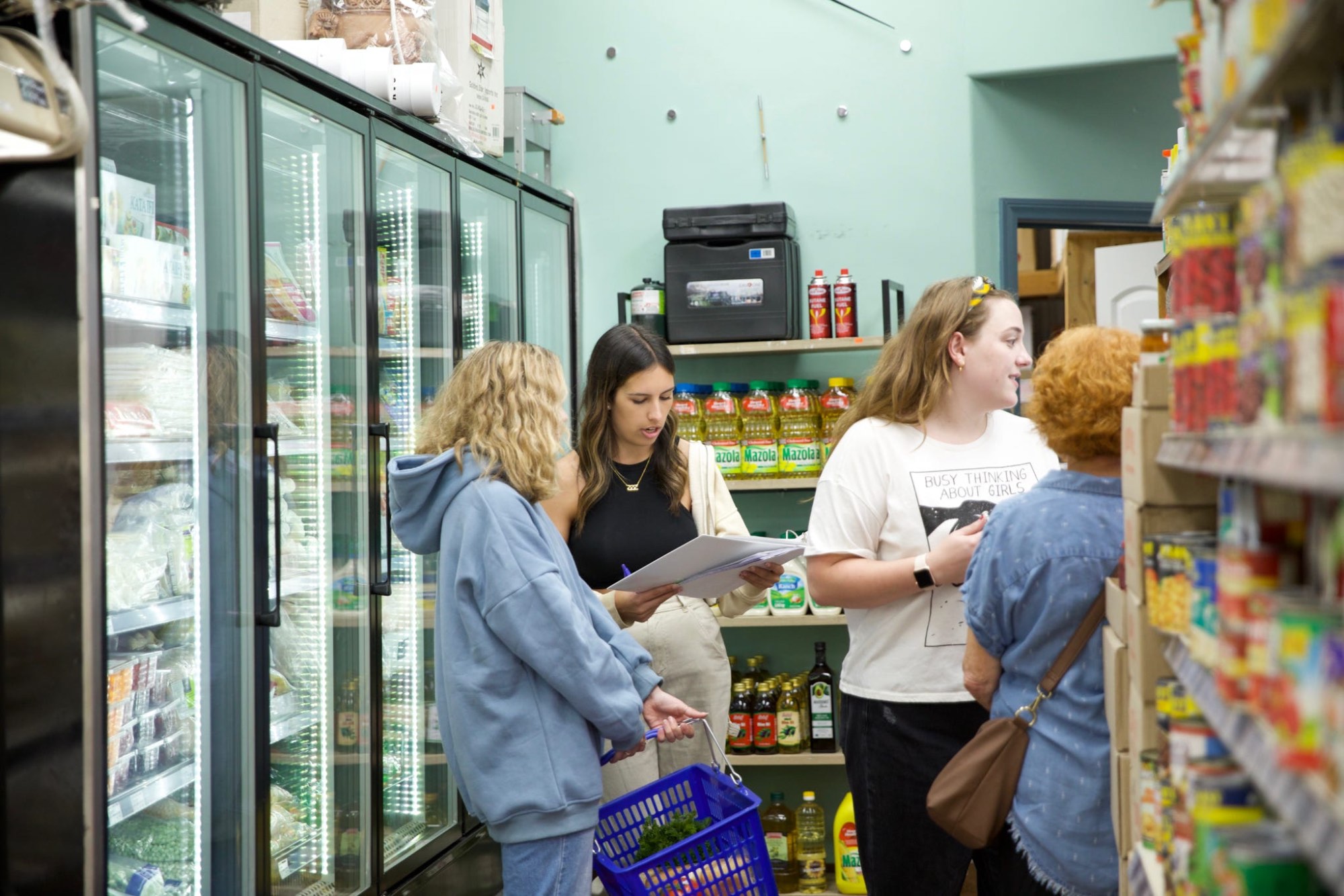

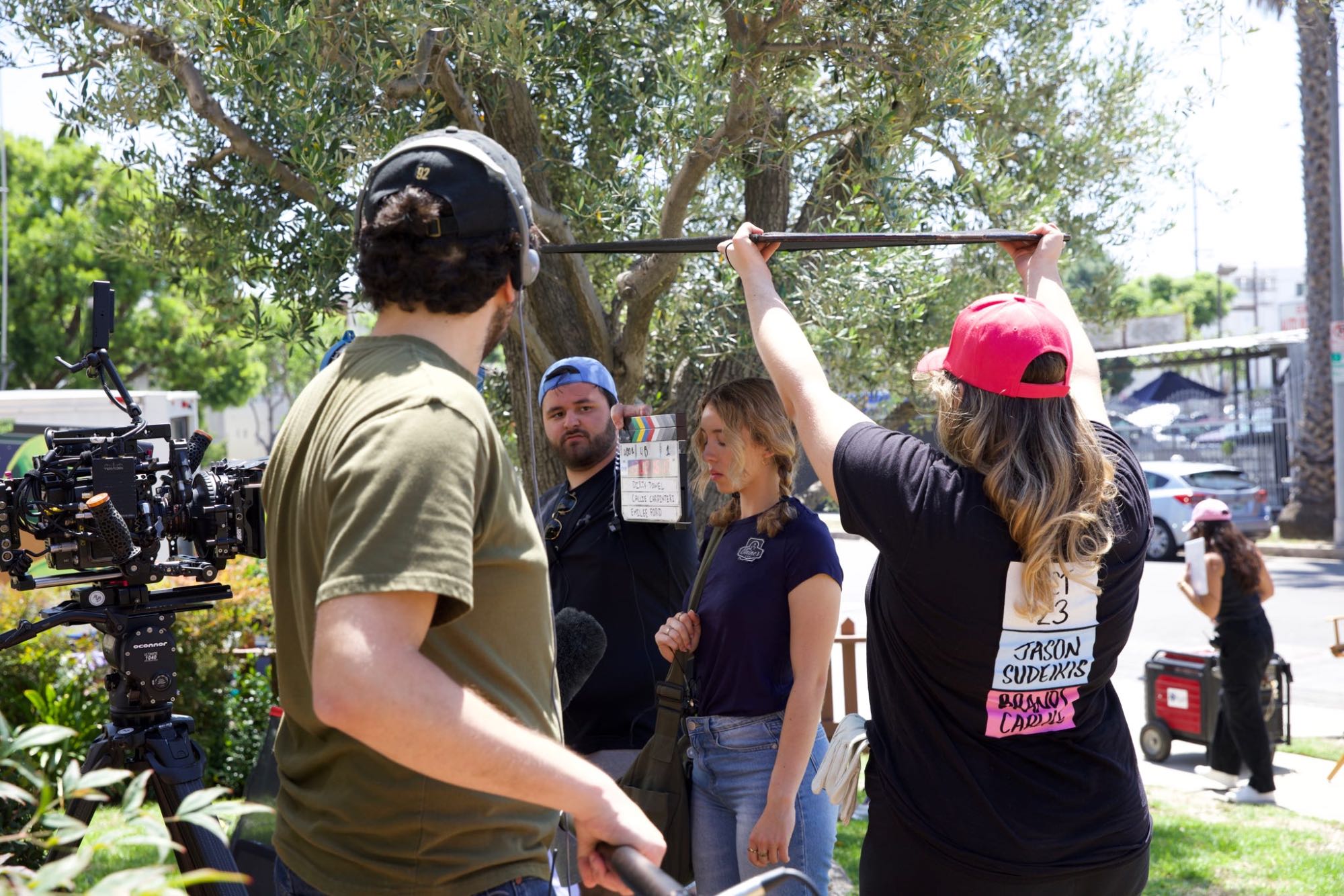
You worked with a predominantly female crew of collaborators for Dirty Towel. What was the journey like from start to finish in terms of gathering stories, emotions and thoughts on the subject? How did this impact the final cut?
Early in our development process, Emma and I spoke with many women in our lives about their experiences with shame and sexuality. Hearing the range of stories, whether shaped by religion, culture, or family, reaffirmed for us that this was a story worth telling. While Dirty Towel focuses primarily on generational shame, we pulled from both the stories we heard and our own experiences to craft something we hoped would feel universally relatable. As a female filmmaker, I’ve always been passionate about increasing the representation of women not just in front of the camera, but behind it as well.
As Dirty Towel is told through such a female lens, I knew from the start I wanted an all female key crew. As each member joined the film, we had deep conversations about what the story meant to them and how they connected to it. Having a team of women who had lived through similar experiences created a space of empathy and understanding throughout the process. Honestly, making this film together became a very healing experience for all of us. I truly believe the care and intention from every single person on the team impacted the film in a beautiful way, from the visual style to the editing, to the production design, score, and more. You can feel it in every frame.
Having a team of women who had lived through similar experiences created a space of empathy and understanding throughout the process.
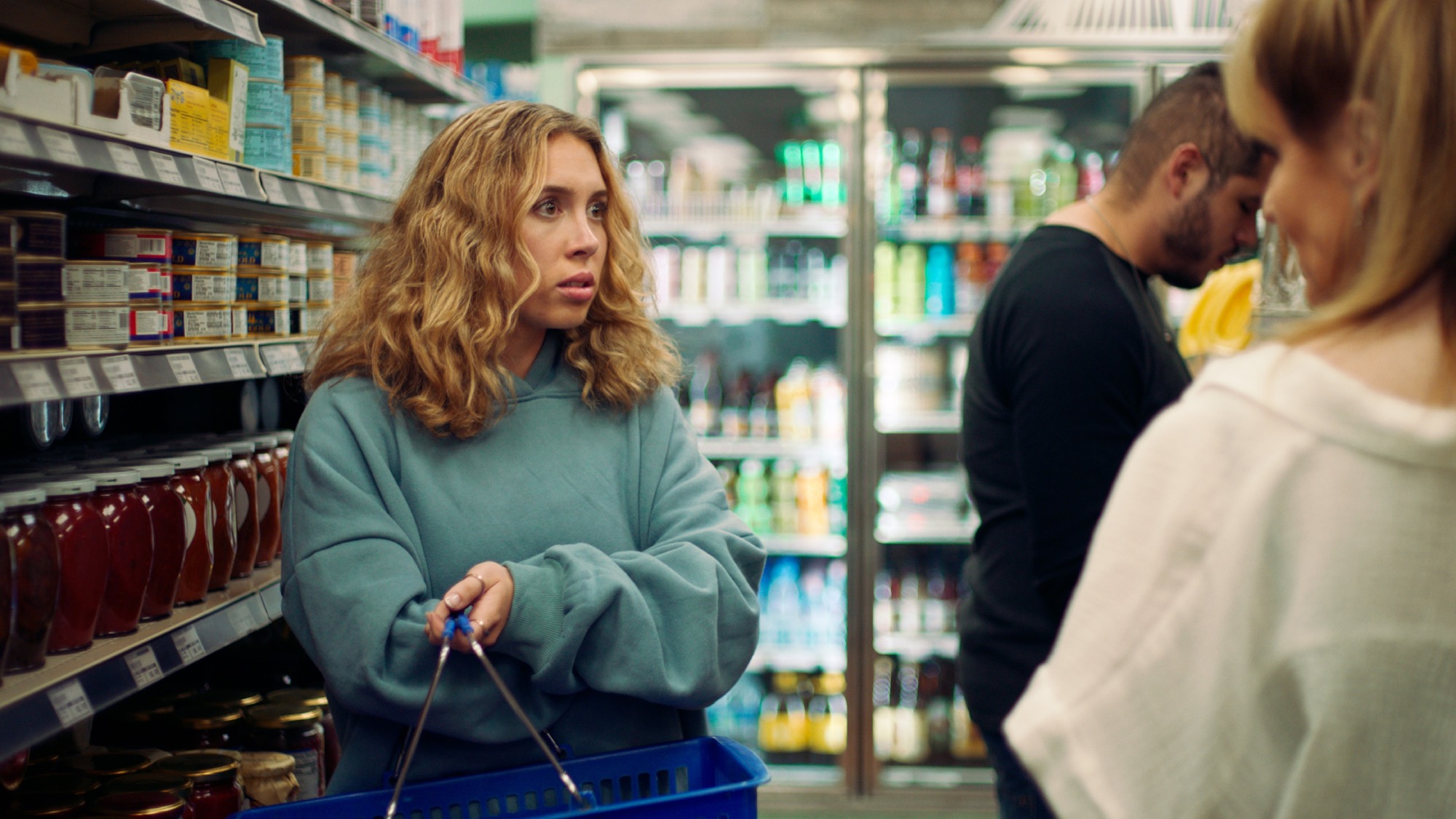
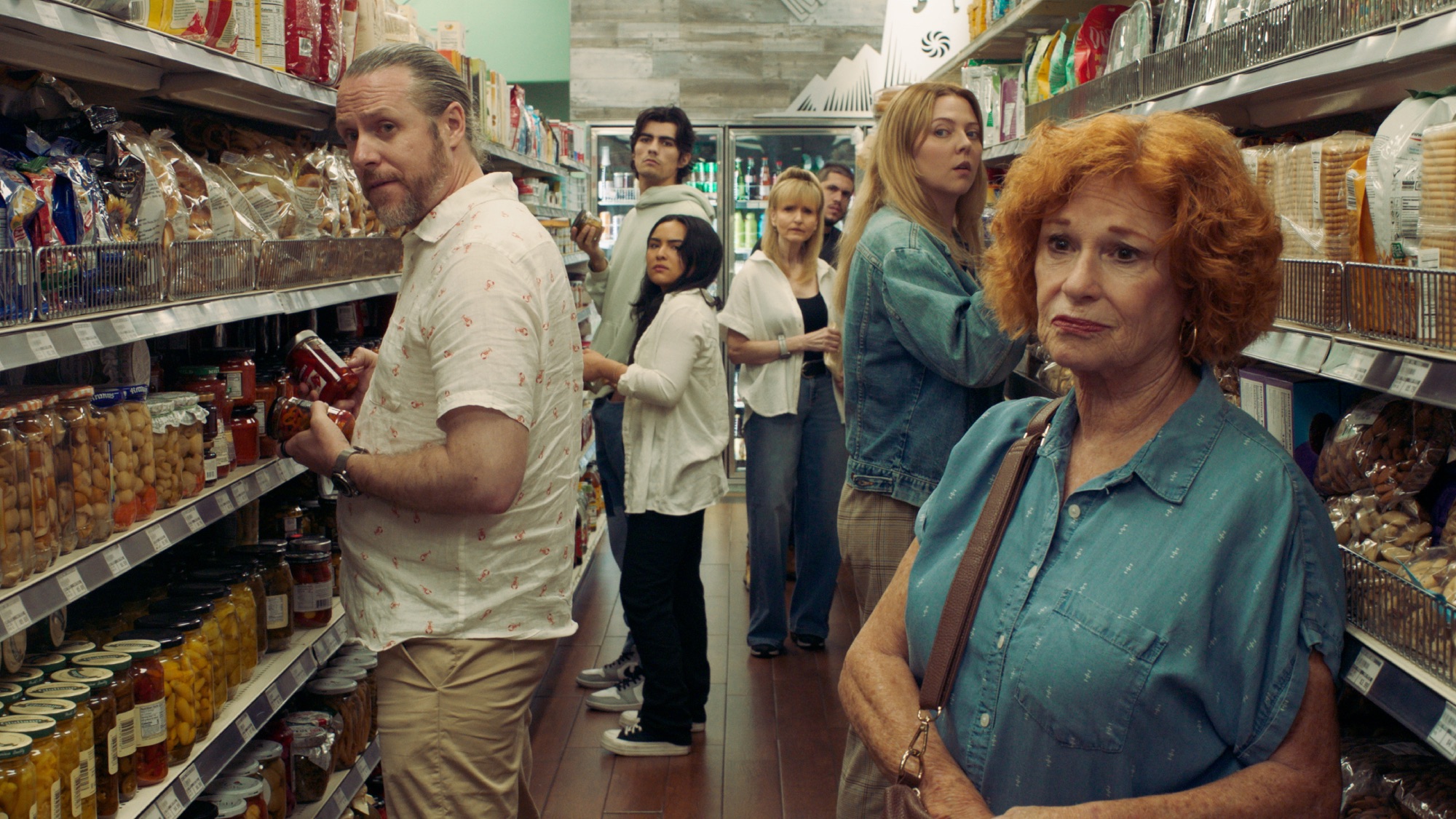
The supermarket scene plays like concentrated exposure of what a lot of people have suffered after their first time – shame, judgement, embarrassment. What was the thinking behind the way you shot that scene?
It’s funny you ask because this was actually the scene I was most nervous about before production for many reasons. Logistically, it was one of the most challenging days. We had a very limited time to shoot this scene after hours at a small grocery store so as soon as we arrived, it was an all-hands on deck effort to get everything done within our tight timeframe. We also had the most amount of extras of any scene, so I worked closely with our second AD, Olivia Cerio, to coordinate everything with them. The extras were all so lovely and supportive, and although the night was chaotic, I wouldn’t have done it any other way.
On a story level, it really is the peak of the shame that Charlie suffers from throughout the film. I didn’t want it to feel too over-the-top but I did want it to feel intense and overwhelming. When you’re dealing with internalised shame so deeply like Charlie is, it really does feel like everyone is judging you, even if they aren’t, and I wanted to capture that. My DP, Emilee Ford, and I talked a lot about how to visually represent that feeling. The tightness of the aisle helped a lot with the blocking and we moved the camera in a way that made it feel like we were right there with Charlie, traveling down the aisle. For the POV shots, we wanted them to feel very haunting and surreal, mirroring her perception. The sound design and music also played a huge part in building that tension. Even though no one actually says anything to her, the shame is loud in Charlie’s head, and that’s what I wanted the audience to feel.
The ending of the film is a full circle moment where Charlie comes back to the symbolism of the ‘dirty towel’ with a fresh, progressive take.
We always knew that we wanted Charlie to eventually reclaim and redefine the ‘dirty towel’ metaphor. However, we went back and forth on what that would look like and if she would have that final speech, our biggest concern was that it might feel cliché or too on-the-nose. But as we continued to develop the film, we realised that hearing her actually say the words made the most sense for her character. We knew it would be cathartic for her, and hopefully, for the audience as well. She’s not repeating a speech she’s memorised, she’s realising everything as she’s saying it, which felt like the most honest choice for the film. So much of sex and shame is internalised and left unsaid, so we hoped by giving Charlie a voice to call out the metaphor, it would spark conversations beyond the screen.
While we wrote out the basis of the speech in the script, during production I encouraged Emma to improvise whatever felt most natural to her. We tried different takes, one more emotional, one more defiant, until we found the right balance. I truly think the moment comes together in a full circle way, not just because of what Charlie says, but also Emma’s beautiful performance. You can really feel Charlie stepping into her voice for the first time and beginning to let go of the shame that’s been passed down to her.
So much of sex and shame is internalised and left unsaid, so we hoped by giving Charlie a voice to call out the metaphor, it would spark conversations beyond the screen.
Dirty Towel feels like a project that could evolve into a larger narrative feature. Do you and Emma have any plans for that, and what else are you working on at the moment?
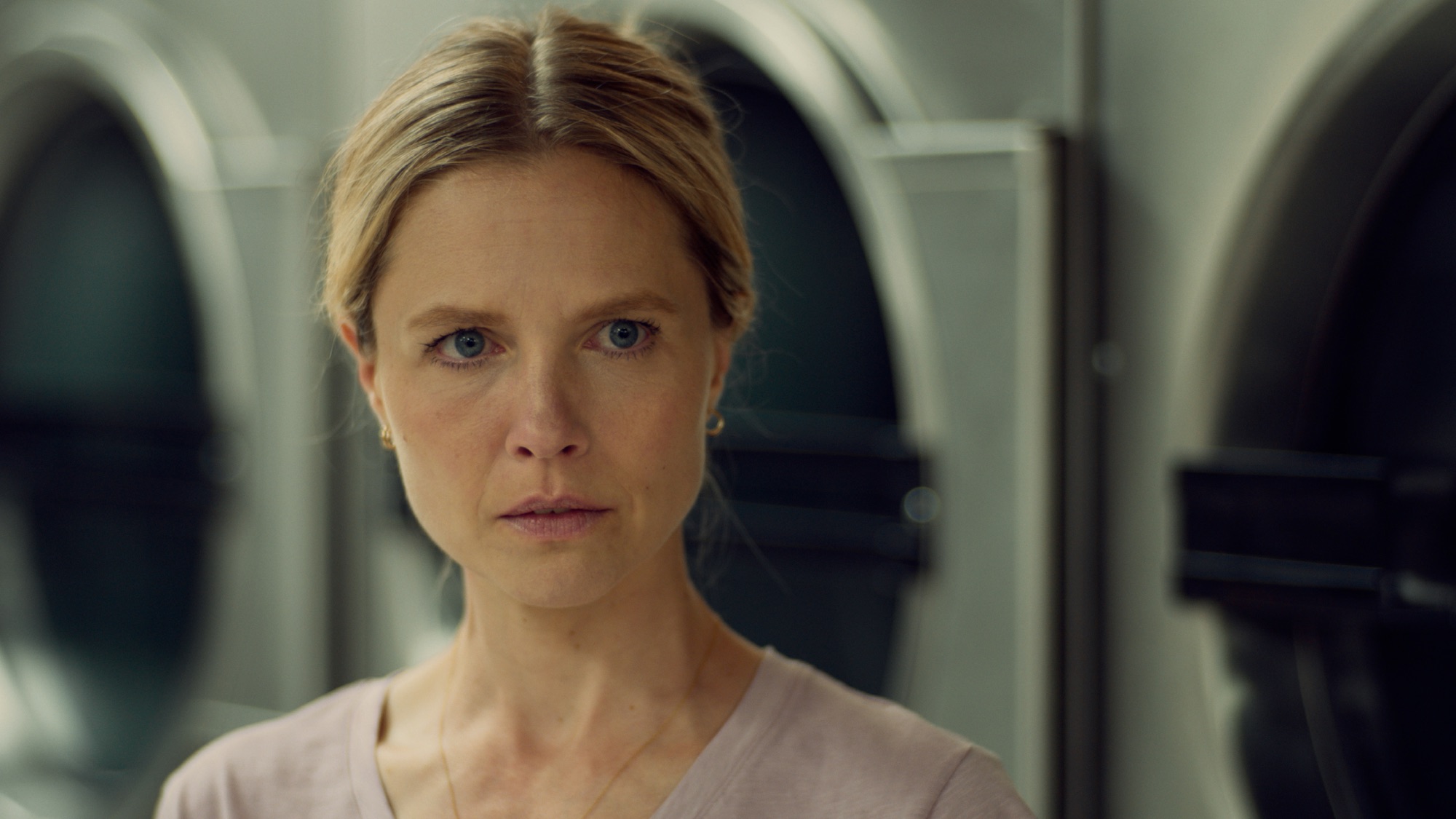
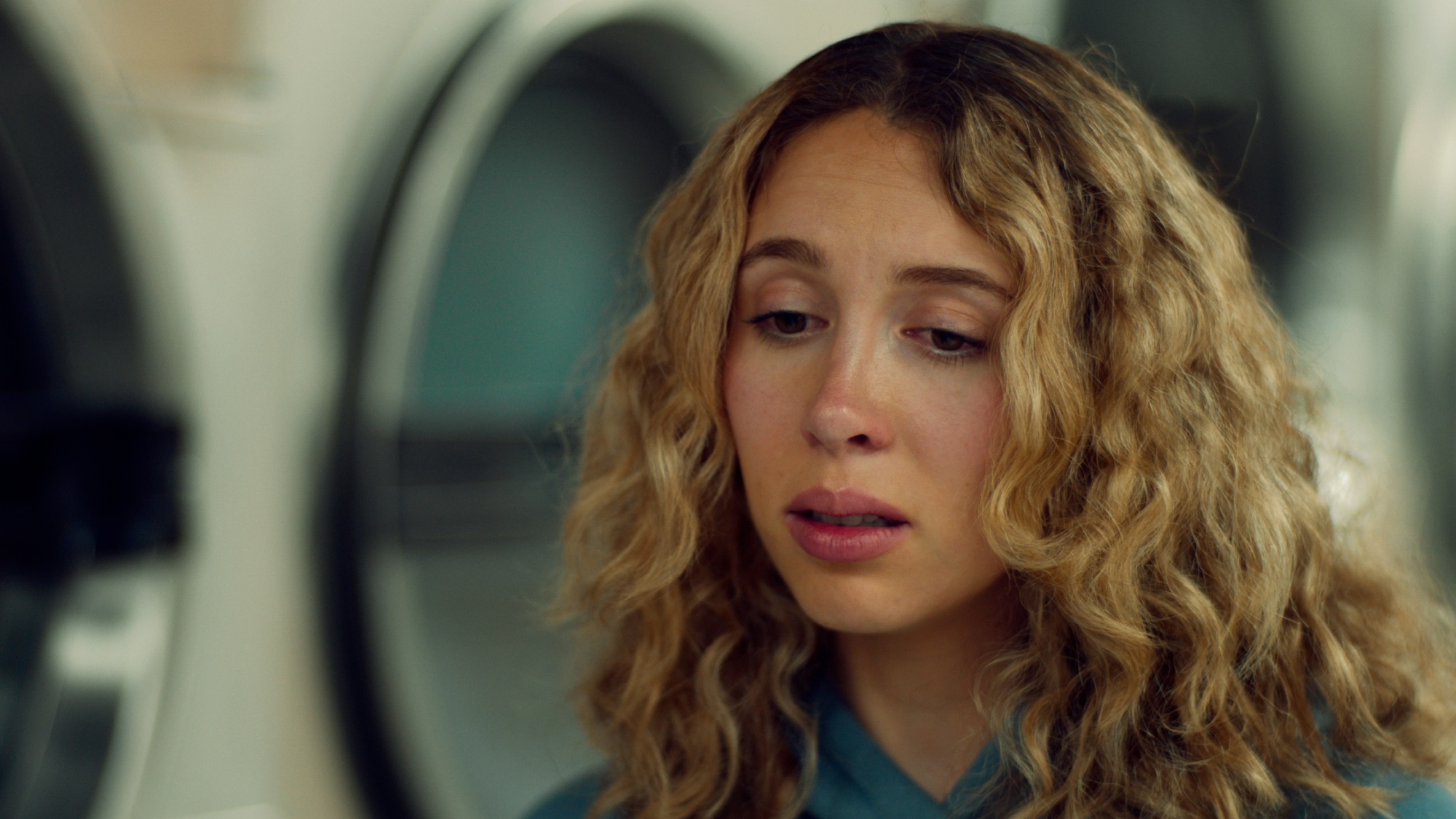
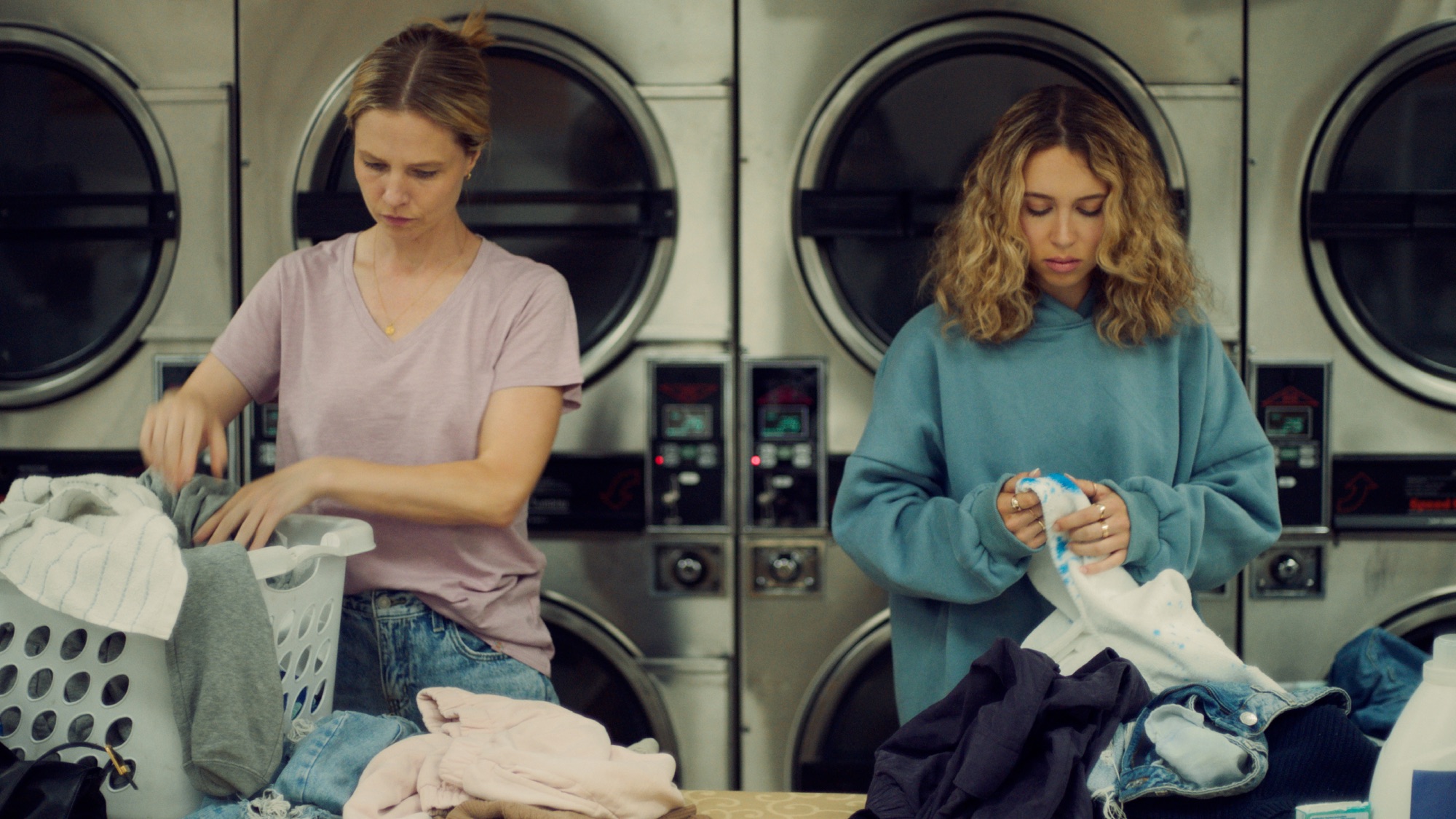
Yes! Emma and I always envisioned Dirty Towel as a proof-of-concept for a feature length version. Since finishing the short, we’ve written the full-length script and are currently taking active steps to get it made. The feature film is a dual coming-of-age story for both Charlie and her mother, Elizabeth. We dive deeper into their relationship, while also exploring Elizabeth’s backstory and how her own internalized shame has shaped who she is. We also introduce Charlie’s grandmother, allowing us to explore the generational impact of shame across the three generations of women and how it affects their identities, relationships, and choices.
Outside of Dirty Towel, I’m in post-production on my newest short, Stuffed, an anxiety-inducing family drama. I’m also continuing to develop and write new projects that explore identity, sexuality, family dynamics, and the pressures women face.