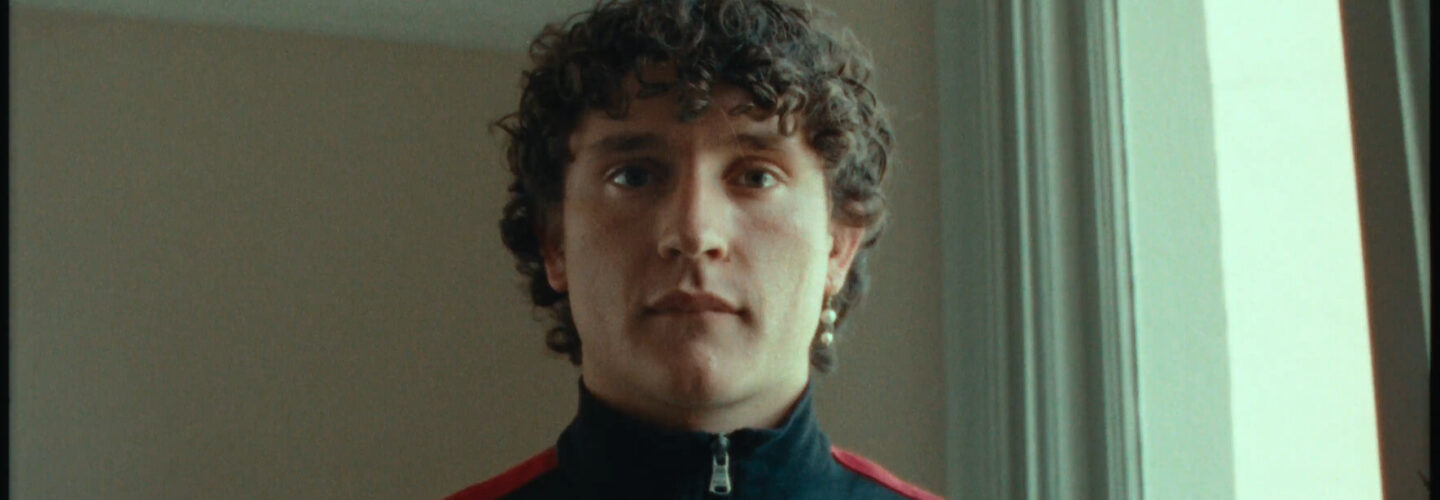

“It’s topical yet leaves people with a sense of hope, something people are craving at the moment.” Edie Amos perfectly sums up her beautifully cinematic documentary short Just A Boy, crafted around the powerful words of TikToker and poet Sam Browne – words that fly in the face of any social media influencer peddling misogyny and toxic masculinity. It’s a vital film that arrives at a time when people like Andrew Tate, with their CEO/Lone Wolf mentality who espouse self-proclaimed male dominance (although not so much in the boxing ring!), are increasingly finding foothold in online spaces among more and more impressionable young men. Just A Boy is a much-needed antidote to that. As well as all men, young and old, it should be essential viewing for those raising teenage sons, in the hope of giving them a far healthier and altruistic image of what manliness can be. It is an inspiring, uplifting and life-affirming short film that redefines and challenges traditional ideals of masculinity that is a perfect blend of spoken word and filmic language, each complimenting the other in terms of style and flow, and one that Directors Notes is proud to premiere and platform alongside our interview with Amos in which we discuss the immediate draw she felt to work with Sam, balancing the production planning required for a 16mm passion project shoot with enough flexibility to let inspiration strike and integrating expressive animated elements which reveal the inner landscape of her subject’s mind.
Sam Browne first came to your attention via his TikTok channel. What was it about his work that resonated with you and how did those early conversations about collaborating progress?
As with most documentaries, the story found me rather than the other way around. My sister first introduced me to Sam when she sent me his video Silly Billy on TikTok last year, and I immediately knew I wanted to work with him. The topics he often addresses in his work: manhood, mental health, the online world, loneliness – are things I share a mutual interest in. She was 21 at the time (a similar age to Sam) and he started to pop up in her algorithm. I was struck by his humour and hope. Discourse on this subject can be primarily negative, and I was inspired to see someone commenting from a more nuanced angle. Fundamentally, he was speaking as someone with ‘direct’ experience, rather than an outsider looking in. Sam’s work is confronting, without being disparaging. I felt like he was cutting through in a genuinely meaningful way and I was really excited to follow along with his journey in any way I could. I stumbled upon him at a pivotal part of his career. At our first meeting, over a cup of tea in the Soho Theatre café, I discovered he’d been performing for only six months, and his audience was growing at an incredible pace.
Discourse on this subject can be primarily negative, and I was inspired to see someone commenting from a more nuanced angle.
Initially, the plan was to create music video-style films for some of his poems. As a director, I found his work to be immediately inspiring. I could see the visuals as I listened along to his words, which is always a hugely positive starting place. As our meetings and conversations developed, I knew a good, realistic place to start was with a short documentary piece. Passion projects are so hard to get off the ground, and I was keen for our creative journey to begin as soon as possible. The beauty of passion projects is the ability to work to your own timelines (budget dependent!) and being reactive to the wave of Sam’s success felt really important. During one of those early conversations, Sam mentioned an idea for a show called Just A Boy. He was reflecting on his newfound online audience and the pressures of being a vocal online presence. He felt the phrase had multiple meanings that articulated his lived experience, and upon hearing that, our documentary was born.


With Sam already used to creating his own content, how did that collaboration continue once you were both on set?
Sam was really happy for me to take the creative reins and loved the treatment that conveyed the visual style. Where we collaborated most beautifully was in story. There was real synergy and a shared vision when it came to articulating the narrative. That mutual understanding meant Sam understood what I was trying to get from each scene, giving me exactly what I needed, and more in performance and interview. My sense is he enjoyed seeing another creative response to his work. Being a poet (much like a director) can be insular, but Sam has always endeavoured to put his voice out there for the audience – whether through live performance or his online posts – to interpret. I think the opportunity to have his work presented through a new medium felt appealing to him.
Most Popular
Deciding early that you wanted to shoot on 16mm film, how did this inform your initial concepts of how to capture Sam’s world with cinematographer Carmen Pellon Brussosa?
To shoot on minimal 16mm film, I knew we had to approach the shoot partly with my commercial storytelling head on. First and foremost, the question was: how can we tell this story concisely, without jeopardising the need for that documentary flexibility where the magic is so often found? I needed to do much of the story producing in pre-production, and had a fairly clear agenda for the interview. I didn’t go as far as boarding, but I mapped each b-roll location, listing shot options that felt in conversation with what I hoped Sam would say. The smartest decision was starting the day with the interview so we could inform our decisions when shooting the b-roll, trying to capture what felt relevant, essentially crafting the edit as we went along.
The prep was vital in giving us a solid location and visual reference plan to work off, but most shots were formulated as we went. Carmen and I have a longstanding creative relationship, and a great shorthand where we know each other’s taste and style. We often agree on on-the-fly decisions for a shot’s action or composition.

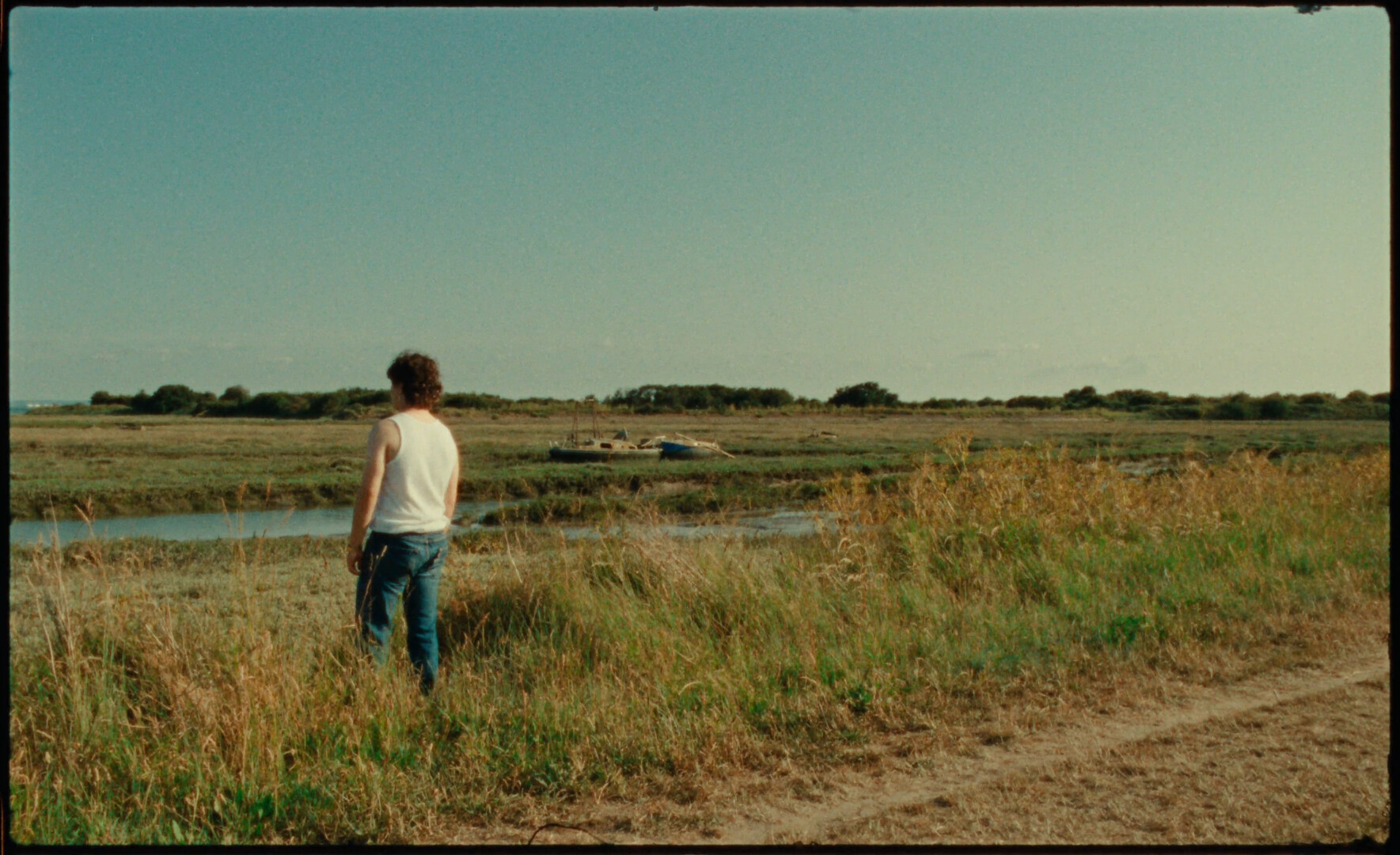
The seaside location for many sections of the film offers a timeless, almost nostalgic, feel to the film.
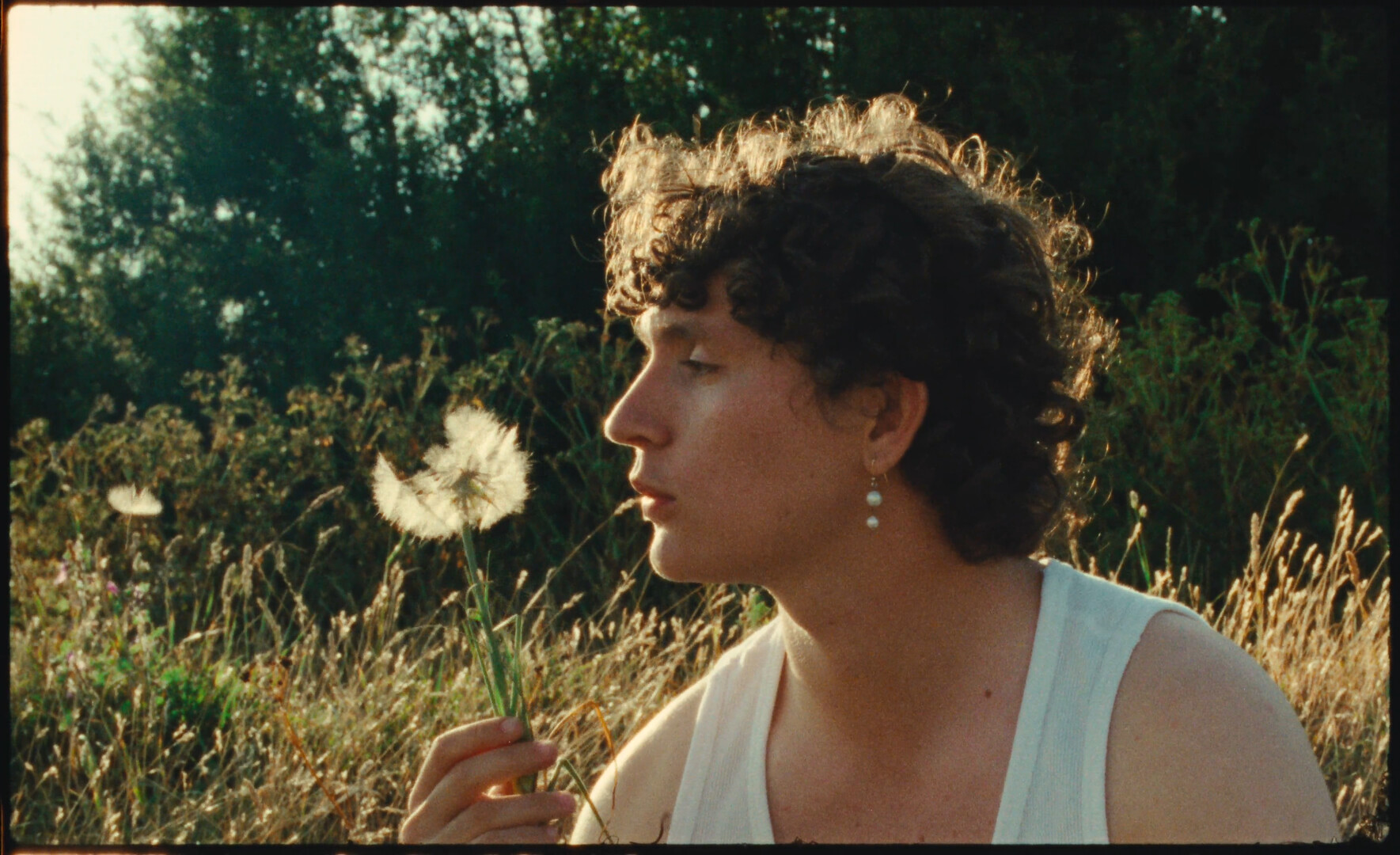
We shot the film at Sam’s childhood home in Southend-on-Sea in mid-June and got incredibly lucky with the British weather. I knew I wanted the look of the film to be inspired by the geographical surroundings – finding moments of intense vibrancy and contrasting them with greyer, industrial scenes. This not only symbolised the world Sam grew up in, but also the light-and-dark themes of his poems. Having grown up there, Sam had an intrinsic knowledge of the area and with the help of Google Maps, I was able to ‘recce’ each b-roll location before we shot.
I knew I wanted the look of the film to be inspired by the geographical surroundings – finding moments of intense vibrancy and contrasting them with greyer, industrial scenes.
The magic of documentaries always allows room for flex, a great example here being the skatepark I spotted in the distance. It looked beautiful in the evening sun, and I could see a few boys’ silhouettes skating. I thought it would make a nice b-roll moment, seeing as we were talking about young men and finding joy and purpose. Sam said: “Let’s walk over there, maybe I’ll recognise some of them, and we’ll ask if they don’t mind being filmed”. It turns out they were his best mates, and we ended up getting one of the most poignant scenes of the film, totally unplanned. Fortuitously, we were able to shoot in one (very long!) day.
Despite having a clear plan going into post-production, you’ve said there was still some room to play. Were there any surprises or happy accidents found with editor Victoria Man?
The poems gave us clear anchors for the film, a great starting point. Thematically, we knew what we needed to slot in between, but as is the way with documentaries, there were a million different ways we could have cut the film. Victoria did an incredible job at piecing together the story in a concise way, finding little links or moments I would have overlooked, that suddenly made everything slot into place.
Sam gave so many insightful answers, and a lot of them were really tough to leave on the cutting room floor. We tested a few versions with different sound bites in the slots between poems, each working in its own way but yielding very different outcomes. Seeing different options side by side, plus a lot of time discussing the formula for a successful short: how sometimes less is more, and ultimately having one clear mission with your storytelling, and a satisfying ending was key, we quickly aligned on the best direction for the film. We realised that this film was about introducing Sam to the world, not about letting the audience into every aspect of his mind, but more about showing his personal journey of escaping the manosphere and his onward mission to help others in a similar position.
In terms of actual edit time together, I think we only had two or three in-person sessions, and amazingly, V1 was very close to the final film. I think this is a testament to Victoria’s ability to understand and craft story, as well as to the work we did in pre-production to plan the film’s structure.
We realised that this film was about introducing Sam to the world, not about letting the audience into every aspect of his mind.
How did you settle on a style for the on screen handwritten text and drawings, and go about creating them?
Hand-drawn animation has become a staple of my directorial style. It’s important to me that my work feels like collaborations with my subjects. I’m asking them to share parts of their world, and I try to connect the audience with their inner thoughts in any way I can. Handwriting is such a personal thing, seen less and less in the digital age. By using people’s own handwriting in my films, I like to think it gives the audience a peek into their minds – as if I’m bringing their diaries to life.
I’m a huge fan of Karolina Papp’s work and was excited to work with her. My animation brief was to combine the digital and handwritten styles, juxtaposing Sam’s life both on and offline. We knew we wanted to craft a beautiful credit sequence, and Sam’s dad generously shared an amazing album of photos and videos chronicling Sam’s childhood. It was perfect source material and a neat way to tie up the film’s message that Sam is, in his own words, “just a boy”.

With Sam’s words making up so much of the soundscape, can you tell us about the sound and music elements used to complement his voice?
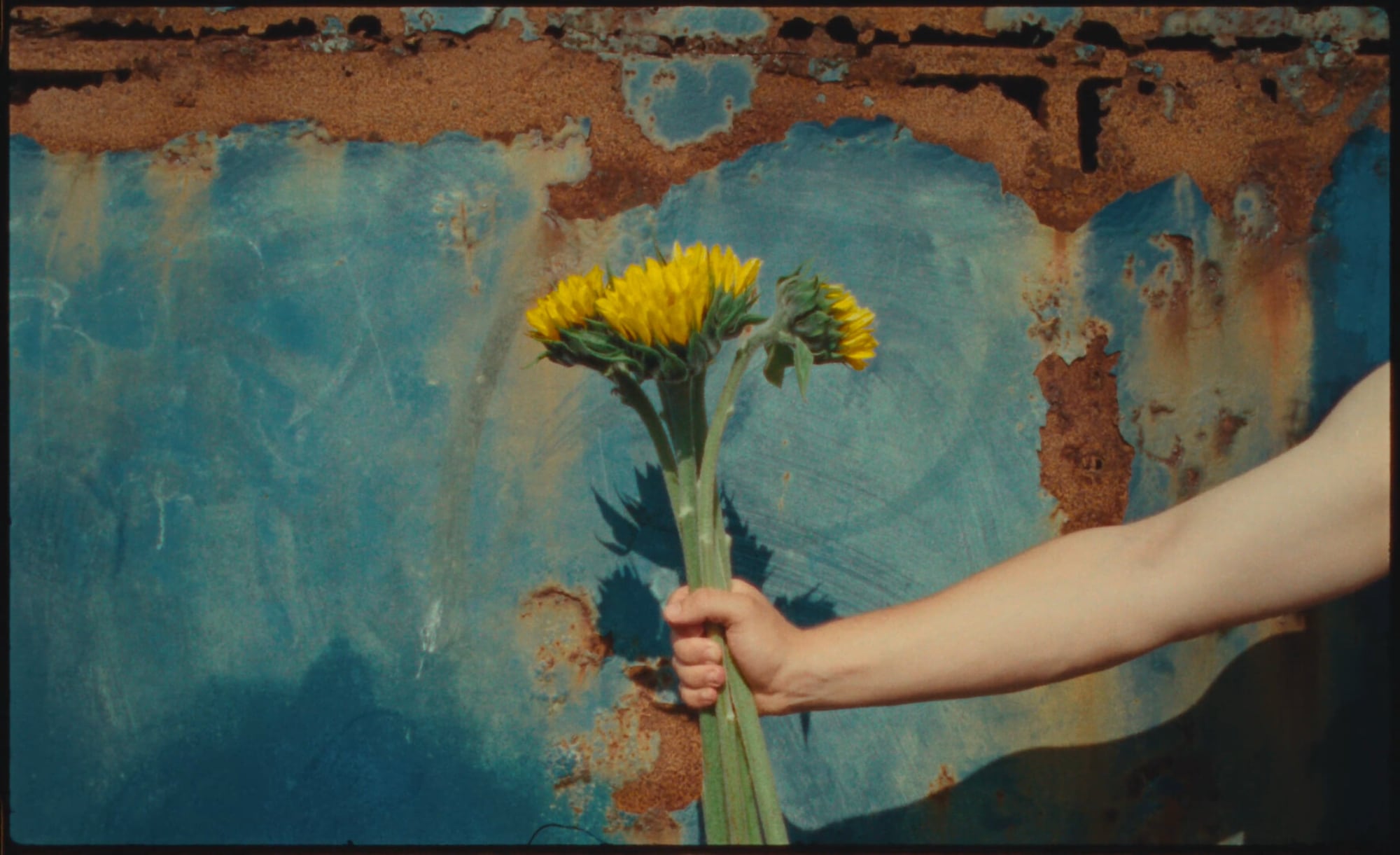
Anyone who’s collaborated with me will know I’m a passionate advocate for minimal music and dialled up sound design. If I’m using music, it needs to feel so natural it could almost be diegetic and I will often brief my composers to use sound design as their starting place. The opening score in this film is a good example. I knew I wanted to hear Sam’s heartbeat and to have the music subtly build, shifting gears as the poem unfolds. The rhythmic beat builds tension without distracting from Sam’s words. The collaboration with John Wallace was a joy; he was so blown away with Sam, he wrote the score for Flowers overnight after meeting him. It was so beautiful and perfectly enhanced the poem and I’m delighted he could score and sound design the whole thing.
The exploration of the themes in Just a Boy is so necessary right now. How have audiences responded to the film so far, particularly from the point of view of male viewers?
This film has had an incredible reception from anyone who’s watched it so far – mainly to Sam’s electrifying presence, but also to the themes it explores. It’s topical yet leaves people with a sense of hope, something people are craving at the moment. My barometer for the success of my projects is getting my dad’s opinion. A director in his own right, and notoriously honest – I think it’s his favourite of my work to date. He directs the National Theatre Live events that livestream to cinemas, mostly recently Prima Facie, Inter Alia, and The Fifth Step – all projects that touch on similar themes, meaning our conversations of late have often been about how we can use art to promote change.
RVBBERDUCK a.k.a Ben Doyle execs the film and, through his creator-founded production company After Party Studios, understands more than most the importance of tapping into online audiences. He believed in this project from the first moment and was instrumental in getting it to screen. I count myself lucky to be surrounded by such great men, equally interested and keen to help me tell these stories.

With this documentary now under your belt and ambitions to make larger scale work with Sam, what’s next for you?
Funnily enough, I’m currently on the train on my way to see Sam perform his new tour, The Manosphere and Other Fun Shapes, for its opening night in Leeds. His shows always spark inspiration, which is very helpful as we develop our next project together. I highly recommend seeing him live if you can!
I seem to be drawn to documentaries that centre on the male experience, and narrative projects about women.
In terms of my own work, documentary – it sits at the heart of everything I do – be it live music, brand work or short films. I’m currently writing a couple of semi-autobiographical narrative films. I seem to be drawn to documentaries that centre on the male experience and narrative projects about women. I have a couple of my favourite music and commercial projects coming out in the upcoming months as well, including some beautiful documentary campaign films for baby brand Tommee Tippee, and a large-scale live music film that’s currently under wraps, but watch this space!
And finally, can you tell us about a short film you would recommend to the Directors Notes community and why?
I have a couple of recommendations for shorts: Eighteen by Lucy Knox and The Virtual Years by Stella Blackmon. Both are short documentaries that, similarly to mine, explore the teenage experience.