
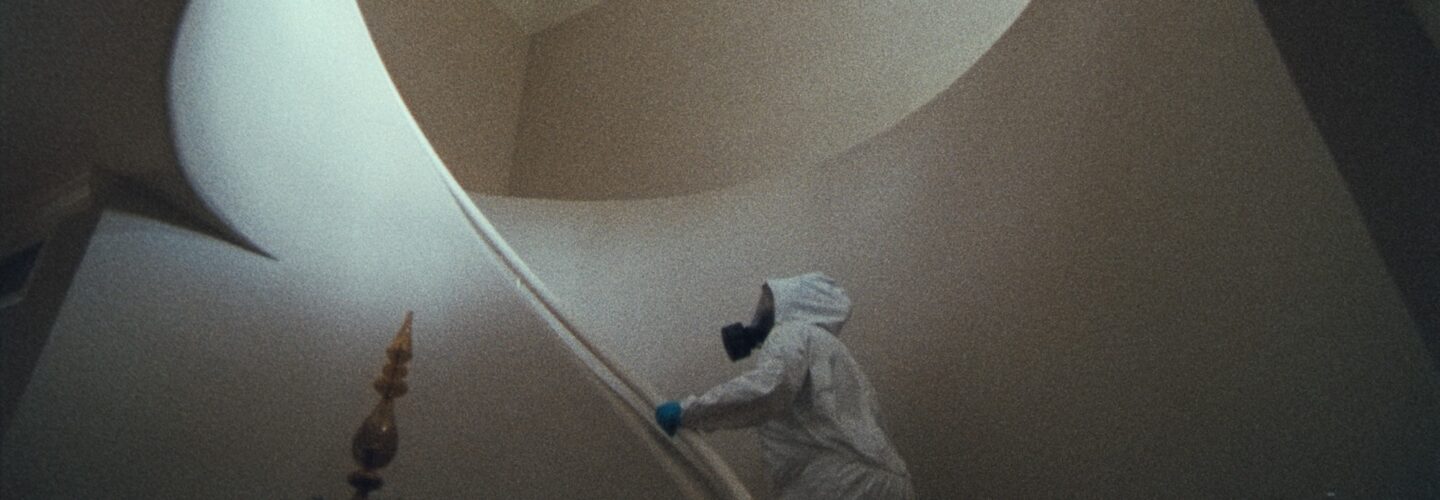
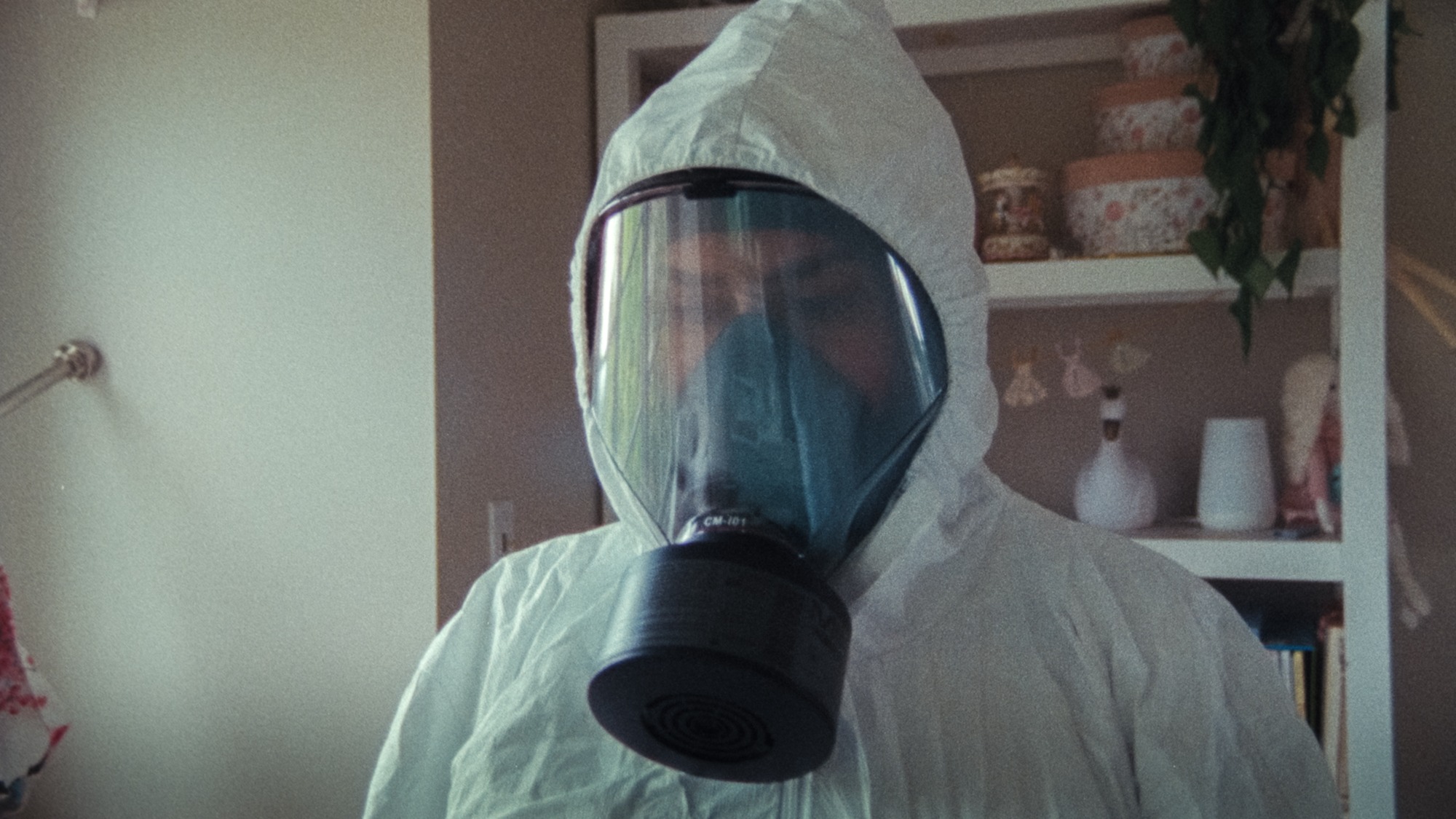
When the Eaton Fire tore through Altadena, California, in January 2025, the stories that dominated the headlines were obviously ones of heartbreaking devastation and structures reduced to ash. In the aftermath, filmmaking couple and LA residents Livia Albeck-Ripka, a New York Times journalist, and Víctor Tadashi Suárez, a two-time Emmy-winning documentary cinematographer, found themselves drawn to a quieter, more insidious crisis unfolding in the homes still standing. Thousands of properties left structurally intact but saturated with toxic contamination, their residents caught in a bureaucratic and psychological limbo with no federal standard to tell them whether it was safe to return. Albeck-Ripka and Suárez abandoned mainstream tools in favour of something stranger and more visceral. Shot on 16mm film deliberately exposed to the same poisoned air inside these homes, their documentary short Still Standing, turns the medium itself into a witness, the dust and imperfections of the stock no longer incidental, but essential. Interior-only framing creates a sealed, suffocating world, slow pans and close-ups reveal fine layers of toxic residue, while wide locked-off shots communicate an eerie stasis—the outside world glimpsed only through windows. Interviews were recorded over phone calls, the audio then printed to degraded tape, placing voice and image in the same contaminated universe. A score built from alien soundscapes and the ambient hum of domestic appliances—fridges, air purifiers—gives way, at its most unsettling, to silence. After premiering at Sundance in January and continuing to illuminate audiences on their festival run, we speak to Albeck-Ripka and Suárez about why they chose never to show these homes from the outside, the decision to print their audio to degraded tape, and how silence became the film’s most unsettling tool.
At what point did proximity become an obligation to document? Was there a specific moment when you knew this had to be a film?
Right after the LA wildfires, the focus was very much on the homes that burned down. At first, many people with standing homes — thinking they had escaped the worst — felt lucky. But it soon became clear that many of those homes were toxic and uninhabitable. Living in LA, everyone knows someone who was impacted by the fires. Our close friend, Roy Werner, his wife and his infant daughter were among those displaced. Their home was the first we shot in. And Roy composed the original score for the film. That first shoot was probably the moment it all clicked — we knew that there was an important story to be told.
We wanted the audience to feel the terror of those unknowns and that profound grief themselves.
Can you talk about that idea of the film stock acting as a kind of material witness?
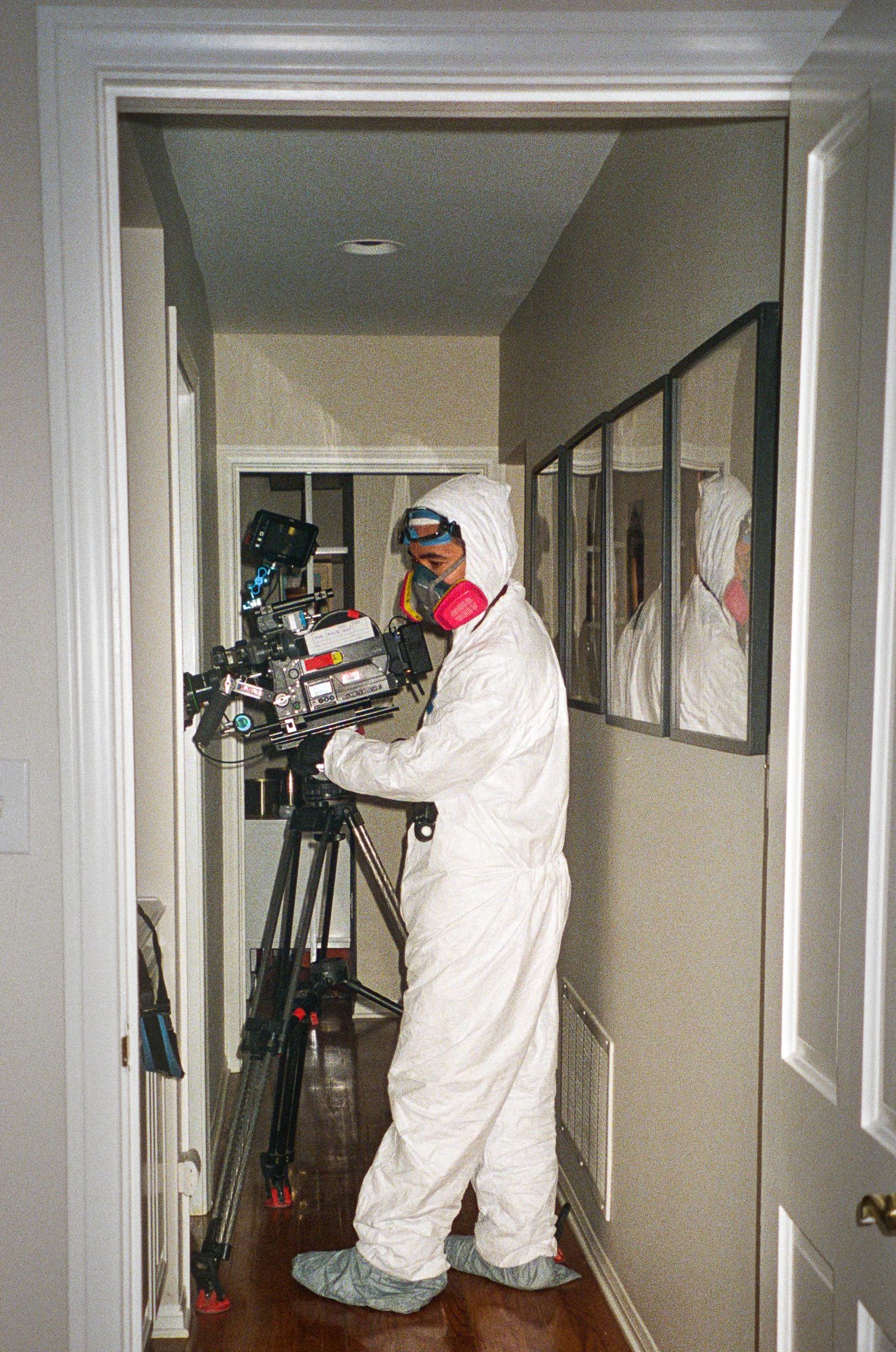
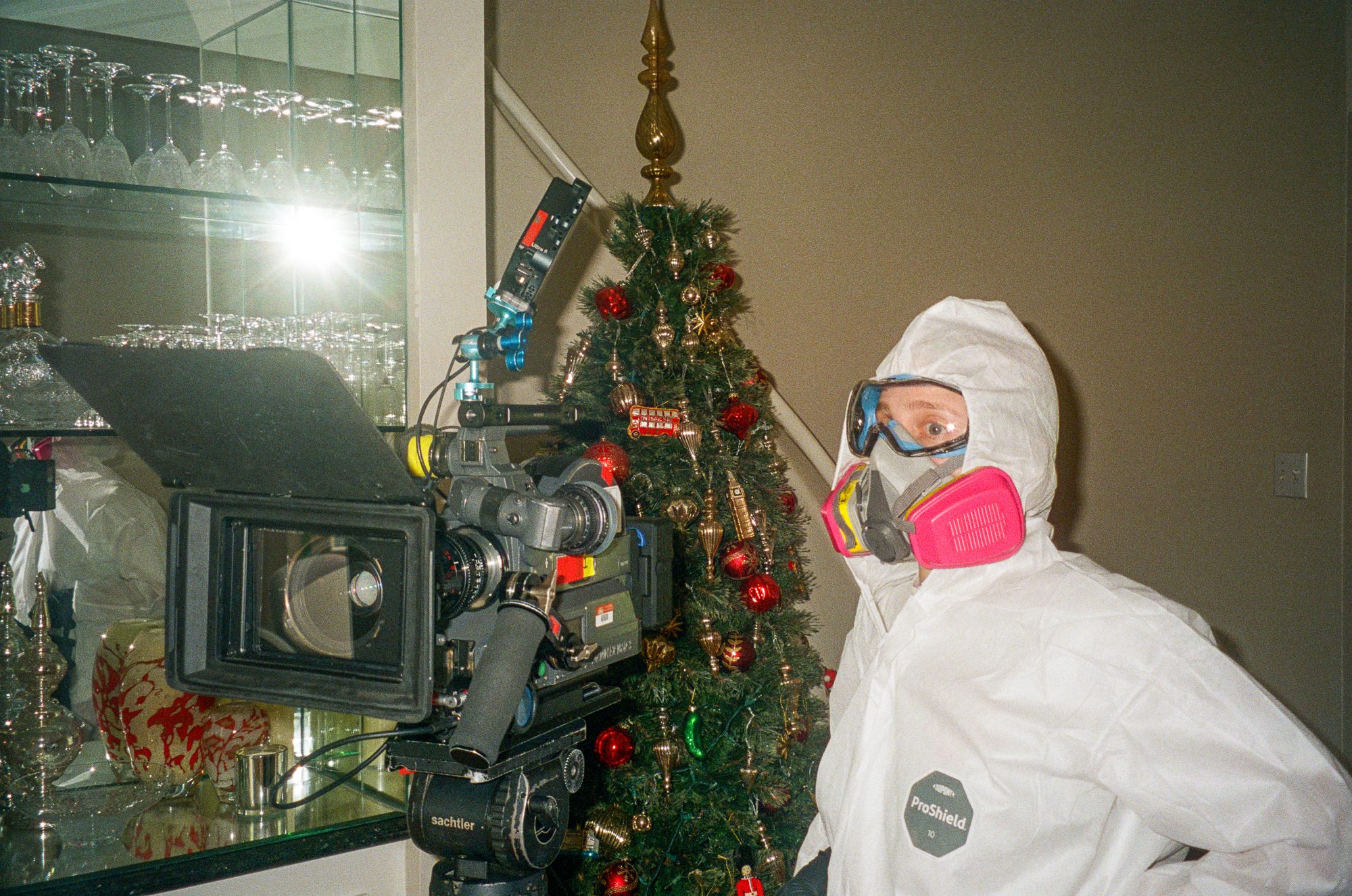
One of the main challenges for this project was figuring out how to tell a story about a danger that was invisible. Film felt like the perfect medium. We wanted to expose it to that same air inside these standing homes. And we wanted to embrace all the dust and imperfections.
How do you balance your genuinely frightening horror-like conceptual register with the very human, non-fictional grief of the subject matter?
Our goal with the film was to create something short and impactful — something that quickly plunges the audience into the experience of what it would be like to have one of these standing homes. The struggle of these people is a real-life nightmare: imagine your most intimate spaces, filled with invisible contaminants, but you’re being told your worries are all in your head. That’s a horror film. We wanted the audience to feel the terror of those unknowns and that profound grief themselves.
I love your description of walking into the homes, feeling like Pompeii or sci-fi. How did you approach filming spaces that were simultaneously mundane but apocalyptic?
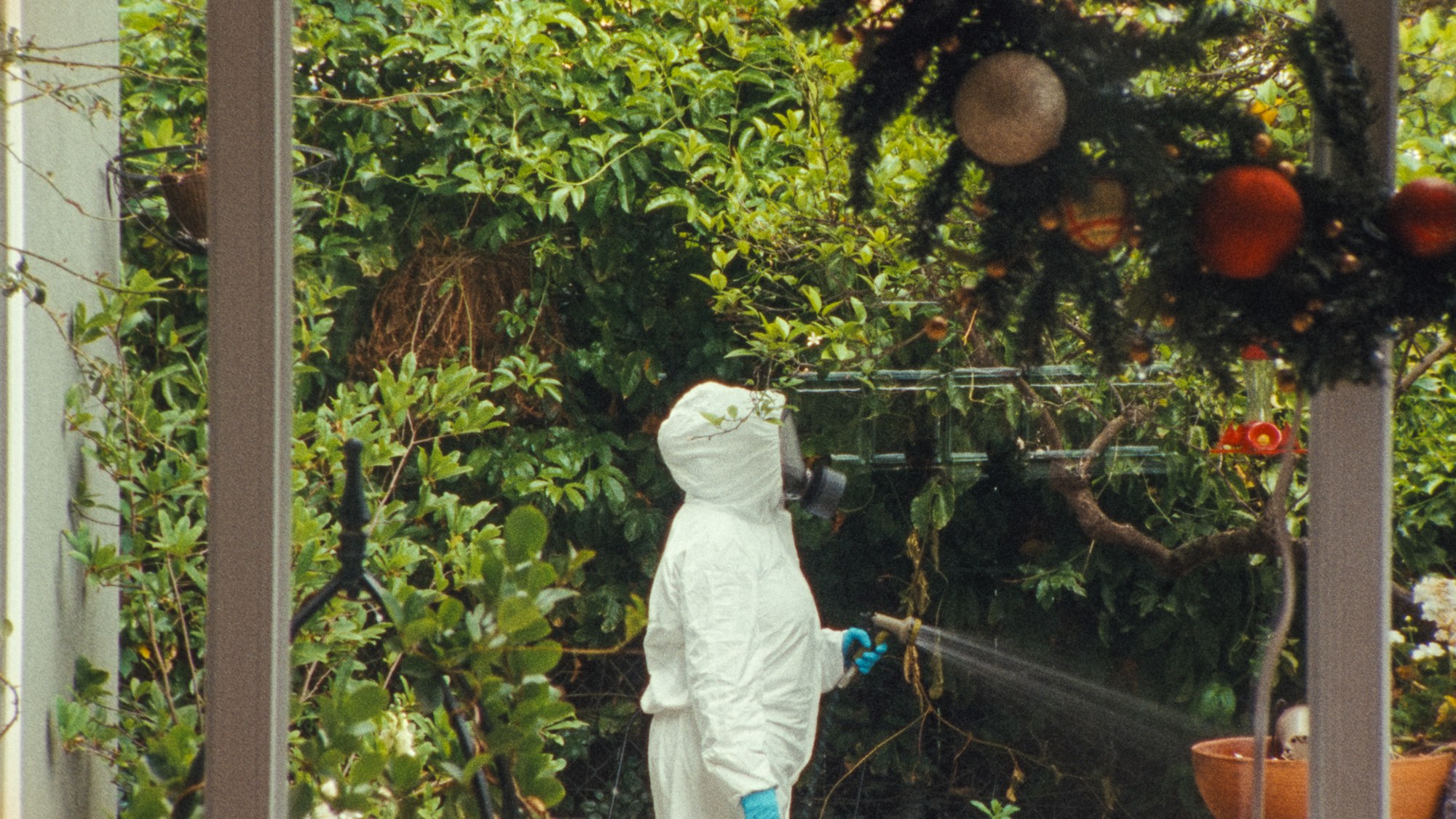
Figuring out how to communicate the danger of these spaces that in so many ways looked normal was definitely challenging and required a lot of experimentation. For example, we were really struck by the fact that months later, many people still had their Christmas decorations up (the spaces totally frozen in time) but in the end, this didn’t really translate for a film that would be published the following year.
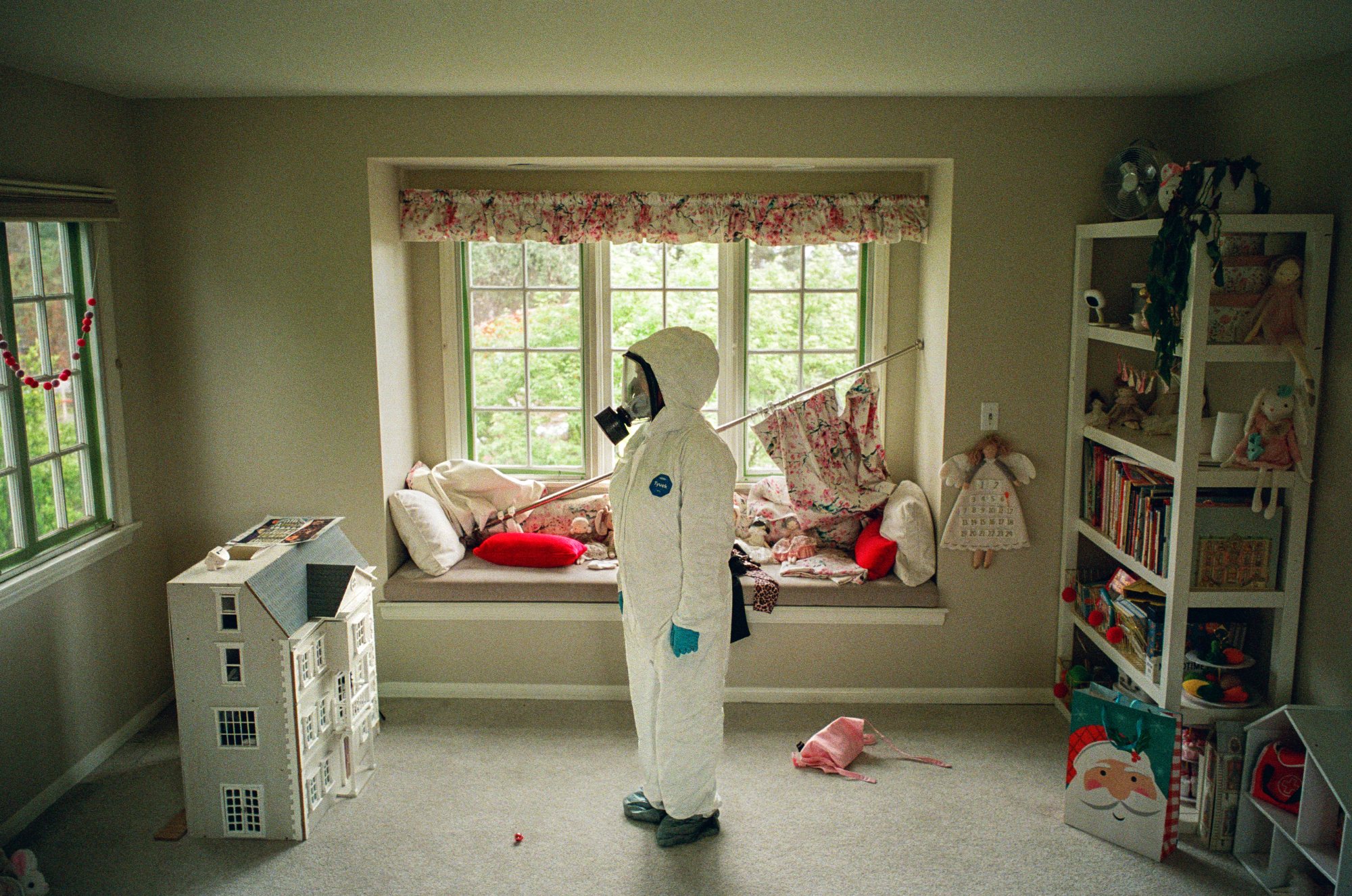
We ended up using a lot of pans and close-ups to slowly reveal fine layers of toxic dust, as well as wide still frames on sticks to help communicate that eerie and suffocating feeling of stasis. And, as in any horror or sci-fi film, the score truly does a lot of the heavy lifting! We took inspiration from films like Todd Haynes’ Safe and the miniseries Chernobyl.
Most Popular
Can you talk more about your framing, only shooting from the inside of these homes?
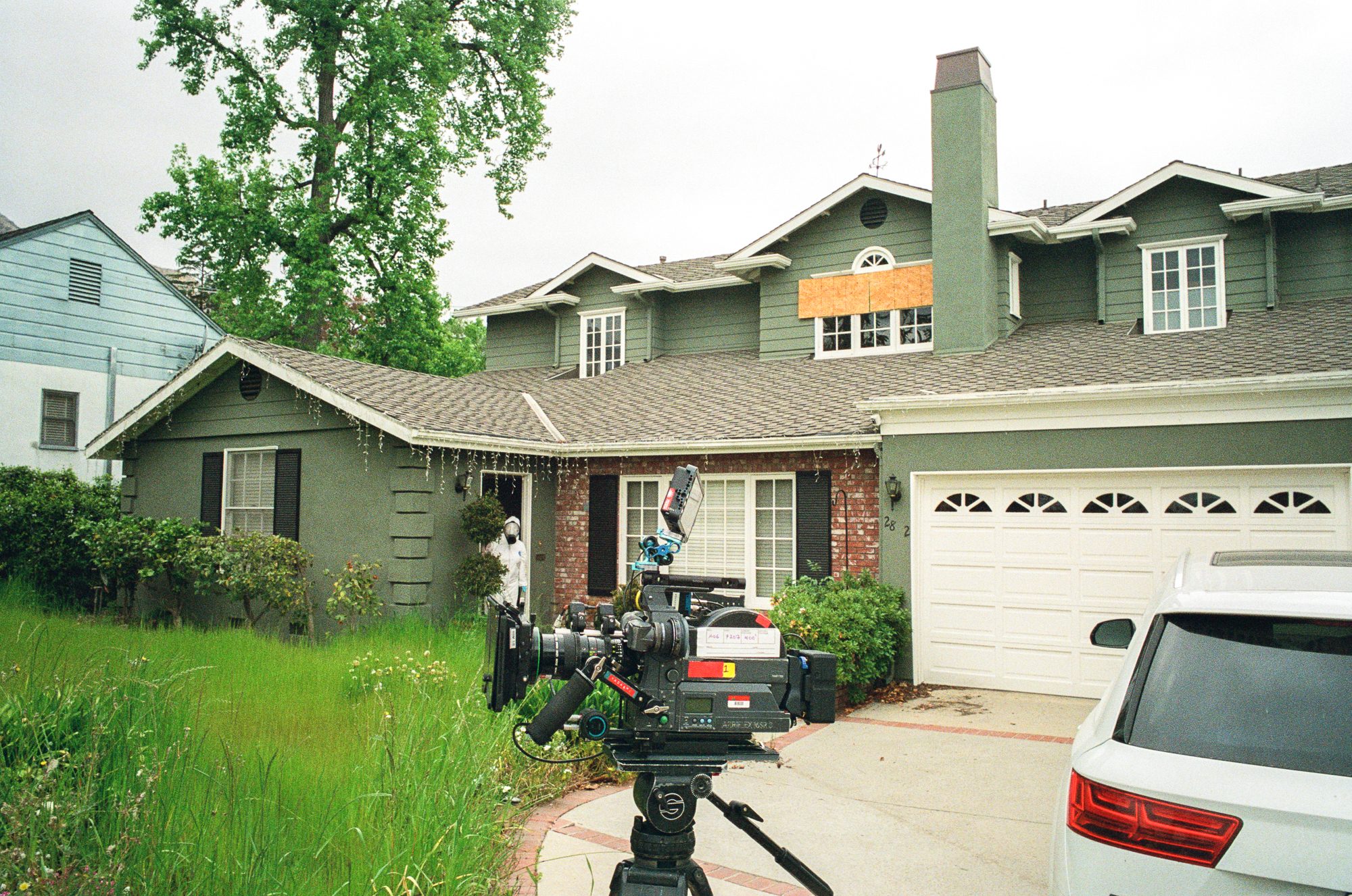
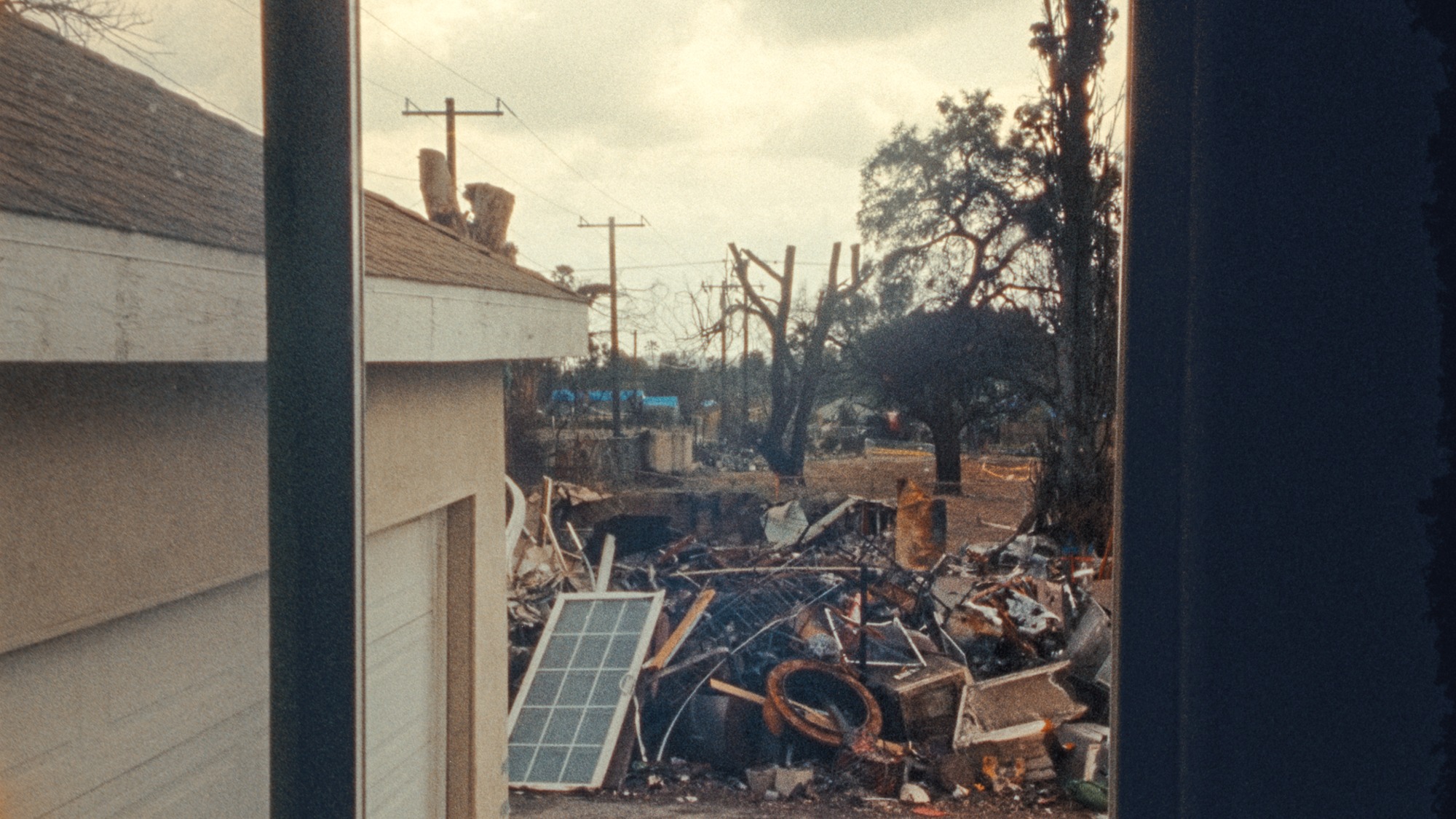
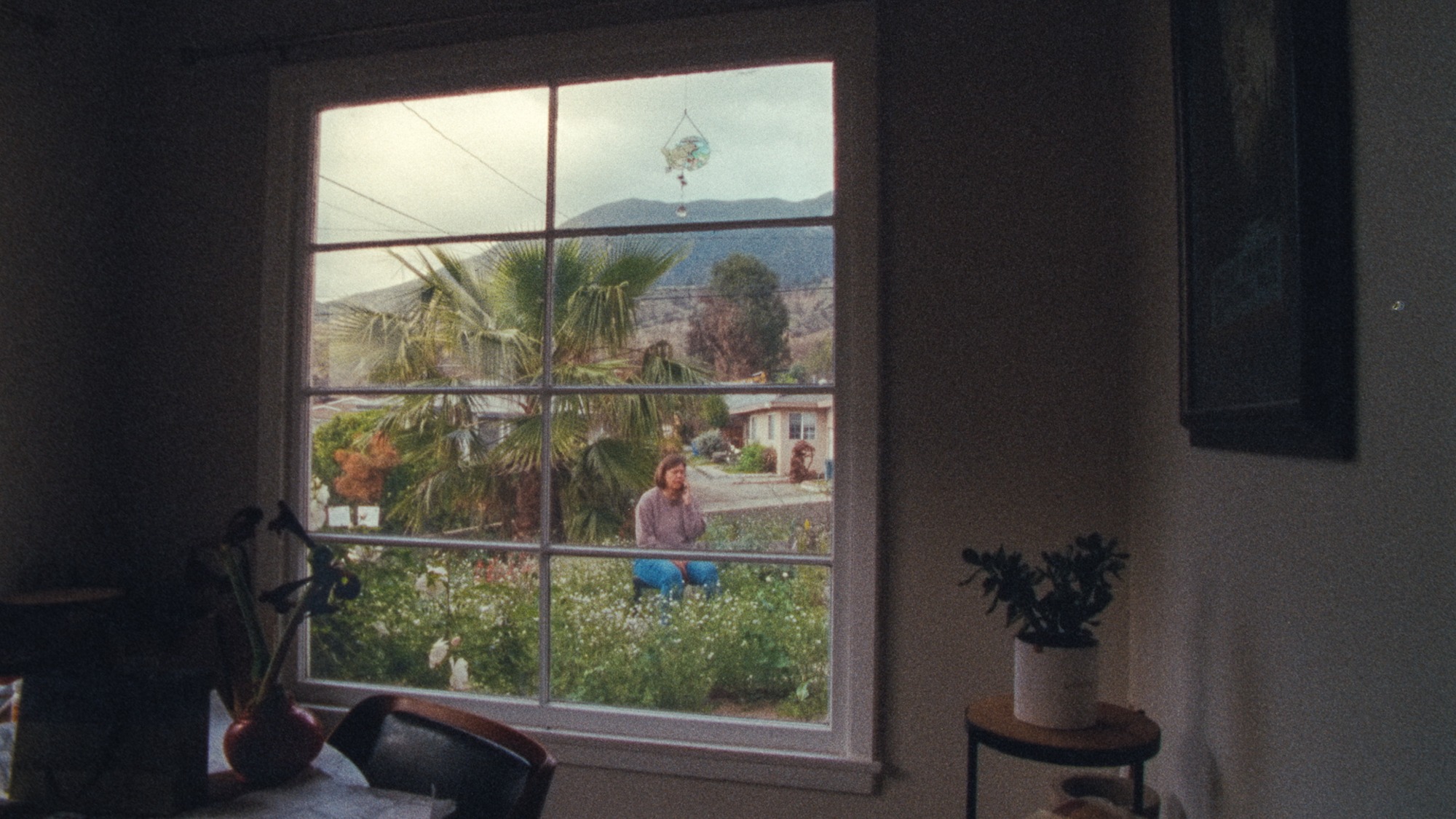
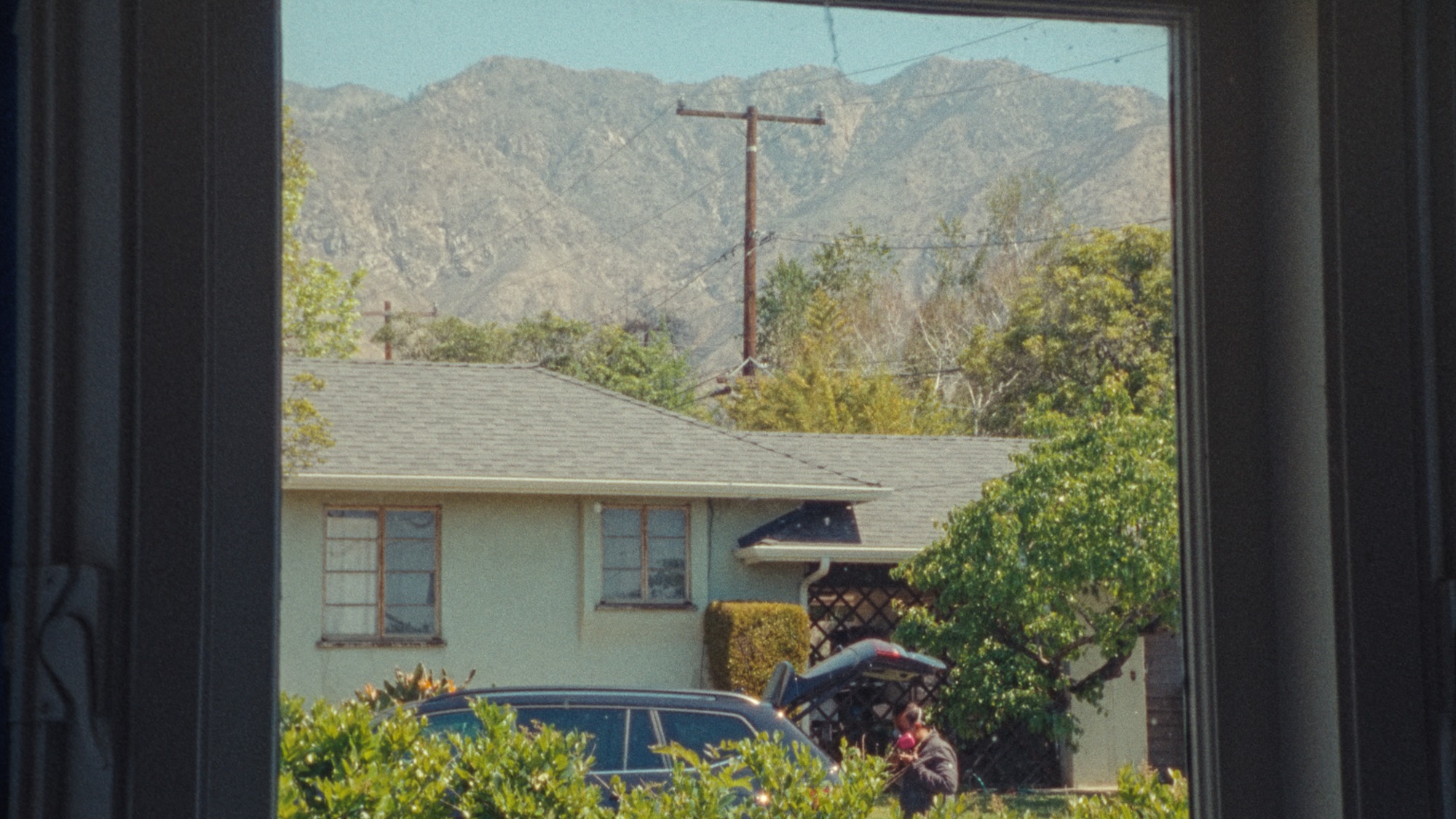
Many of these homes are frozen in time. We wanted to communicate that. We see the outside world moving on — the landscape, the construction, people looking in or on the phone, but it’s all through the windows, which were often the source through which these homes were exposed to smoke contaminants. We never see a shot of these homes from the outside, and we hope that adds to a sense of isolation and claustrophobia.
A challenge was to give the audience just enough context to understand emotionally what was at stake, but not ever feel like we were preaching or lecturing.
The honing in of clothes being folded under plastic caught my eye. What did these represent for you, and why the focus?
The clothes and belongings being covered in plastic was so evocative for us, too. It feels like a crime scene or a morgue. And it captures how it feels to be inside the homes: as though you’re looking through gauze or sealed off from normal life. A lot of our participants visited their homes a few times a month to water their plants, or check up on things, but they didn’t venture inside — as if their entire home was sealed off.
Still Standing moves between moments of near-silence—someone folding clothes, the mundane rhythms of a life on pause—and fragments of conversation about invisible poison in the air. How did you decide which snatches of those conversations made the cut?
The film is only ten minutes long. And there’s a lot of ground to cover. A challenge was to give the audience just enough context to understand emotionally what was at stake, but not ever feel like we were preaching or lecturing. The absence of information creates a similar confusion for the residents of these homes; we wanted to mimic that experience for the audience.
The soundtrack has a genuinely eerie, haunting quality that sits underneath everything. Given that you and sound designer Bijan Sharifi were already working with the idea of degraded tape and contaminated audio, how did you find the balance between music that unnerves and music that overwhelms?
We had the honor of working with our friend, Roy Werner, who composed the score for this film, and whose home is featured in the documentary. He created this beautiful alien soundscape with the music that informed all of our decisions for the sound design. We wanted things to feel slightly off; slightly surreal. We also wanted to incorporate the sounds of the appliances and machines that release some of the most toxic chemicals into the environment — you’ll also hear the whirring of a fridge and a Tesla vehicle. The rhythm of this film is waves of crescendo and stillness. But in some ways, it’s the silence that’s most unnerving.
We wanted things to feel slightly off; slightly surreal.
I’m impressed by your printing the audio stems. How did you and Bijan develop that approach together?
All along in the process, there was an idea of using degraded or lo-fi tools to tell this story. For example, we recorded all the interviews through recorded phone calls. Bijan took inspiration from the 16mm stock and wanted to do something similar with the audio. It helps put the audio in the same universe as the visuals, for sure. We lose a lot of the dynamic range when we print to tape, but we gain a lot, too. We get the tape hiss, the noise; all of these subconscious signals to the viewer that we are not in the realm of normal, that this is a world experienced through the noise of gas masks, air purifiers, and plastic.
What does working in this more autonomous, experimental mode give you compared to previous films? And where does this take you next?
This film is different from the forms that we usually work in. Victor shoots docs for streamers and commercial ads, and Livia writes for the New York Times. Using that experience to create our own independent film was challenging and creatively satisfying. But we’re equally excited to try something different for our next film. We’re believers in letting the subject matter dictate the form — what’s the story about? And what’s the best way for people to understand, engage with, and empathize with the people going through that experience?
Please share with the DN audience your favourite short film and why!
One of the best things about going to festivals is getting to watch all the other short films — we’re always so inspired and humbled. One of our favorites so far from this year is the short doc Correct Me If I’m Wrong, directed by Hao Zhou. It’s 23 minutes of stunning, intimate verite that explores the director’s relationship with himself, his family and where he comes from. It’s beautiful and moving and almost feels like fiction in the way the story is told — our favorite kind of documentary.