My mum died unexpectedly in August, and I’m learning that grief isn’t a single wave so much as an all-engulfing and unpredictable tide that keeps devastating the shoreline. I mention it because it’s the lens through which I watched Everything Will Be Totally Fine. In 2016, bereaved and dejected, filmmaker Sam Baron did what felt natural, picked up a camera and asked the people around him to predict the world of 2026, hunting for a hope he couldn’t generate himself. A decade on, with plenty of those forecasts excruciatingly accurate, the footage turned out to be about something else entirely: not the farcical dystopian future we seem to be sleepwalking into, but the loss quietly steering the project all along.
Regular DN readers will know Baron for his tragicomedy trilogy—The Orgy, Big Ears and Tall Dark and Handsome—and the deadpan carnage of Office Royale, comedies powered by Jungian shadow work: the parts of ourselves we splinter off because facing them is frightening. With Everything Will Be Totally Fine, there’s no fictional veil to hide behind. Friends and family are asked about the future 10 years hence, revisited as lockdown reshapes the decade, then once more in 2026 as it arrives on its own terms. The rehearsed composure of those early interviews gives way to the unguarded, and predictions about nations and technology become portraits of the people making them. The loose-grip improvisation of his fiction guides an edit, built with collaborator Ian Robertson, from untreated archive, with Baron splitting himself into different eras to wrestle the footage. As the film premieres today on DN, I speak to Baron about building a structure around something as formless as grief, how he judges what’s too much when the pain is his own, and whether filming is a way of being present or a way of not losing things.
You planned to revisit this footage in 2026 as a film about the world that future had become. What was the original idea, and when did you realise it couldn’t be that film?
Back in 2016, I was freaking out about the state of the world. Between Brexit, Trump, climate change, the war in Syria and so on, I was struggling to imagine a future that I could believe in. So I picked up my camera and started interviewing people around me, asking them to predict what life would be like in 2026, ten years away. When I started, I thought I was making a state-of-the-world exploration of what life felt like on the precipice of the apocalypse. I thought it might be about how accurate our predictions are about the future. Maybe about the human urge to know where we’re heading, even though we never really have a clue. I had just seen the Adam Curtis documentary HyperNormalisation and I wanted to capture the mood of the moment, to see whether the pessimistic trajectory presented in that film would turn out to be true, or whether the pendulum would swing back.
Like all of my films, it was clearly about a man (me) having an existential crisis.
When the pandemic struck in 2020, I watched the Michael Apted series 7 UP, and realised I could film lockdown updates with my contributors to see how they were doing, nearly halfway through the decade. Those interviews were still focused on trying to predict the future on a global scale. It was only when I brought the project to my brilliant editor Ian Robertson in late 2025 and we looked through all the footage, that we began to see the real story. Like all of my films, it was clearly about a man (me) having an existential crisis.
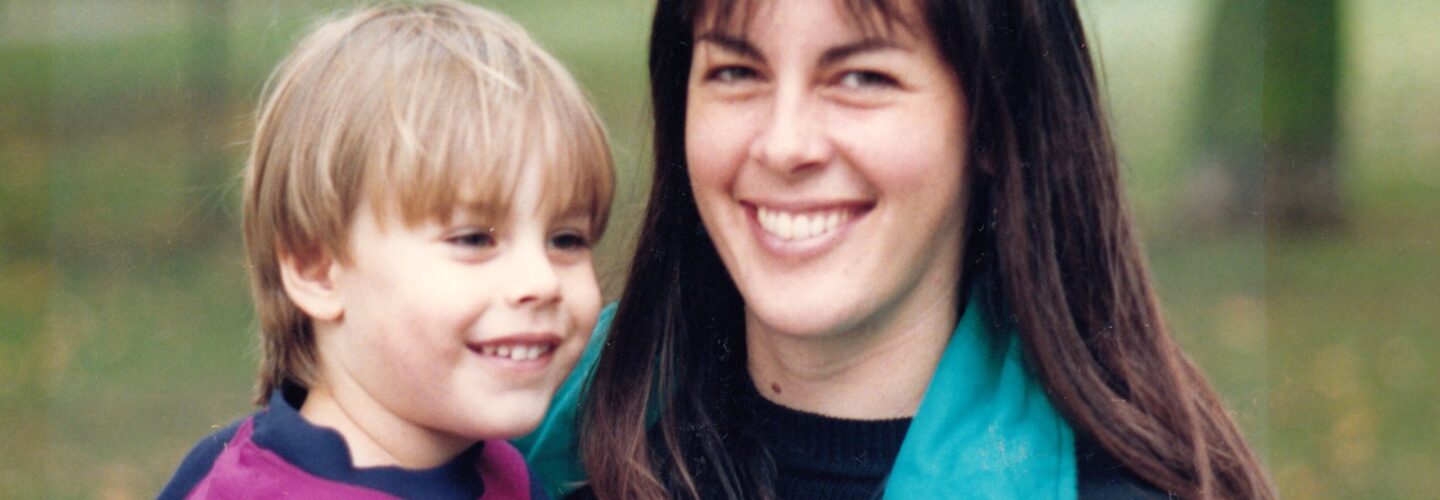
Because in 2016, my Mum had just died. I was spinning out, clinging to a future that no longer existed, struggling to accept that she was gone, unable to see a way to carry on. That was clearly the emotional heart of the film, and we realised that the unscripted, accidental moments in the footage were more interesting than the predictions themselves. We spent a month editing a version of the film which wove that grief story into the original premise, but when we showed it to the incredible documentarian Duncan Cowles, he pushed us to go further – to find a way to bring my Mum properly on-screen. We went back to the hard drive and were stunned to discover 18 hours of home video footage that my Dad had filmed in the early 1990s. Not only did it capture the relationship I had with my Mum when I was young, it was also narrated by my Dad, who had been fascinated by the same questions about the future, and the strange intersection between global politics and ordinary domestic life. When we put those clips into the timeline at resonant moments, something clicked.
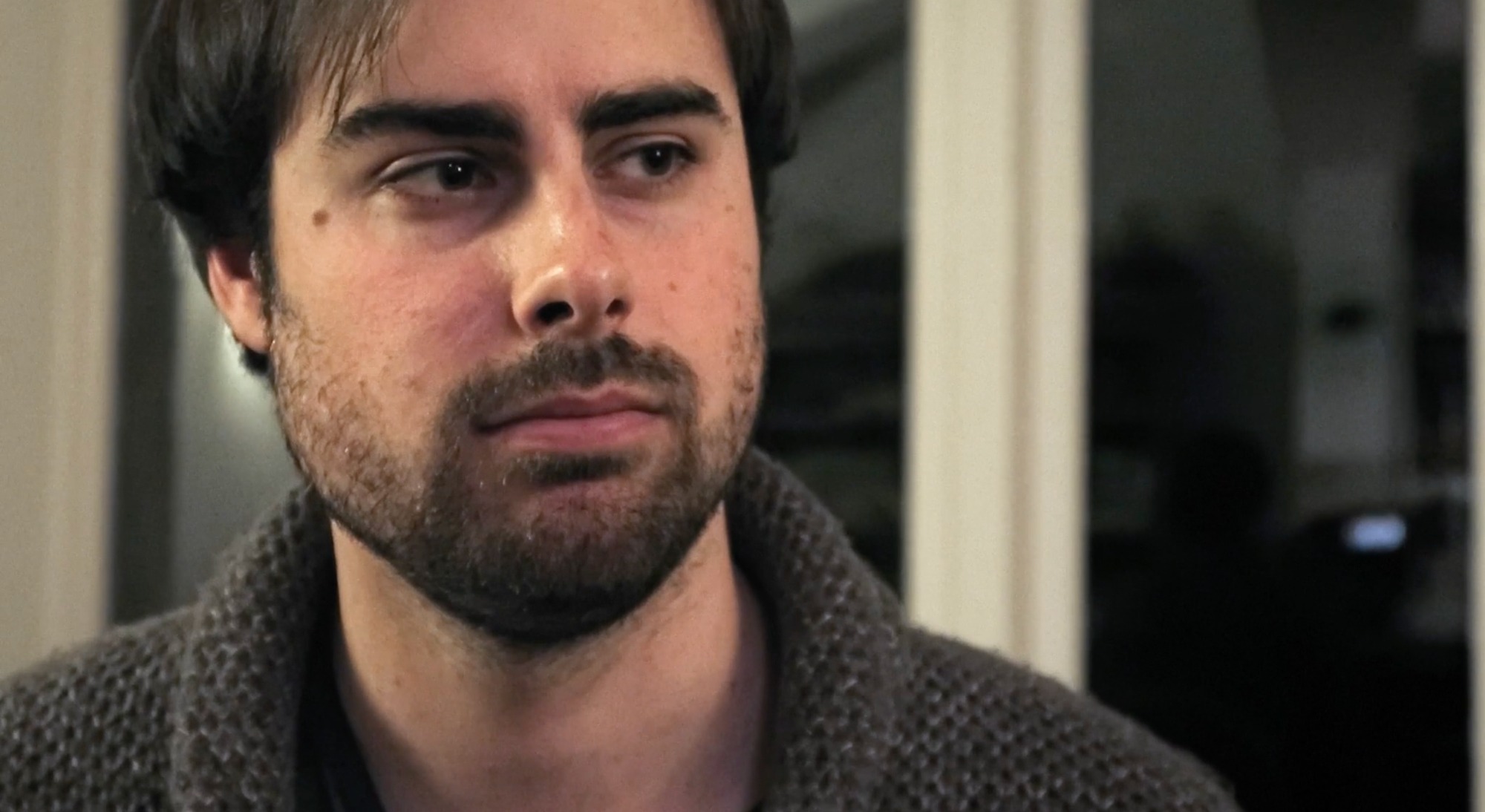
In 2016 you feared a future of nuclear weapons, Trump and a world on the edge. What were you chasing in those early interviews, and what was it like to watch that fear again in 2026, when so much of it has come true?
I was definitely doomscrolling a lot in 2016, and it felt overwhelming – like my internal landscape of grief-fuelled hopelessness was being reflected in every news story I read. I couldn’t imagine a version of the future that wasn’t apocalyptic. I think I was asking other people to predict the future because I was searching for glimmers of hope that I couldn’t generate myself. They didn’t know that was my motivation – I didn’t really even know it myself. But when people occasionally offered me smart perspectives about why everything was going to be fine, it felt like the oxygen that I desperately needed.
You’re right that a lot of the fears I had in 2016 have subsequently come true, so you’d think it would destabilise me to revisit the footage in 2026 – and I’d be lying if I said it wasn’t unsettling at times – but I think the main thing I see in the 2016 footage is how narrow my viewpoint was back then. I was obsessing over the bleakness of the future in a way that was missing the rest of the picture. It’s not that I think everything will be totally fine now – it’s clearly still an absolute mess. But I have more capacity to hold space for contradiction now, to accept that light and darkness are always dancing together.
You’ve described writing The Orgy by improvising without knowing where it was going. Was finding the form for this film the same instinct, and how did it differ now that the material you were working with was real?
As an anxious person, I’ve always sought to control everything, but I’ve had to learn that gripping the wheel too tightly can keep you in a safe zone that misses the richness of life. The loose grip approach often brings amazing surprises and discoveries – that’s why I love improvisation, and why I try to keep an open mind at every stage of the creative process.
Obviously, this material being real meant I was bound to tell the truth of what happened, but there are infinite ways to tell a story, so I tried to remain open in the process as we figured out how to tell it. I did have to split myself into ‘filmmaker Sam’ and ‘character Sam’ at times, and would often talk to Ian about Sam in the third person – we even split him into 2016 Sam, 2020 Sam and 2026 Sam as if they were different people. Each era’s Sam had captured footage in a different way, so we were in conversation with many viewpoints.
Ultimately, I kept trying to make the film that I would have needed to watch on my worst days in 2016, a film that could have given 2016 Sam some kind of hope (without being fluffy bullshit). I had to trust that by following that thread, in my stumbling search for meaning, the right form would reveal itself. In the process of making it, I definitely healed something, so perhaps that’s the feeling I want to share with the world: that you don’t always need to know where things will go to be able to move forward. In fact, sometimes it’s better not to know.
I did have to split myself into ‘filmmaker Sam’ and ‘character Sam’ at times, and would often talk to Ian about Sam in the third person.
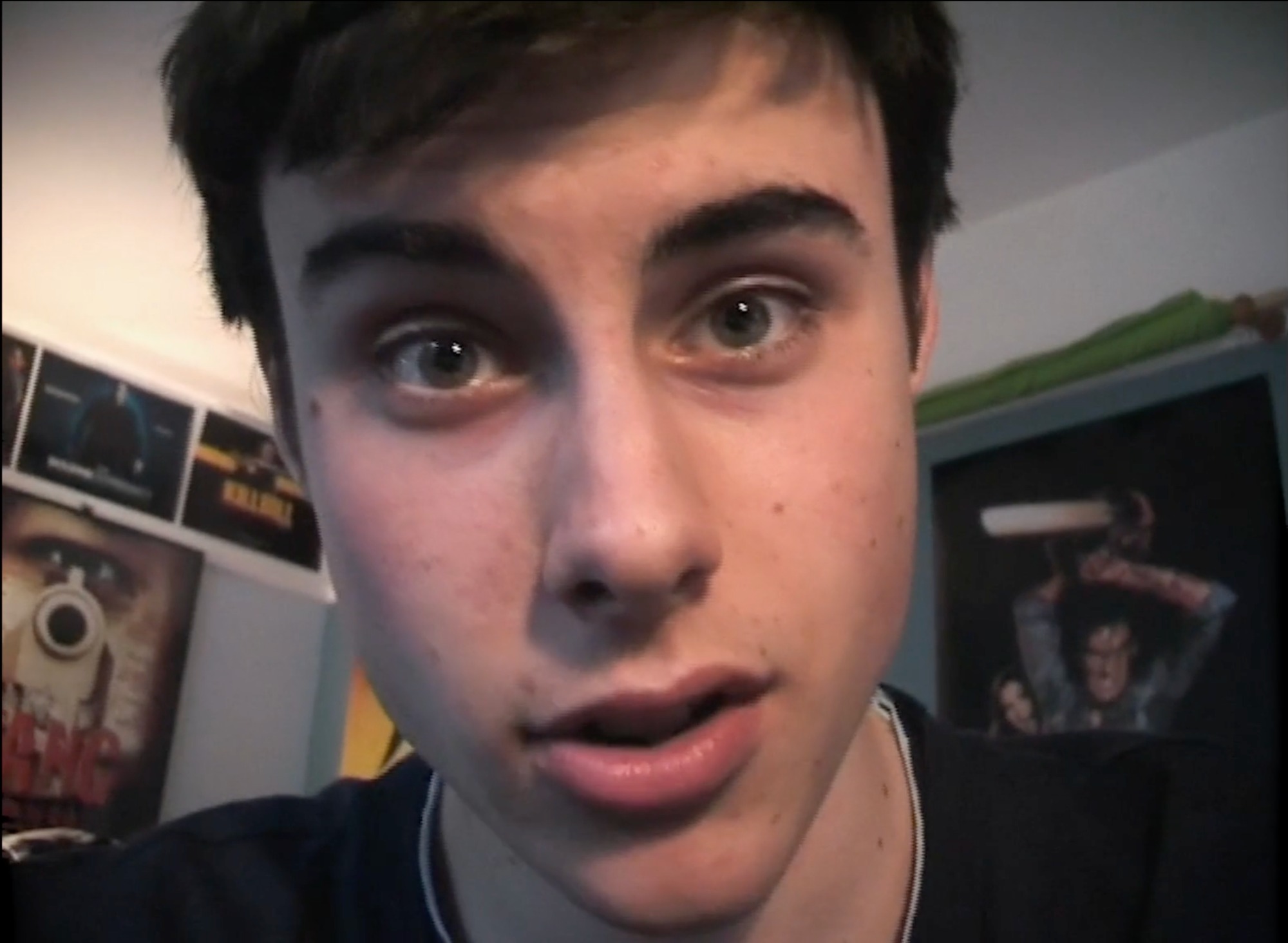
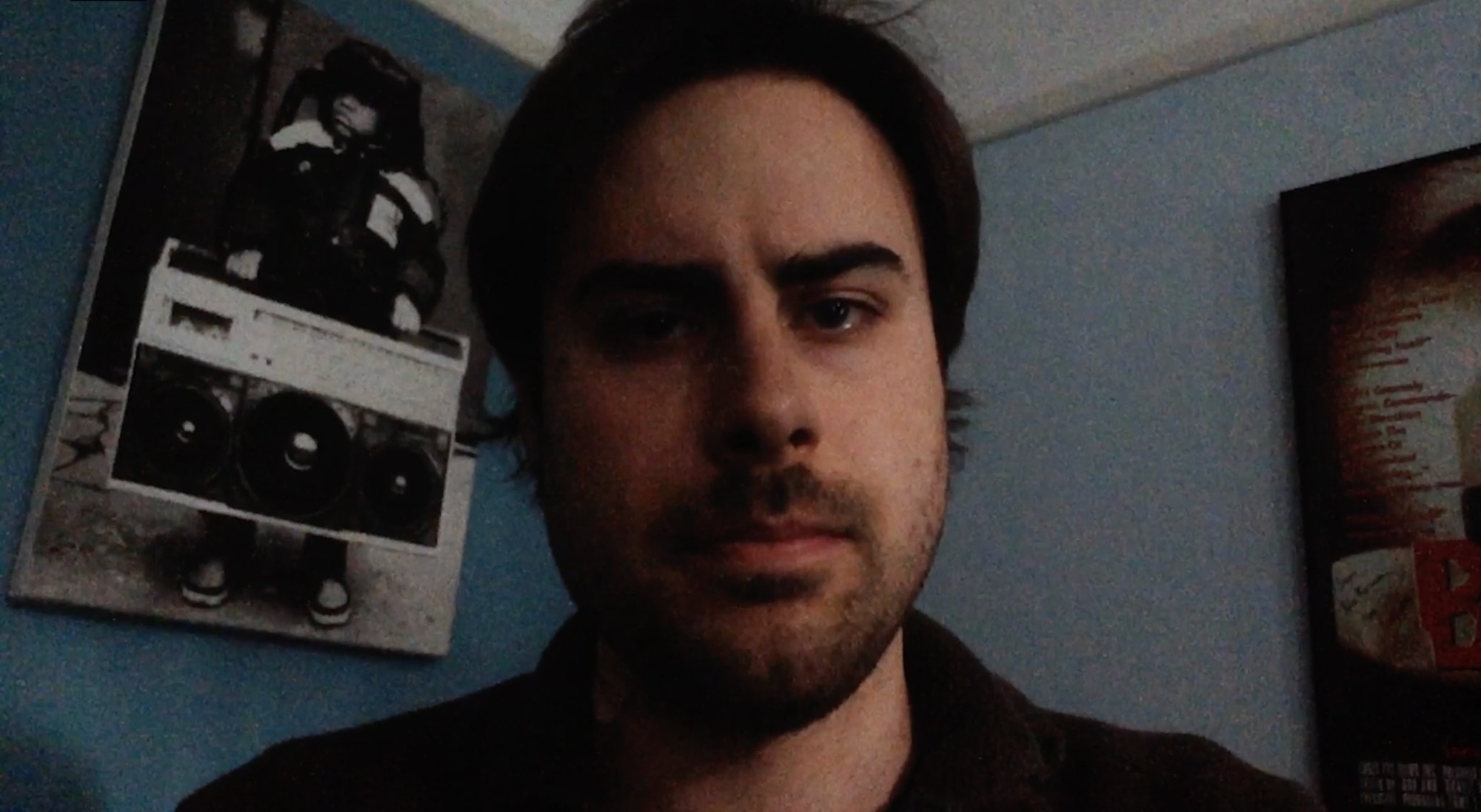
You’ve talked about comedy that invites us to face our shadow sides. Here you’re facing yours on camera. What did you find yourself avoiding?
In the 2016 footage, there was a lot of material in which I was trying to present the documentary with a kind of professional brave face, so the big edit choice was to gravitate towards footage that felt exposing and raw – exactly the opposite of the more curated mask that I’d been attempting to construct in 2016. But I’ll admit, even as we were editing, I still felt resistant to making myself the protagonist of the film.
I tried to put the contributors and the predictions more in the spotlight. Yet when we shared early edits with trusted filmmaker friends like Duncan, the feedback was very clear: it had to be about me. That did require some shadow work. I’ve become comfortable playing characters called ‘Sam’ in films like Fragile Package and Tippy Toes, but those guys aren’t me. This project meant going beyond ‘playing Sam’ into ‘being Sam’, without the veil of fiction to hide behind.
Most Popular
I have always been impressed by the bare honesty I’ve seen you draw out of performers, particularly your frequent collaborator Amit Shah. What changed when you were the one being honest on camera, and what did documentary ask of you that fiction never has?
Well, there’s plenty of footage in this film that was never intended to be seen publicly, especially the clip of me in 2016, six weeks after my Mum died, which I filmed whilst I was genuinely experiencing suicidal thoughts, in an attempt to keep them at bay. That rawness was captured precisely because I thought it would never be seen, and we nearly didn’t include it. But I didn’t want this documentary to be hamstrung by the fact that the director was also the subject, so when we found powerful pieces of footage like that, we had to use them. In the ten years since 2016, I have learned so much about the power of honesty on camera, from working with Amit and also from starring as ‘blurred line’ toxic versions of myself in films like Fragile Package, so I think this kind of material was probably the natural next step. I hate to think where I’ll have to go next in my stupid pursuit of ‘truth in art’ – perhaps by 2036, I’ll be releasing footage of my colonoscopy.
Where do you see Everything Will Be Totally Fine in the lineage of filmmakers turning their cameras on grief and family, and did any film give you permission or warn you off?
I remember seeing Toby Bull’s short film Some Kind of Intimacy at This Is England [now SHORT UP Rouen]: in 2018 and feeling that he’d captured something very true about grief, while also leaving enough space for the vastness that can’t be nailed down. I thought about what Toby did a lot while we were editing this film – the way he balanced the mundanity of ordinary life and relationships with the poetry of nature, and the emotions that swirl and broil just below the surface after a giant loss.
The other major touchstone was the Sarah Polley film Stories We Tell, which is so clever and creative in its use of interviews and old home movie footage, and in the way it uses humour to weave the most affecting and nuanced tone. Louder Than Bombs by Joachim Trier also resonated powerfully when I was in my grief hole – another quiet, tender little film that went largely unnoticed, but which found me right when I needed it in 2016. And Sarah, I know we both share a deep love of Six Feet Under, which has always been the GOAT when it comes to capturing the complex strangeness of grief on-screen.
He brought what he always does: a razor-sharp attunement for humanity. What is emotional? What makes us feel something?
Ian Robertson is a frequent collaborator of yours. How did your relationship change when the footage was a decade of your own life, and what did he bring to the shape and sound of this film that you couldn’t have found alone?
I’m so glad you asked this question, because Ian is an absolute genius and I cannot give him enough credit. We’ve edited a bunch of films together and have developed such deep trust in our collaborative process. Ian is amazing at scouring through footage and music to find the perfect choices for any given moment, and in this case that involved him sitting through – my god, maybe 30 hours of footage? Maybe 50? I hate to imagine how much rubbish he had to wade through to find the golden nuggets that ended up becoming the major building blocks of our editing timeline.
Ian’s trusted outside eye was particularly essential in this case, as I was undeniably too close to the material to judge it myself at times. More than anything, he brought what he always does: a razor-sharp attunement for humanity. What is emotional? What makes us feel something? Who do we care about, at each moment? How could we care even more, without tipping into crass sentimentality? And what else can we shave away, so we keep tightly to the core spine of the story whilst still allowing the film to breathe?
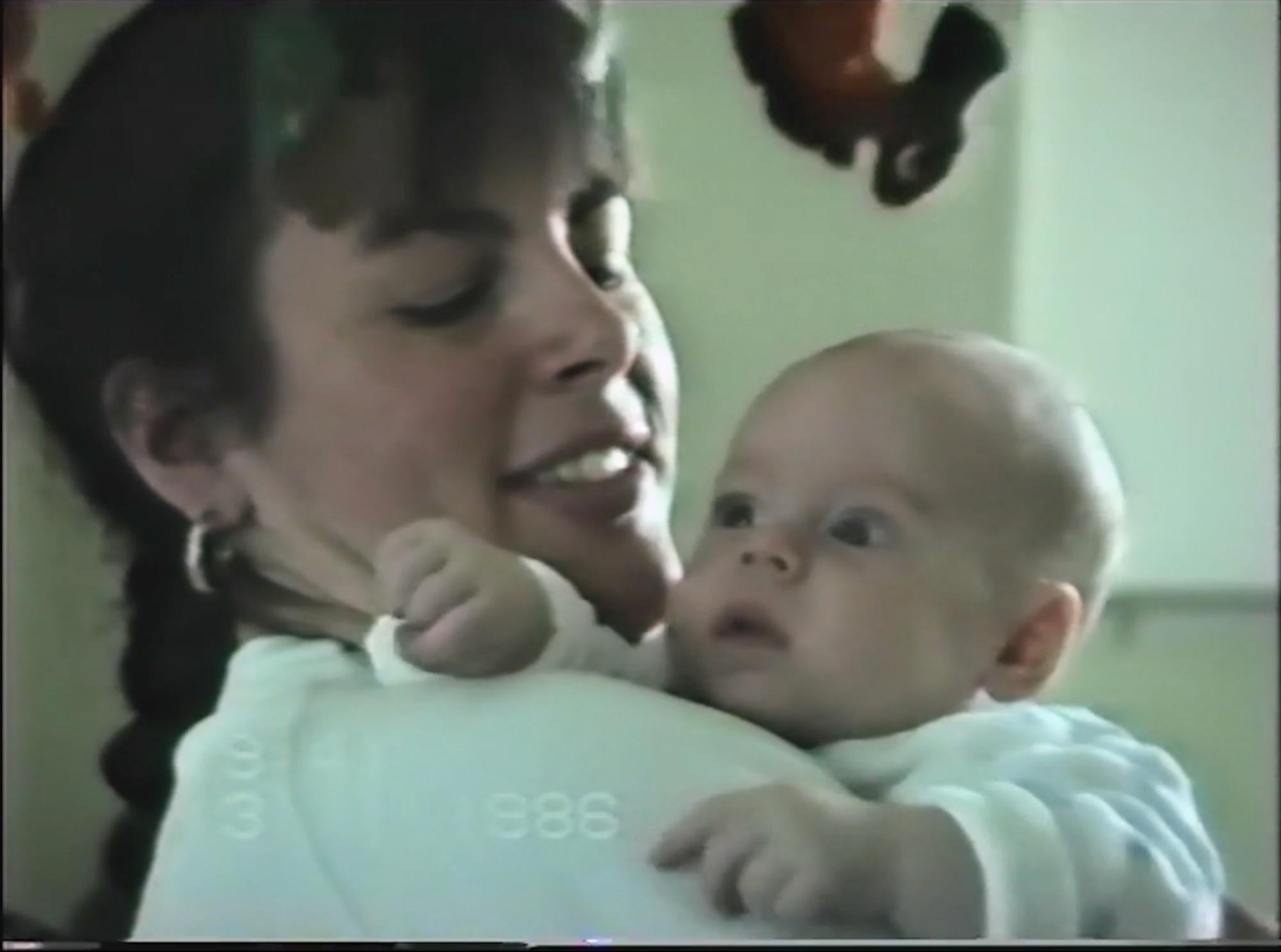
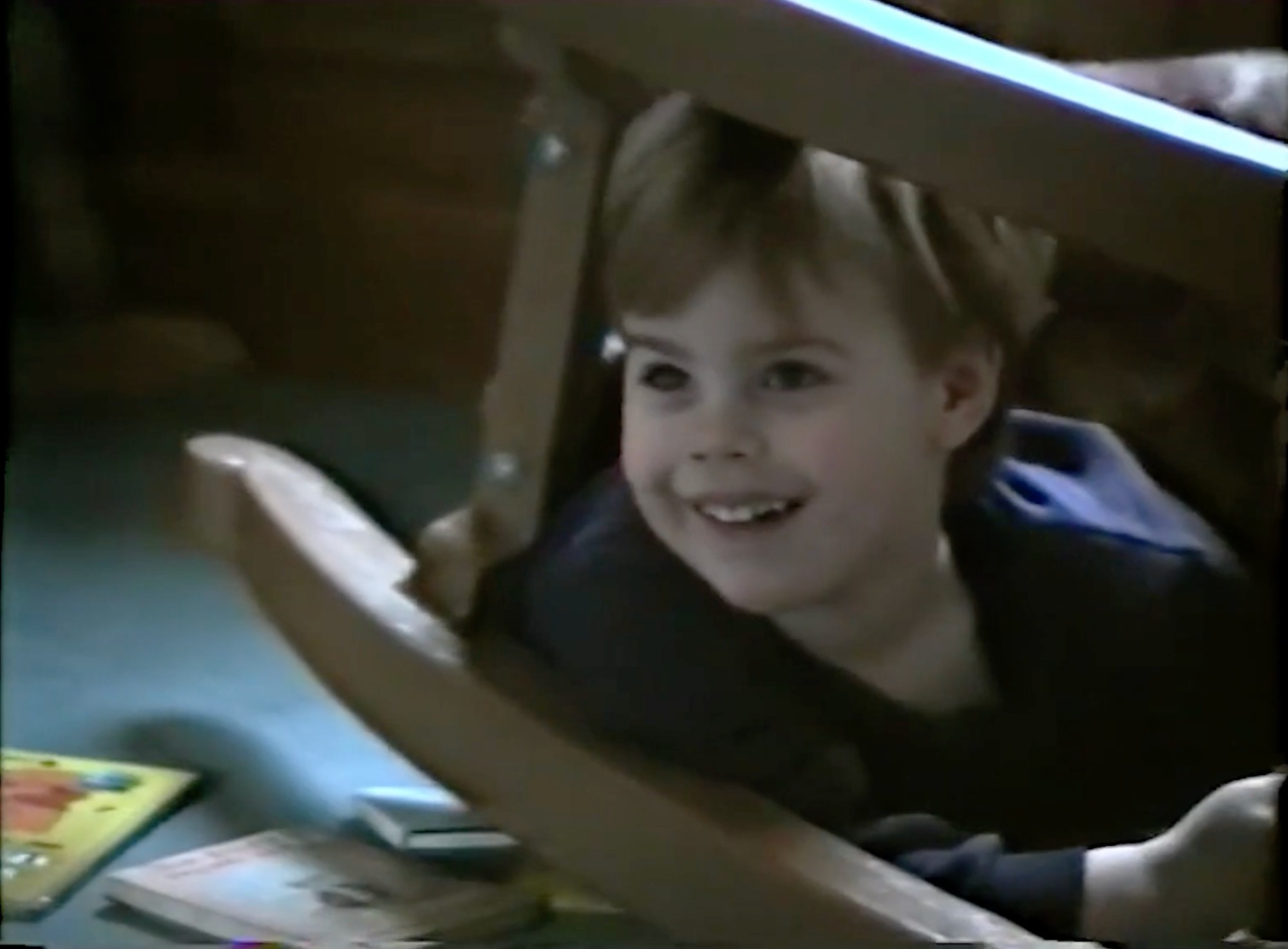
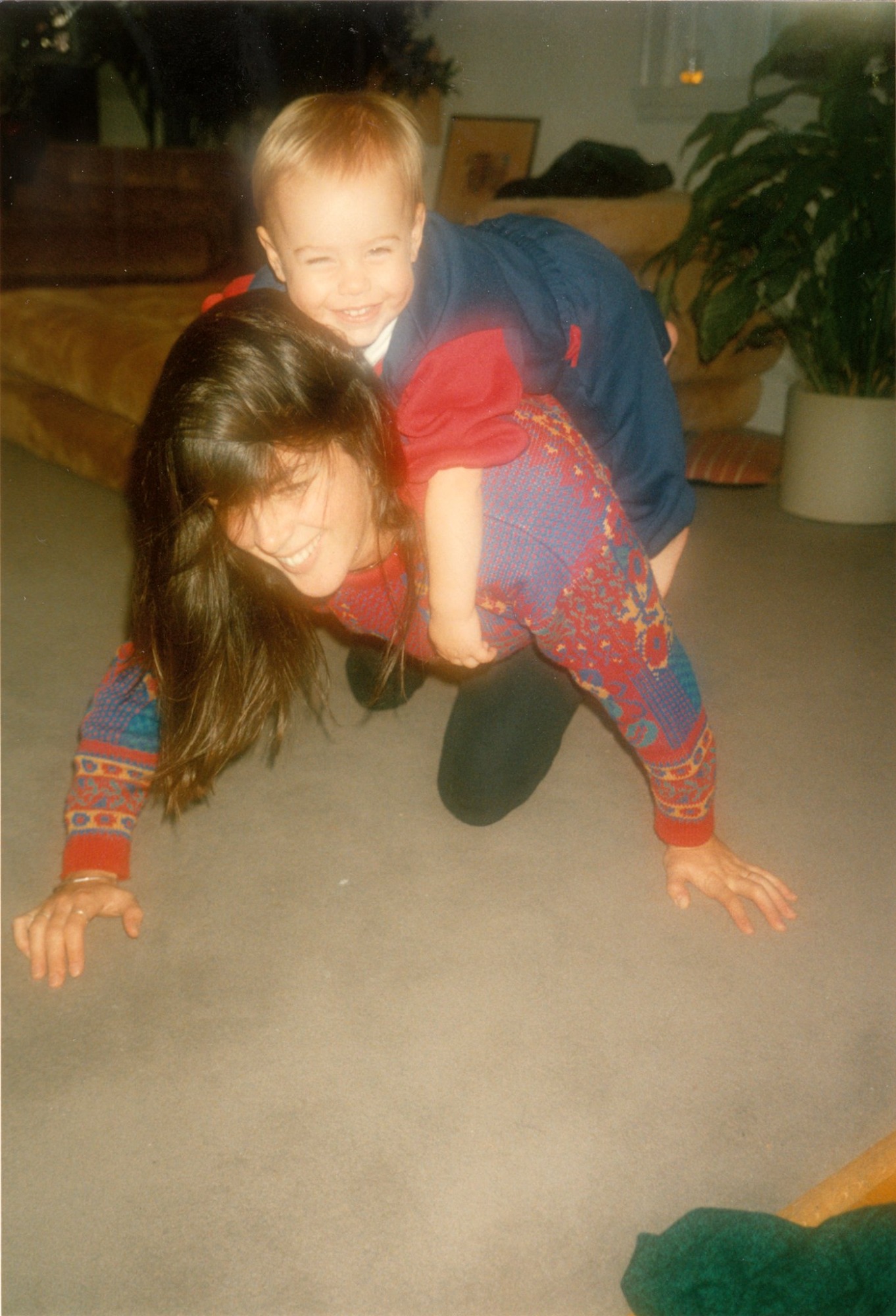
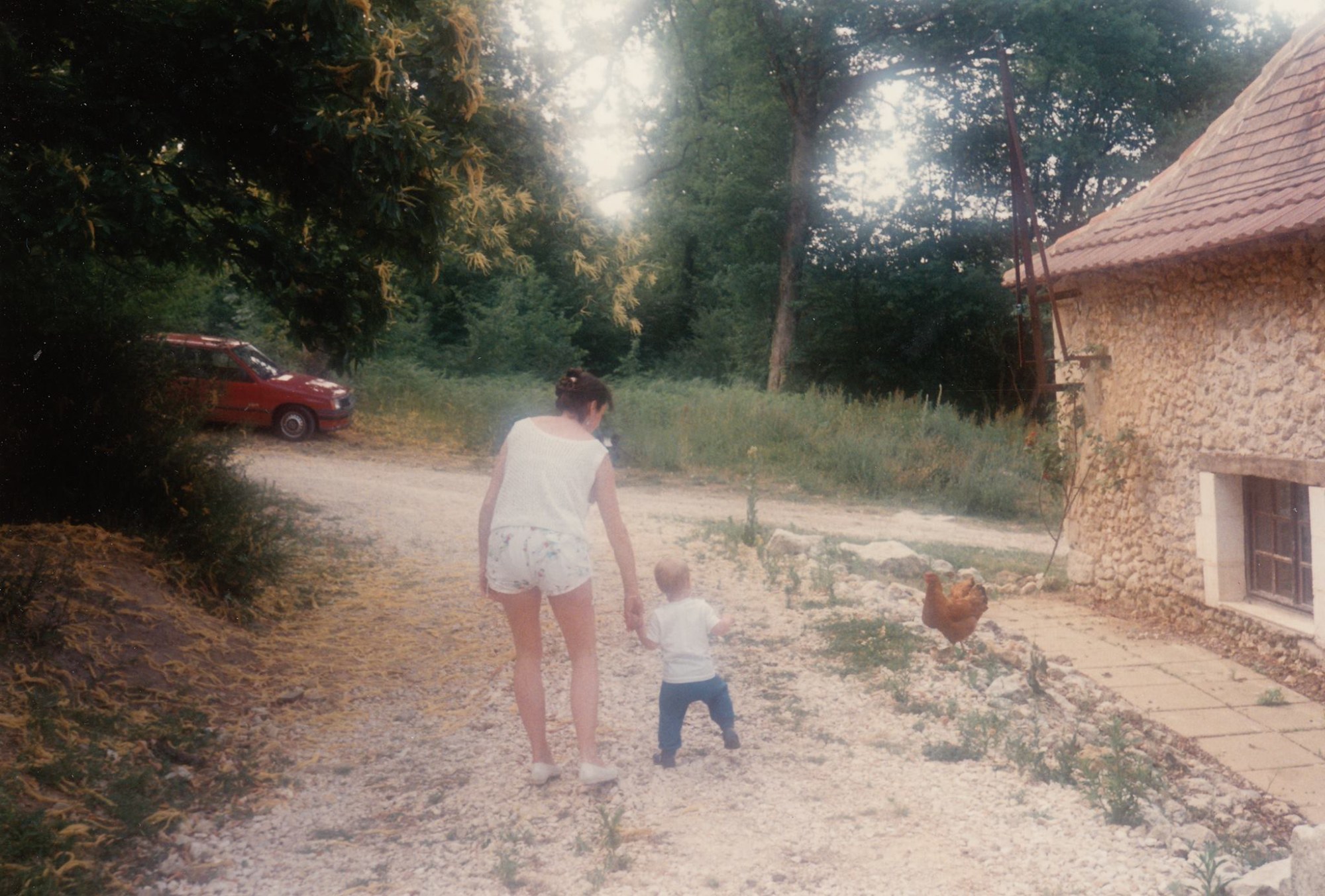
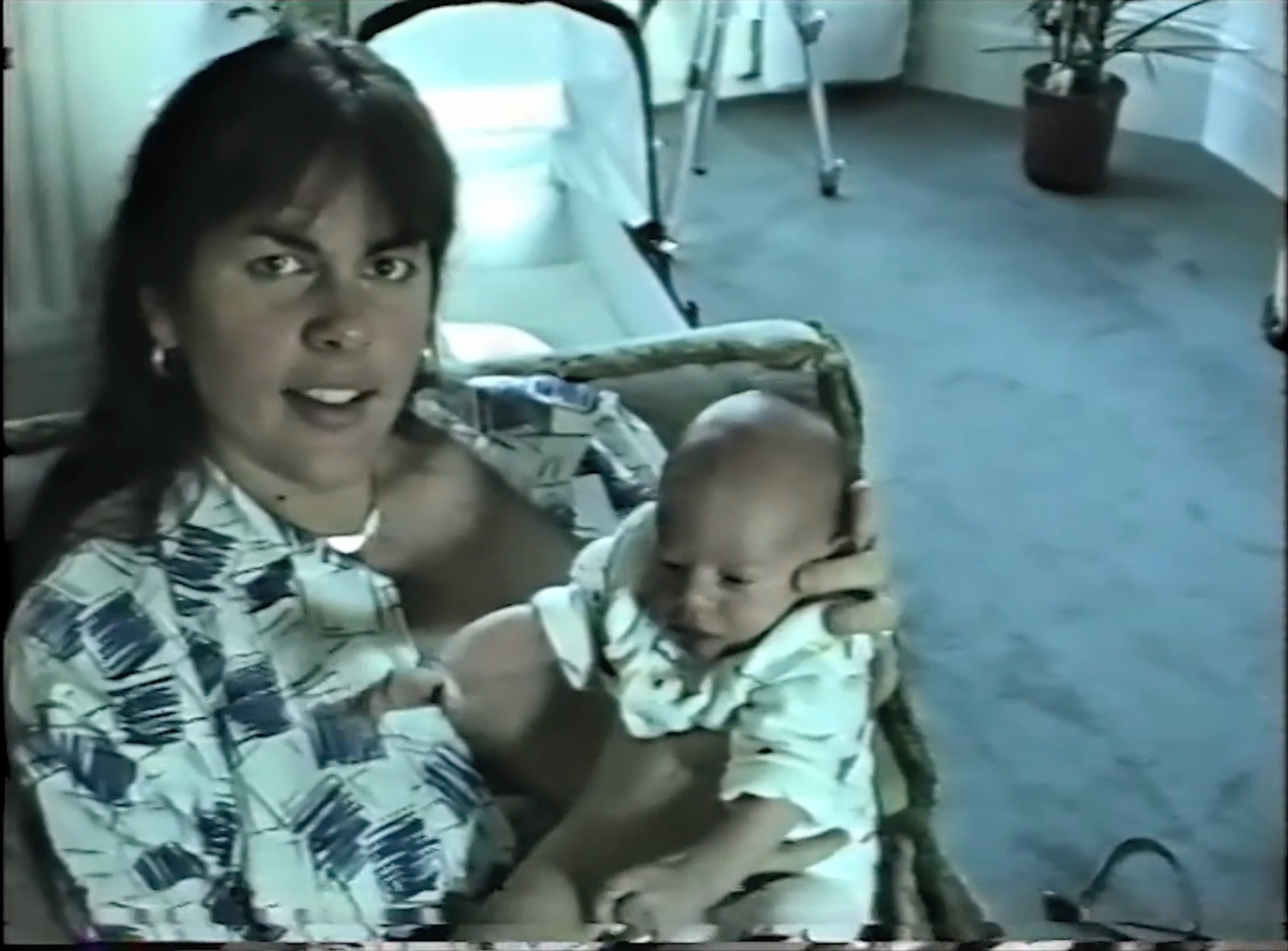
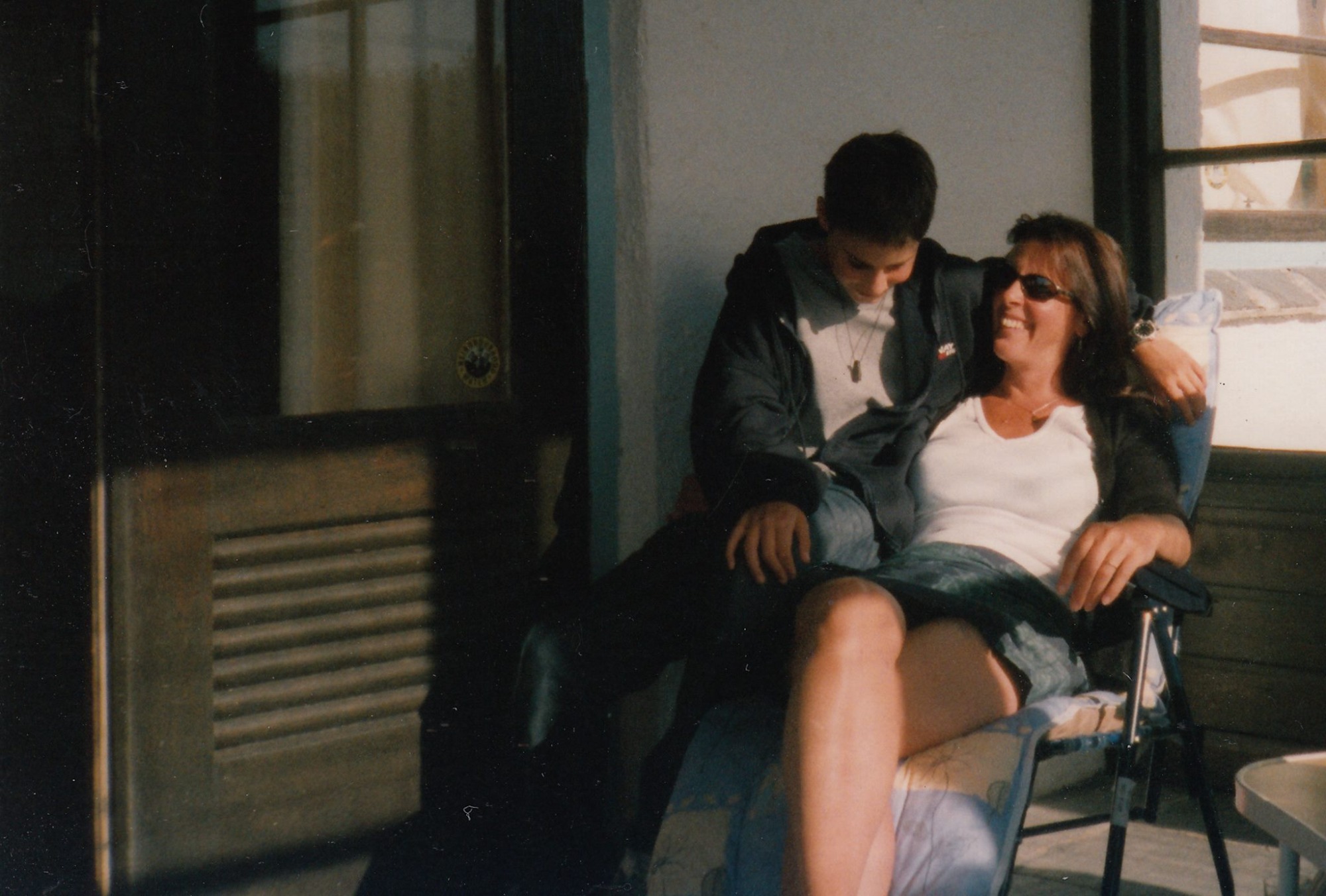
The old family footage is the film’s most powerful material, and for you the most painful. How did you decide what to use, how did you cut it, and did you treat sound and music differently with the archive?
We had 18 hours of home videos to draw from, and after Ian had sat through all the interview material, I couldn’t ask him to do the same again, so I did the first watch-through, grabbing anything that made me feel something, trying not to judge whether it might fit the edit (although there were some clips, like the rocking horse moment, which made my jaw hit the floor when I found them). We already had a pretty clear shape to the film before we found these clips, so it was really a case of putting the most powerful clips into the existing structure. As always, Ian had fantastic instincts for where things might work. There were great clips that we couldn’t fit in, but through trial and error we found the ones that resonated loudest, which of course were the ones that connected most strongly to the core themes.
We experimented with sound and music variations for the archival material, but in the end we found that the raw footage was affecting enough on its own. It feels different to the rest of the film precisely because it’s largely untreated (aside from a few clean-ups of particularly damaged old tape).
You knew going in that grief isn’t linear. Did that shape the structure from the start, and how do you build a film around something you know has no shape without structure implying that it does?
This is a really important question, and my biggest fear is that we failed at this task. It was extremely difficult to find a structure that could make the film accessible and digestible for an audience coming to it fresh, while simultaneously capturing the messy, mushy, formless vortex of grief. I included a line of voice over towards the end of the film that I hope keeps it anchored in that place of irresolution, despite the emotional evolution that’s on-screen. But honestly, this challenge still haunts me. I have experienced new waves of grief since finishing the edit, both around my Mum and in the sudden unexpected loss of a close friend – feelings that aren’t captured in the edit, and that might even contradict the implications of the structure. I hope that what comes through, more than anything, is that everything keeps evolving: life, death, grief, love, all of it. We never know what’s coming next.
It was extremely difficult to find a structure that could make the film accessible and digestible for an audience coming to it fresh, while simultaneously capturing the messy, mushy, formless vortex of grief.
The lockdown footage returns to the family and friends grieving around you. What does a camera do to grief, and how did you handle the consent of the people on screen, both when you shot it and when you came to cut it?
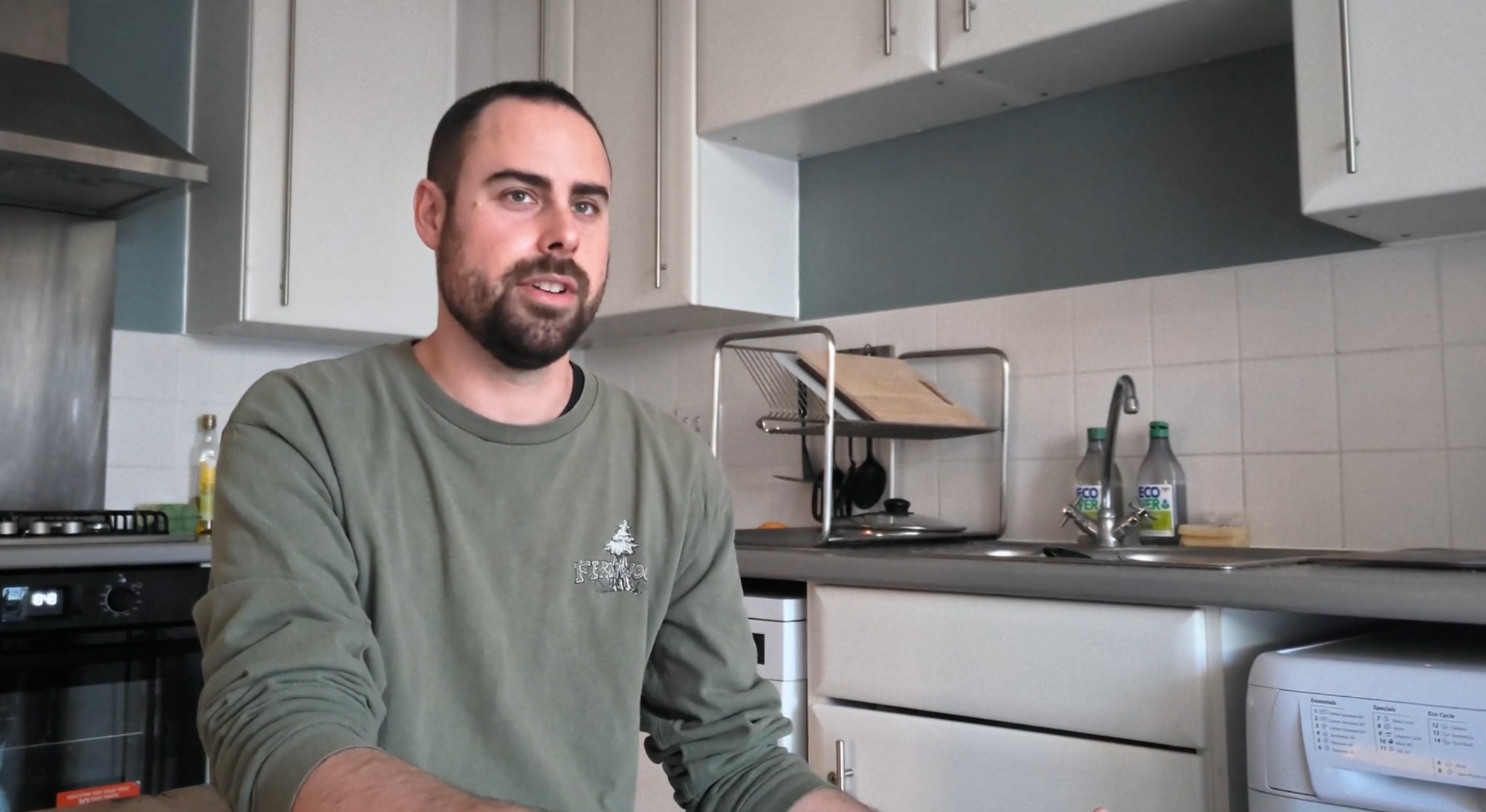
Most of these people are close friends and family, who have known me for a long time and know the kind of filmmaker I am. I did have some interesting chats with a few contributors when it came time to film updates – a few people wanted to know what exactly I was trying to show, what I was getting at with this film, etc. But in opening up about my own grief, and showing them some of the footage we were intending to use, they seemed to get that this film wasn’t out to make them look bad. Quite the opposite, I think what comes through is how amazing the community around me has been. You’re right that we do often use ‘found moments’ which they may not have intended to be seen – that is a risk, and perhaps it’s a moral grey area. I hope we’ve made choices with integrity and from a place of love for everyone. The most affecting clip for me is the 2026 interview with my Dad, about his grief, and I did ask him if there was anything he didn’t want me to include. He said, “I trust you”.
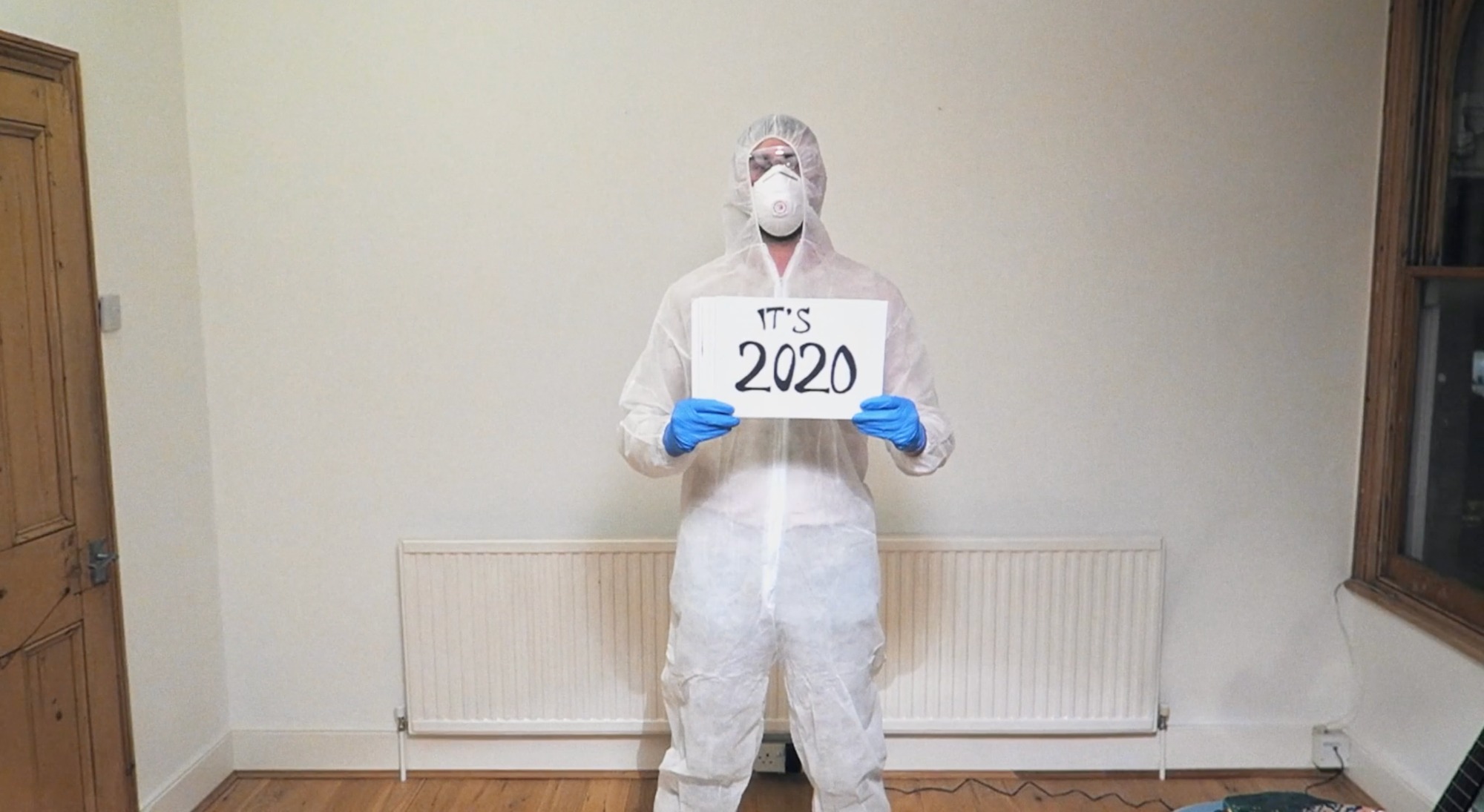
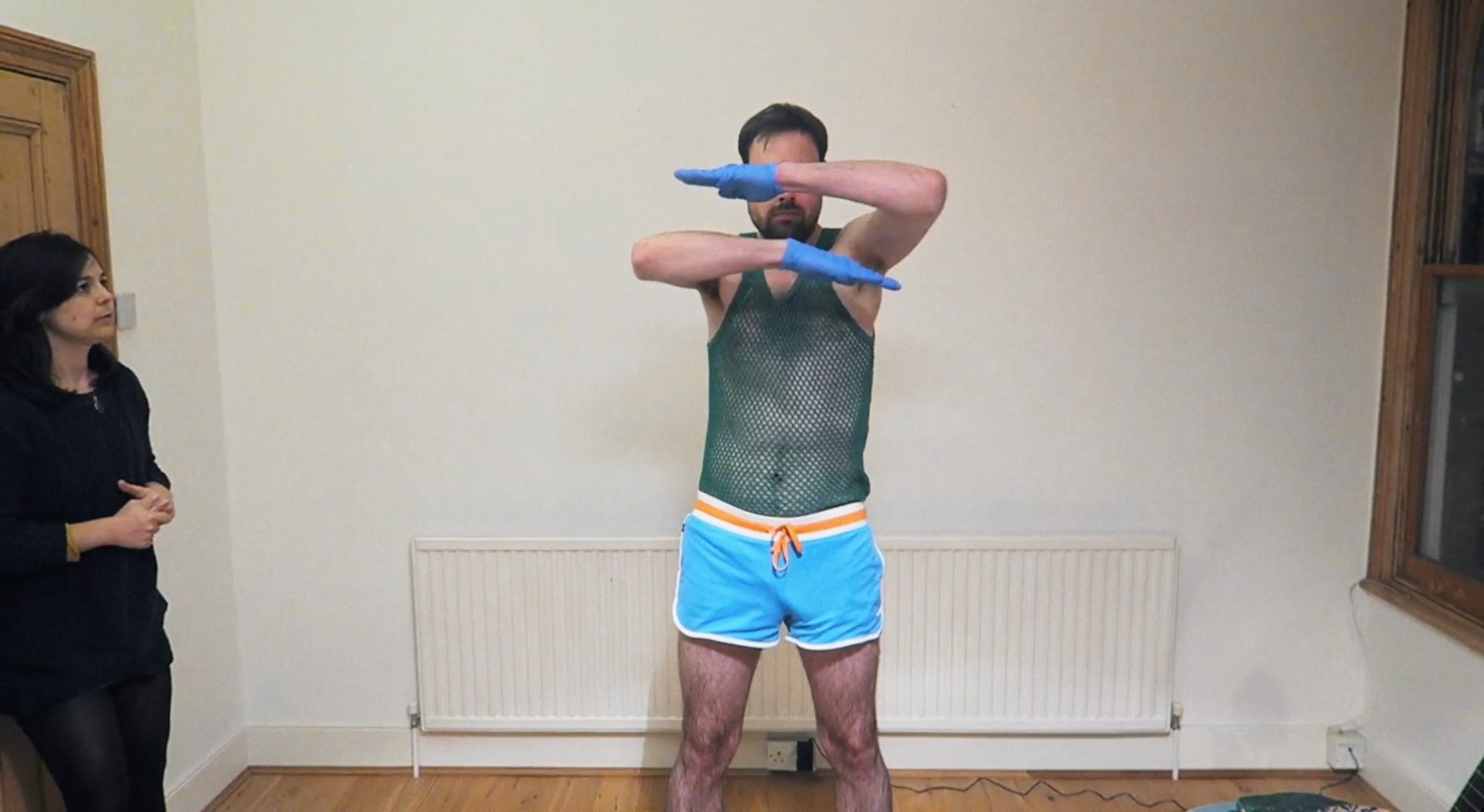
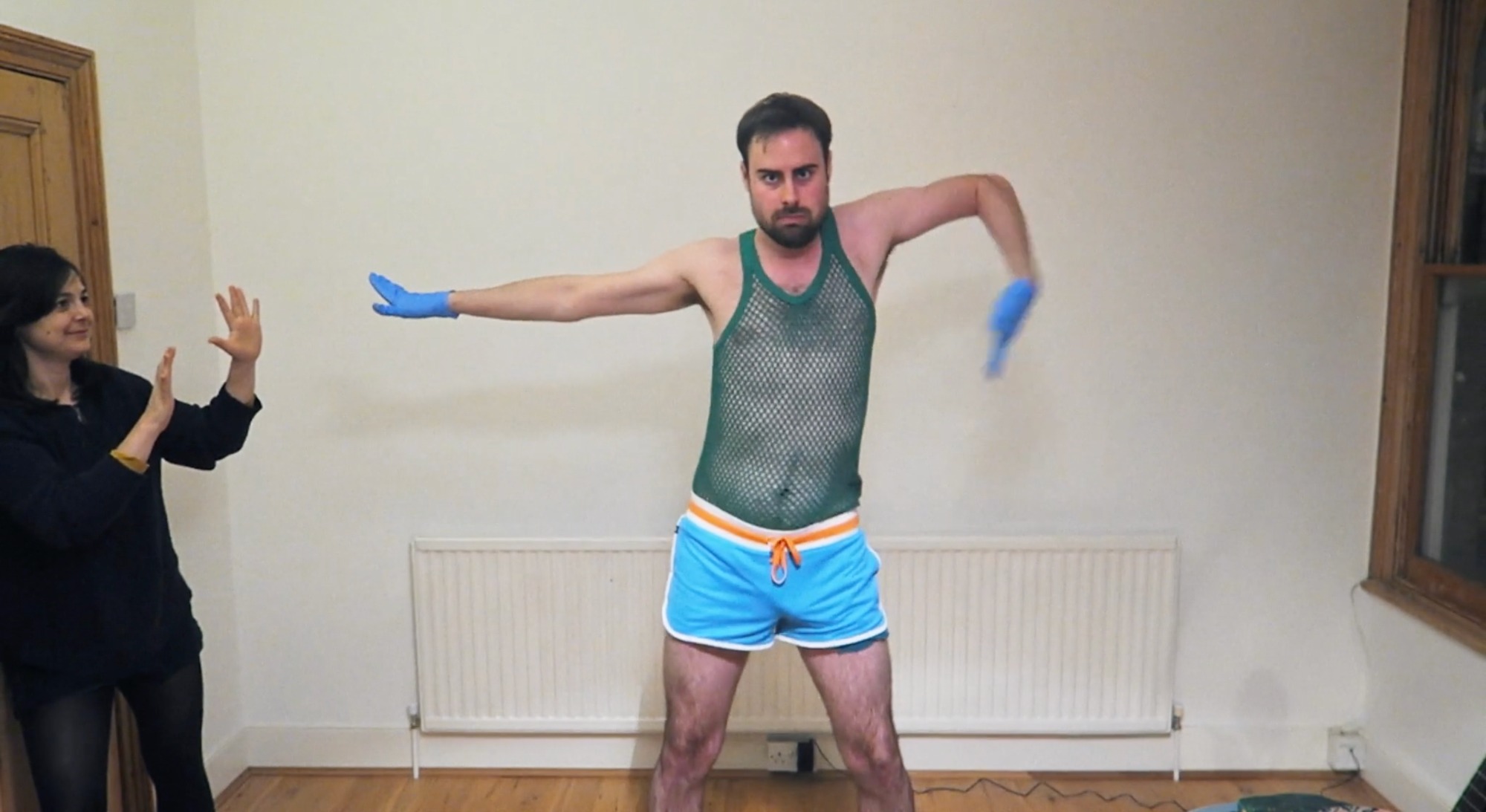
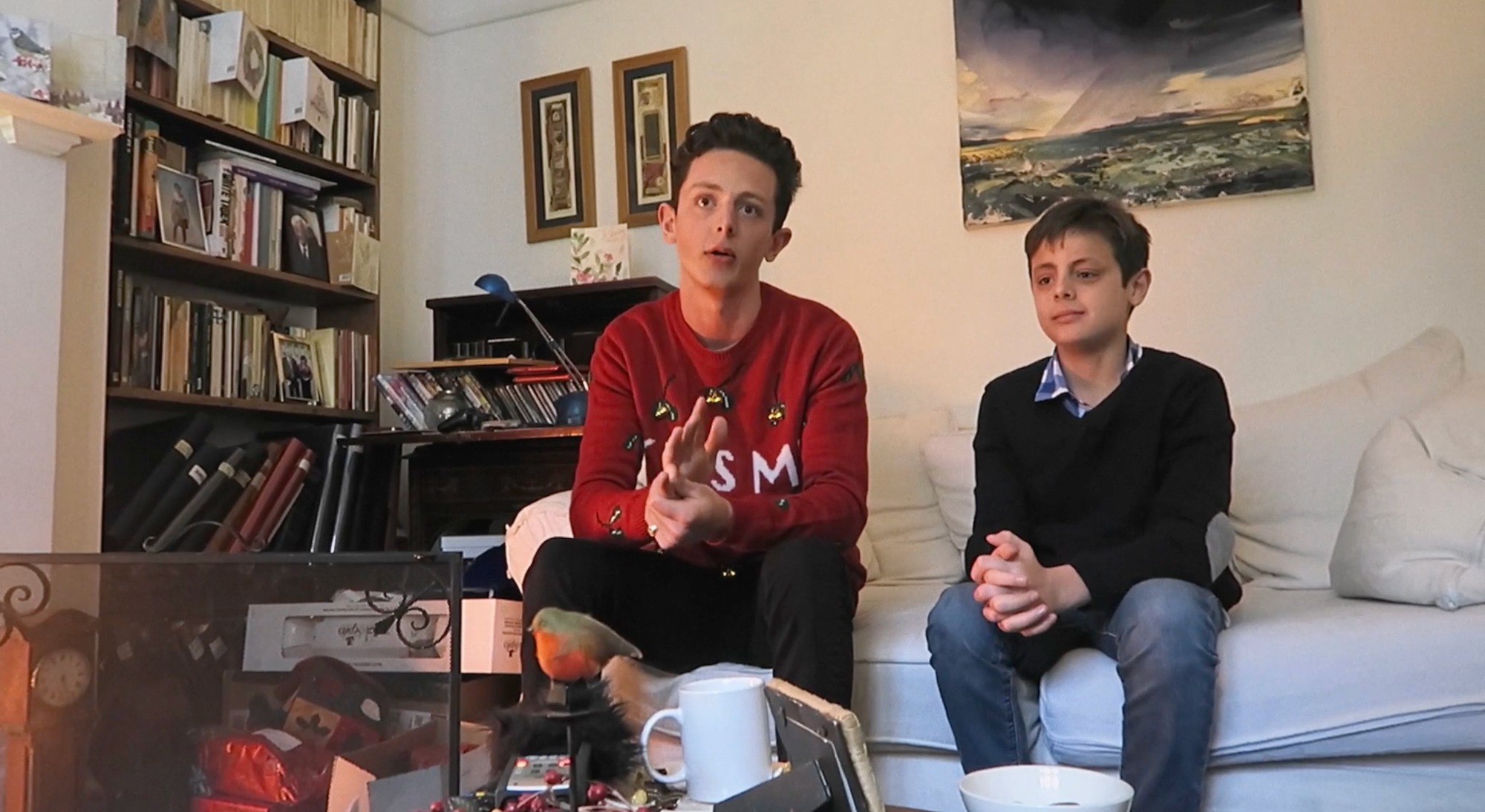
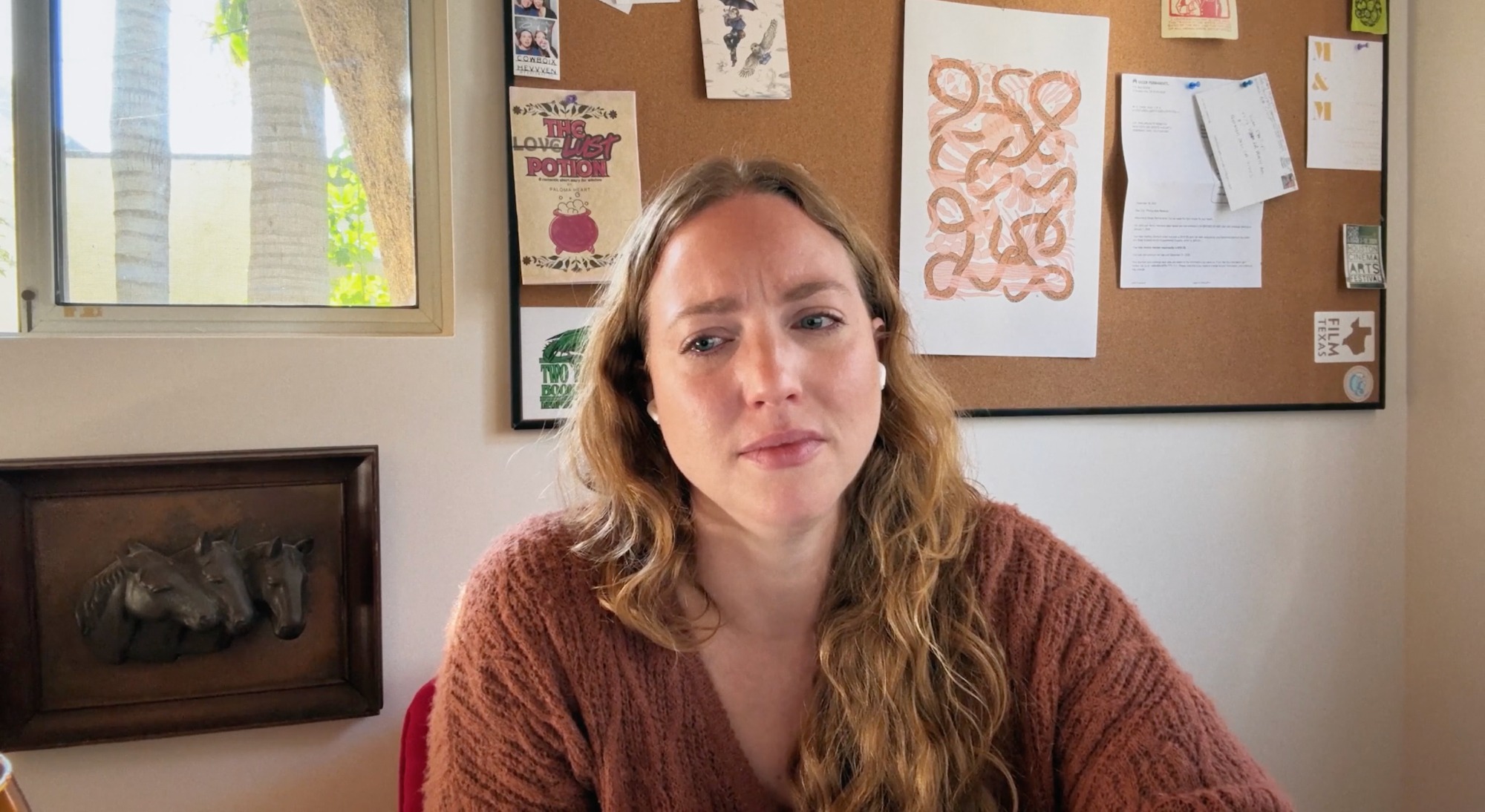
Do you wonder whether the film is an overshare? As writer, director and subject at once, which role decides what stays, and how do you judge what’s too much when the material is your own pain?
This was another huge challenge and one I took very seriously. It’s where having amazing collaborators like Ian, and my trusted community of filmmaker friends around me, has been essential. I still don’t know if we got the balance right on this one. Even up to the final edit, there were clips that people I trust were urging me to cut. I always make sure to listen to everyone, and if everyone is giving me the same note, then I have to take it seriously. But part of being an artist is also following your own intuition and taste. If I’ve got it right, great. And even if I’ve missed the mark, I think it’ll still be interesting for strangers to watch.
What became of your Nicholl-winning script about cancer, and how has grief been present across your career, even when you weren’t naming it?
I tried for 10 years to get that film made, but sadly I was unable to raise the money. I would still love to make it one day. My focus ended up shifting into other projects, including a script called Blue that I wrote with James Appleby in 2018, that was about AI and grief (that one very nearly got made many times, and still might), and a TV series based on The Orgy (which added a grief layer into the main character’s life, as part of his motivation for stepping out of his ordinary existence and expanding his horizons). In 2020, when I was filming the updates for this documentary, I was also making Fragile Package (which was about a man going through a similar existential crisis, feeling like the world was going to hell as he faced stepping into potential new fatherhood). Grief has infused itself into every day of my life since 2016, into every choice and every idea. It’s certainly emboldened me as a filmmaker – I’m willing to take risks and get out of my comfort zone because I know how short life can be.
You talk about becoming a father in the film. Did fatherhood play a part in why you wanted to make it, and how did it affect what you chose to share?
Without getting into spoilers, let’s just say that when we started editing this film in late 2025, I was not a father and I had no idea how the film would end. I jokingly said to Ian, “Maybe by the time we’ve finished, I’ll be able to hold up an ultrasound picture in the final shot”. In the end, something even more magical happened. I did think twice about whether to include this stuff in the film – whether that choice was even mine to make. And like with many things in this film, I still don’t know if I made the right decision. In the end, I simply had to trust my instincts.
Grief has infused itself into every day of my life since 2016, into every choice and every idea.
With your debut feature Circles in post, why release the most personal thing you’ve made now, and do the two films ask related questions in different registers?
In many ways they do, yet they’re also very different. In Circles, I play a character called ‘Sam’ (just as I did in Fragile Package, Tippy Toes and Useless). But although he shares superficial characteristics with me, he’s not me – he’s a siphon for the collective unconscious, a totem of modern masculinity in crisis. It’s a performance, even when the lines separating him and me are deliberately unclear. This documentary really is me, and although it’s a quirk of timing that they’re both coming out within a year of each other, perhaps there is also something nice about being able to distinguish myself from the characters I play on-screen.
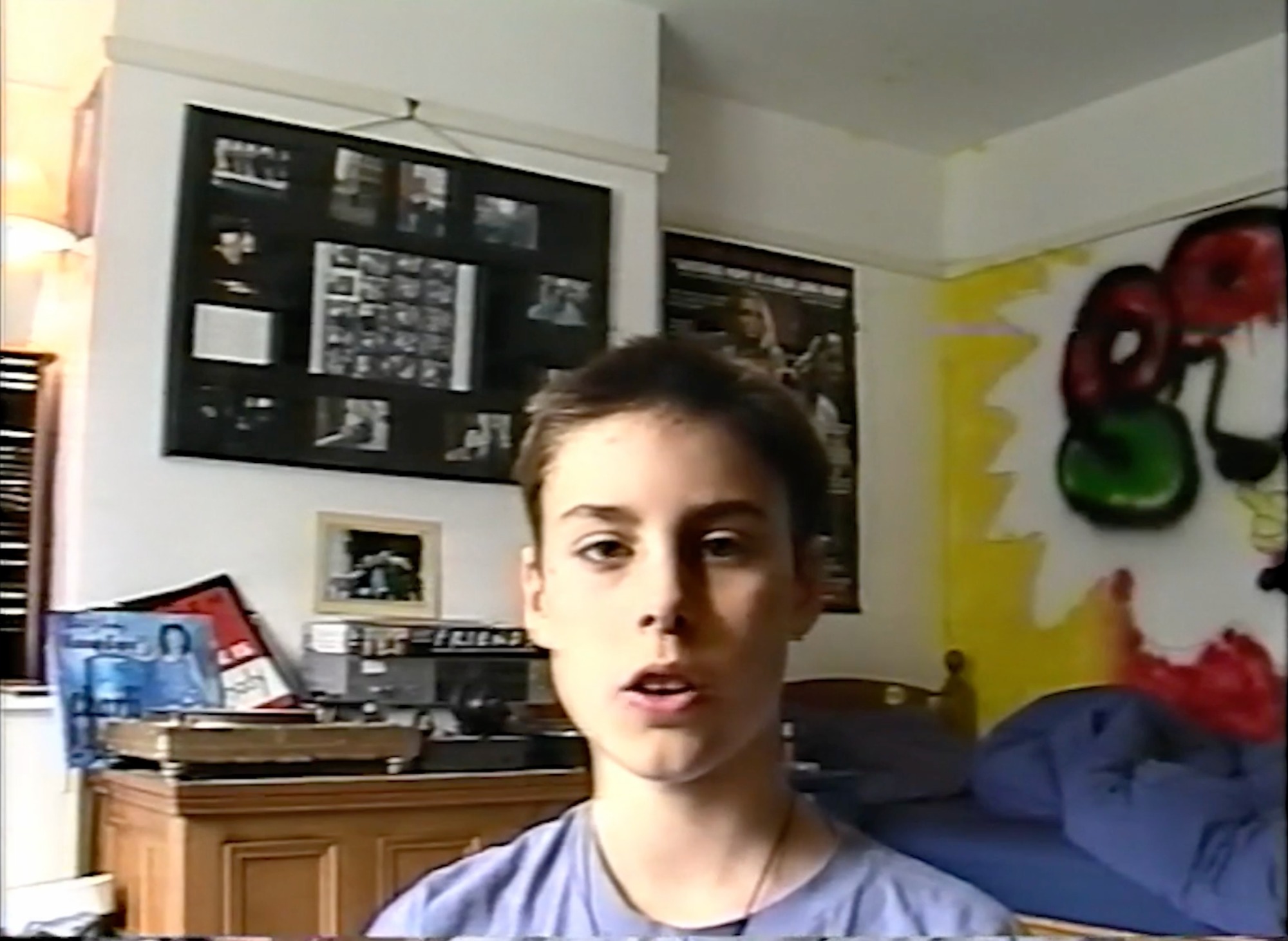
“Bad things happen and they are going to keep happening.” What does a camera understand about time and love that living through it doesn’t, and is making films a way of being present or a way of not losing things?
This is such a profound question. I don’t know how I can do it justice. I’ve always loved the films of Richard Linklater, especially the Before trilogy and Boyhood, both of which use film to evoke the emotion and meaning inherent in the passage of time so effectively. God, I wish I had the words to properly answer your question. All I can say is that I’ve been obsessed with filming things my whole life. And when my Mum died, I combed through old footage as a way to keep her alive. I did the same thing when I lost my close friend recently. I have sometimes worried that filming things stops me from being present in the moment, but I think at this point it has become such second nature to me that I do it almost without thinking. And god, I’m glad that I have the wealth of footage that I do.
What’s your favourite short film? Only one!
I’m sure I change my answer every time. Today I’m going to say 22. Anna Matthews by Ben Hector because I can watch it a million times and it gets me every time.
What’s next for you, and how do you take the idea of “looking at an unknown stretch of time but interested to see what happens” into whatever comes after this?
I wish I knew! I’m extremely committed to the idea of flow state right now. I genuinely have no idea what’s coming next. I’m finishing Circles with that amazing team of collaborators. I’m starting to dream up new projects I could make next. But mostly, I’m enjoying being a dad.