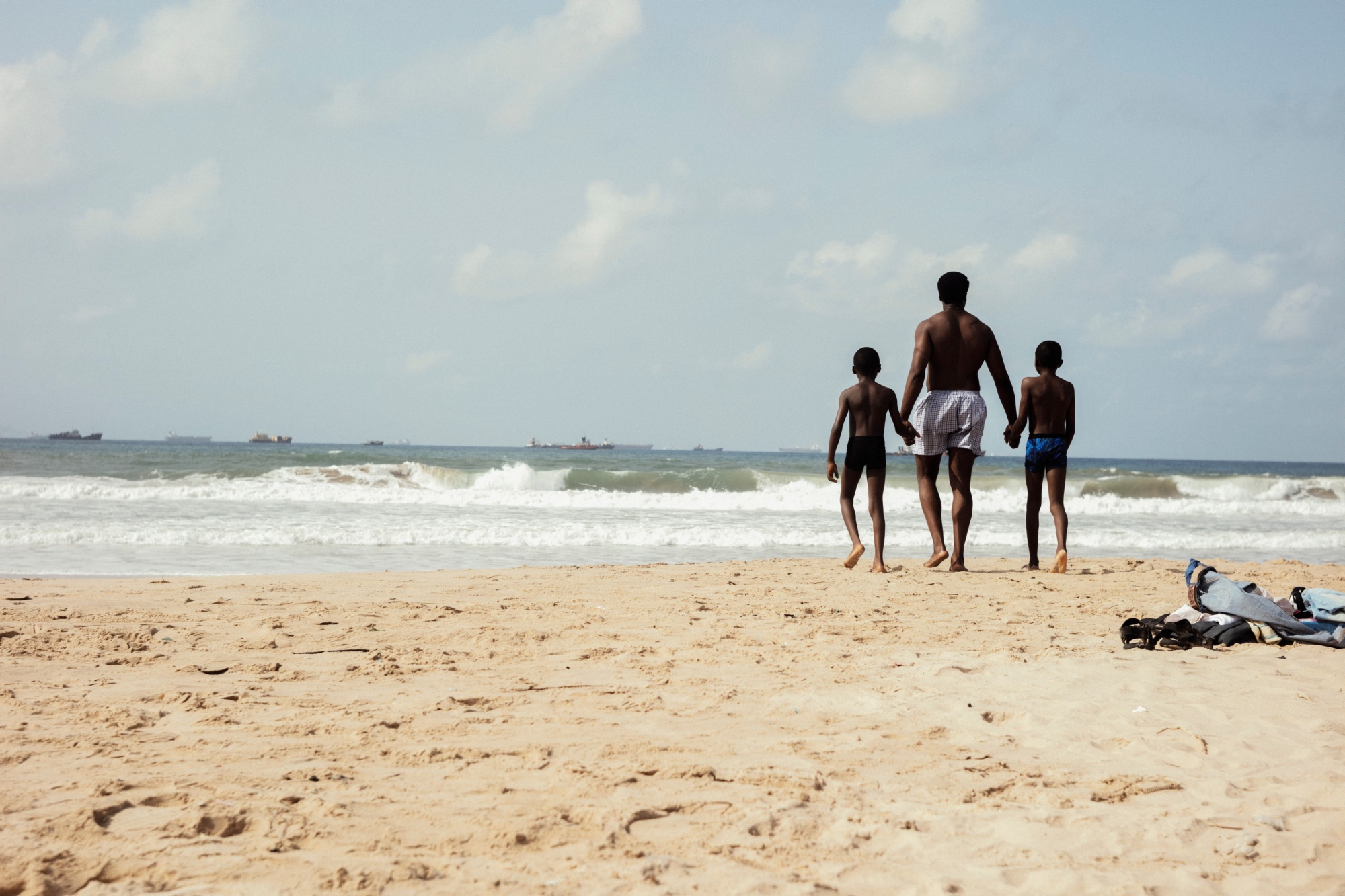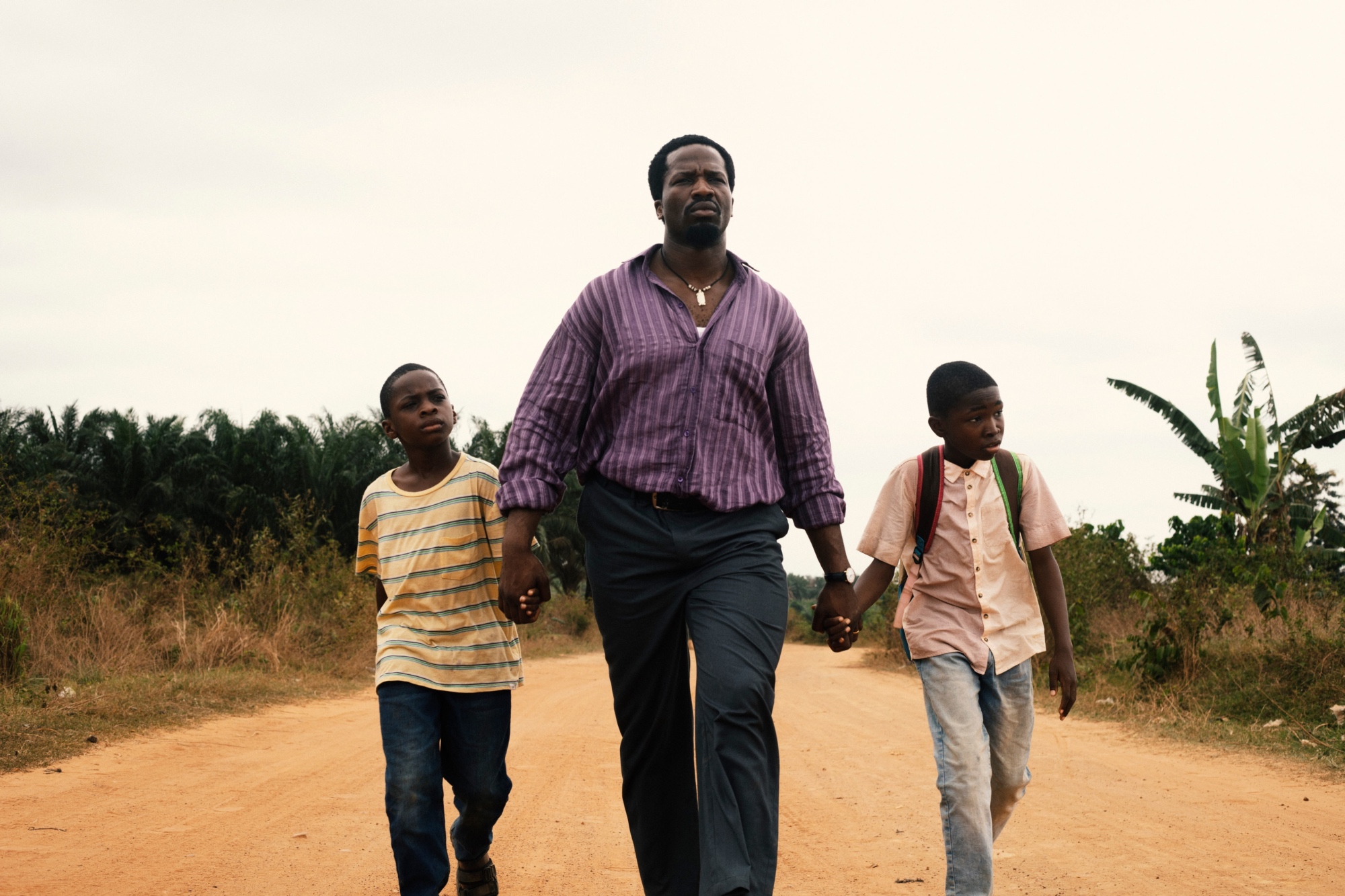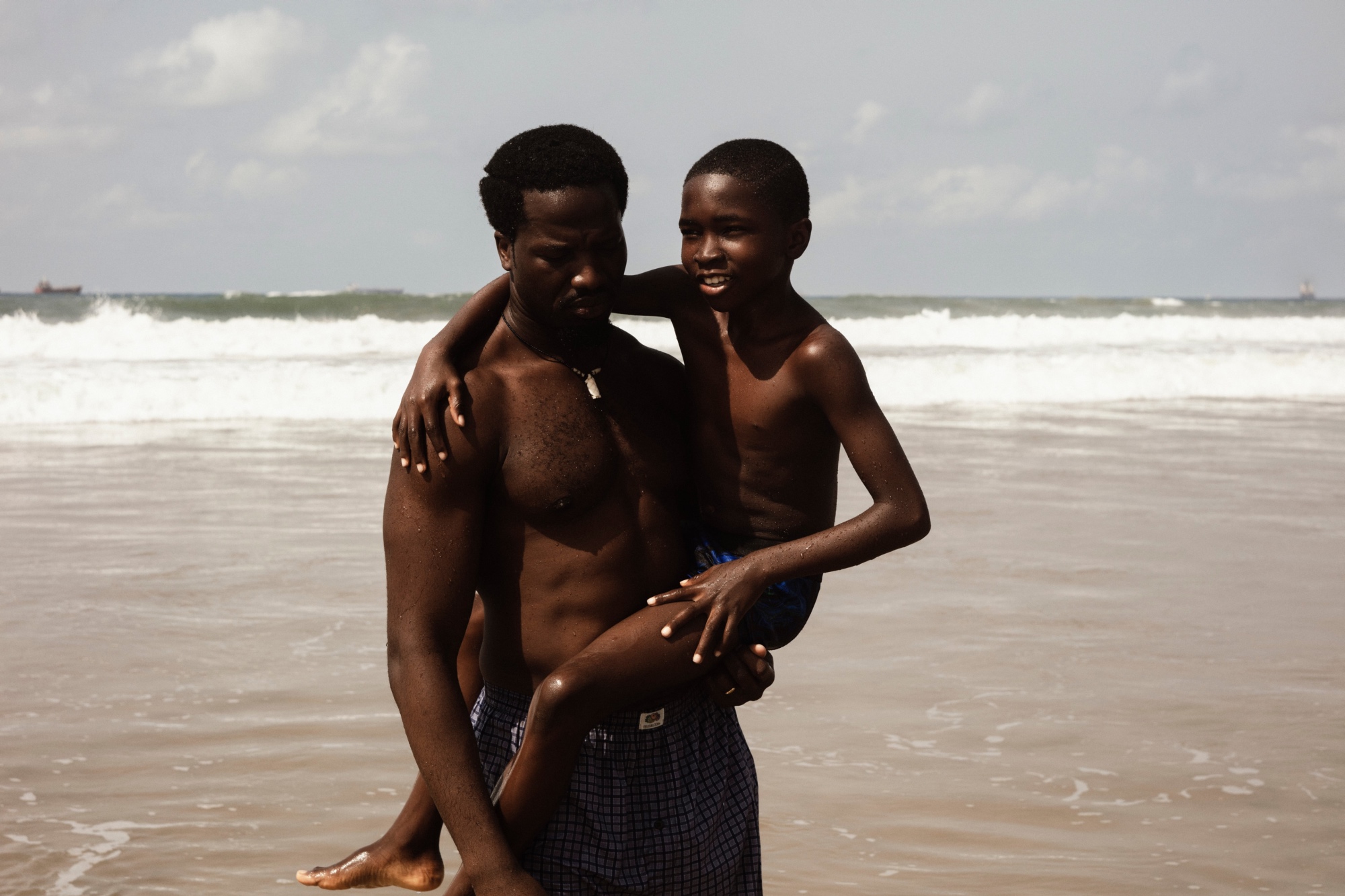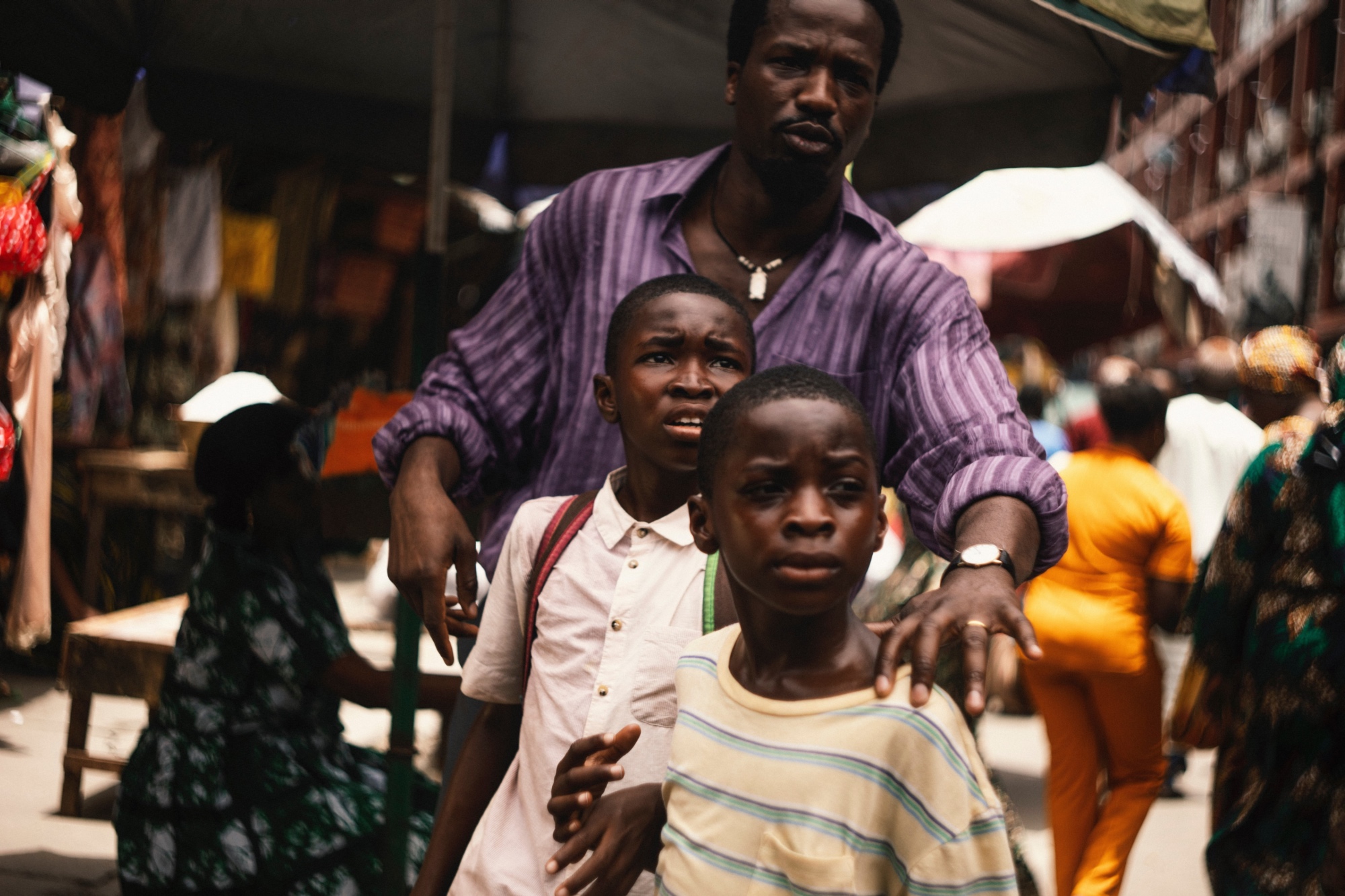
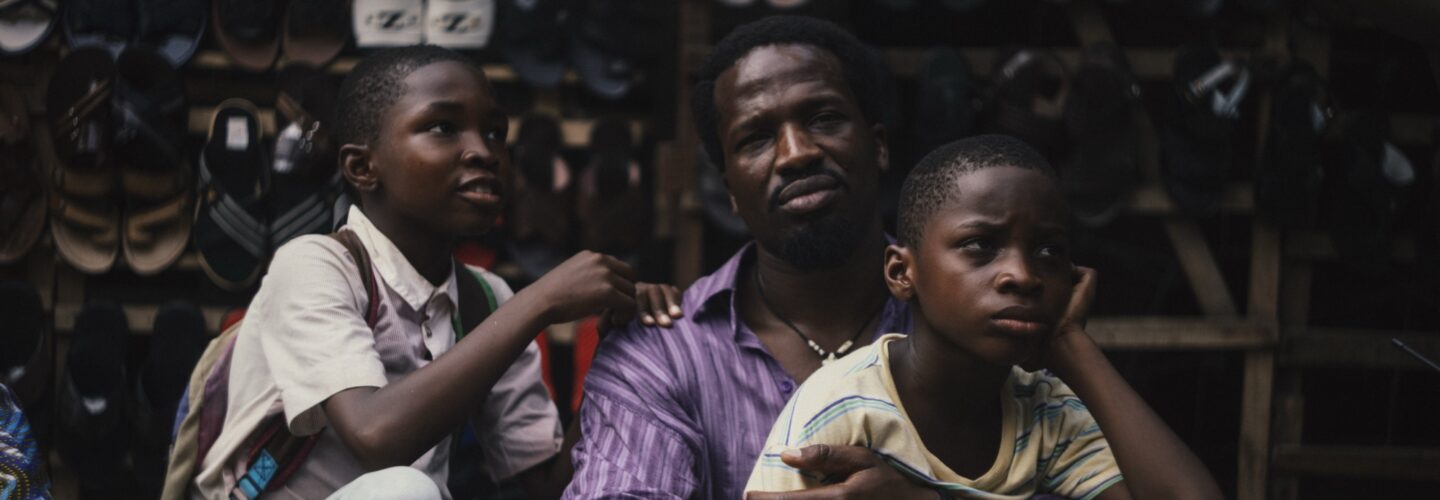
Next up in our British Independent Film Awards partnership series of interviews with the 2025 cohort of nominated directors for The Douglas Hickox (Best Debut Director) award, we sit down with Akinola Davies Jr., a DN alum whose 2021 Sundance winning short film Lizard put the talented writer/director on our radar, to discuss his celebrated feature My Father’s Shadow. Not only was this impressive debut the first Nigerian film to be selected for Cannes’ Official Selection—where it received the Caméra d’Or Special Mention—it also leads the pack at this year’s BIFAs with 12 nominations. Shot entirely on Super 16mm across seventeen locations in Lagos, My Father’s Shadow is a semi-autobiographical odyssey that transforms personal grief into visceral, poetic cinema. Co-written with his brother Wale Davies, the film follows two young brothers spending a rare day with their estranged father against the backdrop of Nigeria’s tumultuous 1993 election—the first in a decade and a watershed moment full of hope of ending the country’s military dictatorship. What distinguishes Davies Jr.’s approach is his refusal to simplify. Rather than treating the political as a mere backdrop or allowing it to overwhelm the strained family dynamic, he achieves a delicate alchemy where macro and micro histories intertwine.
My Father’s Shadow breathes through its commitment to celluloid—a deliberate choice Davies Jr. frames as an act of cultural dignity, insisting Nigeria deserves to be captured “on the most beautiful format.” Working with first-time cinematographer Jermaine Edwards, they construct a visual language rooted in faces, presenting close-ups that linger with curiosity rather than judgment. In our interview, we explore the crucial decision to infuse political urgency into what began as a much simpler familial narrative, the collaborative ecosystem Davies Jr. built around first-time child actors (real-life brothers Godwin and Chibuike Marvellous Egbo), and the meticulous research required to authentically recreate a Lagos rapidly disappearing beneath modernisation. We also discuss his philosophy of collaborative directing, the unexpected origins of his filmmaking career, and what recognition means when you’ve spent fifteen years building trust with your crew.
I see aspects of British culture or European culture on the most beautiful format and I felt it quite necessary to capture Nigeria on the most beautiful format because I think as a film loving nation it’s deserving of it.
Most Popular