

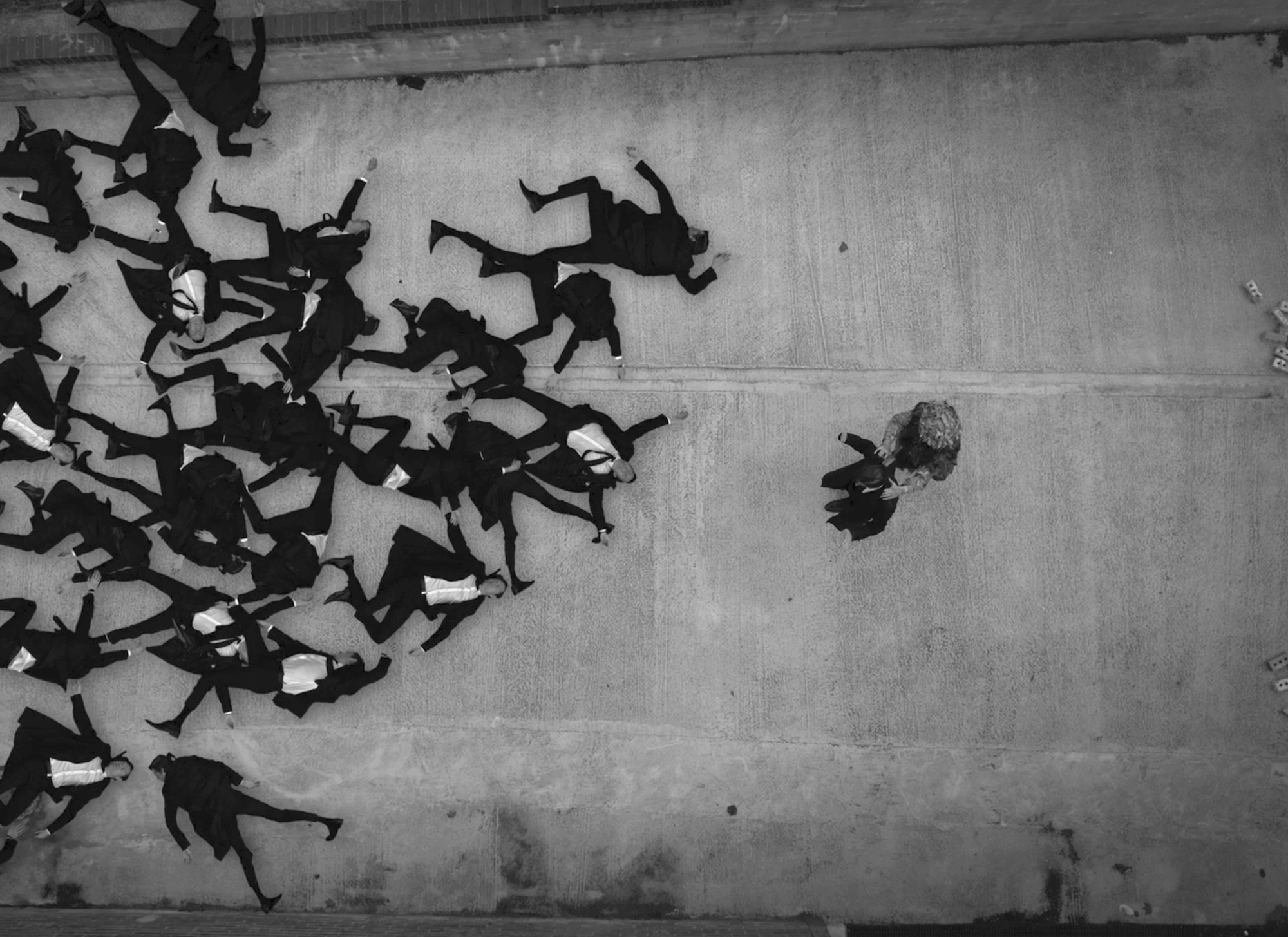
Ben Wheatley first turned up on Directors Notes in 2009 with Down Terrace—a crime drama shot in eight days in a borrowed Brighton house by a filmmaker nobody had heard of at the time. We liked his work immediately. From that starting point, we followed him through Kill List, Sightseers, and A Field in England, each film swerving into new unexpected territory: hitmen stumbling into folk horror, caravan holidays turned killing sprees, English Civil War soldiers tripping through dimensions via lenses cobbled together from pound shop telescopes. Since that last conversation, Wheatley has pinballed between budget scales—Netflix’s Rebecca, the $129 million Meg 2, the zombie TV series Generation Z. Then last year, when a gap opened up in his schedule, four months with nothing booked, he did what he’s always done: made something. Produced through his Rook Films banner with backing from Film4, Bulk is a mind-bending sci-fi thriller film where a cataclysmic accident fractures reality and sends its characters scrambling through alternate dimensions that seem held together with cardboard and conviction. The film wears its DIY construction proudly—image quality lurches between VHS, phones and high-end cameras as the narrative tension shifts, model work seams and strings remain gloriously visible, and post-synced dialogue floats with an uncanny effect, nimbly fitting with the whole narrative (or is it a search for narrative?). Now he is taking Bulk on tour: pub screenings, cinema clubs, community centres—from the 30-seat independent cinema The Nickel to the BFI IMAX. It’s the kind of grassroots rollout we hope more features can embrace. 13 years on from his last appearance on Directors Notes, we’re thrilled to welcome Wheatley back for a behind the scenes chat where he reveals how he thinks about production value, why you can’t improvise science fiction, and his desire to share his filmmaking knowledge in fanzine format.
[The following interview is also available to watch at the end of this article.]
Ben, welcome back to Director’s Notes.
Yeah, oh my god, you’re still going!
Turning 20 this year! It’s been 13 years since we last spoke to you about A Field in England. To familiarise our audience who wouldn’t have seen it yet, could you introduce us to Bulk?
Bulk is a film that I shot last year, which is basically a science fiction movie where there’s a cataclysmic accident and then various characters try to escape from the consequences of it. It’s shot in Brighton, and we’re taking it on tour now. It’s going out and about. It’s a lowish budget, but we’ve always done cinema tours and stuff, certainly since Sightseers’ time. But this one is going out to cinema clubs and community art centres more than cinemas, though with a mix of other cinemas and stuff. We’re investigating a lot of different spaces up and down the UK and Ireland.
It’s kind of interesting at the moment. It’s a different climate. With every film that we’ve taken out, the whole situation of distribution changes every time. But at the moment, what’s interesting is that there’s a resurgence of cinema clubs, which is a newish thing. Though it was a big thing before the internet. That’s how I started, showing at My Eyes! My Eyes!, the Volcano festival and all that kind of stuff in London in the nineties, when it was all pub-based screenings. But that kind of got squashed by YouTube and the thinking of, “Let’s show everything on the internet because we get bigger audiences.” But the reality is that the dedicated pub-based audiences are pretty good, and that seems to be where the fightback is at the moment.
It’s a return to the old school. It’s more face-to-face, more personal. We recently spoke to Geoff Barrow and John Minton about Game, and they were doing the same kind of roadshow.
We’ll do eighteen dates in January and February, and then I think we’ll just reassess and go out again. Because the actual idea of a major release—even a major indie release—would be thirty to one hundred screens and doesn’t seem practical anymore without a lot of money spent on advertising to get people into the spaces. Then by that point, you’re just paying for getting people in there; it doesn’t actually make any money, it makes a loss. And then that loss has to be got back from the streaming sale or from physical, but there’s barely any physical anymore. So in a way, it’s better just to roadshow it.
I’ve always found that if there’s a gap opening up, it’s all dictated by the budget. If it’s a big budget thing, it just takes longer to set up, but a small budget is often much quicker and more nimble.
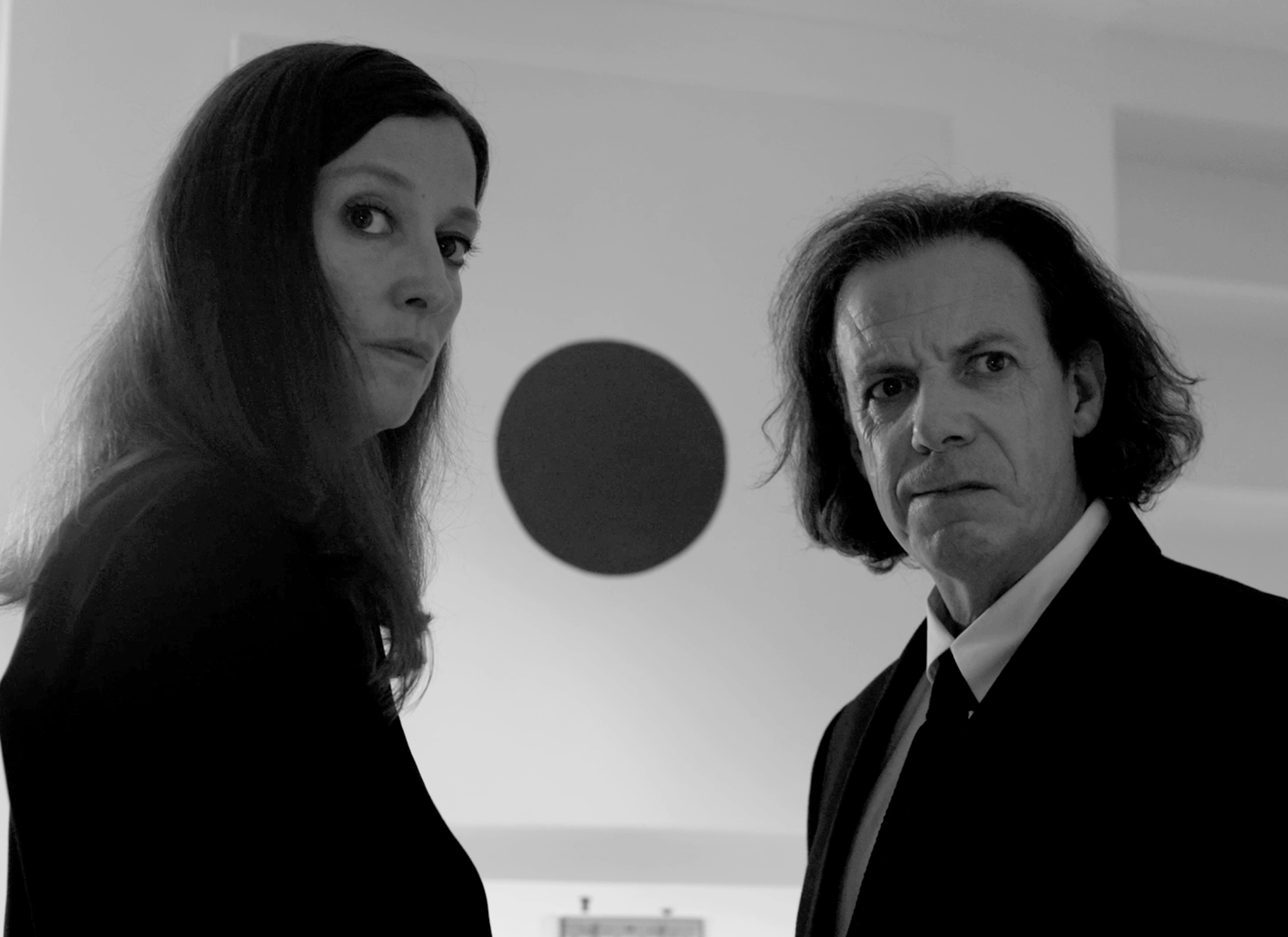
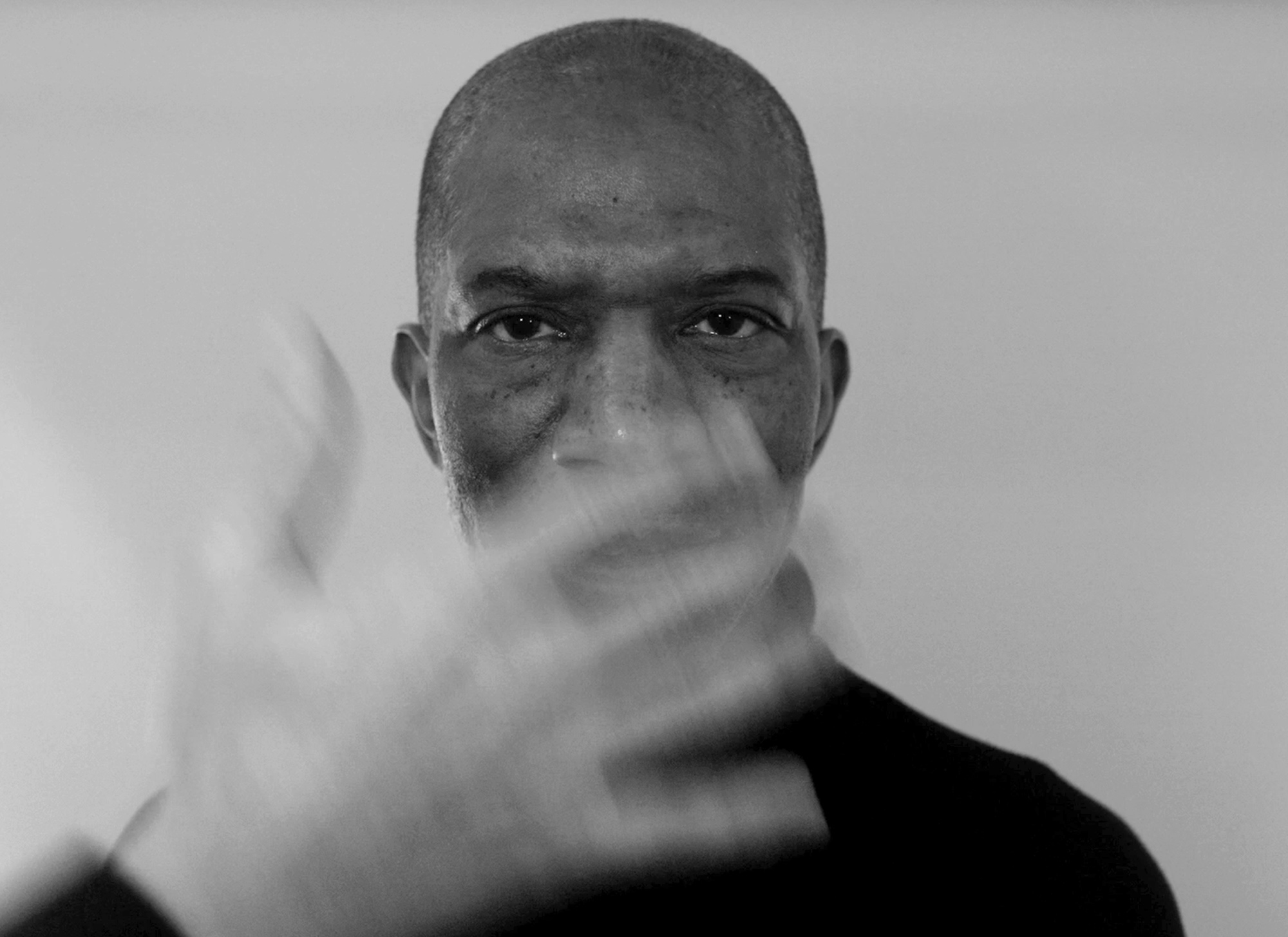
I know when you spoke to MarBelle years ago, you’ve always had different levels of projects going on. Was this something that served as a palate cleanser to the huge Meg 2 production budget?
No, it’s just I’m doing stuff generally. In the Earth and Bulk are about this narrative. You build a narrative around stuff, and when you’re looking at something where you don’t have much information, why do you do something like Bulk after doing something like Meg—you start to build a story around it. That story could be, “Oh, it’s a reaction from one to the other,” but in actuality, it’s because there was time.
I’d made Generation Z, that was fast-moving, going back to the old way of making stuff and loose improvisation. Generation Z was effectively like making three or four of Kill Lists in a row—six forty-five minute episodes. So I had reset from that massive studio style. I’d already been in talks with Bob Odenkirk to do the Normal, an action movie that was being booked in for the end of the year, so I had a four-month period where I had time to make something else, and so we made Bulk. I love working on low budgets, but I guess I just love working, so I’ll take it where I can get it. I’ve always found that if there’s a gap opening up, it’s all dictated by the budget. If it’s a big-budget thing, it just takes longer to set up, but a small budget is often much quicker and more nimble; you can get stuff done.
Most Popular
I love your pared-back multiverse of Bulk, which contrasts nicely with some of the more elaborate multiverses we’ve seen on screens recently.
This might be naive, but I wasn’t even thinking about Marvel or Everything Everywhere All at Once. My stuff has come from Kurt Vonnegut, Philip K. Dick and 2000 AD. It’s more that kind of world and media. Bulk is made up; it’s not real, but it shows that in the film. The film breaks down as you’re watching it. Sometimes it looks like it’s shot on VHS, because it is. Then some of it’s on phones, and some of it’s on good cameras. Wherever the tension is in the movie affects the quality of it.
I was also thinking about, what is a car chase and what is big budget? What does it actually mean? Is it a feeling, or is it having to make things really, really super realistic? But when you look at big-budget stuff—even with all the money in the world—it doesn’t look realistic. So what does it matter? Then I started thinking about something like South Park. I remember watching it for the first time, thinking, “This animation is bad, it’s poor”. But that only lasts for about thirty seconds, then you start really enjoying it because you’re filling in the gaps. That’s what it is. You only feel it’s bad when it’s compared against stuff that’s good.

There’s such ingenuity in the way the film opens up all of the doors into different genres.
Yeah, it’s just having fun, and I think that’s important. I love science fiction, I like that elasticity, and I like comic book stuff and not giving a shit. If you’ve got a problem, you can just move through it in the narrative rather than getting all cross about it because you haven’t got enough cash to make it properly.
We’ve spoken to you before about your love for lo-fi filmmaking, and in Bulk you really embrace that with cardboard props, visible strings and a real handmade feel to what’s on screen.
I think lo-fi is just giving yourself permission to make stuff and not get hung up on production value. I had the highest production value of all because I’ve got Sam Riley and Alexandra Maria Lara, Mark Monero and Noah Taylor. Once you’ve got actors, it’s all about eyes. The rest of it doesn’t really matter. As soon as you see their eyes and you see their faces, you believe it and they believe it. They’re so committed to the performances that it gets around a lot of the issues that might be there with whether or not the sets are real or not.
What about collaborating with Met Film School? I know you were introduced by Tim Brown from Cinecity and you did some work at their studios.
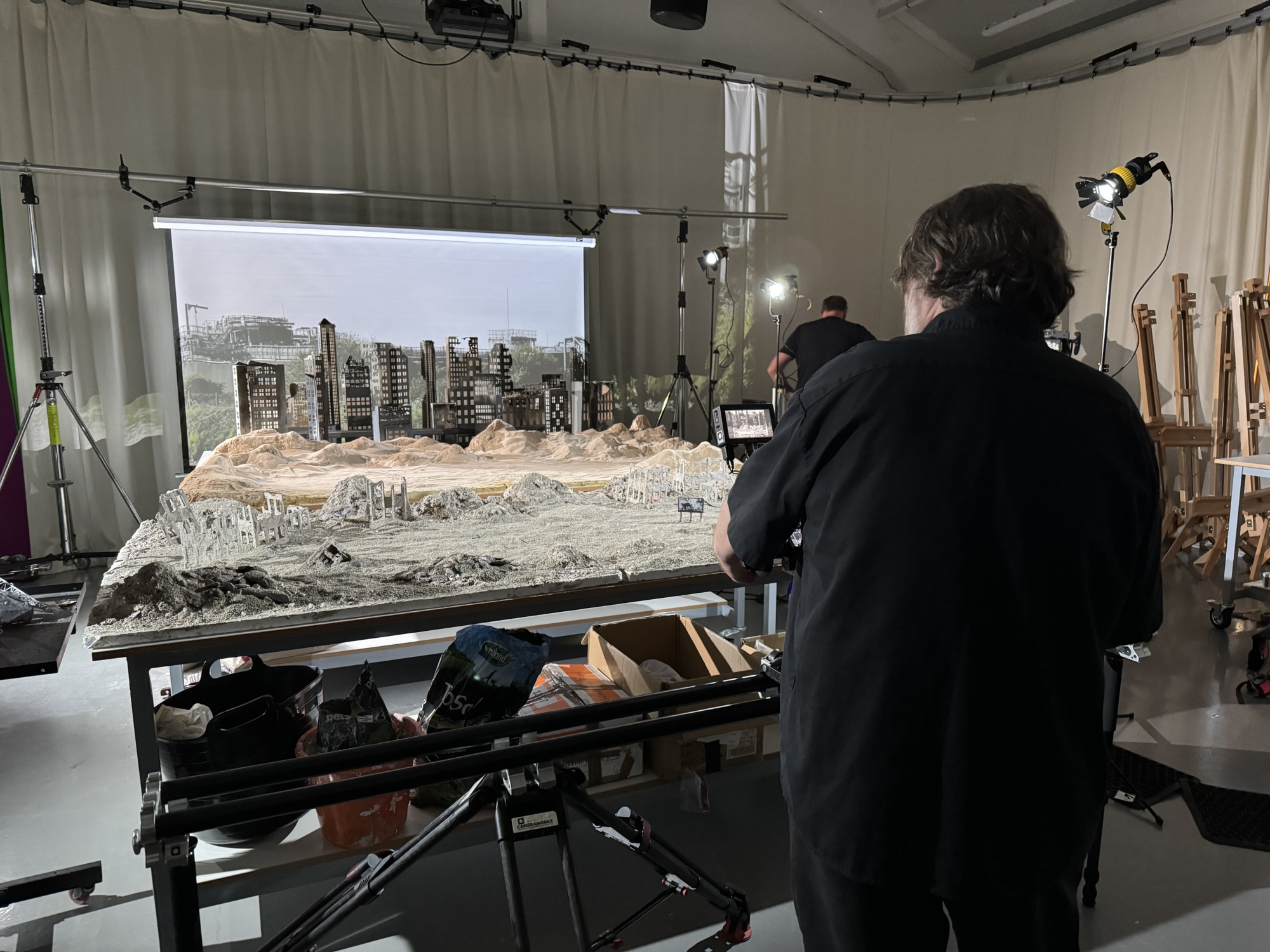
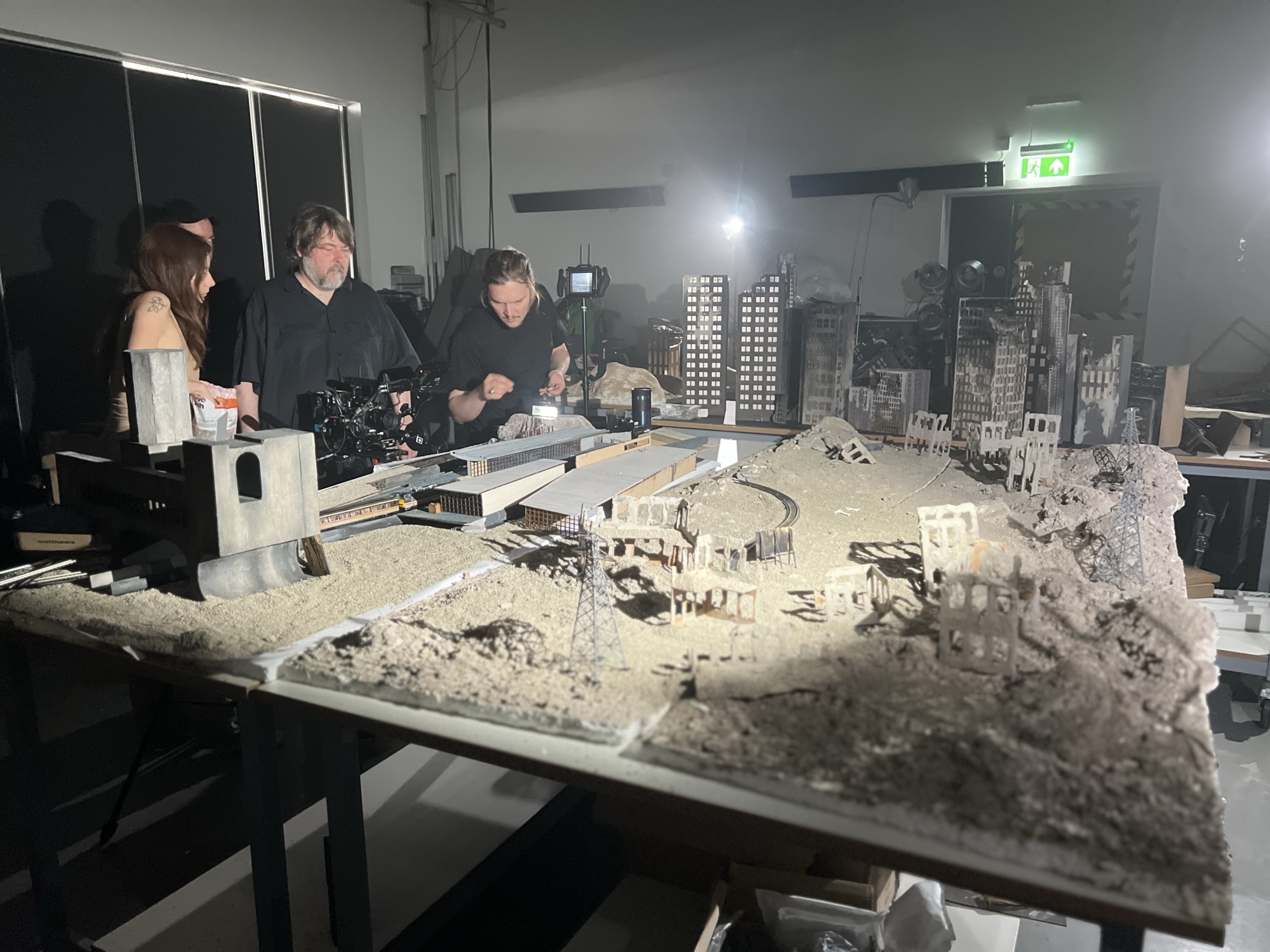
The hardcore version of the film came out of thinking about Eraserhead—a film that’s made in like two rooms in a house or one room in a stable or something. Bulk was meant to be all done in one room, but we quickly realised that the rooms weren’t big enough in the house for the model work. So we spoke to the school to see if anyone wanted to team up in some way and we saw that they had standing sets at their place, and realised we could use things there, so we started incorporating bits of their infrastructure into the film. We also used their photographic studio to photograph the model work, and lots of students worked on the film, which was great.
Did they need a bit of education on lo-fi filmmaking?
I think it’s probably a bit of a shock to see people who you think know how to do it, working really fast. That’s the main big jump I had when I went out on my first jobs. I didn’t realise how fast you have to actually work and how many correct decisions you have to make fast. It’s not chin stroking, sitting around or having second chances. You do it or die in the moment. I think that’s a harsh lesson, but you need to learn it quickly.
It’s thinking about the things that I’ve learned that I’m not seeing being taught. Some of it’s stupid shit, but some of it’s like how blocking works and how to shoot to the camera for improvisation.
What’s that energy like, having students on set integrated into everything?
It’s great, just makes me feel old. I used to be the youngest person on set, and that’s not happening anymore. I think it is important to share as much knowledge as you can and get out there and get involved with people.


I’m doing this fanzine at the moment—which is like an extension of the credits at the end of Bulk—with how-to stuff in it. I don’t think I could lecture or anything like that, but I can write it down and show people some of the stuff I’ve learned. It’s thinking about the things that I’ve learned that I’m not seeing being taught. Some of it’s stupid shit, but some of it’s like how blocking works and how to shoot to the camera for improvisation. Then some of it’s less serious, like how close the toilets are to the monitors is very important, which people don’t talk about.
I want to dig into the aesthetics and influences. Had the look and feel of Bulk been in your mind for years?
It’s Jan Švankmajer stuff alongside loads of other influences. His pixilation, everything moving in that uncanny way—I’ve always liked that. It’s using mixed media in filmmaking. You can suddenly go from live action to having human beings animated to a real bit of stop motion, then back out again, and your eyes just go, “What was happening?” It’s similar to what Scorsese does with speed changes, where you’d shoot at 24, and then you’d shoot at 48 for details, that certainly happens a lot in Taxi Driver. You can’t tell, something’s different, but you’re not noticing it fully. It makes you feel anxious.

Were there techniques that you’d wanted to play around and experiment with that you were able to in Bulk?
I’ve bought a lot of books over the years, looking at effects work. Then once the YouTube essay and how-to stuff started kicking off, I watched a lot of that. You can dig around in YouTube and eventually find someone who’s recreated effects. People are redoing the motion control Star Wars stuff, showing you how to do it and all that, or the Schüfftan process or glass matte painting or any of those real crafty technical things.
These techniques are still great. It’s not necessarily about being retro, but it’s different ways of tricking the audience’s eye. If you trick them the same way, by just doing it in After Effects, then the audience understands what it is, and they get tired of it. But when you’re jumping backwards and forwards between 2D effects and physical effects and green screen and back projection, you have to work harder to break the magic of the effect.
Those older types of effects are just charming. I’m sure in 40 years’ time people are going to be looking at our CG effects from now going, “Oh, they’re really great, I’m going to recreate that look.” I remember in the seventies going, “Oh look, that’s a shitty model shot”, but now, when you see model shots, you go, “Oh, model shot, that’s lovely.” It’s just how recently you’ve seen it and whether your eyes are trained to spot it or not.
I’d love to move on to the recording of the sound, all post-synced in Berlin.
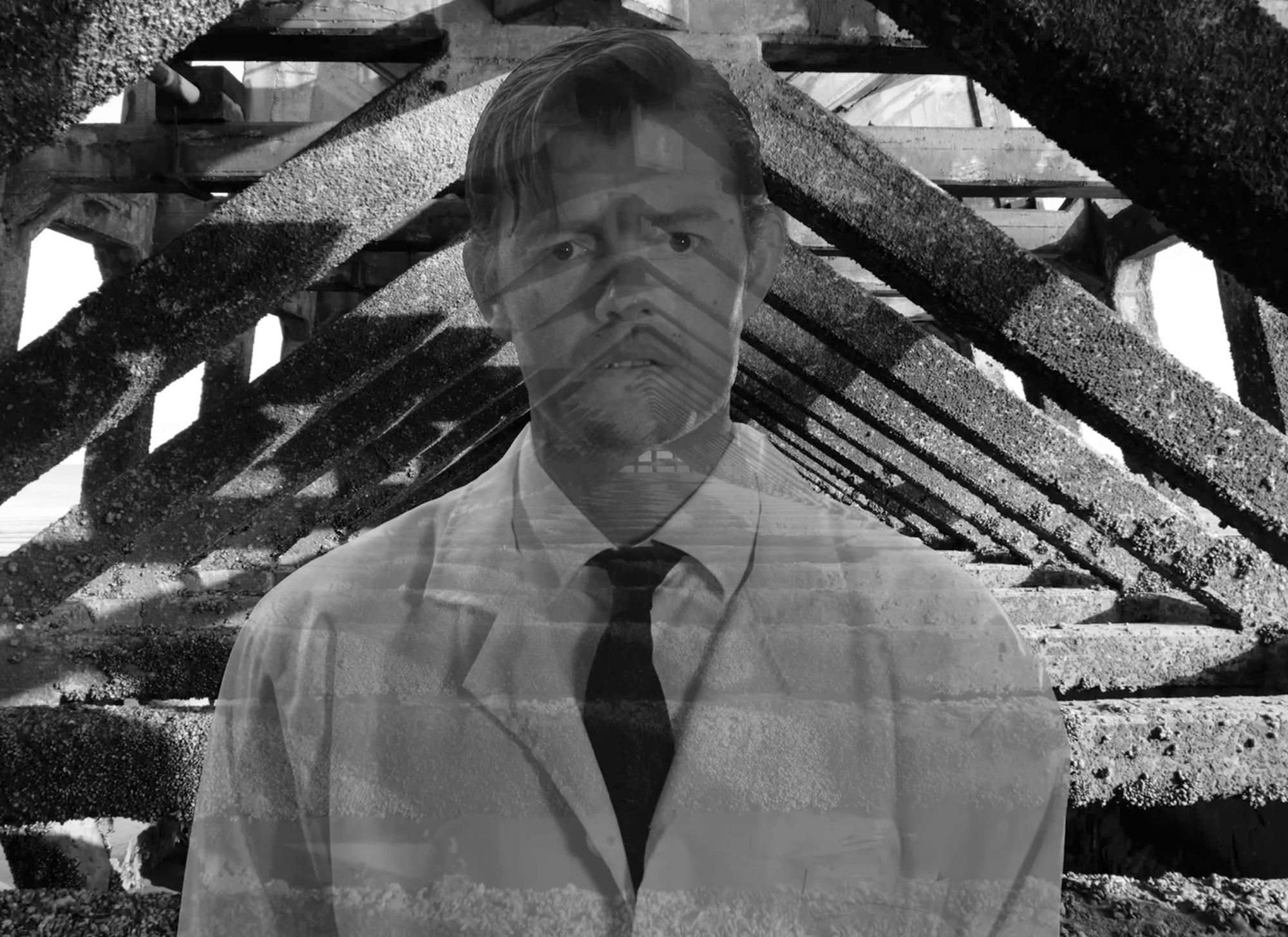
I’ve always wanted to do something like that. Going back to Godard and the early French New Wave movies and the neorealist Italian stuff—I really like that sound. It’s also about animation and Miyazaki stuff and why the sound of those animations is so crisp and with purpose—because obviously there’s no sound and they’re having to design everything in it. Those Tarkovsky movies where it just feels like they’re whispering in your ear all the time, even though they’re obviously not in a space that’s like that. I wanted to get that feeling. We recorded sound on the day using the camera’s own internal mic, so the sound was pretty crappy. Then we went and did a session where we post-synced the whole thing. It wasn’t that hard or a massive task that you might think it would be.
Those Tarkovsky movies where it just feels like they’re whispering in your ear all the time. I wanted to get that feeling.
Did anything new come of that recording the sound in a different space?
Yeah, it’s like it’s floating in space. It takes a level of realness off it, which is all part of what Bulk is. It’s levels of not being real, and I wanted everything, every element of it to have been touched in some way like that. Technology’s moved on now, so it’s easier to get things in sync. They can be manipulated in different ways, whereas in the past, you kept having to record until you got it. Or if you’re like Alex (Alexandra Maria Lara)—I’ve never seen anything like it with her lip syncing. She could do it perfectly live. I was in the studio in Germany doing the sound recording and just couldn’t believe what was happening. It was like a magic trick.

You speak frequently about using the paraphrase techniques. Did that have to work differently here?
There was hardly any improvisation in Bulk. You can’t improvise with science fiction. You can improvise emotion—with the actors’ emotional intelligence, they can improvise around themes of emotion. It was the same with A Field in England; you can’t improvise that either. That was all on the script. But their performances were so good. A lot of the time, the improvisation is to rub the edges off bad dialogue or stuff that’s hard to perform. But they were so committed to the script, it worked, it seemed to work straight off the bat.
I can’t honestly say I understood it all by the end. There’s a line where Aclima calls it a narrative-based learning experience. Is that how you think of the film, as something the audience has to learn how to watch
I think it’s a simple story told in a complicated way. It does all make sense in the end, but I think half of the idea of the story is chasing truth. If you’re having to actively chase it yourself, that’s part of it. I’ve spent my whole life watching things I didn’t really understand but thoroughly enjoyed. And a relationship with a film changes over decades as you watch it. I never thought there was a problem with any of the Tarkovsky stuff, even though it was largely impenetrable for many years.
I’m in good company then! I noted a couple of your comic book references and found myself lost trying to read Métal Hurlant.
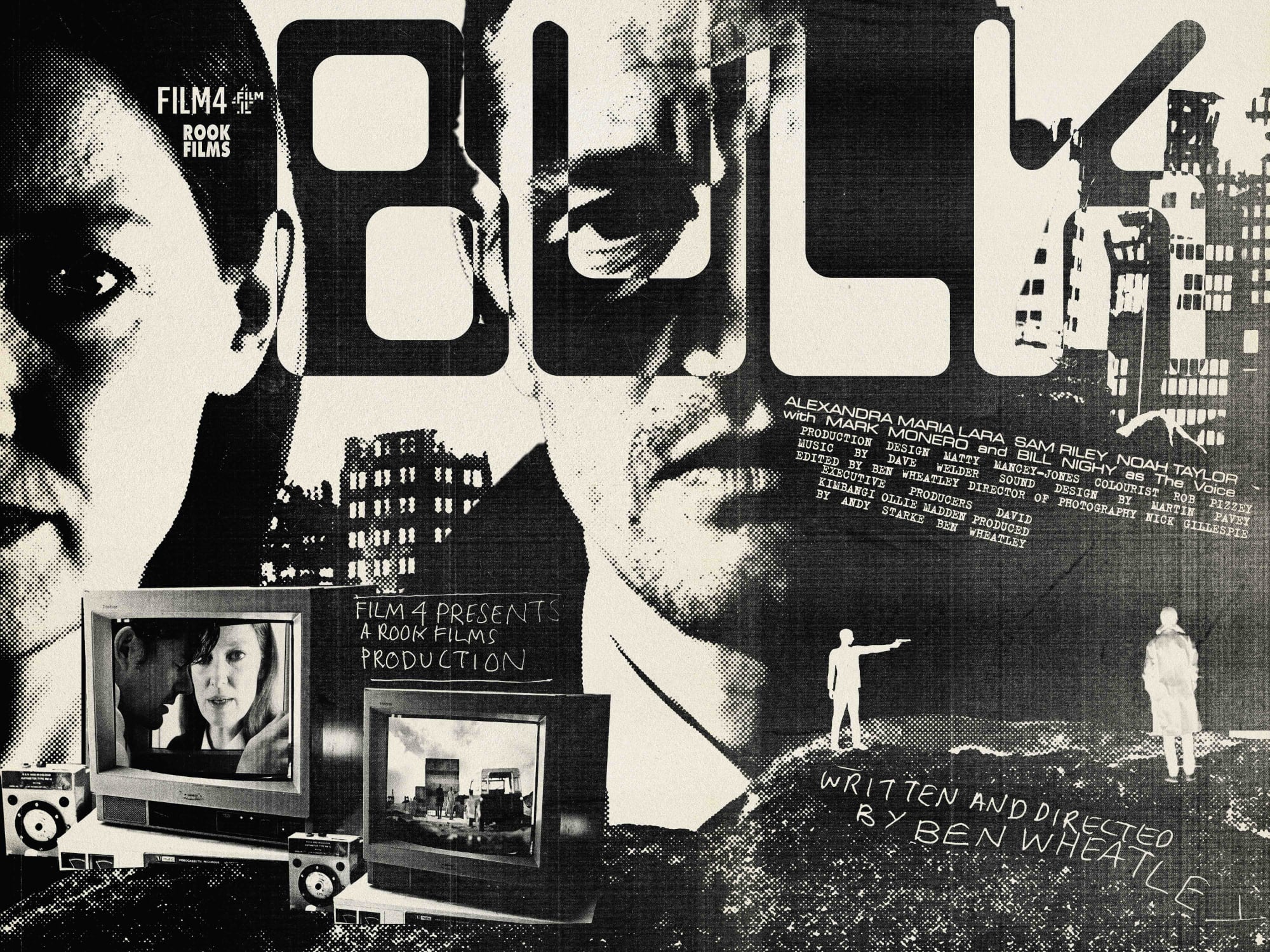
Métal Hurlant and French comics in general are super important in terms of science fiction. There’s some amazing cross-pollination with all that stuff. It influences Ridley Scott, and then that makes Blade Runner and that influences everything. Moebius’ stuff influences Miyazaki and then Nausicaä is very Moebius influenced and then Moebius names his daughter Nausicaä. It goes backwards and forwards like that.
I was recently at a French comic book festival, looking at the sixties and seventies comic book art from France—we’re only just catching up to that now. It’s definitely in advance of Marvel and DC at that period.
Now you’re getting Bulk further out there, where’s the roadshow starting?
It’s starting at the Nickel, a 30-seat cinema in London. They’re programming a lot of stuff that isn’t being shown anywhere else, and the idea that you could set up a cinema like that—and that you could do that in any town—you’ll always find that amount of people to go and see something interesting.
Then we’re showing all over the place until the 29th January, when we’re showing at the IMAX BFI. We’re going from the smallest cinema to the biggest cinema as part of the tour, and that’s kind of important as well, I think. In terms of scale, to experience a film that’s made on VHS cameras and phones two stories tall—it’s kind of perverse and interesting.