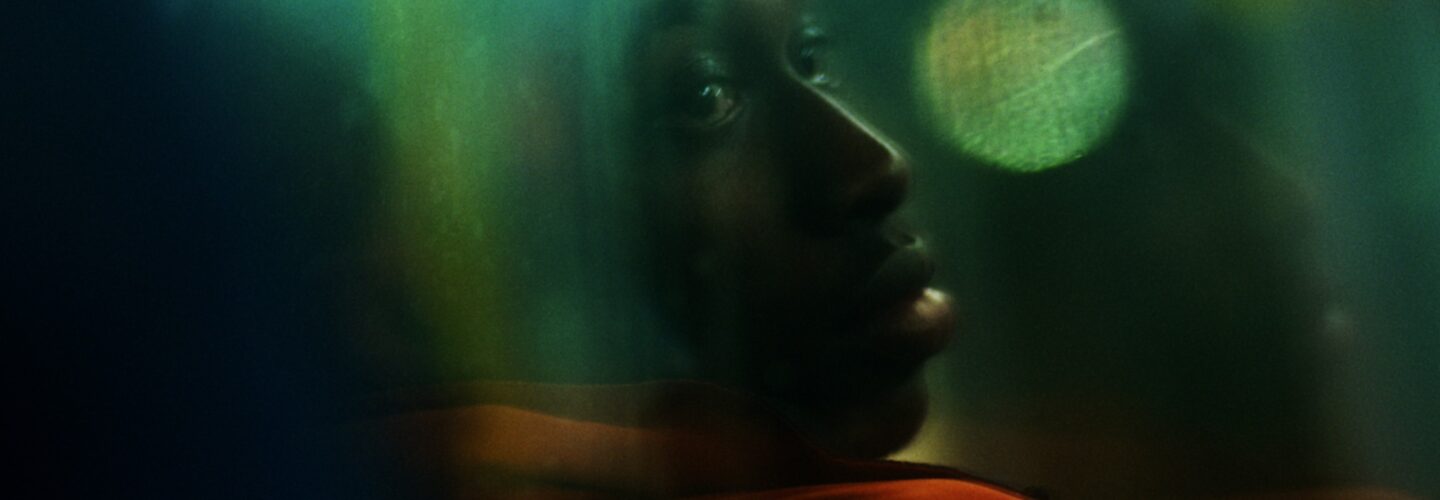
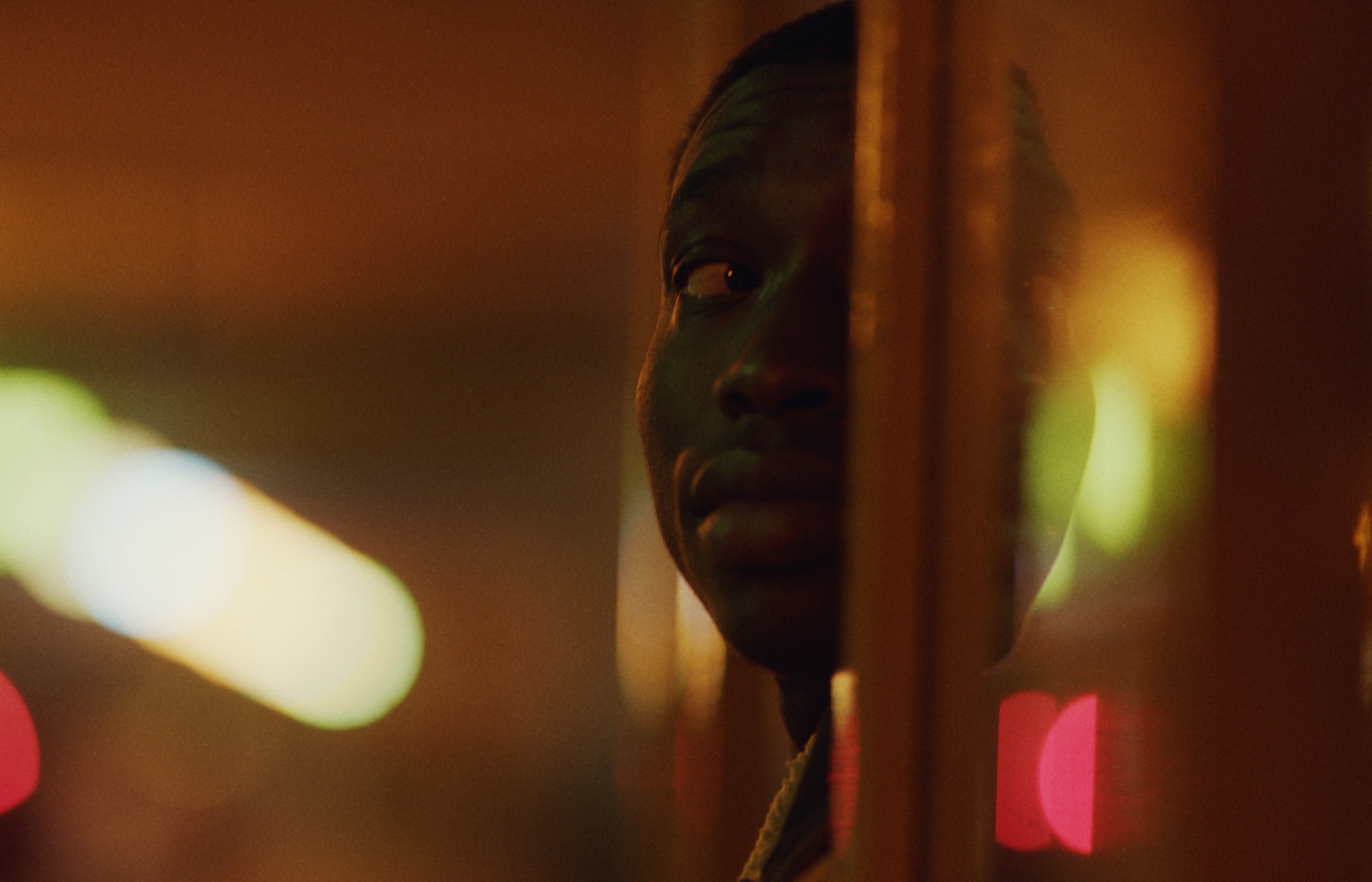
That Night follows Nat as he narrates—and reconstructs—an evening of reconnection with his estranged friend Harry. Emma Miranda Moore, last on the pages of DN with her stirring drama short Run, returns with a film that holds a magnifying glass to the ways in which male friendships operate, exploring the things you say, or don’t, to those closest to you. These half-remembered conversations are then visualised through an uncertain lens; fractured events repeat, creating a compelling visual metaphor for the complicated and intricate ways in which memory works. The objectivity of the evening is always held in question; there is no clear line of events, no definite words spoken or not. Moore’s unreliable narrator invites the audience to decide for themselves the true course of events, an immersion aided by tight tracking camerawork that places us within Nat’s fractured recollections. London feels bearable in scale here, rendered through close, character-focused shots that resemble how we actually experience a city—not grand panoramas but small portions with life and people at their centre. Moore’s constant forward-moving narration contextualises, shifts, and alters what we, the audience, understand and ultimately choose to believe. That Night is now available to watch on Disney+ and as a companion to that, we are delighted to speak with Moore about her calculated approach to dissecting subjective experience without imposing a definite narrative, how she and DOP Rik Burnell developed a fearless shooting style that gave actors freedom to flow, and the collaborative process of building That Night’s distinctive rhythm.
What inspired you to explore memory as something actively rebuilt rather than recalled?
That Night originally came from a desire to create — first and foremost, as all my short film projects have. I asked writer Chloë Myerson, who I’d been in touch with for a few years, if she had anything in her drawer. I’ve written all my previous shorts and I wanted to experience the process of interpreting someone else’s script on screen. We then collaborated closely on the script and developed it together over a period of several months. It was a really fertile collaboration for us, and I was keen to drill down into the emotions and get specific with the characters’ back stories so that they felt authentic and lived in. I think a strength with Chloë’s writing is dropping in on characters when they are already involved in things. I love that, and I think I pushed to get even more of it in there.
What did you gain by leaning into the uncertainty of Nat’s constant reflection and reinterpretation?
I think it’s very human to run and rerun events that have been difficult for us to metabolise. The thing is that when we think about a memory, we often assume we are replaying a film in our heads, like it’s a piece of tape that already exists. In fact, what our brains do is rebuild that memory each and every time we think of it, so it will always be differently nuanced and offer a new perspective in some way. That’s why I wanted to have no repeated shots in That Night. The story restarts and plays through, but each version has its own unique takes to replicate the way our synapses build memories in our brains.
You’ve mentioned examining male friendship through a female lens. Can you talk more about this focus?
When I talk about looking at male friendship through a female lens, I guess what I mean is examining male behaviour patterns from the outside and throwing a different light on how those things look and feel. I’m very interested in the way men think and feel about things — on a personal level, I live with three of them and on a wider level, men tend to be the ones shaping all of our lives more than any other group.
Most Popular
How did you transform London from a bustling metropolis to a place with a more personal focus?
London is an important part of That Night, but we wanted to move away from the more obvious views we might get in the cinema and boil it down to a personal relationship with the city. Spaces that are private — like Nat’s bathroom, borrowed for the night — like Harry’s brother’s apartment, or public but at the same time viewed as belonging to the characters in the moment — like the beach. They are all places that have their own connotations and memories for the characters, so it gives them something to play with in each one.
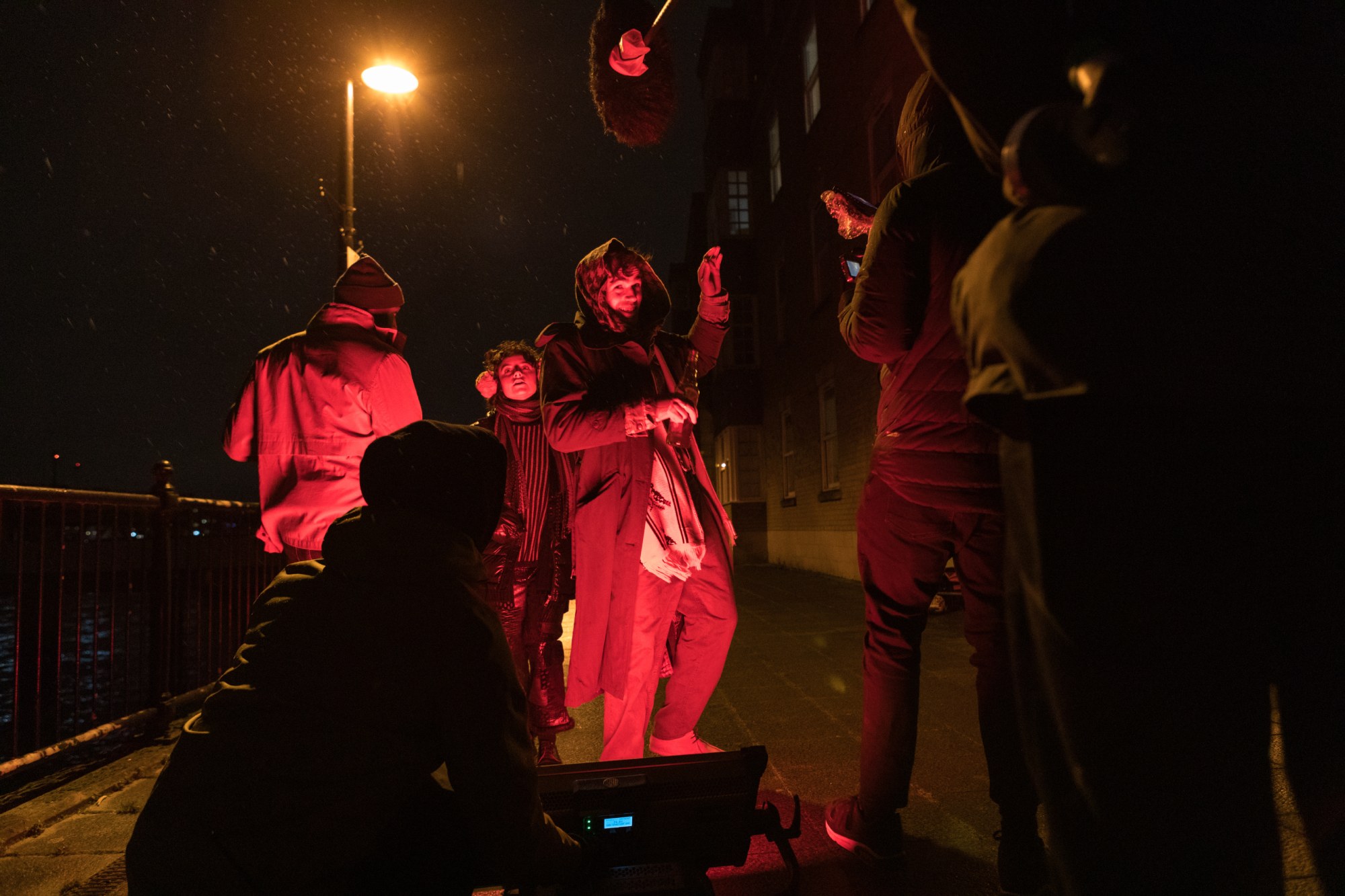
This film has a lot of locations, and we wanted to capture London in an unexpected and fresh way, to get that feeling of a night that goes on and on. To do that, we needed to move the characters around and, you know what it’s like making a short with very few resources! Unit moves are kind of your enemy. All the way through prep DP Rik Burnell and I kept saying, “Let’s be fearless” — so we made it hard for our producer, Sarah Mavity basically, but she was amazing throughout, calm and funny and supportive. Rik and I also got a bit obsessed with American Honey and the way Robbie Ryan uses his camera to play a part in the raw energy of the characters. We wanted to find our own version of that.
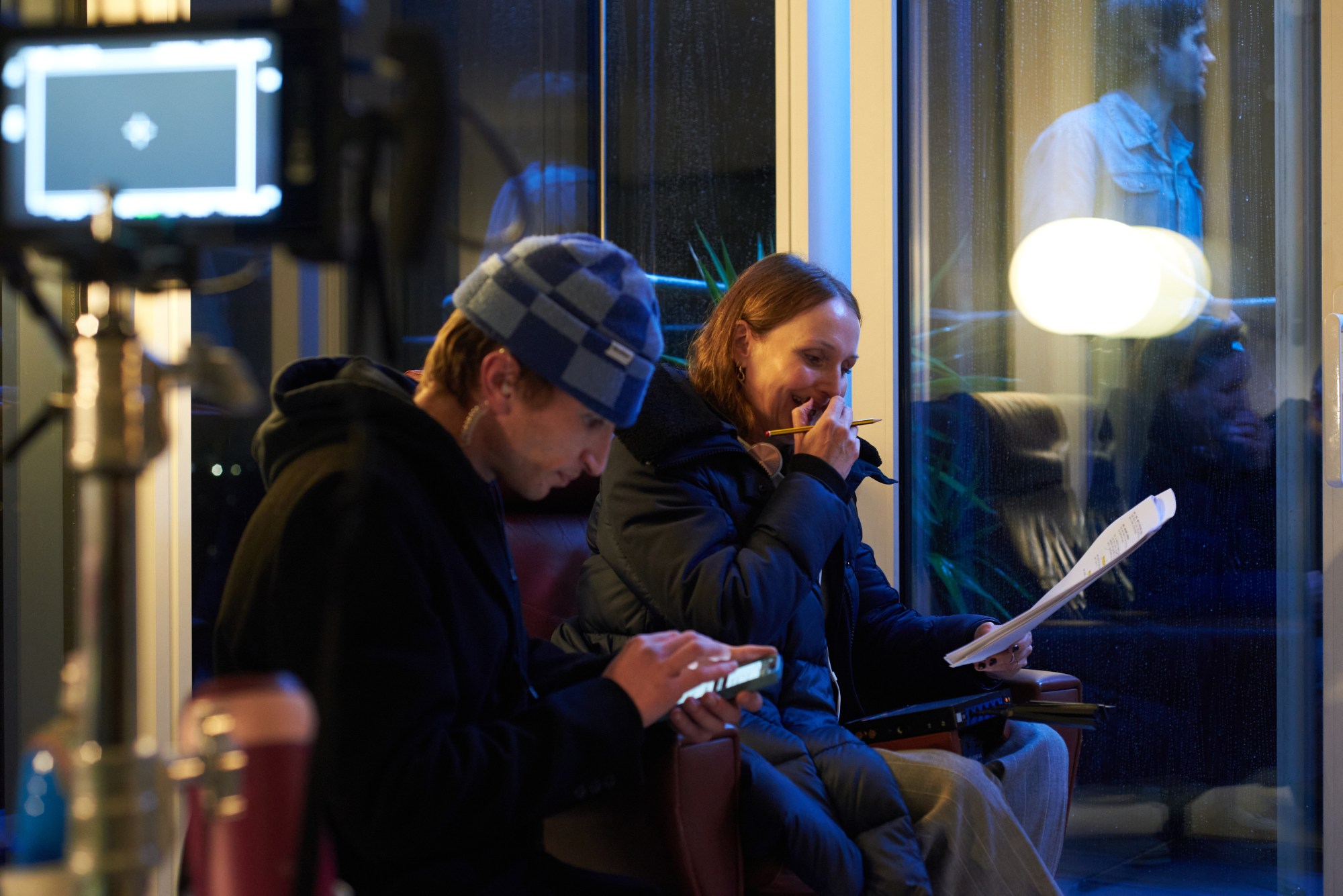
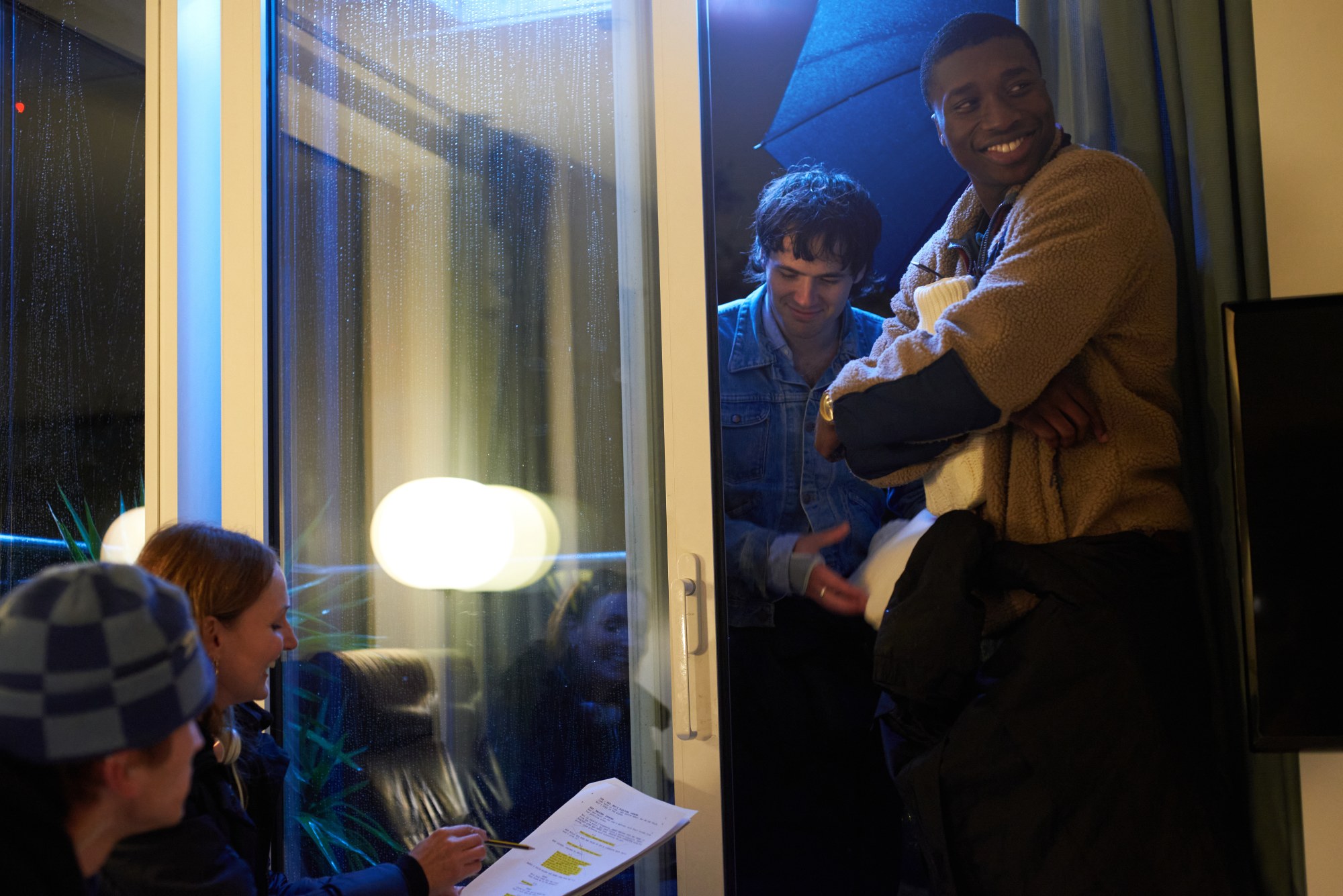

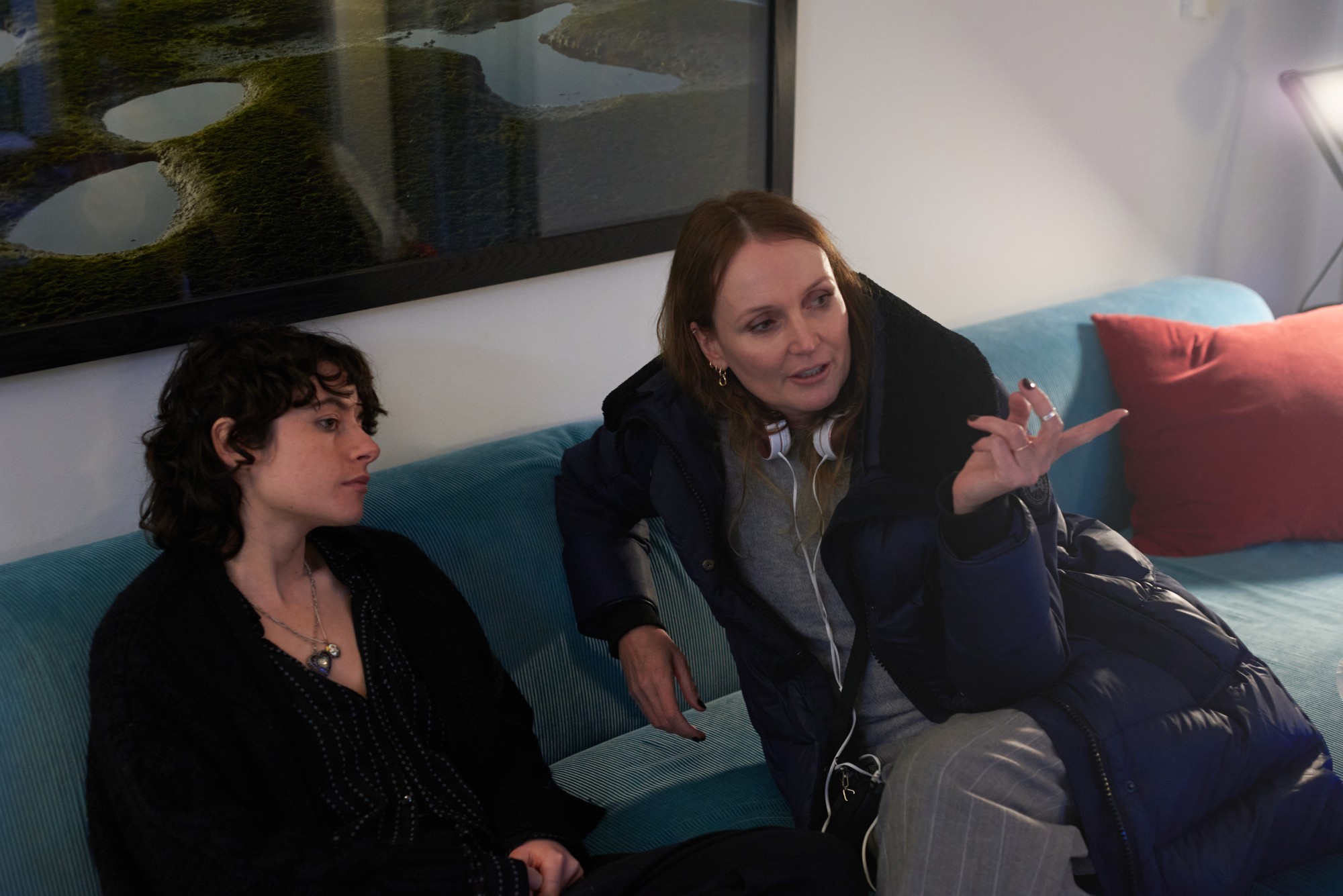
There’s a real symbiosis between the camera and the cast. How did you achieve that fluidity on set?
I think having the sense of freedom and creative openness meant the actors could push their performances further, making the characters more specific and more real. On one hand, it was very organised, everyone knew their role and understood their own character, but then I’d pose little questions to them as we shot, and they could roll with that, knowing the camera would find them if they moved off a mark or did something unexpected.
It created this vibe that added to the unpredictable nature of the story so it was very appropriate in this case.
Essentially, the script led the voice-over and that created our fixed points, but there was scope for play in how the visual scenes were built. In the party at the flat, for example, I went in with the actors and we felt out how they moved through the space and spoke, but I didn’t show Rik. He went in and used his camera to find them. It’s not for the faint-hearted, but it created this vibe that added to the unpredictable nature of the story so it was very appropriate in this case. It definitely meant the actors felt very free. There was a shape and maybe two marks to hit for the whole scene, and the rest, they could flow. I’d read that they filmed like this in Succession, and I was keen to see if I could get some of that edgy naturalism.
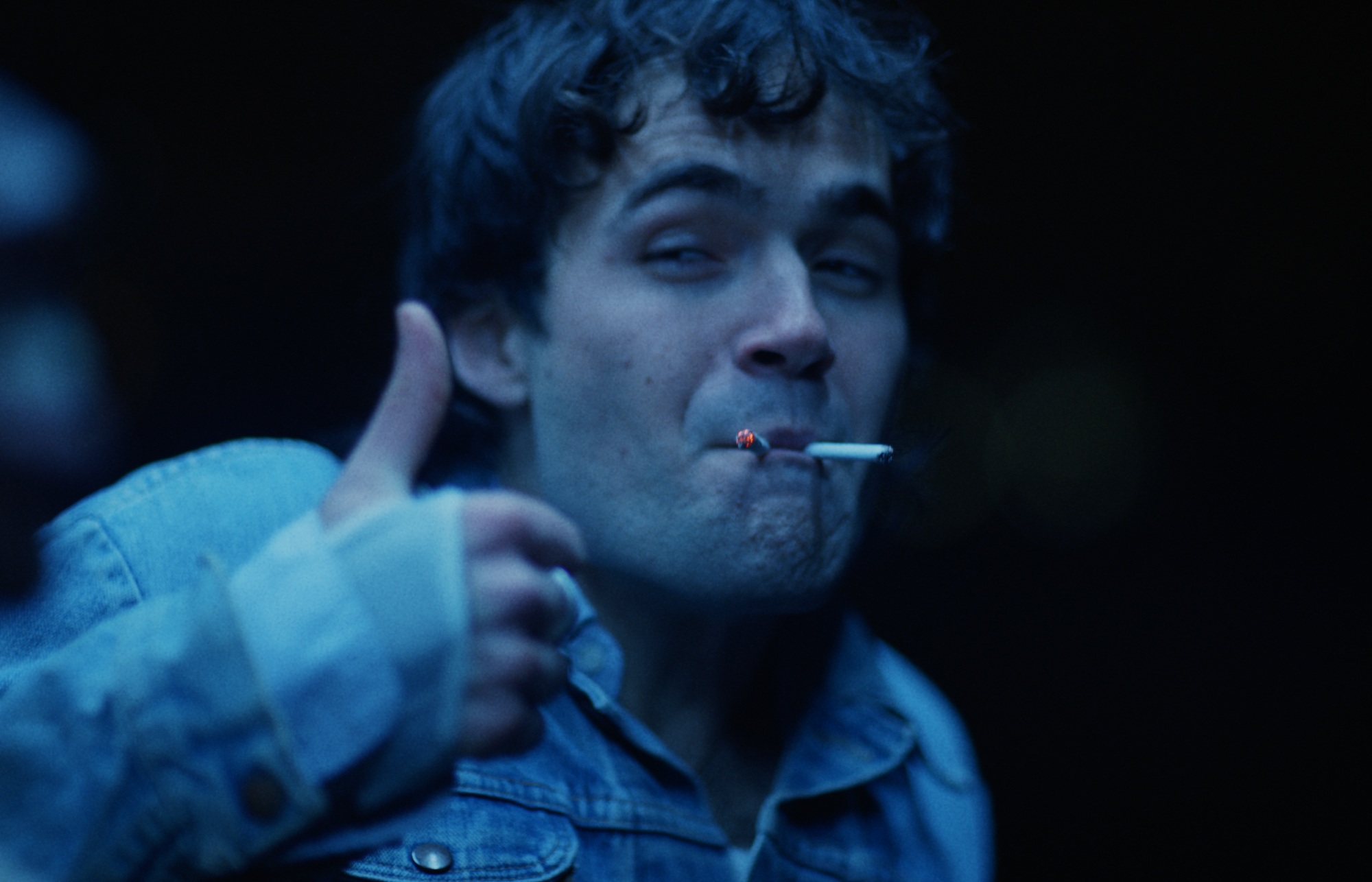
On the beach, we took a similar approach. It was a big space and Rik lit it so we had room to play. There was a tyre on the beach and I had this idea that if it were me, I’d want to jump on it. Jamie Flatters (Harry), who is fabulous at physical work, really went for that. It’s a simple thing but it built this tension between him and Ebenezor Gyau (Nat) and opened the question to Ebz to either join in or try to stop him. The camera, in turn, responded to that buildup of energy and I think we got some really beautiful work out of that.
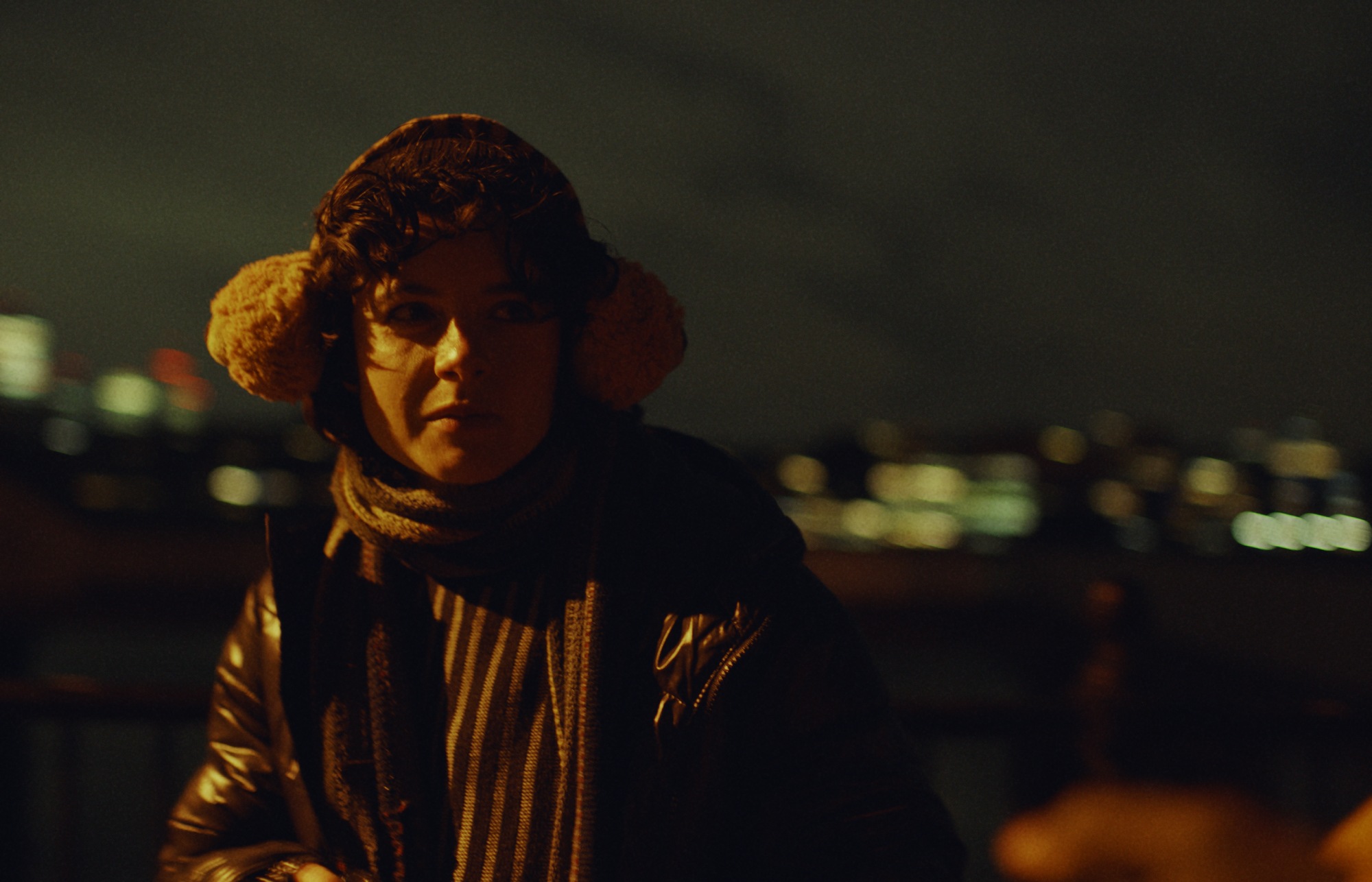
The primary focus is Nat and Harry’s relationship. Where did the decision to include Zara come from?
When I was working with Chloë on the script, I loved that she had written Zara in there as the third part of the triangle. It brings a lot more tension in having another person there and ultimately, you’ve then got two people who care for Harry but who can’t or don’t communicate with each other. Nat and Zara don’t know each other well enough to express their own concerns and there are elements of jealousy on both sides too. It also brought a woman into the mix, which was interesting to me because she observes the young men from a slightly outside perspective. As I do, I guess, as the filmmaker.
The rhythm of repeated scenarios whilst always being in forward motion was something we played with a lot in the edit.
Non-linear cuts and a constant forward-moving narrative reveal a half-obscured memory. What was done to ensure Nat’s voice-over leads the film?
Nat drives the narrative forward so we had to anchor ourselves in his experience in order for an audience to come on the journey without getting lost. The rhythm of repeated scenarios, whilst always being in forward motion, was something we played with a lot in the edit. Roberta Bononi is my editor and long-time collaborator. We experimented with that sense of pace, of a night being never-ending and at the same time coming back to a familiar beat, very much like it was a piece of music. Roby said at the time that the edit was very jazz, and I think that’s the perfect way to put it. We had the players; they all have their moment in the sun, but we also have both a repeated hook and a throughline that we ultimately have to return to.
What do the red frames that appear suddenly toward the end of That Night allude to?
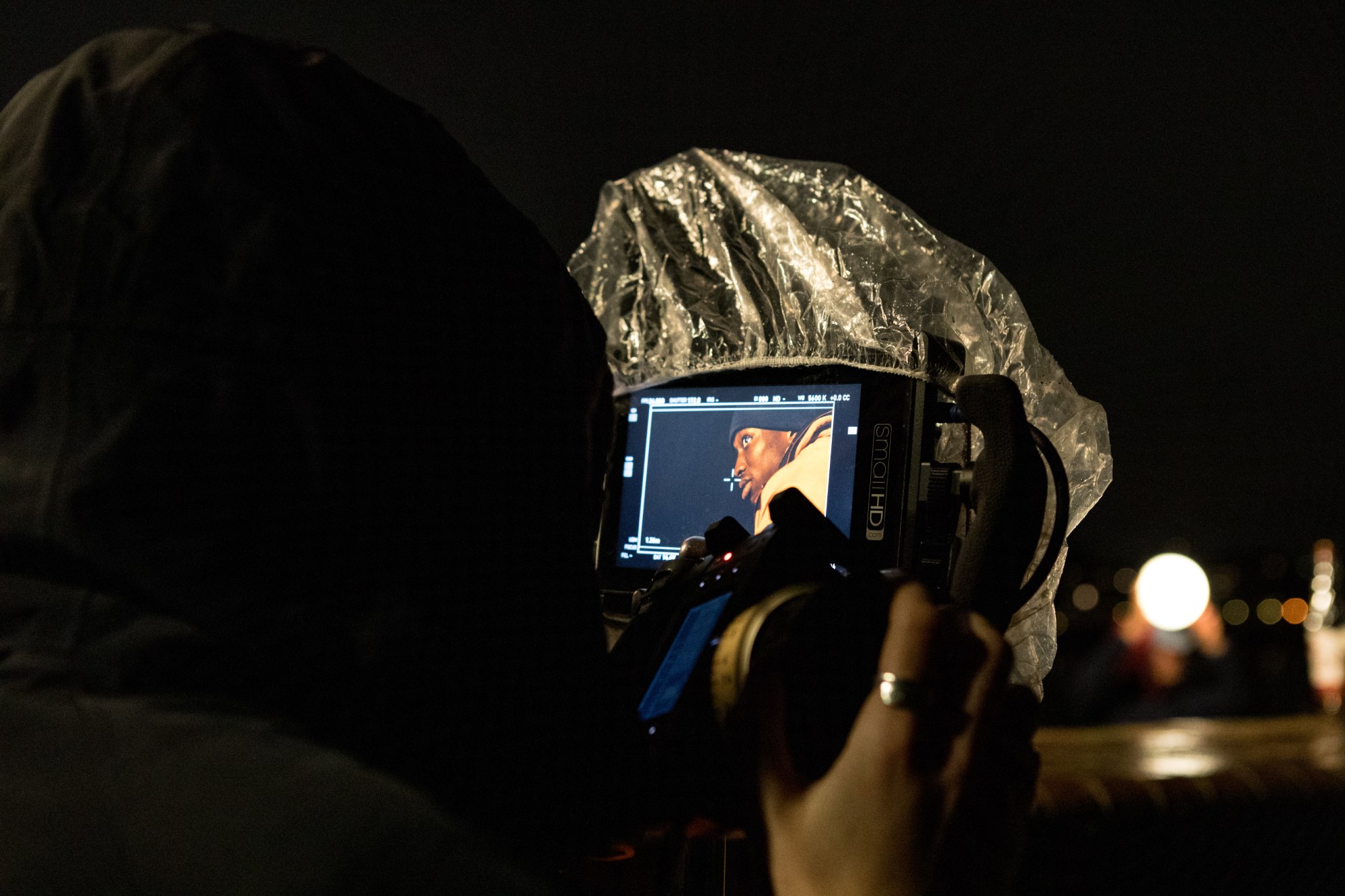
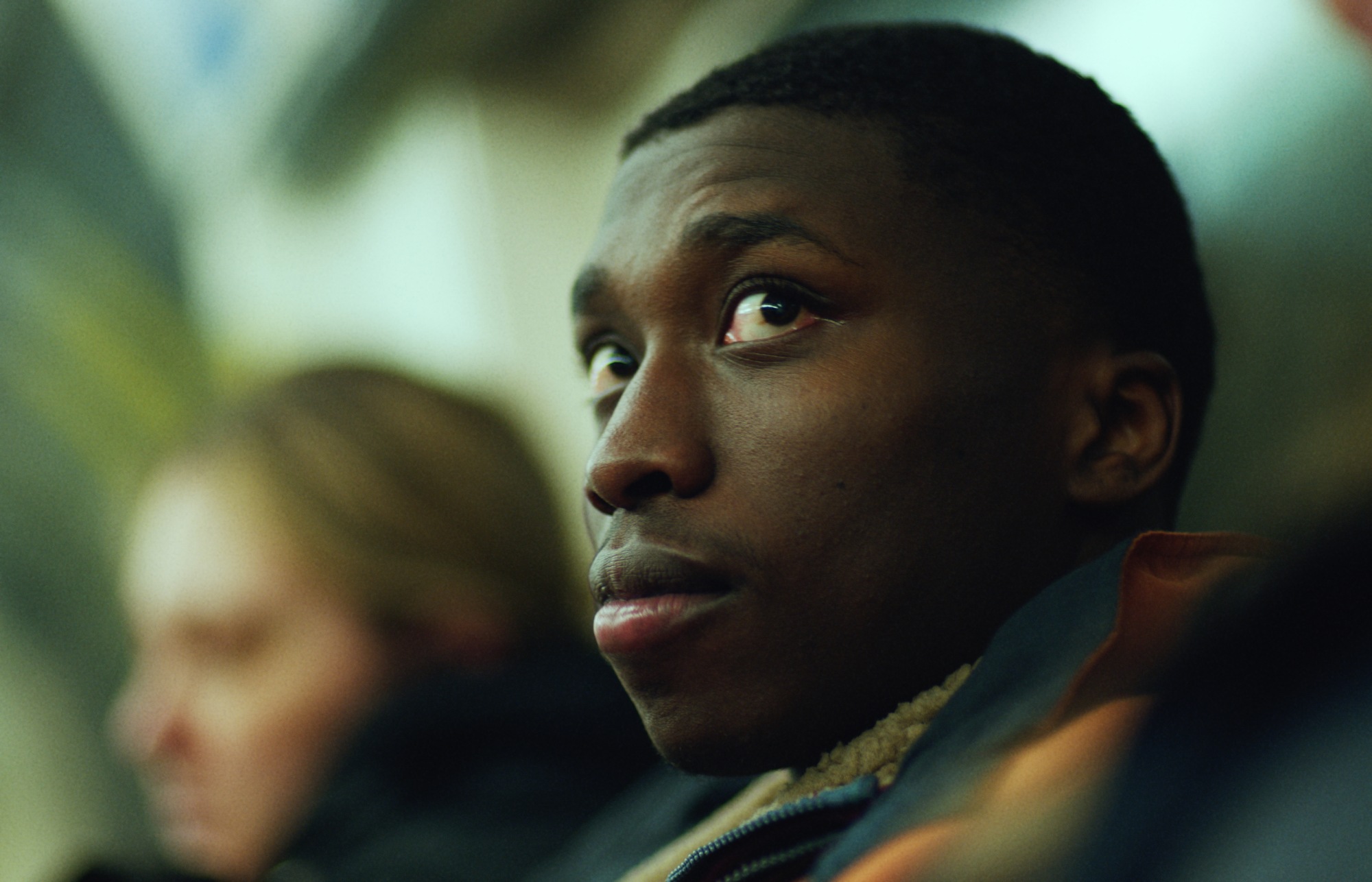
I think of them as moments of clarity that come to Nat later on; they are frames where he remembers his friend very clearly in a range of emotions throughout the night. Some of them chime with what we’ve seen so far and some of them are a bit different, like Harry answering the door. It was an addition to the script that I felt we needed to shatter and shake up the rhythm of the memory a bit; they are more stark and more definite in a way. We made them all in camera with a particular light and I like that they are constructed in camera rather than built in post.
This year, to open up our knowledge and share a love of shorts we are asking all of our filmmakers to share their favourite short film, old or new.
There’s a beautiful animated documentary called Visible Mending. It talks about how craft intersects with healing from grief, and full disclosure, it’s directed by my sister, but I recommend it as a fascinating watch.
With That Night now available to watch on Disney+, what does that milestone mean to you—and do you feel it will open any doors for what comes next?
Having That Night on Disney+ is a chance to broaden its audience, which feels really exciting after the cracking festival run it had; it’s lovely that it can now be brought directly into people’s homes. We’re putting together a micro-budget feature next, so hopefully, having placed the short with a streamer demonstrates a degree of ambition to investors and gives us some additional visibility to an audience for that.
And finally, are you working on anything new at the moment?
I’m working on a long-form project that I’m really excited about. I love short films and short stories in general, but I’m looking forward to stretching my legs into a feature and having a bit more time for all that grounding of characters and expression of visuals to play out.