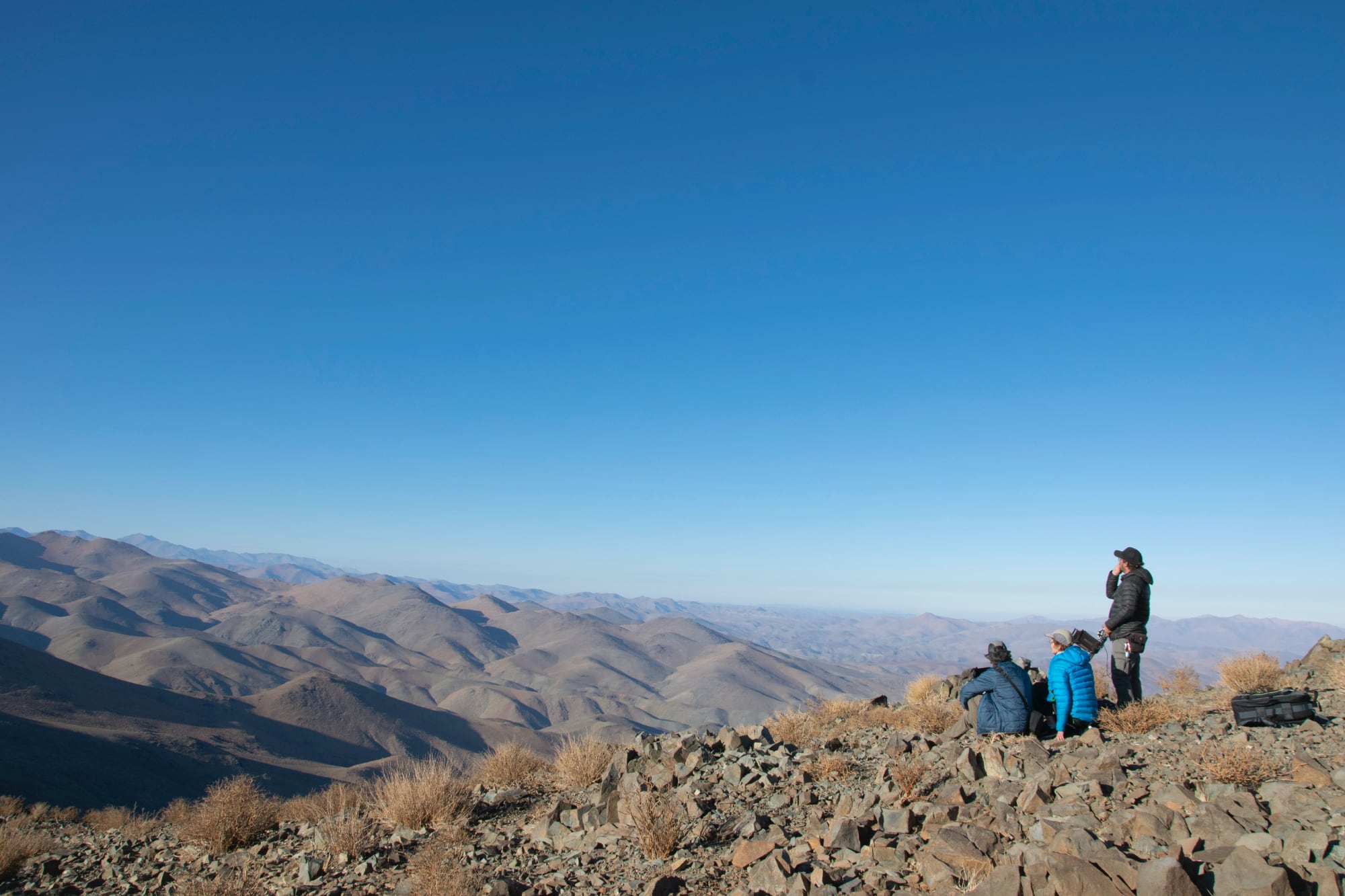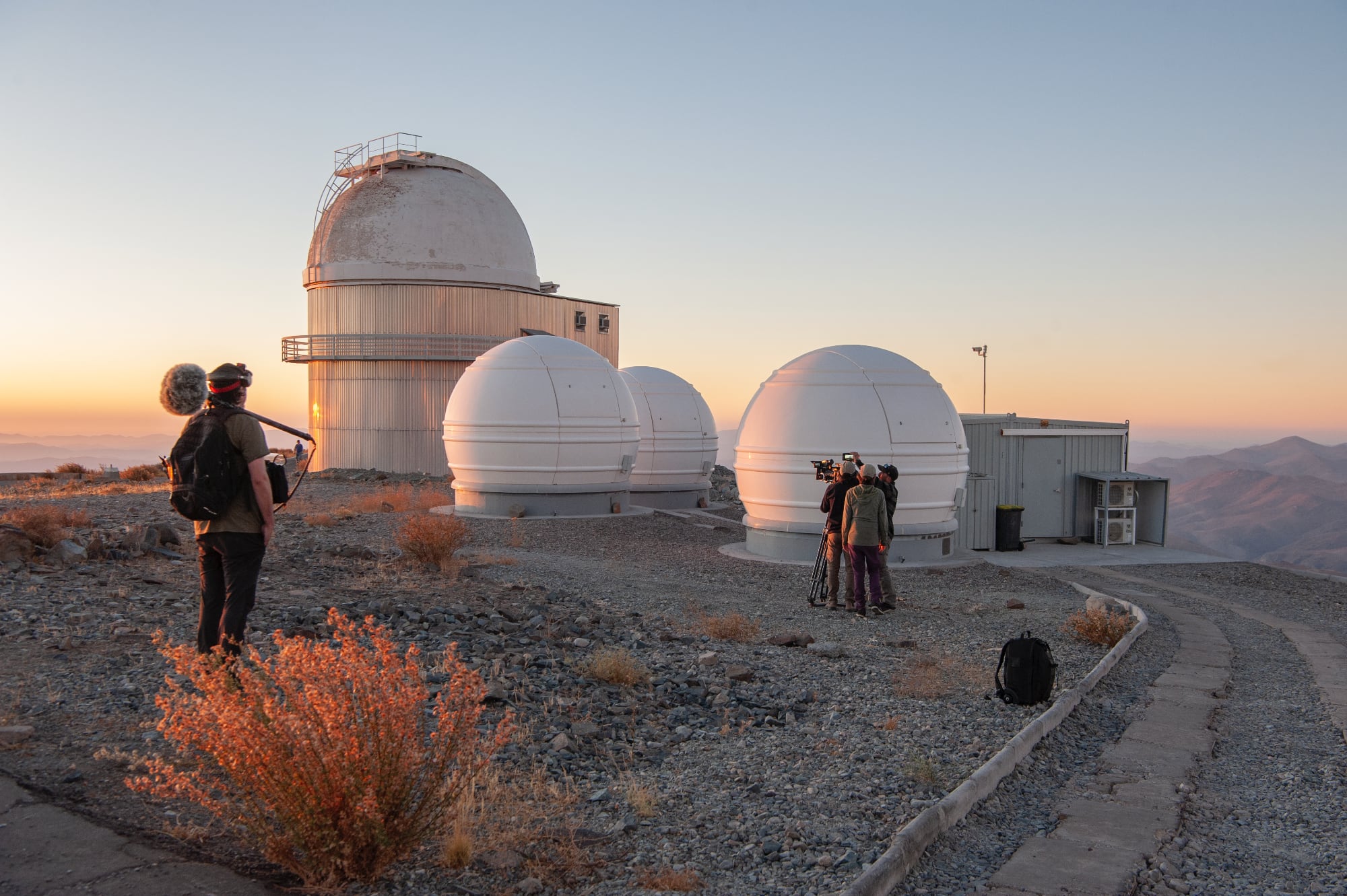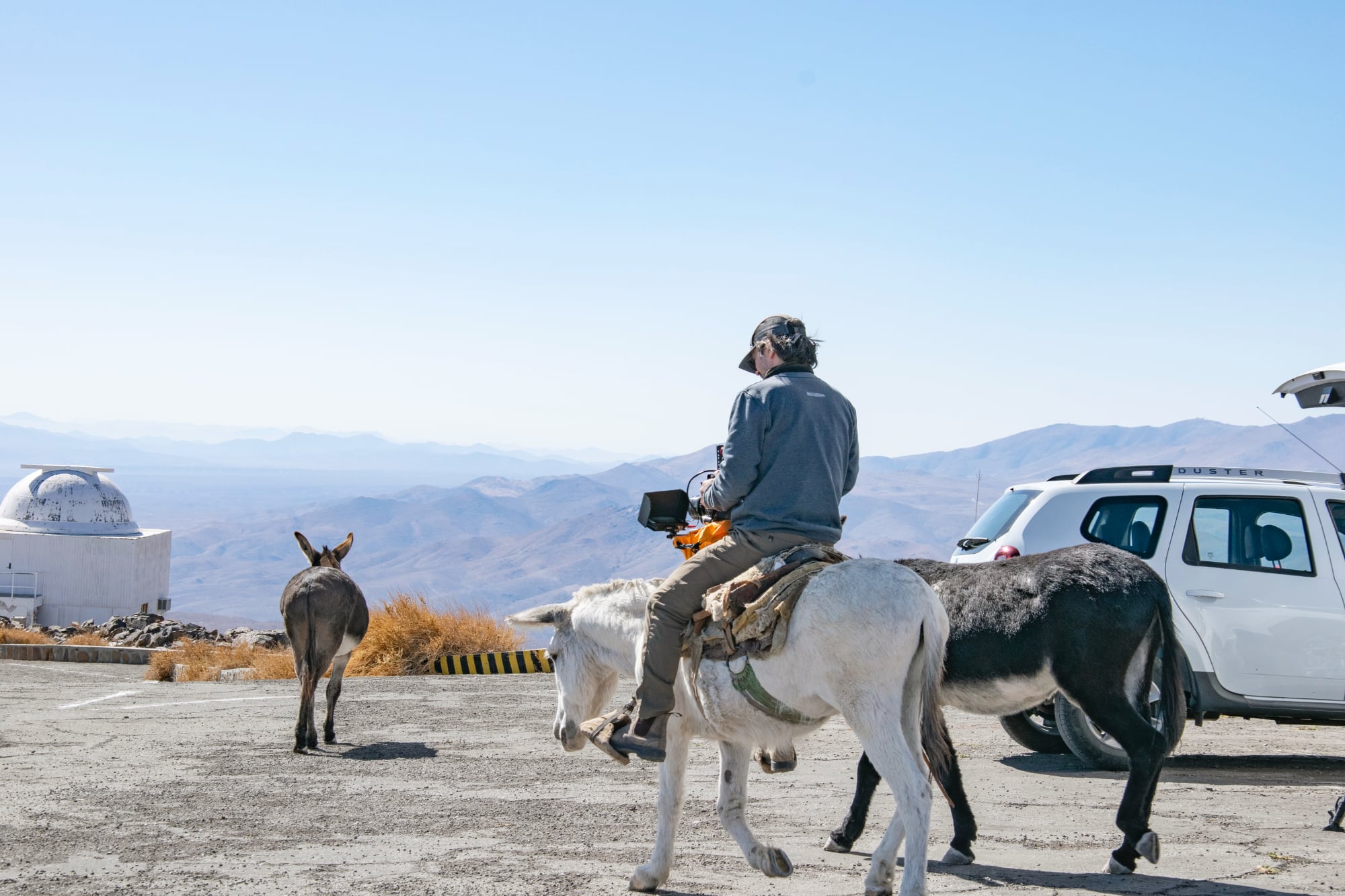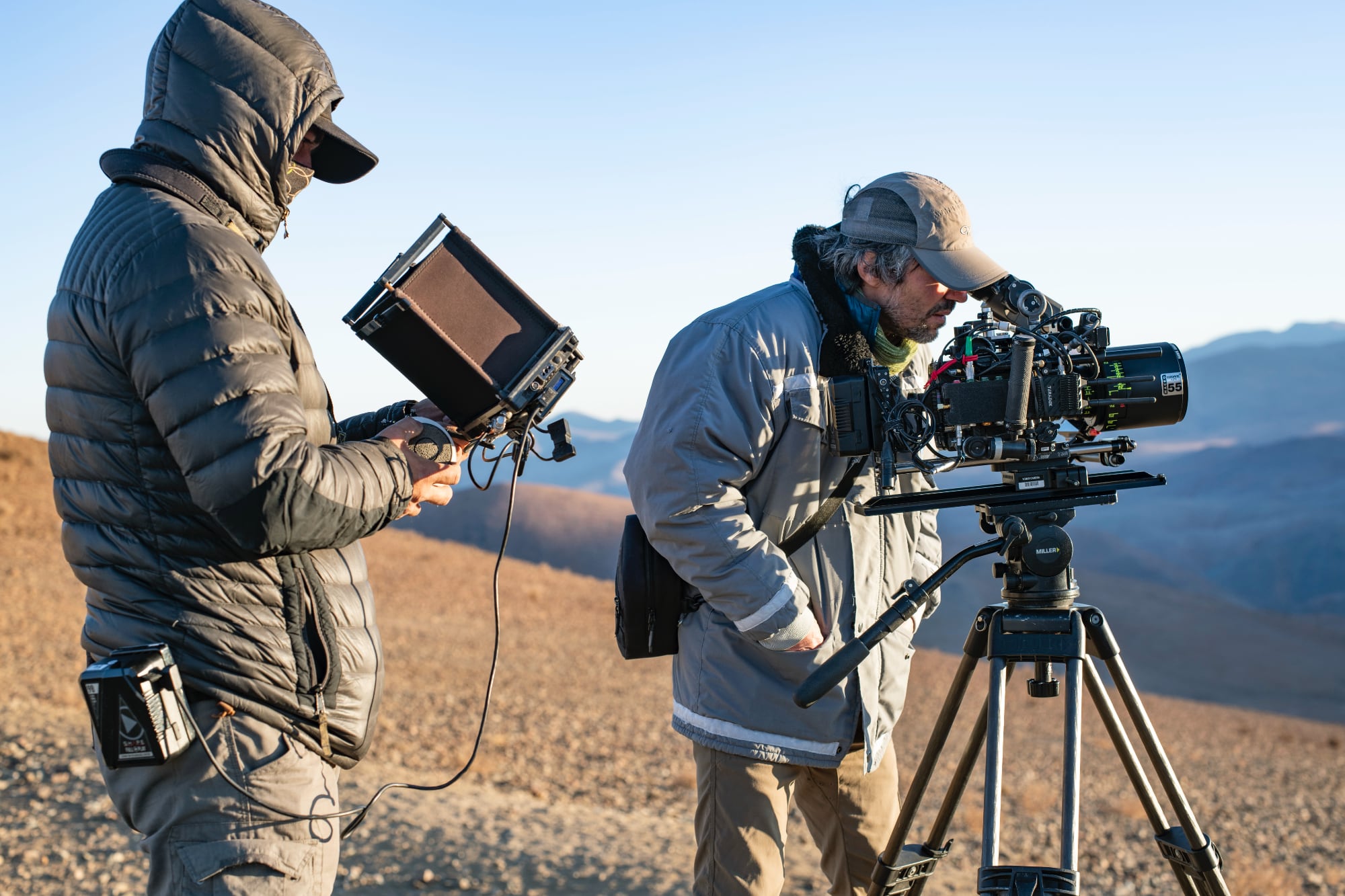
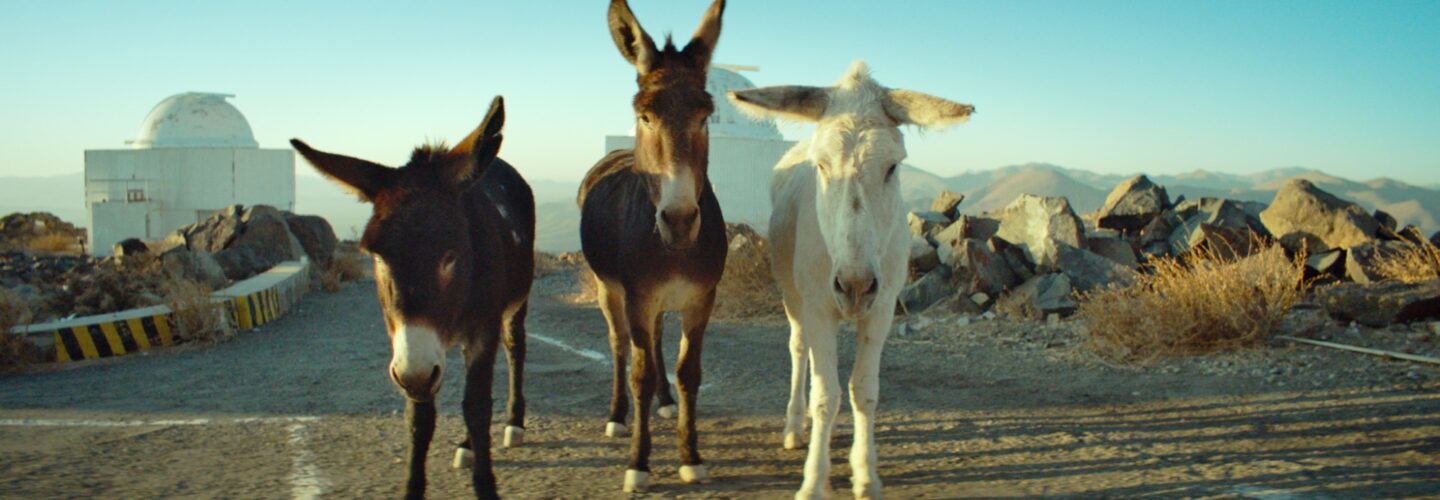
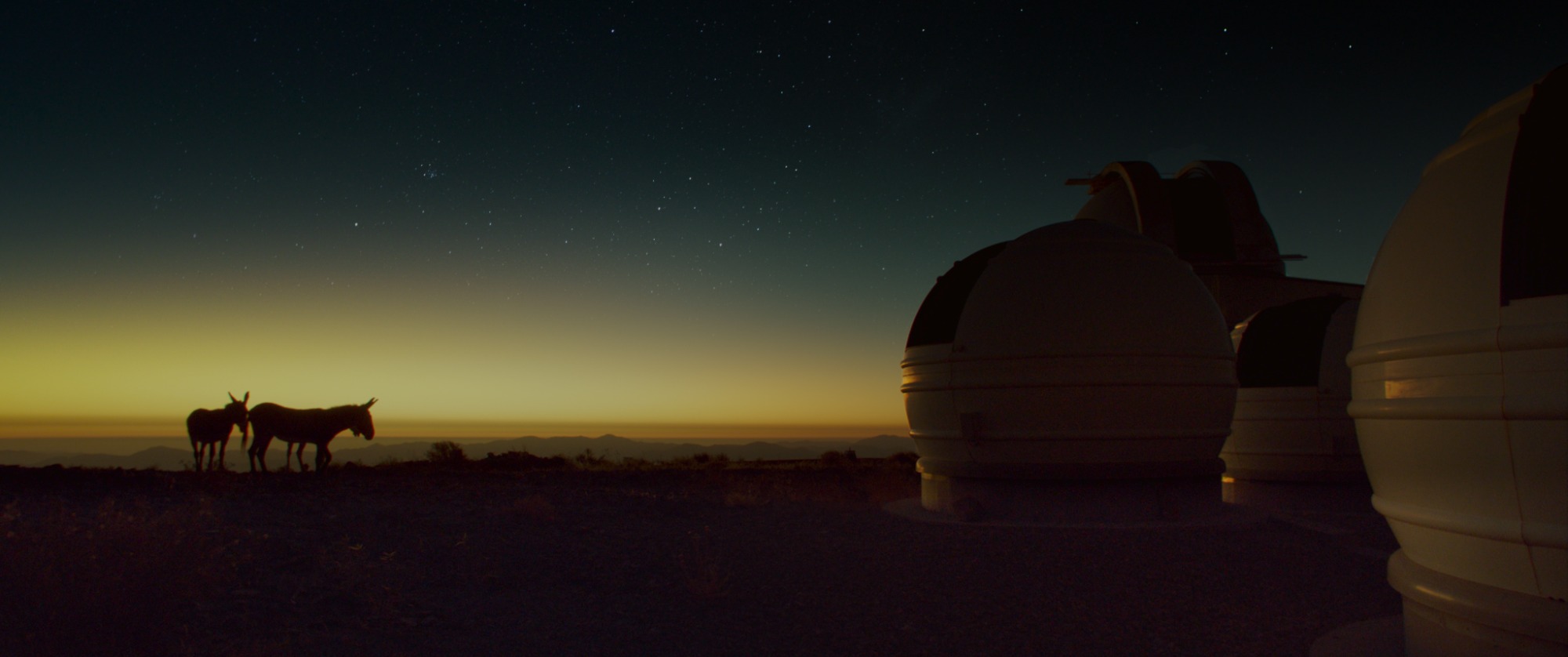
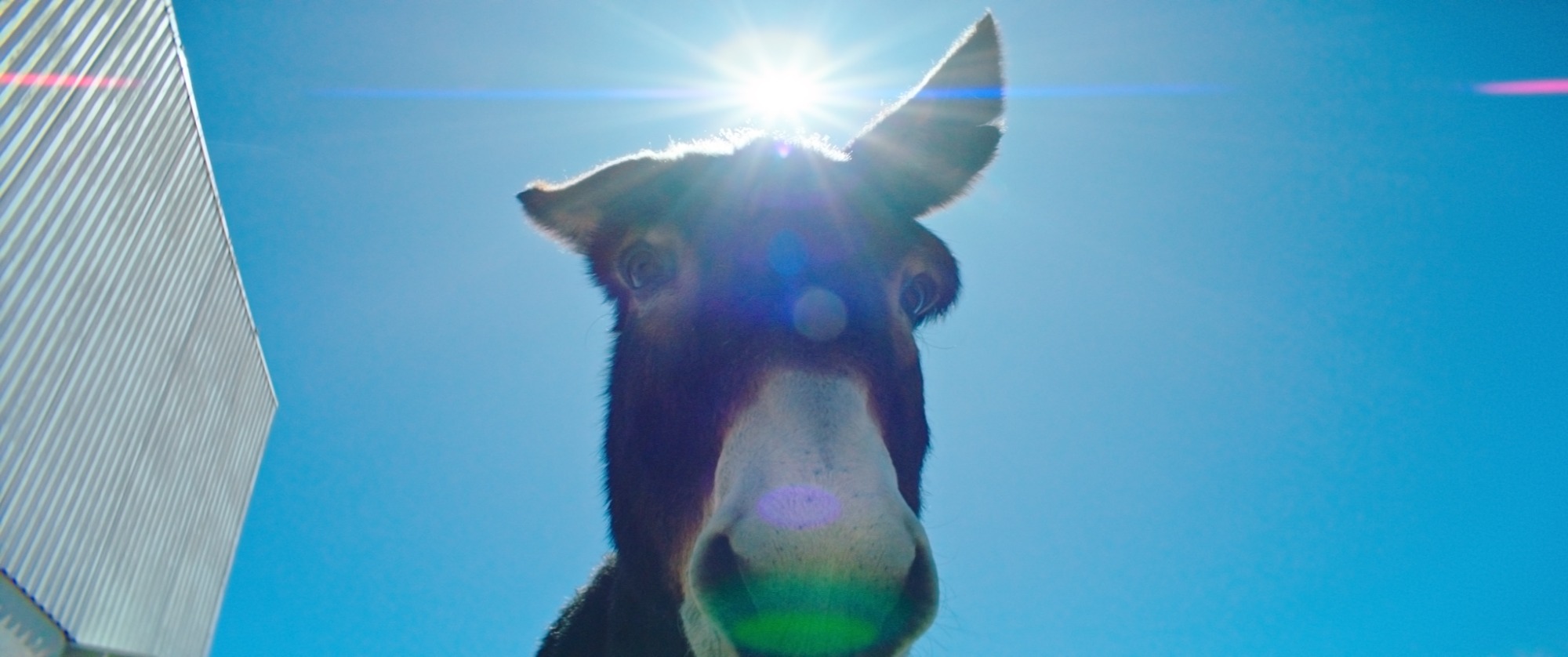
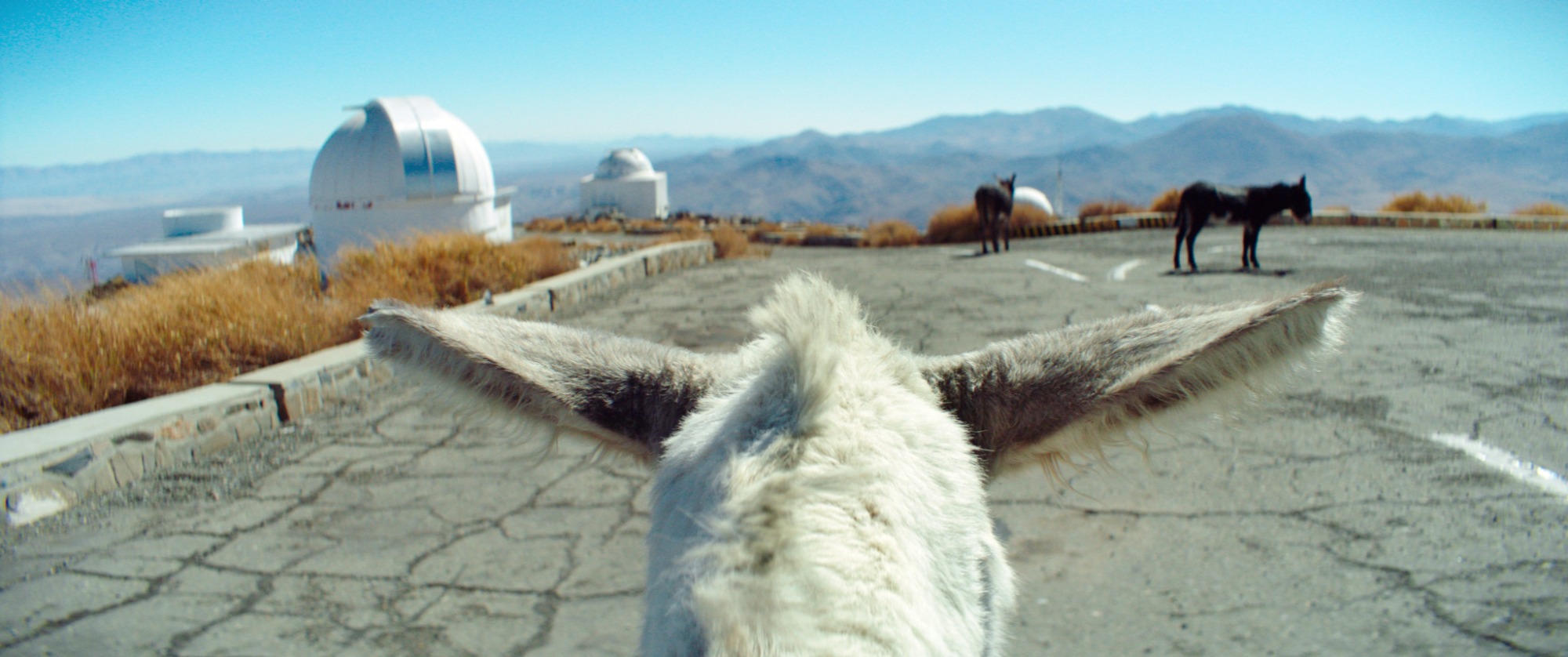
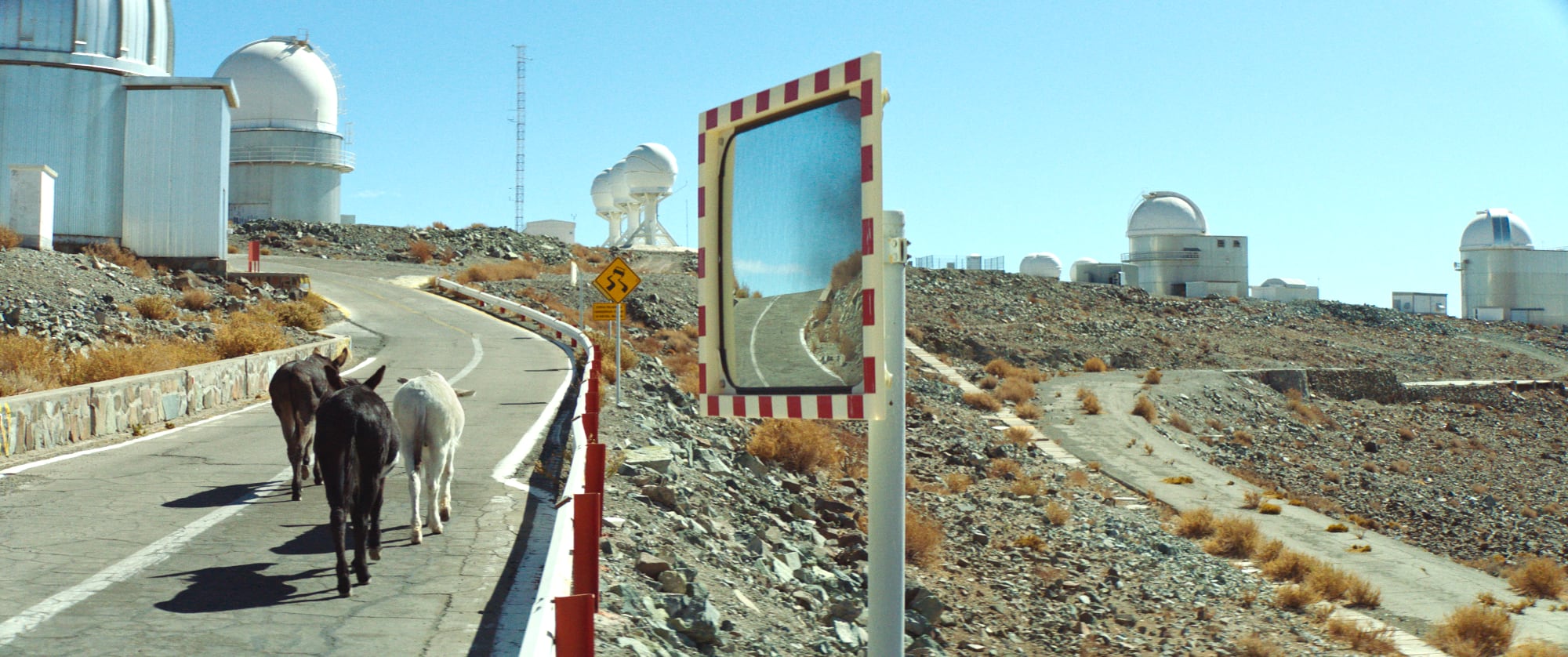
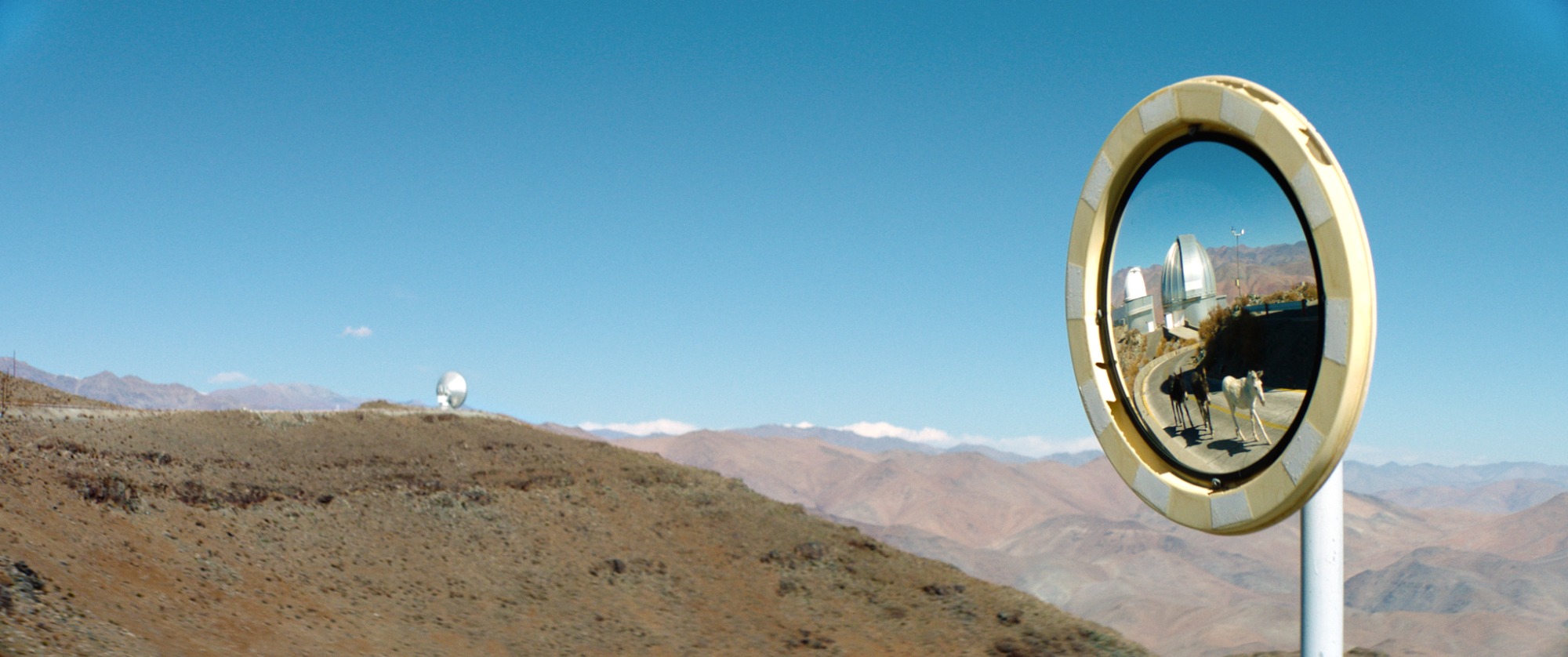
It is increasingly rare. That feeling of sitting down to watch something and, within moments, finding the world outside has simply ceased to exist. No notifications, no chasing down half-formed scribbled to-do lists, no background noise of life bleeding through. Just complete, unabated absorption. Alison McAlpine’s debut short perfectly a strangeness did exactly that—and it did it with three donkeys, a vast desert, and not a single word of dialogue. Canadian filmmaker, published poet, and Guggenheim Fellow McAlpine has spent her career working at the intersection of oral tradition and visual poetry, most notably with her acclaimed 2018 feature Cielo. Her first short film is even more distilled. Composed in four movements, shot in CinemaScope by a three-person crew in the Atacama Desert with anamorphic lenses chosen to approximate the panoramic vision of a donkey. It is a film of infectious, wide-eyed curiosity, one that finds beauty in the machinery of billion-dollar telescopes the way a child finds wonder in a cardboard box—treating spectrographs and delay lines as paintings waiting to be discovered. When the score, improvised by hurdy-gurdy player Ben Grossman on instruments I didn’t even know existed, explodes with delight into the consciousness of the film, it fits like a glove, working to bring everything together in harmony.
The film premiered at Cannes, travelled to TIFF, IDFA, and over 80 festivals worldwide, before landing on the Criterion Channel and earning an Academy Award nomination for Best Documentary Short. It is, strikingly, the only independent film in that category—no network, no studio, no campaign budget. A David and Goliath battle. Joining the rest of our Oscar-nominated filmmaker interviews here on DN, McAlpine joins us to talk panoramic donkey vision, the secret life of machines, and what it means to follow a donkey’s lead into the stars.
I wanted something visceral and that felt new. It felt like we were really following these donkeys in a new way.

Most Popular