
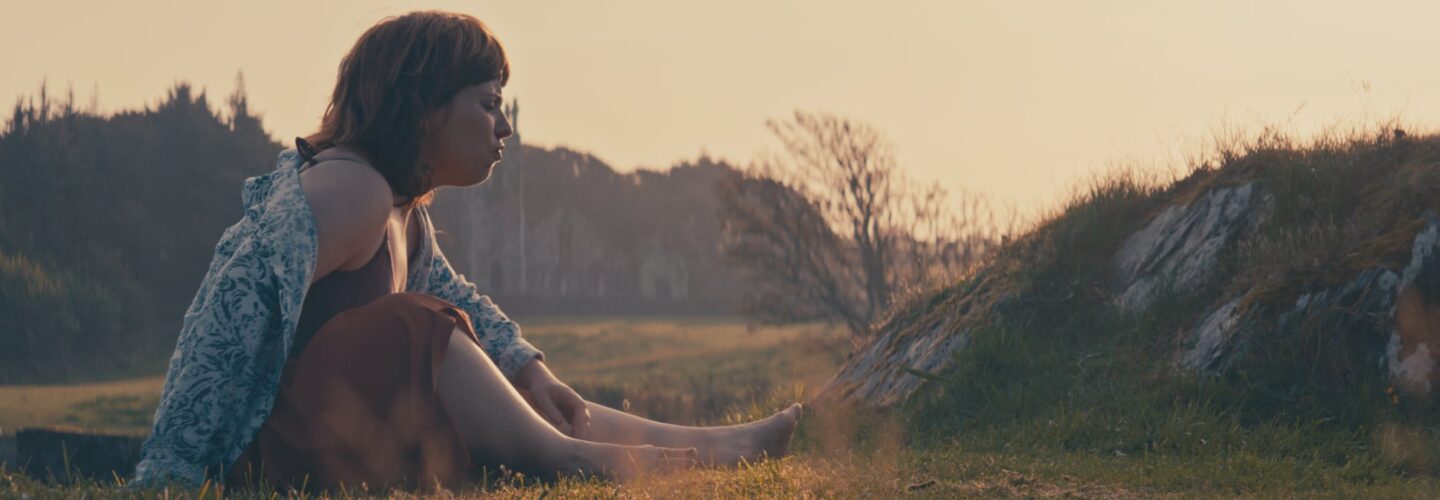

Having a sister means understanding a truly unique bond that can seem unfathomable to those on the outside. Having intimate knowledge of that immutable truth, Steph Barkley’s Sisters feels less like a shock and more like a truth finally visualised. A visceral punctuating image from producer Brooke Dooley—two sisters beating each other on a beach—was an all too familiar concept anyone with a sister has lived and knows; that sudden, wordless fury can erupt from the deepest intimacy. What makes the film so unexpectedly delightful is how it weaponises this understanding. It rejects easy explanations and boldly largely abandons dialogue. Sisters speaks in a language we use in those moments: scratches, hair pulling, punches, all bound by the emotional weight of shared history. This isn’t a petty argument; it’s a bloody, metaphorical release of everything that can’t be said, a catharsis that is as brutal as it is honest. Sisters layers this raw conflict against the breathtaking beauty of the Irish countryside, with the primal, ugly sibling brawl playing out in emerald pastures, observed by indifferent livestock. It captures the very essence of the bond, that our most ridiculous, base instincts are often tangled up with our deepest connections. The landscape doesn’t just host their battle; it maps a journey and presents a complex, nuanced portrait that feels less like watching a story and more like remembering a fight you once had, and the fragile peace that (mostly) always follows. As Sisters premieres on Directors Notes, we speak to Barkley, Dooley and cinematographer Mario Contini about the deliberate decision to largely forego dialogue, casting location as an emotional character, and the purpose of the savage violence itself.
Brooke, you are not only the co-producer, but Sisters is your brainchild.
Brooke Dooley: A little backstory into how this project came to life… A couple of years ago I was on an airplane headed back to LA, and I had a vision of two sisters beating the shit out of each other in slow-mo on the beach. This simple visual evolved into a full-on short film script. It went through some different phases. My original intention was to literally just write and direct a three minute super simple short that took place on the beach and then I thought, let’s scale this up a bit. Honestly, I was a bit scared of the creative, so I took a step back and moved into the role of producer and executive producer and invited my friend Chase Joliet to write the script and my friend Steph Barkley to direct it—they also happen to be married.
Sisters will fucking destroy each other and then they will turn around and fucking protect you like no other.
I have two sisters of my own, and Steph has two, so we really were inspired by our relationships with them to fuel elements of this story. Sisterhood is so complicated. I feel like it’s one of the most complicated parts of this human experience, and what makes it complex is that sisters will fucking destroy each other and then they will turn around and fucking protect you like no other and just keep pushing forward and have your back. I have witnessed sisters communicate at so many different ages from so many different walks of life in big cities, small towns in the US and South America, in Canada, and there is this common thread—I just fucking need to punch you and get some anger out—then let’s go have a drink and laugh and be together.

Steph, tell us what it was about Brooke’s initial concept that felt so personally immediate to you and how you knew you could put your stamp on it?
Steph Barkley: Brooke’s concept hit me immediately because of its rawness—there’s something so unfiltered about sibling rivalry and the complexity of those bonds. It’s a relationship that can be simultaneously full of love and rage. I knew I could add my personal stamp because I lived it. The moments where words fail and the body speaks for itself. I wanted to bring out the contradictions of sisterhood—how two people can hate each other and love each other all in the same breath. It was also an opportunity to dive into visual storytelling and non-verbal expressions to reveal how these emotions manifest in the body and space.
Most Popular
Can you talk about the total lack of dialogue for the first part of the film and the impact you wanted from that?
SB: The decision to have no dialogue in the first part of the film was intentional, to communicate the emotional weight through actions, not words. To me this added a layer of comedy and made the fight that much more intense. It forced the audience to pay close attention. I find it infuriating that film has only shown women fighting like cats. We have a lot of hate, if not more than men. Fights were dangerous and physical with my sisters. By leaving dialogue out, it allows the audience to focus on the subtle cues, the gestures, the breaths, and the intensity of the moment. The lack of words also creates a sense of tension and the audience is forced to feel the chaos, and perhaps the unspoken history between them. It’s a visceral experience, where the physical violence speaks louder than any conversation ever could.


Was the immediate look at violence a metaphorical choice for the visceral reality of these bonds, or a literal one to ground the fight in real, messy consequences?
SB: The violence was both literal and metaphorical. It’s a reflection of the raw, emotional undercurrent between the sisters—there’s so much built-up frustration, and the fight is almost an explosive release. The physical violence becomes a symbol of how deeply their unresolved tension runs. At the same time, we wanted it to feel grounded in real, messy consequences because sometimes relationships—especially the most intimate ones—are messy and complicated. They don’t follow a tidy path. The physicality of the fight needed to feel real, but it also spoke to the psychological brutality they inflict on each other.
I find it infuriating that film has only shown women fighting like cats. We have a lot of hate, if not more than men. Fights were dangerous and physical with my sisters.
Your casting and the chemistry between Whitney Rice and Ashley Rae Spillers as warring sisters Marni and Sarah is spot on.
SB: Casting was crucial. I needed actresses who could embody both the fragility and the ferocity of the characters. It wasn’t easy, but I knew when I found them, they’d capture the essence of these sisters. It took a bit of time for them to get comfortable with each other, especially since the fight scenes required a lot of trust and coordination. But once they did, it felt like magic.
How did you and your actors work to capture that mercurial, high-whiplash energy that does come with sisterhood?
SB: We talked a lot about the emotional volatility of sisterhood. Basically, it came down to how, in a moment, you could go back to getting along. I wanted to shine a comedic light on the fact that Marni wanted to actually kill Sarah. I wanted it to feel really intense, passionate, loving. And then braid some comedy in there.

We always love a deep dive into the mechanics of the cinematography so Mario, how did you use the location to externalise the internal emotional state of the sisters?
Mario Contini: When we first started talking about the film, we optioned shooting it entirely on a beach here in Los Angeles. Coincidentally, during those first few calls, I was visiting Ireland with my family, and the idea popped up, what if we placed the sisters in a more grand setting? Our amazing producer found a location in County Cork with a beautiful 17th-century castle, a yellow mansion with a horse stable, a derelict old stone church with a cemetery, a wooded area and a large pond. There were so many good options, it was hard at first to decide what goes where in the story and how we would fit it into just two shooting days. So, we strategized an order that would coincide with the progression of the story.
For instance, the film opens with one of the sisters, played by Ashley Rae Spillers, storming down a flight of stairs in a fury towards her sister, played by Whitney Rice, sitting on a rock at the edge of the garden overlooking the pasture below, trying to peacefully distance herself from the drama. This spoke directly to the way each of the sisters chose to handle conflict and the house itself is a piece of backstory.
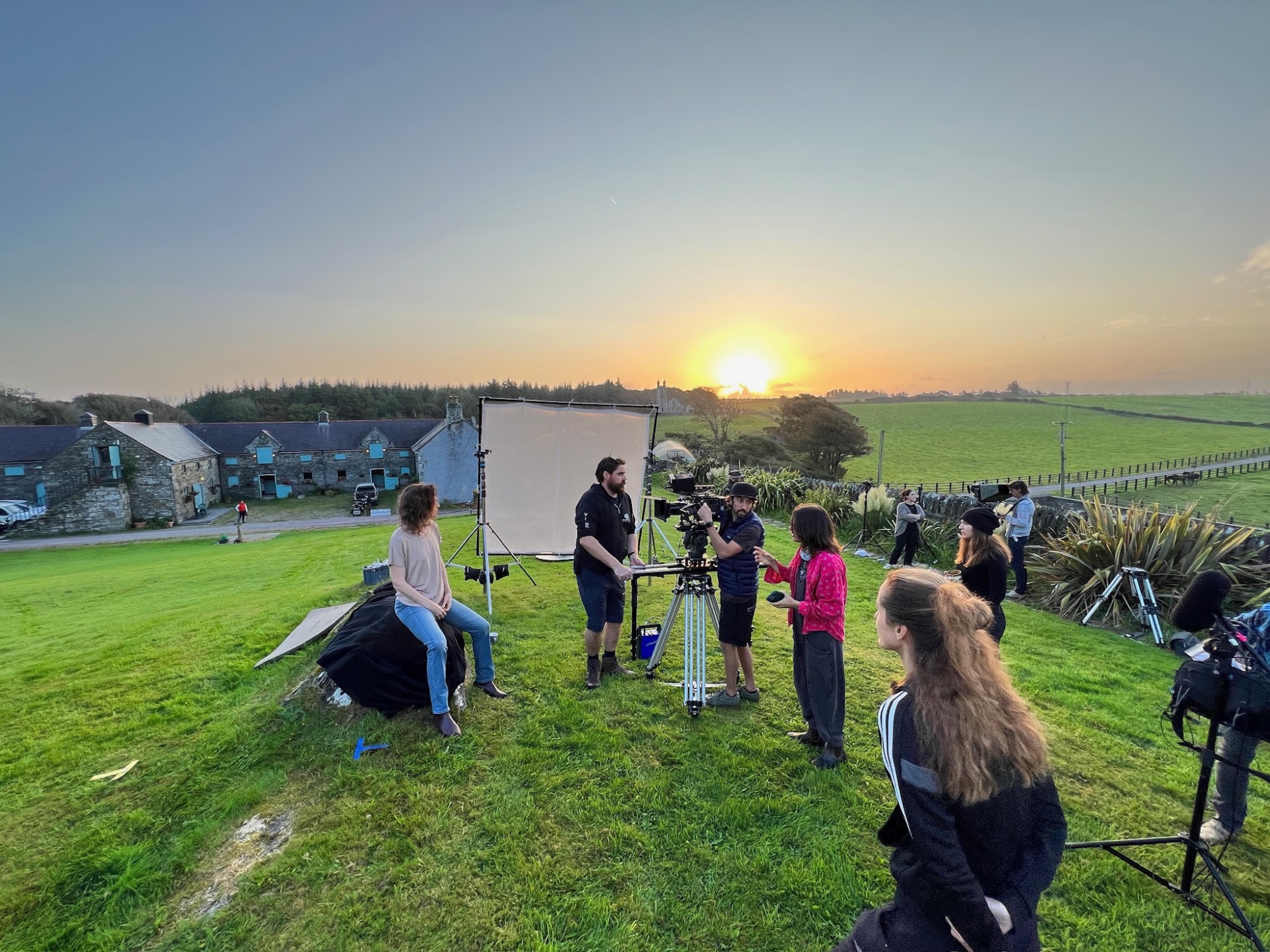
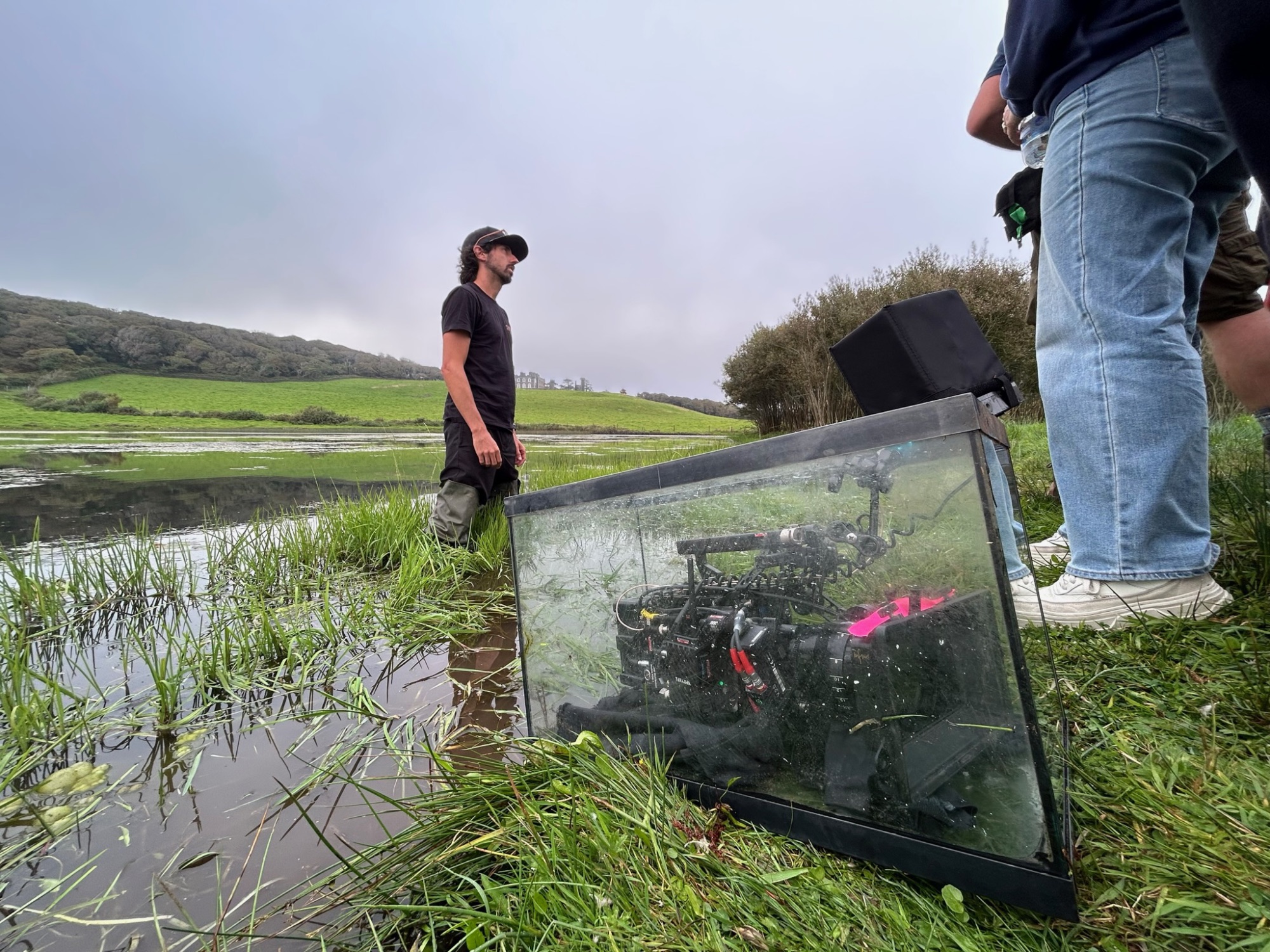
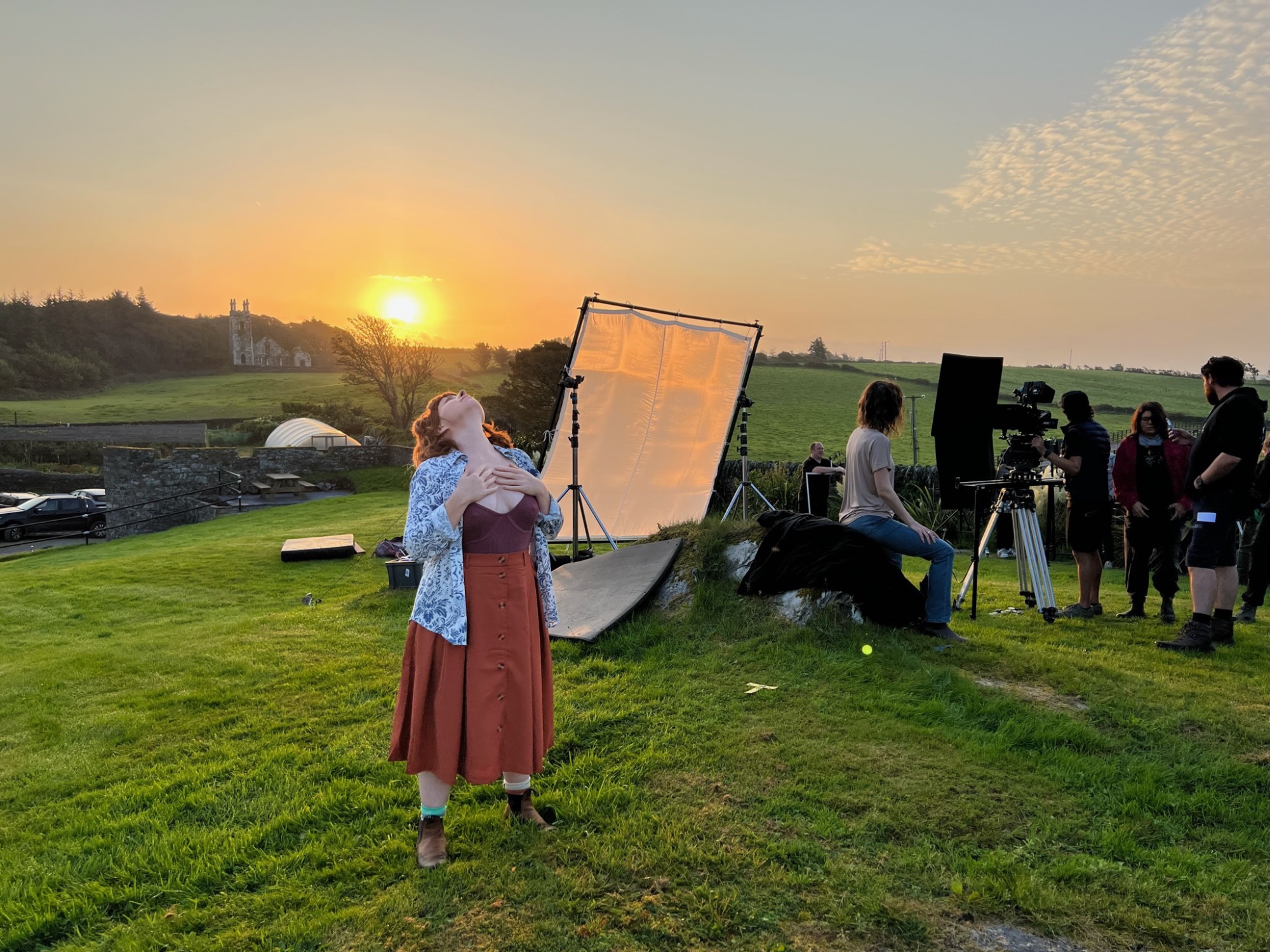
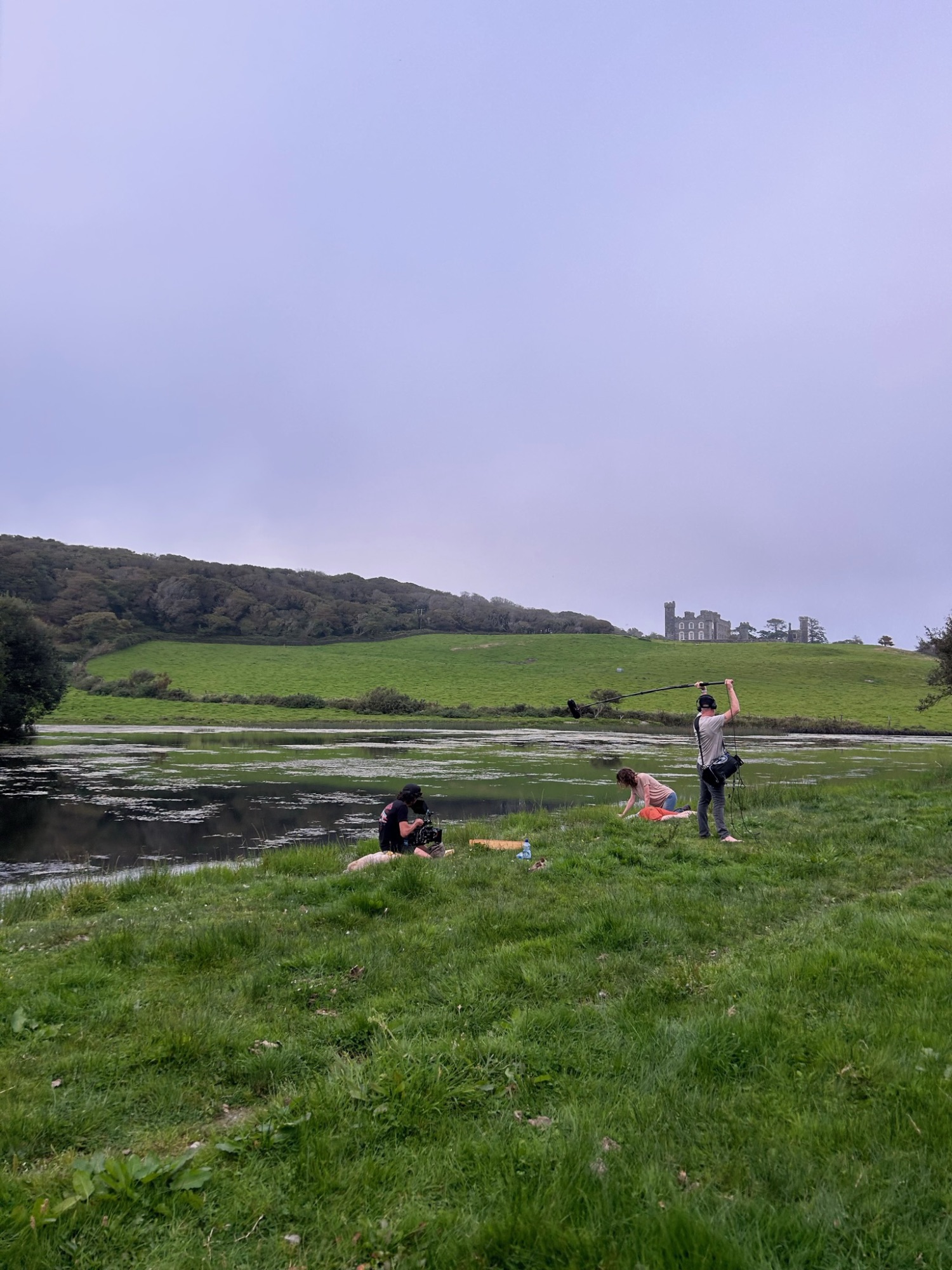

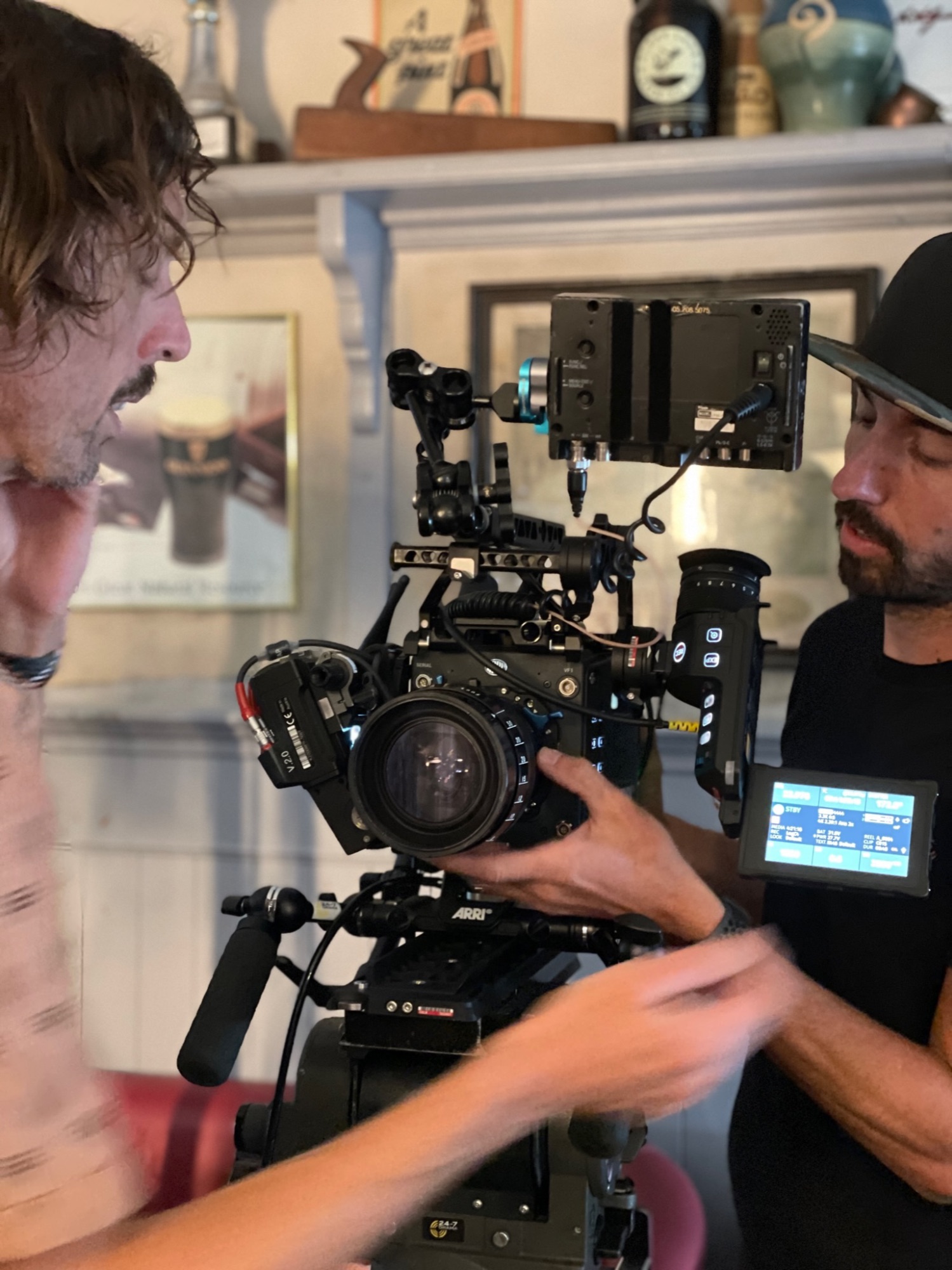
Then we take them to the pasture, putting them on the same turf and levelling the battlefield. There was something so absurd about the sisters in a raging fight, juxtaposed with a beautiful green landscape with cattle, donkeys and horses onlooking, almost as if they are saying, “these two are being ridiculous.” I think that just goes to show how when we let rage fuel our actions, we become the most basic versions of ourselves… even to a donkey.
The marshy pond edge became the end of the road for the sisters, and while the melee fighting wasn’t enough to kill one another, drowning one could. This location was pivotal in relating a simple and relatable concept to the audience. Sometimes in sibling rivalry, you get so annoyed, you may just want to ‘metaphorically’ kill one another. The attempt was cut short by the discovery of a dead baby lamb by the waters edge which then the location became more of a serene and calm setting as a fog unexpectedly rolled in. In this new world, the sisters turned off the hatred and opened their hearts.
There was something so absurd about the sisters in a raging fight, juxtaposed with a beautiful green landscape.
In the beginning of the film we meet the sisters in front of the family mansion. The first time we see them after they make amends by the castle pond, they walk side-by/side at sunset, with a warm golden light ripping across the field, backlighting the fuzzy white fur coats of a flock of sheep grazing alongside them. It’s as if their relationship went full circle and for the first time, there’s hope.


Now let’s talk choreography and the fight, which seem to move and flow with the undulating landscape.
MC: We rehearsed some of the initial fight choreography back in LA before heading to Ireland. At that time, we only had photos of the location, but it was enough for us to build a loose map of where we wanted the choreography to go. The basic idea was to take the sisters from the mansion, out into the grassy pasture amongst the animals, then into the woods where Ashley’s character could find a weapon, a stick, and then to the castle pond where Whintey’s character could ultimately attempt to drown her.
Logistically, it made sense to choose this path because once they were to wrestle by the water’s edge, there was no going back to reset the hair and wardrobe. From there, we flew some 5,500 miles with only a few images and an idea and scouted and rehearsed on location the day before the shoot. We all agreed that traveling to Ireland to make a short film meant we had to show off the landscape, and per our producer Brooke’s instructions, “You’re gonna get that damn castle in the background.”

Your colour palette is that of a lush summer’s eve where white wine should be sipped, but instead it’s gnarly with the downing of pints. Were you not tempted to do it all in the mud and rain?
MC: I think it was important to show off the beauty of the lush green landscape and the warm summer sun to contrast with the ugliness of hatred the sisters had deep down inside for one another. Not only was this a way to humanize the story in a primordial sense, I’m hoping the audience will walk away and think, that was really beautiful, and at the core of the story, love wins.
With that being said, it rains in Ireland about 50% of the year, and going into production, we counted on it happening at any moment. To be honest, this film could have had a completely different feel, but for some reason, the film gods looked down upon us and blessed us with a gorgeous two days where the worst weather we got was a fog that rolled in in perfect fashion for the story. I couldn’t have been happier.