
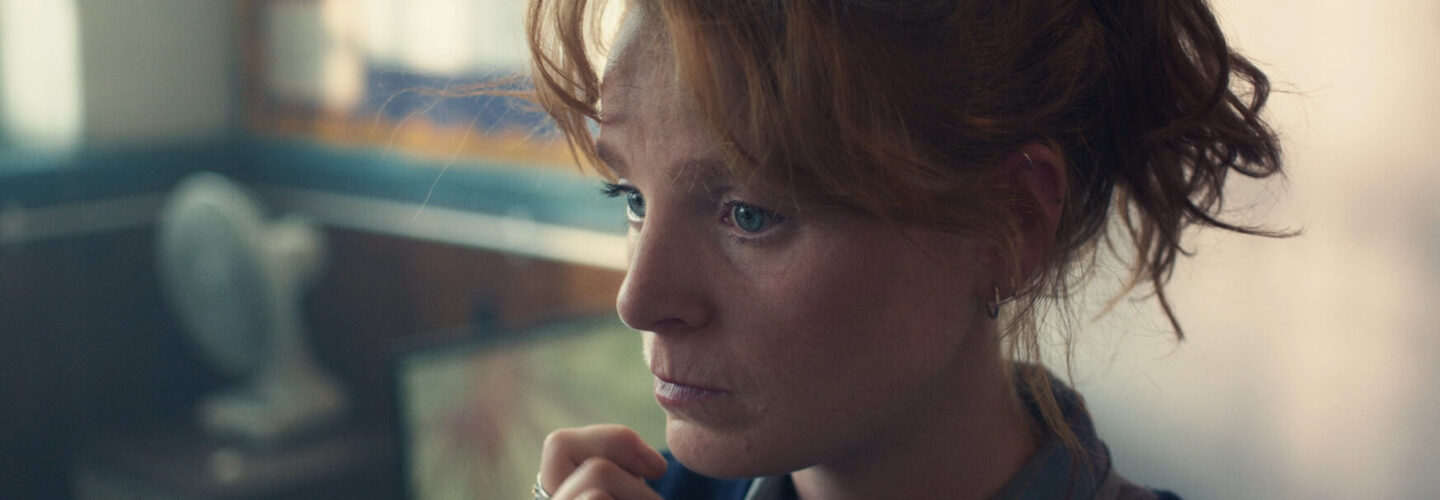

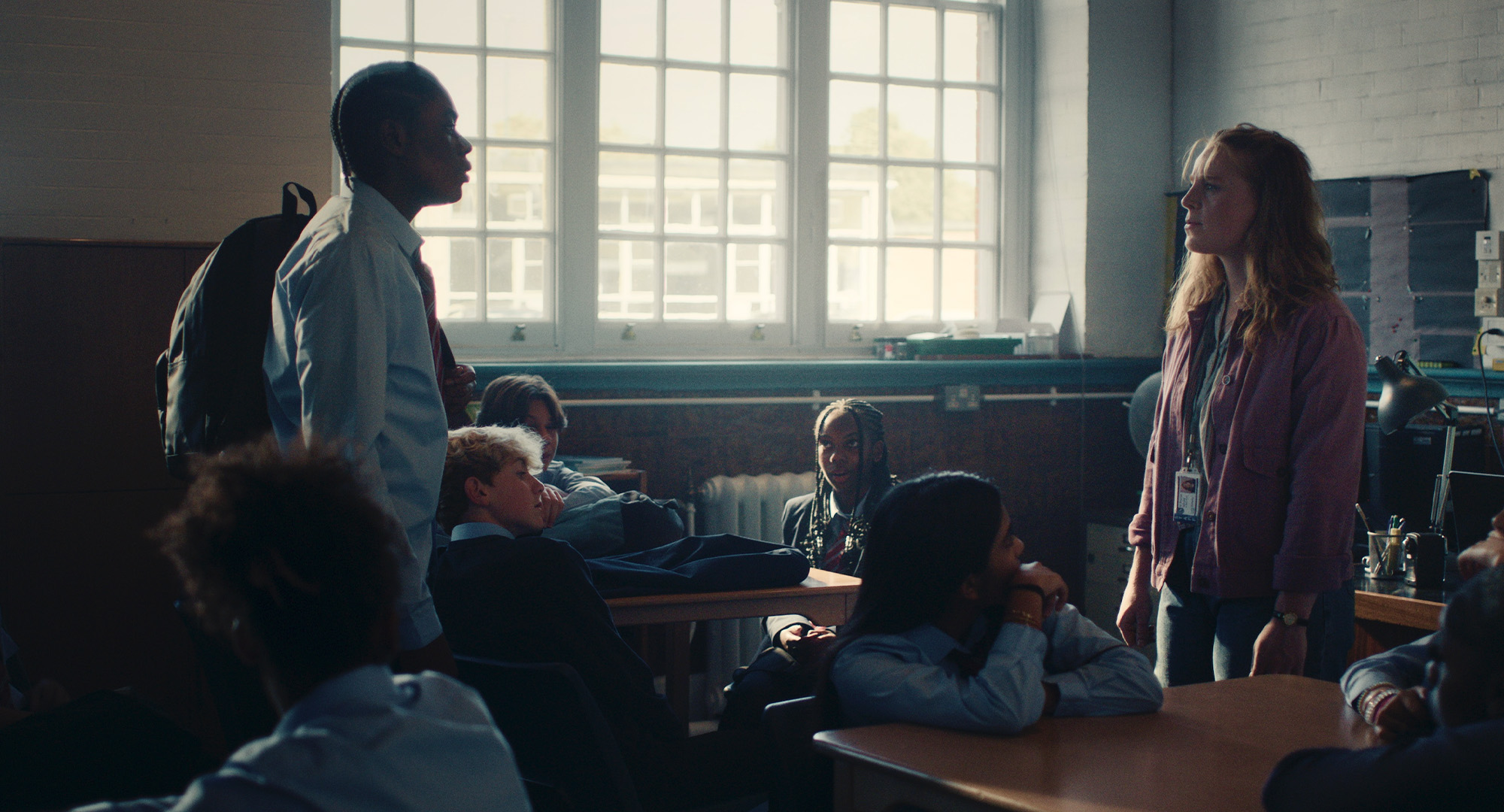
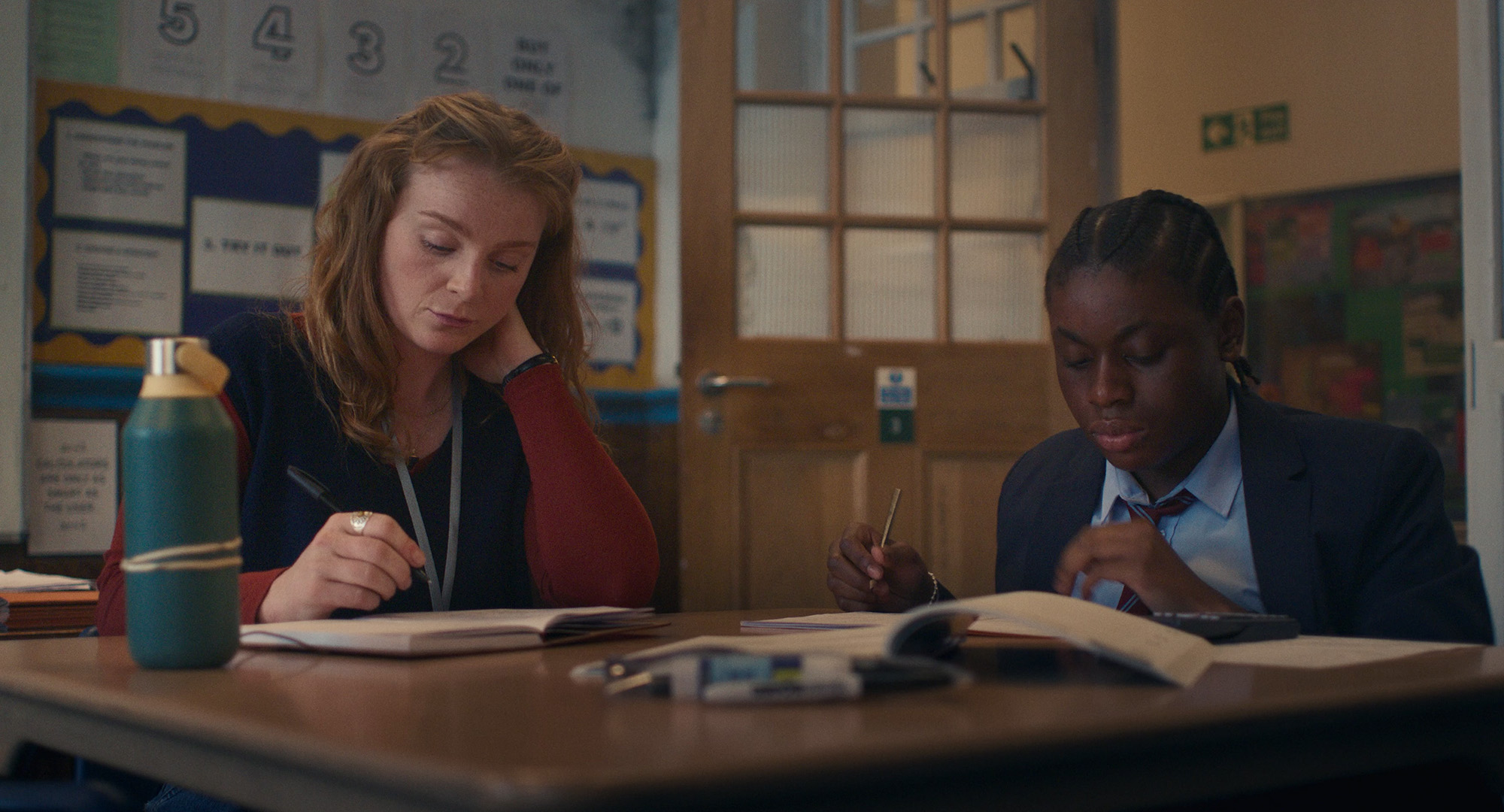
I moved to the UK when I was fifteen and found myself in a state school in South London – a place where tormenting teachers was practically built into the timetable, and I took great pleasure in participating. But it was also where I met Mrs Webb, my English Literature teacher: one of the first adults to see potential in me. Fiercely perceptive and encouraging, she inspired me to see the world around me in completely new and exciting ways. Maybe that’s why Gus Flind-Henry and George Malcher’s A Sisyphean Task spoke to me so deeply. The film is a warm, sharply observed portrait of modern-day teaching in a school much like the one I went to, where calm and chaos coexist side by side. It follows early-career teacher Lucy, played by Leah Balmforth, whose resilience and determination are tested daily – by her pupils, by limited resources, and by the relentless pressures of an underfunded system. Guiding the school through these challenges is the headmaster, portrayed with low-key brilliance by Hugh Bonneville, while the young cast brings energy and authenticity that make the classroom feel alive. Flind-Henry and Malcher approach A Sisyphean Task with honesty, allowing the story to breathe and trusting the small moments to reveal the bigger picture of the narrative. Now in the running for Best British Short at next Sunday’s BIFA Awards ceremony, we speak to the duo about how their professional experiences shaped the story, balancing humour and realism, and finding the rhythm that gives the film its distinctive energy and heart.
Gus, you’ve spent the last three years teaching in a state school in South London. How did those experiences inform the story and tone of A Sisyphean Task?
Gus Flind-Henry: My experiences as a cover teacher massively informed both the story and tone. Working in a state school in South London has allowed me to see firsthand what it really means to be part of our education system. At such an exceptional school, I’ve witnessed the incredible impact that brilliant teachers can have on their students. I’ve also come to understand the unrelenting chaos that school staff battle against every day, and developed a huge admiration for their persistence and dedication.
When I first took the job, I had very little experience of working in a school, so I had no idea what to expect. But within a few weeks, I completely fell in love with the job, to be honest. With that in mind, we set out to write a love letter to teaching. But it quickly became clear, early in development, that if we wanted to tell an honest story, we had to show both the good and the bad. Tonally, we were very conscious not to overdramatise. We all wanted to create something that captured the real ups and downs of everyday life as a teacher, while also shining a light on the pressing issue of teacher retention.
We set out to write a love letter to teaching. But it quickly became clear, early in development, that if we wanted to tell an honest story, we had to show both the good and the bad.

The title speaks of endless struggles and epic frustrations. Was that sense of Sisyphean effort something you felt personally as a teacher?
GFH: No. But the challenges for so many are relentless and do feel constant. I love working as a cover teacher. But the very fact that I am a cover teacher means a lot of the hard graft that the teachers have to go through to give someone a good education (marking, lesson planning, reports, etc.), I don’t have to do. So I’d say I definitely haven’t experienced any endless struggles or epic frustrations, if anything, I have experienced the opposite. But I know that’s not the case for so many of our Early Careers Teachers (ECTs) who, unlike me, face the full pressures of being ‘proper’ qualified teachers in the modern education system. It is those wonderful people that this film is addressing.
Most Popular
How did you navigate telling a story that is both celebratory and critical of the system?
George Malcher: Above all else – honesty. Every teacher and early career teacher we spoke to said the same thing: it can feel like the best job in the world one day and the worst the next. So we made a clear decision early on to not heighten the drama, but reflect the job as they described it – the good days, the bad days, and the very ordinary days in between. That balance is where the heart of the film sits.
Finding the balance meant a lot of trial and error in the script stage. Because we’re ultimately telling a story about teacher retention, we always knew where Lucy’s arc needed to land, but it was crucial that it didn’t hinge on one defining incident. Instead, the story is built from the small, everyday moments – the wins, the frustrations – which gradually tip the balance.
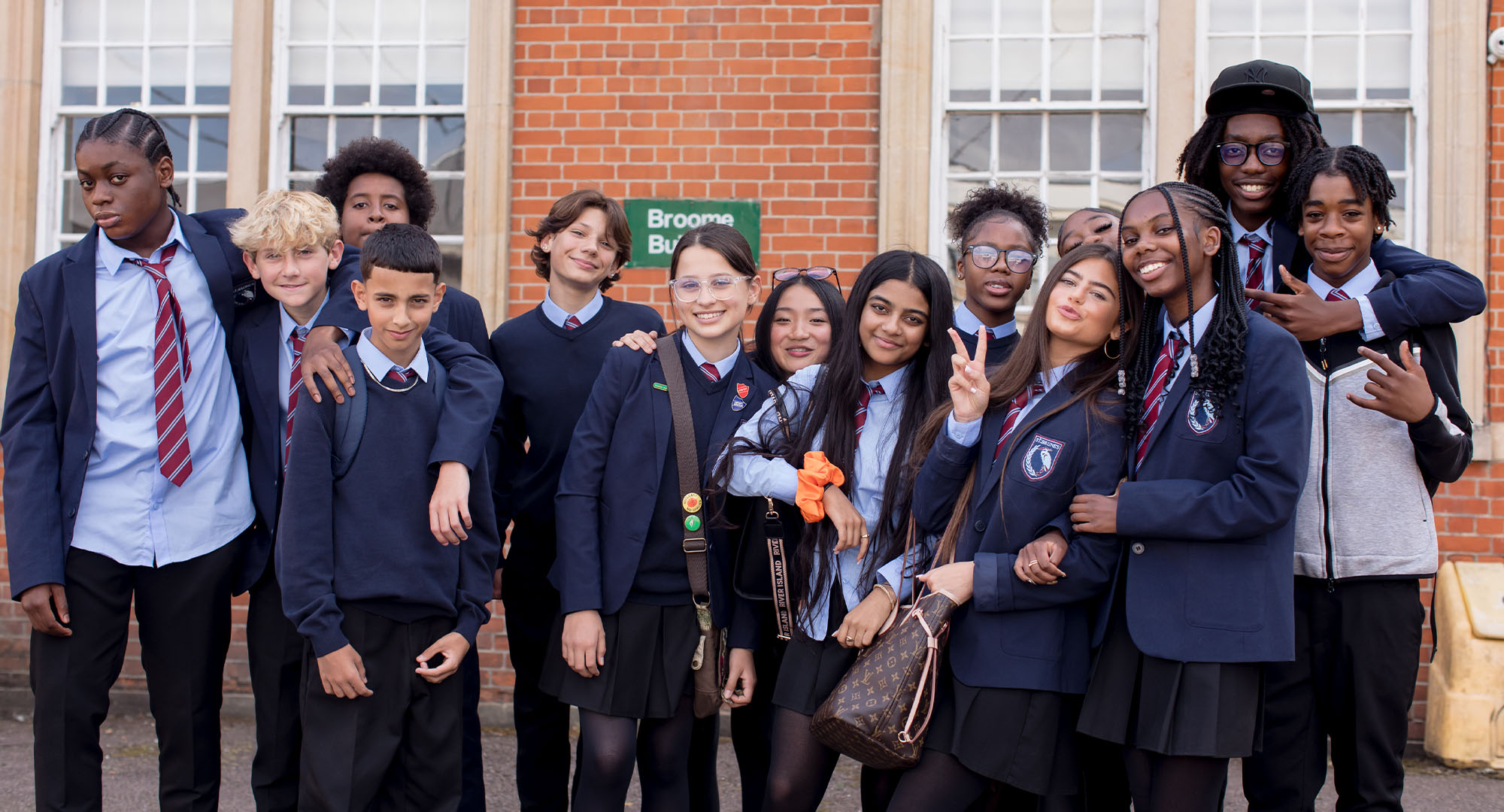
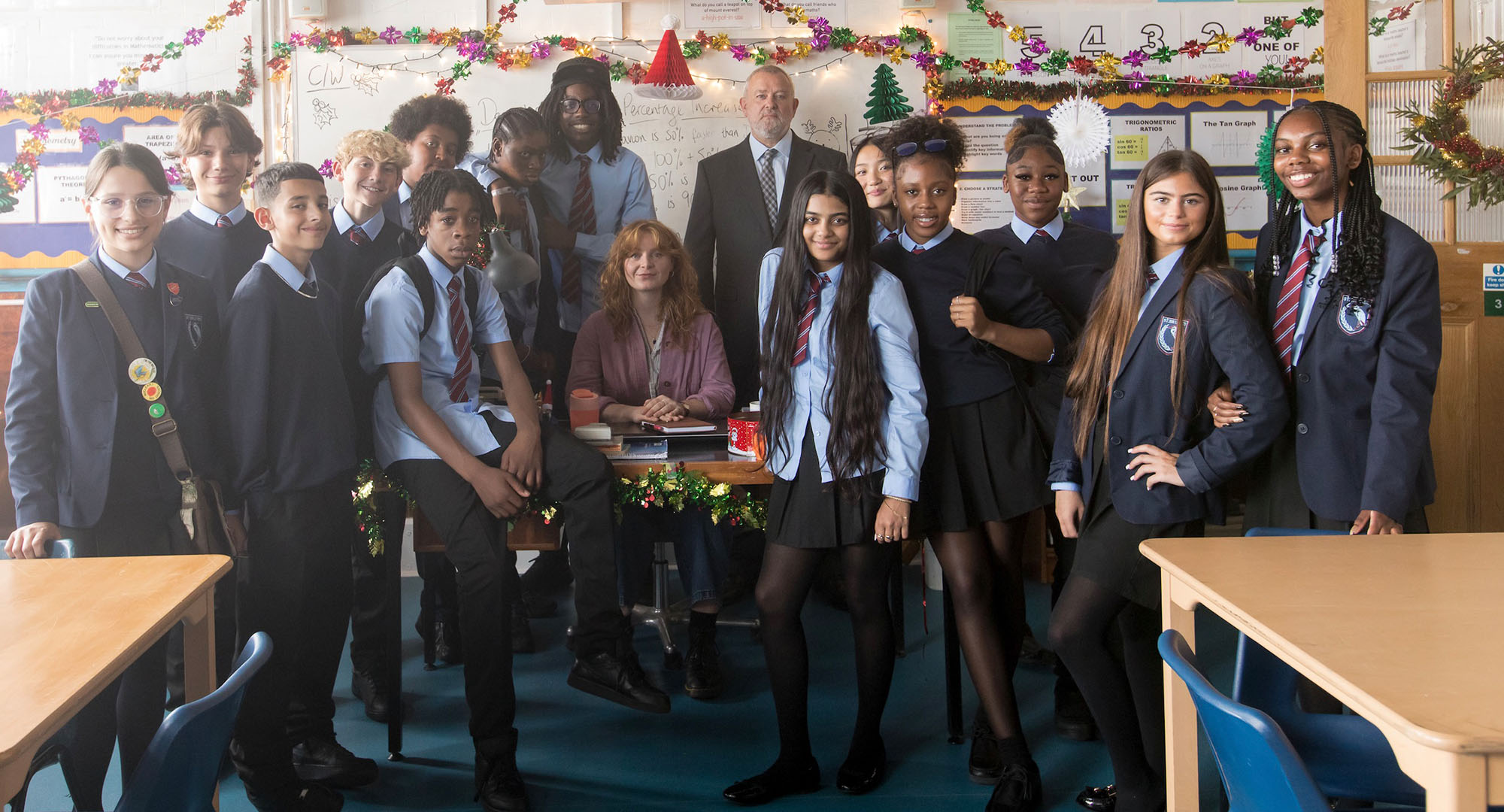
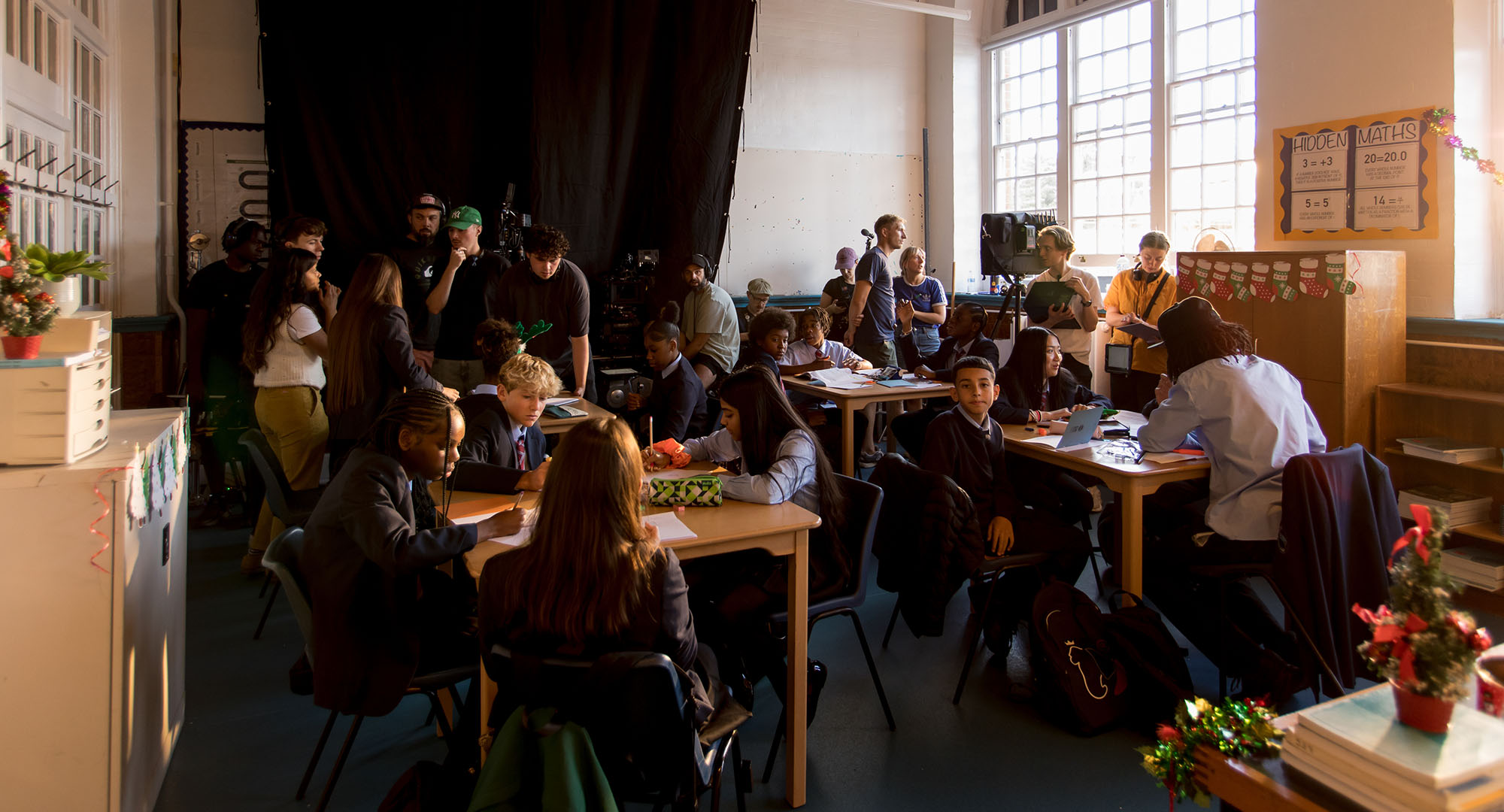
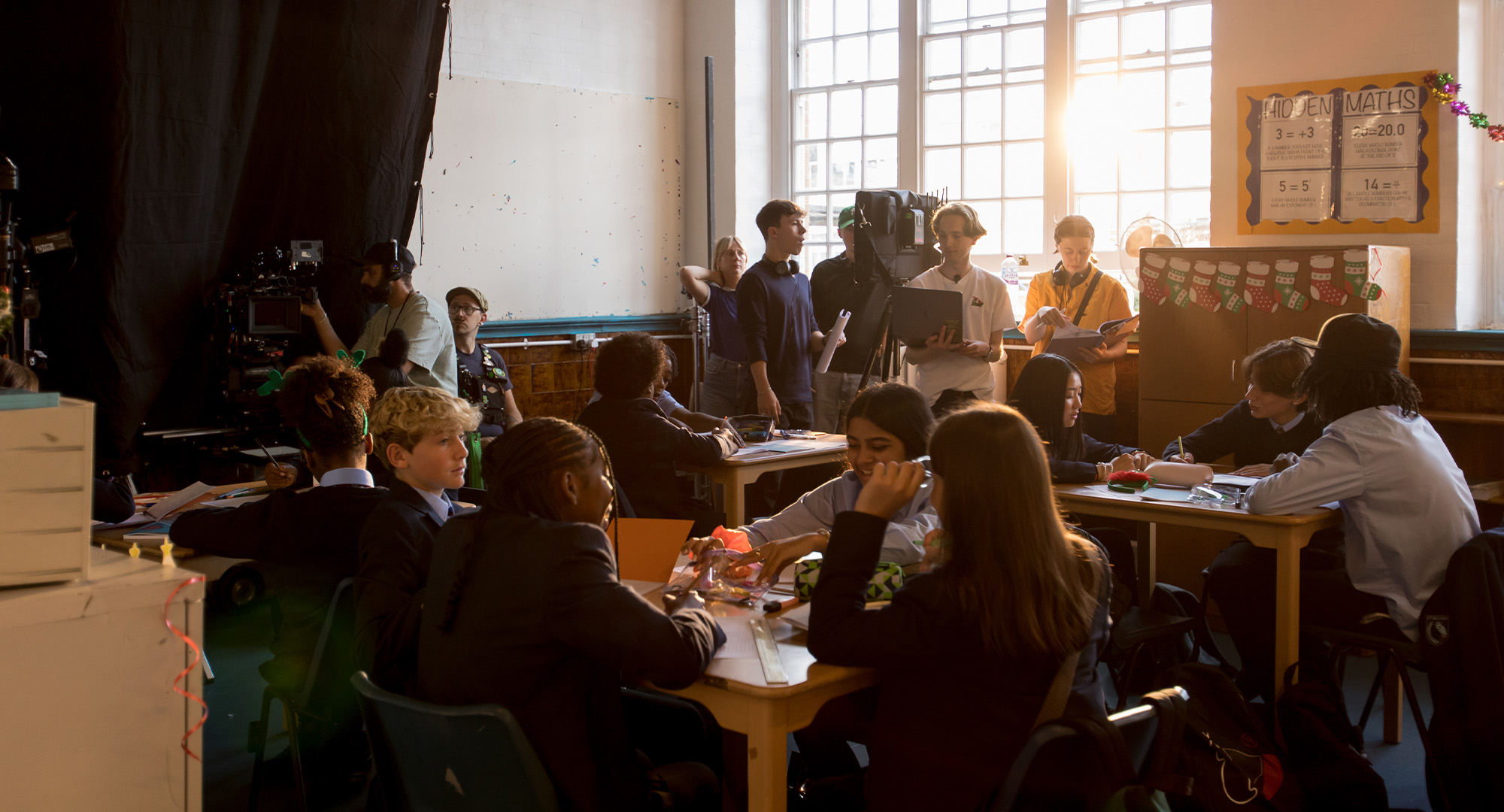

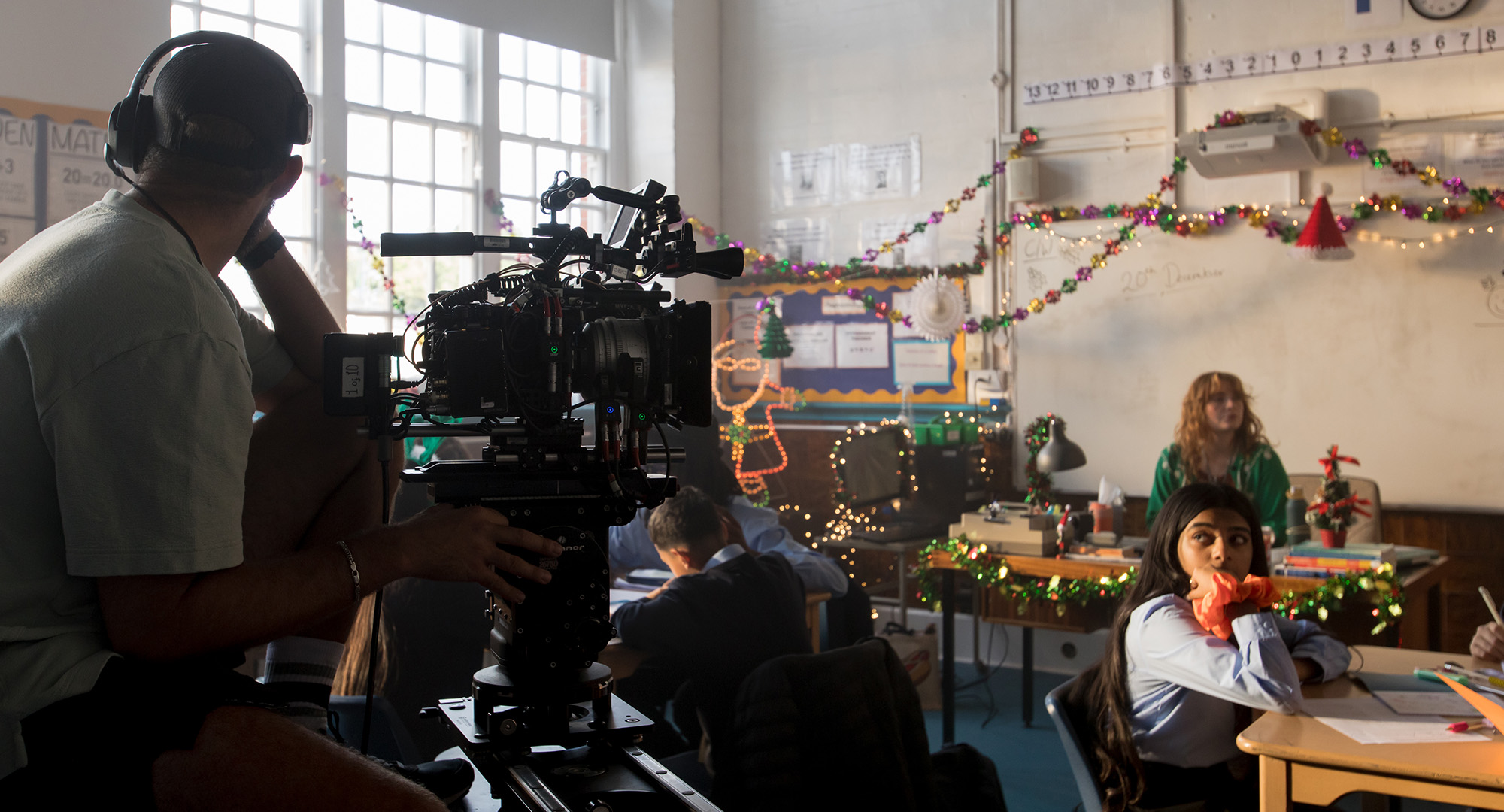
I’ve worked with young actors myself and know it can be challenging. What techniques did you use to create authenticity, and were there moments when improvisation led to performances that surprised you?
GFH: We loved having the young actors on set. We met with a couple of producers once we’d written the script and quite a few of them mentioned why two actors, with no directing experience, felt they would be able to direct such an ambitious film. One of the main reasons we felt we were right for the job was because we knew that we would be able to work well with the younger actors. LANE Casting did a fantastic job assembling a great mix of young actors – some with experience and others who’d never set foot on a set before. That balance was key to achieving an authentic representation of the students, while still being able to shoot at the pace we needed on the day.
There was one lovely moment on set that really showed how a lack of experience doesn’t stop someone from being a brilliant actor. One of the young actors, who’d already been shooting for two days, had a close-up in one of her scenes. We were about to go for a take when, just before our 1st AD Kitty called “action,” the young actor stopped her and asked, “Are we going to film this one?” Both George and I said “yes,” and she replied, “But where’s the camera?”
One of the main reasons we felt we were right for the job was because we knew that we would be able to work well with the younger actors.
Sat right in front of her was David Bird, our DOP, holding a huge Alexa Mini practically in her face. We told her, “It’s that massive thing David’s holding in front of you.” She looked at it, shrugged, and then absolutely smashed the scene in one take. The idea that she’d been acting for two days without even realising where the camera was, was both shocking and really exciting.
I would love to say that we did some astonishing directing and that the brilliant performances were all down to us, but the truth is they were a delight from start to finish. They brought such a wonderful atmosphere to set, worked unbelievably hard and massively exceeded our expectations.
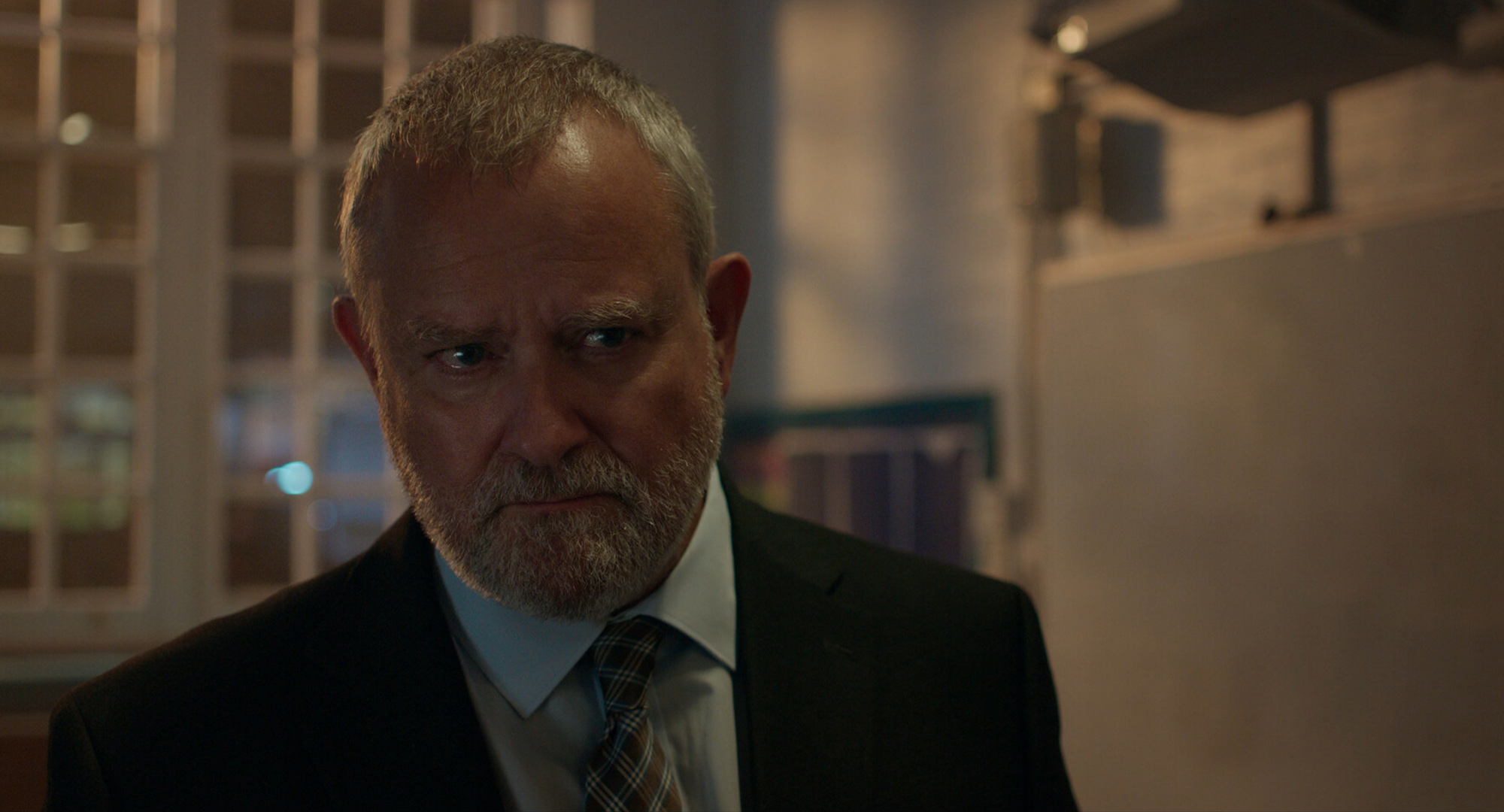
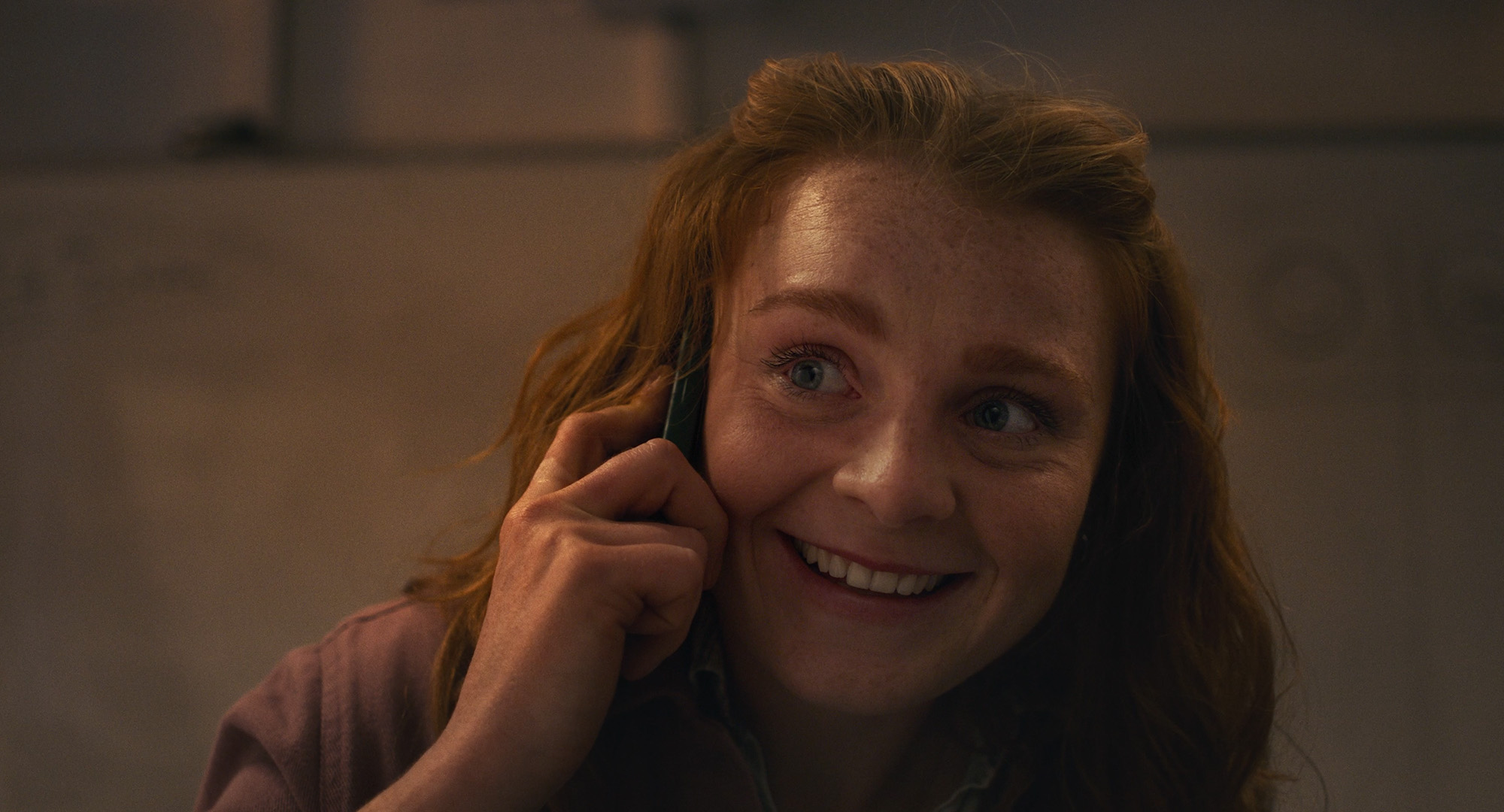
Leah Balmforth and Hugh Bonneville share such a compelling dynamic on screen, embodying different aspects of the school system. How did you guide their performances together to bring out the tension, warmth, and mutual respect between their characters?
GM: Well… Leah and Hugh only had one day on set together, with no rehearsal time, and yet the script calls for a relationship between two people who know each other incredibly well. So the familiarity that we see on screen is a true testament to their skill as actors and their ability to work against reality to create the kind of ease and connection you’d have with a close colleague, despite only having a day together.
Where Gus and I came in was giving them very specific context in the moment: where their characters were emotionally at each point – what’s happened off screen, what they’re choosing ‘not’ to say to one another. Small, precise pointers to help guide the great work they were already doing. But the dynamic that we enjoy on screen – that’s down to them. They understood the relationship instinctively.
There’s a tension between chaos and calm throughout the film. How did you use framing, pacing, and editing to convey that rhythm?
GM: The rhythm of the film was something we started to establish right from the script stage. Gus and I come from a theatre background, so we naturally think in terms of pacing and shifts of energy. The script was written so that each scene is a jump forward in time – you’re constantly dropping into Lucy’s day mid-flow, which gives us that sense of moving through calm and chaos. When writing, we’d read the script aloud to each other constantly, playing all the characters, almost like rehearsing a play, so we were already finding the timing and flow long before the edit. Of course, you then throw a lot of that away once you get on set and into the edit, but establishing it in the script stage meant the foundation was there, and that tone travelled with us through the whole process.
The script was written so that each scene is a jump forward in time – you’re constantly dropping into Lucy’s day mid-flow, which gives us that sense of moving through calm and chaos.
Once our producer, George Telfer, came on board, we worked together to refine those creative choices, our edit style, and the conversations quickly turned into exciting, practical decisions about how to communicate that tone and pull everything off. Those discussions really shaped the brilliant team we built and how we approached the shoot. Visually, we committed to a stripped back, observational style – mostly static camera. This gave us a sense of grounding, so when we dial up the pace and intensity, we are still able to focus and track the progression of time, which was really important for the story. We were very fortunate to work with DOP David Bird and editor Paco Sweetman BFE, who really embraced this style and brought a wealth of experience to every scene.
The story is both heartfelt and funny. How did you find the right balance so the humour never undercuts the stakes?
GM: We kind of did the opposite. We didn’t try to separate the humour from the drama at all – we let them sit right next to each other, because that’s the reality of working in a school. You can have a moment of pure levity immediately followed by something dramatic, and neither cancels the other out. The job is unpredictable, so that contrast felt natural. One of the most tense, high-stakes scenes in the film comes straight after a light and funny moment. For us, the lack of balance brings us closer to Lucy’s experience – the humour doesn’t reduce the stakes, it simply highlights a part of the job that keeps you going.
We didn’t try to separate the humour from the drama at all – we let them sit right next to each other, because that’s the reality of working in a school.
What do you hope audiences will remember most about the characters after seeing the film?
GFH: Their resilience. And simply, that they believed them. That they felt they were real people, with real problems. Whether you’re doing an episode of a soap, a short or the new Hollywood blockbuster – that’s always the goal. We are all pretending, both the audience and the filmmakers, there is an element of suspended disbelief in all theatre or film, but within that pretending out pops completely real moments that hopefully make us really feel something.
We had the pleasure of first watching A Sisyphean Task back in July and were instantly impressed. Now that the film has gone on to be BIFA nominated, how does that feel and more importantly, what new opportunities have opened up due to the nomination?
It feels amazing to be BIFA nominated. We’ve looked at the longlist for years, thinking how brilliant it would be to even get on there, so being one of the five nominated films is surreal. Because it’s our first film, we genuinely weren’t sure it would get made or that anyone would want to watch it, so getting this kind of recognition means a lot.
In terms of what it’s changed, it’s pretty early doors – so hard to tell. It’s opened up a few more conversations about projects moving forward and made us feel like there’s more space for this film to find its audience, which is great. The film has also recently qualified for the Oscars and BAFTAs, which is equally mad!
And finally, what are you working on next?
We’re currently developing the feature version of A Sisyphean Task, which we’re really excited about! On top of that, we’ve got a few short films in the pipeline and are diving into research and development for a TV series about another community of unsung heroes. It’s all about telling stories that haven’t really been seen before, and we can’t wait to share them.