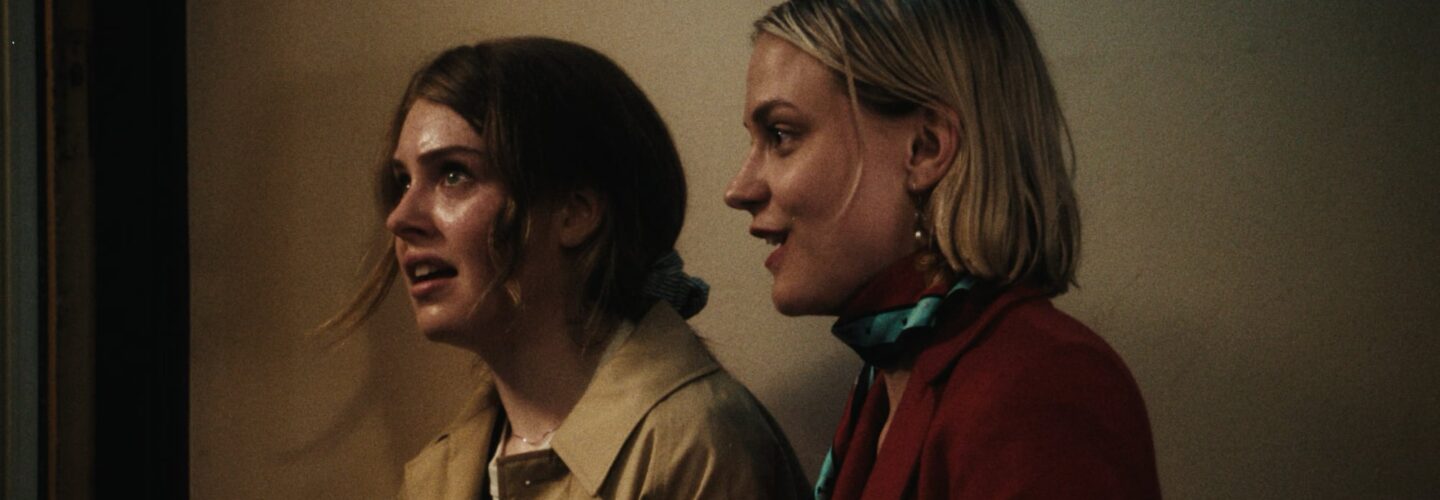
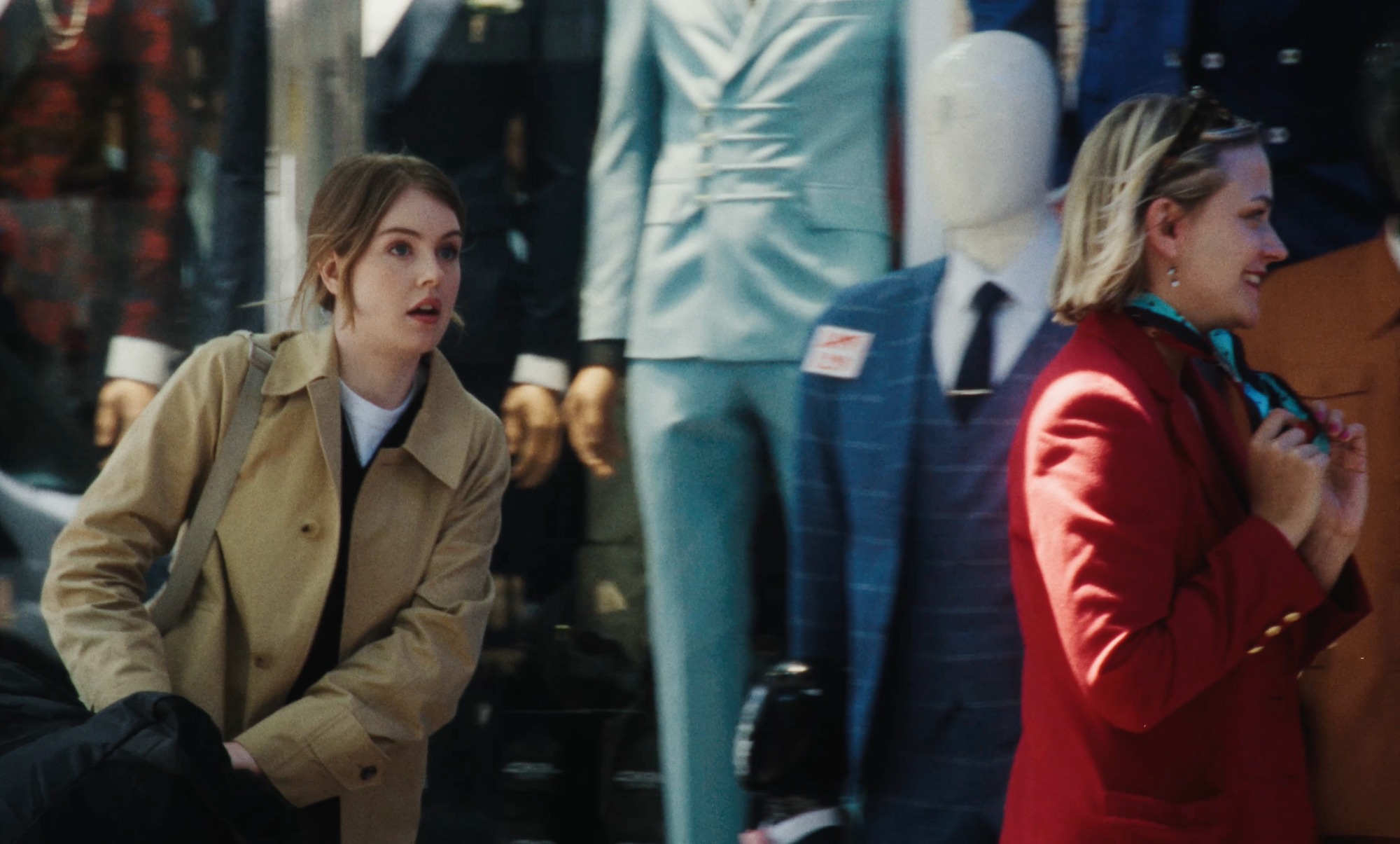
Forget the Paris of dreams, stereotypes, joy, and happiness that you usually see in films. This one doesn’t give anyone a free pass. In a nice twist on Emily in Paris’s naïve look at Americans in Paris, Faux Amis (False Friends) from writer/director Theo Matza blends a critique of the use of artificial intelligence in online catfishing with a reversal of gender roles, smartly turning the usual ‘woman scams man’ dynamic on its head. When Adele and May travel to the Ville Lumière in search of Jacques, the handsome man who has been courting Adele on Instagram, the two young American women are in for a shock. Who can hide behind a polished and catchy profile? In slightly less than fifteen minutes, we are left with very little certainty about what we thought we knew about the French capital and digital scams, and the frustration is real. Eager to find out more about this darkly comic mystery, we sat down with Matza ahead of today’s premiere to discuss the challenges of shooting a short film across two intercontinental locations, as well as his fortuitous and serendipitous encounter with French star Vincent Macaigne.
You describe this as your most ambitious project to date, shooting across Paris and New York with two different crews. International shoots can be challenging. What was the experience like for you? How long did you spend working across both sets?
The most rigorous part of the production was quite literally filming the bulk of this independent short on location in Paris (6 production days there, 1 day in New York). Because of our script, the initial stages of pre-production revolved around the logistics of getting us overseas. While we were still in NYC, we focused on travel preparation, budgeting, and fundraising. My producers (including Farmhands Productions, led by our two leads, Michelle Moriarty and Clarice Reiner), my DP, my co-writer, and I were in frequent communication. We strategized about how to bring our key American crew (our operator, gaffer, sound artist, and costume designer) to Paris for prep, how to effectively utilize the resources we had to navigate a foreign city with a small footprint, and how to incorporate our essential local Parisian crew members. Angelo Chammah, who joined us early on, produced the project with great dedication. As a Parisian local, he was invaluable in facilitating our indie shoot, mostly in public spaces, especially since most of us were not fluent in French.
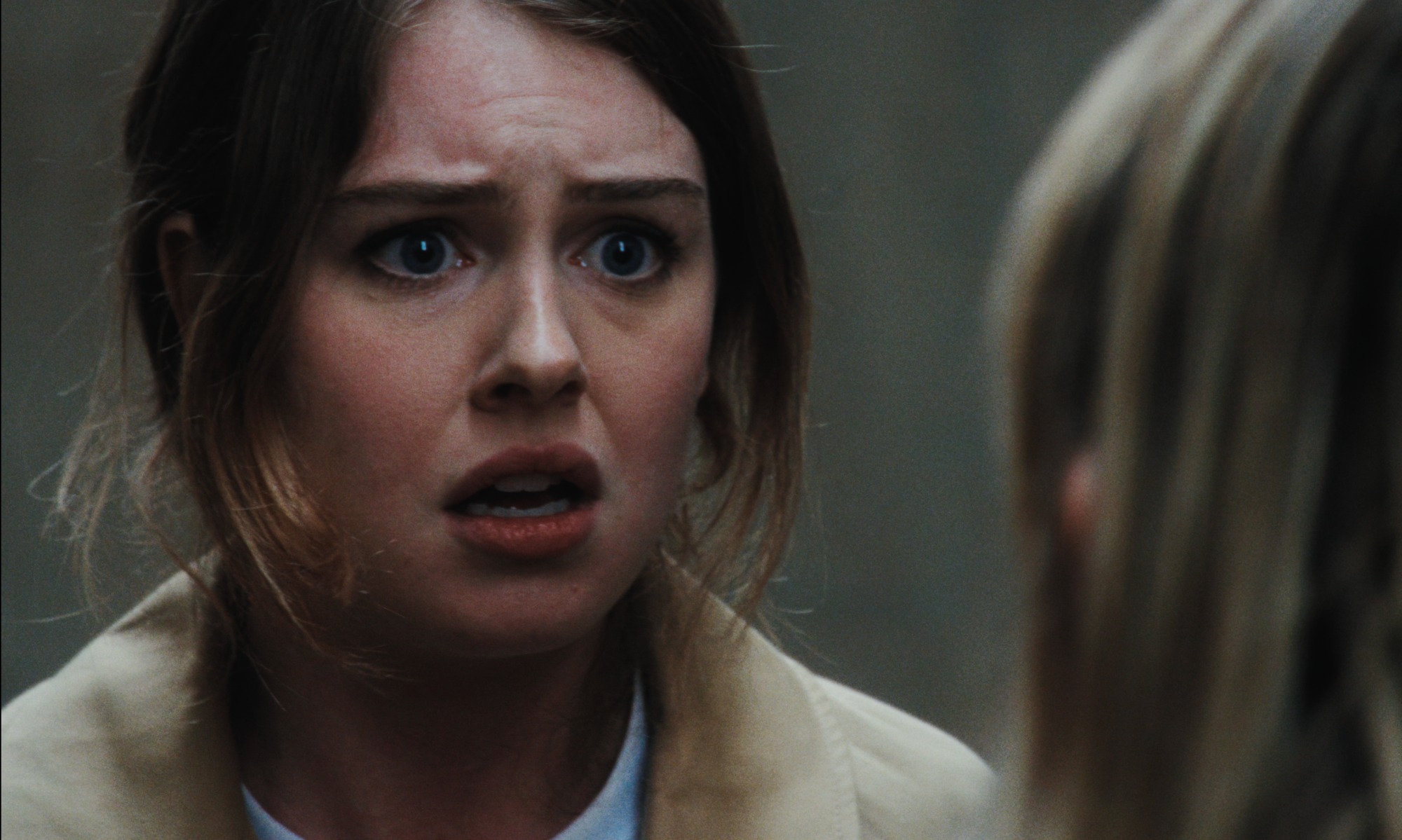
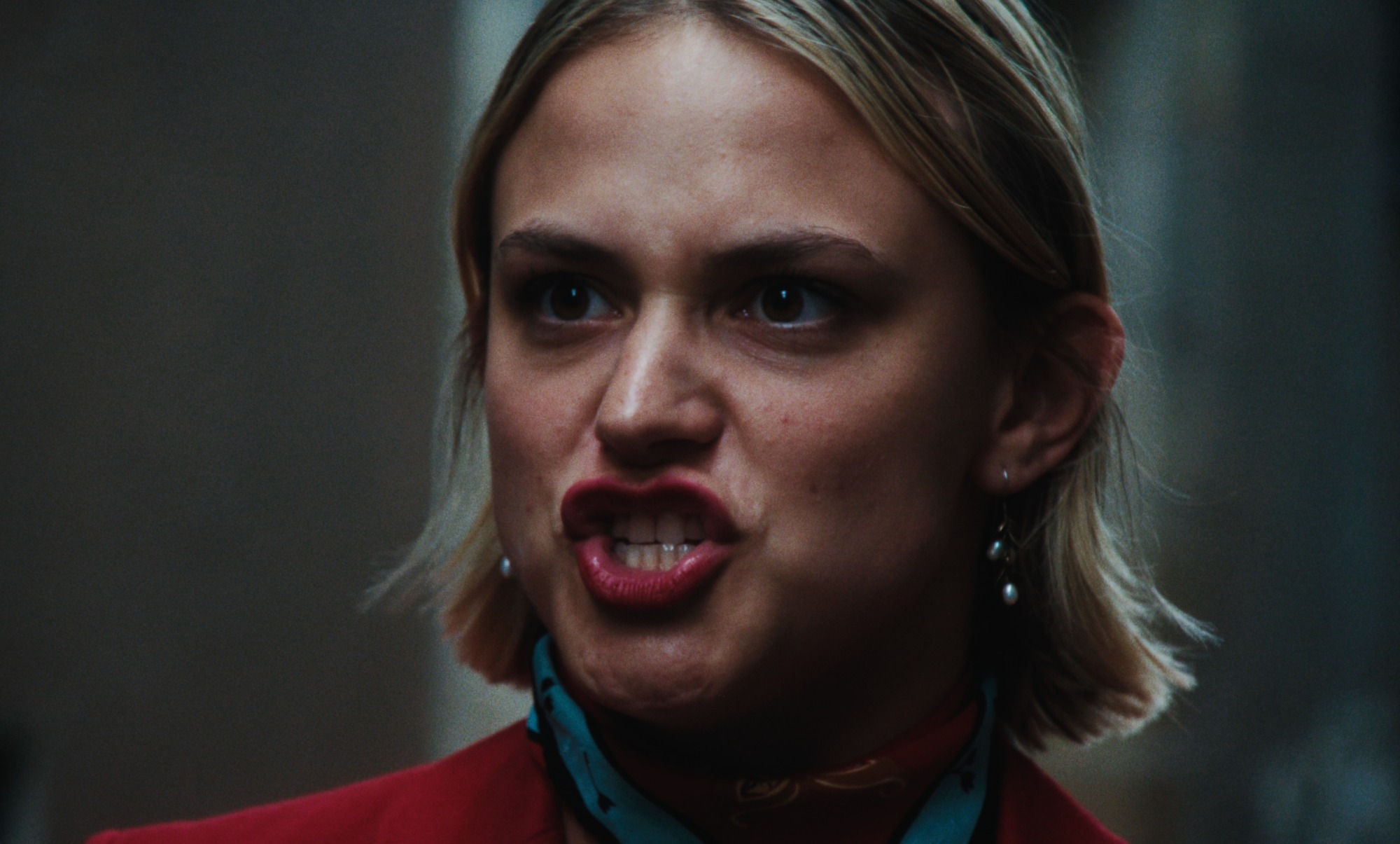
Once I was actually on the plane to Europe, the more fun part of the pre-production process could begin. It was, of course, not without its challenges, but it could be guided by the sense of discovery we’d intended. From the exterior locations I found while wandering the city with my DoP Max Fly-Goldstein for two weeks leading up to prep, to meeting Vincent Macaigne (which I know we’ll discuss), there was a feeling that the movie would start to reveal itself to us more organically now that we were on-site. The floodgates of fun coincidences opened after that.
I wanted the geography itself to become part of the comedy and the story.
Paris’ charm has been used endlessly, but your film finds ways of showing the city that feel fresh and unexpected and also manages to remove the dreamy approach towards the city that a lot of films, especially American ones, tend to have.
I really appreciate that. I challenged myself on this project to be very specific about the location choices. You watch these clueless tourists arrive in the heart of Paris (when you see them atop the Eiffel Tower two minutes in) and then gradually make their way to a more local area. I wanted the geography itself to become part of the comedy and the story.
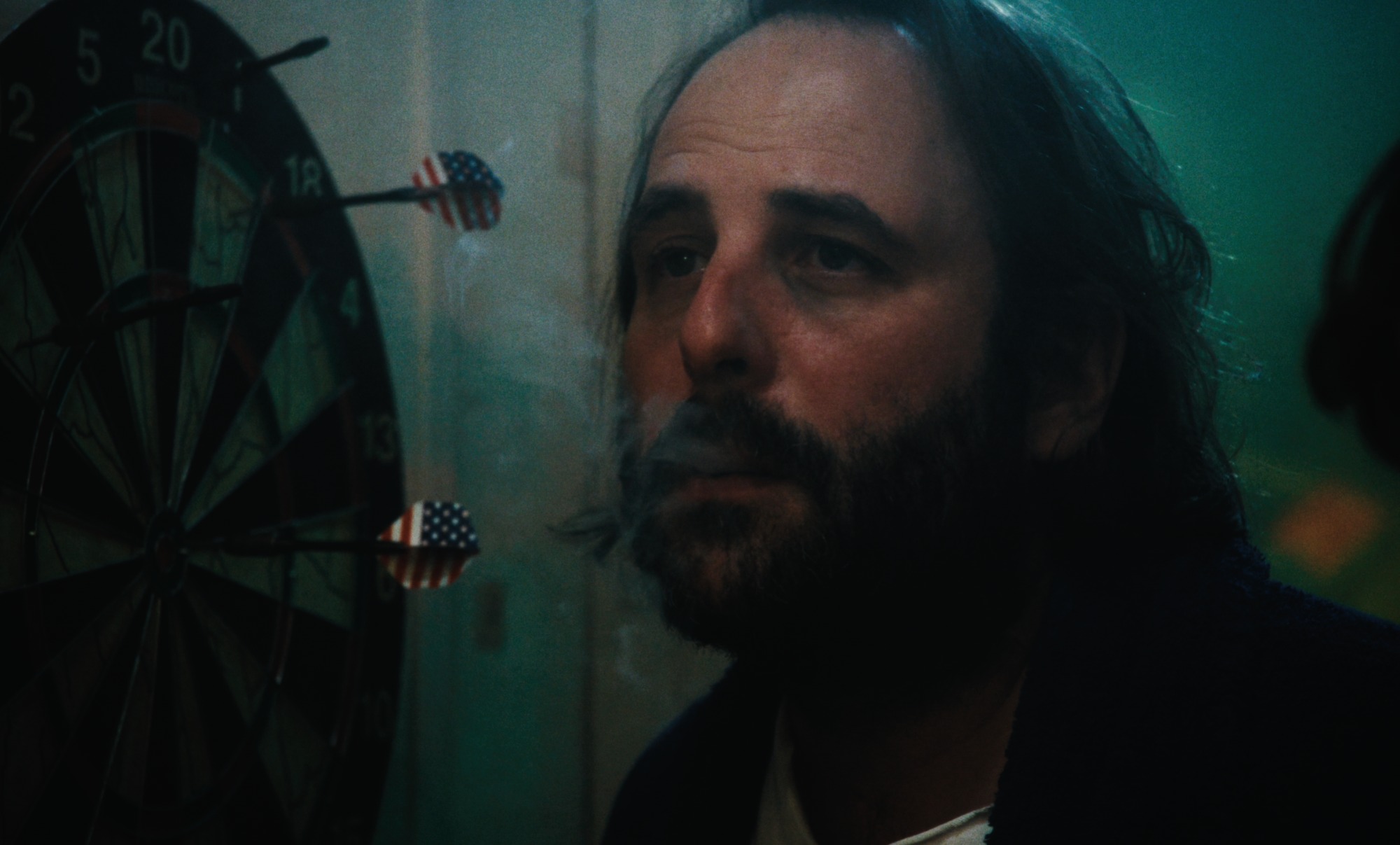
The production feels full of fortunate accidents. One of the most remarkable is meeting Vincent Macaigne and casting him on the spot. What was it about that encounter—or about him—that convinced you he was Jacques? How did that meeting impact your script?
One of the luckiest moments of my life was that day Vincent invited us over to his table to have coffee with him. It helped that I had no idea who he was at the time. I got to be surprised and arrested by his confidence as a performer, and experience working with all sorts of directors. He agreed that day to play Jacques after I discussed the role with him and the team. In the months since, we’ve become close friends, and I am looking forward to working with him again. It was a true gift meeting him, but what made it even more special was that Vincent didn’t just become a collaborator. He became a friend to all of us. I’m looking forward to seeing all of the upcoming work he has on his slate, most notably Radu Jude’s Diary of a Chambermaid.
Most Popular
The film features these striking, sustained zooms across Paris, made possible by a combination of Fujinon zoom lenses and also on an ultra-zoom box lens. Those shots give the city a very distinctive feeling, almost as though the audience is spying on the story from afar. What drew you and your cinematographer toward that visual language, and how did those lenses allow you to achieve this feeling of voyeurism in the images?
For the first half of the story, when Adele and May arrive abroad as tourists, we used the camera to make it feel like they were small in the eyes of the city. Then they arrive at that cramped apartment above a bakery. So we were aiming to invert the typical romantic vistas of Paris depicted in American films, instead portraying the city as a sinister force watching its non-citizens’ every move, and dishing them tough love.
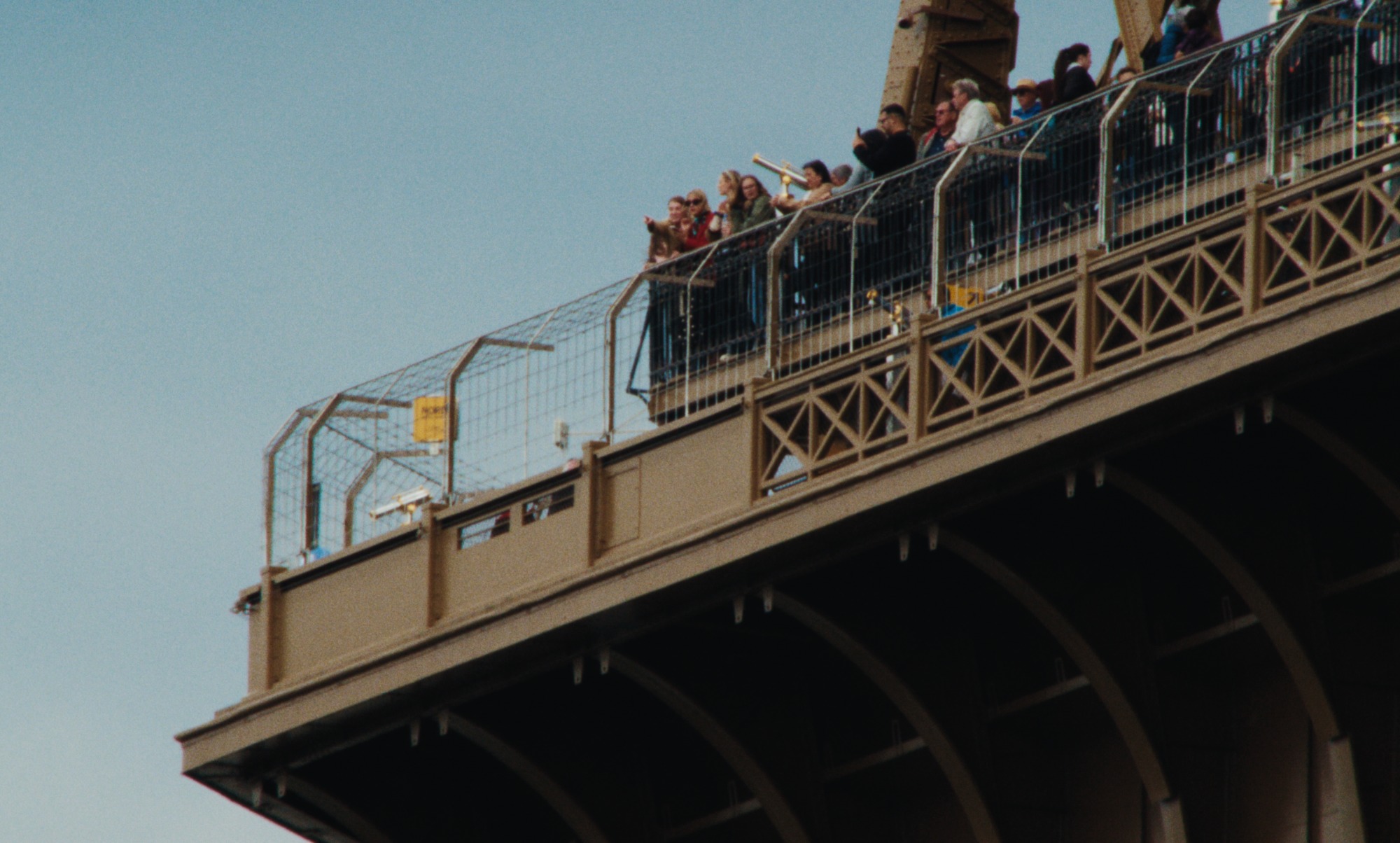
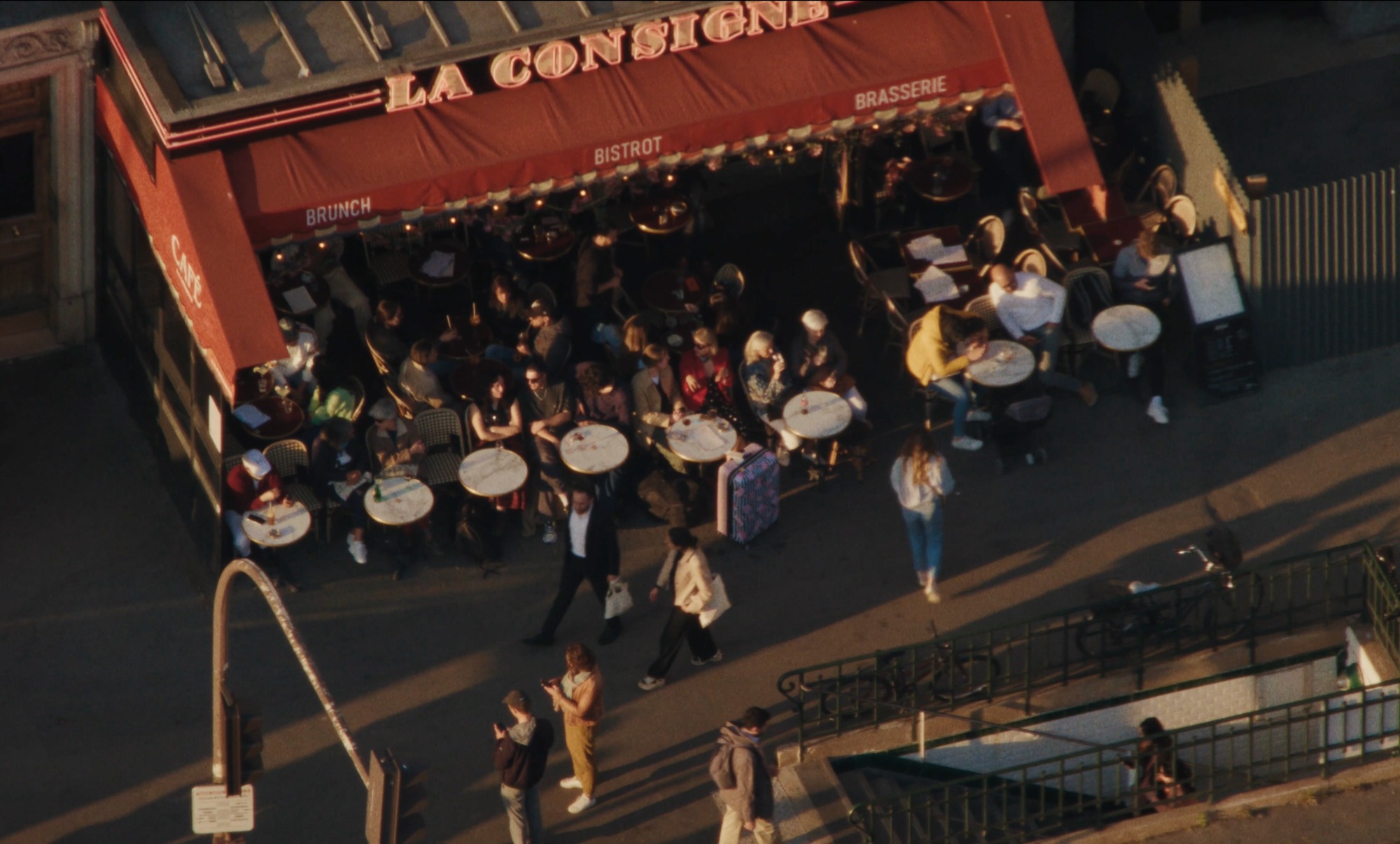
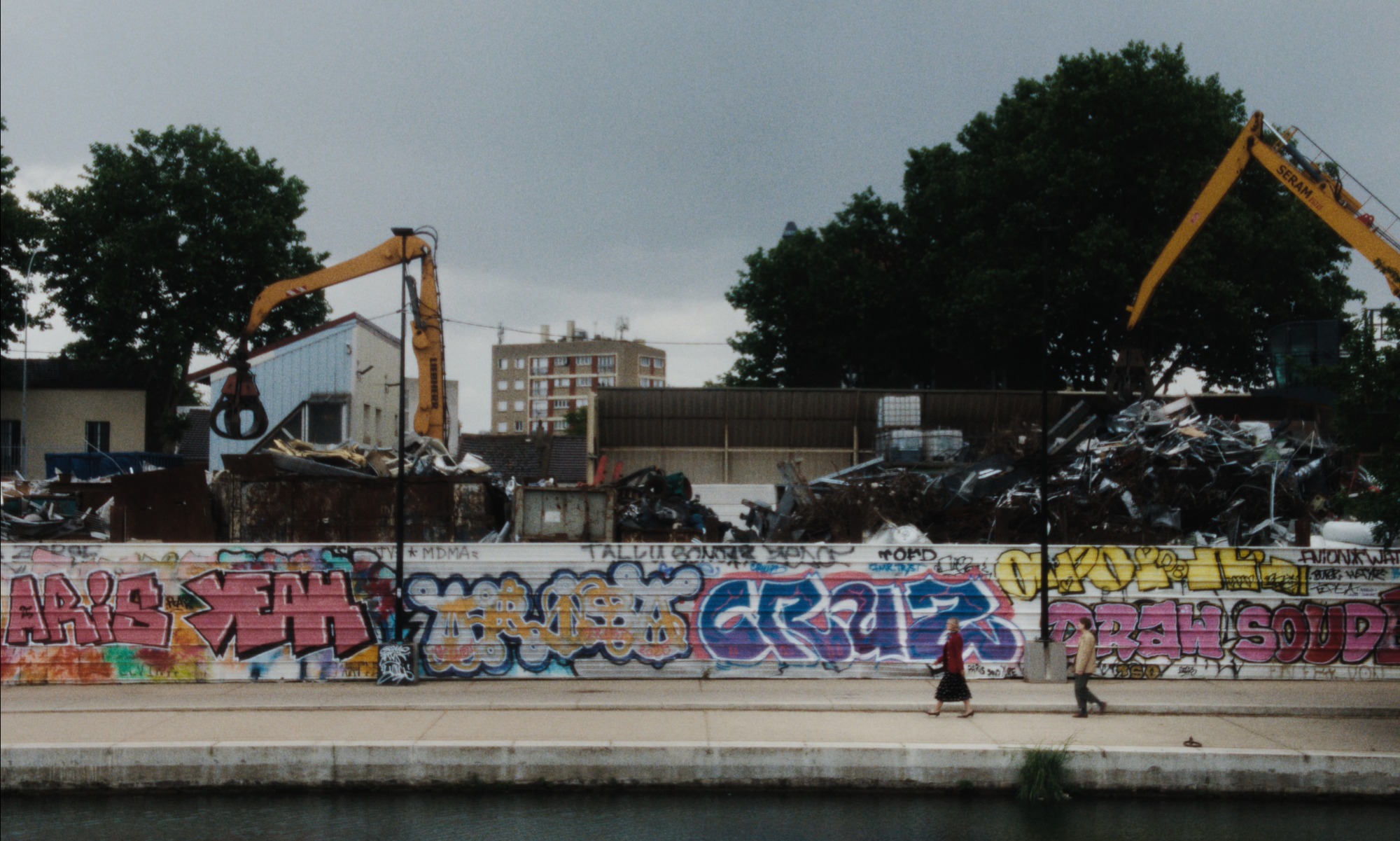
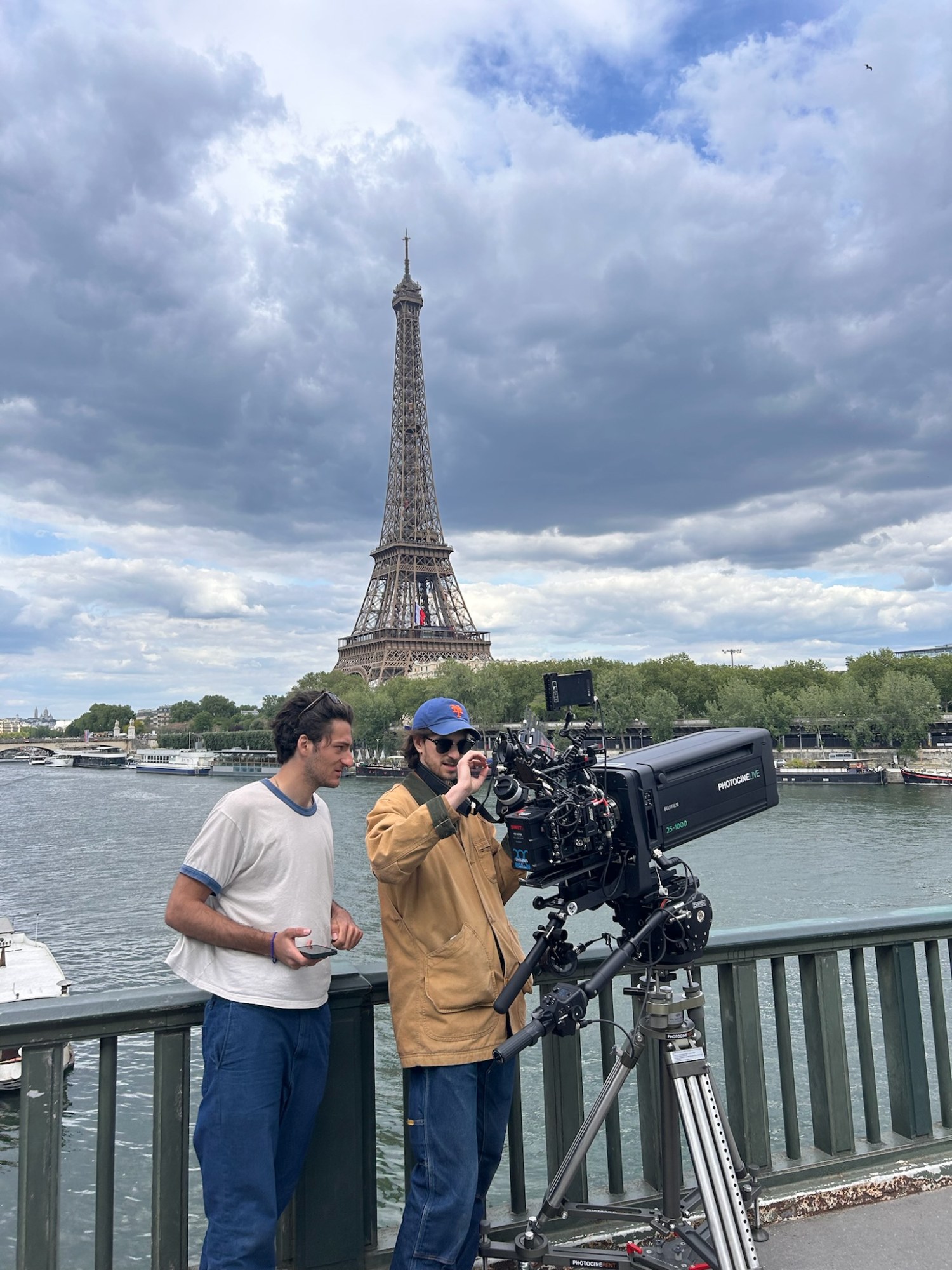
The glass we ended up using fit just what Max and I had been looking for. We shot on the Alexa 35 camera with Fujinon zoom lenses, and also this incredible box lens made for sports broadcasting. That’s what those long, sustained zooms at the Eiffel Tower and from the Sacré-Cœur looking down over Montmartre were shot on. Albrecht Gerlach at PhotoCineRent in Paris collaborated with Max to identify the best tool for sustaining a zoom shot at both extremes. Upon hearing our goals, he suggested using a broadcast zoom. We then enhanced this approach by stacking multiple focal extenders on the lens. This setup effectively created a telescope that could zoom out to capture wide landscapes of Paris, all without compromising light or image quality. We paired this zoom with a matching set of those Fujinon lenses, which were used for the rest of the film.
We were aiming to invert the typical romantic vistas of Paris depicted in American films, instead portraying the city as a sinister force watching its noncitizens’ every move, and dishing them tough love.
You were living in your producer’s home for nearly a month, surrounded by people who believed in the project. Did being so embedded in Angelo’s world change your sense of what the film was becoming, or give you access to local experiences that might otherwise not have informed the final piece?
Angelo was a tremendous asset to all of this happening as producer, communicating with our rental houses, food vendors, and location reps in French. Without him, we never could have gotten through our guerrilla shooting, which was not without a public confrontation or two, so efficiently. And he did it all effortlessly. I consider myself very lucky. I stayed for weeks, along with all the rented gear, at his family home. Endless thanks are owed to the generosity, encouragement, and hospitality of his parents, titans of cinema Ronald Chammah and Isabelle Huppert, who housed large volumes of gear (and American human bodies) in their home. They basically allowed Angelo to run production out of that apartment. Their support means the world.
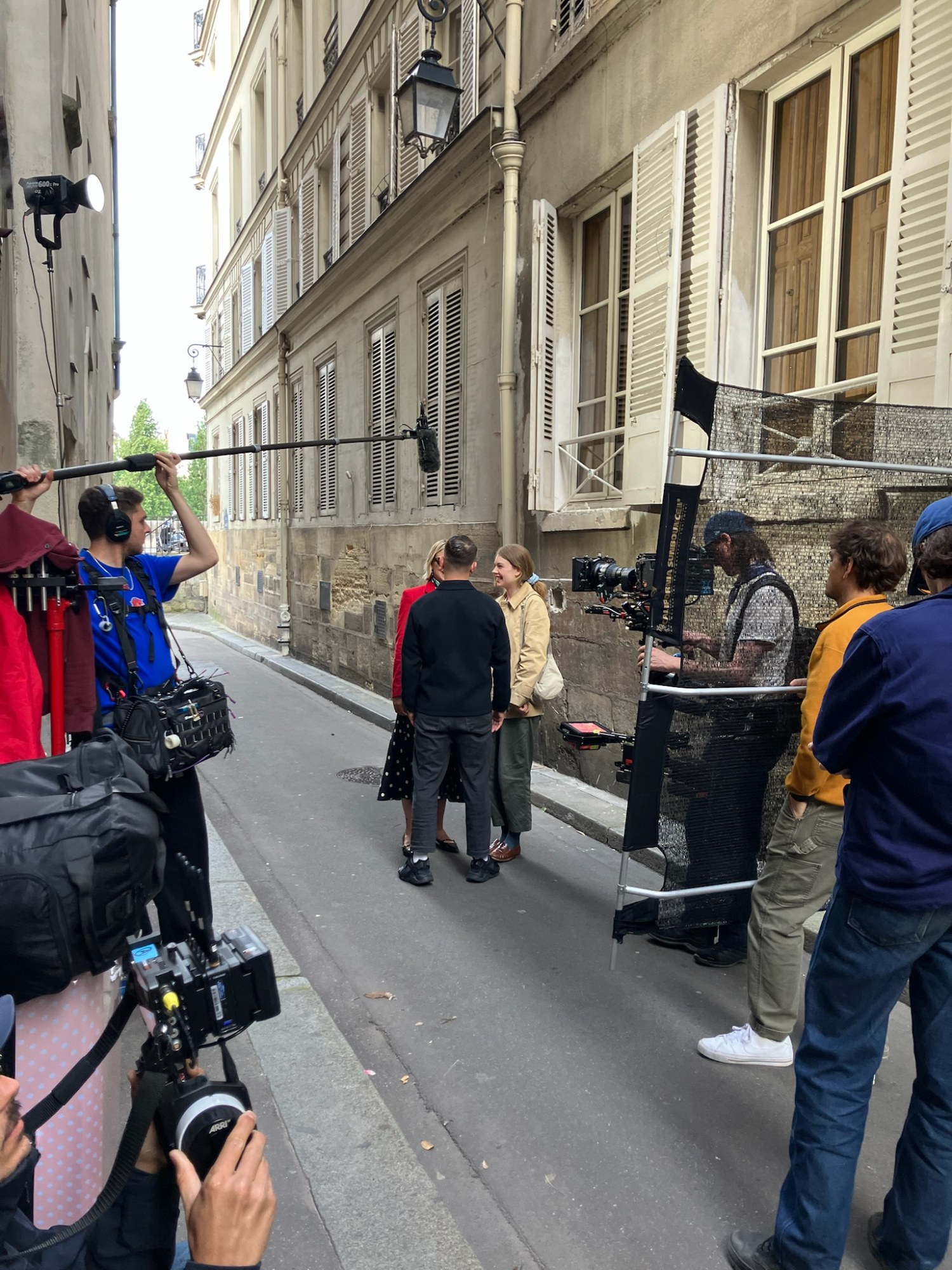
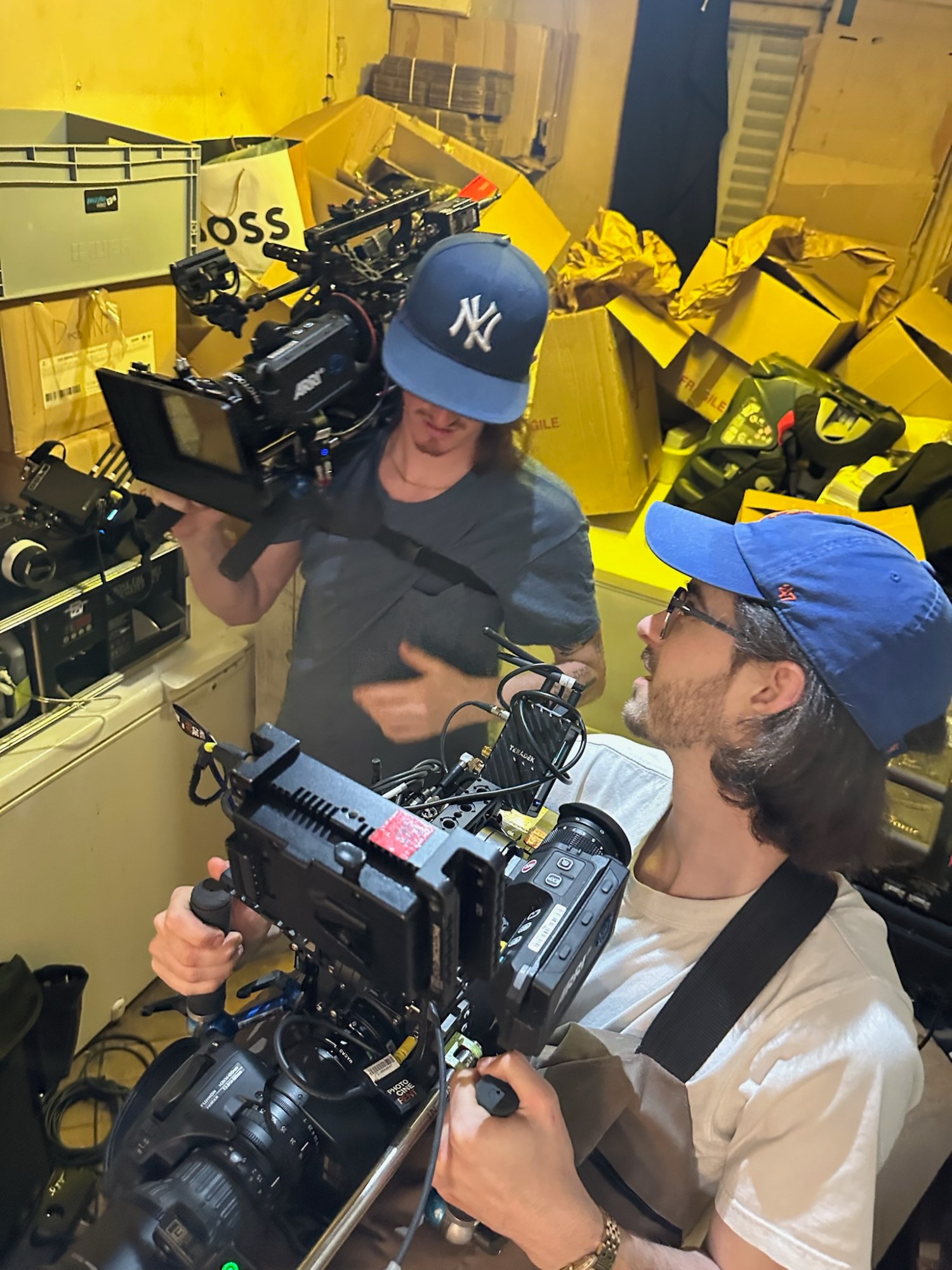
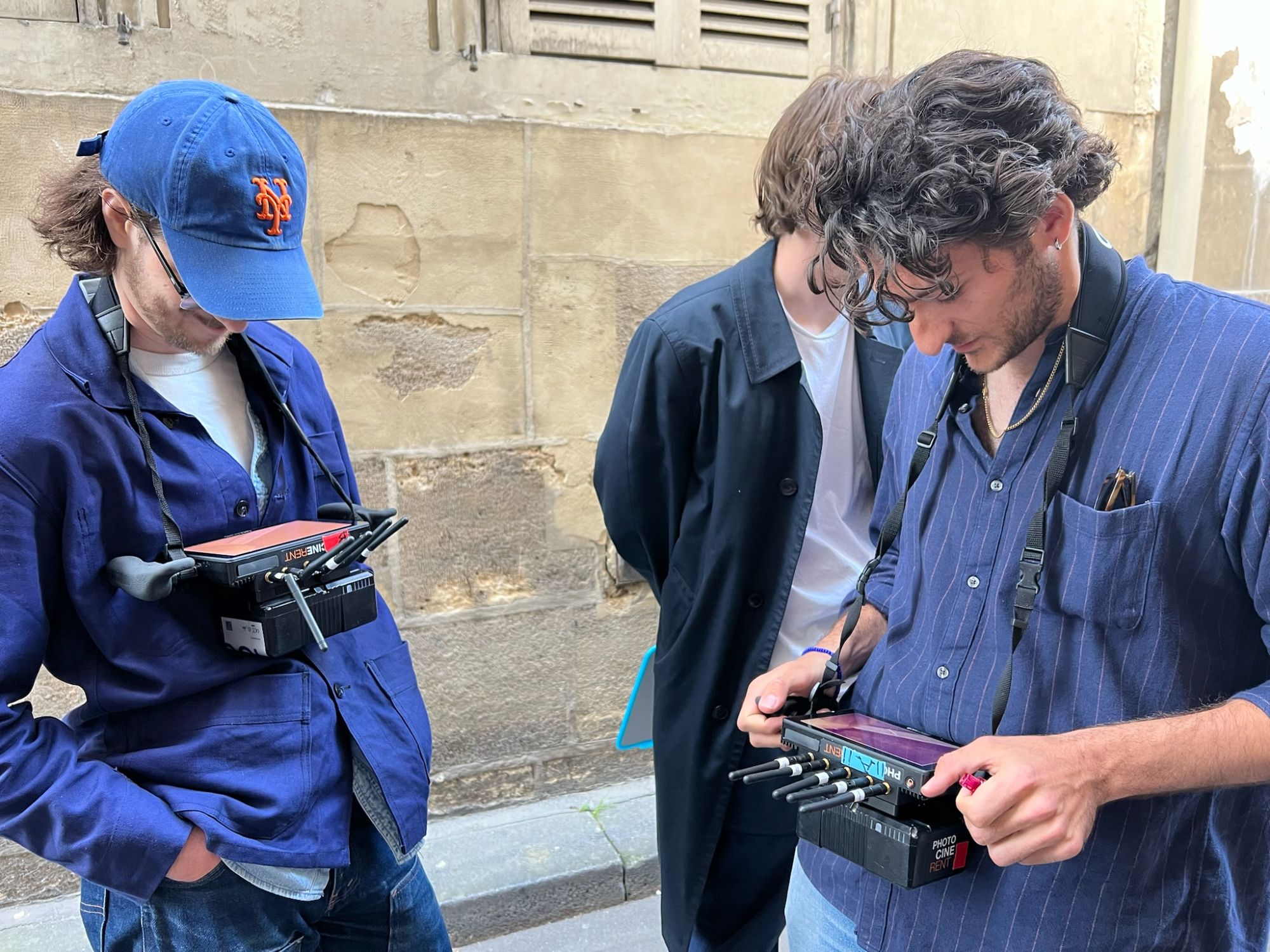
You’ve said that one of your priorities as a director is keeping your team close-knit and personal. Film sets can often be transient spaces, with people coming together briefly before moving on. What kind of creative environment are you trying to cultivate? What are your strategies to ensure that the human factor on your set is always right and how did this affect Faux Amis?
When we got back home to New York, we pulled our friends together and the scraps of resources we had left to shoot our opening scene. I finished the edit within the next five months with the support and undivided attention of all my key collaborators. My DP and colorist has been my roommate and is my business partner. Jefferson Randall-my co-writer-was at my side, making waves every step of the way. I spent months with Tim Perdoch, working on the sound at his home studio. Tim is amazing and one of my closest pals. He’ll be married by the time this interview runs. We all lived this project alongside each other. So yes, that is definitely true.
Let’s discuss the frantic moments when Adele and May meet Jacques in his apartment. The editing captures the scary, fast-paced realisation that follows absolutely perfectly. What was the process like? What did you use for the editing, and how did being both the director and the editor affect the way you were cutting the film in your mind even before shooting it?
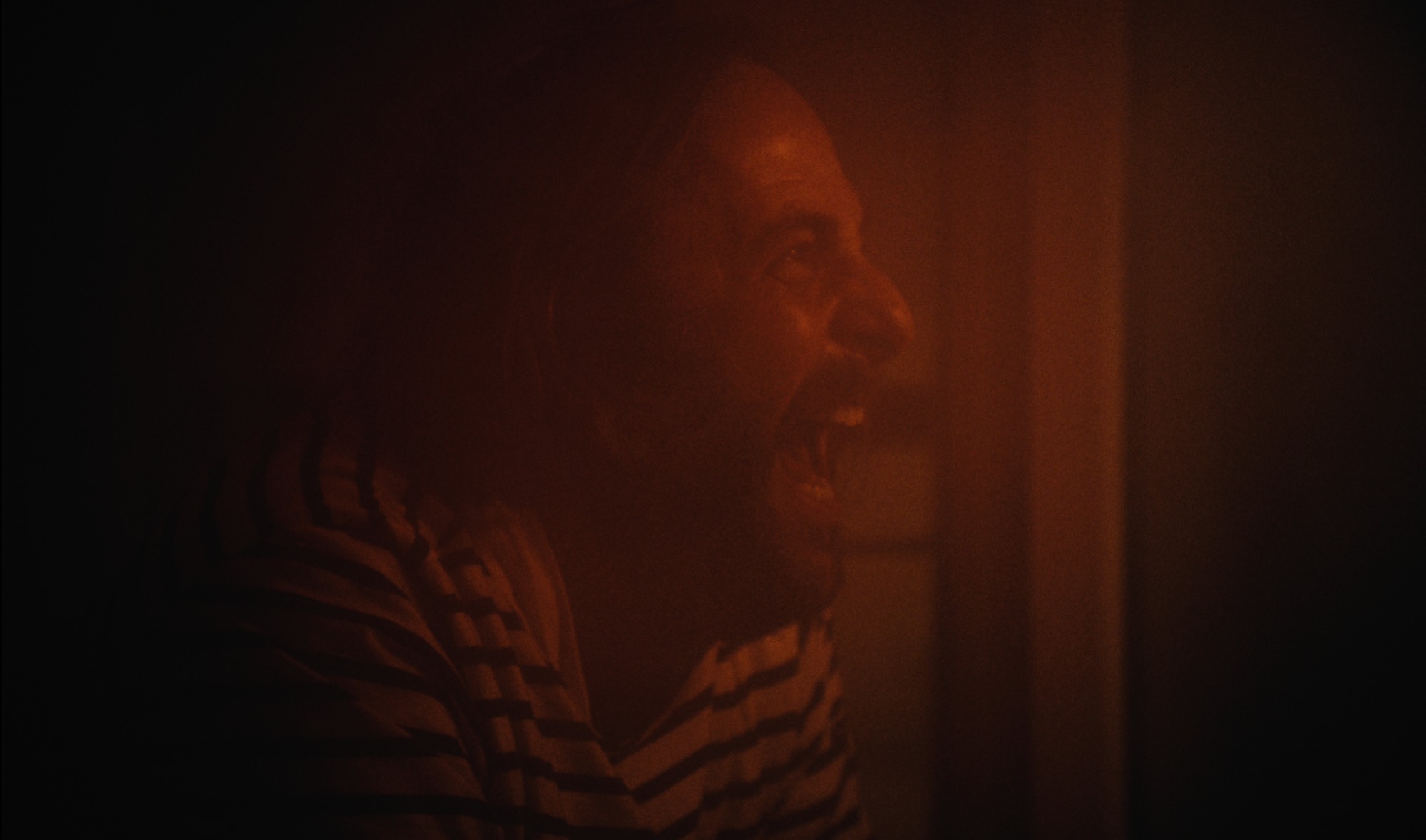
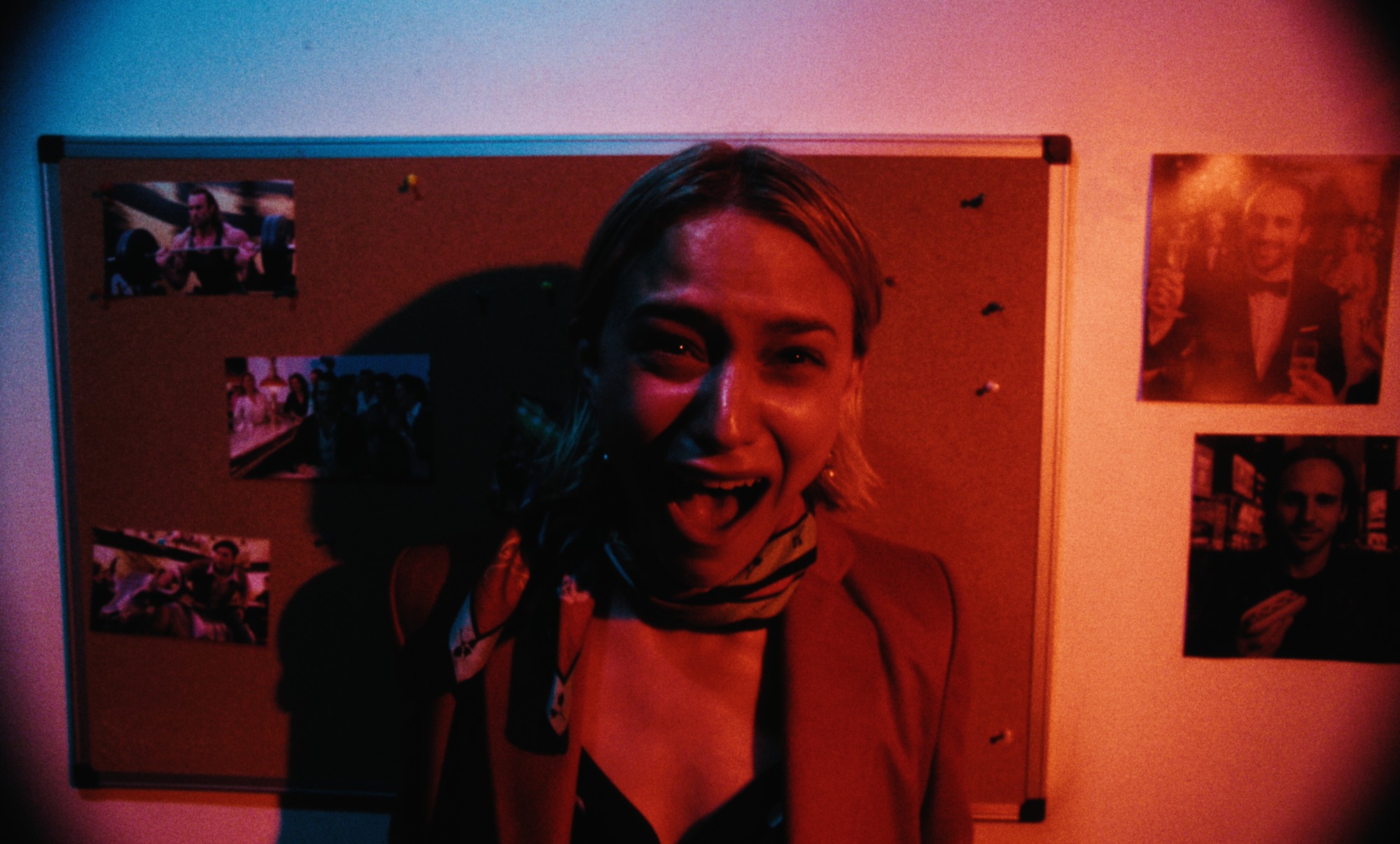
Those were cracked off like fireworks while working with Michelle and Clarice and Vincent in that crammed apartment hallway. I wanted the shots to feel handheld, with kinetic zooms, to keep contained all of the tension and miscommunication that takes place. Getting into the technical approach to those scenes you’re talking about, we had multiple camera operators rolling on opposite sides of the hallway at any given time. This was a key factor in those claustrophobic and emotionally erratic sequences. It also proved a strong strategy for visually balancing the written dialogue and improvisation. It proved an exciting mode of trying to get the audience to sense the buckets of sweat dripping off the actors’ faces. I sort of ripped this approach watching that eruptive dinner table confrontation scene in Between the Temples. So thanks, Nathan Silver. As for the actual editing, as I said, the only person who was there in the room with me at every critical stage was Jefferson. The edit fell into place quickly because camera positions and blocking were planned (at least roughly) before we shot.
I wanted the shots to feel handheld, with kinetic zooms, to keep contained all of the tension and miscommunication that takes place.
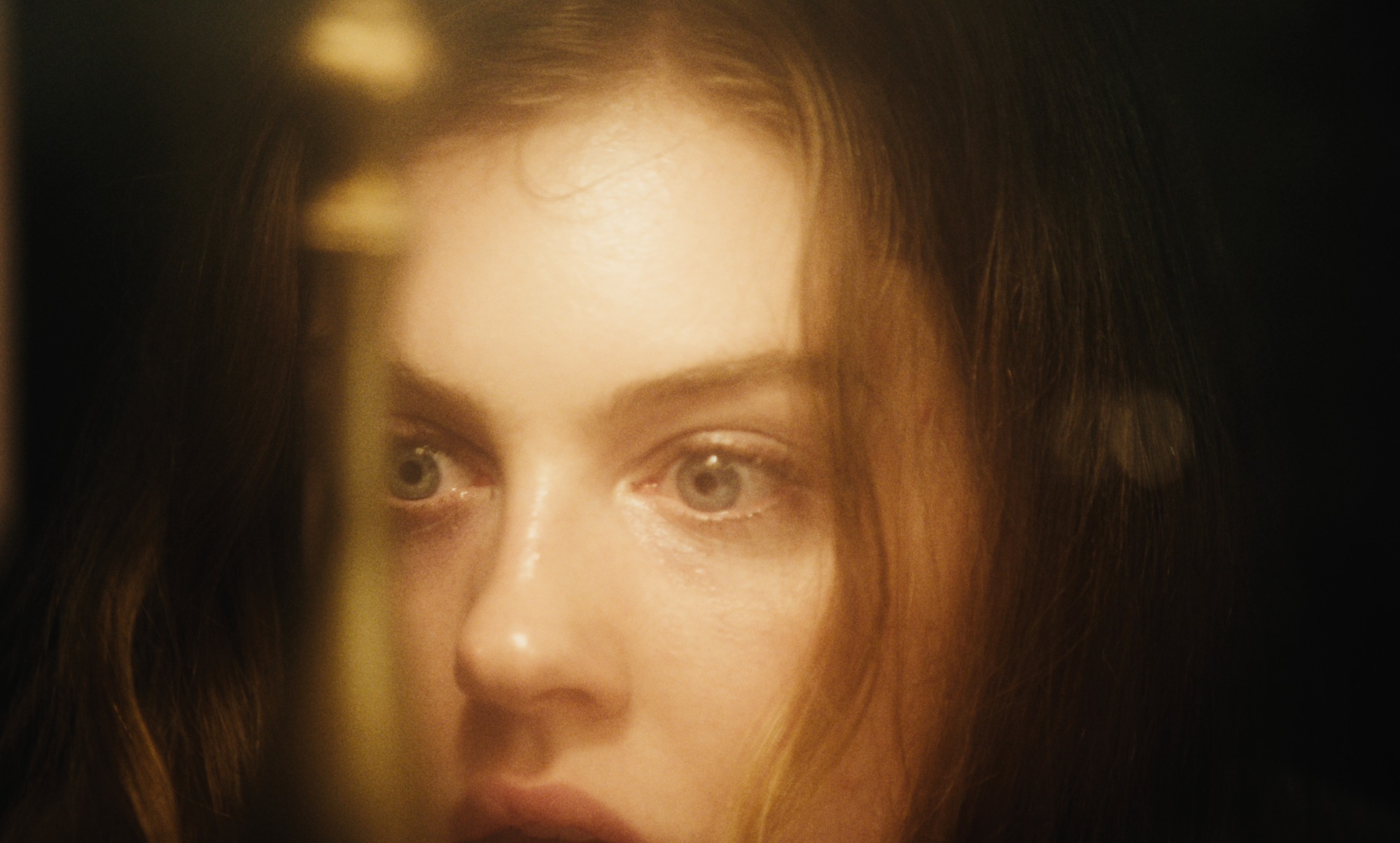
What are you working on right now?
I’m going to direct a script for a feature written by Jefferson Randall. It’s in development. I’m jazzed about it, and I’m feeling lucky he and I already have longstanding collaborators (including prod. Bruto Films) in on the ground, at such an early stage. That’s the big fish right now. Then I’m doing music videos, cultivating seedlings for other passion work, promoting the pilot I produced/edited (Fellas, directed by Matthew Danger-Lippman), and editing freelance.
What lessons from making this short do you feel you’ll carry directly into your first feature? Looking back on the process, is there anything you encountered along the way that you know you’d approach completely differently now?
It’s not completely different, per se, but one thing I’d like to do on the next gig is to focus on one single element of the craft to master that is appropriate for the film I’m making. For instance, sharp, controlled camera moves and extreme high-angle wide shots—those are two techniques I’m looking to really begin experimenting with on that next project. I am lucky to continue to direct material by talented storytellers who I care about deeply, which I hope to keep doing forever.