
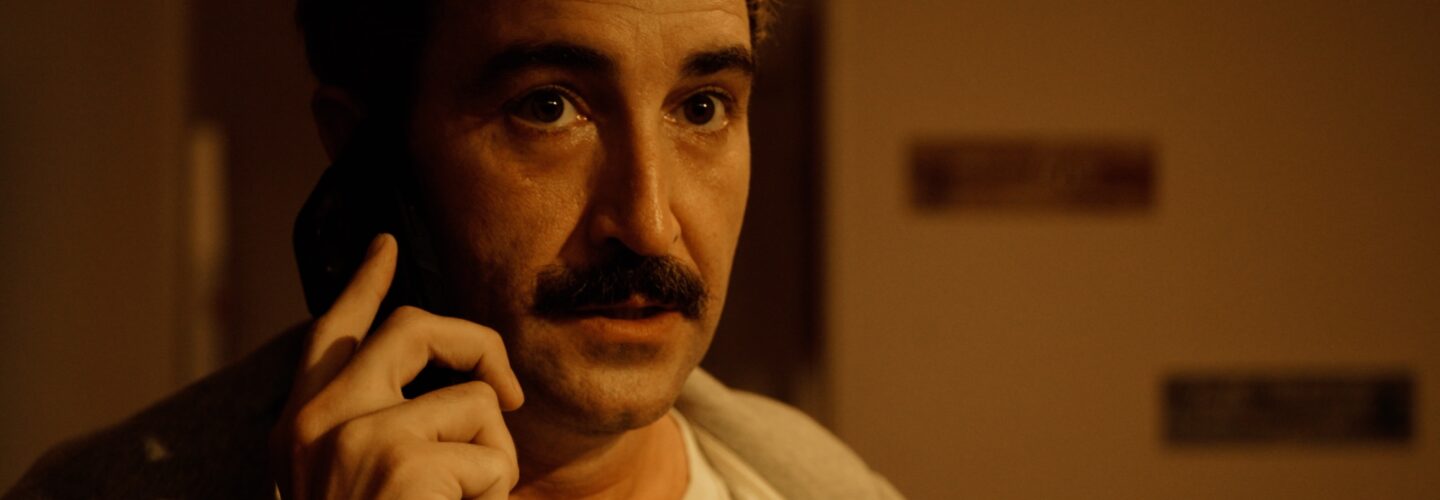
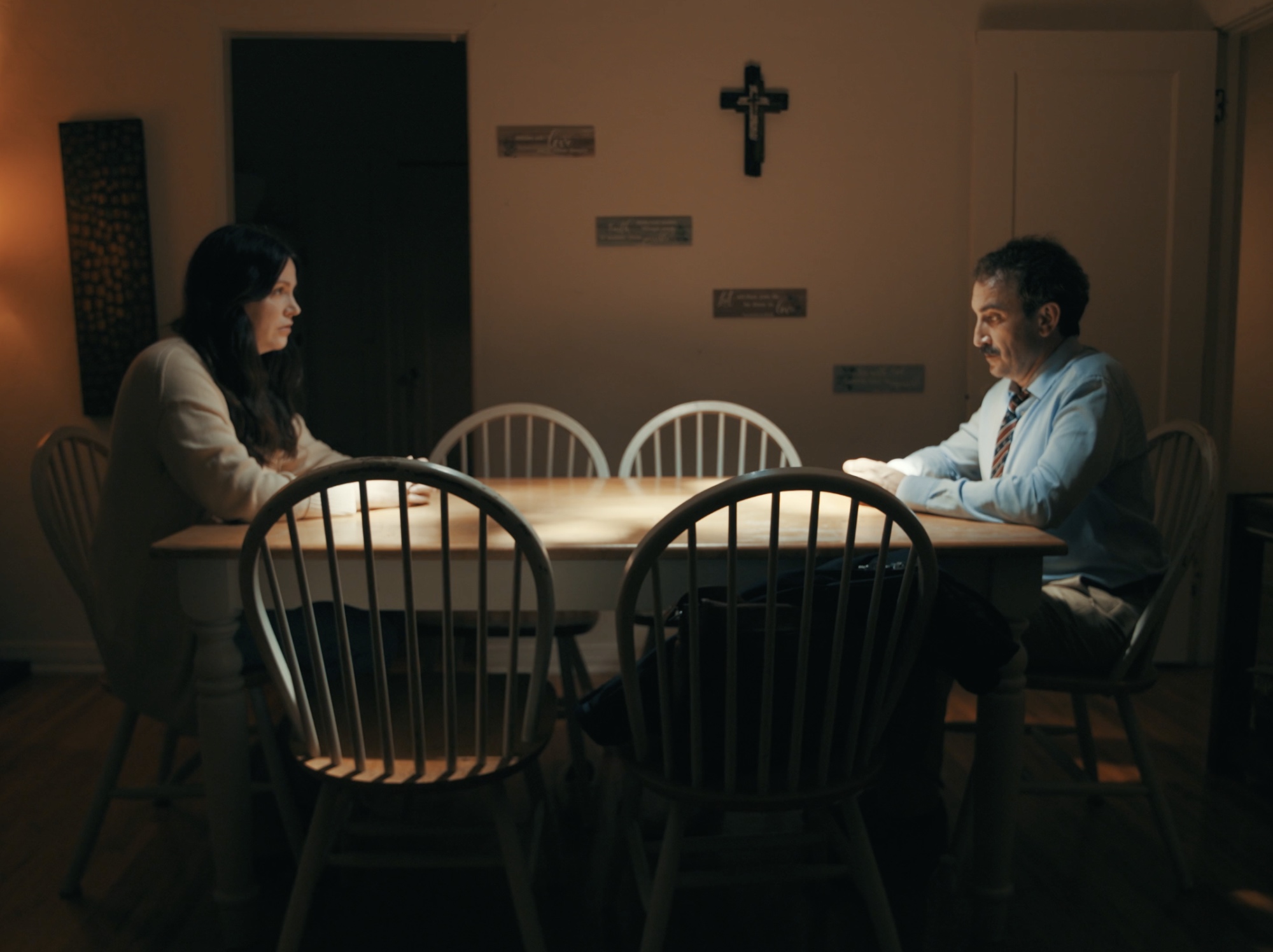
I Want My Mommy from writer/director Jacob Samuels is not your typical tale of grief. It’s a strange, darkly comedic odyssey into the unconscious desires of a man who, mourning his mother’s death, stumbles upon a very peculiar way to speak with her again. Samuels approaches his pitch black suburban nightmare with a clear, confident ethos: to craft a film he genuinely wanted to watch, one that blends his love of dark comedy with a splash of visceral horror. The result is a short film with brilliant tonal control, where the comedy springs not from imposed gags, but from the agonisingly sincere reality of its protagonist’s grief – note perfectly played by the always excellent Clayton Farris, whose comedic chops have made us squirm for years. I Want My Mommy will take you from a haunting, single-take monologue that feels ripped from a psychological thriller to an ingeniously surreal sequence, and every choice feels intentional, daring, and original. With I Want My Mommy premiering on DN today, we speak to Samuels about the moment the film became an imperative for him to make, playing the absurdity utterly straight, thus allowing the story to pivot seamlessly from cringe-inducing confession to existential woe and how a key scene was born not from a hefty VFX set up as you’d expect, but rather through effective lo-fi trial and error experimentation.
I Want My Mommy is an impressively ambitious short.
I began writing a feature-length version of this story around September 2024 before deciding to simplify the story and approach it as a short first. I consider I Want My Mommy to be my first film, even though it’s my fourth short. I went to Belmont University in Nashville, TN with the intention to study Pharmacy, but instead pivoted to film (go figure). I made several shorts during my studies and quickly began to set my sights on a move to Los Angeles upon graduation. Navigating through a pandemic and then multiple industry strikes, I suddenly found myself in a 2-year gap from making any narrative films.
Furthermore, the shorts I’d made prior didn’t really feel like my voice. They felt like a student learning how the medium of filmmaking works. So that’s a long way to explain why I thought making I Want My Mommy first as a short was a good idea. And I think that paid off because I have a LOT more confidence moving forward, as far as practical filmmaking skills go.
How did that forced hiatus and dissatisfaction with your previous student works fundamentally reshape your approach to writing and directing?
I felt like everything I made in film school was ultimately me trying to prove I was competent as a filmmaker. I called myself out on a lot of my own pretentiousness and felt that nothing I had made as a student really exhibited my style/voice. So my approach turned to a very simple question: what kinds of movies would I actually want to watch? As a result, my desire to give an audience an unexpected and fun time at the movies (or Vimeo/YouTube) was my primary concern.
I felt like that energy of ‘let’s make something cool’, instead of some phony pretext, was infectious to the cast/crew as well.
There are many reasons why I love going to the movies, and that ought to be reflected in the films that I make. I felt like that energy of ‘let’s make something cool’, instead of some phony pretext, was infectious to the cast/crew as well. Everyone seemed to get behind that idea and it felt like we simply had more fun making the film as a result. That’s why I say I Want My Mommy is really my first film. I learned a lot about my own style and narrative interests here. I’m excited to continue with that energy and keep improving as a filmmaker.
You have certainly produced a fun ride!
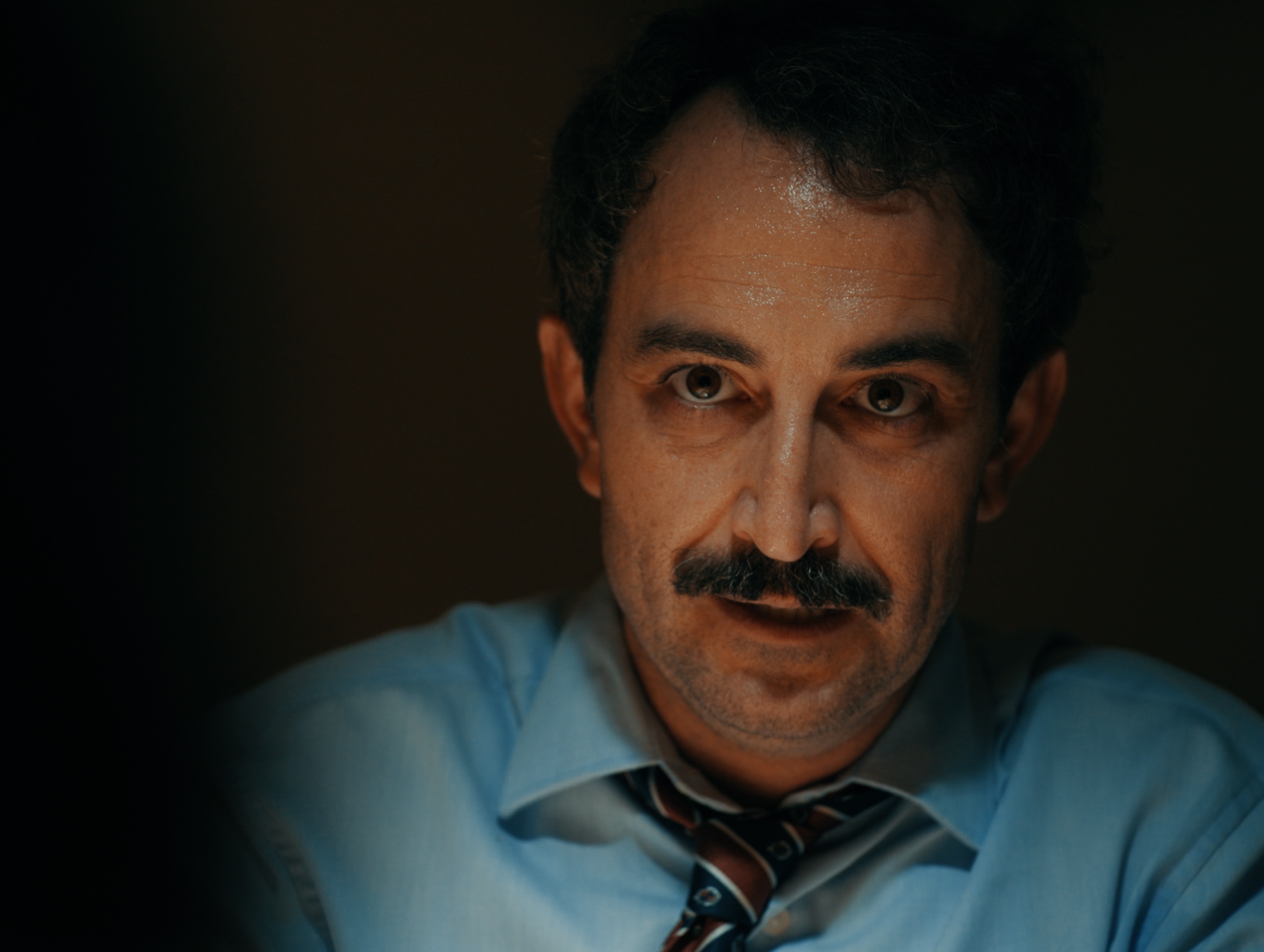
I was looking to make something kind of wild that blended genres I love (dark comedy with a splash of horror thrown in there). The moment the movie became REAL was when I wrote Gabe’s monologue after he returns home to confess to his wife what he’s done. Writing the monologue actually gave me a sense of fear. I knew I had to make this. It was a creative itch that needed to be scratched. But it SCARED me. So I knew I had to do it. I think that’s a telltale sign for any artist because that entails there’s some sort of risk involved and if you aren’t risking anything in the process of creating art…then what’s the point?
Most Popular
I love that a lot of the comedy stems from the genuine, honest story of grief, rather than being imposed upon it. This is a notoriously difficult tonal tightrope to walk.
One of the very first conversations I ever had with Clayton Farris, who plays Gabe, and the crew at large, was all about how important it was to take Gabe’s situation extremely seriously. It’s the absurdity of the situation that makes it funny, not us trying to play for laughs. Knowing the ultimate journey of the film, we were able to approach individual scenes like we were making a serious drama, not a slapstick comedy. Well…except for that scene when Gabe crawls across the table in the conference room. That moment’s like…alright, we’re having fun here.
It’s the absurdity of the situation that makes it funny, not us trying to play for laughs.
Although Gabe is clearly flawed, I feel compelled to want the best for him.
I’m very grateful to have had Clayton as our lead. Truthfully, most of my work as a director was done as soon as we brought him on board. He’s an incredible talent and a true professional, so I sincerely hope we continue to collaborate in the future. I can say that I really wanted Gabe to feel like your everyday conservative, white dude. But he couldn’t feel like an alpha male. He needed to be fragile and childlike. We quickly realized this was, quite simply, a very sad story about a man who struggles with his grief. I grew up in a pretty religious Church-of-Christ neighborhood on the outskirts of Detroit, MI, which unfortunately made the concepts of shame and suppression pretty prevalent in my life. Gabe was an easy character to write for because he, like myself, always struggled to express himself properly. Working with Clayton was an absolute godsend because he understood this concept of shame, in a religious context, on a fundamental level.
Clayton plays Gabe so authentically that he finds a way to make him relatable, which forces the audience to want the best for him even though he does some fairly disgusting things (lol). Despite the film containing plenty of comedy, we decided very early on that we were making a genuine, honest story about a grieving man giving into his vices. The film just happened to be funny as a result. I’ve struggled with my own addictions to pornography, and so I understood this idea that your vices could literally destroy everything in your life, yet you’d still be compelled to return to them. As we see with Gabe, these vices are both dependable and comforting. Thus, making them all the harder to shake. Taking Gabe’s sadness about his mother extremely seriously was key to winning the hearts of the audience, but also paving the way for those funny moments we see.
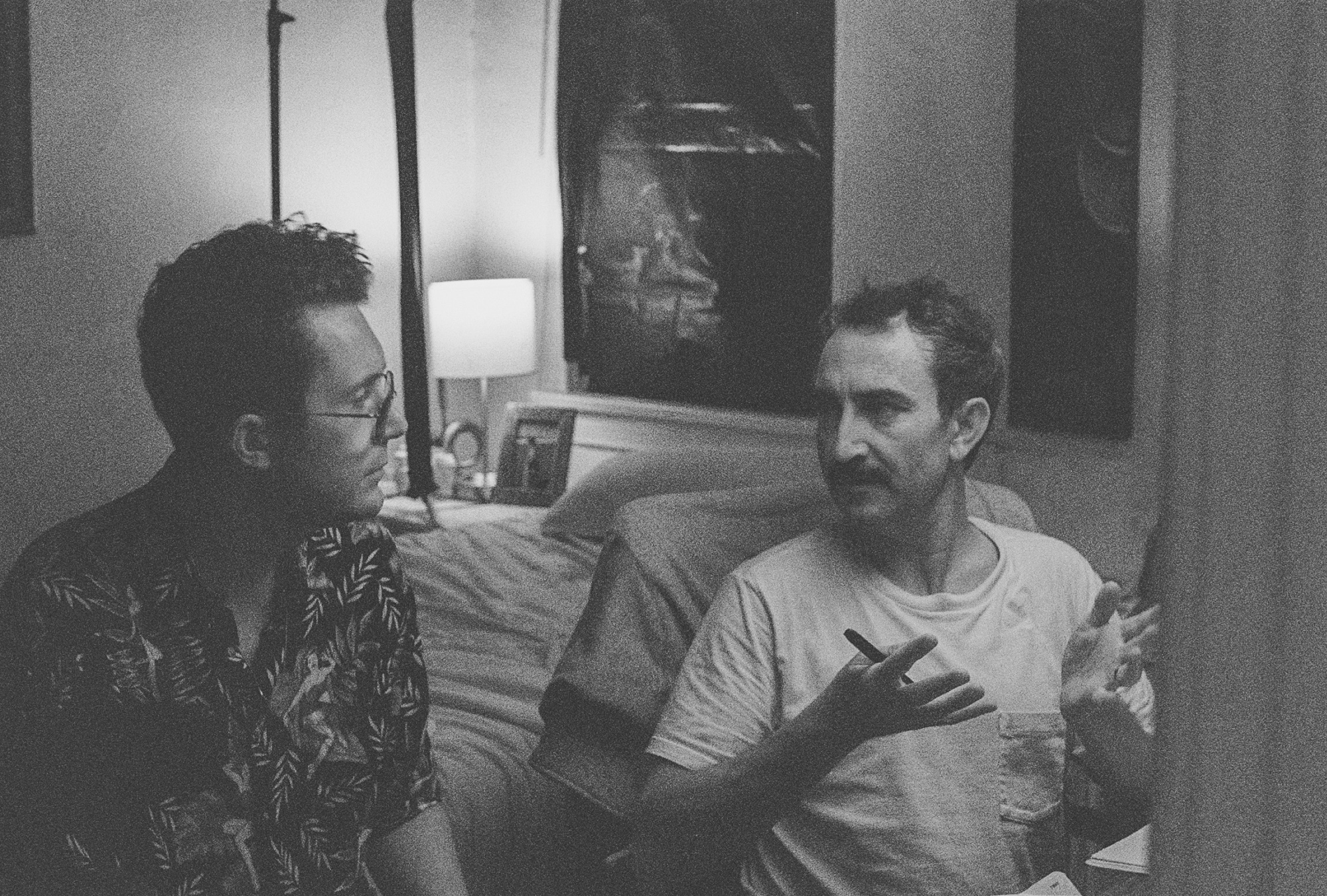
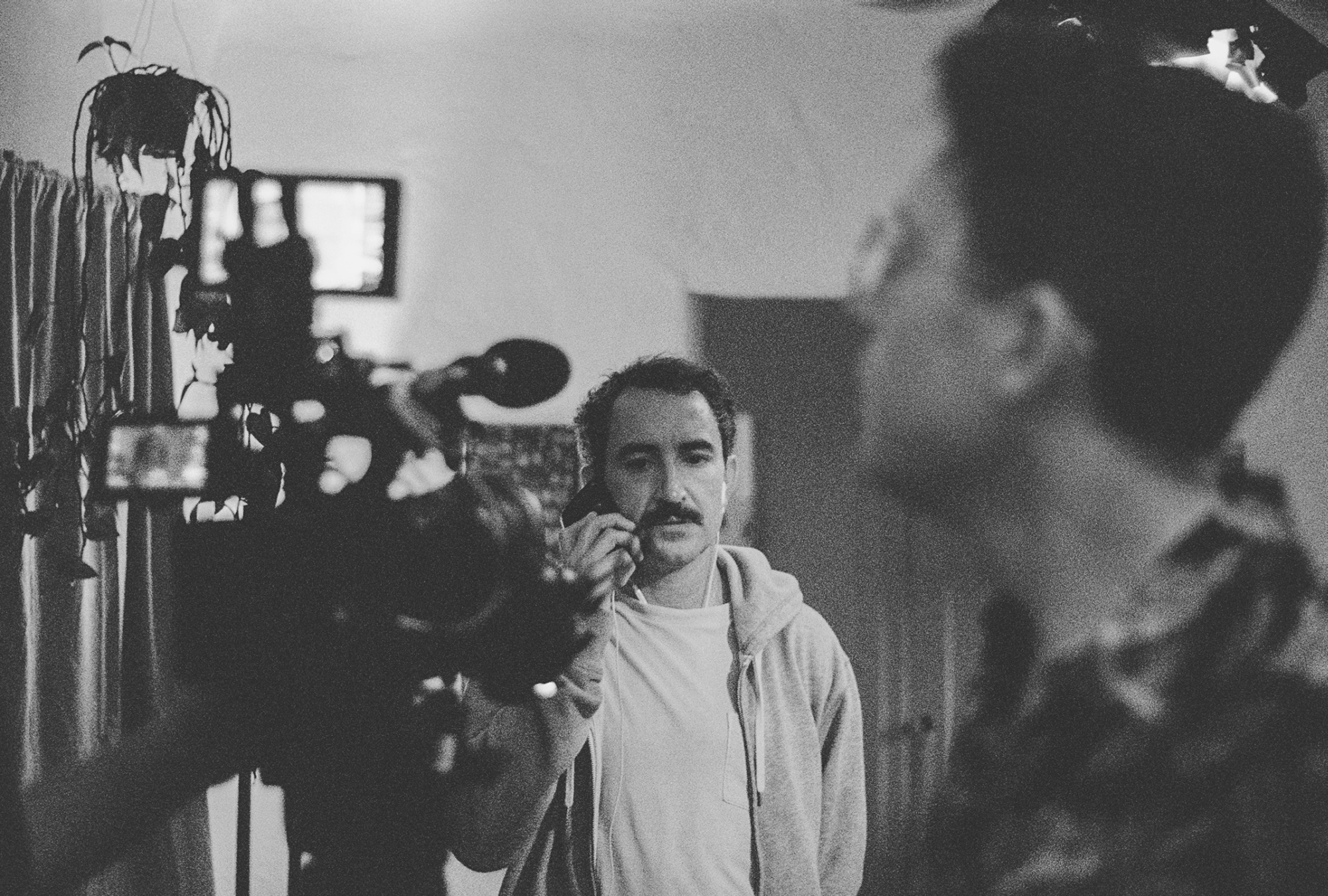
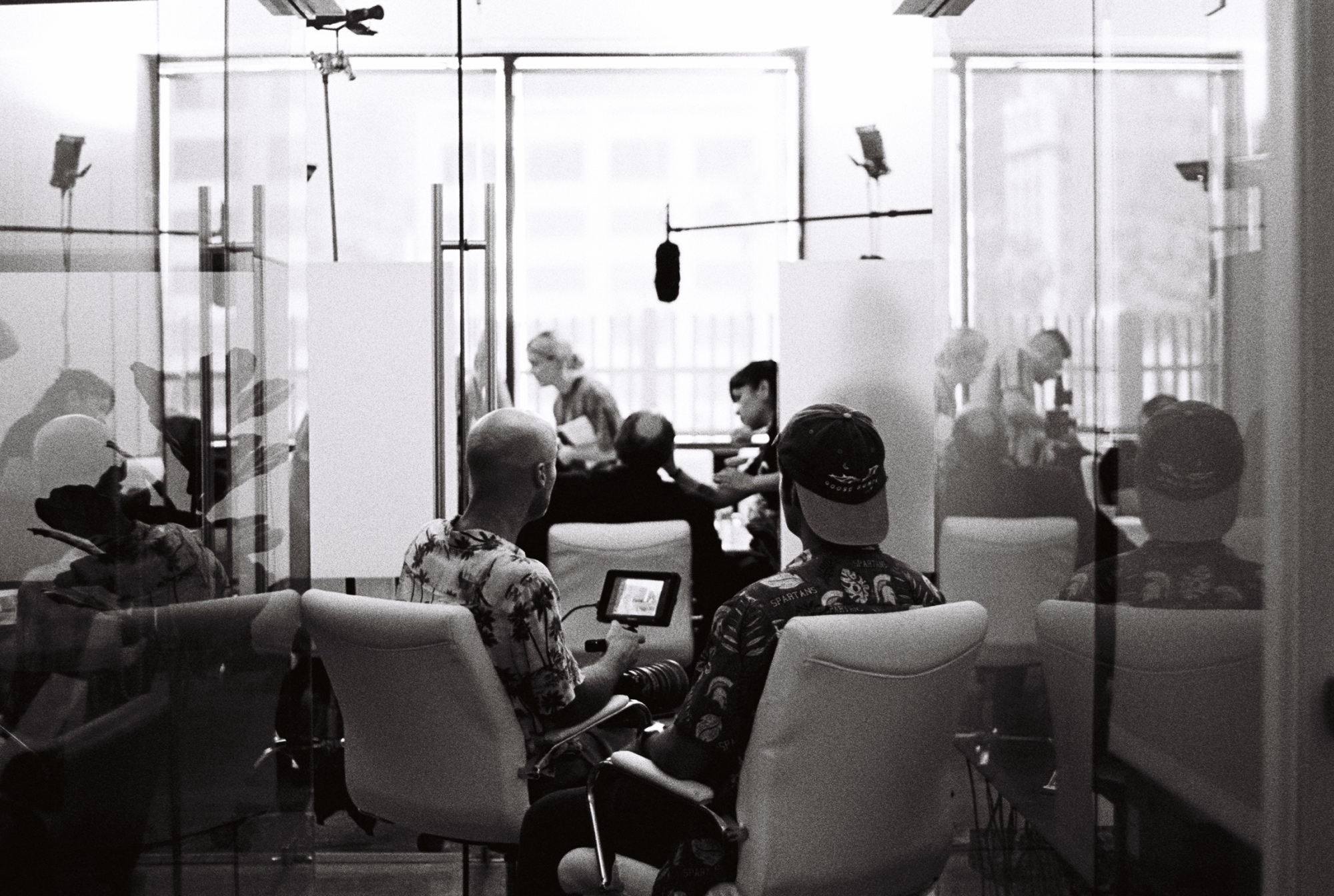
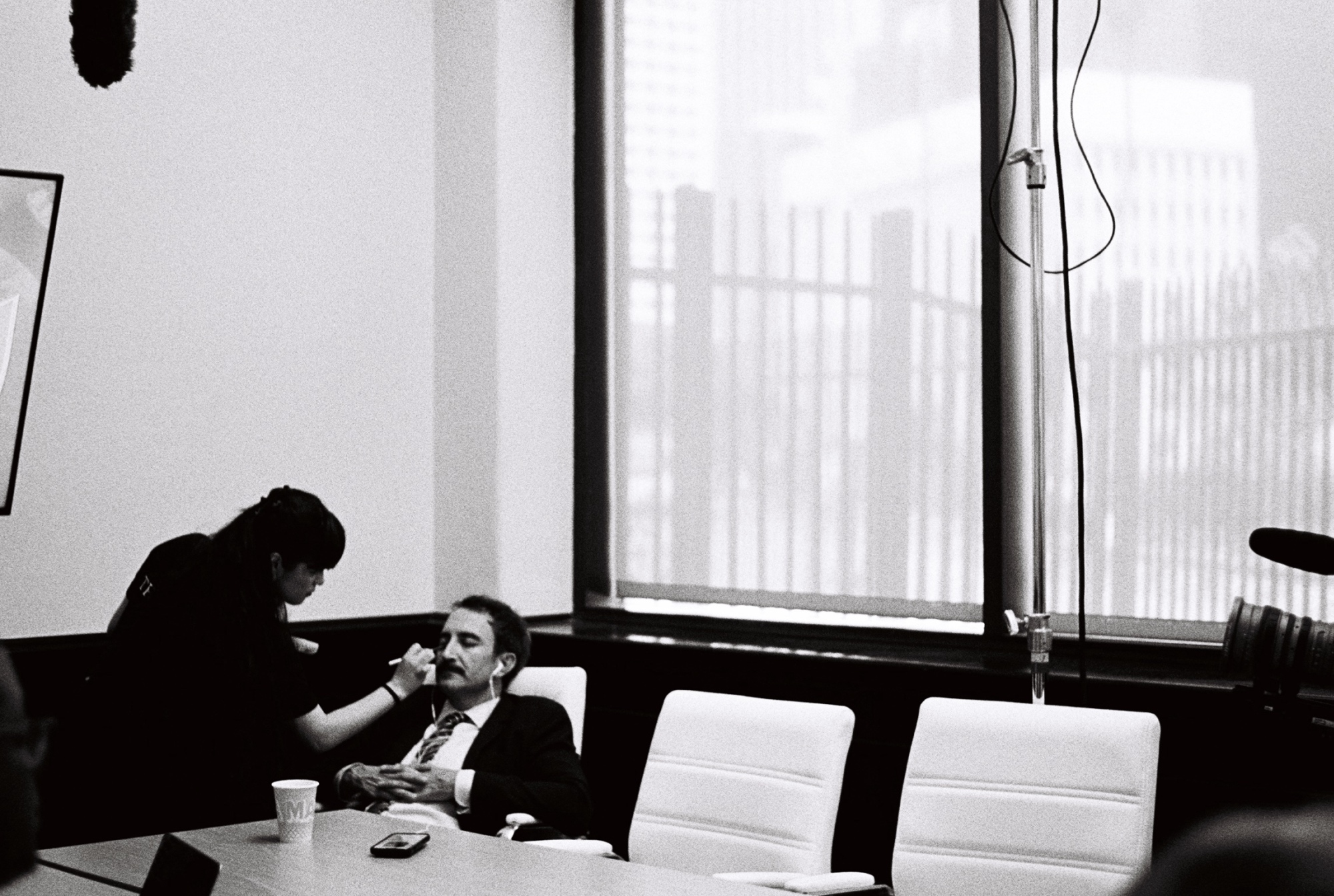
That monologue had me cringeing, sweating, then laughing out loud, “I don’t want to fuck my mom”—bravo. It has a very horror-esque feel to it, dark and zoomed in. Tell me about the planning and execution of this scene.
Filming the monologue was one of the best days I’ve had on set. Ever. I had spent months auditioning people for the role of Gabe (admittedly, a tough part) and had each actor read the monologue. It was so incredibly important to get right, and I needed to feel every single line; otherwise, it’s a dull moment right when the film needs to be hitting us the hardest. Making this moment Gabe’s worst nightmare was the key and we approached it from the play-it-straight mentality.
You may be cringing when Gabe calls Chloe for the first time, but visually we’re trying to make you feel safe and at ease.
I wanted the lighting to feel like a proper interrogation scene, I wanted the camera to slowly pull us deeper into the scene (hence the zoom) and I wanted us to feel like we were crossing into a point of no return (hence the dolly right over Alexis’ shoulder as Gabe takes a seat at the table). I was hugging the wall right offscreen as we were filming and just watched. It was one of those rare moments where the idea of the scene in your head perfectly matched what was happening right in front of you. We did two takes and used the second. I truly feel like you can see how every single crew member is working simultaneously in that one shot. Its effectiveness is a testament to how lucky I was to make this film with such amazing/talented people.
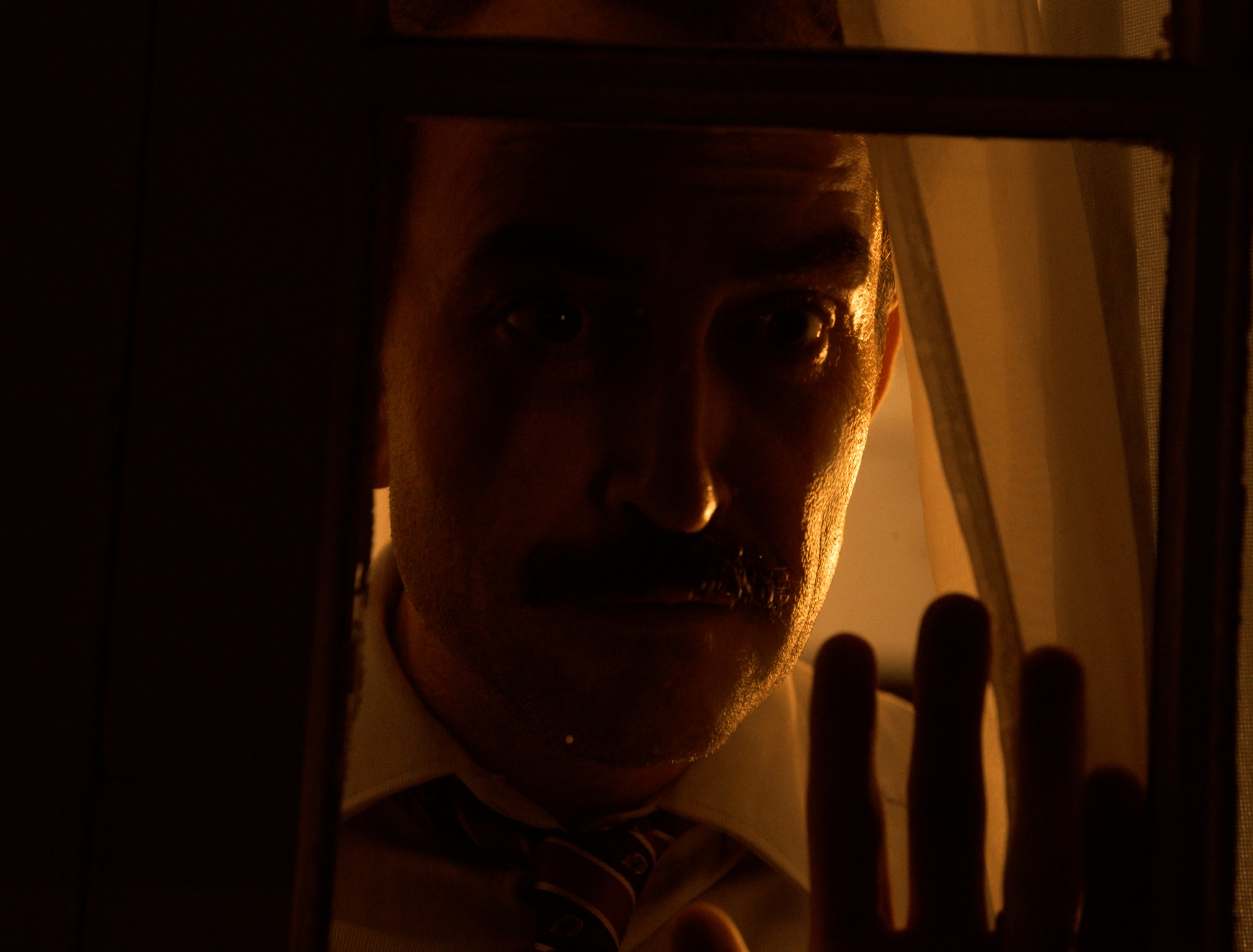
Within that scene and the other great swathes of horror, we have some dark orange lighting juxtaposing the white, stark work environment. Can you clue us in on the camera and the lighting setups used to capture those tones?
We shot on the Sony FX3, which I love because we’re often so run-and-gun on set. The FX3 is a cinema-grade camera in a DSLR body so it always serves us well when filming in tight spaces (which we did a LOT on this film). In fact, we often had two cameras running at once to save us time on coverage. Lighting-wise, we really wanted to create a sense of safety when filming any scene involving Gabe’s fantasies.
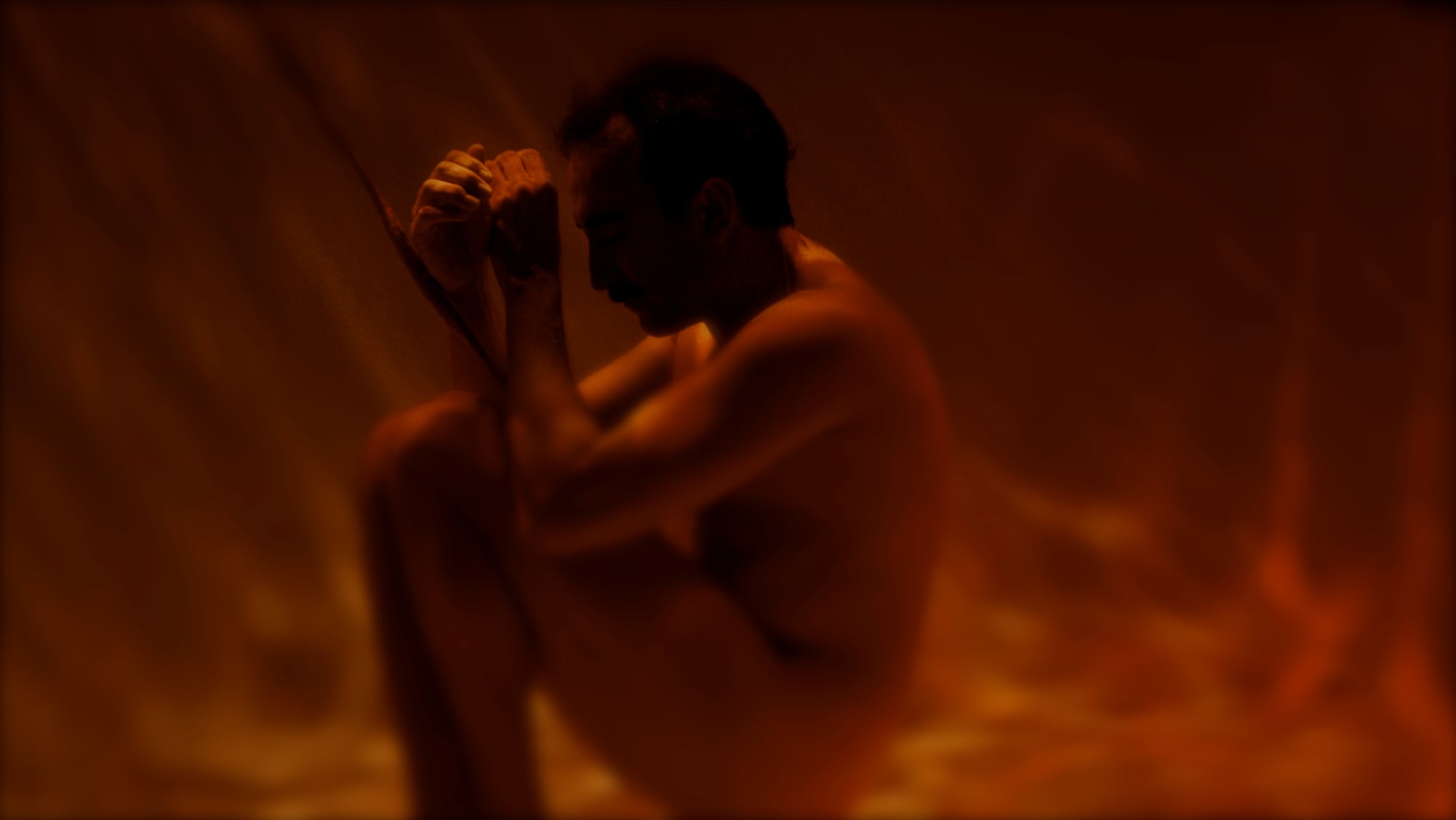
The phone calls with Chloe and the dream sequence have a comforting orange hue, while scenes filmed at the Christian University implement cooler tones and less contrast. These were meant to complement how Gabe was seeing the world at any given moment. You may be cringing when Gabe calls Chloe for the first time, but visually we’re trying to make you feel safe and at ease.
You’ve got a lot going on, all within an independent film budget, which is really impressive.
It’s hard to cut corners around locations. I’d say those were some of our largest expenses and necessary to sell the world we were creating, specifically with the University building. But then you’ve got scenes (spoiler alert) where a guy dreams he’s floating around in a womb. How the hell are we going to do that? A lot of trial-and-error led us to frame shots very strategically in a swimming pool. We struggled to get Clayton and our fake umbilical cord to float/fall right, using small weights to control the composition. It was definitely another key moment of the entire crew working together to figure it out. I couldn’t have pulled it off without them.
You edited the film yourself.
I’ve edited everything I’ve ever done and it’s actually my favorite part of the entire process. I spend so much time storyboarding and thinking about how each scene will cut together that I think it only took me about five days to put the whole thing together. Granted, there were some scenes that took some extra time but most of it clicked into place the way we had intended. That isn’t to say I prefer to work alone in the edit. I definitely want to collaborate with an editor in the future, especially as we aim to make the jump to feature-length.
So, how is the feature coming along?
It’s polished and ready to go. We didn’t make this movie to be a proof-of-concept by any means, but I just had so much fun with this project that I kept wanting to dive back into that world. I’m really excited and proud of what we’re putting together. In addition to this, I’m currently writing a small horror feature that we intend to shoot early next year!