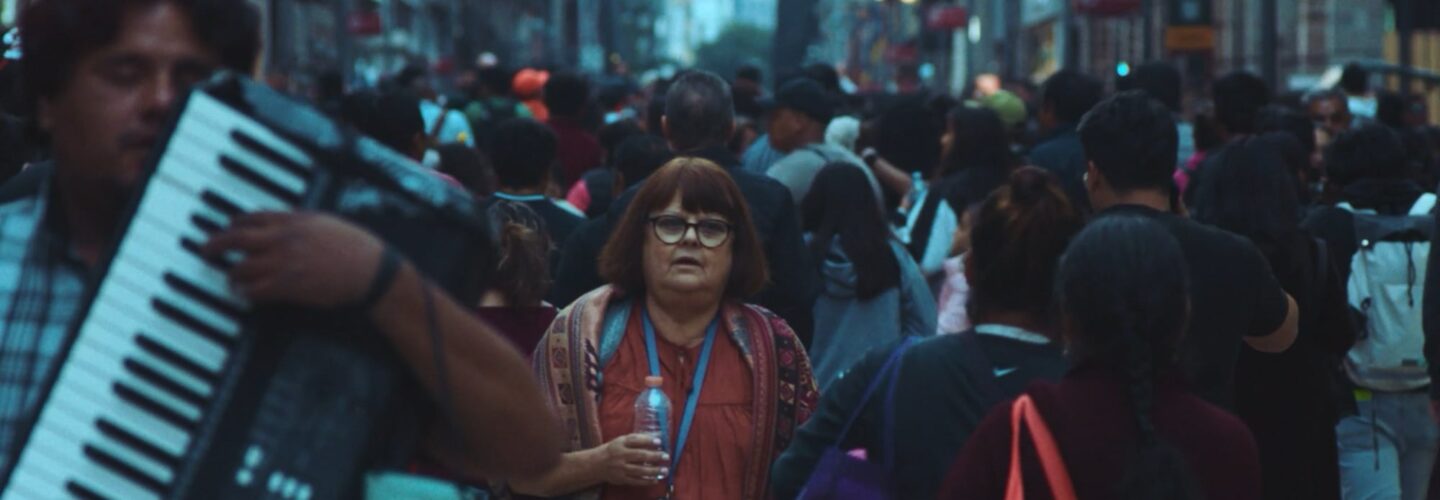
As more and more Baby Boomers cruise into retirement, tourism in many parts of the world is feeling the benefit of the ‘silver dollar’. Rain macs, walking sticks, hiking boots (regardless of the local climate), are the order of the day as elderly tourists dive headfirst into every tourist trap they can find. So unmissable are they as tourists, they may as well wear a sandwich board advertising the fact, chum in the water for any wile guide/merchant who senses an opportunity to offer them some ‘authentic experience’ in exchange for more than a few dollars. These retirees on tour are at the same time vulnerable to those who would take advantage of their bulging pension books, but also empowered because of it, often at the expense of the local population. SUSANA, the second short film in a trilogy from writer/directors Amandine Thomas and Gerardo Coello Escalante—the first of which, Viaje de Negocios (Business Trip) featured on DN earlier this year—looks at the relationship between entitled tourists and the locals who either cater to their every whim or fall foul of them. This very textured, documentary-like drama plays with sympathies as we feel sorry for lone traveller Susan but also feel aggrieved by her on behalf of those over whom her money grants her special treatment. In our conversation below, the duo details the documentary-like nuances actor Bonnie Hellman brought to her role, the pivotal post-production discovery that led them to shoot a key pick-up scene to complete Susan’s enigmatic arc, and how they aimed to implicate the viewer in the uncomfortable realities of mass tourism.
The story and character of SUSANA were based on a real experience you had while travelling in Mexico. Can you tell us what it was about that experience that struck you and how that led to the creation of this script?
When we were traveling in Oaxaca, we were struck by the number of young tourists who seemed to adopt an attitude of making this place the backdrop to their own self-discovery, through Ayahuasca ceremonies and mole tastings. We were struck by the difference in the relative worth of the currencies that afforded tourists more sense of power than they had back home. Then we encountered these two older British tourists, best friends, who spoke of all the things they had read in their guidebooks and walked with hiking sticks everywhere. We were tickled by them and when we followed them into the lobby of their hotel to approach them, they disappeared, and the concierge had no recollection of them. This was the seed for us to write SUSANA.
We didn’t write the film from a certain or morally righteous place. We’re both interested in globalization and migration patterns as a topic in our work, and tourist culture in Mexico is an interesting example of that. We really wanted to write something nuanced in the way we feel these topics are, in the way we talk about them in our daily lives. We were very interested in this very sympathetic character who becomes corrupted in a way, through the power of her dollars.
We felt it was crucial to cast someone who felt immediately sympathetic and familiar, someone you couldn’t easily turn against.
Bonnie Hellman truly ‘is’ Susan, so much so that the line between documentary and narrative is at its thinnest in the opening of the film. I also found my sympathies for her ebbing and flowing, especially in the final act. How crucial was her casting to the film?
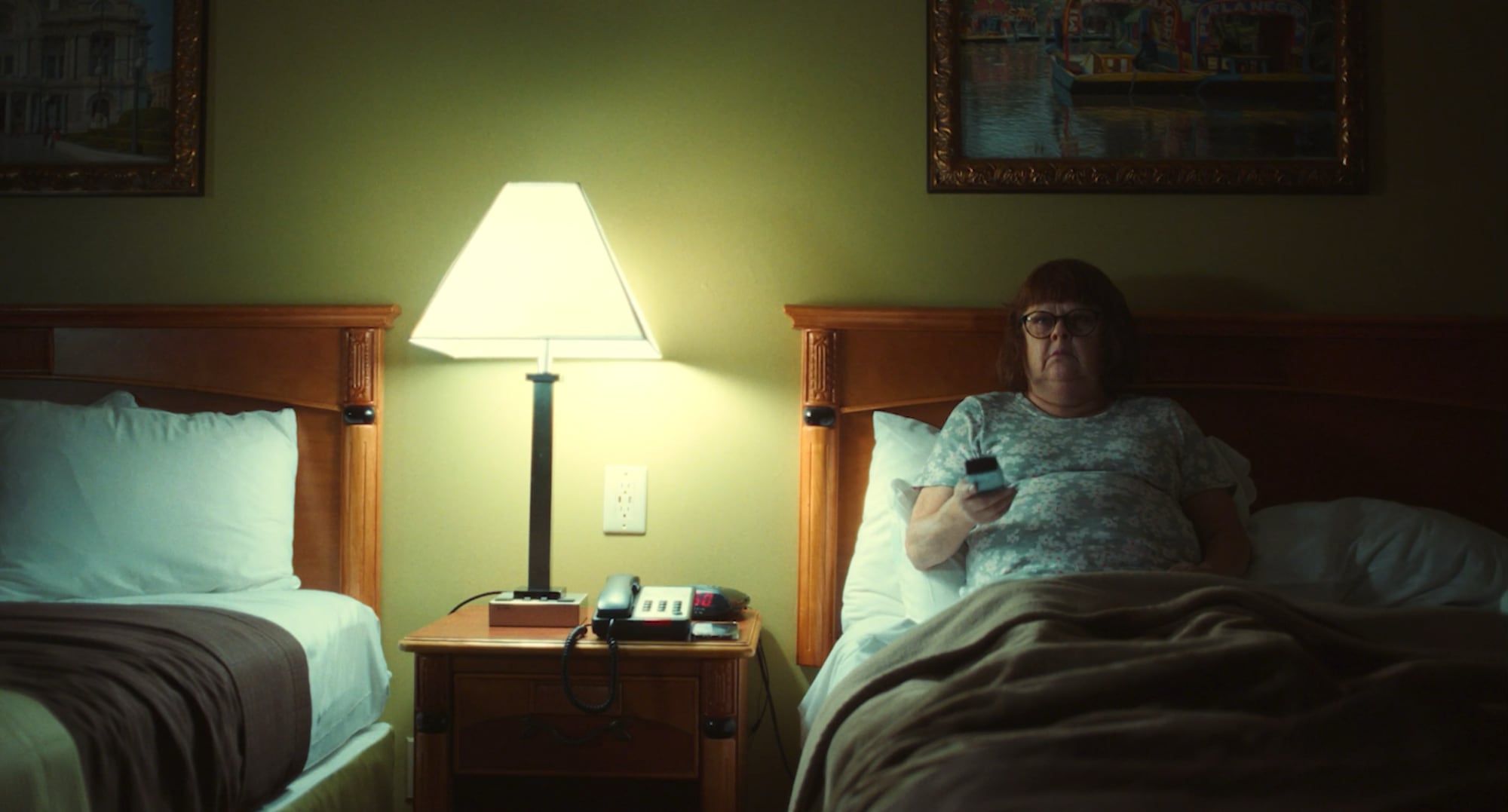
We cast Bonnie while we were still writing the script for SUSANA, as we were looking for an actress for another project. We contacted her directly and she jumped at the opportunity. We felt it was crucial to cast someone who felt immediately sympathetic and familiar, someone you couldn’t easily turn against. Working with Bonnie was amazing and her performance really brought Susan to life with all the nuances of her behaviors and the actions she decides to take. It was Bonnie’s first time in Mexico, so some of the footage is almost documentary-like.
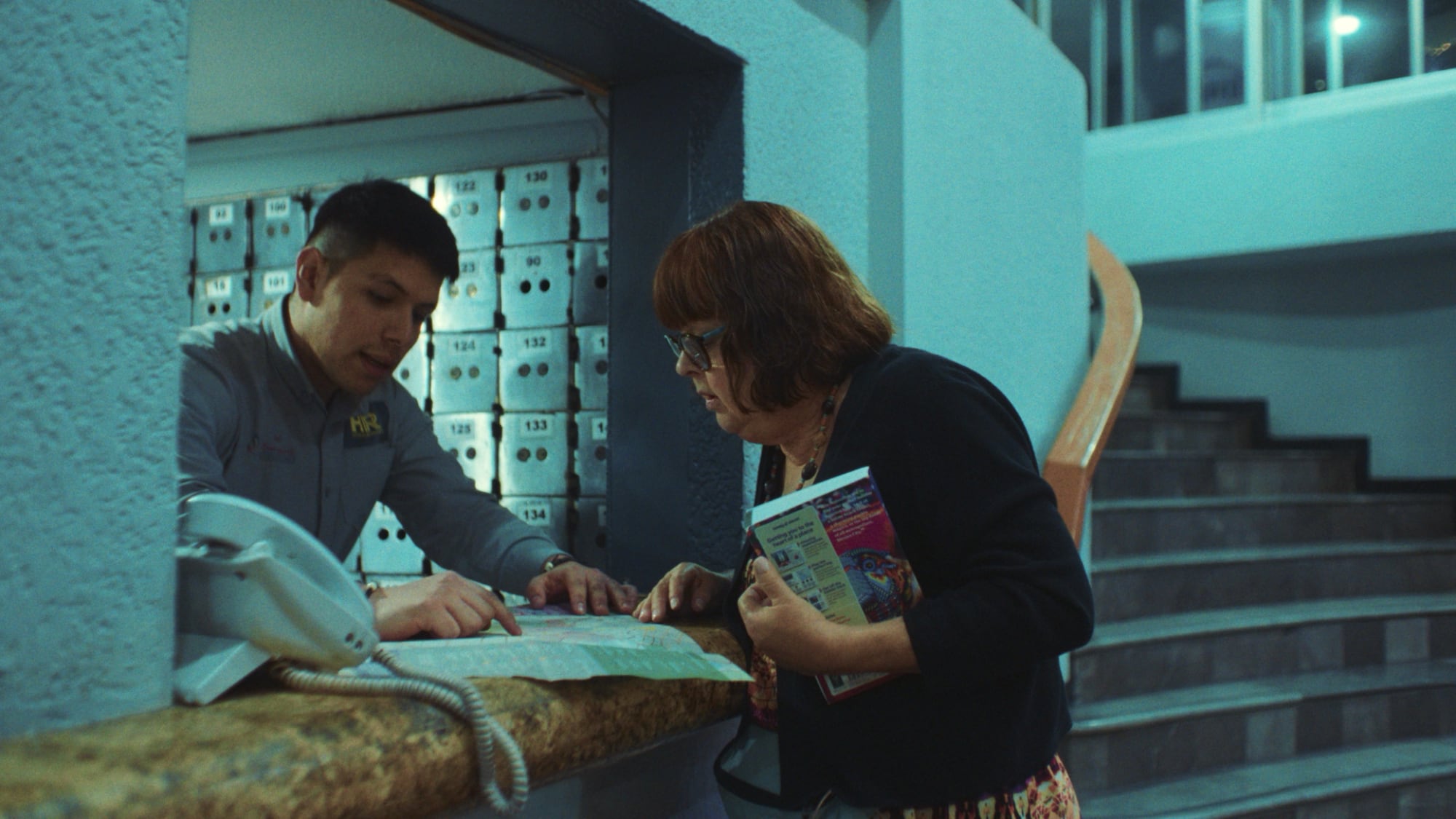
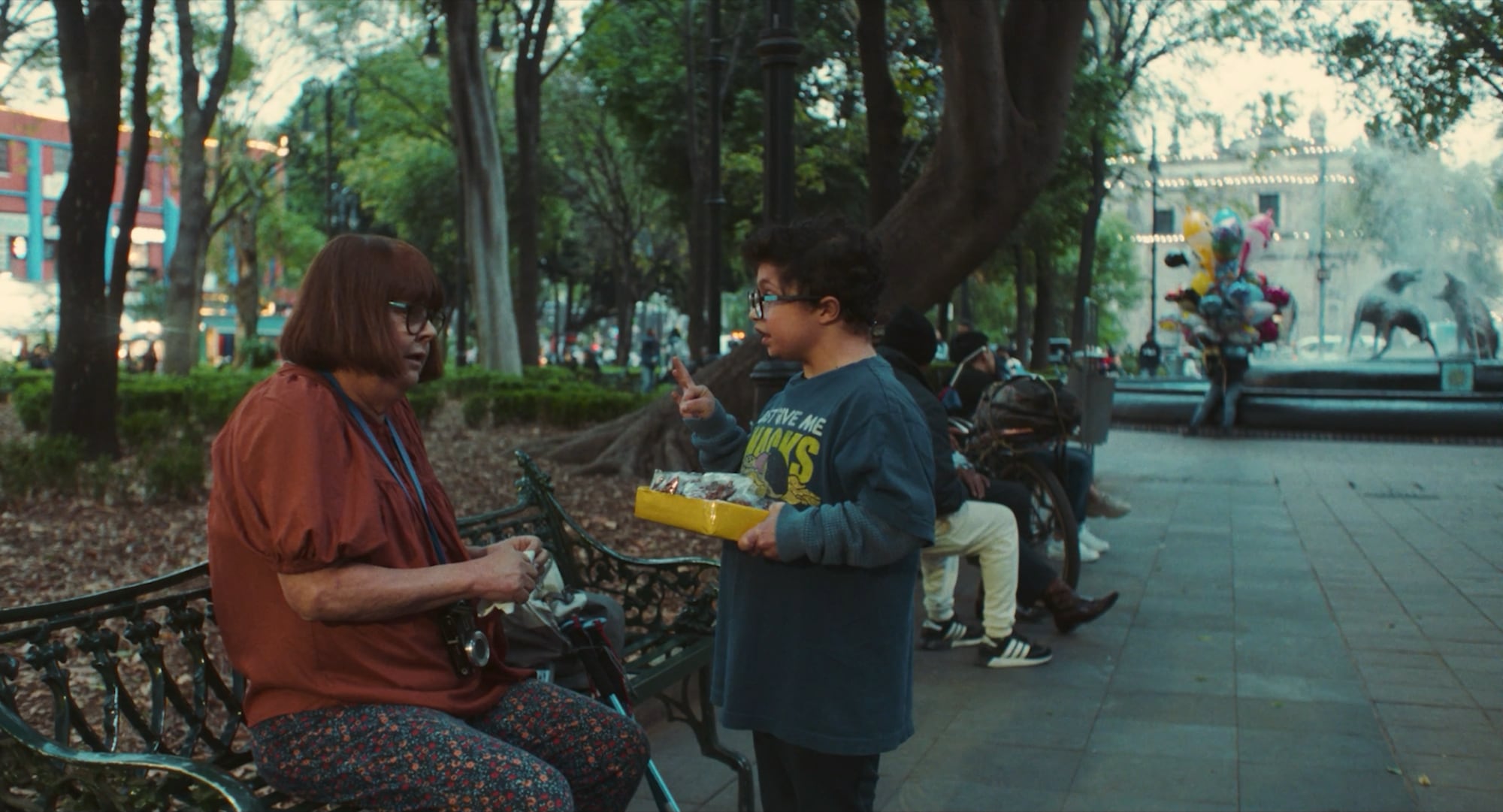
SUSANA features some wonderful locations and people going about their very real work. Can you tell us about the pre-production work to get them all involved?
Gerardo and I spent weeks in Mexico City visiting the locations we wanted for the film, researching, and asking people engaged in the tourist trade to be a part of the film. As we visited the same places repeatedly, I think people began to trust that this was a serious project with honest intentions. Most people were excited by the project and willing to be a part of it. People were so helpful and inviting, and through creating direct personal connections, we were able to get every one of our top locations in the film. The process involved a lot of serendipity, trusting the process and following our instinct when we met someone who we thought could play an engaging character opposite to Bonnie. We’re really thankful to everyone who decided to be a part of the film and everyone who shared their stories with us.
Most Popular
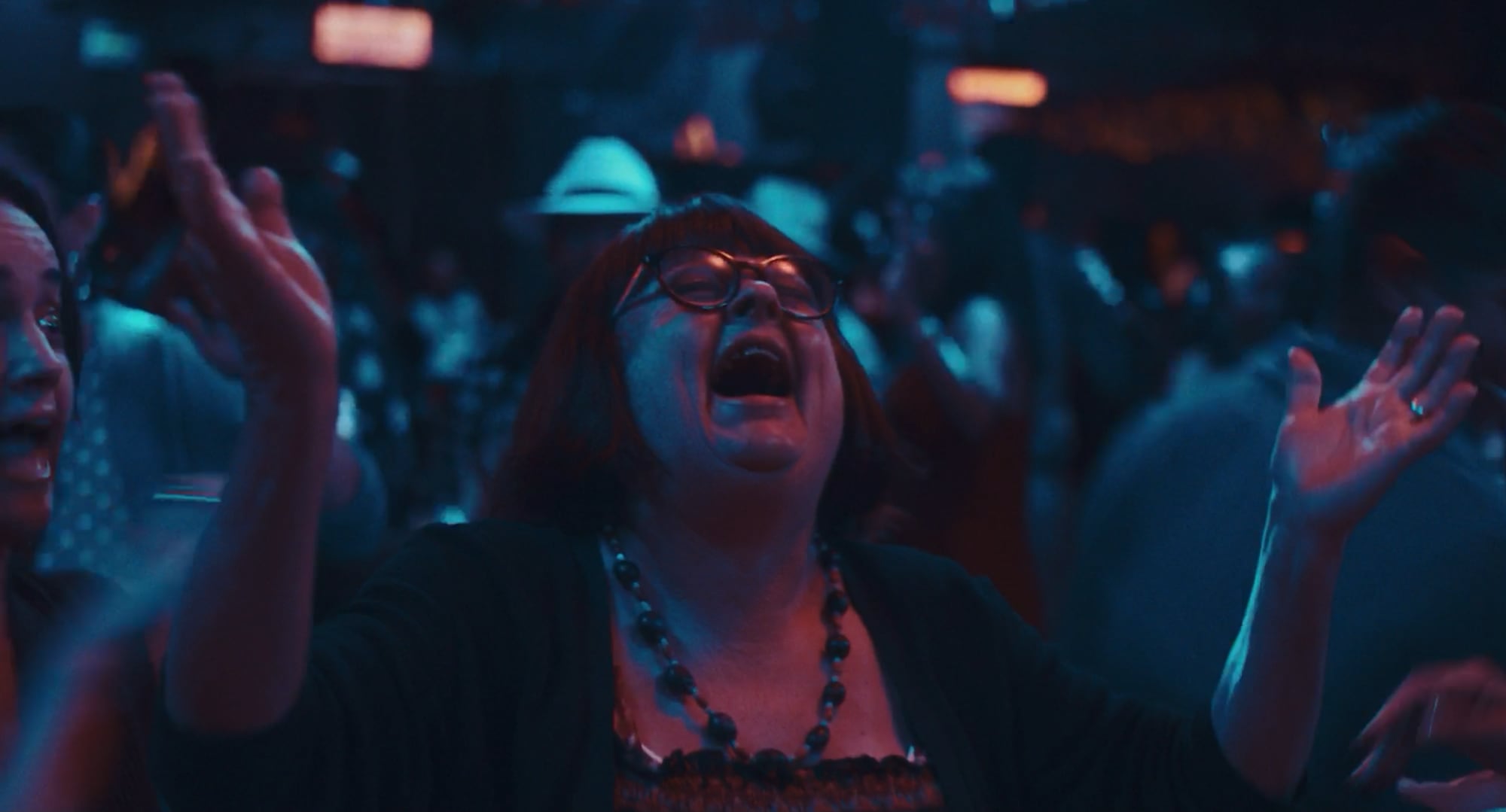
The bar scene is particularly striking in the film, especially the haunting moment when it feels like the people of Mexico are ‘seeing’ these American tourists for who/what they are. Was it one you had in mind from the beginning?
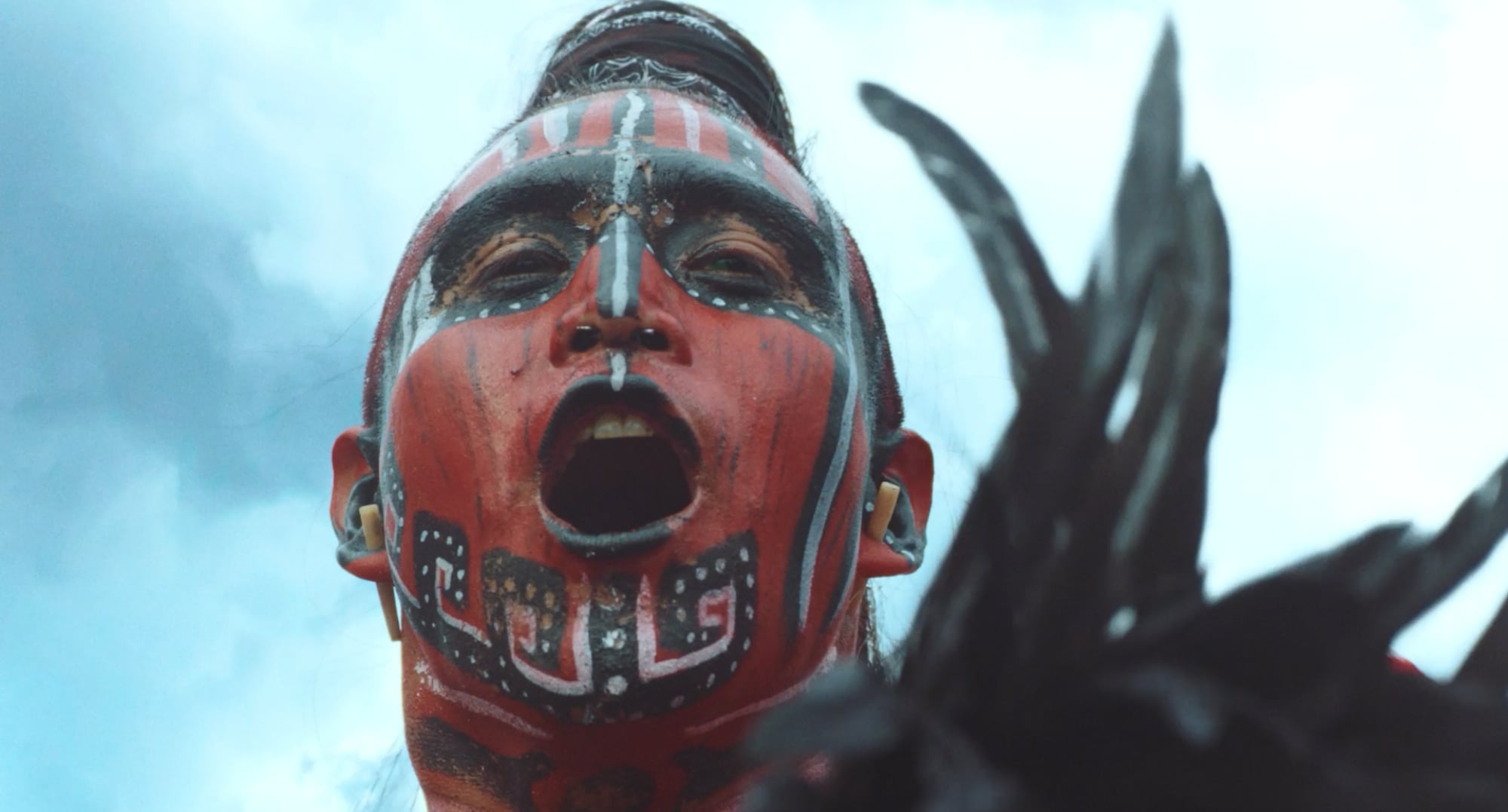
We decided on that sequence once we were in Barba Azul during prep, which is a very surreal and cinematic place. In our script, we wanted to strike a balance between a heartfelt story and a commentary on displacement and mass tourism. The script had hints, details and very brief moments that changed the perspective of the film, but this sequence allowed us to state the thesis we wanted to explore by breaking away from the main narrative and shifting the focus to the Mexican characters in the background that look directly at the viewer. We wanted to implicate the viewer themselves, instead of allowing the viewer to walk away thinking this had nothing really to do with them.
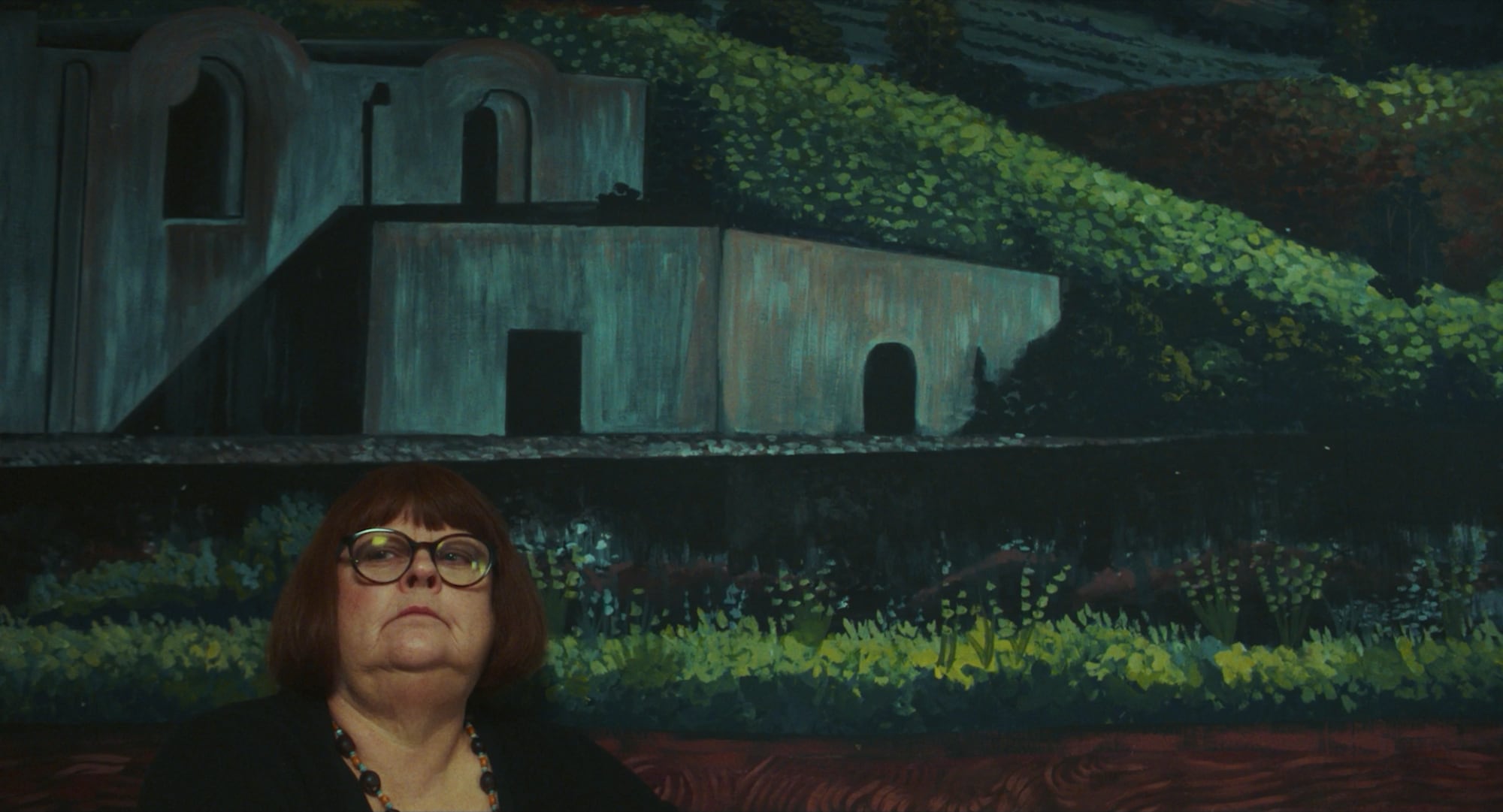
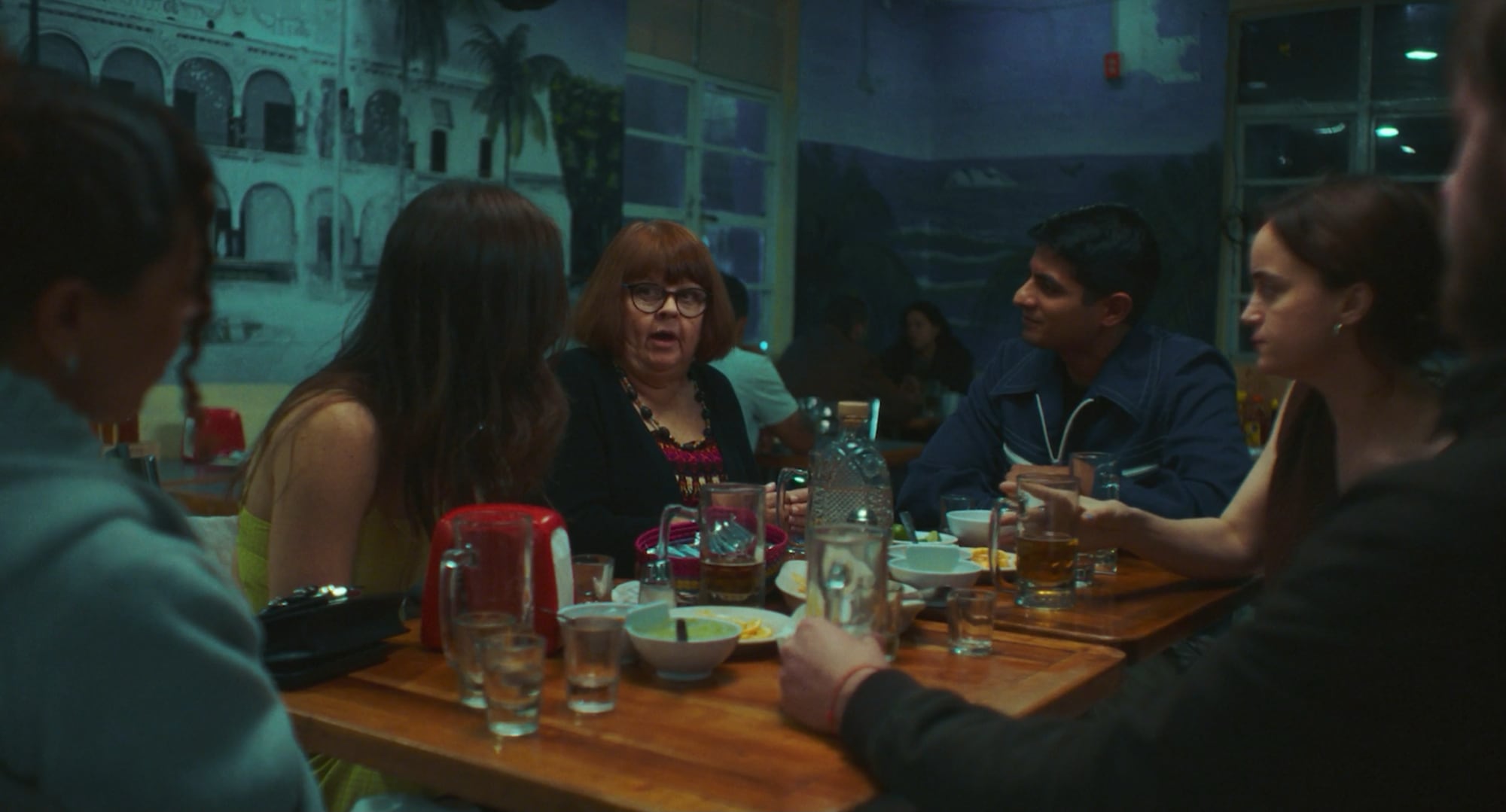
Director of Photography, Andrea Gavazzi—a familiar name here on DN—shot the film with an Alexa Mini package with super speed lenses. Due to the lo-fi budget of the film, how flexible did the crew have to be at the locations?
Despite shooting in some live exterior locations, our schedule ran like a typical narrative project. We had to scrap certain things as there was the time pressure of utilizing natural light, and getting from location to location in Mexico City traffic was quite a challenge. For exteriors, our crew was very small and nimble. We stole some shots and our actors were always ready. Once we moved on to interiors, we could breathe a sigh of relief and expand our crew size, and run things less guerrilla.
We wanted to implicate the viewer themselves, instead of allowing the viewer to walk away thinking this had nothing really to do with them.
What was the post-production process like after capturing all the footage you could across the five shooting days? Was there a plan for the edit all along, or like a documentary, did you find other moments/strands/choices in the edit?
Since Amandine edits the films, we are always shooting for the edit, with a shot list that we are, of course, willing to adjust or minimize. We color code our shot lists, green being the barest we need to tell the story, yellow meaning what we would really like to get but don’t absolutely need, and red meaning speciality shots or shots we’d like to get but don’t need. We start editing during production or the day after wrap. Even still, this film was the one we discovered the most in the edit out of all three of the shorts in our trilogy.
We ended up doing a pick-up scene of Susan in the hotel room after principal photography, because we felt that Susan’s narrative arc needed that moment of mystery and of decision. The dinner scene was the hardest to cut, because there were so many good improvised lines that our cast came up with. We had an abundance of material there and in the Barba Azul scene. We had to kill a lot of darlings.
As you’ve mentioned, this film marks the mid-point in a trilogy of shorts following the sneaker coming-of-age narrative of Viaje de Negocios, which you spoke to us about back in June. Can you tell us what we can expect from the third one in the series, and how all three sit together?
SUSANA is part of a thematic trilogy exploring the relationship between the United States and Mexico. The first film is about a Mexican boy who goes to school with a brand new pair of light up sneakers his father has bought him from San Antonio, Texas. The protagonist accidentally uncovers a devastating secret when another boy comes to school wearing the same model of brand new sneakers. The third film, which will premiere next year, is about a Mexican woman living in the United States, caring for her husband who is living with a neurodegenerative disease.
The films are very different in tone and feel, featuring very different characters. Each film explores the complicated relationship between these two countries from unique and quotidian perspectives. We created all three films in collaboration, each of us directing one and then co-directing SUSANA. That was always our plan.
Directing as a duo, how does that collaboration work between you and what were each of your personal highlights during the production?
We began working together organically and it works very well. We have our own tastes and visions and our work is melding those into one cohesive and unique vision. We are very hands-on in our projects, and since we have production and AD backgrounds, we usually draft the budgets and schedules to make sure our vision is achievable. For Amandine, a highlight was working with the actors during the dinner scene. It was a joy to direct them as they improvised the funniest and most outrageous lines, many of which we had to cut. The actors playing the group of friends had an incredible chemistry and their dynamic relied heavily on improvisation. For Gerardo, a highlight was exploring such iconic locations and places from his hometown through a foreign lens.
Obviously, you have the concluding part of the trilogy to come, but are there any other projects you’re working on at the same time?
We have recently finished the third part of the trilogy called Albatross. We are currently writing a feature film we hope to make in the near future, and we are developing a few others, together and separately. We also work in the branded and commercial space.