
If there’s one thing queer characters in film and television have historically been denied, it’s a peaceful exit. While their straight counterparts get to ride off into sunsets, open bakeries in the countryside or simply exist beyond the final act, LGBTQIA+ characters have long been handed a rather more terminal fate. The trope is so pervasive it has its own name, its own Wikipedia page and its own body count stretching deeply back into film, TV and literary history. Audiences have clocked it, critics have catalogued it, and yet somehow it keeps shambling back like a zombie that nobody asked for. Writer/director Charlotte Serena Cooper had her own reckoning with this narrative rot and decided the only reasonable response was to blow the whole thing up…with comedy. After seven years stationed at the monitors on sets including Barbie and Doctor Strange in the Multiverse of Madness, watching stories being built from the inside, she understood that satirising a genre means fully mastering its visual grammar. Her debut short Bury Your Gays doesn’t just critique the cliché, it inhabits it—shifting aspect ratios between worlds, deploying the overexposed wide shots of holiday rom-coms, the grainy handheld intimacy of arthouse drama and the desaturated dread of zombie horror, each genre rendered with such loving precision that the skewering lands all the harder. A white liminal space between sequences acts as a visual palate cleanser, resetting the audience before the next pastiche hits. With the Iris-Prize nominated Bury Your Gays currently available to watch on Channel 4, we sat down with Cooper to unpack the specific frustration that sparked the project, the challenges of wrangling five distinct visual languages on a crowdfunded four-day shoot and why authentic representation behind the camera was just as vital as what ended up on screen.
When did you have your “wait, why do all the gays keep dying?” lightbulb moment?
It was while watching the Killing Eve series finale during lockdown. We had spent many series rooting for Eve and Villanelle, and just as their relationship was finally realised—at the very moment a happy ending seemed possible—Villanelle was killed in a dull, uninspired way. What made this even more frustrating was the showrunner’s explanation that Villanelle’s death represented a rebirth for Eve, allowing her to move on to something bigger and better. The ending left many viewers deeply disappointed; a billboard was even funded and put up in London, reading “Let the trope sink to the bottom of the Thames.” This reaction sparked my interest in why storytellers so often rely on doomed and tragic queer characters, leading me to research the history of censorship and the Hays Code.
I also want to briefly clarify the difference between a gay character dying and a Bury Your Gays death. If a lesbian character dies and it makes sense within the story’s world, she’s fully developed, her death isn’t framed as punishment, and she isn’t reduced to being the token gay, then it’s simply a gay person dying. But when a queer character is killed shortly after finding love or happiness, used to advance a straight character’s arc, and denied narrative dignity or resolution—especially when they’re one of the only queer characters—that’s when it crosses into the cliché.
I wanted to write something that exposes a trope hiding in plain sight, expose it across multiple genres, while also opening our eyes to other LGBTQ+ clichés.
The premise is brilliantly meta—an actor literally trapped in a loop of dying in every role until she fights back. How did you land on constructing the film in this way?
Thanks so much! My wife and I love video games, and that’s really where it began. We kept joking about how fun it would be to play as characters like Lexa from The 100 or Tara from Buffy—getting to dodge those bullets. I wanted to write something that exposes a trope hiding in plain sight, expose it across multiple genres, while also opening our eyes to other LGBTQ+ clichés: gay best friend, forbidden love, coming out, being disowned, and identity reduction, to name a few. It HAD to be a comedy. That’s my natural writing style, but also because a straight drama about the Bury Your Gays trope would just be scene after scene of misery and death—and risk becoming the very trope it’s trying to critique.

The genre-hopping through five different film styles is ambitious and completely bonkers (in the best way). How did you decide which genres to send Grace through, and did you have a checklist of tropes you wanted to skewer?
Choosing which scenes Grace jumps into—and which stories and clichés we’d get to parody—was one of the most enjoyable parts of the process. There were plenty that didn’t make it into the final script due to running time, including a high school drama and a Victorian-era forbidden romance. I did have a checklist of tropes I wanted to highlight, and each scene deliberately ticks off several of them.
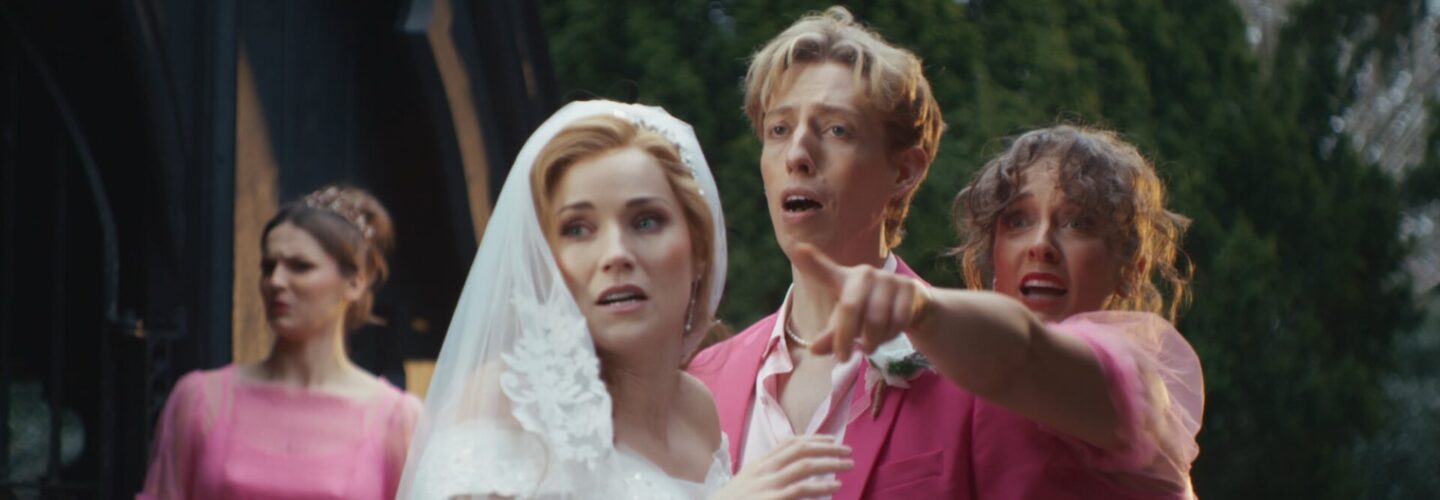
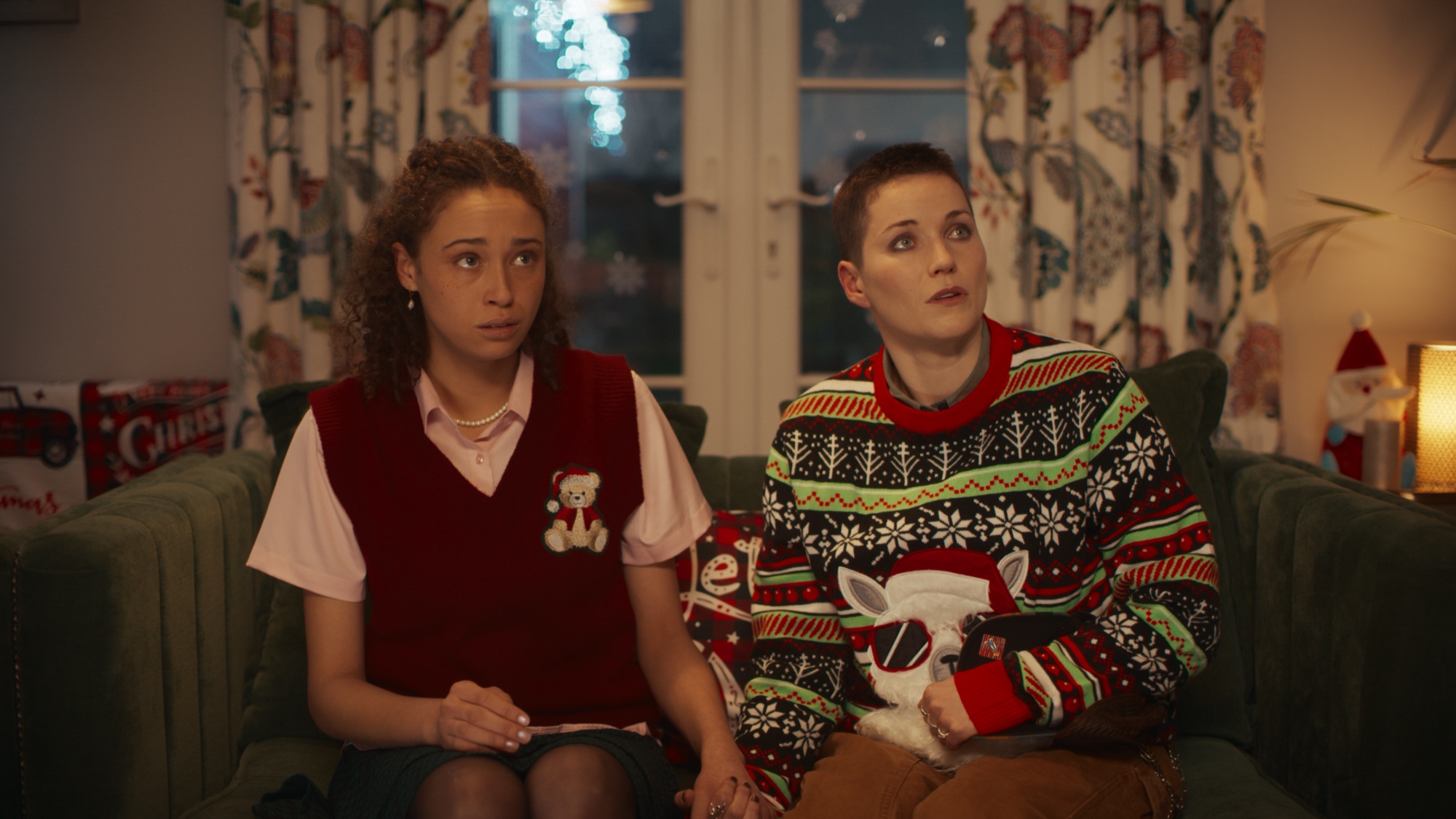
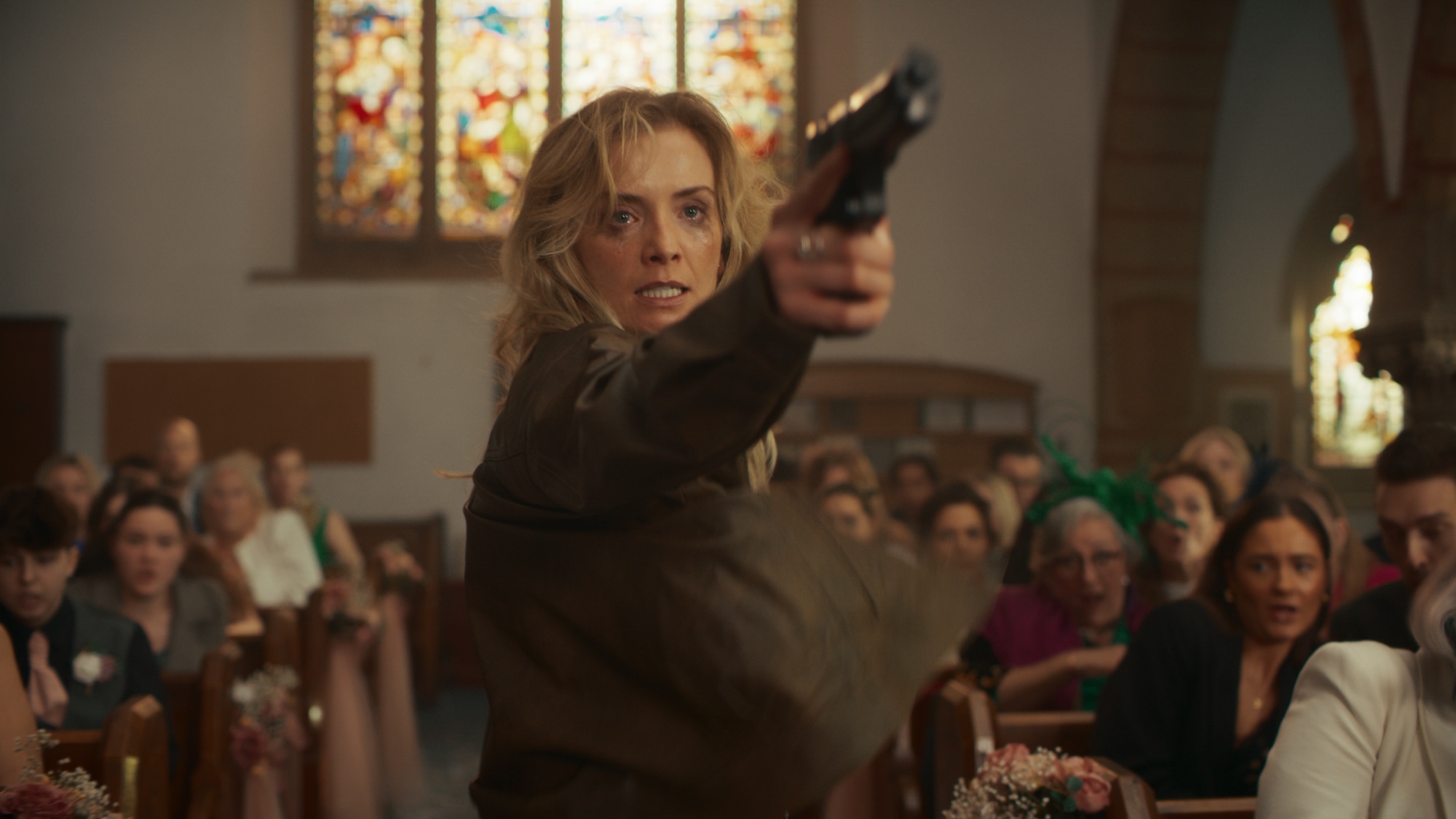
The Christmas scene came from my disappointment with the ending and themes of Happiest Season, as well as the many storylines about queer children coming out to utterly oblivious parents, often while also jeopardising a parent’s political campaign. The gritty 90s-style drama tackles the oversexualisation of lesbians for the male gaze—the blue hair is a nod to Blue Is the Warmest Color—where explicit scenes add little to the story’s momentum. It also ticks off tragedy striking just as happiness is found, and the ‘predatory lesbian’ stereotype. The zombie horror plays on how queer characters are so often the first to die in horror films, treated as expendable outsiders, while the wedding scene skewers both the ‘psycho lesbian’ trope and the lightweight gay best friend.
Most Popular
Shooting 14 scenes across six locations in just four days with multiple genre shifts sounds like a logistical nightmare. How did you structure the shoot to make this feasible?
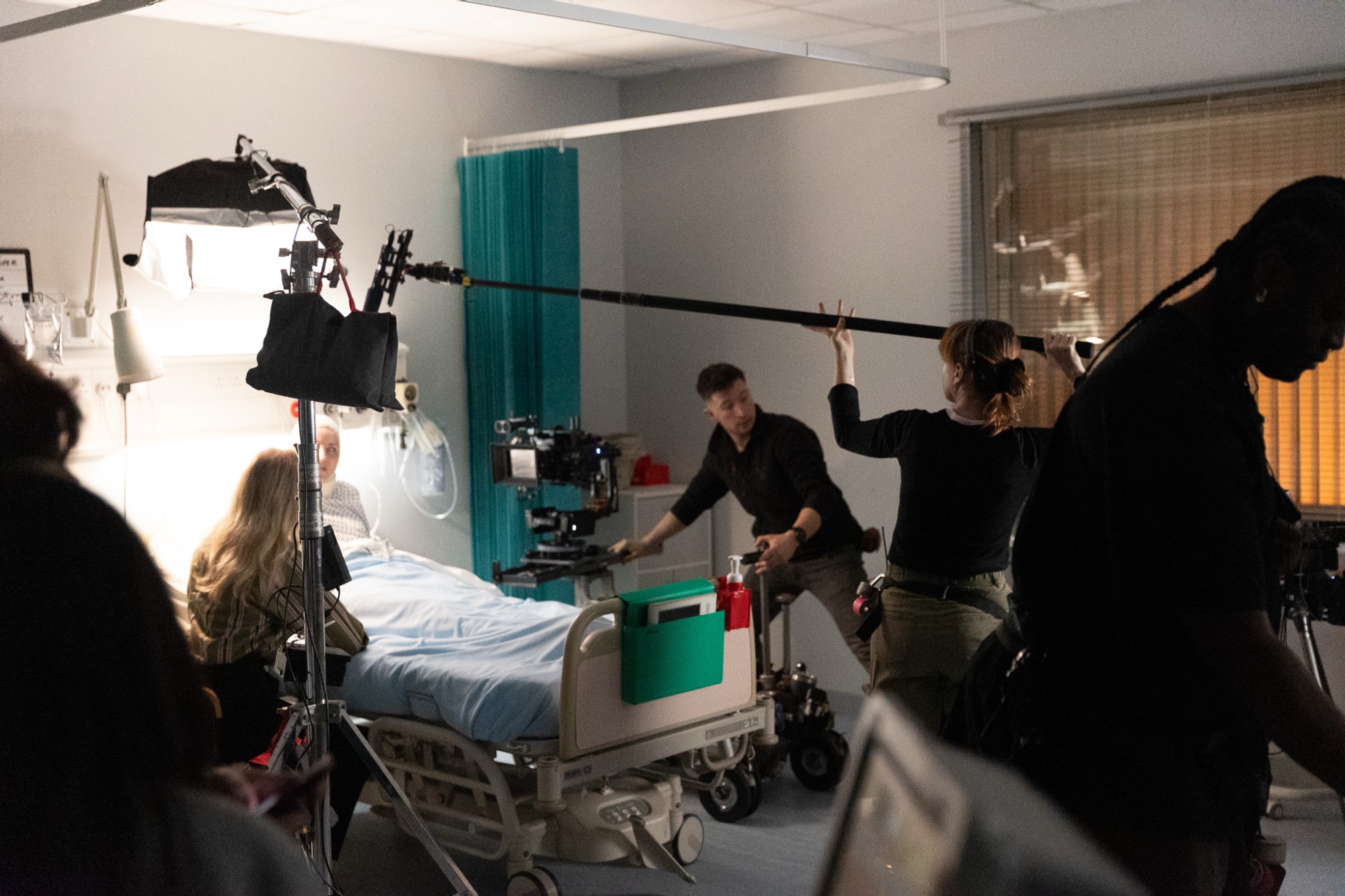
Two words: Charlotte Brownlee. Charlotte is the producer, and not only does she have an exceptional problem-solving brain, but she also has an impeccable creative one. There’s no one I trust more, or enjoy working with more, than Brownlee. That said, this short was a beast. More than once during the shoot, people commented that this was a film that was short, not a short film. Charlotte and I have both worked in the industry for the past decade, and we were incredibly fortunate to have so many talented crew members who wanted to support us. That meant we could bring in an experienced AD to schedule the shoot as efficiently as possible, and a fantastic locations team who helped us find sites close to each other to maximise shooting time.
It was tough. Charlotte and I barely slept during the five days of the shoot, after spending all our free time in the six months prior preparing for funding campaigns and then production—but at no point did it feel unachievable; it simply required a huge amount of creativity and organisation. This film could not have been made without our brilliant creative HODs. Costume designer Oliver Doherty created 37 distinct character looks on an incredibly tight budget, complete with Easter eggs drawn from queer cinema. Hair and make-up designer Gemma Hoff also exceeded every expectation—Grace’s wedding wig, the zombies—all outstanding. Production designer Harrison Clark created hugely detailed worlds every time Grace jumped into a new genre.


You assembled a stellar cast—Jude Mack, T’Nia Miller and Blake Harrison—all passionate about the project’s mission. What was the pitch that got them on board, and how did having a predominantly LGBTQ+ cast and crew affect the atmosphere on set?
We truly struck gold with our cast. A huge thanks to our casting directors, Dan Hubbard and Fran Cattaneo. I was terrified everyone would say no. This was my debut, after all. Thankfully, the script, the mission behind it, and the fact that the project was in the very safe hands of our experienced and award-winning DOP, Dale McCready, meant there was surprisingly little persuading to do.
I was writing the script while watching Such Brave Girls on iPlayer. When Jude Mack appeared onscreen, I knew I had found my Grace. Luckily for me, Jude was incredibly passionate about the script and excited to make the film. Grace is a tough role to play: impeccable comic timing, inhabiting multiple characters across different scenes while also performing her inner monologue, and then confronting The Agent in a true mic-drop moment. But I think you’ll agree—Jude did it all. I vividly remember getting on Zoom with T’Nia, armed with a carefully rehearsed pitch about the script, the crew, the vision, and the plan. She stopped me mid-sentence and said, “Guys. I love the script. I’m in.”
From the start, I wanted a predominantly LGBTQ+ cast and crew for obvious reasons. But it wasn’t as if we had to scour the country to find them. These are our friends, our inner circle, and the people who were already rooting for the project. The result was a genuinely passionate team, with a playful, fun atmosphere on set—invaluable when making a comedy.

Did you have conversations with your cast about their own experiences with the Bury Your Gays trope, either as performers or viewers?
Absolutely. Most of them have their own Bury Your Gays anecdotes from roles they’ve played. Many of our cast have portrayed queer characters who met a BYG-style end, and I’ll let you browse their IMDb pages rather than me critiquing projects. That shared passion for better queer storytelling led to more engaged, disciplined performances.
Each genre requires its own visual language—lighting, camera movement, colour palette. How did you and DOP Dale McCready approach creating these distinct looks while maintaining visual cohesion across the whole film?
Dale is a film encyclopaedia, and we had so much fun creating the shot list for each genre. If you’re satirising a genre, you have to fully embrace its visual language—the scenes need to be instantly recognisable. The Christmas film is over-lit wide shots; the gritty drama is grainy and dark, packed with handheld close-ups, and so on. Playing with aspect ratio was Dale’s idea, and it works beautifully.
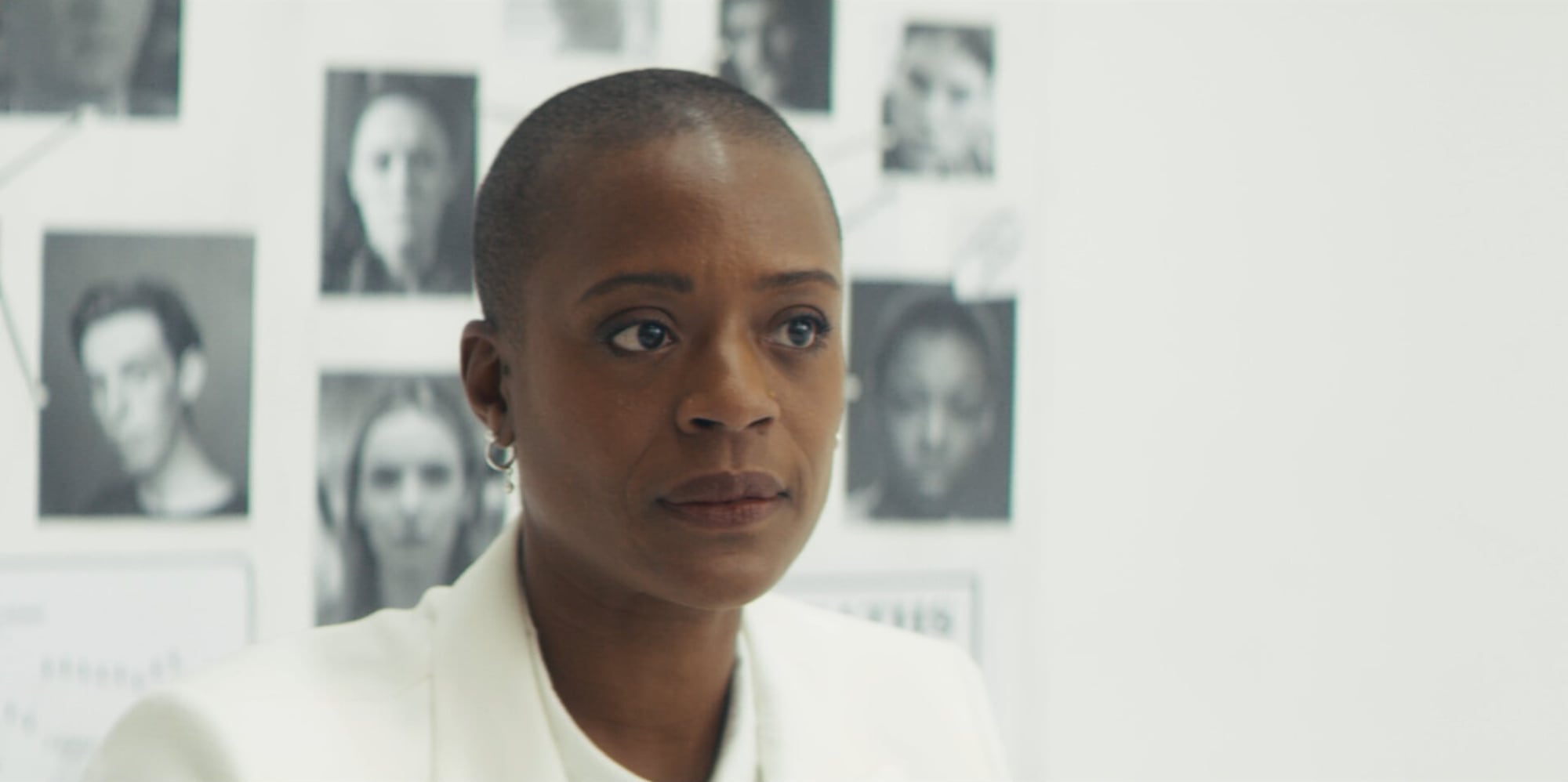
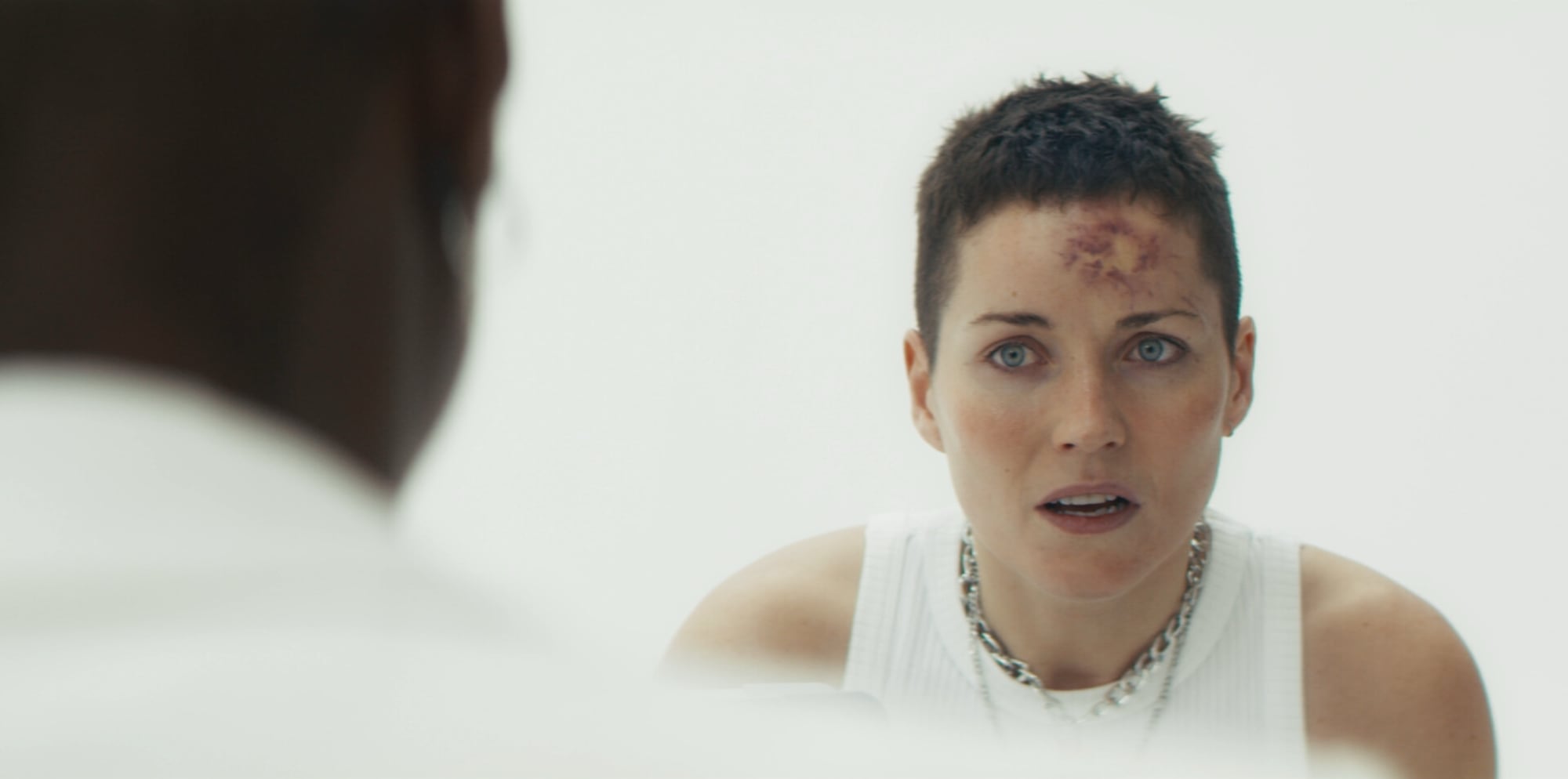
The white liminal space suspends the film in an otherworldly realm, giving us licence drop Grace is this bizarre scenarios. The white-space also acts as a reset for the audience—a visual palate cleanser before we throw Grace headfirst into the next film or TV genre.

How did you ensure your visual effects amplified the genre-hopping fun without turning the film into a CGI-fest that lost sight of Grace’s actual struggle?
Although 60 VFX shots sounds like a lot, the majority of them were used in the wedding sequence, when the world begins to break. Because this section is made up of very quick cuts and glitching visuals, those shots actually cover less than 60 seconds of screen time. That part of the storytelling simply wouldn’t have worked without some VFX, though we also achieved a lot of the world-breaking practically – through camera whips, crew entering frame, radios bleeding into the scene, and the visual language itself starting to collapse.
Huge thanks to Paddy Eason, our VFX producer, artist, and general miracle-worker. Paddy spent countless hours on the film, and we were incredibly lucky he wanted to get involved, even as the VFX shot list continued to grow.
Every beat, gag, and line of dialogue has to drive the story forward. That discipline helped streamline the film, keep the audience locked into Grace’s mission, and stopped it from tipping into chaos.
The edit must have been fascinating—cutting between these disparate genres while maintaining narrative momentum.
The edit was genuinely fascinating. I was lucky enough to work with Joshua Cunliffe, whom I’ve known for years; he edited the very first TV series I ever script-supervised. I’m still learning so much from him, and the poor man was cutting my film in his loft while also working on a TV show and adjusting to life with a toddler and brand-new baby. Endless apologies to Josh’s wonderful partner, Laura.
Editing a short film is its own art form. Every beat, gag, and line of dialogue has to drive the story forward. That discipline helped streamline the film, keep the audience locked into Grace’s mission, and stopped it from tipping into chaos—until the penultimate sequence, where we very deliberately embraced it. As mentioned before, the white space acting as both a genre and visual palate cleanser proved invaluable.
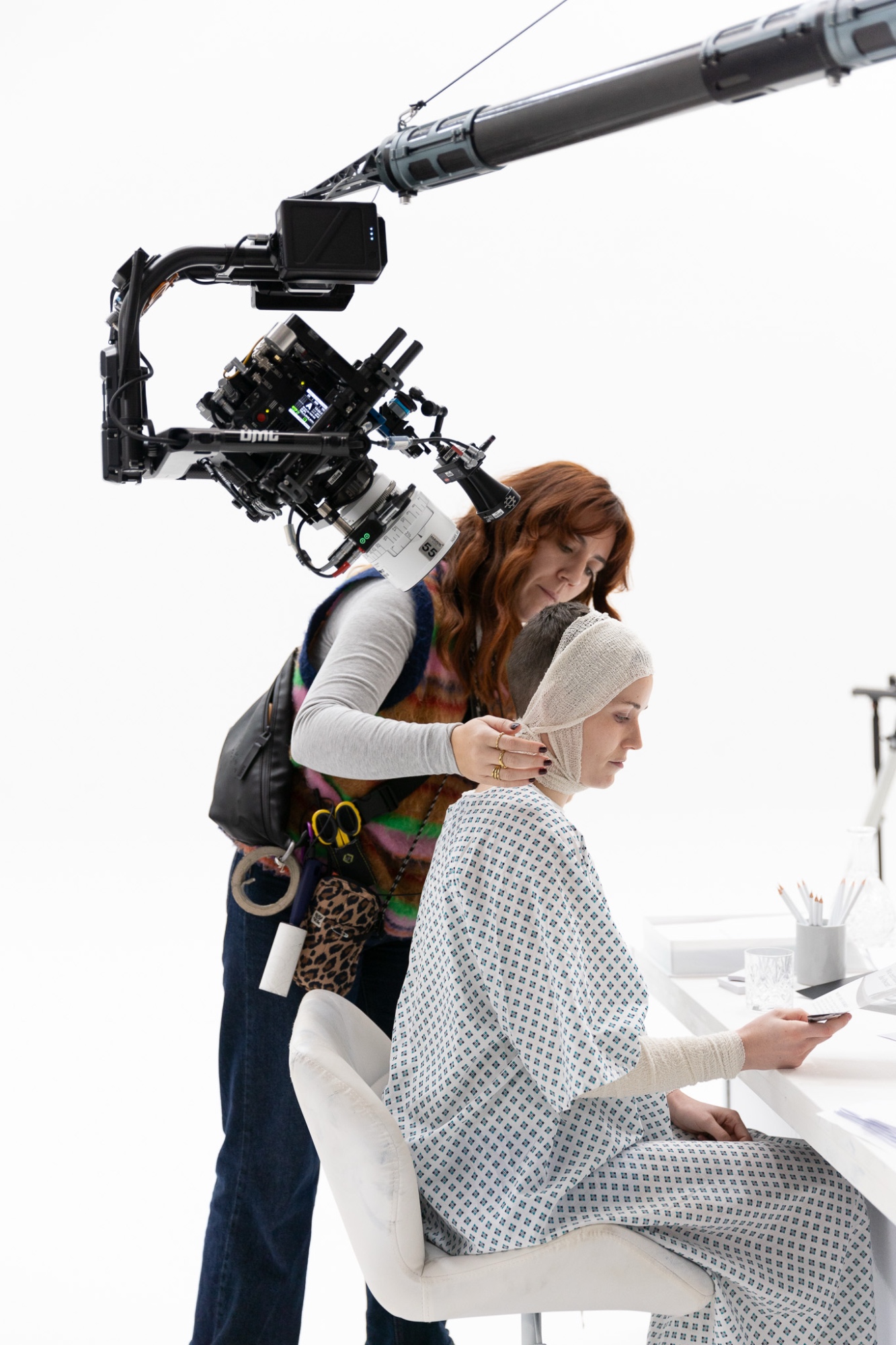
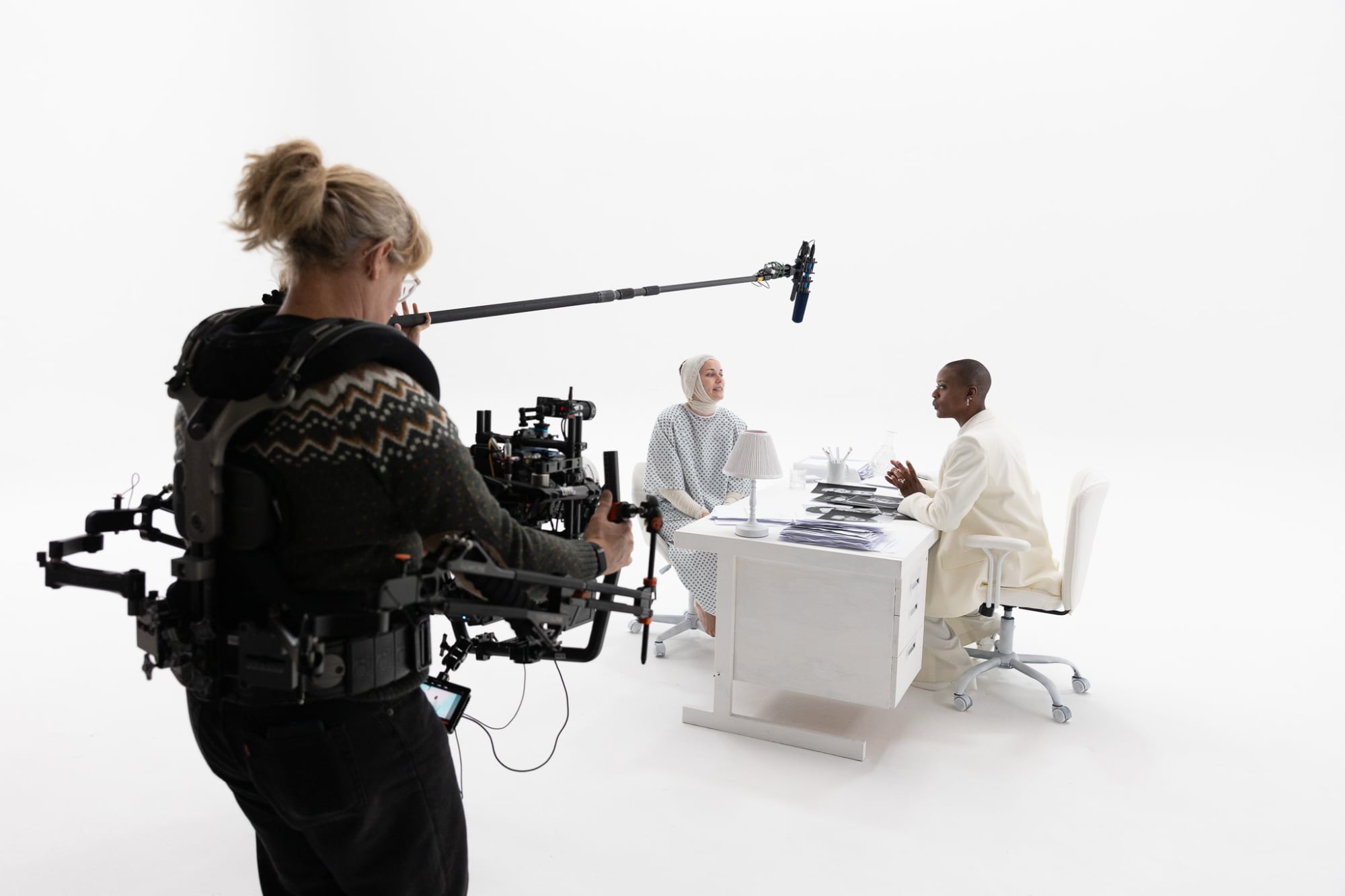
You spent seven years as a script supervisor on massive productions. Did witnessing how those big machines work—and how representation is (or isn’t) prioritised—fuel your frustration and ultimately this film?
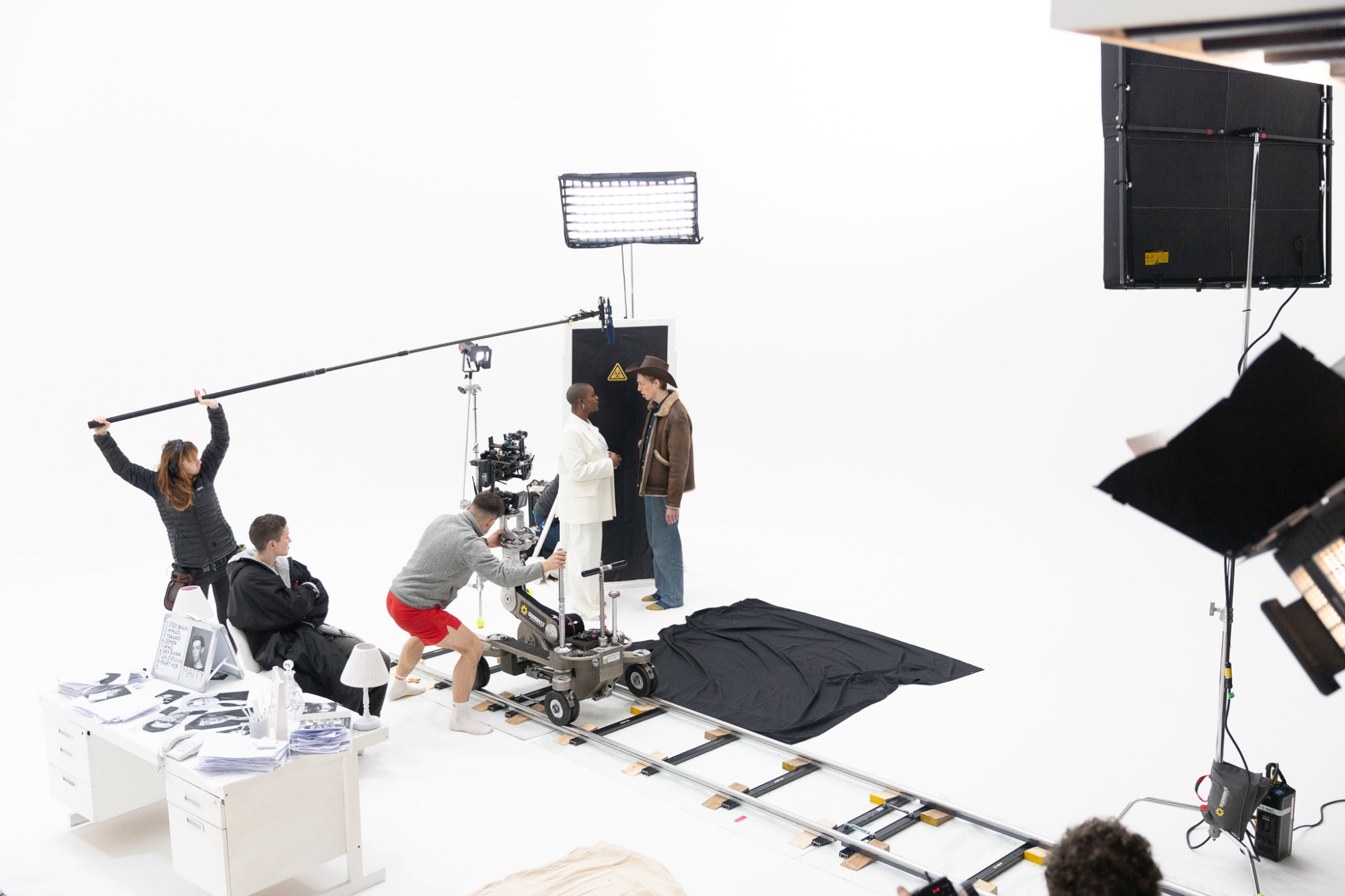
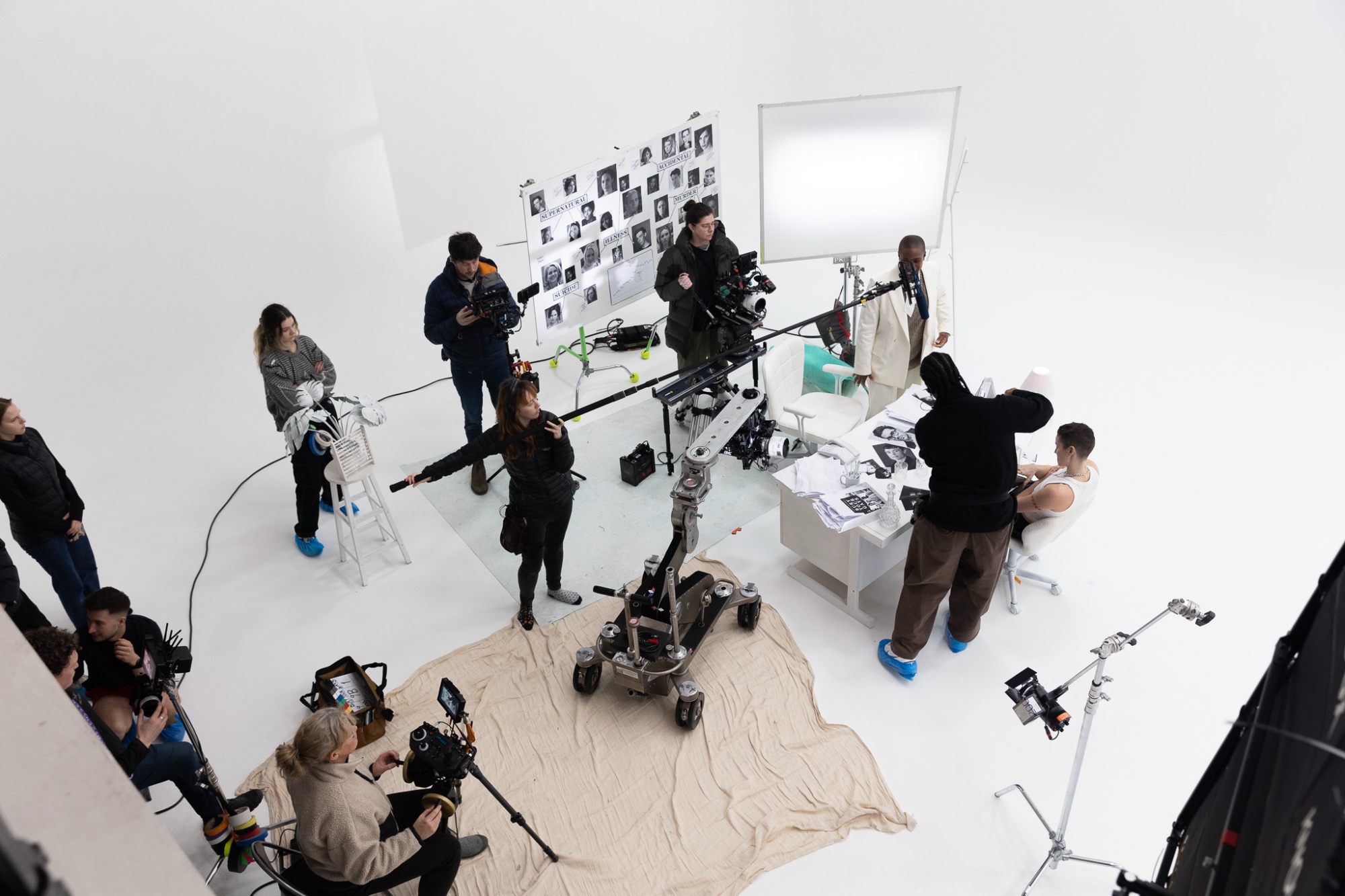
I’ve been incredibly fortunate to learn my directing craft through script supervising—the unsung ninjas of film and TV—on some of the biggest productions around, as well as on smaller indie projects with emerging filmmakers. Being on sets of that scale gives you a front-row seat to how stories are built, and how representation is discussed, prioritised, or sometimes sidelined.
Script supervising has also made me hyper-aware of how poorly women—and queer characters—can be written. When you’re breaking down scripts every day, those patterns become impossible to ignore.
I haven’t actually worked on many projects centred on queer characters or storylines, which speaks to how many LGBTQ+ shows are being cancelled and how much further we still have to go—especially as the world leans towards the far right. On Barbie, for example, diversity was genuinely important to Greta—both in the cast and crew—and most of the HODs were talented, inspirational women. But I’ve also been on plenty of sets where I’ve looked around and noticed a clear lack of diversity, and I’m often the only woman at the monitors. Script supervising has also made me hyper-aware of how poorly women—and queer characters—can be written. When you’re breaking down scripts every day, those patterns become impossible to ignore, and they absolutely fuel my drive to write more authentically.
How does Bury Your Gays represent the kind of work you want to make—films that entertain but also challenge the status quo? Also, what’s next for you?
Female-led cast and crew? Tick. Original story? Tick. A script with a distinctive, authentic voice? Tick, tick. I have to admit, hearing audiences erupt with laughter and then fall completely silent in the emotional moments has been utterly joyous. Telling stories that truly carry people with them, that genuinely impact an audience while also being a hell of a lot of fun to watch in a cinema, has been incredibly rewarding.
Charlotte and I are currently developing the feature with Deadbeat Studios, alongside a number of other projects. Watch this space—and in the meantime, please watch and support Bury Your Gays.