
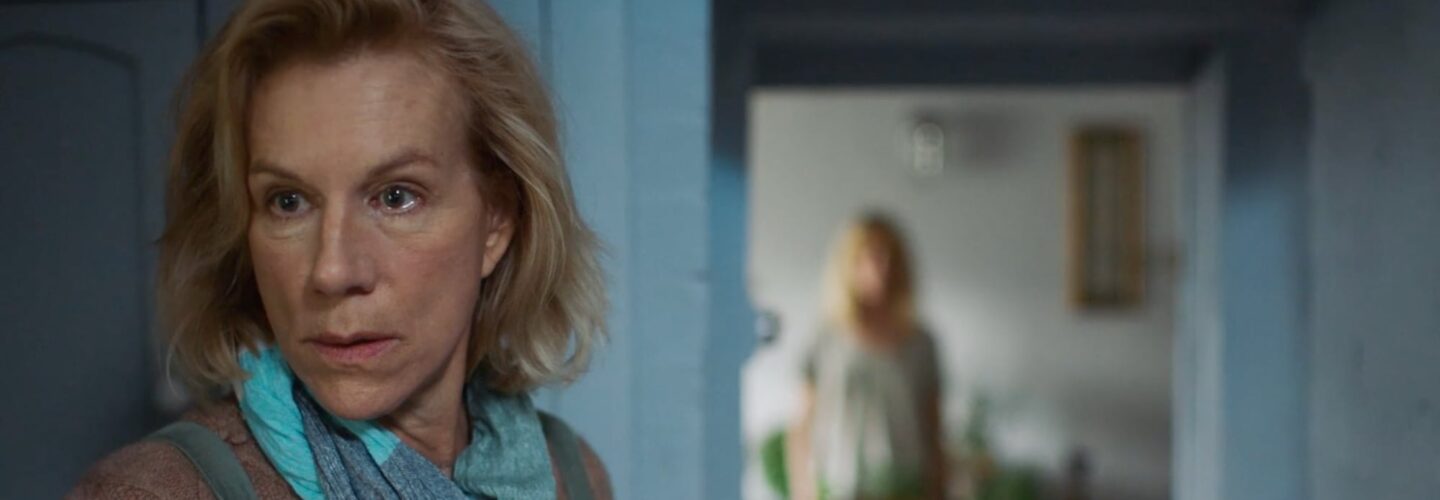

Amelia Sears’ quietly devastating Ceres transposes an ancient myth to contemporary Britain, where a daughter seeks refuge from her emotionally abusive partner in the home of her estranged mother. What unfolds is less rescue and more palliative—two women dancing around the unsayable, finding connection in glances and near-touches. Cinematographer Lorena Pagès’ camera quietly observes rather than intrudes, holding shots with a stillness that mirrors protagonist Proserpina’s frozen interior state, while Sears builds the film’s emotional architecture through hands—scrubbed raw, hesitant around food, finally reaching for each other. Actor Juliet Stevenson and writer/actor Hannah Morrish deliver performances constructed in the silences between words, every glance carrying the weight of years. Sears, as with her poignant delve into a new mother’s struggle with her shifted identity in her debut short Three, refuses catharsis. There is no villain shown, no climactic confrontation—just two women attempting to rebuild trust across distance and damage. The film honours a painful reality: most people in coercive relationships don’t leave, and if they do, proving abuse is near impossible.
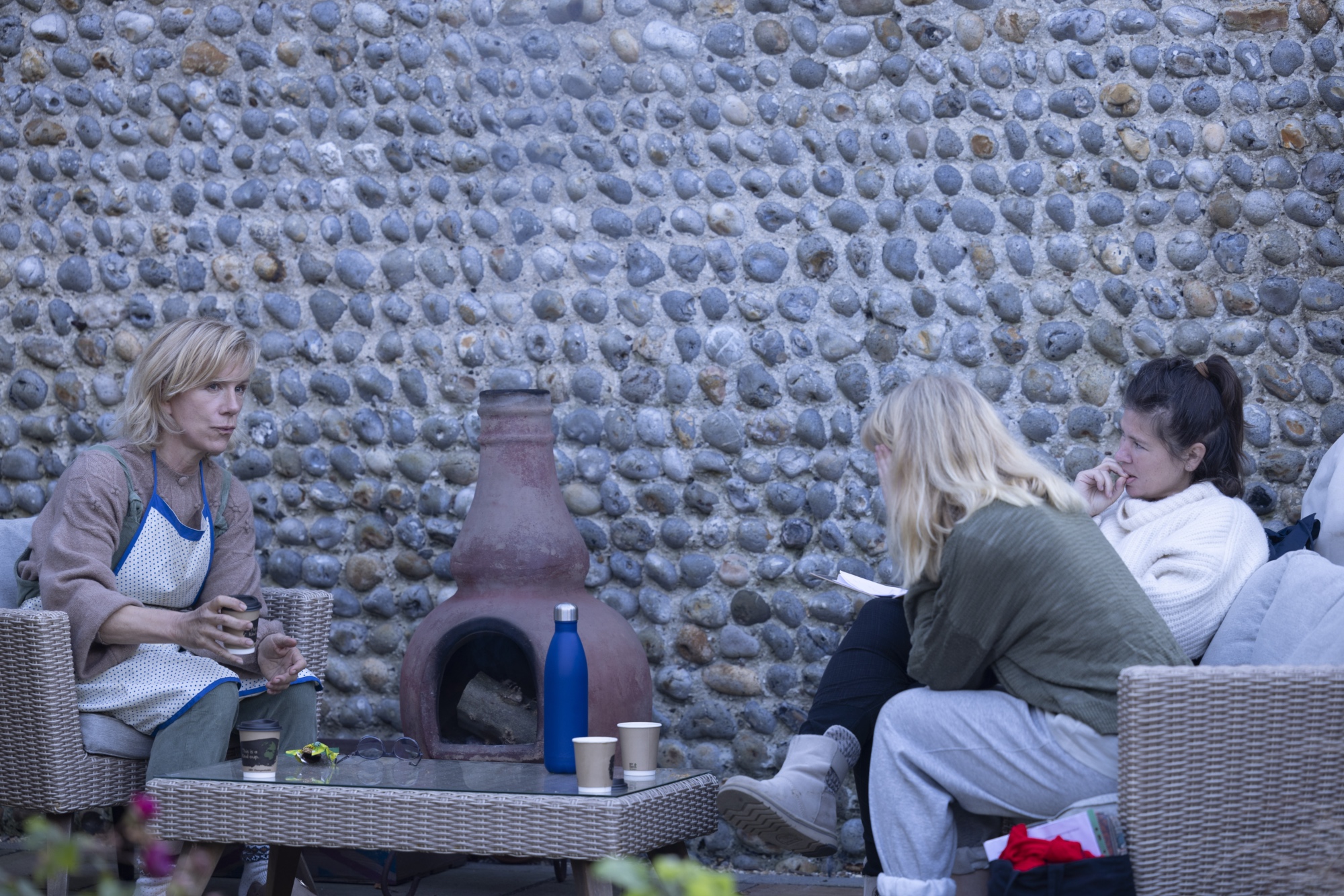
Shot over three autumn days in a tiny Norfolk cottage with a 90% female-identifying crew, Ceres is a production that mirrors its subject. Producer Cat White—whose forward-thinking production company Kusini Productions developed the short—ensured the set itself was, as described in their successful Kickstarter campaign, an environment engendering “subtle psychological shifts that can often only take place in female spaces.” On a rainy November evening in 2023, coinciding with the International Day for the Elimination of Violence Against Women, Ceres premiered at a packed London cinema, followed by a panel featuring Women’s Aid CEO Farah Nazeer. And now with Ceres premiering on Directors Notes, Sears returns to our pages to discuss forensic character preparation, protecting slowness, and why the canon of female experience has only just been cracked open.
Ceres is a product of an accomplished group of women. Where did it all begin?
Writer Hannah Morrish put out a tweet saying she had written a short film and was looking for interested directors, my husband, actor Alex Waldmann, had worked with Hannah at The RSC and told me I should reach out—she was “The most talented person in the cast”, and if her writing was as good as her acting, it would be worthwhile. At the time, I was in pre-production for my first short and knew the slog of getting one made. When Hannah sent me the script, I was mesmerised. It was so delicate and spare, so refreshingly modern, yet had such a clear relationship to the myth. It also felt like kismet—a month before I had read the Ceres myth for the first time and thought, “Why the hell isn’t this a film?”
We met via Zoom during lockdown, had a great first chat, and I gave some thoughts on the script. Six months later, I hadn’t heard anything, so I emailed Hannah: “That script you wrote, it’s really good. I think it needs to be made.” She got back straight away, and we agreed to talk again. We discussed strategy, refining the script, then getting it to a big-name actor, as I knew that could be the difference between getting it made or not. Incredibly, Hannah had a friend who knew Juliet Stevenson, and when we approached her, she came back almost immediately with a resounding “Yes please!”
The detail of this work is what makes the scenes feel full even when little is being said, because every word and every glance has the potential to cause an explosion, which relates to the lives they’ve lived before this moment.
Hannah’s script was born from conversations with women about experiences that are often difficult to articulate–the invisible weight of coercive control. As a director, how do you approach material where the emotional truth is precisely what can’t be spoken aloud?
I think the reality of being human is that emotional truths are painfully difficult to speak about and that we spend an inordinate amount of time avoiding them. Any script which captures that conflict accurately is appealing to me, because it means that those emotional truths will have to be dissected forensically with the actors, the part of my job I love the most. A lot of my work comes from working with the writer, asking the right questions, getting a sense of where we want the moments of ambiguity to come and honing it together.
The next step is all the prep with the actors, which in the case of Ceres meant multiple Zoom conversations between myself, Hannah and Juliet, to make sure we all had a clear sense of the backstory between their characters as well as the characters who aren’t shown, such as the abusive partner. The detail of this work is what makes the scenes feel full, even when little is being said, because every word and every glance has the potential to cause an explosion, which relates to the lives they’ve lived before this moment.
The film asks the audience to read what lies within those glances, to feel what’s being withheld. How did you establish the visual and performative grammar that would allow viewers to understand without being told?
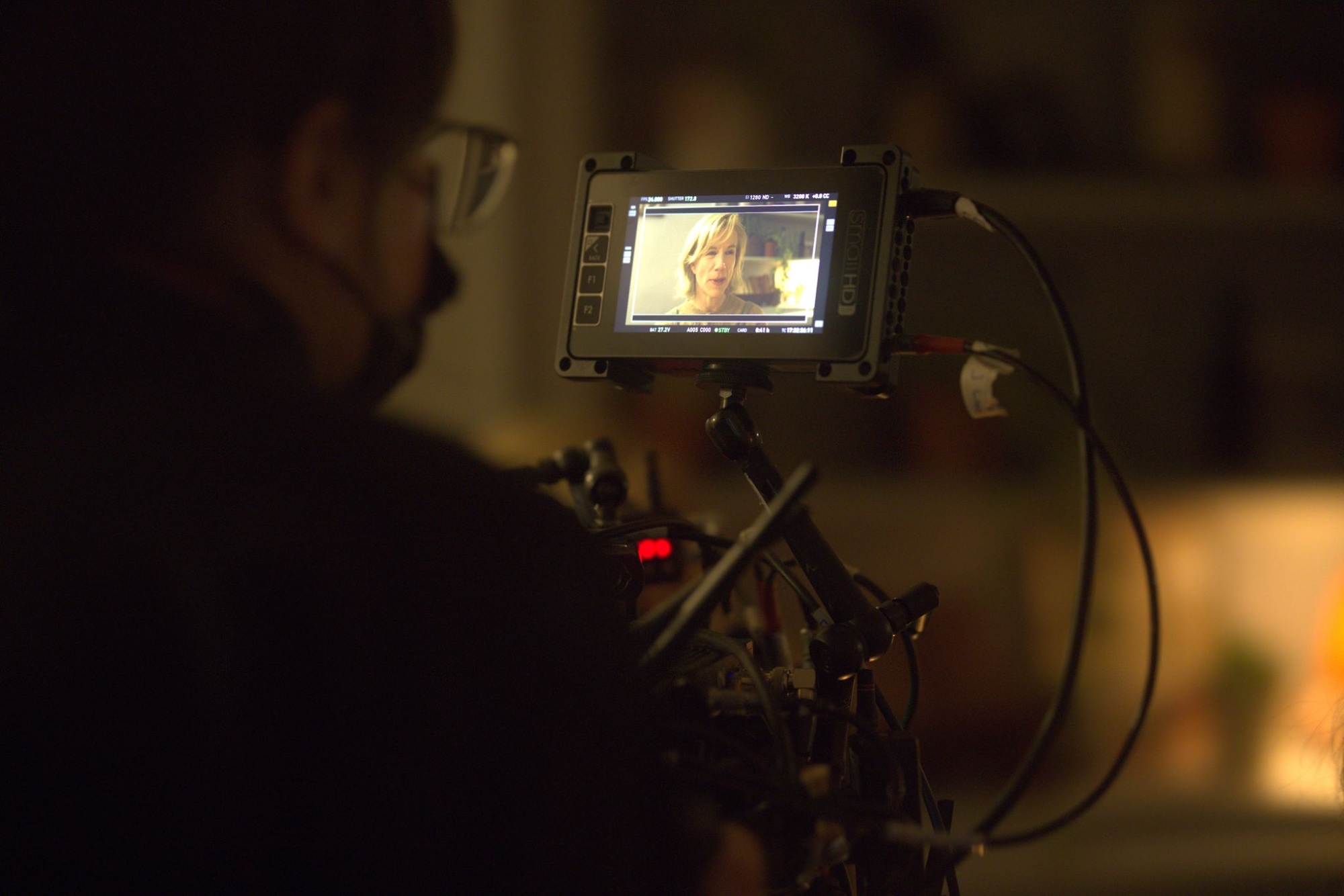
I really focused on giving space to each moment. At times this was uncomfortable for me, as I have an internal pace which can be quite fast, but I knew that with this film I needed to sit back, be still and not overload the actors or the crew with too much. I was fortunate to have an amazing team around me, and I think there was an atmosphere on set (perhaps cultivated by having a 90% female crew) which gave everything a calm and quiet. I even remember someone saying how much quieter the set was than most!
Most of the work came from having the right conversations before we shot, with the creative team and the actors. On set I was able to be very light touch and I think this helped to sustain a sense of tension, concentration and most importantly space for the actors to really listen to each other.
Cat, can you speak to cultivating a safety on set not just for the performances, but as the governing atmosphere of production?
Cat White: For me, cultivating safety on set starts long before cameras roll. It begins with that very first conversation with the director and writer: getting an innate sense of how they work (which for the three of us with Ceres was immediately aligned), how they hold a room, and therefore how we might find a rhythm together. From there, it’s about building the team and bringing our story to life without compromising on those values.
With Kusini Productions (my production company), it has always been non-negotiable that we champion diverse voices. Our sets are always female-led, diverse in every sense of the word, and built with a real consideration of mental health and well-being. We always have a well-being coordinator, so cast and crew know from day one that support exists and that their emotional experience genuinely matters as much as the work.
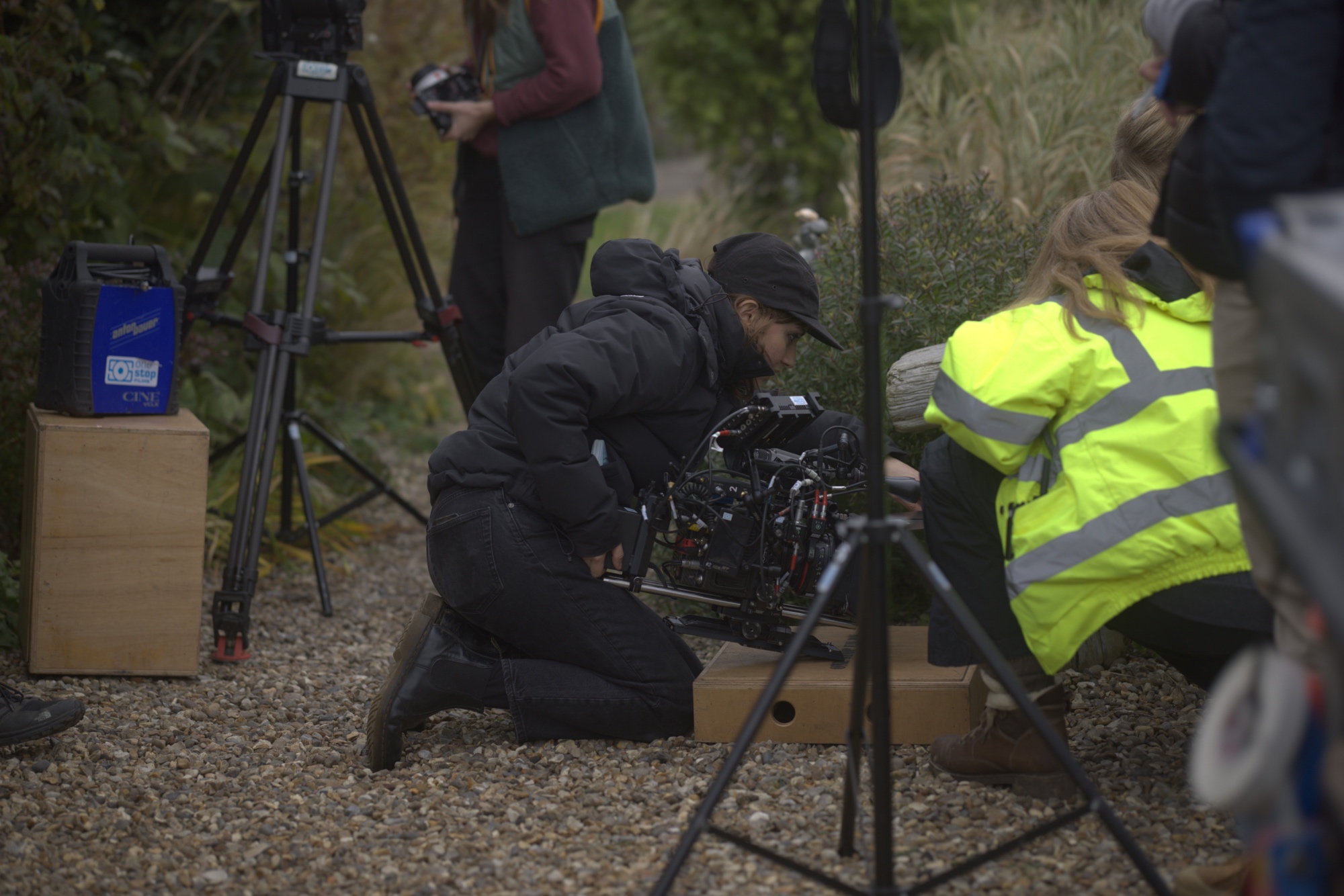
On Ceres, we worked with a 90% female-identifying crew. That was intentional. It was about consciously creating an environment where we could explore this subtle, nuanced story with care. Inevitably, listening was an essential part of the process, not just for the actors but for everyone who was part of bringing it to life. I’m quite hands on as a producer, on shorts you’ll find me doing anything from making cups of tea, helping load the van, checking in on everyone and making sure that everyone has what they need (I think I even sourced an owl for Ceres!) from prep to wrap. This is about well-being just as much as logistics. A safe set (and a brilliant set) for me is about a collective attention to the emotional and creative well-being of everyone involved. Then work can be bolder, safer and more honest. I also feel like it would have been almost dishonest to be telling this story about the healing found within female-only spaces without creating that kind of environment. That meant working with a crew I trusted implicitly, people who understood the sensitivity of the material and could hold it with care.
Listening was an essential part of the process, not just for the actors but for everyone who was part of bringing it to life.
Around the time of making Ceres I also spent much of my time working with the United Nations on issues around sexual violence in conflict zones. That work constantly asks the same question: how do we actually ensure that we are reaching and protecting those who need us most? I think it is that way of thinking which inevitably feeds into how I approach production. I want every single person to feel held.
Most Popular
So much of Ceres also lives in near-touches and the charged space between bodies. Amelia, how did you choreograph that physical tension?
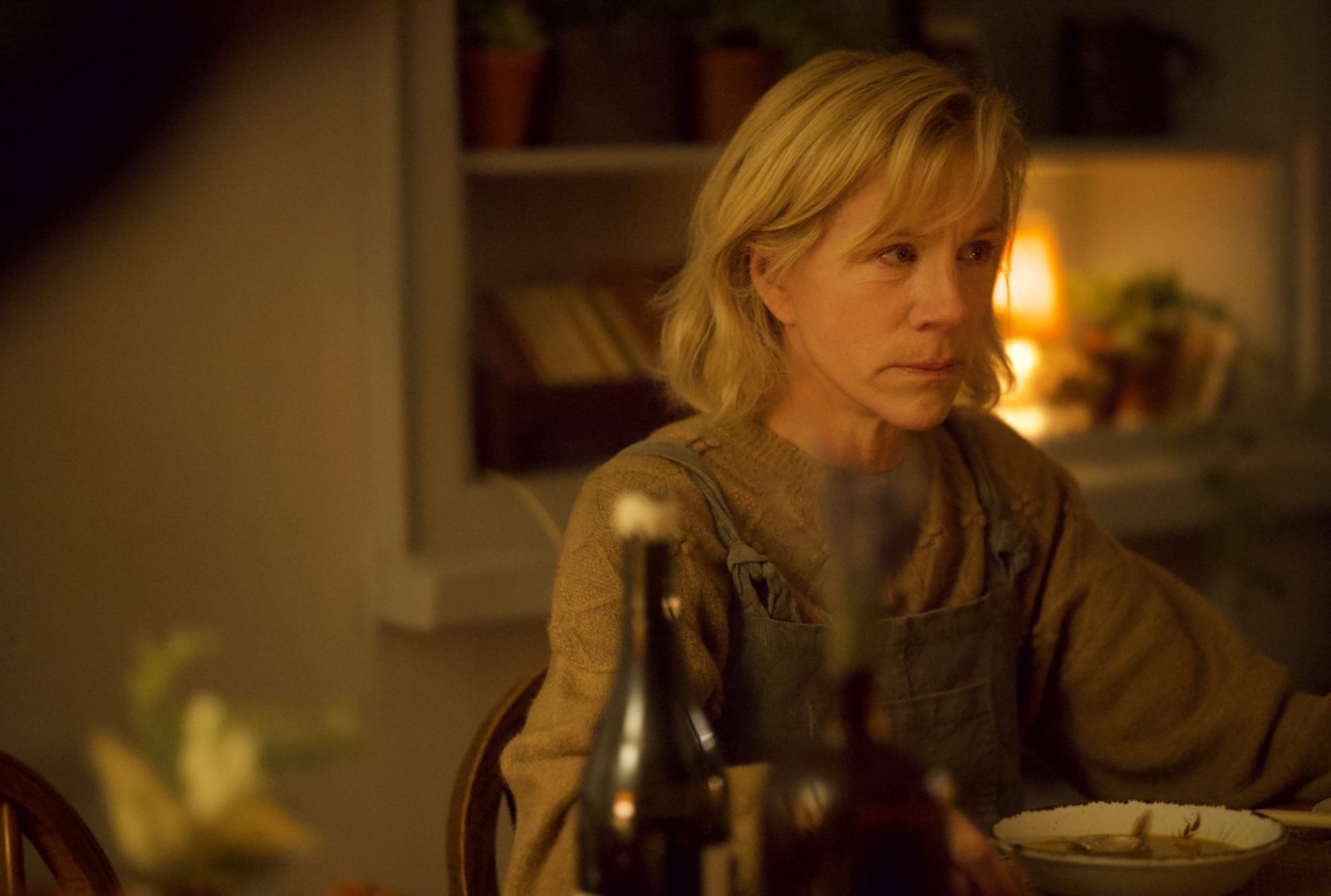
I knew that there was an important story to be told throughout the film about Proserpina’s hands and I was careful to make time for this and pursue it, especially at the dinner scene. The details of how she has washed and scrubbed her hands were important to show in contrast to the ease and tactility with which Ceres manages the food prep and the planting of bulbs in the ground. She isn’t afraid to get her hands dirty because she’s so connected to the earth itself, unlike Proserpina, who can barely touch the ground. The way Proserpina handles her food was also important to show, as it helps to clarify the level of mental pain she is in. I was very determined that we would have time for a take of the table with just hands, as I knew how important this would be in the final edit. All of this was important to help lead up to one of the most moving moments in the film for me, which is when they finally hold hands. Gets me every time.

The camera feels observational rather than intrusive–it watches these women without pushing in on them. How did you and DOP Lorena Pagès arrive at that approach, and what did it demand in terms of camera and lens choices, distance, and movement?
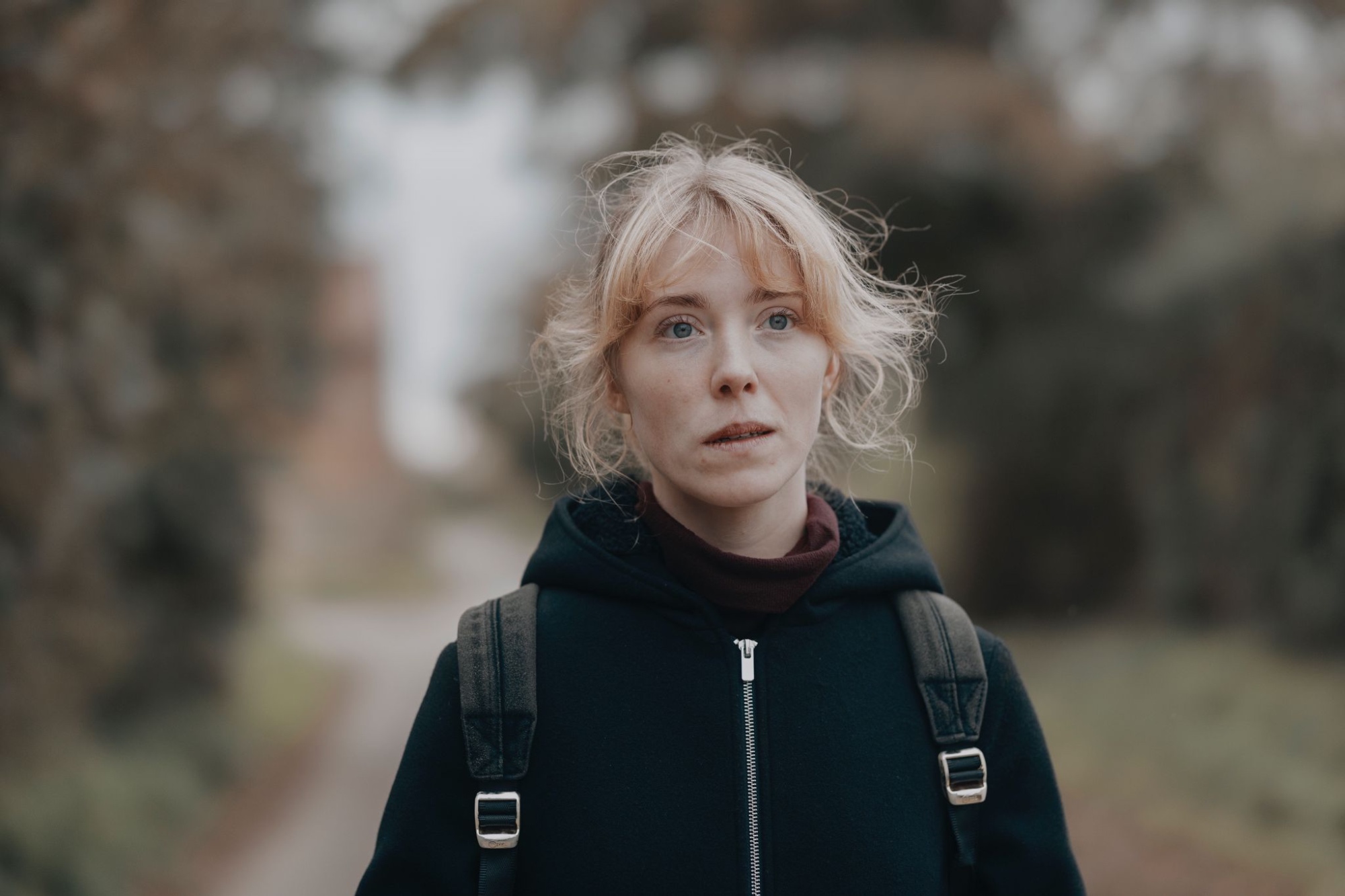
Lorena and I shared film references and images that we both felt spoke to the film’s tone. I looked at a lot of portrait paintings in relation to the light on faces I wanted to try to capture. We also shared a lot of Renaissance paintings of food and vegetation to try and get an idea of the world of Ceres’ house and how it should be full of the outside world and have a richness and depth to its colours. The camera’s stillness was important to sustain because it mirrors the stillness of Proserpina and helps to give that sense of tension. There’s also something oddly voyeuristic about it at times, which felt useful in terms of how dissociated Proserpina is from herself, as if she’s trapped and can’t escape.
Ceres moves at its own gorgeous rhythm–unhurried, attentive. How did you protect that slowness, both during the shoot and in the edit?
I think one of the main lessons I’d learnt from making my first short film Three was to give more time at the end of each take so that there would be more space in the edit and also to give room for actors to finish a thought or maybe even discover a new one. I think that the combination of this and the minimal approach Lorena and I were keen to take in terms of shots meant that we could give each take more time, having already considered how to get as much action as possible into each shot. In the edit, I was lucky enough to work with Catriona Delbridge, who completely understood the pace and feel of the film from the very first edit. She was a fantastic collaborator and was so responsive to the delicacy of the notes I fed in, whilst also being able to make great offers.
The camera’s stillness was important to sustain because it mirrors the stillness of Proserpina and helps to give that sense of tension.
You refuse catharsis and don’t offer rescue or resolution. How did you hold that line–both in your direction of the performances and in your own instincts about what to leave audiences with?
When I’m directing someone else’s writing, my primary focus is on serving that script. Hannah’s instinct for nuance and atmosphere in the dialogue is impeccable. When we worked on the script before shooting, I remember suggesting that what would be important was never seeing the boyfriend’s face. That we shouldn’t give screen time to that person, as this story was so clearly about the moments away from the drama of an abusive relationship, which we so often see depicted on film. What I loved about Hannah’s script from the beginning was that it almost felt like a behind-the-scenes moment between two characters you don’t normally get to see.
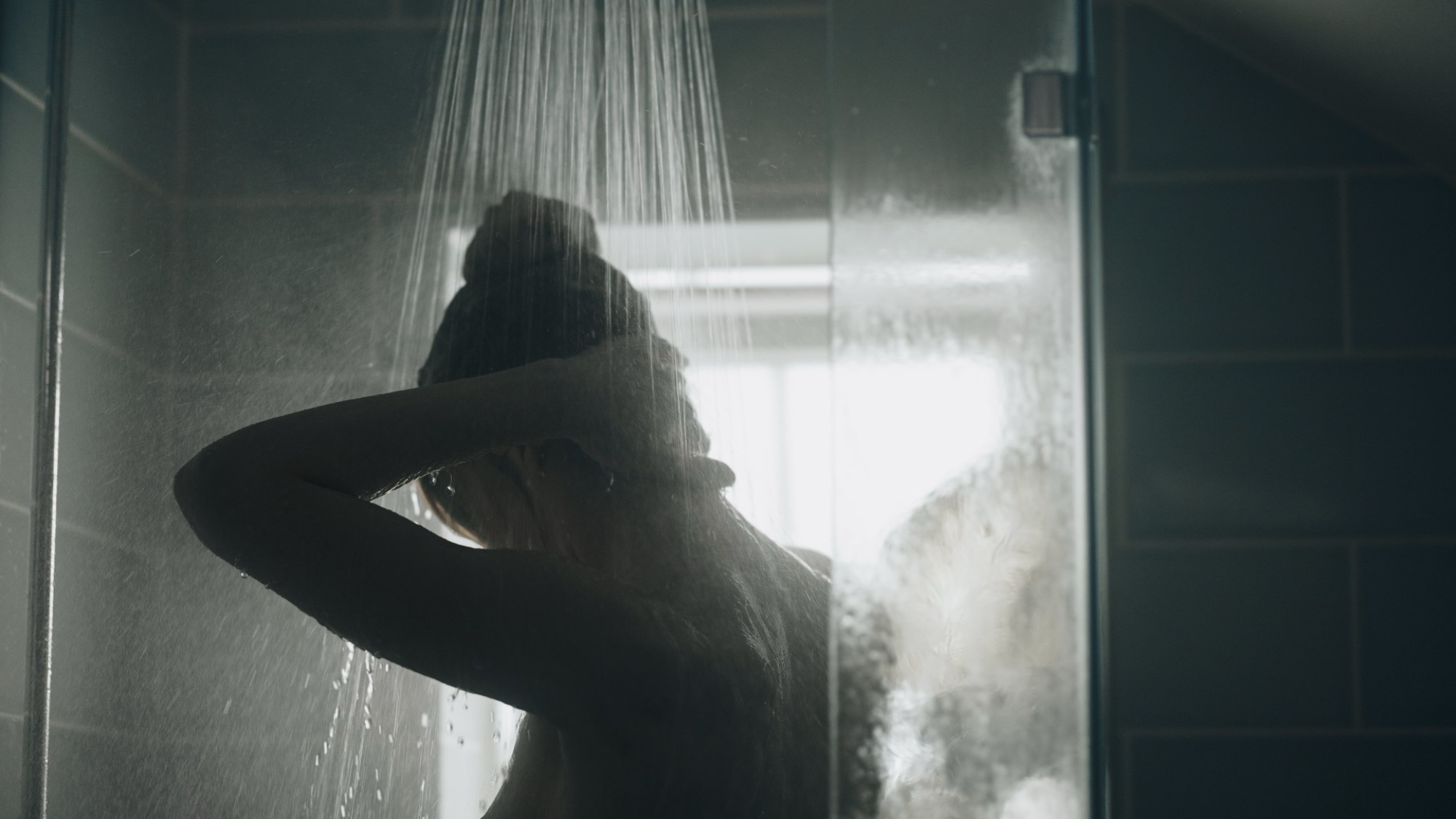
It was also important to honour the truth about coercive controlling relationships; most people don’t leave them, and if they do, it’s very hard to prove that any abuse has taken place. We debated for a long time whether Proserpina’s body should show more explicitly the signs of abuse to help the audience understand more clearly what she has fled. There is one suggestion of bruising when she gets out of the shower but it is slight and that felt appropriate in terms of reflecting the ambiguity of the way people perceive this kind of abuse. It’s hard to define, it can be explained away, but the reality for someone living with it is relentless, terrifying and soul-destroying.
This story was so clearly about the moments away from the drama of an abusive relationship, which we so often see depicted on film.
I think for many audiences – and I suspect particularly American ones – the ambiguity is frustrating, and I think for many people the penny only drops when the credits list “In support of Women’s Aid”. There is also the added layer that if someone already knows the myth of Ceres and Proserpina, their appreciation of the film will be deepened significantly. As a result, we debated whether or not to have a quote from the myth before the film started, but it felt a little heavy-handed to do so. We decided to trust the audience and have faith that the name will spark an intrigue in people when they watch it, inspiring them to follow up by finding out about the myth themselves.
Both Three and Ceres centre on women navigating profound internal shifts–the identity crisis of new motherhood, the psychological damage of coercive control. What draws you to these interior female experiences?
I think I’m drawn to these kinds of experiences because they are rarely depicted. The canon of female experience has only recently been cracked wide open and I think there is still a lot of work to be made which unpicks the stereotypes surrounding female characters and centuries of the male gaze. There is something innately riveting to me about the quiet narratives of people’s emotional worlds. I am drawn to it in all works of art I think, from novels and paintings to theatre and film. I think the narratives which really investigate the interior lives of all people, not just women, are the most valuable when it comes to making real change in the world because they teach us about the fragility of being human.
Three has now amassed over 740,000 views on the Directors Notes YouTube channel and was nominated for a WeAreDN Award last year. For work this quiet and intimate, that reach feels significant. What has it meant to have a platform that champions craft-focused storytelling give your films that kind of visibility?
To have a platform that really dedicates space and time to the craft of filmmaking and storytelling is so enormously valuable right now. Especially when the film industry seems to be constricting and money becomes harder and harder to find. It is like a beacon of hope to be a part of a platform with a community that values intimate and nuanced work.
We need nuance and debate, not polarisation and cancellation. The only way to do that is to tell stories which force deeper thinking, offer up the ambiguity of what it is to be human.
The fact that there is an appetite for it is proof to the world that we don’t all want to watch Marvel remakes, not that there is anything wrong with watching them, but if there were more daring and courageous financiers to put their money into more challenging writing, I think it would benefit the whole world right now. We need nuance and debate, not polarisation and cancellation. The only way to do that is to tell stories which force deeper thinking, offer up the ambiguity of what it is to be human, and don’t divide things into Good and Evil, as if such a thing were easy to decipher in the real world.

What are some of your favourite shorts you’d recommend the Directors Notes community should rush to watch?
Wasp by Andrea Arnold, The energy, the edge, the acting, the peril, the shape of it. The Curse by Fyzal Boulifa feels like an ancient allegory whilst still being painfully real and atmospheric. The spareness of the story, the landscape and the dialogue somehow all add up to something incredibly powerful. Wild Animal by Beth Park for capturing the violent physicality of motherhood in such a clever way and for its twist, which is satisfying and devastating in equal measure.
You’re now developing Ceres as a feature. What does expanding this story allow you to explore that the short couldn’t hold, and what else are you working on?
The Ceres feature gives space for us to explore the quest element of the myth, which the short has been based on. In the original Greek myth, Proserpina is abducted by Hades, the god of the underworld and Ceres has to go on a quest to find her. There is an innate oddness to many of the episodes in the quest, which I am so excited to see on screen. Ceres’ own position as Mother Nature is also a fascinating and challenging element to bring into the feature, which we have drawn together as a psychological thriller. There is a cinematic quality to Ceres’ quest which excites me, especially when contrasted with the intimate and domestic simplicity of the moment that she and her daughter finally come face to face.