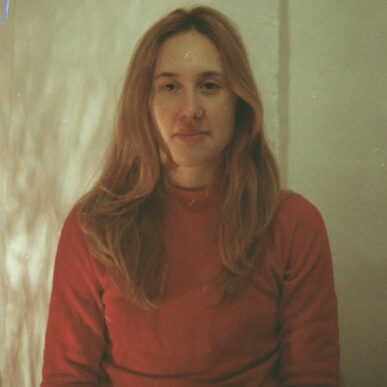

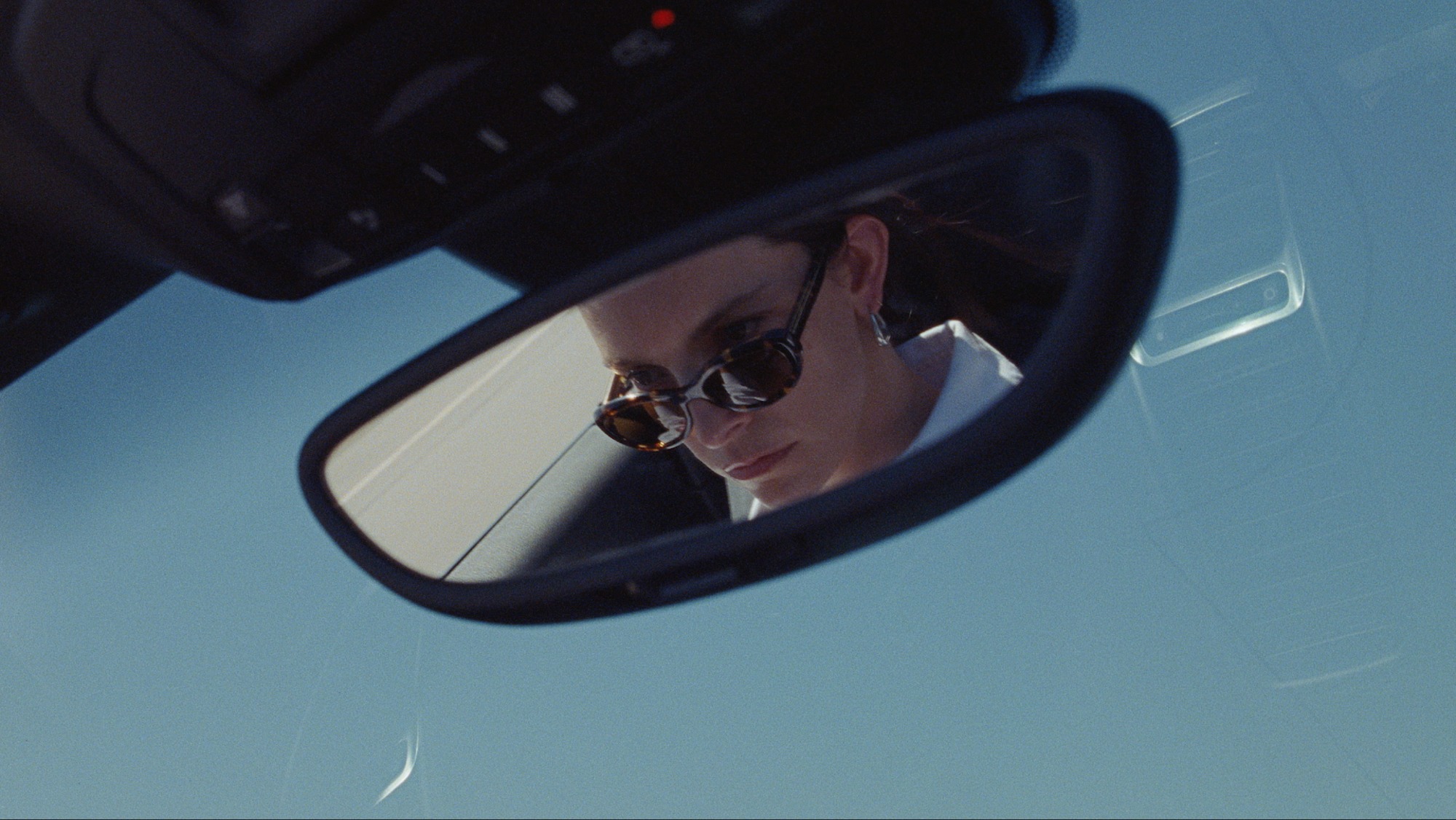
In Someday It Is, Carissa Gallo explores the quiet struggle that arises when external perfection collides with inner turmoil. The film delves into deeply personal spaces within its protagonist, Evelyn’s inner world, where unspoken desires, the search for self-connection, and the pressures of being a woman converge. Gallo captures the expression of this internal chaos, offering a poignant reflection on the emotional toll of maintaining the lives we’ve built as women. Set in a striking visual universe that evokes the dry, summer sunlight of Southern California, Someday It Is immerses viewers in a visceral moment of shutting off and returning. The film tells the story of cycles, where growth comes without clear answers or resolutions, leaving room for ambiguity, projection, and deep inner exploration. For the premiere of Someday It Is, Gallo talks to DN about the inspirations behind her film, her distinctive visual direction, and the themes of estrangement and change, reflecting on Evelyn testing the life she’s built by standing on the edge of an abyss and, in so doing, forcing herself to decide whether to jump or step back.
Someday It Is seems to open with a moment of juxtaposition between outward perfection and inner struggle. Can you talk about the ignition point for the film and how this theme of external perfection and inner turmoil shaped the narrative?
Over the course of a few months, I found myself in conversations with different women saying similar things about the feeling of who they were inside being deeply buried by projection, or what was required of them. These were women who appeared perfectly put together from the outside, there were no signs of internal chaos. This is a feeling I’m keenly familiar with, so this story emerged as a way to make sense of these feelings. I was thinking about the way we work very hard to create the life we want, but there is always the matter of change and self-realization and maybe, at some point, you wonder if you want all the things you used to want, even after you have them.
The story took shape around a woman who, by most external measures, has built a good life: she has stability, a job, a home, a family. And yet she finds herself standing inside that life with a growing sense of estrangement, quietly testing its edges. It’s less about destruction than confrontation—about what happens when you acknowledge that fulfillment doesn’t always arrive the way you imagined it would. She is, in a sense, pouring gasoline over everything she’s built, not because she wants to watch it burn, but because she needs to know whether she’s brave enough to strike the match, or if choosing not to is its own kind of decision.
I wanted to capture a particular malaise that felt familiar to me. As women, we are less suppressed in society, but in a way, the more power we hold, the higher the stakes are.
The film unfolds around an anti-heroine. As an unintentional homage to characters like Maria (Play It as It Lays by Joan Didion), Mabel (A Woman Under the Influence by John Cassavetes), and Erika (The Piano Teacher by Elfriede Jelinek for the book, and Michael Haneke for the film), you explore the creation of a female protagonist who challenges conventional expectations. How did you approach the challenge of crafting, both narratively and visually, such a complex anti-heroine?
The arc of the woman in Someday It Is probably feels quite tame compared to these masterfully written women. But I wanted to capture a particular malaise that felt familiar to me. As women, we are less suppressed in society, but in a way, the more power we hold, the higher the stakes are. The threshold to fail feels frail. So I wanted to explore ways in which we might repress ourselves, in order not to risk losing the things we value.
I wanted to portray my observation of how this plays out today. For example, a lot of women are the primary providers in their families and still hold onto a societal expectation to be on every school committee and still look 25 and make it all look effortless. So I thought about the morning that woman wakes up, and doesn’t want to do any of it. The challenge was not sensationalizing this feeling, but telling a story of how this integrates into everyday life.
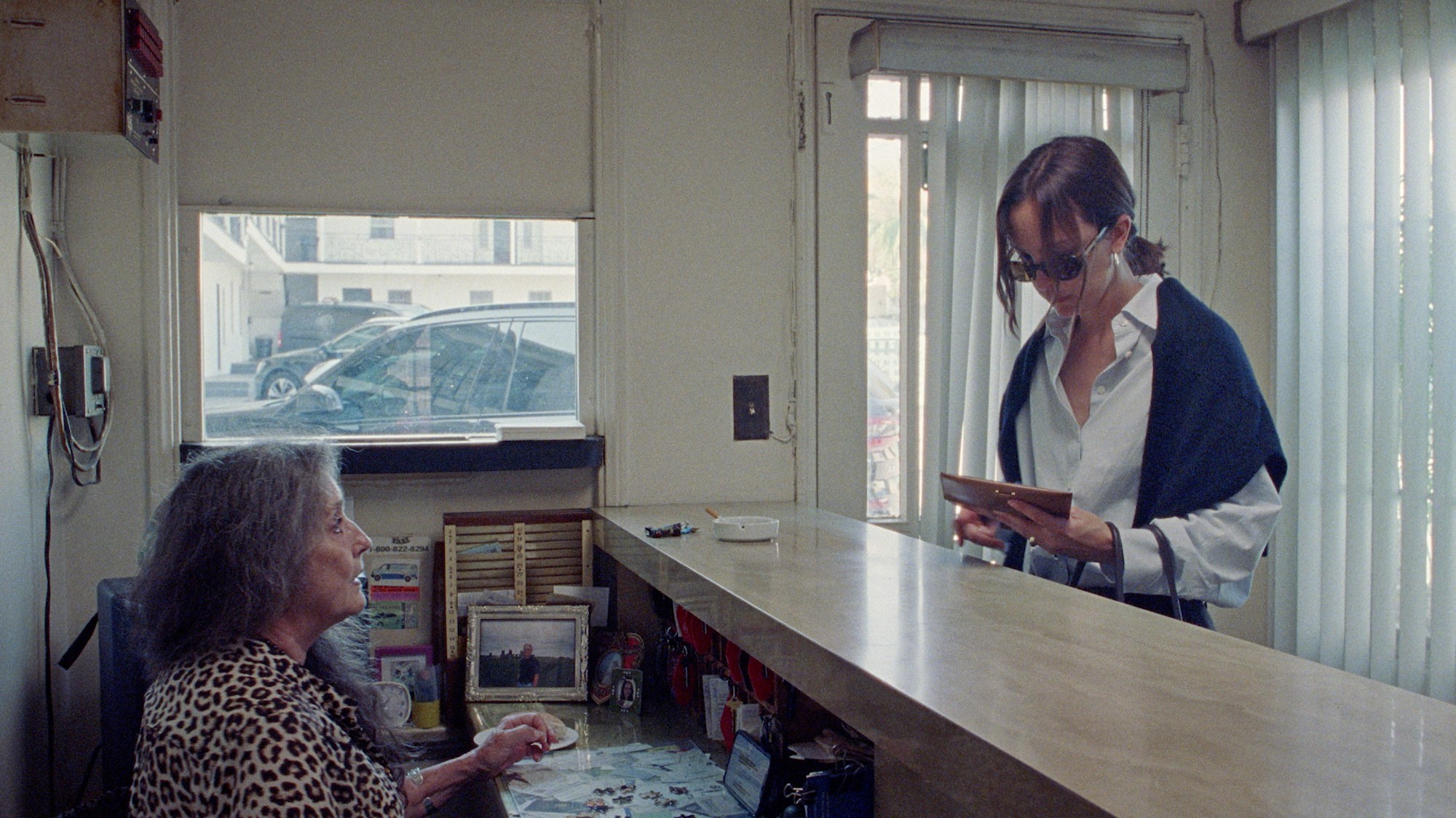
In her escape, Evelyn encounters other women—characters who, though different from her, seem to serve as foils to her own emotional battles and yearnings. How did you envision these encounters within the narrative, and how did you approach the characterisation of these female characters?
My attempt was to portray her inner thoughts based on how she interacted with the three women she encounters. In each, she can see an aspect of herself—what she could be or could’ve been. The way she responds to each is a pathway into her interior life. When she encounters the older woman in the lobby, I wanted to show that the tension is still thick inside her, so she isn’t really able to do small talk or even make a decision. She sees this woman through a lens of things she fears—old age, slowing down, boredom, loneliness. She avoids thinking about these things, and in so doing, she avoids even truly looking at this woman.
Most Popular
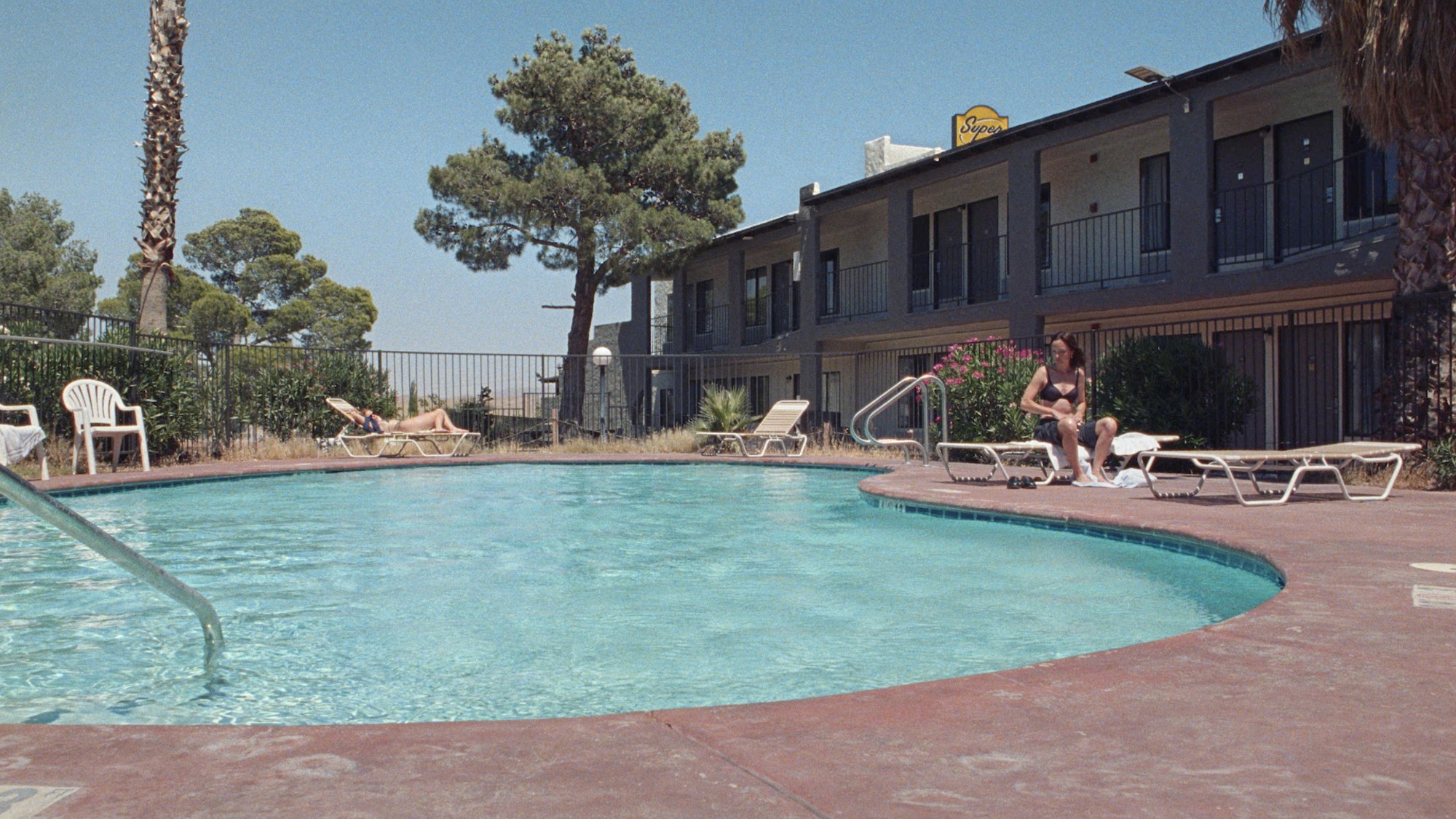
She encounters the younger girl after she plunges into the pool. This is the first moment of levity. The younger woman represents freedom, youth, autonomy—things she worries she’s lost. But she is more present now, more relaxed, and seeing all of that, finds it beautiful and alluring. Finally, she observes the mother and child. They represent an alternative of her own experience—someone she judges as less affluent, but the contentment and closeness are appealing to her. In a way, she is jealous of it. And any mother knows the feeling of hearing a familiar “MOM” when you are not with your kid- and she hears this in a moment when she was actually feeling good, so it comes with some guilt, bringing her back down.

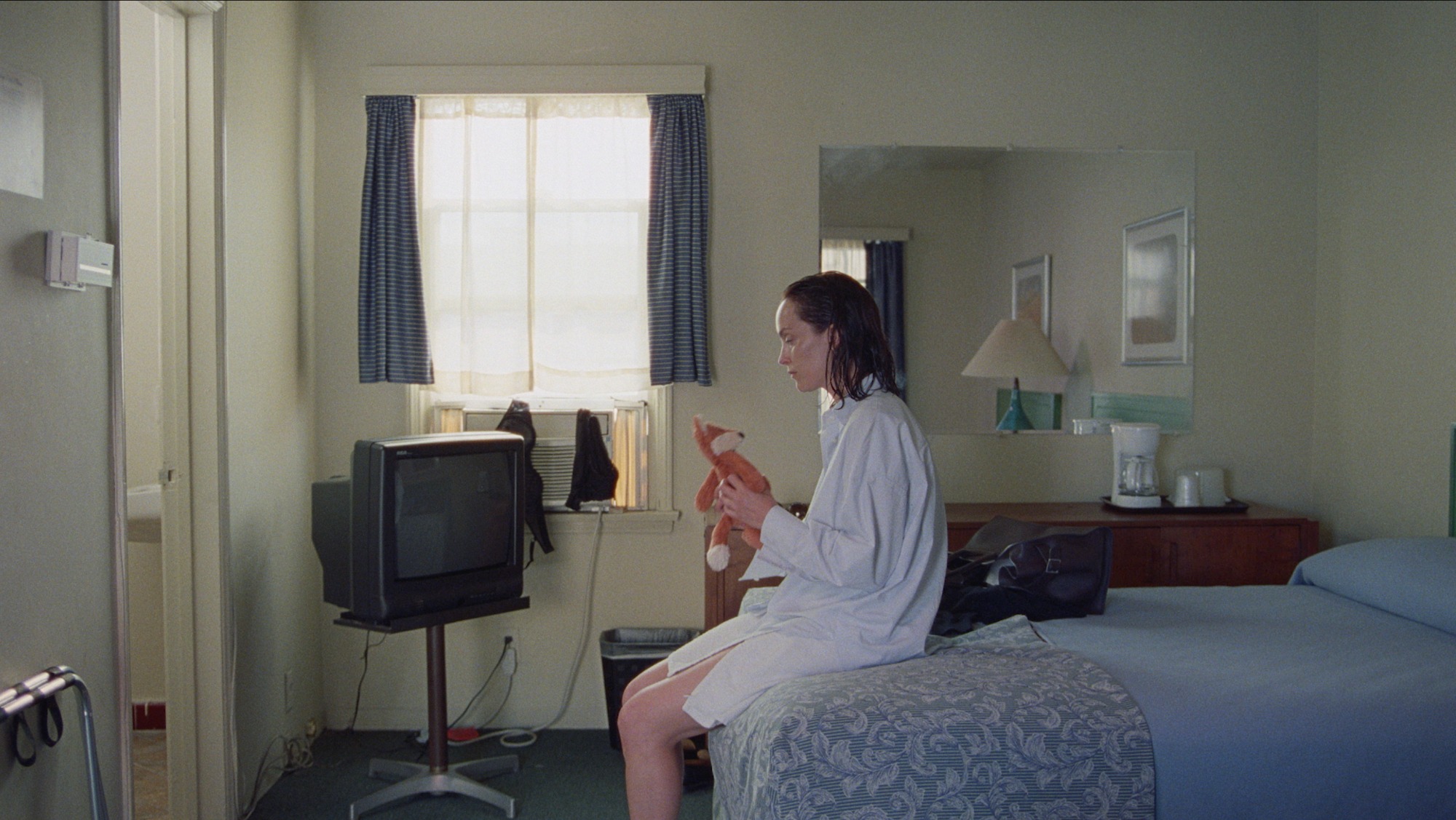
Evelyn’s role as a mother is subtly introduced through the presence of a plush fox in her hands, an object typically used by children to manage their emotions. Here, it’s the mother who turns to it. Can you tell us more about how the idea for this scene came about and how you wanted to portray her as a mother figure in Someday It Is?
I wanted the fox to be a relentless reminder of her life. At any given moment there will be a remnant of my children on my person—it really depends on the moment (and a little bit the object) whether I find it endearing or annoying. I had a friend of mine, who is a brilliant writer and fellow avid reader, read my screenplay and she said the woman reminded her, in ways, of one of Elena Ferrante’s women—and so the fox reminded her of how Ferrante uses dolls. So this triggered the idea of not just using the fox for comfort, but accidentally destroying it. The fox holds scent, memory and, of course, it’s something her child holds dear, so her intention should be to bring it safely back to him…When she first finds it in her bag, she’s unfazed, it’s a common situation. But later, when she reaches for it in the hotel room, she’s wanting its comfort, so mindlessly destroying it is a symptom of her mental state. It triggers her breakdown because, in a way, it symbolizes something of her life back home, so she encounters what she fears.
My attempt was to portray her inner thoughts based on how she interacted with the three women she encounters.
You wrote the film with actress Jodi Balfour in mind. How did this influence your collaboration with her in shaping the character? Given the deeply personal connection to your own story, how did you direct her performance to bring your vision of the character to life?
At the time, Jodi and I shared a friend group but had never met. But I felt instinctually that she would understand this character in her own way—that she would get the subtlety and could portray something boiling beneath the surface. We talked a lot about subtlety—I wanted to feel what she was going through in her attempts to breathe, in the way she looks at someone—no melodrama necessary. I remember talking about this feeling I’m familiar with, which is when you are operating from a place very deep within yourself, so you are primarily observing and your reactions feel slightly delayed—like you almost forget the other person can also see you. Because there is very little dialogue, the screenplay had a lot of those cues for what’s going on inside her head. But we talked through each scene and mapped the emotional arc. For the scene in the hotel room with the fox, we kept the room small. I wanted to give her as much privacy as possible, as that is a very private moment for the character. Of course, she made me, and maybe others, cry with her…I really love working with actors! Jodi made it easy.
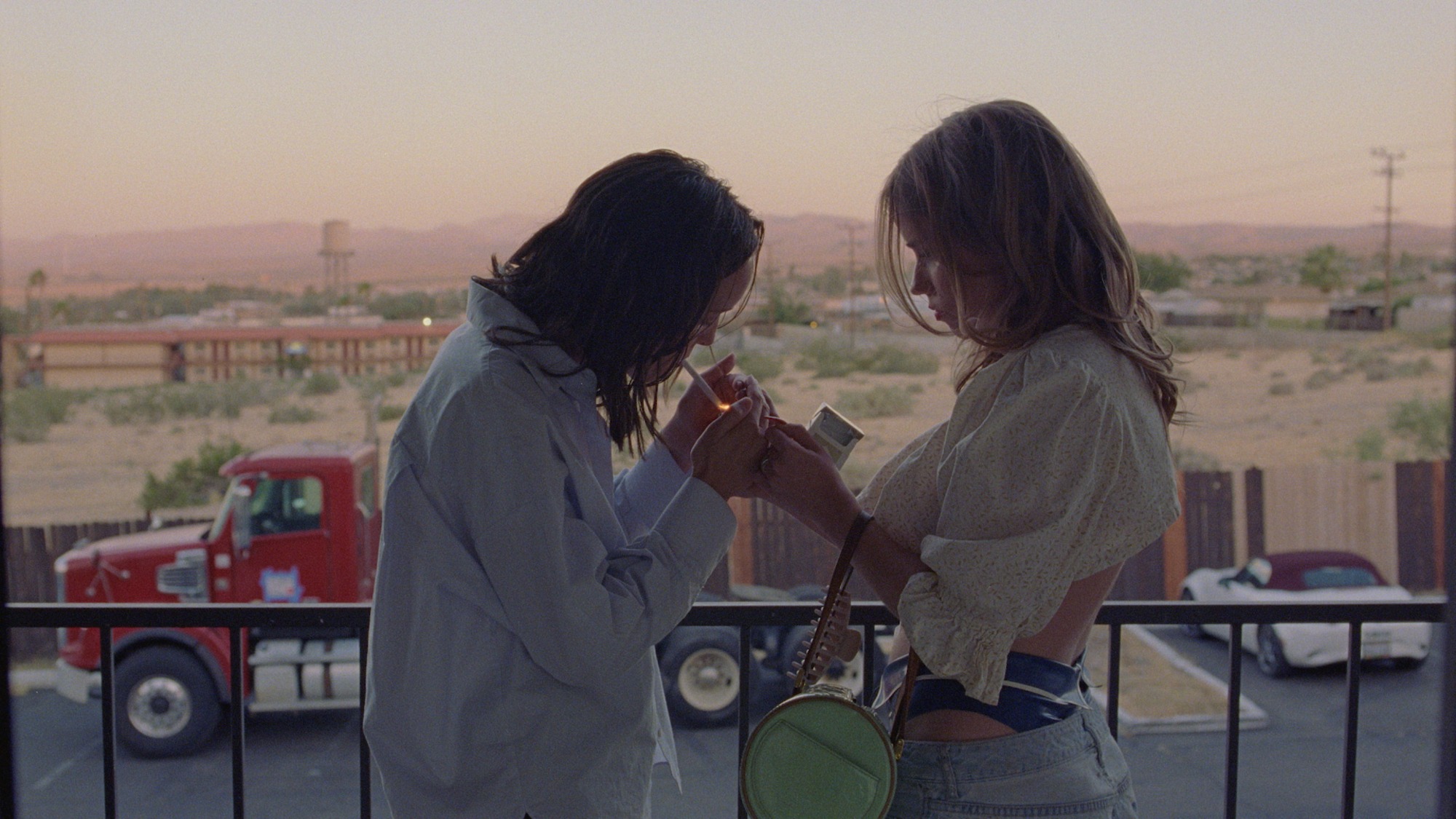
The aesthetic quality of Someday It Is—from the colour palette to the locations, sets, and costumes—creates a cohesive visual universe. How did you approach these key elements in shaping the film’s look? What were the guiding concepts that you kept in mind when developing the visual style and tone?
I pictured it in my head really clearly—I wanted to capture the specific light and color of a hot summer day in Southern California. For it to feel dry and washed out. I knew I wanted the film to be very quiet, in the sense of not a lot of dialogue or score, so that every natural sound was almost annoying. Very visceral. So we had to also communicate that visually…At the time, I was feeling some fatigue of overly stylized films and really wanted to strip this back and not overcomplicate anything…Maybe that’s sometimes harder on department heads, but I really liked how everyone approached their role and the collaborative effort we made to root it in reality.
For locations, I really wanted the drive and the motel to actually be within a few hours of LA, because those regions are so specific. My producer, Wyatt Whitaker, suggested the town we shot the hotel in, and Marz Miller, the DP, suggested the area for the road shots. We scouted lots of roadside motels because it really needed that feeling of being a departure from her life, but still hold something quaint that draws her to it. I loved that pool immediately. It felt like the Chateau Marmont pool, Motel 8 edition.
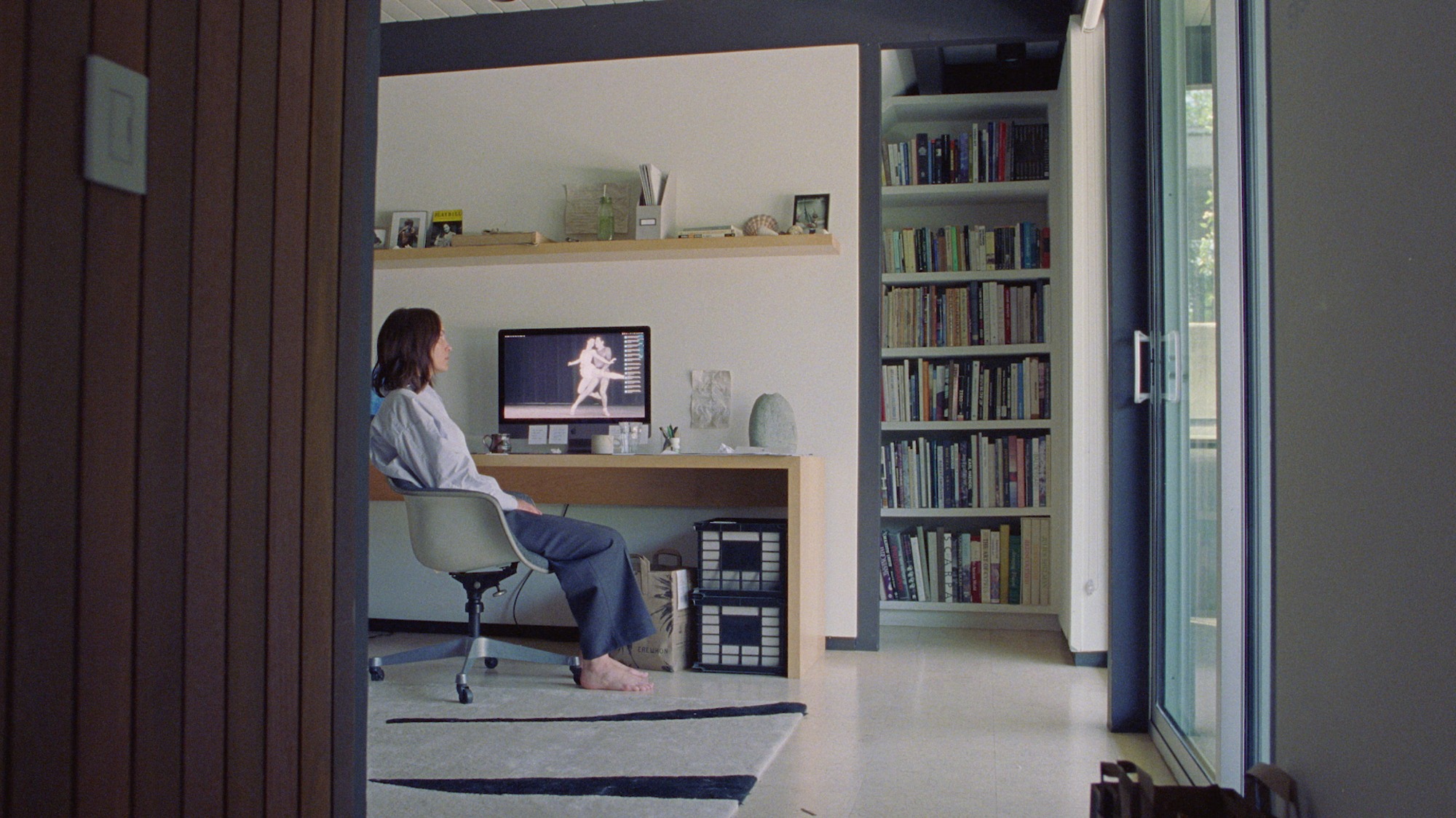
Katie Workinger was the costume designer, and I told her off the bat that I had cast people very specifically, so I really wanted to utilize personal wardrobe. We had fittings with each person, often at their house, and put together their looks using primarily their own wardrobe. Most of the characters we only see once, and in one outfit, so it was important to use wardrobe to help the audience understand them right away. Ava Villafane, the production designer, and I both had the exact same house in mind for when she returns home. We wanted something that immediately revealed her affluence and her good taste. And it needed to really juxtapose against the motel. Ava built the motel room from the bottom up. I find it very charming, but still seedy.
The cinematic reference for Someday It Is is Cassavetes’ A Woman Under the Influence. Was this film a primary starting point for your vision, or did it serve more as an ongoing influence throughout the process? Were there other cinematic works that also inspired you?
A feeling I had watching A Woman Under the Influence during a specific time was definitely the advent of the script. My favorite movies and books hit different at different points of my life—this particular time, I watched it and I felt her despair. Despite our different lifestyles—it was an attempt to explore the sympathy I felt within our inner lives. Visually, I thought a lot about how I picture Play It As It Lays when I read it. And also the movies Thelma and Louise and Y Tu Mama Tambien—because they both have roadtrip/motel imagery that stick in my brain.
I pictured it in my head really clearly—I wanted to capture the specific light and color of a hot summer day in Southern California. For it to feel dry and washed out.
You’ve mentioned that location is always a character for you. I was particularly struck by the opening scene, where the American-style landscape presents itself so prominently, evoking a range of cinematic references. What drew you to this distinctive American landscape, and how does it engage with the narrative and shape the emotional texture of the film?
Los Angeles is such a sprawl and those of us who live here are forced to spend a lot of time in the car. But, there are so many opportunities in Los Angeles to just take an exit and within an hour you will be somewhere that feels very different. I also like the recklessness of driving. Like, we take for granted when we get in our cars every day how much power we, and the other people driving their cars around us, hold. I know it’s sort of dark to think about. But I wanted to immediately feel placed into her mental state by the way she’s driving—she’s not being careful. Also, she is decontextualized right at the start, because her car, her clothing, everything about her doesn’t quite fit in the surroundings. Although we don’t know, yet, where she came from, we sense that it’s a departure from her life. She is craving something distinctively different. It was a way to portray that she’s tired of herself.
Sometimes in a city, we can really long for quiet—but at the motel, there’s constantly the sound of traffic, and in her motel room, you can hear a TV from the next room… And then when she gets home, it’s actually really quiet. There’s been so much noise in the film until that moment when she turns the car off in front of her house, that the silence is almost haunting.

I had the feeling that the camera in Someday It Is acts almost as an intimate, close-up gaze into Evelyn’s inner world. Can you tell us more about how you approached the cinematography, particularly in collaboration with cinematographer Marz Miller, to reflect the psychological nuances of the story?
Marz and I work together fairly often and I was really lucky that when he read the script he liked it. Because we already talk a lot about movies and references, we share a language there. I remember him bringing up Yi Yi by Edward Yang, Mirror by Tarkovsky, and even The Silence of the Lambs for Jodie Foster’s close ups, and C’était un rendez-vous by Lelouch for the opening sequence with the car.
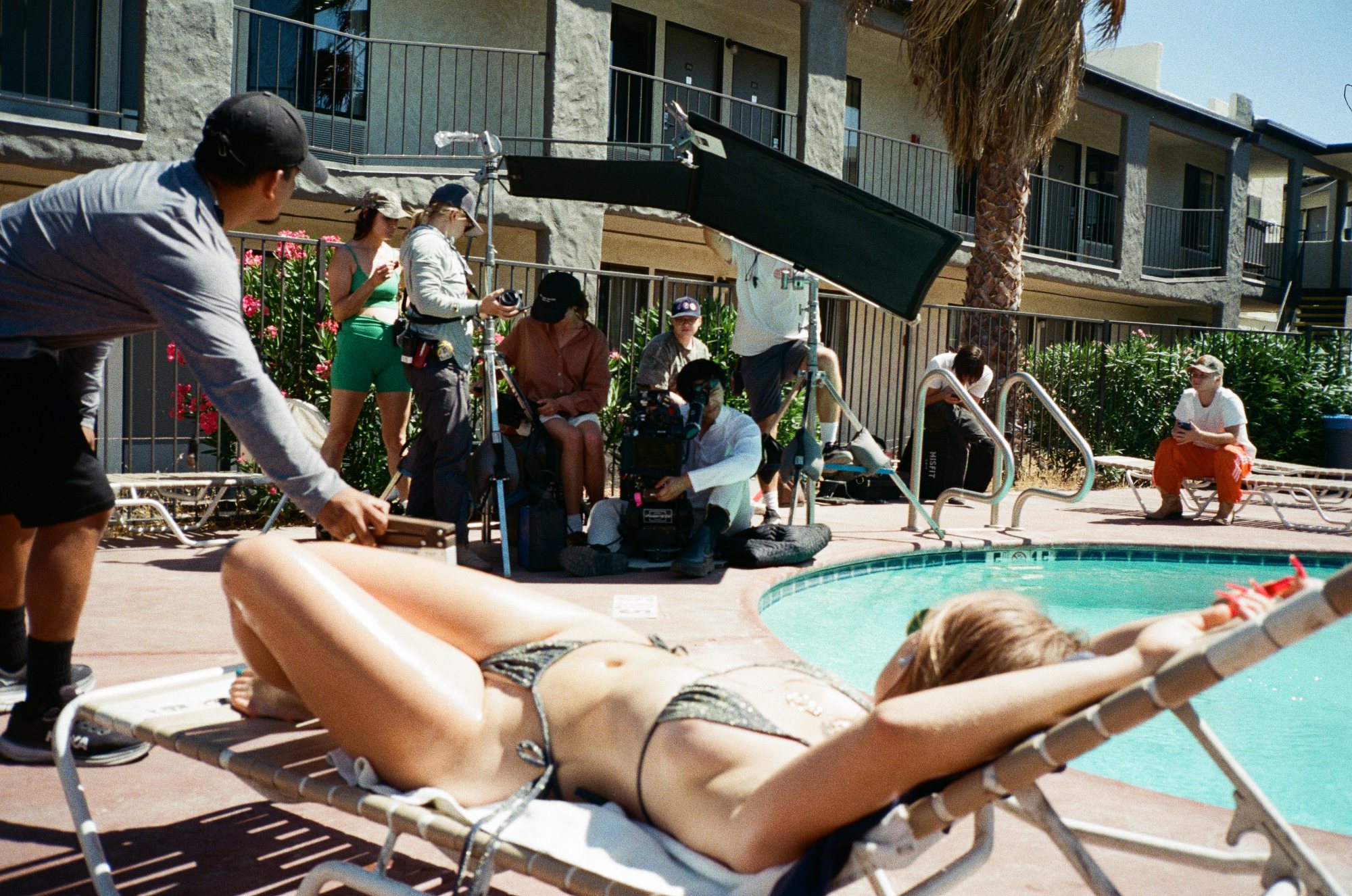
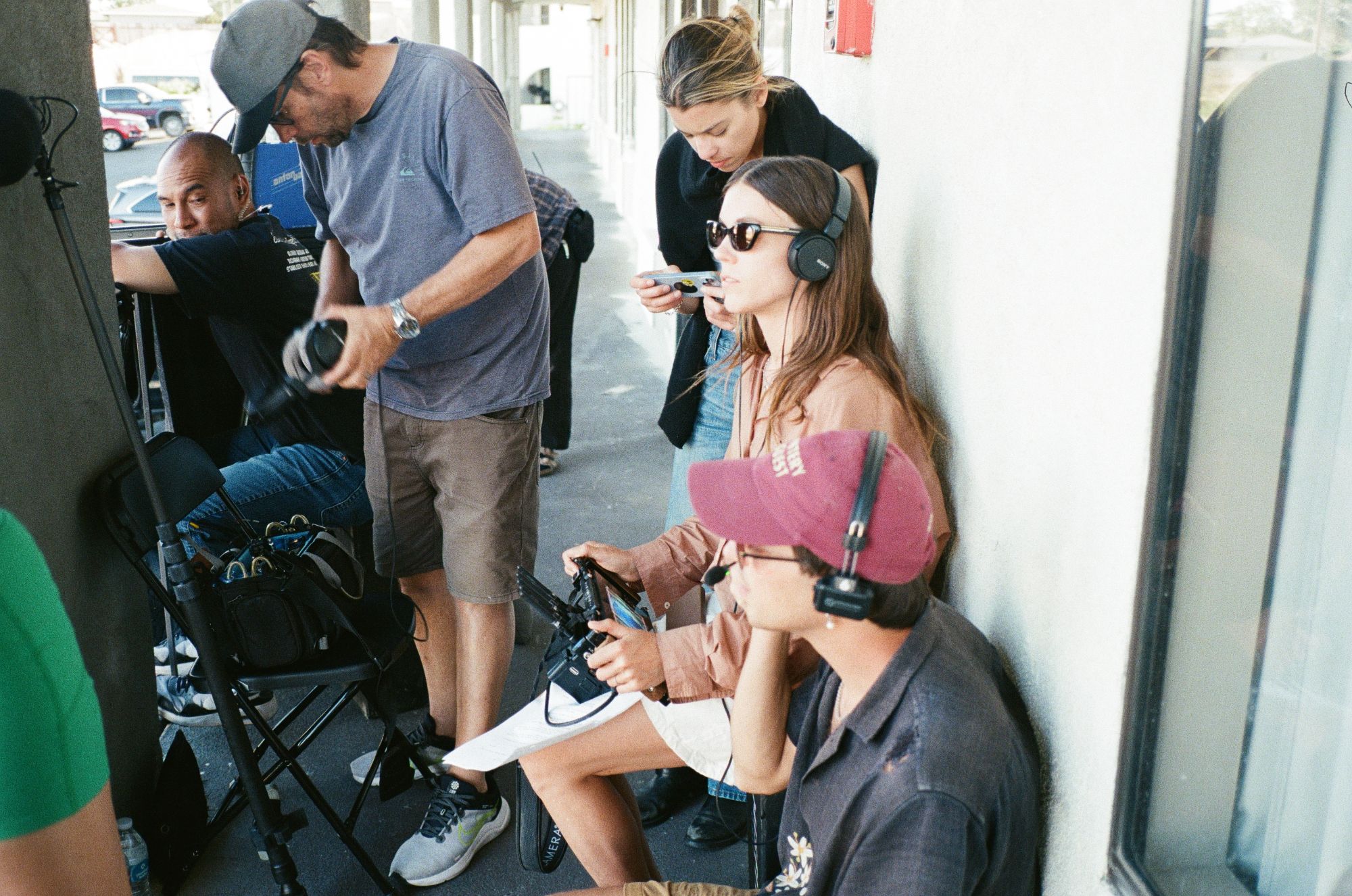
As we shot-listed, we kept simplifying, realizing that there were often only two shots that mattered to tell the story. Marz and I are really intentional when it comes to shots per scene. It was important that the actors had space to move through the scenes naturally—because besides Jodi and Phil Ettinger—the other cast members weren’t professional actors, but people I cast because I knew them in life. So we tried to have as few ‘cuts’ as possible, and really let them be present. Again, it was an act of simplifying that felt right for telling this story.
Someday It Is was shot on 35mm film. What was behind your decision to use this medium, and how do you feel it influenced the film’s overall visual and emotional impact?
I think you can tell a story with whatever camera you have access to, and you don’t need to be precious about it, BUT, I will always choose film if I can. Not only because I prefer the way it looks, but I actually like how precise it makes us as we are shooting. We shot 35mm and pushed all the film two stops to remove dynamic range and bring it more towards the older Vision stocks. Then we worked with Kaitlyn Battistelli for the color, and she really brought it into a beautiful space—exactly how I pictured it. I grew up in Southern California and, to me, this really captures the essence of the light here.



At the start of this interview, you described Someday It Is as the story of a woman pouring gasoline over her life and deciding whether to light the match. The ending scene, in particular, leaves a sense of something unresolved, open. Can you shed more light on the suspended and cyclical nature of this vision, and its symbolic significance in the film’s conclusion?
I wanted her to come home to what looks like a great life—nice house, double Porsches in the driveway, a partner that has it together, and a kid she obviously loves…Because often our circumstances have nothing to do with our emotional state. I view a lot of things as cyclical—including personal evolution! I think about karmic cycles—so it was important to me to feel like she didn’t solve anything in a drastic way, but she grew—she knows herself a little better, she evolved, but is not resolved… I also wanted to portray that she has had some sort of transformation but her life at home has carried on. Her partner picked up the slack, is probably kind of annoyed, her kid missed her but didn’t need her, and her inbox is full of emails and I feel bad for her when she turns her phone back on…So she kind of has to pick up where she left off…So yes, she experienced something and decided to come home, but maybe she’ll do it again. And maybe she’s still deciding if she’ll light the match?
Is there a short film you find yourself returning to, or recommending to others?
Peel by Jane Campion. My family took a lot of roadtrips as I grew up. This film perfectly unravels individual ghosts and familial tension in a way that’s very familiar to me. Fauve by Jérémy Comte. This film is just so beautiful and heartbreaking. It has stuck in my mind since I first watched it. These boys! Saute ma ville by Chantal Akerman. No one does female psyche quite like her. In such a quiet, lonely film she says so much.
With Someday It Is still fresh in our minds, can you share what you’re working on next?
I made another short after Someday It Is that is a proof of concept for a feature I’m developing—it’s called KINK and is about two best friends exploring some hidden corners of sexuality. That will come out later this year. I also have another feature project in the works—which is an adaptation—that I’m really excited about.