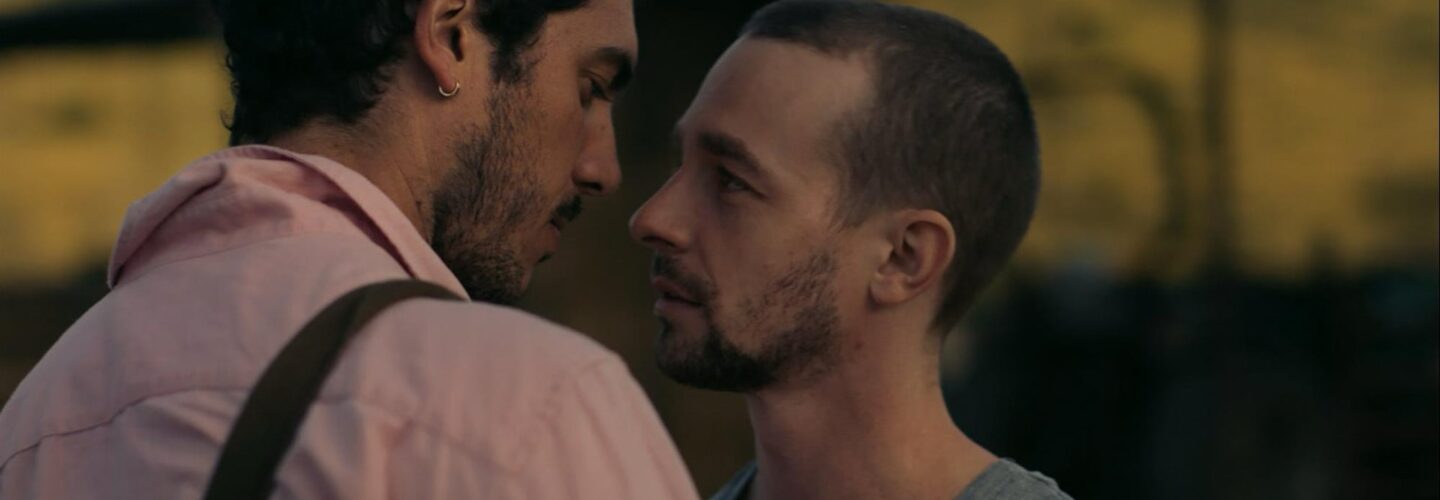
Images of the Old West in cinema often evoke a world steeped in masculine iconography—rugged men labouring under harsh conditions while embodying the ideals of the ‘real man’. In Some Kind of Paradise, British filmmaker Nicholas Finegan challenges these long-standing expectations of masculinity in the American West, while also revealing how deeply those expectations continue to shape the lives of modern-day cowboys, regardless of sexual orientation. In a culture where emotional expression is still viewed as weakness and quiet stoicism remains the norm, ‘real men’ are expected to brood in silence, carrying isolation and disconnection without complaint—or refusing to acknowledge either at all. Finegan’s drama explores how a transactional way of living may suit the myth of the untethered cowboy, yet it can also breed a profound loneliness capable of breaking even the toughest of buckaroos. Making its online premiere on Directors Notes today, writer/director Finegan speaks with us about the origins of the story, the development of Some Kind of Paradise’s visual language, his unapologetic approach to depicting its sex scenes, and the audience response following its screening at Tribeca Film Festival.
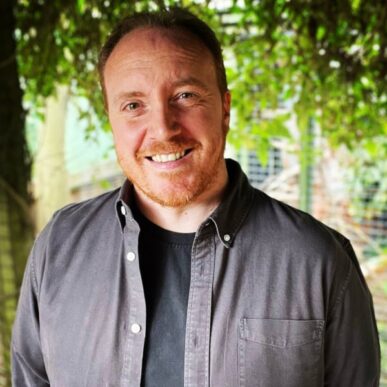
It’s fascinating to learn that this neo-Western romance is from the mind’s eye of a filmmaker who grew up on the rural outer edges of Greater London. Can you tell us about your journey as a filmmaker and the inspiration for this story?
So, I basically came into filmmaking through acting. I worked in London’s theatre and live art scene and gradually began to direct my own performance pieces. These productions often sat somewhere between play, dance piece, choreographic intervention. Sometimes in proper theatres, sometimes in basement clubs and warehouses during techno raves. A cinematographer friend saw how visually driven these pieces were and encouraged me to push that further and begin making my own films. I definitely think that that period of time, when I was both directing, devising and performing in theatre has informed how I work as a filmmaker. I love to create an ensemble feel to the project, workshopping characters through rehearsal with the actors, using improv on set – borrowing something of that resourceful, open-ended mode of making that is at the heart of devised theatre.
Since I was a kid, I think cowboys have lived in my imagination as some kind of archetypal masculine ideal. Not because I loved cowboys myself, but more because I grew up watching my Dad watch them. He loves old American Westerns and that definitely made an impression on me. If my Dad, the most potent symbol of masculinity in my world, was impressed by these Stetson wearing rugged individualists, then they must surely be something to look up to. I think that experiencing those old Westerns through the gaze of my father contributed to this idea that masculinity is something stoic, alone, dominant, impervious, physically strong, emotionally reserved.
I knew that I wanted to explore hook-up culture within the gay male scene, and the performance of masculinity as a sort of erotic dialect.
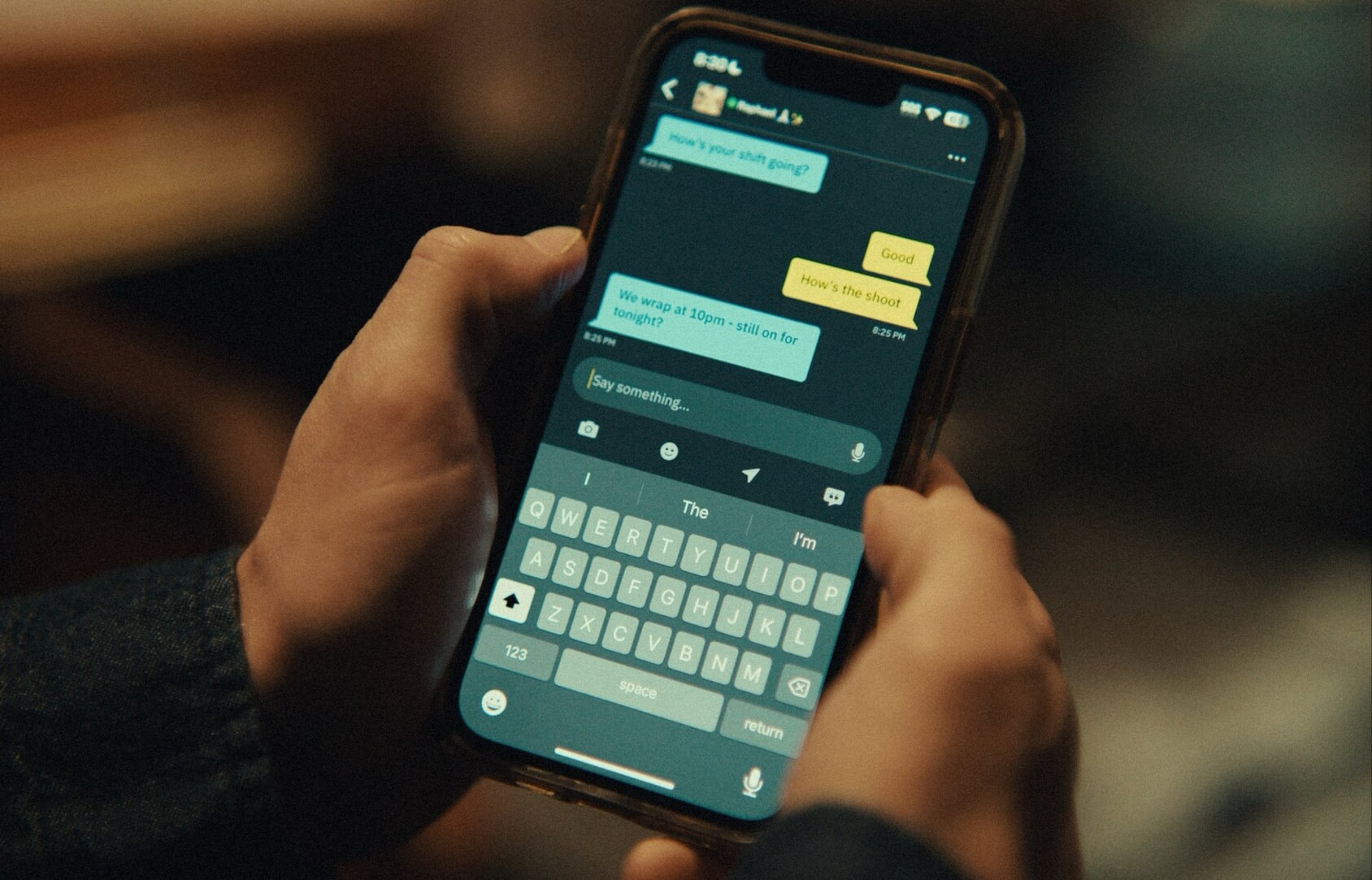
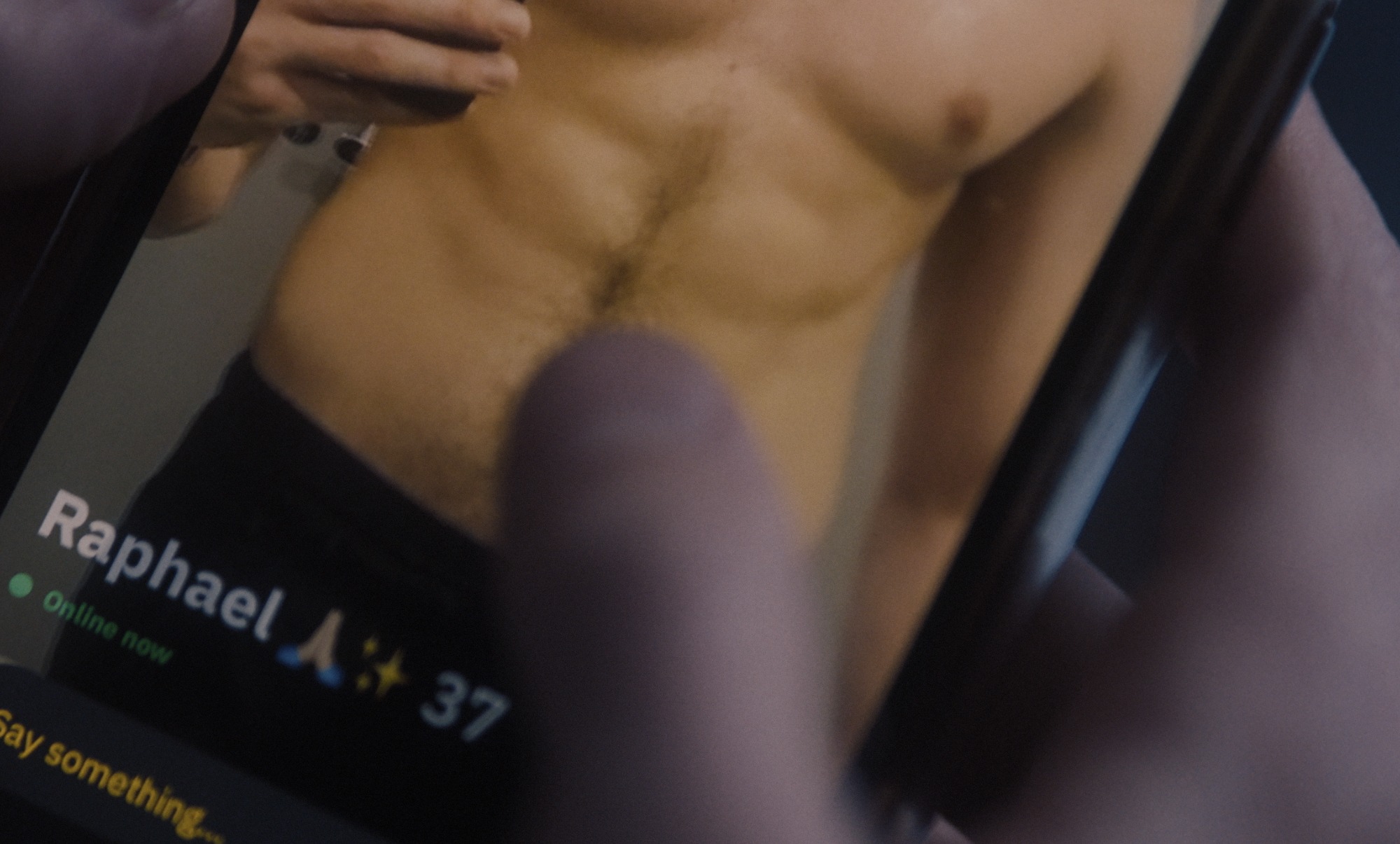
Interestingly though (and this is where the film began to percolate), I feel that a lot of those qualities were tonally present in so many of my Grindr hookups. I love Grindr as an app, I think it’s an incredible invention. But there is definitely a certain cultural adoration of those archetypal masculinities on there. The classic moniker being “MASC4MASC”. When I was thinking about my next film, I knew that I wanted to explore hook-up culture within the gay male scene, and the performance of masculinity as a sort of erotic dialect… I wanted to explore a lead character who was not ‘in the closet’, but perhaps still clinging to some reductive idea of what being a true man is. And so somewhere in the melting pot of my imagination, a cowboy-come-line-dancing-instructor floated to the surface as this person and persona that brings so much of that classic, coded, cinematic masculinity for free.
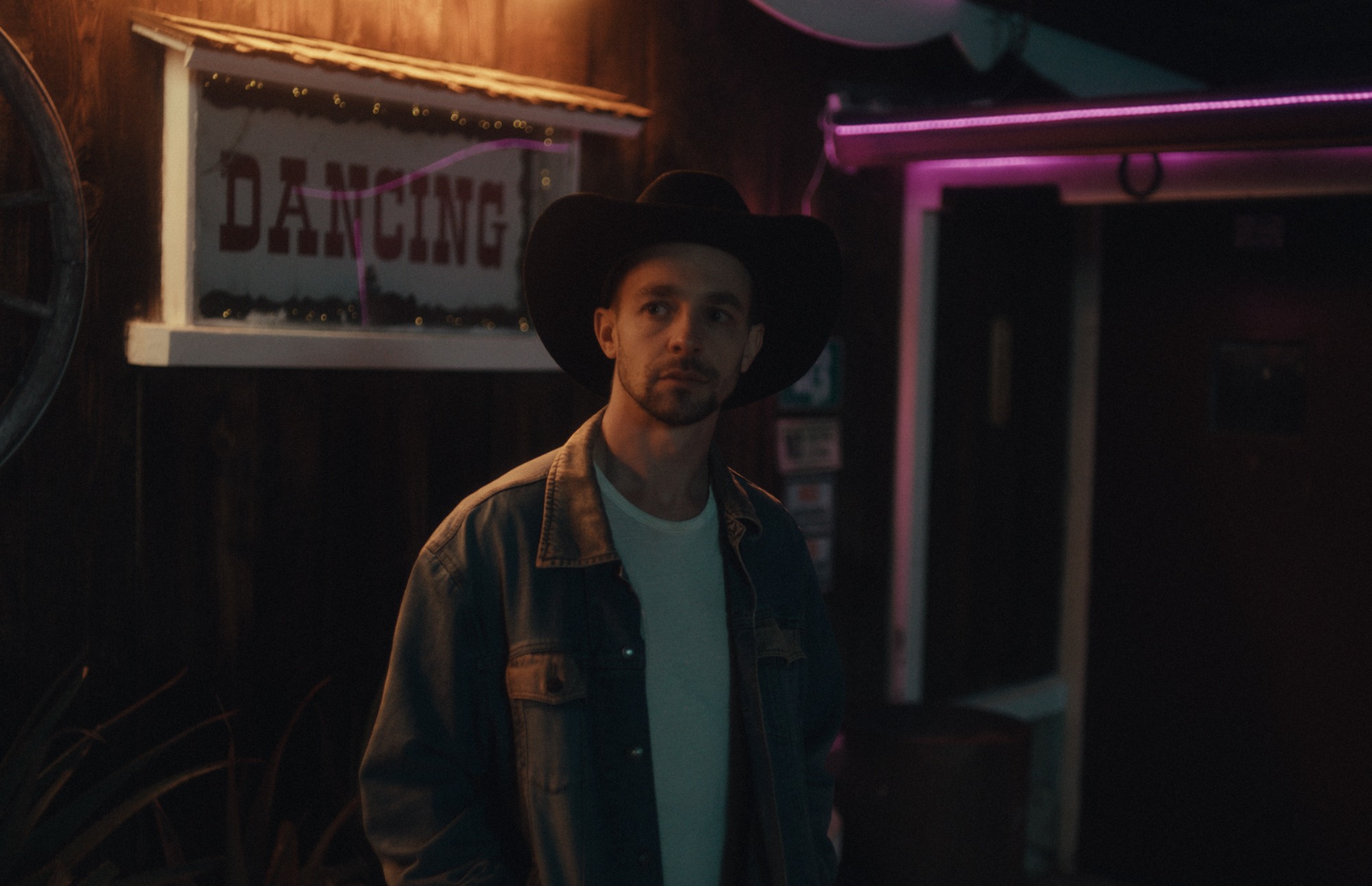
I then got very excited by the idea that we could create a small, subtle story that centred around that character’s softening. Taking that brittle shell the cowboy carries with him, and cracking it just enough to let some of his soft inner yolk spill out… Ultimately, I never set out to make a cowboy movie specifically. It emerged. I was thinking about themes of masculinity, vulnerability, performance, intimacy, and then one evening in my room I was listening to country and western music, and a lone cowboy floated into my mind’s eye. Dancing alone on a stage under purple light. Often stories come to me in images like that. There’s a mystery and magic to those inner pictures. I try to listen to them, be led by them, see where they want to go.

You partnered with screenwriter Talisha Elger to bring the story to the screen. How did that collaboration work between you both and what did each of you bring to it?
Talisha is an incredible filmmaker and although we are very different in demeanour, the creative synergy that flows out of our conversations always leads to surprising and curious places. I brought the initial concept to her and we would then just wander around LA talking about the characters and the world. She has this beautifully dark and mischievous imagination, and there were some versions of this story that went to darker places for sure. Ultimately, we came to a kernel of a thesis for this film – how all those studied masculine traits that the cowboy encapsulates are, in one way or another, an attempt to deny a fundamental human vulnerability.
Most Popular
In terms of literal practice, we would walk up to Griffith through the canyons and talk, then I would go to pages, write scenes, share those with Talisha, she would give her thoughts, ideas, critiques. We would talk and brainstorm again, and repeat the whole process. Over and over. I would say my strengths lie in tone and world and emotion but I can often write characters who lack agency. Talisha does not have that problem. She is an incredible partner in that sense because she is a master of structure, character arc, plot, agency – and the delicate dance you need to weave in order to keep an audience interested. She also has years of experience in teaching dance and comes from a desert town in Australia where they also have line dancing bars. So, we would daydream together about those scenes and she brought an essential element of veracity to it all. Talisha was even coaching the actors on set how to pull off the line dancing moves. She’s a real multi-hyphenate.
Ultimately, we came to a kernel of a thesis for this film – how all the those studied masculine traits that the cowboy encapsulates are, in one way or another, an attempt to deny a fundamental human vulnerability.
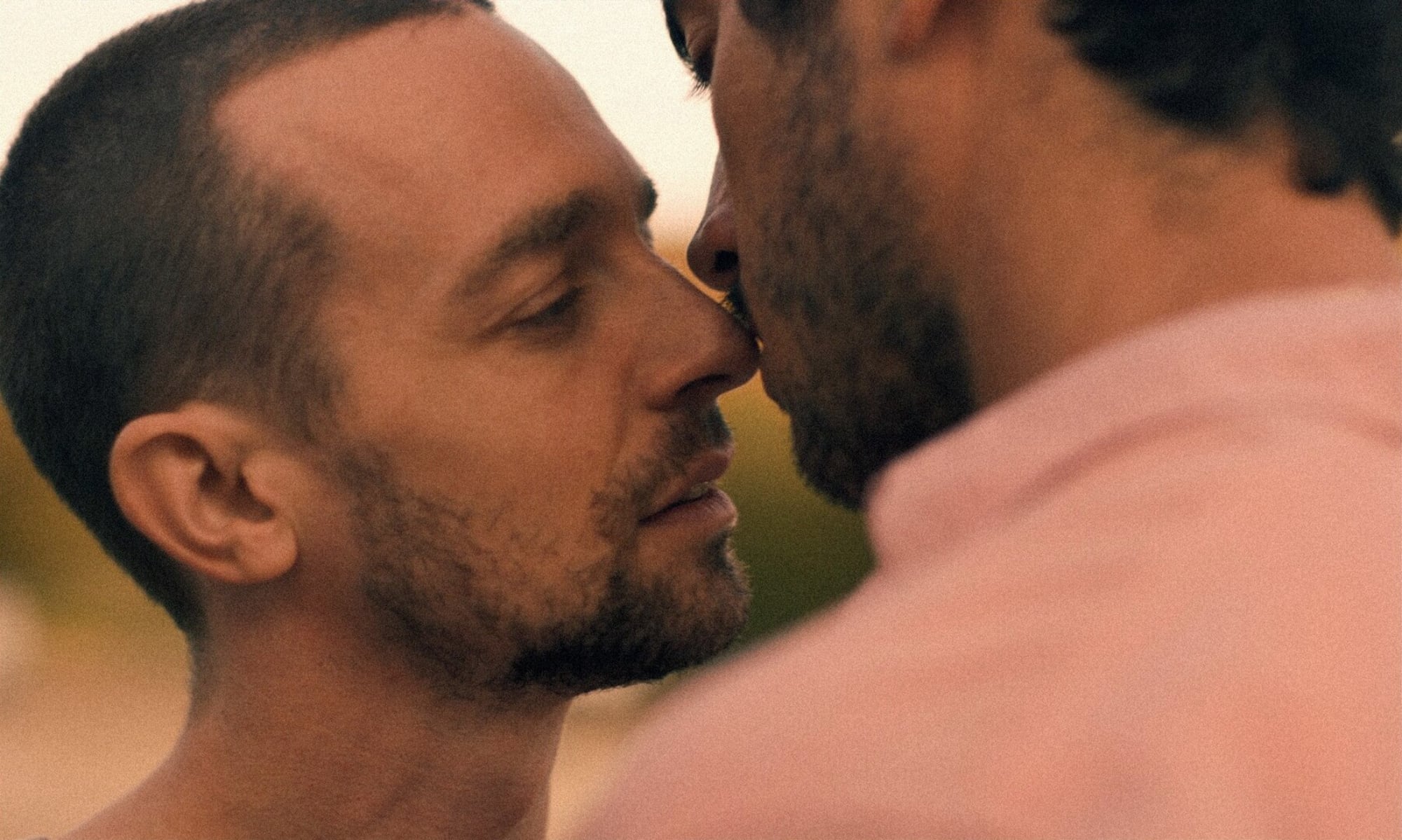
A film like this is all about the chemistry between the leads, which is evident in abundance with John Brodsky and Gabriel Leyva. Can you tell us about the casting process and working with the actors in rehearsal and on set?
I basically found John first. I encountered him when I moved to L.A., through Instagram, and I was struck by his presence, charisma, and a certain quiet depth in his eyes. I then asked John to come to AFI to read the role of Tyler, the cowboy, in one of our classes. It was a class where you get a scene up on its feet, workshop it, film it, and direct it in front of your peers. When we were editing that scene, I couldn’t really shake the idea that John was our Tyler. And so I didn’t want to go out and start auditioning ten, twenty, thirty, forty other actors. I wanted to begin our collaboration with a total vote of confidence in him, and something in my gut said that he was our lead – so we offered him the role without auditioning anyone else. But we did that early, which meant we could take our time finding the right counterpoint to John’s energy in Raphael. He was in the room for all our Raphael auditions, so we could immediately get a sense of how the chemistry might evolve on set.
I use Meisner repetition a lot – on set, in rehearsal, anywhere I can really – and I would use Meisner repetition in the audition room as well. Which really helped to reveal the basic alchemical rapport between John and our prospective love interests. When Gabrielle came in to audition for Raphael, he brought this very unusual, slightly off-kilter, unpredictable energy into the room. We had seen a lot of very polished Hollywood hunks, and although Gabrielle is obviously a handsome movie star to his core, he’s also very playful and, to be honest, slightly weird. I don’t think he would mind me saying that! It meant that John was often on the back foot, a little surprised by the choices Gabrielle was making. And that was the fundamental dynamic I was looking for. Tyler blown off course by Raphael in the most beautiful way.
We never quite saw that with any of the other potential Raphaels, even though they were great. It was this alchemical combination between John and Gabrielle that really came to life in the space between them. So, once we had seen Gabrielle, there was really no other option for the film. We knew we had something real, something alive, and something potentially unpredictable on our hands. And I totally agree that if we hadn’t found these two actors, I’m not sure the film would have had the success that it has.
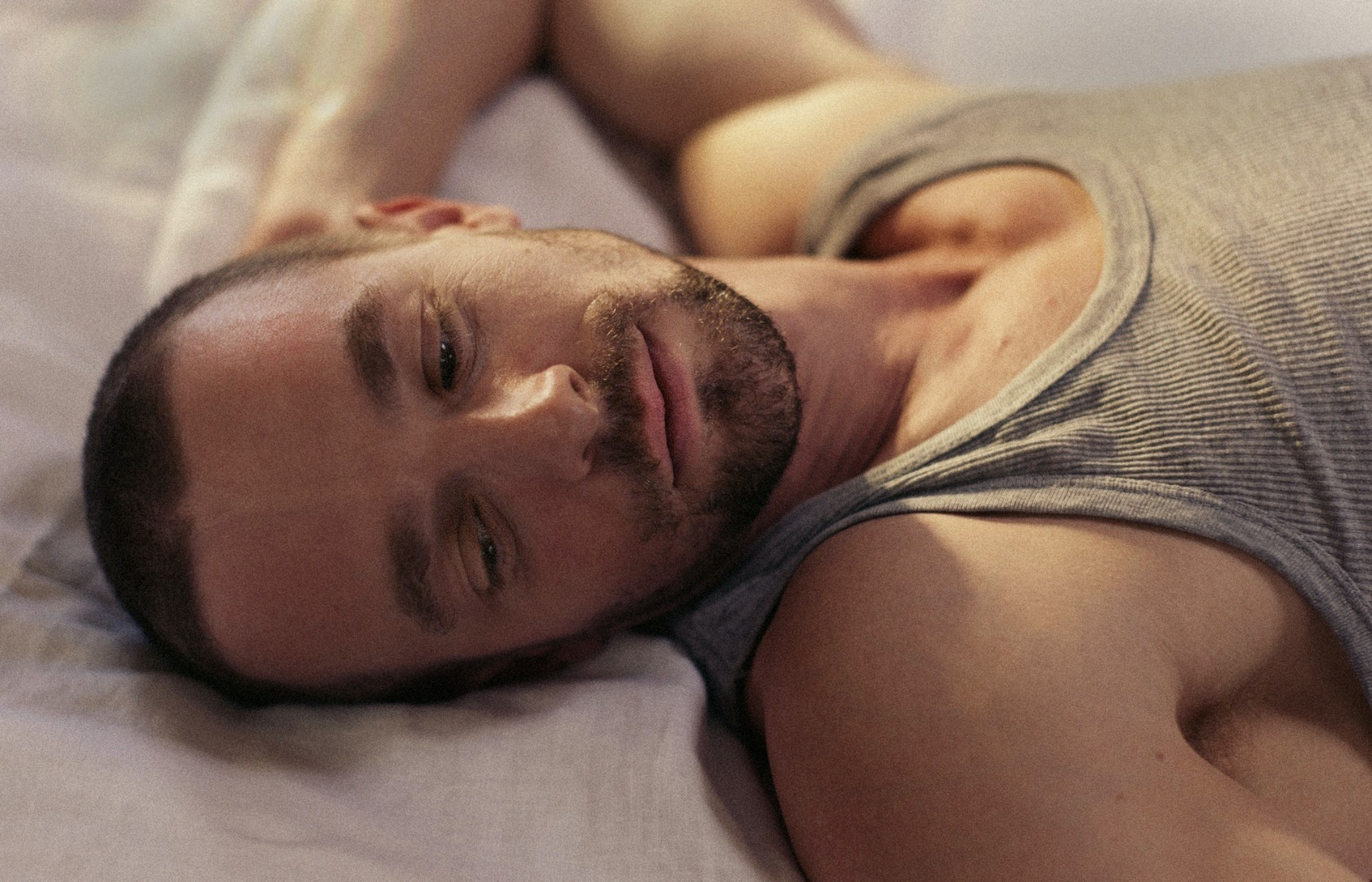
There are some very differing types of sex scenes in the film, in terms of the intimate versus the transactional. How did you go about choreographing and filming those scenes?
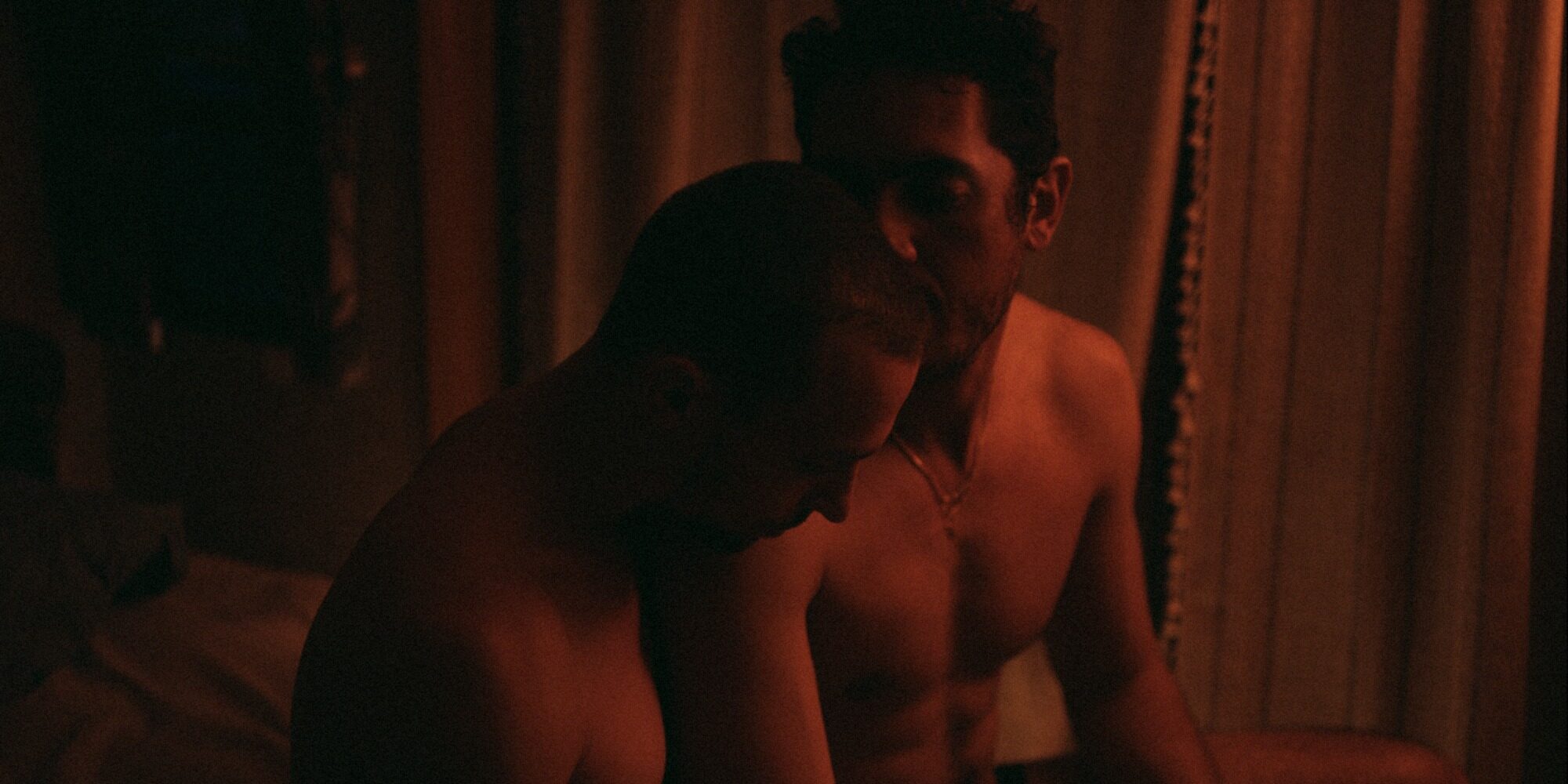
Yes, those sex scenes were really fundamental tent poles for Tyler’s character arc, and they were in the script from very early on. There are essentially three of them, which is obviously quite a lot for a twenty-minute film. But the film is about sex, hotel culture, desire, intimacy, and vulnerability – and also about how sex can sometimes paradoxically make vulnerability harder to access. Because of that, we never questioned their presence. I was pretty unapologetic about those scenes and really don’t at all agree with this idea that sex in cinema is mostly gratuitous. We always felt that each of Tyler’s sex scenes have a clear purpose and reveal something integral about his relationship to intimacy.
In terms of actually choreographing them, we wanted the first encounter to feel as flat, transactional, and – if I’m honest – unsexy as possible. So the shot listing actually came first. We decided we would keep it locked off, wide, and compositionally quite shallow. That flat visual language then fed into the intimacy choreography with our intimacy coordinator, Allison Bibicoff. We wanted to augment that visual coldness through the choreography of the sex itself. So, for example, we made sure the two men were not really looking at each other. It was all about creating a status quo for Tyler that is built on the avoidance of intimacy.
I was pretty unapologetic about those scenes and really don’t at all agree with this idea that sex in cinema is mostly gratuitous.
This was then completely inverted in the scene between Tyler and Raphael. The script itself describes an experience that is much more rich and textured and intimate and enveloping. And our shot listing had led us to a visual language that was much more open, free, improvisatory, warm. Sharon Pulwer, the cinematographer, and I knew that we were going to shoot handheld here and actually not shot list it too rigidly, but rather allow Sharon to be led by the work the actors were doing in the moment.
Of course, working with Alison, our intimacy coordinator, we still had certain marks and boundaries in place. But overall it was much less structured, with fewer choreographed moves. The scene was always planned to be face-to-face in missionary position, because Tyler is finally confronting this unexplored longing for intimacy and vulnerability with a romantic partner. From there, we let the actors follow the energy on the day. We didn’t tie it down too tightly, but there was still a clear structure and plan in place that allowed them to feel safe, free, and comfortable with each other.


Some Kind of Paradise has a gorgeous filmic texture despite being shot on digital. Can you tell us about your collaboration with cinematographer Sharon Pulwer and the process of finding your look?
Collaborating with Sharon was honestly one of the highlights of my entire time in LA, and of making this film. We would sit for hours at a café in Koreatown with a coffee-stained, dog-eared printout of the script and basically just talk about our respective love lives and the things that this story brings up for each of us. Then, out of those honest and often hilarious conversations, we would start to translate everything into a coherent visual language. Trying to capture certain feelings or memories or personal experiences into our cinematic choices.
We knew we wanted to create a deeply immersive portrait of Tyler and so we kept him in almost every frame of the film, always letting his particular emotional state moment-to-moment dictate lens choice, camera placement, movement, composition. So broadly speaking, the visual language of the film moves from cold, flat, rigid locked off shots with a lot of flat space – to a warmer, more kinetic, uncontained, and much more close up, intimate framings.
In terms of the look itself, I write a lot of texture into my scripts and Sharon did an incredible job at translating that to screen. She shot on Alexa Mini with a beautiful set of lush, buttery Leica Rs. Then, in the grade with our colourist Doug Delaney, she discovered this slightly tempered, but still very rich tonal world. So you get these deep, saturated hues, but with a slightly muted contrast overall – which sort of spoke to the way that Tyler is living a muted version of his own romantic potential. There was also some grain added in post. But through lighting and lens choice, Sharon had already found a look that felt raw and real and unvarnished. She’s a genius!
Following on from that, production designer Mojo Wen does a wonderful job of making each scene feel lived in/barely lived in as required. How did that collaboration work between you?
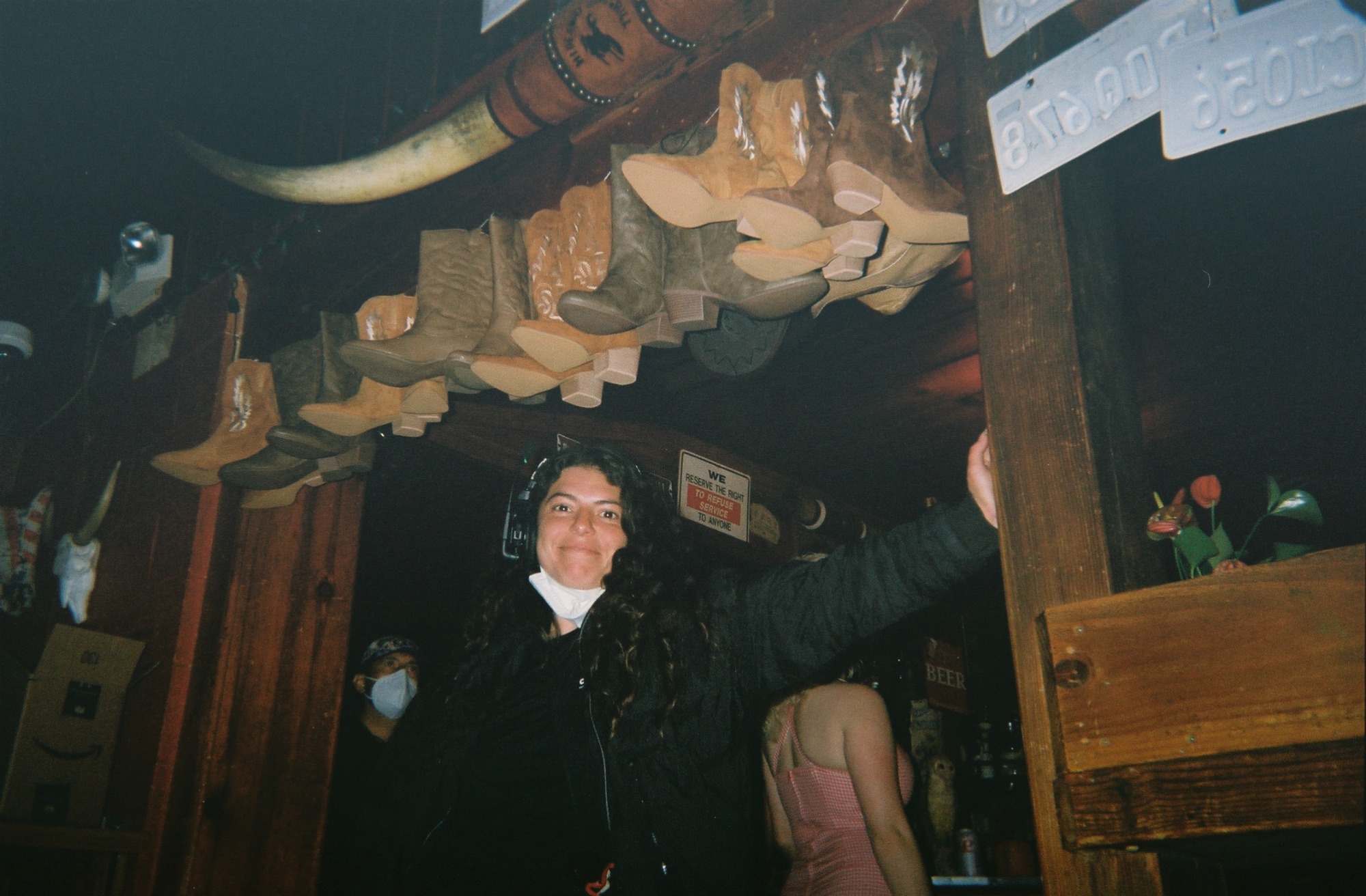
Mojo has a keen eye for detail and became an expert on every little visual detail of the script. We would then location scout early on, and take pictures of all the places we visited to try and fold that all into the visual design of the film. In particular we went to a lot of like dancing bars just to soak in the atmosphere, and Mojo would then take inspiration from those various places to create this beautifully eclectic nocturnal space for our characters to inhabit.
For me colour is a really important part of my storytelling, and so that was a vital element of our collaboration – talking about how each phase of Tyler’s journey would be expressed in colour – from cold, washed out blues and greens into lush, warm, resplendent purples, pinks and oranges as his world begins to shift after meeting Raphael.



The edit is finely poised between narrative pace and allowing space for the characters to breathe. What was it like working with editor Richard Bai to strike that balance?
Richard is a very easeful and gentle person to work with and I wanted him to be involved from early on in the script stage. He would lend advice about transitions, tracking Tyler’s emotional journey and keeping the pace of the film organic, truthful and realistic. In the edit itself, he had this concept of ‘salt and pepper’ which he had picked up from his own editing mentor, who edited Chloe Zhao’s The Rider. The idea was that we would pepper in small quiet moments of Tyler after each of the emotional turning points of the film, just to really keep the audience in tune and connected with him. This is what we include small, slightly plot redundant moments like Tyler eating pizza alone, Tyler driving to work and humming a song, Tyler smoking on his porch in the sun. The story doesn’t NEED them. But tonally, these interim moments help to build out our belief in his journey and sense of him as someone we want to root for.
The film screened in competition at Tribeca in 2024. What was that experience like for you and the reaction of audiences in general while on the festival circuit?
Premiering at Tribeca was a total surprise and honestly a dream come true. It felt like such a beautiful place to screen the film because we were part of an LGBTQ+ shorts block that had been specifically curated to explore the messy, complicated, and beautiful experiences of intimacy within a queer context. But being situated in the heart of New York also meant that, beyond the queer audiences who naturally gravitated toward that block of films, the movie reached a really broad cross-section of people. You had audiences from all sorts of cultures, experiences, and perspectives encountering the film, sometimes unexpectedly. In that sense, Tribeca was such a gift. What was particularly moving was hearing responses from people who probably wouldn’t have gone out of their way to watch a film like this but found themselves in the cinema, connecting with it. Listening to their thoughts and reactions was incredibly inspiring. And across the board, audiences praised John Brodsky and Gabriel Leyva’s work together, which was such a joy to see. They really deserved every ounce of praise they got.
What was particularly moving was hearing responses from people who probably wouldn’t have gone out of their way to watch a film like this but found themselves in the cinema, connecting with it.
The calibre of the festival itself is obviously very high, and those two weeks were hugely encouraging for me as a filmmaker. You suddenly find yourself part of this temporary film family all sharing work and ideas and a lot of post screening margaritas. Robert De Niro even came to give the directors a speech at the welcome lunch, which was pretty surreal. So, I definitely left New York with a full heart and a beautiful bond with the other directors in my block. It gave me renewed determination to keep going. To keep telling stories. To keep taking risks. I hope to screen at Tribeca again and continue building my relationship with all the incredible people that make that thriving film ecosystem what it is.
With Some Kind of Paradise now released to the online world, what’s next for you?
I am currently in pre-production for my next short film, Palomino. It’s a lyrical coming-of-age piece set against a big gay group holiday on the south coast of England during a sweltering heatwave. Sunburnt skin. Tesco Meal deals. Throbbing early 2000s EDM. Like Some Kind of Paradise, it will explore vulnerability and connection, but also touches on themes around body image and self-esteem. The film is being made with the British Film Institute and has been selected for BFI Network funding. I have also been developing my debut feature through the BFI’s Early Development fund.
And finally, what’s a favourite short film you’ve seen, new or old, that you’d recommend to the DN community and why?
Caroline by Jack Highberger is a beautiful short by a fellow AFI director who I love and respect. I admire the way Jack blends traditional narrative cinema with some more formally experimental sequences in that film. There’s a locked off jump cut sequence that really scratches my art-film sensibilities, but at the same time the film never loses its emotional heart. Definitely give it a watch!