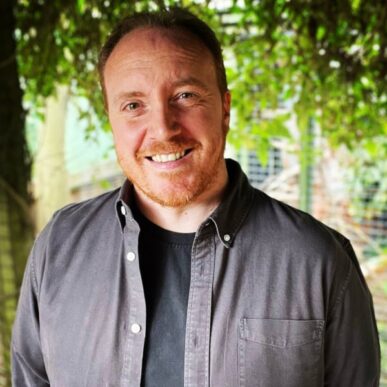
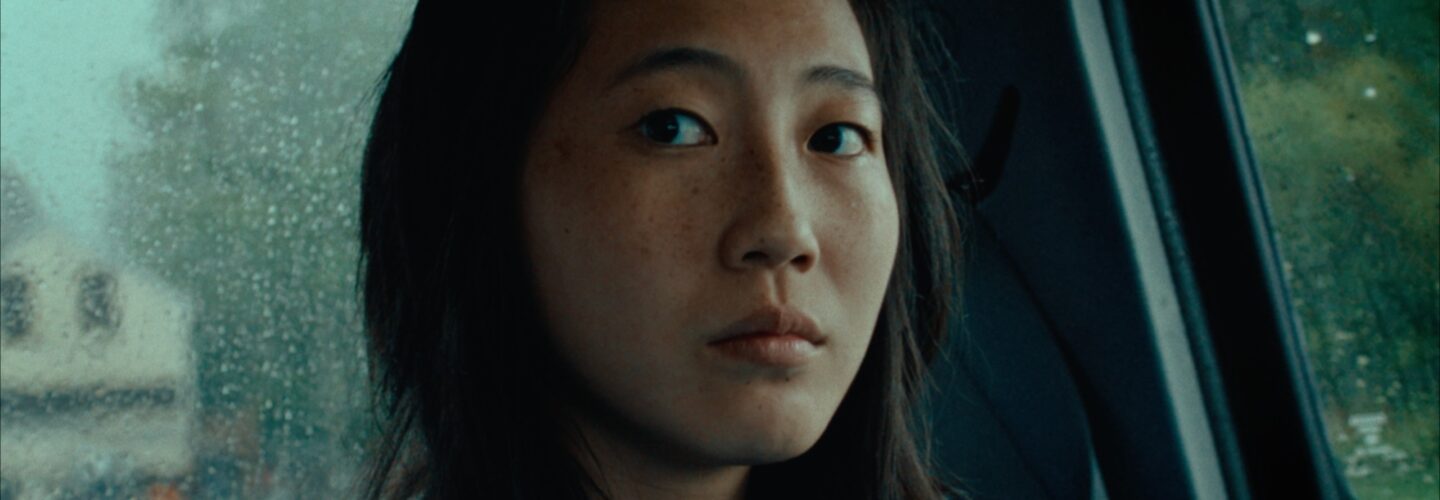
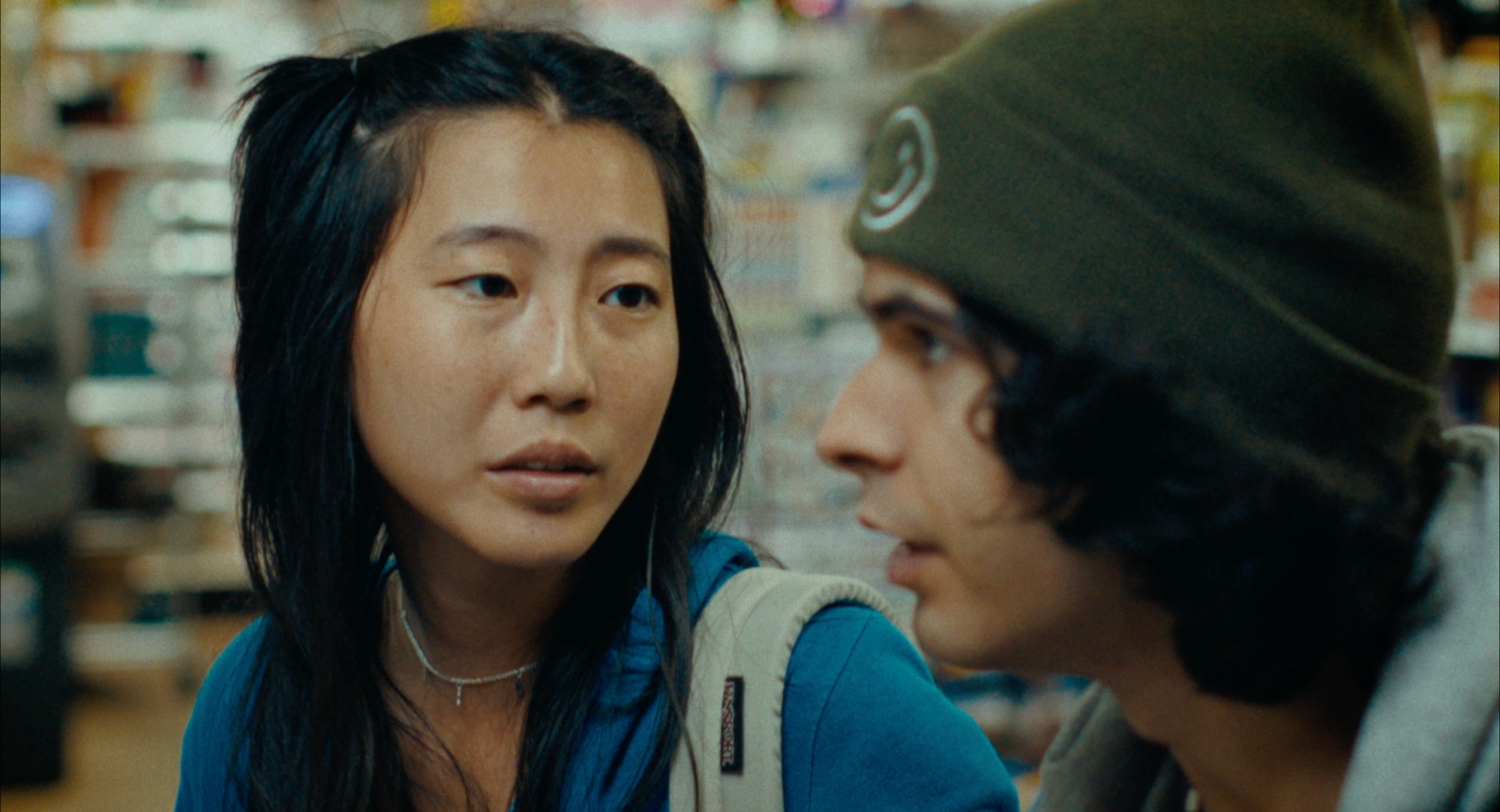
Everyone remembers their first love. The all-consuming high of feeling a deep, romantic connection with someone in a way you’ve never felt before. Everything seems possible. You imagine your life together in a blissful haze of possibility and promise. Liz Rao takes a sobering sledgehammer to that idealistic bubble for one young couple in her drama The Truck. What starts as a beautiful night between the two turns into a harrowing morning after when they are denied access to birth control medication by a pharmacist in a conservative small town. They make a deal with a stranger to buy it on their behalf for a price, but he ends up wanting something far more unsettling. The Truck explores the potential dangers faced by young people in a post Roe v. Wade era, as the right to choose in some states has been revoked, affecting the lives – and potential lives – of many young women and men. Rao joins us to discuss the genesis of the story, how her childhood home served as inspiration for the locations, and creating a short film that would go on to be executive produced by Joan Chen and Spike Lee.
The Truck brilliantly encapsulates the care-free romance of young love crashing into adult reality. What was the genesis for this story and how did you develop it?
The Truck is loosely inspired by my own experiences with male power while growing up in the American South and Midwest. Though my own encounters didn’t play out in quite the same ways, being a young kid in love puts you in such a raw, vulnerable place. That’s true everywhere but even more so when the laws and policies around women’s bodies start shifting under our feet. When Roe v. Wade fell, I realized that I wanted to tell a story about those dynamics that can make you feel powerless, even in the context of budding sexuality and young puppy love, which kind of makes you feel on top of the world.
Shirley Chen and Daniel Zolghadri perfectly play both the sweetness of the relationship and the tension that ultimately divides them. How did you come to cast each actor and what was the rehearsal/collaborative process like?
Both Shirley and Daniel were top of mind for us and our Casting Directors, Kate Antognini and Charlotte Arnoux. Shirley and Daniel have such interesting natural styles that combine realism with spontaneity. They are perfectly matched and challenge each other in such interesting, nuanced ways in each and every scene. Throughout the production, they were just really open and collaborative in finding the embodiment of their characters, even with really limited rehearsal time. They actually met for the first time the day before our first day of shooting!
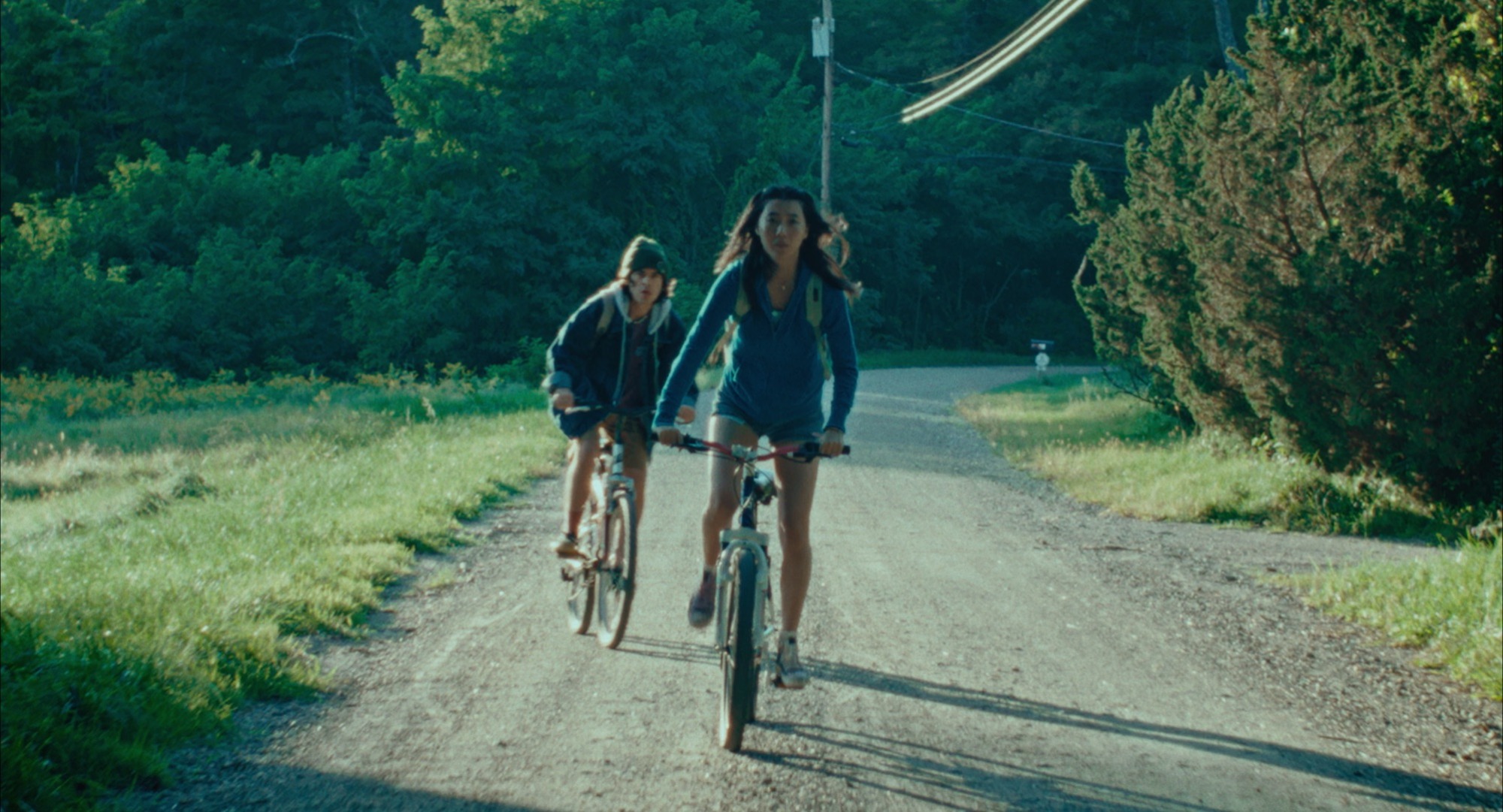
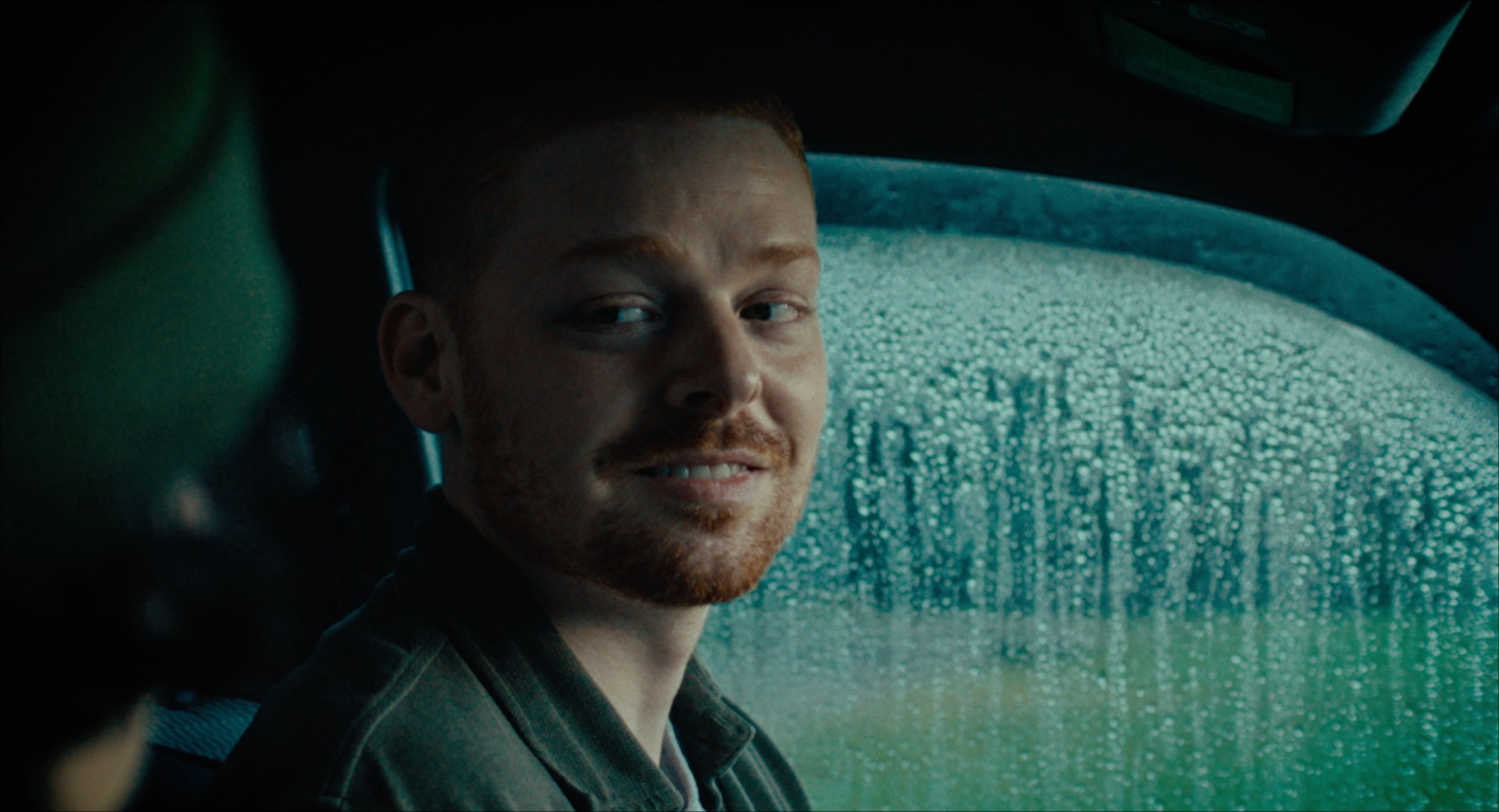
Being a young kid in love puts you in such a raw, vulnerable place. That’s true everywhere but even more so when the laws and policies around women’s bodies start shifting under our feet.
Garrett Richmond is suitably unsettling as the faux good Samaritan offering to help them, leading to a tense and intimate scene. How did you approach this with all three actors to make an uncomfortable scene comfortable to shoot?
Garrett built such a lawyered interpretation of the pharmacy worker character, Mason. For the truck scene, we rehearsed all together, and talked through every beat beforehand. We worked with an intimacy coordinator on set and had guardrails and good communication in place before starting, and throughout. We filmed the beginning of the scene many more times than the very end. The tension was really palpable throughout. Putting the three of them in a confined space together was just pure — well, I won’t say fun because it’s not meant to be an enjoyable scene — but it was performance magic to give each of them specific aims and suggestions, separately. Then to see them play off of each other, and keep each other on their toes in every moment. The kind of livewire dynamic I think is something every director lives for.
Most Popular
The film has some wonderful locations depicting a small-town America and a story that could have taken place anywhere.
I love filming on location, working with real locations and natural light as much as possible. As I was writing, I was thinking about specific locations from my childhood. My mom encouraged me to revisit one of my hometowns, Nashville, Tennessee though we’d moved away many years before. So I went back to scout and just to be back in that space and to see some friends.
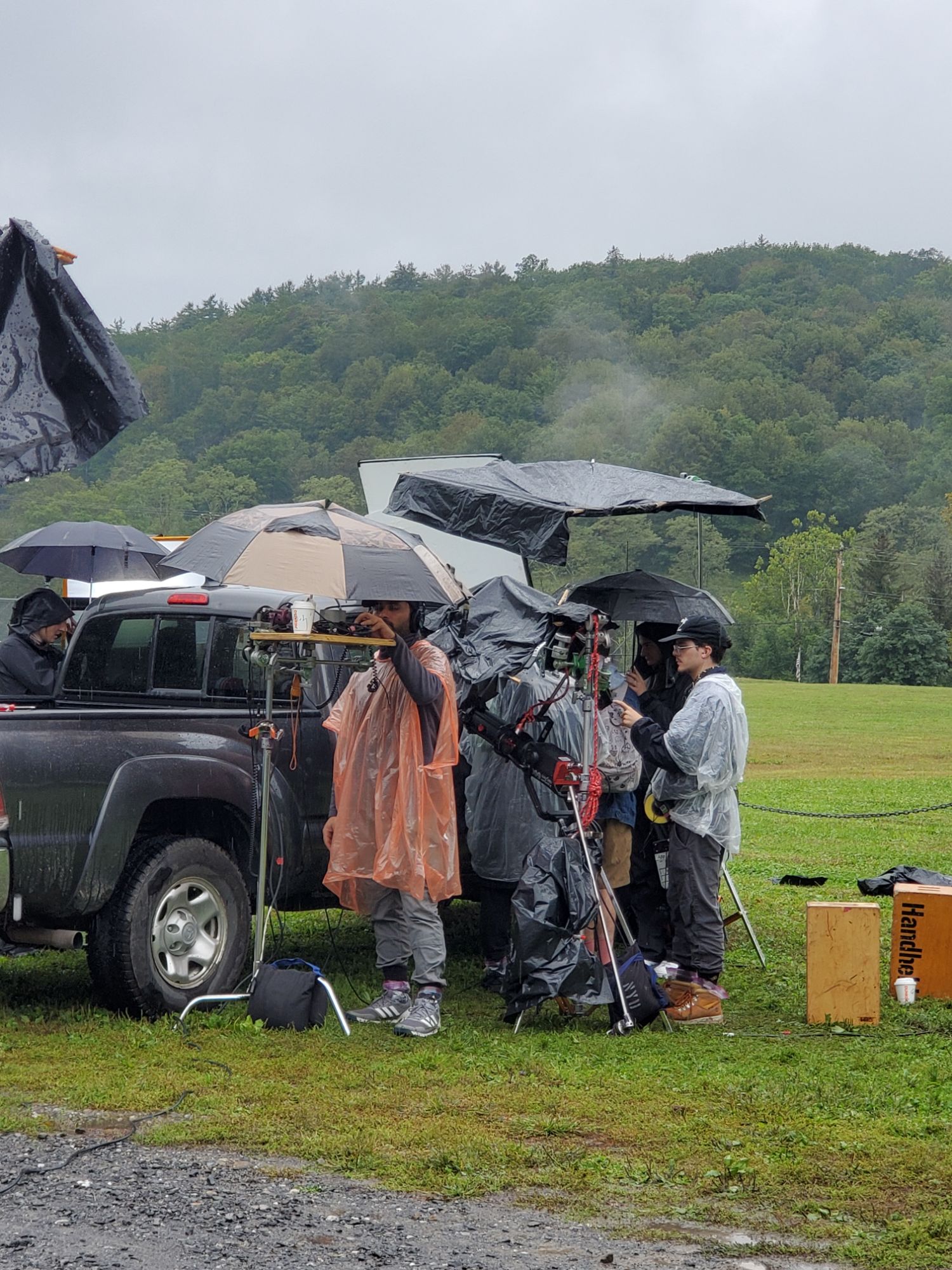
Then, closer to production, Cinematographer Gianna Badiali came out to Nashville for a longer scout with myself and Associate Producer Lora Criner. We saw some breathtaking country roads, did a lot of pawn shop research, and it was wonderful to see the landscape through Gianna’s fresh and cinematic eye. We were bummed not to be able to film in Tennessee for budgetary reasons, but it turned out for the best. Producer Eliza Soros extensively scouted with me in upstate New York for similarly lush and rural locations. The hardest location to get permission for was the pharmacy, so we built it around that. A wonderful gift of that decision was being able to bring out friends and classmates from NYU up from the city, to collaborate on the project.
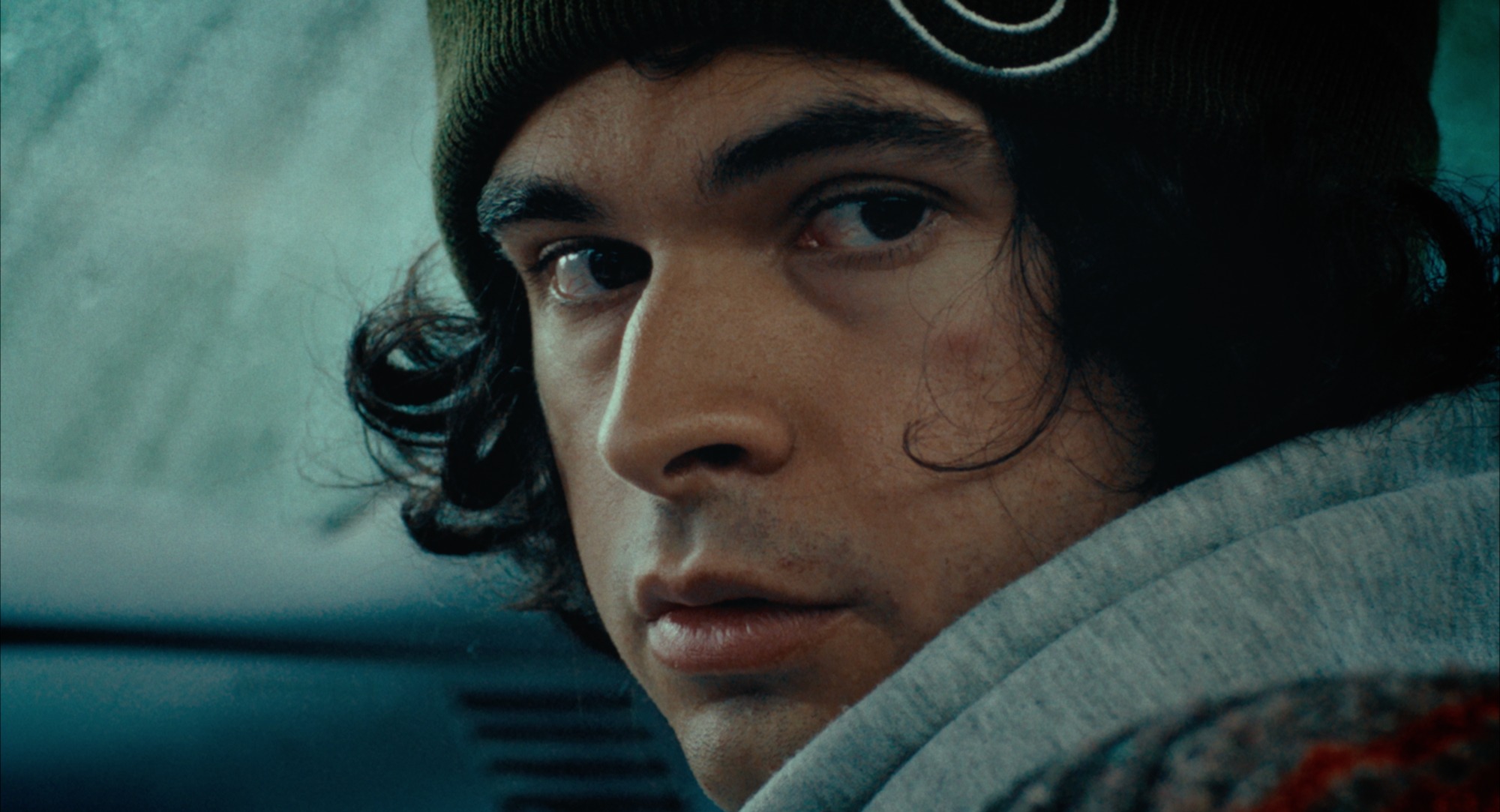

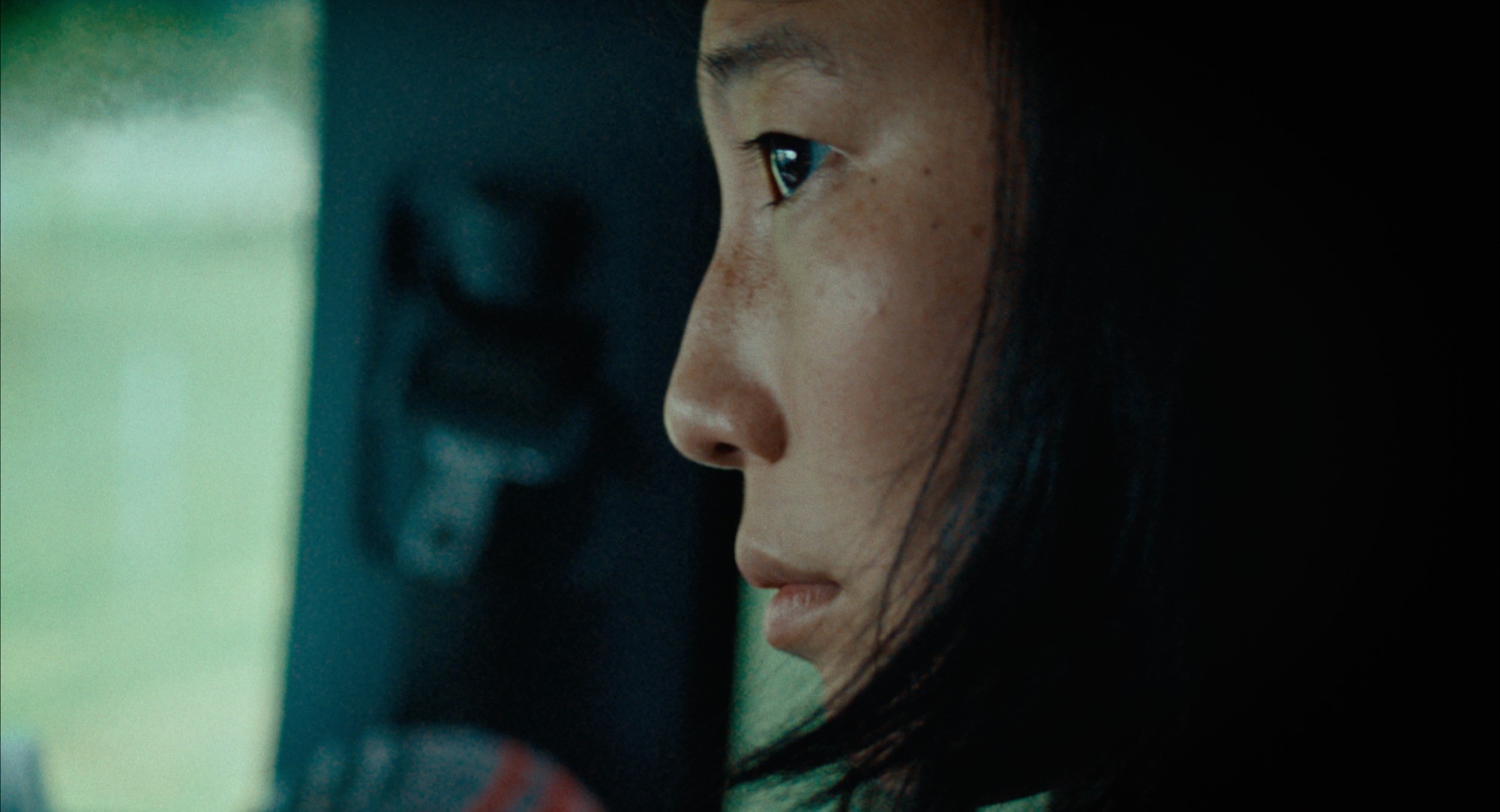
Those locations and the story itself are captured beautifully through Gianna’s cinematography. How did the two of you create the rich visual language of the film?
We knew we had to film in summertime to capture this meditative, lulling hot summer backdrop for Jo and Arash’s teen puppy love. We really wanted to film on 16mm film to evoke a nostalgia and imagery of mythical Americana, but we couldn’t afford it. So we spoke with a few friends and ended up opting for Alexa 16mm mode, as a nod to the look of 16mm film. It was really important to me to lull and seduce, in a way, the audience into the romance of small town America, before complicating that experience with the more harsh realities of our current moment. Kelly Reichardt’s Wendy and Lucy is a big influence that we returned to while planning shots. We mapped out the storyboard and the shotlist a bit obsessively, including how light and shadows would naturally look at different times of day.
How we visualize her view of him is really limited, to reinforce how she is struggling to figure out his intentions, and what he’s capable of.
For the truck scene, we decided to keep the camera as much as possible inside the truck, to fully lean into how claustrophobic and alienated Jo is in that scene. We don’t lean on two-shots that force us to place the camera outside of the truck. For instance, we never place the camera out in front of the car, filming through the front dashboard, which would be classic car ‘coverage’. I really dislike the idea of coverage. Instead, Jo and Arash are separated in this confined space for a really long time. Up until the climax of the scene, Jo and Arash each live in their own shots. Jo only gets limited glimpses of Mason. How we visualize her view of him is really limited, to reinforce how she is struggling to figure out his intentions and what he’s capable of.
The only exception to our rule of keeping the camera inside the truck is the shot shared by Mason and Arash. The blocking of Jo in the backseat created this interesting opportunity to put the two guys on the same visual axis. Visually, we wanted to treat Jo almost like an interloper for most of the scene, isolated in the back, while Mason is trying to build this off-kilter camaraderie in a way, with Arash.
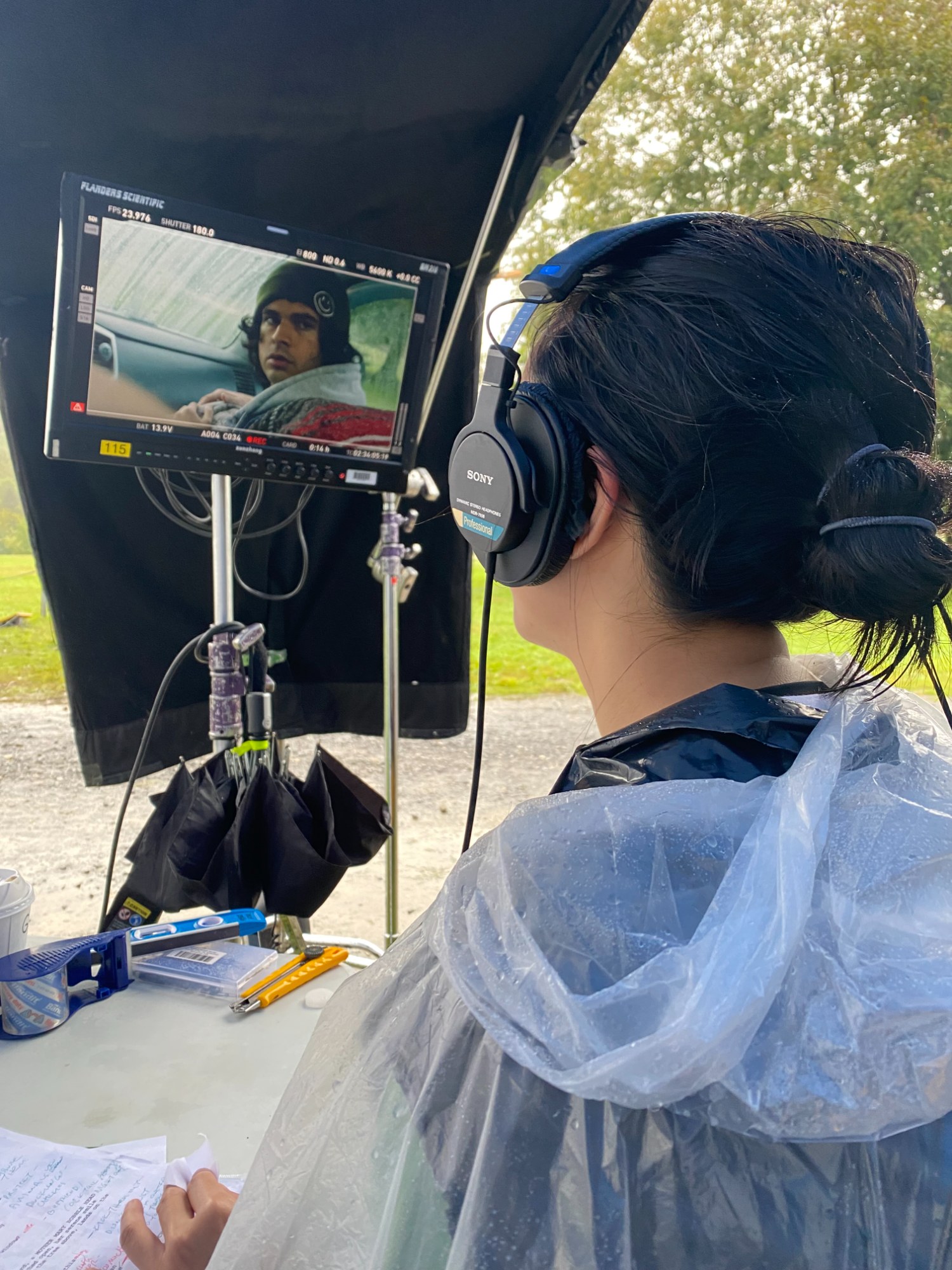

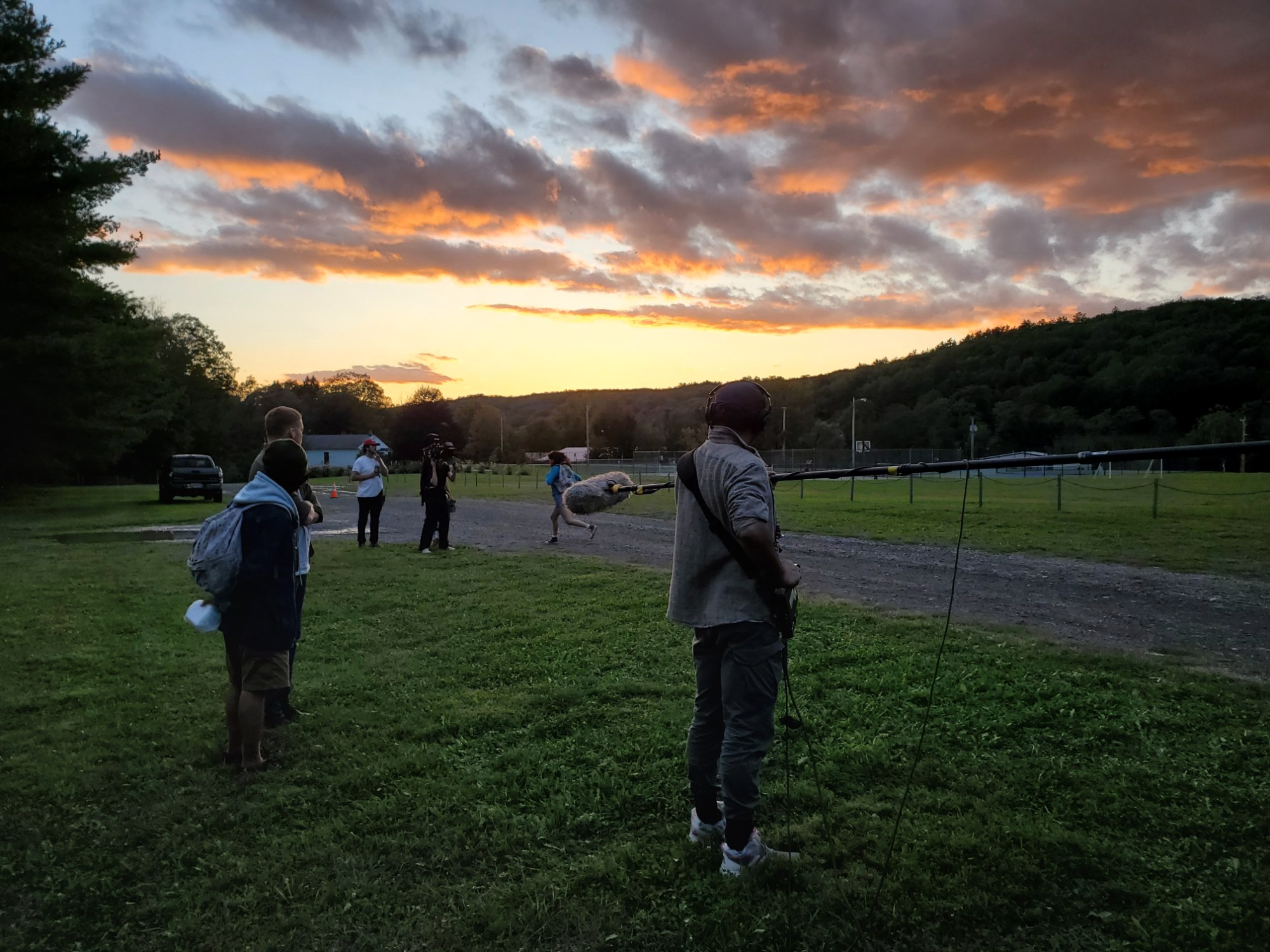
The sound design—including a subtle birth control discussion on the radio in the pharmacy—impresses both the gentle and tense elements of the story.
Both the sound designer Rotem Dror and the composer Orel Tamuz brought such a unique depth to the soundscape and the music. Creating the feeling of a long, humid summer in small town America was very important throughout the filming process visually, and then Rotem deepened that even more in the sound design. There are recurring sound elements and motifs that we use throughout that don’t draw attention to themselves — cicadas, train whistles, and church bells — but the usage of them evolves, so that each of the exterior scenes has its own tone and timbre and creates its own arc throughout the film.
The sound design with the radio show in the pharmacy, and church bells subtly in the background throughout, was my way of conveying the omnipresence of religion in this part of the world. It’s just constantly there, a fact of life. The cicadas are used early on in a light-hearted nod to summer, but by the time we return to use them in the truck scene, the way they repeat and crescendo gives them a texture that is really grating and a bit terrifying.
Creating the feeling of a long, humid summer in small town America was very important throughout the filming process visually.
Then in the last scene, which is my favourite scene for sound design, there’s a beautiful use of a dog’s bark to underline Jo’s loneliness, and then the barely audible roll of thunder, just before Jo starts to run. The impending thunderstorm taps more into the power she’s stepping into by just keeping on, at the end. There’s a lot that she hasn’t processed at this moment, but instead of collapsing and crying, she ploughs forward into the next chapter. She steps into adulthood.
Orel Tamuz’s music is gently optimistic in the beginning – pastoral and almost naïve, reflecting Jo’s more carefree perspective at first. By the ending cue, Orel really expands into a more cosmic place, as Jo’s world is expanding. We still wanted to anchor it in her experience though, and used a light heartbeat in the credit sequence.
The Truck boasts Joan Chen and Spike Lee as Executive Producers. How did they come to be involved with the project and what was it like working with them?
I had the chance to share The Truck with each of them, and to my surprise they both agreed to come on board as Executive Producers. Their support has meant the world to me as I get The Truck out into the world to audiences.
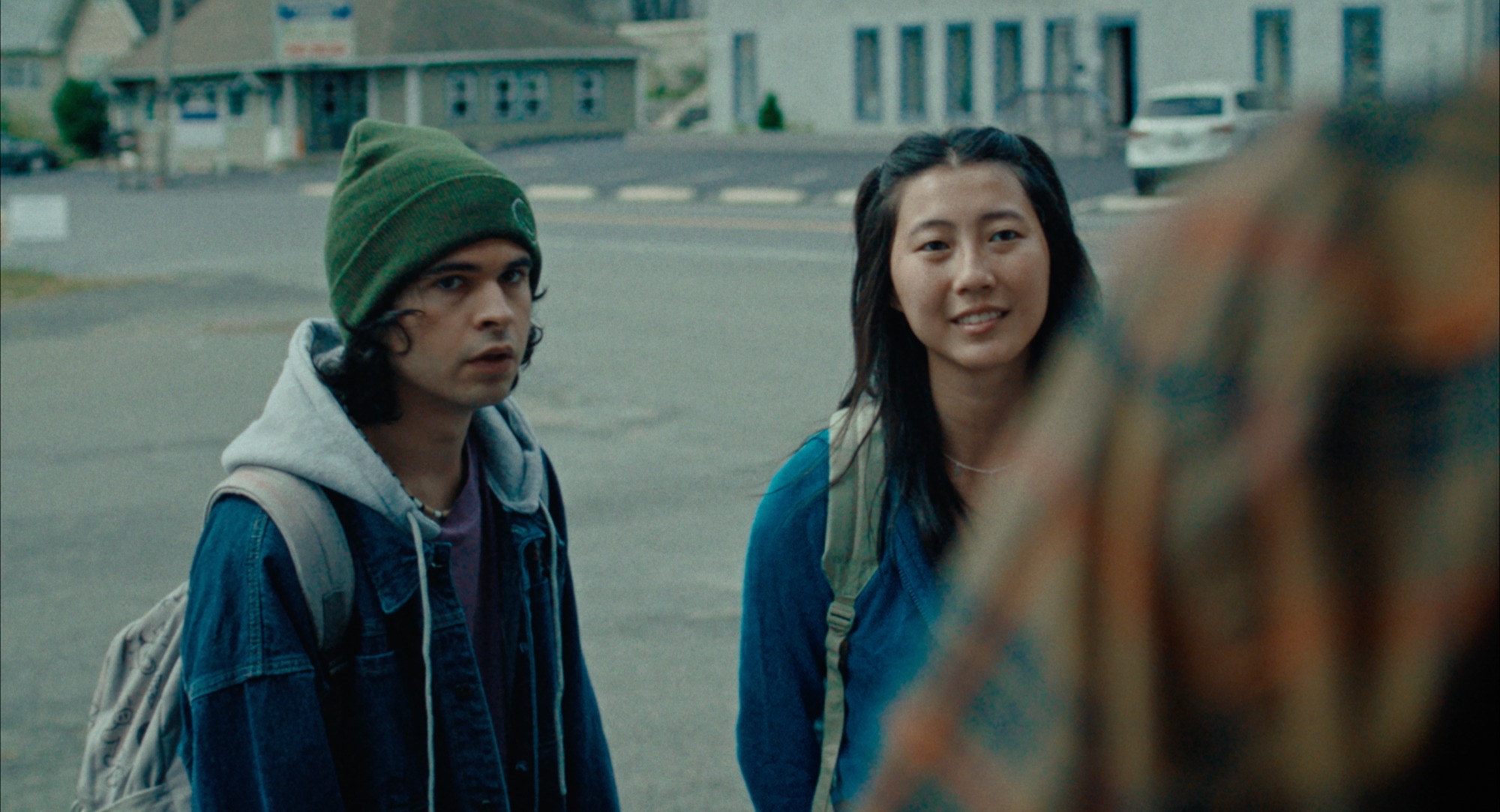
The film enjoyed a successful festival run, including a world premiere at Telluride Film Festival. How was that journey for you, sharing this story with audiences?
I’ve been really surprised and moved by audience reactions. Folks have been generous in sharing with me their points of resonance with this moment of young adulthood, and I feel really lucky to have been able to share this film with so many audiences, in such different places.
Now that The Truck is out in the world, what’s next for you?
I’ve just been to Colorado for a glorious week in the mountains, at Ouray Film Sabbatical, incubating and kicking off a new chapter in developing my feature screenplay, which I’m excited to share more about when it’s ready.
And finally, can you tell us a short by another filmmaker that you would recommend to the Directors Notes community and why?
Dominic Yarabe’s entre le feu et le clair de lune. It’s such an intimate and poetic exploration of a daughter and her father that also reflects on storytelling with such a striking visual approach.