
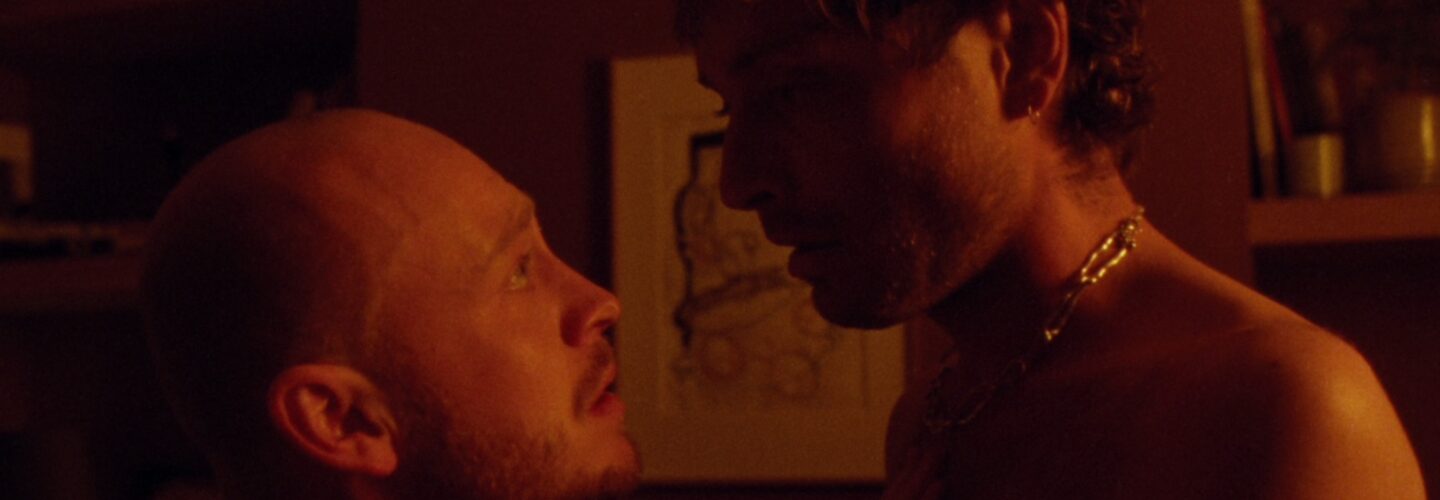

Relationships end in countless ways, in screaming matches and silent dinners, in slow drifts and sudden ruptures, in betrayals and in mutual exhaustion through small daily attritions that nobody notices until it’s too late. Bedcrumbs, the directorial debut of writer-director Ross O’Donnellan, sits inside one of the quieter endings, not the dramatic blowout but the gradual erosion, the small concessions made in the wrong direction, the moments where love and cruelty become so entangled it’s impossible to tell where one ends and the other begins. The short film follows a couple in the final throes of a failing relationship who open themselves up to other lovers, but this only serves to reveal just how far apart they’ve drifted. Bedcrumbs refuses the easy moral position — it does not judge. Instead, it asks us to study what happens when non-monogamy is entered into for the wrong reasons, a bandage over a broken bone. The aesthetic is achingly perfect, immersing us in uncertainty: a hazy dreamlike 16mm palette of sweaty summer nights juxtaposed with a handheld, almost mumblecore intimacy and a diegetic soundtrack of original songs co-written by O’Donnellan himself. The result is a film that feels at once heightened and bruisingly real. As Bedcrumbs sets out on its festival journey, O’Donnellan joins DN to talk about authentic queer casting, writing his way into the film’s soundtrack, and the favourite scene he cut on paper.
You’ve written across several projects, including I’m A Good Person, which found a home on Directors Notes, and acted in Egg Timer, also featured on our pages. What was it about this story that made you feel ready to take the helm, and did writing for other directors first change how you approached your own debut?
Well, when I wrote I’m A Good Person — which I’m so happy lives on DN! — I hadn’t yet set my sights on directing. That’s something that has developed over time. I really love the idea of others directing stories I’ve written; I actually often feel strongly that they should. It’s hard for me to imagine anyone other than Tamsin directing IAGP. But gradually, stories emerged that I wanted to see through myself from conception to execution. Bedcrumbs — even in its earliest iteration — was one of them. It’s very much grounded in my own experience and past relationships, and I felt very protective of how it manifested.
I knew it would be a big learning curve, but as for feeling ready, I didn’t really have any doubt. It made sense to me. I find that we’re encouraged to pick a lane in this industry, which is ironic given that the best way to survive in it is to become a multi-hyphenate. I think we can and should explore whatever lanes we want, once we’re respecting that they each require different skills to be honed and crafts to be studied. Whether or not we have the aptitude is a different story, but there’s only one way to find out!
Across theatre and film, the best directors I’ve worked with aren’t afraid to play and to be wrong!
Bedcrumbs — being quite contained and shot in one location — felt like the right first venture. As an associate producer on IAGP, I learned a lot from working closely with Tamsin beyond my role as actor and writer. That was invaluable. But I’ve also learned from working with a variety of directors purely as an actor. My first time on set was Kenneth Branagh’s Belfast, and the level of play he encouraged was brilliant. I had a small role, and he let me improvise a little monologue, which he ended up keeping in the film. That was really special for me. Across theatre and film, the best directors I’ve worked with aren’t afraid to play and to be wrong! They tease out and test ideas, throwing them out if they don’t work. That doesn’t absolve the director of responsibility — it just gives the best shot at finding the right answer. That’s the approach I knew I wanted to take.
At various points in development, Bedcrumbs was a horror, a comedy, a tap-dancing thriller. What kept pulling it back to something small and intimate?
You have to write in the first instance unburdened by finance and logistics. Once you become aware of what it takes to make a film, that’s easier said than done. But I try to let myself enjoy that stage when a story could go in any direction. Then you interrogate it. As a writer, I’m looking to get to the core of the story and identify what feels justified and what feels superfluous. As a director, I’m working with my producer to see what is feasible and what is not. It’s also worth bearing in mind that funding competitions have different page counts, so a 15-page script might be boiled down to 10 for certain submissions. That’s a lot to cut in a short film! Point being, you really have to make sure that nothing is happening just for the sake of it. With Bedcrumbs, the interrogation revealed that the core of this story was an intimate drama that worked best stripped of frills.
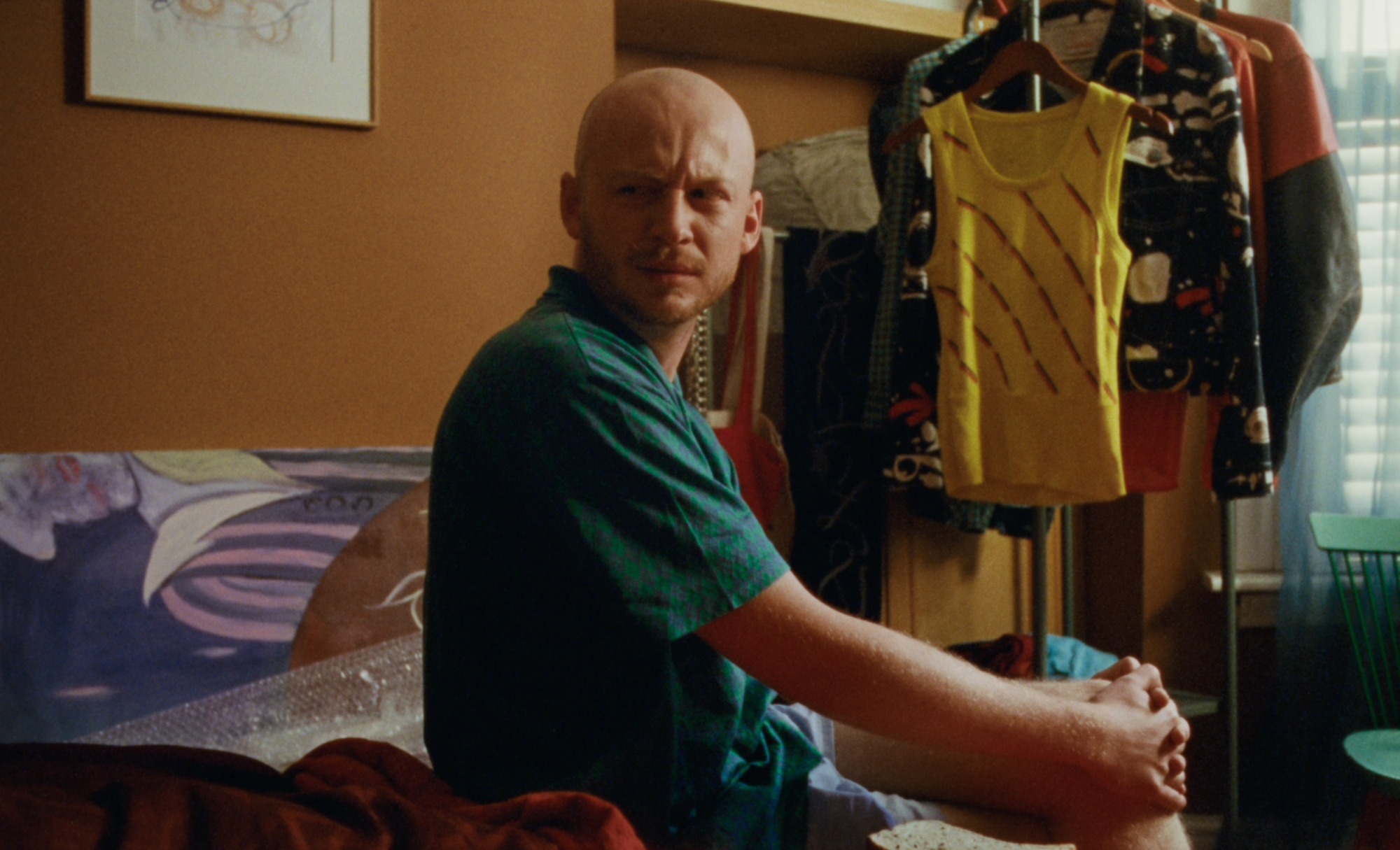
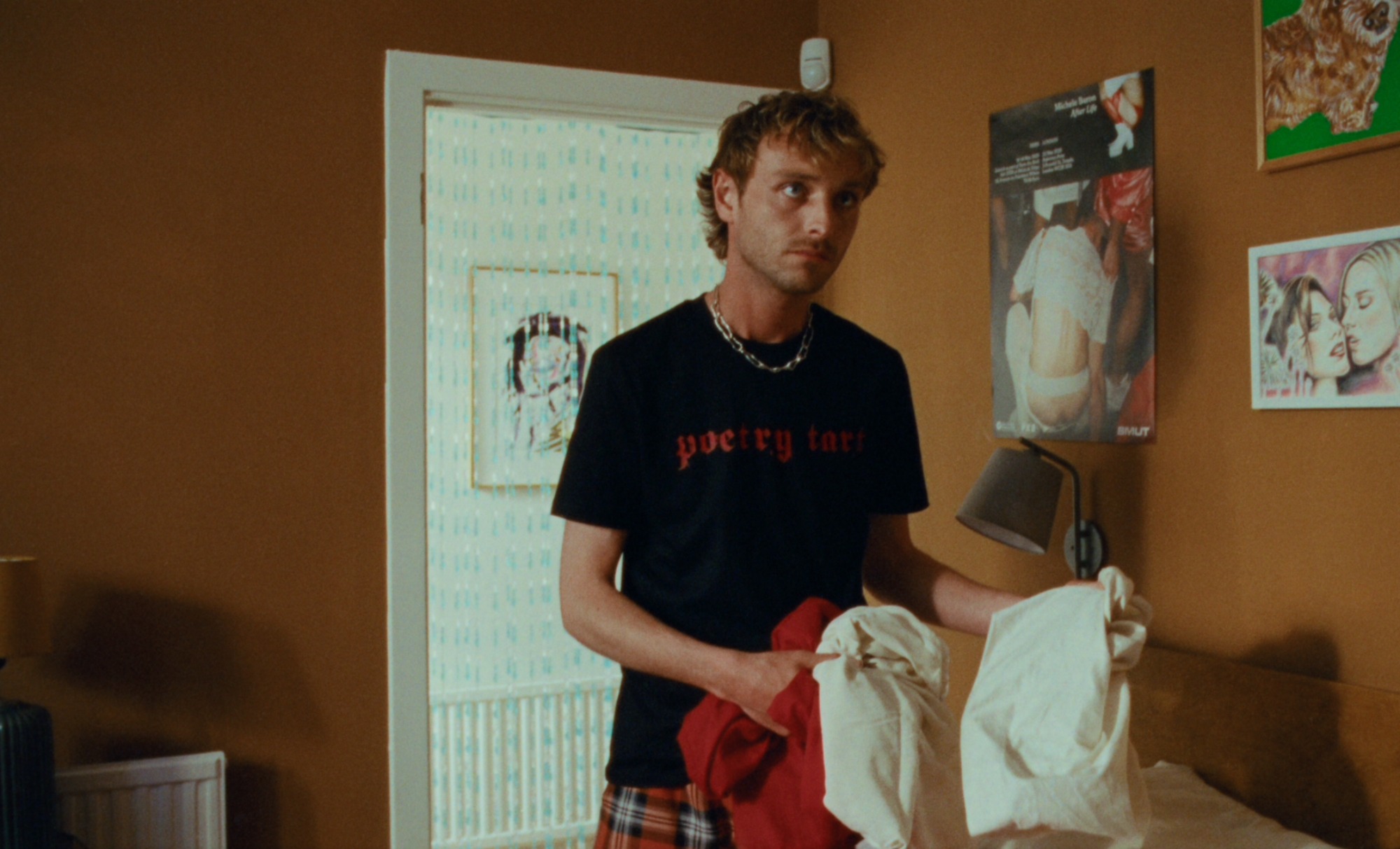
I found it really hard, as you can’t condemn either of them — the cruelty and the love feel completely inseparable. You’ve spoken about failing relationships rarely having a clean protagonist and antagonist. How did you protect that moral ambiguity from page to screen?
I’m so glad you felt that! This is one of those relationships that has devolved into a game of tit-for-tat tennis that neither of them can stop playing. I think they’re both frustrated that the relationship is not currently what they want it to be — so they’re both lashing out in their own way.
John Bell and Thomas Flynn both approached their roles as Michael and Billy, respectively, with such great care and a real sense of responsibility. We played a lot with the idea that even bad behaviour can be rooted in love. Which might make for a poor excuse, but an interesting explanation. We had limited takes but dialled up and down the levels of delivery, so we had plenty to play with in the edit. Max and I then went back and forth until we felt we had the balance right between them to protect that moral ambiguity you’ve described.
Most Popular
Working with DOP Ebba Hult, you landed on a gorgeous, naturalistic and handheld aesthetic.
Ebba and I initially bonded over the idea that the film would feel quite stylised and borderline theatrical, but as we moved through pre-production and began locking various elements — cast, location, etc. — that idea began to feel imposed rather than entirely organic. I love films with a stilted quality — I’m A Good Person certainly speaks to that — and maybe we could have continued down that route here, but I feel like over the course of making it, the film revealed itself to us.
This is one of those relationships that has devolved into a game of tit-for-tat tennis that neither of them can stop playing.
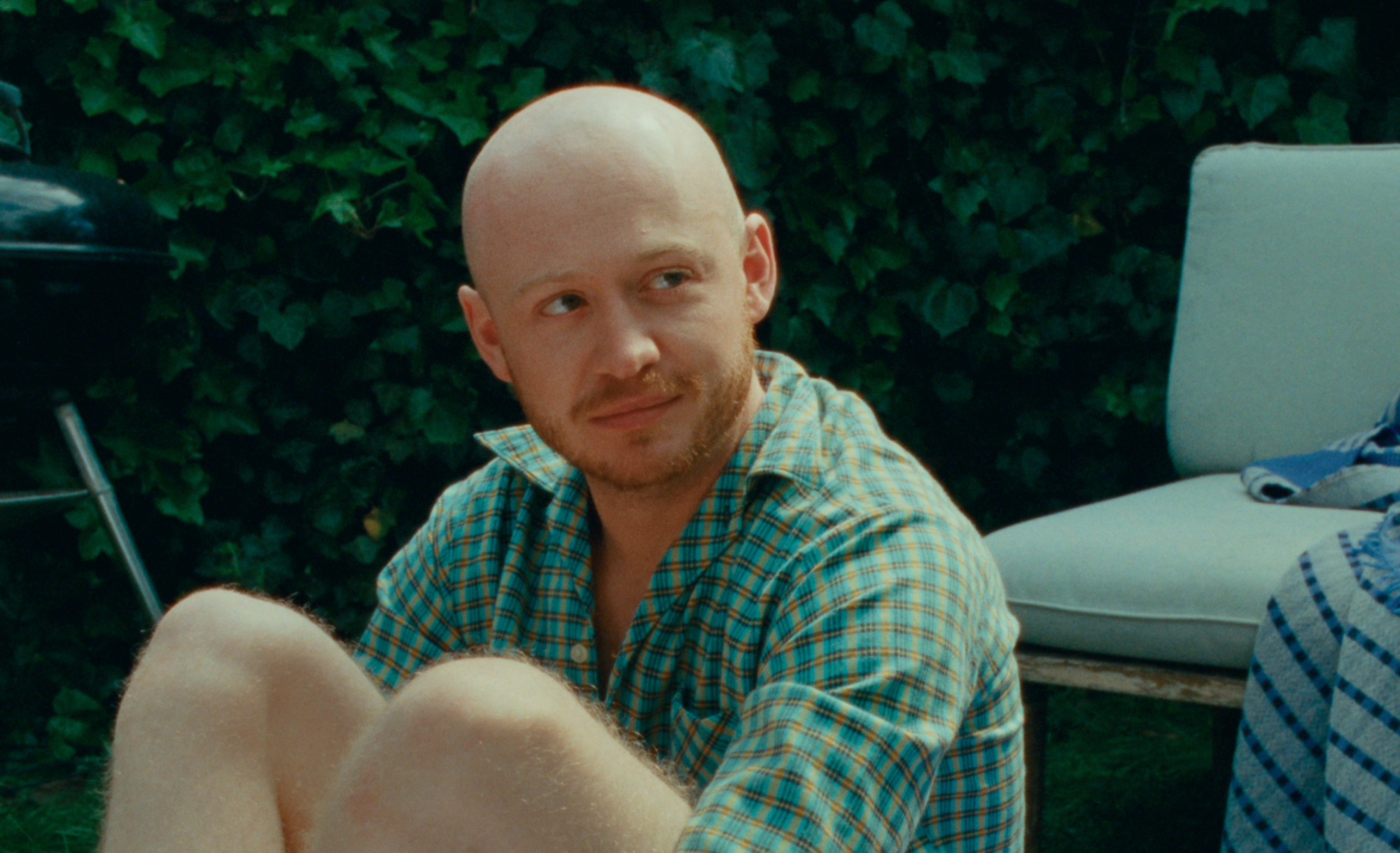
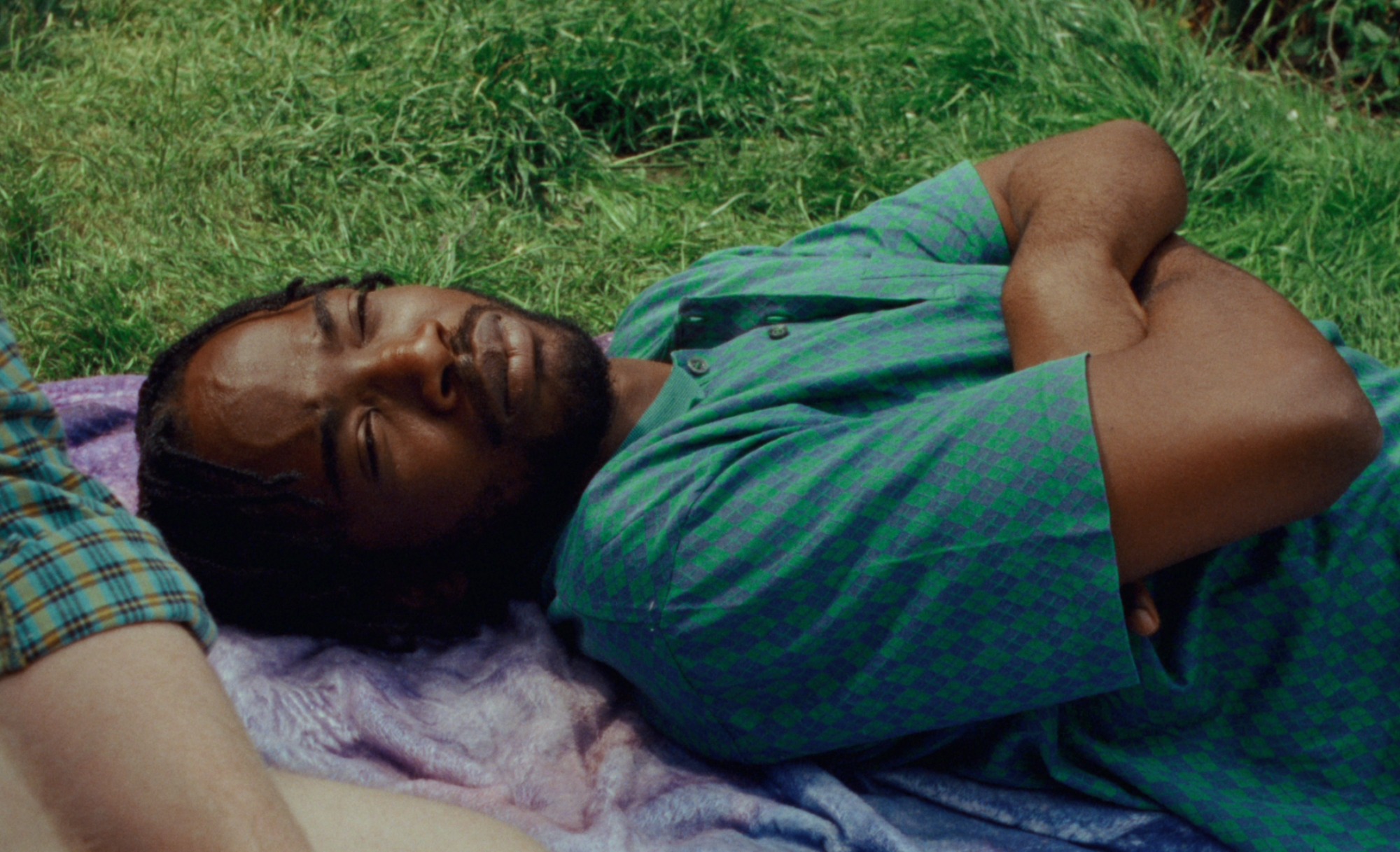
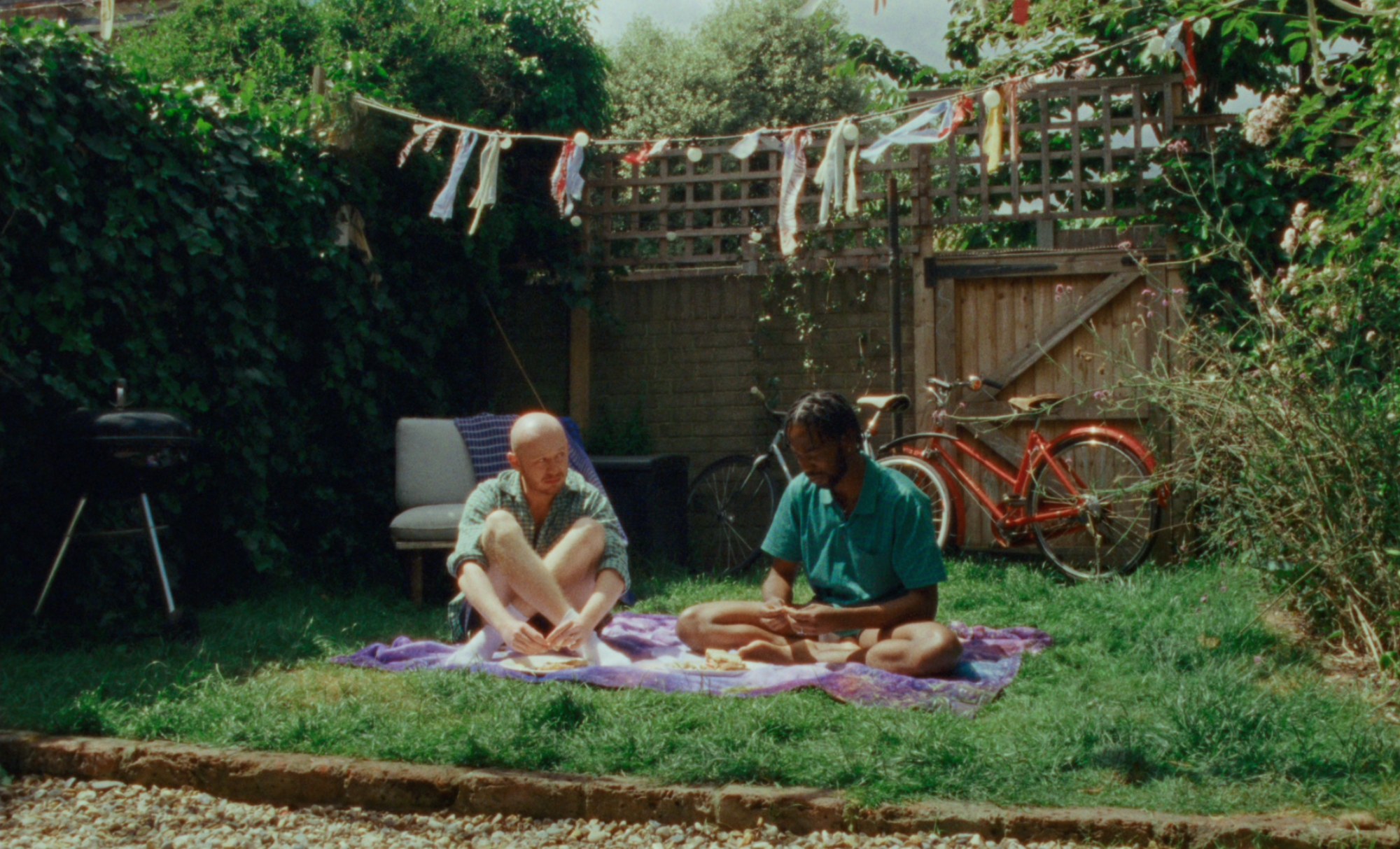
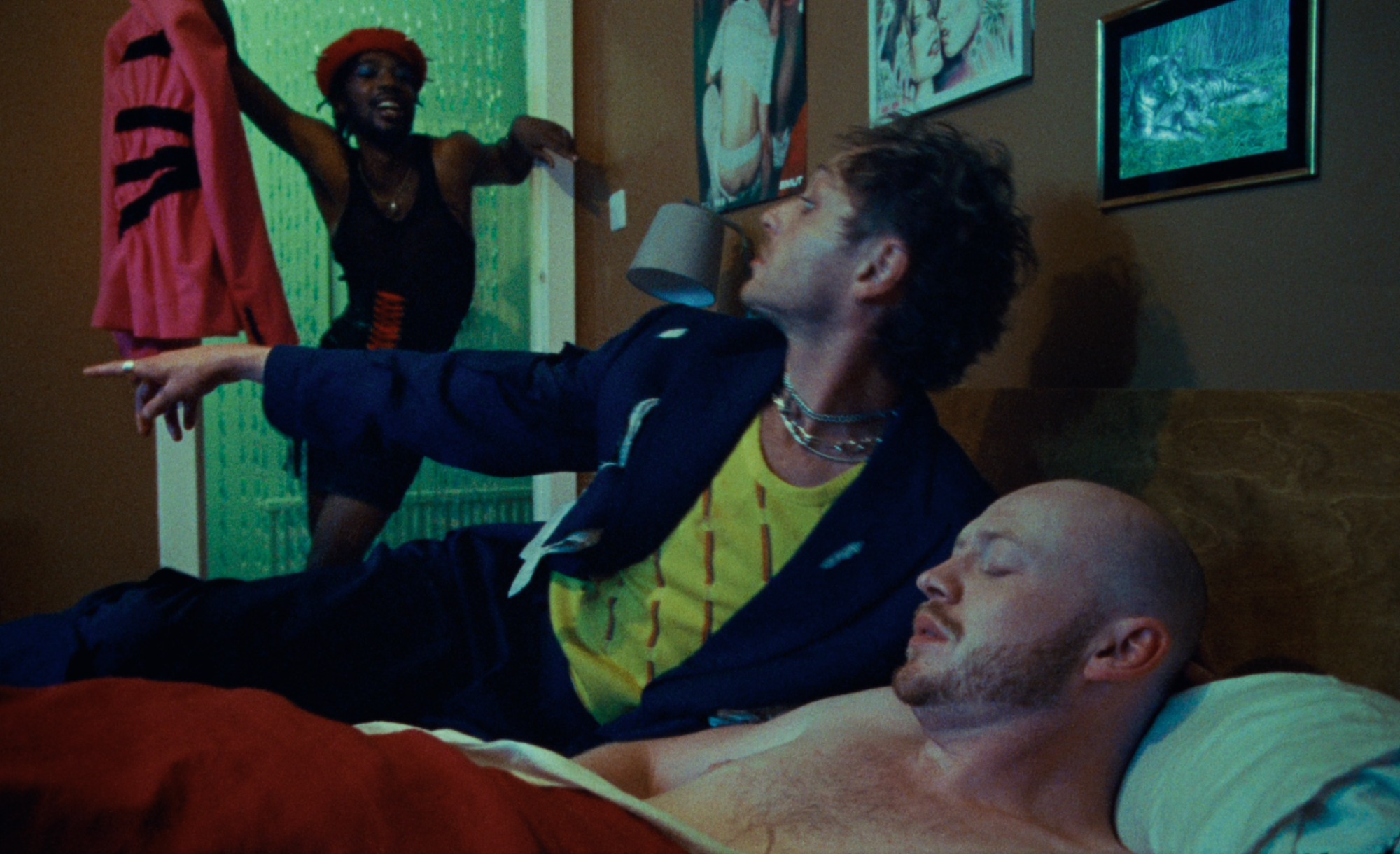
Shooting on 16mm, we knew we had the opportunity to make something aesthetically quite beautiful. We wanted it to be very colourful and dreamlike. Law of Desire, Happy Together, and Laurence Anyways were major references. So, by the time Ebba and I sat down to plan the shot list, knowing we could achieve a degree of theatricality visually — through costume, production design and grading — it felt right to juxtapose that with a more raw and naturalistic quality in terms of cinematography and performance.
When it comes to the discipline of shooting on film, it encouraged me to seek as much rehearsal as possible before we started shooting. And we were very thorough in our planning for pre-production. But the reality was that while we had a finite amount of film, we also had a very finite amount of time and budget. There was only so much rehearsal, and only so many takes we were ever going to get, even if we shot digitally. So I’m not quite sure how different the process would have been. But maybe that’s naive of me! In any case, I love working with actors, and I knew I had an engaged cast that could quickly action notes.
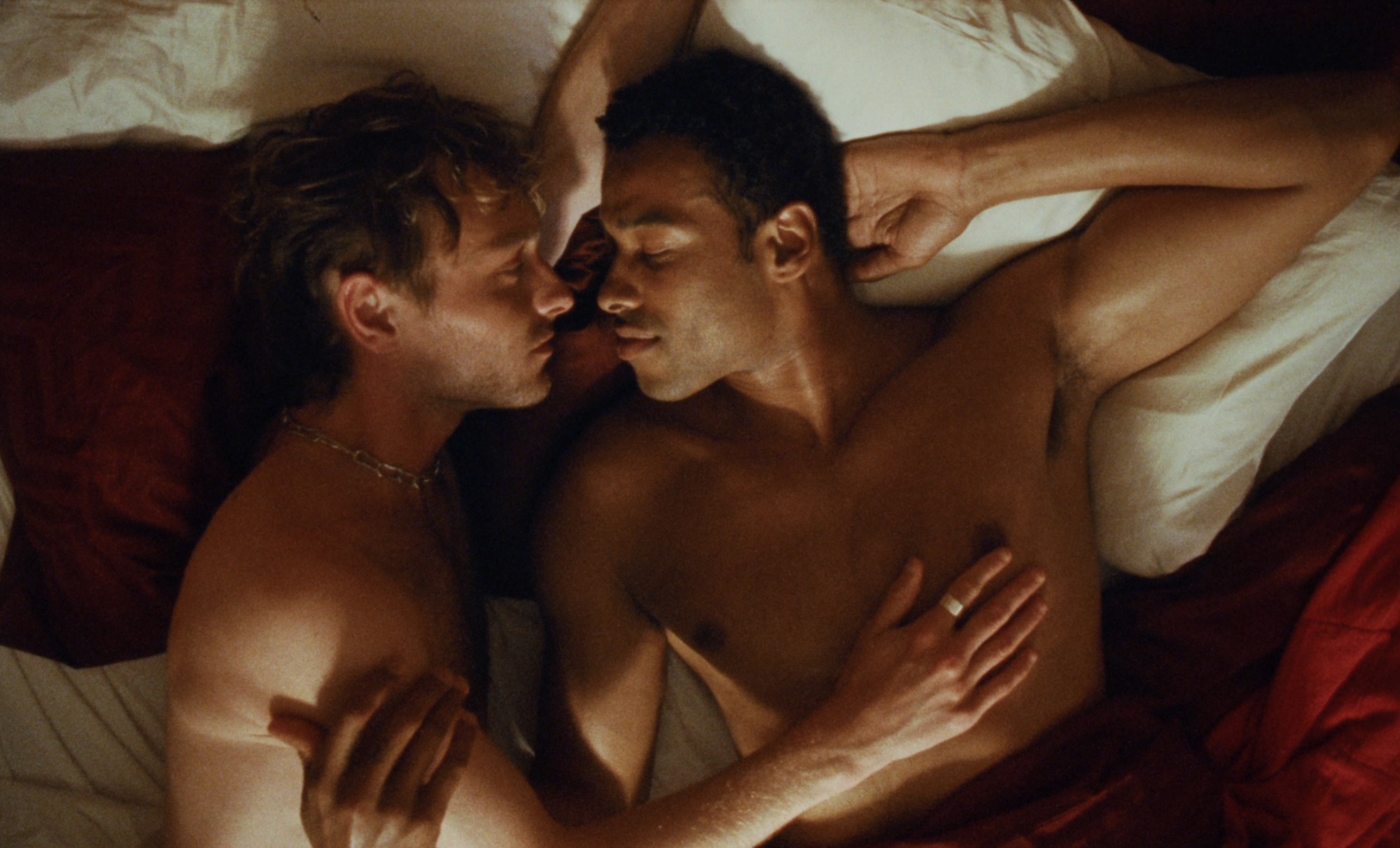
How did you and producer Izzy Meikle-Small, who also worked on I’m A Good Person, approach building out the HODs, and what kind of set did it ultimately allow you to lead?
Ebba gave me a piece of advice in pre-production. She said a good director is someone who assembles a team they believe in and then listens to them. It’s a collaborative effort. And that was very much the guiding principle here. With Izzy — who is very much a creative producer and filmmaking powerhouse — we assembled our team with Keelin Coyle (production designer), Delilah Bannister (costume), Metty Taji (hair and MUA), and Ian West (intimacy coordinator). All incredible creatives at different stages of their careers.
From a writer/director standpoint, there’s an element of delusion in expecting people to believe in an idea as much as you do. But honestly, every facet of this film was elevated by the care with which our whole team handled these characters. It very much felt like we were telling this story, which is just a lovely way to work. Also, they’re all sound. And I only want to collaborate with people who are sound. Filmmaking is stressful enough as it is. Doing it on a budget is even more so. As much as possible, I want to only surround myself with people who make that process better, not worse!
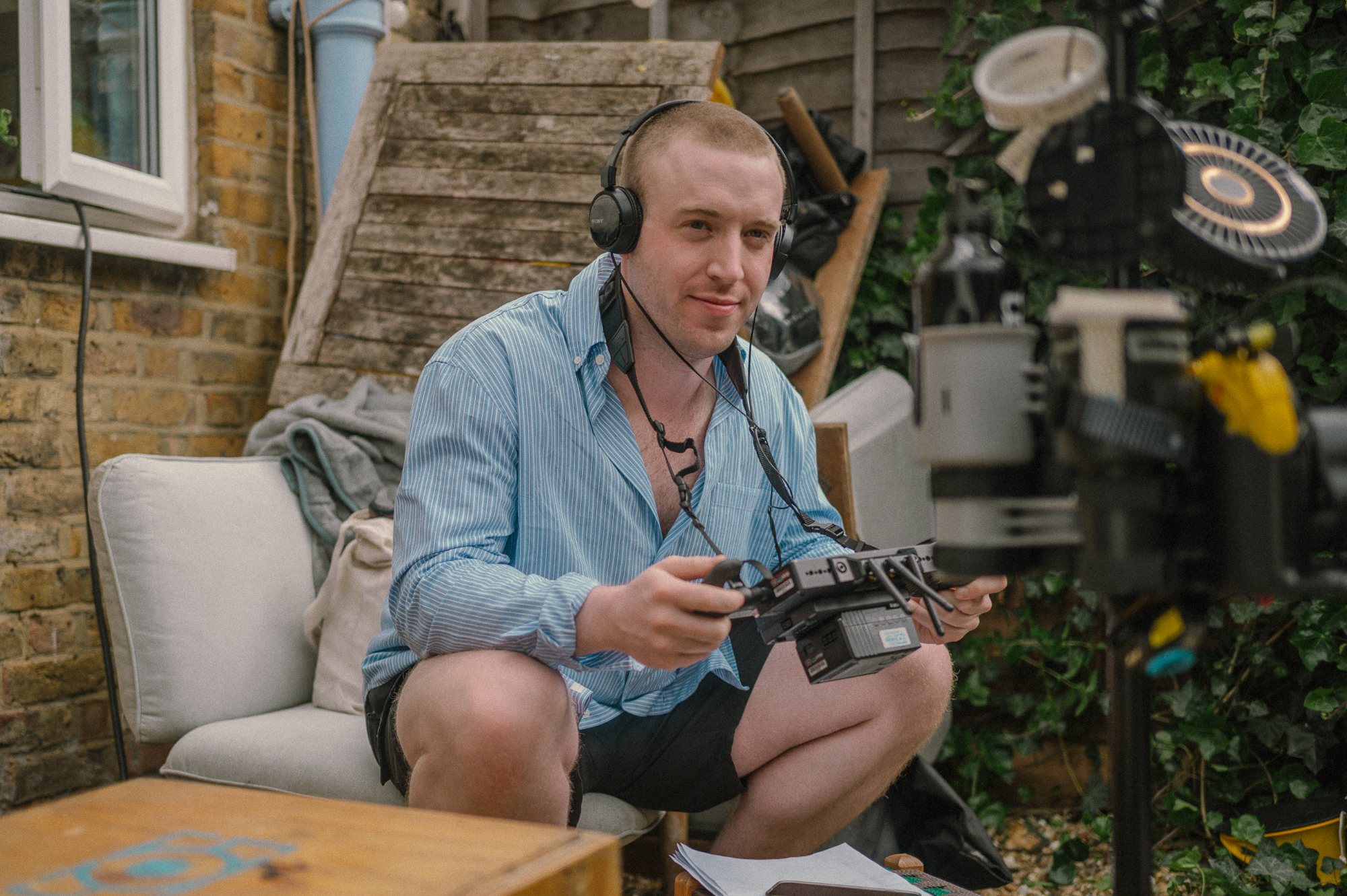
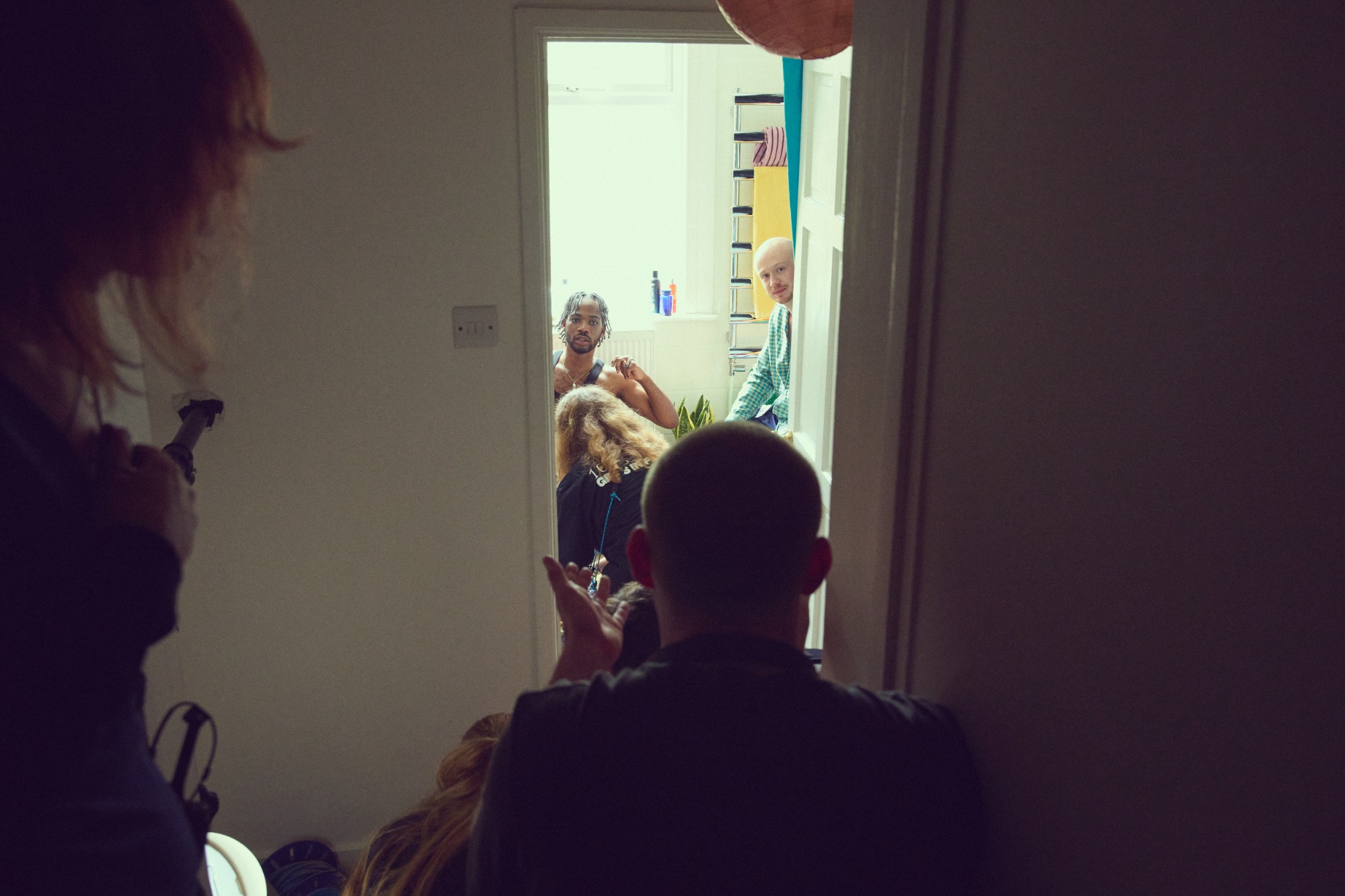
Leading the charge on creating an environment which was fun, safe and productive has been my favourite part of this whole experience. I’ve worked a lot of jobs, both inside and outside of filmmaking, where I’ve felt uncomfortable or infantilised or condescended to. In this context, I had an opportunity to create an environment which was fun, safe and productive so that our team felt able to play and explore the corners of this story.

Your casting and crew assembling is authentically queer top to bottom.
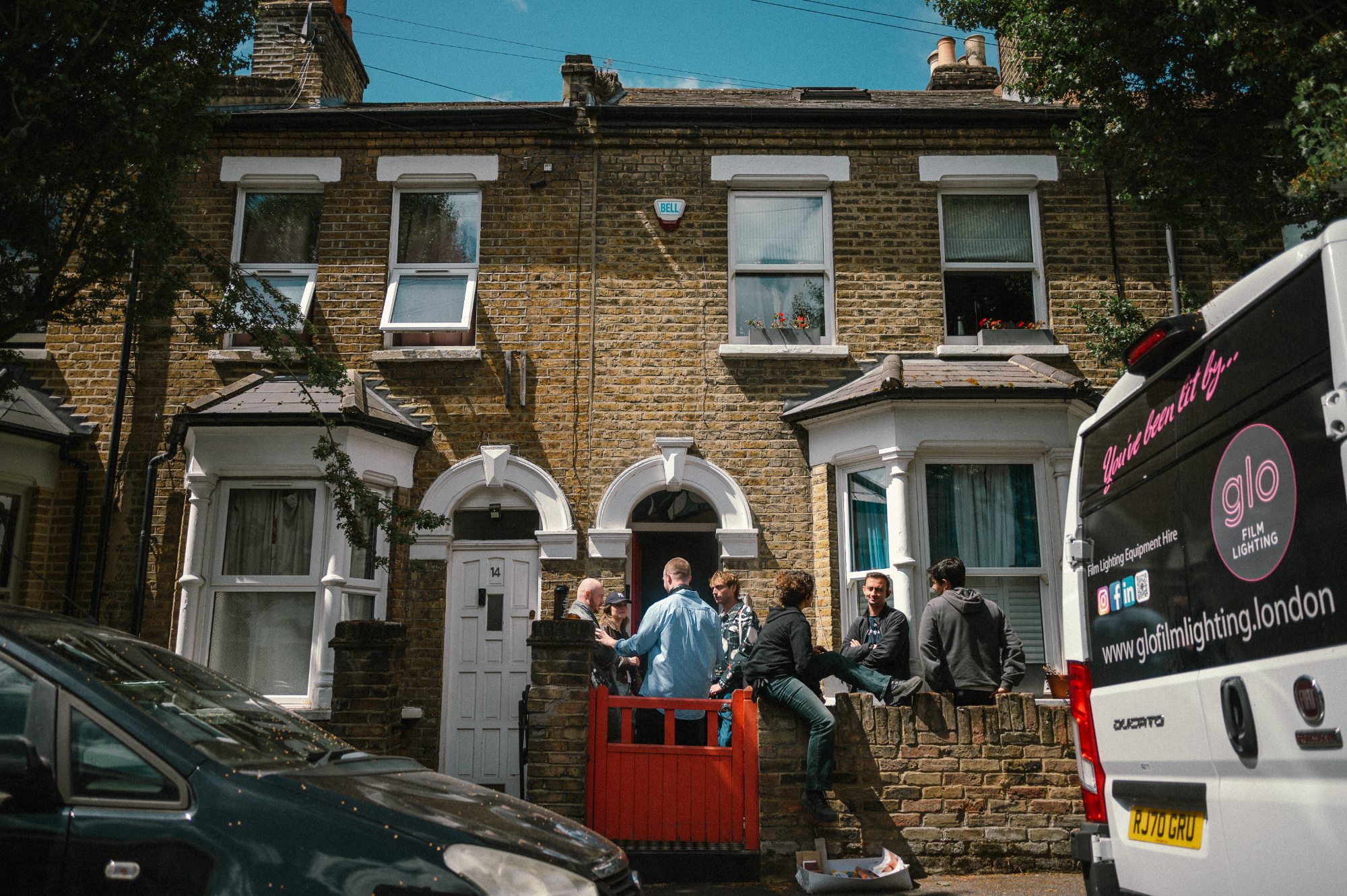
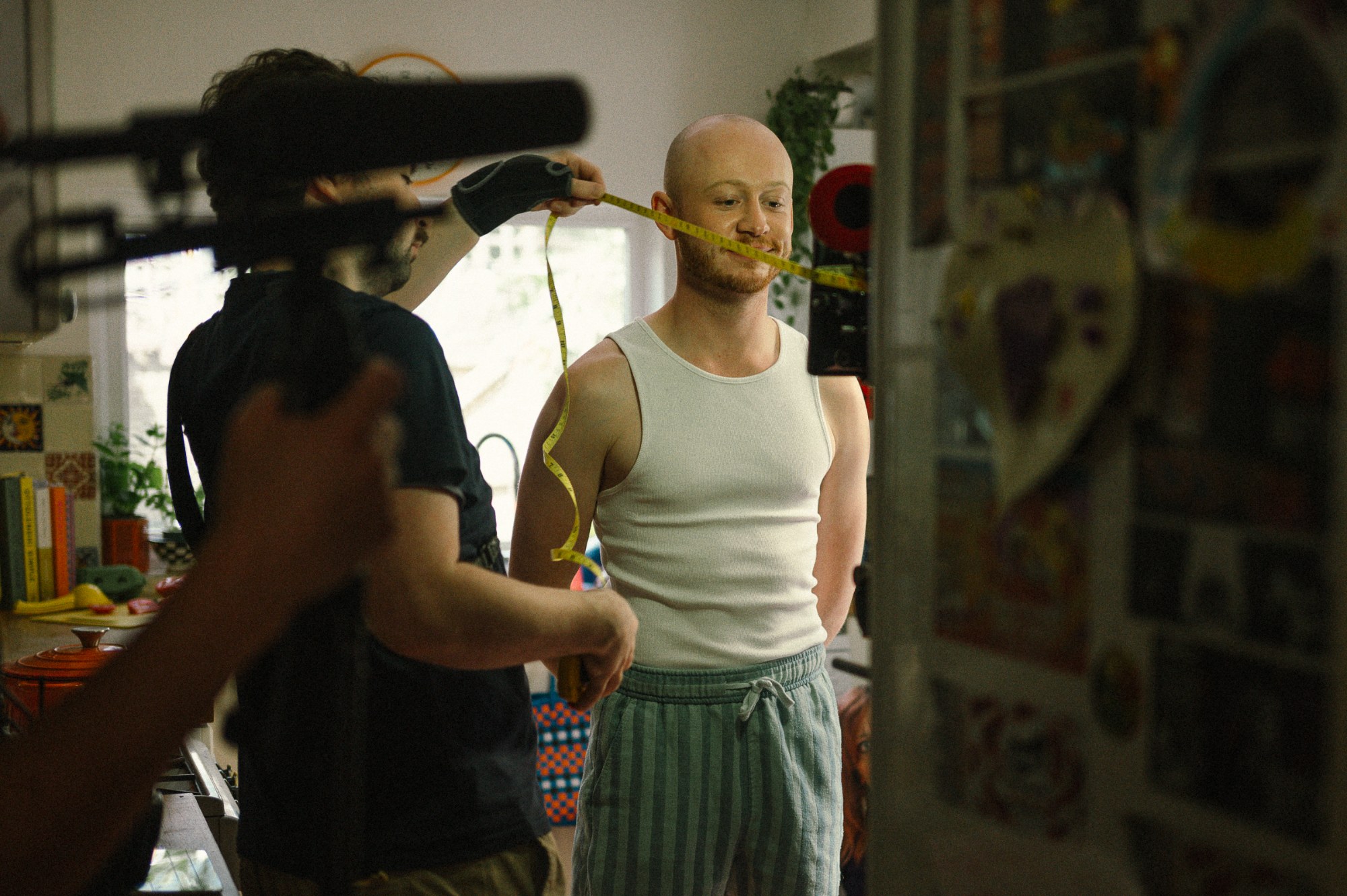
As a queer filmmaker, it was really important to me to incorporate the work of queer creatives and allies into everything — we were so fortunate to be able to feature fashion and artwork by Charles Jeffrey Loverboy, SMUT Press, Yulia Zinshtein, Dónal Talbot, Troy Rosewell and Orla Kenny. They transformed the location — a beautiful house belonging to good friends of mine — into something weird and wonderful.
This desire to champion queer artists, of course, applied to casting too. I have feelings on authentic queer casting. It might not always be possible. Sometimes it may not best serve a story. But, overall, I love to see it. There’s something special about having queer stories told by queer actors. And that representation is particularly important to strive for until openly, visibly queer actors are afforded the same opportunities as their straight and heteronormative counterparts. In this instance, it felt like something we could and should achieve. So we did.
Outlander’s John Bell became attached to the project from early on. Anyone who knows John is aware of his caustic wit and endless charisma, but he also brought the most beautiful vulnerability to Michael. His boyfriend Billy is played by Red, White & Royal Blue’s Thomas Flynn — a magnificent actor who consistently made choices that elevated his character. Rilwan Abiola Owokoniran came on board as Lex, throwing himself into the experience in a way that I could only hope for. And Victor Hugo rounds out the cast as Franklin. Victor will make even the smallest gestures interesting. With a limited budget and very limited time, we had to discover a lot on the day — a risk when shooting on film. But the discipline, creativity and generosity of spirit with which these actors approached their work made the experience exciting rather than absolutely terrifying.
Representation is particularly important to strive for until openly, visibly queer actors are afforded the same opportunities as their straight and heteronormative counterparts. In this instance, it felt like something we could and should achieve. So we did.
How did you navigate all of the changes that post can bring to the table, and did the film that emerged surprise you?
We cut my favourite scene on paper. That was a tough decision, but once I made it, I knew it was right. It occurred quite early in the film, and for various reasons, it was tripping up what followed. That impacted two things. Firstly, the narrative strands you mentioned. There were plot points rooted in that scene that made no sense without it, meaning subsequent scenes had to be edited with that in mind. Secondly, as it was quite a comedic scene, its absence impacted the humour of the rest of the film. It actually really changed the film’s entire personality. Once we let that go, we found a melancholy that we continued to gravitate towards. Honestly, that discovery really lifted something for us. What resulted didn’t entirely feel like a surprise; it felt like we found the film it was supposed to be.
I know a huge amount of thought went into the sonic space Bedcrumbs wanted. How did you end up writing your way into your own soundtrack?
Once we were happy that we had found what we were looking for and officially picture-locked, I worked closely with composer Ben Doherty on the original music for the film. One song we use is from an incredible Irish artist — Jillelli, but all other songs were written by Ben and me. We discovered that, as the film sits in quite a naturalistic, borderline mumblecore space, it didn’t want heavy scoring. Instead, we opted for songs that could play diegetically from a record player in the bedroom. But we could absolutely not afford licensing. I’ve always written songs, so Ben was very kind to work with me on bringing some of those to life.
As the film sits in quite a naturalistic, borderline mumblecore space, it didn’t want heavy scoring.
I had lyrics and melodies for two original songs — Annoying and Fool4U. Ben composed the music. My good friend Eleanor House lent her vocals. We ended up with two songs that could be used license-free and have now been released on streaming services (along with a beautiful instrumental by Ben, You Could Disappear). It’s called Bedcrumbs — Original Songs from the Short Film. Go Listen!
With sound designer Sam Mason also returning from I’m A Good Person, how did you both think about the soundscape of Bedcrumbs — particularly around moments of intimacy, where you wanted texture without tipping the register?
In moments where scoring felt unsuitable, ambient sound proved effective. Sam made use of everyday noises (a reversing truck, a barking dog, a strong breeze) to make certain moments of comedy and tenderness ping. As it’s a film about intimacy, naturally, we wanted to hear smacking lips and pressing bodies. But finding the balance there was key, so we remained in our desired space.
To add to our expanding collection of recommendations, tell us about your fave short(s) and why!
Naima Ramos Chapman was the first person I ever came across to make a short film. We met while taking acting classes in NYC, and I remember being so impressed at the idea of making your own work. And Nothing Happened is a beautifully observed story about a woman navigating the complicated aftermath of sexual assault. It’s sensitive and awkward and quietly brutal. I think about it often. I love H.B. by Gaspar Palacio; Mary Last Seen by Sean Durkin, Mauled by a Dog by Sion Thomas, and Everybody Dies Sometimes by the iconic Charlotte Hamblin — which I know you already feature on here, but nonetheless!
Where does Bedcrumbs sit in the larger story of where you’re heading, and where are you with future work?
There’s plenty on the agenda. My poor boyfriend is starting to flinch at the slightest mention of a “short film”… In terms of those I’ve written, International Superstar is next up. We’re in pre-production now and due to shoot later this year. It’s a satirical dark comedy about a TV producer working on a singing competition. I can’t wait to make it. And then Sólás is an Irish-language short set in a prison that I’ll be building towards after that.
Bedcrumbs has also opened doors to conversations around directing other people’s writing, which is something I’m really interested in as I build my portfolio and work towards making long-form work. I’ve just signed on to direct a short called Pariah, written by Shane Tighe and produced by an incredible, queer-led Irish film and TV production company called All My Friends.
As for the big picture, there are a number of long-form projects ready to go (including a feature adaptation of IAGP!) but I don’t know yet what that next step might look like, should I find myself fortunate enough to take it. Bedcrumbs is a really special film to me and I think it speaks to a lot of what I’m about as a filmmaker, but I’m excited to explore the corners and share more of that in the work that follows.