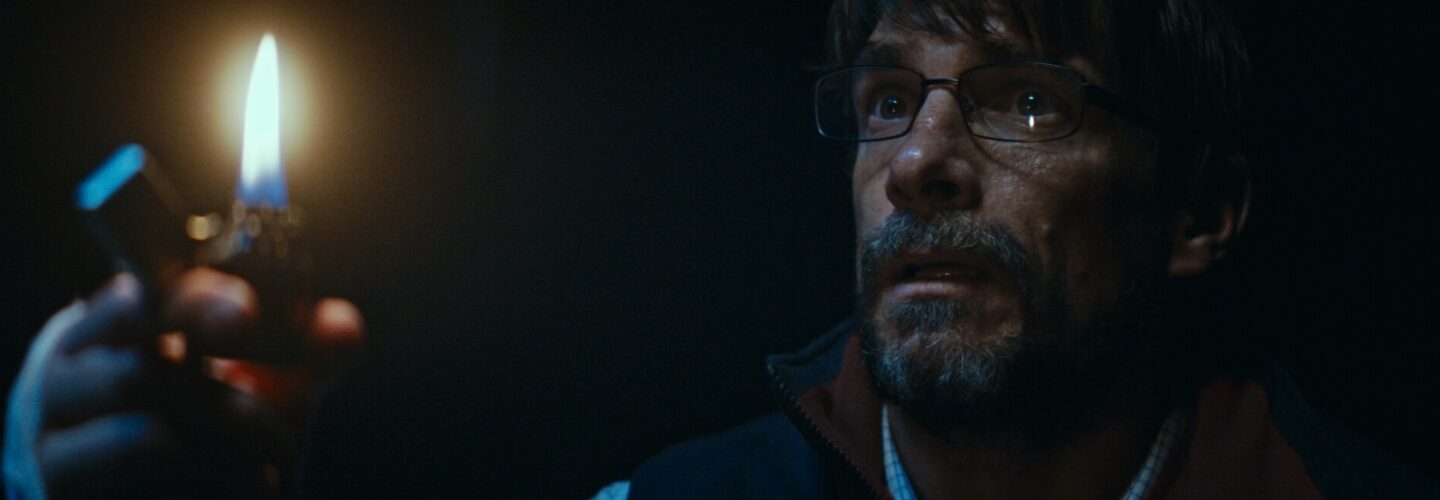
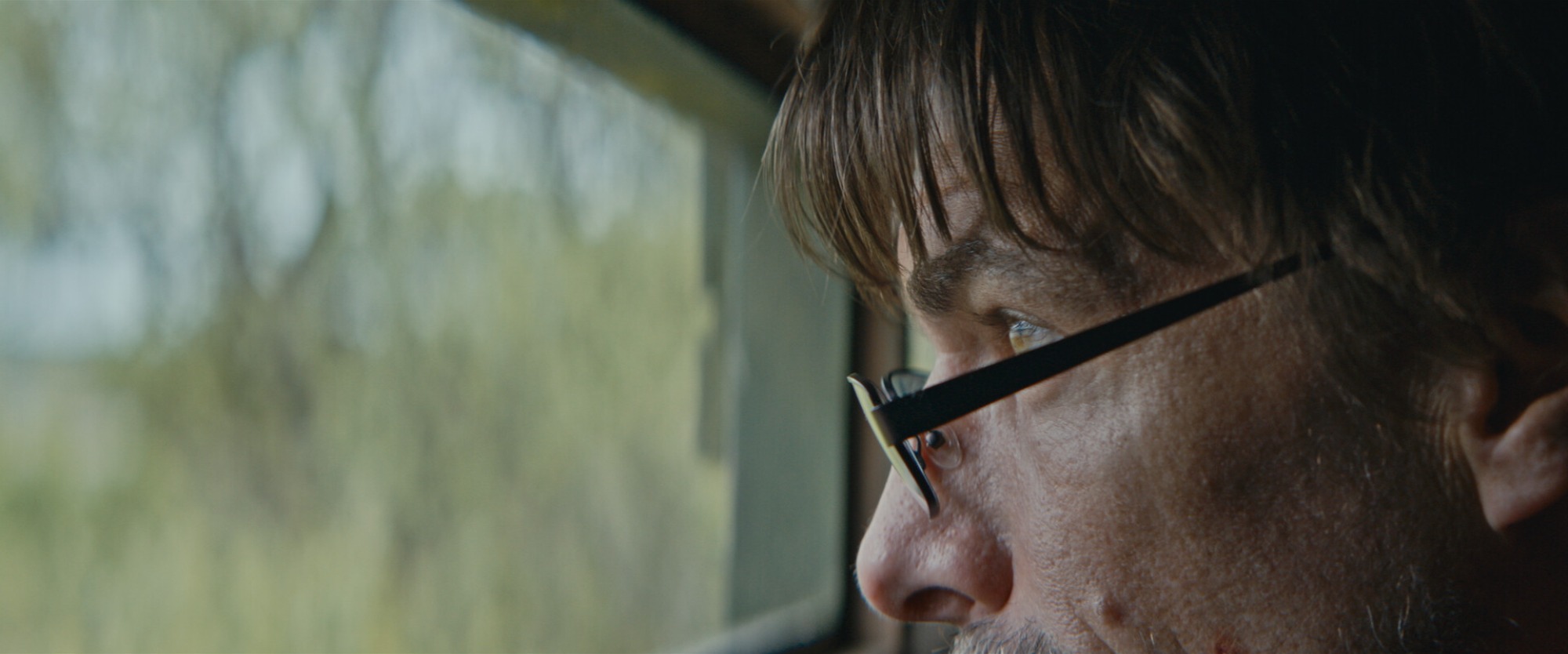
For many, birdwatching is seen as what must surely be a serene pastime: reconnecting with nature, stillness, and even oneself. It must be especially so when taking place from the sanctuary of a bird hide, a wood-built shelter in which hours can be whiled away marvelling at the many species of birds living care-free in the idyllic Cornish countryside. That serenity is undercut with a slow-burn sledgehammer right from the outset in Ryan Mackfall’s latest short, The Birdwatcher. Reunited with producer Kingsley Marshall and returning to Directors Notes after their previous collaboration Backwoods, both director and producer join us for The Birdwatcher’s online premiere to talk about the making of their latest atmospheric and thought-provoking horror: the cinematic and Lovecraftian inspirations behind it, the challenges of filming in a real-life bird hide, and working with the local wildlife society as well as an army of committed film students to make it possible.
Welcome back to Directors Notes, this time with sinister short The Birdwatcher. What was the inspiration for this story?
Ryan Mackfall: Thanks for having us back! We love what you do. The journey with this film started when I met up with actor Craig Russell for a catch up. Craig’s one of those positive forces in my life, a doer. He said he wanted to work with me on a short because at that point, we hadn’t done anything drama-wise together, just music videos. He spoke about an idea connected with mental health, and someone struggling while taking a walk on the coast – seeing strange things and ending up stranded. I liked the idea but wanted to expand it and make it much weirder.
I had a conversation with a production designer friend Hugo Helene-Deeg who was interested in the early genesis of things – he threw in the idea of an ice hut… I was like, “Well, Cornwall doesn’t have any ice”. I considered similar locations and places that horror films hadn’t been to before; a birdwatching hut came to mind. It worked with the settings around us in Cornwall and I started chatting about the idea with Lachlan Marks, who has worked with me developing scripts on my short film style music videos. I sent him a story outline, and after a few back-and-forth conversations, we arrived at what’s on the screen.
I had a conversation with a production designer friend Hugo Helene-Deeg who was interested in the early genesis of things – he threw in the idea of an ice hut… I was like “Well, Cornwall doesn’t have any ice”.
Kingsley Marshall: We were on the train back to Cornwall from the UK premiere of our first film together Backwoods at London Short Film Festival in January 2020 with our post producer Rosa Mulraney. Ryan mentioned this idea he’d been working on with Lachlan, and pulled a printed copy of the script from his bag. The story was pretty ambitious. I read it, passed it to Rosa, and asked her whether she thought it could be done on a low budget. From there, it was a Myskatonic project.
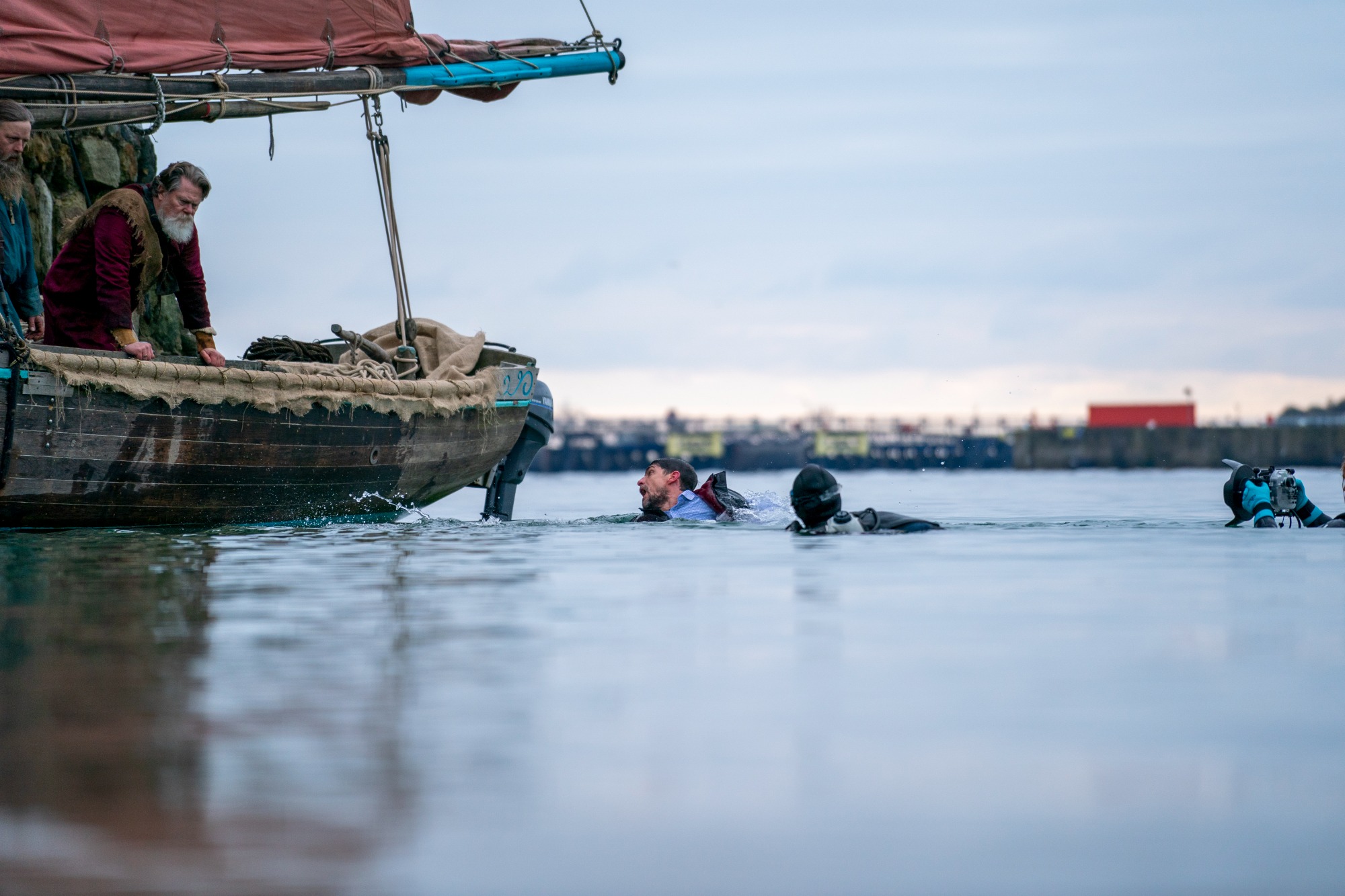
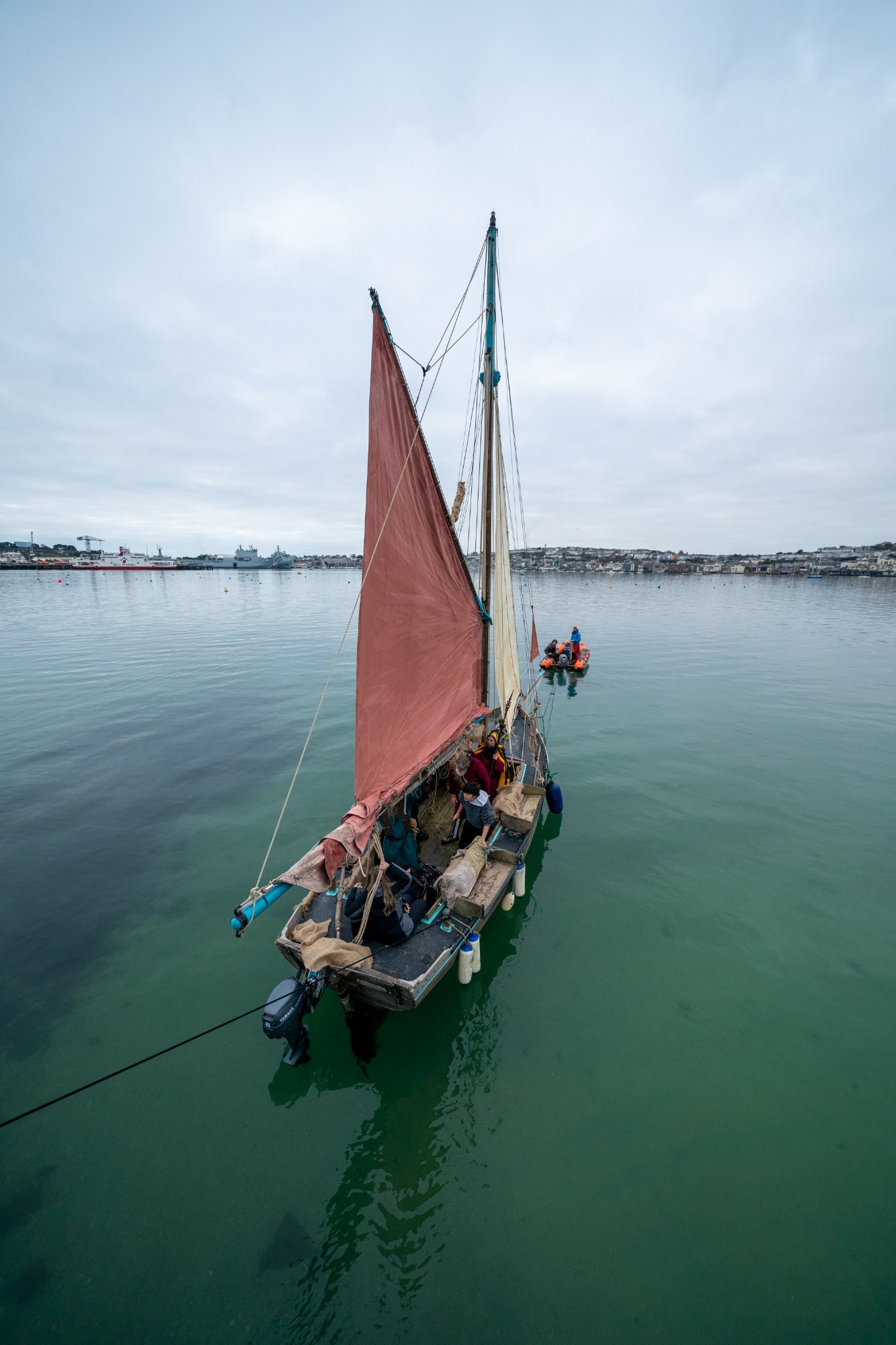
We worked on it for a few months and were ready to shoot just as the pandemic hit. That year, we used the time to further develop the script and the story world with Lachlan and worked with our art director Lee Evans to build out the look. We shot over two blocks, the woodland and hut scenes were shot in 2023, which we handed over to the VFX team, and then Ryan and I put the boat shoot together the following January – a wild day with about 50 people on the set – a beautiful rigged fishing boat, safety boats, a dive photography and a drone team – all buzzing around a quay in Cornwall.
Craig Russell is really put through the wringer as The Watcher. How was it collaborating with him and the rest of the cast?
KM: Craig was always our lead as he had planted the seed with Ryan. The rest of the cast came together from work we’d done before. I’d worked with Mary Woodvine for a few years on different things and was keen to bring her on board, and I’d seen Rimca Karmakar in one of Ryan’s music videos. Mary and Rimca made for a great duo and had the right tone from the start. In a script read, they both had The X-Files in mind – but told us that they felt the relationship was more Skinner and Mulder, rather than Mulder and Scully, which we really liked. Our boat was provided and crewed by an actual oysterman Chris Ranger, who fishes traditionally under sail for native oysters, our friend Charlie, who speaks the Cornish language Kernewek, and Kevin Horsham. Kev had played such a big part in our previous shorts Backwoods and South of Here, we really wanted him in the film.
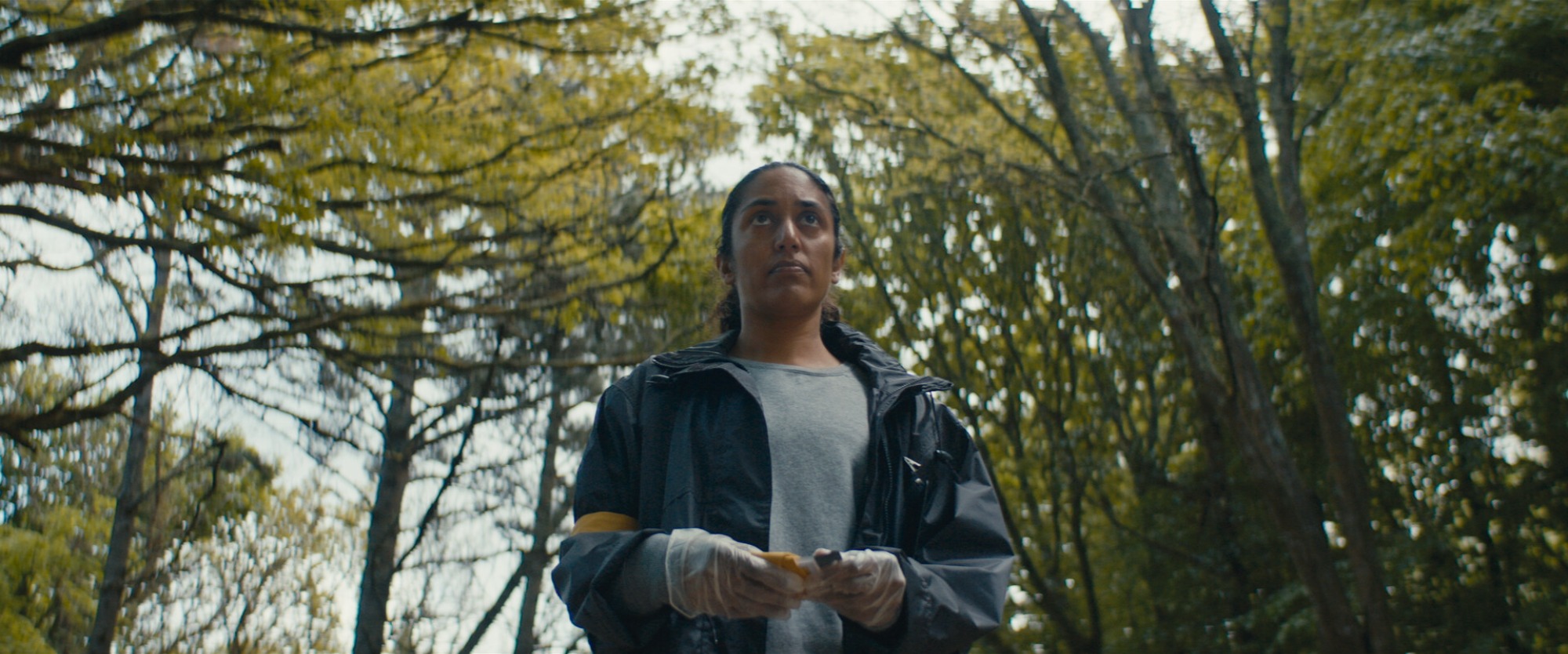
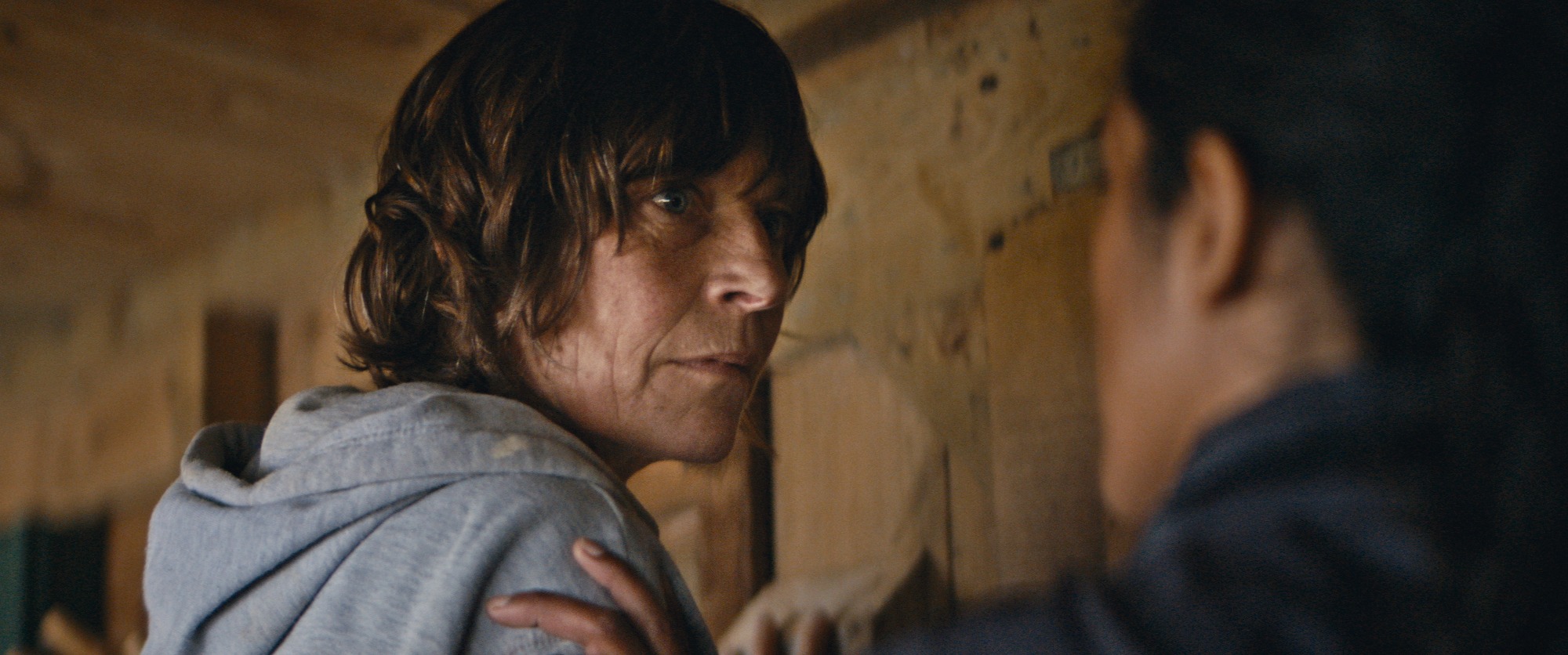
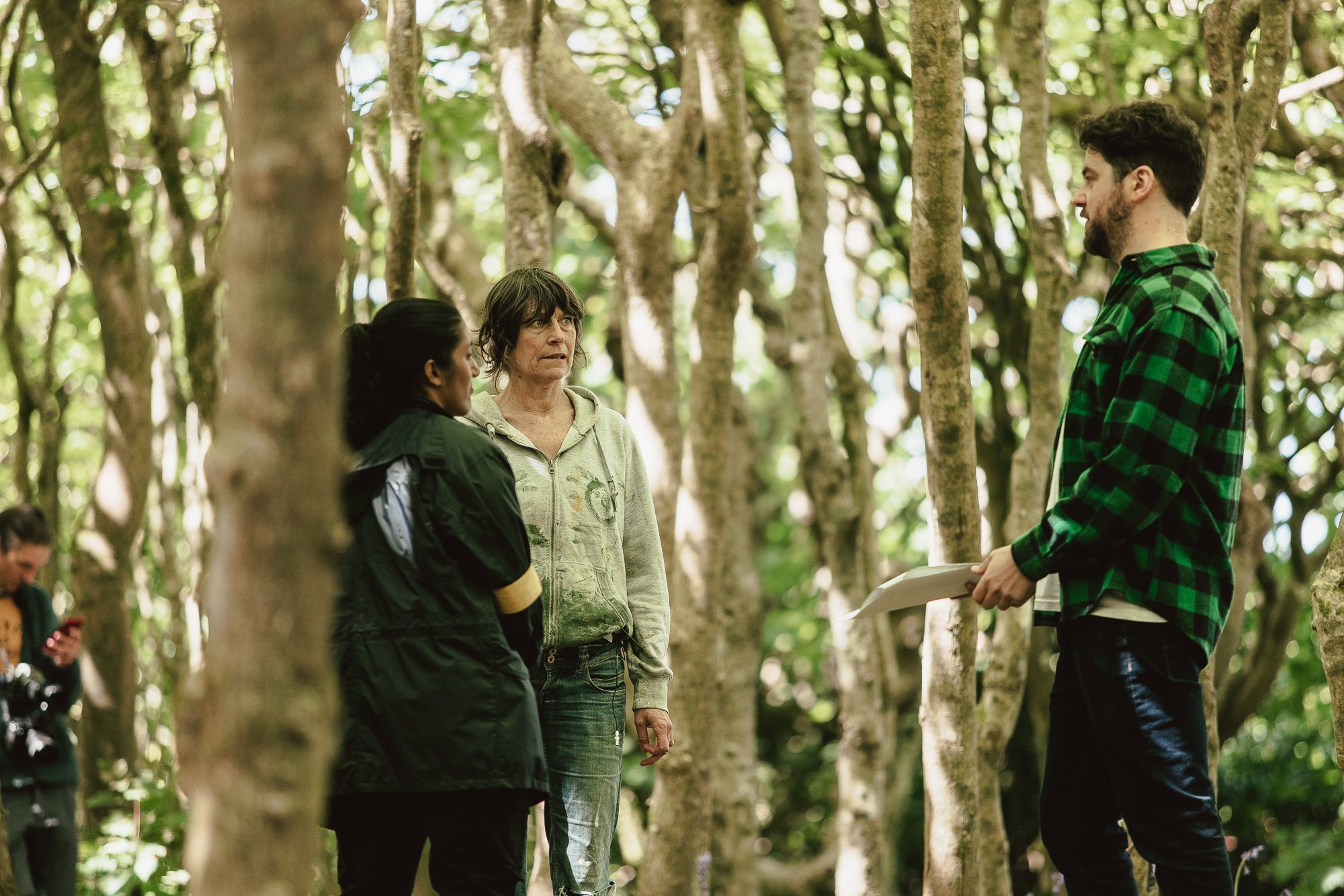
RM: It was such an honour to work with the actors. It was my first time working with Mary, who I’ve been a fan of since Bait. She brought so much to the table in terms of the character and had a great rapport with Rimca. With Craig, I know I’m in safe hands because we know each other so well. We’ve done quite a few things together and have developed a bit of a shorthand. A good atmosphere on set is essential for bringing the best out of everyone, and a factor with our actors which warrants recognition is their positive energy on set around the rest of the crew – they were all bright spots in our manic days.
Most Popular
The cinematography, for me, had elements of horror as well as Nordic Noir. What was your approach to capturing the visuals of this story and collaborating with your DOP?
KM: I’d seen a great short called Canvey Island directed by Isla Ure at a festival, and sent it over to Ryan – the look of the film was really rich and used colour brilliantly. Howard Mills had shot the film and coincidentally had already connected with Ryan on social media, enquiring about collaborating. He was really keen on the story and came down to Cornwall for a couple of days to do a recce. Our previous film had felt quite digital and Howard helped us push the look of the film. We cashed in every favour we could to realise what we had in our minds, with Arri lending us an Alexa LF, and Howard was keen to shoot anamorphic, which we sourced from ShootBlue.
I’ve had a hand in a lot of the cinematography of the stuff I’ve directed, I was DoP and director on Backwoods and when I’m writing I’m always thinking about compositions and angles in relation to the characters.
RM: Howard had very specific ideas to how it would be shot. At first, I was uncomfortable using anamorphic because I’d never worked with them before and I’m not the biggest fan of how the lens breathes when you pull focus, which I find quite off-putting. Howard explained why this was the right approach for the short and we agreed, particularly in relation to the tight space we knew we’d have in the hut. I’ve had a hand in a lot of the cinematography of the stuff I’ve directed. I was DoP and director on Backwoods and when I’m writing, I’m always thinking about compositions and angles in relation to the characters. With The Birdwatcher I knew I needed to let go more and the results speak for themselves – Howard was fantastic. As I move into features I’ll be stepping away from the camera so this was a move towards that for us – but with that said, as a director I’ve always got strong ideas on the image.
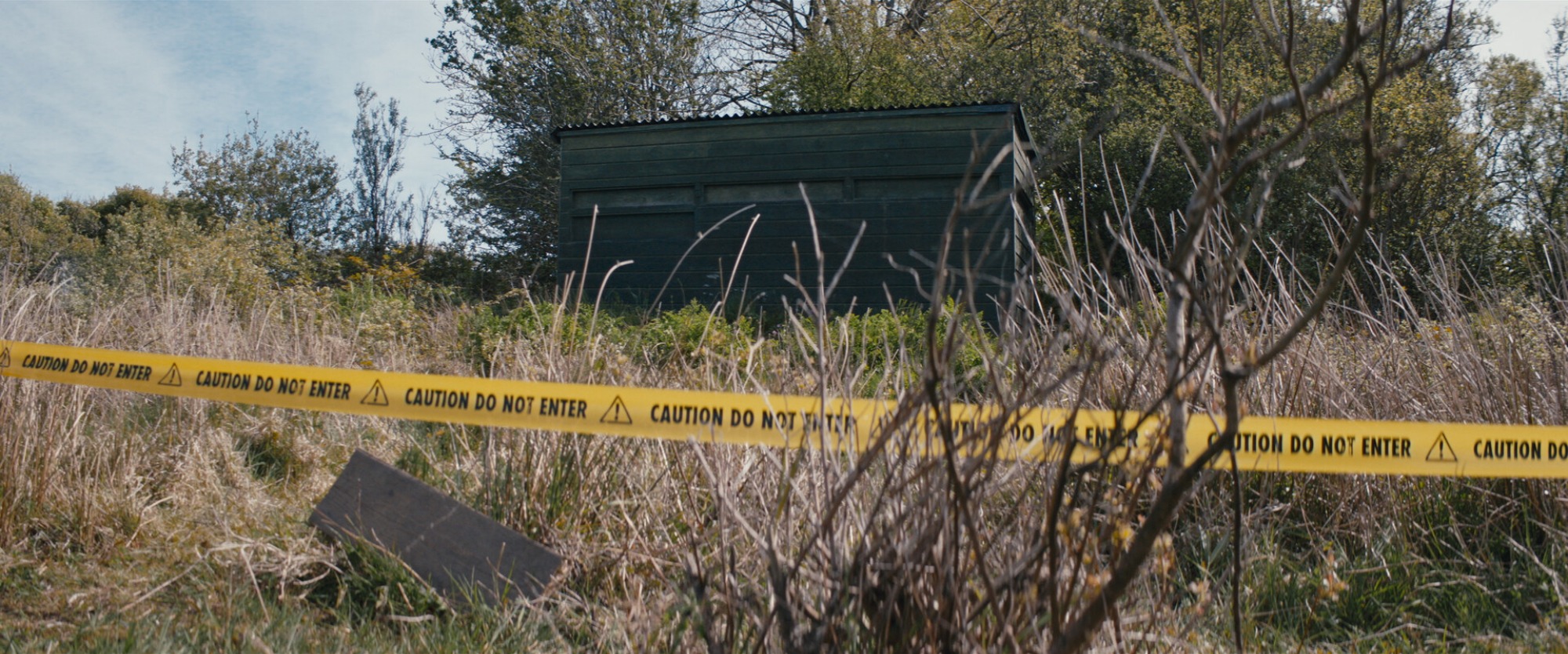
The film is shot in a wonderful location, complete with a bird hide. How did you find that spot and what were some of the production challenges filming there?
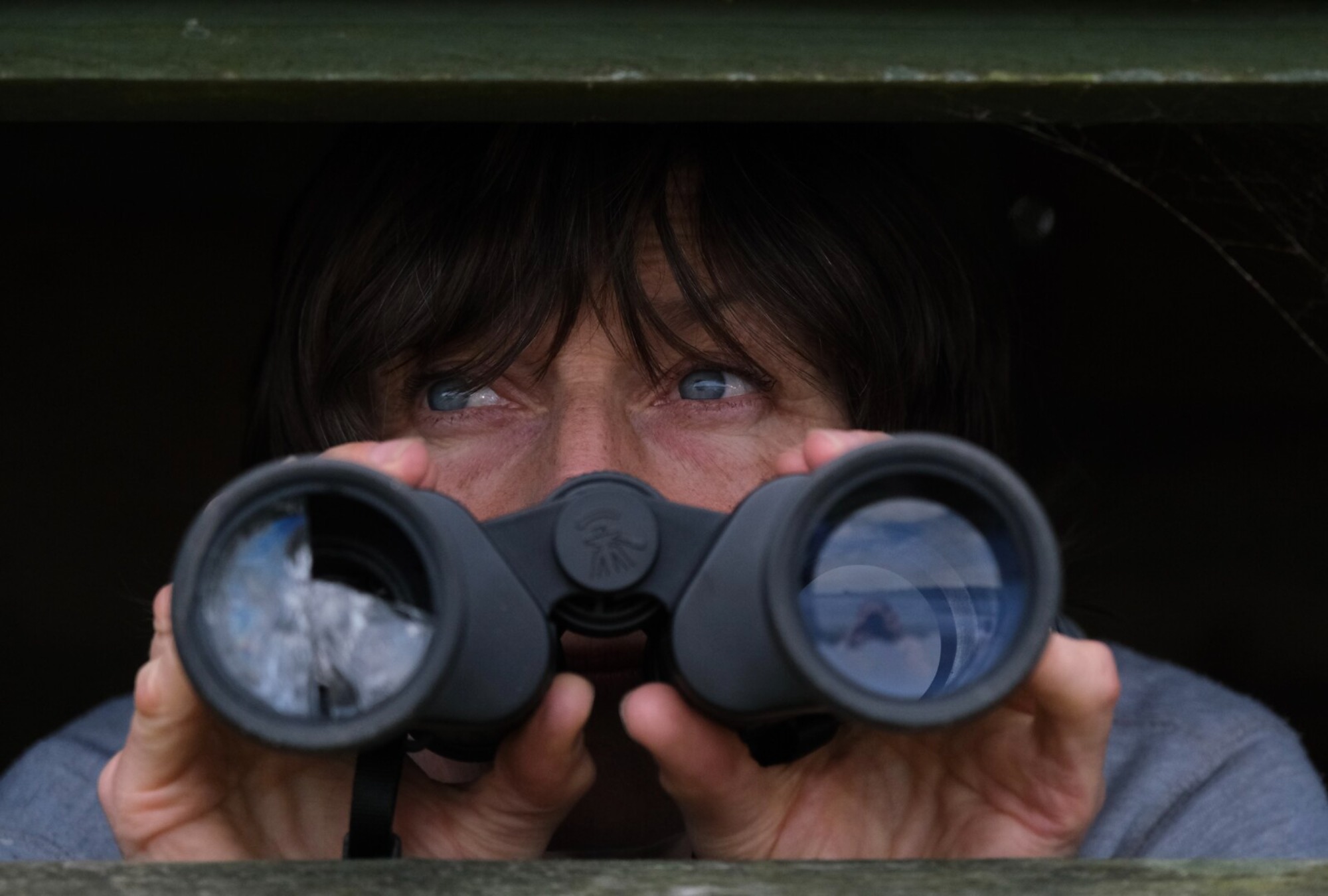
KM: Initially, the script had the birdwatching hide inland as we thought we’d be able to build it, to give us shooting options through flyaway walls and roof. That idea was kyboshed by our build team led by Joe Gray, who did a fag packet calculation for the set – the cost of materials had shot up after the pandemic, and wouldn’t leave us enough to make the film. Ryan and I scouted what seemed like every birdwatching hide in Cornwall and the last stop on the recce was a couple of miles from Ryan’s house – where there were three options on the shore of a beautiful inland lake. A team from the local wildlife society came out to meet us. They were really excited about the story, offered some advice on the script – and let us use the hut as we needed, and we adjusted the story a little to make use of the location.
The main challenge was getting the massive ARRI camera, our camera team, and our actors into the hut and being able to shoot. Angles were super restricted but, as ever, limitations are great on a set – it felt restricted for the actors, but has the same impact on an audience, and the limited space mirrored the way the portal traps its prey in the hut. Once they were in and the door slammed behind them, we felt the universe was helping us with the story.
The main challenge was getting the massive ARRI camera, our camera team, and our actors into the hut and being able to shoot.
RM: Yeah, we were so grateful that we were allowed to shoot at one of the birdwatching hides on Stithians Lake. It felt like the right place, albeit requiring changes in the story. Originally, Lachlan and I wanted to put the hut far away from water to add an extra layer of weird. How would so much water get into a hut in the middle of the woods? Ultimately, the water being in front of it made it even more creepy. I think dark, deep bodies of water bring about a primal fear in us all. The eeriness comes from seeing the salt line in the hut from the water mark, and then thinking, “Has it come from that ominous body of water?”
The birdwatching society who own the hut were gracious enough to let us cut a hole in the floor and do what we needed to do for the story. Our carpenter Isaac Okenden and his team worked a day after we wrapped, making sure it was better than it had been on our departure with some repairs and some lovely touches, but that level of cooperation is difficult to find sometimes. We had a terrific unit base from the local community nearby where our caterer Glynn and DIT were able to work while we were shooting – everyone was so kind – even bringing cakes over for the crew – they made this project possible and our gratitude is endless.
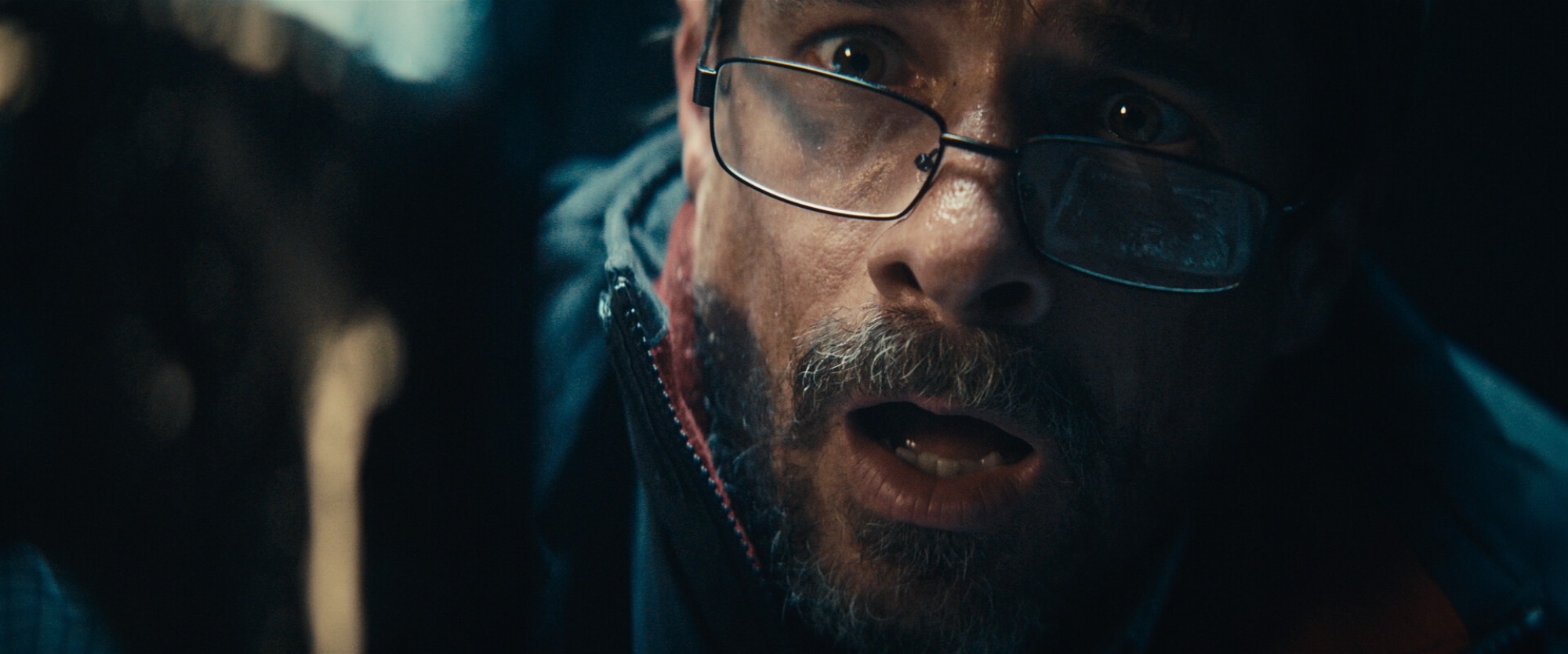
The story takes us inside a dark space where the interior floor of the hide was recreated. Where did you shoot this and what was involved in creating the oozing lagoon under the floorboards?
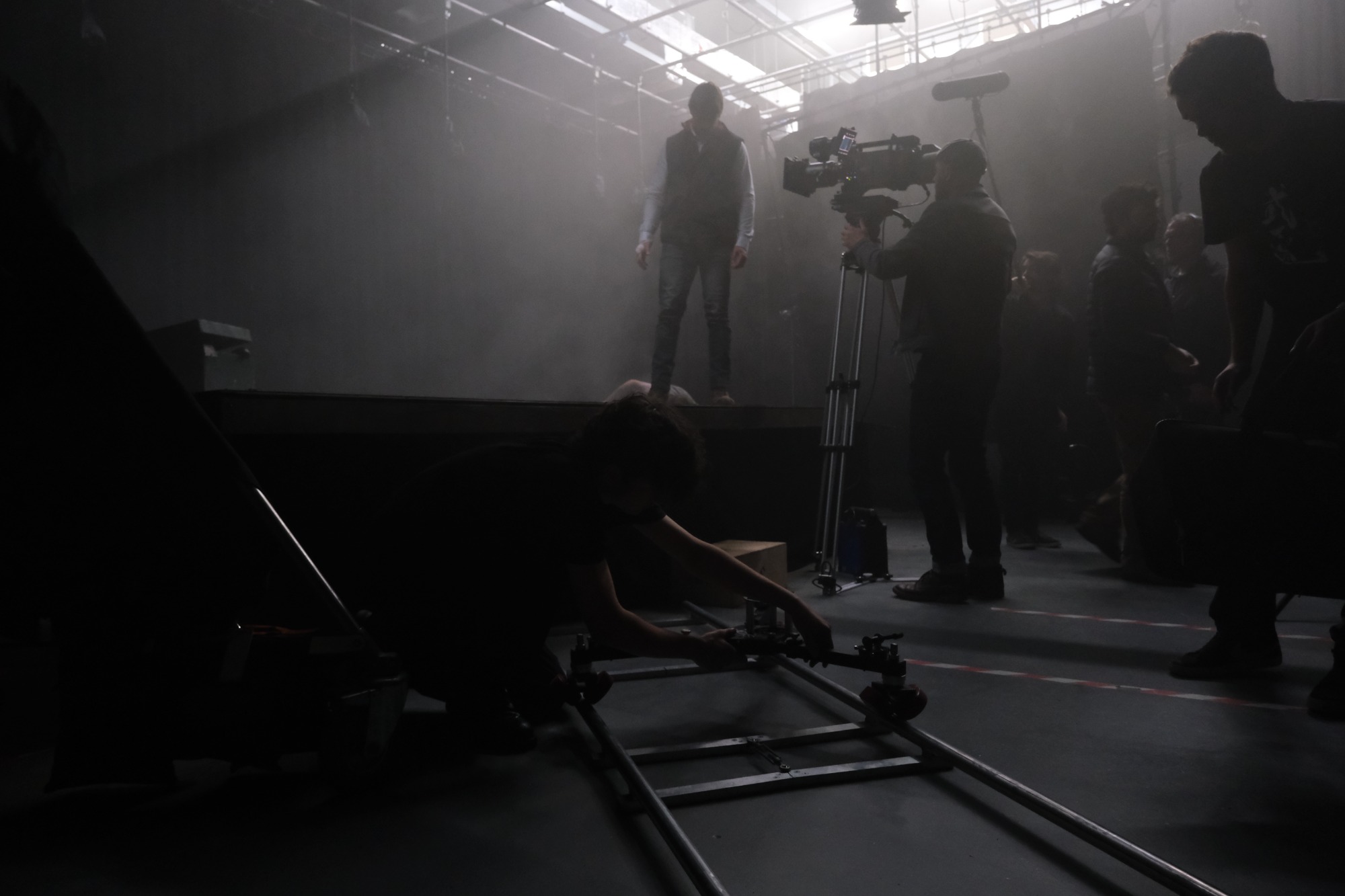
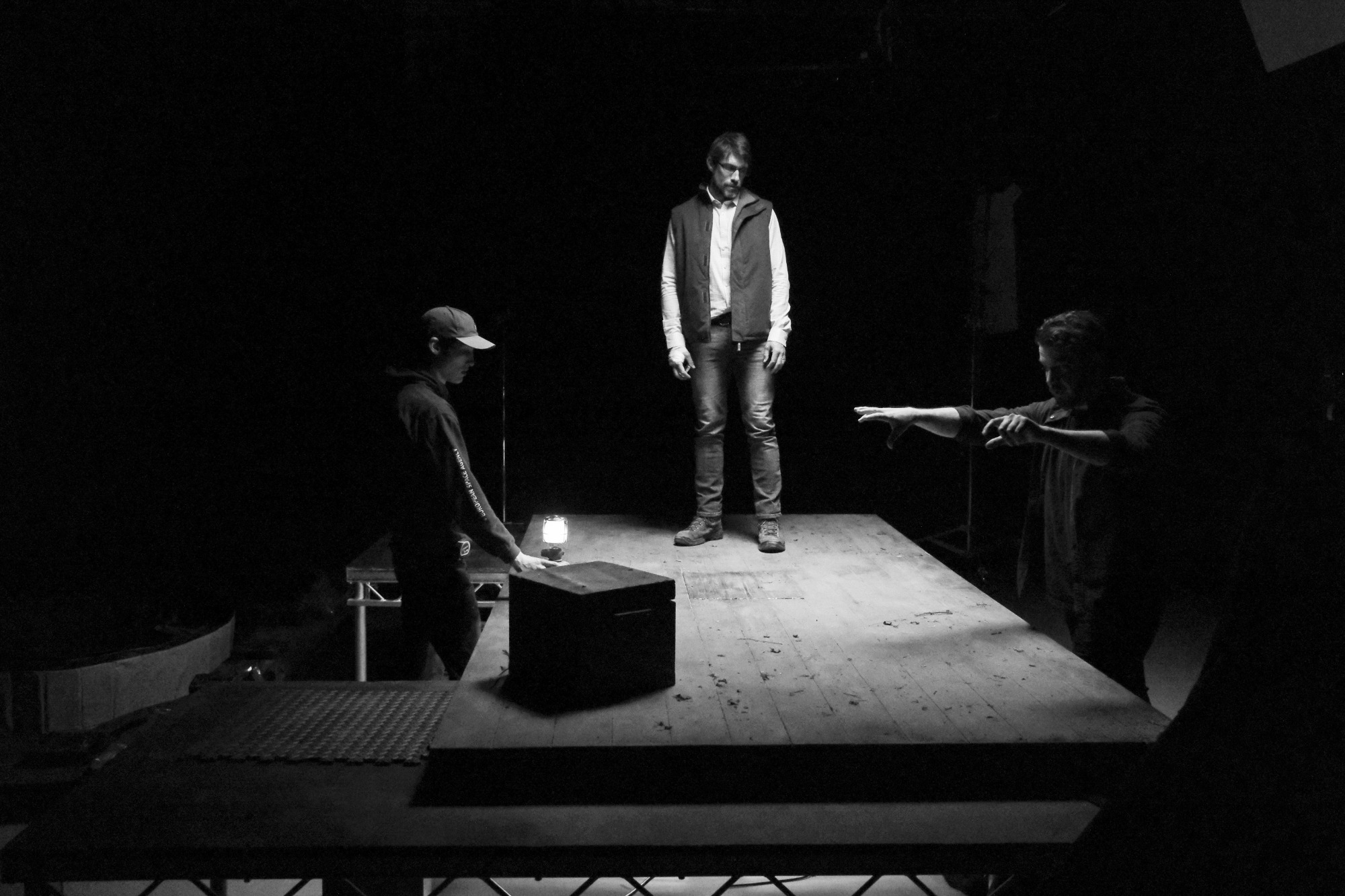
KM: The liminal dimension that separated the real world from our other world was a critically important location for us in the story. We had a couple of films as a reference throughout – Jon Glazer’s Under the Skin and a great short by Jon called The Fall – which Ryan and I love. Our set carpenters had made a replica of the floor for what we’d called “the raft sequence” in the void, which we shot in one of the studios in Falmouth University in Cornwall.
The floor had been distressed by our art director Lee Evan and his team to match the floor of the hide, and we raised it off the floor around 5 feet to allow The Watcher to slip through. Using a studio gave us total control over the lighting, and we had a wonderful day building out the sequence, with our gaffer John Crooks doing a brilliant job of isolating The Watcher in the void, coupled with some colour grade wizardry later down the line from Katie Dymmock, who we’ve worked with for many years. We had our prosthetics artist Jen Silvernight on goo duty for a couple of weeks – experimenting to build the weird viscosity of the liquid.
Once we’d physically shot the scenes, we kept returning to our references and movies like Get Out – to chart out the journey between the ‘real’ world and the new world. Our VFX team, led by Nadav Rotem, built that sequence from a few reference images and other material we’d shot over the years to match The Watcher’s eventual emergence from the watery depths.
RM: Under the Skin and The Fall set some benchmarks for me in achieving this creepy and dark feeling. I wanted the void to feel Lovecraftian, and because we had limits in what was possible with the production design, it was the opposite to some of the higher budget ideas that Lachlan and I had developed early on. You’re never quite sure how these things will play out because of so many factors that are required on set, off the page. I think we were subconsciously playing into the Backrooms style ‘liminal space’ but in a different way. More Glazer! No bad thing.
We wanted the ooze under the floor to look threatening and like there were galaxies in it. It’s a difficult spot to find because it could come out a bit ‘My Little Pony’ with the sparkle of it, but our FX designer Jen nailed it. The heartbeat of the ooze after it solidifies was done by me – I crawled under the set and was smacking the container to make it come alive. When it came to the slide through the hole, Craig had to practice a few times with a crash mat underneath. My nephew was in the studio watching from behind the monitor that day. He was only seven at the time and was horrified at Craig’s screams before he gets dragged through. Craig knew he was there and popped up immediately after and looked straight at him, smiling, to show he was OK. He’s a wonderful collaborator, so deeply connected to the character and able to snap back to himself in an instant.
The Birdwatcher boasts some impressive visual effects as well as practical ones. How did you go about designing and implementing those?
KM: Nadav has worked on music videos with us and has built everything from an interdimensional satanic motel to rope bridges above the fires of hell itself in the past. What’s terrific with that part of the film is how layered it is. We kept throwing ideas and images at him, and he kept building the sequence. Basically, we kept dialling up the eeriness of it – the aliveness of the goop, the liminal place, the overworldly creature that spits him out, and the final inversion before he bursts through the surface. It was a lot of fun for Jem Mackay and Rich Butler, who worked on the sound design as the plates were coming in for the sequence and gave us a real buzz when we heard the sound switch from stereo to 5.1 at Glasgow Film Theatre with an audience of 600 people last year, when we premiered the film at FrightFest.
RM: Nadav Rotem is a massive part of my process in terms of visualising and interpreting what we do in ‘otherworld’ situations through VFX. We’re working on a music video right now and do a lot of pre-vis before we ever shoot a frame. A lot of that comes off the back of our process on The Birdwatcher. I trust Nadav so much. I will give him a brief description of what I’m after, along with the feelings we need to convey. He will start sketching and come back with early ideas, which we flesh out further.
I wanted there to be an alien strangeness to things in the ooze so that the audience would ask themselves questions and go back for another look.
My main themes here were the ‘destruction of the soul’ and an ‘extraction of something’. The early genesis of the project came from an image I saw online, a painting, which showed something that looked like the annihilation of a person. This felt fitting for The Watcher’s experience. The main character is broken apart and pieced back together, but he’s still missing something. That feels extremely creepy and fits the characteristics of the ooze and the figurine. I wanted there to be an alien strangeness to things in the ooze so that the audience would ask themselves questions and go back for another look. It’s meant to confuse and feel ‘off’.
What we got in the final version sat perfectly in this zone for me. I had a very specific idea of the world turning as he surfaces. This was again another early idea I felt would cause the audience to feel strange. At first, you think he’s swimming down, but really he is swimming up – the worlds are opposites and he has passed through the veil. There is no going back for him.
Speaking of that fascinating figurine at the heart of the film. Can you tell us about the meaning of this totem and how the prop itself was found/created?
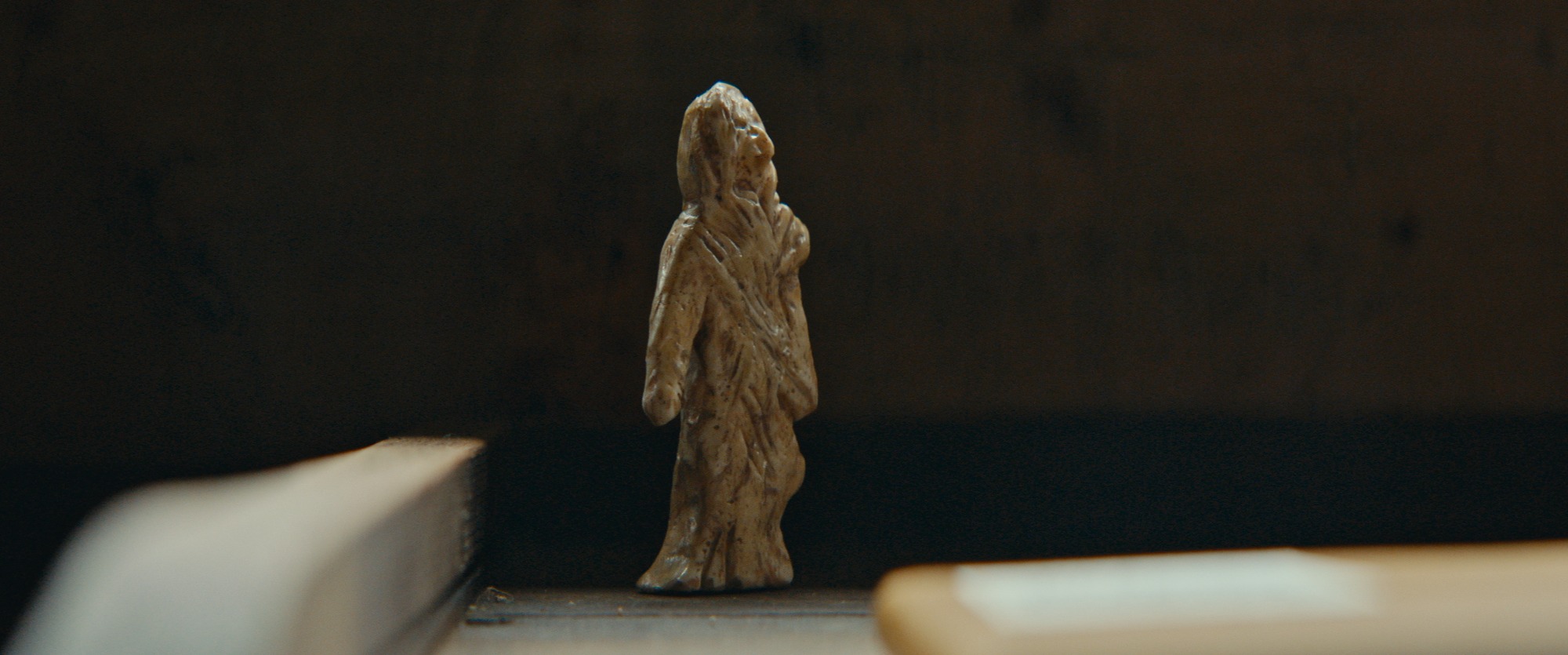
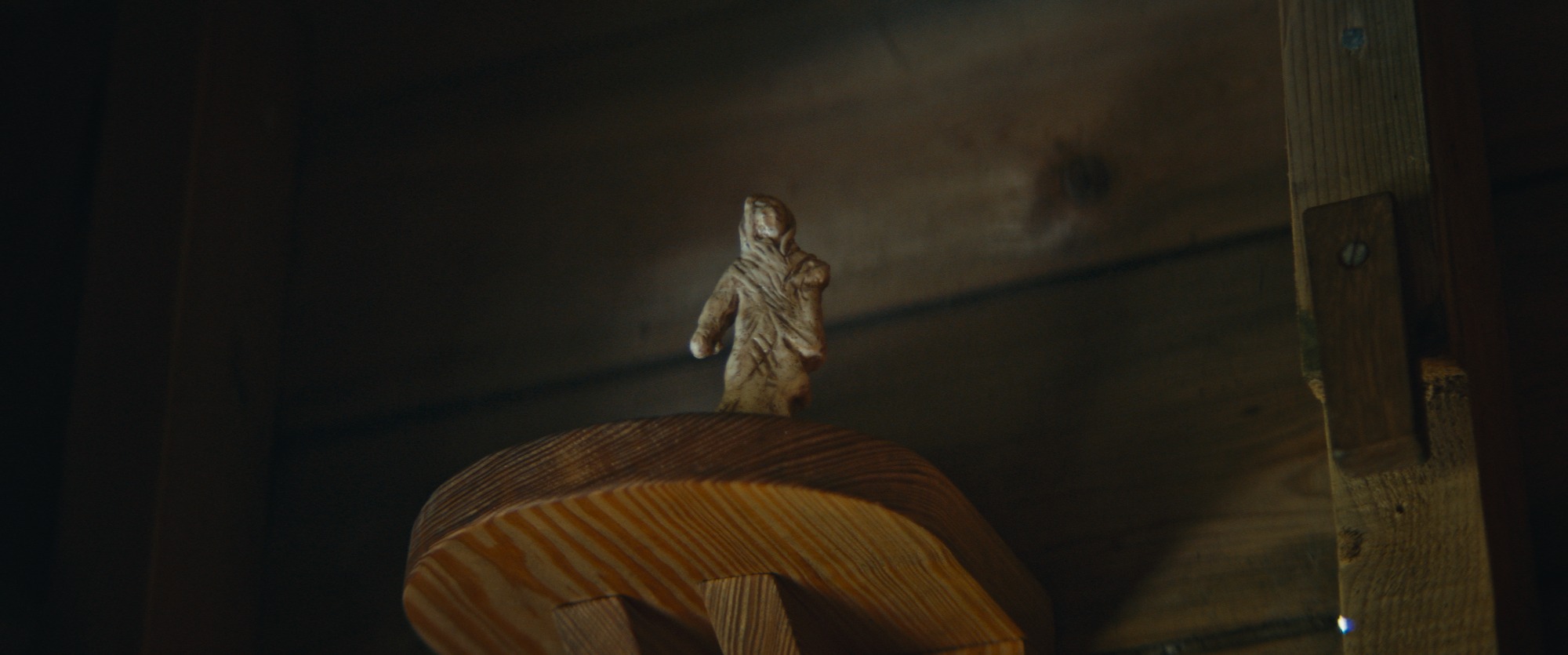
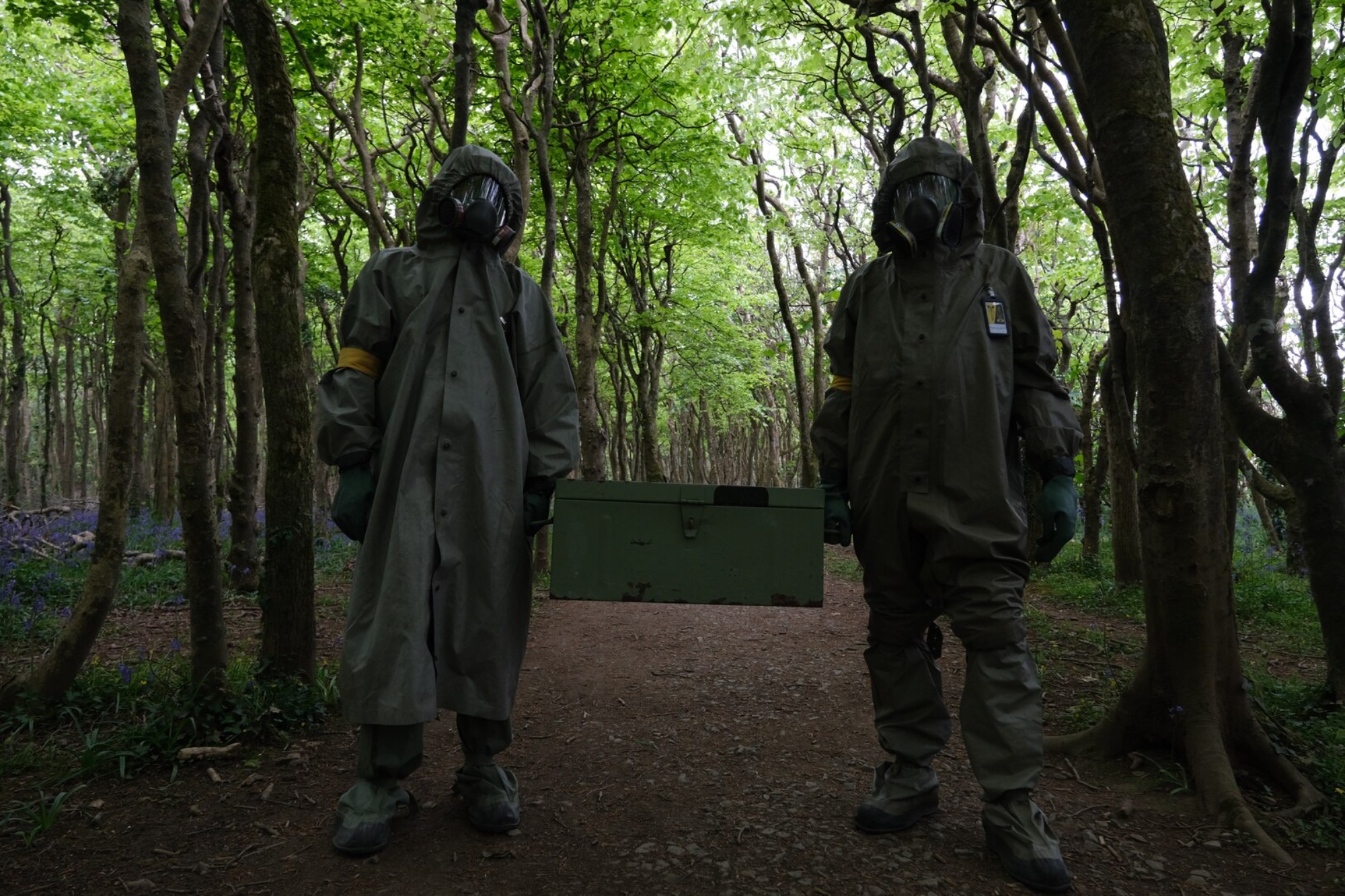
KM: Our art director Lee Evans and Ryan had built out a lookbook, and we went through quite a few iterations with designers Simone Easton and Jen Silvernight to get the figurine right. Our print designer Angela Annesley had built some designs in clay which got closer to what we were looking for – but we were all a little Lynch on it, in that we knew we wanted something like scrimshaw or birdlike carvings but couldn’t quite express what it was, until we saw it. I remember I’d said that I wanted it to cast an odd shadow. A couple of weeks later, Simone called us down to the workshop and opened this little box housing the figurine – what was referred to as the coffin on set. We wanted something that felt like it came from another place and time. That little totem still gives me the creeps.
RM: The figurine had to feel a certain way for me. Jen had some great early ideas and I had a meeting with them where I was specific about our direction, something that you’d see as a part of a Lawrence Gordon Clarke Ghost Story for Christmas. It had to be well-worn to feel like it was ancient and had been passed around. In the end, we felt it would be a monklike figure with the face of a bird. It needed to feel like it was carved out of whalebone – the kind of scrimshaw a sailor might have made while sitting on deck during a long voyage. I also threw in the note that an arm might have snapped off. When Jen presented the final result it made me shiver. It was at that moment I knew we had the real thing. It continues to live beyond the film, inside its strange ornamental coffin in my studio.
There is some distinct costume design throughout the film, but especially with the three Oystercatchers at the end. What was the process in achieving their individual looks?
KM: Lee had a colour scheme for the film throughout the design, and we wanted the Oystercatcher crew to really stand out from our other characters. They’re only in the film for a moment, but we wanted them to give a sense that we’re in a different universe – an Oz moment, where The Watcher wasn’t in Kansas anymore. We’re blessed to have a large costume store near us at the university, with a terrific course run by our friend Julie Ripley. Lee worked with two great costume designers – Olivia Hart and Leila Jay Wallace – who we encouraged to go to town with their ideas. We’d pop over and see them every week or so, as the costumes got increasingly elaborate. They looked brilliant on location and really popped on camera.
We wanted the Oystercatcher crew to really stand out from our other characters. They’re only in the film for a moment, but we wanted them to give a sense that we’re in a different universe.
RM: I constructed a bible to the world that the oystercatchers were from, giving backstory and motive behind who they were and what they were doing. Our production designer Lee really responds to this kind of input and often will trade back in ideas that bring further expansion. It’s essential, I think, for making sure characters feel real. I had said one of them had to have a sort of ‘half face mask’ and a staff for magical purposes, while the others were more ‘hands on’ with the boat. Each needed a specific design. Olivia and Leila did a fantastic job – as with all the crew, you need truly great people around you to make it all a reality.
A haunting score perfectly complements the sinister goings on, with some fantastic electronic music too.
KM: Lee is a longstanding friend of Neil Halstead, from Slowdive, and gave us word that Neil might be interested. We both love film music, and we develop our films to reference playlists. We were stoked that Neil was even considering it. We met up with Neil, visiting his studio with the film, where he’d played us these initial sketches that he’d mapped out. He’d got a new modular synth, which appears on the Everything is Alive album, that he was keen to make use of and we loved the madness of the closing title music. We were working with Neil and our sound mixers around the Slowdive tour over the summer of 2024 to get the mix completed for the festival run, and they integrated the design and music beautifully.
RM: I’d met Neil by chance one day while having a meeting with Lee. We were sat in a bakery in Newquay and Neil strolled in. Lee introduced us and I told Neil, “I love what you do, how about collaborating on a score?”. Neil was receptive, and that was the beginning of the process. Just like the cinematography, I have strong ideas on what a film needs, but with Neil he brought things to the table I hadn’t previously considered, and all these creative collaborators give the film a specific character that would not exist without them.
The final piece of music in the film was not something I pictured, but when Neil sent it through something clicked. He felt strongly that this was a key piece of music and thought other people would feel that way when they watch the film. I recommend headphones throughout! Another example of when you need to step out of your comfort zone to allow new ideas to come in. I’m extremely proud to count Neil as a collaborator on the film, and we’ve said we’d love to work together again.
The Birdwatcher was worked on by both staff and students from Falmouth University. Can you tell us how they contributed to the film?
KM: I run the School of Film and Television at the university, and Ryan works with me and the team there. Together with my colleagues Neil and Laura, we also run the Sound/Image Cinema Lab out of the School, which is a partner and research centre for film productions, where we offer placements for students and people in the community on shoots – most recently on Dean Puckett’s folk horror The Severed Sun, Mark Jenkin’s Rose of Nevada and we’ve just wrapped on an action feature partnered with UK action studio Action Xtreme. The lab had supported placements on both the Backwoods and The Birdwatcher shoots, with a crew that had around 40 student placements in the end, and we’ve built a team for production and post that’s run over a number of projects, most recently on a documentary we’ve done for Hammer, The Land Demands Blood. Many of those students have gone on to work on some amazing projects. Ryan and I feel it’s important to offer opportunities to people at the start of their careers, especially where we are in the south west of the UK, and we keep in touch with our crew as they take their steps into the screen industries.
I look for that in the students who collaborate with me – the ones who show up and commit are invited back again, and in some cases have become part of our team longer term or on other projects.
RM: Falmouth University and the Sound/Image Cinema Lab have played a huge part in the creation of Myskatonic’s films. Their support has allowed us to go bigger and bolder in the execution of scripts which have small budgets. We’ve had as many crew as on a feature film for both The Birdwatcher and Backwoods, which is crazy when you think about it. Kingsley and the team do a great job of curating the students who end up on my productions. I’m looking for hardworking, responsible and reliable people and think it’s important for students to understand that the attitude you bring aligns directly with the opportunities you get.
I wasn’t the strongest in class when I studied film, but I really wanted it. I look for that in the students who collaborate with me – the ones who show up and commit are invited back again, and in some cases have become part of our team longer term or on other projects. Lily Coney, my 1st AC, was a student at Falmouth University and came along in her first year on a music video. She worked on Dean’s The Severed Sun, has just worked on Robert Eggers’ new film and will be returning to work with my cinematographer Sam Breeze on a new music video this year.
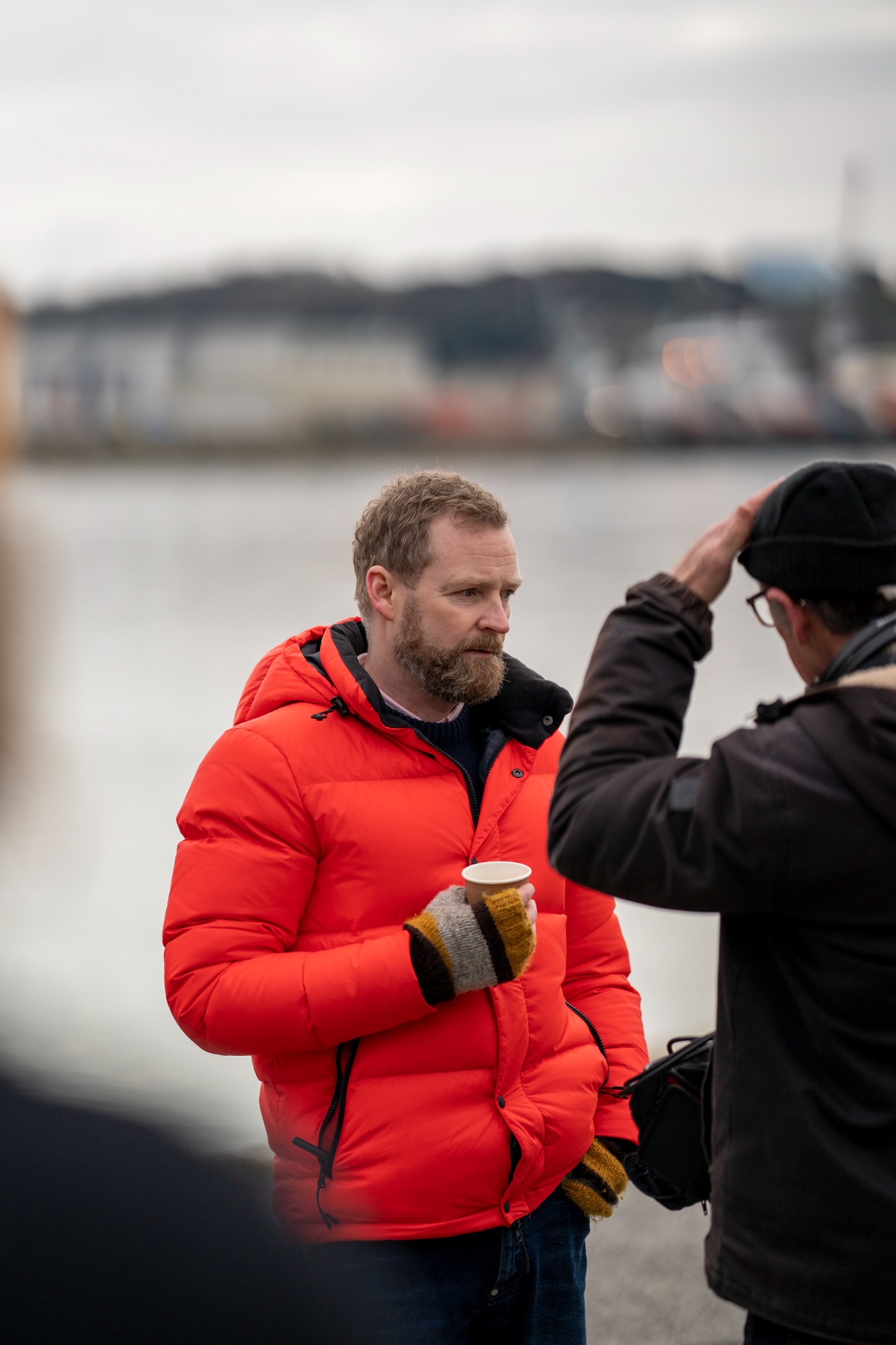
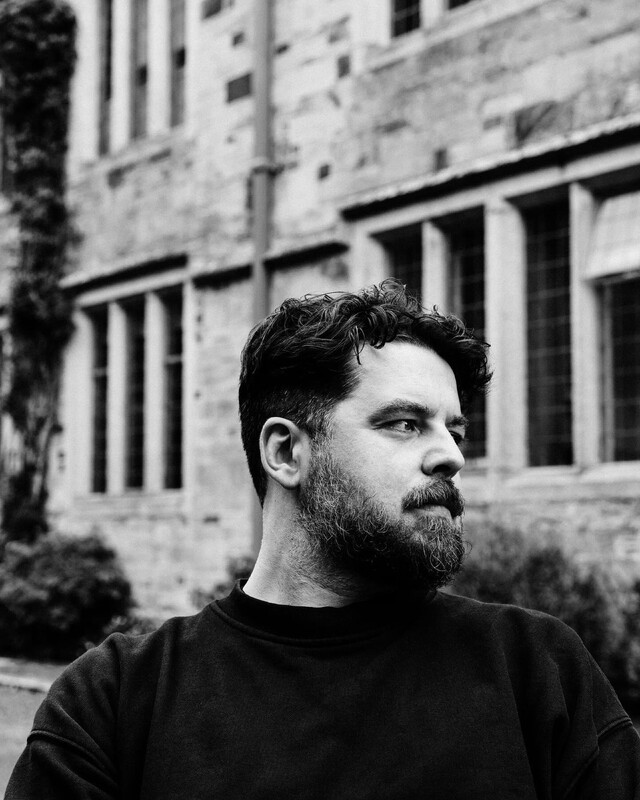
What’s next for you both?
KM: We’ve been focused on developing features since delivering The Birdwatcher, which has had a great festival run after FrightFest. The film is playing all around the world and we’re really proud that we were awarded the HP Lovecraft Award from Rhode Island. We won the award the first time in 2019 with Backwoods, and this was a real honour given that The Birdwatcher is an entirely original story. Our latest short, Howlsavla Gwav, a strange folk tale born of folk traditions here in Cornwall, premiered at Offbeat in May and features an amazing score by Daisy Rickman, and is touring festivals now.
We also completed a documentary for Hammer Films in January, The Land Demands Blood, which will go out to festivals later this year. With the features, we have four ready to go across a range of budgets – three in the horror space, and one an adventure story with the writer Lucy Grace. We’re moving towards production finance and aiming to be in production in 2027. A slower burn is an anthology TV series we’re working on with a group of emerging writers who we’ve met from the festival run of The Birdwatcher. That project is called The Waning of the Light and we’re pretty excited about it—we’re pitching it around as The Twilight Zone or Black Mirror of global ghost stories.
RM: With Myskatonic, we’re focused on building a company that will be synonymous with high-end work that draws in cult audiences of the weird and the eerie. I’ve written two original feature films over the last couple of years, and we have a HP Lovecraft feature film adaptation in development. For now, we are concentrating on getting my first features going. C-H-A-I-N is a time travel folk horror with elements of body horror, and Analogue is what I’m describing as a post-AI ghost story. We’re excited about both these films and everything else we’ve got going on at Myskatonic.
We’ve just run a fantastic showcase with Brewing Folk and Verdant Brewery, which was packed out, and we’re planning a London event later in the year at The Social, next to other events closer to home in Cornwall, in some amazing venues for folk horror. We want to get out there and tell people about what we’ve got cooking and the great things that influence us. There’s been some fantastic buzz around it all and we’re feeling confident. We’ve had a great time making shorts but both of us feel the time is right for a Myskatonic feature film. We’ve got such an amazing team of people around us and together we’ve got a lot we want to say and do.
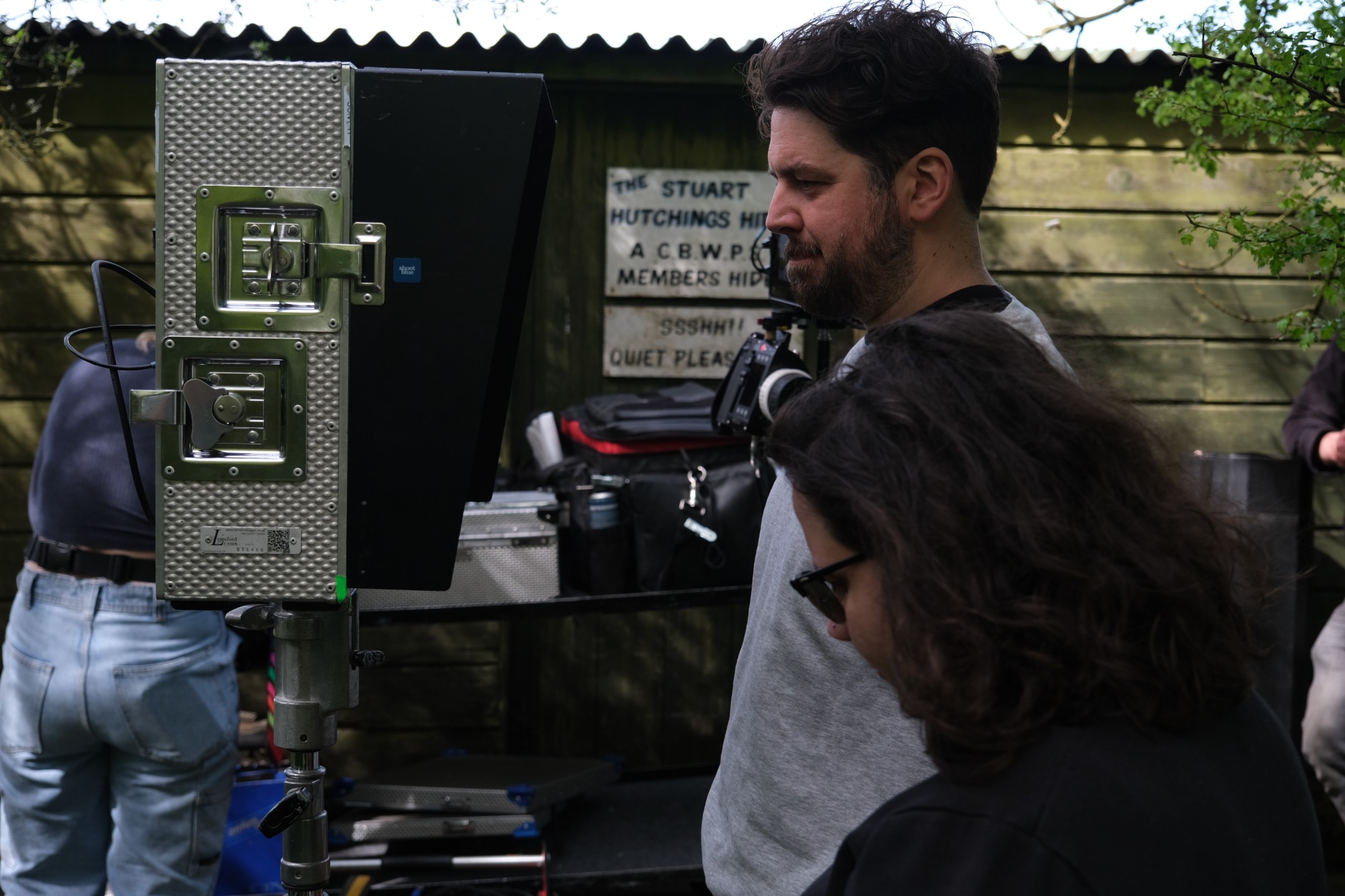
What short film would each of you recommend to our Directors Notes community and why?
KM: I worked on the score for a film I’m proud of with a friend of ours, Dean Puckett, late last year, for a banging short called Fuckface, which just premiered at Outlook Film Festival and plays some big horror festivals this summer. A couple of others that leap out are a film called Out of the Peat, which screened at Offbeat last year, directed by Theo Roolason and Tabi Carless-Frost. The film had amazing sound design and a really strange atmosphere, and we’re working with Tabi on one of the Waning Light stories. I got into a bit of a John Smith loop a while ago and can’t stop thinking of 1987’s The Black Tower, since I saw it.
RM: I’ve got four. I’d recommend Jon Glazer’s The Fall as a seminal piece of work everyone should watch at this moment in history. It’s a conversation on populism and right-wing ideologies – an incredible piece of filmmaking. Kingsley has mentioned Tabby’s Out of the Peat film, it really just spooked me at Offbeat last year. It’s one to watch and hopefully it will be available somewhere online down the line.
An older short I saw recently as a part of the BFI’s new Short Sharp Shocks Blu-Ray was Wings of Death from 1985, which was directed by Nichola Bruce and Michael Coulson. If DN readers should seek out a copy, it’s got an insane production design and is a cautionary tale about drugs and spiralling out of control.
Finally, the other was also on the Short Sharp Shocks release, which was directed by Roger Christian and originally came out as a short film they screen before The Empire Strikes Back. Black Angel is an incredible piece of filmmaking, which is fantasy done right. Executive produced by George Lucas, it’s an incredible piece of work that’s available on YouTube, for fans of films like Excalibur, Willow and Legend.