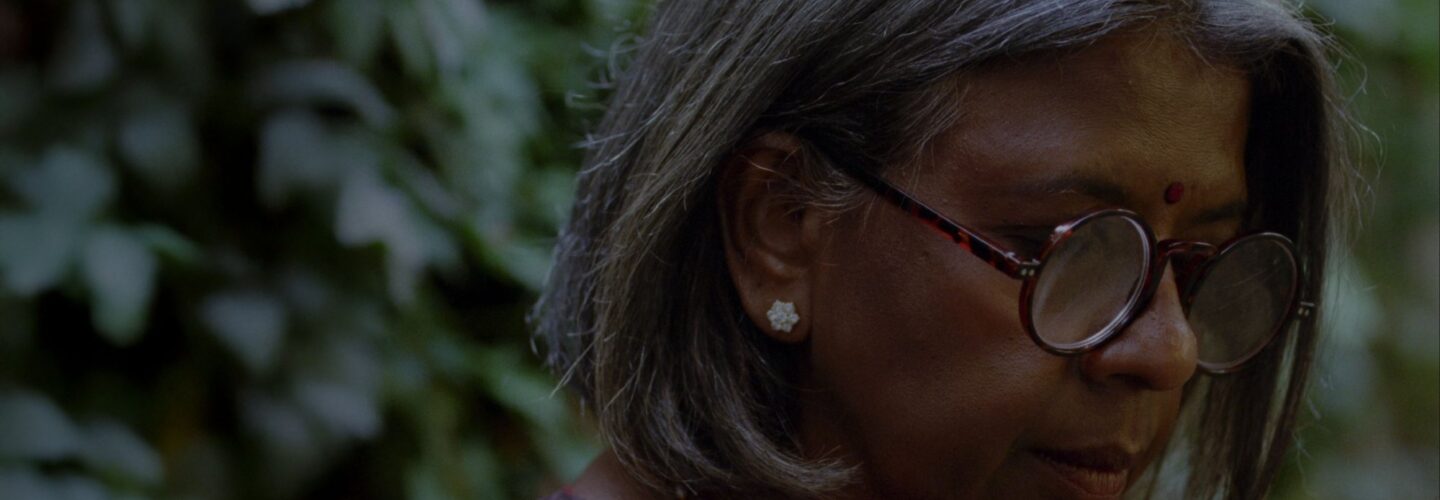
At a Tamil family gathering in Kalainithan Kalaichelvan’s Karupy, the matriarch’s assertion of agency unsettles intergenerational dynamics, challenging both her role within the family and the family’s perception of her. Through chapter-based shifting viewpoints and conversations, she emerges, revealing a growing gap between that role and her inner life, unseen by those around her. This sense of fragmentation extends through the film’s structure, where each section refracts a different understanding of Karupy without resolving into a single image, allowing meaning to remain partial and shaped by what each perspective cannot access. Across these competing readings, her agency operates as a destabilising force, exposing a fragile balance between recognition and resistance, shaped in the background by the quiet but persistent influence of the absent father.
For today’s premiere of Karupy on Directors Notes, Kalaichelvan—who previously spoke to us about exploring consent in his experimental short 80613—reflects on the creative process of writing and directing a film rooted in an interest in how, within a Tamil family, what is said is rarely what is meant, with meaning constantly negotiated beneath the surface. He also explores the creation of a tactile world within the film, where set design, costume and detail shape the film’s emotional fabric, ultimately circling back to the matriarch’s assertion of agency and its disruptive force.
How did you develop the script to capture the complexity of this family system and the conversations within it?
The starting point was really my own experience growing up in a Tamil family. I’ve always been fascinated by how much can be communicated through seemingly ordinary conversation. I started by writing conversations between family members. People rarely say exactly what they mean. They circle around difficult subjects, sometimes through humour, sometimes through silence. I found a single announcement to be enough to shake up a house and force the tensions beneath the surface to emerge naturally. I wrote far more material than what ended up in the final film before I started thinking about the overall shape of the piece. After that, it was really about tearing pages and finding the moments that were the most potent. Eventually, the film became an attempt to preserve the conversations that lingered in my mind.
Each chapter offers a different understanding of who she is, yet none of them feels complete.
What drew you to reimagine the matriarch on screen, and how did you approach reshaping her sense of agency? One could read the film as tying that agency to her decision to end her life—as though it can only fully surface in that moment. Did you see it that way?
I never saw the film as suggesting that agency can only emerge through death. What interested me was the disruption created by her decision. For perhaps the first time, she makes a choice that cannot be negotiated or redirected by those around her. The film becomes a portrait of a family struggling to confront the possibility that Karupy may have an inner life that exists beyond their understanding of her. I also wanted to push against the way older South Asian women are often represented on screen. They are frequently treated as symbols of sacrifice or tradition rather than as fully realized people. Karupy carries a lifetime of experiences that nobody around her can fully access. Even the people who love her most only know a version of her.
That became one of the guiding ideas behind the structure of the film. I knew I could never capture Karupy through a single perspective, so I approached her indirectly. Each chapter offers a different understanding of who she is, yet none of them feels complete. The audience is constantly piecing together fragments of a woman who remains slightly out of reach. In that sense, her decision is less important than what it reveals. It forces everyone around her to confront the distance between the person they thought they knew and the person standing in front of them. This film is about that gap. It is about the mystery that can still exist within someone after a lifetime together.
I was particularly drawn to the presence of the deceased father as a character, embodied through the canvas—absent, yet strongly felt.
The father emerged from an interest in absence. In many families, people continue to shape our lives long after they are gone. Their influence lingers in ways that continue to affect how we understand ourselves and the choices we make. I wanted to find a cinematic way of expressing that feeling. I was also interested in a relationship that existed outside the immediate drama of the gathering. Karupy’s dynamic with her father revealed parts of her that remain hidden from everyone else. I was searching for a way to bring that into the film. A talking canvas is a slightly absurd choice, but I was confident it wouldn’t disrupt the tone of the film. Hopefully, it adds to it. The canvas allows Karupy to step outside the demands of her family and revisit a relationship that shaped her identity. Those conversations don’t necessarily tell her what to do, but they create a space where she can finally speak with complete honesty.
Most Popular
Karupy features an entirely South Asian cast, with some actors new to the screen and others with previous experience.
The story is about a Tamil family, and it was important to me that the film felt truthful to that world. I don’t feel like I see enough people from my community on screen, and as a writer I want to create more opportunities for that to happen. More than anything, I was searching for people who felt right for the world of the film. I wanted the audience to believe these characters shared a history long before the camera arrived. That feeling mattered more to me than any particular level of experience.
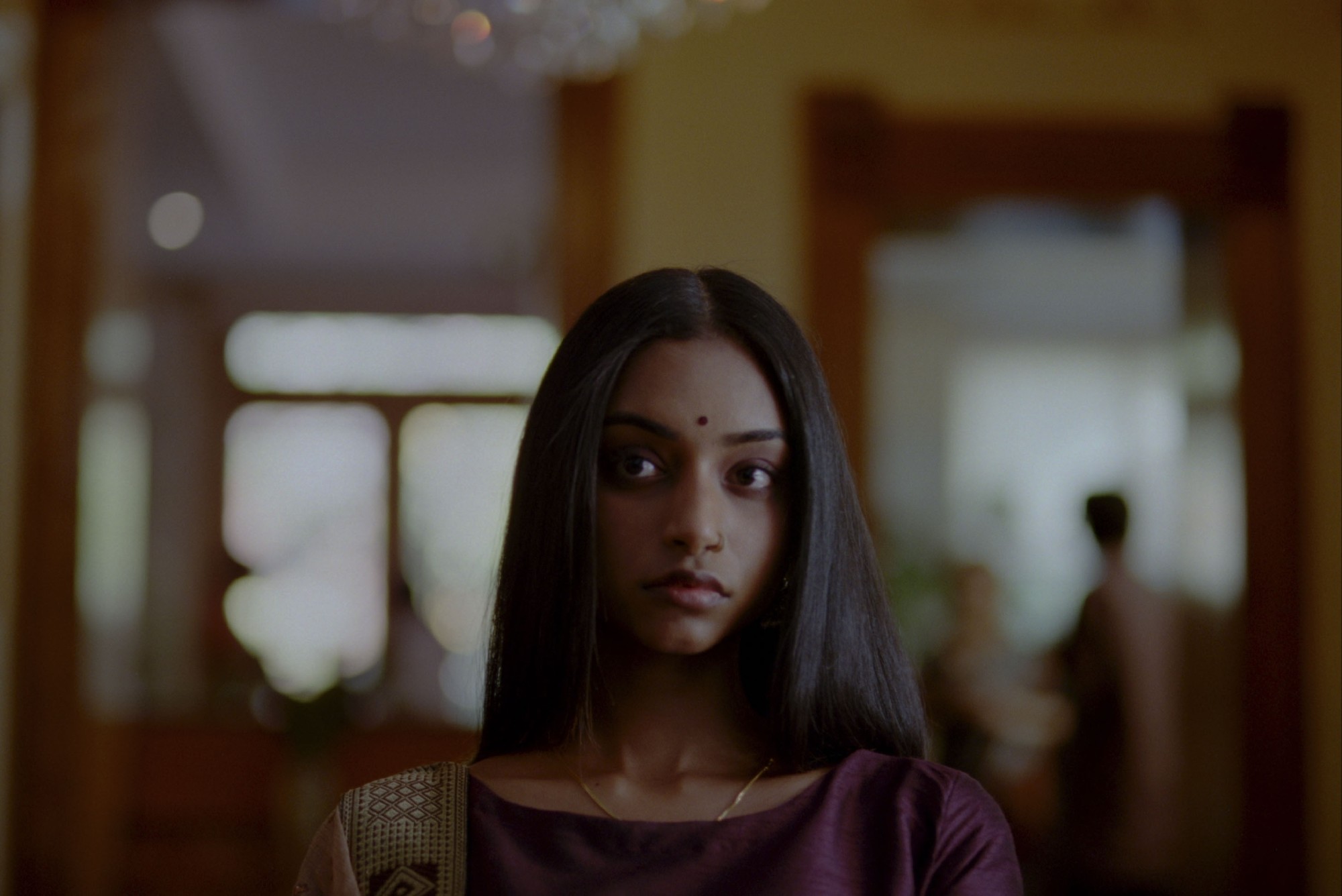
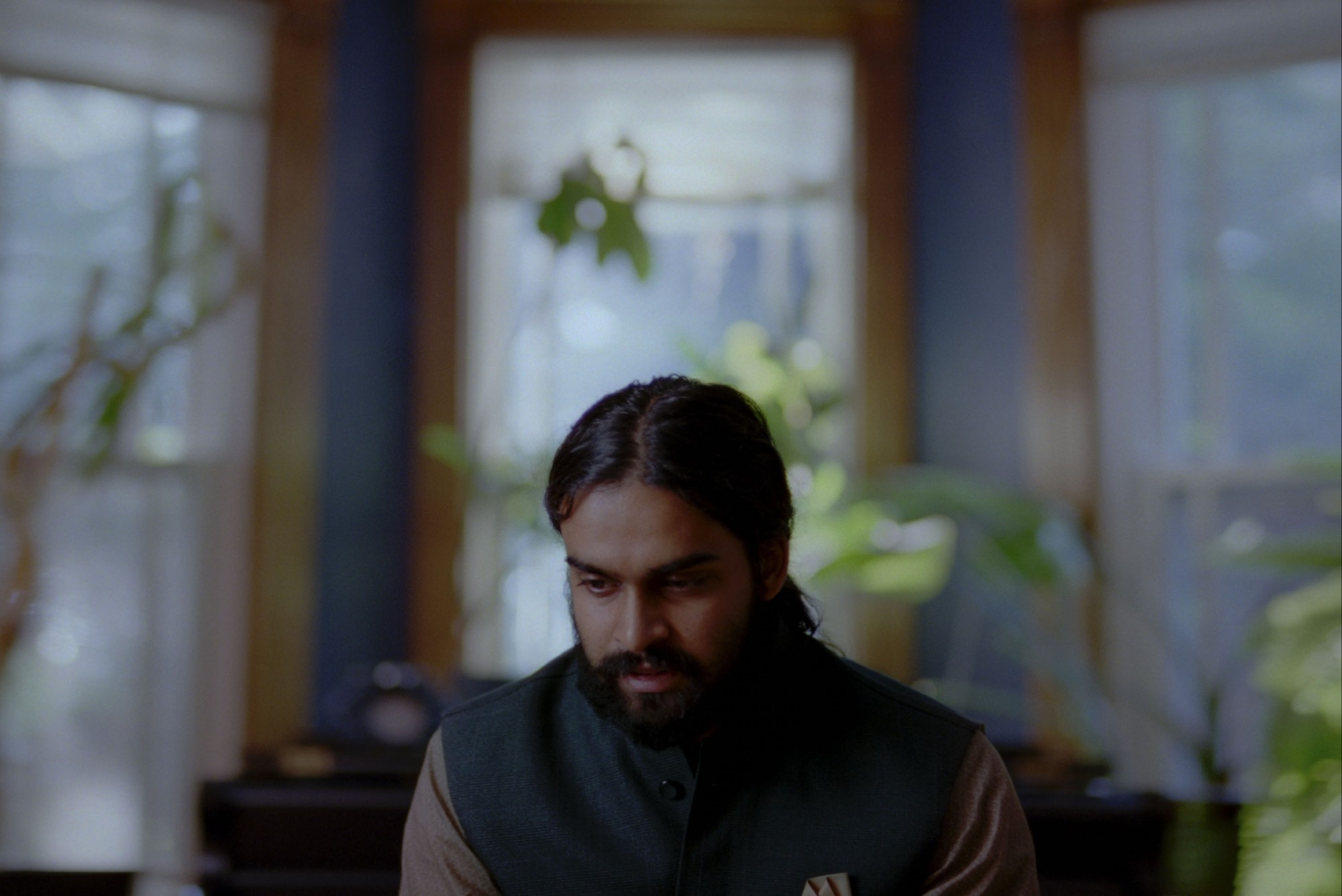
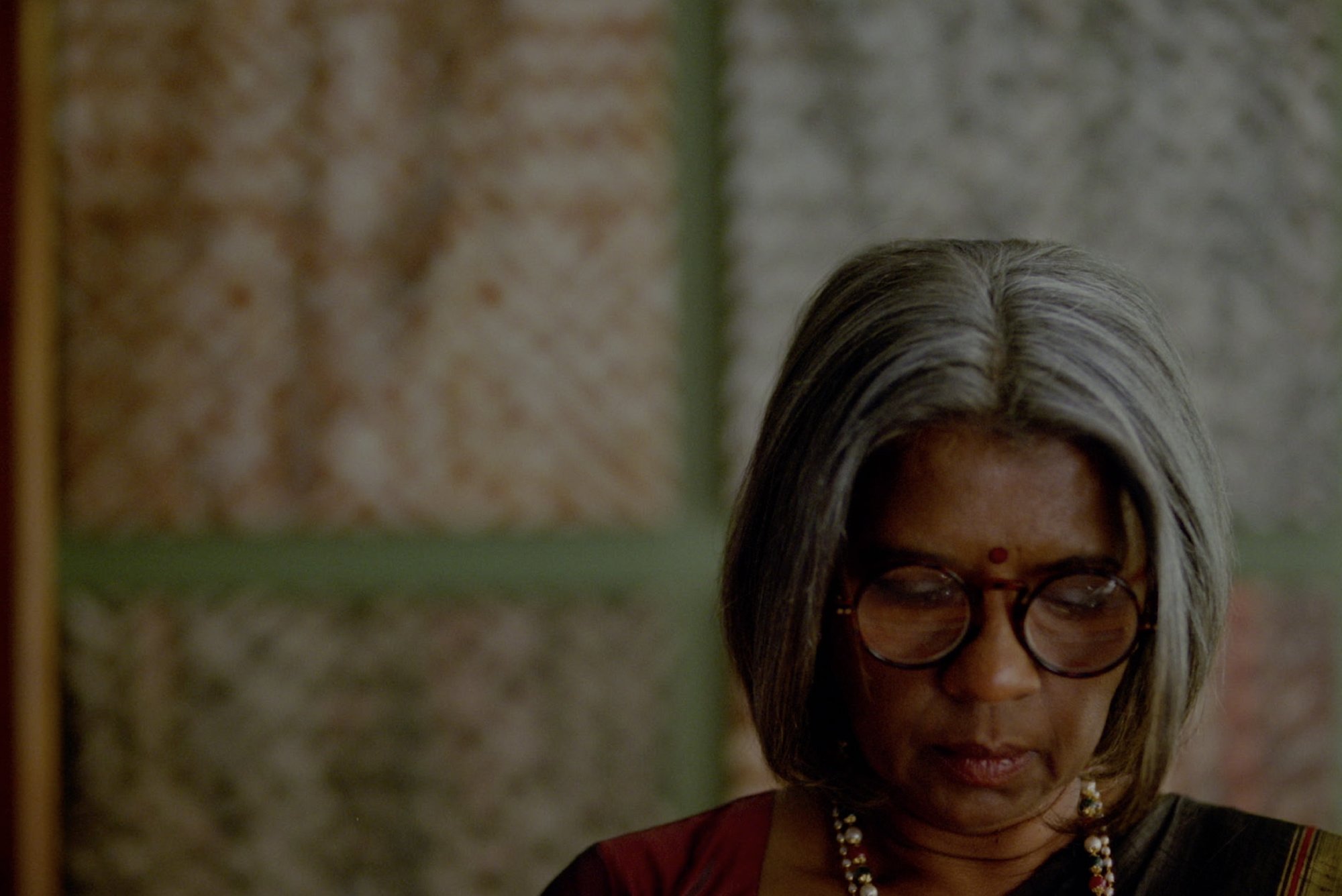
The film often holds still—static frames and single setups—with zooms doing much of the work of shifting focus between family members. How did you shape the visual language to convey the emotional temperature and dynamics of the family?
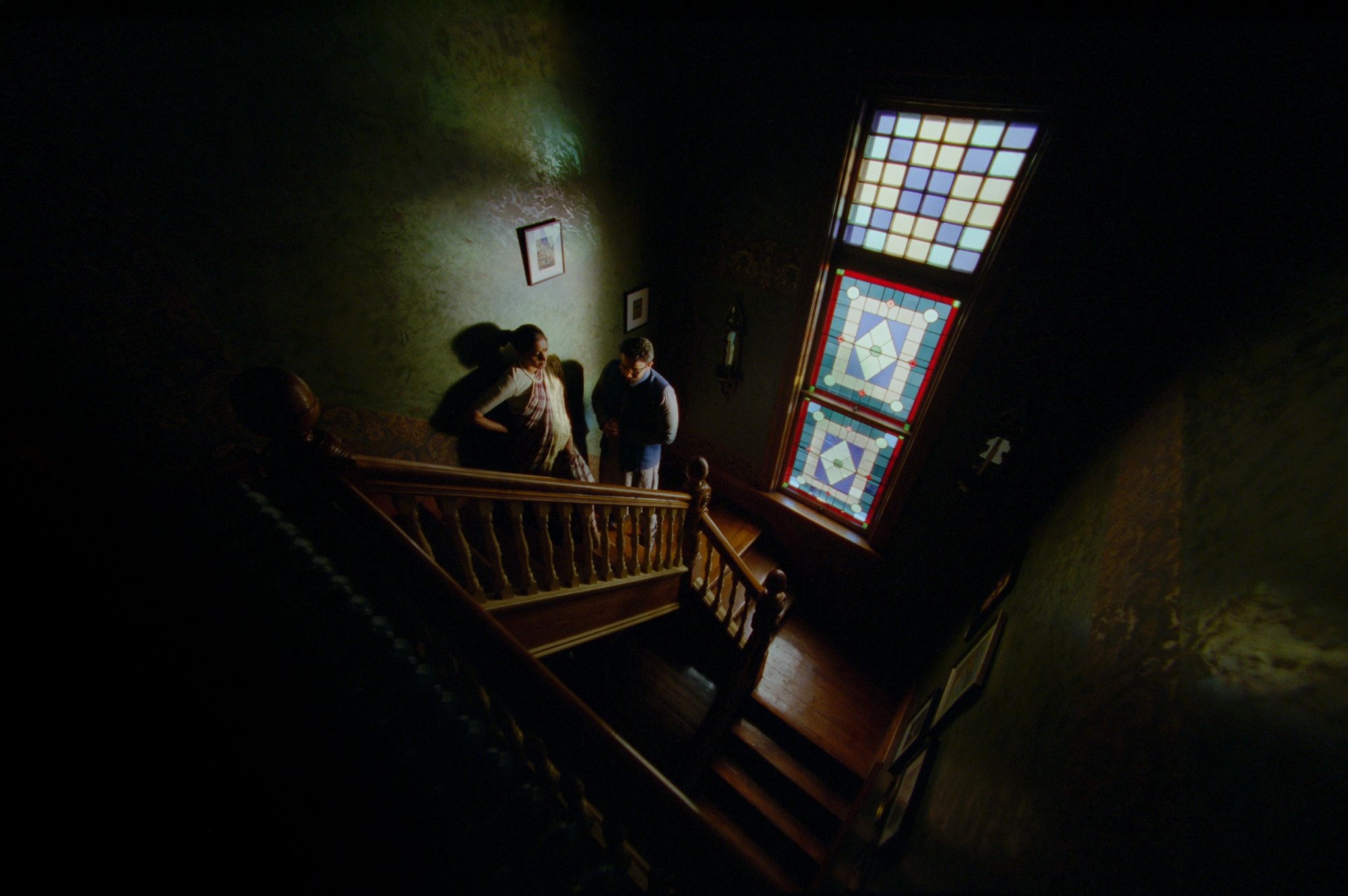
The film is really driven by conversation. There isn’t a great deal of physical action. For something like this to be interesting and hopefully resonant, it really comes down to the work of actors. So as a director, I didn’t want to get in the way of that with the choices I made. I wanted the camera to create space for the actors. This led to scenes playing out in static frames or single setups that force us to sit with the characters and their interactions.
I love how a zoom can feel like an act of attention. When used well, they create a sense that the camera is discovering something in real time.
The zooms became one of the few ways the camera actively intervened. I love how a zoom can feel like an act of attention. When used well, they create a sense that the camera is discovering something in real time. In Karupy, they often function as a way of isolating moments of vulnerability or tension within the chaos of the larger family environment.
Working with cinematographer Shady Hanna, we were always searching for a balance between observation and expression. We wanted the audience to feel as though they were sitting inside the gathering while still being aware of the emotional undercurrents moving through it. At the same time, we wanted the film to be fun. The challenge was finding a visual language that could hold all of this while remaining attentive to the performance. This film lives and dies on people talking to each other. I didn’t want to screw that up.
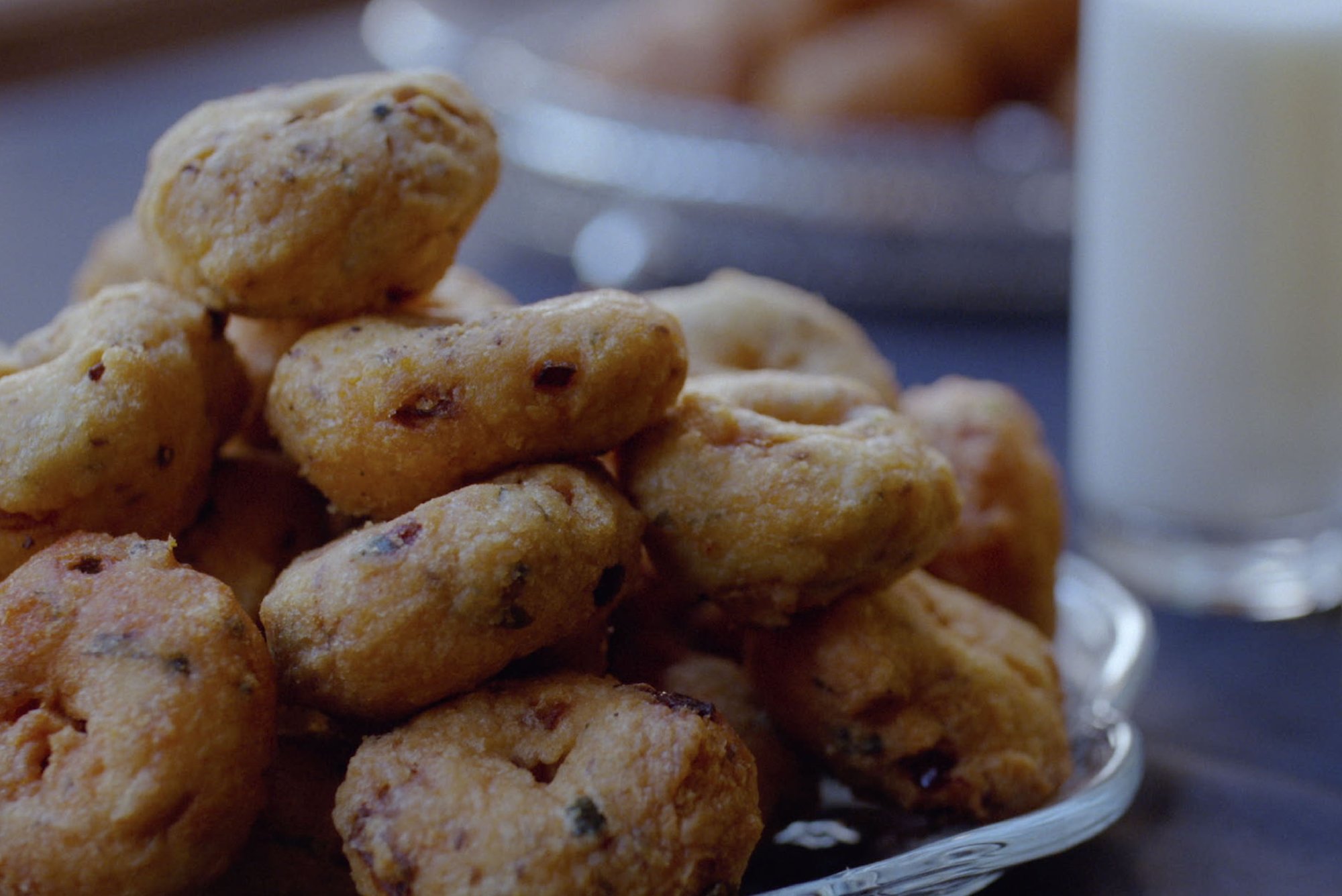
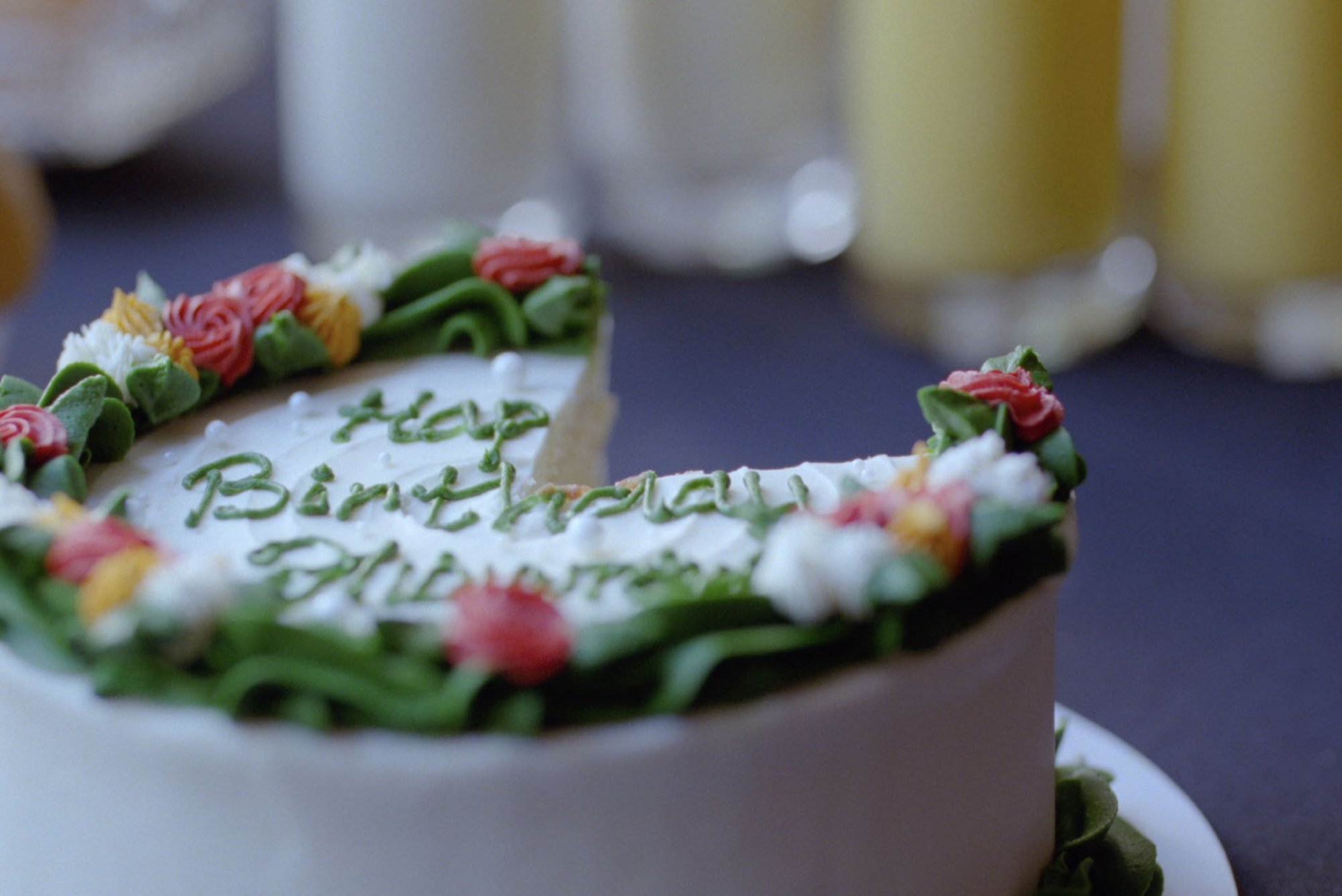
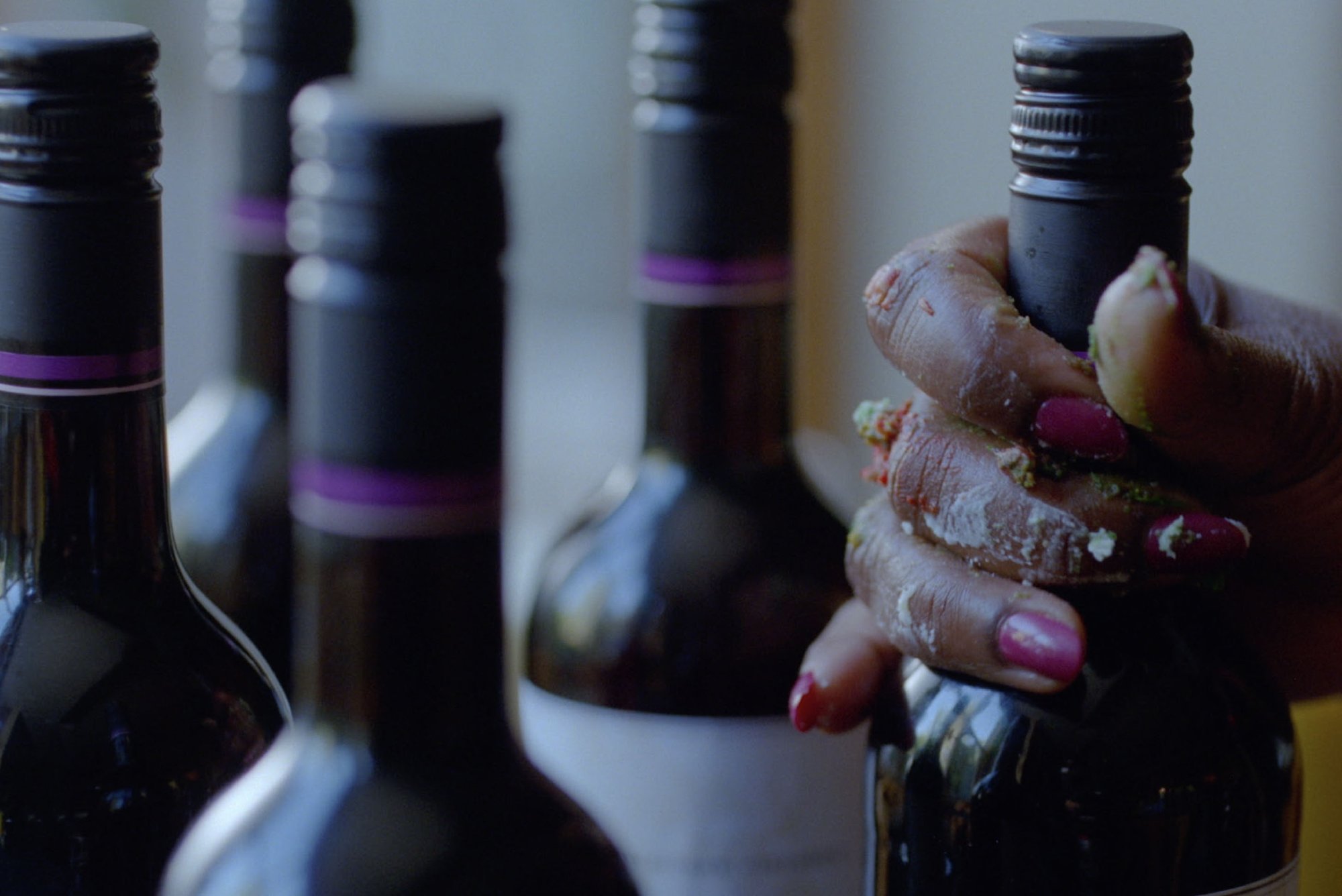
Why did you choose to shoot Karupy on film, and what keeps drawing you back to celluloid?
I can go on and on justifying the choice to shoot on film through the lens of narrative or theme. But I’ve been shooting on film for nearly a decade now. I’ve used it across very different kinds of projects, each demanding its own visual language. At a certain point, the most honest answer becomes quite simple: I shoot on film because I love it.
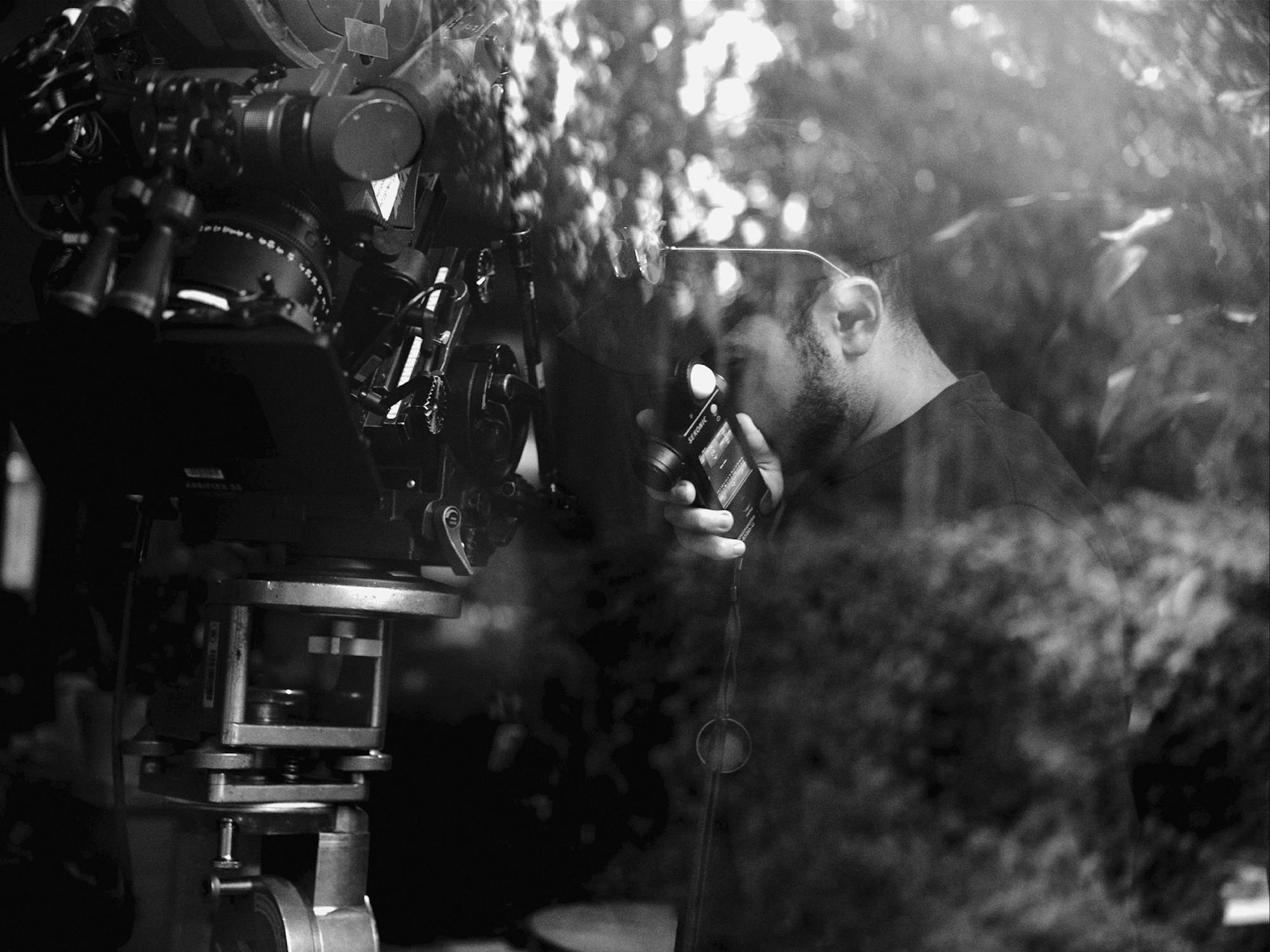
I’ve become deeply attached to both the process and the images that come from it. By the time I was making Karupy, there was never really a question about the medium. It was always going to be celluloid. The richness of 35mm is tough to beat, and I continue to be drawn to the way it renders the world. These days, when I sit down with collaborators, the conversation is rarely about film versus digital. That decision has already been made. Instead, we talk about stock, lenses, lighting, and all the creative choices that shape the image. Film isn’t something I choose project by project anymore. It’s simply become part of how I make movies.
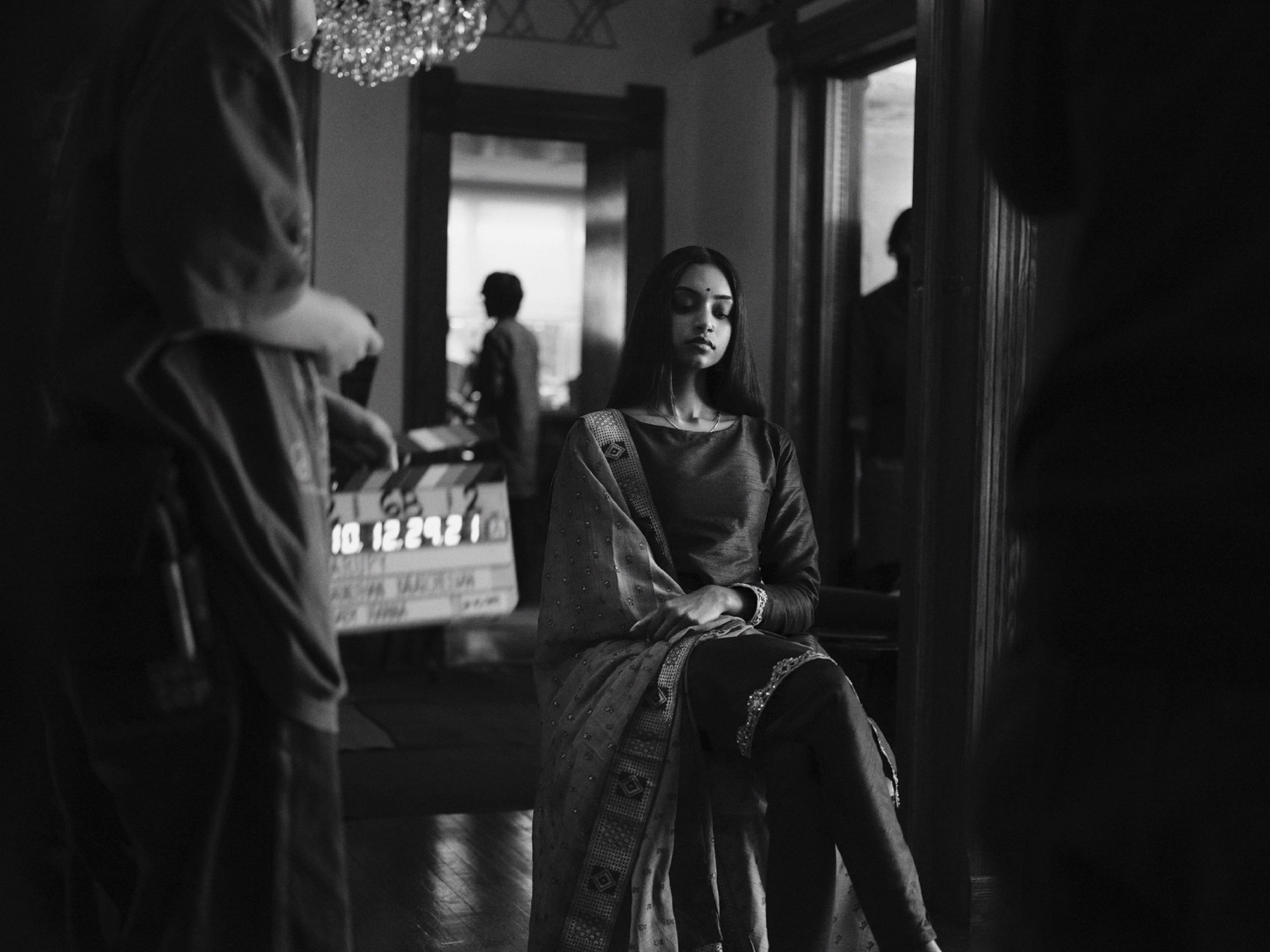
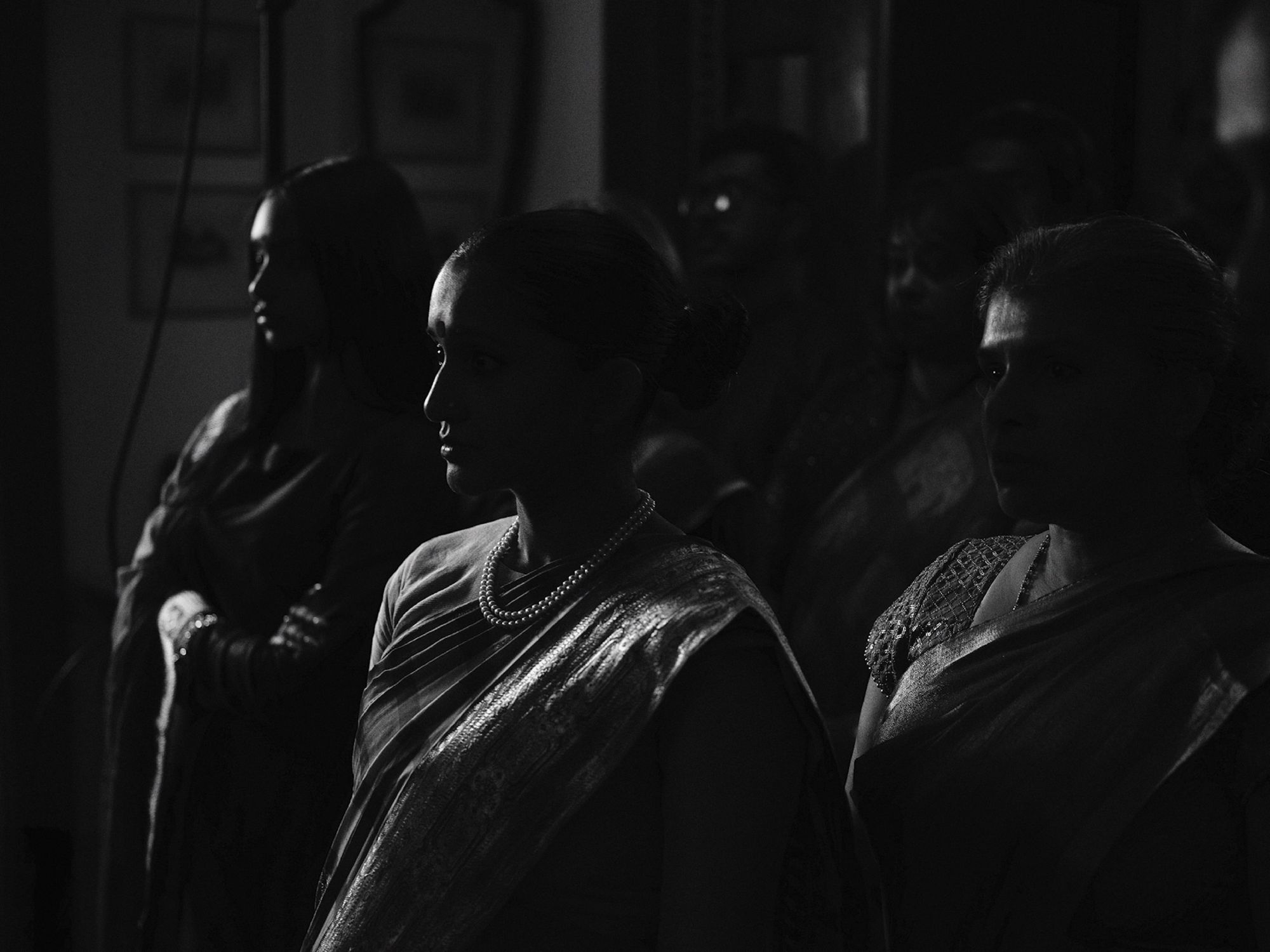
How did you develop the film’s visual world across the costume and production design departments to create such a rich, colourful, and visually textured environment?
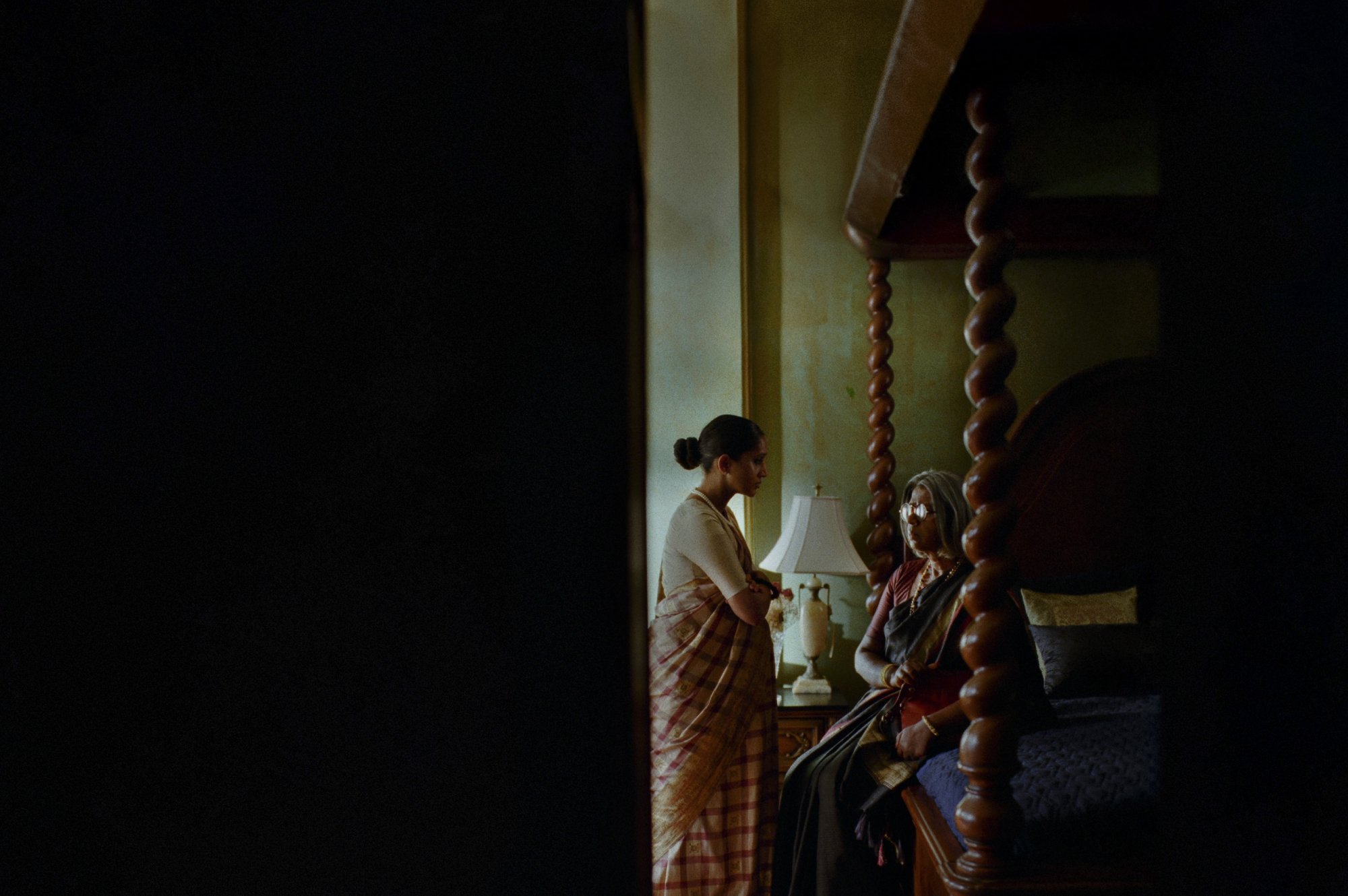
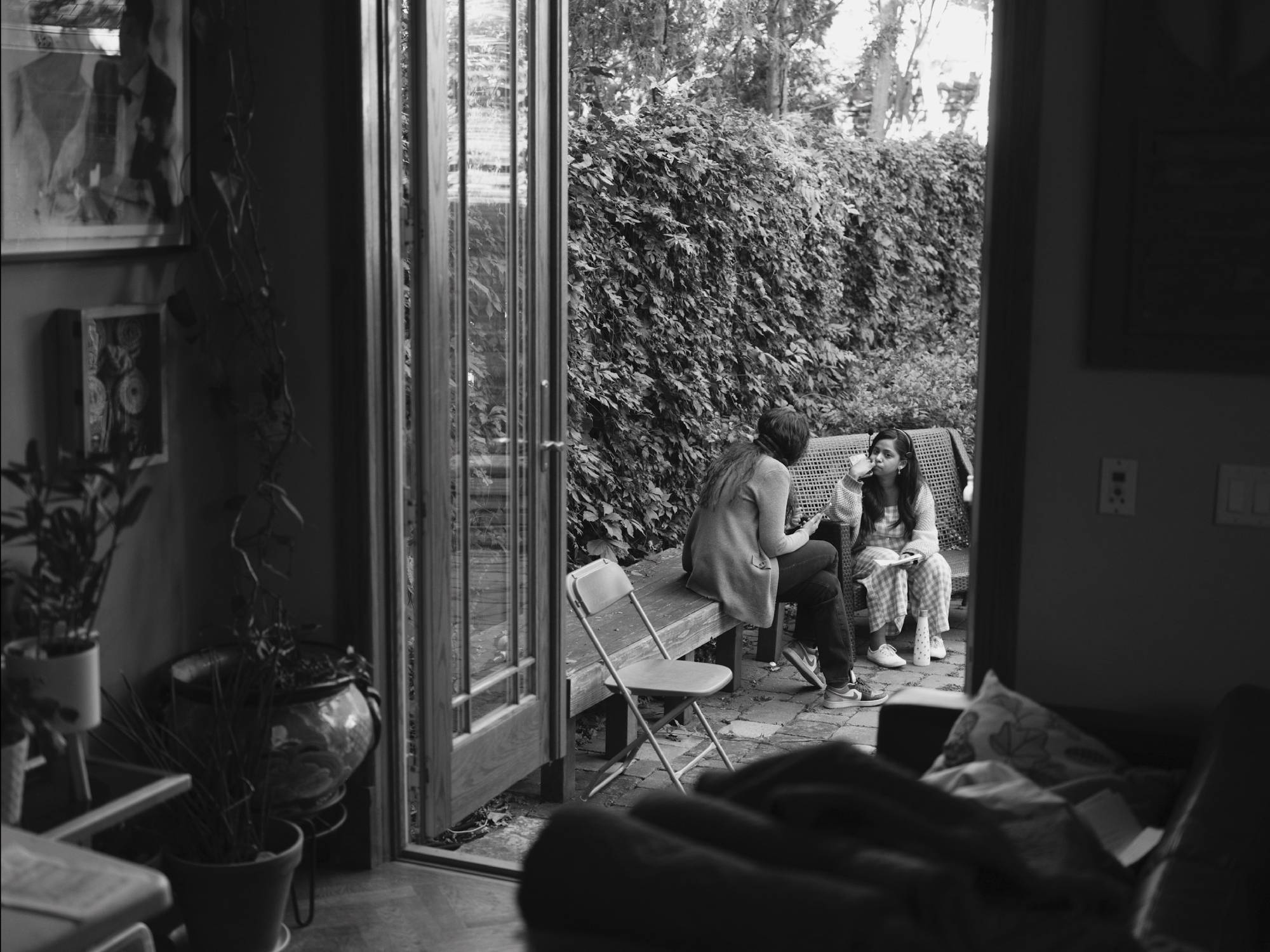
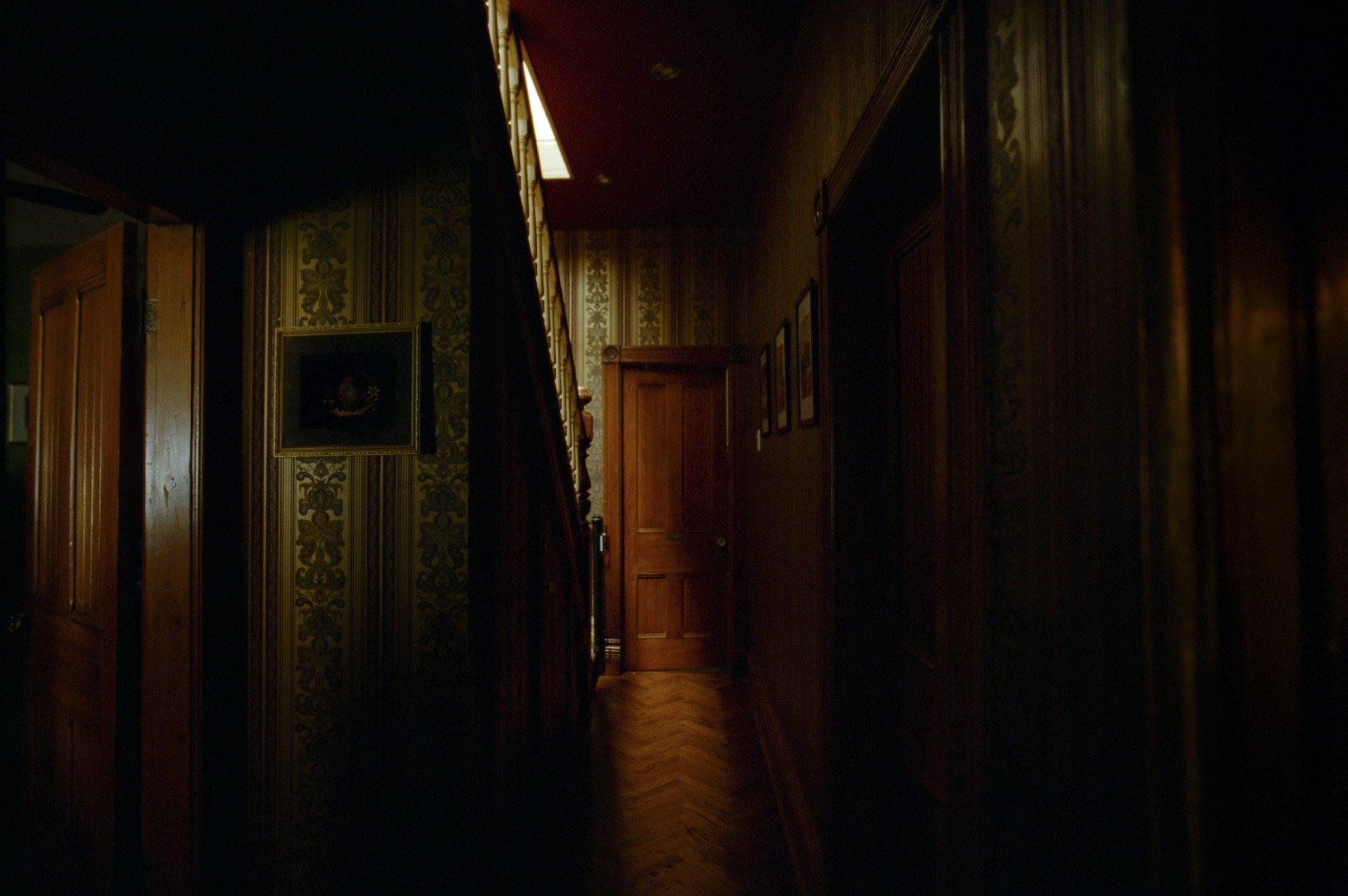
We were very lucky to find a house that already felt as though it had lived several lives before we arrived. From there, production designer Josette Joseph began layering details into the space to create a very particular kind of world. It was about adding years. And questions. Every room should feel like it has accumulated decades of memories.
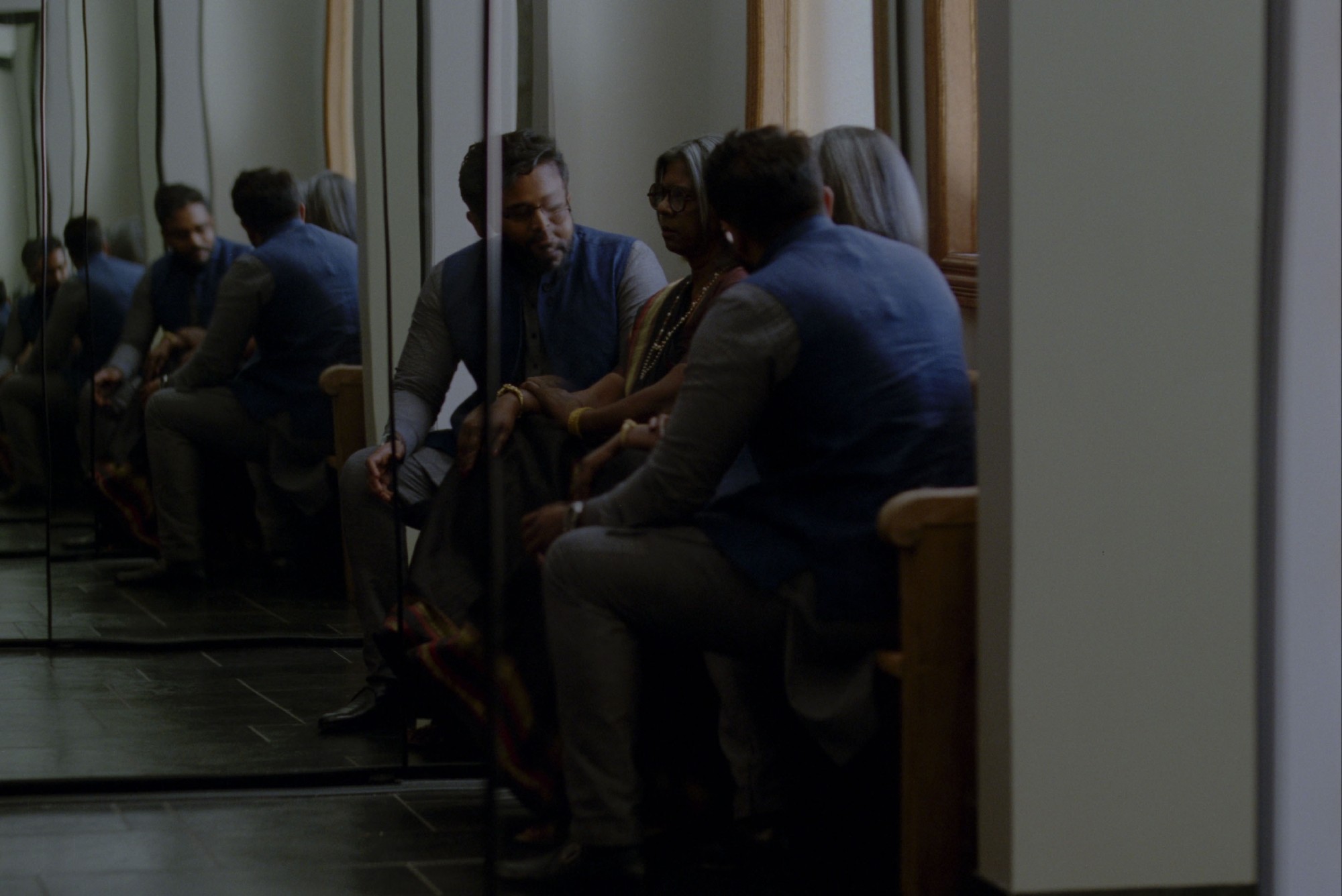
The costume design followed a similar philosophy. Rather than treating clothing as purely aesthetic, we approached it as a way of revealing character. The story takes place in a single day, so each character had only one look. Our costume designer, Bharathy Vivekanantham, was instrumental in finding clothes that could reveal something about a character before they ever opened their mouth. The chapter introductions emerged from those same ideas. The colours and patterns on each chapter card were drawn from the character it represented. They also became another way of reinforcing the film’s peculiar tone.
The score has a textured, layered quality, yet it’s built from a strikingly minimal palette. Can you tell us how you envisioned the soundtrack and how it carries the story forward?
For the music, we wanted to mirror the contained, chamber-piece quality of the film and see how much mileage we could get out of the simplest ingredients. All the music is built from two simple sources: the human voice and the fujara, which is a special overtone flute that is driven by raw, breathy harmonics. There’s a specific gag in the film, where the painting speaks and utters a crude Tamil word, ‘pundayandi’, which loosely translates as ‘pussy’. I wanted to make that the core musical seed for all the material. Every vocal gesture in the score is derived from deconstructed variations of this word through the use of various extended vocal techniques.
The goal was to push the film’s sonic identity to its limits, to create a score that feels invasive, alive, and slightly unhinged.
Essentially, the singer is just singing ‘pussy’ throughout the whole film! I was really interested in the experimental vocal traditions of Berio and Stockhausen, and how we could draw on that for the sonic language of the film, where the voice operates at the threshold between speech and abstraction. The goal was to push the film’s sonic identity to its limits, to create a score that feels invasive, alive, and slightly unhinged. By reducing the musical palette to voice and breath, we aimed to expose something raw and essential, allowing the score to function not just as accompaniment, but as an extension of the film’s unsettling inner logic.
Can you suggest a short film to the DN community that has stayed with you over time, and tell us what made it resonate with you?
There’s a short film from years ago called Red Light by Sam Benenati. It’s built around a remarkably simple idea, yet it manages to draw so much from it. I haven’t watched the film in a very long time, but I still find myself thinking about it every now and then. It just stays with me. If that’s not the mark of a good film, I don’t know what is.
Looking past Karupy, what’s pulling your attention now?
I’ve recently completed post-production on a new short film that we shot in India, which I’m excited to share with the world very soon. Beyond that, I’m currently developing my first feature film. It feels quite different from the work I’ve done so far and is pushing me into new creative territory. That has been both exciting and terrifying in equal measure. At the moment, most of my energy is focused on bringing that project to life.