
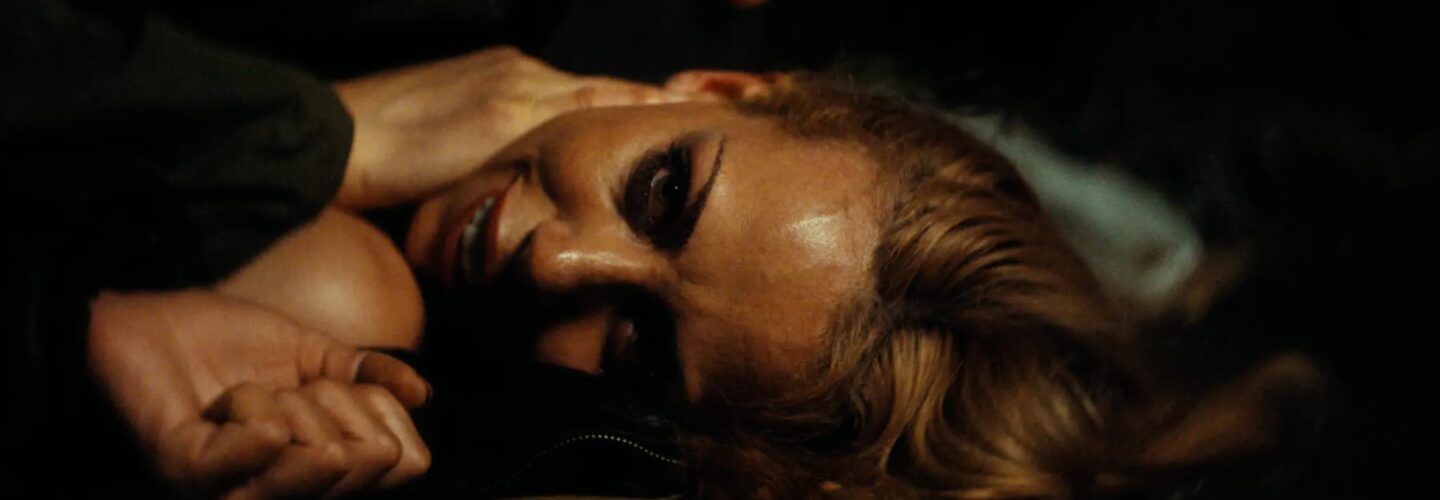
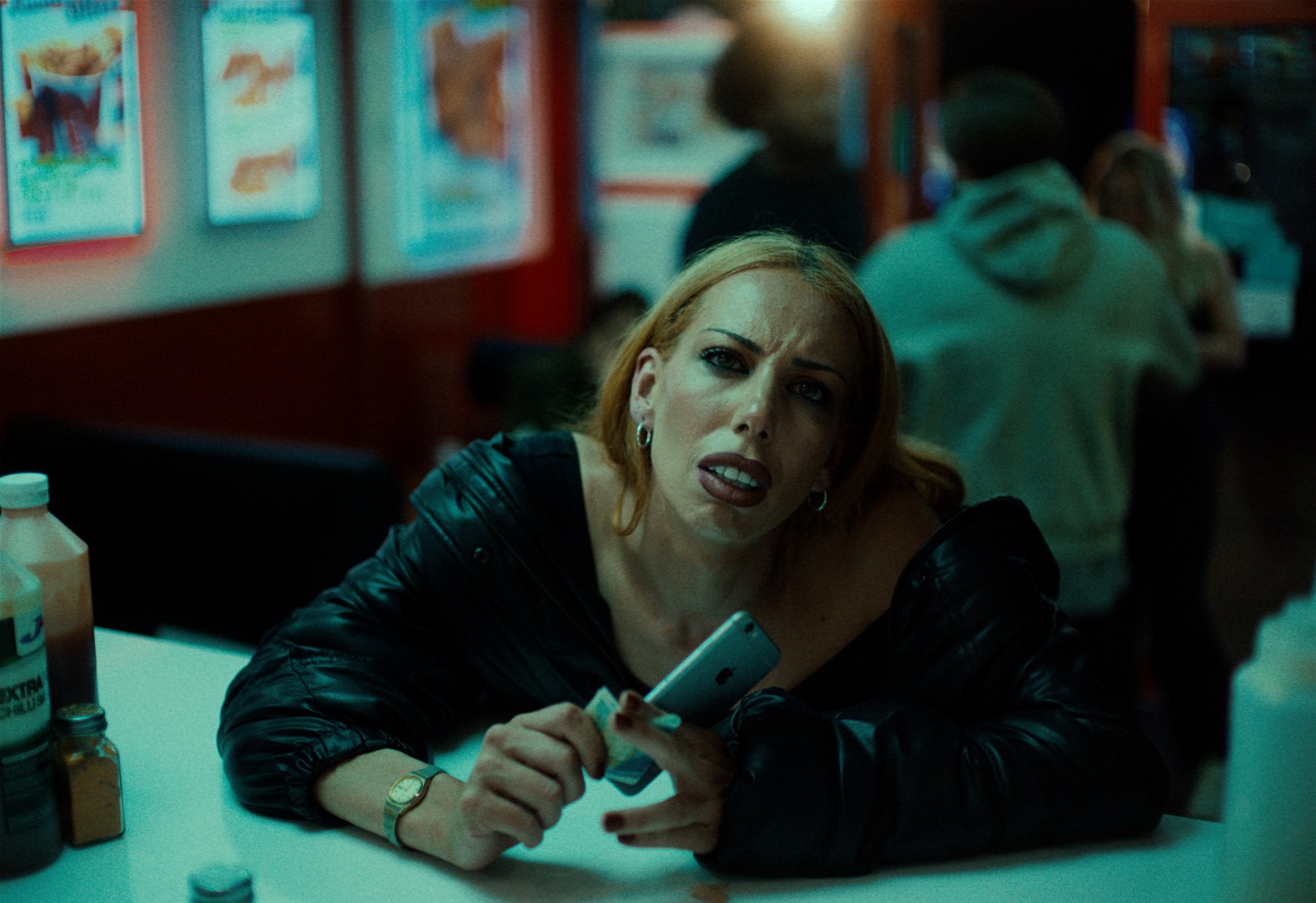
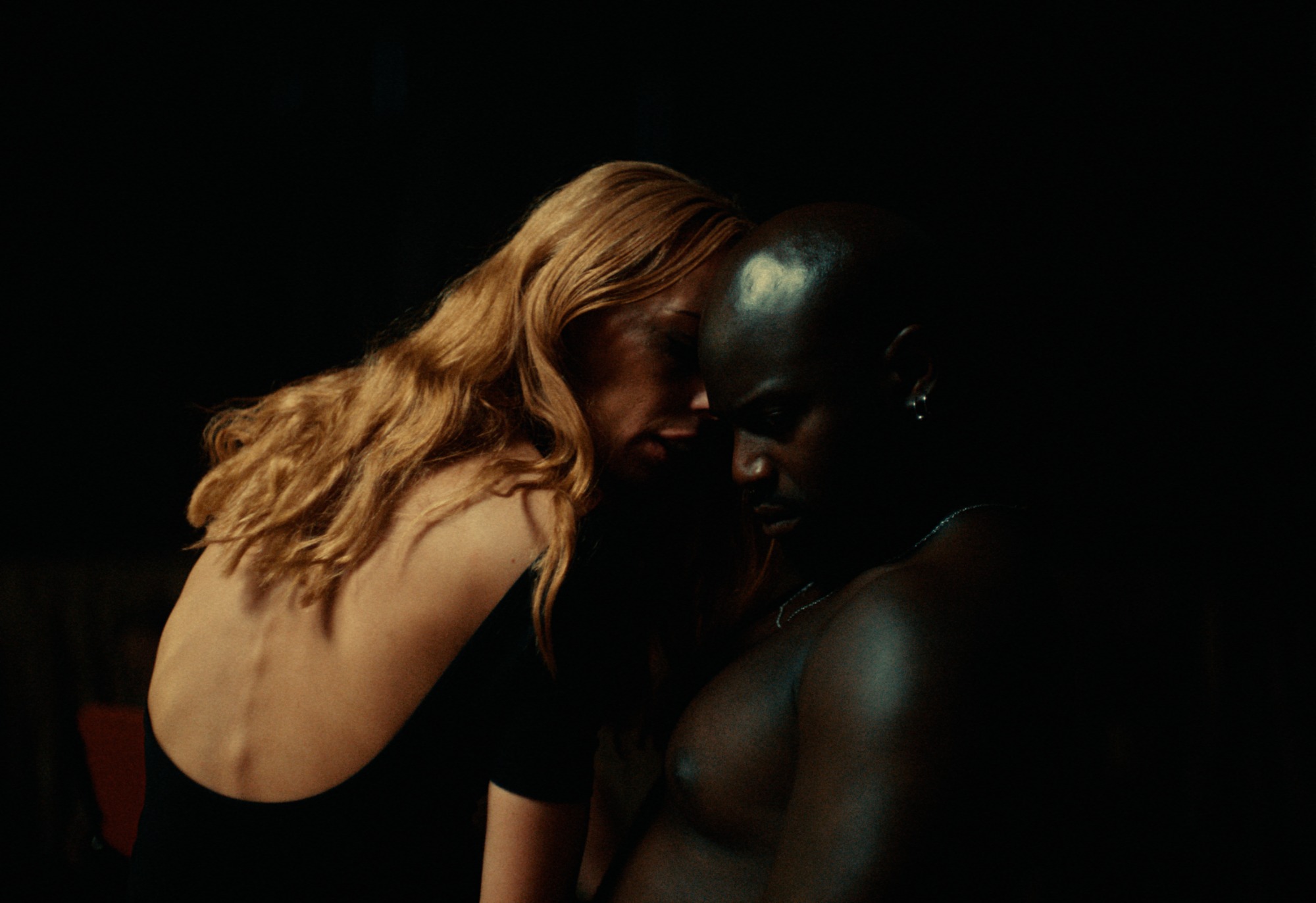
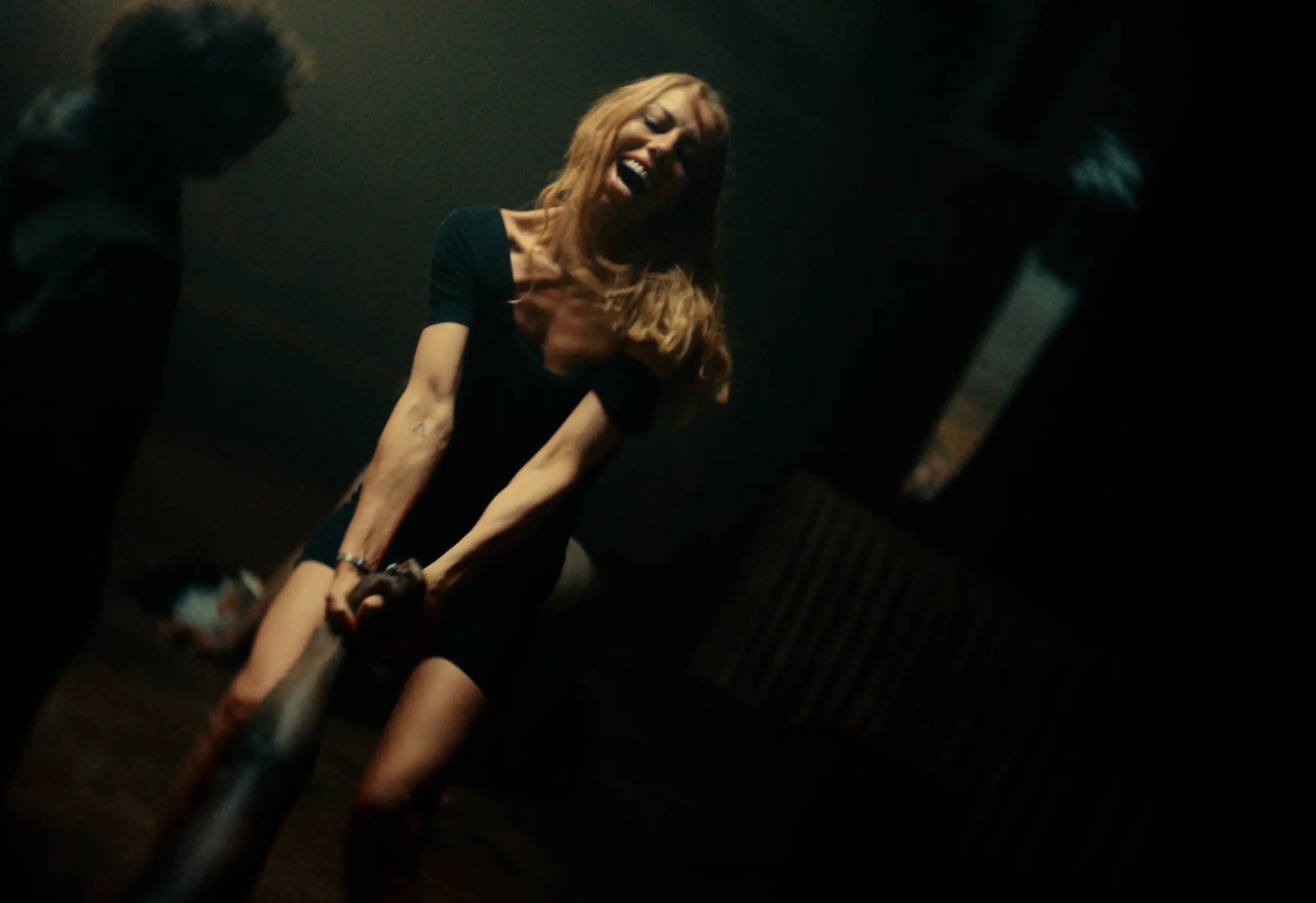
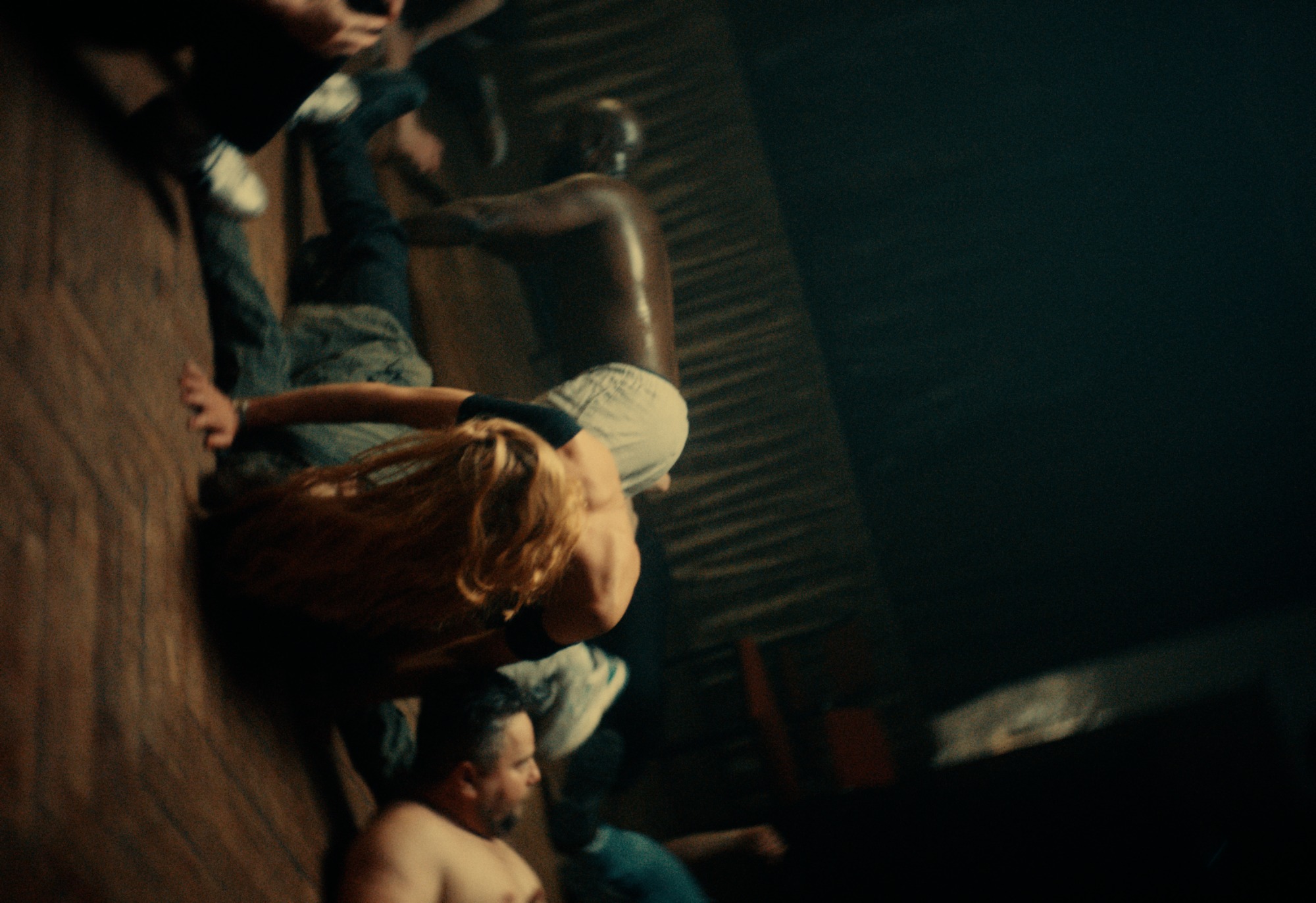
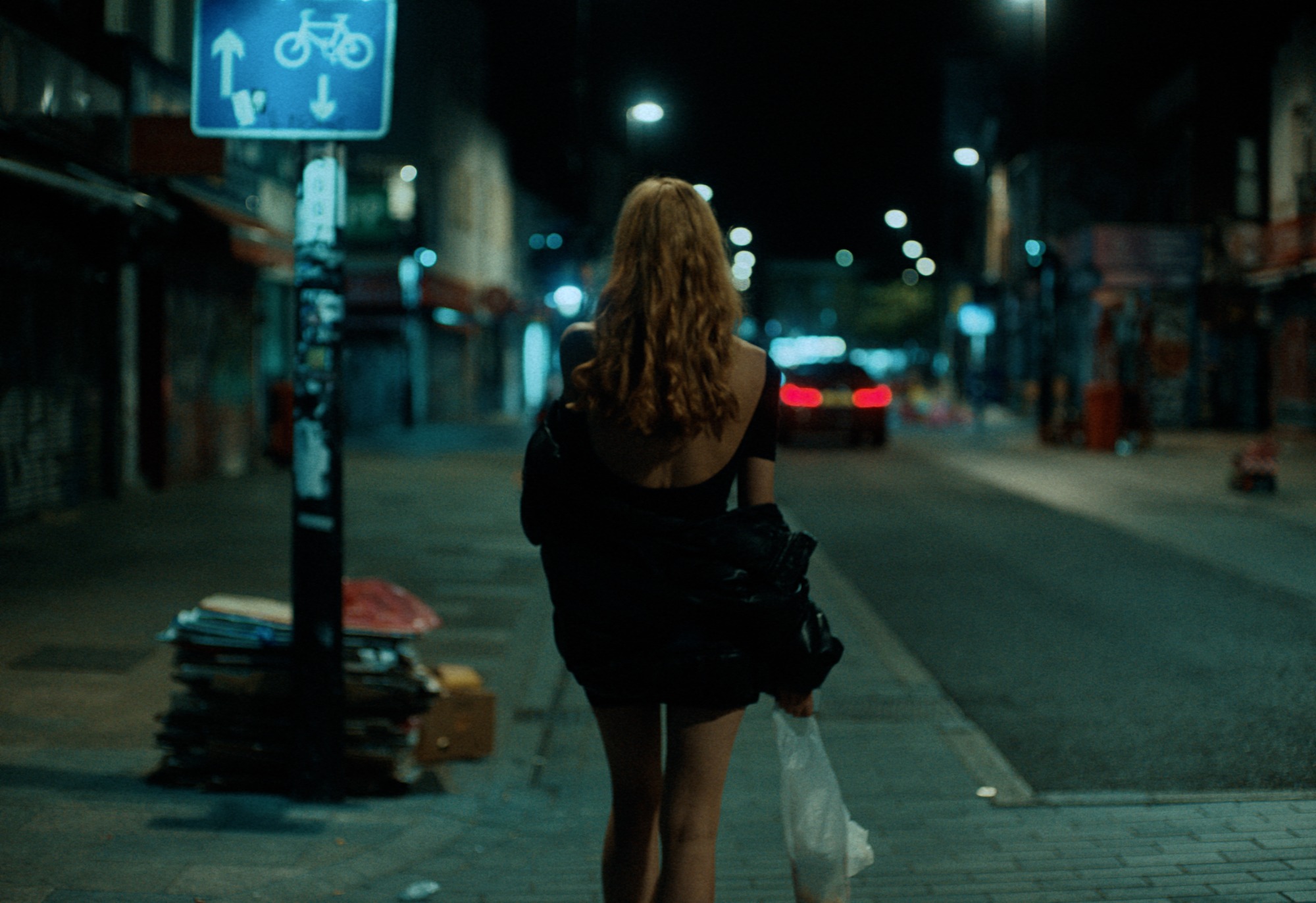
MEAT does not want you comfortable, and it doesn’t pretend otherwise. It opens somewhere almost every woman knows viscerally in her body and soul—the walk home alone, the arithmetic of getting back safe—then, inside a silent hall, turns that fear inside out. Raw, furious and affronting, it wrests the power back. Born from writer Abi Zakarian’s blistering stage monologue, it marks filmmaker Jacob Hopewell’s formidable leap from commercials into narrative film and presses on the rawest of nerves. There’s the gaze, Hopewell’s camera refuses to stay neutral, casting you by turns as bystander, prey and predator, until the short’s most unsettling question is the one it turns back on your own looking. There’s the woman, drunk, dishevelled, a single shoe lost, yet entirely in command: a real body allowed to be unashamedly messed up, stripped of the gloss cinema usually lends women in distress, and all the more powerful for it. And there’s the violence, the assault choreographed into a dance, precise and genuinely terrifying, as she’s passed around a room of men who can’t decide whether to lunge or recoil, the film slipping into something stranger and more mythic. MEAT is still on the festival circuit, and this conversation lands the day before its private screening at The Prince Charles Cinema, for which you can RSVP via @meatfilmofficial. We sat down with Hopewell and Zakarian to talk fury, the reclaiming of power, and the queasy thrill of a woman deciding, once and for all, that she’s finished being prey.
Abi, MEAT comes from somewhere painfully real, the kind of recognisable everyday aggression so many women are taught to absorb and move past. Can you take us back to the incident that sparked it, and the fury it left you with?
I co-founded a horror theatre company called Terrifying Women with two friends, dedicated to putting more horror by women on stage, and MEAT was written specifically for an immersive show we did in a tiny 1950s caravan, if you can believe it! The idea for the play came from an incident one evening when I was walking back to the tube in Leicester Square: a man started walking with me and trying to engage me in conversation, to which I did the things all women learn to do from an early age which is smile, don’t engage much, make it clear you’re not interested but he kept persisting, his words getting less casual, more aggressive and finally culminating in me being blunt and then the violent language and insults happened (as they always do).
I got away, got home, but I was so angry it prompted me to write the play — about what it would look like if a woman were the predator and not the man, if she reacted in a way that was violent and predetermined? I wanted to use the tropes of woman-out-on-her-own-at-night but upend them and challenge the gaze we so readily employ when shown these narratives, and horror felt like the perfect genre to do so. The woman in the play presents as drunk and dishevelled at first, but slowly morphs into something more calculated and dangerous; someone hyper-aware of her presence, of the space she occupies, of how she moves and reacts, and uses these to her advantage, with an active agency.
I wanted to use the tropes of woman-out-on-her-own-at-night but upend them and challenge the gaze we so readily employ when shown these narratives, and horror felt like the perfect genre to do so.
It felt liberating to play with the tropes and destroy them. I think ultimately I wanted to write a different ending to that evening in Leicester Square and reclaim my space, into one where women move without fear in a world designed for men to act without impunity. I wanted to make it so that men have to walk alone at night, clutching their keys and trying not to attract unwanted attention.
And Jacob, what was it in that monologue that told you it had to be a film, and how did the two of you find your way to each other?
I think within the first two pages of the play, I was completely hooked. The scene, the setup, the character and the unexpected use of prose created this atmosphere that was totally engrossing. I could visualise a lot of it already, and it struck a chord. I just knew it had to be made for the screen.
In terms of meeting, Abi and I have known each other for a while. We’re both based in and around Deptford, London. I actually went to a writing class a few years back, and Abi was one of the guest speakers. From then on, I knew I had to make a piece of her work for film. We’d gone back and forth on a few other scripts, but MEAT was the one that landed perfectly in terms of timing and possibility. It felt like the stars had aligned at the right time to go and make it happen.
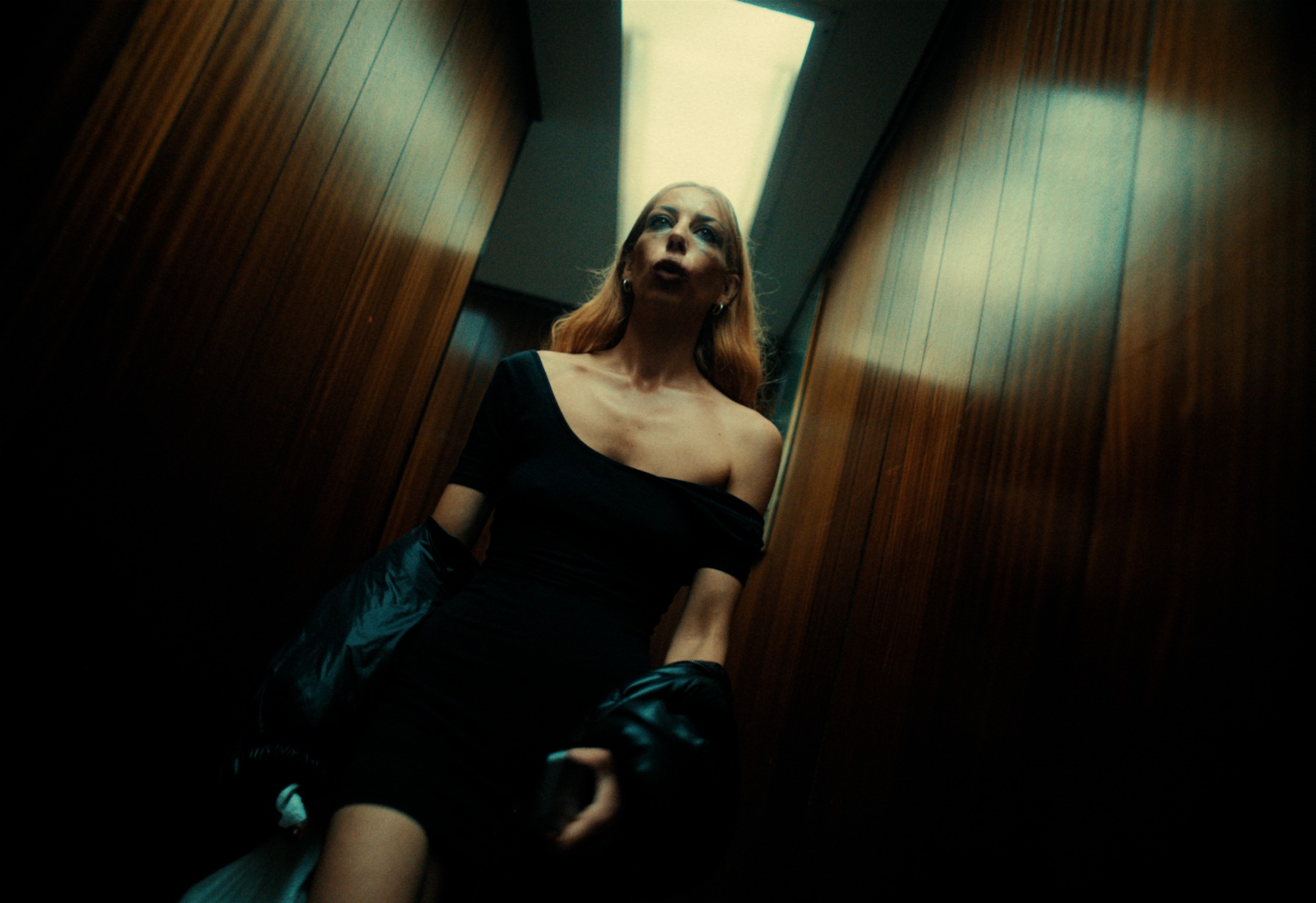
Casting makes or breaks a film that rests on one woman holding the room for a whole monologue: what were you auditioning for, what was the tell that made Elle Piper so immediately and immensely right for the role?
Without doubt, the most important part of this film to get right, and actually one of the parts we invested in most. We knew we had to find someone who could bring this character to life in a formidable way, as it would essentially make or break the film. I worked alongside the amazing Steph Tatryn, our casting director, and gave her the brief: unhinged, dishevelled, yet powerful and bold. Step forward Elle Piper. WOW. What a performance. Incredible to work with, she instantly got the feeling, and once I’d seen her original casting tape, I knew she was going to bring something utterly captivating. She smashed it.
Most Popular
How did you protect Elle through the choreography and the assault, and how did those protections help shape what ended up on screen?
It goes without saying that there are some pretty hard-hitting scenes in the film, and they needed to be treated with the utmost sensitivity. For Elle, mainly, but also for Tarik, who plays the attacker, as it’s not fun to play that role either. We originally discussed using an intimacy director, but Elle made the decision that she didn’t need one, and we respected that. We spoke individually, together, and as a group, making sure we all understood the task at hand. Mainly, it was about making all of the actors feel safe in those moments and bringing a bit of lightness in case it got tough. I think our code word, if we needed it, was ‘CHEESE’. Thankfully, no one ever needed to shout it, and everyone respected the nature of the work whilst delivering the tough performance needed to make it so impactful.
The choreography for the main attack scene in the room was devised by the fabulous Mikey Boats. Understanding the assignment, he broke everything down into smaller sub-sections, beats and moments… We rehearsed on the day and made sure at all times that there was a flow and energy that created the feeling without hurting anyone in the process. I thought he did an outstanding job and created such a powerful impact.
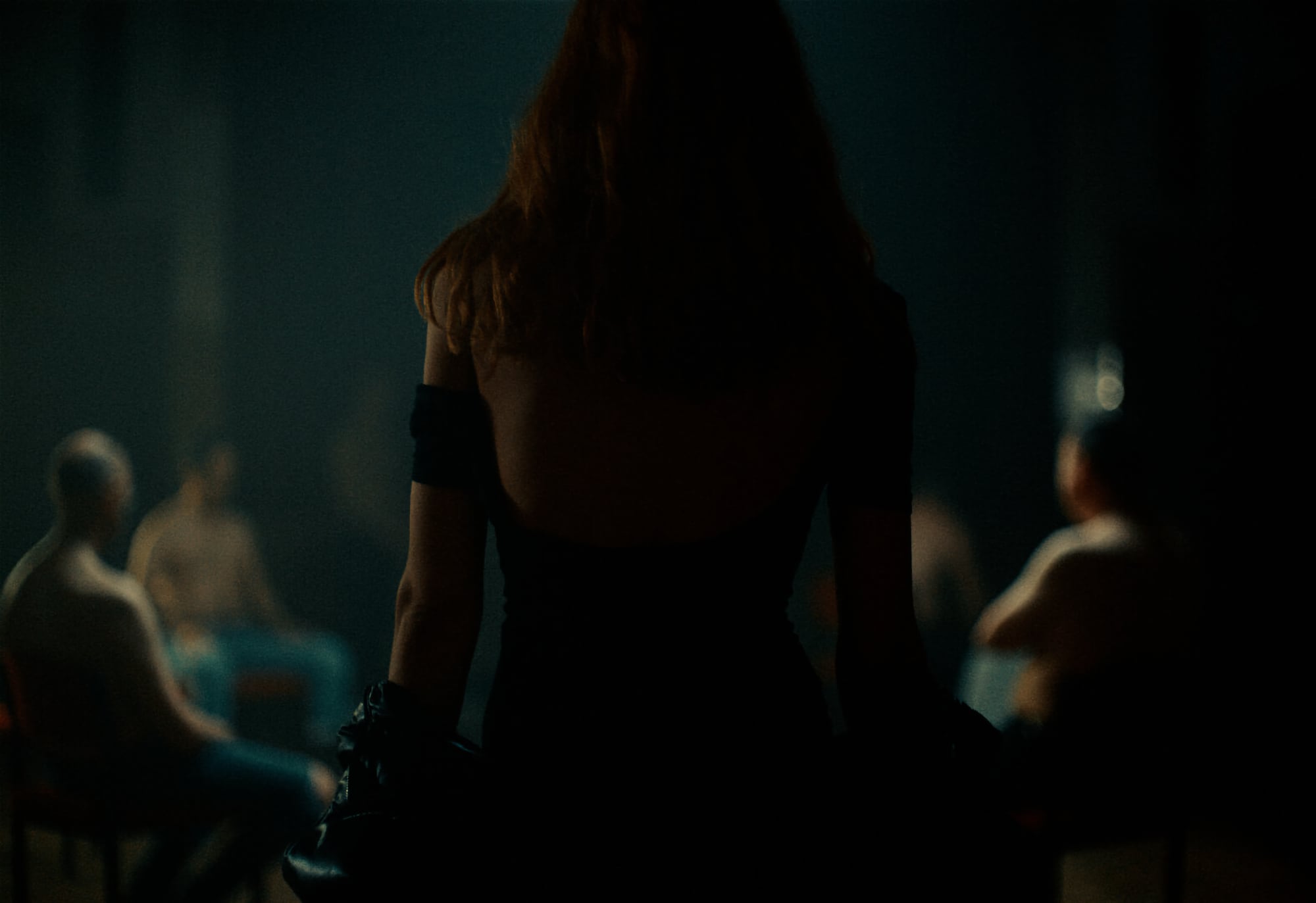
Abi’s writing talks about “the geography of spaces,” which you had to make literal, the room of men, where she stands, and how she walks around them. How did you map it, and is there a logic to how she meets each man?
A lot of it came down to wanting to underpin some of the key lines of the text, especially the idea of group therapy at the start of the film. So I created a similar setup to that. A room of men sat in a circular formation, simply waiting in silence. Almost like the audience within the original play. This was actually the toughest part to crack… how to turn the men in that room, who were originally audience members, into actual characters within the film itself. Once that was established, I storyboarded the whole opening scene.
This was actually the toughest part to crack… how to turn the men in that room, who were originally audience members, into actual characters within the film itself.
I wanted Elle to move in a way that touched on certain clichés, to let our audience judge her, but keep questioning their own judgement. In parts, she could be read as a drunken mess, in other moments flirtatious, in others powerfully unhinged and intimidating. The key was to play on the tropes we as the audience kind of expect, then continuously subvert them, and the way she interacted with each of the men carried a slightly different feeling. The way she sat, crawled and delivered each of those lines was considered, and it basically came together through storyboarding, reference and the ideas Elle and I worked through together to build that first part of tension.
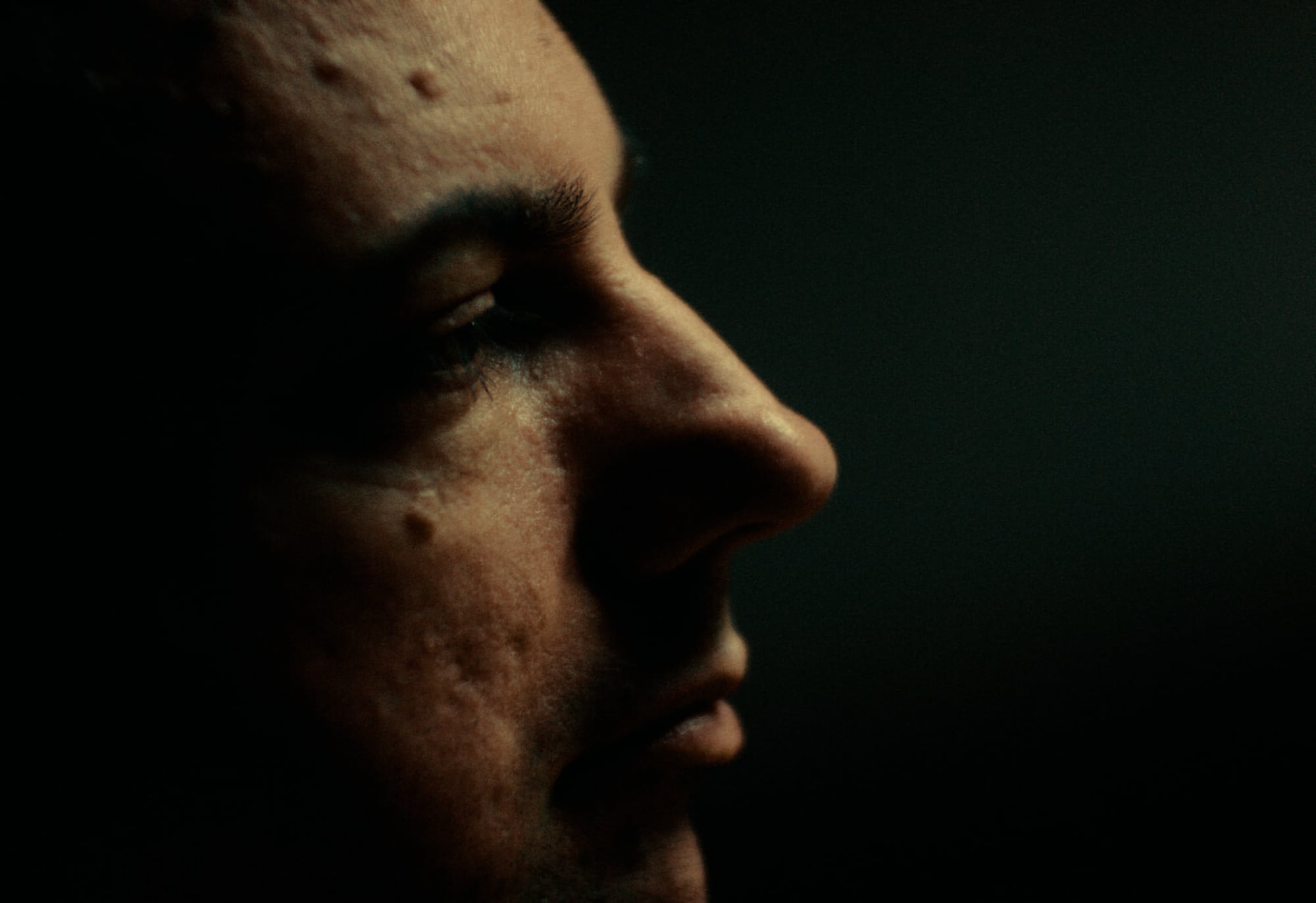
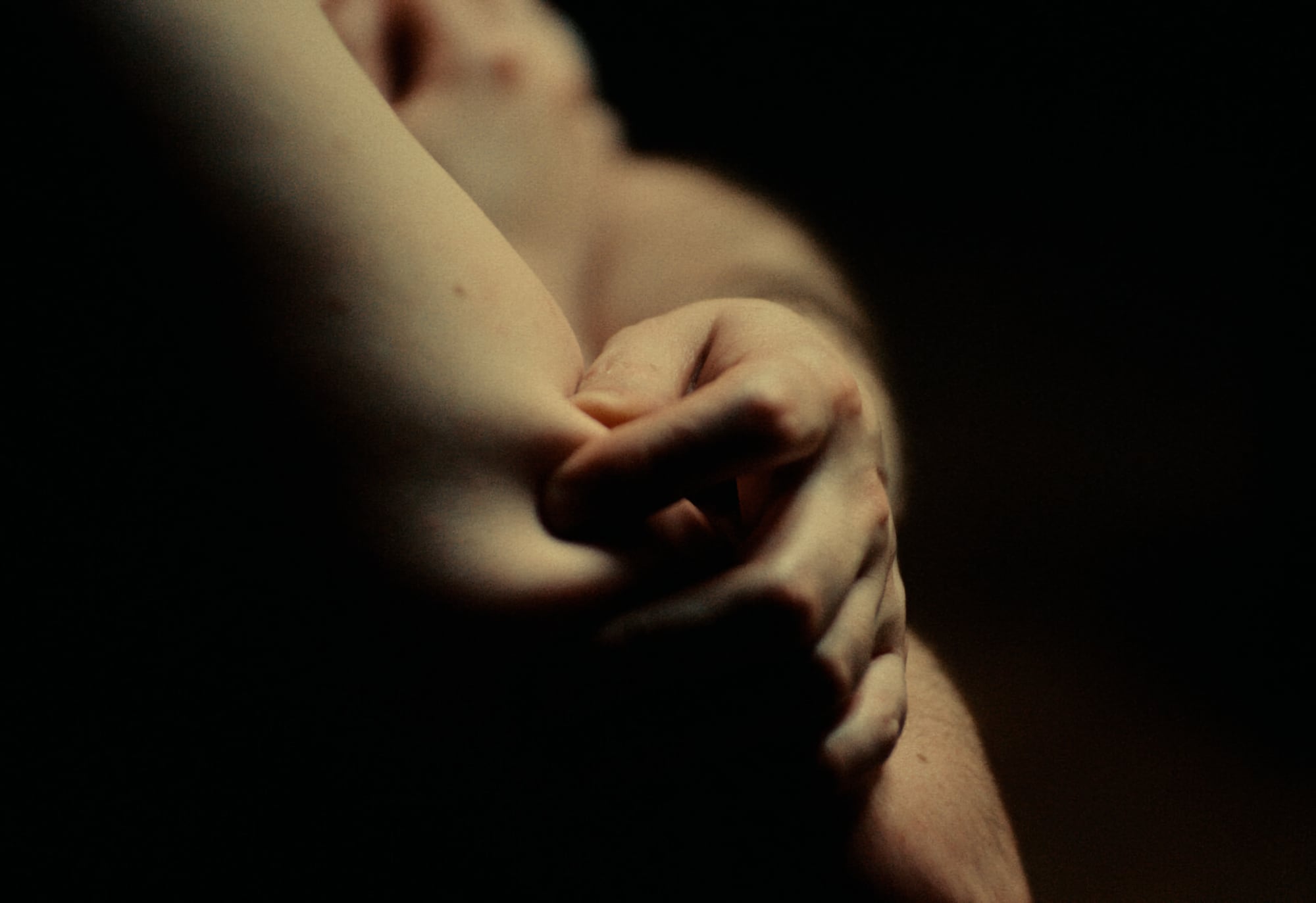
Turning the male gaze back on itself is hard to stage, and you’ve said the approach shifts from intimate realism into something far more heightened as it goes. How did you build a grammar for that inversion, and how is it keyed to the escalation?
I guess my approach was to delve deeper into the audience’s psyche the further we got into the film. So the opening is all about watching, maybe slightly from afar, not participating as much. It’s only when we start to cut into the flashbacks that we become more enveloped in the story. Everything becomes more relatable once we can imagine ourselves in those locations, like the chicken shop late at night, or the dark, dingy streets we’re all too familiar with. I think that’s the moment you start connecting and feeling more towards how our protagonist feels.
Then it’s all about building a climax in the edit, with quicker-paced shots, sound design, close-ups and moments that feel frenetic, building tension towards the escalation before some kind of cathartic release, which I leaned into typical horror techniques and tropes to achieve.
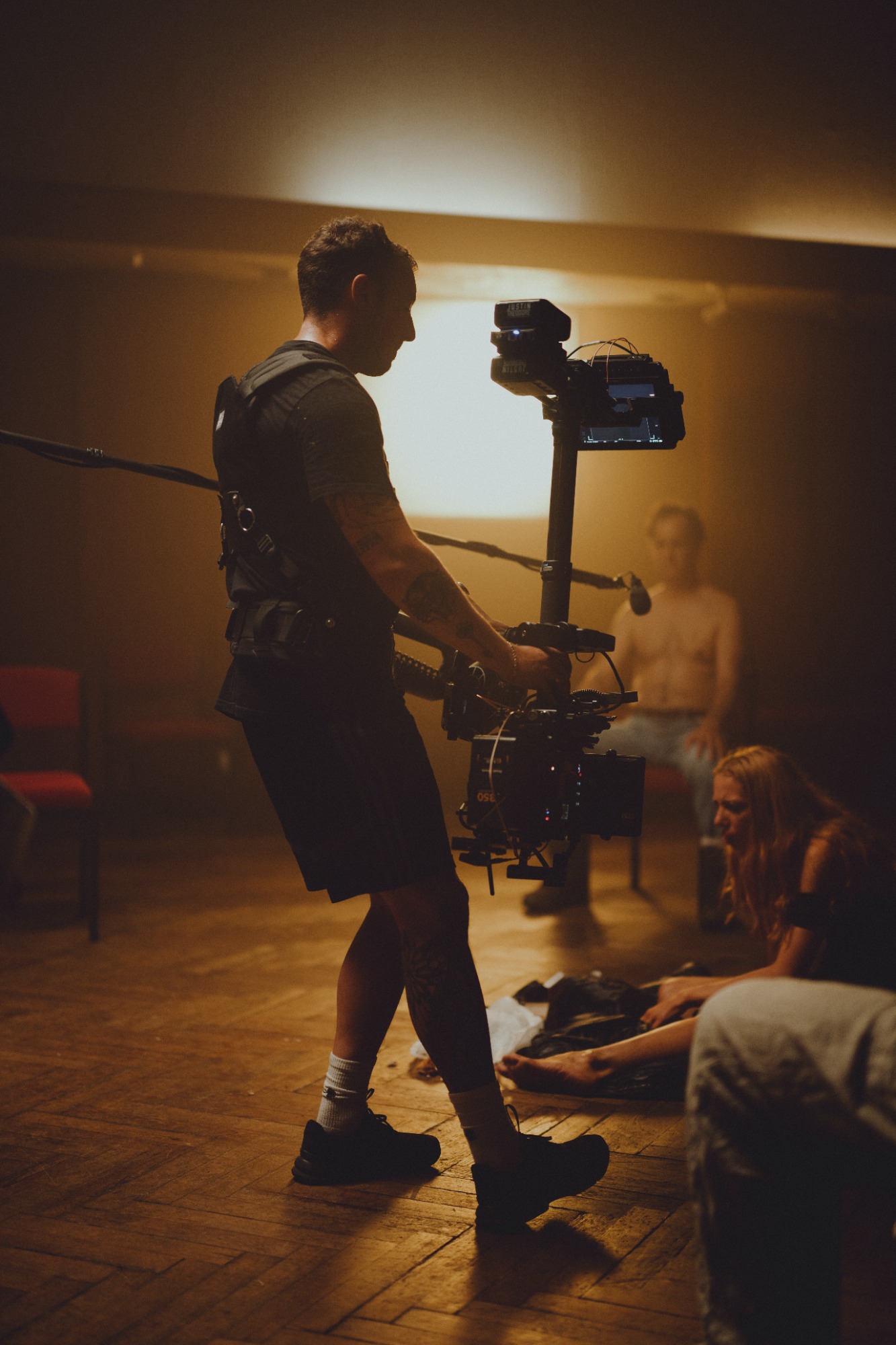
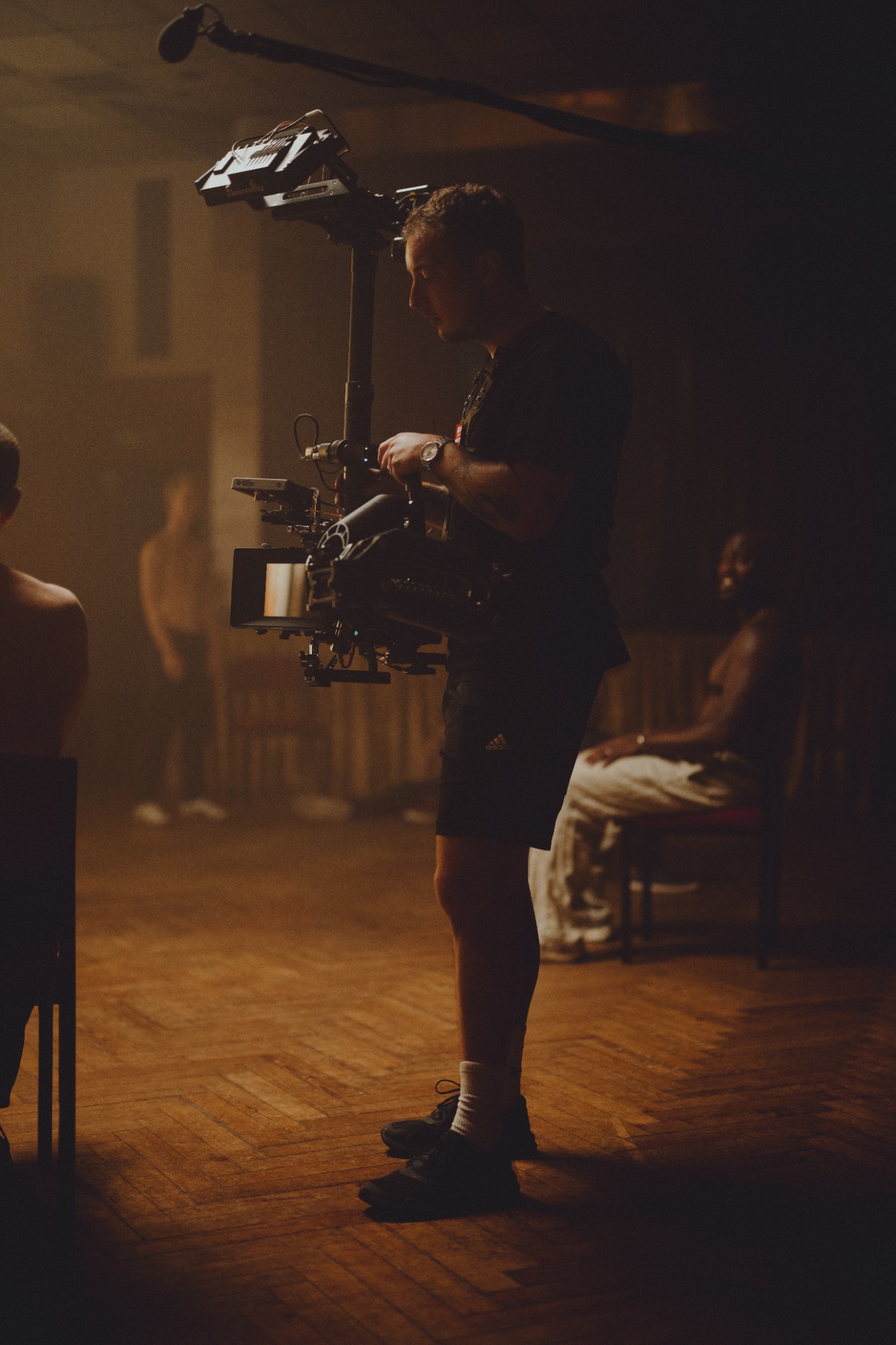
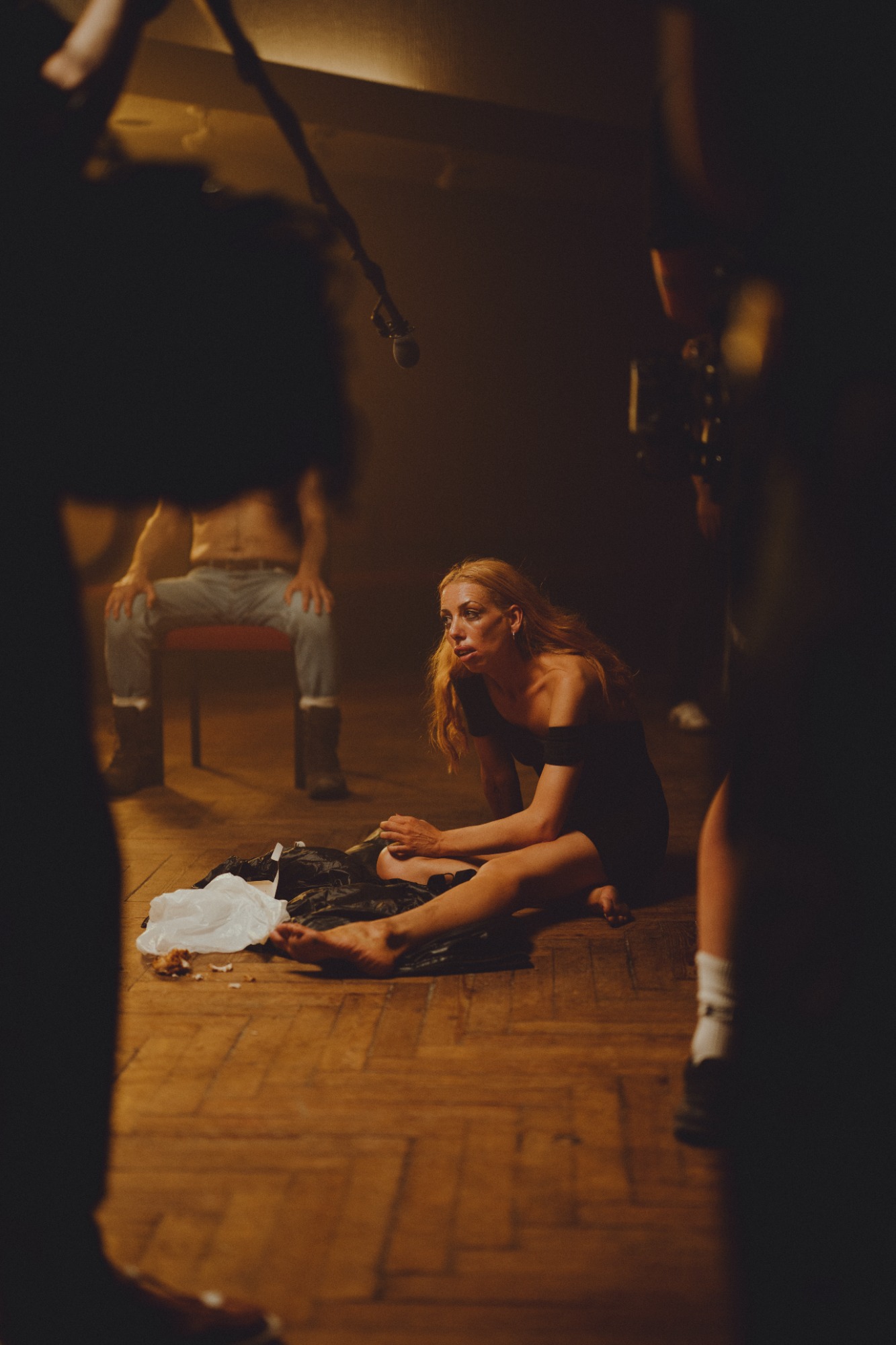
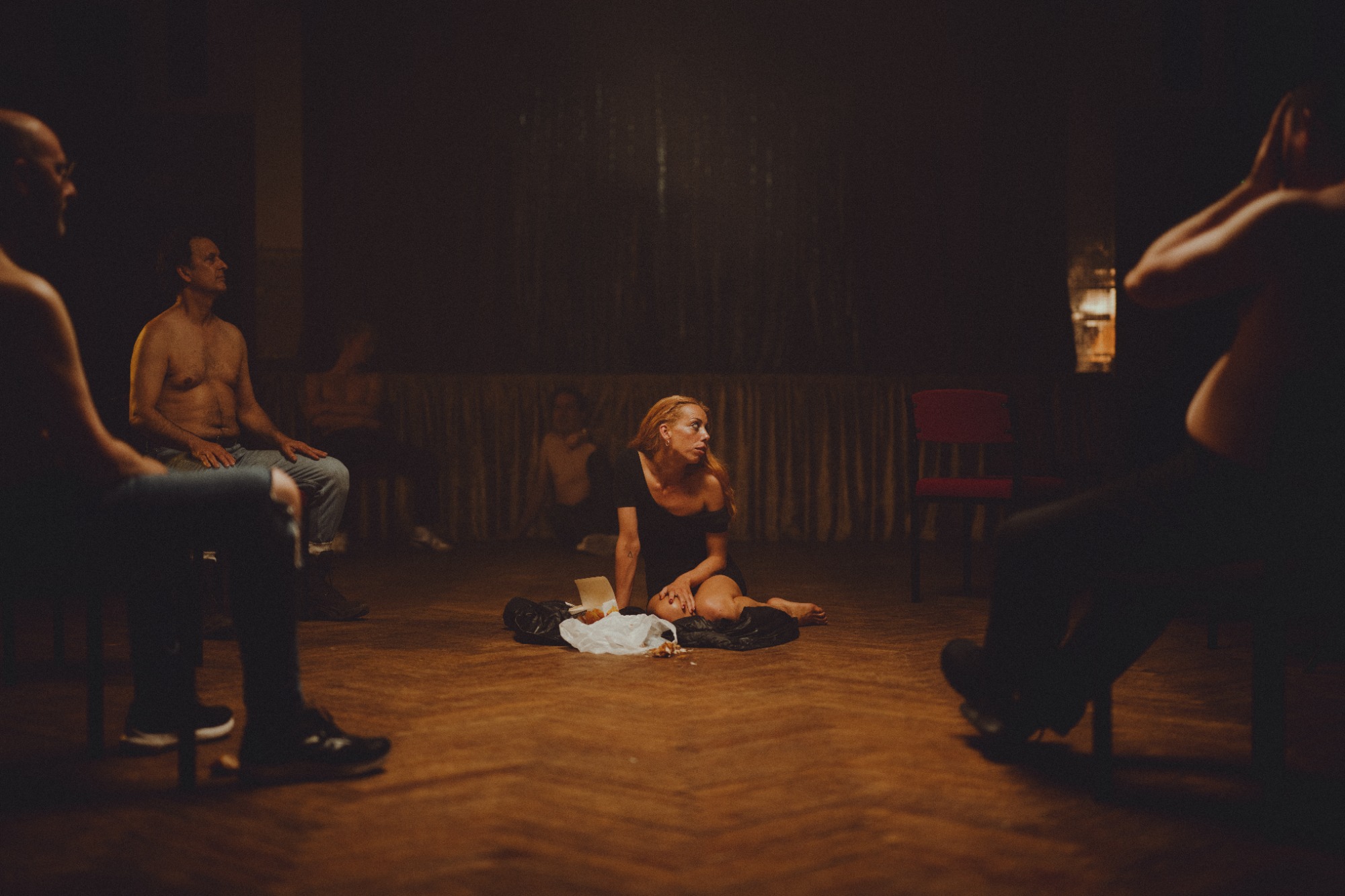
Given that the gaze is the film’s subject, the camera can’t really be neutral. What was its relationship to her and to the men — is it another presence in the room, and how did you think about its point of view?
For me, the camera is a point of reference. It’s there amongst it all, figuring things out for itself. It doesn’t give you an answer, but lets you ask the question of how you feel about this character in this predicament. At some point, you’re placed in the role of the audience, at others the part of Elle, and finally the part of the attacker. Each one might give you a different perspective to draw your own conclusion from, and maybe form your own judgement on how it makes you feel. The one thing we can’t control is how an audience will take that gaze. It places the responsibility on them to view it and then ask themselves how they perceive it, and perhaps, with this film, that’s the most frightening thing of all. We can’t do that work for them. This has to come from the viewer.
It was all about crafting certain archetypes within those characters and working out who would probably be doing what.
The sequence where she’s passed around the hall is precise and genuinely terrifying and has the quality of a dance. How was it built?
It was all working with the aforementioned Mikey Boats, who brought it to life. We had a start and end point, and it was also important to reflect the different feelings of the other men in that room. Some wanted to attack, others were petrified, others were unsure. It was all about crafting certain archetypes within those characters and working out who would probably be doing what. Mikey took those notes on board and crafted something almost dance-like. Again, it added to that slight push away from realism and into something more mystical, whilst keeping a raw quality to the action.
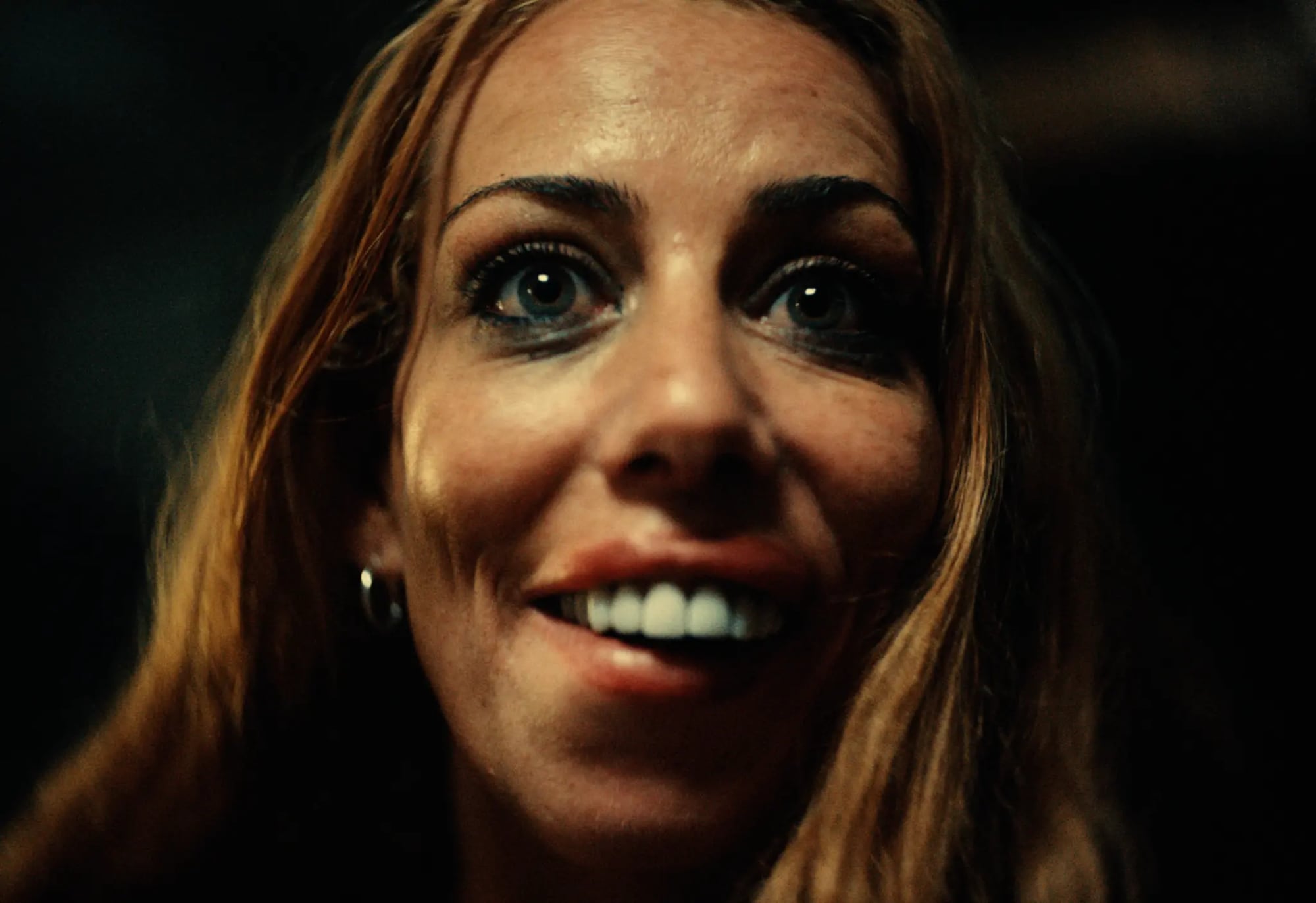
Her look does so much storytelling before she speaks — smudged, damaged, drunk, one shoe gone, and yet unmistakably strong. How did you and Abi build that look, and how did you find the line where the damage reads as power rather than victimhood?
JH: We actually didn’t have a makeup team. It was all down to Elle and me, creating the look together. There was some kind of connective, joined-up thinking there. We’ve both been on plenty of nights out before, and I think we can all picture the classic, far too drunk, dishevelled character at the end of a long night on the sauce. Once you contrast that look with an edgy performance, you instantly read it as power. I think you instantly read, in the first few lines, that this character has been through a lot, but she doesn’t give a shit. She isn’t scared. It’s almost normal. Which ultimately it is. That’s what makes it so unhinging, because you’re expecting fragility and instead you get absolute power and control, a sense of agency in a situation that perhaps wouldn’t initially feel that way through the eyes of a woman in that predicament.
AZ: I think it’s the idea of how women should ‘look’ on screen, e.g. there can be distress and injury or disarray shown but it’s usually in service of a stylistic visual narrative, whereas in this film we’ve gone all in on the idea of a real woman looking properly messed up BUT within her own agency, hence the spitting of the food, the grubbiness that never becomes ‘jolie-laide’. It’s hyper-naturalistic and jarring because of it. We don’t like to see real women being really grubby because that disrupts the patriarchal norms of women as ultimately objects to be looked at. If we see a woman being unashamedly gross it unsettles and upsets us.
We don’t like to see real women being really grubby because that disrupts the patriarchal norms of women as ultimately objects to be looked at.
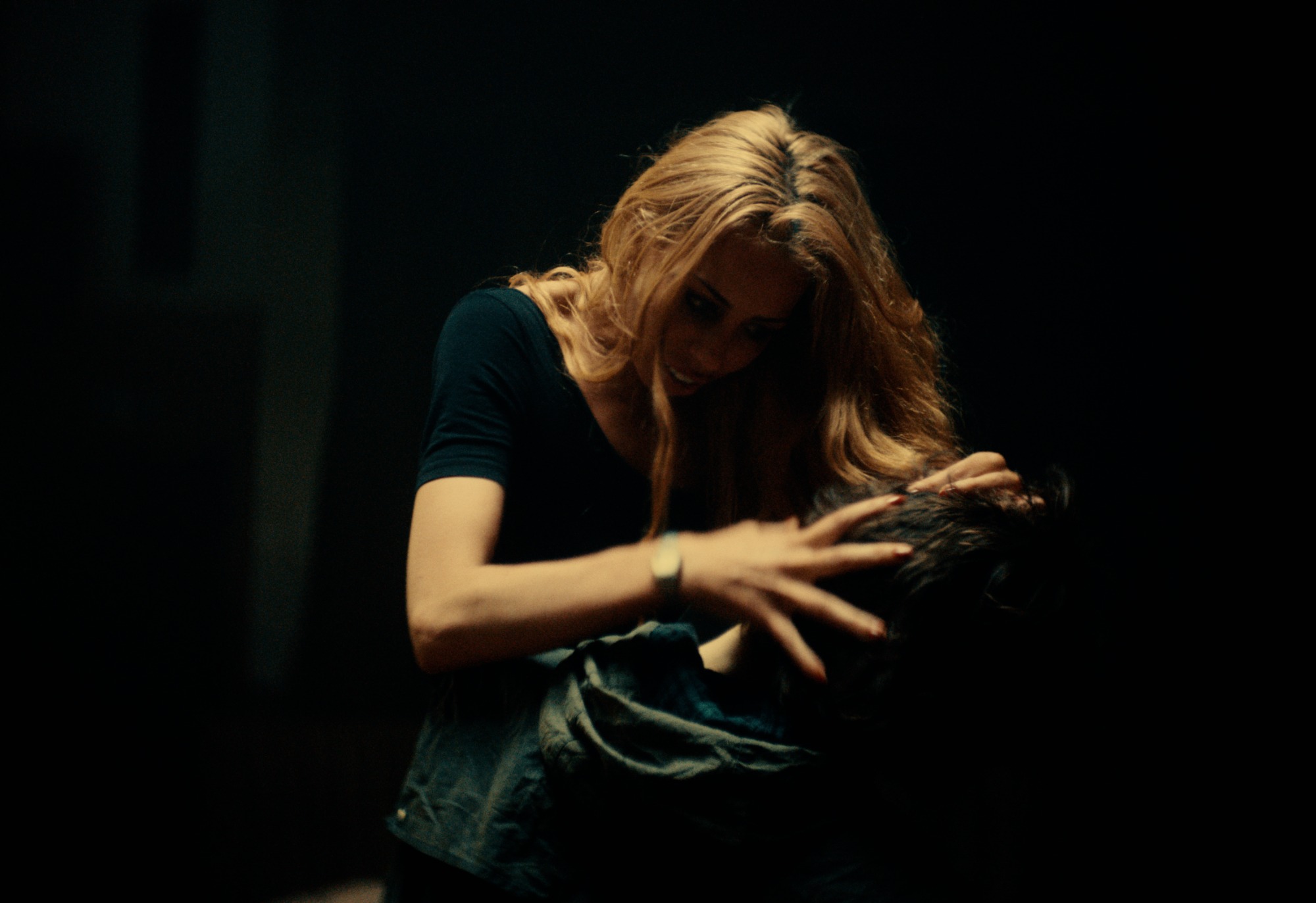
For a monologue, it’s so fluid, it never goes static or stagey, which is the classic trap of adapted theatre. How was it actually shot? Long takes with Elle sustaining, or is the fluidity built in coverage and the edit?
We broke the monologue down into three parts: the opening, middle and closing sections, which hopefully come through in the film. The key was not to disrupt Elle’s flow. So we shot on Steadicam as a one take for the first five minutes, a few times over, then did it again, picking up key phrases or moments we wanted to be tighter on, things we might have missed on a previous pass. It was a great way of keeping the energy and tone together whilst magnifying certain moments of dialogue, or the impactful close-ups we needed to really hit home.
Finally, on this film, tell us how you and the sound team built the soundscape, and what you wanted from Rosie Lowe’s score?
I had plenty of discussions with Rosie about the soundscape long before production. I shared ideas and references, but actually, she turned a lot of that down, and it was her own agency that crafted the haunting nature of it by almost subverting the usual horror tropes. Rosie isn’t a massive fan of the horror genre and equally wanted to bring something that didn’t dip into those typical traits in any way. It was about composition, something that felt more vocal-led, almost lighter, to create the contrast. It was haunting in the way her composition brought light into the darkness, which again created this interesting feeling, and I loved that she pushed back on any kind of main reference and made something beautiful and uniquely bespoke to the feeling of this film.
Izaak Buffin at Rascal created the specific sound design elements. The work that went into the final soundscape was unbelievable, delicate and detailed. He emphasised the hard-hitting moments to really help set the tone and gave the overall film so much weight. It was incredible to see the process and the craft that went into the final soundscape.
Directors Notes runs on a love of the form, so we always have to ask — is there a short that’s lodged itself in you, and why?
Ah, there are so many, but the one I always come back to is Cowboy Dave by Colin O’Toole. It’s a semi-true story, set in early nineties Manchester, about a young lad whose life shifts after a chance encounter with a down-on-his-luck musician. What gets me every time is the storytelling and the concept… it takes something small and grounded and finds this real emotional weight in it, with dialogue that feels completely authentic and a structure that quietly pulls the rug out from under you. There’s a naturalism to it I love, the kind that never feels staged, and it builds to something far bigger than its setup suggests. Proof of how much you can do in twenty-odd minutes if the idea and the execution are right. It’s stuck with me ever since.
Now you’ve made the jump into narrative, where are you hoping to take it?
Onto the next… I want to connect and reach out to writers out there who can help develop my next short into a feature. The short’s premise is about a son who breaks free from his mother’s control by convincing a Pentecostal church congregation that he’s been healed, and therefore set free. Set in the 1990s Midlands. Should be a fun one to make.