A Brazilian wax has never been funnier, cringier, or more painful! In Camila de Ilhéus’ short film Sofia, we discover there’s a lot more to language misunderstandings than you may think, and that modern dating is extremely complex and anxiety-inducing, proving no less risky than a trip to the beauty salon. The Brazilian director builds multiple layers into the film, from the language barrier to the struggle of integrating into a new society, something she experienced firsthand while navigating English in the US, far from home. At the same time, Sofia playfully examines beauty standards and the pain women are expected to endure, while reminding us that we can become so distracted by our own anxieties and expectations that we miss what’s right in front of us. Last but not least, it shows how love can hide in the most unexpected places. With Sofia currently out on the festival circuit rousing conversations about intimate waxing, DN invited de Ilhéus to join us to discuss why she chose such a memorable subject and how the production process shaped the film into what it is now.
You’ve defined embarrassment as “an underexplored emotion”, one you went chasing through acting and dance classes. But with Sofia, you reached for comedy, and specifically the squirm of the cringe, to get at it. What can the comedy of discomfort reach that drama can’t?
I believe that comedy and dramas alike are serious work. There’s a version of Sofia, in a different life, that is played out as a drama, and I think it would have worked, because discomfort isn’t inherently comedic, to me, at least, but it is dramatic. But I did know that desire, with the involvement of social media and online dating, and it can feel do-or-die at a young age, and there was something inherently comedic about it.
The audience becomes uncomfortable because our lead is uncomfortable, and I needed her to be uncomfortable! The audience was a bonus.
I was not trying to make an audience uncomfortable when I first wrote the piece, nor was I judging the character I had created. I was showing Sofia what I learned in my early years in the United States: when you are more interested in virtual people than the ones right in front of you, you might ultimately find yourself in a pickle. And, of course, the reach for the phone and the presence there are reinforced by that struggle with language. The audience becomes uncomfortable because our lead is uncomfortable, and I needed her to be uncomfortable! The audience was a bonus.
There’s something funny about the way Sofia was born: the piece you wrote as a joke ended up being the one that got you into a lab — you’ve said you laughed mid-call when you were told that. Looking back, what do you think the joke understood that the dramas didn’t? Has it changed how you come at a serious idea now?
To be an immigrant in the United States is a hustle, day in and day out. I think because of that, I had forgotten, over time, how to not take myself so seriously, which is the opposite of how I grew up. I was always the kid who spoke without thinking, who threw themselves at things without checking first. When I immigrated to the US, I was often told to be less: less present, less loud, have less of an accent, and I began hyperfocusing on those experiences that were hurtful. I am a lover girl at heart, and I think we can see that in Sofia. While I am very serious about my work, I don’t take myself too seriously, and I think that is key. I think, regardless of genre, what I do is approach a subject matter with more curiosity and less judgment. Sofia didn’t change how I approach an idea, but rather it showed me how to bring myself out more into the projects I want to make, and for that, I am extremely grateful. In short, the joke didn’t understand dramas; it understood me.
Most Popular
Let’s dive deeper into the funding of the film. The Saul Zaentz Innovation Fund took you through a lab before the grant came through. Labs can sometimes pull a script towards the worthy or the important — how did a comedy this brazen fare in that room? Did it change anything fundamental, or sharpen what was already on the page?
The firsts are always the hardest, and the Saul Zaentz Innovation Fund was that for me in my filmmaking career. During the script lab, I met with a handful of industry experts, which was great! The push and pull of ideas always help the project. Different people had different opinions about what I was trying to say, and I always take into consideration the thoughts and responses of people who take their time to listen to what I want to make and push the story forward. But what made Saul Zaentz extra special is the direct involvement of the director, Annette Porter, who reads everyone’s scripts and gives individual feedback on them.
After the lab, we were paired with a mentor with whom we worked more in-depth. I had the pleasure of working with Tim Perell, who is a producer, and the conversations with him were fundamental and ultimately changed the ending of the piece. After the lab and working with our mentors for a couple of months, we were able to apply for funding, and I was fortunate enough to receive the full support I needed from them.
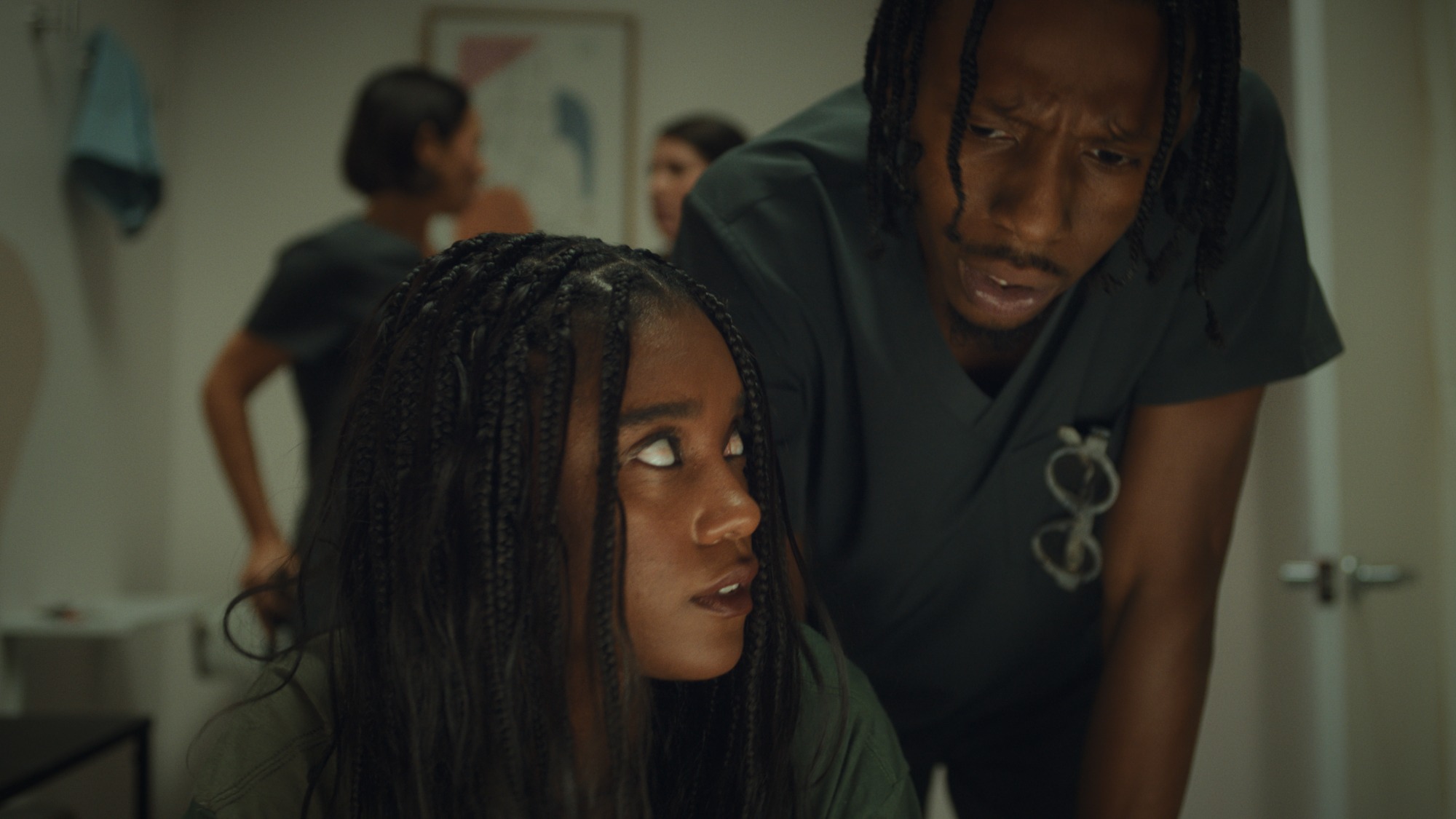
When you have a character with a 15-second attention span, you do plan for that to come back and teach them a lesson, and I felt like a dating app was the perfect place for it.
The element of the dating app gives the story another layer of funny and relatable realism, like that of the Brazilian waxing. A dating app is undoubtedly fertile ground for a comedy of embarrassment, as there’s a whole theatre of self-presentation in performing for a stranger before you’ve even met. How does it set up (or detonate) the central mishap, and were you consciously mining that modern awkwardness of swiping and first impressions?
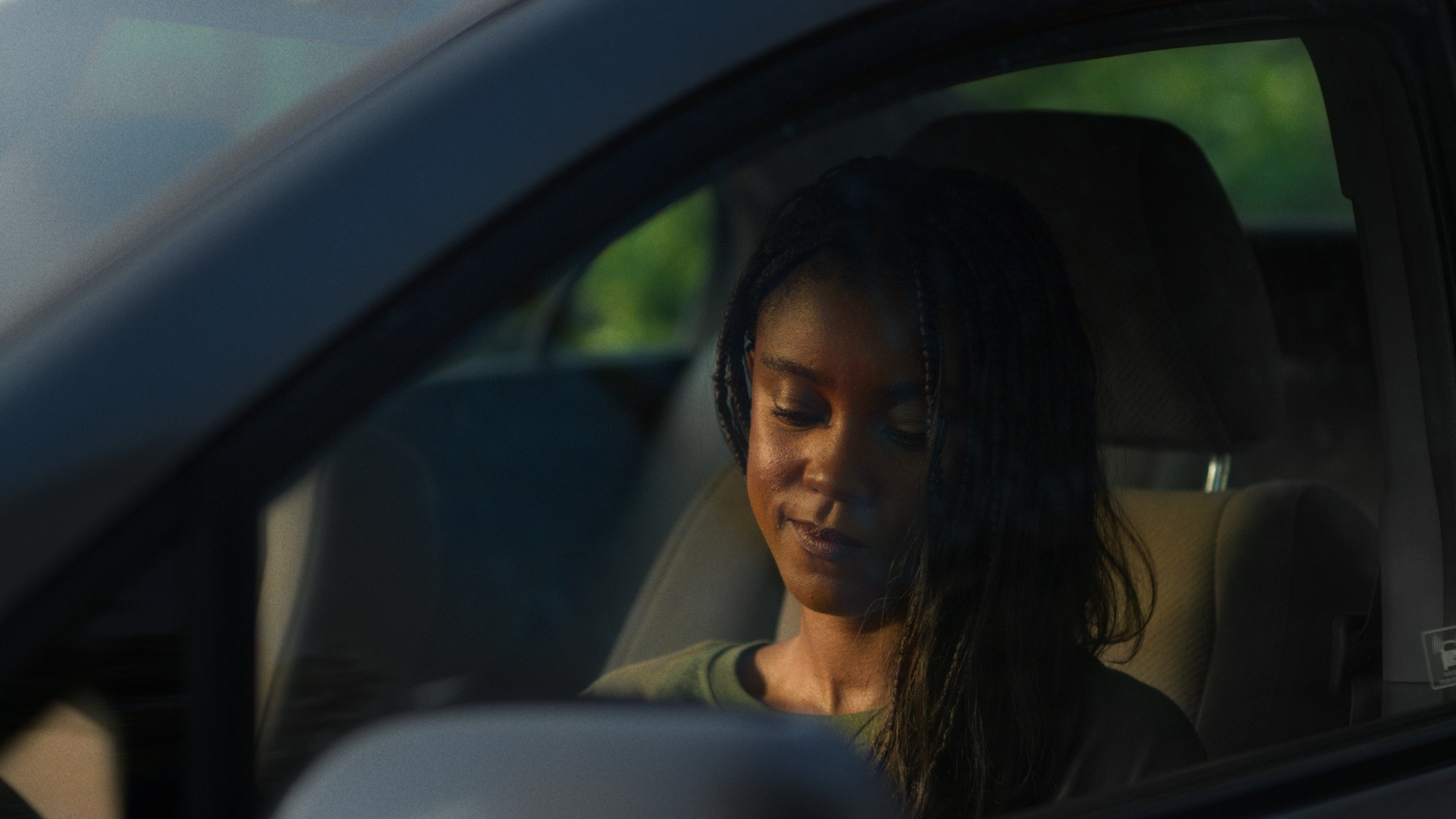
I have been lucky enough not to spend a lot of time on dating apps, but I did rely on the horror stories of friends when crafting this, especially my straight female friends. When you have a character with a 15-second attention span, you do plan for that to come back and teach them a lesson, and I felt like a dating app was the perfect place for it. There is nothing like meeting someone in person, and online dating is a place where people not only act like peacocks, but also project what they want out of the others they’re swiping at… And to me, that became the perfect playground to have a screen-obsessed young adult completely fail, while attempting to do the thing that’s supposed to help her get lucky over the weekend.
QuickFlings, the app in the film, is a real app that was developed for the film because I didn’t want to VFX it. Charlie Hoover delivered in 7 days. We have joked about releasing after the film is online, but I don’t think we need another dating app…
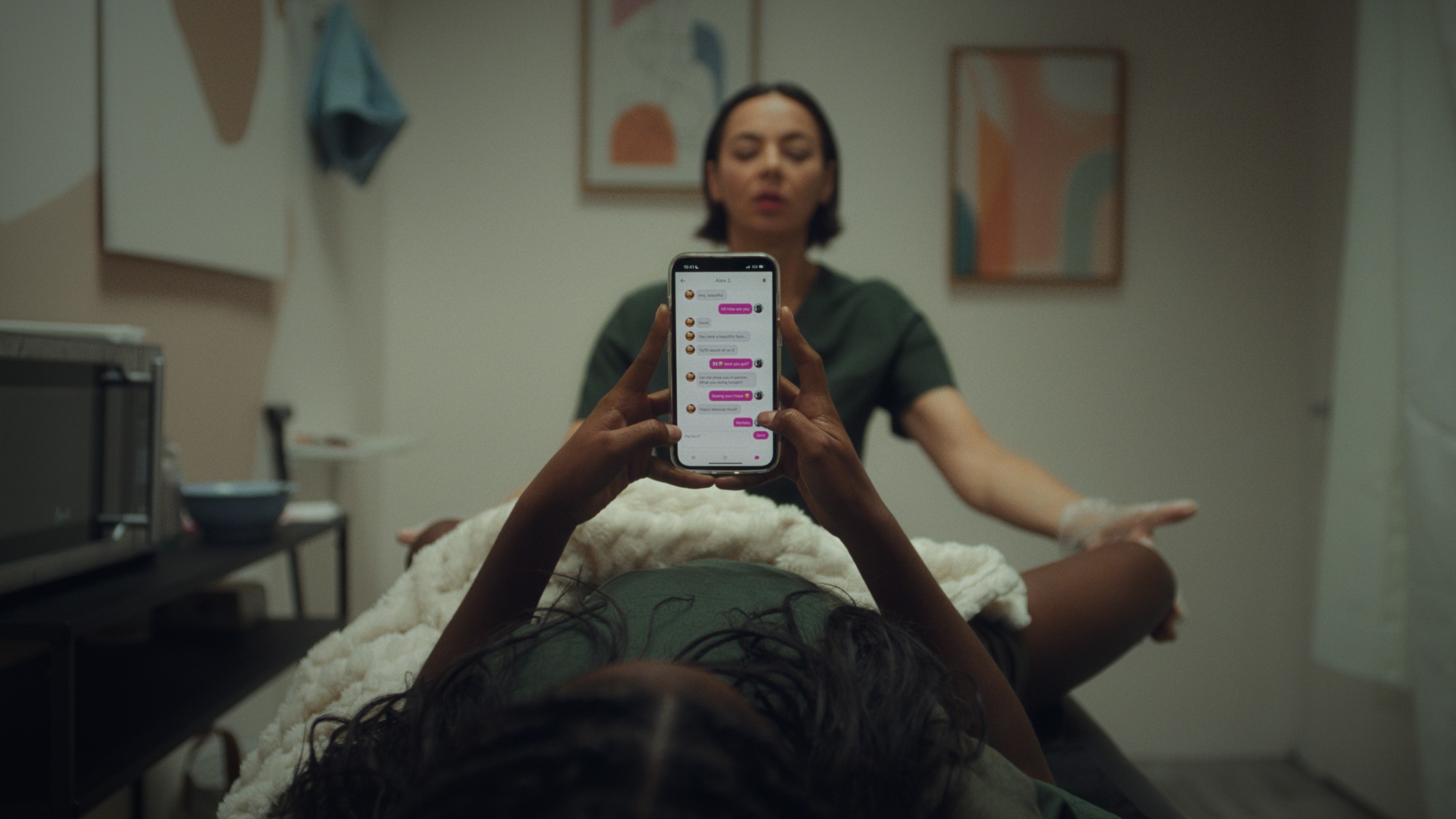
The moment when the waxing takes place is hilarious and extremely real. A lot of people will resonate with those feelings, unfortunately. How did you decide how to angle the shoot? What to show and not show? I assume you may have had multiple options to choose from. What made you land on the final result?
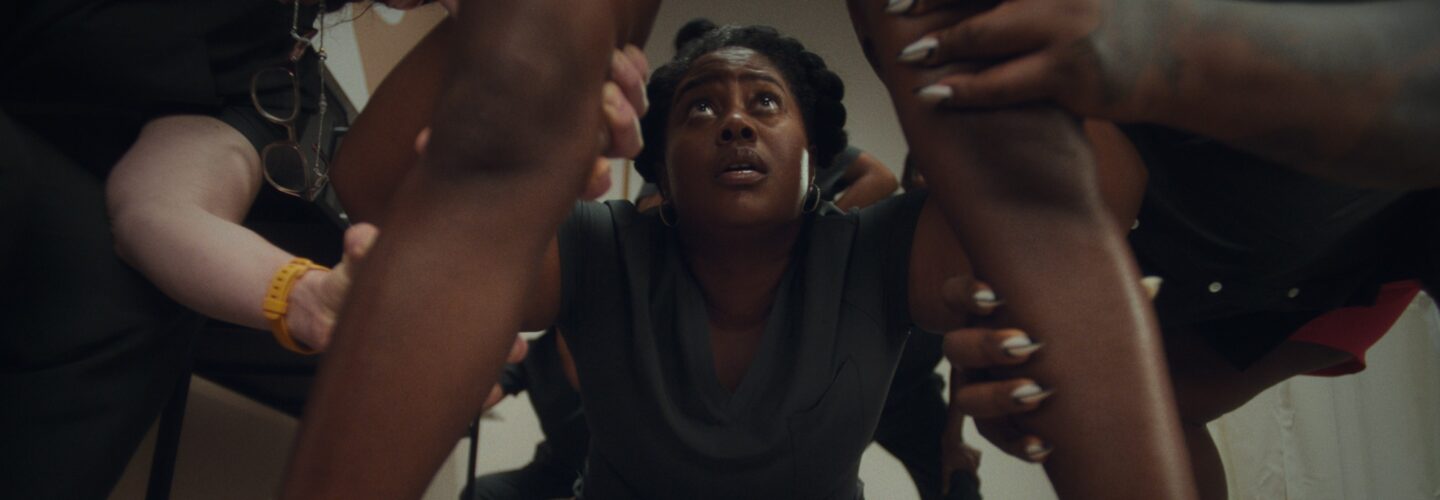
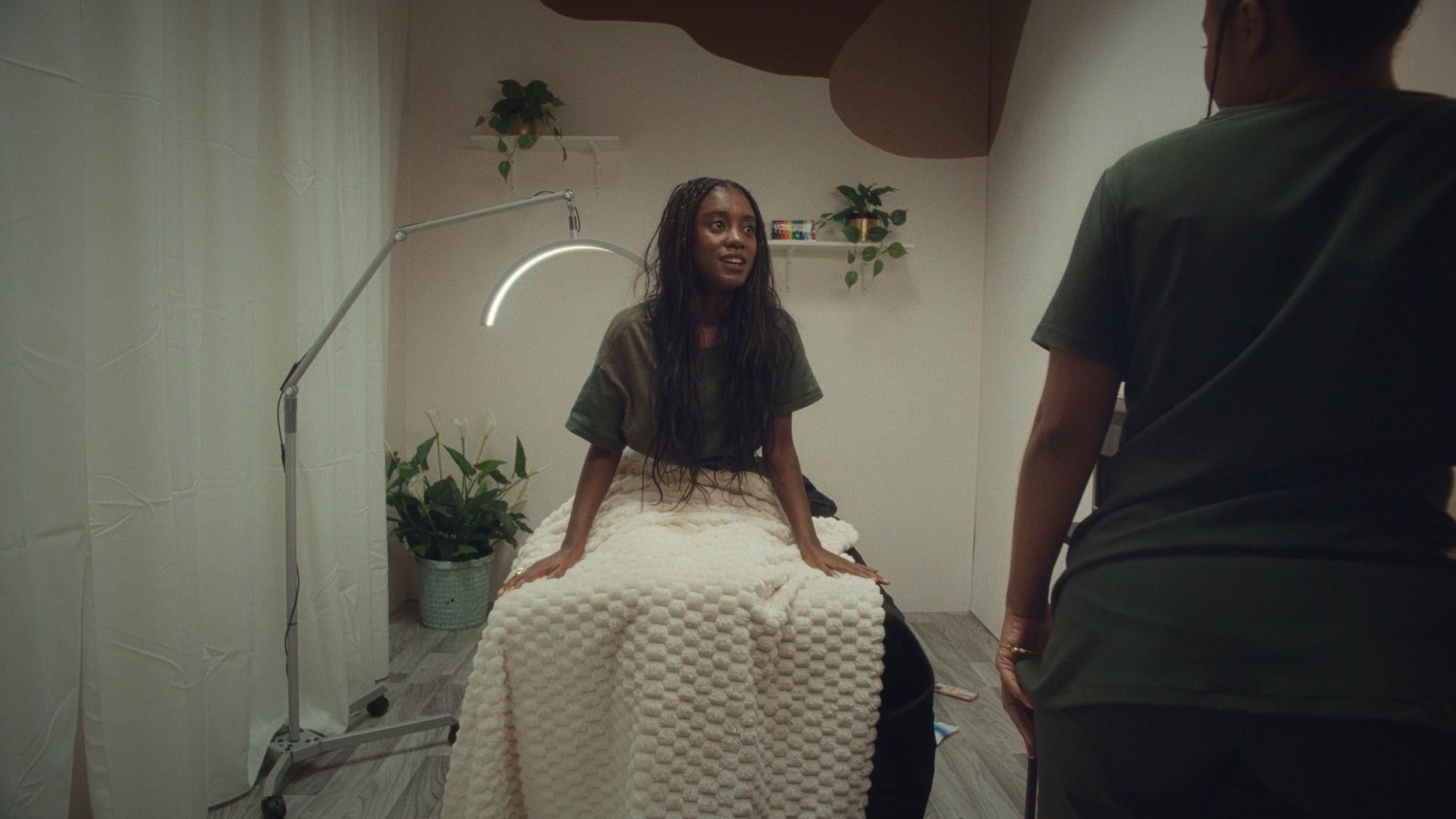
I have often had issues with the way women are portrayed when they are vulnerable on film. Because of that, everything was thought about very carefully in pre-production and a lot of those shots were the only option, but the team already knew that going into it. I ran things by Camilla Damião, our lead, ahead of time and made sure she was aware and okay with everything, especially because it was her first time acting in English. Camilla, ‘xará’ (what we call someone of the same name as you and what we called each other), was always laughing and saying “what a situation…” when we rehearsed. My nightmare would be any real-life miscommunication happening. But there was this heavy desire to let people imagine what the worst possible thing that is happening.
At every screening, the audience has laughed harder, or winced stronger, at the moments they imagined themselves that we were hinting at, but that we were not necessarily explicitly showcasing. The illusion of the waxing was always a big selling point… And unfortunately, when we cut to black, I hear, from at least one person in the audience, whispering to their friend, “Let me tell you about a horrible wax I had once.” It’s somehow a universal, horrible scenario that a lot of women submit themselves to.
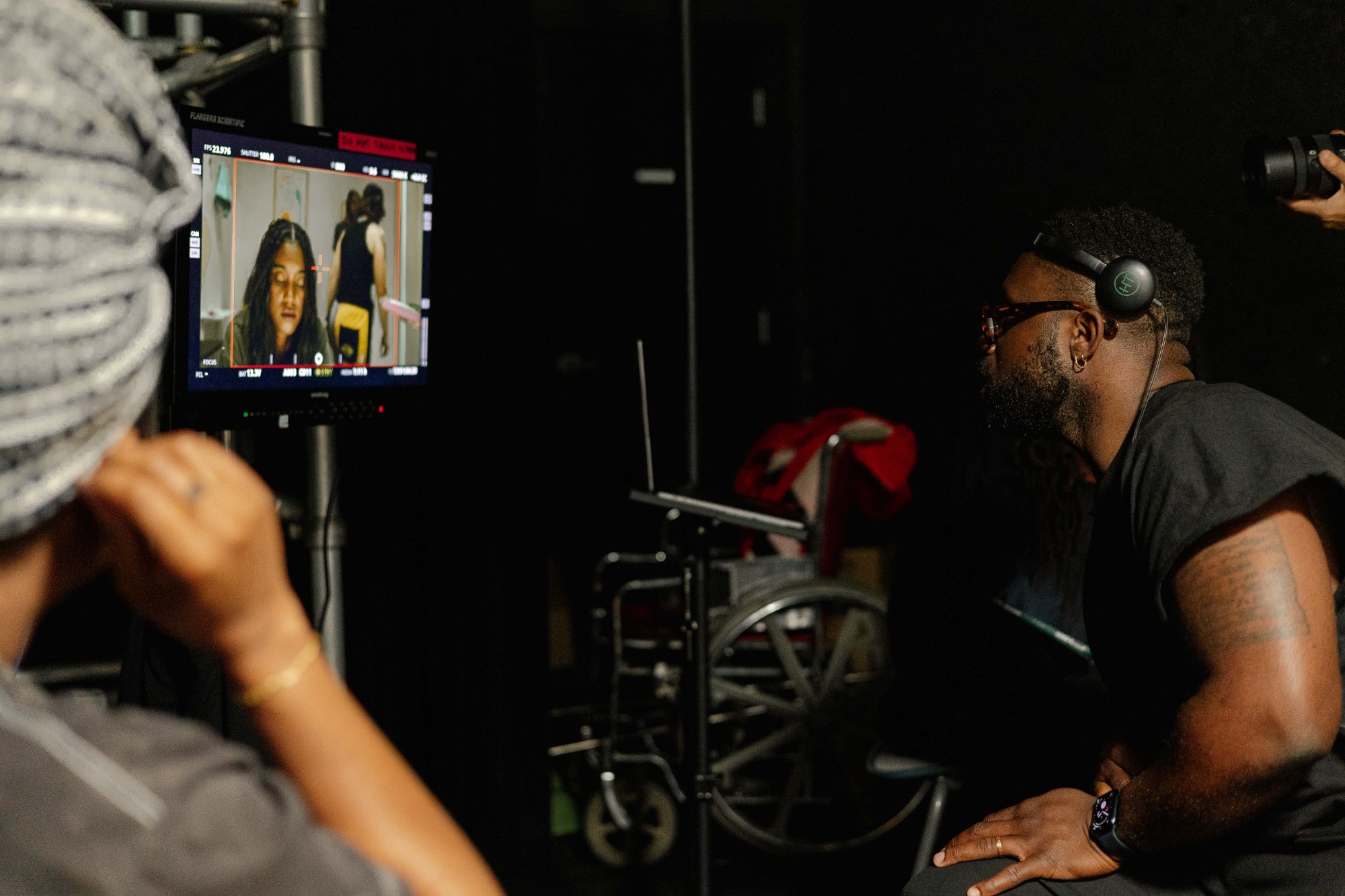
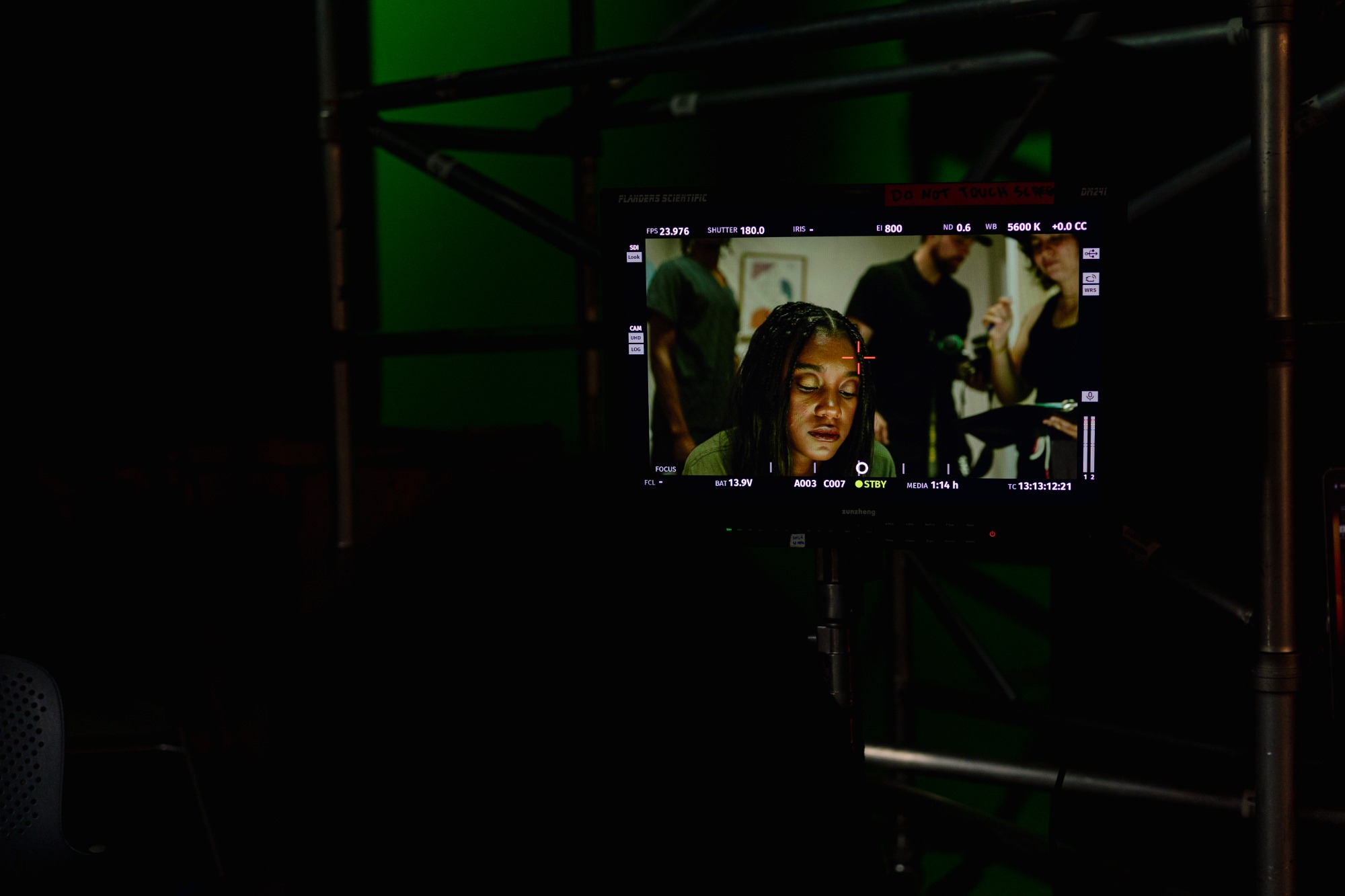
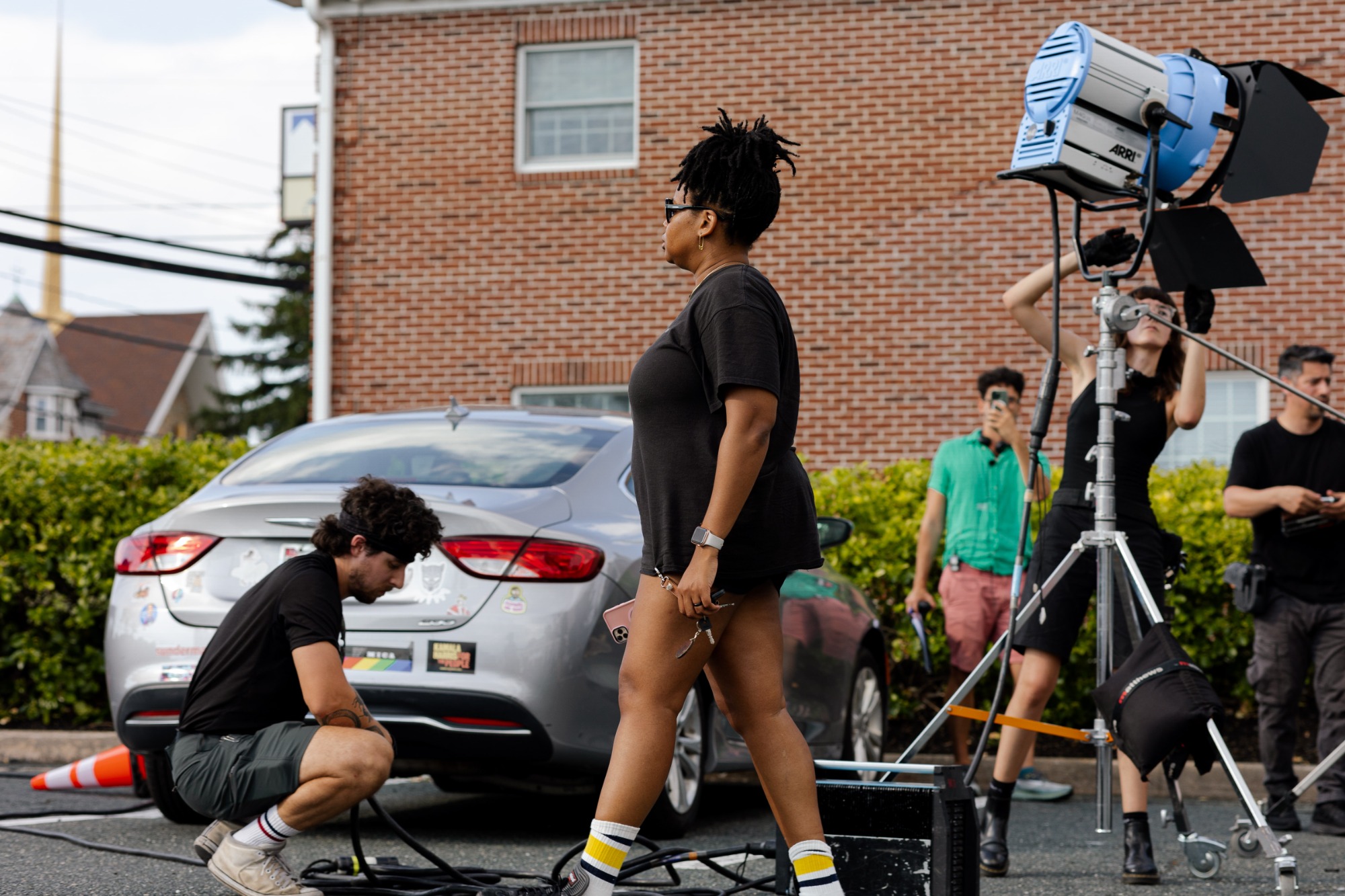
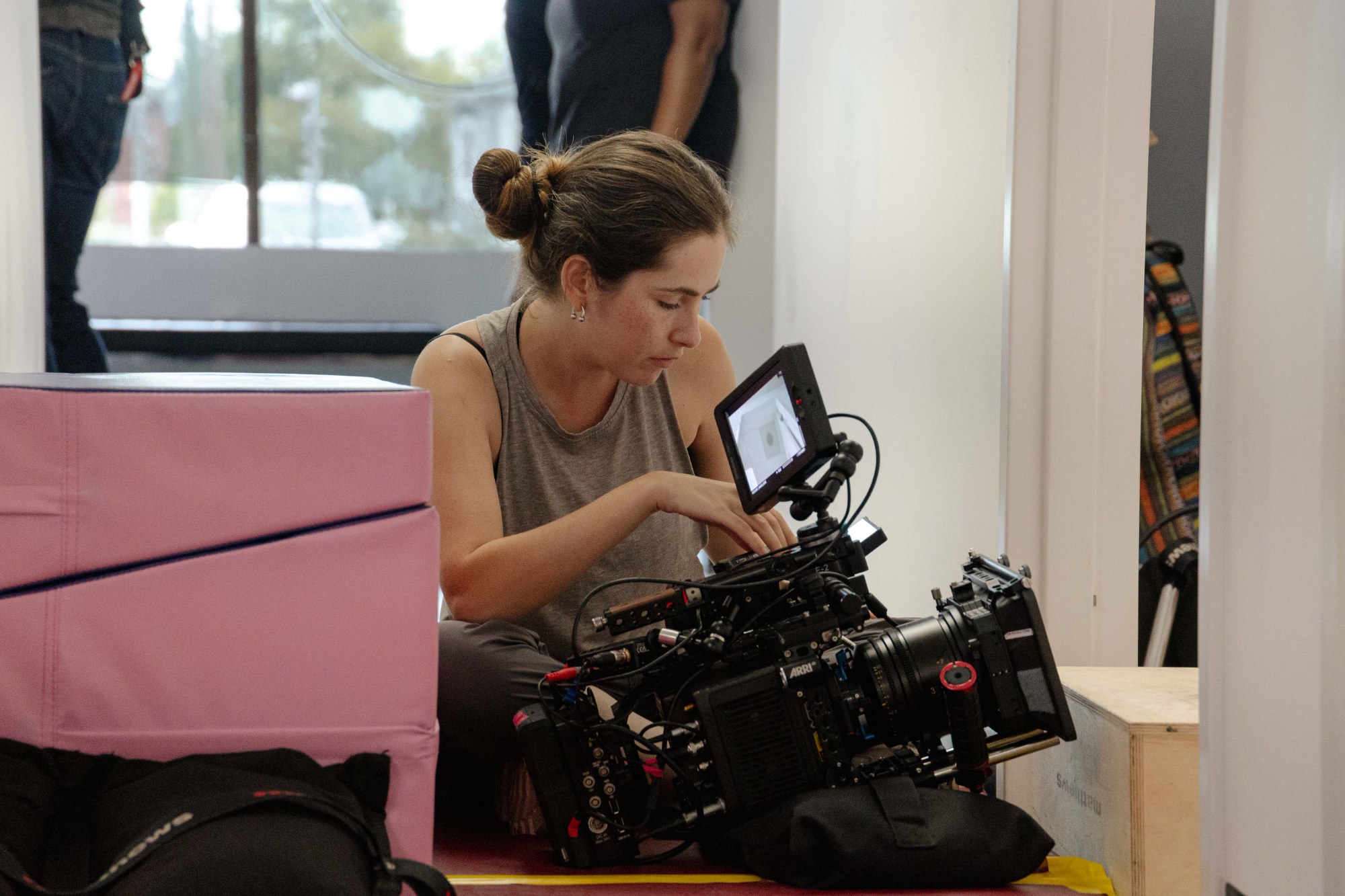
There’s a striking discipline to how you and Daniela Mileykovsky shot Sofia — so much of cringe is built through framing: a static camera refusing to look away, a beat held a little too long. How consciously did you design the film’s stillness and its eventual release, to make the audience squirm?
When your lead character spends half of the film on her knees, you have to get creative. Because I knew I wanted a lot of movement from the actors coming in and out, and to feel the awkwardness of our lead simply standing there, I chose to work a lot with a static camera. To me, there was something hilarious about the audience sitting there, and watching this young woman just dig a hole that was deeper and deeper, over something she had no control over.
Editorially, I have always been a fan of comedy that holds longer; I like the awkwardness of holding a shot because I feel you are there with a character, feeling it in real time.
There was also an increase in the duration of certain shots and certain close-ups, so we built towards that release. The camera moved very little, only to point out something Sofia isn’t noticing at the moment, and then to later reveal what she had missed. The 4:3 to 16:9 was a choice for the same reason. And then, editorially, I have always been a fan of comedy that holds longer; I like the awkwardness of holding a shot because I feel you are there with a character, feeling it in real time. So I knew I wasn’t going to approach it with fast cuts.
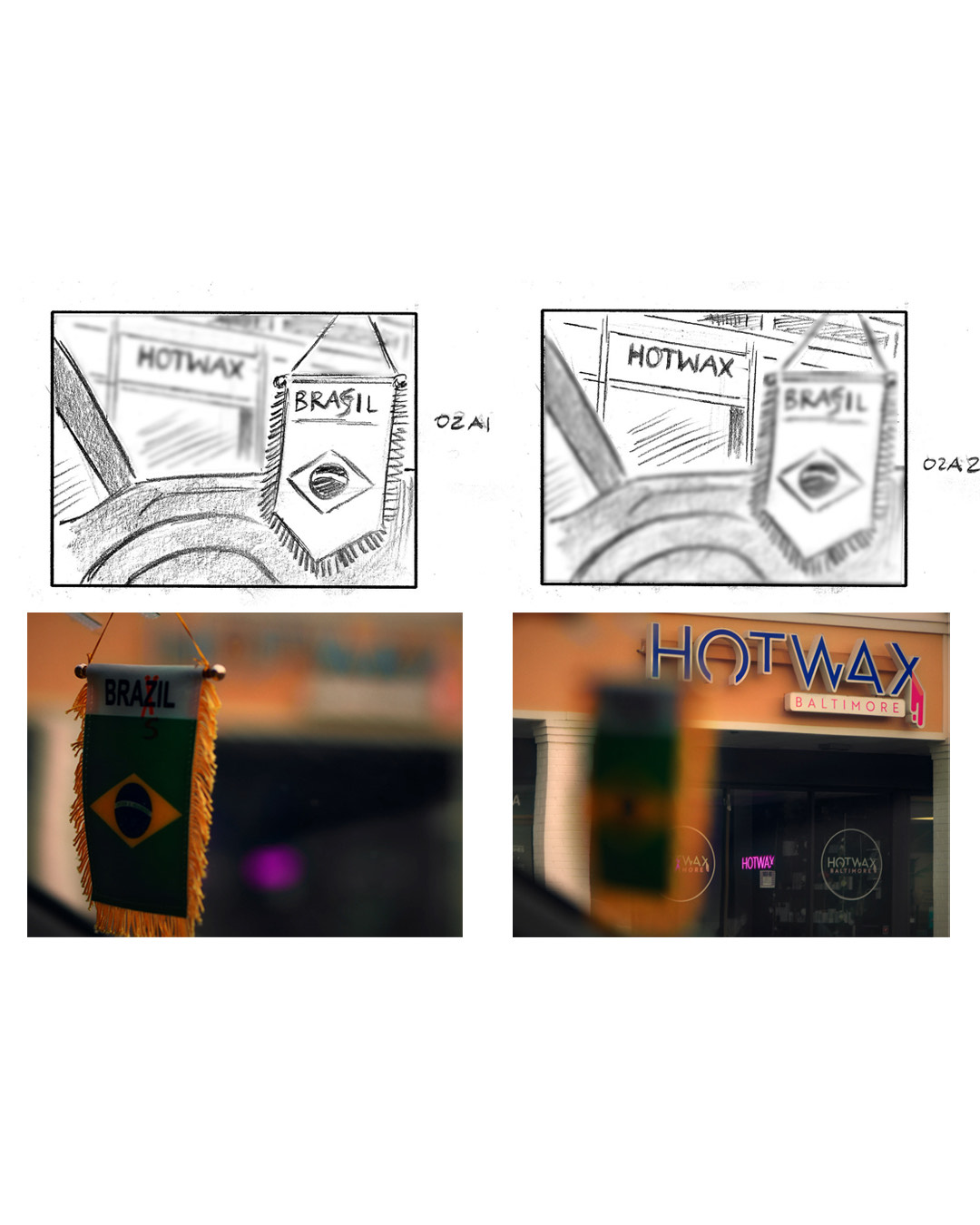
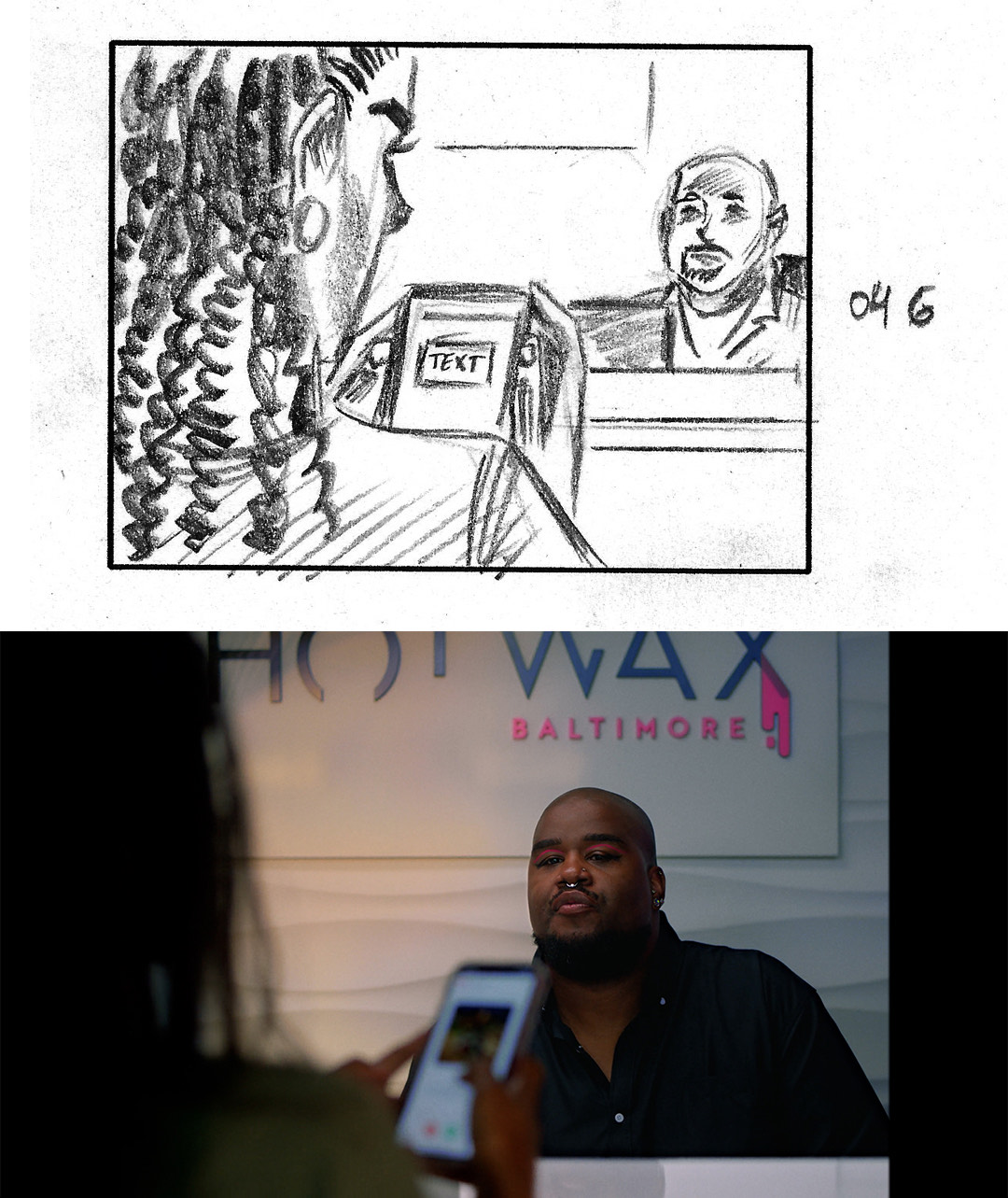
The logline turns on a great double meaning, the Brazilian and the brazilian, which feels like the immigrant experience of language in miniature: one word, two things, and embarrassment living in the gap. You’ve spoken about the early miscommunications before your English was fluent. How consciously did you build that slipperiness into the film?
100% consciously. When I first left Brazil to live in Canada for a year, which is where I really learned to speak English, I really fell in love with language. Language is a beautiful thing, and colloquialisms give so much room for culture and misunderstandings that I knew it had to be a part of a film. The first time someone said, “What’s up?” I literally looked up.
Then I moved to the United States for college, part of the football/soccer team, and on day one of class, they dressed all the freshmen up and gave people a task; I had to go around campus asking if people had tried a Brazilian Butt Lift (BBL). That’s when I learned that some things we don’t call Brazilian back home are called Brazilian here. Then you top that with how Brazilian women are portrayed in the media, and I wanted to take control of that narrative a little bit, play with the stereotype and then tell the story from the inside out.
Is there a short film that has had a lasting impact on you as a filmmaker? We’d love to hear what it is and why it resonates with you.
There are so many shorts that have left a lasting impact on me. I have been travelling with Sofia, and just this past year alone, I have seen so much that I am in love with. Because there are so many to choose from, I will stick to narrative. Dandelion, written by Corey Pinchoff and directed by Fiona Obertinca. Dandelion left a big impact because it’s an emotional experience the first time you simply see queer people existing, or at least it was for me. As a small town dyke, who couldn’t have straight female friends without the wildest of rumours popping up. That short brought back to me the first time I saw queer folk existing, and I loved it.
What are you cooking up next?
I am currently casting for my next short titled Sleeping Shrimp, early pre-production for a pilot I co-created with Micéal O’Donnell and in development for my first feature. If everything goes right, I will squeeze in another short in Brazil before the year is over! Unrelated to film, I am also releasing my first photobook this fall, titled Saudade: Cachaça, Pimenta e Dendê, in Brazil and the United States.