
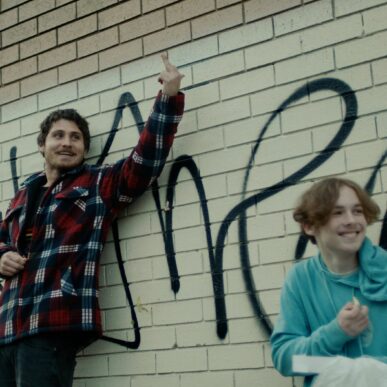
Jamie McCormack tells us how he transformed a dormant, personal script about loss into a structurally complete saga by adding a sinister, unseen genre element.
Forcing audiences to confront complicity, Ellen Rodnianski explains how the moral inaction in her short mirrors societal apathy towards large scale violence.
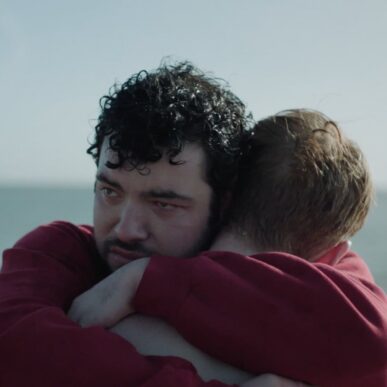
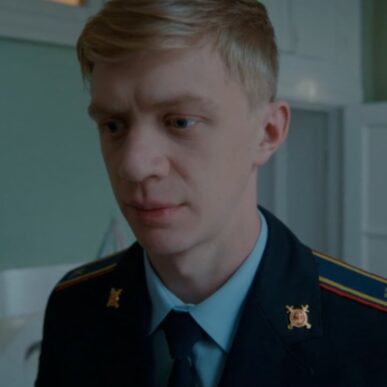
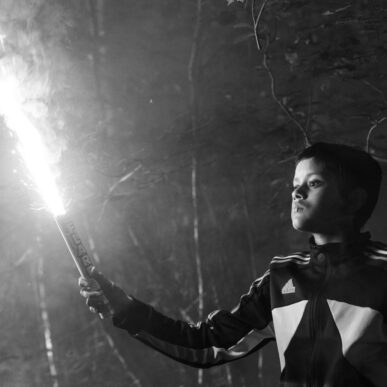
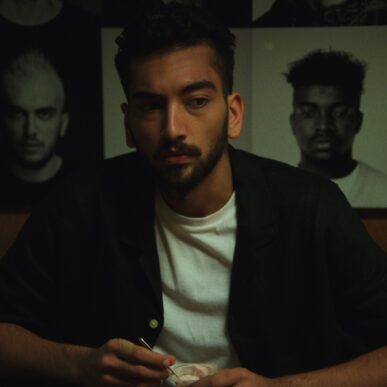
Imran Perretta details using black & white to recast Luton as a timeless landscape in his story of a friendship torn apart by a racially profiled police
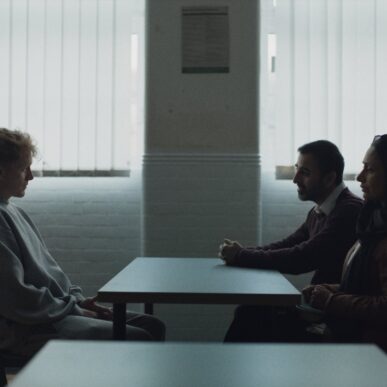
Huse Monfaradi outlines the less-is-more 3:2 static framing amplifying an intense confrontation where a prisoner racked with guilt meets his victim's parents.
Luís Hindman breaks down his maximalist approach of building three distinct spaces within a busy British Pakistani takeaway for his LFF premiering short.
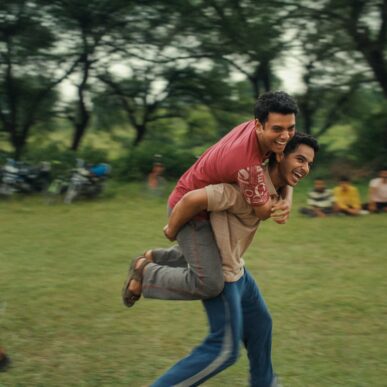
Neeraj Ghaywan expounds on how a friendship between two young men in rural India became an Oscar contending universal parable for today’s troubled times.
Faced with a flawed ending, George-Alex Nagle explains how a reshoot led to a more complex and ultimately superior conclusion for his fraught familial drama.
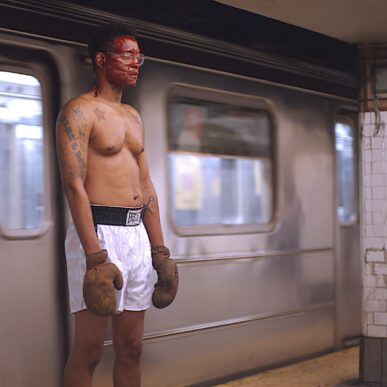
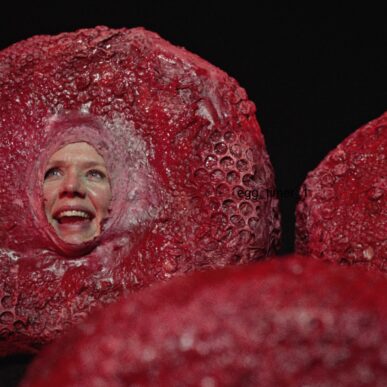
Theodore Collatos discusses reflecting the fractured reality suffered following sudden head trauma through the associational editing of his surreal short.
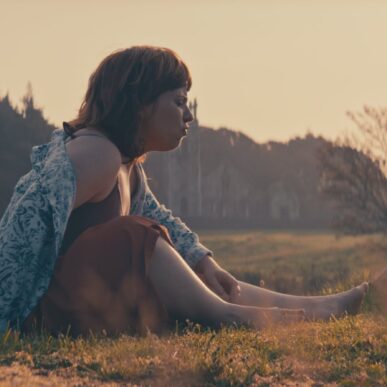
Steph Barkley explores how a literal messy fight became a narratively rich metaphorical expression of the oft unspoken love and violence of sisterhood.
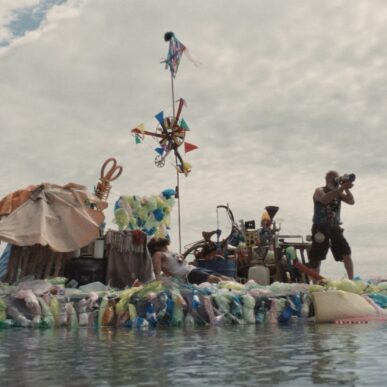
Tobia Passigato reveals how building a real trash island at sea fuelled the punk filmmaking spirit of his powerful tale of human and environmental redemption.
Ali Gill details how the voyeuristic cinematography in his allegorical short framed the descent into political madness of a man whose truth falls on deaf ears.
Subscribe to our weekly newsletter and never miss the latest independent film news
We use cookies to ensure that we give you the best experience on our website. If you continue to use this site we will assume that you are happy with it.