
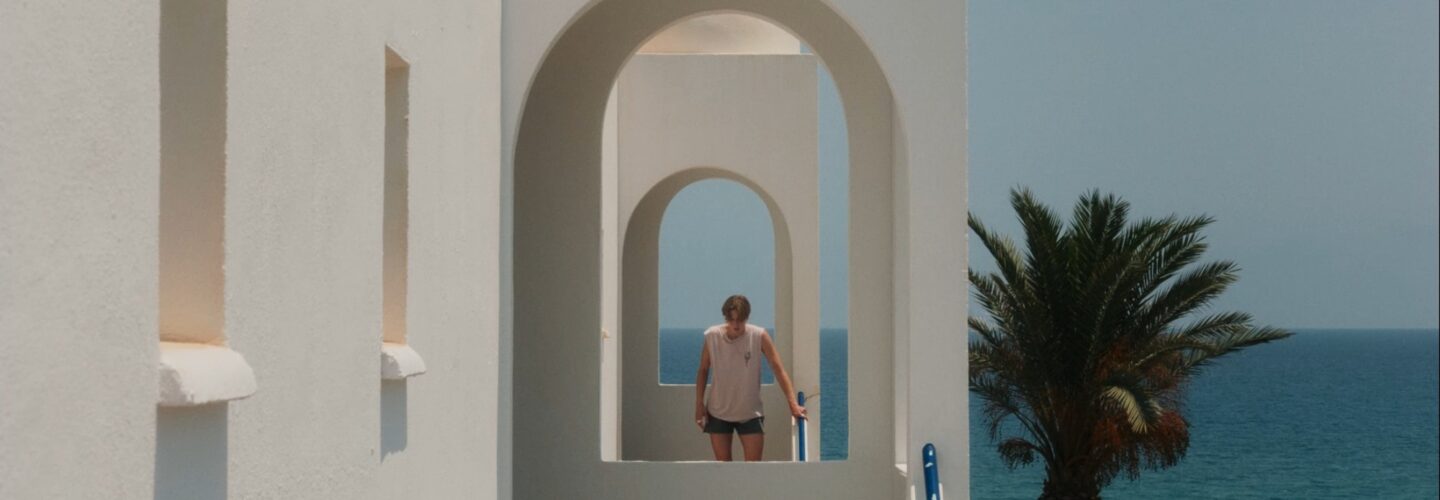
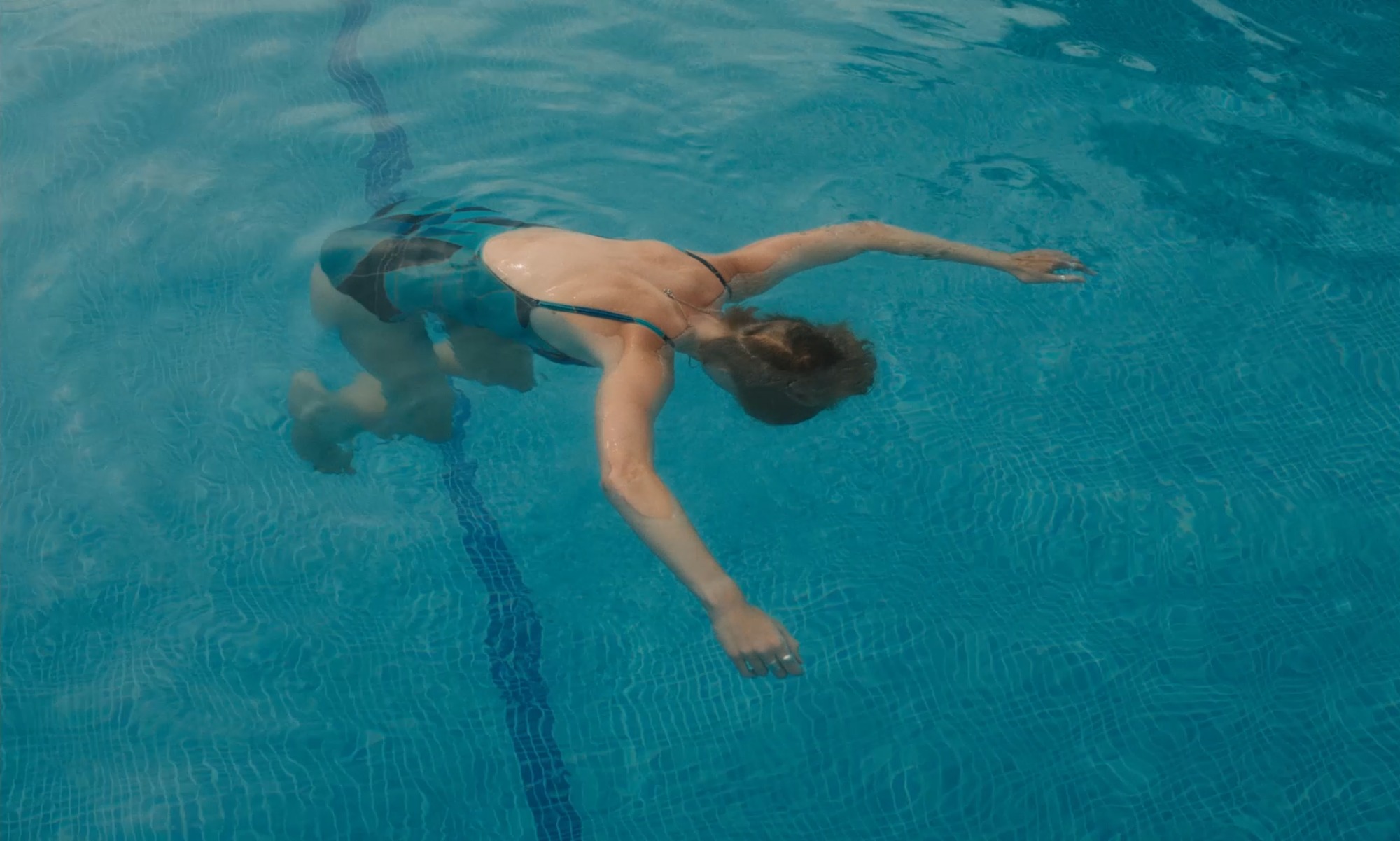
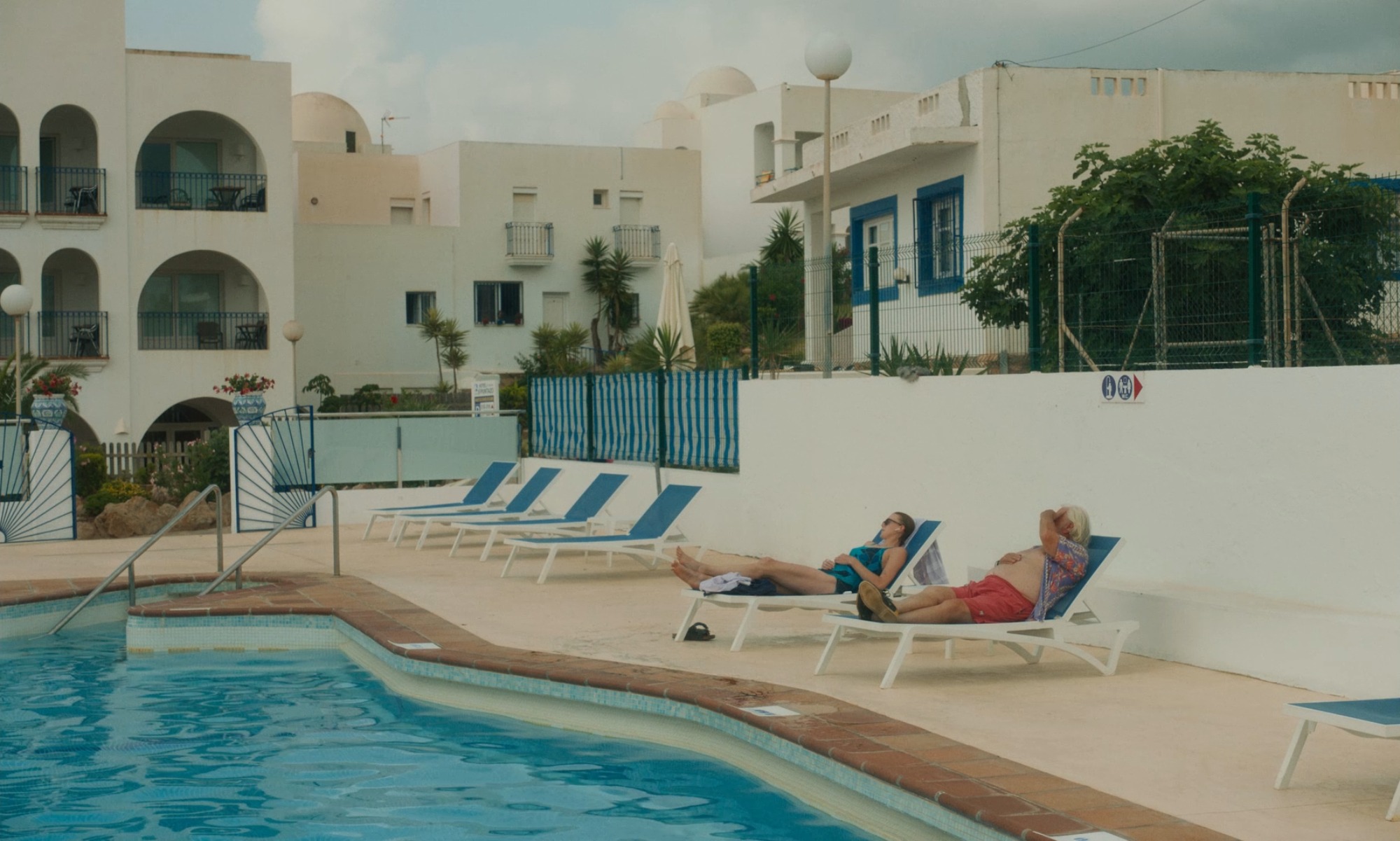
Family holidays are supposed to be the soft places, the booked-and-paid-for pause where everything difficult gets to wait at home. Resort knows better. Chanelle Eidenbenz’s devastating NFTS grad short locates its drama in the long stretches between sentences, in the way three women orbit each other across a sun-bleached Spanish resort without ever quite landing in the same scene, in the small refusals that pass for ordinary family weather but are in fact the architecture of years. Drawing from autofiction, Eidenbenz refuses to flatten Resort’s mother and two adult daughters into positions. She lets each of them have her own register, her own private moment with the camera, her own coping mechanism, then lets those registers crash quietly against each other.
Resort captivates through how much it carries in its stillness. A playfight on the beach doubles as a battle for the upper hand. A shared room where two sisters can’t quite stop being who they are. A confrontation at night, party music thumping somewhere offscreen, where the words finally come, but the truth is already radiating from their bodies. After last speaking to Eidenbenz a couple years ago about an altogether different source of familial friction for Elephant in the Room, and first highlighting Resort when it screened at Bolton Film Festival 2025 as part of our Best of Fest collection, the talented writer/director returns to DN for Resort’s online premiere to discuss writing into autofiction, building a mosaic in the edit with no obvious order of assembly, and trusting sound as a means of coalescence in place of a linear progression.
What was the work of distancing yourself from the material enough to shape it as a film, while still letting that personal closeness feed the writing? Were there moments during the shoot or edit where the proximity became harder or easier to hold?
The original idea did come from holidaying with my mother and sister, and I got interested in the very different perspectives we must all have on what was going on. There might have been this tension of things needing to go right, but I don’t think I was too aware of it. I just remember loving the comedy of the setting: A family fighting in a place where you’re so obviously supposed to have a good time. The characters and their dynamics are based on a time in my life. Most of the scenes’ cores come from a real place, but happened in some other shape or form. It’s not a short about a real-life moment, but a mix of a lot of autobiographical elements thrown together and reimagined. So that on its own created some space and freedom. Maybe too much freedom! I had so many ideas for scenes that choosing what would make it into the short and what wouldn’t became our biggest challenge. And also in what order.
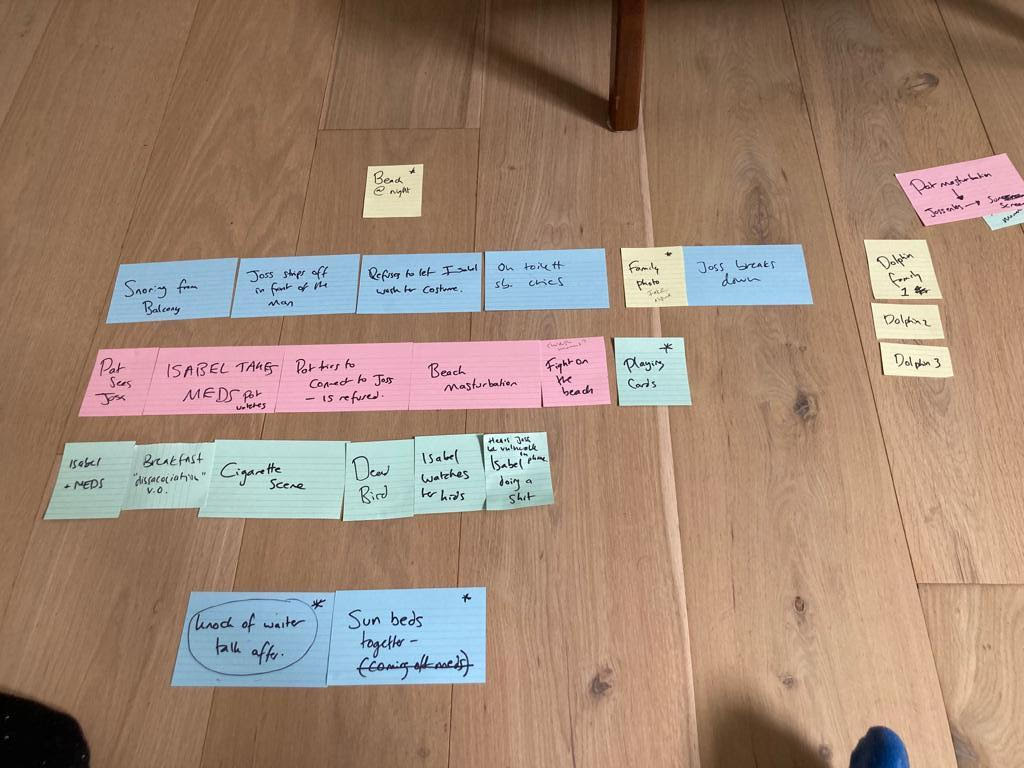
I remember Alfie, my co-writer, and I going crazy laying bits of paper out on the floor with scene outlines on them, trying to put them together in a way that made sense or felt right. There, I definitely felt: “Fuck I’m too close”. I have no idea how this reads or what makes sense or what even is interesting. For me, the closer I move towards shooting the easier it becomes, because the film starts having a life of its own. Casting might be the biggest step in that regard. I fell in love with Eloise Thomas, who brought a very different energy than what I had originally intended, and so Pat, for example, became very different from her real-life ‘pendant’.
During the shoot the proximity came up only once, of course, during the most intense moment. When mum and daughters are at the beach and oldest daughter confronts her mum about running off. It was the last scene we shot, and we knew we wouldn’t be able to reshoot it. So there was a lot of pressure on it. During the rehearsal read before the shoot, we all felt comfortable that we had it. But then on set, something felt off, and I didn’t know what it was. I wasn’t able to reassure the cast because I myself wasn’t sure whether we had nailed the truth of that scene. And so that insecurity lingered over us. I had never had that happen before, and it threw me. In hindsight, I think the scene was overwritten and too constructed. Or pushed for drama. There was an anger in there and shouting that wasn’t working, and in the edit with distance, it became very clear where it stopped being truthful. So luckily, we could fix it easily, just by chopping off that part. The edit is the easiest part in regards to distance: It’s all about getting to know what this version of the story is, this new film. Not the one that played in my mind when I was thinking of my own life, but the one we shot.
He was the person with the distance. I needed him for clarity, structure, and sense. It’s hard for me to say what would and wouldn’t have been in the script without him.
You teamed up with Alfie Flewitt on the script. For a story this personal, co-writing is itself a significant directorial choice. What did Alfie bring to the page that you couldn’t have alone, and how did the two of you navigate the autofiction material together?
I had worked with Alfie before and quickly felt that we understood each other on some deep level. I hope he doesn’t mind me saying that, but we’re basically both traumatised by our families. So we had an emotional shortcut from the start, which is great. And we both like it a lot when scenes get uncomfortable or absurd. Alfie has a really strong voice of his own, so it’s all the more impressive how easily he can adapt to other people’s work. With Resort, it was clear from the beginning that this film was going to be my film and that the goal was for him to help support my voice within it. Also, I think he was very busy at the time and wouldn’t have wanted to have a bigger part in it for time reasons.
He was the person with the distance. I needed him for clarity, structure, and sense. It’s hard for me to say what would and wouldn’t have been in the script without him. The scene with the woman with the cigarette was entirely his. He was very much defending the mum needing her own moment. But mostly it was him keeping me on track. He is very good at spotting whenever something lacks emotional truth. For example, he had told me to look at that scene at the beach at night – the one that we struggled with during the shoot. He knew there was something not right with the writing there. The writing process felt daunting and intense because of time pressure. Sometimes I need that, but sometimes it can also completely block me. Having Alfie there with me was an immense support.
Most Popular
Resort moves between Joss, Pat and their mother Isabelle, giving each woman her own perspective on the same unravelling holiday. How did you approach structuring those shifts within the tight runtime of a short, and what determined whose lens we’d inhabit at any given moment?
Trial and error. As mentioned above, it drove me quite insane. It was a learning experience, too. Now, with some distance, I don’t think that there is a right or wrong in a short like this. You just have to pick something. Pick what warms your heart and go with it. But that’s not always so clear or easy to hold when you’re in it.
I was obsessing over what would be the right order of the scenes. Of course, you want that safety of having it all figured out ahead of the shoot. But in the end, I think we had to shoot the scenes to know where they belonged, because most of them are so subtle and would only fully reveal themselves in action. The script is always just the theory, but with this film, that felt especially true.
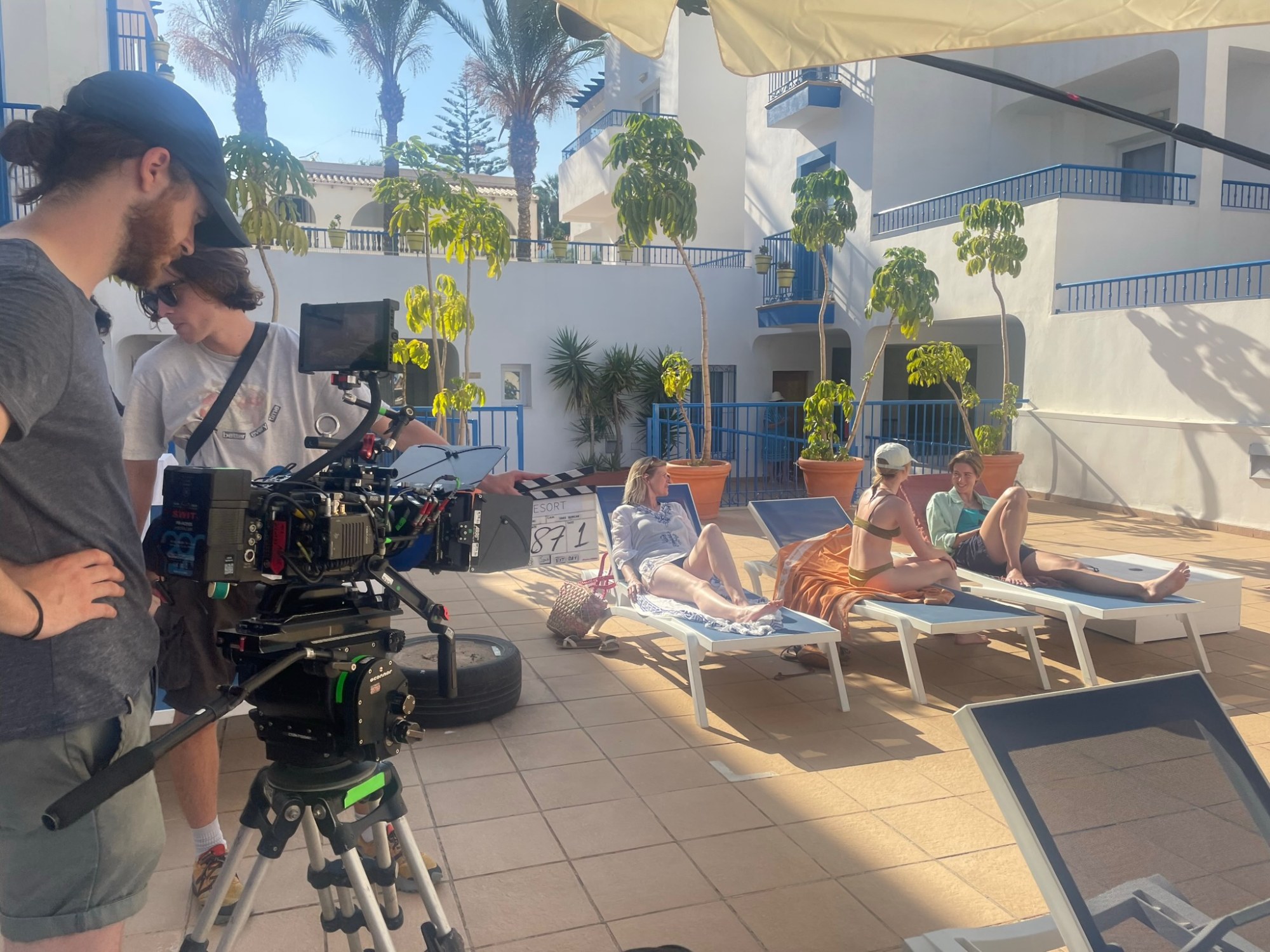
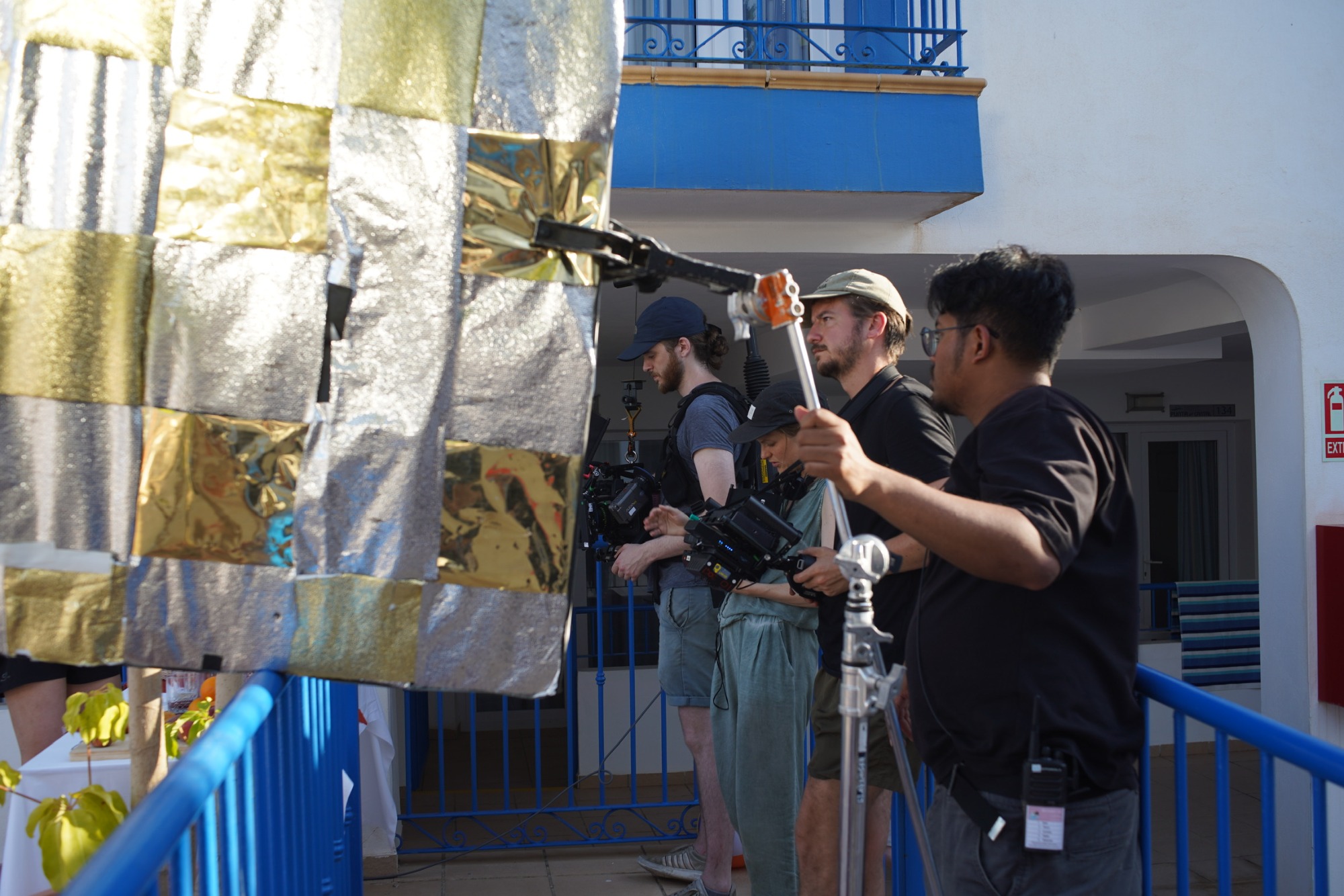
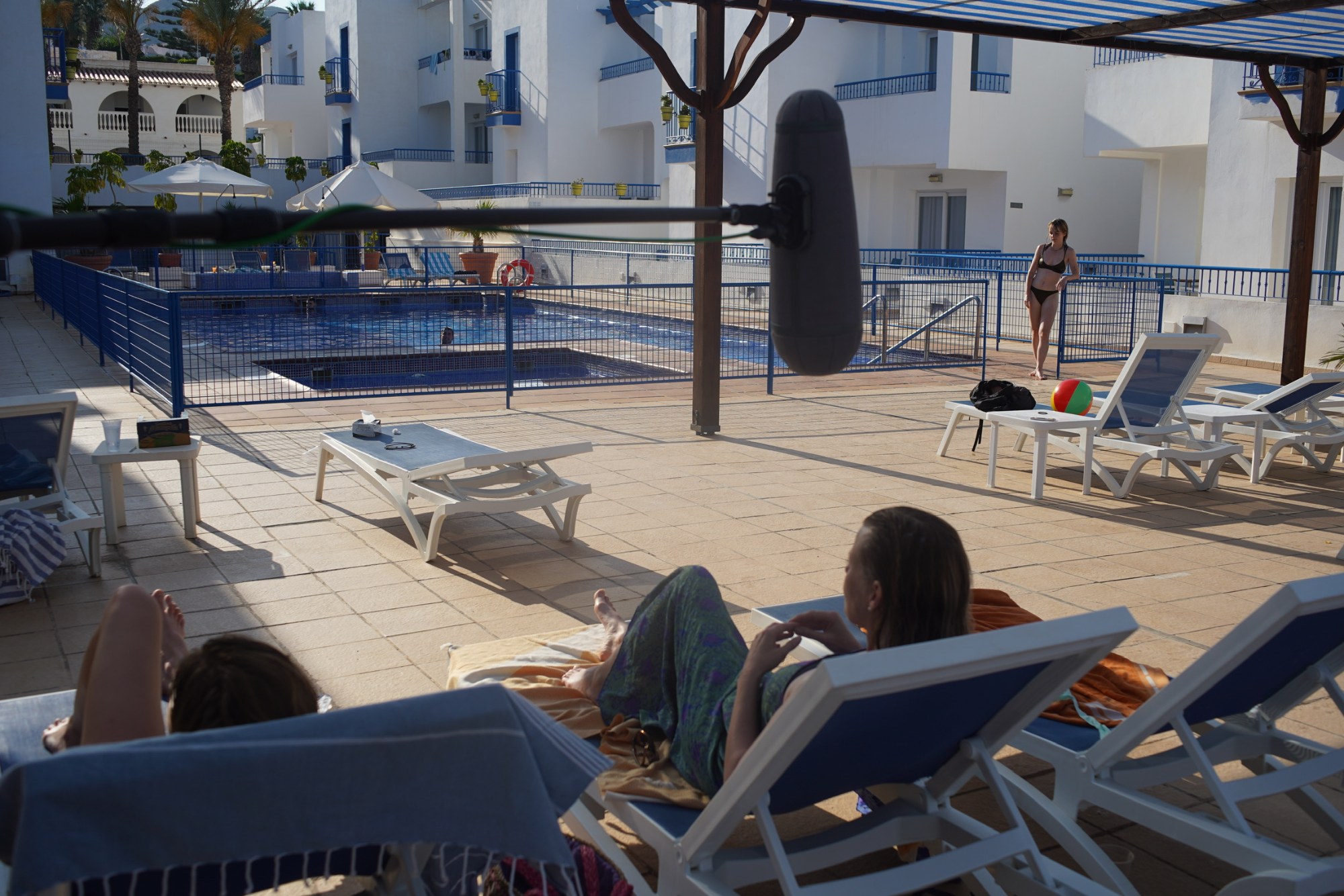
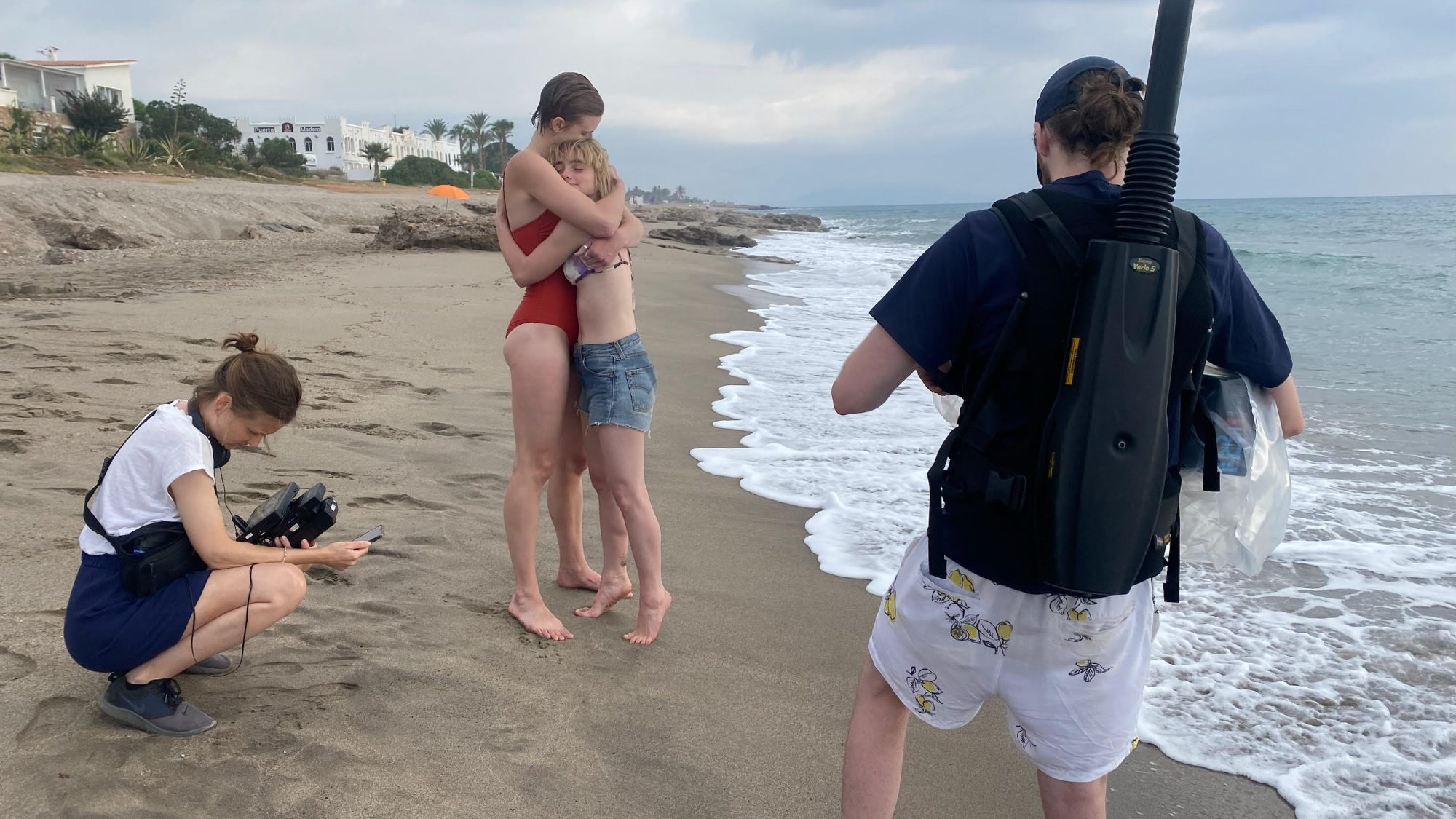
The camerawork seems to oscillate between voyeuristic, watching from a distance, catching them in private moments, and something much more intimate, where we’re right inside the family’s orbit. What conversations did you have with your DP about when to hang back versus when to close in?
That is a beautiful description! I love that. Let me see. We did have a lot of conversations, and we had an extensive mood board that had images of all kinds to try to capture the feeling for every scene. Some of those were photographs cinematographer Jake Duncan took during our first location visit. That mix of intimate and very private imagery with a much more distanced camera is very much apparent in there.
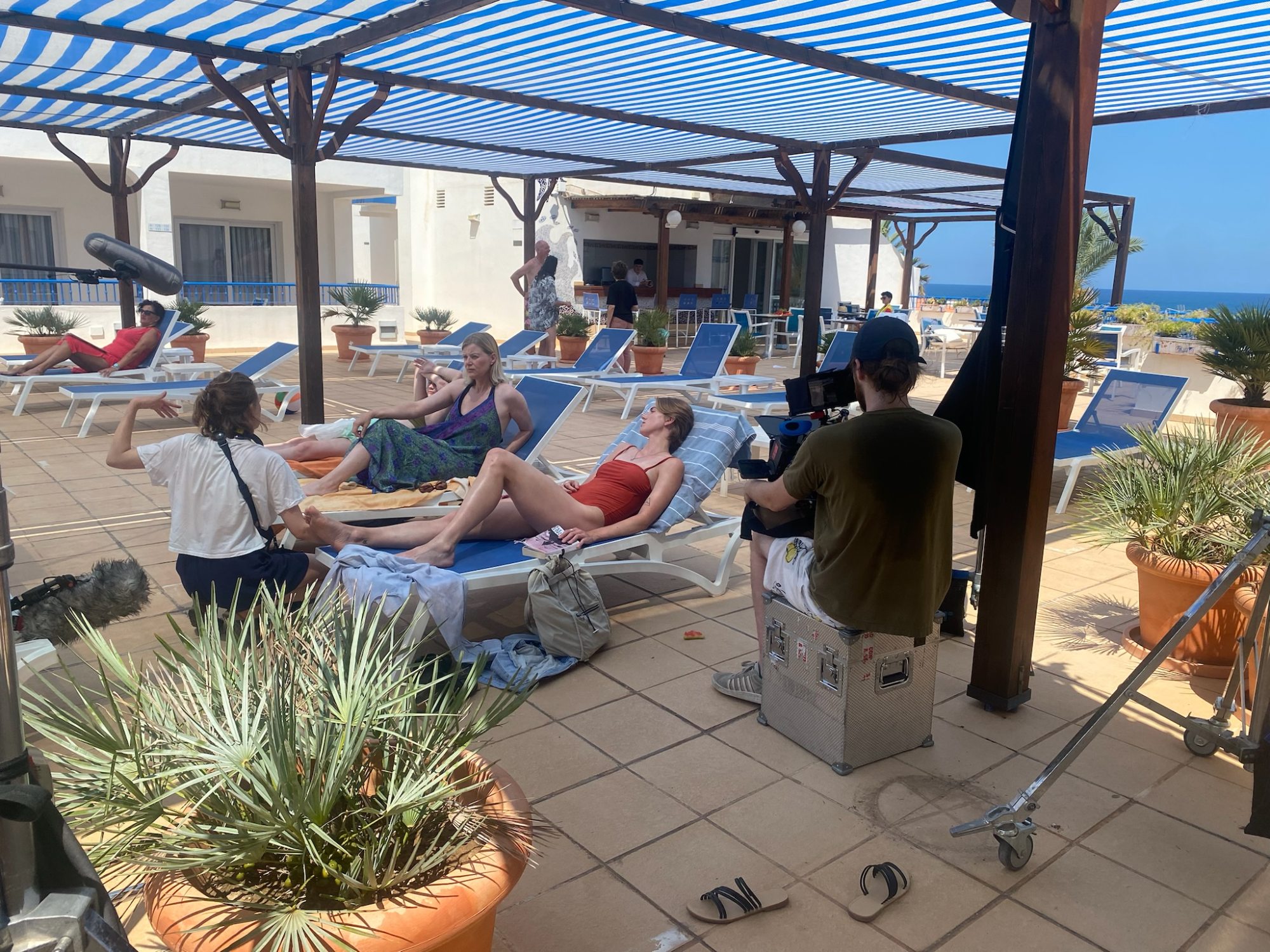
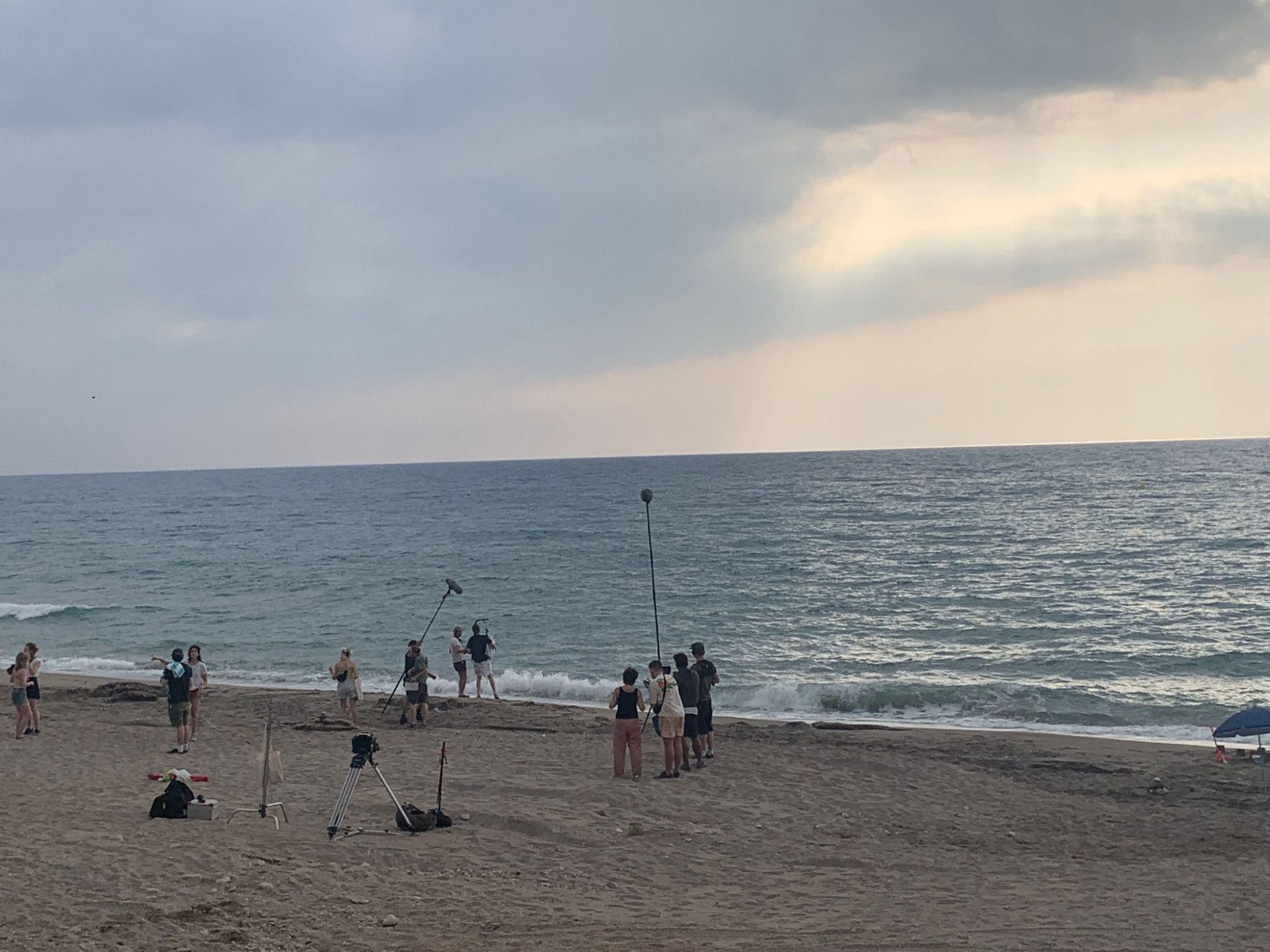
We did have a lot of conversations about the core, about the characters, what every scene meant and what its most important moment was. But I don’t remember talking a lot about form. We also didn’t storyboard. Which was – apart from the improvised short that I had directly shot before Resort – a first for me. It remained a first for a fully scripted film. But because of my prior experience, I felt okay with that. I thought it would probably also have its advantages. So it was all searching and finding it, pretty much on the day. It definitely helped that we were technically always on location, sleeping and living there during the shoot. So we just did.
It was at times stressful for me because I was quite aware of not feeling entirely on top of our visual language. And I don’t think Jake was either. I think we were finding it more and more as we went along. It was the edit, that had to make a lot of those choices in the end, and it took us quite a while to find our language. But it was an interesting journey, and once we had figured it out, very satisfying. Yiwei Pu, our editor, played a big part in that.
You shot inside a functioning resort, with real holidaymakers drifting in and out of frame. What were the practicalities of navigating that environment, and did the reality of the place end up shaping the film in ways you hadn’t anticipated?
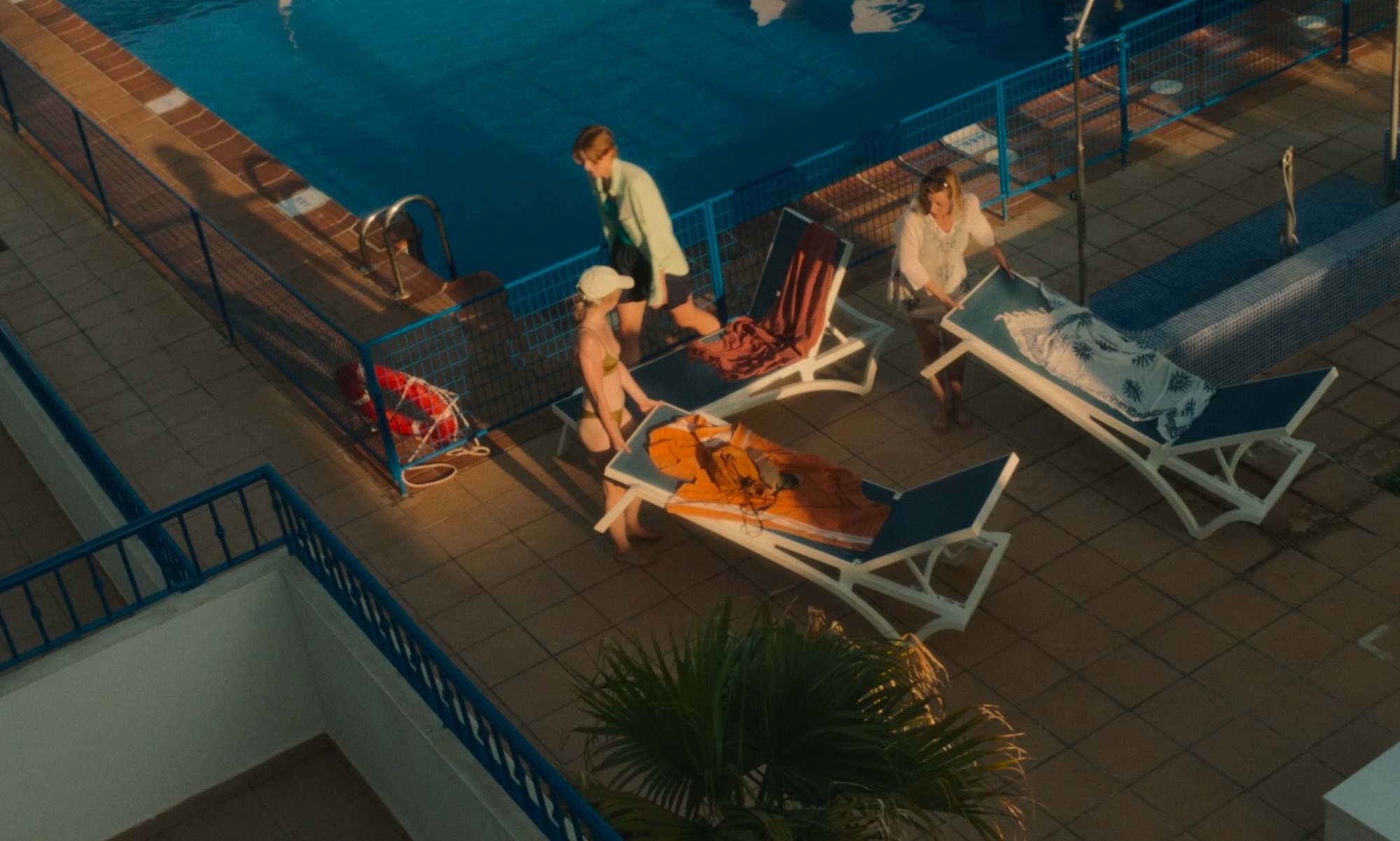
We anticipated this to be the biggest challenge but it ended up being of little consequence. The crew did a great job at being amiable and cheerful with the hotel guests we encountered, which led to very little disturbance. We had a very clear vision of the sort of resort-mood we wanted before our arrival there, the types of extras we needed. Will Mayhew, our 2nd AD, did a great job at getting those people, and he did a lot of the organising ahead of time from the UK, engaging the local community to show up for our film (a lot of UK expats). But he also scouted a lot while we were there, motivating real hotel guests to be part of our film.
There was always party music playing somewhere. Or someone shouting or laughing. So that influenced the choices we made for some of the scenes.
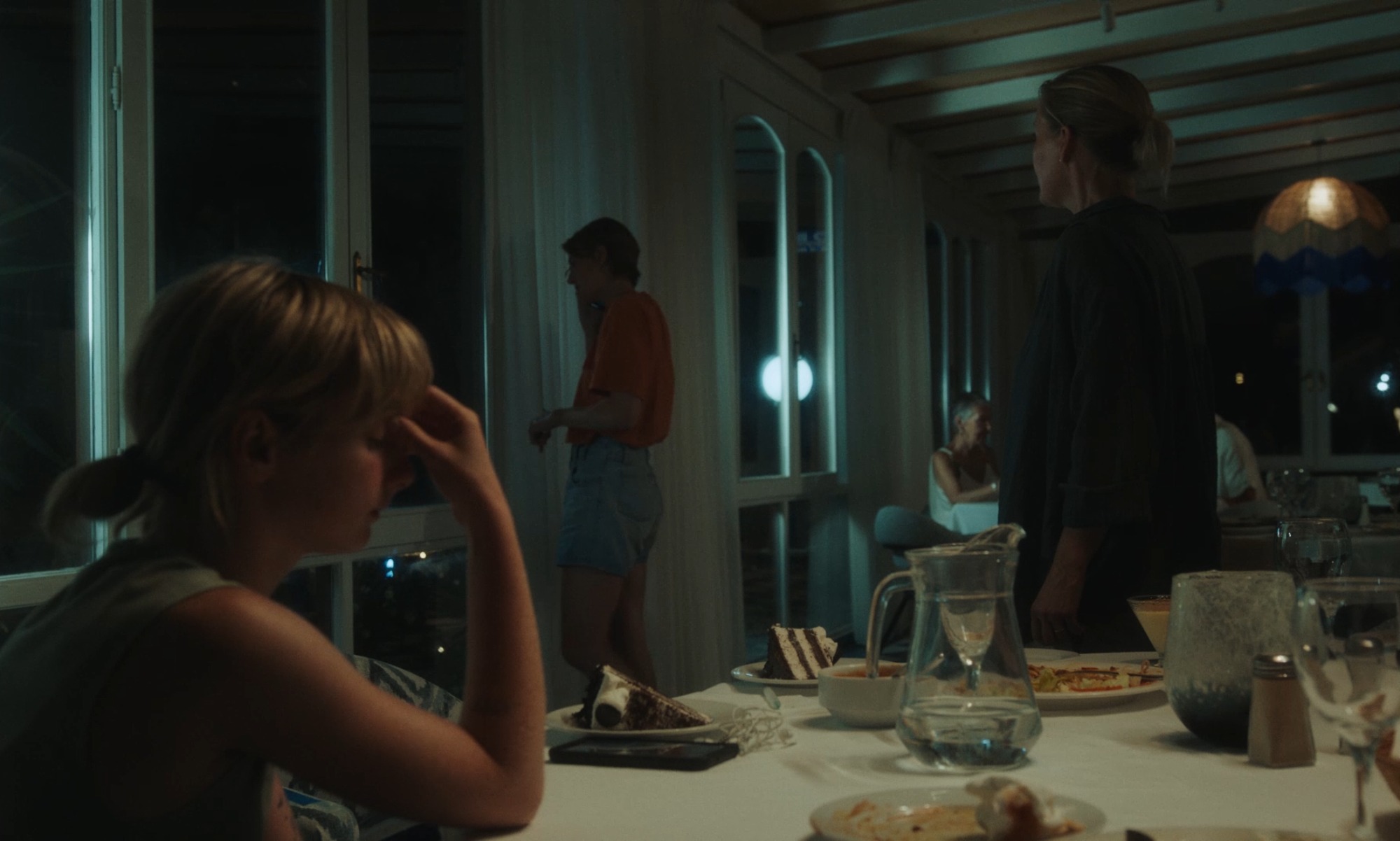
I think the only scene where reality and fiction really started to be porous in a helpful way is when the sisters leave the resort and start looking for their mother in the night. We basically shot this documentary style. So that felt like adding to the film. What I most remember noticing and wanting to capture from being exposed to the real environment was the busy soundscapes. There was always party music playing somewhere. Or someone shouting or laughing. So that influenced the choices we made for some of the scenes. For example, the confrontation scene on the beach at night. When we were there, it was suddenly quite obvious that we needed party clubs in the background and to go for that contrast, include that world as much as we can. But when it comes to the people, it came down to planning well to avoid them. We knew from the start that we needed to be able to control that. So we intentionally shot during a time with few tourists. And then we got lucky, that plan added up.
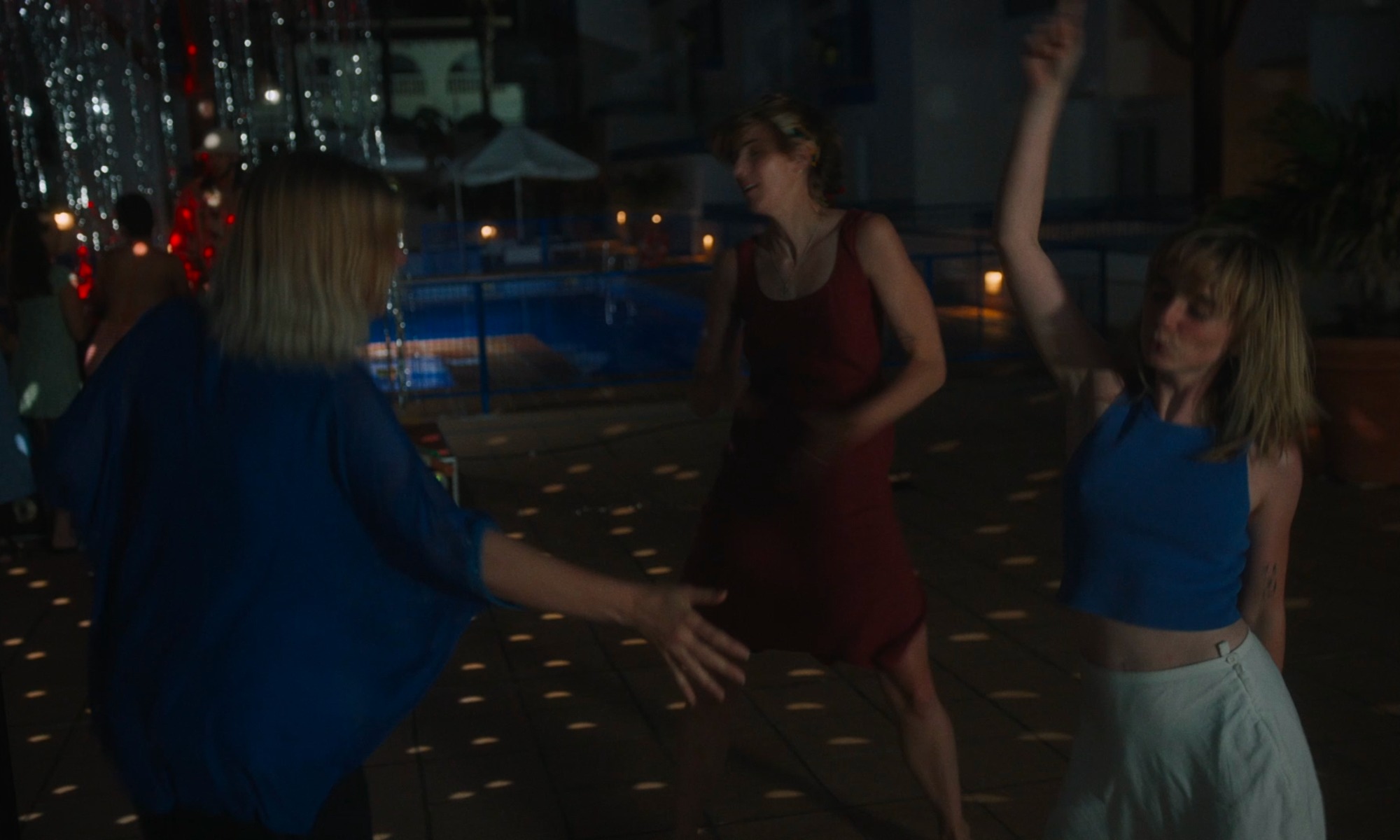
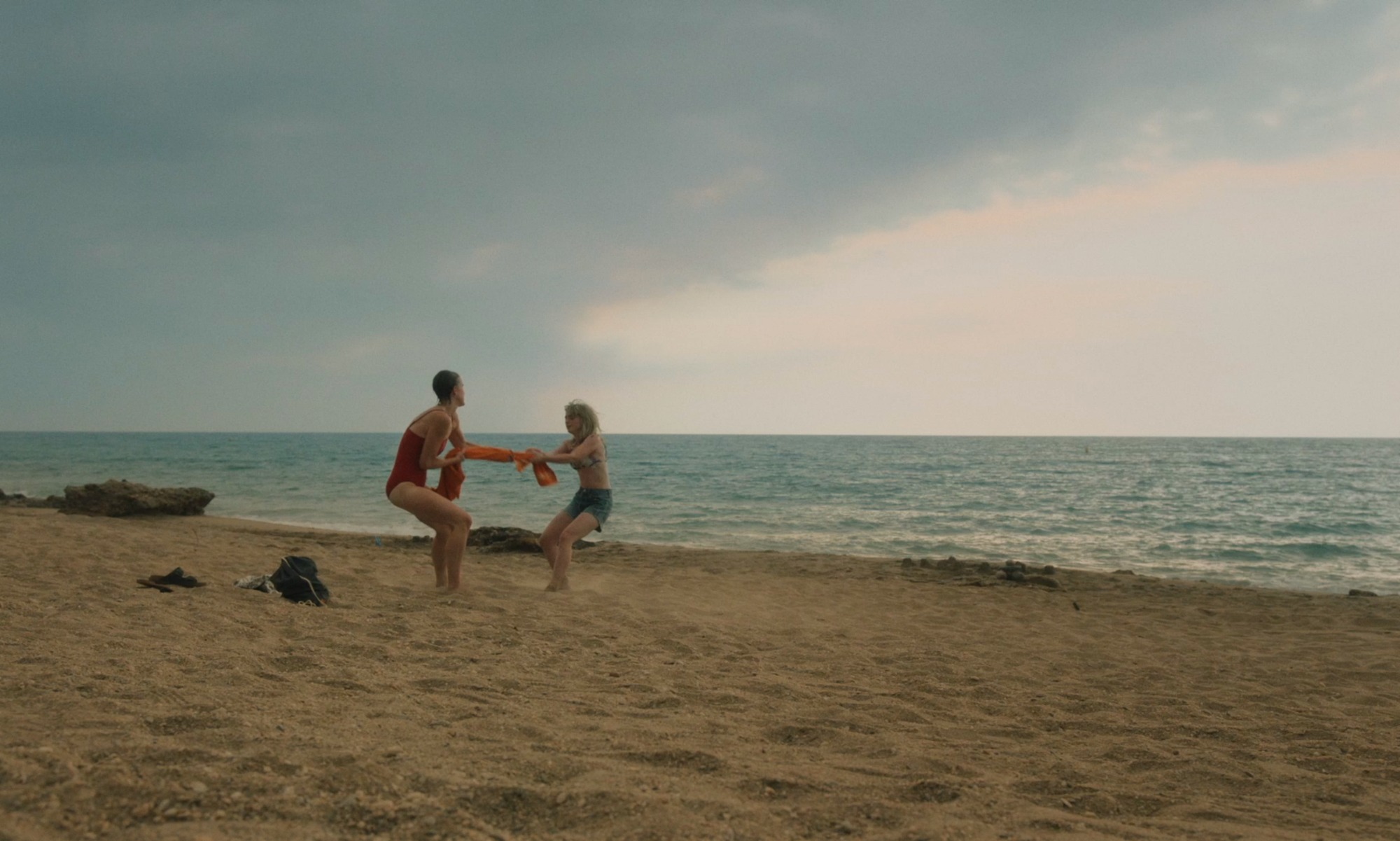
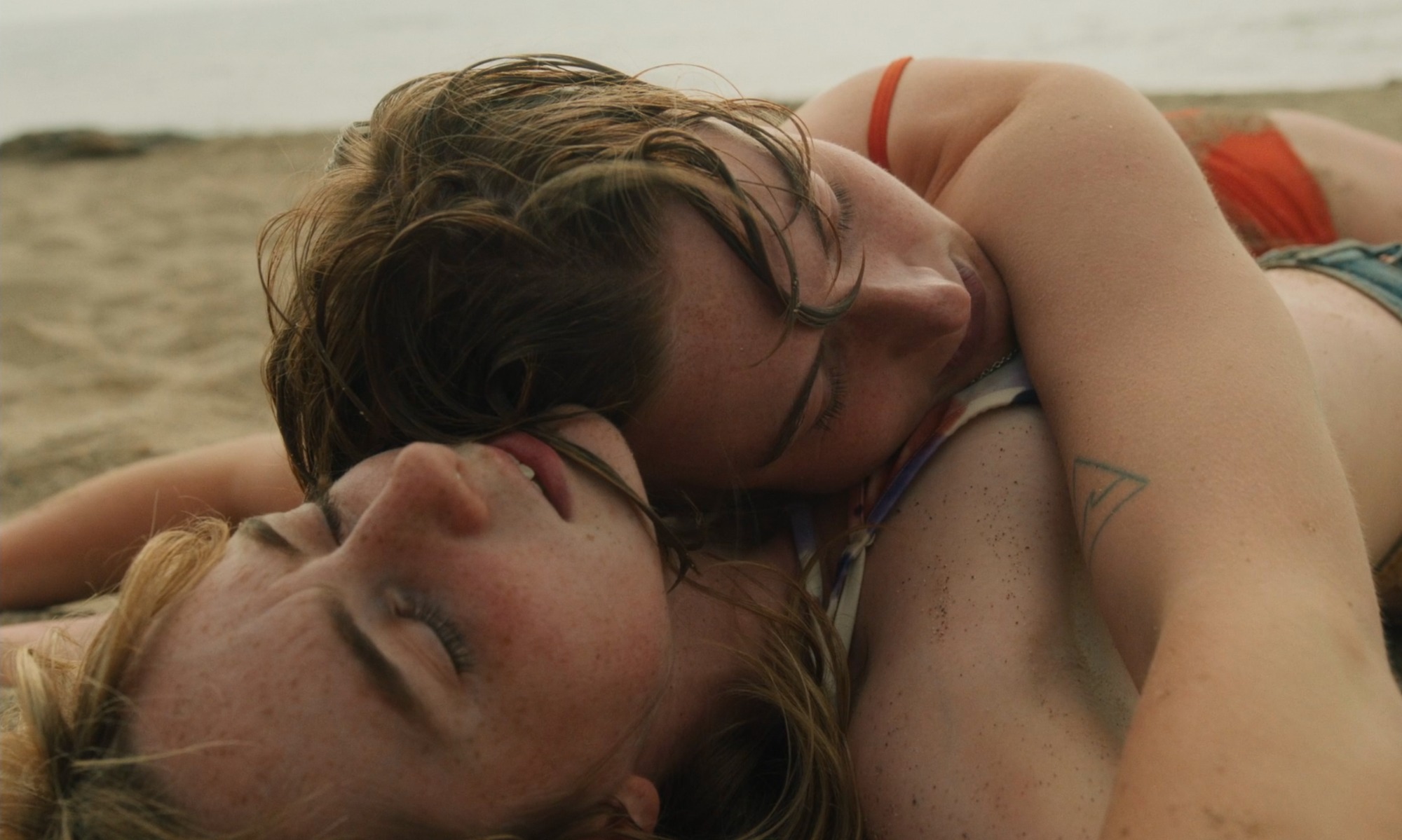
The sisters are constantly nervously navigating their mother’s moods while also holding onto a very real bond—their beach playfight being a perfect example, where taut moments sit right inside affection. Scenes where tension and tenderness are doing the same work?
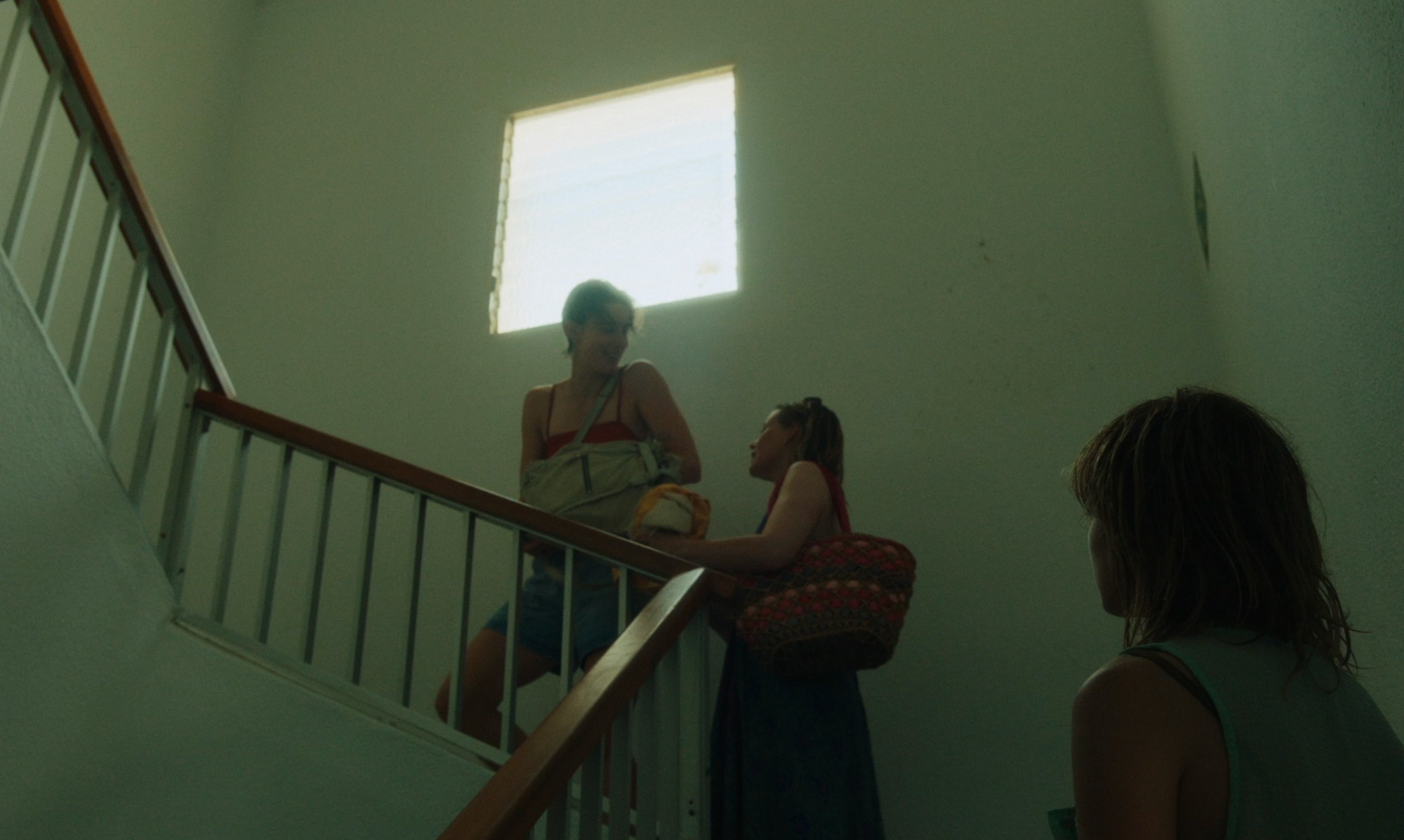
Thank you for that precise observation! I love that. I think this is essentially the heart of the film. It was always about a family that had so much love for each other, but their different journeys within the complicated family history kept getting in their way, causing that tension. Everyone has a different trauma, so to speak, or maybe more importantly, a different way of coping. When it comes to the sisters, their individual coping mechanisms are directly opposed: One wants to control, the other wants to avoid. Joss wants Pat to engage with mum (to save her), Pat wants to stay away from mum but get Joss’s approval (two mutually exclusive things).
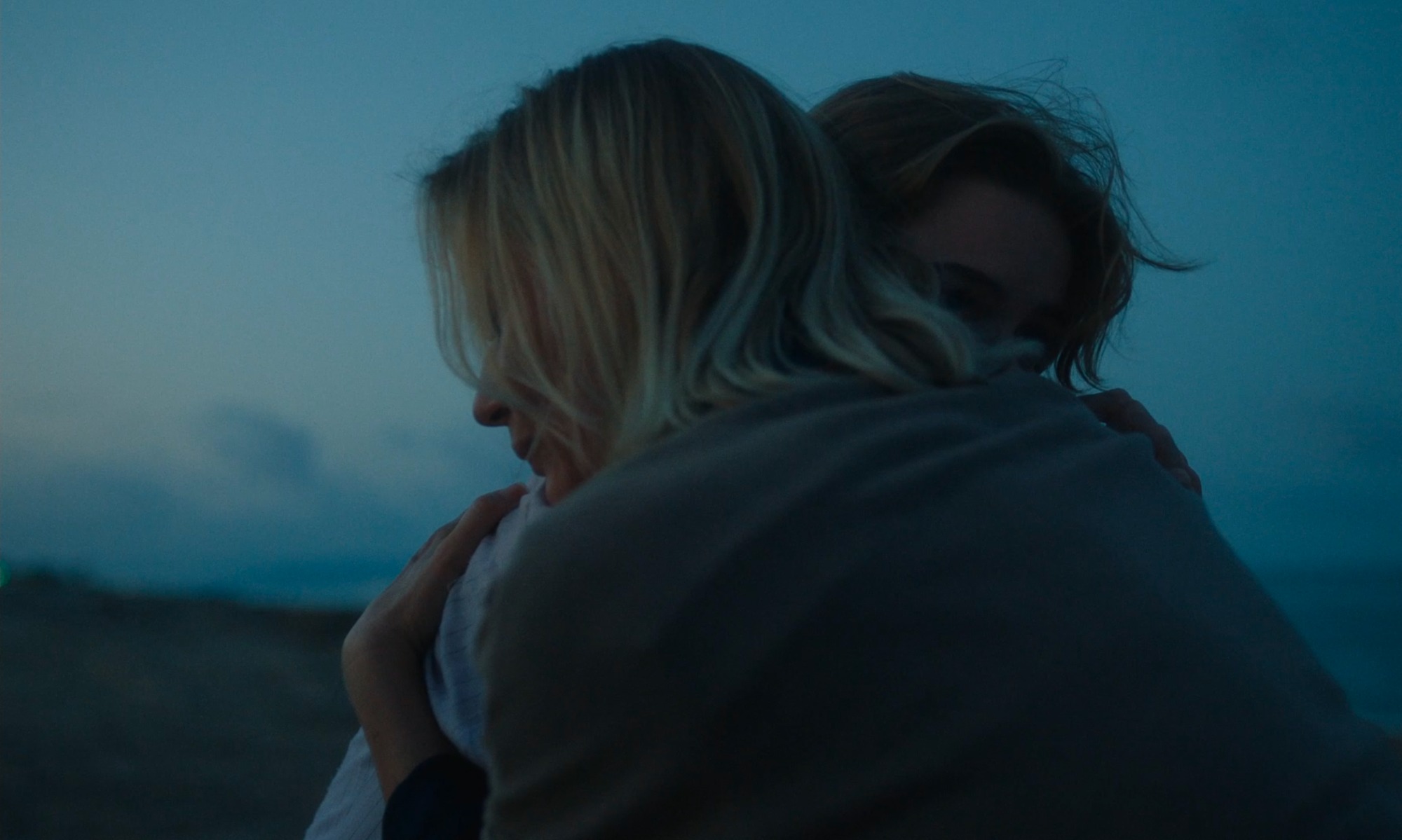
The beach scene is a direct physical translation of the sisters’ dynamic: Joss tries to engage Pat, draw her in, Pat tries to defend what’s hers and escape. At least that’s where it starts, in this very real place. The cast knew exactly what they were fighting for underneath it. And then we added the element ‘sibling’ to it. I remember during the choreographing of the scene, we all shared our worst sibling stories. When you have siblings, you know getting older doesn’t change much when it comes to behaving immaturely around or with each other. So that was a lot of fun. The spitting and then the revenge spitting in the bag came from those conversations.
Anna Tolstoy and Eloise Thomas are brilliant actors. They are both incredible at remaining present in the scene, reacting to each other, etc. We had a great audition where I had cross-tested different combinations of sisters, and their chemistry was instant. So after a lengthy audition that sort of served as the first rehearsal, we had two more rehearsals that consisted of long, intimate conversations and some improvisation.
Anna instantly understood their character. They and I are very much alike in that we can share our deepest, most personal stories within minutes of meeting a literal stranger. We dived deep fast. And with Eloise, I don’t even remember discussing her character much with her, even though I’m sure we must have. She just has an incredible presence and is so in the moment. I basically couldn’t have misdirected either of them even if I had tried. We didn’t have a single inauthentic moment from either of them in the edit. During the shoot, we also had them share a room (which was partly due to budget, but I thought it would be a good idea regardless of that). They got very close very fast, which was beautiful to watch.
I am a director who loves to play. I tend to switch up things from take to take and experiment with where we can take the scene.
One practical thing I had them do before we shot the fight scene was hug each other for two minutes. I’ve learnt this (and much more) from Miranda Harcourt. If they are open to it, actors can find this really helpful. Especially before scenes when they have to attack or verbally hurt each other, that added intimacy right before the take can prove super valuable. Also, I am a director who loves to play. I tend to switch up things from take to take and experiment with where we can take the scene, so I always have to work with a cast that enjoys and is able to do that.
We could’ve edited a very different beach fight scene with more laughter in it, had we wanted to. So again, some of that balance was decided in the edit. But we always had that wide, rich range in performance to choose from. I am deeply grateful to Rae Hendrie, our casting director, for bringing Anna and Eloise to the project. And wonderful Lucy Akhurst as well of course, who plays the mum.
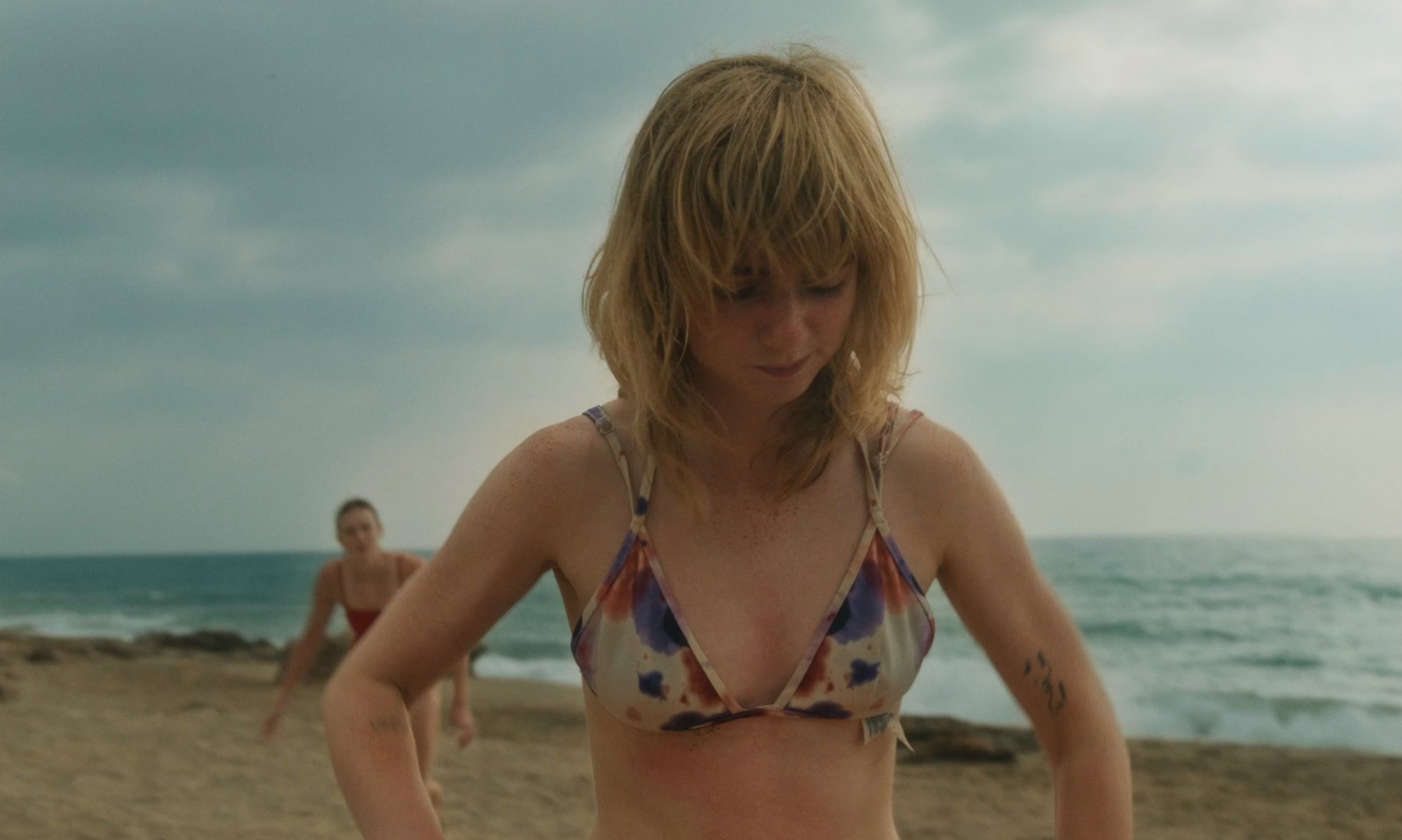
I was struck by your comment that the story genuinely didn’t work until the sonic ambiences were there, that without the sound world present, you had no film. Can you talk about that discovery, and what the sonic language of Resort needed to do that the image alone couldn’t?
Yes, that was really interesting for me too and a slightly unnerving process until I had figured that out. I think it is to do with the elliptical nature of the short and the sort of ‘randomness’ of a lot of the scenes. Because there is so little plot, the audience could easily get the impression that what they were watching was random and unrelated. So sound was needed to create that world that we were in. Especially in the first part of the film, when we jump from character to character, sharing little moments with them that have little immediate relation to each other – other than happening in the same place – it was about creating a simultaneity, a shared container for those moments. That container was sound. For example, by hearing the same seagulls in all three consecutive scenes but from a different point in place, depending on who we were with. It justifies the scenes existing next to each other, by sonically putting them in relation to each other; it’s not easy to articulate.
In other places, it was about pacing and rhythm: Moving the story forward by hard cutting into the next scene. We realised we needed to be very confident, so that the audience would feel in safe hands. If the soundscape wasn’t confident or rich enough, the scenes started to feel random, and the film fell apart. When we were doing it right, the subtlety came through, and the scenes would start to shine.
I don’t know if it was before or after, but I was writing my thesis and started learning more about Lucrecia Martel’s approach. For anyone interested, look up how she talks about sound; it’s fascinating.
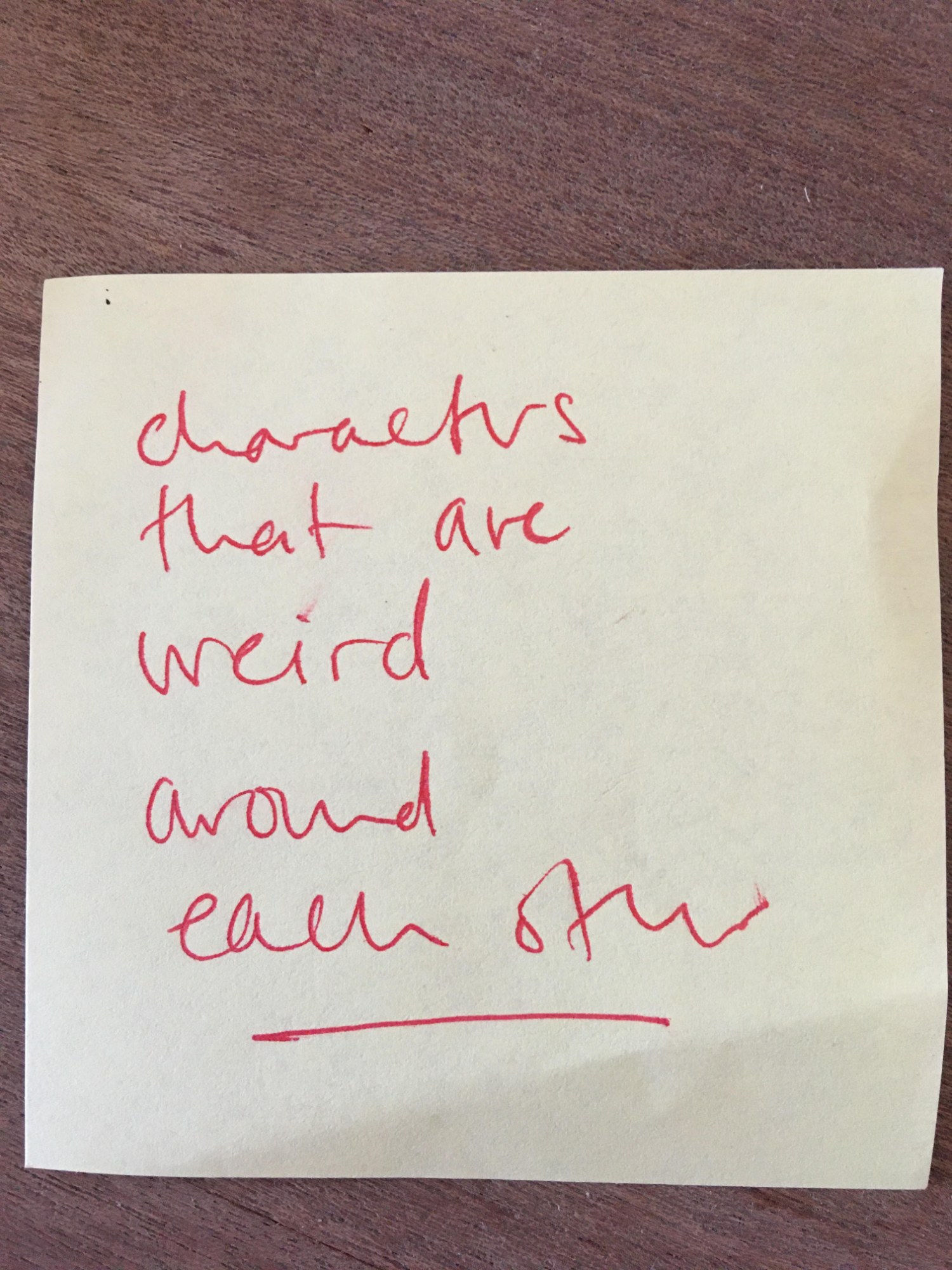
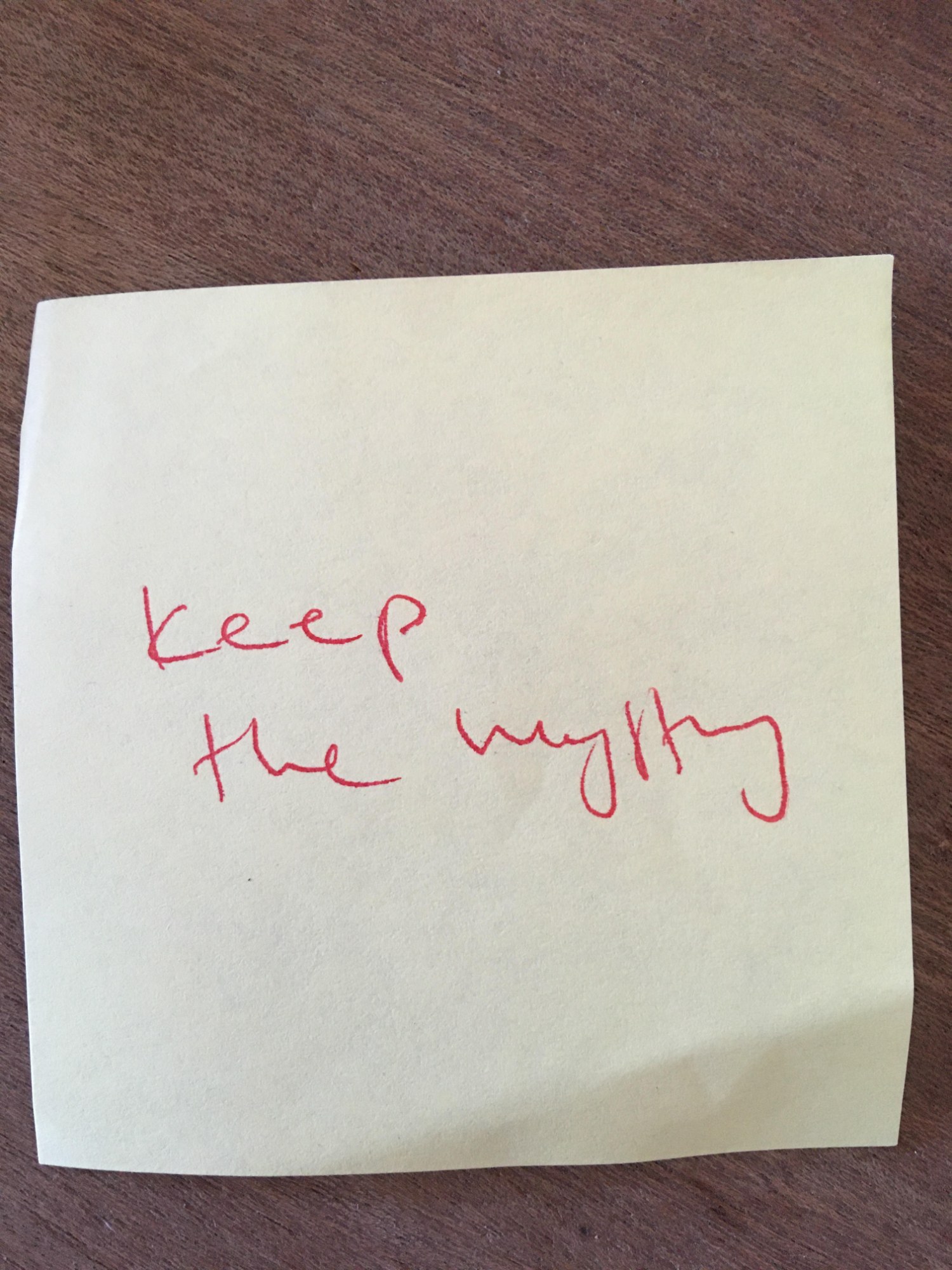
It felt more like we were navigating a mosaic, and as soon as you pushed one part one way, all the others could instantly lose their place as a consequence.
The edit sounds like it was a real process of discovery—you’ve mentioned post-it notes from the suite with Yiwei Pu that almost read like a manifesto for the film. Can you talk us through what the edit journey looked like, and share a few of those post-its and what they came to mean
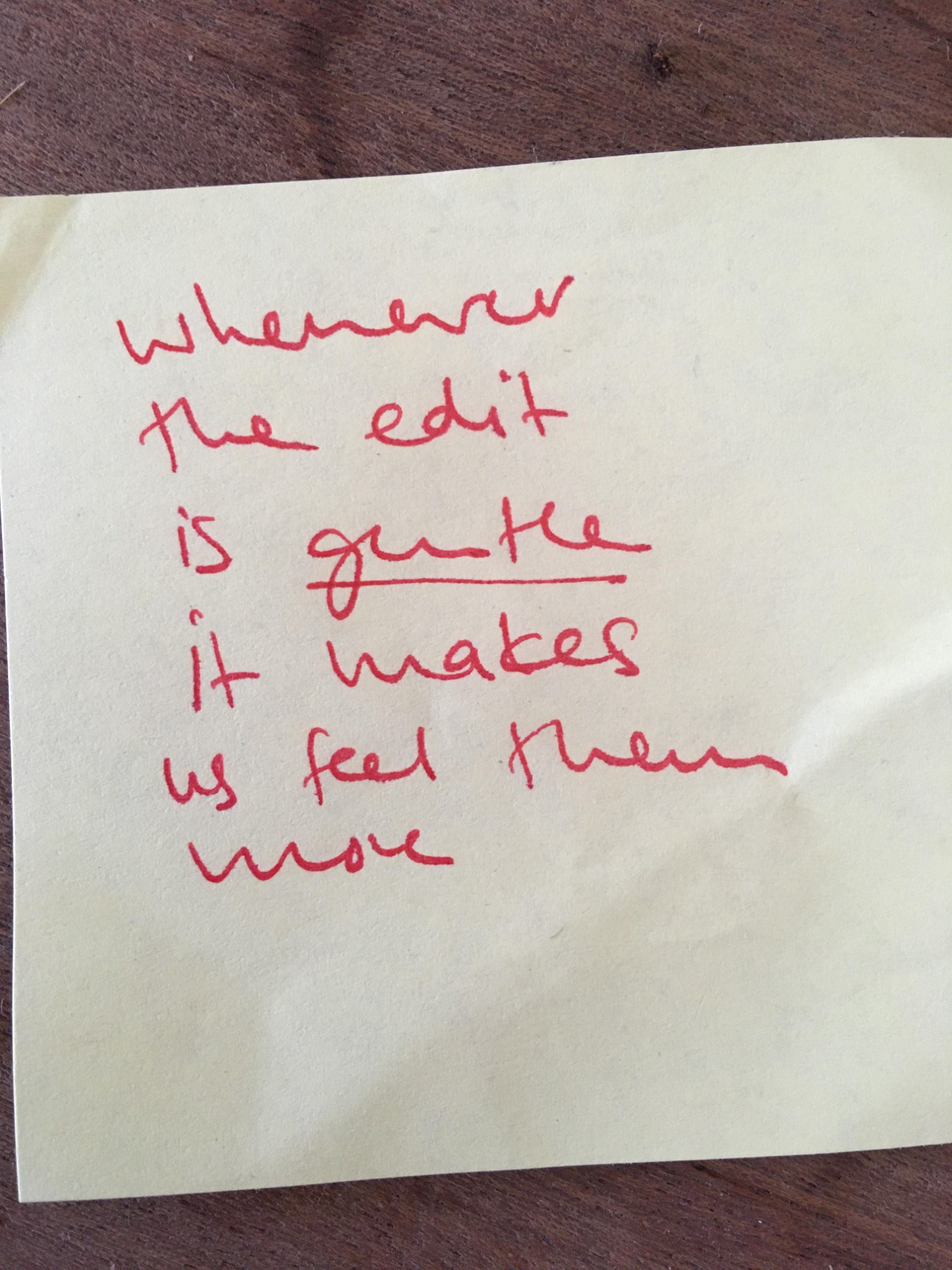
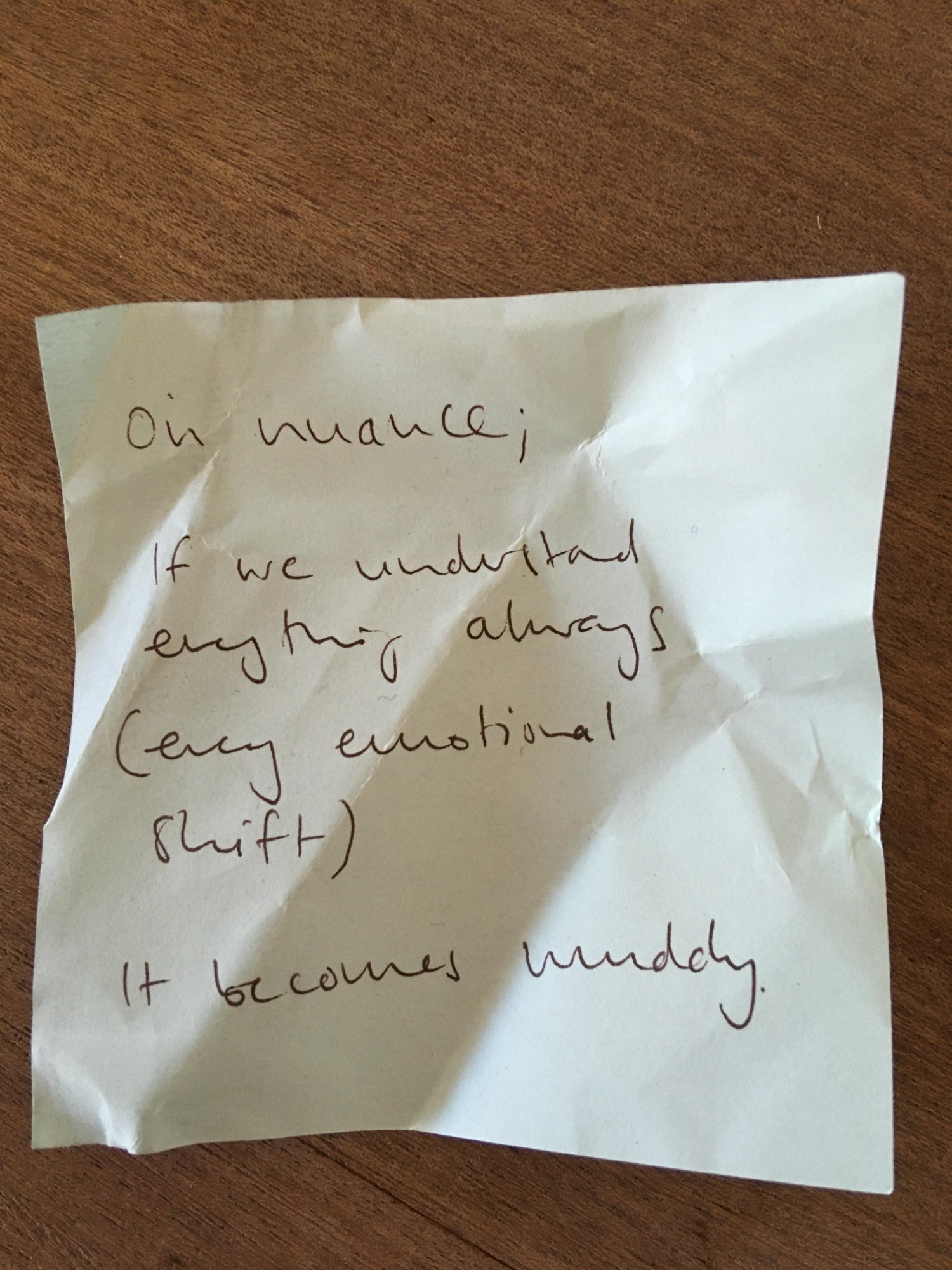
It was a journey getting to know the film, creating its language and learning it while we were creating it, which I think is what these post-its illustrate: We started understanding what works, why, trusting the subtlety, learning what to reveal in which scene. Sometimes we would work on a scene and feel we nailed it: It was so rich in its emotional journey, etc., and then we would watch it in the context of the whole film and then suddenly the scene before and after wouldn’t work anymore or we were suddenly not understanding the ending anymore or even the entire film! I think that speaks to post-it (2) and (3), which are essentially two different ways of articulating the same thing.
To a degree, of course, that is just the normal process one goes through with any edit. But I think because the film consists of moments rather than linear events or consequential actions, we had endless possibilities. And because both Yiwei and I are suckers for trying everything out and milking every scene for its utmost possible potential, we were constantly throwing things off balance again. Up until this film, I was more used to finding the scenes individually, and then once one truly cracked them, they would find their place in the film or reveal what wasn’t working yet. With Resort, it wasn’t like that. It felt more like we were navigating a mosaic, and as soon as you pushed one part one way, all the others could instantly lose their place as a consequence. Or find their place.
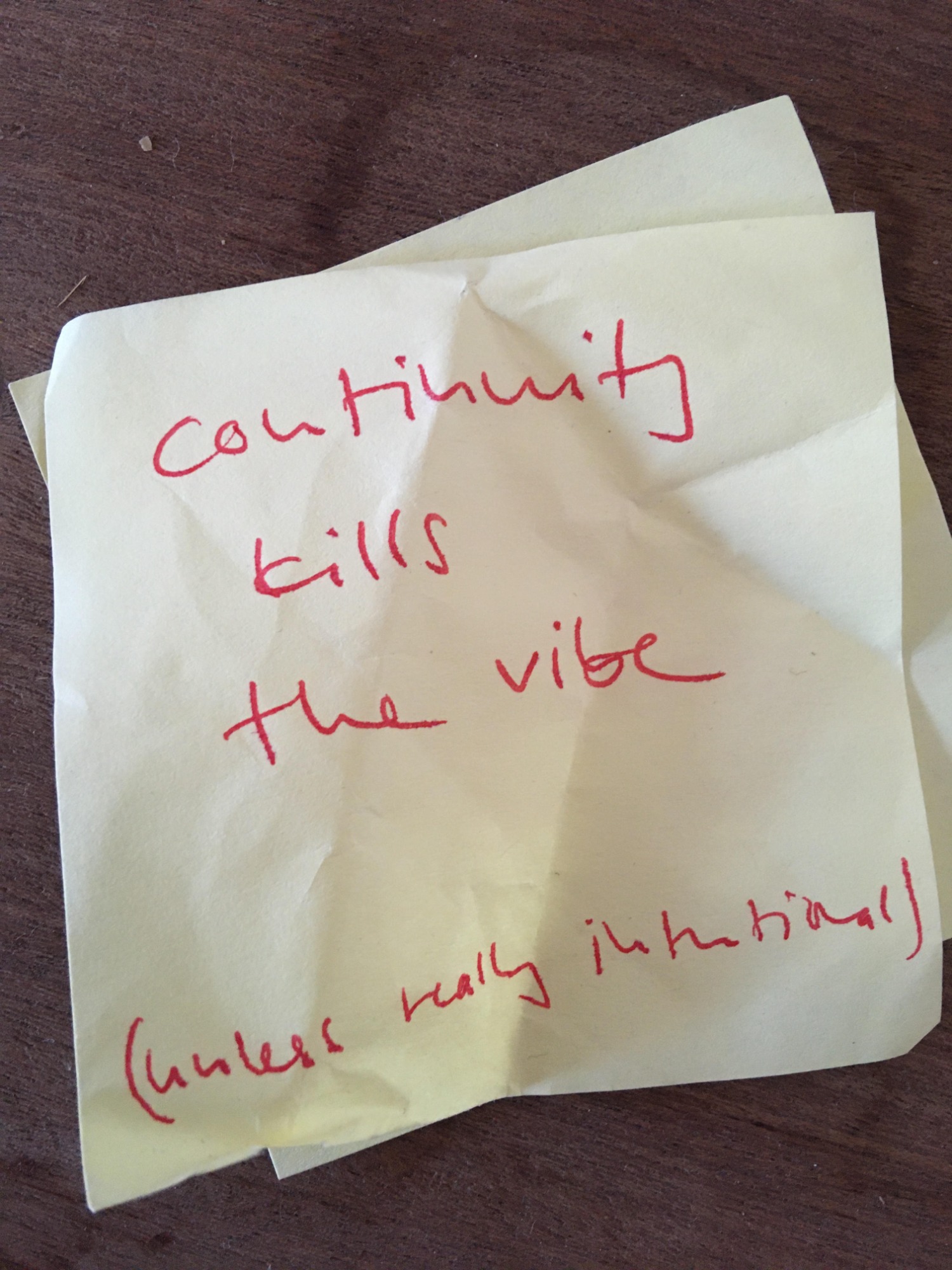
This mosaic idea also speaks to Post-it “continuity kills the vibe”. It was necessary for the scenes to remain fragments. If we linked them too much in places where things were naturally quite linked – for example, towards the end of the film, when things become more plot-driven – then the other, more fragmented scenes stopped making sense. There still is a slight shift in language even now, but in a way that feels intentional. It is serving the story. Whereas before it would just take you out of it. There’s also more room for poetry if you don’t focus on continuity. The post-it’ “characters that are weird around each other” was more of a reminder of where to put our focus. It’s a film about family dynamics. It’s a reminder of the lens we are looking through.
What short film(s) do you find yourself returning to as touchstones for tone, structural ambition or the handling of nuance?
Small Deaths by Lynne Ramsay and An Exercise in Discipline – Peel by Jane Campion. Now that you mention this, I should be revisiting these more often. To me, they are true examples of what directing means. It’s not about the story; it’s the way in which the story is told.
You mentioned that Resort’s final scene was originally written as the ending of that feature. How has the experience of making Resort reshaped the feature, and where are you with it now? What else have you got going on?
Yes, the final scene of Resort used to be an epilogue in the feature script. I remember loving the final scene of Resort so much that I started feeling wary of whether I wanted to or could explore that again. But now two years into that writing process, it turns out it was never the right ending for the feature. And so I’m all the more glad that I did shoot that scene for Resort and didn’t save it.
It’s hard for me to answer how it’s reshaping the feature because I am very much in the midst of things with the writing of it. I got script development funding for it last year, then paused the project for a TV-job and am as of this year back at it, writing again. We will apply for production funding at the beginning of next year. In many ways, it has always been its very own film and very different from Resort: It’s what happens before Resort. So unfortunately, we’re not on a holiday anymore. But the character dynamics are the same ones. And the feature also shifts perspectives, in an even stronger fashion than Resort. So, having tried that, I feel confident that it will work. Or maybe to phrase it differently: I can now make other people feel confident about it as well, since I have proof!
Maybe what both projects have in common is that, with the feature, too, I have to figure out the language of it. How to make the fragmental and elliptical work, how to navigate moments of randomness next to plot-heavy scenes and so forth. With 90 minutes or more, this isn’t something that can surprise you in the edit. That navigation very much already forces itself on you in the writing of it! Might be worth checking if I can apply those edit post-its to the writing, as well…