
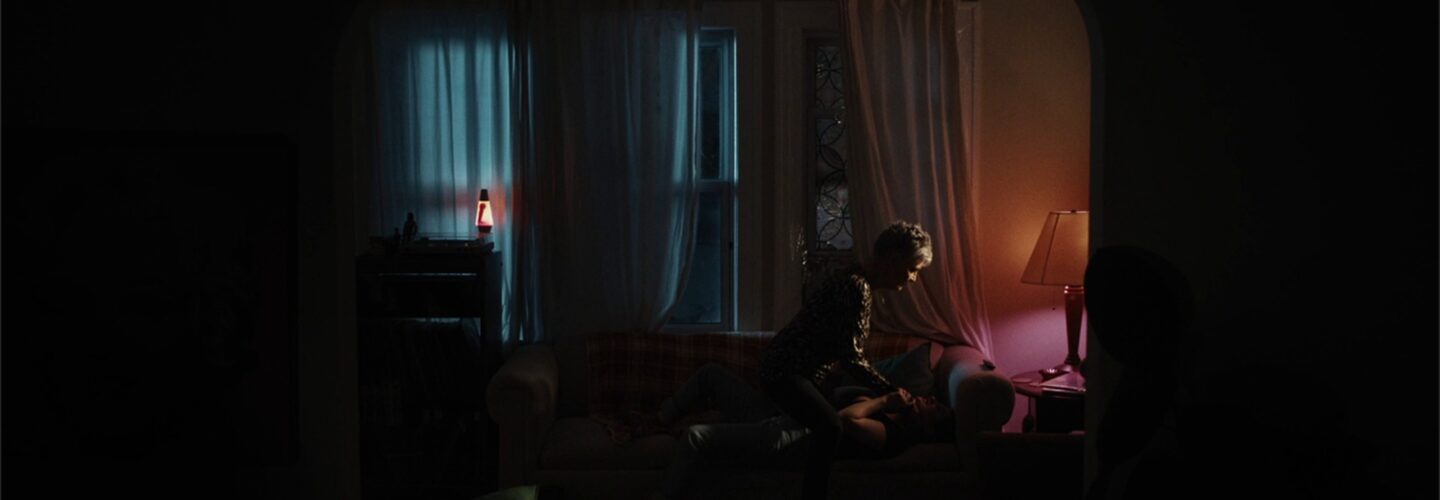
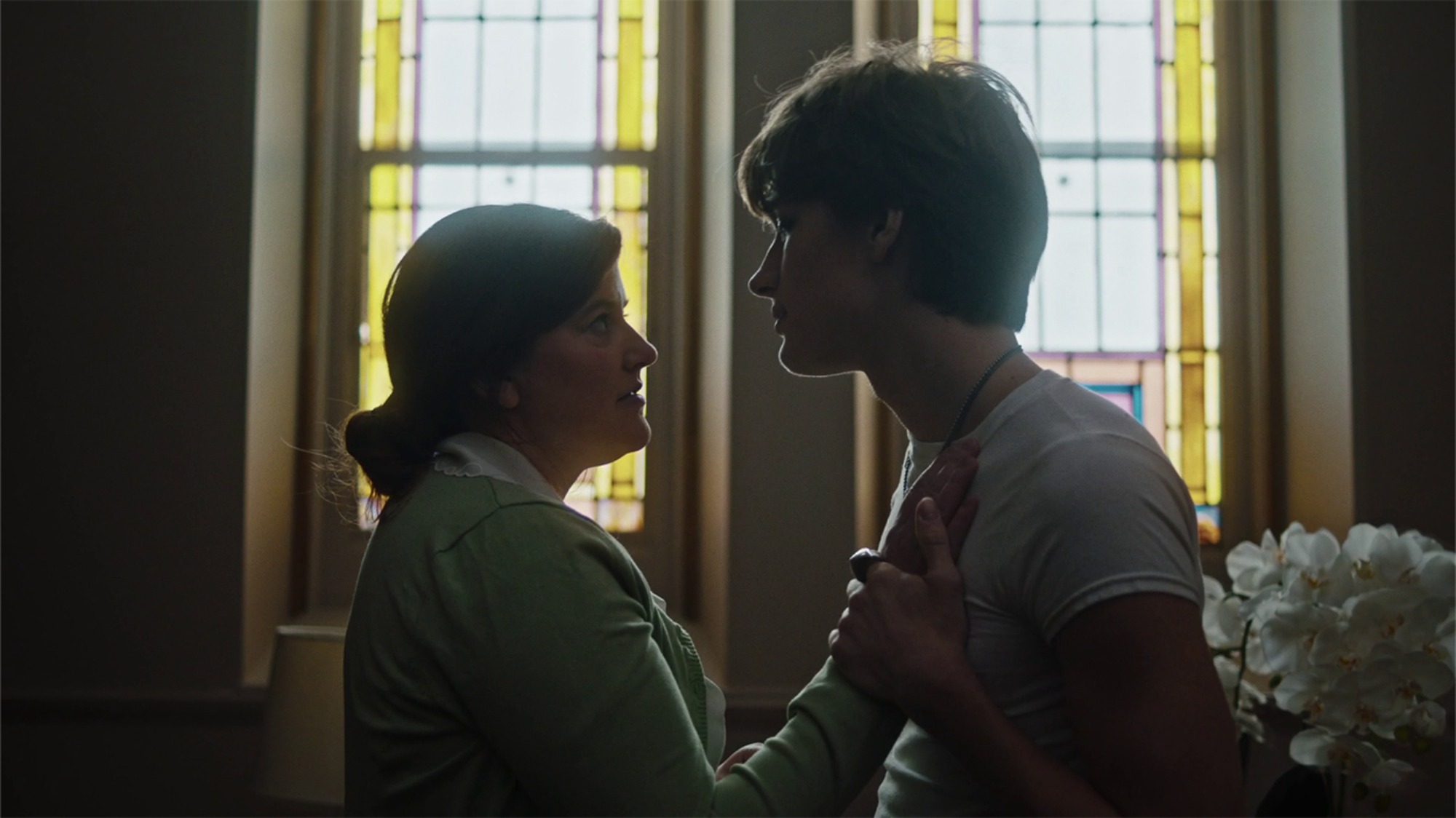
How do you make an audience empathise with people who do bad shit? That’s the uncomfortable question at the heart of Puke Bitch, a darkly comic pilot that refuses to neatly explain the behaviour of its characters. Instead, it drops us into a murky world of loneliness, repression, desire and violence, asking us to spend time with people whose actions are difficult to swallow, yet who also feel disturbingly relatable.
For filmmaker Sam Tricomo, that tension is not only the point; it’s one of the main talking points of this interview. Puke Bitch is a multi-layered watch, with a visceral score sitting alongside naturalistic performances to create a world that feels both heightened and recognisably human. Tricomo isn’t interested in justifying his characters – or asking us to forgive them. Instead, he wants us to consider what it means to build empathy without absolution and how we might find humanity in even the most monstrous of characters.
You talk about empathy for these characters and refusing to write them as villains, but empathy and endorsement aren’t the same thing, and yours do repellent things. So here’s the harder version: how do you build empathy for someone without quietly asking the audience to forgive them?
I don’t think forgiveness is necessary for empathy. Because understanding someone’s cruelty does not equal endorsing it. I see the acts committed here as desperate and deeply tragic, and I can empathize with someone suffering on the inside, while choosing not to glorify their abuse of others because of it.
In order to swallow characters like this, you need to understand that what we may read as depravity on screen is actually desperation to them.
That said, I understand that most people don’t feel the same way I do, and I want to make it clear that you are welcome to feel whatever you want about these people. But if you’re like me and desire putting yourself through the kind of mental circus it takes to empathize with these people, here’s what I have to say: Choices, agreeable or disagreeable, are all born from the same core desire, shame, loneliness, and fear we all share. Everything can be broken down to the basics. In order to swallow characters like this, you need to understand that what we may read as depravity on screen is actually desperation to them.
Is there a difference, for you, between understanding a character and absolving them and did the film have to give up moral judgment entirely in order to love them this much?
For sure. I wouldn’t say I absolve, endorse, or forgive their actions per se (I mean–be gay, do crime, obviously), but I definitely see these characters in a different way than I see everyday people, so my willingness to open my mind to their darkness is different. But to answer your question more specifically, I would say that I did indeed have to sacrifice my moral judgment to open my mind in the first place.
Through writing these characters over several drafts, I came to adore their sense of self, be it cruel and unusual, because I found it so uncommon in real life. Take away the murder aspect, and these are people with a strong sense of self and great confidence. That’s something I feel like I don’t see in many people across my generation because people are too afraid of being disliked or canceled. So, I guess you could say my love for them comes not only from a mind forcibly opened, but from a deep-rooted desire to see people with an unflinching sense of self.
Empathy is usually manufactured through access, confession, backstory, a character explaining themselves. You’ve stripped most of that out; this is a film that barely speaks. So, how does the empathy get made when the usual tools are gone?
That very question is why I wanted to make the pilot relentless and without explanation, because I couldn’t imagine something like that. What I had to do to accomplish that was to be fully aware of the circumstances that brought us to where we are. There is a world of backstory to these people that I only hint at in the pilot.
None of these actions is met with cartoonish evil satisfaction; it’s met with silence and loneliness.
I think if you’re looking at this film as a standalone piece rather than the first chapter of a larger story, the key to finding empathy for these characters lies in their dissatisfaction with the decisions we deem unempathetic. Whether you’re looking at Dove’s cat exploration, Larry’s satyriasis, or Janet’s psychopathic tendencies. None of these actions is met with cartoonish evil satisfaction; it’s met with silence and loneliness. We’re all capable of empathizing with that.
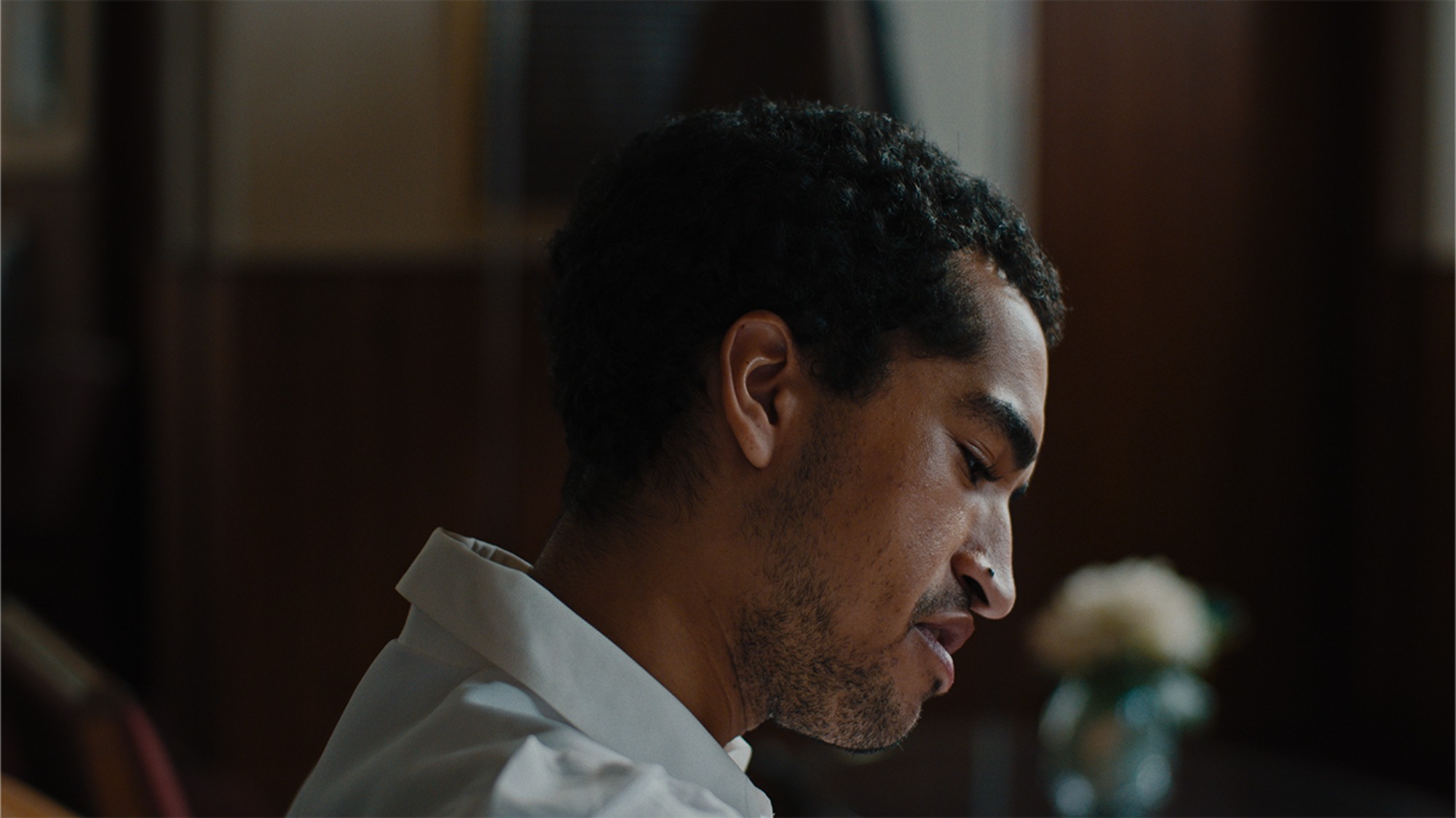
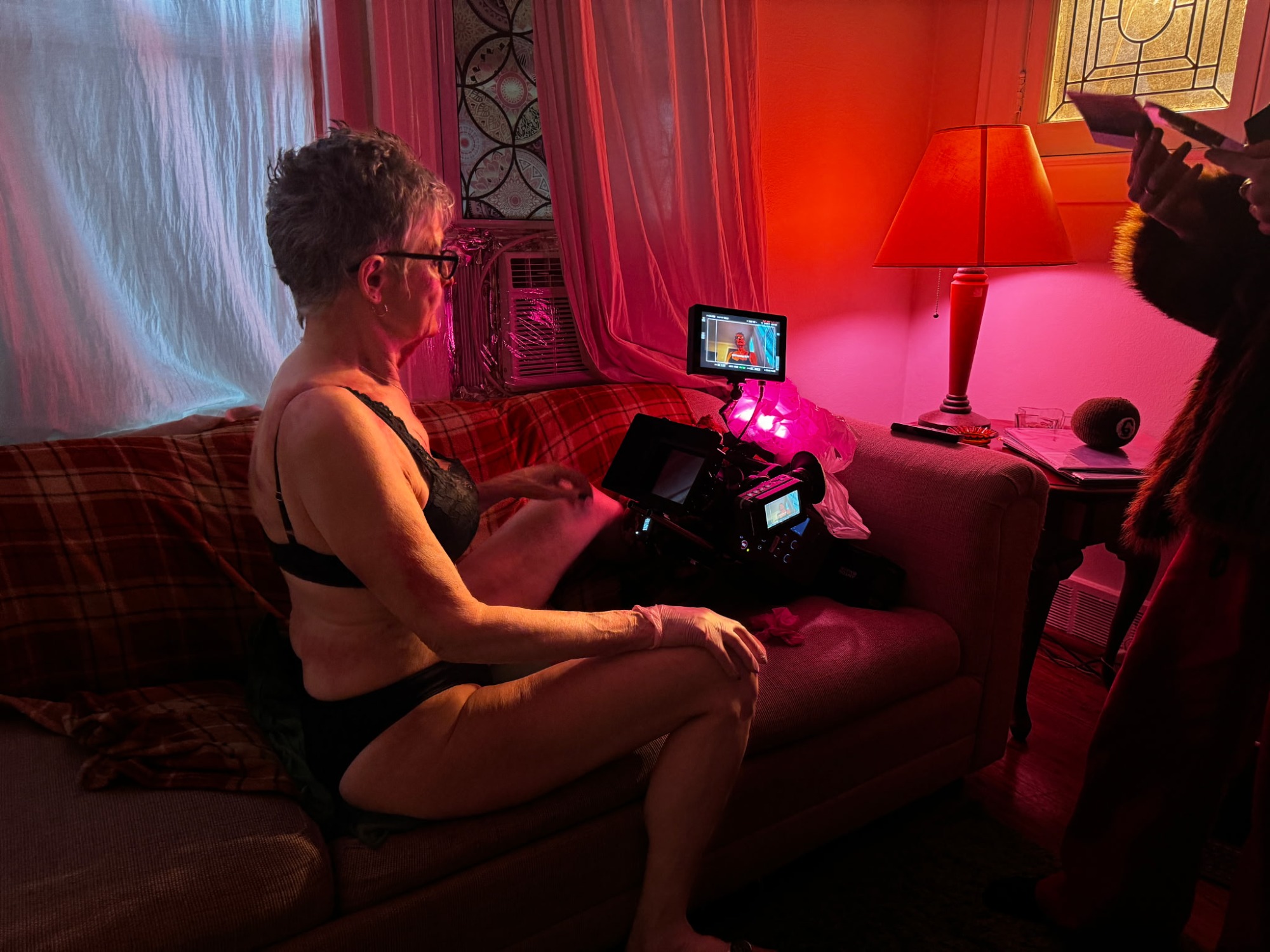
You describe Dove’s relationship to death as maternal, an instinct to nurture, aimed at roadkill and decay. That’s a striking inversion: care directed at the one thing that can’t receive it.
Exactly! I believe Dove sees herself in roadkill. Intelligent creatures now discarded and empty, left to die. She desires to hold and connect with them because she herself craves that love and attention.
You’ve got two women with relationships to death across a generation — Dove tending what’s already dead and Janet, who by the end we understand makes the dead. One nurtures, the other controls. Is Dove an early, innocent version of what Janet has become? Is maternal feeling toward death the thread that secretly binds them and does the season read that as a warning or a kinship?
Dove serves as a mirror reflection of Janet at that age. The bond they share concerning death, whether maternal or linked to a desire for control, runs deep. I want to explore this throughout the season, depicting Janet’s awareness of Dove’s violence and her wish to shape Dove into the person Janet has become, sparing her years of fighting the monster she’s meant to be.
Most Popular
You’ve said faith functions as a character in its own right. Mechanically, what does that mean on screen – is faith a presence that acts on these people, a structuring pressure, a temptation, an antagonist? And how is it embodied: through the Reverend, the architecture, the music, the moral weather of the town?
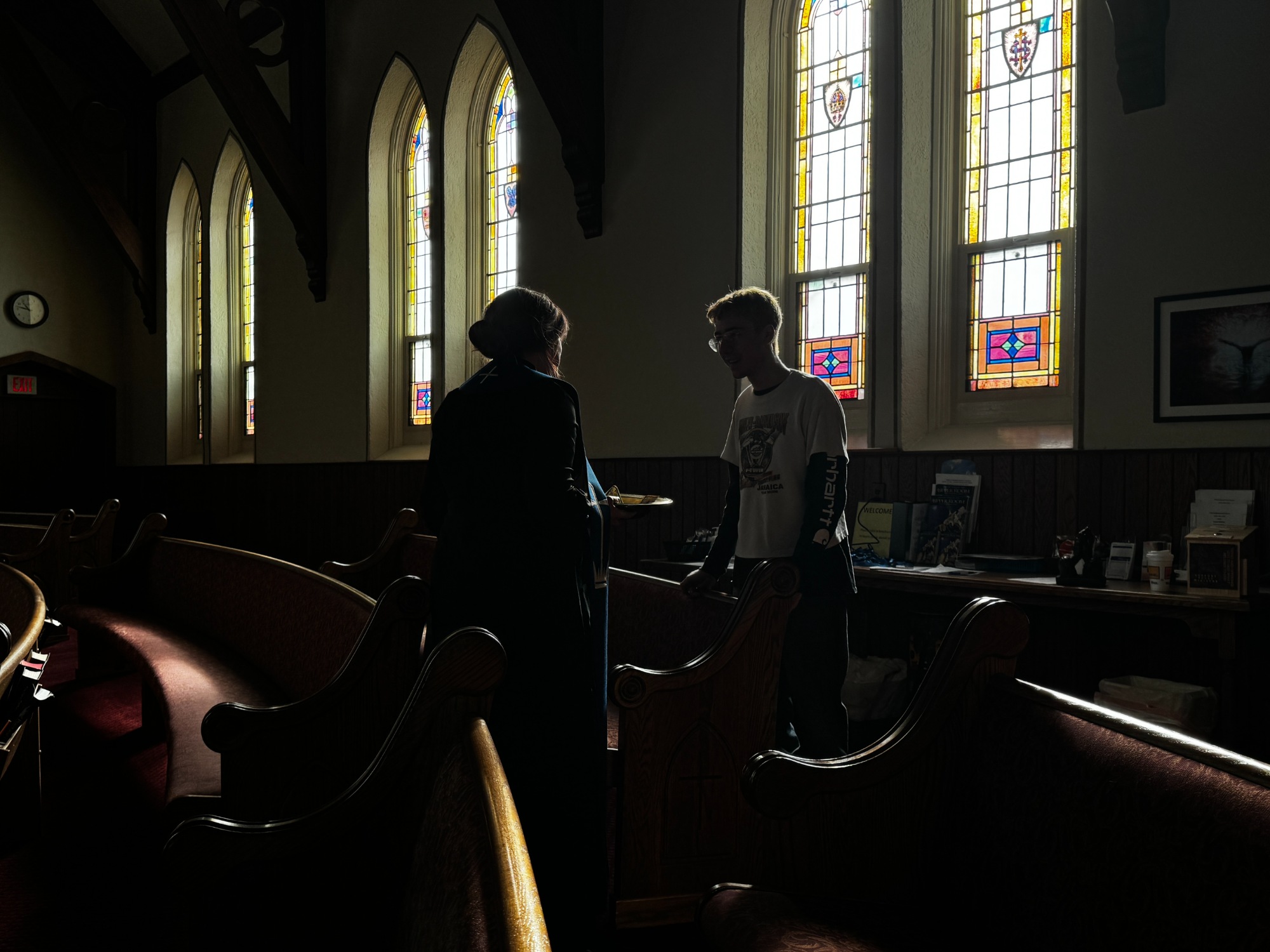
Initially, I wrote the religious aspect into the script through a darkly comedic lens. I wanted to juxtapose the kinds of people you see in churches in a small town like that. But over time, I came to despise the notion it promoted: “these are the bad people. Isn’t it funny how they are pretending to be good?” Humans are far too complex and nuanced to be simply one or the other, and I wanted to reflect that not only in my depiction of the church but also in my characters.
The church then became a point of community in the story. Something all the characters adhere to, whether it’s the siblings, most likely forcibly there due to their foster mother’s wishes, or Janet, who attends in an attempt to blend in, or even to accept the intimacy she craves in a less outwardly open way. Like all places, it is not entirely safe or run by idolized individuals, but I feel that its place in the story can represent the idea that the church, or religion as a whole, doesn’t necessarily exist for the ‘good’ people to maintain their goodness, but rather, it exists to host a community for everyone around us.
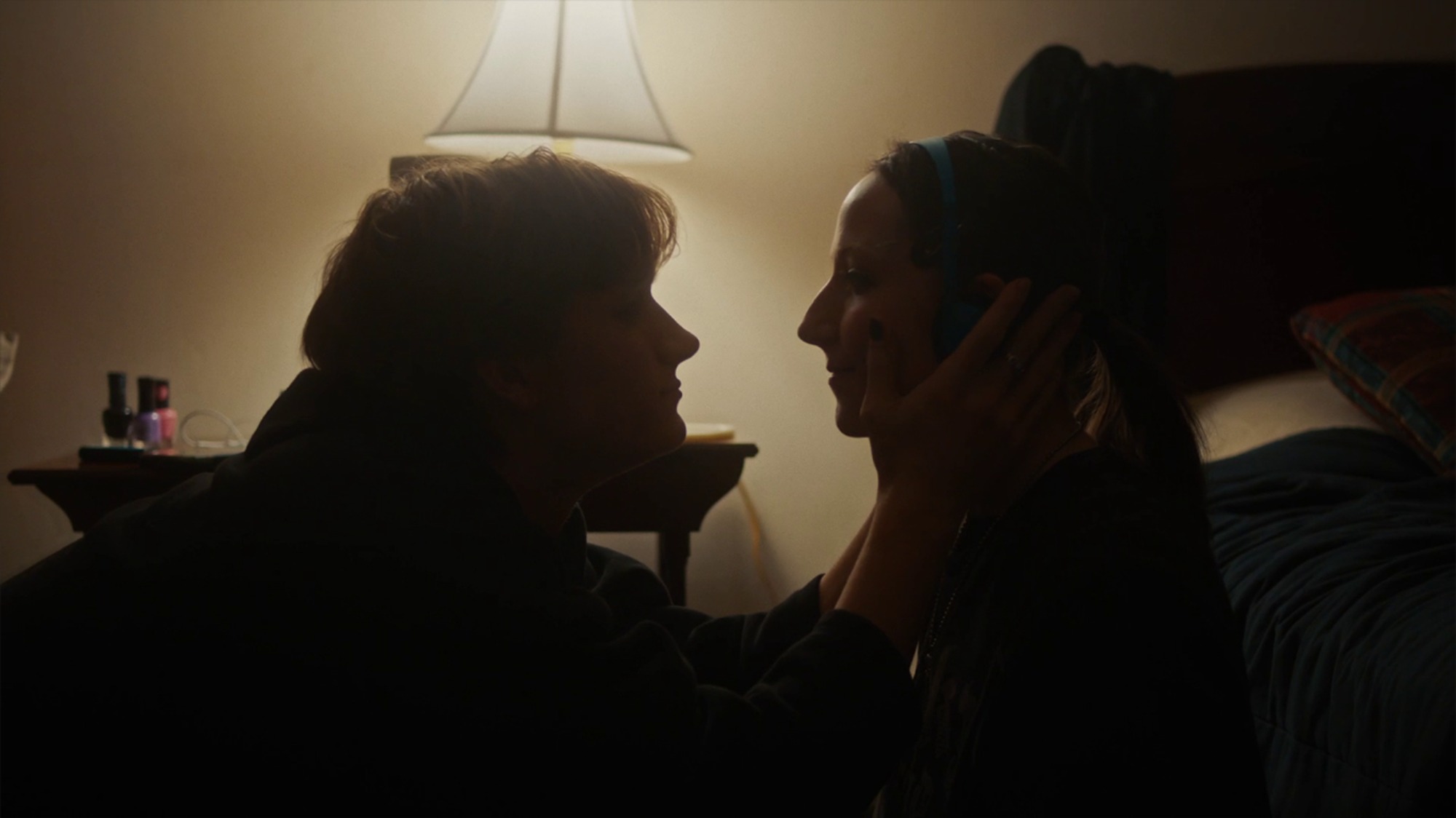
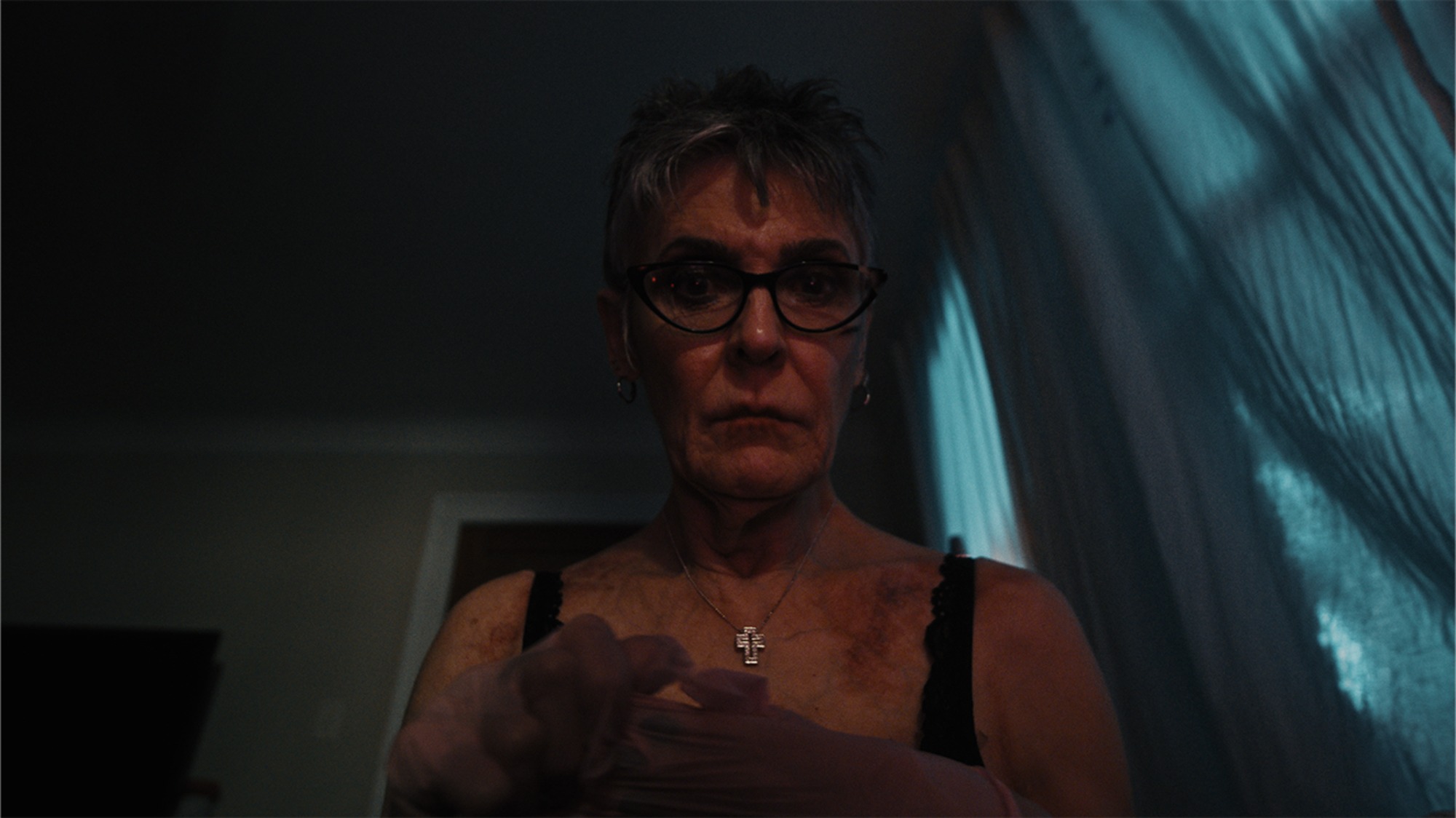
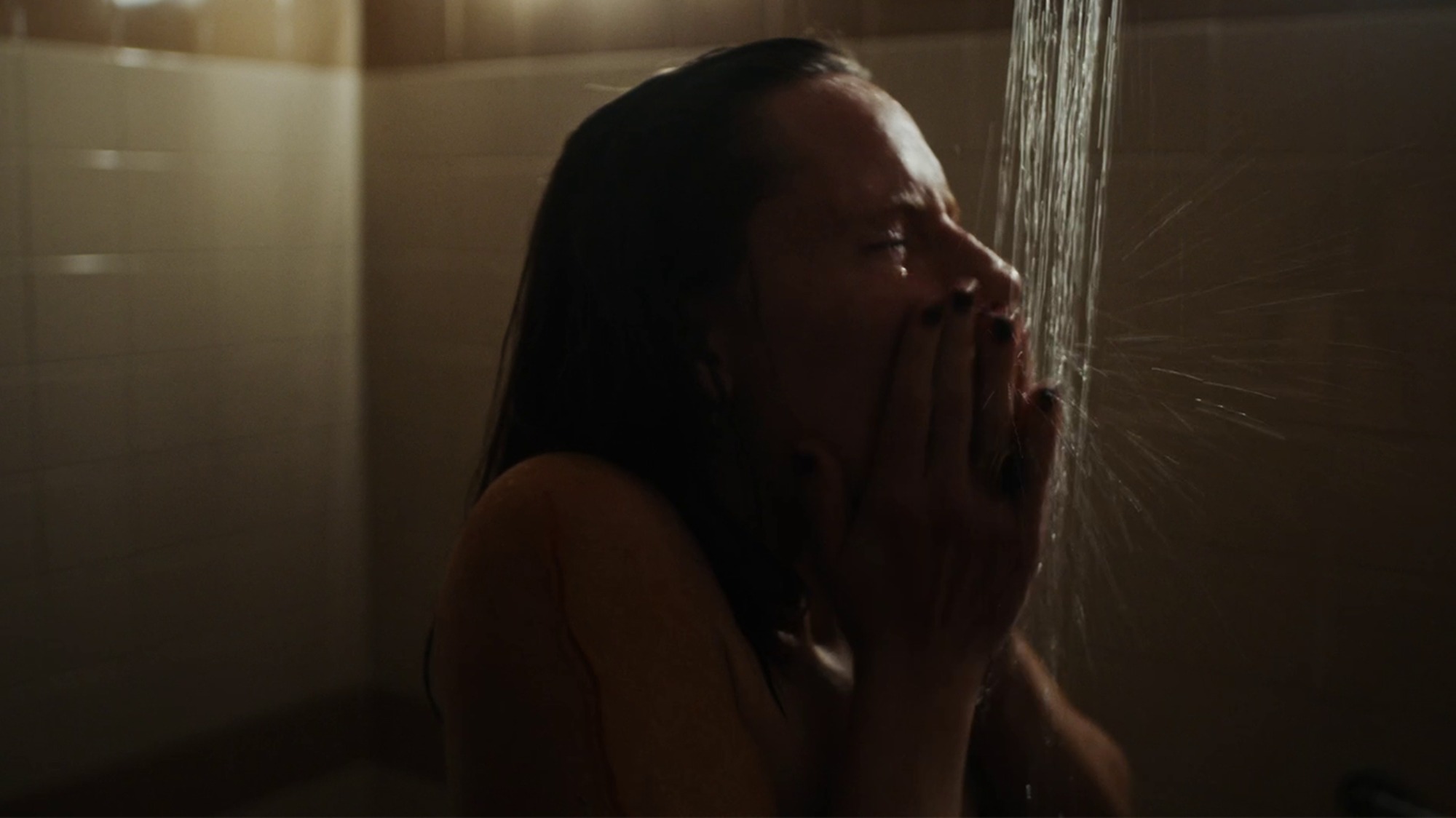
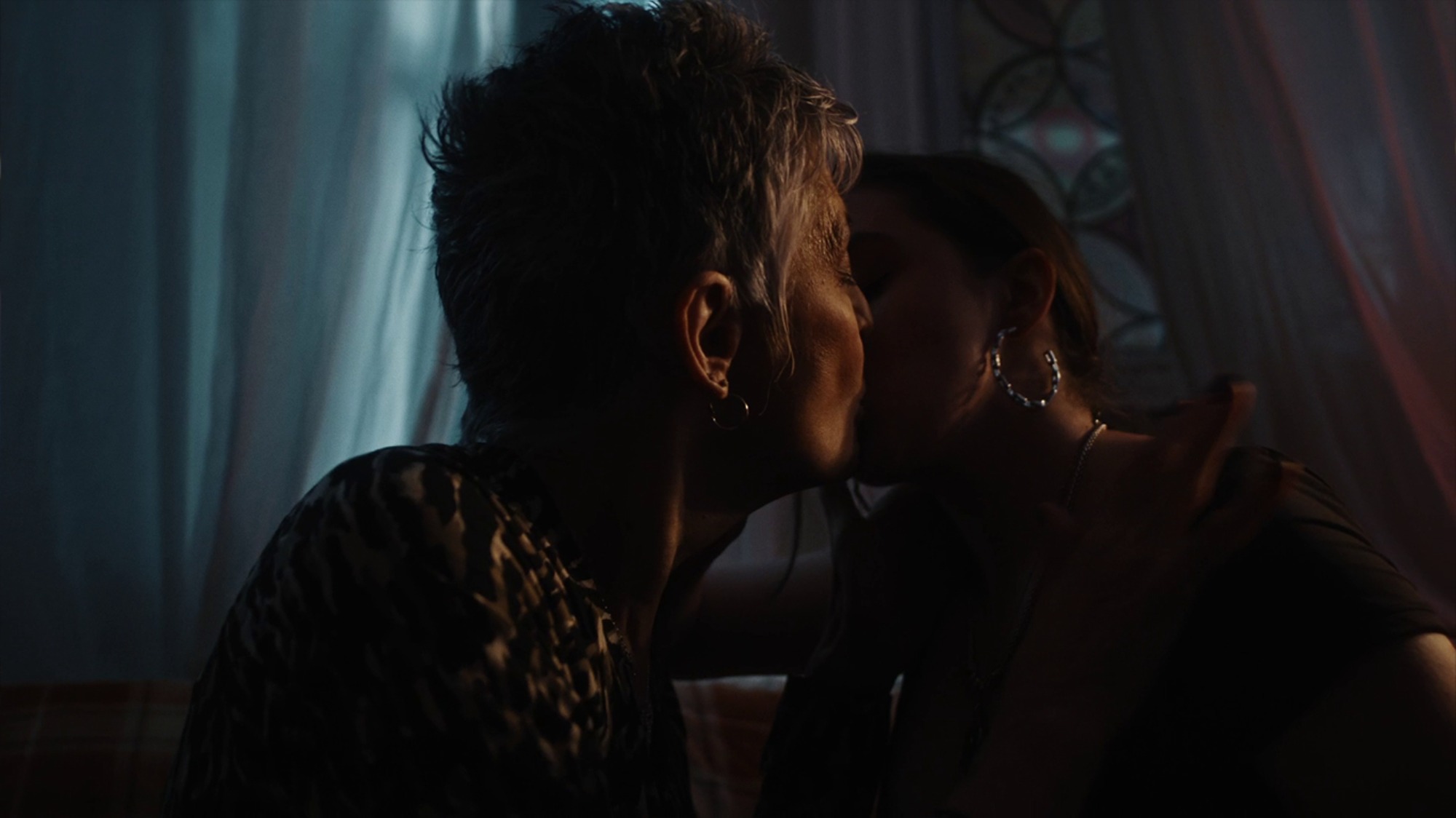
Puke Bitch collides faith with desire and even with transaction – Larry’s church arrangement, the donations, the puritanical setting. Is faith the thing you’re critiquing for its hypocrisy, or the pressure that generates the darkness in the first place, repression breeding transgression?
Repression always breeds transgression. Being told to conserve ourselves in any way makes us rebel, whether we’re entirely conscious of it or not. We can critique the hypocrisy of organized religion all day, but I think what I was trying to do more so was to show not how religion can breed transgression in the traditional sense, because we’ve seen that over and over, but rather, to show how conservative communities like this can feed transgression underneath the surface.
It’s as if merely seeing someone closed off to life entirely flips a switch within me.
When I’m interacting with people my age who are conservative, I intuitively almost level up my ‘inner evil monologue’ as I describe my life to them. Suddenly, the one extremely lame party I went to a few months ago turns into a wild rager in which I, and everyone there, I describe not as actual people, but stylized, punk rockers who like to drink, fuck, and do drugs. These are always exaggerations of the truth. It’s as if merely seeing someone closed off to life entirely flips a switch within me. One that doesn’t make me want to understand their psyche, but rather, want to fundamentally juxtapose their being entirely.
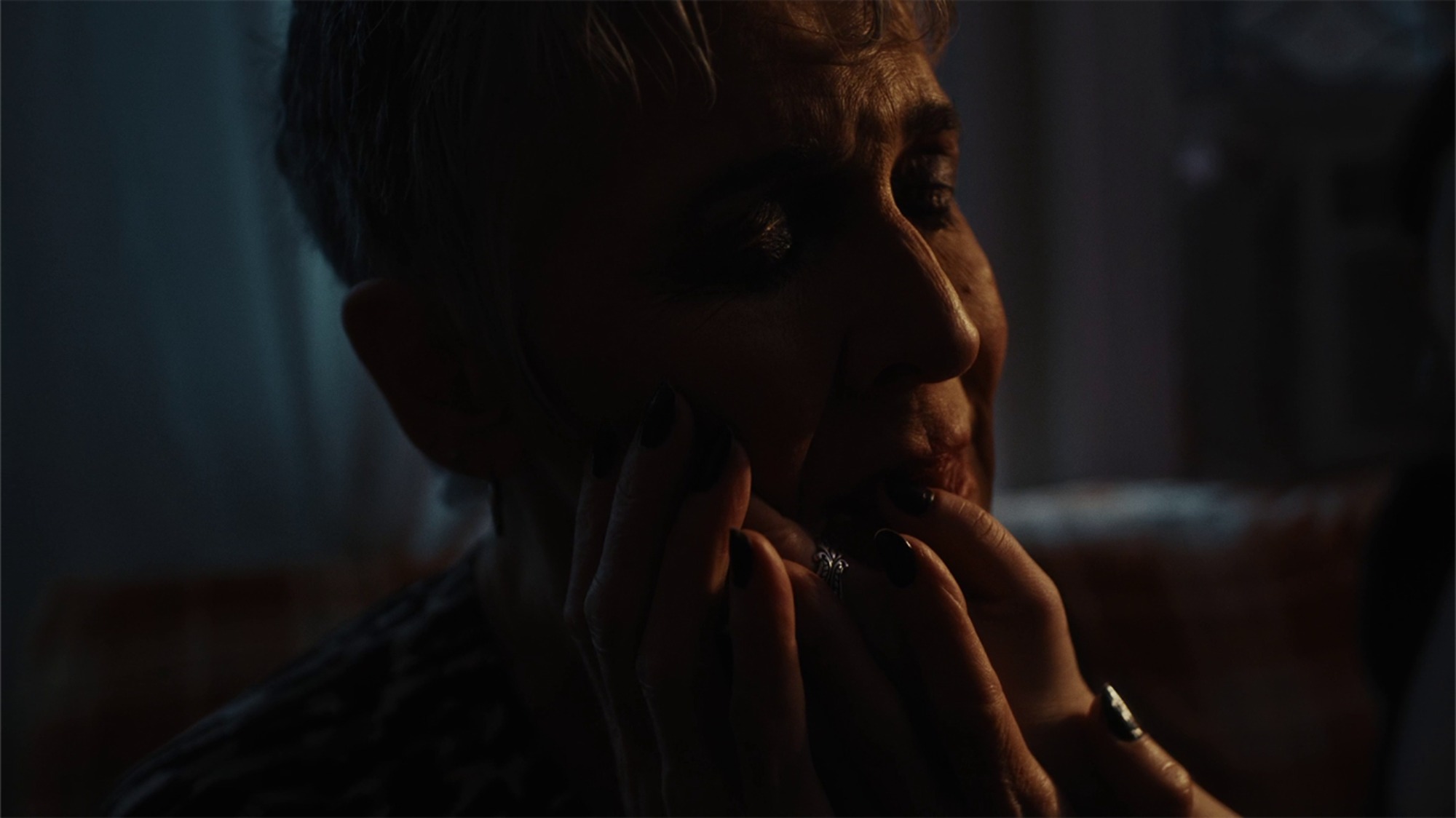
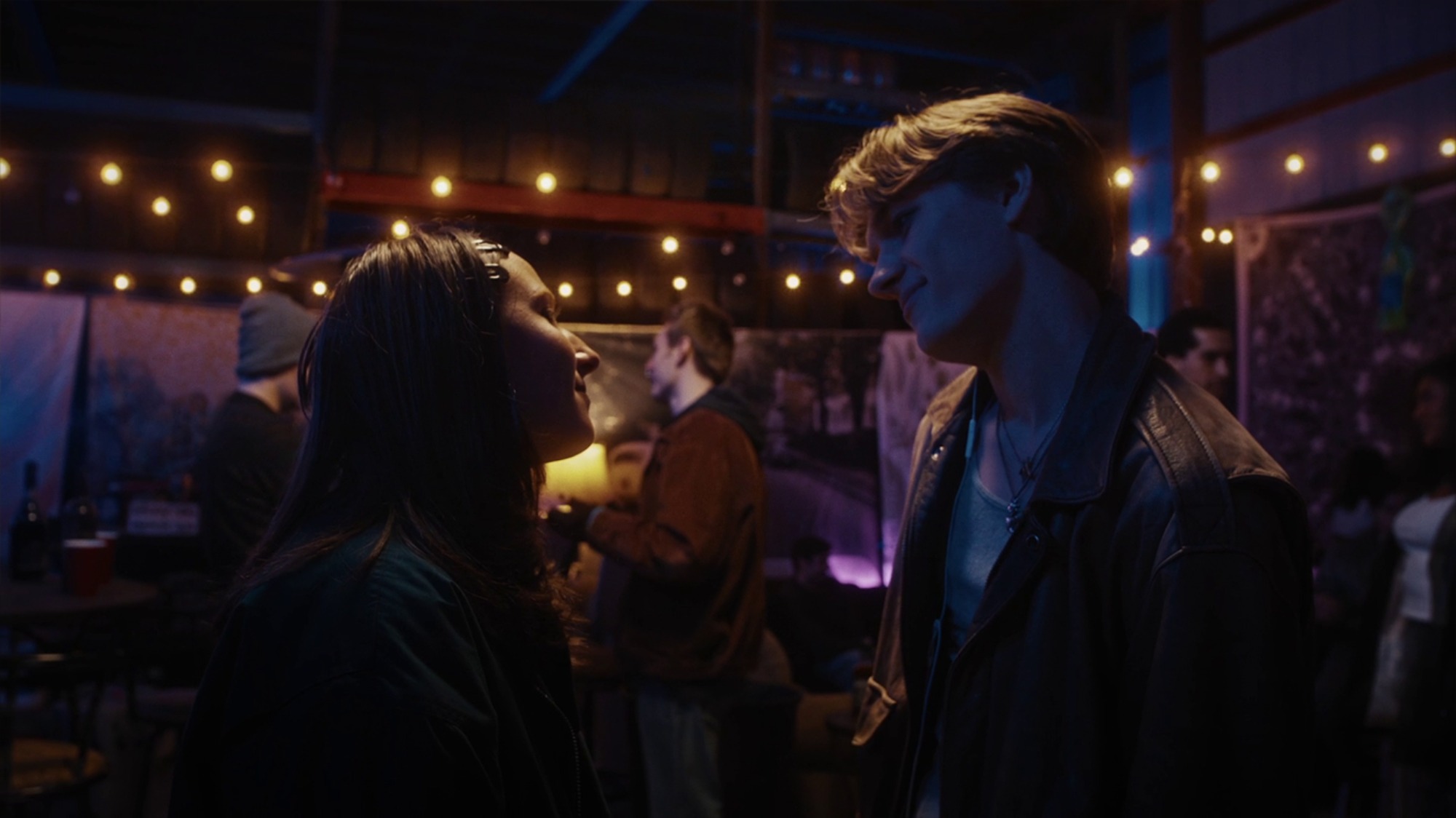
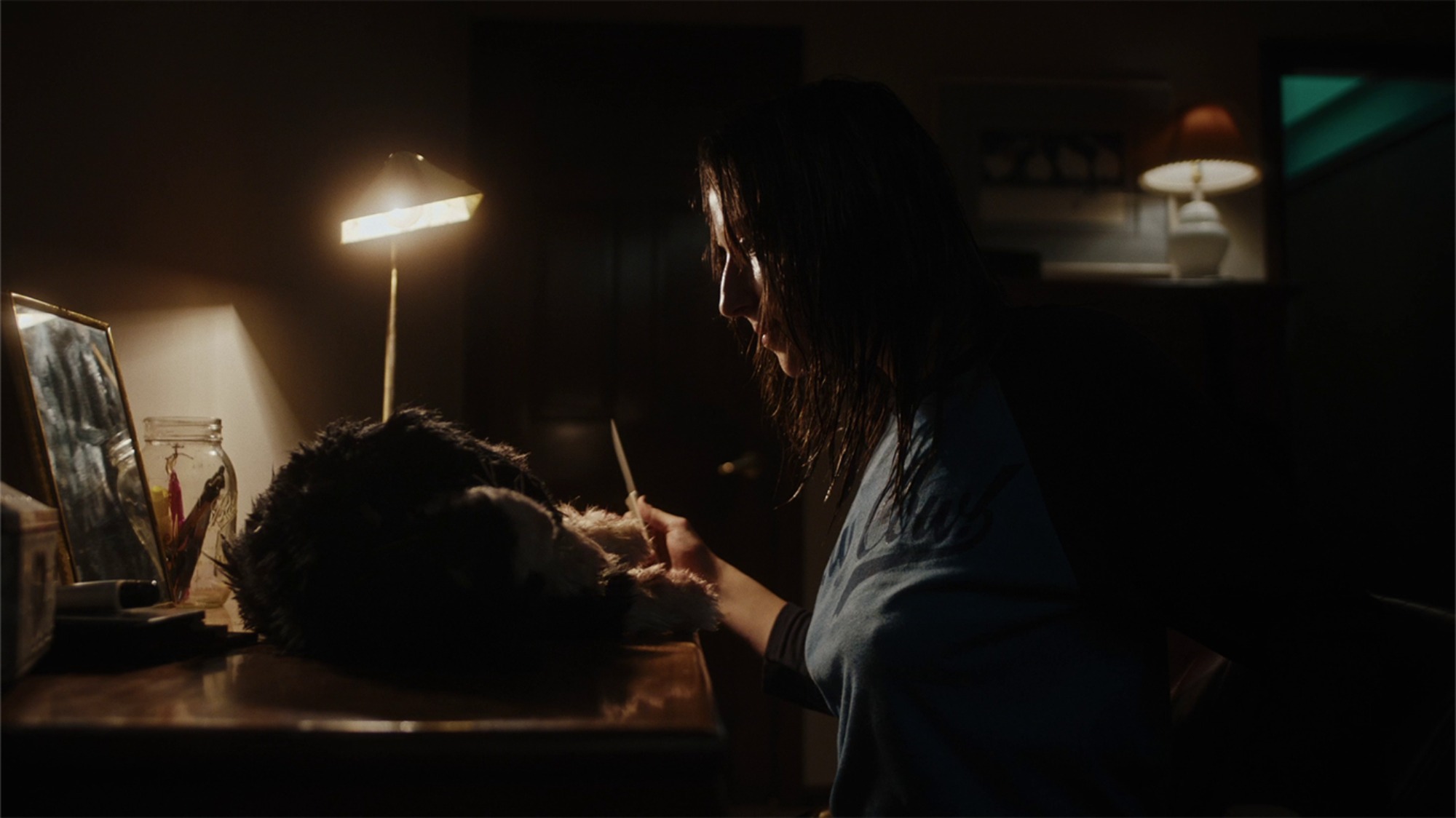
You describe the turn the project took as moving away from something lighter and quirkier toward something darker, more grounded, more realistic, and less stylized. But what landed reads as more stylized, not less: gothic, macabre, a heightened look, a designed soundscape. It’s almost as if the darkness pulled its own aesthetic toward it.
I agree – my original vision of how we would execute it was a bit more openly ridiculous and less patient than the final version we see. The first script was about 20 pages, in which we only followed Larry and Dove and saw Janet from afar. The kids were more active members of society, caring about relationships beyond their own, and participating more in school and extracurricular events. While still adhering to a small-town mentality, the show adopted a darker, more openly comedic tone.
After sitting with this version of the script for a few months, I felt like taking on a larger challenge, which was really writing people who I felt made little to no effort to adhere to the rules we do, and let that disobedience live in a non-comedic lens, which is how we came to the final version. So I guess it was always going to be stylized. The version we landed on is just done differently.
Were you navigating a distinction between tonal realism and visual stylisation and did going dark, paradoxically, give you permission to go bigger?
Oh yeah! I think I wanted it to be digestible, and given the darkness, it became exactly that. Originally, I planned for no music besides the ambient score, which would come in sparingly. But through the edit, I wanted it to be a bit easier to swallow, so it grew.
Tied to that: reviewers have clocked a naturalism in the performances and rhythm sitting underneath a very designed surface. The film holds both at once. How do you stop the heightened, macabre style from flattening the realism of the people inside it—what keeps the gothic from swallowing the human?
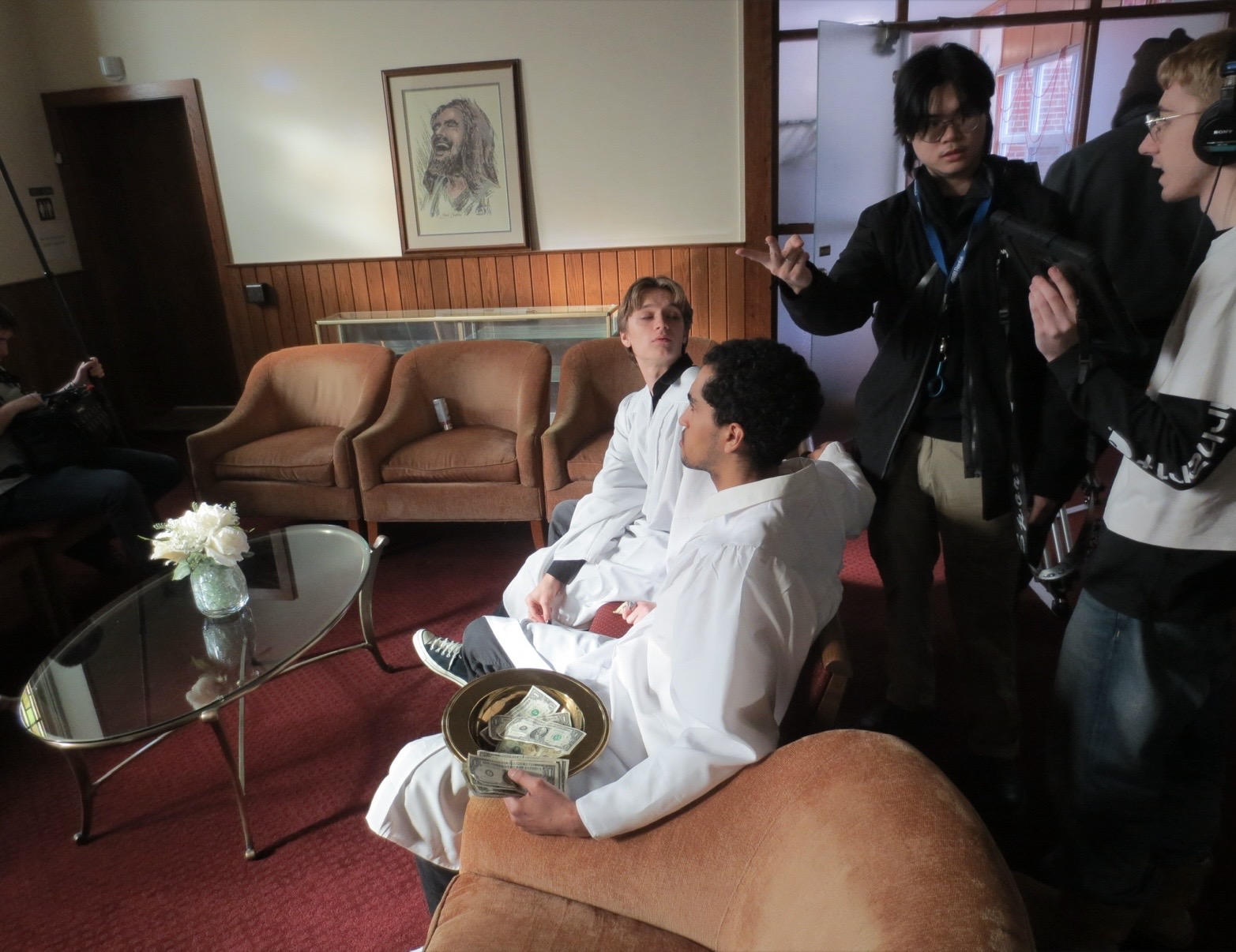
I’m so glad we get to talk about this. From the very beginning, I looked for actors who not only saw these characters through a non-villainous lens, but who I thought juxtaposed them as people entirely and challenged them as actors. If it’s okay, I want to take a moment to speak about how I worked together with the three leads in the show.
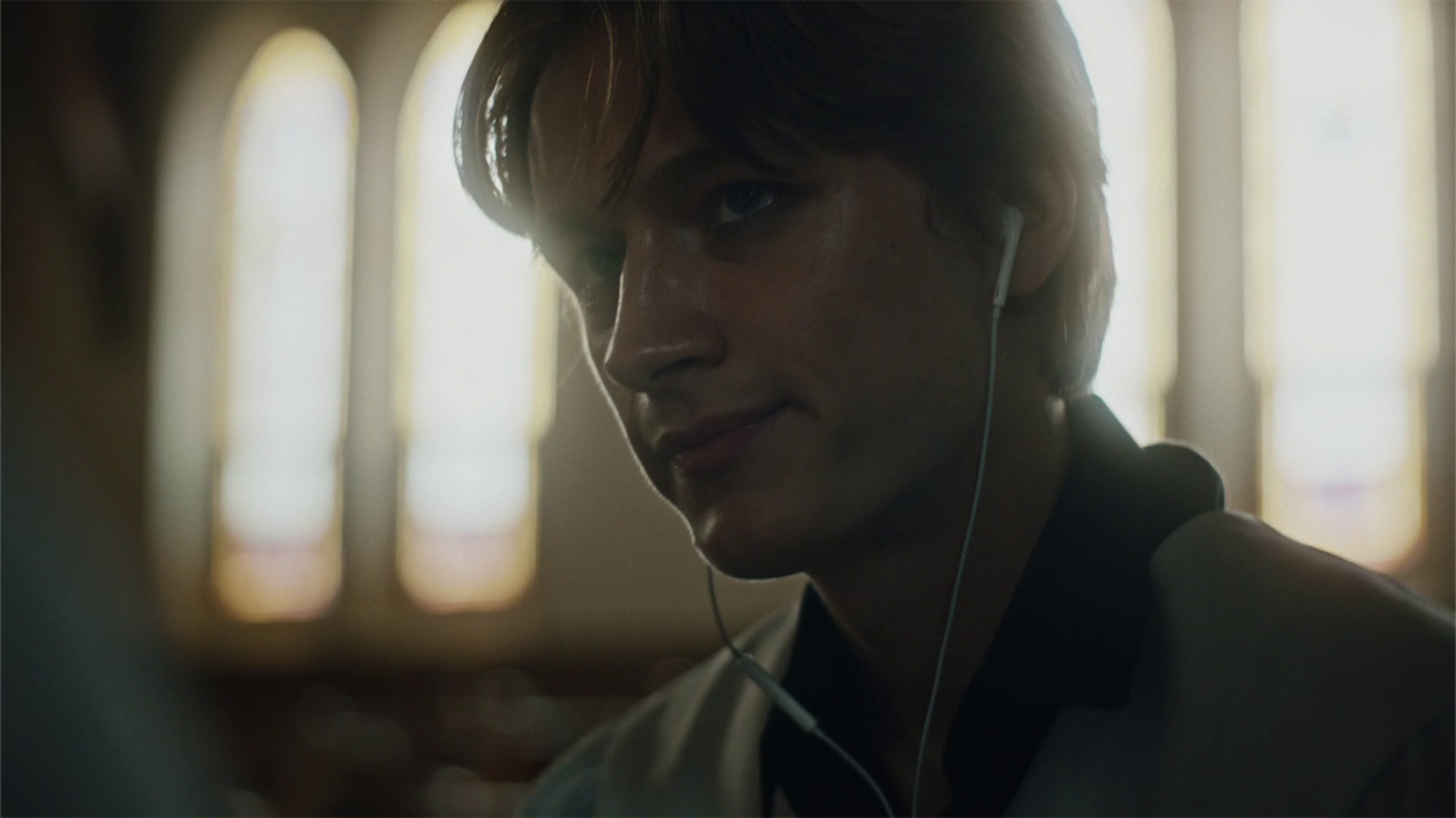
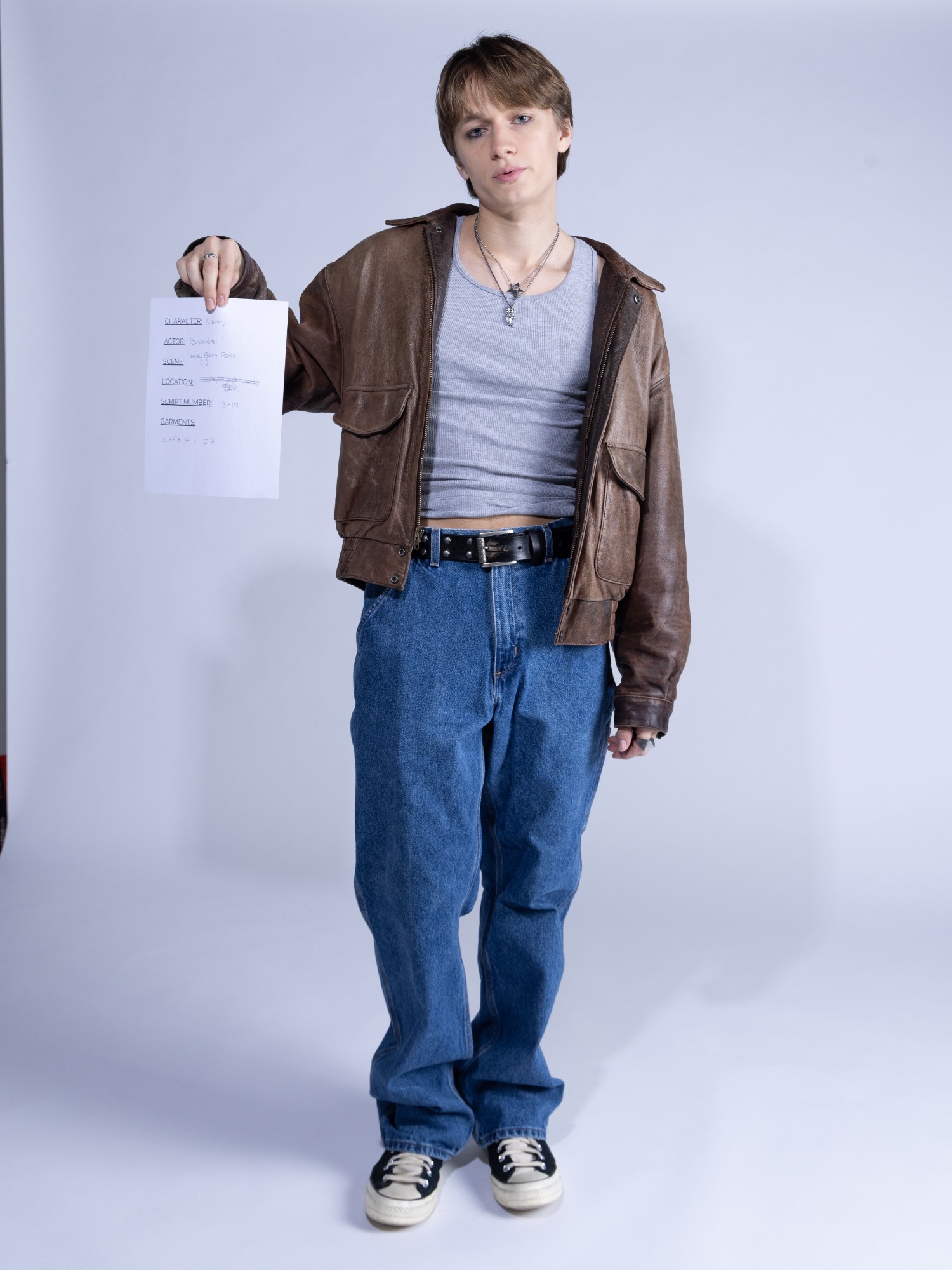
On the page, the character of Larry is even crueler than we might notice on screen. His body language, his dialogue, he’s a real manipulator. Brandon Engel, who plays him, and I had many conversations leading up to production about keeping his mean nature lived-in rather than performative. We found his relationship with his sister, Dove, the most fascinating. When isolated, he’s loving towards her, yet when they’re around others, he becomes more of a bully. There’s a lot of insecurity and jealousy there, which Brandon and I often discussed as we worked on ways to incorporate it into his performance.
It’s a layered, very human performance that I feel often gets underappreciated.
Working with Kimberly Cruchon Brooks on Janet was a dream come true. I’m lucky to call her a long-time friend and collaborator. In real life, Kim is theatrical, hilarious, loud, polite, lovable, and more. She couldn’t be further from Janet, which is exactly why I needed her to play her. We had many conversations about her character, who she was at different ages, why she does what she does, and how she sees the world. All of them melted into a single topic: intimacy. I myself am quite closed off and threatened by the kind of exposure that comes with it. I guess you could say Janet is my self-insert in a way. Where we differ, however, is that once I’ve been exposed in that way, I don’t then feel the need to take back my power in the way she does, but both Kim and I found Janet’s choices (questionable, as they are) to be delicious, relatable, and deeply tragic.
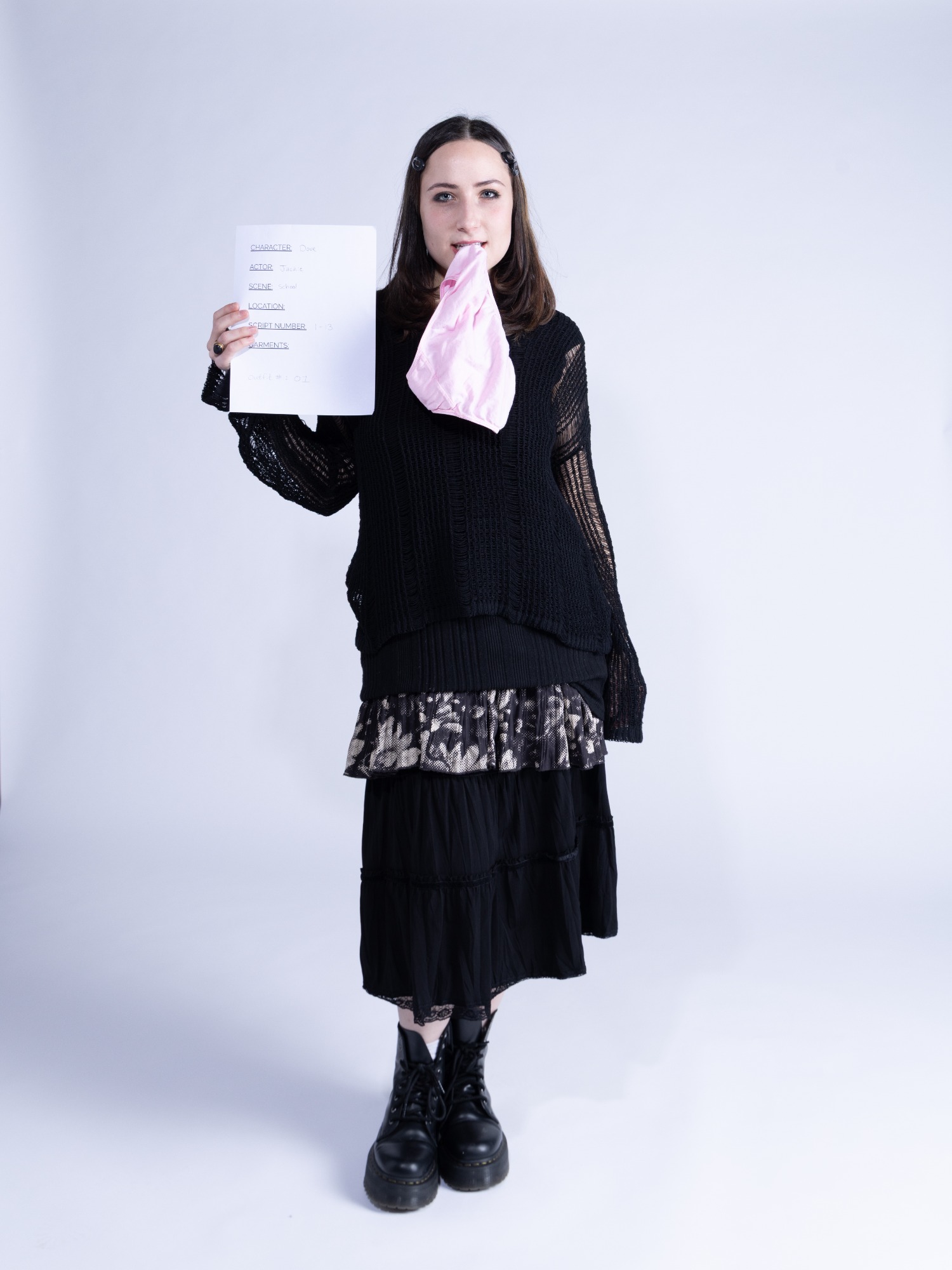
And finally, there’s Jaclyn Iskow, who plays Dove. Jac and I went to school together in Detroit, and have also collaborated a few times beforehand. Like both Janet and Larry, Dove is quite the monster on the page. With even less dialogue than the others, she feels even less morally grey, so in casting her, I knew I needed to find someone special who could balance her darkness and innocence with ease. Unlike Kim and Brandon, Jac is not classically trained as an actor. While some may see this as a disadvantage, I thought it gave Jac an upper hand as she brought herself into Dove and allowed her performance to be very subtle; it gives Dove a very secretive nature that I find so perfect on screen. When we watch her panic, her smile, her freak-out, each one feels like there’s a world beneath her skin that we’re not privy to, and I adore that. It’s a layered, very human performance that I feel often gets underappreciated next to the other, more outward performances in the show.
You’ve talked about wanting the sound and score and the soundtrack to live in the body—tension, butterflies in the stomach—rather than just signalling mood. That’s composing for the gut, not the ear, and it’s doing it under a film that barely speaks. What were the actual techniques you and your team used to manufacture that physical unease, and how does the score manage anticipation across the episode, given how much of the dread here is about waiting rather than the event?
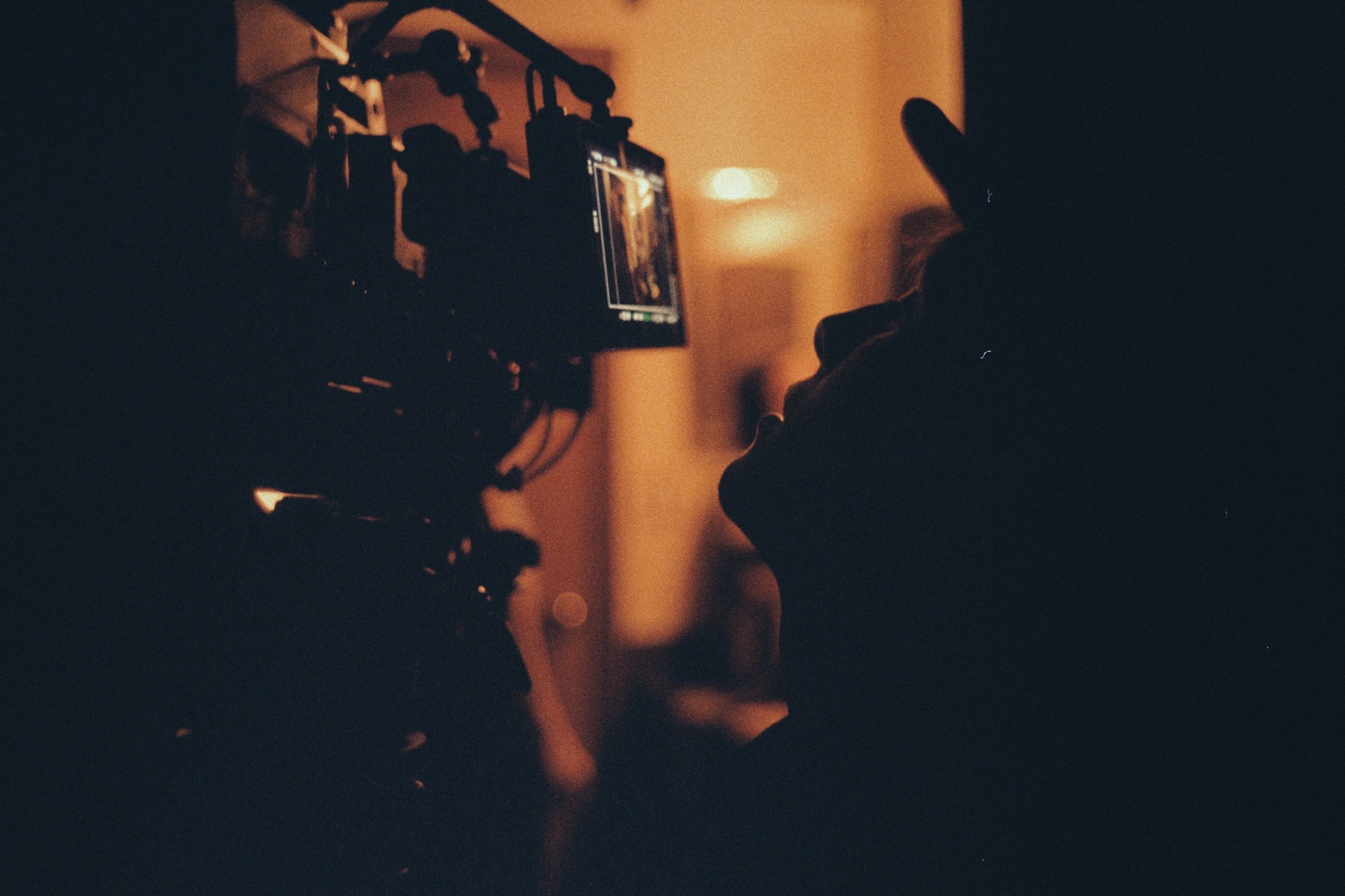
The score was composed by the brilliant Ben Fox Smith. This is actually his first film score, funny enough. He and I worked closely on the music, trying multiple things before we landed on this guttural anticipatory one. For a while, we were scoring the outside—the events, the movement—rather than scoring from the interior of the characters, which I felt was crucial due to the lack of explanation for their actions, as you had mentioned before. If we don’t know why, we can at least understand how these characters feel, which can suggest a history within them. The eagerness, the familiarity, the fear, I wanted us to feel right there with them. I think the best example of this is Ben’s piece when Dove examines the cat. We wanted to hear the butterflies in her stomach, which I think he executed beautifully.
There’s music by other amazing artists throughout, including Skin (Hailey Howe & Henri Jones), as well as from Peachhole and Tareneh, two amazing bands. Their songs weren’t composed for the sake of the pilot, but they were kind enough to allow me to use them in the finished piece.
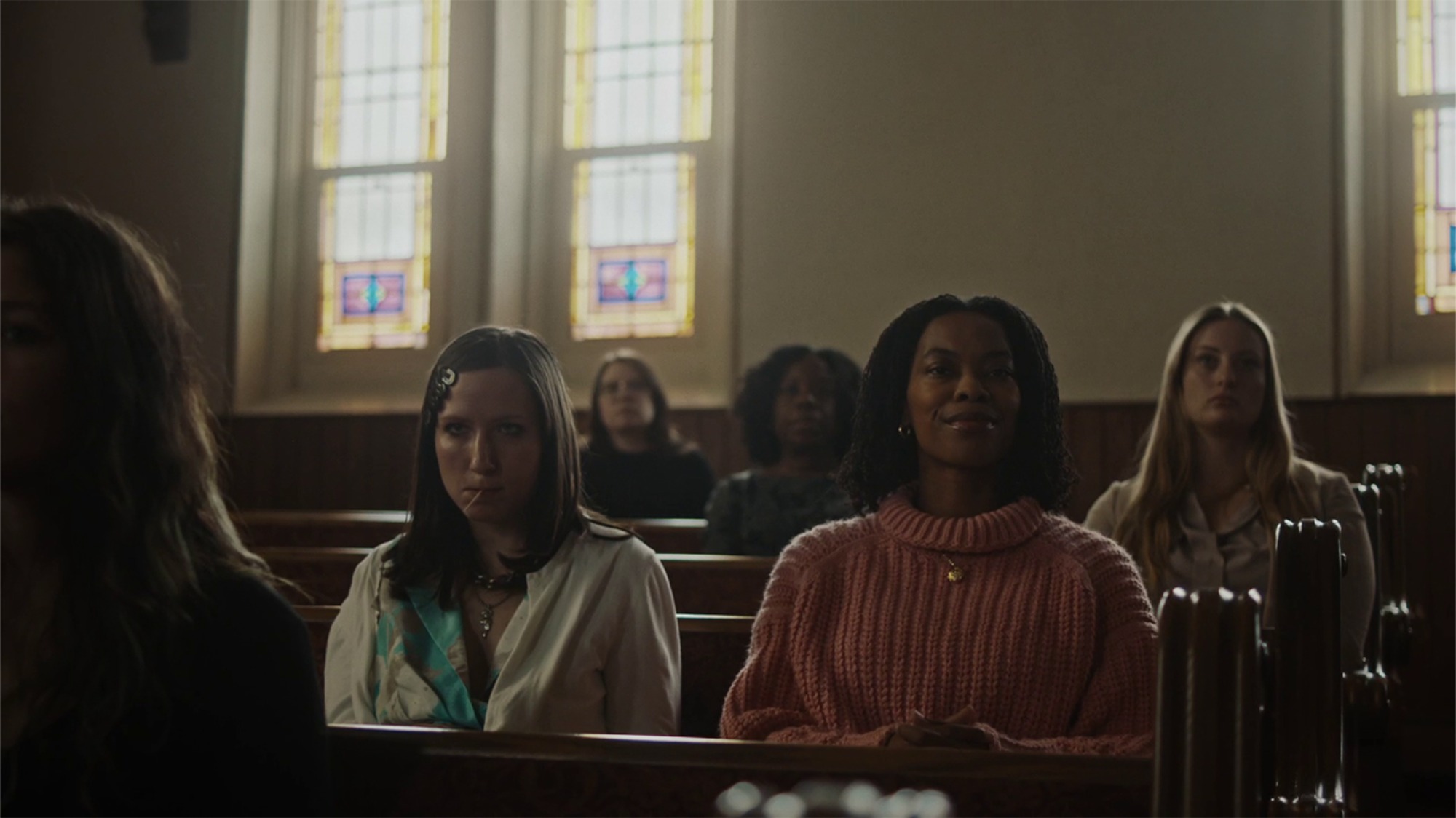
The pilot is quietly doing three jobs at once: it works as a self-contained short, it’s episode one of a series and it’s effectively a proof of concept that could scale to a feature. Those pull in different directions but work! Where does the series go from here and are you working on anything else?
Thank you for asking!! My goal for the show was to create a one-season limited series. I have everything planned out. The main storyline revolves around Janet and Dove, with Janet attempting to groom Dove into the killer she is destined to become. Alongside this journey, we also follow Larry as he seeks attention from both the Reverend and her son in an attempt to make himself whole. You might find it surprising, but I actually intended for the show to explore humanity rather than focus solely on darkness.
What’s the short film you keep coming back to — the one that showed you what the form is actually capable of, and why did it catch your attention?
Oh, there are so many. I spend an unhealthy amount of time watching short films daily on platforms like Directors Notes, No Budge, and Vimeo Staff Picks. Antonio Marziale’s Starfuckers is an all-time favorite. I feel like I haven’t been able to escape since I’ve seen it. So romantic, yet also threatening. Brilliantly written, directed, performed, edited, you name it. It inspires me endlessly, and I love rewatching it.