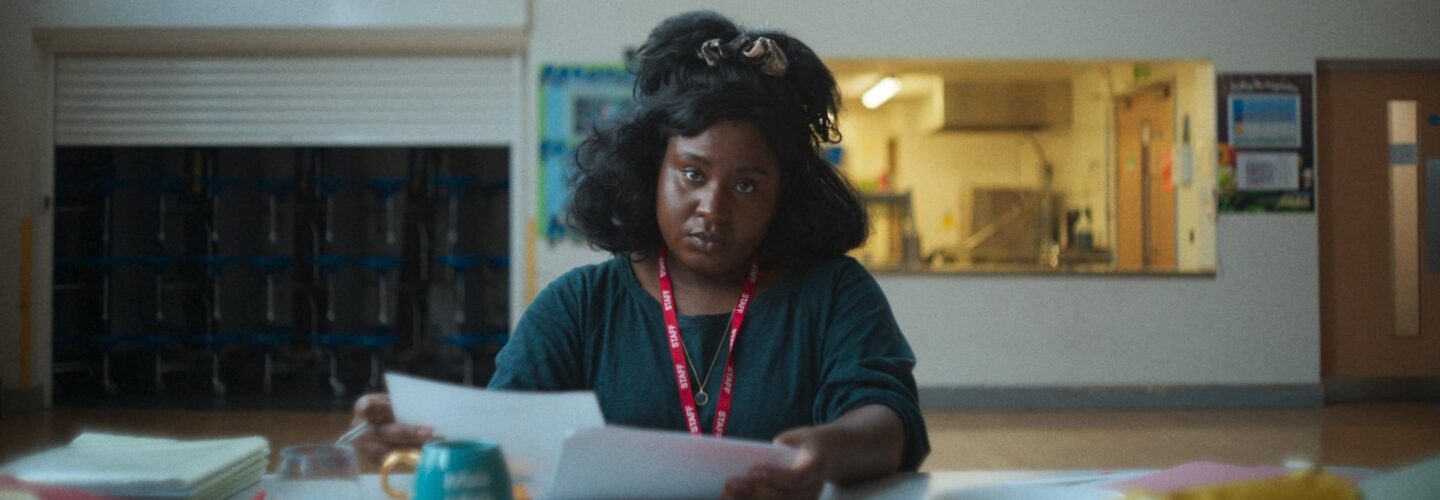
Who’d be a teacher? It’s a famously underpaid, undervalued and overworked profession, wherever you are in the world. It’s also one rife with emotional and ethical minefields, particularly when dealing with children who may be in your classroom but are not in your care or custody. Actor, writer and comedian Susan Wokoma adds another string to her bow as director for Dark Skin Bruises Differently. The emotive short explores the blurring of boundaries between well-meaning teachers and struggling students, alongside the racial stereotyping and predetermined expectations faced by people of colour in the education system. Drawing on her own childhood experiences and inspired in part by a tragic, high-profile child murder case, Wokoma joins us for Dark Skin Bruises Differently’s premiere today and talks to Directors Notes about producing and directing her short drama while also taking the lead acting role. We also discuss how she assembled her antagonistic ensemble, finding her own shining child star to play the role at the heart of the story, the London exhibition that informed the film’s visual language, and the risks she was willing to take to bring it all to the screen.
Dark Skin Bruises Differently is an amalgam of your own childhood experiences and being incredibly mindful of the Victoria Climbié abuse and murder case here in the UK. What drew you to tell this story and how did you approach writing it?
The Victoria Climbé murder, it’s haunted me since I was a little girl and I wanted to explore some of the reasons why a young girl in danger might not get saved. Or be believed. During her life in Britain, Victoria was known to four local authorities (four social services departments and three housing departments), two child protection police teams, two hospitals, an NSPCC centre, and a few local churches and yet not one of those authorities saved her life.
The case has always haunted me but it wasn’t until I became an adult and started discussing instances that occurred in my childhood with other black women that I realised why it especially resonated – there was a commonality of a particular experience between us all and that experience was the ‘adultification’ of black children. Be it at home, at school, in a newsagents or Woolworths at the weekend, presumed misbehaviour was something we constantly faced, innocence was rarely assumed and protection (at worst) was never offered. The ‘Strong Black Woman’ trope starts in childhood it seemed. I have wanted to explore the very notion of belief for a long time now – who do we believe and why? Can advantages be found in who we easily believe and who we don’t? What happens when this knowledge of ‘adultification’ is weaponised by people who really should know better?
I have wanted to explore the very notion of belief for a long time now – who do we believe and why?
I have wanted to write about the ‘adultafication’ of black children for a very long time but I just wasn’t sure how much of my own ‘adultification’ I wanted to really explore. You see it all the time – the young black girl in a London secondary school that was strip searched a couple of years ago and even the way Nolan Wells’ mother had to correct a reporter from describing her 18 year old son as a man. Coming of Age movies have always been my favourite kind, but now I’m 38, I am realising that my attraction to them was because I had to grow up very, very fast. It’s almost like science fiction to me. This film was always going to be a personal pivot and so I was determined to avoid melodrama and cliché. It says a hell of a lot without saying too much and that’s always how I was going to approach this story.
As a producer on the film, alongside Maëva Demurger, what was the process needed to bring that script to the screen, challenges faced, and how long did that process take?
Well, I wrote it in a couple of days. I’d just had my directorial debut feature completely fall apart and I needed to make something, fast. The main hurdle to making anything is funding so I knew from the jump that I would finance it myself. Maëva I’ve known for over a decade and knew she was a tremendous producer who just gets shit done. I presented her with how much I had, which was £10k and the script. She obviously didn’t love the budget (lol) but she truly fell in love with the script and so we set about contacting everyone we knew and trusted and loved. From me first approaching Maëva with the script to the 2 day shoot was all in all 5 months. Completely and utterly incredible.
Most Popular
My dear friend Deborah Frances-White came on as an EP with an extra £2k and we were away. Post took longer, another 6 months, but everything was more or less favours and people working around their actual paid jobs. 13 months after sending Maëva the script, we were submitting to festivals. It was an electric feeling and I loved every single minute of it. The hardest challenge was not having an edit budget but again, we kept meeting people who believed in the story and were willing to go old school and just HELP. I’m sure Maëva could tick off a litany of challenges but honestly, it was the smoothest creative process I’ve had as a writer and producer and director – all thanks to Maëva.
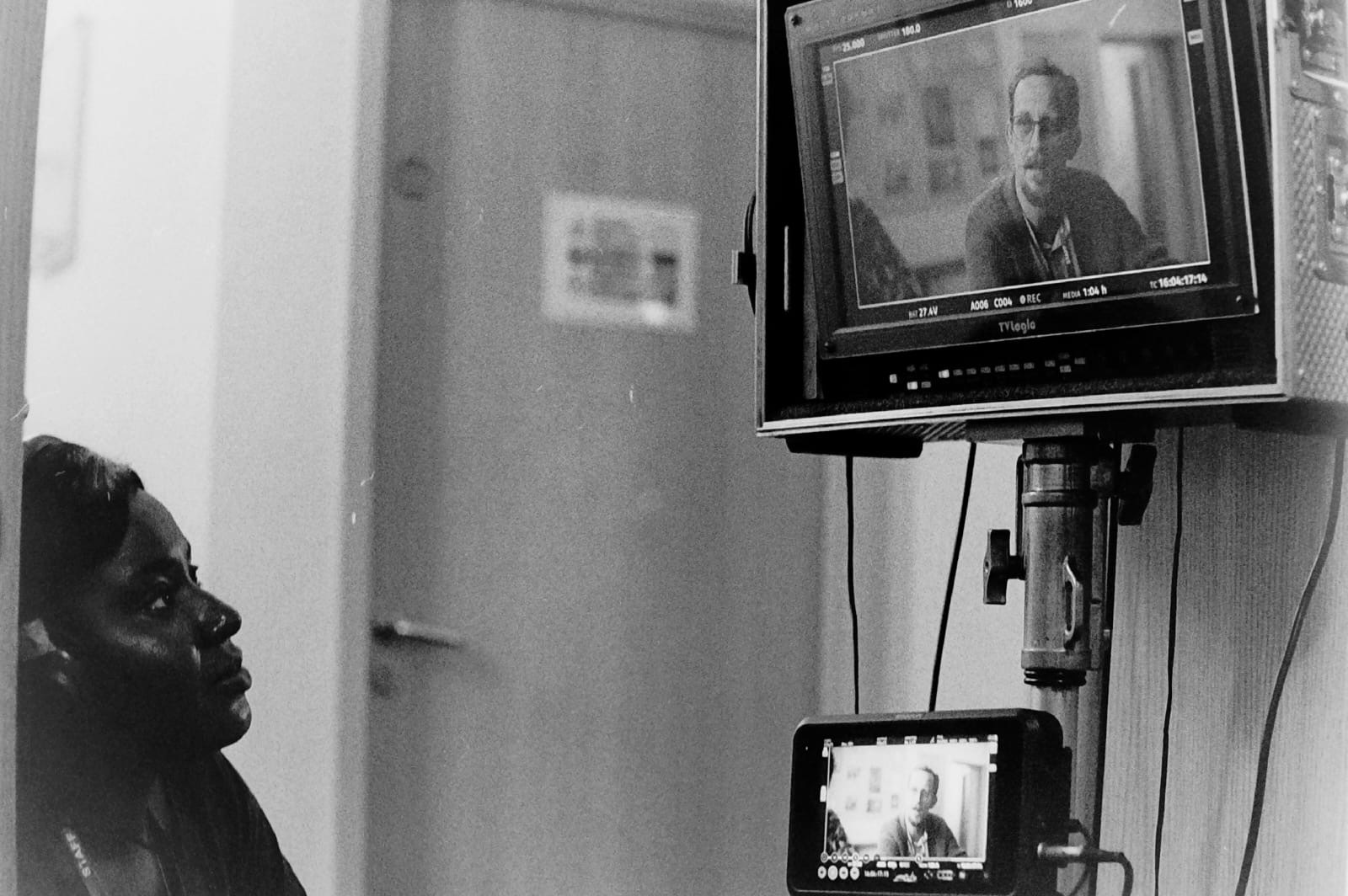
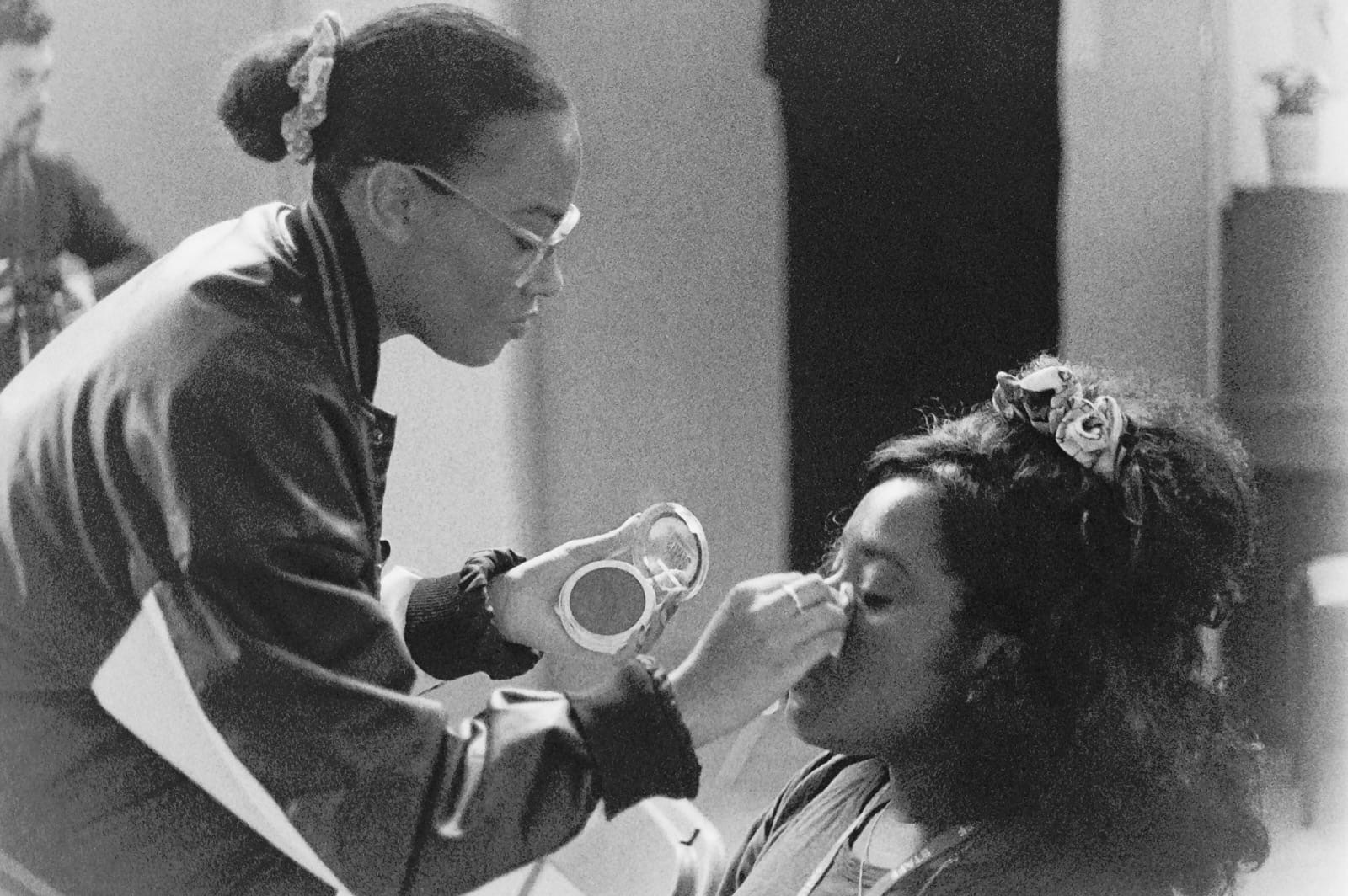
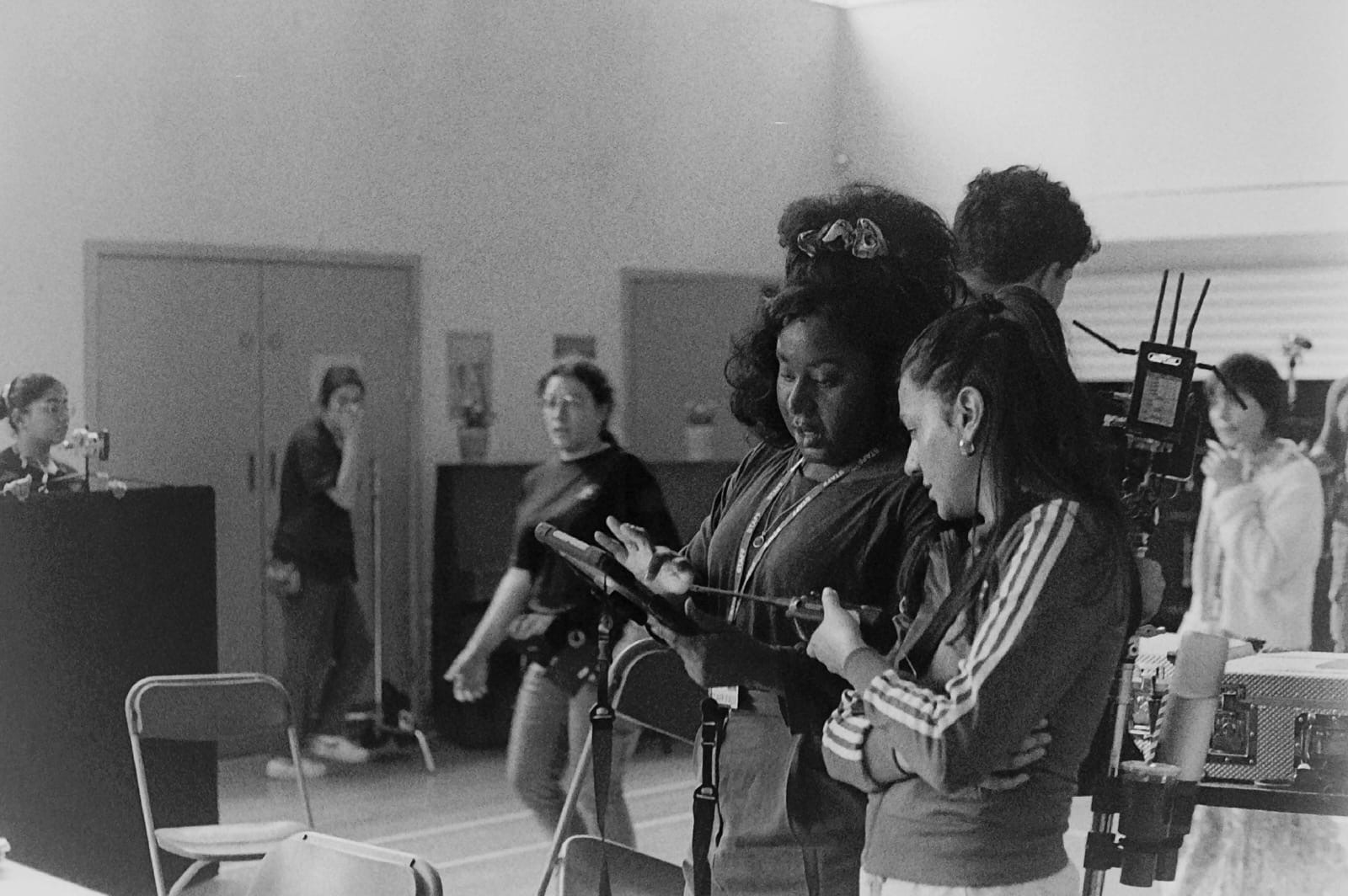
As well as writing and directing, you also star in the film. Was that always your intention and what was it like juggling all those roles?
In the unwritten version in my head, Ms Lawson was white because the real ‘Ms Lawson’ was white. It wasn’t until I sat down to write it that I thought actually it could be interesting if there was an element of self-betrayal in how Ms Lawson saw a bit of herself in young Maria – and the story opened up in a big way. So much more layered and interesting. I found juggling all the roles quite easy.
Doing so much comedy makes you very bloody skilled at making decisions and improvising – especially as a woman where you’ll often get sidelined in comedies in favour of the boys’ club. You end up self-directing, self-noting and being a bit of a Swiss Army knife of a performer. But kudos to Maëva, who is a very direct and transparent producer, which I LOVE. It’s super rare. If there was something I didn’t understand when it came to the producing, she’d break it down. She also knew EXACTLY when to take me off the email thread!
It wasn’t until I sat down to write it that I thought actually it could be interesting if there was an element of self-betrayal in how Ms Lawson saw a bit of herself in young Maria.
You have a brilliantly antagonistic ensemble cast of teachers. How did you go about casting them and working with them in rehearsals/on set?
All the adults I knew – Zainab Hasan, I met 10 years ago on a play in New York and think she’s one of the most beautiful understated screen actors. Charlotte Randle is a close friend who again I’m a big fan of and just knew she’d body the role. Leo Bill is one of our finest actors who also happens to be married to Maëva, which was very kind of them to come as a pair! Nah, honestly, he got the heart and politics of the film straight away and just leaned in in such a profound way. Stephanie Cole, our main antagonist, is a childhood friend of mine who I did youth theatre with in Deptford. However, as a result of a litany of serious chronic illnesses, didn’t become an actor. I’ve always loved her as an actor and I thought now is my moment – the lovely thing about producing your own film is money people can’t tell you shit.
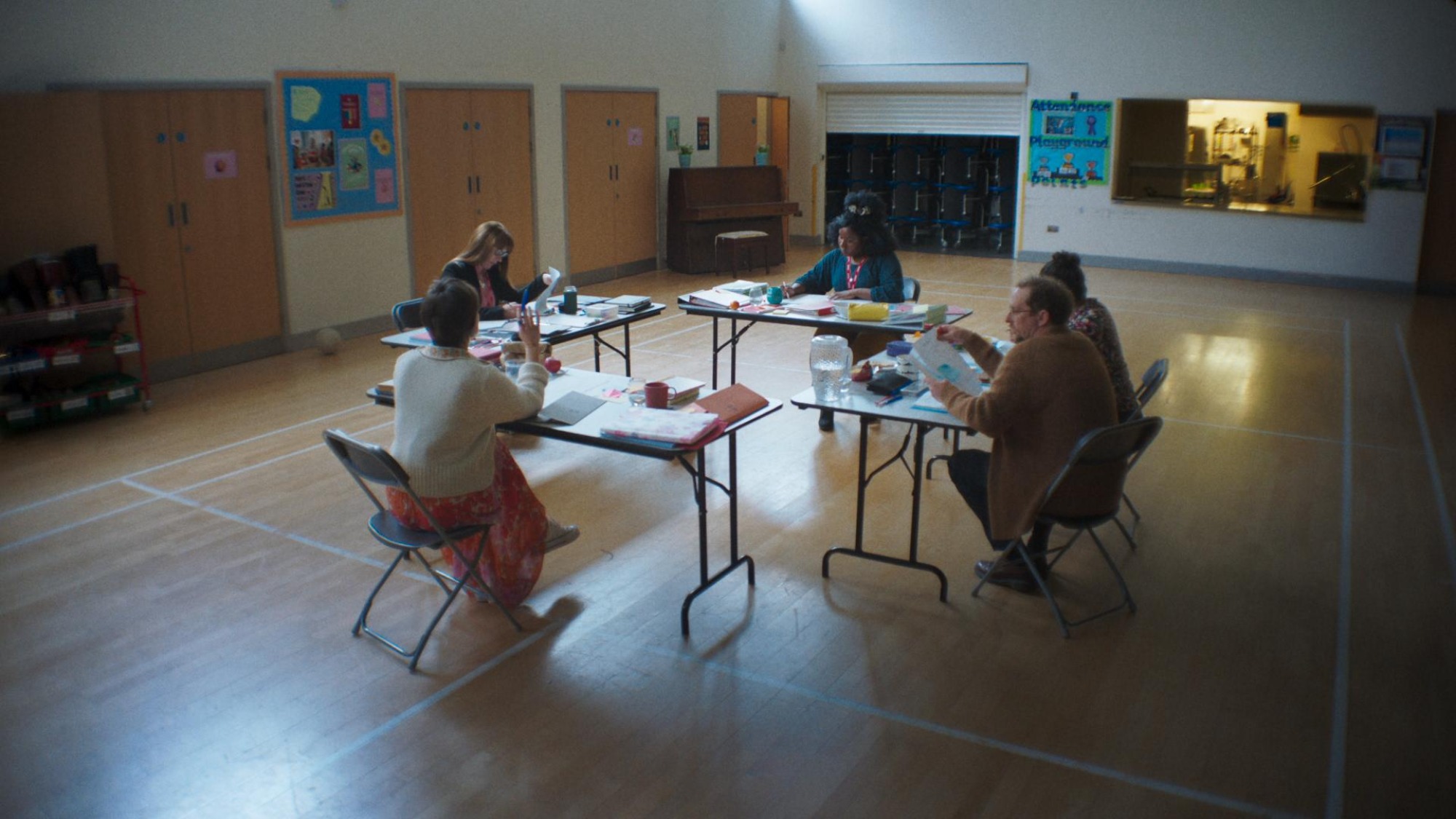
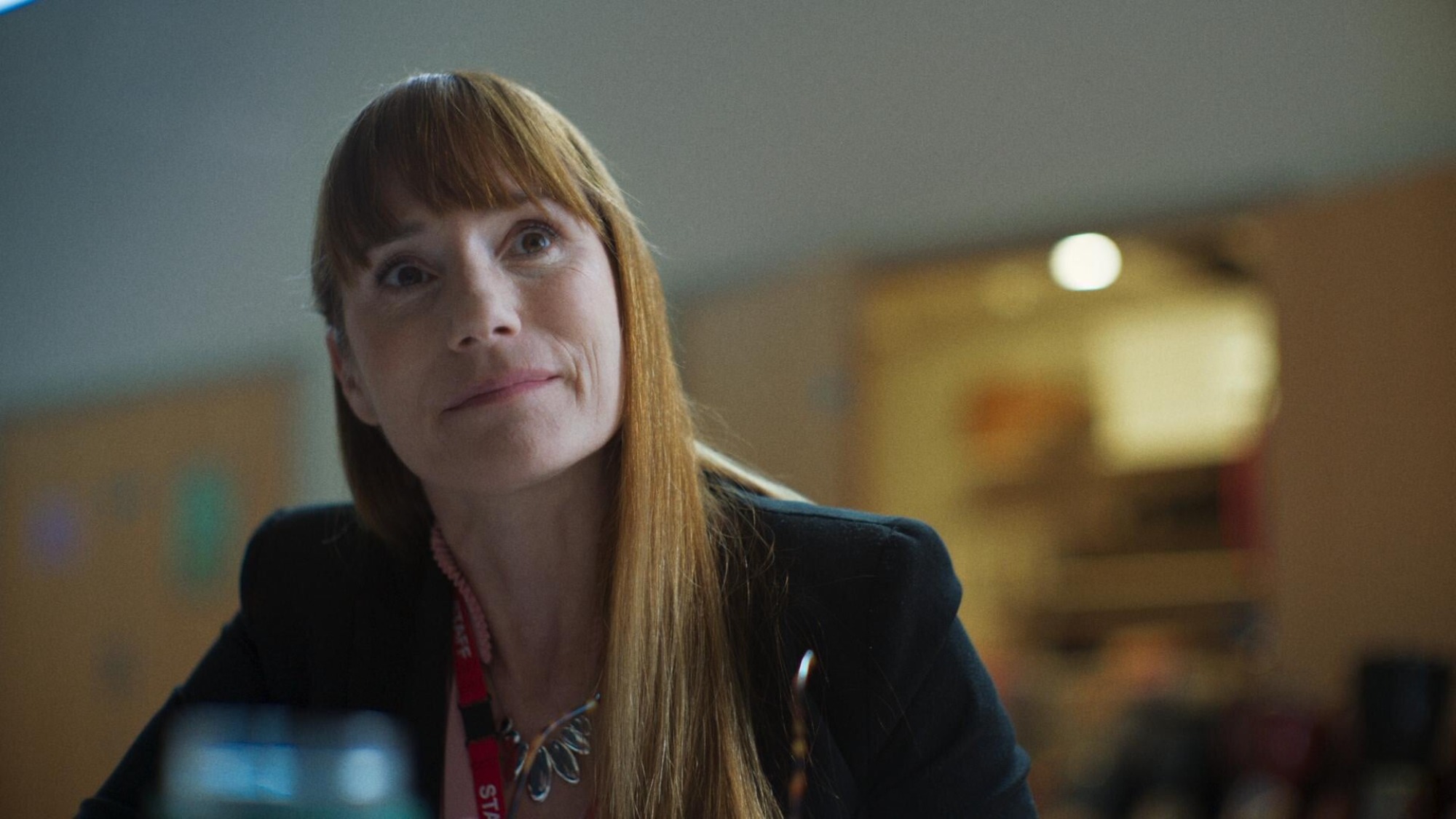
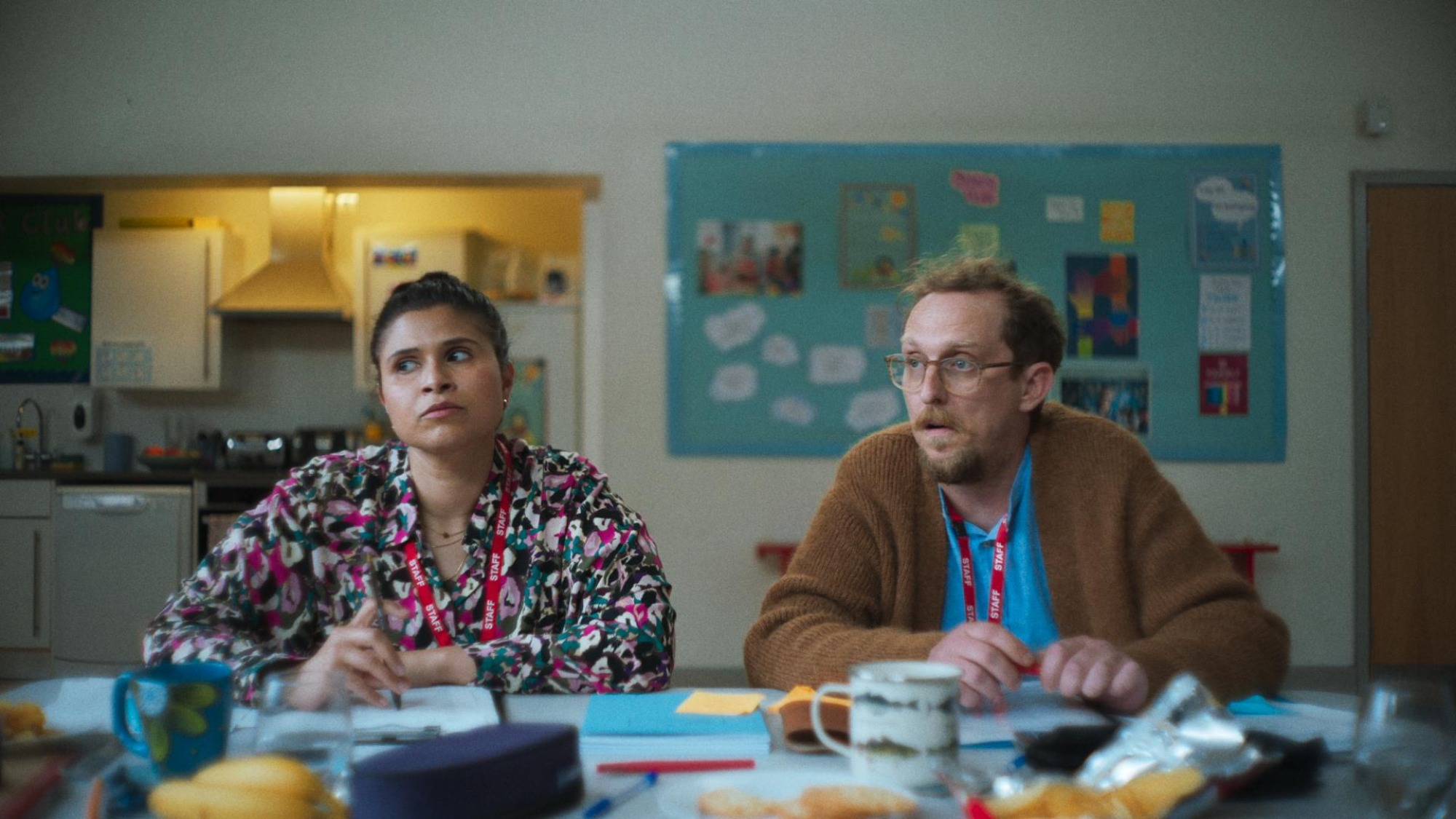
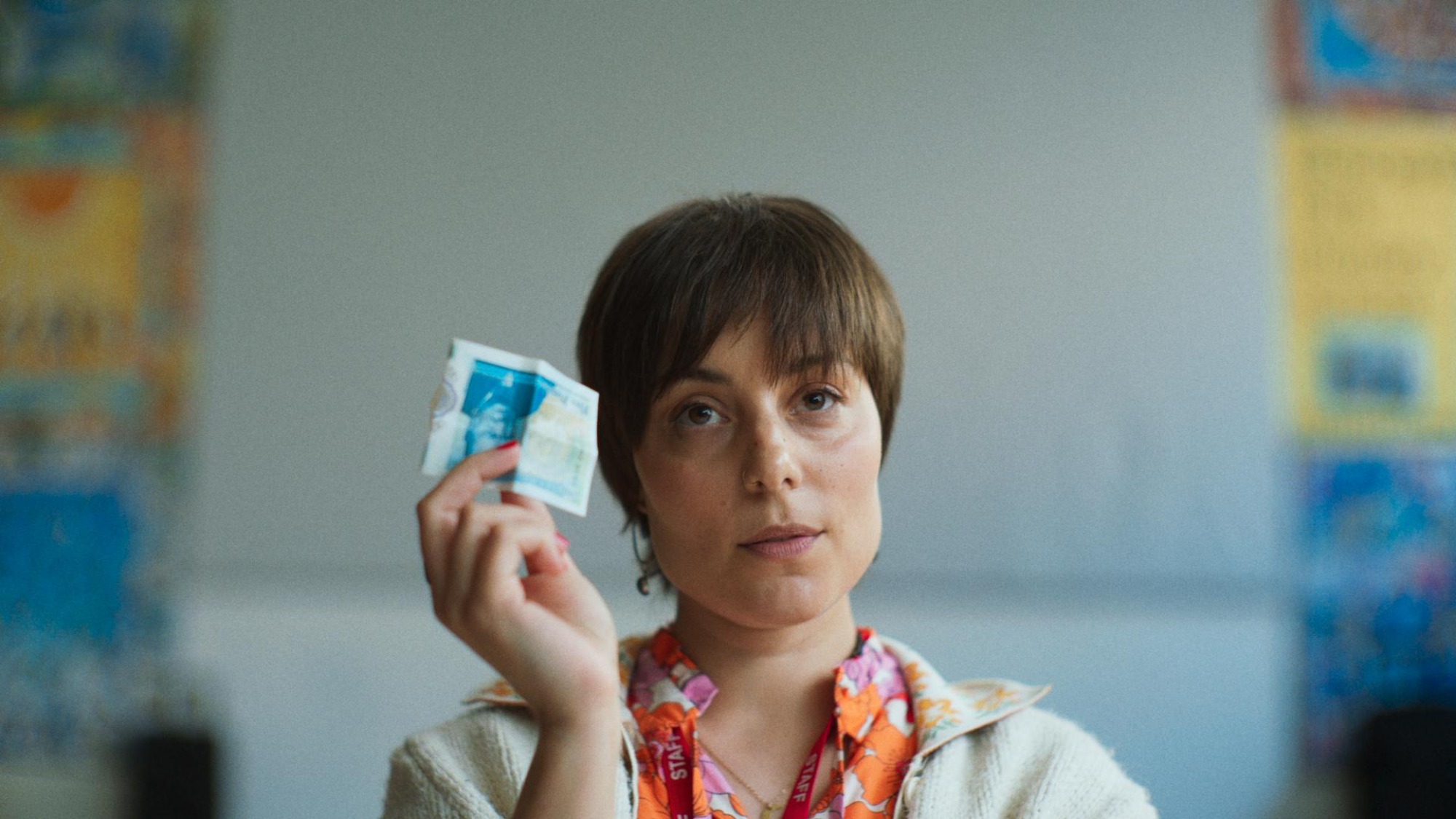
The way I’ve heard producers talk about so-called bankable actors – even crew – would make you vomit. I had a female producer once say I should choose a particular male DOP cos he was sexy. What does sexiness have to do with how you fucking shoot something? Honestly, if shorts aren’t the space to take risks, then when can you? So, Steph was in. The final ingredient was finding our child actor to play Maria. This is where the fantastic Tamsyn Manson, our casting director came in and found a corker!
The lovely thing about producing your own film is money people can’t tell you shit.
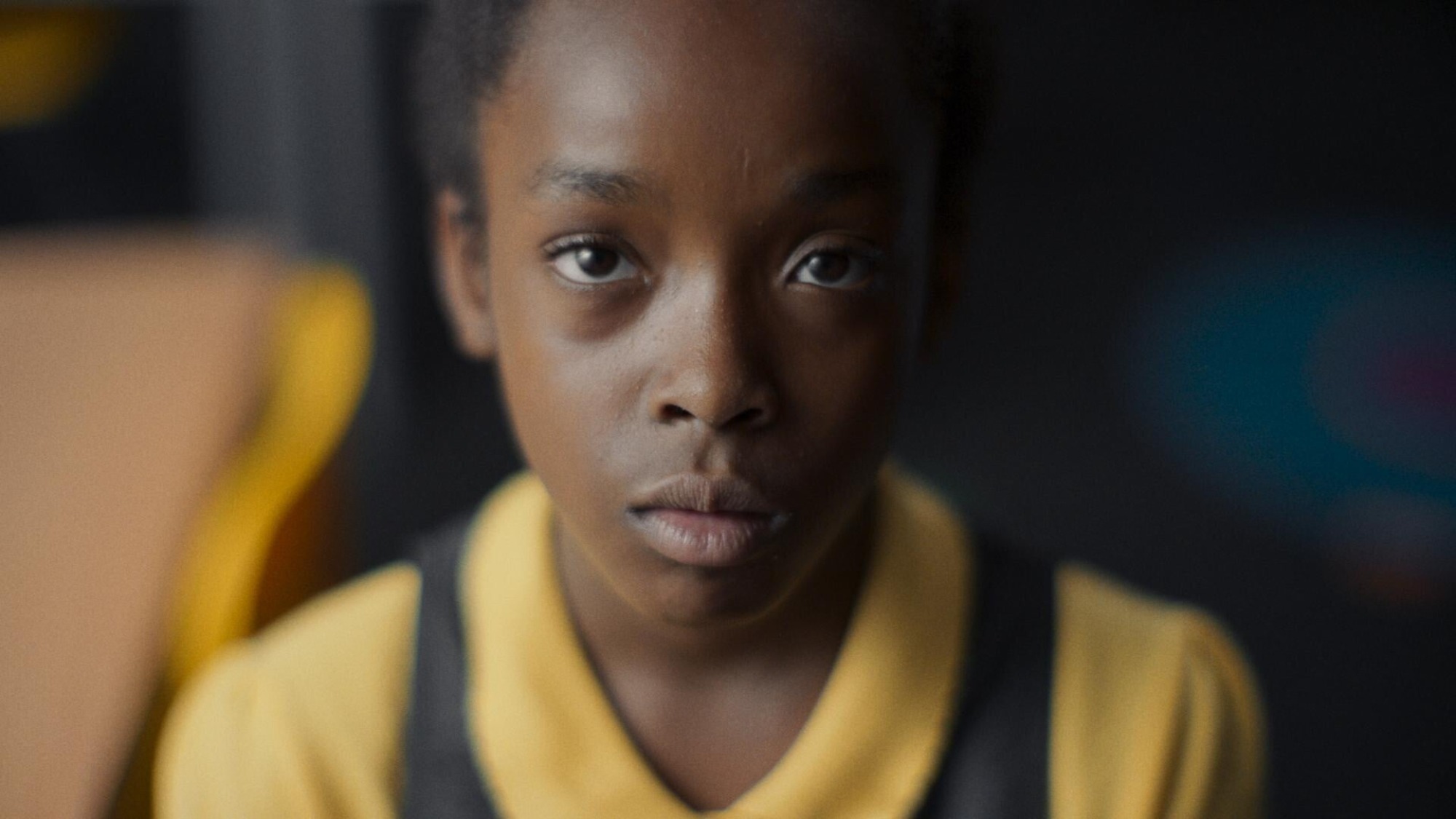
Of course, Moizelle Olaleye is quietly heartbreaking as Maria. How did you cast her and what was it like directing a child actor?
We sent out a call for self-tapes which I just bloody hate because it’s not the same as being in a room. However, with school and whatnot, it made sense to let these young performers record in their own time. Tamsyn, Maëva and I then whittled this number down to, I think, 4 actresses to meet and Moizelle just… had it. Being a child on TV and a child actor, the key is there’s just a magic to it. There’s an instinct to how a fantastic child actor actualises story and you’ve got to step out of the way of it.
As for directing a child, first and foremost they must feel safe and free. I remember telling the crew before she arrived that we have to treat this like a day at Disneyland for her. I don’t want her to even smell a drop of stress and Moizelle just glided. We are very, very lucky. She makes the film. Thank you Tamsyn!
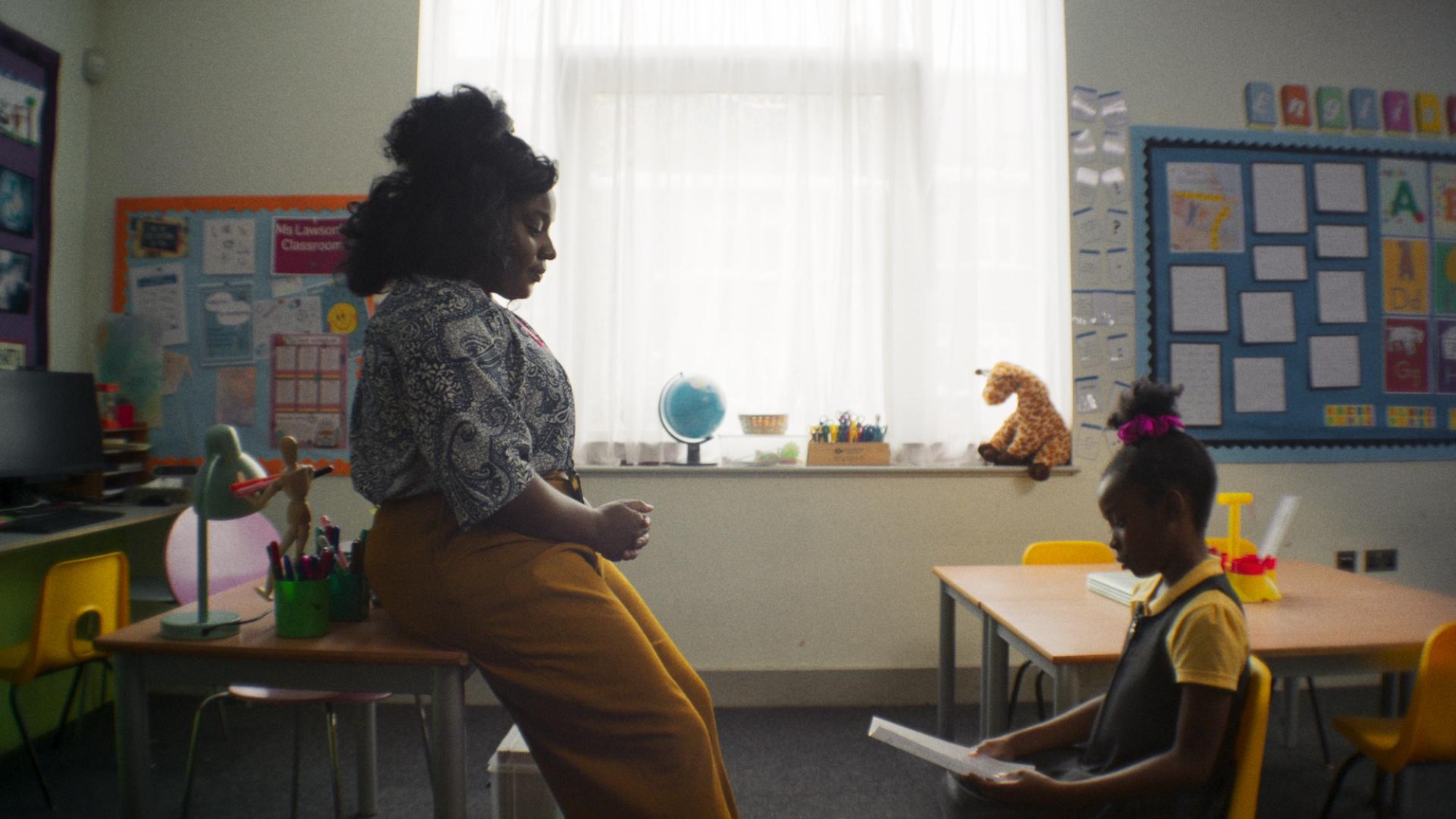
The film was visually inspired by the Lagos, Peckham, Repeat: Pilgrimage to the Lakes exhibition at the South London Gallery. What about that aesthetic inspired you and how did you go about creating that with your cinematographer?
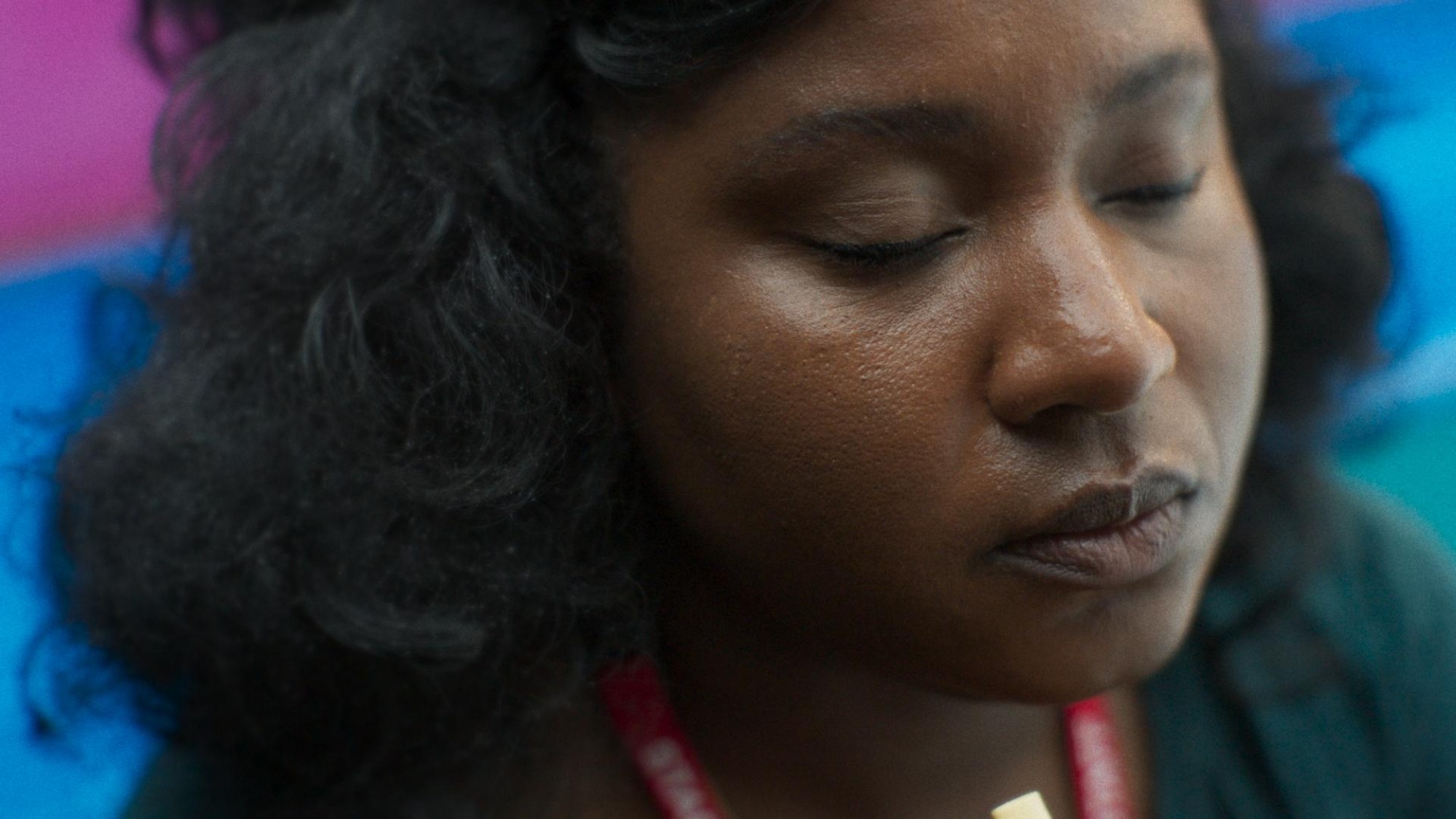
Goodness, it was such a gorgeous exhibition – there was such a sense of archived familiarity to it. Extremely personal and grainy, with so much care given to how dark skin was captured. This was a 2 day shoot, shot with an Alexa 35 on digital by Ben Cotgrove, our DOP, who was positively fizzing with excitement when I shared the images with him and it’s definitely what I want to push when we make the feature.
A sparsity in the soundscape lets the words of the teachers and the sound of the school fill the void, with only a touch of score at the end of the film. What was the creative choice to keep music to a minimum throughout?
Music is so powerful in film – all you’ve got to do is compare the film Drive with its original soundtrack vs the Zane Lowe reworking. It’s not the same film. So, in lieu of a massive budget, I didn’t want to crowbar in music that I couldn’t agonise over for months and months. That was my original thinking. Then I thought about the purposeful economical use of Maria – the fact we hear so much about her but only hear her actual voice right at the end. Then I thought, “Aha! We hear children at the end!” That’s where Abide With Me over the end credits happened. We actually used the choir of the school we shot in to sing the hymn so big thank you to Emmanuel Church of England Primary School!
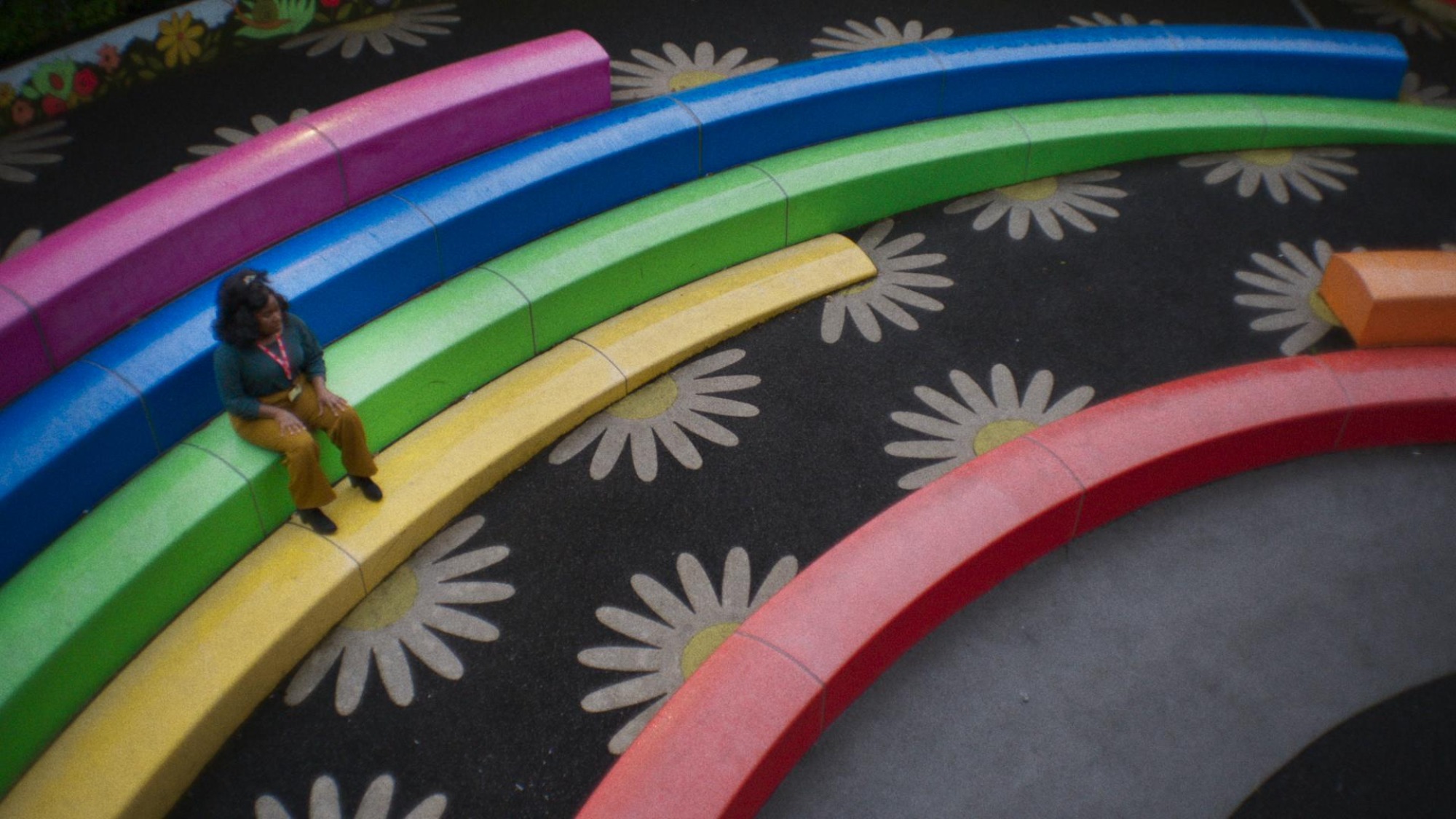
I hope this film challenges people and also encourages audiences to examine their own biases and the ripples they might cause.
What has the response to the film been like, particularly from those who have had similar childhood experiences to yours and/or those working in the education system currently?
It’s been overwhelming – particularly during our festival run. To have something live in your mind and body and then for it to be received by people who get it and believe it is a sensation I will never ever get used to. A lot of people also found it frustrating, which is chef’s kiss – I wanted people to leave frustrated, confronted and uncomfortable. A job well done. I hope this film challenges people and also encourages audiences to examine their own biases and the ripples they might cause.
What’s next for you?
I continue the balance of writing and acting because let’s face it, very few people can afford to live in London with one job! But now our festival run is finished, it’s time to lock in and make the feature of Dark Skin – very exciting!
What other short film would you recommend to the Directors Notes community and why?
Shagbands by Luna Carmoon because I am a huge over 90s/2000s coming of age films.