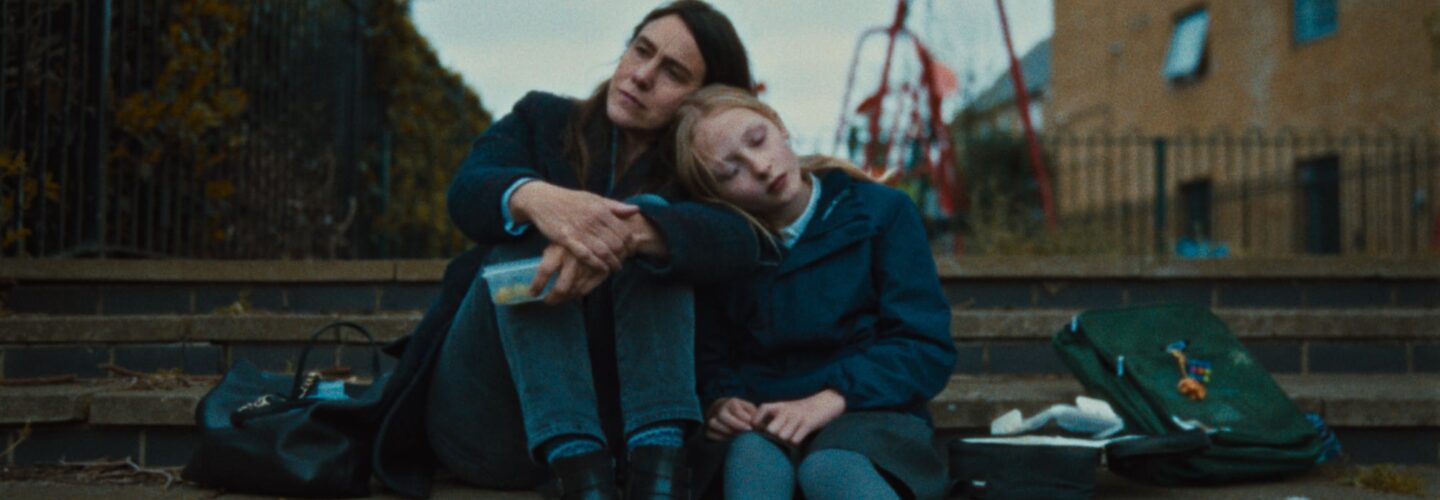
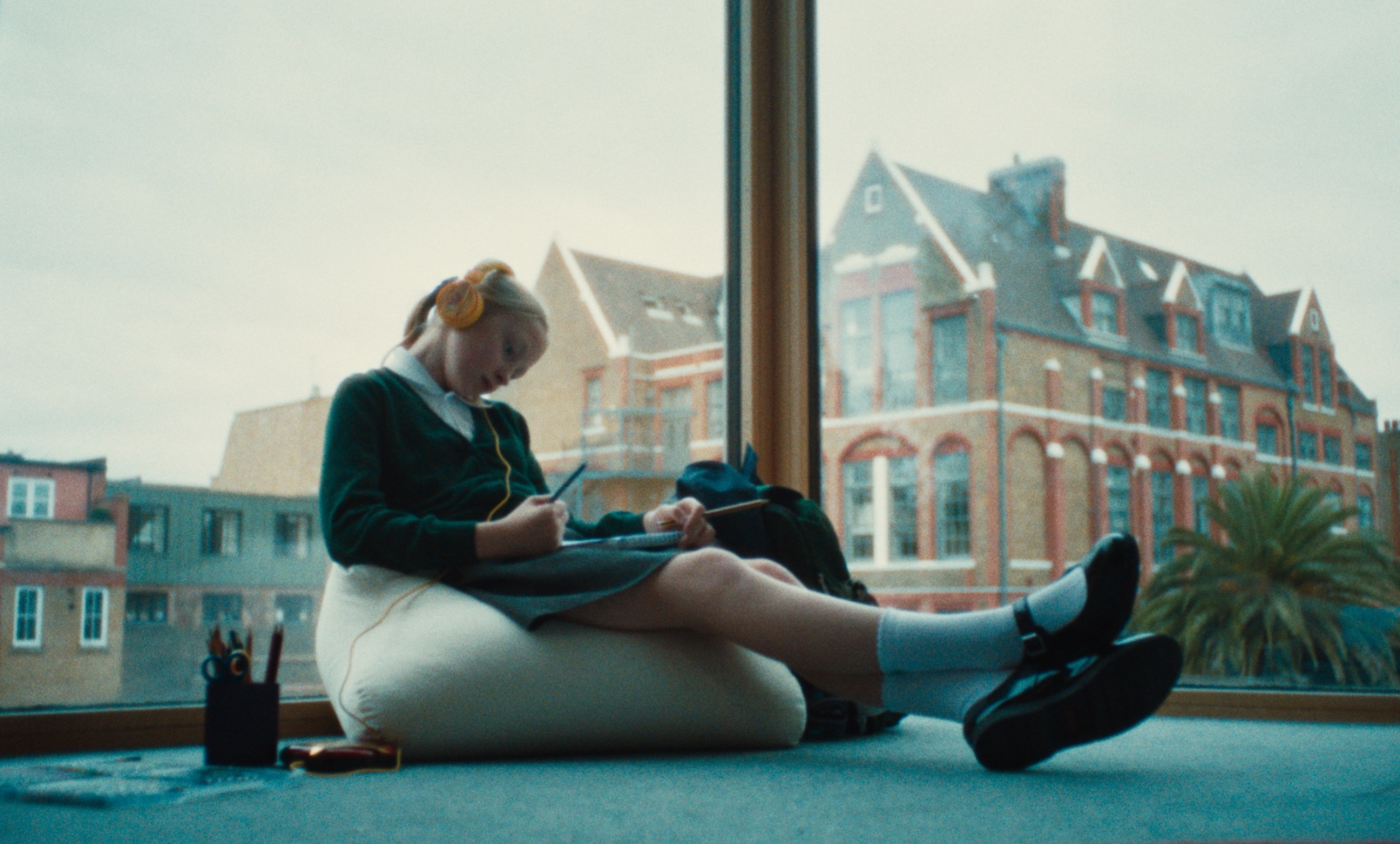
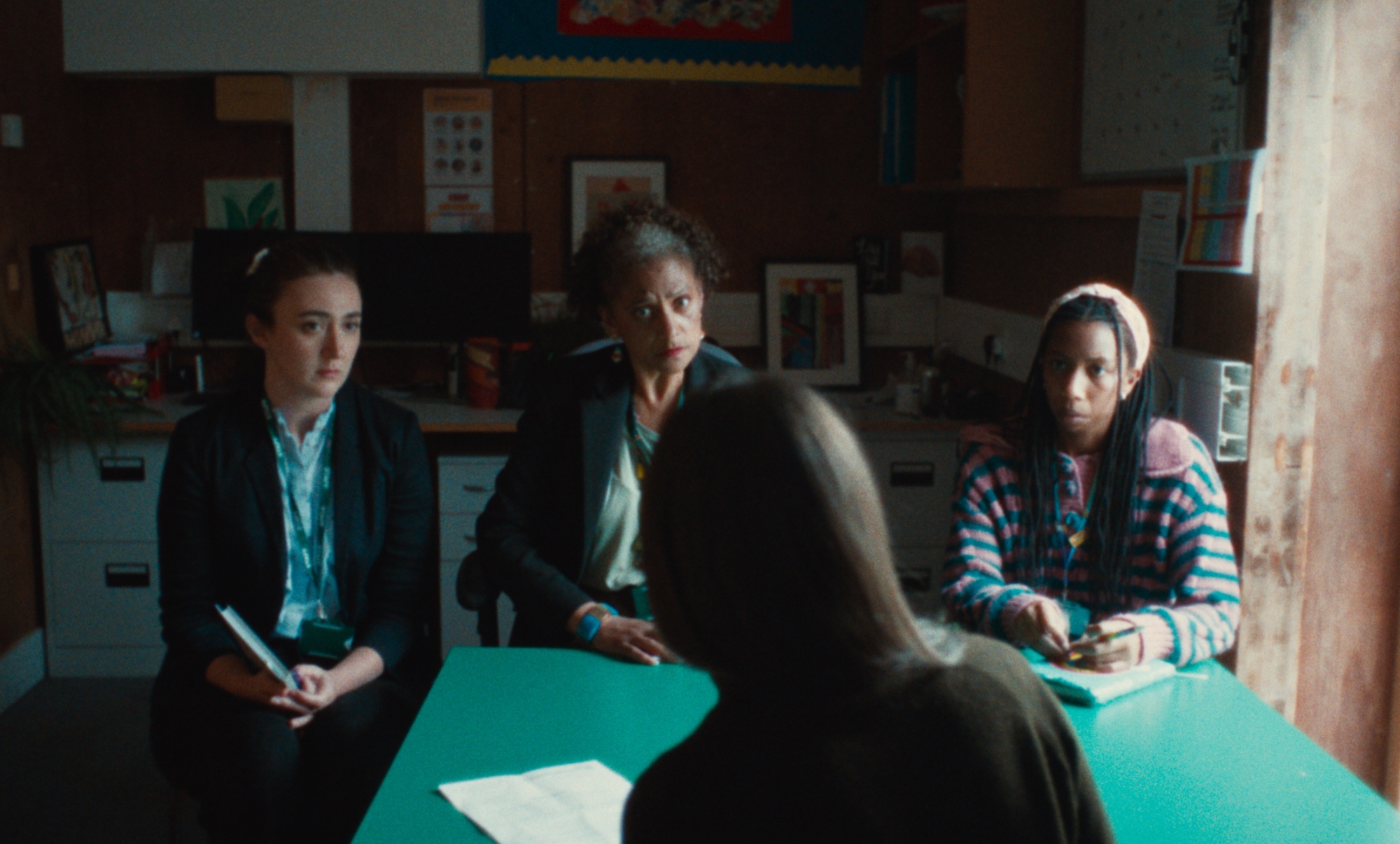
1 in 5 children in England are ‘persistently absent’ from school. Behind this statistic are many families experiencing poor mental health, unmet educational needs, child poverty and years-long waitlists for assessment and support. What if a short film could show us the issue without oversimplifying it? Unauthorised Absence, the story of single mother Anna and her nine-year-old daughter Thea, manages to do just that without falling into vague rhetoric or easy shortcut solutions. Balancing work with raising Thea, Anna tries to ensure that her child, who is experiencing severe school-related distress and is stuck on a three-year waiting list for an autism assessment, is met with understanding rather than punishment. However, at school, her psychological distress is mistaken for truancy, fabrication and bad parenting. How can this uncaring, bureaucratic system be changed? A powerful drama depicting the debilitating heart of the education crisis, longlisted for BIFA’s Best British Short Film award and already sparking debate in the House of Lords, could pave the way towards empathy and a wider series of policy improvements.
Ahead of today’s premiere, which will see Unauthorised Absence screening in more than 70 locations across 11 nations and territories concurrent with its arrival on Directors Notes, we spoke to director Georgia Parris and producer Natalie Lauren about the urgent need to highlight this issue, why intimate drama, rather than documentary, was the best way to put audiences inside the family’s experience, how they distilled thousands of shared testimonies into a 15 minute script and how the film was made with the support and collaboration of a large community of families affected by the education crisis.
While Unauthorised Absence is rooted in the very specific, contemporary crisis of school attendance policies and SEN support in England, you chose to treat it as an intimate narrative drama rather than a documentary. Why do you feel fictional drama can communicate systemic failure and sensory overwhelm in a way investigative journalism or statistics simply cannot? What narrative possibilities opened up once you committed to telling this strictly from within the family unit?
Natalie Lauren: Fictional drama allows an audience to get inside a character’s experience of an issue, to see the world through their eyes, and empathise with their perspective. This creates a level of understanding that just can’t be captured in statistics. The audience feels what the character feels; you see the reality of the situation as it’s unfolding. We can’t help but then put ourselves in those shoes and ask, “How would I feel in that situation?” “What would that look like if it were me?” Statistics and data are academic tools: you compute them more than you feel them. But with film, you can feel its impact. We can layer sound, image, colour, cuts to evoke an experience in the audience that is indicative of what the character is actually going through – which is exactly what we’ve done in this film. It gets right to the heart of the issue, and right to the heart of the viewer.
Most excitingly, I think, this has allowed us to make a film that isn’t about what is ‘said’, but about what is ‘felt’. That ambition is why I sought out Georgia to direct the film – she has an incredible ability to place emphasis away from words and onto the body and emotion. This reveals how the characters feel about the situation they’re in, which is especially important when they don’t have the words to express it. It shows the viewer what it actually feels like to be so failed and harmed by the systems that are meant to help us.
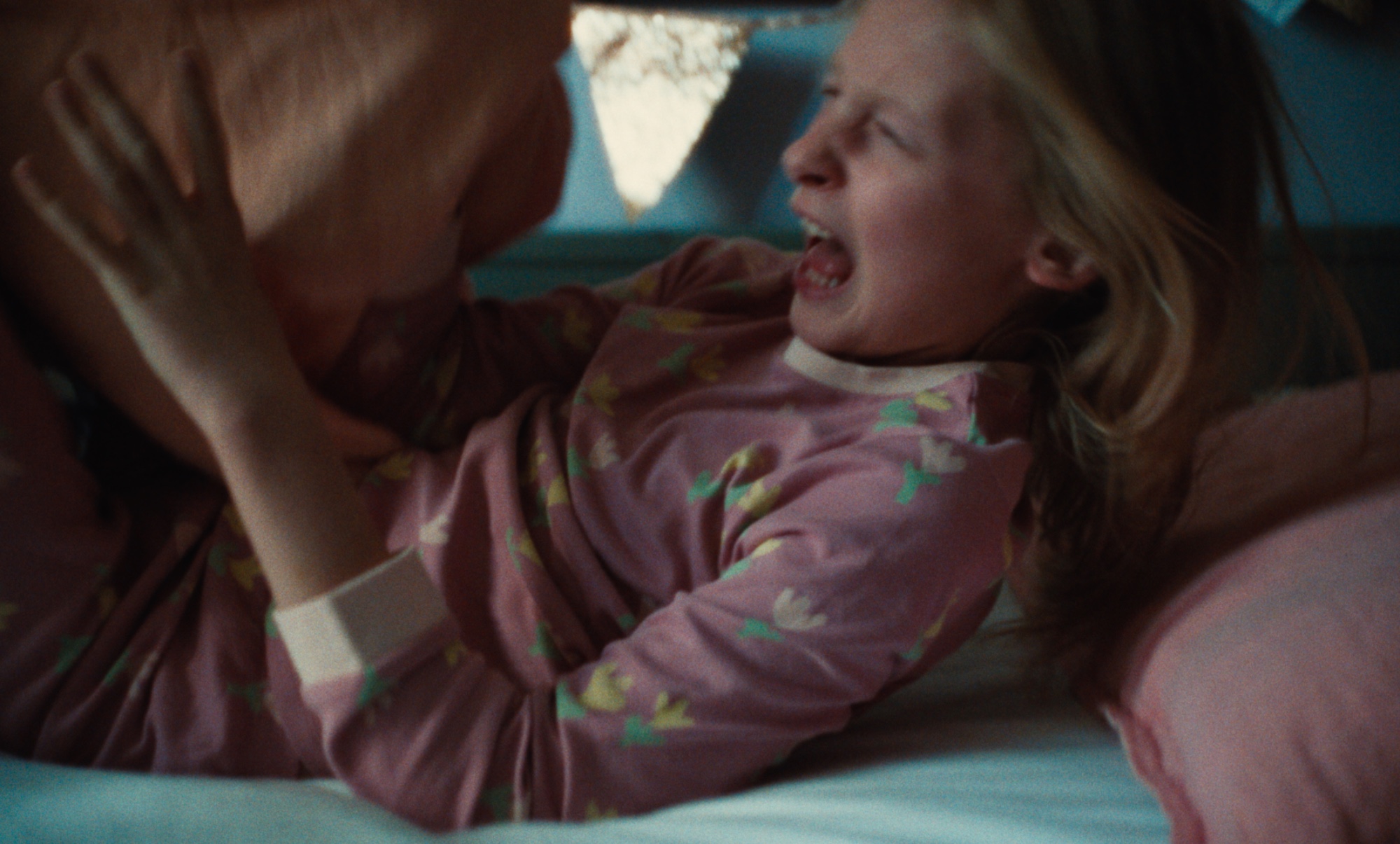
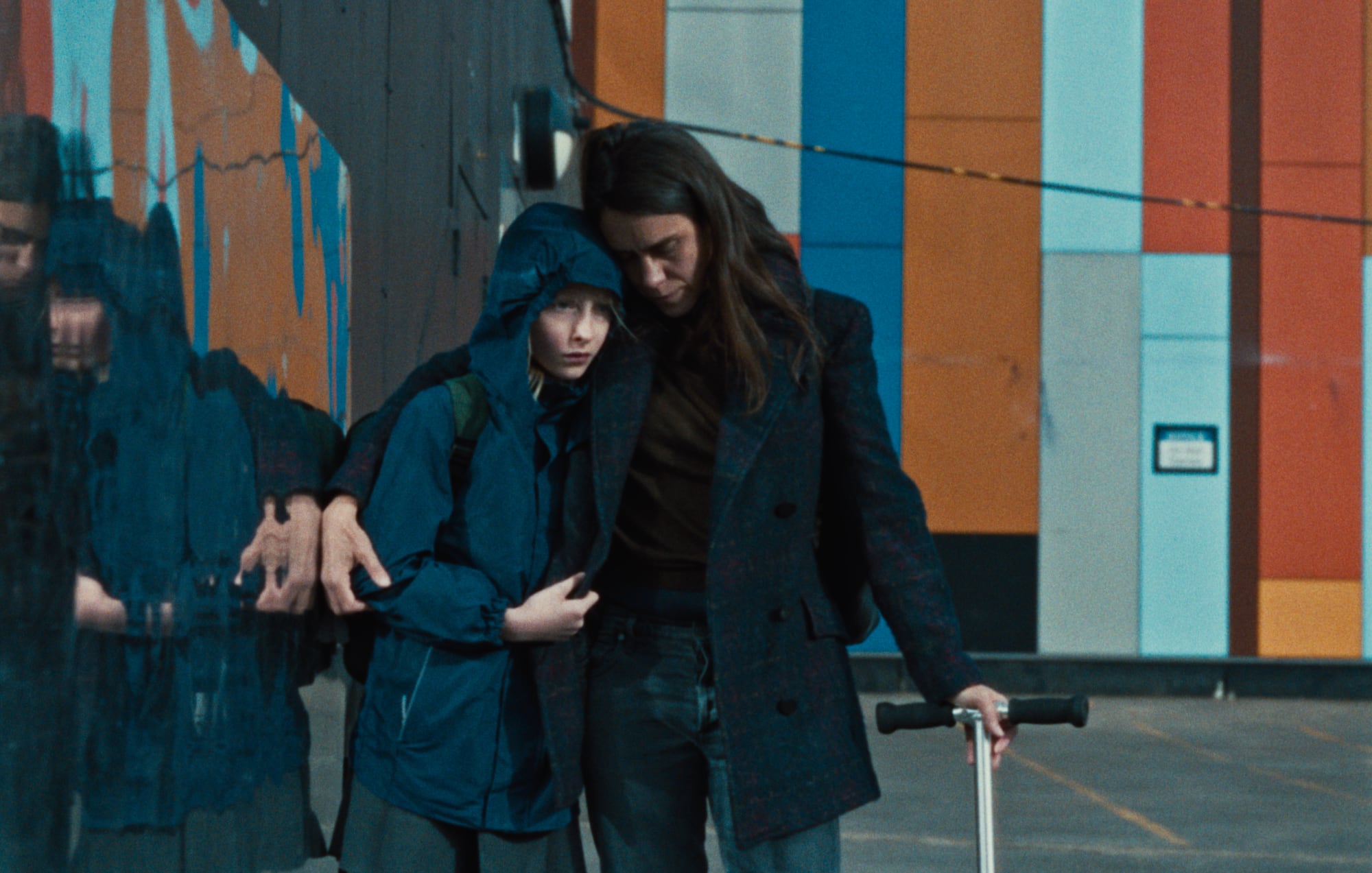
Georgia Parris: As a filmmaker I’m obsessed with how we hold and show our life experiences in our bodies. I love how fictional drama lets us explore the small moments that tell us so much about what’s happening to a person, physically and mentally, in a way headlines and stats can’t, which is exactly why Unauthorised Absence needed to be a drama and not a documentary. The lack of human connection between our mum and all the officials she meets was really important to explore visually, because you can sense that failure in a look or a silence far more than you can read it in a number. Staying inside the family meant the system only ever reaches us through how it lands on them, so you feel it before you understand it.
Jo’s script gave me so much to draw on. Our mum’s frustration and disbelief couldn’t always be put into words, or she wasn’t allowed to say them, so we read it in her body language and in how she desperately tries to connect with the people that are seemingly trying to help her. The same goes for her daughter’s overwhelm, which she can’t explain. I wanted to let the audience pick it up in the gaps around the dialogue. My main objective was to make people really experience it above anything else.
The lack of human connection between our mum and all the officials she meets was really important to explore visually, because you can sense that failure in a look or a silence far more than you can read it in a number.
Natalie, you’ve described immersing yourselves in the shared patterns of thousands of families while simultaneously taking Jo Clayton’s deeply personal script from 20 pages down to 10 so the read mirrored the characters’ tumultuous disorientation. How did you and Jo decide what stayed on the page and what had to go? Were there specific real world testimonies or recurring parental experiences that convinced you to strip away external dialogue in order to protect that focused, private domestic tension?
NL: It involved some difficult decisions and ‘a lot’ of reflection. The stories we have heard are enough to fill a multi-season TV series, let alone a 15 minute short film! We had to get forensically clear on two things: 1) what is the very specific story we are trying to tell in this 15 minute film, knowing that it’s just a tiny portion of the much larger social issue; and 2) what does the audience need at each point in order to discover this world and be left with the impression we want them to? For example, we tweaked the opening and insert scenes to introduce more ambiguity throughout the film and preserve the shock of its climax, without undermining the impact of the story beats that led us there. It became increasingly clear in our research that the specific moments or conversations were less important than how the characters felt. Thousands of people had their own versions of the same story. The barriers to learning varied, as did their interactions with particular people or systems, but the essence was the same: a child in crisis, a parent desperate for support, and a system responding with blame and punishment instead, setting off a negative spiral. That shared emotional experience was what we needed to preserve.
Most Popular
This meant we had to distinguish between aspects that, while true, compelling and very much related, were not integral to communicating the core, focused experience that the short film explores: namely, the damaging impact that the financial fines and prosecution threats have on a single mum (Anna) when she is desperately trying to get her distressed daughter into school. Much of the credit here belongs to Jo: she had previously been through a brilliant script consultancy process with Charlotte Bogard-Macleod of The Script Factory, who encouraged her to strip 30+ pages down by focusing on “just ONE thing you want to change or communicate”. Each subsequent draft we produced was about stripping further and further back to reveal the raw bones of the story. We went through word by word to ensure every single script detail earnt its place and directly contributed to the film’s message.
For example, and from a practical perspective, we removed elements, such as setting a scene on a public bus, that, while brilliant, would have taken a disproportionate amount of budget to achieve compared to the amount that setting contributed to the core message. We also looked at what each detail said about our characters, and assessed whether that’s the impression we want to give. We tweaked the ending of the script to finish on a moment of agency and control for Anna. This helped the film end on an empowering note, a call to arms almost, and gives Anna a stronger arc through the film. There is so much more in the testimonies that we all want to explore, and that certainly warrants exploring. I’m so proud of the decisions we made, and what it’s taught me about the short film format.
When Georgia came on board to direct, you both shared an immediate instinct that this private, sensory world had to be experienced directly by the audience. How did the two of you work together to protect that fragile, subjective perspective as it moved from the distilled page to the screen? Did your mutual vision shift during prep?
NL: I don’t know how we do it, but Georgia and I just seem to see things in the same way! It’s honestly the most brilliant director-producer relationship I could hope for. I believe that part of the initial creative alignment comes from the amount of development done ‘before’ approaching a director. I had been working with Jo on the script for a few months, immersing myself in the community and world of the film for a few more, and then embarking on a fundraising campaign. This involved making moodboards for the film, pitch decks, and learning how to talk about the ‘kind’ of film we were making. That means that, when I was in a position to approach a director, I could research people who had a body of work that felt closely aligned with the film that was emerging, and pitch it accordingly.
Another big part of the alignment comes from Jo’s script; it was so incredibly clear in its perspective. I don’t think our mutual vision shifted much actually… Georgia? Aside from a restructure in the edit, and being incredibly enriched by sound, image and performance, the finished film is remarkably faithful to what we set out to make. That’s in part down to finding the right brilliant people in every department to come on board and contribute their skills and experience to the project.
Our film aims to contextualise the real, human story behind the statistical label of “unauthorised absence”: asking people to stop and question what might be going on behind closed doors for that family, why might school feel impossible, and what support they need.
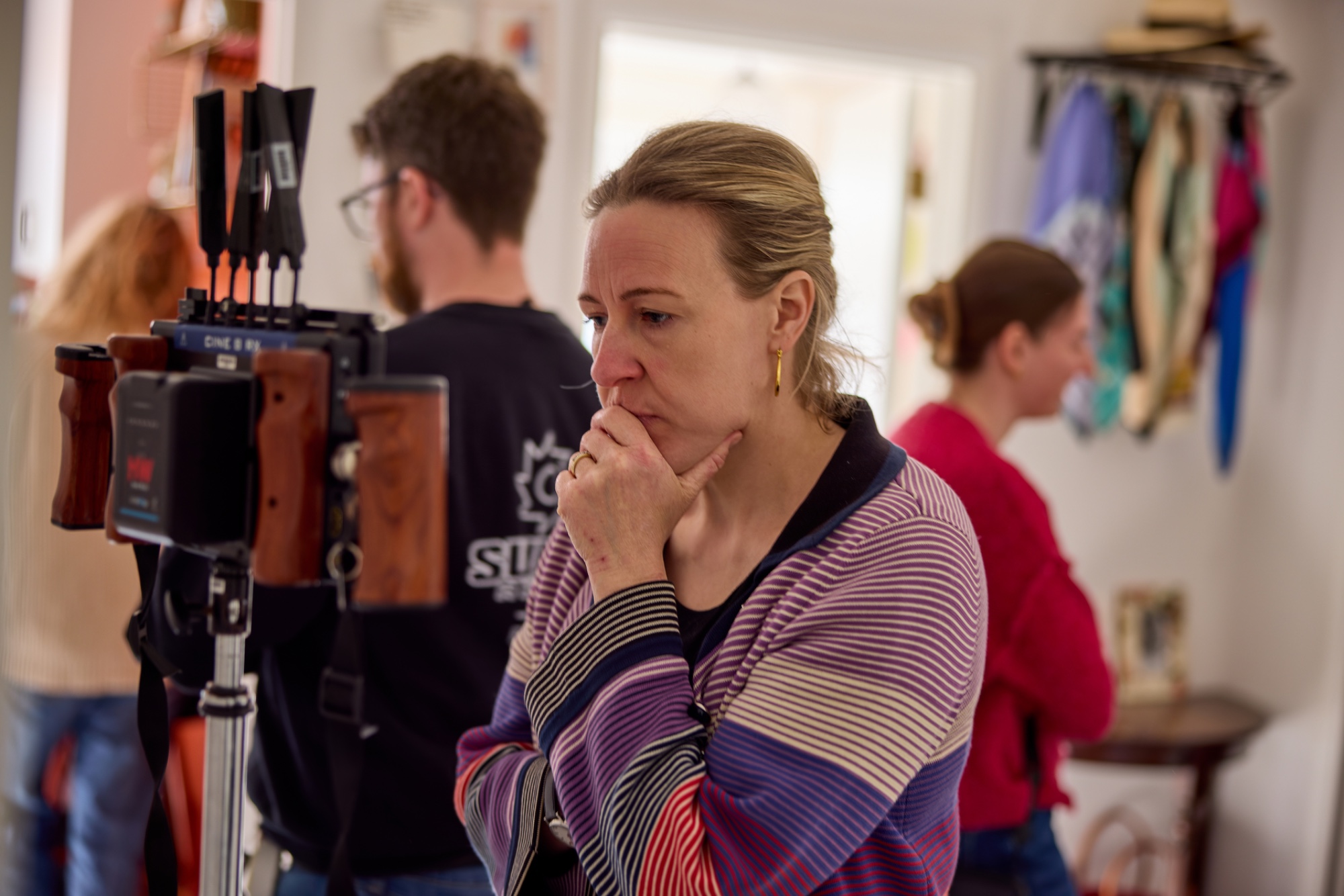
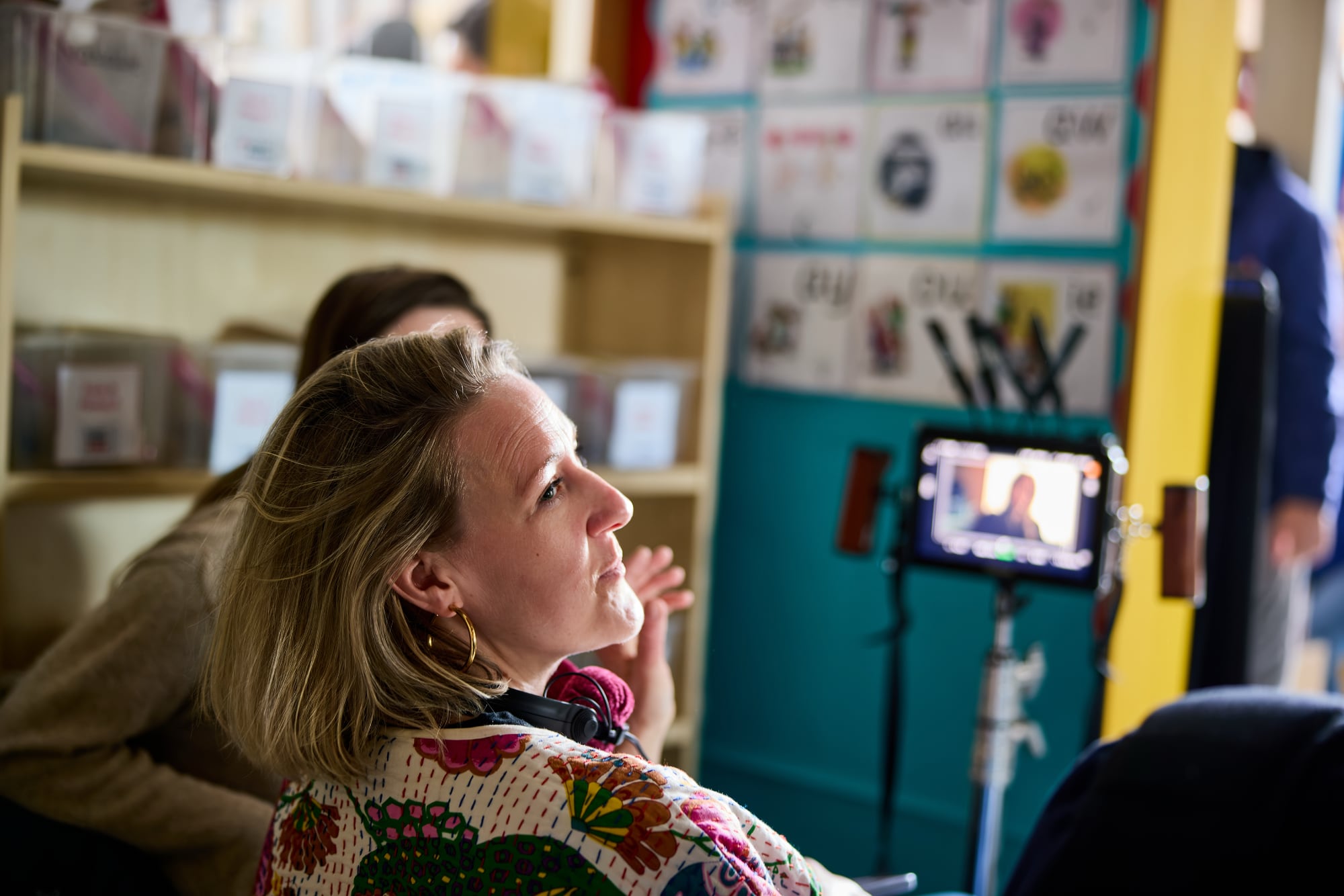
GP: Directing this short was such a joy because Natalie and I shared the same vision for the film from day one, and it honestly never changed. As a director, aligning with a producer who is as creative as she is impressive with production logistics is a rare and beautiful thing! We’re both fiercely protective of this film and what it’s trying to do, and being on the same page about its purpose fed into our creative decisions and kept us moving forward whenever we hit a challenge. If a choice ever felt like it was explaining the story rather than letting you experience it, we’d both pull back. I don’t think we ever disagreed on anything!
By setting out to crowdfund 51% of the budget, you ensured the affected community became majority stakeholders in the film from day one. That groundswell has now translated into over 8,000 supporters, dozens of expert endorsements, and an impact campaign aimed directly at Parliament. Beyond raising awareness around SEND distress, what concrete policy shifts are you asking lawmakers to make, and what does meaningful success look like beyond the cinema?
NL: Absolutely, and it’s growing all the time as we get closer to releasing the film. At the time of writing, we have over 45K followers across social media, which for anyone, let alone a short film, is just astonishing! Outside of awareness, I think the biggest political contribution of the film is promoting a mindset shift. A mindset shift away from punishment, towards needs, compassion, and understanding. Our film aims to contextualise the real, human story behind the statistical label of “unauthorised absence”: asking people to stop and question what might be going on behind closed doors for that family, why school might feel impossible, and what support they need.
We’re joining the calls from organisations like Square Peg and Not Fine In School to end the use of financial fines and criminal prosecutions on the families of children who cannot go to school. Purely on the basis that these measures do not address the barriers to learning: they make them worse! The fines pit parents against schools, children against their own parents, and the resulting pressure everyone is placed under means that a vulnerable child is going without the support they need. Fight School Fines, and the No School Fines parent petition with 300K signatures demonstrate how urgently this needs to change. Meaningful success would be a parent asking for help and being met with support that enables their child to access education suited to their needs, without having to fight the threat of punishment at the same time.
Cinematographer Evelin van Rei shot on the Arri Alexa Mini using rehoused 1930s Cooke Speed Panchro primes in a 1.66:1 aspect ratio. What feeling were you hoping that specific combination of vintage glass and soft grain would evoke?
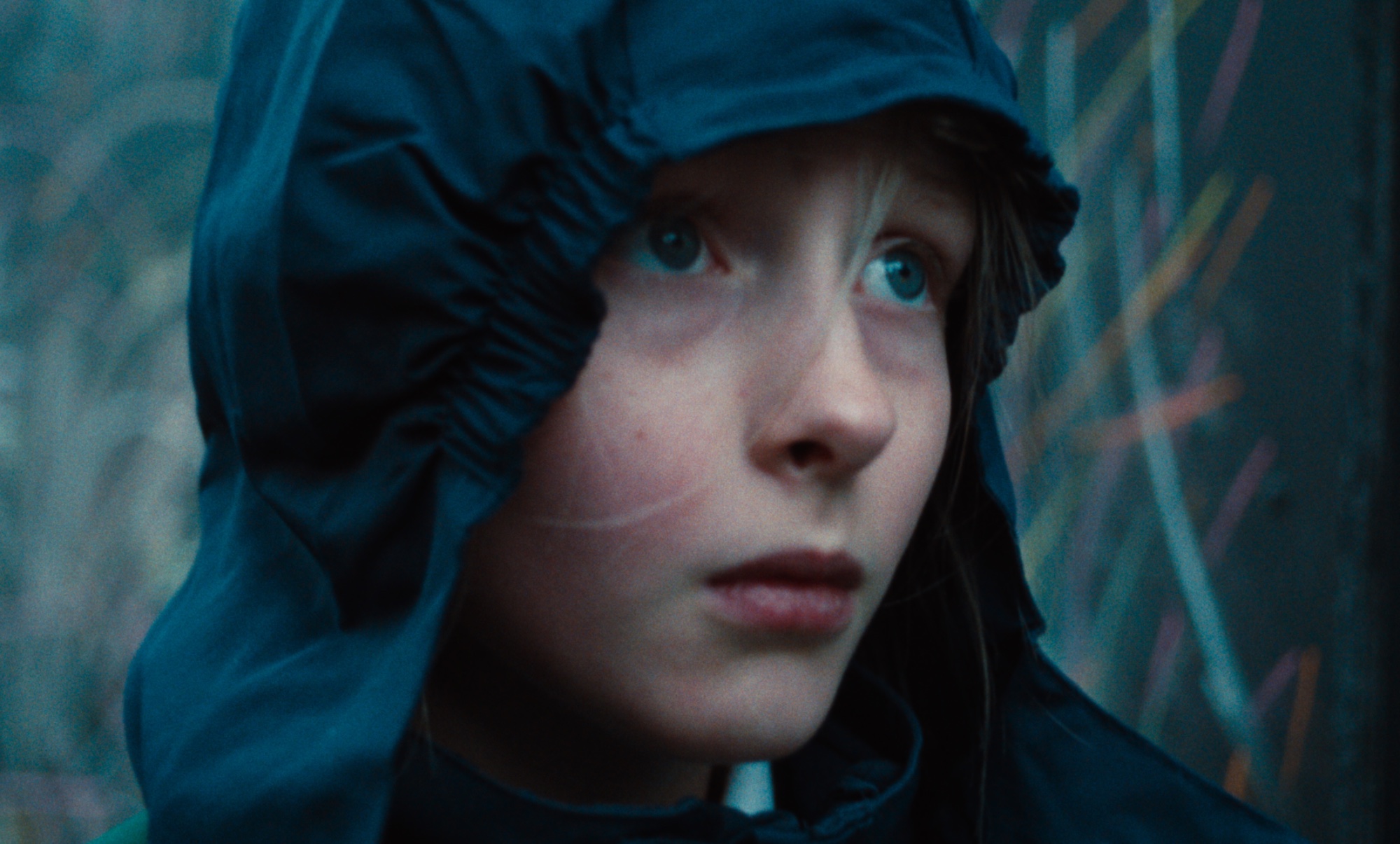
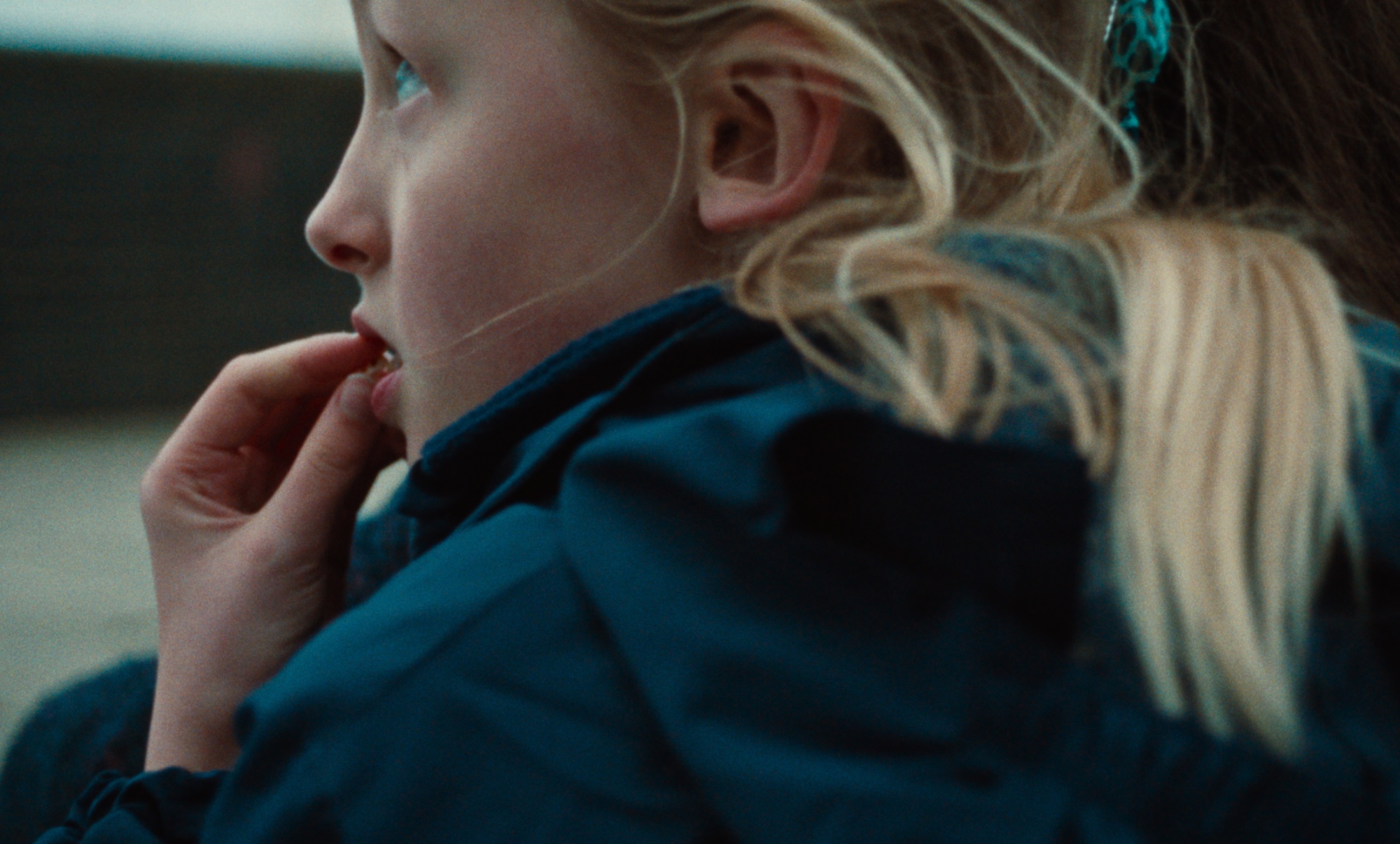
GP: I wanted it to feel like a drama from the first frame, not a doc. Personally, I hate anything that looks ultra sharp because it pulls me out of the story. I didn’t want any digital edge so the softness and imperfections make it feel more human and help to create a sense of memory. Our mum recollecting how she got to where our film ends was a really important device to tell this particular story. Evelin was great at getting that balance, so it feels textured and intimate without ever looking overly stylised, which would have felt wrong to glamourise this story visually in any way.
I wanted it to feel like a drama from the first frame, not a doc. Personally, I hate anything that looks ultra sharp because it pulls me out of the story.
NL: Absolutely. While undoubtedly ‘real’, the world in Unauthorised Absence isn’t presented as an objective spectacle; it’s being filtered through the emotional experience of the characters. Evelin and Georgia were very inspired by the visual language of the 2018 film We The Animals directed by Jeremiah Zagar: a film which, similar to ours, is communicating a sense of the world as experienced by a child. Part of why the film feels so authentic is because of the qualities those lenses give to the Alexa Mini’s image, particularly when combined with how Evelin uses lighting. The grain, graded and balanced by the incredible colourist Greg Fisher, works in harmony with that, lending the image a softer feel. To me, it feels delicate and almost nostalgic, which works beautifully with the perspective of the film, as Georgia says.
In terms of the aspect ratio: a key feature of the film is how the characters feel in, and are affected by, the environments they inhabit. Choosing 1.66:1 over 2.39:1 gives the image more height, allowing the audience to appreciate the relationship between character and space. To me, those proportions also feel close to how we naturally experience the world, contributing to the sense that the film offers audiences a window into reality. It is also an aspect ratio closely associated with art house cinema and intimate drama. So, through that choice, we are saying something about what kind of film this is.
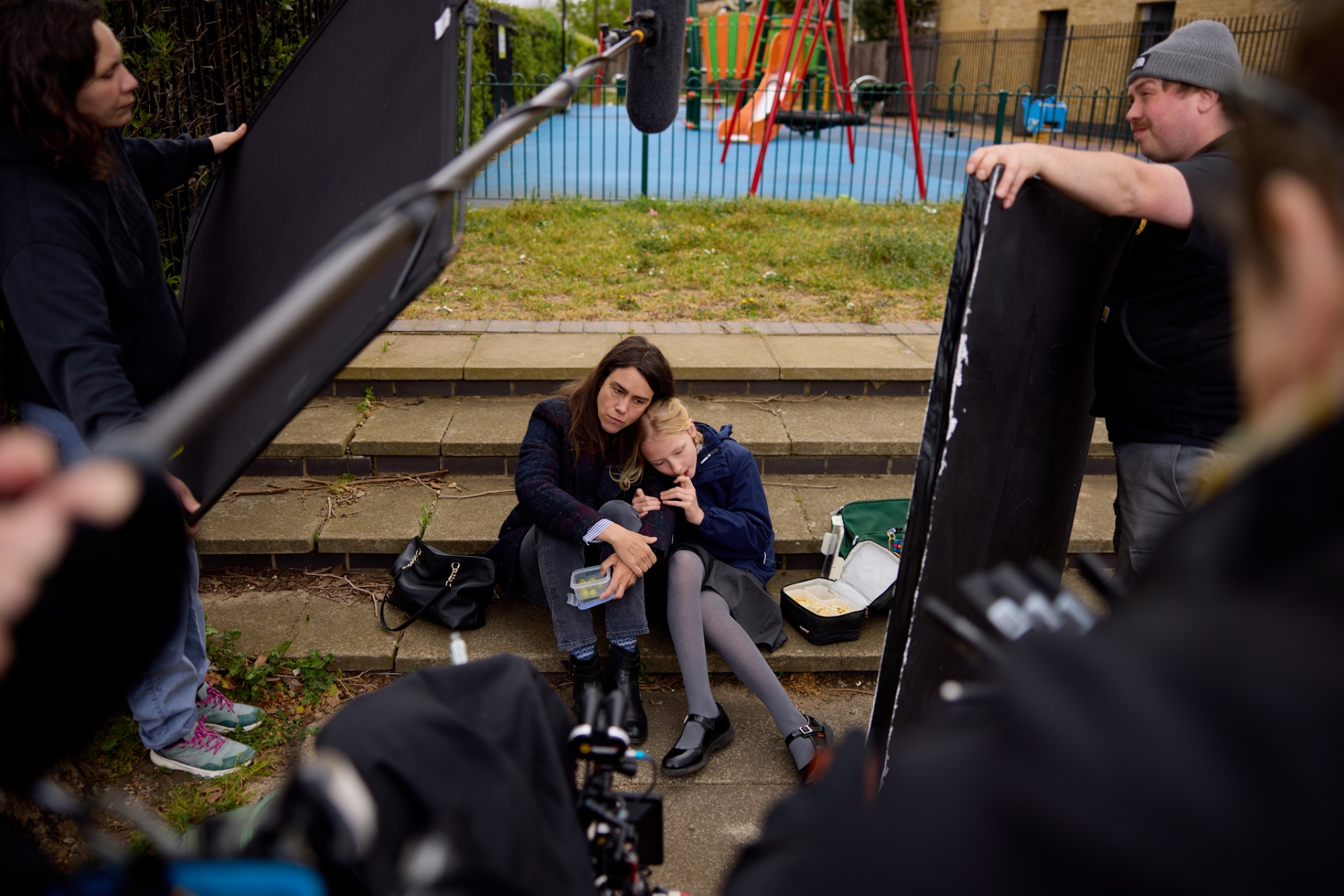
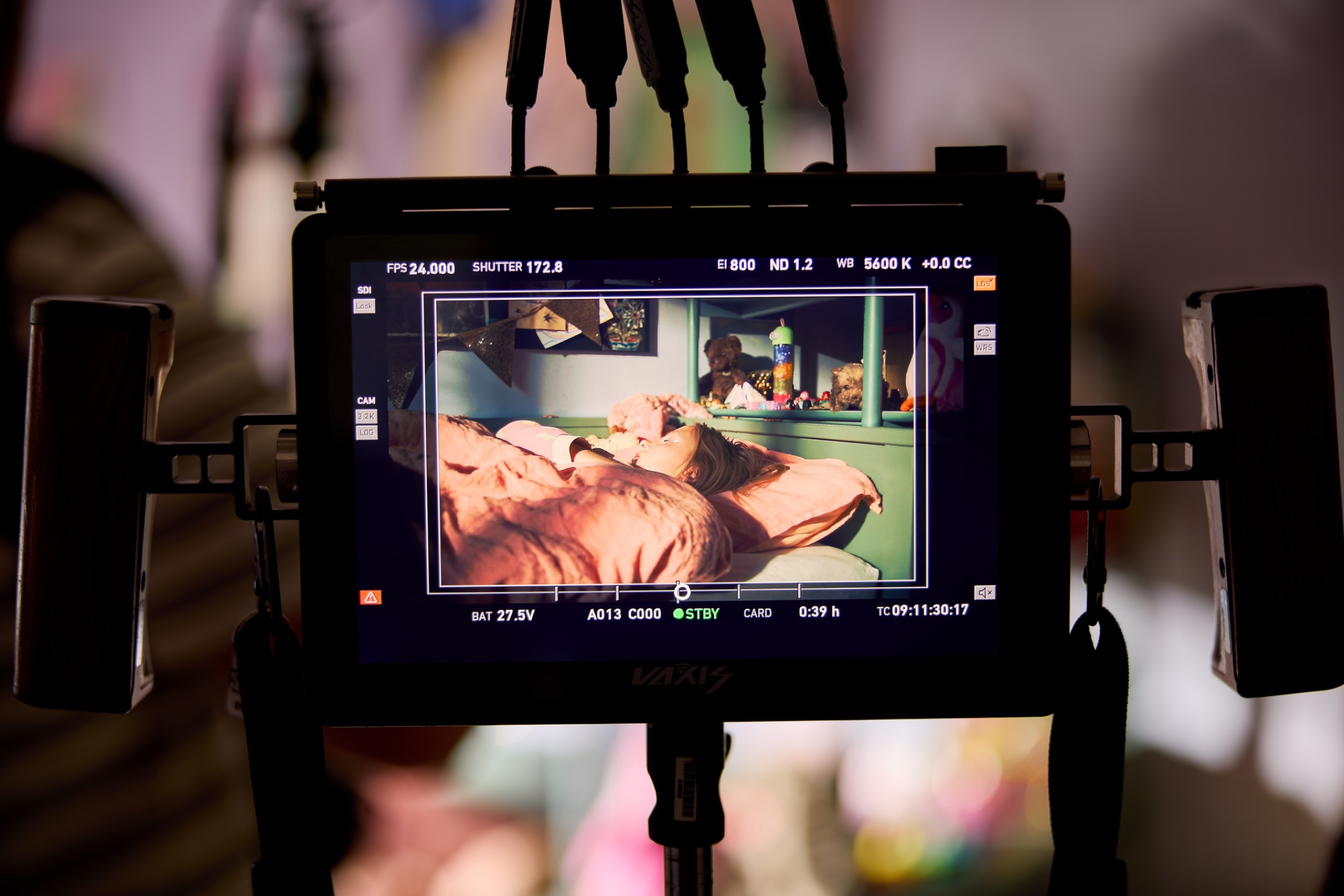
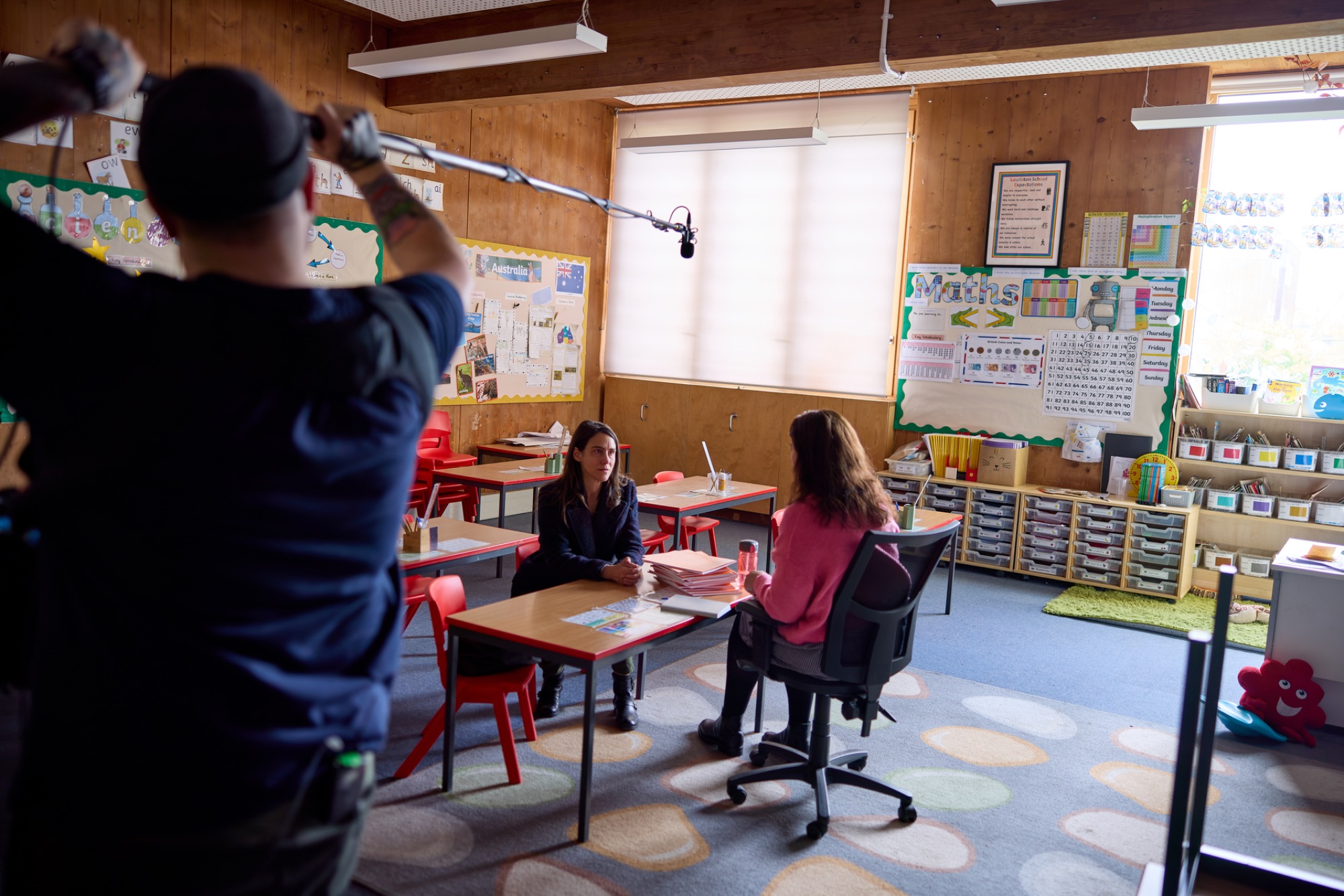
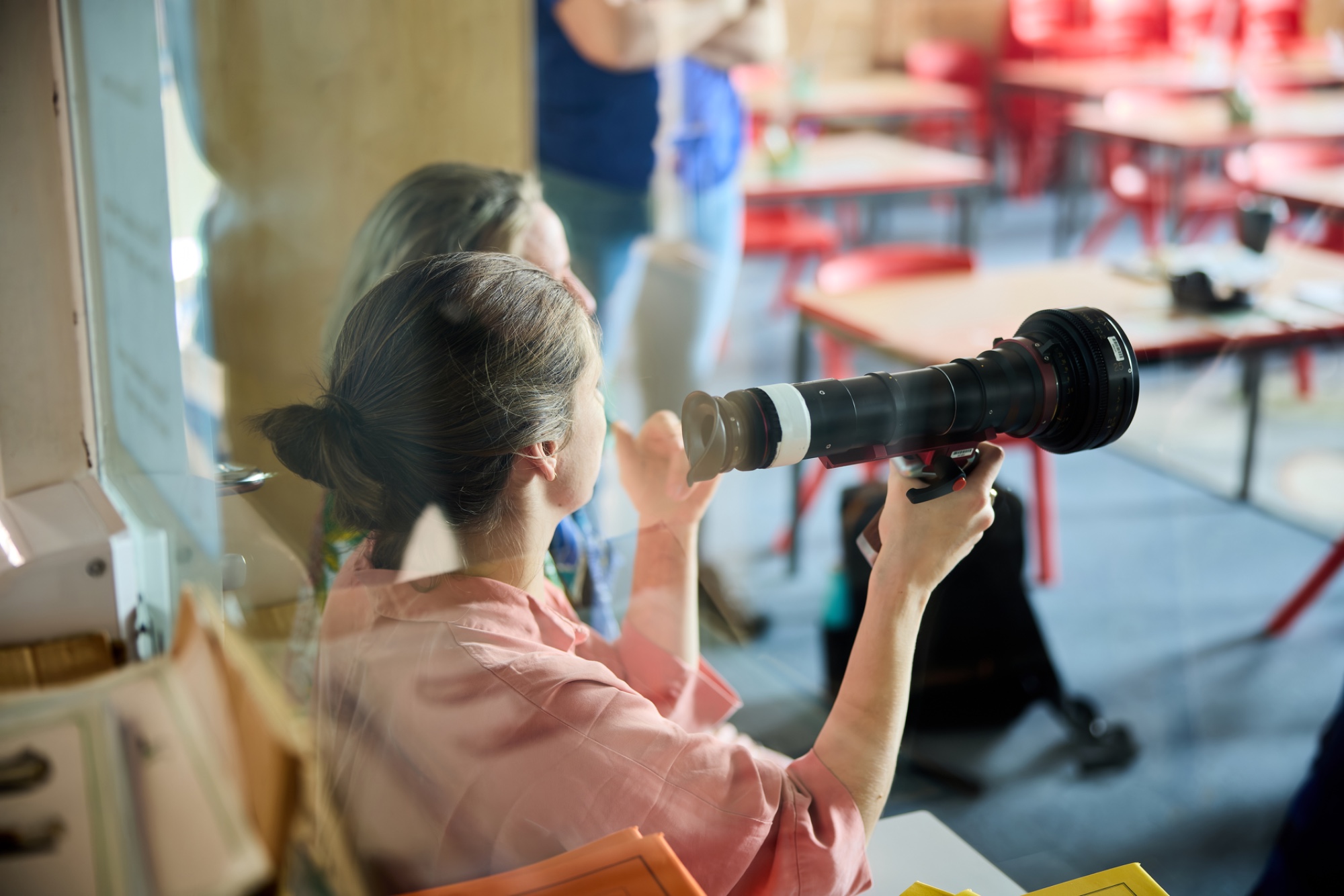
Choosing 1.66:1 over 2.39:1, gives the image more height, allowing the audience to appreciate the relationship between character and space. To me, those proportions also feel close to how we naturally experience the world, contributing to the sense that the film offers audiences a window into reality.
With only a four-day shooting schedule and no budget for a location manager, you had to be remarkably resourceful—such as finding a managed space where the hospital set, residential streets, and playground were all within walking distance. How do severe logistical and financial constraints impact the creative dynamic between director and producer?
NL: Finding that was like finding a unicorn! It was a huge unlock in terms of budget, because there was no need for a unit move or to lose shoot time by travelling between locations when we were already on strict time limits each day because we had a child on set. If we didn’t, we’d have had to raise much more budget to fund an additional day’s kit hire and cast/crew fees.
There weren’t many conflicts caused by our constraints to be honest – in part because of how down to earth and realistic Georgia is as a director. We’ve both come from making films for no, or next to no, money. We know what the reality is like, and I was really transparent with her, and every crew member actually, about the reality of our budget every step of the way. This meant that everyone understood why decisions were made; while I and production coordinator Julia May-Brown had to work extraordinarily hard to negotiate discounts and in-kind support to make it happen! It wouldn’t have been possible unless the creative vision for the film matched the production constraints. For example, authenticity is at the heart of the film, which extends to the locations, as much as it does the cast and crew. We looked for real locations – schools, homes – because the film had to feel as real as possible. This is a creative decision, but it is in harmony with the financial constraints because real locations give us an existing environment to work with, minimising the budget required to dress them. That commitment to authenticity was extraordinarily successful because it was fully embraced by Louisa Parris in costume and Sarah Mursal in production design.
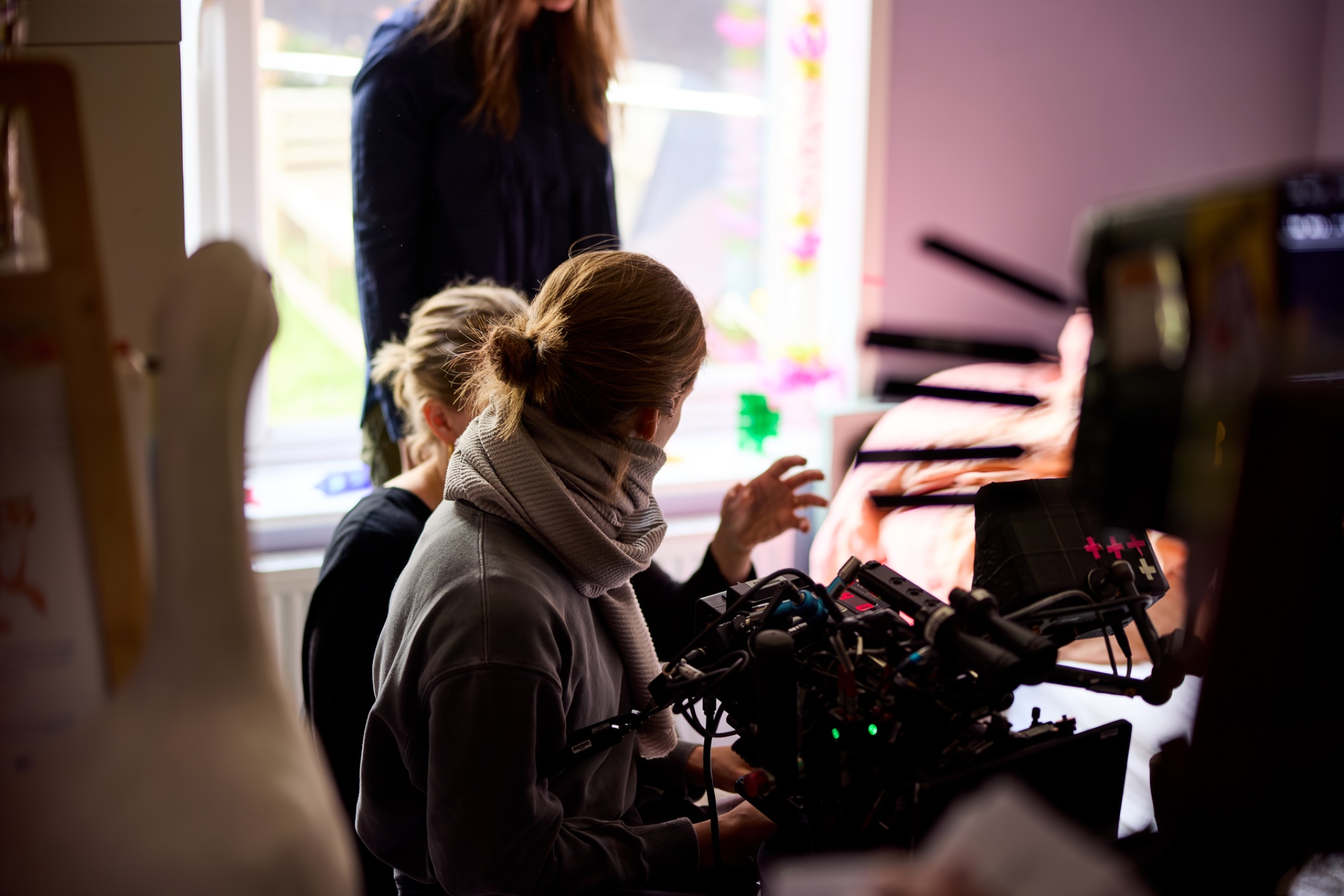
The decision to shoot largely handheld functions similarly, actually. The film is intimate and observational, and the camera gets right inside the relationship between mum and daughter, which being handheld facilitates creatively. While, practically speaking, being handheld minimises the need for complicated rigs and the time it takes to move between different setups. This means we can move faster, shoot more in a day, and achieve an ambitious amount within just four days!
GP: I’ve made a lot of short films for little to no money, so I knew the drill on how to get this made: it’s about being as creative as you can with what you’ve got. I actually find limitations like this quite freeing, creatively speaking. I love trying to find the best shot with whatever location we have. It’s also what led me to use my own home! We couldn’t find a space that worked for our mum and daughter’s flat, and then it dawned on me that mine was perfect. So I did what I’d always said I’d never do, and let a film crew into my own home. The scratches left on our kitchen wall are just a lovely reminder of this incredible short film we made!
NL: Oh my gosh, we left scratches??!!
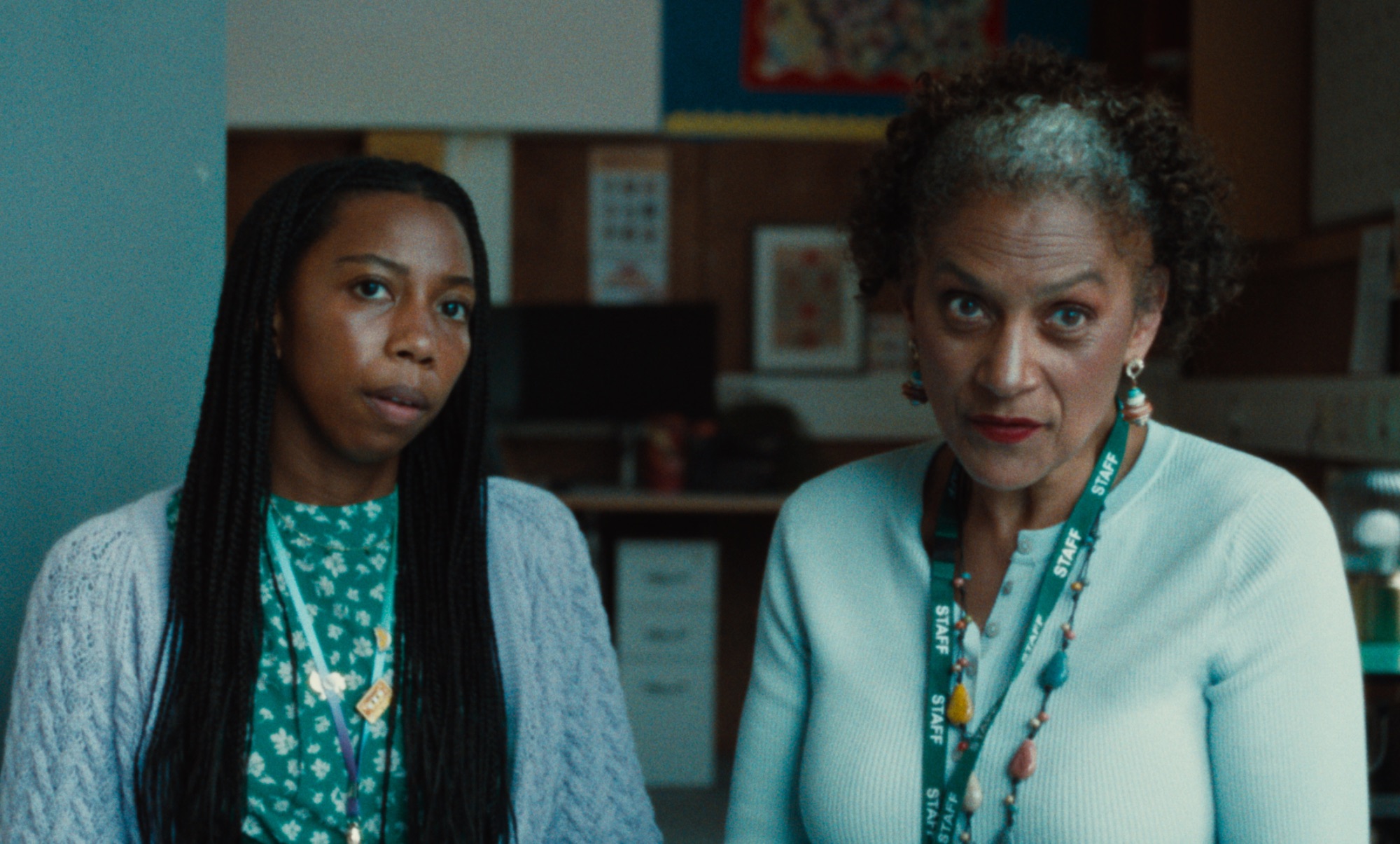
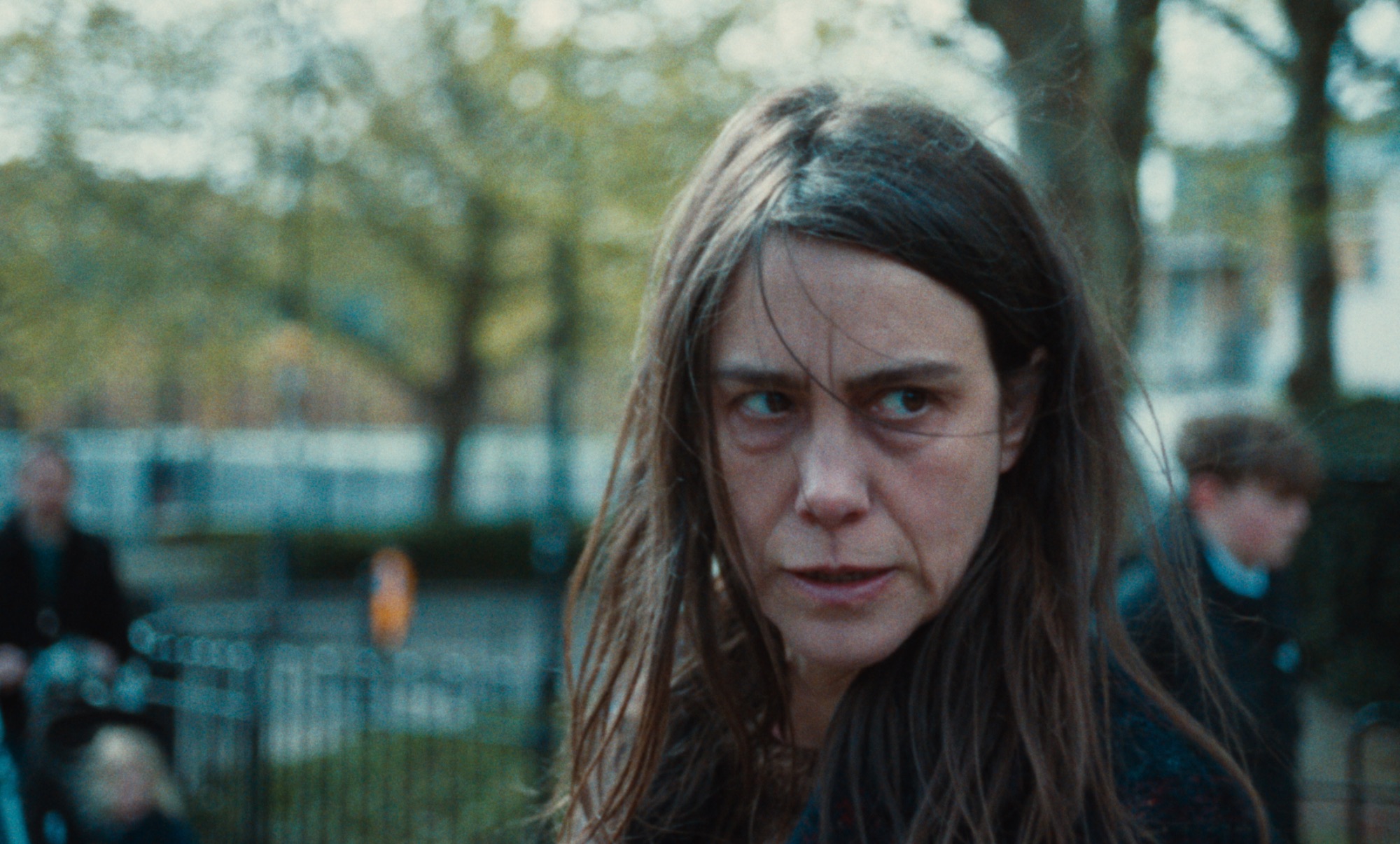
Unauthorised Absence has “no single villain.” Everyone—from parents to welfare officers and headteachers—is caught inside an unyielding bureaucratic machine. When pairing established actors like Cathy Tyson with an open-call non-actor like Sabil Suleman, how did you ensure those institutional figures never devolved into caricatures or stereotypes? Was achieving that behavioural authenticity a matter of extensive rehearsal?
GP: Sadly we didn’t have the time or budget for extensive rehearsals, but I did have lengthy conversations with all the actors about how best to serve the story, and about never leaning into stereotypes. Cathy and I spoke a lot about her character coming from a place of believing this was what was best for the child, rather than playing a clichéd nasty headteacher. My approach with actors is always to give them a space on set that feels good, where they can try things and mistakes are totally fine. Once you lift that pressure, truthful behaviour starts to come through, and then it’s just about guiding them and casting them correctly in the first place. I’ve always said casting is where the majority of my job is done. If I get that right, I just need to make it a nice place to come and work!
If I ever get lost in it all, I revert back to being led by the story beat over something looking beautiful or impressive. If a shot or a sound is striking but it’s pulling focus and doesn’t serve the moment, it has to go.
Georgia, I think there is a fascinating paradox in the film’s aesthetic: the images are textured, soft, and intimate, while the soundscape—from fluorescent hums to the persistent motif of a phone buzzing—is claustrophobic and abrasive. When bringing together veterans like Greg Fisher from high-end features such as Poor Things, 1917, and Bohemian Rhapsody, and Udit Duseja with his distinguished sonic sound design, how did you oversee that post-production interplay to make sure the audio and picture were enhancing, rather than competing with, each other?
GP: I’m always led by trying to be as authentic as possible, which is actually quite hard when you’re making a drama and you can shape a single moment a thousand different ways! I go for realism first, and when that foundation feels solid, I love to use the sound and the grade to subtly lift certain elements and help a beat land more effectively. It’s always fascinated me how post-production keeps evolving the story, and the delicate balance of making sure the whole thing feels harmonious. If I ever get lost in it all, I revert back to being led by the story beat over something looking beautiful or impressive. If a shot or a sound is striking but it’s pulling focus and doesn’t serve the moment, it has to go. With the grade, I wanted a filmic texture so nothing felt too HD. It was important to pull people in as quickly as possible and make it clear this was a drama, not a doc. The sound then does a different job. It’s what puts you inside what this mother and daughter are going through, so my hope is that the soft picture draws you in and the abrasive sound keeps you there.
What are you both working on next?
GP: I’m currently directing a factual drama for the BBC, I can’t say much more than that at the moment!
NL: My time is almost fully occupied with either marketing and distributing Unauthorised Absence, or promoting its social impact. That looks like coordinating screenings, campaigning for change, and sharing this story as widely as we possibly can. Looking further, I’m excited to be developing a long-form adaptation of Unauthorised Absence from the wealth of research and testimony we gathered during its development!
Finally, what is a short film that has stayed with you for a long time? What did it teach you about filmmaking, or what did it make you want to do yourself?
GP: One of my favourite short films is a documentary called The Solitary Life of Cranes by Eva Weber. It’s beautifully shot and poetic without feeling forced. It observes London and everyday human life through the eyes and words of crane drivers. What stayed with me is how it turned small, ordinary moments into something beautiful, which is something I seek to do in my own work. I didn’t realise it at the time, but I think it directly inspired elements for my first short fashion film, Brighter Borough, which I shot on Wandsworth roundabout!