Communication is the key to any successful relationship. Each person has to both voice their own needs while having the capacity to hear and acknowledge those of their partner. As many will know, this is far easier said than done. The Nüesch Sisters’ (Florine & Kim Nüesch) Marriage Unplugged takes an entertaining but nuanced—and worryingly very near future—look at one couple who bring a state-of-the-art sex robot into their marital home, one armed with AI-learning capabilities that teach it the deepest desires of its new owners and customises itself accordingly. What begins as a potentially silly story about the problems a married couple are having in the bedroom quickly becomes an exploration of the emotional problems they’re suffering outside of it. While years of resentments slowly unravel, another question is also subtly posed. When will AI-powered synthetic humans become so real, life-like, and possibly even sentient, that they’ll be deserving of their own rights? Will granting them protections from mistreatment by their meaty masters be an eventual inevitability? An emotional connection between robot and owner here suggests we’re not too far from a world where the line between companion and computer is blurred entirely. Before that though, we delve into how Florine and Kim drew nuanced performances from actors Nikki Amuka-Bird and Nicholas Gleaves as a couple in crisis, alongside the crucial, delicate work of bringing humanity to Sven Ironside’s animatronic third wheel, and the insightful thematic drive behind much of their work—exploring tragic loneliness and miscommunication, a fascination born from their own uniquely synchronicitous partnership as sister-directors.
Congratulations on Marriage Unplugged. As well as having a delightful sense of humour about the idea of an AI-powered, animatronic sex doll, the film is also an intelligent observation on marriage and communication – or lack thereof. How did the initial concept evolve?
Thank you! The seed for Marriage Unplugged was actually planted quite a few years ago. Back in 2017, we attended the Media Future Day, where we heard Trudy Barber, a British professor, give a fascinating talk about the history of computerised sex toys. That was the first time we seriously started thinking about the intersection of intimacy and technology and how it might one day translate into a film.
We wanted to use humour as a way in, and then gradually strip away the layers until what’s left is something raw and painfully human.
Years later, during Kim’s MA in Screenwriting at the London Film School, there was an assignment to write a script set in an interesting location. Combining our long-standing fascination with sex robots and a more recent visit to a sex shop, we decided to set the story in a sex robot shop. From there, the idea developed quite naturally – a couple buys a sex robot to fix their marriage, only to find that the robot becomes the catalyst, exposing the cracks in their relationship. We were drawn to the absurdity of the premise, but also to its emotional core. We wanted to use humour as a way in, and then gradually strip away the layers until what’s left is something raw and painfully human – a story about loneliness, longing, and miscommunication.
Nikki Amuka-Bird and Nicholas Gleaves bring so much depth to the married leads in such a short space of time. How much time did you have to work with the actors ahead of filming and what did the rehearsal process look like?
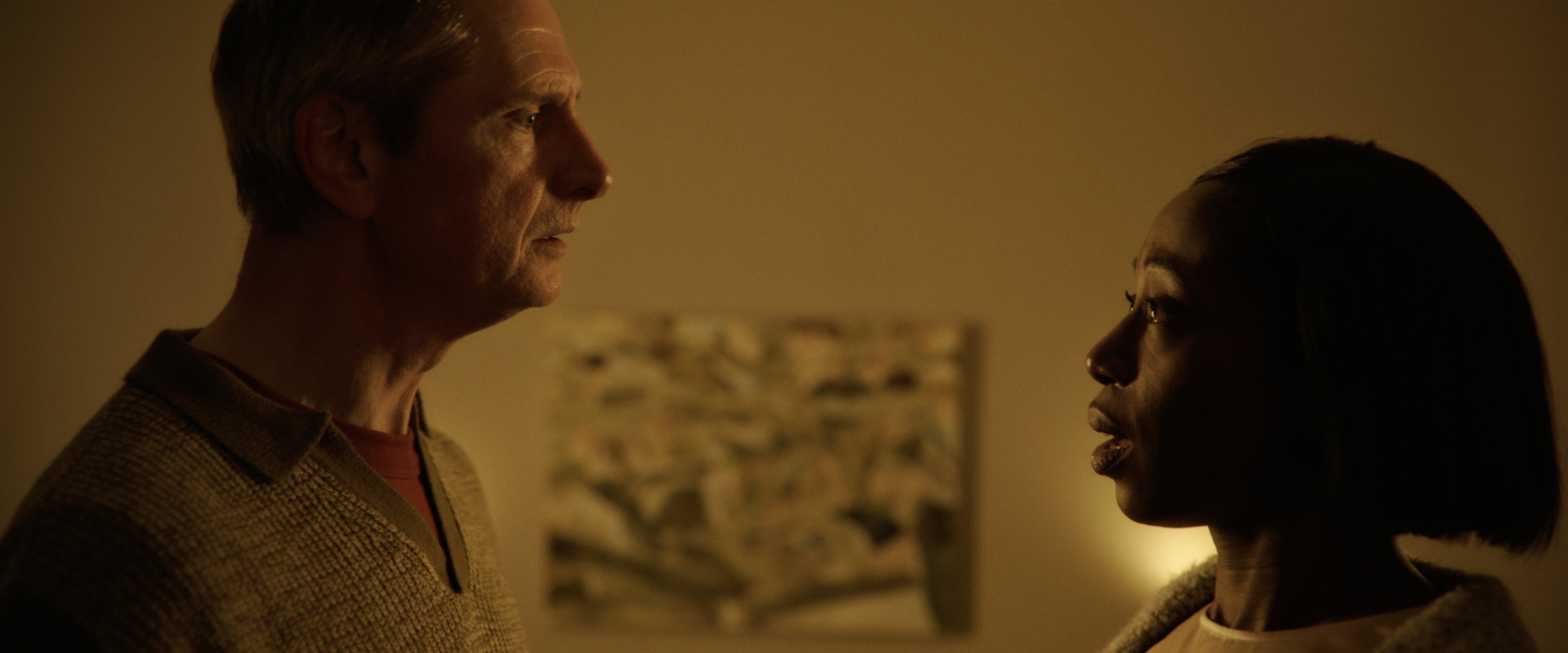
We were incredibly lucky to have Nikki and Nicholas on board – they brought such insight into their respective characters and nuances to their performances. Because it’s a short film, time was limited, but we made the most of our prep. Initially, we had a long call with both of them separately, during which we discussed their characters. During our one day rehearsal, we didn’t just go through the lines but explored the history between the characters – the things they can’t say to each other, the shared frustrations and tenderness built up over years of marriage. We wanted them to have a real sense of their past, so that even in silence or in the smallest gestures, that history would be felt. It was a very collaborative process, full of discussion and exploration.
Most Popular
Sven Ironside does a remarkable job of bringing humanity and likeability to the sex robot. How did you go about deciding on the look of the robot? How did Sven land the role and what did he bring to it?
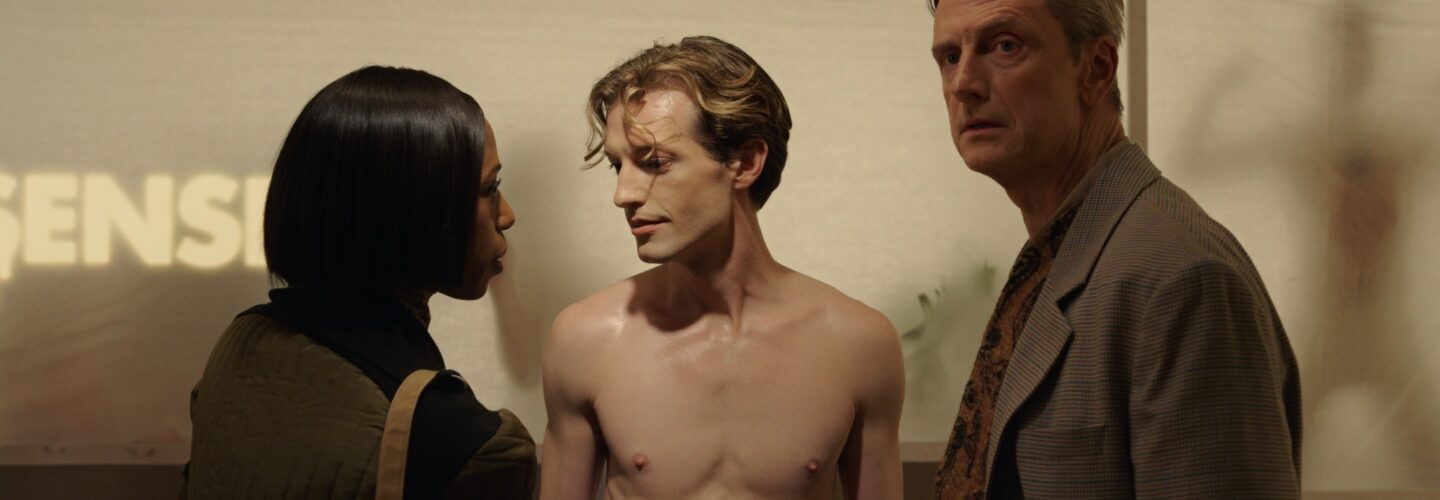
The design and casting of the robot were one of the most important parts of the film. The robot wasn’t meant to have desires of his own, but to mirror those projected onto him, becoming almost two different characters – one for the husband and one for the wife. He needed to function both as a sex object and as something childlike, which is a very delicate balance to strike.
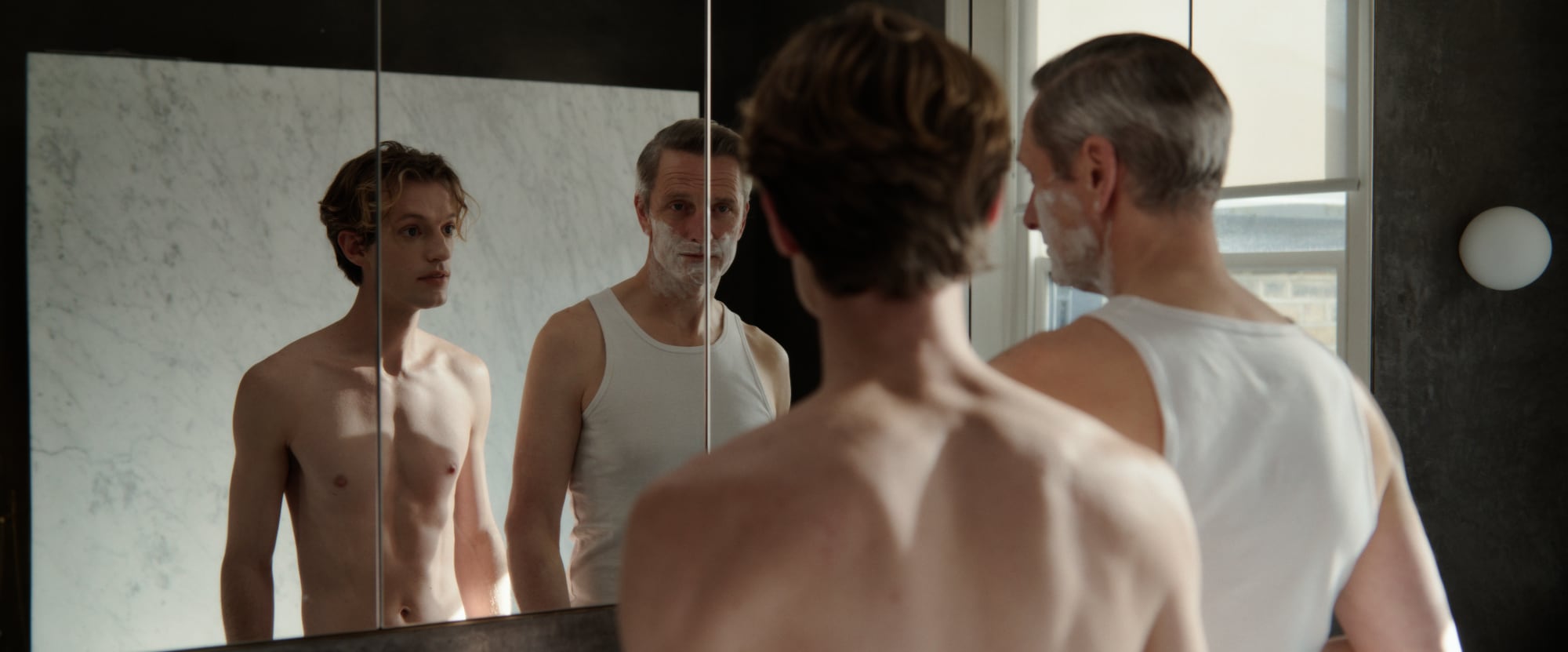
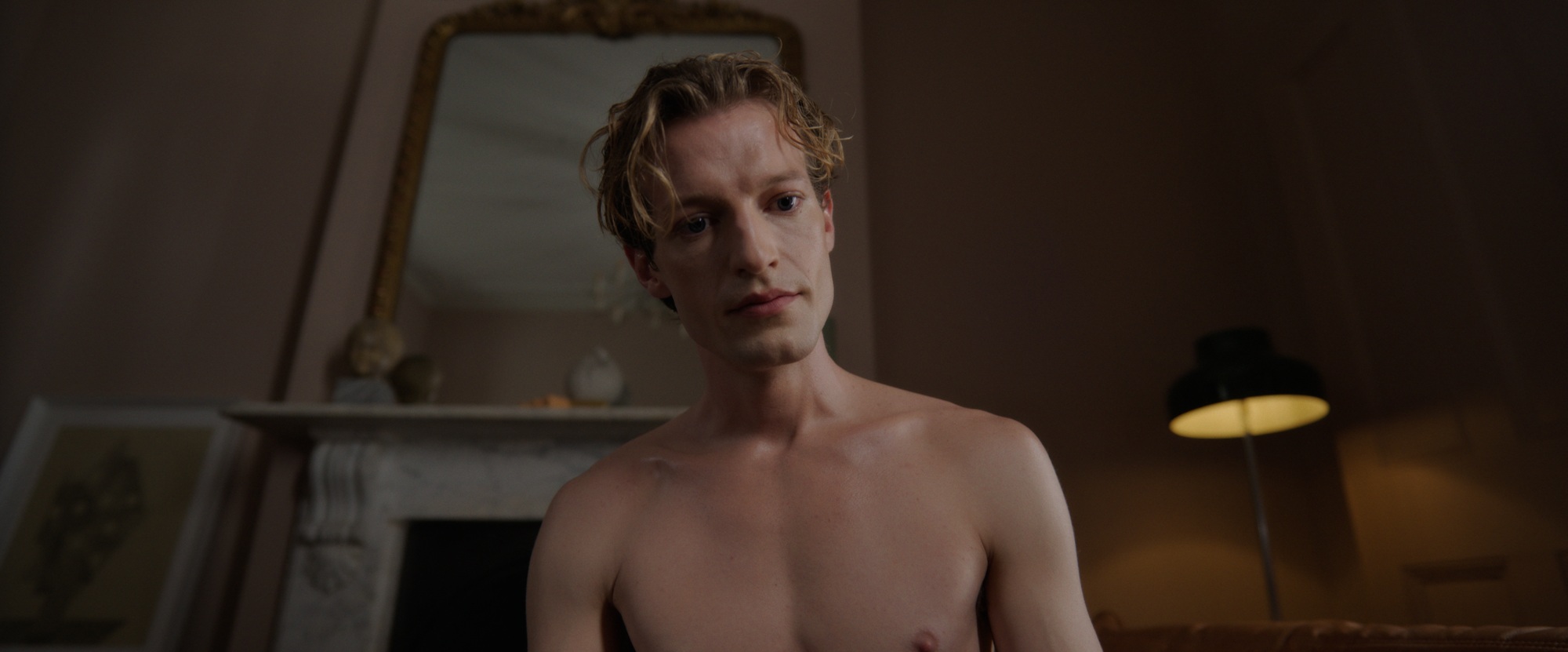
We saw many talented actors – thanks to our wonderful casting director, Catriona Dickie – before finding Sven Ironside. He captured all the nuances beautifully, finding that fine line between mechanical and human, and shifting his energy depending on which character he was reflecting. Beyond performance, the creation of James was a collaboration across departments. Visually, we wanted him to look almost human, with only subtle hints of artificiality – the perfection of his skin and the slightly uncanny quality of his eyes. Our make-up artist, Dasha Taivas, achieved that look perfectly. In post, our sound designer, Kaspar Broyd, added another layer of subtle machine-likeness through sound textures that hint at his artificial nature without ever making him feel conventionally robotic.
He needed to function both as a sex object and as something childlike, which is a very delicate balance to strike.
The film walks the fine line between comedy and drama with subtle shifts that never feel jarring. Shot on a Sony Venice with Panaspeed lenses, how did you approach shooting such a tonally nuanced piece?
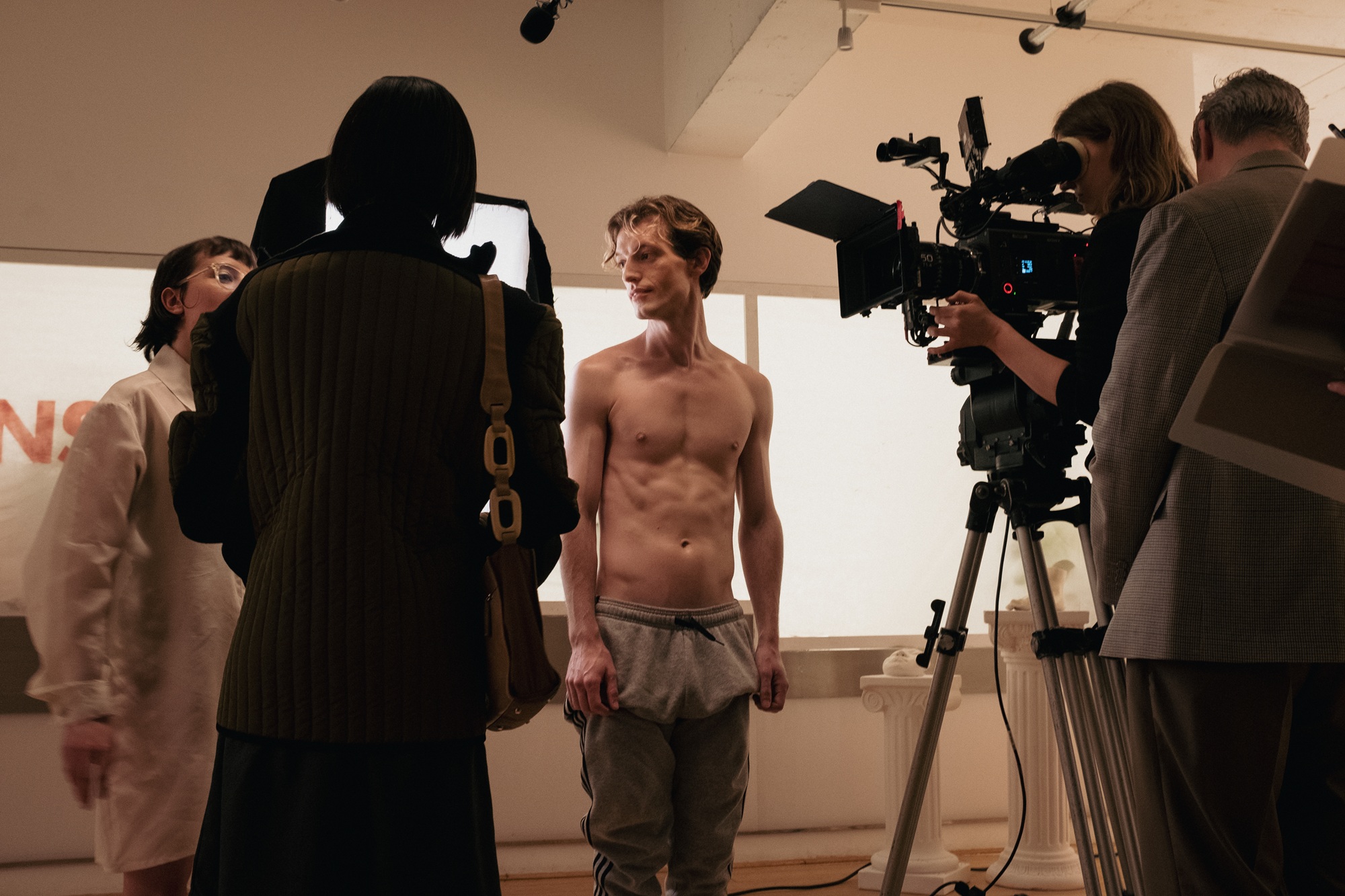
Finding the tonal balance was something we discussed a lot with Martyna Jakimowska, our DOP. The visual language needed to reflect the emotional rhythm of the film. The framing was often precise and still, creating a sense of tension beneath the surface. This tension worked dramatically, but also served well to create that awkward comedy. Then, in the climax, the camera becomes handheld for the first time, which was a very deliberate choice – it injects immediacy and emotional chaos, mirroring the breakdown of control within the couple’s relationship, when it’s unravelling. Martyna chose the Sony VENICE because of its great colour rendition and versatility, and paired it with spherical lenses to achieve the polished visual look that still retained the softness we wanted for the intimate emotional conflict at the center of the film.


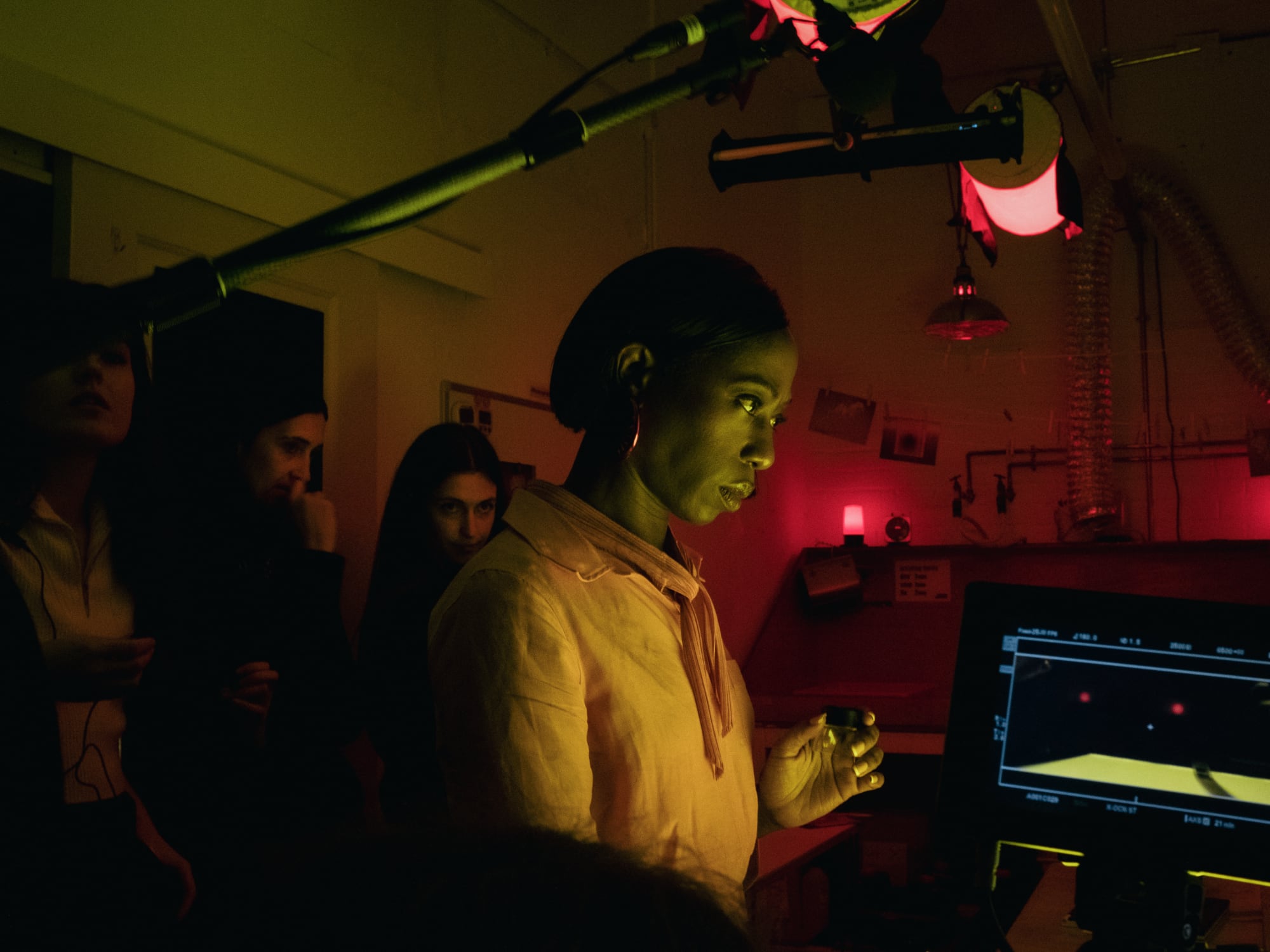

Likewise, the nuances captured in the soundscape of Marriage Unplugged. What was the process of ensuring the tonal shifts in the film were captured as organically by the ears as they were by the eyes?
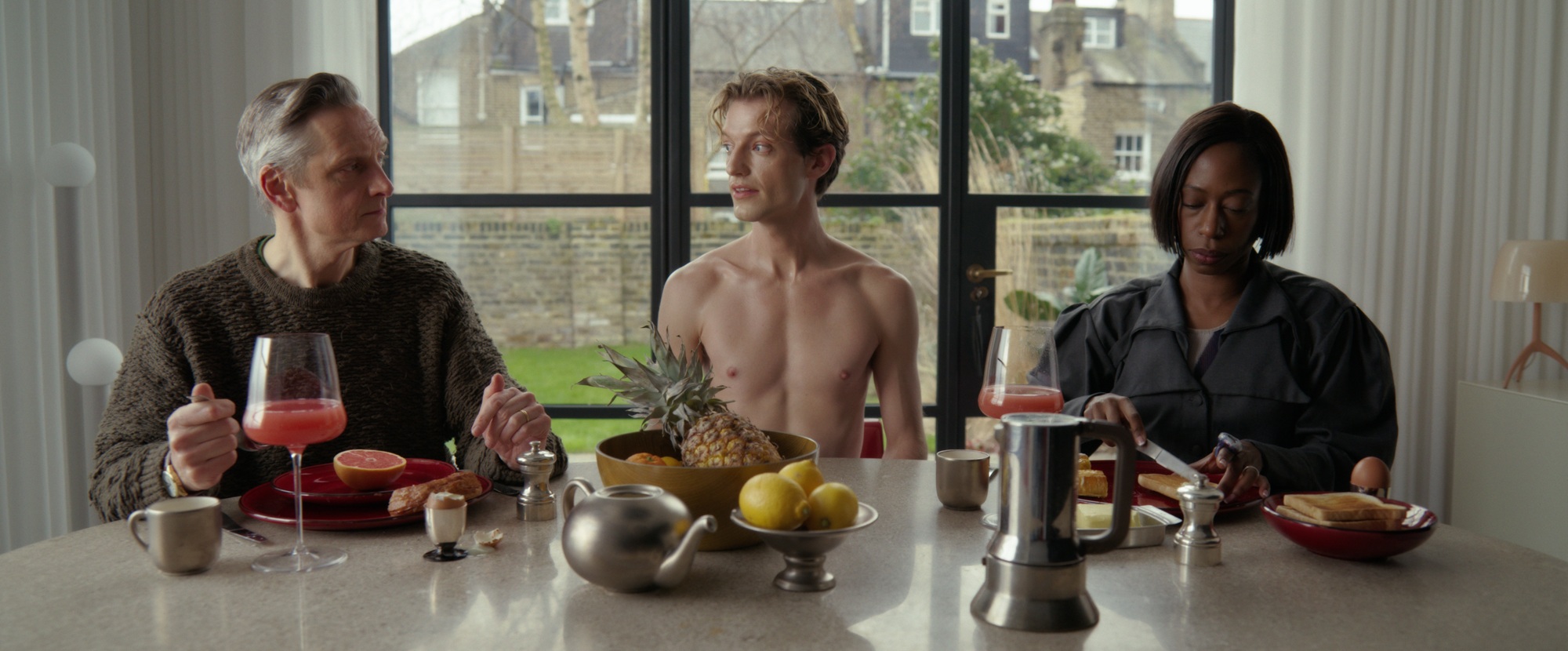
Sound was, as it always is, an essential part of the storytelling. In post-production, we spent a lot of time fine-tuning the emotional arc through sound, and especially the score. Besides Kaspar Broyd’s sound design of the robot’s voice, his sound scape played a big role in creating the tension and awkwardness between the couple. Awkward silence is weirdly often felt more severely when you notice just one noise, like the scraping of a butter knife on toast or a dog barking in the distance.
The beautiful score, composed by Matthias Biermann, was crucial in shaping the film’s tone – and it took a lot of experimenting and discussion to achieve it. The score had to strike the right balance between absurdity, humour, and tragedy – leaning too far in one direction could have undermined either the jokes or the emotional weight. That delicate balance allowed the absurd premise to feel grounded and, ultimately, emotionally resonant.
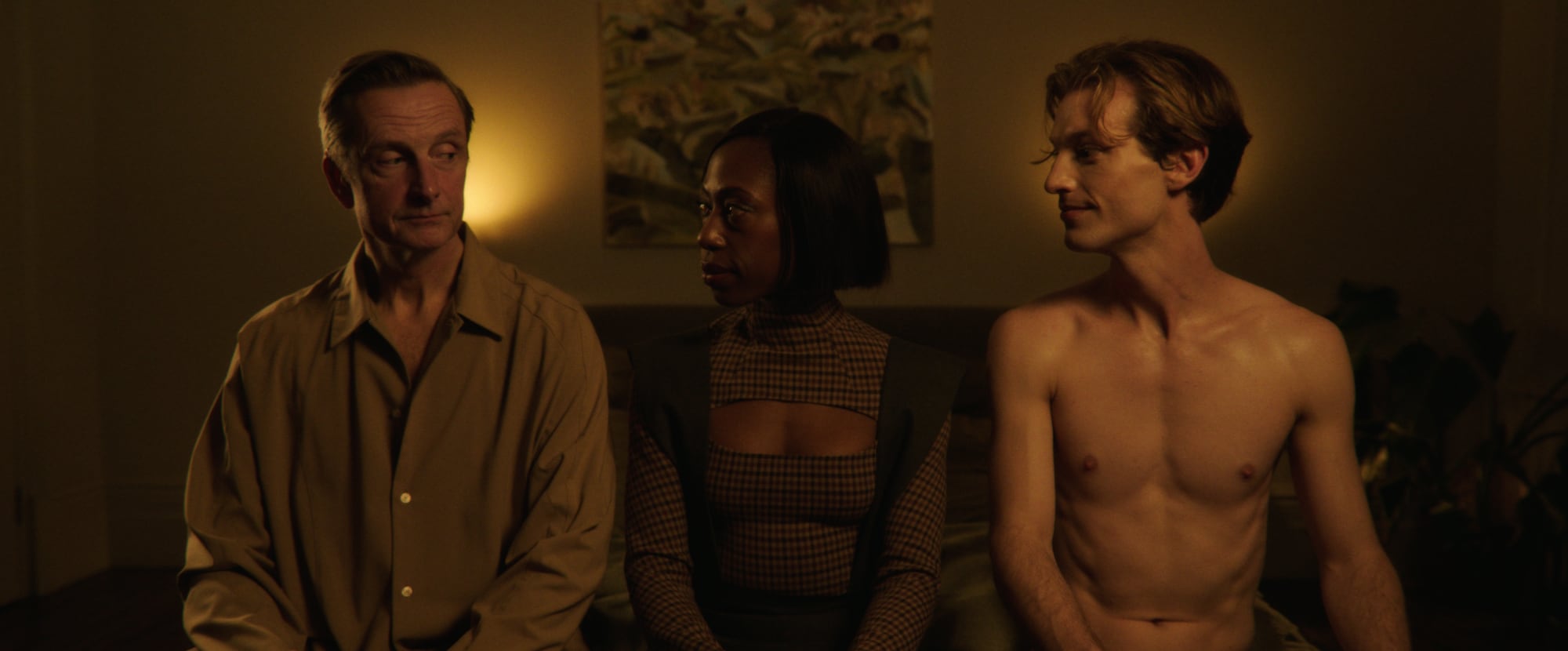
You wouldn’t believe all the tools an intimacy coordinator has to offer to help actors feel safe during simulated sex scenes.
Despite the comedic nature of the film, it does feature some nudity that would have needed to be captured with care and respect.
We wanted to ensure our cast felt fully safe and supported, so we brought in Haruka Kuroda, our intimacy coordinator, to join us during rehearsals. It was a first for us and our actors working with an intimacy coordinator, so it was very educational. You wouldn’t believe all the tools an intimacy coordinator has to offer to help actors feel safe during simulated sex scenes. Her presence and guidance helped everyone navigate potential awkwardness during rehearsal and allowed for open conversations about boundaries and comfort levels.
By the time we reached the shoot – not so different from a choreographed dance or fight – everyone knew exactly what to expect. Haruka was on set for those scenes, ensuring the actors’ wellbeing, but we didn’t need to make any last-minute adjustments – everything ran smoothly, which made the process much less stressful for both us and the actors.
The visual contrast in the production design and location choices of the sex shop versus the couple’s home is quite striking. How were these set up to reflect or accentuate the state of the marriage?
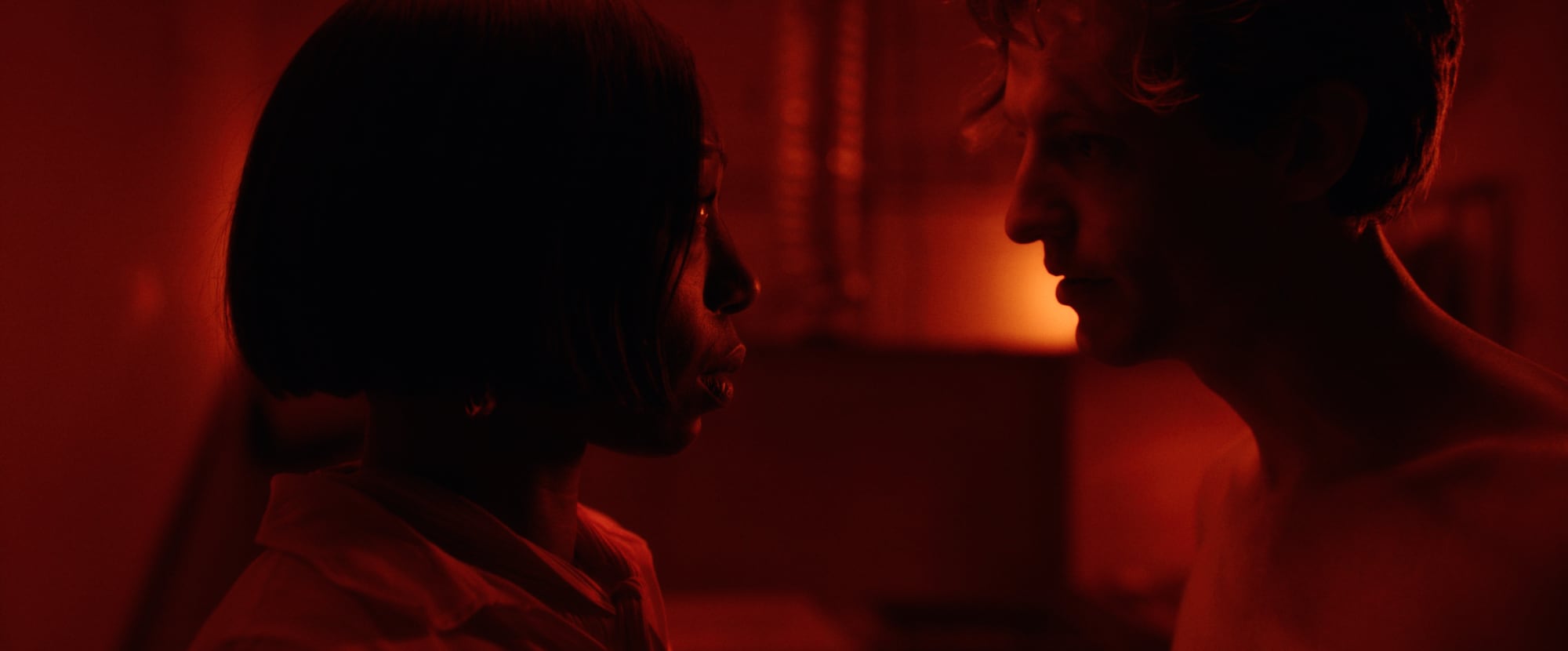
A big part of our prep is always visual world-building. We developed a detailed colour palette early on, which became the foundation for the film’s atmosphere. Once we had that visual identity, we briefed all our heads of department to ensure a cohesive tone. This, of course, informed our shooting locations, both in lighting and production design. The idea was that while the sex robot shop was glossy, warm, and inviting – a modern garden of Eden – their home was sterile and expansive, mirroring the distance between husband and wife. The robot shop feels like a place that offers a solution, where we even see the couple being playful with each other for a brief moment. Their house is the opposite of a cozy home, but instead it’s a walking reminder of all their differences and their pain.
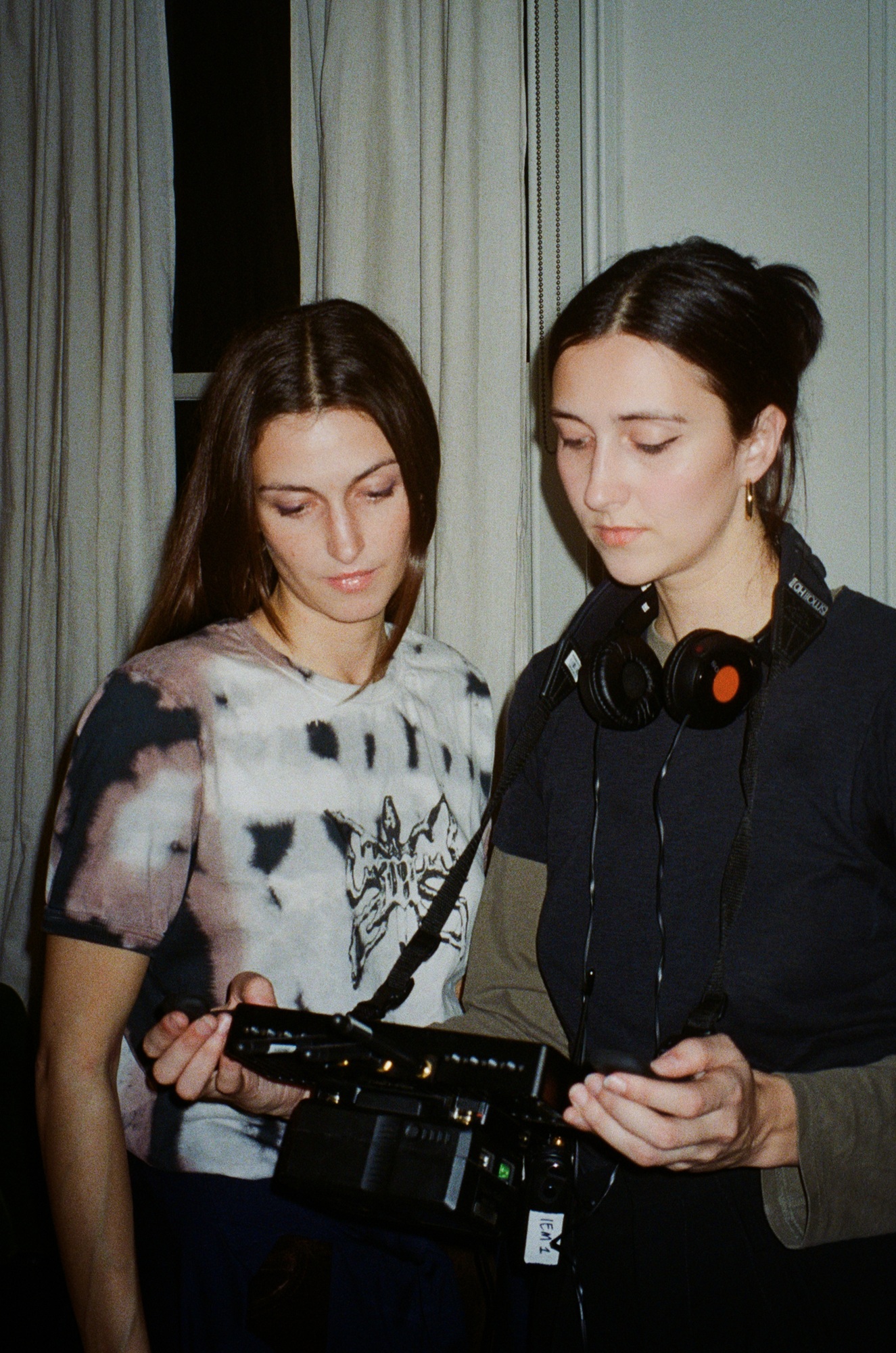

We’re so in tune that we sometimes call “cut” at exactly the same moment, which always makes the crew laugh.
As sisters, you’ve said yourselves that you work in unison, often communicating without words. It’s interesting that you would choose to tell a story all about a distinct lack of communication between two loved ones. Why is that? Can you tell us how your own collaborative partnership works?
That irony wasn’t lost on us! Thematically, a lot of our work is about loneliness and miscommunication. It might be that because we have each other and share so much of our lives that we think of loneliness as one of the most tragic human experiences. And so often, loneliness could be overcome if only people knew how to better communicate with one another. Maybe it’s something we’d like people to take away from our films, that communicating is better than to stay silent, even if it might be painful at times.
As for our collaboration, we work very much in sync. We’re so in tune that we sometimes call “cut” at exactly the same moment, which always makes the crew laugh. Growing up together definitely plays a part – we share the same references, instincts, and creative language. And because we discuss everything extensively in prep, by the time we’re on set, we’re completely aligned. If we had to name a division of labour, Florine tends to work a bit more closely with the cinematographer, while Kim focuses slightly more on the actors, but really, we both take on all aspects of directing.
With that collaboration in mind, what are you both working on next?
We’re currently working on a feature script – which we hope will be our debut – that again explores the theme of miscommunication. This time, it’s through the lens of generational differences and the misunderstandings between a daughter and her father. We’re very excited about it.